Cracking a skill-specific interview, like one for Dehorning Calves, requires understanding the nuances of the role. In this blog, we present the questions you’re most likely to encounter, along with insights into how to answer them effectively. Let’s ensure you’re ready to make a strong impression.
Questions Asked in Dehorning Calves Interview
Q 1. What are the different methods for dehorning calves?
There are several methods for dehorning calves, each with its own advantages and disadvantages. The most common methods include:
- Hot Iron Dehorning: This involves using a heated iron to cauterize and destroy the horn buds.
- Dehorning Paste/Caustic Paste: A chemical paste is applied to the horn buds to destroy them.
- Surgical Dehorning: This involves surgically removing the horn buds with a sharp instrument.
- Disbudding (Surgical): This is a surgical removal of the horn buds, usually done at a very young age before the horn develops significantly. This is often considered the most humane method if done correctly by a qualified professional.
- Genetic Selection: Choosing breeds that are naturally polled (hornless) is a preventative measure that avoids the need for dehorning altogether.
The choice of method often depends on factors such as the age of the calf, the skill of the person performing the procedure, and the availability of resources.
Q 2. Describe the process of using a dehorning iron.
Using a dehorning iron requires precision and speed to minimize pain and bleeding. The process typically involves:
- Preparation: The calf should be properly restrained, usually using a head clamp or by another person holding the calf securely. The area around the horn bud should be cleaned.
- Heating the Iron: The dehorning iron is heated to a dull red glow. It’s crucial not to overheat the iron, as this can cause excessive tissue damage.
- Applying the Iron: The heated iron is firmly pressed against the horn bud for approximately 10-15 seconds. The goal is to destroy the horn-producing cells without burning the surrounding skin excessively.
- Monitoring: Observe the calf for any signs of excessive bleeding or distress.
- Post-Procedure Care: A small amount of antibiotic ointment can be applied to the area to prevent infection.
It’s important to note that this method is typically only used on young calves, as the horn buds are smaller and easier to treat effectively. Improper use can result in serious complications, including excessive bleeding, infection, or even death.
Q 3. Explain the procedure for using dehorning paste.
Dehorning paste is a chemical method often used on very young calves, ideally within a week of birth. The procedure is relatively simple:
- Preparation: The calf should be restrained. The area around the horn bud should be cleaned and dried.
- Application: The paste is carefully and precisely applied to the horn bud according to the manufacturer’s instructions. It’s crucial to avoid applying the paste to surrounding skin to prevent tissue damage.
- Observation: Monitor the calf for any reactions or adverse effects.
The paste chemically destroys the horn-producing cells. The horn bud will typically slough off within a few weeks. Some calves may experience slight swelling or discomfort in the area. Always follow the manufacturer’s instructions carefully.
Q 4. What are the advantages and disadvantages of each dehorning method?
Each method has its own set of advantages and disadvantages:
- Hot Iron:
- Advantages: Relatively quick, relatively inexpensive, readily available.
- Disadvantages: Painful if not done correctly, risk of burns, bleeding, scarring, potential for infection if not properly cared for.
- Dehorning Paste:
- Advantages: Less painful than hot iron, less bleeding, easier to apply, potentially less scarring.
- Disadvantages: Requires careful application to avoid damage to surrounding tissue, can be slower acting than hot iron.
- Surgical Dehorning/Disbudding:
- Advantages: Precise removal of horn buds, minimal tissue damage, less chance of complications if done by an experienced professional.
- Disadvantages: Requires specialized skills and equipment, more expensive, risk of complications if done improperly (infection, bleeding, nerve damage).
- Genetic Selection:
- Advantages: Prevents the need for dehorning, more humane and avoids any risks related to the procedure.
- Disadvantages: Requires careful breeding management and planning, may not be feasible for all breeders.
Q 5. At what age is it best to dehorn calves?
The ideal age for dehorning varies depending on the method used. For hot iron and surgical dehorning, it’s best to perform the procedure when the calves are very young, ideally between 2 and 4 weeks old. At this age, the horn buds are small and the procedure is less stressful and involves less tissue damage. For dehorning paste, it’s even earlier – within the first week of life.
Delaying dehorning increases the size of the horn bud, making the procedure more difficult, painful and increasing the risk of complications.
Q 6. How do you ensure the calf’s safety during the dehorning process?
Calf safety is paramount during the dehorning process. Several steps must be taken:
- Proper Restraint: The calf must be securely restrained to prevent movement and injury to both the calf and the person performing the procedure. This can involve a head clamp, a chute, or having another person help hold the calf.
- Pain Management: For methods that involve significant discomfort (hot iron and surgical dehorning), a local anesthetic is recommended to minimize pain.
- Cleanliness: Proper sterilization of instruments and the dehorning site is crucial to prevent infections.
- Skilled Personnel: Only trained and experienced individuals should perform dehorning to minimize risk of complications.
- Post-Procedure Care: The calf should be monitored for signs of infection or other adverse reactions.
A calm, organized approach can make the procedure safer and less stressful for the calf. Experienced handling reduces the calf’s fear and increases the likelihood of a smooth and uneventful procedure.
Q 7. What are the potential complications or risks associated with dehorning?
Potential complications or risks associated with dehorning include:
- Bleeding: Excessive bleeding can occur, particularly if the procedure is not performed properly.
- Infection: Infection is a significant risk if the area is not cleaned and cared for properly.
- Pain and Swelling: The calf may experience pain, swelling, and discomfort following the procedure.
- Scars: Dehorning can lead to scarring, which may be minor or more extensive depending on the method and the skill of the person performing the procedure.
- Nerve Damage: In rare cases, particularly with surgical dehorning, nerve damage can occur.
- Death (Rare): In severe cases of complications or if the procedure is not performed correctly, death can occur.
To mitigate these risks, it’s essential to choose the appropriate method, use proper technique, ensure proper pain management (where appropriate), and provide appropriate post-procedure care. Consult with a veterinarian for guidance and if complications arise.
Q 8. How do you handle a calf that is resisting or struggling during dehorning?
Handling a resisting calf during dehorning requires a calm and controlled approach. Safety for both the calf and the handler is paramount. Never work alone. We use a combination of restraint techniques. For smaller calves, a well-fitted calf cradle can provide excellent control. Larger, more stubborn calves might require additional help from a second person applying gentle but firm pressure on the body to prevent sudden movements. The key is to avoid rough handling, which can cause the calf unnecessary stress and increase the risk of injury. Imagine trying to trim a child’s nails – patience and gentle persuasion are more effective than force. The goal is to restrain the calf sufficiently to perform the procedure safely and efficiently, but without causing undue distress or inflicting harm.
If the calf is excessively agitated, delaying the procedure may be necessary until the animal calms down. This might involve allowing the calf a few minutes to settle in the cradle or with the assistance of other handlers. We never compromise safety or proceed if a situation feels unsafe.
Q 9. What pain management techniques are used during dehorning?
Pain management during dehorning is crucial for animal welfare. We routinely employ local anesthetic such as lidocaine. The area around the horn buds is infiltrated with the anesthetic to numb the pain before the procedure begins. This significantly reduces the pain experienced by the calf. For very young calves, where precise injection might be difficult, the use of a topical analgesic cream can offer some pain relief. In addition to local anesthetic, providing a quiet, stress-free environment before, during and after the procedure is also considered good pain management. Post-operative pain relief may include non-steroidal anti-inflammatory drugs (NSAIDs) as prescribed by a veterinarian, adhering to all label instructions and regulations.
Q 10. What are the signs of infection after dehorning, and how are they treated?
Signs of infection after dehorning include swelling, redness, heat, and pus at the dehorning site. The calf might also exhibit lethargy, loss of appetite, and fever. A foul odor emanating from the wound is another warning sign. Prompt treatment is essential to prevent further complications. If any of these signs are observed, we immediately contact a veterinarian. Treatment typically involves cleaning the wound with a suitable antiseptic solution, applying an antibiotic ointment, and in severe cases, systemic antibiotics might be prescribed by a vet. Regular monitoring of the wound is critical during the healing process. A quick response is key to mitigating potential infections and ensuring the calf’s health.
Q 11. Describe the proper aftercare for a dehorned calf.
Proper aftercare for a dehorned calf is vital for minimizing complications and promoting quick healing. This involves keeping the dehorning site clean and dry. We might apply a fly repellent to deter insects, which could introduce infection. Regular observation for signs of infection, as previously mentioned, is extremely important. Providing the calf with ample access to clean water and nutritious feed is essential for supporting its overall health and recovery. Calves often experience some discomfort post-dehorning, so reducing stressors and providing a calm environment contributes significantly to their comfort and well-being. In some cases, supplemental pain medication as prescribed by a veterinarian might be necessary. The goal is to make the calf comfortable and create conditions that promote healing.
Q 12. What are the regulations and best practices regarding calf dehorning?
Regulations and best practices regarding calf dehorning vary depending on location and governing bodies. However, some common threads run through these guidelines. Animal welfare is the overriding principle. Procedures must be performed by trained individuals, utilizing appropriate pain management techniques. Record-keeping is often mandated, documenting the procedure, pain relief administered, and any subsequent complications. The choice of dehorning method needs to be appropriate for the calf’s age and health status, always aiming to minimize stress and suffering. Compliance with local animal welfare laws and regulations is paramount. Continual professional development in safe and humane dehorning practices is essential for any individuals involved in this procedure.
Q 13. How do you choose the appropriate dehorning method based on the age and breed of the calf?
The choice of dehorning method hinges on the age and breed of the calf, as well as the size and firmness of the horn buds. For very young calves, within a few days of birth, chemical dehorning with caustic paste is a common method. It’s less invasive than surgical methods. Older calves might require surgical removal using instruments like dehorners or electro-dehorning. Breed differences are relevant. Some breeds are more prone to horn growth than others, thus influencing the timing and method selection. For example, breeds known for their large horns may necessitate earlier dehorning to avoid significant complications. We always prioritize the most humane approach, often consulting veterinary advice, particularly with calves showing any health concerns or unique conditions.
Q 14. What equipment is necessary for dehorning calves?
The necessary equipment depends on the chosen dehorning method. For chemical dehorning, you’ll need caustic potash paste, an applicator, and protective gloves for the handler. For surgical methods, options include Barnes dehorners, a sharp knife, an electro-dehorner, and appropriate anesthetic. Regardless of the method, sterile supplies are crucial to prevent infection. This includes antiseptic solutions, towels, and possibly antibiotic ointment for post-operative care. A well-fitted calf cradle or restraint system greatly improves safety. Finally, always have readily available emergency supplies on hand for unexpected events and be prepared to contact a vet should any complications arise. Selecting the right equipment is essential for performing a safe and efficient procedure.
Q 15. How do you sterilize dehorning equipment?
Sterilizing dehorning equipment is crucial to prevent infection. We use a multi-step process. First, all instruments – whether it’s a hot iron, Barnes dehorner, or electric dehorner – are thoroughly cleaned of any organic matter like blood and tissue using warm soapy water and a scrub brush. This removes gross contamination. Then, they are rinsed thoroughly with clean water. Finally, the instruments are sterilized. For heat-resistant instruments like the hot iron or some types of Barnes dehorners, we use autoclaving (steam sterilization under pressure) which is the gold standard for achieving sterility. For instruments that cannot tolerate high heat, we use a high-level disinfectant, ensuring it’s registered and effective against a broad range of pathogens, meticulously following the manufacturer’s instructions on contact time and dilution.
For example, I’ve used a solution of glutaraldehyde in the past for instruments that couldn’t be autoclaved, but it’s vital to ensure adequate ventilation due to its strong odor and potential toxicity. Proper personal protective equipment (PPE) is a must, including gloves, eye protection and a mask during the cleaning and sterilization process. Regular maintenance checks on the autoclave or disinfectant solution are critical for effectiveness.
Career Expert Tips:
- Ace those interviews! Prepare effectively by reviewing the Top 50 Most Common Interview Questions on ResumeGemini.
- Navigate your job search with confidence! Explore a wide range of Career Tips on ResumeGemini. Learn about common challenges and recommendations to overcome them.
- Craft the perfect resume! Master the Art of Resume Writing with ResumeGemini’s guide. Showcase your unique qualifications and achievements effectively.
- Don’t miss out on holiday savings! Build your dream resume with ResumeGemini’s ATS optimized templates.
Q 16. How do you prevent excessive bleeding during dehorning?
Preventing excessive bleeding during dehorning is paramount for animal welfare and is achieved through a combination of techniques. The most important aspect is a swift and precise dehorning procedure. Using sharp instruments is critical; a dull instrument causes more trauma, leading to increased bleeding. Proper technique minimizes tissue damage. For instance, with a Barnes dehorner, the correct placement and application of pressure are vital to ensure clean removal of the horn bud. After dehorning, applying a styptic agent is essential. This helps clot the blood and control the bleeding. There are various options available; some are powder-based, others liquid or even a cauterizing agent. The choice depends on the specific needs and the age of the calf. In some cases, a surgical stitch might be necessary to control haemorrhage, especially with older calves or if there is significant bleeding. Furthermore, good calf handling and minimizing stress are important as stress itself can exacerbate bleeding.
For instance, I recently used a liquid styptic pencil on a young calf, and the bleeding stopped within minutes. However, an older calf required a more careful approach, and I applied a surgical stitch after using a styptic powder. Post-dehorning monitoring is crucial – checking the calf for excessive bleeding and providing immediate attention if necessary.
Q 17. What are the ethical considerations associated with dehorning calves?
Ethical considerations surrounding dehorning calves are complex. While it’s a common practice to prevent injuries in both the animals themselves and humans, especially during handling and transportation, we need to carefully weigh the benefits against the potential pain and stress inflicted upon the calf. Pain management is a crucial aspect. Effective analgesics and local anesthetics are recommended, especially with older calves or when using certain dehorning methods. The age at which dehorning takes place is also significant; younger calves are believed to experience less pain, but that does not eliminate the ethical considerations entirely. The overall aim is to minimize pain and distress. A calm environment and experienced personnel are essential. The procedure needs to be performed swiftly and skillfully, using the most appropriate technique for the age and size of the calf. Open communication with farmers and owners about the procedure, its potential risks, and the pain management strategies is also vital for ensuring ethical practices.
For example, the use of local anesthetics is becoming more common practice to ensure the calf experiences minimal discomfort. However, even with these advances, the debate surrounding dehorning, and whether there are less invasive alternatives, remains ongoing.
Q 18. How do you assess the success of a dehorning procedure?
Assessing the success of a dehorning procedure involves several factors. First, the absence of excessive bleeding is a key indicator. The wound should be clean and relatively dry within a short period after the procedure. The calf’s overall demeanor is also important; a successful procedure usually results in minimal stress and discomfort. Careful monitoring for signs of infection, such as swelling, redness, or discharge, is crucial. The healing process should progress steadily, without complications. In some cases, regular follow-up checks might be needed to monitor healing. It’s also essential to examine the dehorned area to ensure complete removal of the horn bud, preventing regrowth. Lastly, regular inspection for any abnormalities during the healing phase helps in detecting potential complications early on.
For instance, I always check for signs of infection for at least a week post-dehorning and will advise the farmer on signs to look out for during that time. A healthy wound shows minimal inflammation and rapid healing, while prolonged bleeding or infection indicates a potential issue that needs immediate attention.
Q 19. What are the common mistakes to avoid during calf dehorning?
Common mistakes to avoid during calf dehorning include using dull or inappropriate instruments, leading to excessive bleeding and trauma. Insufficient pain management is another crucial mistake; calves should receive appropriate analgesia before, during, and after the procedure. Improper technique can cause unnecessary pain and tissue damage, resulting in a longer healing time and increased risk of infection. Ignoring post-dehorning care and not monitoring for complications can lead to serious problems. Finally, rushing the procedure can result in mistakes and compromise the welfare of the calf. The procedure must always be performed with calmness and precision.
For example, I’ve seen cases where improper use of a hot iron caused severe burns and excessive bleeding. A well-planned and performed procedure with appropriate pain management makes a significant difference in the outcome.
Q 20. Describe your experience with different types of dehorning instruments.
My experience encompasses several dehorning instruments. I’ve worked extensively with hot irons, Barnes dehorners, and electric dehorners. Hot irons are a cost-effective option for younger calves, but require precision to avoid burns. Barnes dehorners are effective for various ages, but require a steady hand and experience to minimize trauma. Electric dehorners offer speed and precision, but require training and specific safety precautions. Each instrument has its pros and cons and suitability depends on the age of the calf, the size of the horn bud, and the experience of the operator. Personal preference and local regulations also influence the choice of instrument. For instance, I find electric dehorners efficient for older calves, but I always prioritize safety measures, and only use them after receiving proper training and supervision. I prefer Barnes dehorners for younger calves as they give me more control and precision.
Q 21. How do you ensure the humane treatment of calves during and after dehorning?
Humane treatment throughout the process is critical. This begins with minimizing stress before dehorning. The calf should be calmly restrained to ensure its safety and minimize struggling. Appropriate pain management, either through local anesthetics or analgesics, is essential to reduce discomfort. The procedure itself must be swift and efficient, executed with skilled technique to minimize pain and trauma. Post-dehorning care is vital; regular checks for signs of infection, ensuring access to clean water and feed, and monitoring for pain are key. Proper fly control is also important to prevent further irritation of the wound. The overall aim is to reduce the animal’s suffering, and I always place the well-being of the calf at the forefront of the process.
For example, I always ensure the calf has access to shade and fresh water in the post-dehorning period. Regular monitoring for any signs of distress alerts me to any potential complications and allows timely intervention. Open communication with the farmer about aftercare, providing clear instructions, helps ensure a successful recovery for the calf.
Q 22. How do you maintain proper hygiene and sanitation to prevent infection?
Maintaining proper hygiene and sanitation during dehorning is paramount to preventing infection. Think of it like performing surgery – meticulous cleanliness is essential. We start by thoroughly cleaning the area where the procedure will take place, ideally using a disinfectant like iodine or chlorhexidine. All equipment, including dehorning irons, knives, or caustic paste applicators, must be sterilized before and after each use. This can involve autoclaving (steam sterilization) or using a suitable disinfectant solution. The calf’s skin around the horn buds should also be cleaned to minimize bacterial contamination. Post-procedure, we apply an antiseptic to the wound and monitor the site closely for signs of infection, such as swelling, redness, or discharge. If any infection is suspected, we immediately administer appropriate antibiotics under veterinary guidance.
- Pre-procedure: Thorough cleaning of the area and sterilization of instruments.
- During procedure: Maintaining a sterile field, minimizing touch.
- Post-procedure: Antiseptic application and close monitoring for infection.
Q 23. How would you handle a situation where a complication arises during dehorning?
Complications during dehorning, while infrequent with proper technique, can include excessive bleeding, infection, or nerve damage. My response depends on the nature of the complication. For excessive bleeding, I apply direct pressure to the wound using a clean gauze pad, and if necessary, cauterize the bleeding vessel. In case of infection (evident through swelling, redness, and pus), I administer antibiotics as prescribed by a veterinarian and provide supportive care, such as cleaning the wound. Severe cases might require surgical intervention. If I suspect nerve damage (indicated by paralysis or loss of sensation), I consult a veterinarian immediately for treatment and pain management. Prompt action and accurate assessment are crucial to minimizing long-term consequences for the calf.
Q 24. What is your experience with different types of pain relief for calves?
Pain relief during dehorning is a critical aspect of animal welfare. The most common methods include local anesthetic injections (like lidocaine) around the horn buds to numb the area before the procedure. This reduces the pain felt by the calf. For younger calves, particularly those undergoing hot-iron dehorning, a brief period of sedation might be used to minimize stress and movement. However, it’s essential to note that the choice of pain relief method depends on factors like the age of the calf, the dehorning technique used, and local regulations. I always adhere to ethical guidelines for animal welfare and prioritize minimizing pain and stress.
For example, using a local anesthetic with a hot-iron dehorning is less traumatic than using only the hot iron. It’s important to ensure the anesthetic is appropriately applied to the intended area.
Q 25. How do you handle calf stress and anxiety during the procedure?
Calf stress and anxiety during dehorning are significant concerns. My approach focuses on minimizing stressors and creating a calm environment. This begins with handling the calf gently and confidently, avoiding sudden movements or loud noises. Using a secure restraint system that prevents injury to the calf and the handler is critical. We aim for quick and efficient procedures to reduce the duration of stress. In some cases, pre-dehorning sedation might be necessary to reduce anxiety, particularly in fractious animals. Post-procedure, providing a quiet and comfortable environment with access to water and feed is vital for quick recovery and stress reduction. Think of it like a child going to the doctor – a calm approach makes a huge difference.
Q 26. What are your experience and qualifications with dehorning?
I’ve been involved in calf dehorning for over 10 years, working across various dairy and beef operations. My experience encompasses all common dehorning methods, including disbudding, surgical removal, and the use of chemical agents. I’ve consistently updated my knowledge on best practices, attending workshops and conferences to stay abreast of advancements in animal welfare and dehorning techniques. My qualifications include a certificate in animal husbandry and various training courses specifically focused on safe and humane animal handling practices, including dehorning. I’m also proficient in administering pain relief and handling post-procedure care.
Q 27. Describe a time you successfully resolved a challenge related to calf dehorning.
One instance I recall involved a calf exhibiting extreme resistance during dehorning, making it difficult to use standard techniques. The calf’s stress level was escalating, jeopardizing both the calf’s welfare and the safety of the handlers. Instead of forcing the procedure, I took a different approach. We provided the calf with a short period of sedation and gentle restraint. After sedation, we approached the procedure carefully and efficiently, with the sedation greatly reducing the calf’s stress and anxiety. The procedure was successfully completed without incident. This situation taught me the importance of adaptability and prioritizing animal welfare over rigid adherence to procedures. Sometimes, a flexible approach is necessary for a positive outcome.
Key Topics to Learn for Dehorning Calves Interview
- Animal Welfare and Handling: Understanding best practices for safe and humane dehorning, minimizing stress and pain in calves.
- Dehorning Methods: Knowledge of various techniques (chemical, surgical, thermal) and their appropriate application based on calf age and breed. Understanding the pros and cons of each method.
- Equipment and Supplies: Familiarity with necessary tools, their proper use, maintenance, and sterilization to prevent infection.
- Pain Management and Post-operative Care: Understanding pain relief strategies and appropriate aftercare to ensure optimal healing and reduce complications.
- Health and Safety Procedures: Implementing safety protocols for both the animal and the handler, including personal protective equipment (PPE) and emergency response procedures.
- Record Keeping and Documentation: Maintaining accurate records of dehorning procedures, including date, method used, calf identification, and any observations.
- Legal and Regulatory Compliance: Awareness of relevant regulations and guidelines regarding animal welfare and dehorning practices in your region.
- Troubleshooting and Problem Solving: Ability to identify and address potential complications during and after dehorning, such as bleeding, infection, or injury.
- Practical Application: Demonstrating a clear understanding of how to apply theoretical knowledge in real-world scenarios, including decision-making under pressure.
Next Steps
Mastering dehorning techniques significantly enhances your value to any agricultural operation, demonstrating your commitment to animal welfare and operational efficiency. A strong resume is crucial for showcasing these skills to potential employers. Creating an ATS-friendly resume is key to getting your application noticed. Use ResumeGemini to build a professional resume that highlights your abilities and experience in dehorning calves. ResumeGemini provides examples of resumes tailored to this specific field, helping you craft a compelling application that stands out from the competition.

Farm Manager Resume Sample

Range Manager Resume Sample

Beef Cattle Specialist Resume Sample
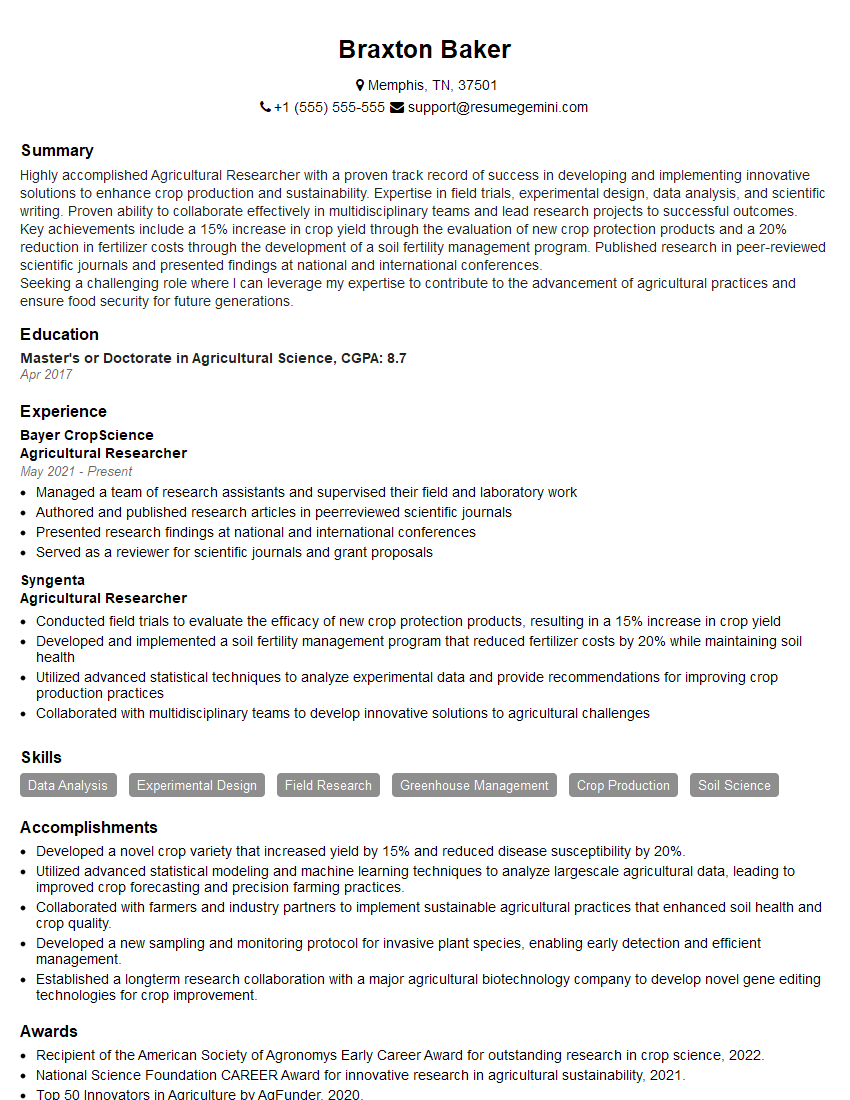
Agricultural Researcher Resume Sample
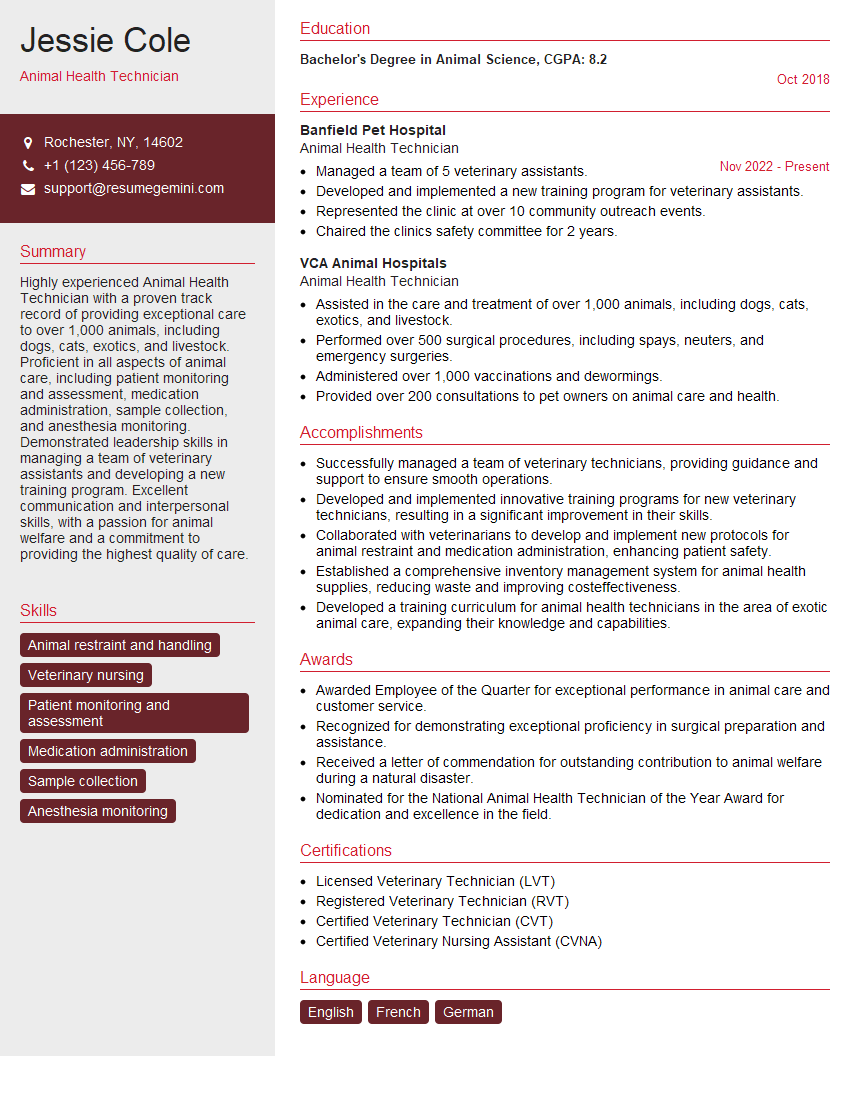
Animal Health Technician Resume Sample

Veterinary Assistant Resume Sample

Animal Husbandry Technician Resume Sample

Farm Worker Resume Sample

Livestock Handler Resume Sample
Explore more articles
Users Rating of Our Blogs
Share Your Experience
We value your feedback! Please rate our content and share your thoughts (optional).
What Readers Say About Our Blog
Very informative content, great job.
good