Are you ready to stand out in your next interview? Understanding and preparing for Derrick Crew Management interview questions is a game-changer. In this blog, we’ve compiled key questions and expert advice to help you showcase your skills with confidence and precision. Let’s get started on your journey to acing the interview.
Questions Asked in Derrick Crew Management Interview
Q 1. Describe your experience with various types of derricks.
My experience encompasses a wide range of derricks, from simple gin poles used for lighter lifting tasks on smaller projects to more complex, heavy-duty mast derricks found on offshore platforms and large construction sites. I’ve worked extensively with guy derricks, stiffleg derricks, and even specialized types used in specific applications like well servicing. Each derrick type presents unique challenges and operational considerations. For instance, guy derricks, relying on guy wires for stability, require meticulous tensioning and regular inspection to ensure safe operation, unlike the more rigid stiffleg derricks. My experience also extends to understanding the load capacity limitations and operational specifics of each type, including the critical differences in their lifting mechanisms and stability.
For example, I once worked on a project where we needed to lift a very heavy piece of equipment in a confined space. A stiffleg derrick was chosen due to its stability and its ability to operate in tighter spaces compared to a guy derrick. The careful selection of the right derrick type was crucial to ensure the safety of the operation.
Q 2. Explain the process of assembling and disassembling a derrick.
Assembling and disassembling a derrick is a meticulous process requiring a highly coordinated team and adherence to strict safety protocols. The process typically involves several stages. First, a thorough site survey is conducted to determine the optimal location and configuration of the derrick. This involves considering factors like ground conditions, proximity to obstacles, and the required lifting capacity. Next, the foundation is prepared – this might involve concrete footings or ground anchors, depending on the derrick type and the load it will handle.
The derrick components, often pre-assembled in sections for easier transportation, are then assembled following manufacturer’s specifications and using appropriate lifting equipment. This involves precisely connecting the mast, boom, and other components, ensuring all bolts and pins are securely fastened. Rigging operations, including the installation of guy wires or stifflegs, are performed with utmost care. Finally, a thorough inspection is conducted to verify the structural integrity and correct alignment of all components before commencing lifting operations.
Disassembly follows a reverse process, prioritizing controlled lowering of components, carefully removing guy wires or stifflegs, and ensuring safe storage or transportation of the disassembled elements.
Q 3. What safety procedures are crucial during derrick operations?
Safety is paramount in derrick operations. Crucial safety procedures include:
- Pre-operation inspections: A thorough visual check of all components for damage, wear and tear, or loose connections is crucial before every operation. This includes inspecting the foundation, rigging, and lifting equipment.
- Load calculations and weight verification: Accurate weight calculations are essential to prevent overloading. Using certified scales and double-checking calculations minimizes risks.
- Proper rigging techniques: Using correctly sized and rated slings, shackles, and other rigging equipment is critical. Improper rigging is a major cause of accidents.
- Clear communication: Established communication protocols are vital. A designated signal person guides the crane operator, ensuring clear and unambiguous signals are used.
- Exclusion zones: Establishing and maintaining clear exclusion zones around the derrick prevents unauthorized personnel from entering the danger area.
- Personal Protective Equipment (PPE): All personnel involved must wear appropriate PPE, including hard hats, safety glasses, and high-visibility clothing.
- Emergency procedures: A well-defined emergency plan must be in place, addressing potential scenarios such as load drops, equipment failure, and injuries.
Regular safety meetings and training sessions reinforce these procedures and ensure everyone involved understands their role in maintaining a safe working environment.
Q 4. How do you ensure the proper functioning of derrick components?
Ensuring proper functioning of derrick components requires a multi-pronged approach.
- Regular inspections: Routine inspections, including visual checks and functional tests, identify potential problems early. This includes checking for wear, corrosion, and damage to critical components.
- Preventive maintenance: A scheduled maintenance program that includes lubrication, tightening of bolts, and replacement of worn parts extends the life of the equipment and reduces the risk of failure.
- Load testing: Periodic load testing, performed by qualified personnel, verifies the derrick’s capacity and ensures it meets safety standards.
- Operator training: Trained and competent operators are essential for safe and efficient operation. Regular refresher courses help to maintain proficiency.
- Record keeping: Maintaining detailed records of inspections, maintenance, and load tests is crucial for tracking equipment history and ensuring compliance with regulations.
Think of a car—regular servicing prevents major breakdowns. The same logic applies to derricks; consistent maintenance is far more cost-effective than dealing with catastrophic failures.
Q 5. Describe your experience with weight handling and load calculations.
My experience includes extensive work with weight handling and load calculations. I’m proficient in using various methods for determining the weight of loads, including using certified scales, calculating weights based on material densities and dimensions, and employing load estimation techniques for irregularly shaped objects. I’m also skilled in using specialized software to perform complex load calculations, ensuring that the derrick’s capacity isn’t exceeded. This involves accounting for factors like the weight of the load, the boom angle, the swing radius, and the wind speed. These calculations directly inform the rigging plans and the safe execution of the lift.
For example, on a recent project involving the installation of a large transformer, accurate weight determination was crucial. We used a combination of manufacturer’s specifications, on-site weighing, and software calculations to accurately assess the load. This allowed us to choose the correct derrick and rigging setup, ensuring a safe and efficient operation.
Q 6. How do you identify and address potential hazards during derrick operations?
Identifying and addressing potential hazards is a critical aspect of my role. This involves:
- Pre-lift risk assessments: Conducting thorough risk assessments before each operation to identify potential hazards, such as ground instability, weather conditions, proximity to power lines, or obstacles in the lifting path.
- Environmental factors: Considering weather conditions, including wind speed and direction, rain, and temperature extremes, as they can significantly affect derrick stability and load capacity.
- Ground conditions: Assessing the ground conditions to ensure adequate support for the derrick’s foundation, especially in areas with soft soil or potential for uneven settlement.
- Rigging issues: Regularly checking the rigging for signs of wear, damage, or improper connections, ensuring slings, shackles, and other components are correctly rated for the load.
- Emergency response planning: Developing and regularly reviewing emergency plans to deal with potential scenarios such as load drops, equipment malfunctions, or injuries.
Addressing hazards often involves implementing mitigation strategies, such as using ground anchors, employing additional support structures, modifying lifting techniques, or implementing stricter safety protocols.
Q 7. Explain your knowledge of derrick maintenance and preventative measures.
Derrick maintenance and preventative measures are critical for ensuring safe and efficient operation. My knowledge encompasses a range of activities, including:
- Regular lubrication: Regular lubrication of moving parts helps reduce wear and tear and prolongs the life of the equipment.
- Inspection of critical components: Regular inspection of components such as the mast, boom, and hoisting mechanisms for any signs of damage, wear, or corrosion.
- Tightening of bolts and connections: Regular tightening of bolts and other connections helps prevent loosening and ensures structural integrity.
- Replacement of worn parts: Prompt replacement of worn or damaged parts prevents failures and ensures continued safe operation.
- Corrosion protection: Implementing measures to protect the derrick from corrosion, such as painting and applying protective coatings.
- Load testing: Periodic load testing to verify the derrick’s capacity and compliance with safety standards.
A comprehensive maintenance schedule, following manufacturer’s recommendations and industry best practices, is essential for maintaining the derrick’s operational readiness and preventing costly repairs or downtime.
Q 8. What are the different types of drilling fluids and their applications?
Drilling fluids, also known as mud, are crucial in well drilling. Their properties are carefully tailored to the specific geological formations encountered. Different types serve distinct purposes, primarily to control pressure, lubricate the drill bit, and remove cuttings.
- Water-Based Mud (WBM): The most common type, economical and environmentally friendly. Variations exist depending on additives (e.g., polymers for viscosity control, weighting agents like barite for density increase). Applications include drilling in formations with low temperature and pressure.
- Oil-Based Mud (OBM): Offers superior lubricity and shale stability, making it ideal for challenging formations like shales prone to swelling or water sensitivity. However, it is more expensive and presents environmental concerns. Used in high-pressure, high-temperature (HPHT) environments.
- Synthetic-Based Mud (SBM): A hybrid option that balances the performance benefits of OBM with improved environmental compatibility. Offers better lubricity and shale inhibition than WBM. Used in sensitive environments or challenging formations.
- Air/Foam Drilling: Uses compressed air or foam as the drilling fluid. Cost-effective for specific applications, particularly in shallower formations with minimal pressure. However, it’s not suitable for all formations due to its limited carrying capacity for cuttings and pressure control.
Choosing the right drilling fluid is a critical decision impacting safety, efficiency, and environmental impact. The selection process involves considering formation properties, wellbore stability requirements, and environmental regulations.
Q 9. How do you manage a team during high-pressure situations on the derrick floor?
Managing a derrick crew during high-pressure situations requires a calm and decisive approach. Clear communication, delegation of tasks, and maintaining a positive, yet focused atmosphere are paramount.
My approach relies on several key strategies:
- Clear and Concise Communication: I ensure everyone understands the immediate priority, using simple, direct language to avoid confusion. This includes using established communication protocols, like hand signals and radio communication.
- Delegation and Teamwork: I assign tasks based on individual expertise and experience, clearly outlining responsibilities. I foster a collaborative environment where team members support each other and are encouraged to communicate any concerns immediately.
- Maintaining Safety Awareness: Safety is non-negotiable. During stressful situations, I double-check safety procedures are followed, and any potential hazards are identified and mitigated. Regular safety briefings and toolbox talks are essential for reinforcing safe work practices.
- Problem-Solving and Decision-Making: I promote a culture where problems are identified and addressed systematically. This involves careful assessment of the situation, identifying root causes, and implementing effective solutions. I make timely decisions based on available information and seek input from experienced team members when needed.
- Post-Incident Debriefing: After the high-pressure situation subsides, we conduct a debriefing session to analyze what worked well, what could be improved, and to identify lessons learned. This continuous learning approach is crucial for enhancing team performance.
For example, during a stuck pipe incident, clear communication about the steps to free the pipe, delegation of tasks such as circulating mud and applying weight, and ensuring all safety procedures are followed are critical to resolving the situation safely and efficiently.
Q 10. Describe your problem-solving skills in relation to derrick malfunctions.
My problem-solving approach to derrick malfunctions is systematic and data-driven. I combine my practical experience with a structured approach to identify and resolve the root cause of the malfunction efficiently and safely.
- Identify and Define the Problem: Clearly define the malfunction. Is it a mechanical failure, a hydraulic issue, or an electrical problem? What are the observable symptoms?
- Gather Information: Collect data. Review maintenance logs, check pressure readings, inspect the equipment visually, and consult with other experienced crew members.
- Develop Hypotheses: Based on the gathered information, formulate potential causes for the malfunction. Consider all possibilities, even seemingly unlikely ones.
- Test Hypotheses: Systematically test each hypothesis to eliminate possibilities. This might involve checking specific components, running diagnostics, or consulting technical manuals.
- Implement Solutions: Once the root cause is identified, implement the necessary repairs or adjustments. Ensure all safety procedures are followed during the repair process.
- Verify Solution and Document Findings: After repairs, verify the derrick is functioning correctly. Document the problem, the steps taken to solve it, and the final outcome. This ensures future issues can be addressed more efficiently.
For instance, if the crown block is malfunctioning, I would first check the sheaves, then inspect the cables for wear and tear, then move to hydraulics and finally to the motor, checking all components until the exact fault is identified.
Q 11. How do you handle unexpected equipment failures on the derrick?
Unexpected equipment failures on the derrick are handled through a combination of immediate response and preventative measures. My approach involves:
- Immediate Response: First, prioritize safety. Secure the immediate area, assess the risk, and prevent further damage. Then, initiate emergency procedures as appropriate (e.g., shutting down systems, evacuating personnel). Once the immediate danger is mitigated, focus on damage control and determining the cause of the failure.
- Troubleshooting and Repair: Based on the type of failure, troubleshoot and attempt repairs. This may involve using readily available spare parts or contacting technical support for guidance.
- Communication: Maintain clear communication with the drilling supervisor and other relevant personnel. This keeps everyone informed about the situation and facilitates a coordinated response.
- Preventative Maintenance: Analyze the cause of the failure to determine if it was due to inadequate maintenance or other preventable factors. Implement improved maintenance procedures to prevent similar future failures.
- Documentation: Maintain detailed records of the failure, the response taken, repairs made, and lessons learned. This documentation is invaluable for future preventative maintenance and troubleshooting.
For example, if a top drive motor fails, we’d immediately shut down the top drive, assess if there’s any risk of the drillstring dropping, and then communicate the issue to the supervisor. We’d then try to diagnose the failure, perhaps checking power supply and breakers, before potentially requiring a replacement motor or technical assistance.
Q 12. Explain your experience with communication protocols on the drilling rig.
Effective communication is vital on a drilling rig. We use a multi-faceted approach, combining various protocols to ensure clear and timely information exchange:
- Verbal Communication: Face-to-face communication is used for immediate instructions, especially in high-pressure situations. Clear and concise language is essential. I make sure all instructions are understood before proceeding.
- Hand Signals: A standardized system of hand signals is critical for communicating during noisy operations or when verbal communication is difficult. Regular training ensures everyone understands these signals.
- Radio Communication: Two-way radios are used for communication across the rig, reporting progress, and alerting others to potential hazards. Proper radio etiquette is essential to avoid interference and ensure clarity.
- Written Communication: Written communication through reports, logs, and checklists is essential for documenting operations, safety procedures, and maintenance activities. This ensures accurate record-keeping and facilitates traceability.
- Emergency Communication: Emergency protocols, including designated emergency contact numbers and emergency response plans, are well-established and regularly practiced.
We regularly conduct communication drills to reinforce protocols and ensure everyone is comfortable and proficient in their usage. A well-practiced communication system minimizes misunderstandings, prevents accidents, and enhances efficiency.
Q 13. Describe your knowledge of well control procedures related to derrick operations.
Well control is paramount in derrick operations. My knowledge encompasses various aspects, including:
- Understanding Well Control Principles: I have a strong understanding of the principles behind well control, including pressure management, fluid dynamics, and the behavior of drilling fluids.
- Emergency Procedures: I’m proficient in all well control emergency procedures, including recognizing the signs of a kick, implementing proper shut-in procedures, and initiating well control operations such as using the blowout preventer (BOP) system.
- Equipment Familiarity: I’m familiar with all relevant well control equipment, including the BOP, choke manifold, mud pumps, and various pressure monitoring systems.
- Well Control Simulations: I have participated in well control simulations, which allow for practicing emergency responses in a safe environment, enhancing my preparedness for real-world situations.
- Continuous Learning: I am always updating my knowledge of well control procedures and best practices through regular training and industry updates.
My understanding of well control principles is crucial for proactively preventing well control incidents and reacting safely and efficiently in emergency situations. The safety of personnel and the environment depend on it.
Q 14. How do you ensure compliance with all safety regulations during derrick operations?
Ensuring compliance with all safety regulations during derrick operations is an unwavering priority. My approach is multifaceted:
- Knowledge of Regulations: I have a thorough understanding of all applicable safety regulations, including those related to personal protective equipment (PPE), hazard identification, risk assessment, and emergency response procedures.
- Regular Safety Training: I actively participate in regular safety training programs and stay up-to-date on best practices and any changes in regulations.
- Pre-Job Safety Briefings: Before any operation, I ensure thorough pre-job safety briefings are conducted to communicate potential hazards, safety protocols, and emergency procedures to all crew members.
- Hazard Identification and Risk Assessment: I actively participate in hazard identification and risk assessment processes, helping identify potential hazards and implement measures to mitigate risks.
- Enforcement of Safety Procedures: I actively enforce safety procedures and ensure all crew members comply with the established safety protocols. This includes correcting unsafe behavior and reporting any violations.
- Incident Reporting: I promptly report any incidents or near-misses, following established procedures. This ensures lessons learned are captured and implemented to prevent recurrence.
- Use of PPE: I strictly enforce the use of appropriate PPE, ensuring that all crew members wear the correct equipment for the specific task.
Safety is not just a set of rules; it’s a culture we cultivate and maintain consistently on the rig. Proactive safety measures prevent accidents and create a safer working environment for everyone.
Q 15. What is your experience with different types of drilling rigs?
My experience encompasses a wide range of drilling rigs, from land-based jack-up rigs and mast rigs to offshore platforms like semi-submersibles and drillships. Each rig type presents unique derrick configurations and operational challenges. For instance, working on a jack-up rig necessitates a keen understanding of the jacking system’s impact on derrick stability, while on a drillship, the dynamic motion compensation system becomes a crucial factor in safe and efficient derrick operation. I’ve worked extensively with various manufacturers’ designs, allowing me to adapt quickly to different control systems and safety protocols.
Specifically, I’ve handled operations on rigs with derricks ranging from 150 feet to over 200 feet tall, each requiring different lifting capacities and load management techniques. My experience includes both new and older rig designs, giving me a practical understanding of both modern technology and older mechanical systems. This broad experience enables me to troubleshoot and problem-solve effectively in diverse environments.
Career Expert Tips:
- Ace those interviews! Prepare effectively by reviewing the Top 50 Most Common Interview Questions on ResumeGemini.
- Navigate your job search with confidence! Explore a wide range of Career Tips on ResumeGemini. Learn about common challenges and recommendations to overcome them.
- Craft the perfect resume! Master the Art of Resume Writing with ResumeGemini’s guide. Showcase your unique qualifications and achievements effectively.
- Don’t miss out on holiday savings! Build your dream resume with ResumeGemini’s ATS optimized templates.
Q 16. Explain your understanding of the relationship between the derrick and other rig systems.
The derrick is the heart of the drilling operation, but it’s entirely dependent on and interacts with numerous other rig systems. Think of it as the conductor of an orchestra. The top drive, for example, relies on the derrick for support and precise vertical movement of the drill string. The crown block and travelling block, essential components of the derrick system, are directly involved in hoisting and lowering the drill string. Simultaneously, the mud system, power generation, and blowout preventer (BOP) stack all have critical relationships with the derrick’s stability and functionality.
For instance, a sudden surge in mud pressure might affect the derrick’s load, necessitating adjustments in the hoisting system. Similarly, the derrick’s structural integrity directly influences the efficiency and safety of the top drive’s operation. My understanding of these interconnected systems allows me to anticipate potential problems and ensure a smooth, efficient workflow.
Q 17. Describe your experience working with different types of drilling tools and equipment.
My experience with drilling tools and equipment is extensive. I am familiar with various drill bits (e.g., PDC bits, roller cone bits), drill collars, stabilizers, and downhole tools. I’ve worked with different types of logging tools and have a solid understanding of their handling and integration within the overall derrick operation. This includes understanding the weight and handling requirements for each tool, which is critical for preventing accidents and maximizing efficiency.
For example, I’ve worked with advanced steerable motor assemblies, requiring precise control during drilling operations. Understanding the weight and torque limitations of these tools and how they affect derrick loading is essential to preventing costly damage or accidents. I’m also well-versed in the safe handling and storage of these tools, implementing procedures that minimize the risk of damage or injury.
Q 18. How do you monitor the condition of the derrick and its components?
Derrick condition monitoring is a crucial aspect of safe and efficient drilling. It involves a multi-faceted approach encompassing regular inspections, load monitoring, and predictive maintenance techniques. We use a combination of visual inspections, detailed checklists, and advanced technologies such as strain gauges and ultrasonic testing to assess the derrick’s structural integrity.
Visual inspections focus on identifying signs of wear, corrosion, or damage to structural members, fasteners, and safety devices. Load monitoring systems continuously track the stresses placed on the derrick during operations, providing real-time data to prevent overloading. Predictive maintenance uses data analysis to anticipate potential failures and schedule timely repairs, minimizing downtime and maximizing safety. For example, if strain gauge readings show consistently high stress on a particular section of the derrick, we might schedule a more thorough inspection or implement load-limiting procedures.
Q 19. What are your methods for ensuring efficient derrick operation?
Efficient derrick operation requires a systematic approach that integrates proactive planning, skilled crew management, and strict adherence to safety protocols. This involves careful planning of lifting operations, optimizing hoisting speeds and techniques to minimize wear and tear on the equipment and to maximize efficiency.
Effective communication within the drilling crew is paramount; clear instructions and close coordination between the derrick hand, driller, and other crew members are essential. We use standardized procedures and checklists to ensure consistency and minimize the risk of errors. Regular training and competency assessments are vital in maintaining a high level of expertise and ensuring safe practices. For example, we conduct regular drills and simulations to ensure all crew members are prepared for emergency situations, such as a sudden drop in the drill string or equipment malfunction.
Q 20. Explain your experience with the use of lifting equipment on the derrick.
My experience with lifting equipment on the derrick includes extensive work with crown blocks, traveling blocks, hook blocks, and various types of sheaves and wire ropes. I’m proficient in conducting pre-use inspections of all lifting equipment, ensuring proper lubrication and function. Understanding the load capacity and safe working limits of each component is fundamental. This experience also encompasses the use of specialized lifting tools, such as a snatch block or various types of clamps, for handling specific situations during rig operations.
For example, during the installation of heavy downhole tools, we carefully calculate the load distribution to prevent overloading and ensure the integrity of the entire lifting system. The precise coordination between the derrick hand, the driller, and the weight handlers is critical in this process to prevent accidents and ensure optimal efficiency. Knowing the limits of the equipment and implementing safe working practices are paramount.
Q 21. How do you conduct regular inspections of the derrick?
Derrick inspections are conducted regularly, following a strict schedule dictated by regulatory requirements and company safety protocols. These inspections are typically broken down into daily, weekly, and monthly checks. Daily inspections focus on visual checks for wear and tear, loose components, and any signs of damage. Weekly inspections are more thorough, involving detailed checklists and potentially some non-destructive testing (NDT) techniques. Monthly inspections are often more comprehensive, sometimes involving external specialists for a detailed assessment of the derrick’s structural integrity.
During inspections, specific attention is given to critical components such as the derrick legs, the crown block, the traveling block, the sheaves, and the wire ropes. Documentation of the inspection findings is crucial, forming a comprehensive record of the derrick’s condition over time. Any identified issues are immediately addressed, with appropriate repairs or maintenance carried out before resuming drilling operations. This systematic approach ensures that the derrick remains in optimal condition, guaranteeing the safety and efficiency of the entire drilling operation.
Q 22. What are the common causes of derrick failures and how to prevent them?
Derrick failures are serious incidents that can result in significant damage and injury. Common causes stem from a combination of factors, including material fatigue (due to prolonged use and stress), improper maintenance (missed inspections, inadequate lubrication), excessive loading (overweight lifts), operator error (incorrect rigging or procedures), and environmental factors (corrosion, extreme temperatures). Preventing these failures requires a multi-pronged approach:
- Regular inspections: Rigorous and frequent inspections are crucial, following manufacturer’s recommendations and industry best practices. This includes visual checks for wear, tear, and damage, as well as non-destructive testing (NDT) where applicable.
- Preventive maintenance: A comprehensive maintenance schedule that includes lubrication, tightening of bolts, and replacement of worn components is vital. This extends the lifespan of derrick components and reduces the risk of failure.
- Proper load calculations: Always accurately calculate the safe working load (SWL) of the derrick system for each lift, accounting for all factors affecting stress (angle of lift, wind speed, etc.). Never exceed the SWL.
- Operator training: Thorough training of derrick operators is paramount, emphasizing safe operating procedures, emergency response protocols, and the importance of recognizing warning signs.
- Environmental protection: Regularly inspect for signs of corrosion and take preventative measures to protect the derrick from environmental damage. This may include applying protective coatings.
For instance, I once worked on a project where a derrick failed due to undetected metal fatigue. A thorough inspection program implemented after the incident drastically reduced similar near-misses.
Q 23. Explain your knowledge of different rigging techniques.
Rigging techniques are fundamental to safe derrick operations. Different techniques are employed depending on the load, the environment, and the type of derrick. My experience encompasses several key rigging methods:
- Basic rigging: This involves using simple slings, such as wire rope, chain, or synthetic webbing, to attach the load to the hook. Critical aspects include proper sling angles to distribute the load evenly and avoid excessive stress on any single point.
- Bridling: Bridling uses multiple slings to distribute the load more evenly and provide increased stability, especially for awkwardly shaped loads or those with an uneven center of gravity. This method reduces stress on individual slings.
- Choking: Choking is a method that uses a single sling wrapped around a load. It’s essential to ensure that the sling material is appropriately rated and that the choking is done securely to prevent slippage.
- Spreading: Spreading uses multiple slings or chains to increase the area of load distribution on a component. This method is commonly used for lifting large or heavy components.
Choosing the correct rigging technique directly impacts the safety and efficiency of lifting operations. I always meticulously plan the rigging based on load characteristics and environmental factors before beginning any lift.
Q 24. How do you calculate the safe working load of derrick components?
Calculating the safe working load (SWL) of derrick components is a critical safety measure. It involves considering several factors, including:
- Manufacturer’s specifications: The SWL is usually provided by the manufacturer for each component (hook, wire rope, sheaves, etc.).
- Load weight: The actual weight of the object being lifted must be accurately determined, considering any additional weight from rigging hardware.
- Angle of lift: The angle at which the load is lifted affects the load on each component. Steeper angles generally increase the load.
- Wind speed and direction: Wind can significantly impact the load on the derrick, particularly for heavier lifts at height.
- Derrick configuration: The specific configuration of the derrick system, including the number of falls of rope, also affects the SWL.
The calculation often involves using formulas and considering safety factors. It’s crucial to always apply a significant safety factor (typically 5:1 or higher) to account for unexpected factors. SWL = (Manufacturer's rated load) / (Safety factor)
For example, if a hook has a rated load of 10 tons, and we apply a 5:1 safety factor, the calculated SWL is 2 tons. This means the hook should not be used to lift a load exceeding 2 tons.
Q 25. Describe your experience with crown block and traveling block operations.
The crown block and traveling block are integral parts of a derrick system. The crown block, fixed at the top of the derrick mast, acts as the anchor point for the main hoist rope. The traveling block, attached to the load, moves vertically along the hoist rope. My experience with their operation includes:
- Inspecting for wear and tear: Before each operation, I meticulously inspect both blocks, checking for any signs of damage, including worn sheaves, frayed ropes, and bent components.
- Lubrication: Regular lubrication of the sheaves and moving parts is crucial to minimize friction and ensure smooth operation.
- Maintaining alignment: Proper alignment of the blocks is essential to avoid uneven load distribution and damage to the system. Misalignment can cause premature wear and failure.
- Safe operation: I strictly adhere to safe operating procedures, ensuring that all components are correctly rigged and that the load is within the derrick’s SWL.
In one instance, I noticed a slight misalignment in the traveling block during a routine inspection. Correcting this prevented potential damage to the system and ensured safe operation.
Q 26. How do you handle emergency situations related to derrick operations?
Emergency situations during derrick operations require immediate and decisive action. My approach involves:
- Immediate cessation of operation: The first step is to immediately stop the operation and assess the situation.
- Evacuation and safety: Ensure the safety of all personnel in the immediate vicinity. Evacuate the area if necessary.
- Emergency procedures: Follow pre-established emergency procedures, including communication protocols to alert relevant personnel.
- Damage assessment: Once the immediate danger is mitigated, conduct a thorough assessment of the damage and any injuries.
- Root cause analysis: After the emergency, a comprehensive investigation is conducted to determine the root cause of the incident. This helps to prevent similar incidents in the future.
For instance, during a heavy lift, a wire rope snapped unexpectedly. We followed our emergency protocol, safely lowering the load, ensuring personnel safety, and then initiated a thorough investigation to understand the cause (in this case, undetected internal wire breakage).
Q 27. Explain your understanding of the impact of weather conditions on derrick operations.
Weather conditions significantly impact derrick operations. High winds, heavy rain, snow, or extreme temperatures can all affect the safety and efficiency of lifting operations. My understanding includes:
- Wind speed limitations: Derrick operations are often suspended when wind speeds exceed pre-determined limits. These limits vary depending on the derrick’s size and the load being lifted.
- Rain and snow: Rain and snow can reduce visibility and make working conditions more hazardous. They can also contribute to corrosion and increase the risk of slips and falls.
- Extreme temperatures: Extreme heat can affect the strength of materials, while extreme cold can make components brittle. Both conditions can increase the risk of failure.
- Weather forecasting: Regular monitoring of weather forecasts is crucial to plan operations accordingly and to avoid working in adverse conditions.
I’ve had several instances where operations were delayed or suspended due to high winds. Careful weather monitoring ensures we operate within safe parameters.
Q 28. Describe your experience with documentation and reporting procedures for derrick operations.
Comprehensive documentation and reporting are critical aspects of safe derrick operations. My experience includes maintaining detailed records of:
- Pre-operation inspections: Detailed records of pre-operation inspections of all derrick components, including date, time, inspector’s name, and any findings.
- Lift records: Detailed records of each lift, including the load weight, lift height, rigging details, and any anomalies observed during the operation.
- Maintenance records: Detailed records of all maintenance activities, including lubrication, repairs, and component replacements.
- Incident reports: Thorough reports of any incidents or near misses, including a detailed description of the event, root cause analysis, and corrective actions taken.
All these records are stored securely and are readily accessible for review. This system ensures traceability and aids in continuous improvement of safety measures. I also ensure compliance with all relevant regulatory requirements for record-keeping.
Key Topics to Learn for Derrick Crew Management Interview
- Crew Scheduling and Optimization: Understanding different scheduling methodologies, optimizing crew assignments based on skill sets and project requirements, and managing potential conflicts.
- Crew Performance Management: Strategies for monitoring crew productivity, identifying areas for improvement, providing constructive feedback, and fostering a positive team environment. This includes understanding KPI’s relevant to crew performance.
- Risk Management and Safety Protocols: Implementing and adhering to safety regulations, identifying potential hazards, developing mitigation strategies, and ensuring compliance with industry best practices. This involves understanding incident reporting and investigation procedures.
- Budgeting and Cost Control: Developing and managing crew budgets, tracking expenses, identifying cost-saving opportunities, and ensuring projects remain within budget constraints.
- Communication and Collaboration: Effective communication strategies within the crew, with clients, and other stakeholders. This includes understanding the importance of clear, concise, and timely communication in project management.
- Technological Proficiency: Familiarity with relevant software and tools used in crew management, such as scheduling software, project management platforms, and communication technologies. Demonstrate understanding of how technology enhances efficiency and collaboration.
- Problem-Solving and Decision-Making: Approaches to resolving conflicts, addressing unforeseen challenges, and making timely and effective decisions under pressure. Provide examples showcasing your analytical and problem-solving skills.
Next Steps
Mastering Derrick Crew Management principles significantly enhances your career prospects, opening doors to leadership roles and higher earning potential. A strong understanding of these concepts demonstrates your value to potential employers. To maximize your job search success, invest time in crafting an ATS-friendly resume that highlights your relevant skills and experience. We highly recommend using ResumeGemini, a trusted resource for building professional and impactful resumes. Examples of resumes tailored to Derrick Crew Management are available to help you get started.
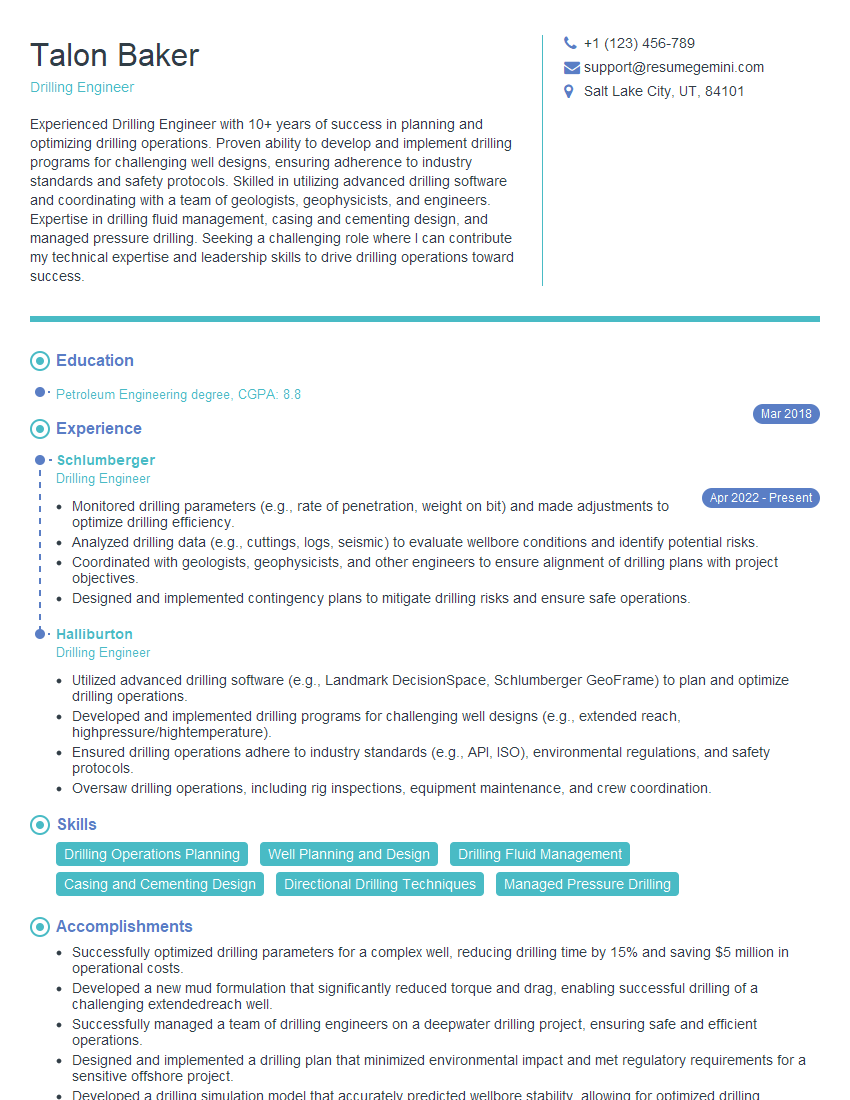
Drilling Engineer Resume Sample
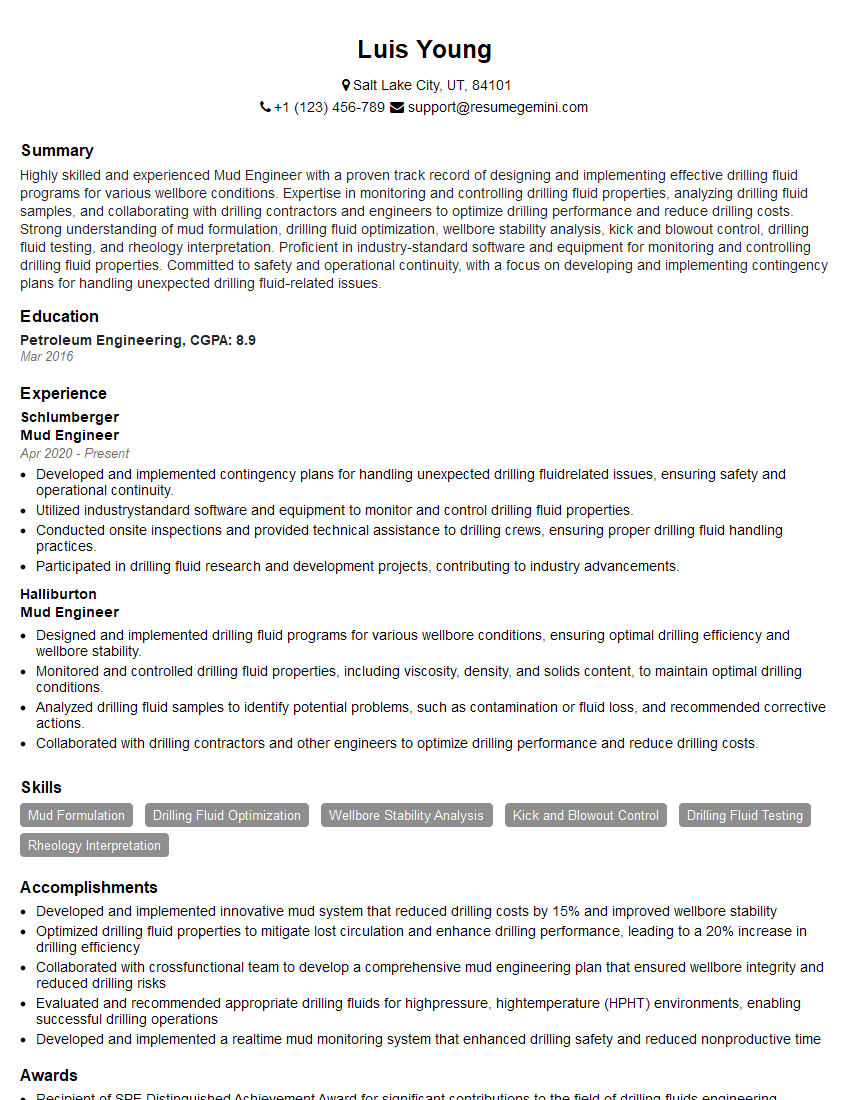
Mud Engineer Resume Sample
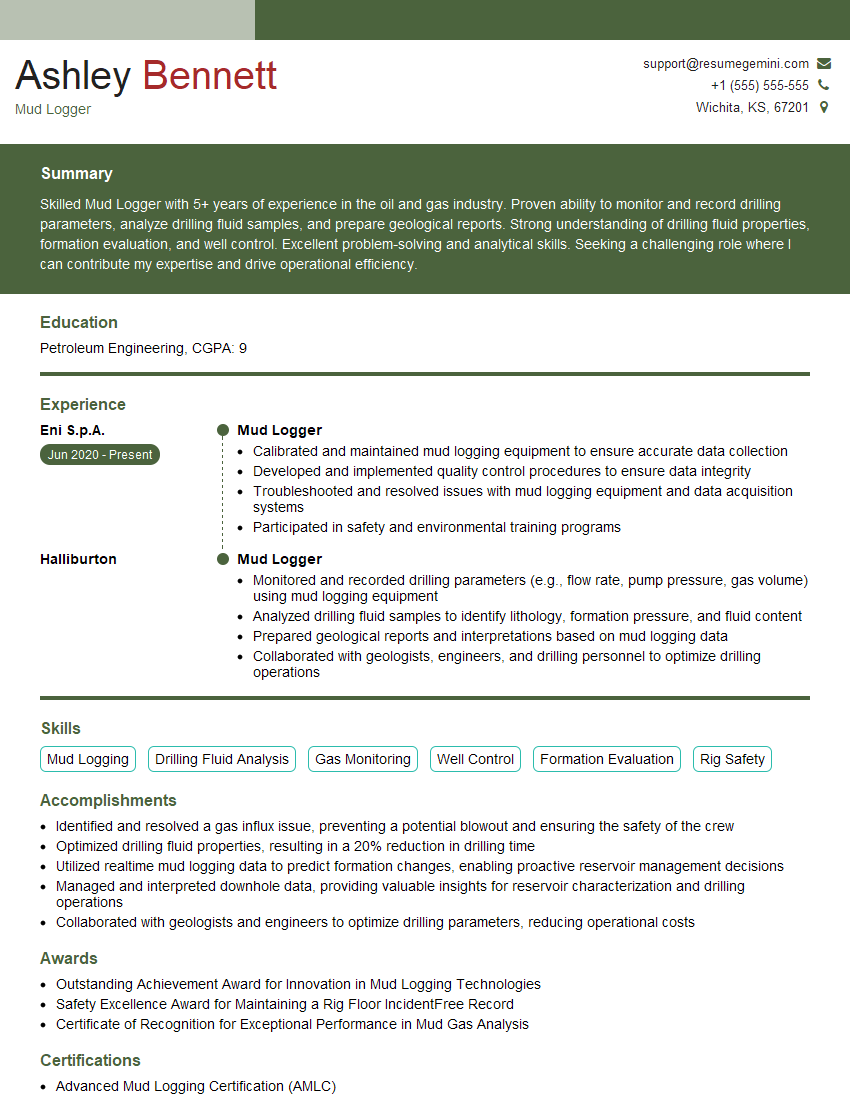
Mud Logger Resume Sample
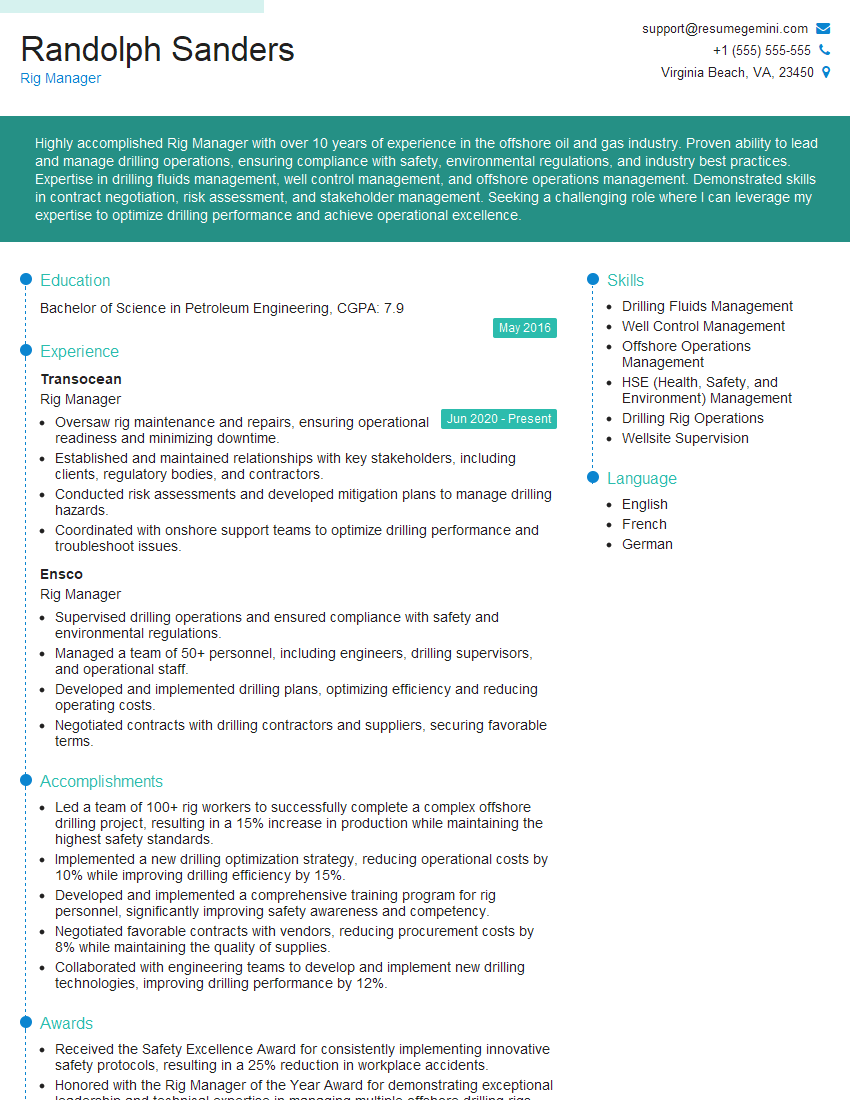
Rig Manager Resume Sample
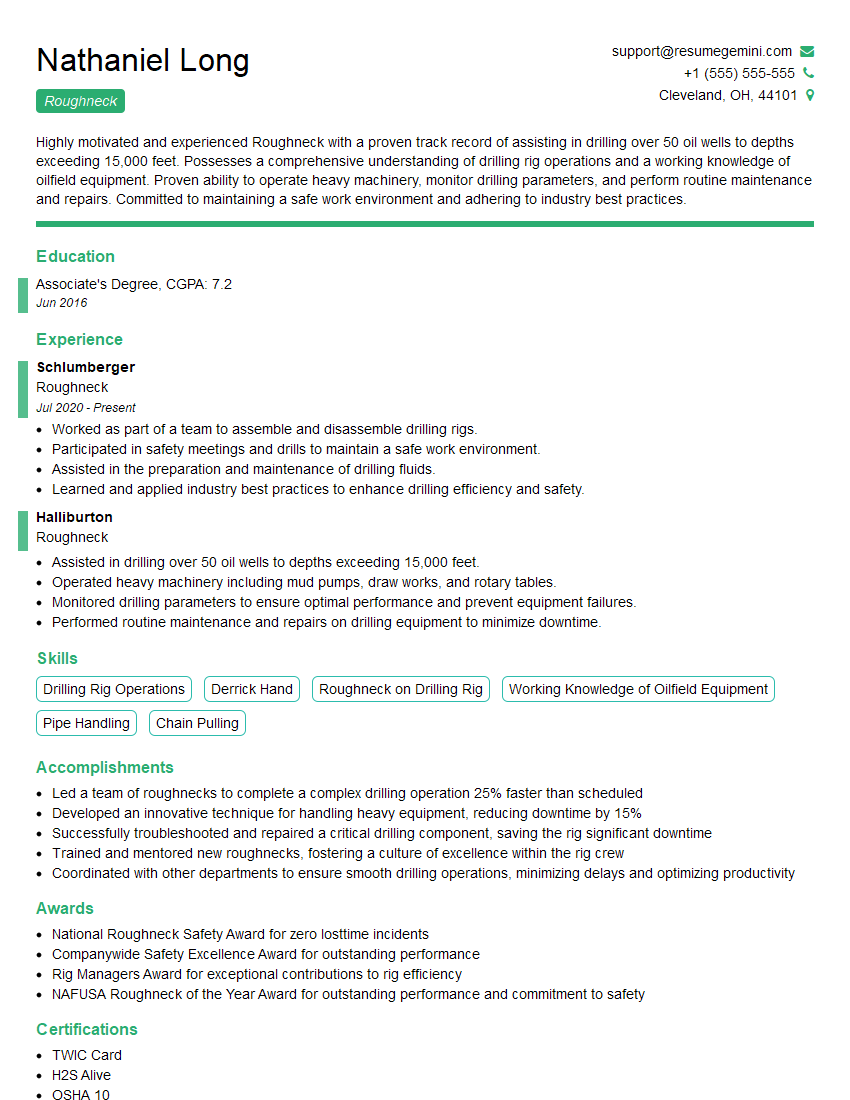
Roughneck Resume Sample
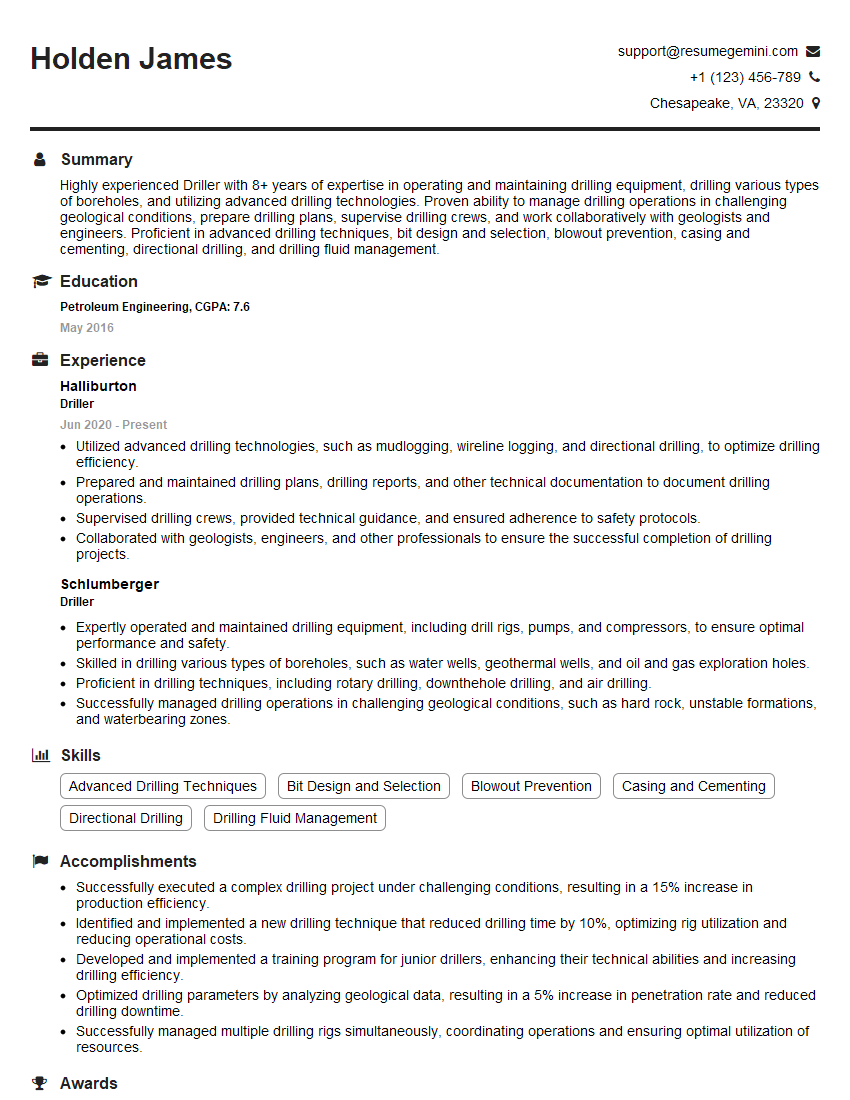
Driller Resume Sample
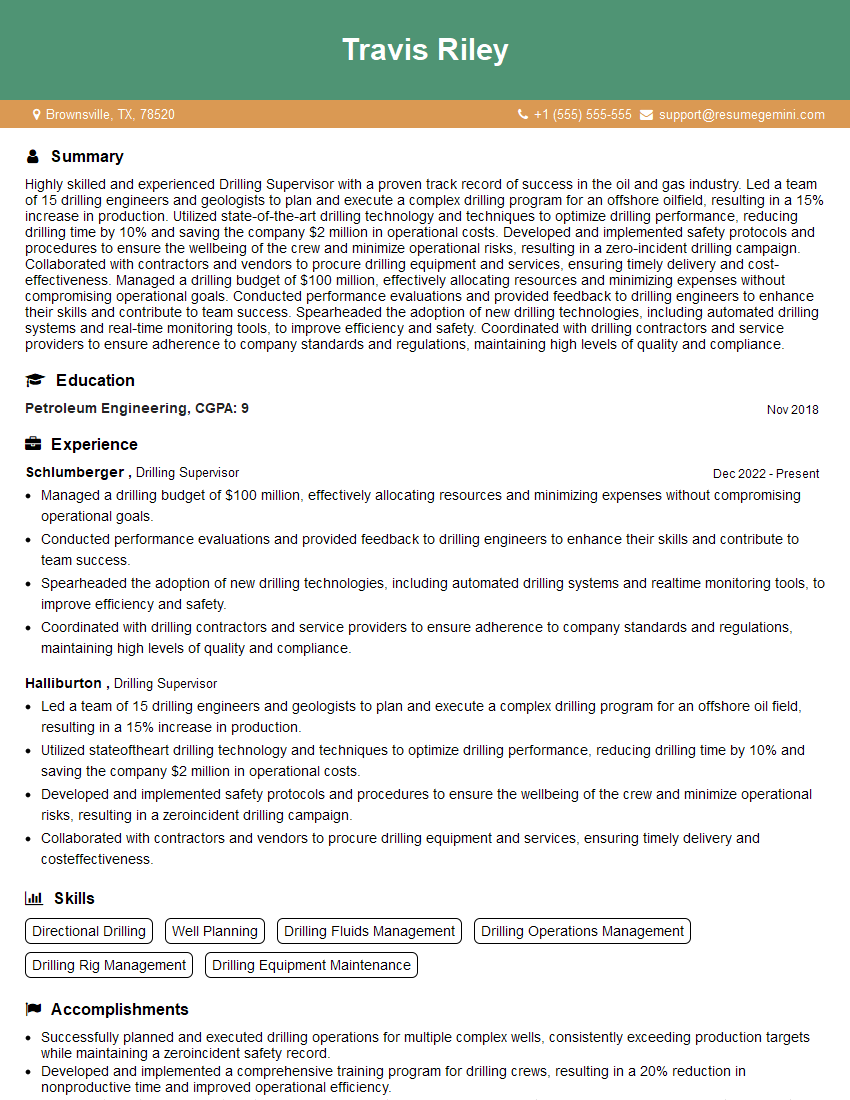
Drilling Supervisor Resume Sample
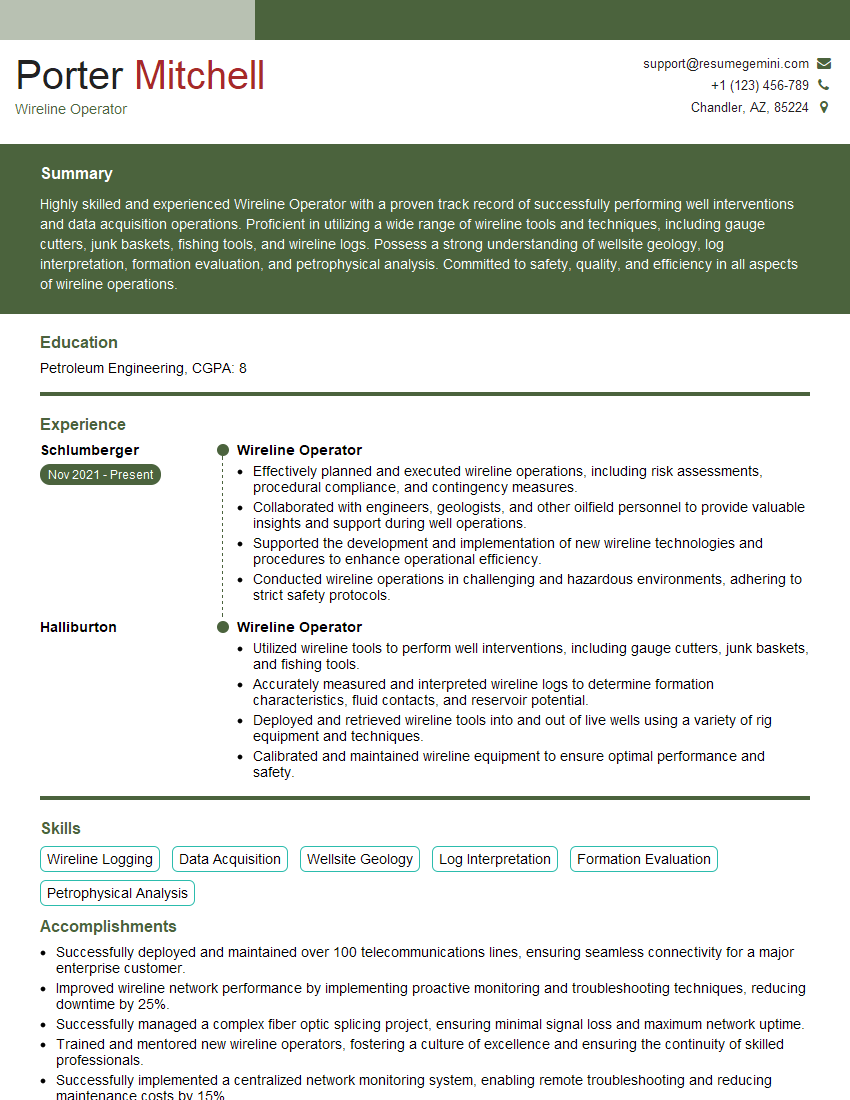
Wireline Operator Resume Sample
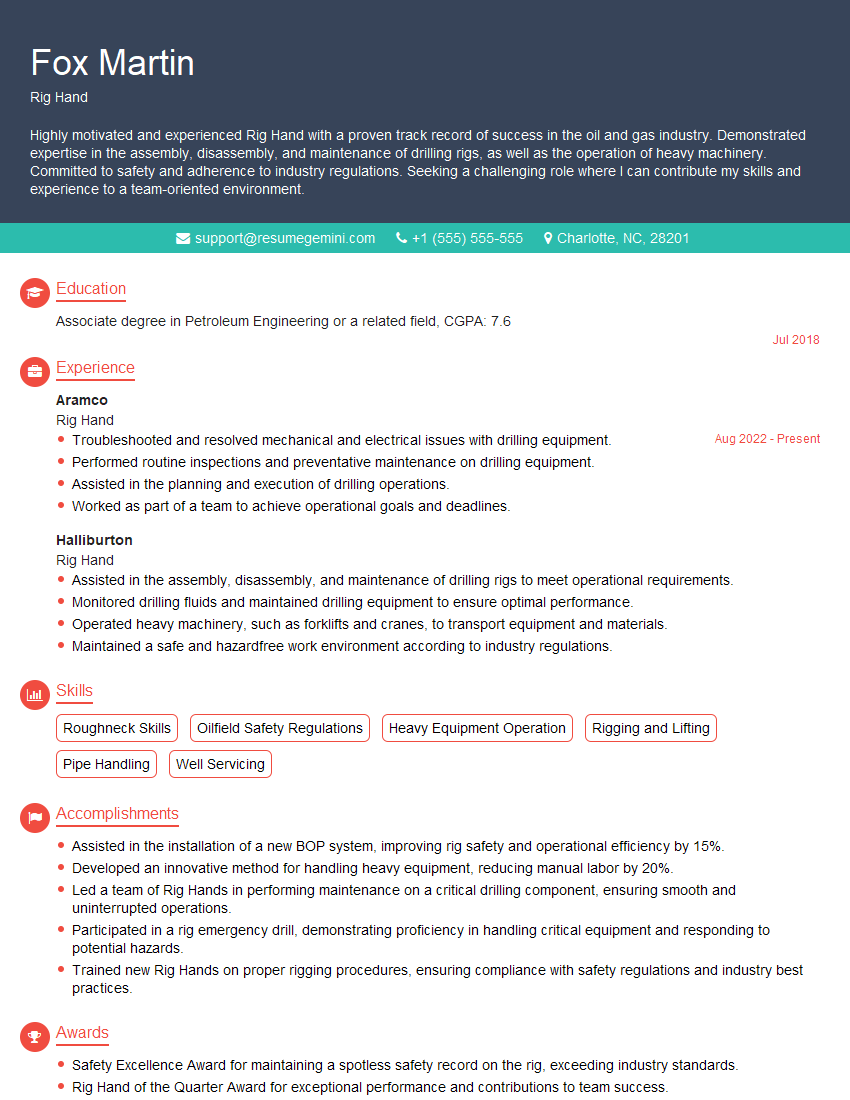
Rig Hand Resume Sample
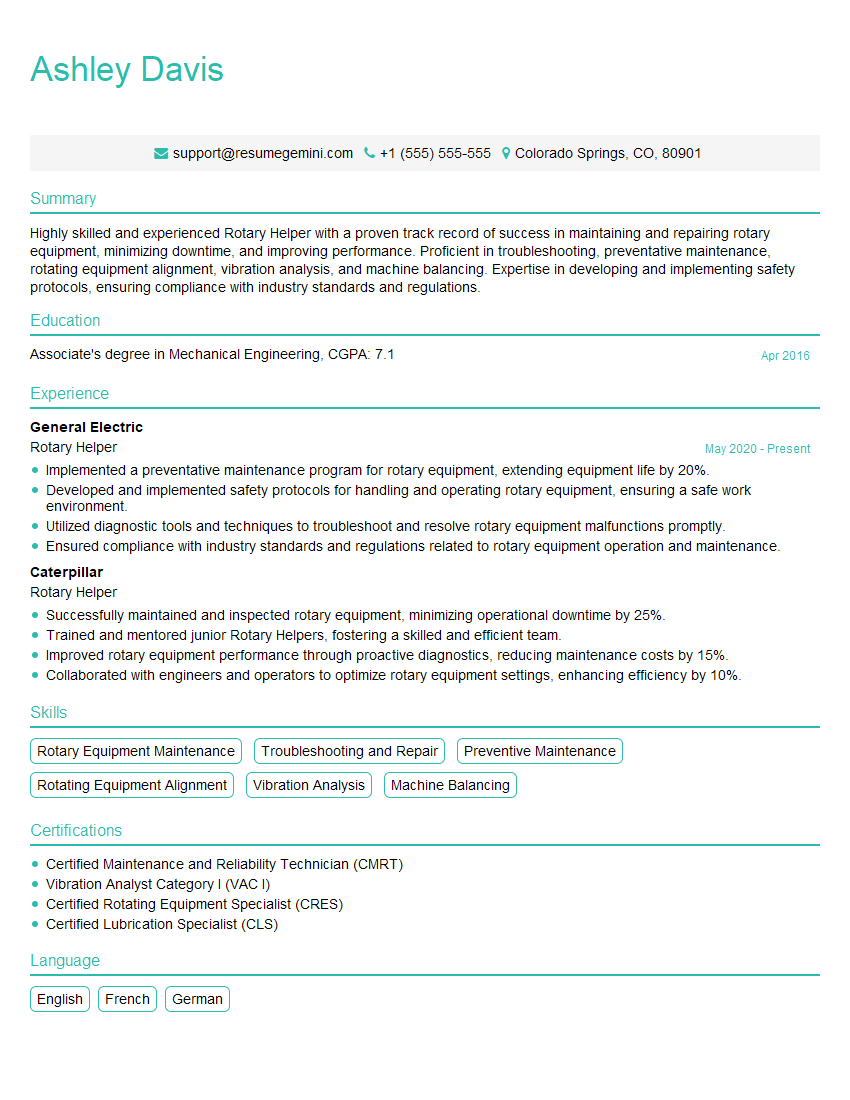
Rotary Helper Resume Sample
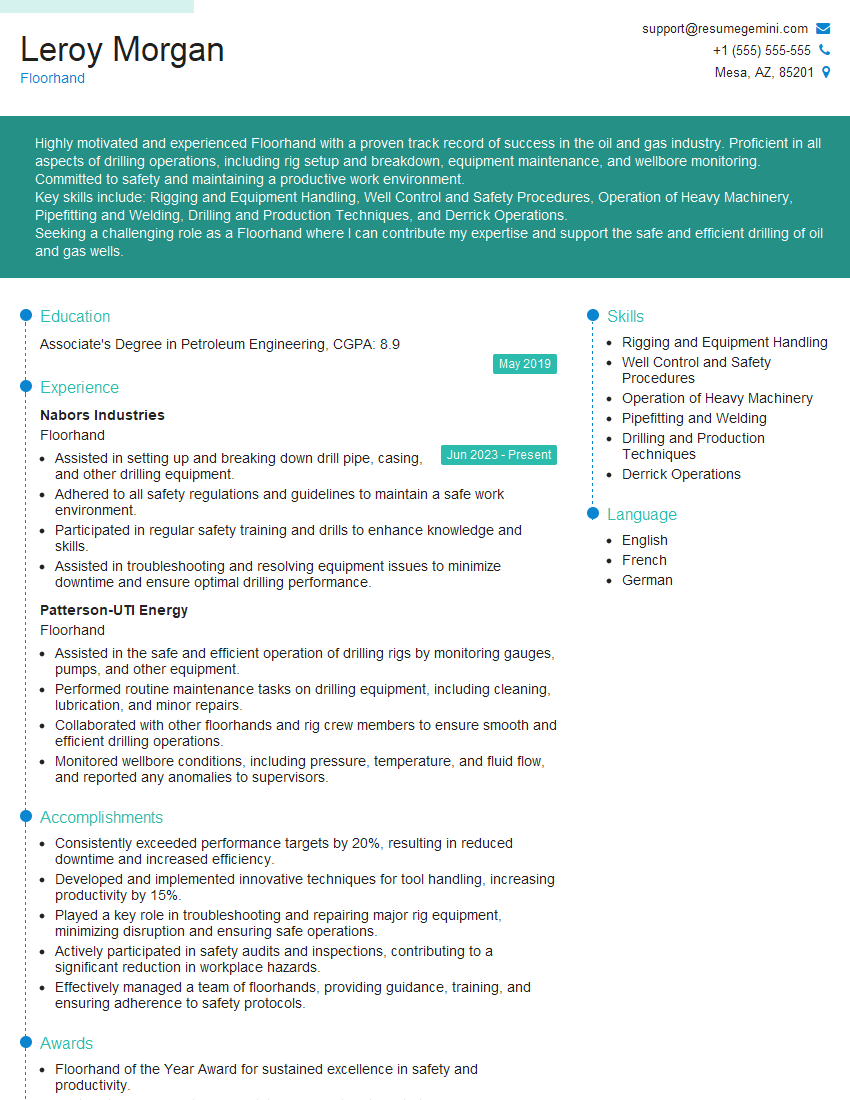
Floorhand Resume Sample
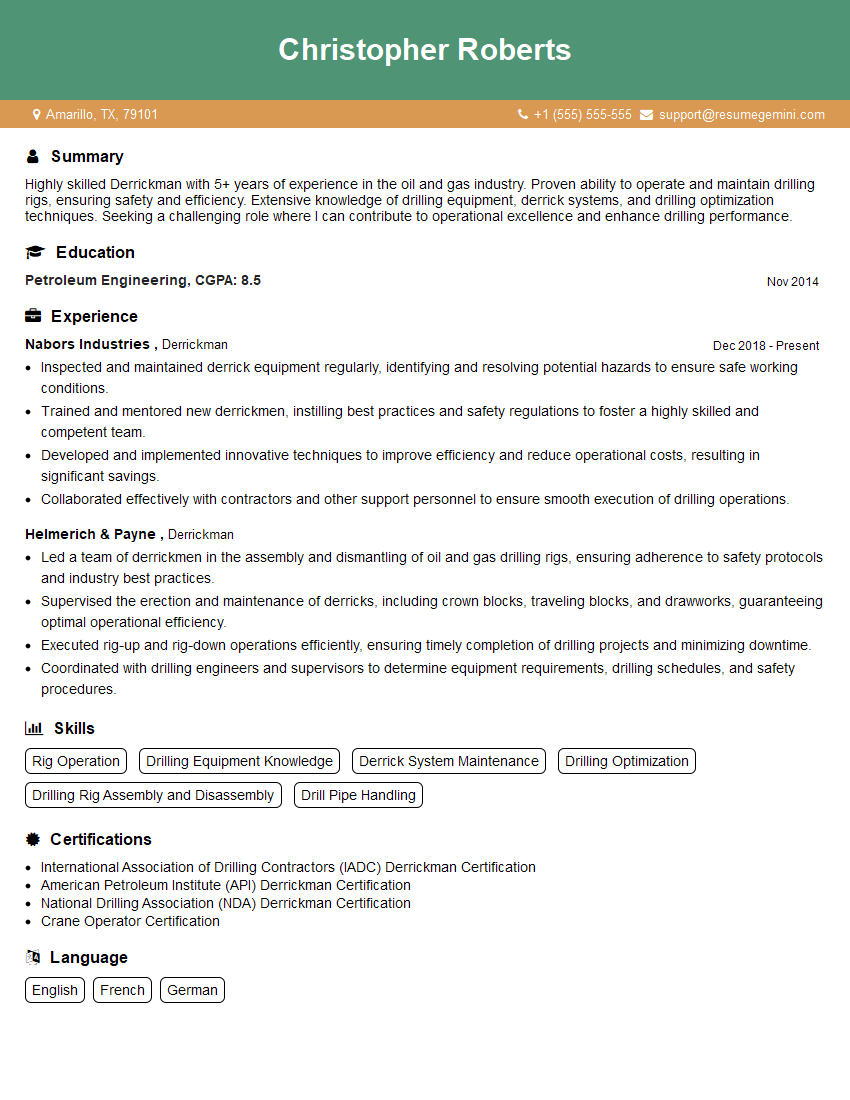
Derrickman Resume Sample
Explore more articles
Users Rating of Our Blogs
Share Your Experience
We value your feedback! Please rate our content and share your thoughts (optional).
What Readers Say About Our Blog
Very informative content, great job.
good