Interviews are opportunities to demonstrate your expertise, and this guide is here to help you shine. Explore the essential Derrick Rope Access interview questions that employers frequently ask, paired with strategies for crafting responses that set you apart from the competition.
Questions Asked in Derrick Rope Access Interview
Q 1. Describe your experience with different types of derrick systems.
My experience encompasses a wide range of derrick systems, from simple gin poles used for lighter lifting tasks on smaller structures to more complex, multi-component systems employed in heavy industrial settings. I’ve worked with manually operated derricks, hydraulically powered derricks, and those integrated into larger crane systems. For example, I’ve used a simple gin pole system to lift materials during roof repairs on a heritage building, carefully controlling the load with hand signals and rope tension. In contrast, I’ve also been part of a team utilizing a large hydraulic derrick to lift heavy equipment during the construction of an offshore platform, where precise coordination and safety protocols were paramount. My experience includes familiarity with different types of derrick bases, including those anchored to the ground, mounted on vehicles, and those integrated into structural supports.
Q 2. Explain the safety procedures you follow when working at height with derricks.
Safety is paramount in all derrick rope access operations. Before any work commences, a thorough risk assessment is performed, identifying potential hazards like falling objects, unstable ground, and equipment failure. This assessment guides the development of a comprehensive safety plan that incorporates the use of appropriate PPE (Personal Protective Equipment), including harnesses, helmets, and gloves. We meticulously inspect all equipment, including ropes, rigging, and the derrick itself, before and during operation. This involves checking for wear and tear, damage, and proper function. A competent person will always be in charge of supervising the operation. Furthermore, we employ redundant safety systems, such as fall arrest systems, and emergency plans. Clear communication among team members is critical, using standardized hand signals and communication systems to ensure everyone is aware of the actions of others. Regular safety meetings and toolbox talks reinforce safe practices. Imagine it like a complex choreography where every move is planned and executed with precision and awareness of potential dangers.
Q 3. What are the different types of ropes used in Derrick Rope Access and their applications?
Several types of ropes are used in derrick rope access, each suited for specific applications. High-strength synthetic ropes, like those made from nylon or polyester, are common choices due to their high strength-to-weight ratio and resistance to abrasion. These are often preferred for lifting operations. Steel wire ropes are employed when dealing with exceptionally heavy loads or harsh environments. However, they are heavier and require more careful handling to prevent kinking or damage. In certain situations, we might also use specialized ropes designed for specific purposes, such as those with a low-stretch characteristic for precise positioning. The choice of rope depends on the weight of the load, the environment, and the type of work being performed. For example, nylon ropes are great for general lifting of equipment, whereas steel wire rope would be necessary when dealing with extremely heavy loads such as industrial machinery.
Q 4. How do you inspect and maintain derrick ropes and equipment?
Regular inspection and maintenance are crucial for ensuring the safety and longevity of derrick ropes and equipment. Inspections are carried out before every operation and also periodically, following manufacturer recommendations. This involves visual checks for any signs of wear, damage, or fraying in the ropes. We check for corrosion on metal components, and we ensure that all connections, shackles, and other hardware are secure and free from damage. For ropes, this also involves checking for excessive stretching or any signs of internal damage. Regular lubrication of moving parts of the derrick mechanism helps maintain smooth operation and prolong lifespan. Damaged or worn-out components are immediately replaced. Detailed records of all inspections and maintenance activities are kept for traceability and compliance with safety regulations. Think of it like a regular car service; proactive maintenance prevents major problems down the line.
Q 5. What are the limitations of Derrick Rope Access techniques?
Derrick rope access, while versatile, does have limitations. Wind conditions can significantly impact the safety and efficiency of operations. Strong winds can make precise control of the load difficult and may even pose a safety risk. The reach of the derrick is another limiting factor. Its capacity to reach certain areas may be limited, necessitating the use of alternative access methods in some cases. The weight capacity of the derrick is another crucial limitation; exceeding this capacity can lead to catastrophic failure. Finally, the setup and dismantling of the derrick system can be time-consuming. For instance, in an emergency situation requiring rapid access, other methods might be more suitable.
Q 6. Describe your experience with fall protection systems in Derrick Rope Access.
Fall protection systems are an integral part of derrick rope access. These systems usually involve a combination of harnesses, lanyards, and anchor points to prevent falls. The specific system used depends on the nature of the task and the environment. For example, a self-retracting lifeline (SRL) might be used when workers are moving around on a platform, while a full-body harness and anchor point might be utilized during heavy lifting. We always ensure that the anchor points are secure and have sufficient capacity to support the weight of the worker and any equipment they are using. Regular inspections and testing of these systems are also crucial to ensure their effectiveness and integrity. We consider fall protection planning a crucial aspect before any task begins.
Q 7. How do you handle emergencies during a Derrick Rope Access operation?
Emergency procedures are meticulously planned and practiced before any operation. These procedures include established communication protocols, emergency shutdown procedures for the derrick, and methods for rescuing personnel. We have designated emergency contacts and established procedures for contacting emergency services. In the event of a fall, immediate rescue procedures are followed, involving trained personnel equipped with appropriate rescue equipment. Regular drills and training sessions are conducted to ensure that everyone is familiar with these procedures and can respond effectively. A well-rehearsed emergency response plan is crucial for ensuring the safety of personnel during unforeseen circumstances.
Q 8. Explain your understanding of relevant safety regulations and standards (e.g., IRATA).
My understanding of safety regulations and standards in Derrick Rope Access is paramount to my work. IRATA (Industrial Rope Access Trade Association) is the global benchmark, providing a rigorous framework for training, certification, and operational procedures. It emphasizes a proactive risk management approach, detailing specific requirements for equipment inspections, work methodologies, and emergency response. Beyond IRATA, I’m familiar with and adhere to relevant national and regional regulations concerning working at heights, fall protection, and the specific hazards associated with the industrial environments where I operate. For instance, I’m well-versed in regulations concerning confined space entry, working near energized equipment, and the specific permit-to-work systems required in many industrial settings. These standards aren’t just guidelines; they’re a cornerstone of ensuring the safety of myself and my team members.
Compliance isn’t simply about ticking boxes; it’s a mindset. Every aspect of our operations, from the pre-job planning to post-job analysis, is guided by these stringent safety principles. Regular audits, both self-audits and those conducted by external agencies, ensure we remain compliant and continuously improve our safety protocols.
Q 9. How do you communicate effectively with your team during a Derrick Rope Access operation?
Effective communication is crucial during Derrick Rope Access operations, as it directly impacts safety and efficiency. We employ a multi-faceted communication strategy, incorporating both visual and verbal cues. Before any operation, a detailed job briefing covers every aspect of the task, clarifying roles, responsibilities, and potential hazards. During the operation, we use a combination of hand signals, radio communication, and visual checks (e.g., confirming equipment integrity). Clear, concise instructions and regular progress updates are paramount. We maintain a system of verbal confirmation to ensure everyone understands the plan and their respective roles.
For instance, before ascending, a team member will clearly announce their intention and receive confirmation from the team below. This eliminates ambiguity and minimizes the risk of miscommunication, which could be catastrophic in this high-risk environment. We also regularly conduct post-task briefings to debrief, discuss areas for improvement, and foster a culture of continuous learning and open communication. In scenarios with noisy environments or limited visibility, we will frequently rely on pre-agreed hand signals which are thoroughly reviewed before any work commences. This ensures clear communication and understanding between the team, regardless of the working conditions.
Q 10. Describe your experience working with different types of anchors and attachment points.
My experience encompasses a wide range of anchors and attachment points, each selected based on the specific requirements of the job and the structural integrity of the target surface. I’ve worked with everything from purpose-built anchors installed in steel structures to natural anchors, such as substantial tree limbs (carefully assessed and tested) on more natural access projects. I’m proficient in assessing the load capacity of various anchors and determining the appropriate attachment methods. This includes using different types of shackles, carabiners, and other specialized rigging hardware, always paying close attention to the Working Load Limit (WLL) of each component.
For example, on a recent project involving inspection and maintenance of a wind turbine, we utilized purpose-built anchors bolted into the turbine’s structure. The anchor’s load capacity and corrosion resistance were meticulously verified before commencing the operation. In contrast, for a different job involving inspection of a bridge, we had to carefully select and test natural features such as protruding rocks, ensuring the proper attachment and load distribution to maintain the safety of the team throughout the operation. It’s critical to always conduct thorough inspections and load tests on all anchors and attachment points before commencing work at heights. I am also well versed in emergency anchoring techniques in the rare occasion the primary anchors may fail.
Q 11. How do you assess and mitigate risks associated with environmental factors (weather, etc.)?
Environmental factors, especially weather conditions, pose significant risks during Derrick Rope Access operations. A comprehensive risk assessment is conducted before every job, carefully considering wind speed and direction, precipitation, temperature, and visibility. We have established clear thresholds for different weather parameters; exceeding these triggers an immediate suspension of work. For example, high winds could cause unexpected swings and instability in the ropes, while heavy rain or snow can dramatically reduce visibility and grip. Lightning poses an extreme danger that necessitates prompt evacuation to a safe location.
Our mitigation strategies involve using appropriate safety equipment (e.g., weatherproof clothing, insulated gloves, enhanced communication systems for reduced visibility) and implementing contingency plans for unforeseen events. Regular weather monitoring is done during the operation, enabling us to react swiftly and safely to changing conditions. We use established wind speed gauges and regularly communicate weather updates amongst the team and ground crew to help ensure appropriate action is taken. The safety of the crew and efficient execution of the plan will always supersede the need to push ahead in challenging weather conditions.
Q 12. Explain the process of planning and executing a Derrick Rope Access task.
Planning and executing a Derrick Rope Access task is a multi-stage process, beginning with a detailed risk assessment. This assessment considers all potential hazards, including environmental factors, structural integrity, equipment limitations, and potential emergencies. Based on the risk assessment, a comprehensive method statement is developed outlining the task specifics, equipment requirements, personnel roles, communication protocols, and emergency procedures. This meticulous planning process ensures the safety and efficiency of the operation.
The execution phase follows a strict sequence of steps: setting up the access system (anchors, ropes, safety lines), conducting thorough equipment checks, performing a final safety briefing, executing the task itself, and then a careful de-rigging process, where all equipment is inspected again after use and repackaged properly for future use. Constant communication and close monitoring of the team and weather conditions are maintained throughout the process. The final stage involves a comprehensive debrief to review the operation, identify areas for improvement and document any incidents or near misses. This continuous improvement cycle is vital in maintaining a high standard of safety and operational efficiency.
Q 13. Describe your experience with different rope access techniques (e.g., ascending, descending, traversing).
My experience encompasses a broad range of rope access techniques, including ascending, descending, and traversing. Ascending techniques involve using ascenders and foot ascenders to move efficiently upwards. Descending often employs controlled descenders to manage speed and maintain stability. Traversing involves moving horizontally along a structure, requiring specialized equipment and techniques. I am proficient in both single and double rope techniques (SRT and DRT) utilizing various methods depending on the specific task.
For example, ascending a tall structure might involve using a combination of ascenders and foot loops for efficiency, while descending may utilize a controlled descender to manage speed and prevent uncontrolled falls. Traversing requires careful planning and execution using appropriate gear, such as a rope grab and additional safety lines. Each technique demands precise execution and a thorough understanding of the equipment and its limitations. Each method is taught extensively through my IRATA certification and further developed through on-the-job experience. It’s critical to maintain awareness of rope angles and friction to ensure smooth and controlled movements, especially when traversing.
Q 14. How do you manage rope friction and its effect on safety?
Rope friction is a significant factor influencing safety and efficiency in rope access. Excessive friction generates heat, reducing the rope’s strength and increasing the risk of failure. It can also cause slow descents or make ascents unnecessarily strenuous. Managing rope friction involves several techniques. We carefully plan rope routes to minimize sharp bends and friction points, using appropriate protection systems and choosing optimal rope pathways. Regular inspections of the ropes for signs of wear and tear, especially at friction points, are essential.
We use appropriate lubricants (only specifically designed for this purpose, and as directed by the manufacturer) at designated points to reduce friction. Proper use of rigging hardware, such as pulleys and carabiners, is vital in reducing friction. Choosing the right type of rope for the specific job and maintaining it in optimal condition is equally important in minimizing rope friction. Careful planning and regular inspections are crucial to controlling friction and ensuring the safety and efficiency of any operation. Ignoring this factor can lead to equipment failure and significantly increase the risk of accidents.
Q 15. What are the signs of rope deterioration and how do you address them?
Rope deterioration in Derrick Rope Access is a critical safety concern. Signs can be subtle but crucial to identify. We look for things like:
- Abrasions and Cuts: These weaken the rope’s structure, significantly reducing its strength. Even small cuts can compromise the rope’s integrity.
- UV Degradation: Prolonged sun exposure makes ropes brittle and prone to breaking. You’ll see a change in color and stiffness.
- Chemical Damage: Contact with certain chemicals can weaken the rope fibers. This is often visible as discoloration or softening.
- Kinking and Crushing: Sharp bends or compression can damage the internal structure, creating weak points.
- Fraying and Fuzzing: This indicates the individual strands are starting to separate, losing their strength and integrity.
- Melting or Burning: Obvious signs of damage that indicate immediate rope replacement.
Addressing these issues involves immediate action. Any rope showing significant signs of wear needs to be replaced immediately. We never compromise on safety. Minor abrasions might be acceptable under very strict conditions and only after a thorough inspection by a qualified rope access technician. Documentation of all rope inspections and replacements is critical, ensuring a complete audit trail for safety compliance.
Career Expert Tips:
- Ace those interviews! Prepare effectively by reviewing the Top 50 Most Common Interview Questions on ResumeGemini.
- Navigate your job search with confidence! Explore a wide range of Career Tips on ResumeGemini. Learn about common challenges and recommendations to overcome them.
- Craft the perfect resume! Master the Art of Resume Writing with ResumeGemini’s guide. Showcase your unique qualifications and achievements effectively.
- Don’t miss out on holiday savings! Build your dream resume with ResumeGemini’s ATS optimized templates.
Q 16. How do you use different types of rope access equipment (e.g., descenders, ascenders, harnesses)?
Different rope access equipment plays specific roles. Let’s look at some examples:
- Descenders: These control the descent. Common types include the figure-8 descender and the ATC (Automatic Tube-style) descender. I’m proficient in using both, adjusting the speed of descent by controlling the rope’s friction against the device. The ATC offers better control and braking capacity, especially for heavier loads. We use a system of checks and cross-checks before each descent to prevent accidents.
- Ascenders: These facilitate the ascent. We utilize ascenders like the Petzl Ascender or similar devices, clamping onto the rope with a camming mechanism. This helps us climb upwards, making sure our ascent is controlled and safe.
- Harnesses: The harness is the foundation of our safety. It distributes the load across our body, preventing injuries. It’s critical to ensure a proper fit and double-check the harness’s buckles and straps before each use.
Training is key. We regularly undergo refresher courses to maintain proficiency with this equipment, ensuring safety protocols are adhered to and updated techniques are implemented. Each piece of equipment has its unique features and operation, requiring careful training to utilize effectively and safely.
Q 17. Explain your understanding of load calculations and weight distribution in Derrick Rope Access.
Load calculations and weight distribution are paramount in Derrick Rope Access. We consider several factors:
- Worker’s weight: The weight of the technician including their tools and equipment.
- Equipment weight: The collective weight of the descenders, ascenders, harnesses and other tools used during the job.
- Environmental factors: Wind load, ice or snow accumulation adds extra weight or creates dynamic loads.
- Derrick structure load capacity: The derrick’s structural capacity has to be verified to ensure it can safely handle the combined weight.
Weight distribution relies on proper harness fit and correct attachment points of our equipment. A poorly fitted harness may result in uncomfortable pressure points and equipment failure in critical situations. We meticulously calculate and double-check all weights before commencing any operation, using pre-approved calculations and safety guidelines. Improper load calculations can have dire consequences; hence, accuracy is never compromised.
Q 18. How do you ensure the proper use of personal protective equipment (PPE)?
Proper PPE use is non-negotiable. This includes:
- Regular inspections: Checking for wear and tear, damage, or any defects before each use. A damaged helmet or a worn-out harness is unacceptable.
- Correct fit: Ensuring the PPE fits correctly and comfortably to provide maximum protection. A harness that’s too loose or too tight will compromise safety.
- Proper use: Following the manufacturer’s instructions for each item of PPE. This covers the correct donning, adjustment, and use of every piece of equipment.
- Maintenance and cleaning: Storing and cleaning PPE correctly to extend its lifespan and effectiveness.
- Replacement schedule: Following strict replacement schedules for PPE that has an expiration date or shows signs of wear and tear.
In Derrick Rope Access, where the risks are high, we always prioritize safety. This means meticulous attention to detail with PPE, ensuring its proper use in all conditions. We don’t just use the PPE; we understand the reasoning behind it and how it saves lives.
Q 19. Describe your experience with rescue procedures in Derrick Rope Access.
Rescue procedures are a core element of our training. We practice various scenarios, including:
- Self-rescue techniques: Knowing how to extricate oneself from potentially hazardous situations.
- Two-person rescue: Methods for rescuing a colleague who has experienced a fall or equipment malfunction.
- Multi-person rescue: More complex scenarios requiring teamwork and specialized equipment.
- Emergency communication: Establishing clear communication channels to alert ground personnel in case of a rescue situation.
Our training incorporates realistic simulations, using scenarios drawn from past incidents or potential hazards on-site. This ensures that our responses are efficient, safe, and effective under pressure. We don’t just learn procedures; we practice them until they’re ingrained, reflecting a dedication to swift and efficient rescue operations in potentially life-threatening situations. We are trained and prepared for worst-case scenarios.
Q 20. How do you conduct a pre-work inspection of equipment and worksite?
Pre-work inspections are crucial. They involve:
- Equipment inspection: A thorough check of all ropes, harnesses, descenders, ascenders, carabiners, and other gear for any signs of wear, damage, or defects. We use detailed checklists for this, ensuring nothing is missed.
- Worksite assessment: Evaluating the work area for potential hazards like sharp objects, unstable surfaces, overhead obstructions, weather conditions (wind speed, temperature), and accessibility.
- Communication plan: Establishing clear communication channels with ground crews and the worksite supervisor.
- Emergency escape routes: Identifying potential escape routes and rescue plans in case of emergencies.
This systematic approach ensures a safe working environment. We believe that safety is not merely a checklist but a mindset; and a thorough pre-work inspection is the foundation for that mindset.
Q 21. Explain your experience with different types of knots and their applications in Derrick Rope Access.
Various knots have specific applications in Derrick Rope Access:
- Figure Eight Knot: Used to create a secure loop in a rope, commonly used in conjunction with descenders.
- Bowline Knot: Forms a fixed loop that won’t tighten under load, ideal for attaching a rope to an anchor point.
- Clove Hitch: A quick and easy knot used for attaching a rope to a ring or other round object.
- Prusik Knot: A friction hitch that enables the climber to ascend a rope.
Choosing the right knot is crucial, as an incorrect knot can lead to equipment failure and serious injury. Our training emphasizes proper knot tying techniques, ensuring that we know when to use each specific knot and can reliably tie them even under pressure. We also meticulously check each knot before and after its use.
Q 22. How do you maintain accurate records and documentation of your work?
Maintaining accurate records in Derrick Rope Access is paramount for safety, accountability, and legal compliance. My system involves a multi-layered approach:
- Pre-Job Planning Documentation: This includes detailed risk assessments, method statements outlining the access procedure, equipment checklists ensuring all gear is inspected and certified, and a communication plan detailing roles and responsibilities within the team.
- Real-time Logging: During the operation, I meticulously record all activities using a dedicated logbook. This includes start and end times, weather conditions, any encountered challenges, equipment changes, and any observations relevant to the task. Digital photo and video documentation is also crucial.
- Post-Job Reporting: After each job, I compile a comprehensive report summarizing the entire operation. This includes all logbook entries, photos, videos, and any deviations from the original plan. This report is then reviewed by my supervisor for accuracy and completeness.
- Digital Record Keeping: All documentation is stored digitally in a secure, organized system. This ensures easy access for future reference, audits, or potential legal requirements. I utilize a cloud-based system to safeguard against data loss.
This system ensures traceability and transparency, allowing for a complete record of every aspect of the project, enhancing safety, efficiency, and accountability.
Q 23. Describe a time you had to solve a challenging problem during a Derrick Rope Access operation.
During a high-rise window cleaning operation, a sudden, unexpected gust of wind caused the platform to swing violently. One of the ropes became tangled around a structural element, creating a significant safety hazard. The initial response was to immediately secure the platform and halt all operations. My problem-solving approach was systematic:
- Assessment: I quickly assessed the situation, determining the extent of the entanglement and the immediate risks. Safety was the priority.
- Communication: Clear communication with my team was vital. I briefed them on the situation, assigning specific roles to manage the platform and address the tangled rope.
- Solution Development: We carefully considered multiple solutions. Using specialized equipment, including a rope grab and additional ropes, we carefully untangled the line without compromising the platform’s stability. The solution focused on controlled movements and gradual release of tension.
- Execution and Monitoring: The team executed the untangling procedure meticulously. Throughout the process, we carefully monitored the platform’s stability, wind conditions, and any potential risks.
- Post-Incident Review: Once the situation was resolved, we held a thorough debriefing to discuss what happened, identify contributing factors, and implement preventive measures for future operations. This involved adjustments to our safety procedures and a review of our wind-speed tolerance limits.
This incident highlighted the importance of preparedness, clear communication, and a methodical approach to problem-solving under pressure. Safety always remains the top priority, and our proactive approach prevented a potentially dangerous incident from escalating.
Q 24. How do you adapt to changing conditions and unexpected situations?
Adaptability is critical in Derrick Rope Access. Weather changes, unexpected structural issues, and equipment malfunctions can all affect operations. My approach involves:
- Flexibility and Resourcefulness: I remain adaptable and possess a proactive problem-solving mindset. This allows me to adjust my plans as needed, leveraging my skills and knowledge to find appropriate solutions.
- Risk Assessment and Mitigation: Continuous risk assessment is vital. I regularly monitor the work environment for changes and adjust my safety protocols accordingly. This includes adapting my technique based on weather conditions, structural integrity, and any identified hazards.
- Communication and Teamwork: Open and effective communication with the team is paramount. Any change in plans or unexpected challenges are communicated immediately, ensuring everyone is aware and working together to find solutions.
- Continuous Learning: I actively seek out opportunities to enhance my skills and knowledge through training and professional development. This allows me to remain informed about industry best practices and adapt to new techniques and technologies.
For instance, a sudden downpour might necessitate a temporary halt in operations or a shift in techniques to avoid electrical hazards. My adaptability ensures that I can safely navigate these changes and complete the job efficiently and safely.
Q 25. What are your strengths and weaknesses regarding Derrick Rope Access?
My strengths in Derrick Rope Access lie in my technical proficiency, problem-solving skills, and commitment to safety. I am highly skilled in various rope access techniques, proficient in using specialized equipment, and capable of assessing and mitigating risks effectively. My experience working on challenging projects showcases my ability to adapt to complex situations and provide reliable solutions. I also work well under pressure and am meticulous in my work.
However, like any professional, I also recognize areas for improvement. While I am experienced, there’s always room to enhance my skills with advanced techniques and specialized training. I’m actively working on developing even greater proficiency in using new technologies and expanding my knowledge of advanced rescue procedures.
Q 26. Describe your experience working in a team environment.
My experience working in team environments has been extensive. In Derrick Rope Access, teamwork is crucial for safety and efficiency. I am a strong team player, comfortable with collaborative problem-solving, and adept at communicating clearly and effectively with colleagues. I believe in a culture of mutual respect, where everyone’s input is valued. I actively contribute to a positive and productive team dynamic by sharing my expertise, assisting colleagues, and ensuring open communication.
For example, during a recent project involving bridge maintenance, our team successfully navigated several complex challenges by leveraging each individual’s strengths. Clear communication, collaborative decision-making, and mutual support were key to our success. My role often involved coordinating tasks, providing technical expertise, and ensuring adherence to safety protocols.
Q 27. How do you stay current with industry best practices and safety regulations?
Staying current with industry best practices and safety regulations is a continuous process that requires active participation. I achieve this through several avenues:
- Professional Development Courses: I regularly attend advanced training courses and workshops to update my knowledge on new techniques, safety regulations, and technological advancements. This includes certifications and renewals necessary to maintain my professional standing.
- Industry Publications and Conferences: I stay informed by reading industry publications, attending conferences, and participating in webinars. This keeps me abreast of the latest developments and best practices within the field.
- Networking with Peers: I actively engage with other professionals in the field, attending industry events and sharing experiences. This allows for the exchange of knowledge and insights, helping to identify emerging trends and challenges.
- Compliance Monitoring: I am diligent in reviewing and understanding all relevant safety regulations and standards. I consistently ensure my work practices and equipment meet the highest safety standards.
This commitment to continuous learning ensures that I maintain a high level of competency and adhere to all relevant safety protocols.
Q 28. What are your salary expectations?
My salary expectations are commensurate with my experience, skills, and the industry standards for experienced Derrick Rope Access technicians in this region. I am open to discussing a competitive compensation package that reflects my contributions and value to the organization. I am happy to provide a detailed breakdown of my salary expectations after reviewing the specific job requirements and responsibilities.
Key Topics to Learn for Derrick Rope Access Interview
- Rope Access Techniques: Understanding various rope access techniques, including ascending, descending, and traversing. Consider the practical application of these techniques in different work environments and scenarios.
- Safety Procedures and Regulations: Mastering relevant safety regulations, procedures, and emergency protocols. Be prepared to discuss practical application of these procedures in real-world scenarios and how to react to unexpected situations.
- Equipment Knowledge: Demonstrate a thorough understanding of the different types of equipment used in Derrick Rope Access, their functionality, inspection, and maintenance. Be able to discuss practical applications and troubleshooting scenarios.
- Risk Assessment and Mitigation: Discuss the importance of thorough risk assessment before undertaking any Derrick Rope Access operation. Show your understanding of identifying potential hazards and implementing appropriate mitigation strategies.
- Communication and Teamwork: Highlight the importance of clear communication and teamwork within a rope access team. Consider practical examples of how effective communication contributes to safety and efficiency.
- Derrick Specific Applications: Explore the unique challenges and considerations involved in performing rope access work specifically on derricks. This includes understanding the structure, potential hazards, and access points.
- Advanced Techniques (if applicable): Depending on the seniority of the role, be prepared to discuss advanced techniques like complex rigging systems or specialized rescue procedures. Be prepared to discuss practical applications and problem-solving.
Next Steps
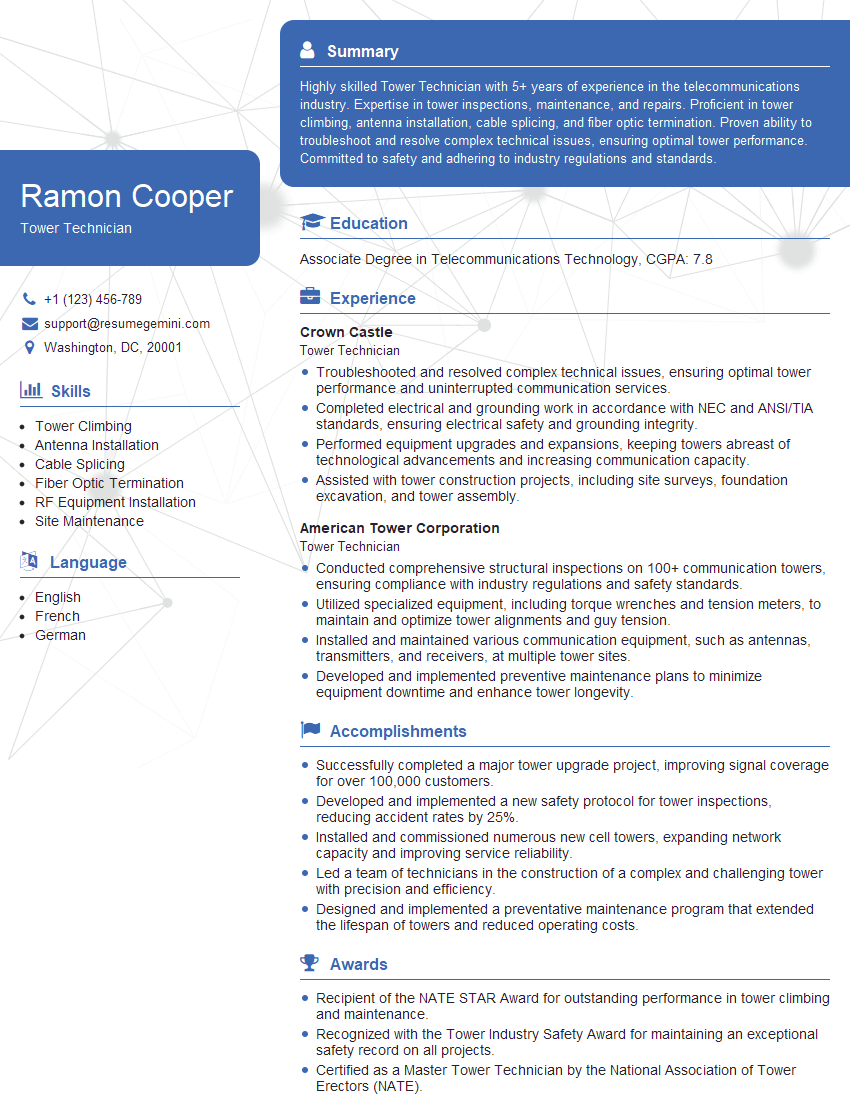
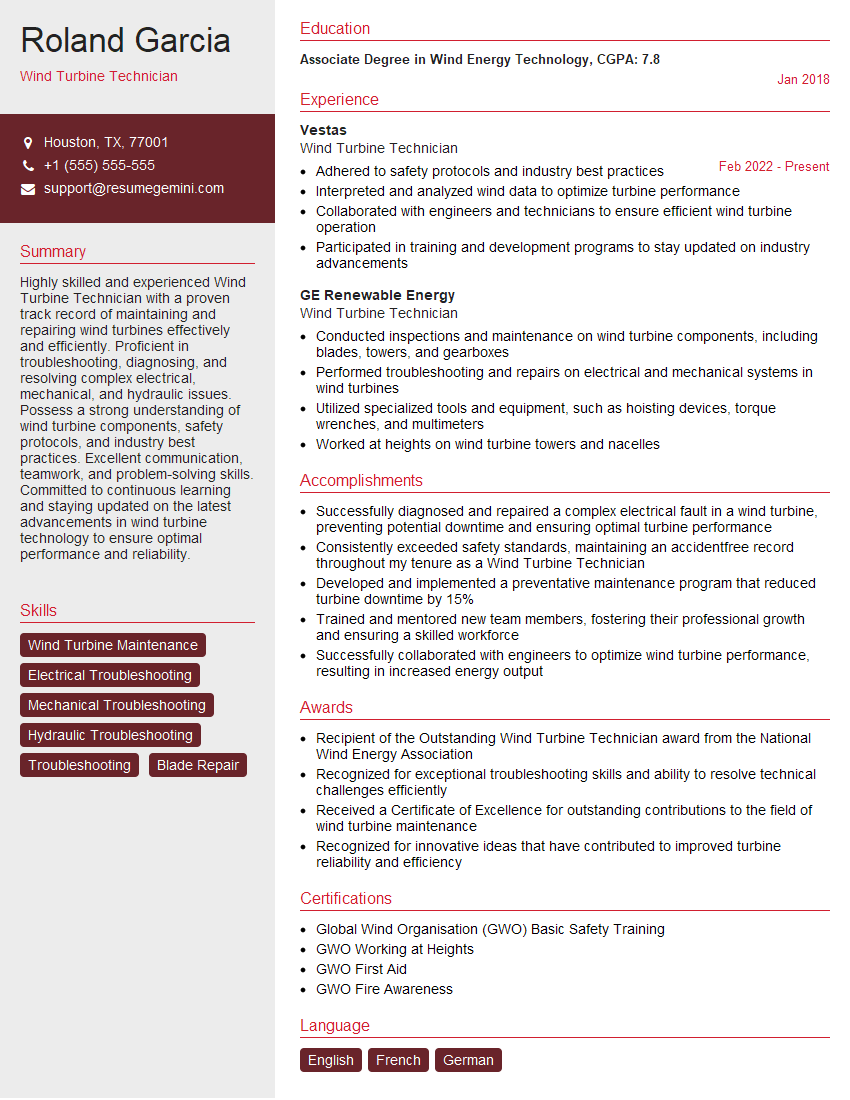
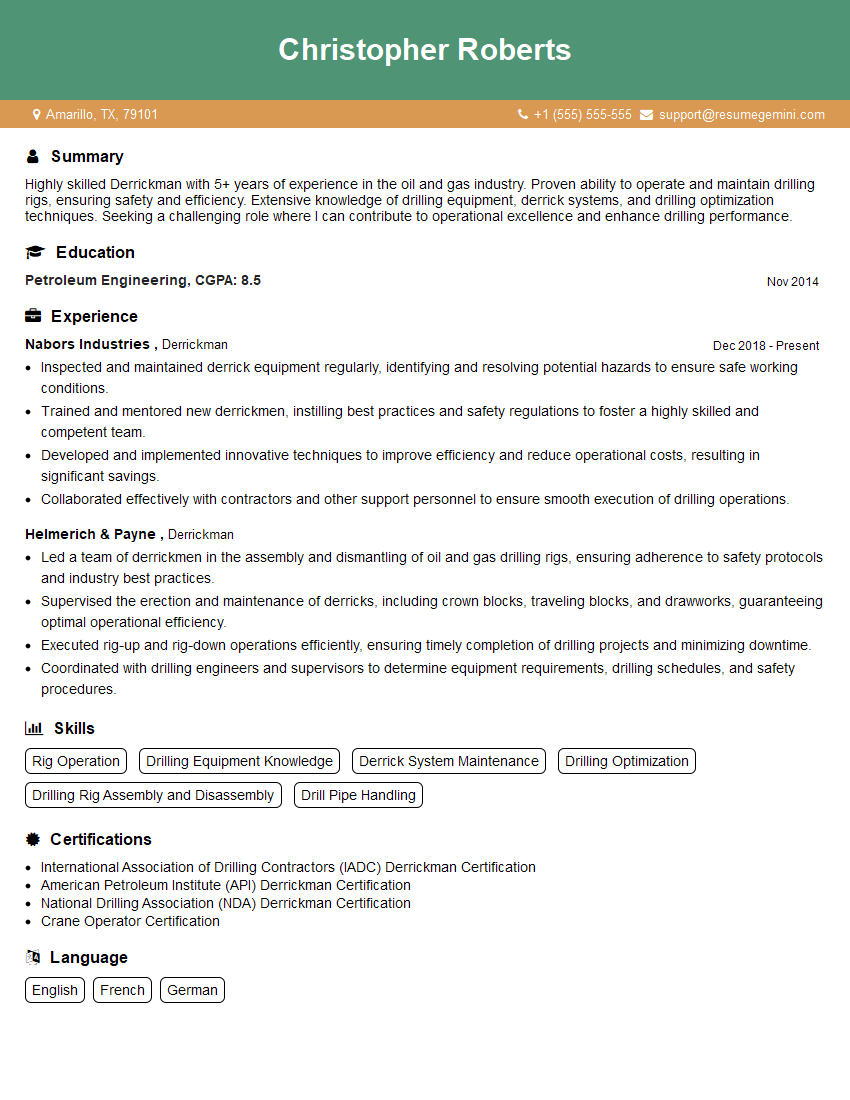
Mastering Derrick Rope Access opens doors to exciting and rewarding career opportunities in a high-demand field. To maximize your job prospects, creating a strong, ATS-friendly resume is crucial. ResumeGemini is a trusted resource that can help you build a professional and impactful resume tailored to your skills and experience. We provide examples of resumes specifically designed for Derrick Rope Access professionals to help you create a winning application.
Explore more articles
Users Rating of Our Blogs
Share Your Experience
We value your feedback! Please rate our content and share your thoughts (optional).
What Readers Say About Our Blog
Very informative content, great job.
good