Feeling uncertain about what to expect in your upcoming interview? We’ve got you covered! This blog highlights the most important Design for manufacturability (DFM) principles interview questions and provides actionable advice to help you stand out as the ideal candidate. Let’s pave the way for your success.
Questions Asked in Design for manufacturability (DFM) principles Interview
Q 1. Explain the core principles of Design for Manufacturability (DFM).
Design for Manufacturability (DFM) is a systematic approach to product design that considers the manufacturing process from the outset. Its core principle is to optimize the design for efficient, cost-effective, and high-quality production. This involves close collaboration between designers and manufacturing engineers throughout the entire product lifecycle. Key principles include:
- Simplicity: Minimizing the number of parts, features, and assembly steps. A simpler design is generally easier and cheaper to manufacture.
- Standardization: Utilizing standard components and processes whenever possible. This reduces costs and lead times by leveraging existing infrastructure and expertise.
- Robustness: Designing the product to withstand variations in manufacturing processes and materials. This minimizes defects and scrap.
- Material Selection: Choosing materials that are readily available, cost-effective, and suitable for the chosen manufacturing processes. This avoids delays and unexpected costs.
- Testability: Designing for easy inspection and testing during manufacturing. This ensures quality control and minimizes rework.
- Assembly Considerations: Designing for ease of assembly, reducing assembly time and labor costs. This can involve features like snap-fits or self-aligning parts.
For example, instead of designing a complex part requiring intricate machining, DFM might suggest simplifying the geometry to allow for injection molding, a faster and cheaper process.
Q 2. Describe your experience in using DFM techniques to reduce manufacturing costs.
In my previous role at Acme Corp, we were developing a new line of consumer electronics. The initial design, while aesthetically pleasing, incorporated many custom-machined parts and complex assembly steps. By applying DFM principles, we identified several areas for cost reduction:
- Part Consolidation: We successfully combined three separate injection-molded parts into a single, more complex part, reducing material costs, assembly time, and the risk of misalignment.
- Material Substitution: We replaced a costly, specialized alloy with a readily available, less expensive alternative that met the required performance specifications, saving approximately 15% on material costs.
- Simplified Assembly: By redesigning certain features, we were able to transition from a manual assembly process to a semi-automated one, significantly reducing labor costs and improving throughput.
These DFM-driven changes resulted in a 20% reduction in overall manufacturing costs without compromising product functionality or quality. This success underscores the importance of early DFM integration in the product development process.
Q 3. How do you identify potential DFM issues early in the product design phase?
Identifying potential DFM issues early requires a proactive and multidisciplinary approach. We utilize several methods:
- DFM Reviews: Regular design reviews involving manufacturing engineers, designers, and other stakeholders. These reviews provide an opportunity to identify and address potential issues before they become costly problems.
- Design for X (DFX) Analysis: Conducting analyses for various aspects of manufacturability, such as Design for Assembly (DFA), Design for Testing (DFT), and Design for Reliability (DFR). Each analysis reveals specific issues related to that aspect.
- 3D Modeling and Simulation: Utilizing 3D CAD software to simulate the manufacturing processes and identify potential issues such as mold filling problems (in injection molding), warping, or interference during assembly.
- Process Capability Studies: Assessing the capabilities of existing manufacturing processes to determine whether they can meet the design specifications. This helps to ensure that the design is feasible and cost-effective to manufacture.
- Early Prototyping: Building early prototypes to test the manufacturability of the design and identify any potential issues. Early prototypes allow for cost-effective iterations before tooling is made.
For instance, during a DFM review, we discovered that a particular part’s geometry made it difficult to access for automated testing. Redesigning this part, with testability in mind, prevented costly delays later in the manufacturing cycle.
Q 4. What are some common manufacturing processes and their impact on DFM?
Many manufacturing processes impact DFM. Here are a few examples:
- Injection Molding: Excellent for high-volume production of plastic parts. DFM considerations include wall thickness, draft angles (to allow for part removal from the mold), and gate locations.
- CNC Machining: Versatile process for creating complex parts from various materials, but can be expensive for high-volume production. DFM considerations focus on minimizing machining time and optimizing tool paths.
- Sheet Metal Stamping: Cost-effective for high-volume production of sheet metal parts. DFM considerations include bend radii, material thickness, and avoiding features that are difficult to form.
- Additive Manufacturing (3D Printing): Enables rapid prototyping and the creation of complex geometries, but material choices and build time can be limiting factors. DFM considerations involve optimizing support structures and designing for the specific capabilities of the 3D printing technology.
Understanding the capabilities and limitations of each process is critical to making informed design decisions that optimize manufacturability and cost.
Q 5. Explain the importance of tolerance analysis in DFM.
Tolerance analysis is crucial in DFM. It involves determining the acceptable variations in dimensions and other critical characteristics of parts and assemblies. Without proper tolerance analysis, parts might not fit together correctly, leading to assembly problems, functional failures, or even requiring costly rework. A robust tolerance analysis ensures that the manufacturing process is capable of producing parts within the specified tolerances, minimizing scrap and improving yield.
The process typically involves:
- Defining Tolerances: Determining acceptable variations for each dimension based on its impact on the final product’s functionality. Tight tolerances might be necessary for critical features but increase manufacturing costs.
- Stack-up Analysis: Assessing how individual part tolerances accumulate to affect the overall assembly. This identifies areas where tolerances need to be tightened or relaxed to optimize the design for manufacturability.
- Geometric Dimensioning and Tolerancing (GD&T): Using GD&T symbols to clearly communicate tolerance requirements to manufacturers. GD&T provides a standardized language to specify tolerances and geometric control.
For example, if a shaft and hole need to fit together with a specific clearance, tolerance analysis helps determine the acceptable variations in the shaft and hole diameters to ensure a proper fit consistently.
Q 6. How do you balance design requirements with manufacturability constraints?
Balancing design requirements with manufacturability constraints is a constant challenge in DFM. It requires careful consideration of trade-offs. We use a structured approach:
- Prioritization: Identifying the most critical design requirements and prioritizing them based on their importance to the product’s functionality and overall performance.
- Iterative Design: Employing an iterative design process where design proposals are evaluated for manufacturability early on. Feedback from manufacturing engineers helps to refine the design to accommodate manufacturing limitations.
- Design for Assembly (DFA): Analyzing the assembly process to identify potential difficulties and incorporate improvements into the design. This reduces assembly time and labor costs.
- Value Engineering: Evaluating the cost-effectiveness of different design solutions. This helps to balance performance requirements with manufacturing cost constraints.
- Negotiation and Compromise: Often, compromises need to be made between ideal design requirements and manufacturability limitations. Open communication between designers and manufacturers is critical in finding acceptable solutions.
For instance, a specific aesthetic design might require a complex part geometry. We might explore alternative manufacturing methods (like casting instead of machining) or modify the aesthetic slightly to simplify the part geometry, thus balancing aesthetics and manufacturability.
Q 7. Describe your experience with different types of manufacturing materials and their influence on DFM.
Different manufacturing materials have significant implications for DFM. The material’s properties (strength, machinability, moldability, etc.) directly influence the selection of manufacturing processes and the overall cost-effectiveness of the design. My experience includes working with a wide range of materials, such as:
- Plastics: Widely used in consumer electronics and automotive industries due to their moldability, lightweight nature, and low cost. DFM considerations include selecting the appropriate plastic type based on performance requirements, understanding shrinkage during molding, and optimizing wall thicknesses.
- Metals: Used in applications requiring high strength and durability. DFM considerations involve selecting the appropriate metal alloy, considering machinability, and ensuring the design is suitable for chosen processes (e.g., casting, forging, machining).
- Ceramics: Used in high-temperature applications or where high hardness and wear resistance are required. DFM considerations focus on the limitations of shaping and joining ceramic parts.
- Composites: Offering a combination of high strength and low weight. DFM considerations involve understanding the layup process and the challenges of producing complex shapes.
In one project, choosing a specific type of high-temperature plastic instead of a metal alloy allowed us to simplify the design and reduce manufacturing costs while maintaining the necessary performance characteristics.
Q 8. How do you incorporate DFM principles into CAD software?
Incorporating DFM principles into CAD software is crucial for designing manufacturable products. It’s not just about creating a visually appealing design; it’s about ensuring that the design can be efficiently and cost-effectively produced. We achieve this through a combination of techniques:
- Utilizing built-in DFM tools: Most modern CAD software packages (SolidWorks, Creo, Autodesk Inventor, etc.) offer integrated DFM analysis tools. These tools simulate the manufacturing process, identifying potential issues like undercuts, draft angles, wall thicknesses, and accessibility for tooling. For example, a tool might highlight areas where a mold won’t easily release a part.
- Employing design rules and constraints: We define manufacturing constraints directly within the CAD model. This could involve setting minimum wall thicknesses for injection molding, specifying draft angles for casting, or ensuring sufficient clearance for machining operations. The software can then flag any violations of these rules during the design process.
- Leveraging design libraries and templates: Many companies maintain internal libraries of pre-approved components and design templates that adhere to DFM best practices. Using these resources helps ensure consistency and reduces the likelihood of design errors.
- Regular design reviews: We conduct regular design reviews, often involving manufacturing engineers, to proactively identify and address potential DFM issues. This collaborative approach allows for early detection and correction of problems, avoiding costly redesigns later in the process.
For instance, I once used SolidWorks’s built-in DFM analysis to identify a critical undercut in a plastic injection molding design. This early detection saved the company significant time and money by allowing us to revise the design before tooling was created.
Q 9. What are some common DFM pitfalls to avoid?
Common DFM pitfalls can lead to increased manufacturing costs, delays, and product defects. Here are some key ones to avoid:
- Ignoring material properties: Selecting a material unsuitable for the chosen manufacturing process or application environment can lead to failures. For example, using a brittle material for a part subjected to high stress.
- Overlooking tolerances: Insufficiently defined or overly tight tolerances can make manufacturing extremely difficult and expensive. Manufacturing processes have inherent variations, and designs must accommodate them.
- Neglecting draft angles: Insufficient draft angles in molded parts can prevent them from being easily removed from the mold, causing damage and delays.
- Complex geometries: Intricate or unnecessary design features increase manufacturing complexity and cost. Simplifying the design wherever possible is key.
- Lack of accessibility for assembly and testing: Designs that are difficult to access for assembly or testing processes will inevitably cause delays and increase costs. This includes insufficient clearances for fasteners or difficult-to-reach testing points.
- Ignoring surface finish requirements: Failure to consider the required surface finish can lead to rework or additional finishing operations, increasing costs.
For example, a design I reviewed once had extremely tight tolerances that were impossible to achieve with the selected manufacturing process, leading to a significant increase in scrap rate and production costs.
Q 10. Explain the role of Design for Assembly (DFA) in the broader context of DFM.
Design for Assembly (DFA) is a crucial subset of Design for Manufacturability (DFM). While DFM encompasses the entire manufacturing process, DFA focuses specifically on the assembly stage. It aims to simplify and optimize the assembly process to reduce costs, improve quality, and shorten lead times.
DFA principles include minimizing the number of parts, using standardized fasteners, designing for ease of handling, and ensuring proper alignment during assembly. A successful DFA strategy ensures the product is easy and efficient to put together, reducing labor costs and assembly errors. For instance, a well-designed DFA might incorporate snap-fits or self-aligning features, reducing or eliminating the need for screws or complex tooling.
In essence, DFA is a critical component of a comprehensive DFM strategy. A DFM analysis that ignores DFA will likely result in a product that is difficult and expensive to assemble, even if other manufacturing aspects are optimized.
Q 11. How do you assess the manufacturability of a design using different analytical techniques?
Assessing the manufacturability of a design requires a multifaceted approach using various analytical techniques:
- Design Rule Checks (DRC): These automated checks within CAD software verify that the design adheres to predefined manufacturing rules (e.g., minimum wall thickness, draft angles). This is a first-line assessment to catch basic errors.
- Finite Element Analysis (FEA): FEA simulates the stresses and strains on a component under various loads, helping identify potential failure points during operation. This ensures the design can withstand real-world conditions.
- Tolerance Analysis: This quantifies the effect of manufacturing tolerances on the final product’s dimensions and functionality, ensuring the assembly works even with slight variations in component sizes.
- Process Simulation: Software can simulate specific manufacturing processes (e.g., injection molding, casting) to predict potential problems like warping, sink marks, or air traps. This allows for iterative design refinement before prototyping.
- Manual Inspection & Review: Experienced engineers conduct visual inspections and design reviews to identify potential issues missed by automated tools. This is crucial for subjective aspects like ergonomics and ease of handling.
For example, during a recent project, we used FEA to identify a stress concentration point in a component under load. This finding led to a redesign that significantly improved the part’s strength and reliability.
Q 12. Describe your experience with Design for Test (DFT) and its relation to DFM.
Design for Test (DFT) is closely related to DFM, focusing on making the product easily testable throughout its lifecycle. Effective DFT incorporates design features that allow for easy access to test points, simplifies testing procedures, and enables automated testing. This is crucial for identifying defects early, preventing product recalls, and ensuring high product quality.
The relationship between DFT and DFM is synergistic. Design decisions made to simplify manufacturing (DFM) often simultaneously improve testability (DFT). For example, designing for modularity makes both assembly and testing easier. Similarly, well-defined access points for critical components simplify testing procedures. Conversely, design decisions that compromise testability can severely impact quality control and increase manufacturing costs.
In my experience, integrating DFT from the initial design phase leads to significant cost savings by reducing the time and effort needed for testing and debugging. A well-planned DFT strategy can lead to more efficient testing, higher quality products, and lower warranty costs.
Q 13. How do you collaborate with manufacturing teams to ensure DFM best practices?
Collaboration with manufacturing teams is paramount for successful DFM implementation. I’ve found that the most effective approach involves early and continuous engagement:
- Early involvement: Manufacturing engineers should be included from the very beginning of the design process, not just as a final review. This ensures their expertise is incorporated throughout the design lifecycle.
- Regular communication: Frequent meetings and discussions help keep everyone aligned on design changes and potential challenges.
- Joint design reviews: These reviews, involving both design and manufacturing teams, allow for a collaborative assessment of the design’s manufacturability.
- Utilizing shared data platforms: Using a common platform for sharing design files, specifications, and feedback streamlines communication and avoids misunderstandings.
- Prototyping and testing: Creating physical prototypes early allows the manufacturing team to assess the design’s feasibility and identify any practical challenges.
In one project, our close collaboration with the manufacturing team during the design phase resulted in a 20% reduction in manufacturing costs by identifying and addressing potential issues early on.
Q 14. How do you handle conflicting requirements between design and manufacturing?
Conflicts between design and manufacturing requirements are inevitable. Resolving these conflicts requires a balanced approach:
- Understanding the trade-offs: Clearly identify the competing requirements and their relative importance. It is often necessary to make trade-offs, balancing design aesthetics or performance against manufacturing costs and feasibility.
- Iterative design: Employing iterative design allows for incremental adjustments and compromises. This avoids major redesigns later in the process.
- Cost-benefit analysis: Quantify the cost implications of different design options, considering both the initial design cost and the long-term manufacturing costs. This enables data-driven decision-making.
- Value engineering: Explore design alternatives that achieve the same functional goals but with simpler or less costly manufacturing processes.
- Negotiation and compromise: Open communication and collaboration between design and manufacturing teams are essential to reaching mutually acceptable solutions.
In a previous role, we faced a conflict between the desired aesthetic look of a product and its manufacturability. Through value engineering and iterative design, we found an alternative design that satisfied both aesthetic and manufacturing requirements, leading to a successful product launch.
Q 15. Explain your experience in using statistical process control (SPC) for DFM.
Statistical Process Control (SPC) is crucial for Design for Manufacturability (DFM) because it allows us to monitor and control the manufacturing process, ensuring consistent product quality and minimizing defects. It’s like having a built-in early warning system for potential problems. I’ve used SPC extensively throughout my career, implementing control charts (like X-bar and R charts, or p-charts for attribute data) to track key process parameters. For example, in a project involving injection molding of plastic components, I used X-bar and R charts to monitor the dimensions of the molded parts. By establishing control limits based on historical data, we could quickly identify any shifts in the process that might lead to out-of-spec parts. This allowed for proactive adjustments to the machine settings or material properties before a large number of defective parts were produced, saving time and resources. Furthermore, SPC data helps justify design changes – if consistent deviations beyond control limits are observed despite process adjustments, it can be a signal to revisit the design itself for improvements.
Career Expert Tips:
- Ace those interviews! Prepare effectively by reviewing the Top 50 Most Common Interview Questions on ResumeGemini.
- Navigate your job search with confidence! Explore a wide range of Career Tips on ResumeGemini. Learn about common challenges and recommendations to overcome them.
- Craft the perfect resume! Master the Art of Resume Writing with ResumeGemini’s guide. Showcase your unique qualifications and achievements effectively.
- Don’t miss out on holiday savings! Build your dream resume with ResumeGemini’s ATS optimized templates.
Q 16. What are the key metrics you use to evaluate the success of DFM implementation?
Evaluating the success of DFM implementation relies on a combination of metrics, focusing on both cost and quality. Key metrics include:
- Cost Reduction: This encompasses material cost savings, reduced manufacturing cycle time, lower tooling costs, and decreased scrap rates. We track percentage changes from pre-DFM to post-DFM implementation.
- Defect Rate: This measures the percentage of defective units produced, tracked through SPC charts and other quality control measures. A significant reduction signifies improved manufacturability.
- Manufacturing Yield: This represents the percentage of good parts produced relative to the total number of parts processed. Higher yield directly translates to efficiency gains.
- Assembly Time: A well-designed product is easier to assemble, leading to shorter assembly times and reduced labor costs. We assess this through time studies and compare before and after DFM changes.
- Time to Market: DFM can streamline the manufacturing process, reducing the time it takes to bring a product to market, offering a significant competitive advantage.
Ultimately, successful DFM results in a product that is easier, cheaper, and faster to manufacture without compromising functionality or quality. These metrics provide a quantitative measure of this success.
Q 17. Describe a situation where you improved the manufacturability of a product.
In a project involving a complex electronic assembly, the initial design incorporated a fragile connector that was prone to damage during the automated assembly process. This resulted in high failure rates and significant rework costs. To improve manufacturability, I proposed a redesign using a more robust, surface-mount connector. This change simplified the assembly process, eliminating the need for specialized handling and reducing the risk of damage. Additionally, the new connector was more compact, leading to a smaller overall product footprint. The implementation of the redesign decreased the defect rate by over 60% and reduced assembly time by approximately 25%. This was a clear win-win, demonstrating the impact of targeted DFM improvements on both product quality and manufacturing efficiency.
Q 18. How do you stay up-to-date with the latest advancements in DFM?
Staying current in DFM requires a multi-faceted approach. I actively participate in industry conferences and workshops, attending events focused on advanced manufacturing techniques and DFM best practices. I also subscribe to relevant industry publications and journals, keeping abreast of new materials, processes, and software tools. Furthermore, I regularly network with colleagues and experts in the field through online forums and professional organizations. Continuously learning and adapting to the ever-evolving manufacturing landscape is essential for remaining at the forefront of DFM expertise.
Q 19. What software tools are you proficient in for DFM analysis?
I am proficient in several software tools commonly used for DFM analysis. These include:
- CAD software (SolidWorks, AutoCAD): These are essential for creating and analyzing 3D models, identifying potential manufacturability issues early in the design process.
- CAE software (ANSYS, Abaqus): These allow for simulations of various manufacturing processes, helping to predict potential problems like stress concentrations or warping.
- DFM software (specialized packages): These tools provide automated checks against established manufacturing guidelines, flagging potential problems related to tolerances, material selection, and assembly.
The specific tools used depend on the complexity of the product and the manufacturing processes involved. My experience allows me to select and effectively utilize the most appropriate tools for each situation.
Q 20. How do you address design changes required during the manufacturing process?
Design changes during the manufacturing process are inevitable, and effectively managing them is critical. My approach involves a structured process:
- Impact Assessment: We thoroughly evaluate the impact of the proposed change on the manufacturing process, cost, and product performance. This often involves collaboration with manufacturing engineers.
- Feasibility Analysis: We assess whether the change is feasible within the existing manufacturing capabilities and constraints.
- Risk Assessment: We identify and evaluate potential risks associated with the change, such as increased costs, delays, or quality issues.
- Implementation Plan: We develop a detailed plan for implementing the change, outlining the necessary steps, resources, and timelines.
- Verification and Validation: Once implemented, we rigorously verify and validate the change to ensure it achieves the desired outcome and doesn’t introduce new problems.
Effective communication and collaboration between design and manufacturing teams are essential for a smooth transition during such design changes. Maintaining a change management system is also crucial for proper documentation and traceability.
Q 21. Explain your understanding of different types of tooling and their impact on DFM.
Different types of tooling play a significant role in DFM. The choice of tooling directly impacts the cost, quality, and efficiency of the manufacturing process. Some examples include:
- Injection Molding Tools: These highly specialized tools determine the shape and precision of plastic parts. Design considerations must include mold flow analysis to ensure proper filling and part quality.
- Stamping Dies: Used for forming sheet metal, these tools are crucial for creating complex shapes. Careful consideration of die design is critical to minimize springback and ensure dimensional accuracy.
- CNC Machining Tools: Used for subtractive manufacturing processes, these tools are selected based on the material being machined and the desired surface finish. Tool selection directly impacts the machining time and surface quality.
- Casting Molds: Used in various casting processes, these molds dictate the final shape of the cast part. Proper mold design is critical for achieving the required tolerances and surface finish.
Understanding the capabilities and limitations of each tooling type allows us to make informed design decisions that optimize the manufacturing process and minimize costs. For example, selecting a simpler tooling design might increase production speed and reduce tooling costs, even if it leads to slightly less precise parts (acceptable given the product requirements).
Q 22. How do you incorporate sustainability considerations into your DFM strategies?
Sustainability is no longer a ‘nice-to-have’ but a critical aspect of modern DFM. My approach involves integrating eco-friendly materials, processes, and end-of-life considerations from the very beginning of the design process. This isn’t just about reducing waste; it’s about optimizing the entire lifecycle of a product for minimal environmental impact.
- Material Selection: I prioritize using recycled or renewable materials whenever feasible. For example, instead of virgin plastics, I might specify recycled ABS or bioplastics. This reduces reliance on fossil fuels and lowers carbon emissions.
- Manufacturing Processes: I advocate for processes that minimize energy consumption and waste generation. This could mean selecting manufacturing methods with higher energy efficiency or implementing closed-loop systems to recycle process byproducts.
- Design for Disassembly (DfD): Designing products for easy disassembly simplifies recycling and reduces landfill waste. This involves considering how components can be easily separated for material recovery at the end of the product’s life.
- Product Lifecycle Assessment (LCA): Conducting an LCA helps quantify the environmental impact of a product from cradle to grave. This data-driven approach allows for informed decisions to minimize the overall footprint.
For example, in a recent project involving a consumer electronic device, we switched from a traditional plastic casing to a design using recycled aluminum, significantly reducing the carbon footprint and improving the product’s recyclability. This required careful consideration of manufacturing processes to ensure the aluminum could be efficiently formed and finished.
Q 23. What is your experience with different manufacturing automation technologies?
My experience encompasses a wide range of manufacturing automation technologies, including CNC machining, robotic assembly, 3D printing (additive manufacturing), and automated guided vehicles (AGVs). I’m familiar with both the opportunities and challenges presented by these technologies.
- CNC Machining: I’ve worked extensively on optimizing CNC machining processes for high-precision parts, focusing on toolpath optimization and material selection to minimize waste and maximize efficiency.
- Robotic Assembly: My experience includes designing fixtures and end-effectors for robotic assembly lines, ensuring smooth and reliable operation while minimizing cycle times.
- 3D Printing: I’ve leveraged additive manufacturing for rapid prototyping and the production of complex geometries that would be difficult or impossible to achieve with traditional methods. This includes selecting the appropriate 3D printing process based on the material requirements and design constraints.
- AGVs: I understand the integration of AGVs into automated material handling systems, improving workflow efficiency and reducing labor costs in the manufacturing environment.
In one project, we successfully automated a previously manual assembly process using robotic arms and vision systems, resulting in a 30% reduction in production time and a significant improvement in product consistency. This required careful consideration of robot reach, payload capacity, and the overall layout of the assembly line.
Q 24. Describe your experience with Failure Mode and Effects Analysis (FMEA) in relation to DFM.
FMEA is an indispensable tool in my DFM arsenal. It allows for proactive identification and mitigation of potential failure modes throughout the product lifecycle. By integrating FMEA early in the design phase, we can minimize the risk of costly rework, recalls, and production delays.
My approach involves a structured FMEA process, beginning with identifying all potential failure modes, their causes, and effects. We then assess the severity, occurrence, and detection of each failure mode, calculating a Risk Priority Number (RPN). High-RPN failure modes are prioritized for mitigation, using design changes, process improvements, or control measures.
For instance, in a recent project, FMEA helped us identify a potential failure mode related to the thermal stress on a critical component. By redesigning the component’s mounting mechanism and incorporating thermal management features, we effectively eliminated this risk before it could impact production or customer satisfaction. The FMEA process documented these changes and the justification for them.
Q 25. How do you manage risks associated with DFM implementation?
Managing risks associated with DFM implementation requires a proactive and multi-faceted approach. This starts with thorough risk assessment and extends to robust mitigation strategies and contingency planning.
- Risk Assessment: Identifying potential risks early on is critical. This includes considering technical challenges, cost overruns, schedule delays, and supply chain disruptions.
- Mitigation Strategies: Developing and implementing mitigation strategies is crucial. These could include using alternative materials, adjusting manufacturing processes, or implementing robust quality control measures.
- Contingency Planning: Having a plan for unforeseen circumstances is crucial. This includes identifying backup suppliers, alternative manufacturing methods, or having contingency budgets in place.
- Communication and Collaboration: Open communication with all stakeholders—design engineers, manufacturing personnel, and management—is essential for effective risk management.
For example, when faced with potential supply chain disruptions for a key component, we proactively identified an alternative supplier and qualified their product, ensuring a seamless transition and avoiding production delays.
Q 26. Explain your approach to creating and maintaining DFM documentation.
DFM documentation is essential for knowledge sharing, process consistency, and traceability. I employ a structured approach, ensuring that all relevant information is readily available and well-organized.
- Design Specifications: Detailed design specifications are meticulously documented, including material choices, tolerances, and surface finishes. This ensures consistent manufacturing across batches and locations.
- Manufacturing Process Documentation: Detailed process instructions, including tooling specifications, machining parameters, and quality control checks, are documented and maintained. This ensures consistent manufacturing regardless of the operator.
- Bill of Materials (BOM): A comprehensive BOM, including part numbers, specifications, and quantities, is crucial for efficient procurement and assembly.
- Digital Documentation: We leverage digital tools for efficient storage and access, using a centralized repository for all DFM documentation. This improves collaboration and allows for easy version control.
This system ensures clear communication between the design and manufacturing teams, minimizing errors and streamlining the production process. We regularly review and update our documentation to reflect any design changes or process improvements.
Q 27. How do you ensure DFM considerations are integrated throughout the product lifecycle?
Integrating DFM considerations throughout the product lifecycle requires a holistic approach, starting from the initial concept phase and extending through manufacturing, distribution, and end-of-life management.
- Early Involvement: Manufacturing engineers should be involved from the earliest stages of product development to provide insights into manufacturability and cost.
- Iterative Design: DFM is not a one-time process. It involves iterative design reviews and feedback loops to continuously optimize the product for manufacturability.
- Collaboration: Close collaboration between design, manufacturing, and supply chain teams is essential to ensure that DFM considerations are integrated across all aspects of the product lifecycle.
- Continuous Improvement: Regularly reviewing manufacturing processes and identifying areas for improvement is vital for maintaining efficient and sustainable production.
For instance, in a recent project, early involvement of manufacturing engineers led to significant design changes that simplified the assembly process and reduced the overall cost of production without compromising product functionality.
Q 28. Describe your experience working with global manufacturing teams.
I have extensive experience working with global manufacturing teams, spanning different cultures, time zones, and manufacturing capabilities. This requires effective communication, cultural sensitivity, and a deep understanding of global manufacturing standards and practices.
- Communication: I utilize various communication channels, including video conferencing, email, and project management software, to ensure seamless information flow and collaboration across geographically dispersed teams.
- Cultural Sensitivity: I am mindful of cultural differences in communication styles and work practices. This involves adapting my communication approach to build trust and foster effective collaboration.
- Global Standards: I’m familiar with various global manufacturing standards, including ISO 9001, ensuring compliance and consistency across different manufacturing locations.
- Supply Chain Management: I have experience managing global supply chains, ensuring that materials and components are sourced efficiently and reliably from various locations around the world.
In a recent project involving a product manufactured in both the US and China, my experience was crucial in ensuring consistent quality and adherence to DFM principles across both facilities. This involved adapting design specifications to account for regional differences in manufacturing capabilities and ensuring that quality control measures were consistently applied.
Key Topics to Learn for Design for Manufacturability (DFM) Principles Interview
Ace your next DFM interview by mastering these key areas. Remember, practical application is key – think about how you’d apply these concepts in real-world scenarios.
- Material Selection: Understanding material properties (strength, cost, machinability, recyclability) and their impact on manufacturing processes. Consider the trade-offs between different material choices.
- Tolerance Analysis: Analyzing and minimizing tolerances to ensure part functionality and manufacturability. Practice calculating stack-up tolerances and identifying critical dimensions.
- Manufacturing Processes: Deep understanding of various manufacturing methods (injection molding, machining, casting, 3D printing etc.) including their capabilities, limitations, and cost implications. Be prepared to discuss the pros and cons of each process.
- Assembly Considerations: Designing for ease of assembly, minimizing the number of parts, and selecting appropriate joining methods. Think about ergonomics and automation.
- Cost Optimization: Identifying opportunities to reduce manufacturing costs through design modifications without compromising functionality or quality. This includes material selection, process simplification, and part consolidation.
- Design for Testability (DFT): Incorporating features into the design that allow for easy and effective testing of the manufactured product. This can significantly reduce production costs and improve quality.
- Sustainability Considerations: Understanding and implementing environmentally friendly design choices, such as using recyclable materials, minimizing waste, and reducing energy consumption during manufacturing.
- Problem-Solving and Communication: Demonstrate your ability to identify and solve DFM challenges creatively and effectively communicate your solutions to a team.
Next Steps
Mastering DFM principles is crucial for career advancement in engineering and product development. It showcases your understanding of the entire product lifecycle, from design to manufacturing, and demonstrates valuable problem-solving skills highly sought after by employers. To significantly boost your job prospects, craft a compelling, ATS-friendly resume that highlights your DFM expertise. ResumeGemini is a trusted resource to help you build a professional and impactful resume that gets noticed. We provide examples of resumes tailored specifically to Design for Manufacturability (DFM) principles to guide you.

Operations Manager Resume Sample
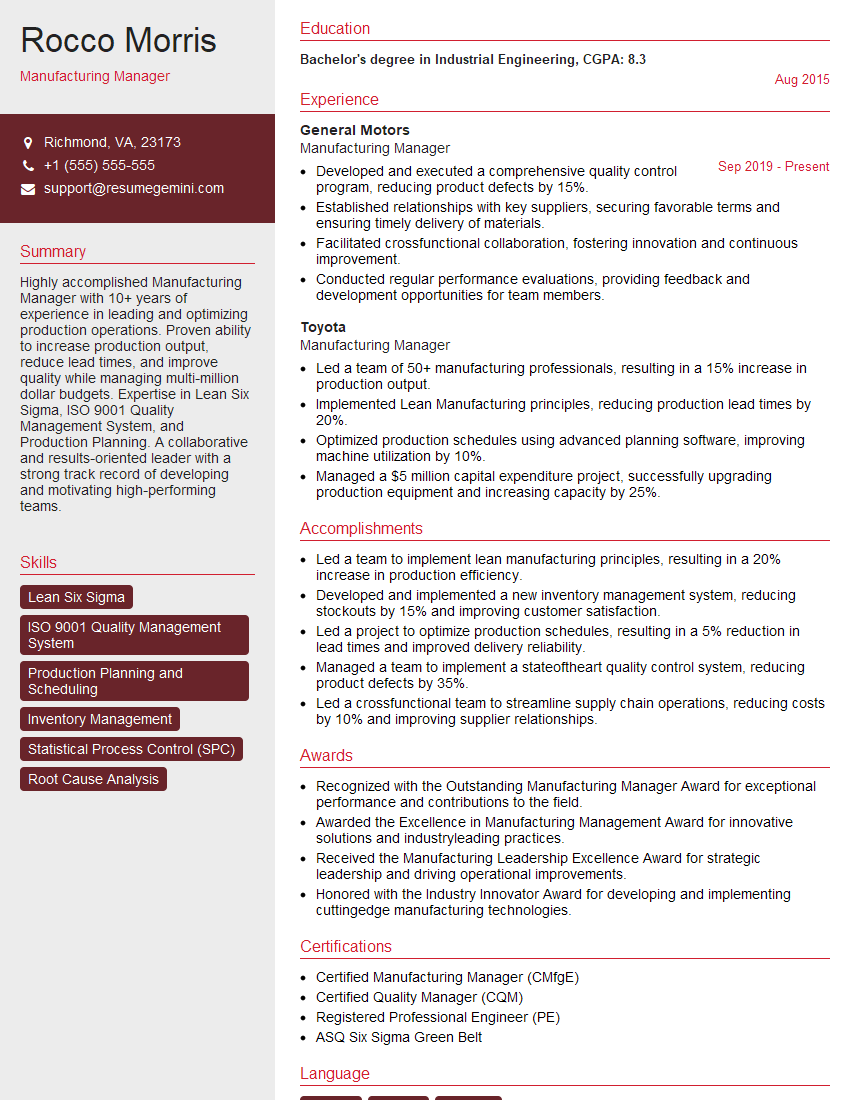
Manufacturing Manager Resume Sample
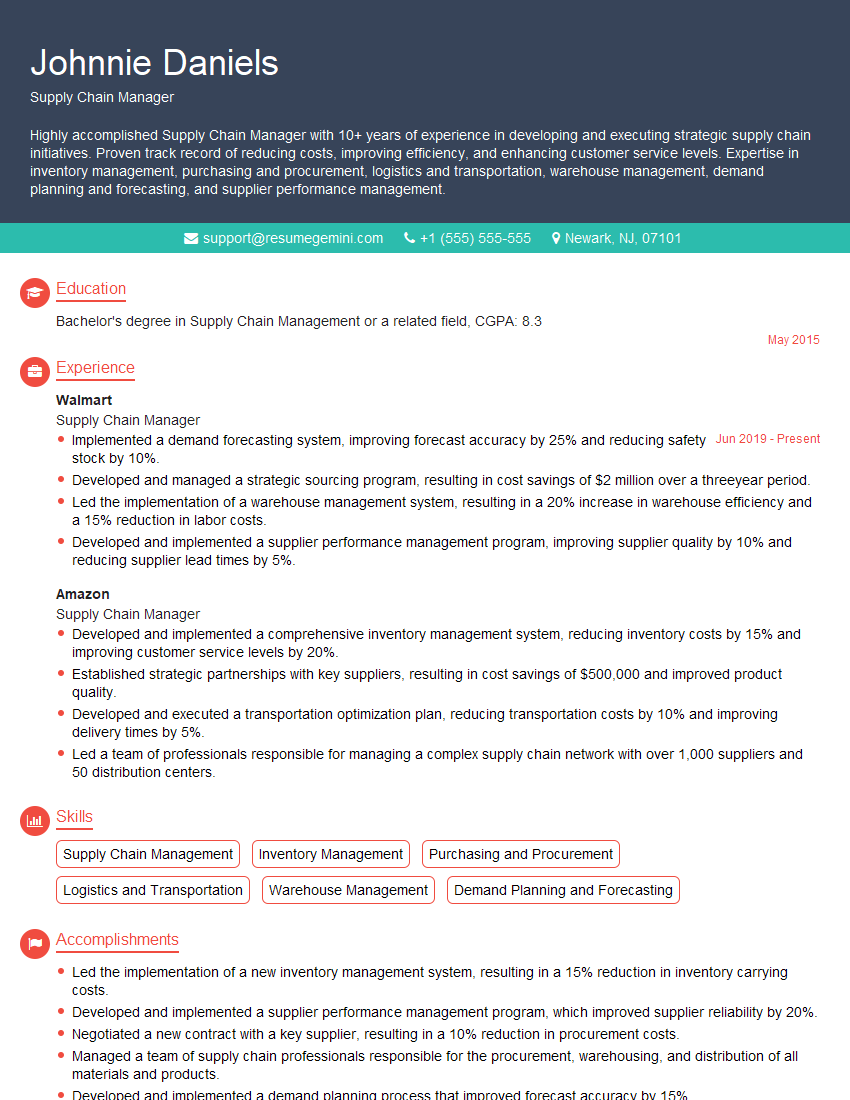
Supply Chain Manager Resume Sample

Project Engineer Resume Sample
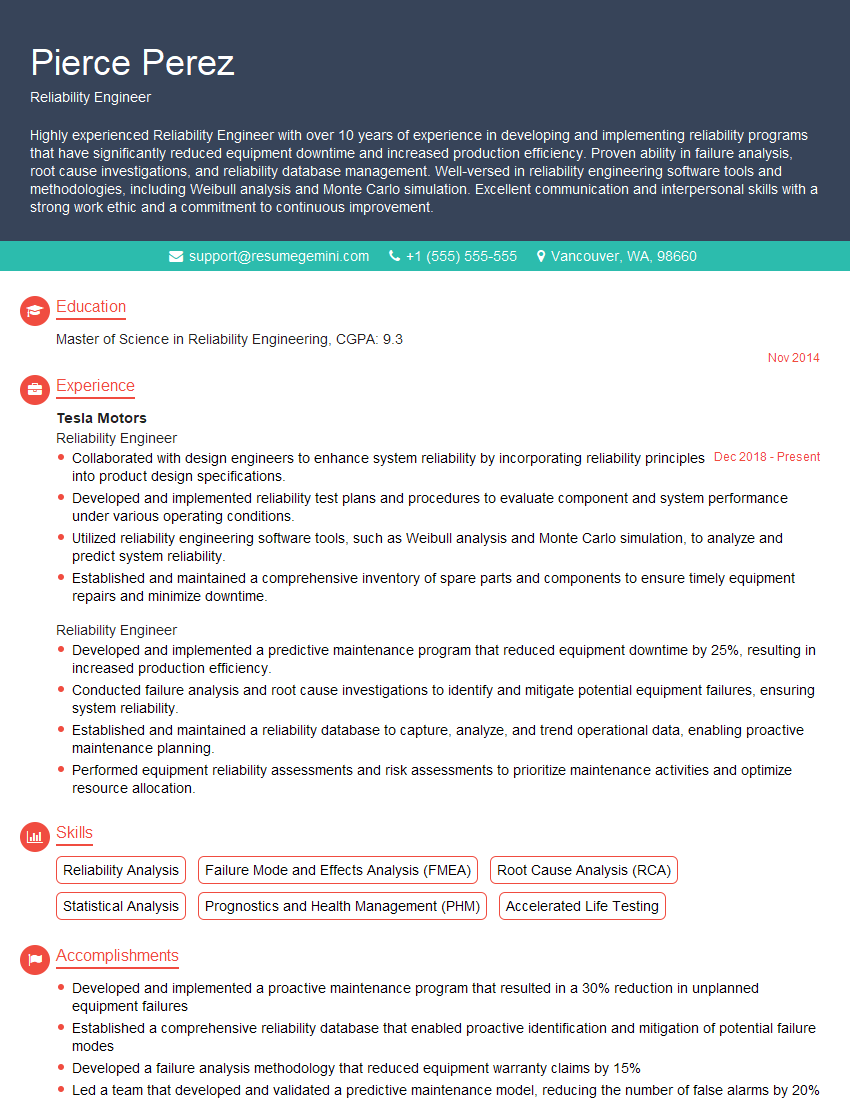
Reliability Engineer Resume Sample
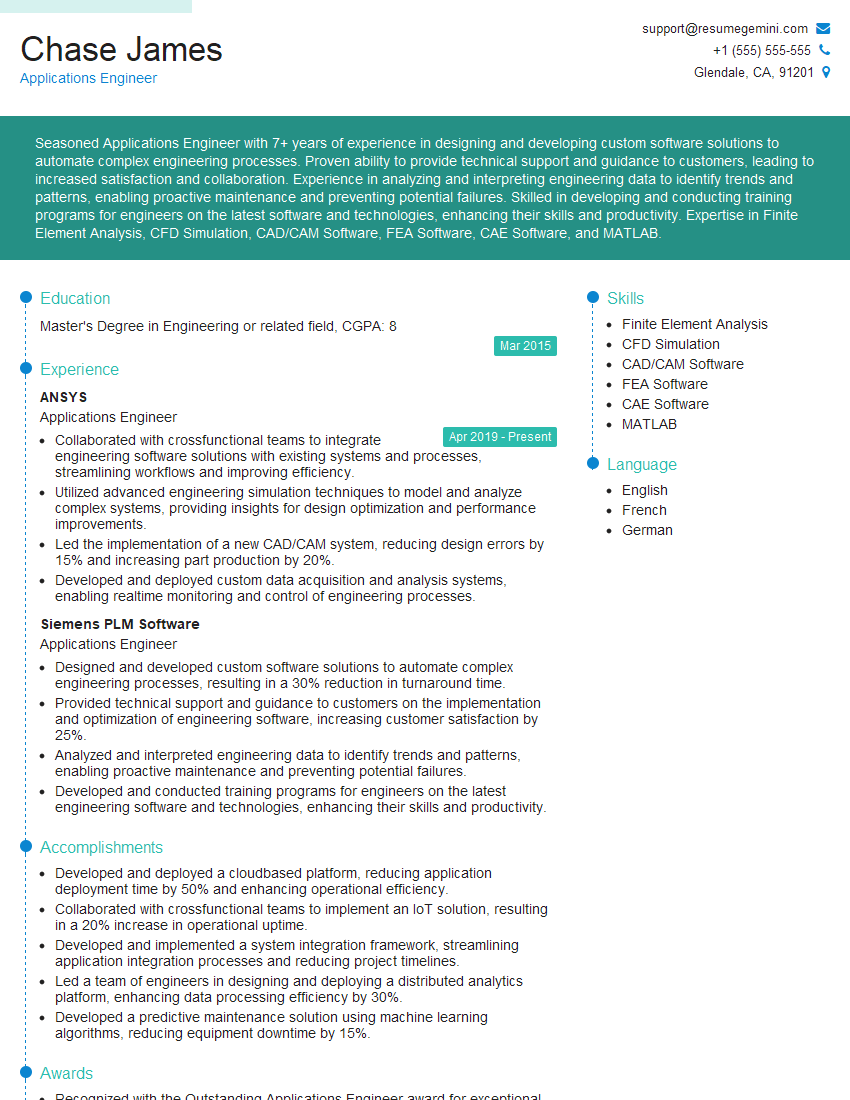
Applications Engineer Resume Sample
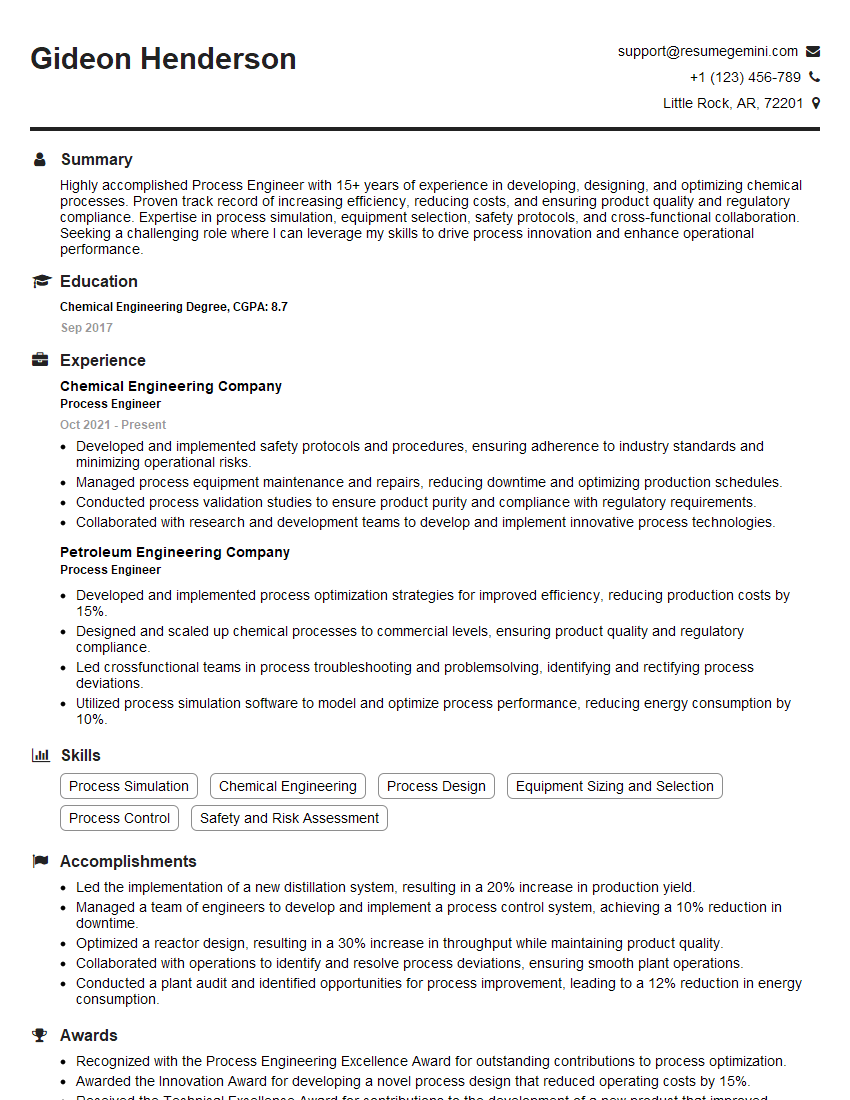
Process Engineer Resume Sample
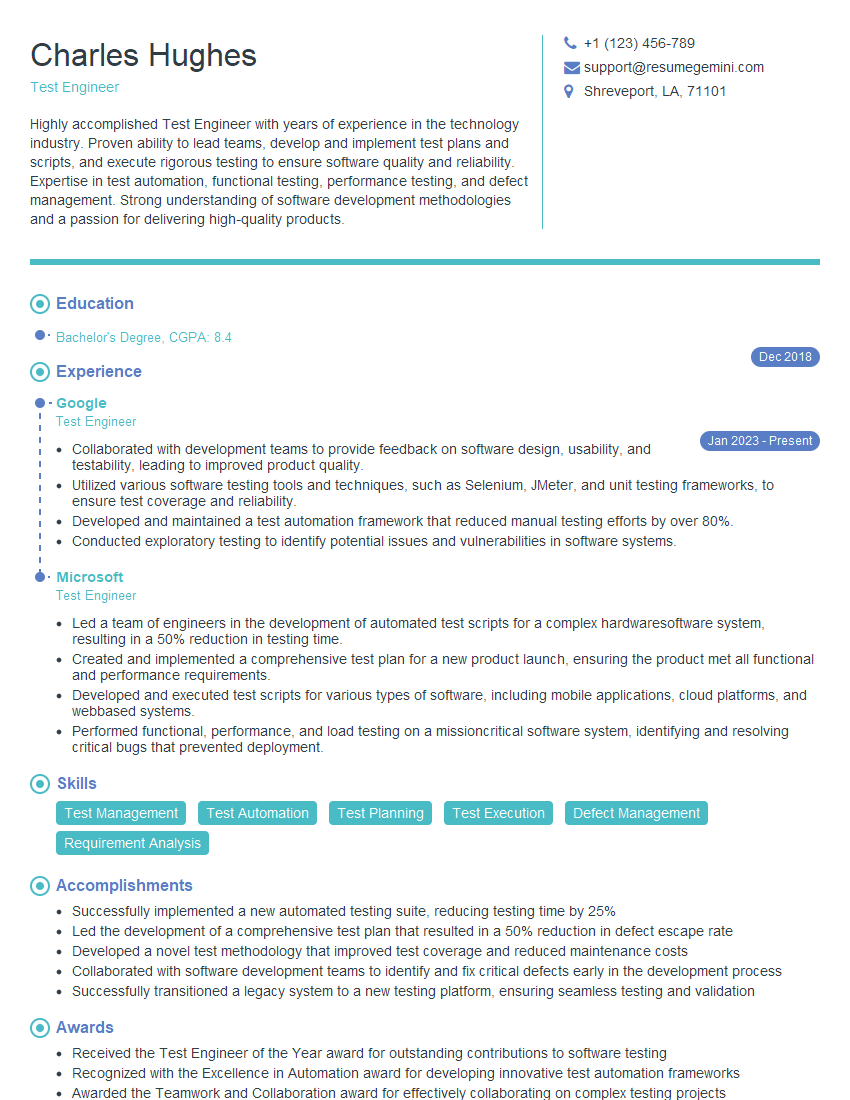
Test Engineer Resume Sample
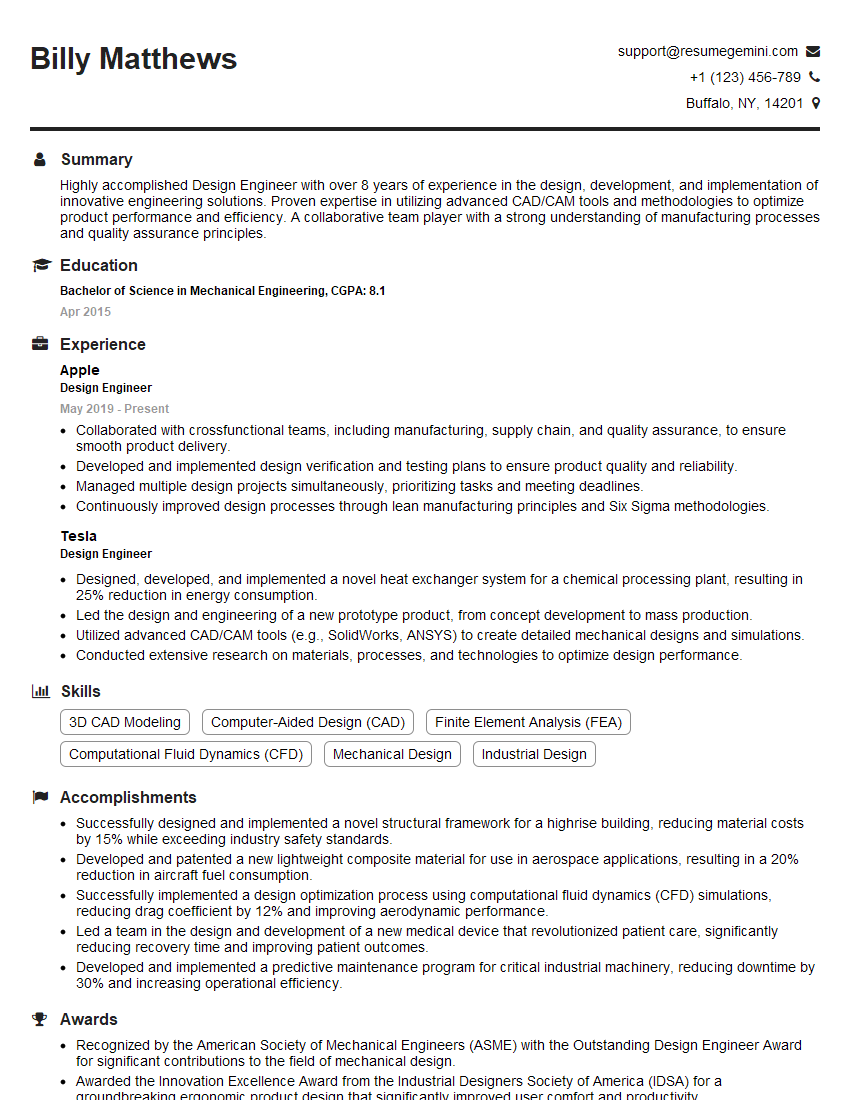
Design Engineer Resume Sample
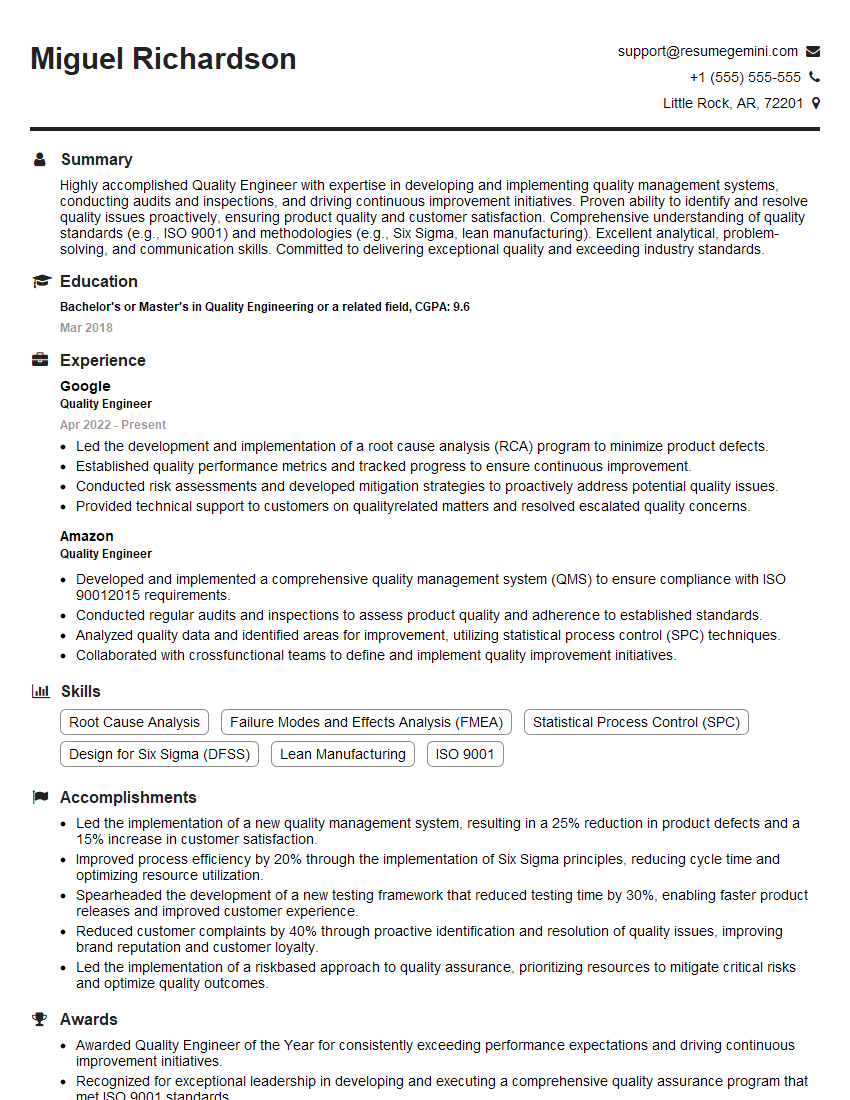
Quality Engineer Resume Sample
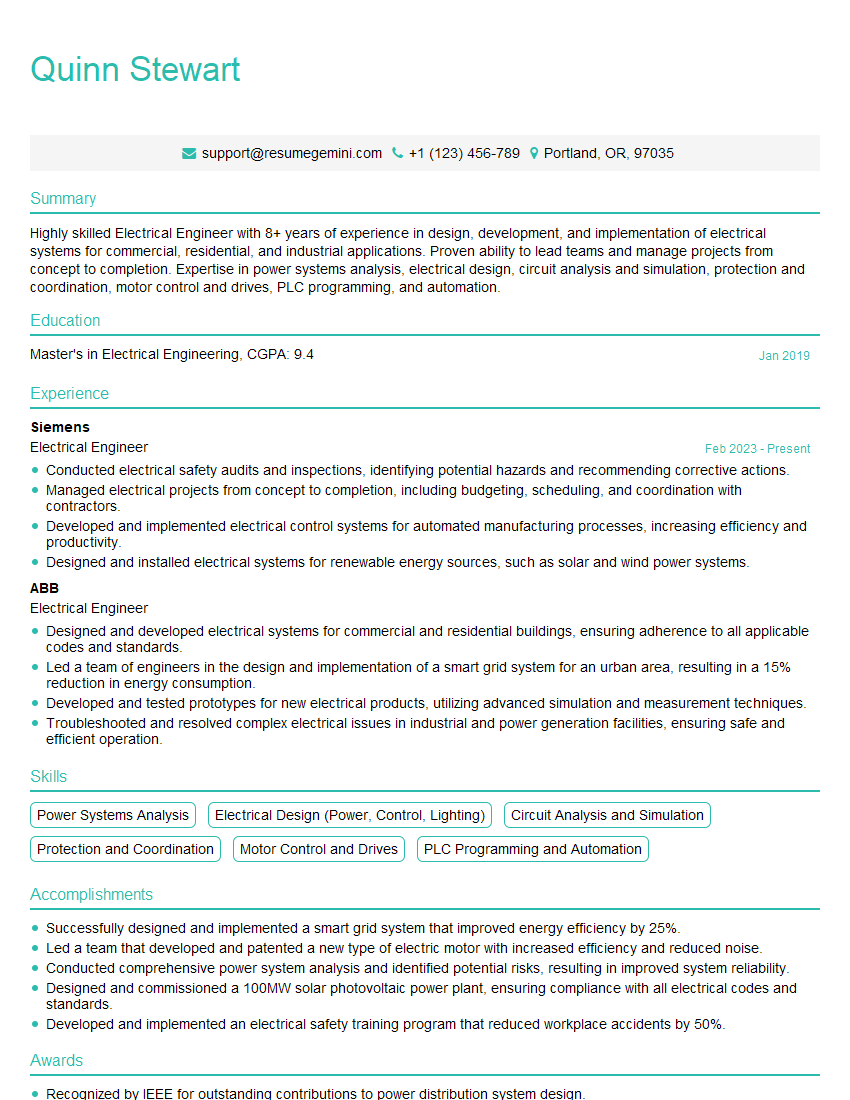
Electrical Engineer Resume Sample
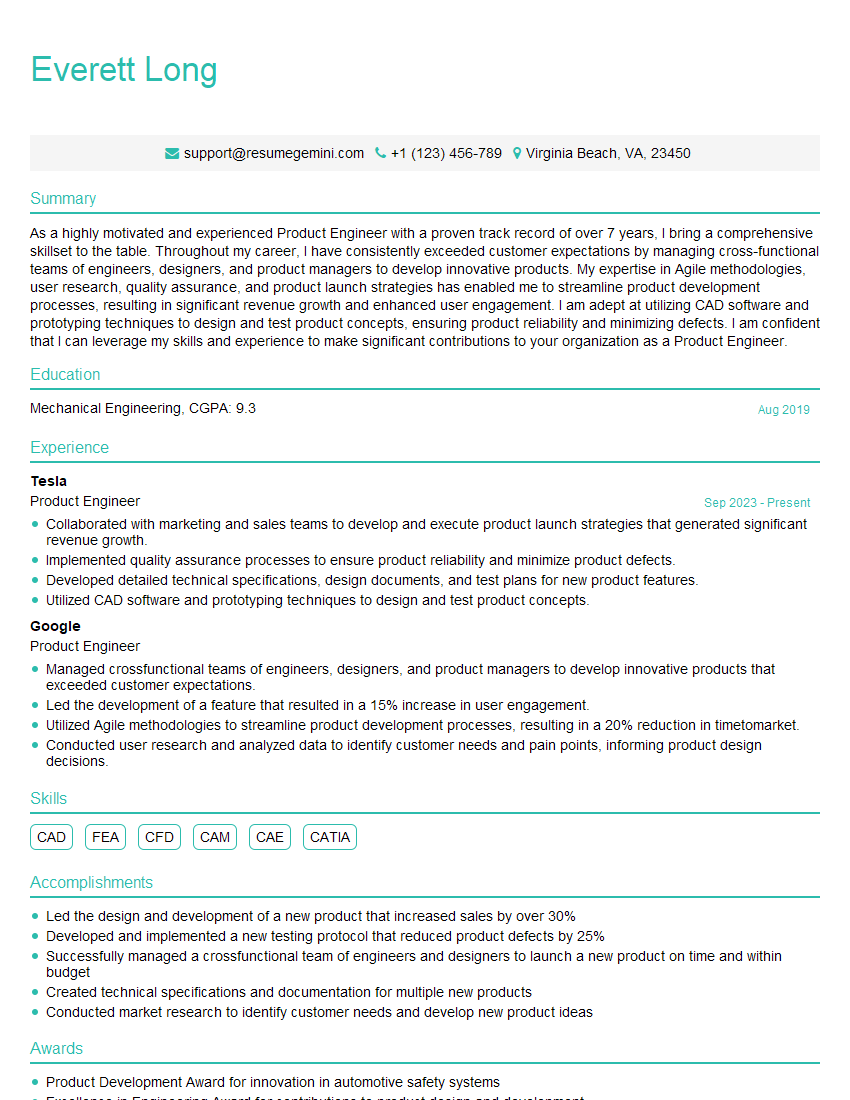
Product Engineer Resume Sample
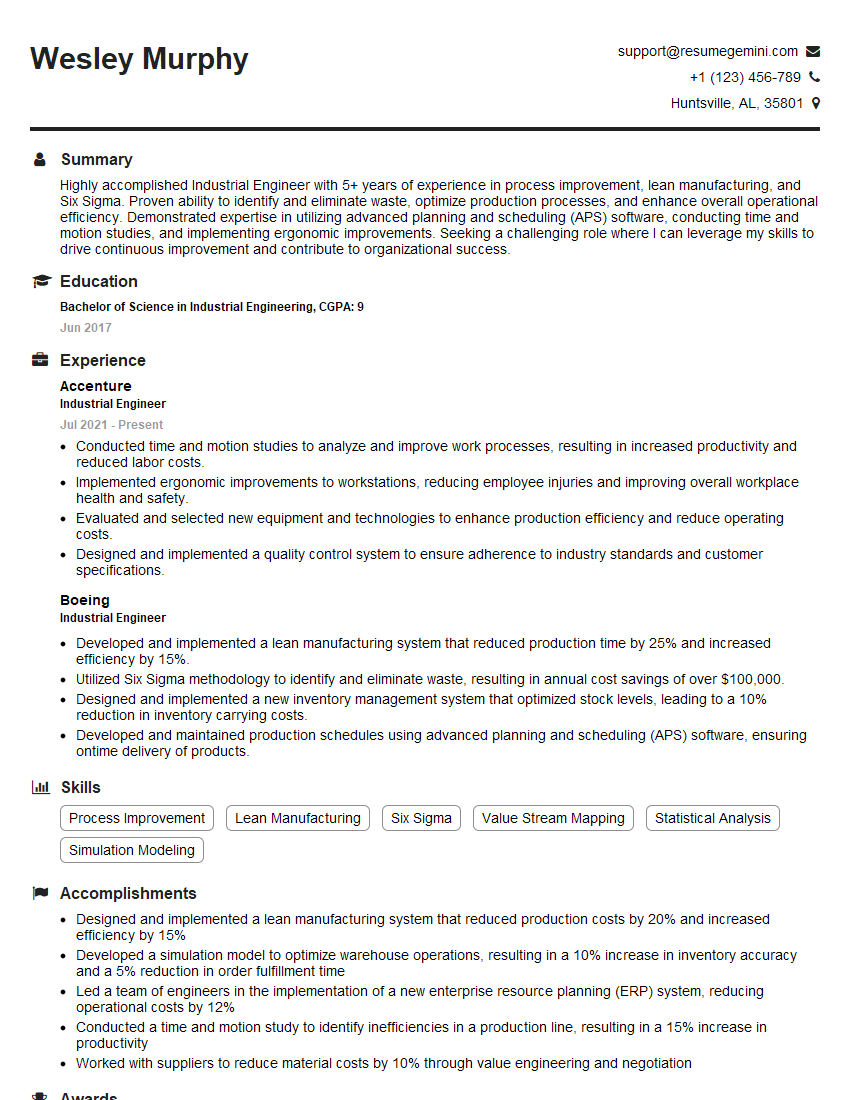
Industrial Engineer Resume Sample
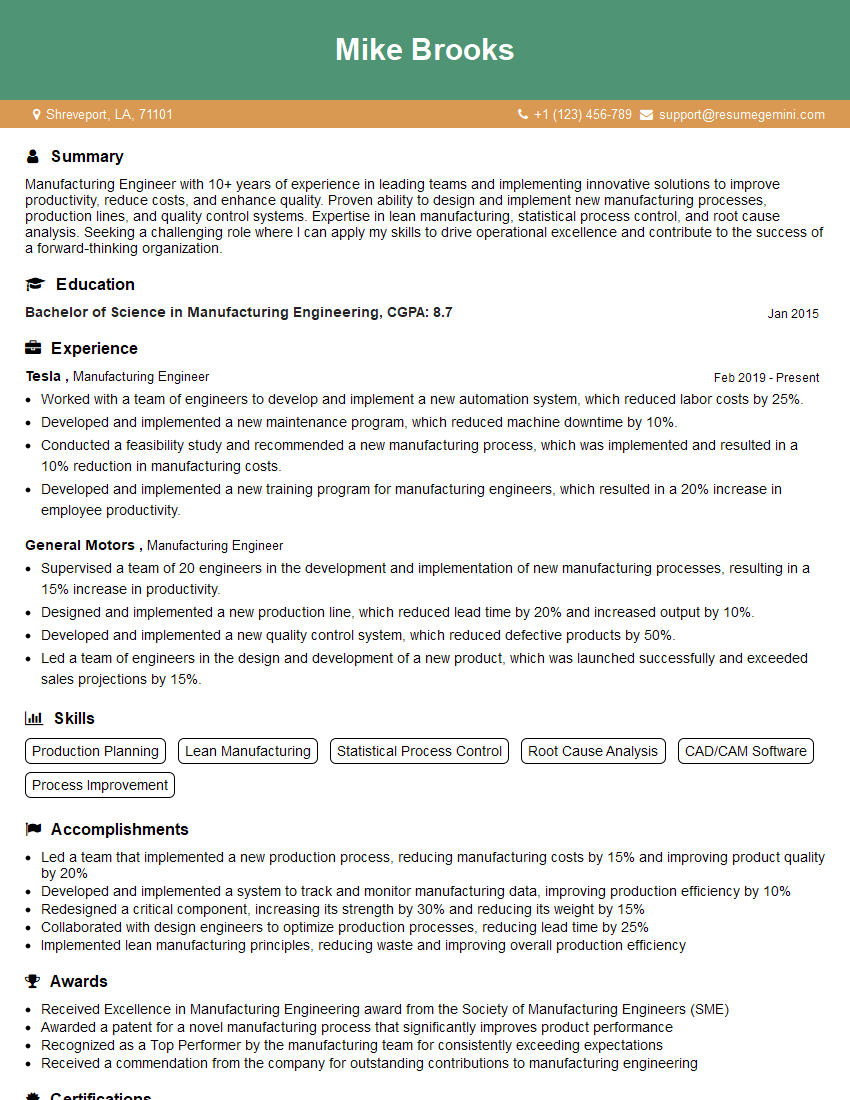
Manufacturing Engineer Resume Sample
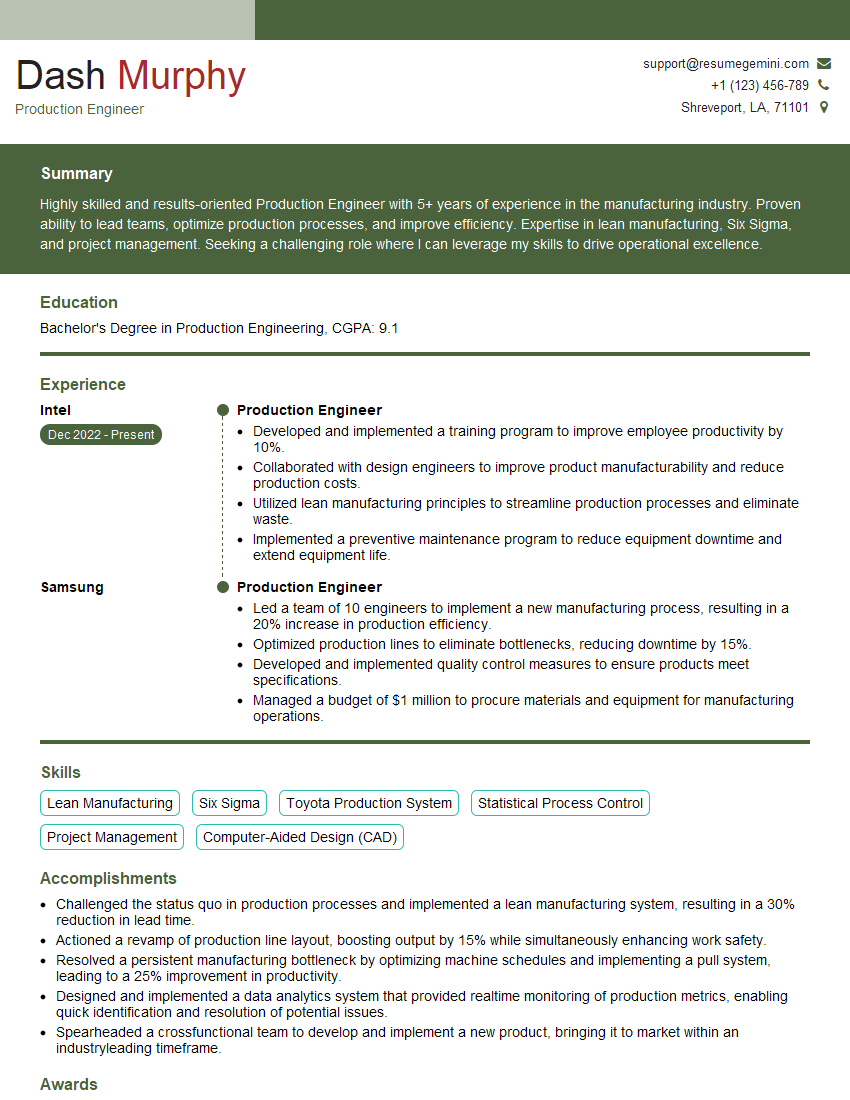
Production Engineer Resume Sample
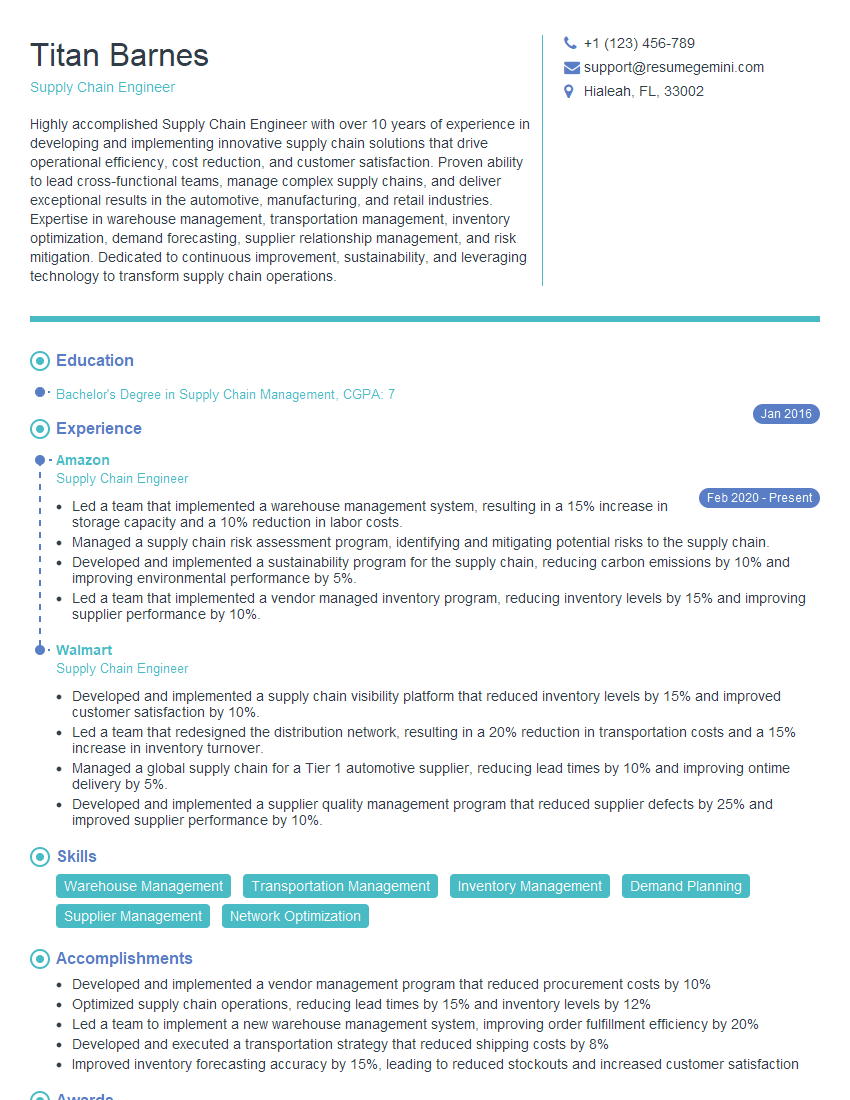
Supply Chain Engineer Resume Sample
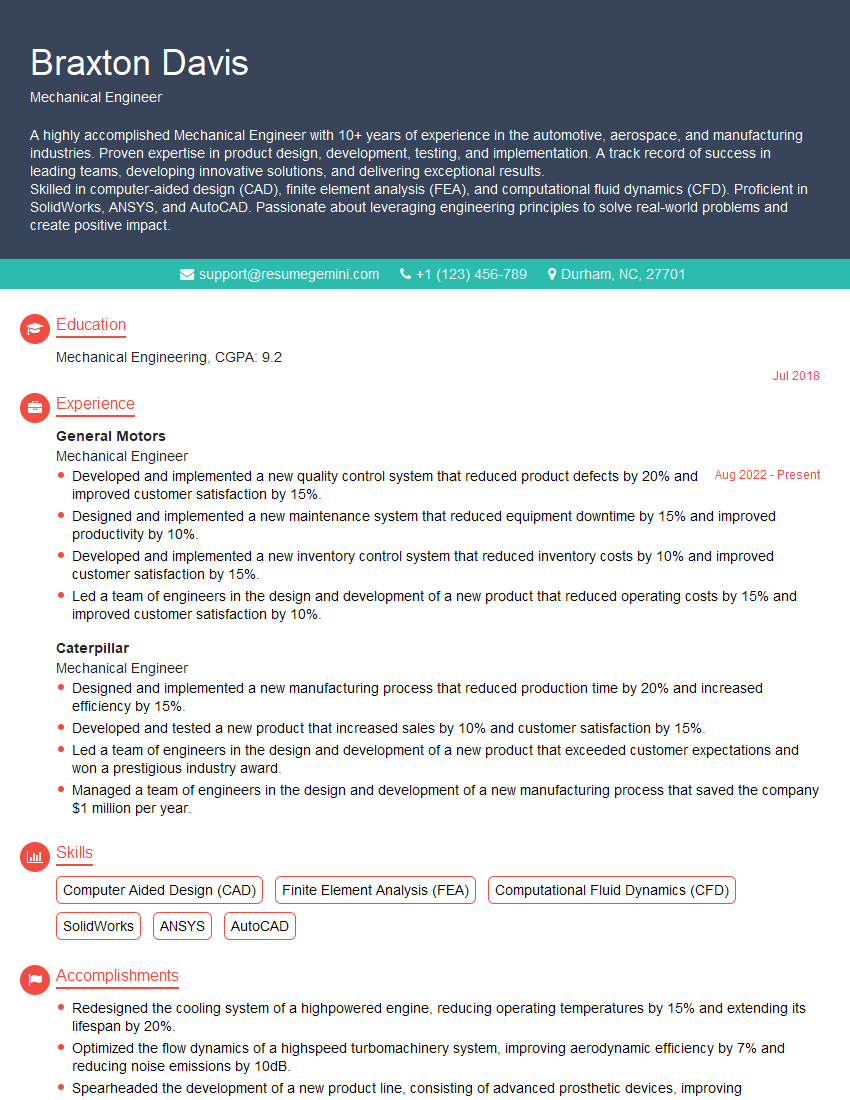
Mechanical Engineer Resume Sample
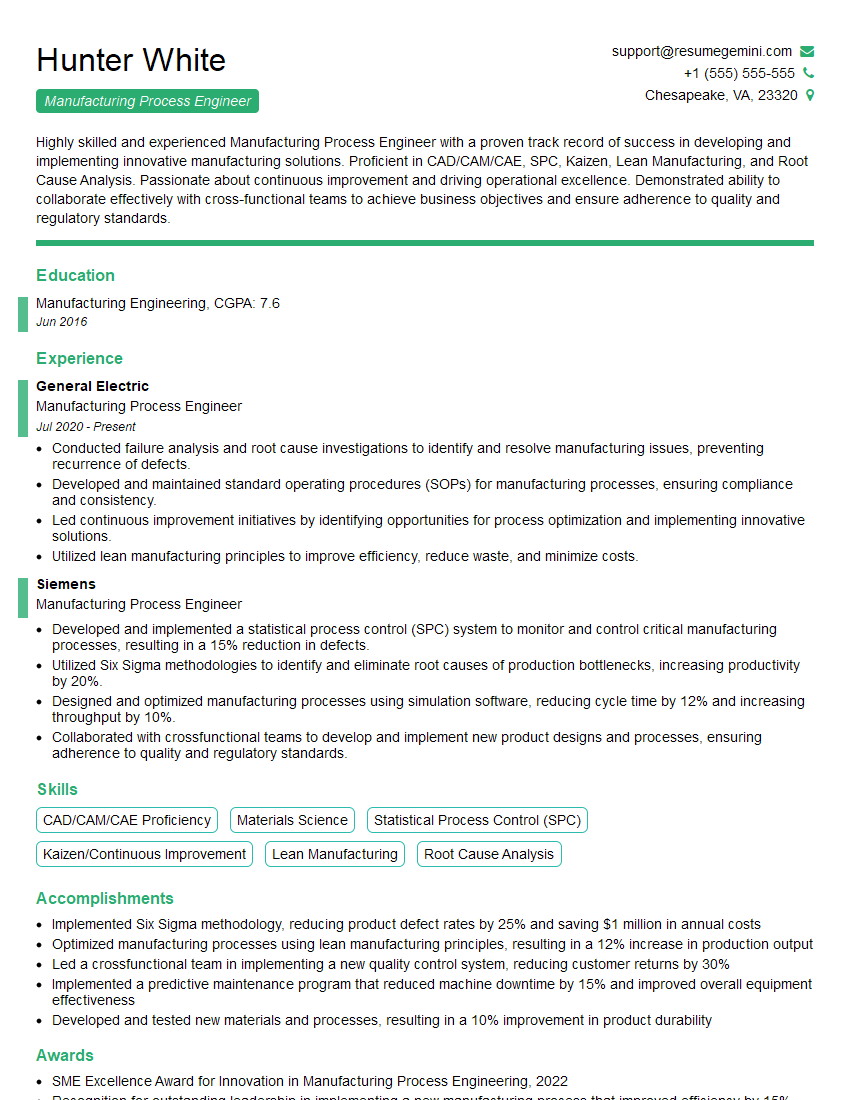
Manufacturing Process Engineer Resume Sample
- Operations Manager
- Manufacturing Manager
- Supply Chain Manager
- Project Engineer
- Reliability Engineer
- Applications Engineer
- Process Engineer
- Test Engineer
- Design Engineer
- Quality Engineer
- Electrical Engineer
- Product Engineer
- Industrial Engineer
- Manufacturing Engineer
- Production Engineer
- Supply Chain Engineer
- Mechanical Engineer
- Manufacturing Process Engineer
Explore more articles
Users Rating of Our Blogs
Share Your Experience
We value your feedback! Please rate our content and share your thoughts (optional).
What Readers Say About Our Blog
Very informative content, great job.
good