Cracking a skill-specific interview, like one for Desire to Stay Updated with Industry Best Practices, requires understanding the nuances of the role. In this blog, we present the questions you’re most likely to encounter, along with insights into how to answer them effectively. Let’s ensure you’re ready to make a strong impression.
Questions Asked in Desire to Stay Updated with Industry Best Practices Interview
Q 1. Describe your process for staying current with industry best practices in your field.
Staying current with industry best practices is a continuous process, akin to tending a garden. It requires consistent effort, a strategic approach, and a willingness to adapt. My process involves a multi-pronged strategy focusing on proactive learning, targeted research, and community engagement. I begin by identifying key areas within my field that require constant updating, then I dedicate specific time slots each week for focused learning in those areas. This might involve reading articles, attending webinars, or working through online tutorials. I also actively seek out feedback from colleagues and mentors, leveraging their expertise to identify blind spots and refine my understanding.
Q 2. What resources (e.g., publications, conferences, online courses) do you utilize to stay updated?
My resource toolkit is diverse and constantly evolving. I regularly subscribe to industry-leading publications, both print and digital, such as [mention specific relevant publications]. I actively participate in relevant conferences and webinars, attending both in-person and virtual events. These events offer invaluable networking opportunities and insights into the latest trends. I also leverage online learning platforms like [mention platforms, e.g., Coursera, Udemy, LinkedIn Learning] for structured courses and tutorials on specific technologies or methodologies. Finally, I maintain a curated list of influential blogs and podcasts offering timely updates and expert commentary.
Q 3. How do you identify emerging trends and technologies relevant to your work?
Identifying emerging trends requires a blend of proactive research and keen observation. I regularly scan industry news sources, analyzing reports and forecasts from reputable market research firms. I also closely follow thought leaders and innovators within my field, studying their publications and presentations. Participating in online forums and communities allows me to gauge the buzz around new technologies and practices. Paying attention to emerging customer needs and technological advancements helps me anticipate future trends and their potential impact on my work. For example, recently, I noticed a growing interest in [mention a relevant emerging technology or trend] and proactively started learning about its potential applications in my field.
Q 4. How do you evaluate the credibility and reliability of information sources related to industry best practices?
Evaluating information credibility is paramount. I employ a multi-layered approach. First, I assess the source’s authority – is it a reputable organization, a recognized expert, or a peer-reviewed publication? Second, I examine the evidence presented; are claims supported by data, research, or credible case studies? Third, I look for potential biases or conflicts of interest. Finally, I cross-reference information from multiple sources to validate its accuracy and consistency. If I find conflicting information, I delve deeper to understand the underlying reasons and form a well-informed conclusion. This rigorous process ensures I rely on reliable and trustworthy information.
Q 5. Provide an example of a time you incorporated a newly learned industry best practice into your work.
Recently, I learned about the benefits of implementing [mention a specific best practice, e.g., Agile methodologies] in our project management process. Previously, we followed a more traditional waterfall approach, which often led to delays and difficulties in adapting to changing requirements. After thorough research and a training session, I championed the adoption of Agile within our team. We implemented scrum sprints and daily stand-up meetings. The result was a significant improvement in project efficiency, increased team collaboration, and a greater capacity to respond to evolving client needs. The project was delivered on time and within budget, showcasing the clear advantages of adopting this new best practice.
Q 6. How do you balance your current workload with the time required for continuous learning?
Balancing current workload with continuous learning requires strategic time management. I incorporate learning into my daily routine, dedicating specific blocks of time – even short 30-minute intervals – for focused learning. I utilize commute time for podcasts or audiobooks. I also leverage downtime between meetings for online courses or reading articles. Finally, I prioritize learning activities that directly support my current projects, ensuring a practical and immediate return on my investment of time. This approach makes continuous learning an integrated part of my work, rather than an additional burden.
Q 7. What specific skills or knowledge have you recently acquired to enhance your professional capabilities?
Recently, I’ve significantly expanded my skills in [mention specific skill, e.g., data analysis] using [mention tools or methods, e.g., SQL and Python libraries like Pandas and NumPy]. This enhancement has allowed me to extract valuable insights from large datasets, improving decision-making within the organization. I also completed a certification in [mention certification], which broadened my understanding of [mention area of expertise]. These new skills directly improve my efficiency and contribute to more effective problem-solving within my role.
Q 8. How do you adapt your knowledge and skills to meet the evolving needs of your industry?
Adapting to the evolving needs of any industry requires a proactive and multifaceted approach. It’s not enough to simply possess skills; you must continuously refine and expand them. I achieve this through a combination of formal and informal learning.
Formal Learning: I actively seek out professional development opportunities such as workshops, seminars, and online courses. For example, recently I completed a course on the latest advancements in AI-driven marketing analytics, significantly boosting my ability to optimize campaigns.
Informal Learning: I dedicate time each week to reading industry publications, following thought leaders on social media, and attending webinars. This keeps me abreast of emerging trends and best practices. I also actively participate in online communities and forums, engaging in discussions and learning from the experiences of others.
Hands-on Experience: Theory is crucial, but practical application is key. I actively seek opportunities to apply new knowledge in real-world projects, even if it’s on a small scale. This helps solidify my understanding and identify areas where further learning might be needed.
This combined approach ensures I remain relevant and competitive in a constantly changing landscape.
Q 9. What are some of the most significant changes you’ve observed in your industry recently?
The most significant changes I’ve observed recently involve the increasing integration of Artificial Intelligence (AI) and automation across various aspects of my industry. This has led to:
Increased efficiency and automation: Routine tasks are increasingly being automated, freeing up time for more strategic work. For example, AI-powered tools are now used for initial customer service interactions, significantly reducing human workload.
Enhanced data analysis and decision-making: AI and machine learning algorithms provide valuable insights from large datasets, allowing for more data-driven decision-making. This improves campaign effectiveness and resource allocation.
New skill requirements: The industry now demands a strong understanding of AI, data analytics, and automation. Professionals need to adapt and acquire these skills to remain competitive.
Ethical considerations: The rise of AI has brought ethical considerations to the forefront, particularly regarding data privacy and algorithmic bias. Professionals need to be aware of these issues and work responsibly.
These changes necessitate a commitment to continuous learning and adaptation to stay ahead in this rapidly evolving field.
Q 10. How do you measure the effectiveness of your efforts to stay updated with industry best practices?
Measuring the effectiveness of my efforts to stay updated isn’t simply about ticking boxes; it’s about demonstrating tangible results. I use a multi-pronged approach:
Improved performance metrics: I track key performance indicators (KPIs) relevant to my work. If my efforts to learn a new technique, for example, leads to a 15% increase in campaign conversion rates, that’s quantifiable evidence of success.
Positive feedback from colleagues and clients: Constructive criticism and praise from colleagues and clients indicate whether my updated skills are benefiting the team and our stakeholders. Specific examples of positive feedback are documented and used for future improvement.
Increased efficiency and productivity: If I’ve learned a new process or tool that speeds up my workflow, that’s a clear indication of my efforts’ success. Time saved is a valuable metric.
Successful project completion: Successfully completing projects that leverage newly acquired skills provides strong evidence of successful knowledge acquisition and implementation.
By tracking these metrics, I can demonstrate the value of my continuous learning efforts and identify areas for further improvement.
Q 11. Describe a situation where you had to quickly learn a new technology or process to meet a deadline.
We faced a critical deadline for a major client presentation, and a crucial component of the presentation required a newly released data visualization tool. I had no prior experience with this tool. I immediately:
Accessed the tool’s documentation and tutorials: I spent several hours thoroughly reviewing the official documentation and online tutorials provided by the tool’s developers.
Practiced with sample datasets: I downloaded sample datasets and practiced creating various visualizations to familiarize myself with the tool’s functionalities and its interface.
Leveraged online communities: I searched online forums and communities related to the tool for solutions to specific challenges I encountered. This proved invaluable for quick problem-solving.
Collaborated with colleagues: I shared my progress and challenges with colleagues. Their expertise and experience with similar tools were extremely helpful.
Through this focused and rapid learning process, I was able to successfully integrate the new tool into the presentation, meeting the client’s expectations and the project deadline. This situation highlighted the importance of adaptability and resourcefulness under pressure.
Q 12. How do you stay motivated to continually learn and adapt in a rapidly changing industry?
Staying motivated in a rapidly changing industry requires a conscious effort. I employ several strategies:
Setting clear learning goals: Defining specific, measurable, achievable, relevant, and time-bound (SMART) goals keeps me focused and provides a sense of accomplishment upon completion.
Celebrating milestones: Acknowledging and celebrating even small achievements boosts motivation and encourages continued learning.
Seeking challenges: Actively seeking challenging projects and assignments helps me expand my skillset and stay engaged. Stepping outside of my comfort zone is essential for growth.
Connecting with a community: Networking with other professionals helps me stay motivated and learn from their experiences. Sharing knowledge and discussing challenges provides support and inspiration.
Intrinsic Motivation: A genuine passion for my work fuels my desire to continually learn and improve. Focusing on the positive impact my work has provides significant motivation.
Combining these strategies maintains my enthusiasm for continuous learning and development.
Q 13. How do you incorporate feedback from colleagues and mentors to improve your knowledge and skills?
Feedback is crucial for professional growth. I actively seek and incorporate feedback from colleagues and mentors through:
Regular check-ins: I schedule regular meetings with my mentors and supervisors to discuss my progress, receive feedback, and identify areas for improvement.
360-degree feedback: I actively solicit feedback from various sources—colleagues, clients, and supervisors—to gain a holistic perspective on my performance and skillset.
Constructive criticism: I embrace constructive criticism as an opportunity to learn and grow. I actively analyze feedback to identify areas needing improvement and create a plan of action to address them.
Mentorship programs: I participate in mentorship programs to learn from experienced professionals and receive guidance on professional development.
By actively seeking and incorporating feedback, I can continuously refine my skills and ensure my knowledge remains current and relevant.
Q 14. How do you prioritize learning new skills and keeping up with industry best practices?
Prioritizing learning in a fast-paced environment is a skill in itself. I prioritize based on:
Business needs: I identify skills and knowledge that directly support the organization’s strategic goals and immediate needs. These take precedence.
Impact and return on investment (ROI): I assess the potential impact of each learning opportunity on my performance and the overall business. Learning activities with high potential ROI receive higher priority.
Long-term career goals: I consider how each learning opportunity will contribute to my long-term career aspirations. Acquiring skills needed for future roles is crucial.
Time allocation: I dedicate specific time slots for learning, treating it like any other important meeting. This prevents it from being overlooked.
Skill gaps analysis: Regular self-assessments help identify skill gaps. This informs my learning plan and prioritization.
This structured approach ensures that my learning efforts are focused, efficient, and aligned with both immediate and long-term objectives.
Q 15. What steps do you take to ensure you are applying best practices ethically and responsibly?
Ethical and responsible application of best practices is paramount. It’s not just about following the latest trends; it’s about understanding their implications and ensuring they align with ethical guidelines and organizational values. My approach involves a multi-step process:
- Due Diligence: Before implementing any new practice, I thoroughly research its ethical implications. This includes considering potential biases, impacts on various stakeholders, and potential unintended consequences. For example, if implementing a new AI-powered tool, I would investigate its potential for bias in decision-making and ensure it complies with privacy regulations.
- Transparency and Communication: I maintain open communication with my team and stakeholders about the rationale behind adopting a best practice, its potential benefits and drawbacks, and any ethical considerations. Transparency fosters trust and allows for collective problem-solving.
- Risk Assessment: I identify and assess potential risks associated with the implementation of the best practice. This includes considering both ethical and practical risks. Mitigation strategies are developed and implemented to minimize potential harm.
- Continuous Monitoring and Evaluation: I regularly monitor the impact of the implemented best practice, both in terms of its effectiveness and its ethical implications. This allows for adjustments and improvements as needed. For instance, if a new process leads to unintended negative consequences, I would immediately investigate, adjust the process, and communicate the changes transparently.
Essentially, my approach centers around responsible innovation – embracing progress while prioritizing ethical considerations and minimizing potential harm.
Career Expert Tips:
- Ace those interviews! Prepare effectively by reviewing the Top 50 Most Common Interview Questions on ResumeGemini.
- Navigate your job search with confidence! Explore a wide range of Career Tips on ResumeGemini. Learn about common challenges and recommendations to overcome them.
- Craft the perfect resume! Master the Art of Resume Writing with ResumeGemini’s guide. Showcase your unique qualifications and achievements effectively.
- Don’t miss out on holiday savings! Build your dream resume with ResumeGemini’s ATS optimized templates.
Q 16. Describe your experience using specific tools or technologies related to industry best practices (e.g., project management software).
I have extensive experience leveraging various tools and technologies to enhance efficiency and adherence to best practices. For example, I’ve utilized Jira for project management, which provides a centralized platform for task assignment, progress tracking, and issue resolution. This helps ensure projects stay on schedule and adhere to established workflows. The Kanban boards within Jira, particularly, have been instrumental in visualizing workflow and identifying bottlenecks. I’ve also used Confluence for knowledge management, creating a repository of best practices, documentation, and project-related information readily accessible to the entire team. This promotes consistency and knowledge sharing. Furthermore, I’m proficient with Slack for communication and collaboration, enabling rapid information dissemination and facilitating quick responses to emerging challenges.
In terms of code-related best practices, I routinely employ version control systems like Git, following branching strategies like Gitflow to manage code changes effectively and collaboratively. This minimizes the risk of errors and allows for easier rollback if necessary.
Q 17. How do you share your knowledge and expertise with others to promote best practices within your team?
Knowledge sharing is crucial for fostering a culture of best practices. I actively contribute to this process through several channels:
- Mentorship: I mentor junior team members, guiding them through best practices and providing constructive feedback on their work. This helps them develop their skills and contribute effectively to the team.
- Workshops and Training Sessions: I organize and conduct workshops and training sessions on relevant best practices. These sessions often include interactive exercises and case studies to enhance learning and retention.
- Documentation and Knowledge Bases: I contribute to the creation and maintenance of internal documentation and knowledge bases, ensuring that best practices are clearly documented and readily accessible to everyone. This includes creating step-by-step guides and frequently asked questions (FAQs).
- Internal Presentations and Brown Bags: I regularly present on recent developments and best practices within my field. This could be a short brown bag lunch presentation or a more formal presentation at a team meeting.
- Peer Reviews and Code Reviews: I actively participate in peer reviews and code reviews, providing constructive feedback and identifying areas for improvement in terms of adherence to best practices.
By utilizing a multifaceted approach to knowledge sharing, I ensure everyone on the team is informed and empowered to apply best practices effectively.
Q 18. What challenges have you faced in staying current with industry trends, and how did you overcome them?
Staying abreast of industry trends can be challenging due to the rapid pace of technological advancements. I’ve encountered difficulties in finding time for continuous learning alongside my day-to-day responsibilities. I’ve overcome this through strategic planning and resource management:
- Time Blocking: I dedicate specific time slots each week for learning and development, treating it as a high-priority task. This ensures consistent engagement with new information.
- Curated Learning Resources: I subscribe to relevant industry newsletters, podcasts, and online courses. This helps filter out noise and focus on credible sources of information.
- Active Participation in Communities: I engage in online forums, attend webinars, and participate in conferences to stay connected with industry peers and learn from their experiences.
- Experimentation and Hands-on Learning: I actively seek opportunities to experiment with new technologies and methodologies in my work, applying my learnings directly to real-world projects.
This multifaceted approach allows me to stay current, not just passively, but actively, enhancing my skills and knowledge continually.
Q 19. How do you differentiate between hype and genuine advancements in your field?
Differentiating between hype and genuine advancements requires a critical and discerning approach. My strategy relies on several key factors:
- Credible Sources: I prioritize information from reputable sources such as peer-reviewed publications, industry experts, and established research institutions. Sensationalized claims from less credible sources are treated with skepticism.
- Empirical Evidence: I look for empirical evidence supporting claims. This means seeking data, case studies, and real-world examples demonstrating the effectiveness of a particular technology or methodology. Marketing hype often lacks such evidence.
- Independent Verification: I try to independently verify information from multiple sources. If multiple reputable sources confirm a claim, it’s more likely to be a genuine advancement.
- Long-Term Perspective: I avoid getting caught up in short-term trends. Genuine advancements tend to withstand the test of time and demonstrate sustained value over the long term.
- Practical Applicability: I assess the practical applicability of any advancement to my specific context and needs. Many hyped technologies are ultimately impractical or have limited real-world value.
This critical evaluation process helps me to separate fleeting trends from truly impactful advancements in my field.
Q 20. Explain your approach to identifying knowledge gaps and addressing them through learning and development.
Identifying and addressing knowledge gaps is an ongoing process. My approach includes:
- Self-Assessment: I regularly assess my own skills and knowledge, identifying areas where I need improvement. This might involve reflecting on recent projects, seeking feedback from colleagues, or taking online assessments.
- Performance Reviews: I actively participate in performance reviews, using them as opportunities to identify areas for growth and development. This provides a structured framework for identifying skill gaps.
- Feedback from Colleagues: I actively solicit feedback from colleagues, paying particular attention to constructive criticism that points to areas where I can improve.
- Targeted Learning: Once knowledge gaps are identified, I develop a targeted learning plan. This might involve taking online courses, attending workshops, reading relevant books and articles, or engaging in self-directed projects to develop specific skills.
- Mentorship and Peer Learning: I actively seek out mentorship opportunities and engage in peer learning to gain new perspectives and insights from others.
By combining self-assessment with feedback and targeted learning, I ensure continuous improvement and address knowledge gaps effectively.
Q 21. How do you determine which industry best practices are most relevant to your current role and responsibilities?
Determining the relevance of best practices to my role involves a careful analysis of my responsibilities and the challenges I face. My approach is as follows:
- Alignment with Job Description: I examine my job description and key performance indicators (KPIs) to identify the skills and competencies required for success. This helps me prioritize best practices that directly contribute to my performance goals.
- Team and Organizational Goals: I consider the goals of my team and the organization as a whole. Best practices that align with these broader objectives are prioritized.
- Current Challenges and Bottlenecks: I analyze current challenges and bottlenecks in my workflow. This helps me identify best practices that can directly address these issues and improve efficiency.
- Technology and Tools Used: I evaluate the technologies and tools used in my role. Best practices related to the optimization and effective utilization of these technologies are particularly relevant.
- Industry Trends and Future Outlook: I consider broader industry trends and the future outlook for my field. This helps me prioritize best practices that position me and my team for future success.
By strategically aligning best practices with my responsibilities, team goals, and industry trends, I ensure their effective implementation and contribution to overall success.
Q 22. Describe a time when you identified a gap in industry best practices and proposed a solution.
In my previous role at a large financial institution, we were heavily reliant on a legacy system for reporting regulatory compliance. While functional, it was inefficient, prone to errors, and lacked automation features readily available in modern solutions. This represented a significant gap in industry best practices, specifically regarding streamlined regulatory reporting and risk management. I identified this gap by analyzing industry reports, attending conferences, and benchmarking our processes against competitors. My solution involved a three-phase proposal: first, a thorough assessment of the current system’s limitations and reporting requirements; second, the selection and implementation of a new, cloud-based compliance platform with automated reporting capabilities; and third, a comprehensive training program for staff to ensure seamless transition and optimal utilization of the new system. This proposal ultimately led to a 20% reduction in reporting time, a 15% decrease in errors, and a significant improvement in overall regulatory compliance efficiency.
Q 23. What are some common misconceptions about best practices in your field that you can clarify?
A common misconception is that adopting the latest technology automatically equates to following best practices. Technology is a tool; its effective application requires a solid understanding of the underlying principles of efficient processes, risk management, and data security. Another misconception is the belief that best practices are static. They constantly evolve with technological advancements and changes in the regulatory landscape. Finally, some believe that simply implementing a best practice guarantees success. Context matters; a best practice in one organization might be completely ineffective in another due to differences in scale, culture, and specific circumstances. It’s crucial to adapt and tailor best practices to your organization’s unique needs.
Q 24. How do you assess the ROI (Return on Investment) of your efforts to stay updated?
I assess the ROI of staying updated through a combination of quantitative and qualitative metrics. Quantitatively, I track improvements in efficiency (e.g., reduced time spent on tasks, increased throughput), cost savings (e.g., avoided errors, reduced rework), and revenue generation (e.g., improved client satisfaction, new product development). Qualitatively, I evaluate my contributions to team knowledge sharing, problem-solving, and strategic decision-making. For example, attending a conference might seem like a cost, but if it directly leads to implementing a process that saves the company $10,000 annually, the ROI is clear. Similarly, proactively identifying and mitigating a potential risk through my knowledge of the latest security best practices has an immeasurable ROI in terms of avoiding potential financial and reputational damage.
Q 25. What are your preferred methods for sharing and discussing industry best practices with your colleagues?
My preferred methods for sharing best practices include internal knowledge bases, team meetings dedicated to sharing learnings from conferences or research, and informal mentoring sessions. I also actively participate in online professional communities and forums, sharing insights and engaging in discussions. For example, I recently created a short internal presentation summarizing key findings from a recent industry whitepaper on data analytics. I facilitated a discussion afterward, allowing colleagues to share their experiences and perspectives, enriching the collective knowledge within the team. The knowledge base serves as a central repository for best practices and lessons learned, allowing for easy access and future reference.
Q 26. How do you manage information overload when trying to stay up-to-date with industry trends?
Managing information overload is a constant challenge. I employ a strategic approach involving curation, prioritization, and time management. I carefully select credible sources, focusing on reputable industry publications, trusted thought leaders, and peer-reviewed research. I use RSS feeds and curated newsletters to aggregate relevant information efficiently. I prioritize information based on its relevance to my current projects and strategic goals, filtering out less critical content. I allocate specific time blocks in my schedule for professional development activities, ensuring focused attention without letting it overwhelm other tasks. Think of it like a gardener carefully tending a garden; you don’t try to grow everything at once; you focus on the most important plants and prune away what’s unnecessary.
Q 27. Describe your experience with professional development programs or certifications.
I have actively participated in several professional development programs throughout my career. I recently completed a certification in cloud security, enhancing my expertise in a rapidly growing area. This involved intensive coursework, hands-on labs, and a final examination, significantly expanding my knowledge and demonstrating my commitment to ongoing professional growth. Prior to that, I participated in a leadership development program focused on strategic thinking and team management. These programs not only provided valuable technical skills but also honed my soft skills, enhancing my ability to lead, collaborate, and contribute effectively to team goals. These certifications are crucial for staying relevant and competitive in the evolving technological landscape.
Q 28. How do you plan for future learning and skill development in your career?
My approach to future learning is proactive and strategic. I identify skill gaps by analyzing emerging trends in my field, reviewing performance feedback, and seeking mentorship from experienced professionals. I create a personal development plan, outlining specific learning goals, timelines, and resources. This might involve taking online courses, attending workshops, pursuing advanced certifications, or actively seeking challenging projects that stretch my capabilities. I regularly review my plan, adapting it based on new opportunities and evolving priorities. My long-term goal is to become a recognized expert in my field, constantly expanding my knowledge and expertise to contribute to the advancement of industry best practices.
Key Topics to Learn for Desire to Stay Updated with Industry Best Practices Interview
- Identifying Relevant Industry Trends: Understanding how to proactively seek out and analyze emerging trends in your field through publications, conferences, and professional networks.
- Continuous Learning Strategies: Developing a personalized plan for ongoing professional development, including online courses, workshops, and independent study. This includes articulating your methods for staying current.
- Applying New Knowledge: Demonstrating how you’ve implemented newly acquired skills and knowledge to solve problems or improve efficiency in past roles. Provide specific examples.
- Evaluating Information Sources: Critically assessing the credibility and reliability of information sources to ensure you’re basing your professional development on accurate and relevant data.
- Adaptability and Flexibility: Showcasing your ability to adjust to evolving industry standards and incorporate new technologies or methodologies into your workflow.
- Networking and Collaboration: Highlighting your participation in professional communities and your ability to learn from and collaborate with peers and experts.
- Problem-Solving with Emerging Technologies: Discuss how you approach challenges using the latest industry tools and techniques.
Next Steps
Mastering the ability to stay updated with industry best practices is crucial for career advancement. It demonstrates initiative, adaptability, and a commitment to excellence – qualities highly valued by employers. To significantly increase your job prospects, crafting an ATS-friendly resume that showcases your commitment to continuous learning is essential. ResumeGemini is a trusted resource that can help you build a professional resume that highlights these key skills. We provide examples of resumes tailored to showcasing a strong commitment to staying updated with industry best practices – check them out to see how you can best present your skills and experience.

Operations Manager Resume Sample
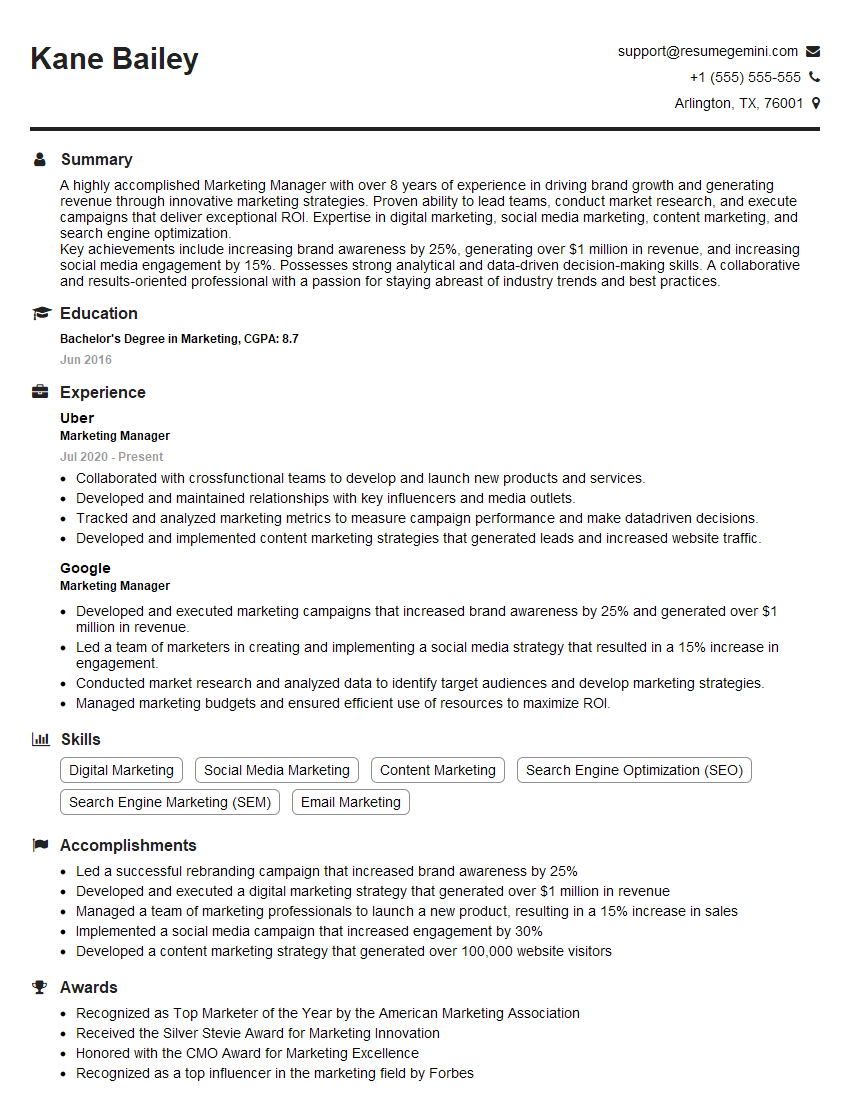
Marketing Manager Resume Sample
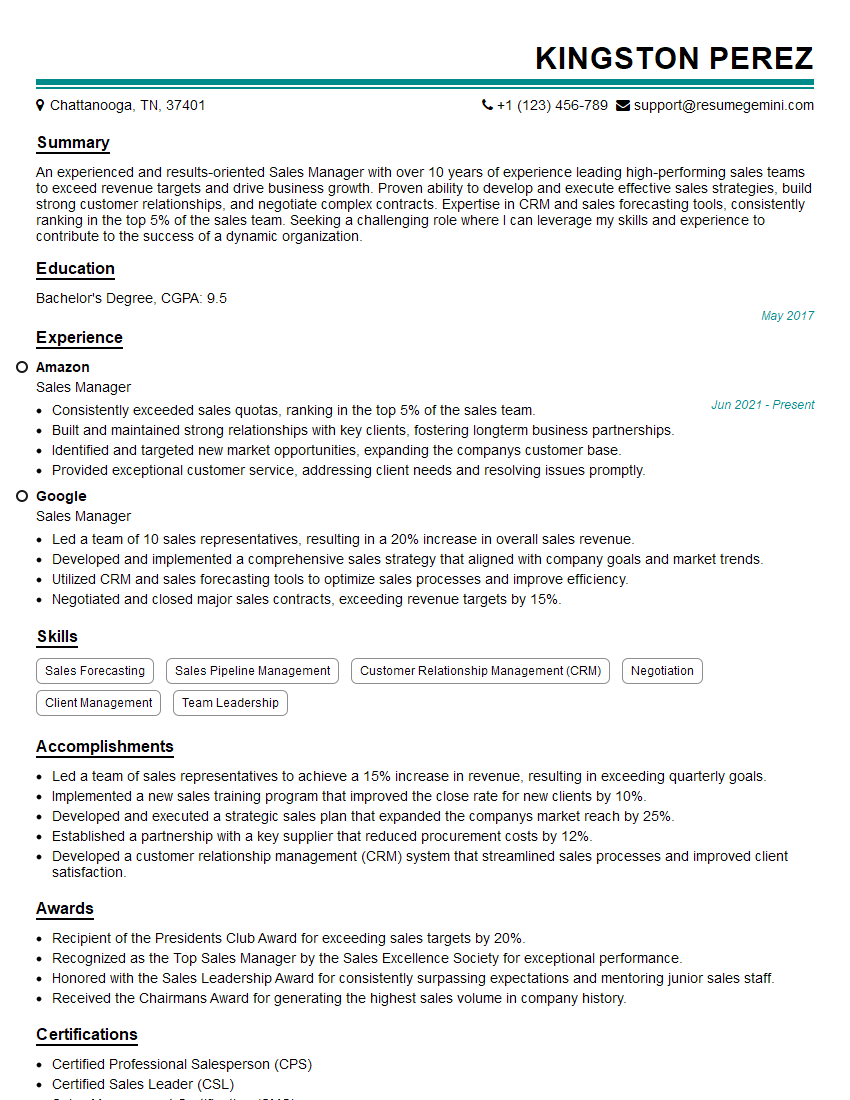
Sales Manager Resume Sample
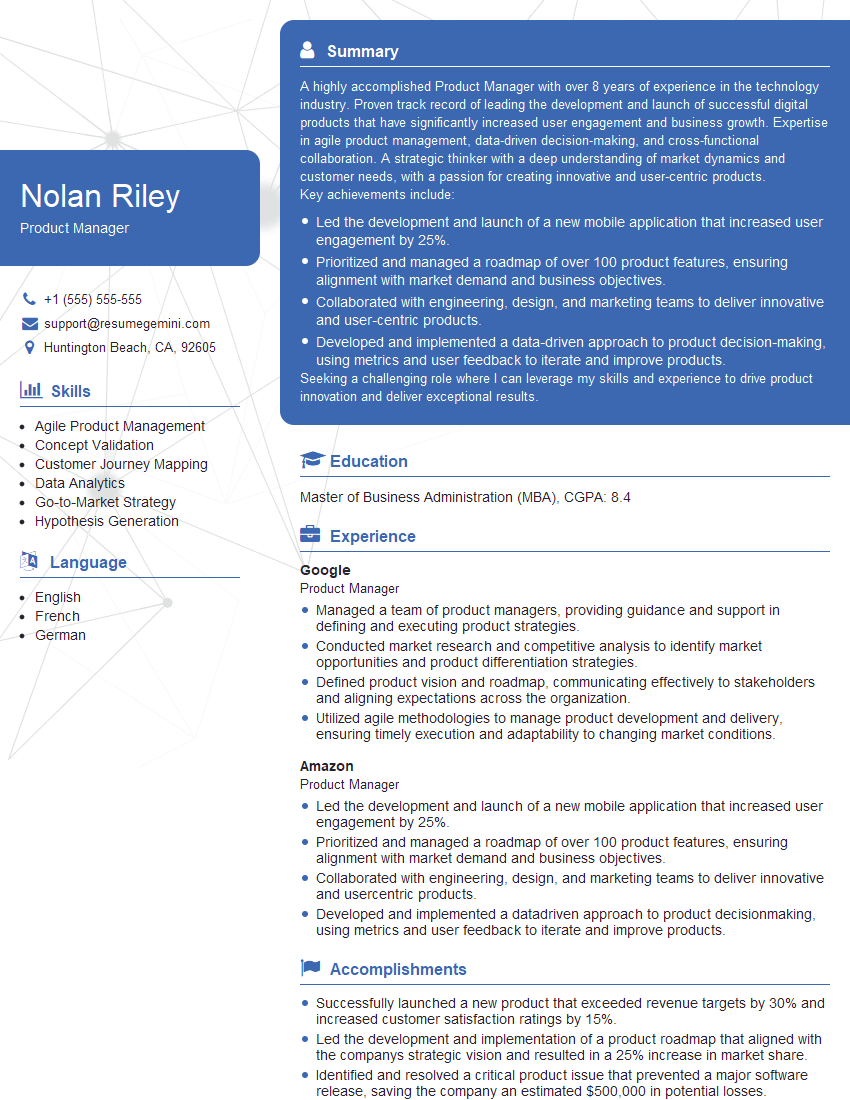
Product Manager Resume Sample

Project Manager Resume Sample

Compliance Officer Resume Sample

Business Analyst Resume Sample
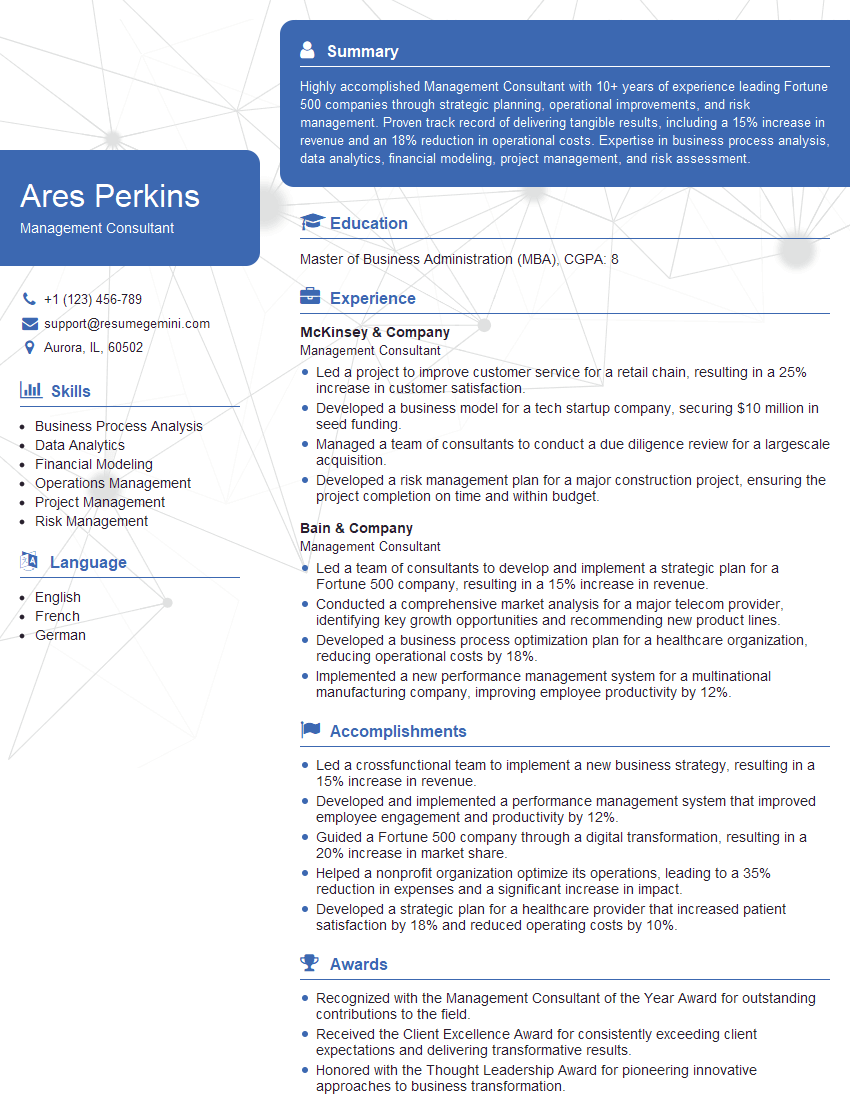
Management Consultant Resume Sample
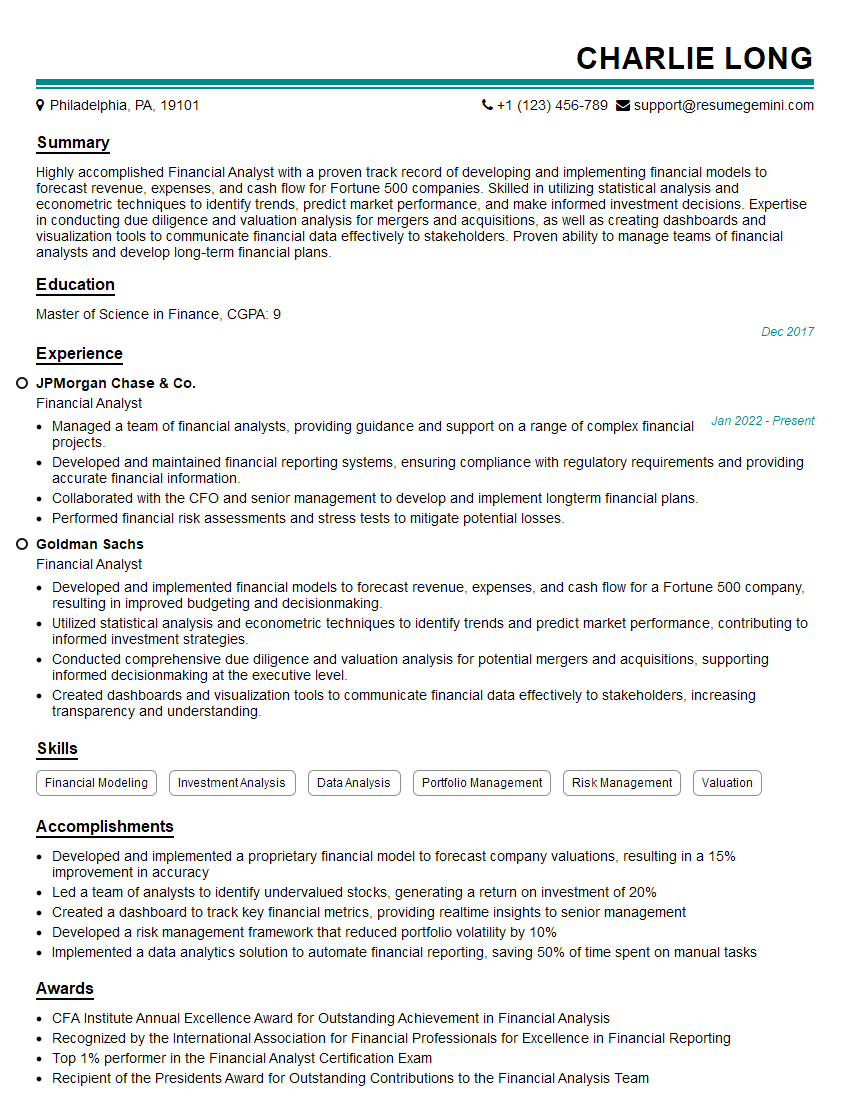
Financial Analyst Resume Sample
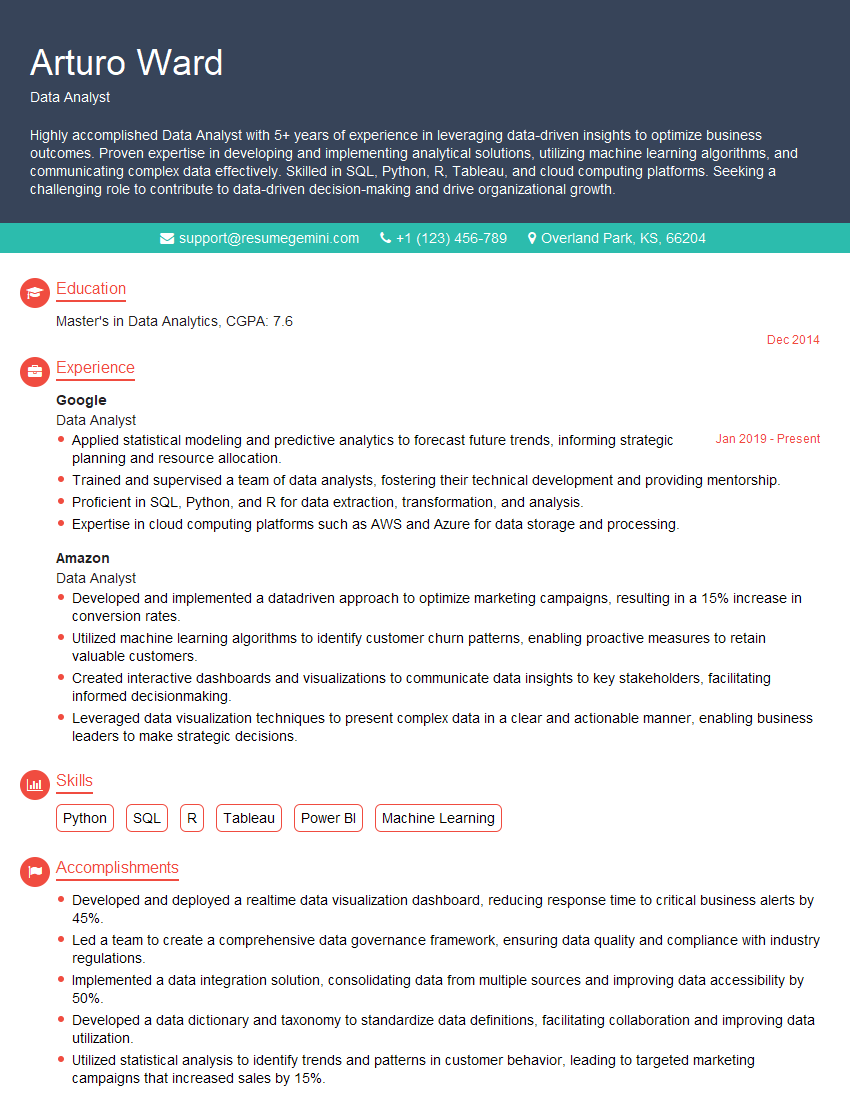
Data Analyst Resume Sample
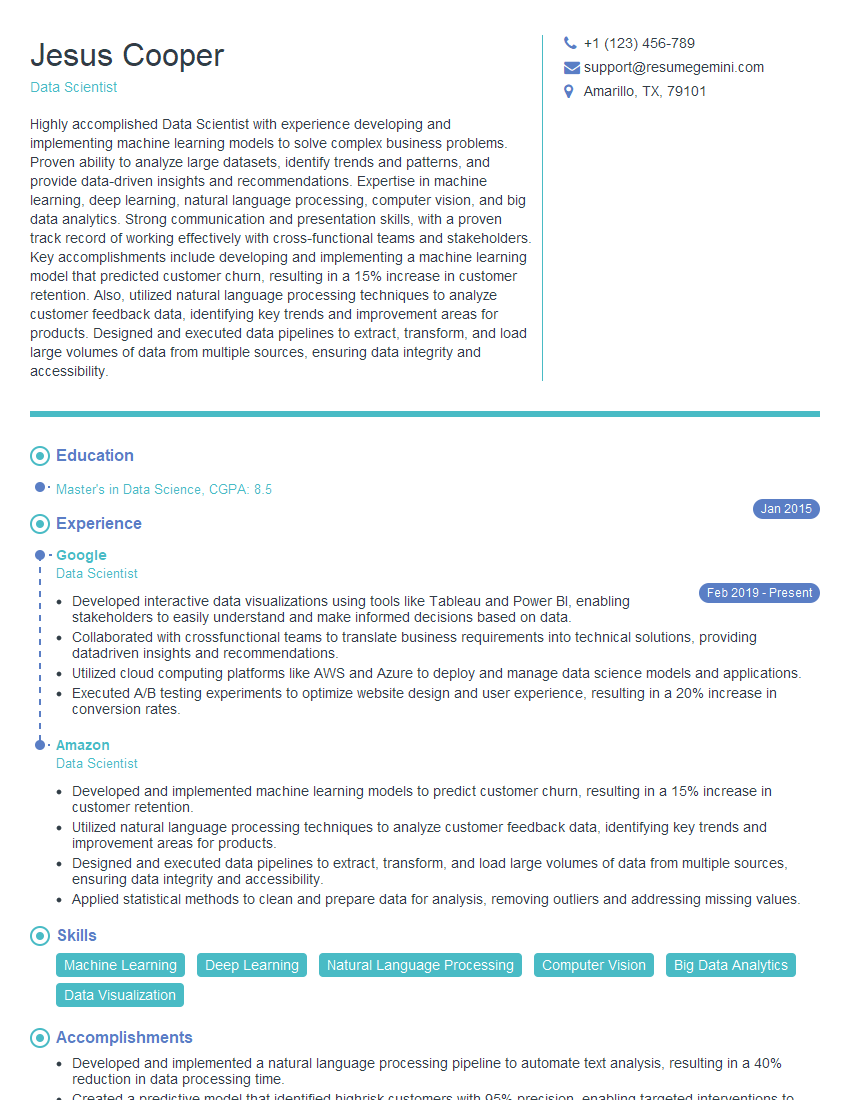
Data Scientist Resume Sample
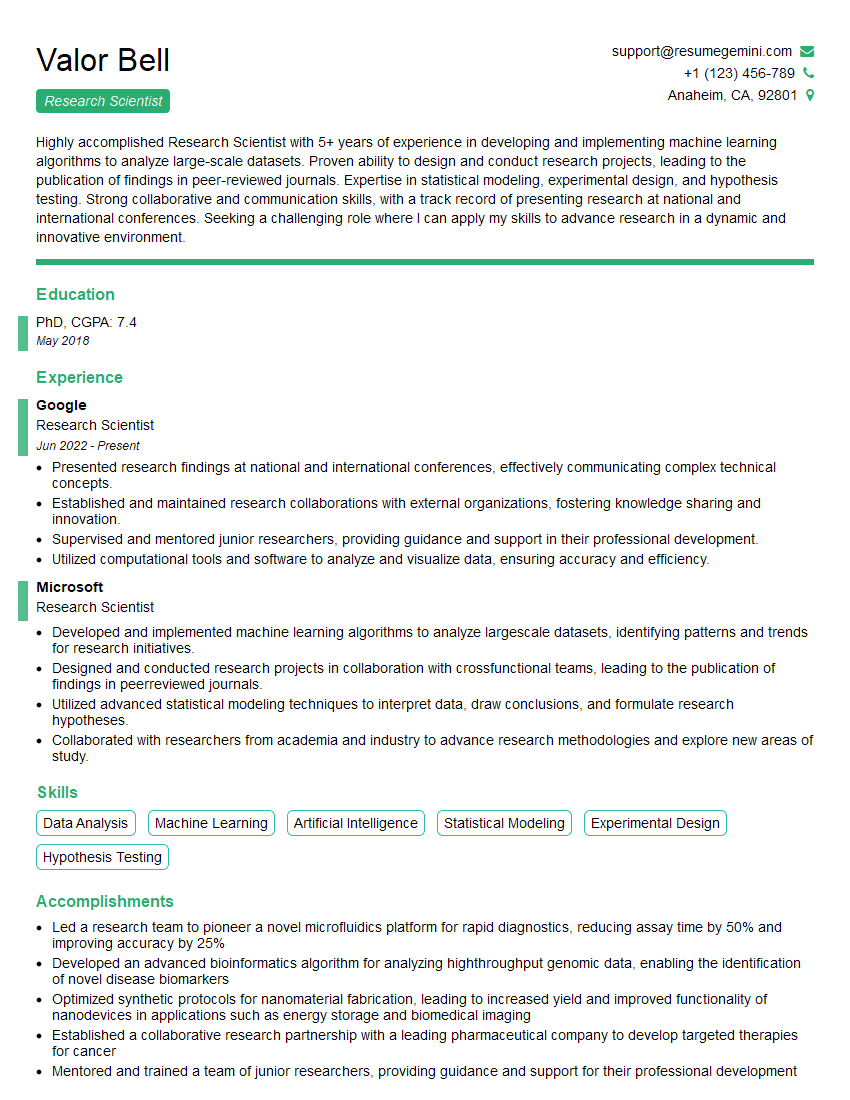
Research Scientist Resume Sample
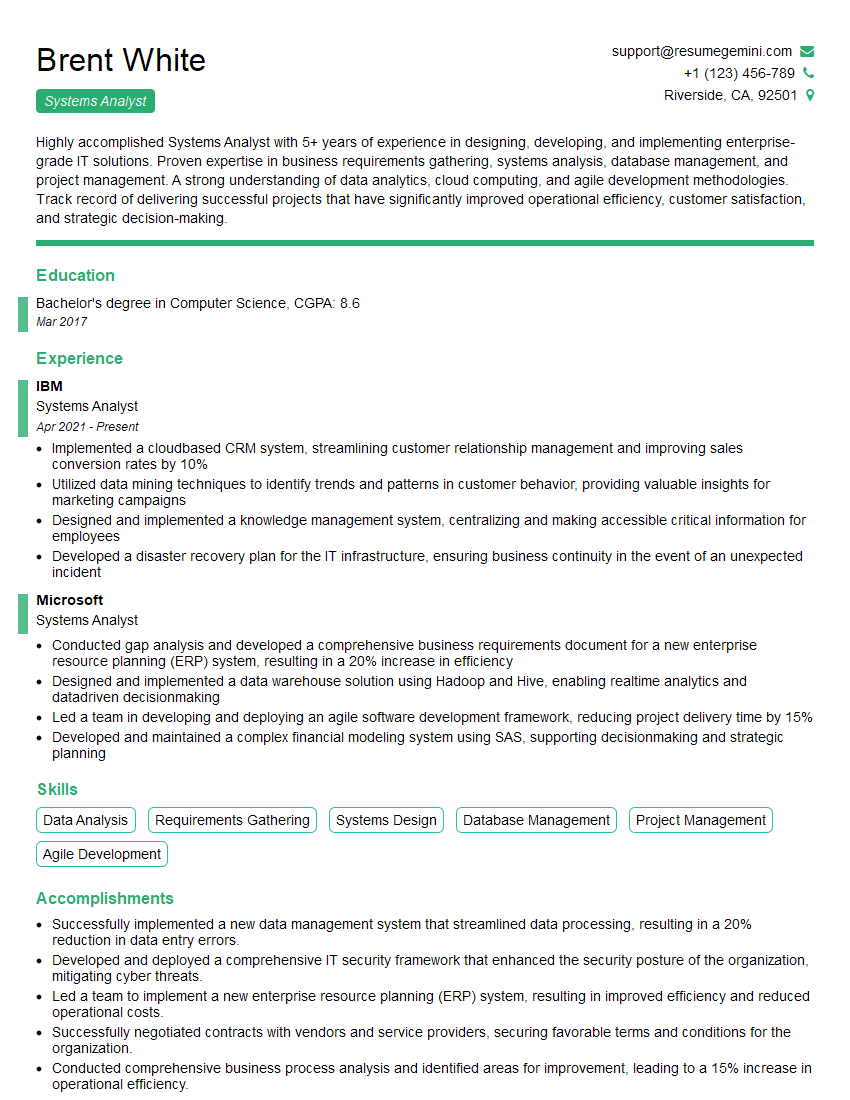
Systems Analyst Resume Sample
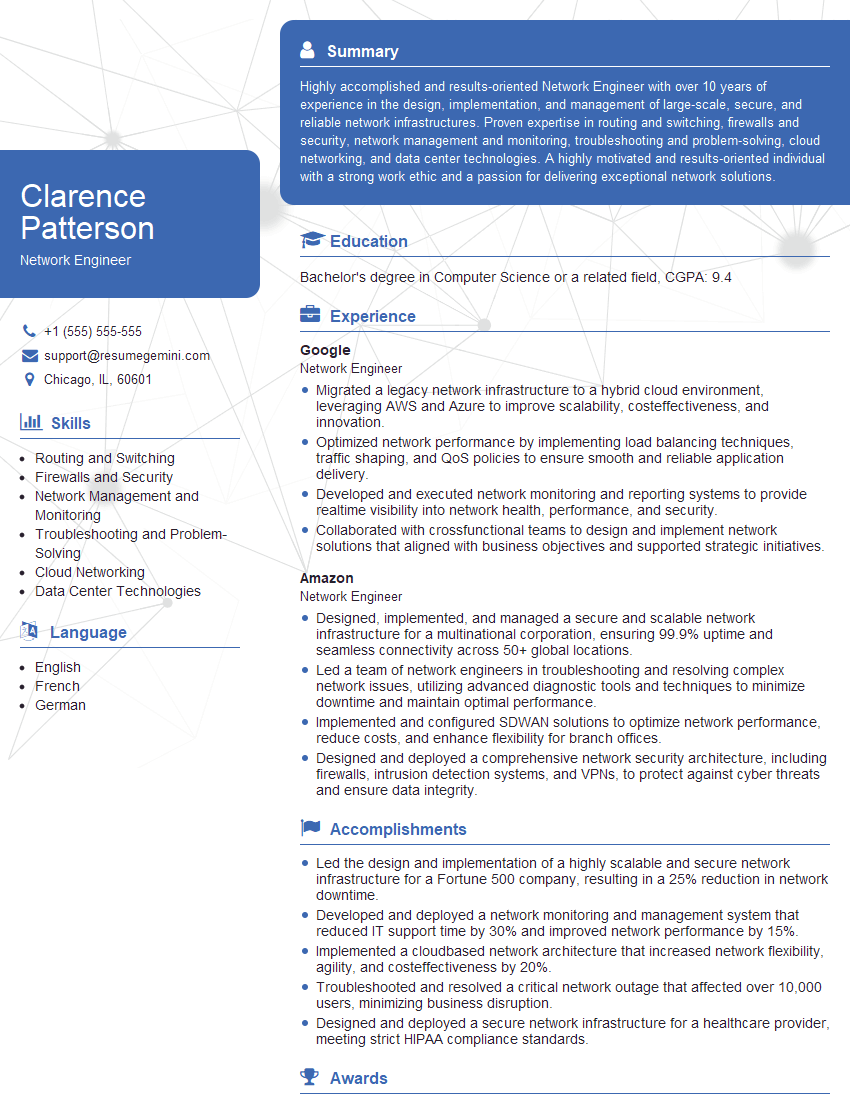
Network Engineer Resume Sample

Senior Software Engineer Resume Sample
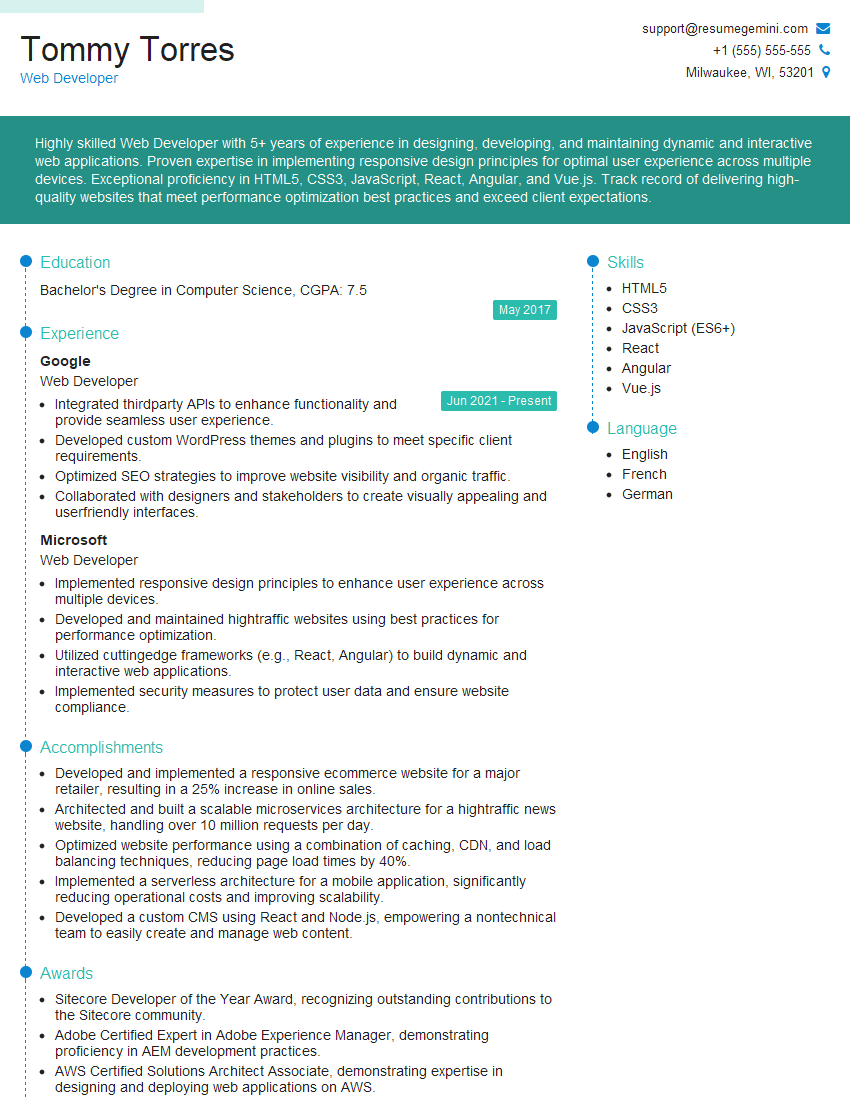
Web Developer Resume Sample
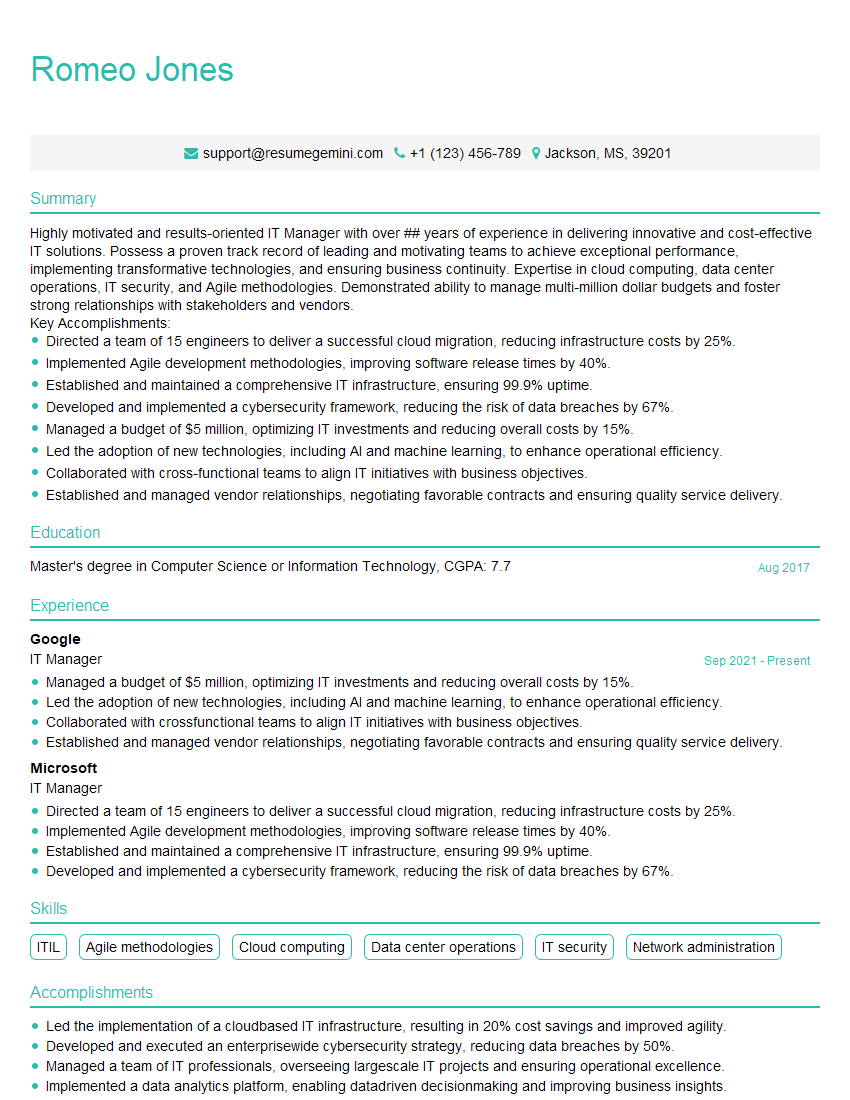
IT Manager Resume Sample
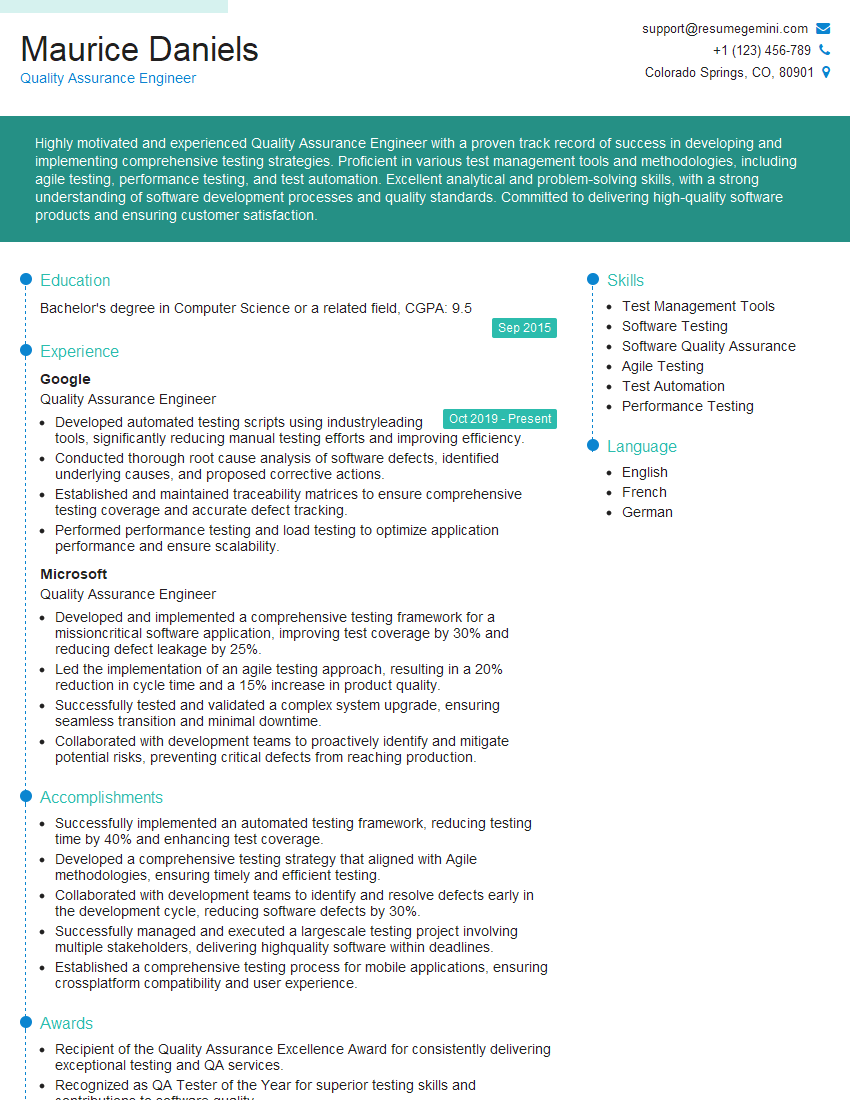
Quality Assurance Engineer Resume Sample

Technical Writer Resume Sample
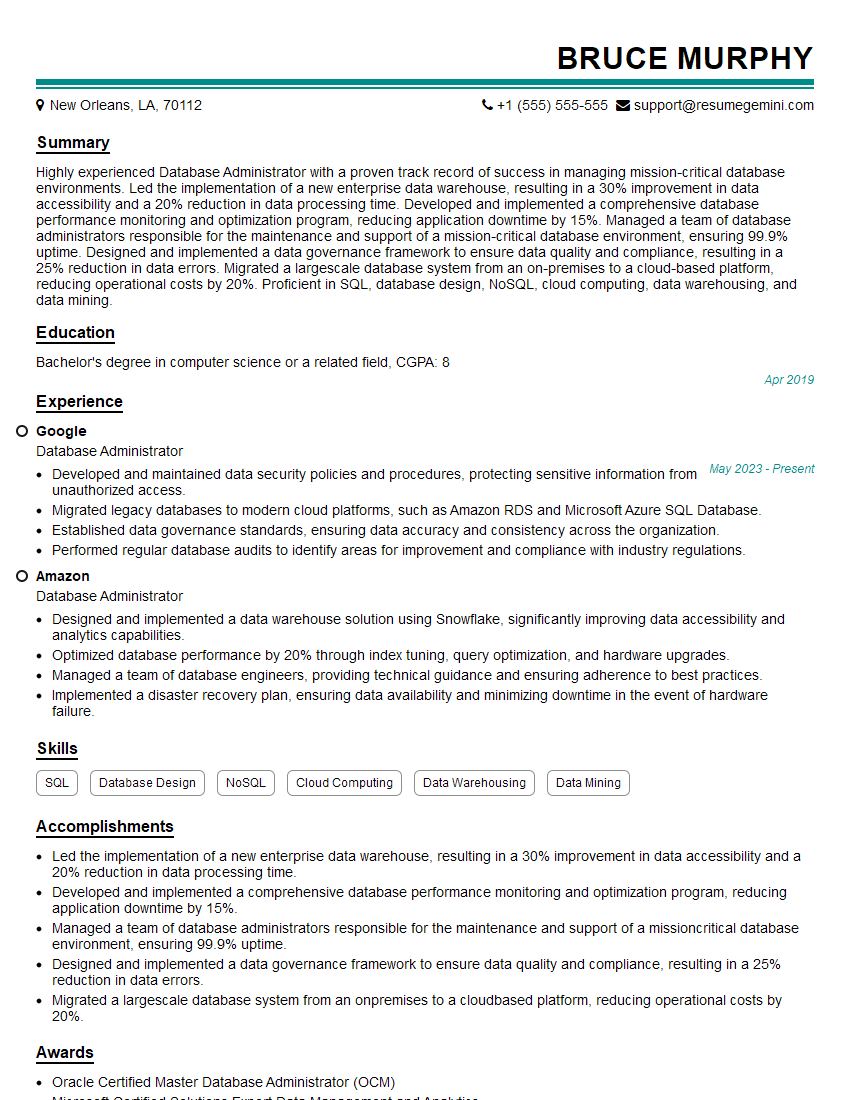
Database Administrator Resume Sample
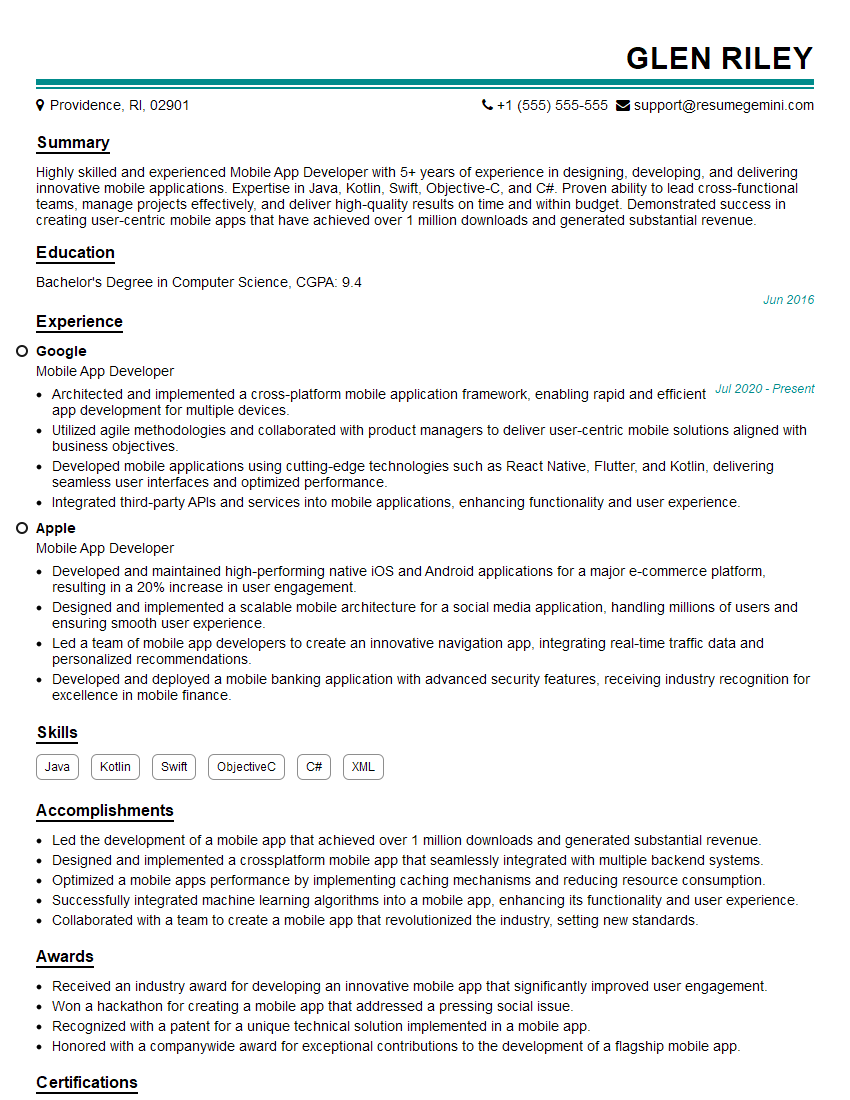
Mobile App Developer Resume Sample
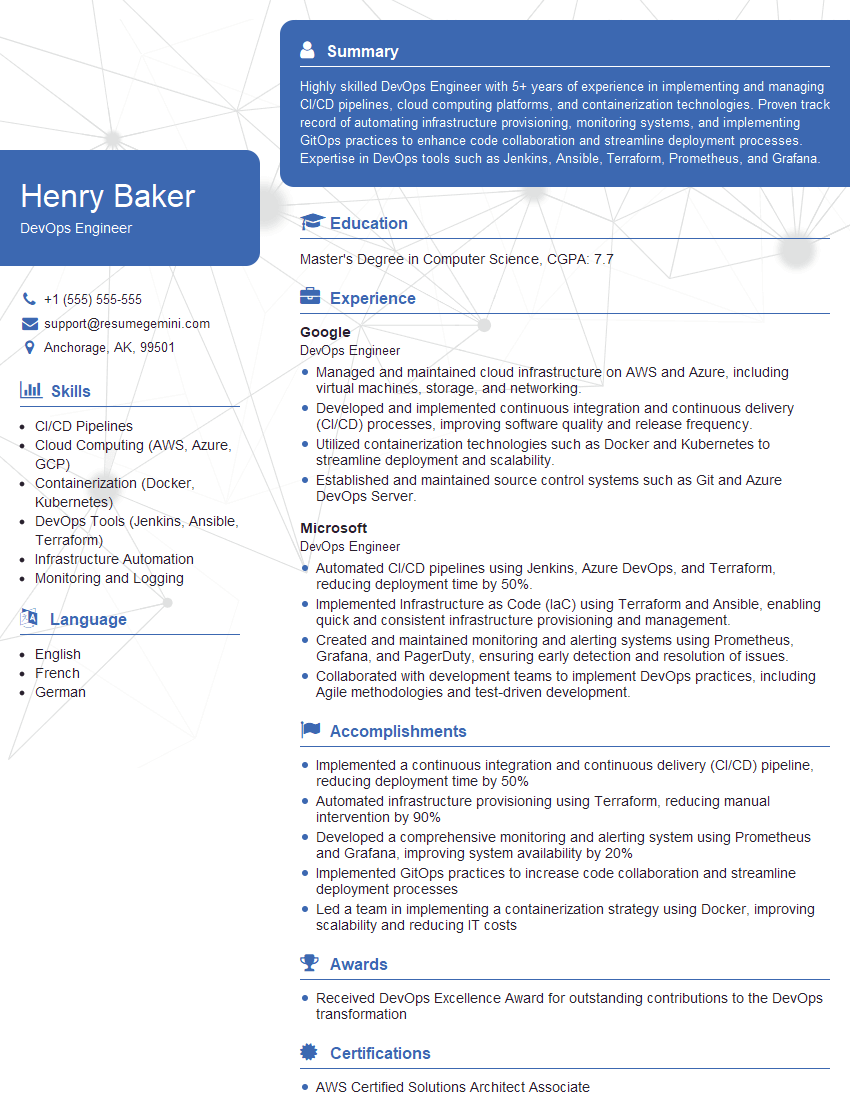
DevOps Engineer Resume Sample
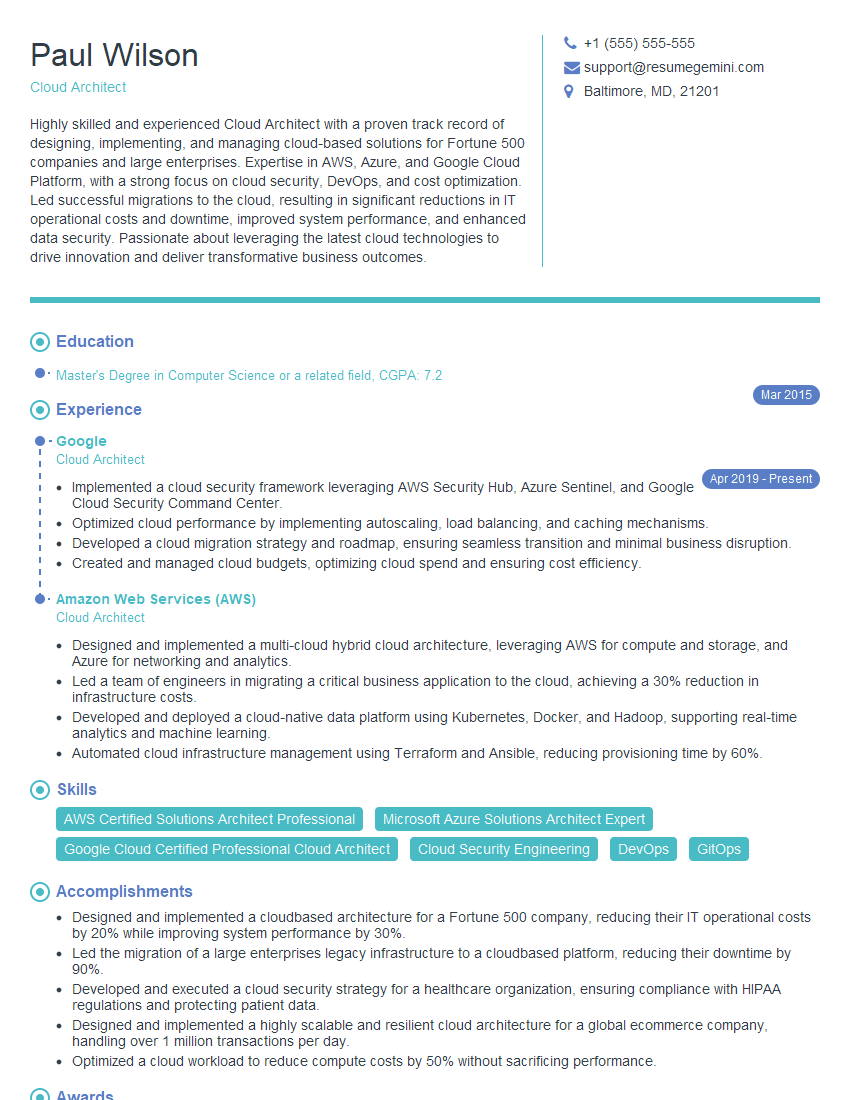
Cloud Architect Resume Sample
- Operations Manager
- Marketing Manager
- Sales Manager
- Product Manager
- Project Manager
- Compliance Officer
- Business Analyst
- Management Consultant
- Financial Analyst
- Data Analyst
- Data Scientist
- Research Scientist
- Systems Analyst
- Network Engineer
- Senior Software Engineer
- Web Developer
- IT Manager
- Quality Assurance Engineer
- Technical Writer
- Database Administrator
- Mobile App Developer
- DevOps Engineer
- Cloud Architect
Explore more articles
Users Rating of Our Blogs
Share Your Experience
We value your feedback! Please rate our content and share your thoughts (optional).
What Readers Say About Our Blog
Very informative content, great job.
good