Cracking a skill-specific interview, like one for Detailoriented and accurate in executing set designs, requires understanding the nuances of the role. In this blog, we present the questions you’re most likely to encounter, along with insights into how to answer them effectively. Let’s ensure you’re ready to make a strong impression.
Questions Asked in Detailoriented and accurate in executing set designs Interview
Q 1. Describe your process for interpreting a set design drawing.
Interpreting a set design drawing is a meticulous process that involves breaking down the 2D representation into a comprehensive understanding of the 3D space. I begin by carefully examining the scale, noting all dimensions and annotations. This includes understanding symbols representing materials, textures, and construction methods. Next, I analyze the relationships between different elements – how walls, floors, and props interact spatially. I often create a 3D visualization in my mind, rotating and examining the design from various angles to fully grasp the designer’s intention. Finally, I create detailed notes summarizing key elements, potential challenges, and any ambiguities that need clarification with the designer.
For example, a simple line might represent a wall, but the drawing needs to specify its thickness, material (e.g., drywall, brick), and surface finish. Missing information requires proactive communication with the design team. I might ask, ‘Is this wall load-bearing? What type of brick is specified?’ This ensures a complete understanding before moving to construction.
Q 2. How do you ensure accuracy in translating a 2D design into a 3D set?
Accuracy in translating 2D to 3D is paramount. My approach involves several crucial steps. First, I use accurate scaling techniques, often employing digital modeling software like SketchUp or Blender. I meticulously input all dimensions from the 2D drawing into the 3D model, ensuring precise measurements for every component. This includes not just major elements but also smaller details such as door handles, window frames, and molding. Second, I use reference images and material samples to ensure the textures and colors are accurately represented in the 3D model. This often involves sourcing real-world counterparts to digitally recreate the intended look.
For instance, if the design calls for a specific type of wood paneling, I find a high-resolution image of that wood to texture the 3D model. I regularly check the 3D model against the 2D drawing, ensuring complete alignment and resolving any discrepancies immediately. This iterative process, with frequent checks, ensures that the final 3D set accurately reflects the designer’s vision.
Q 3. Explain your experience with budgeting and material selection for a set.
Budgeting and material selection go hand-in-hand. I start by creating a detailed breakdown of all materials needed based on the design drawing and 3D model. This involves researching and comparing prices from different suppliers. I prioritize cost-effective solutions without compromising quality or design integrity. This could involve finding alternative materials that achieve the same aesthetic effect at a lower cost, or negotiating better prices with suppliers. I also factor in labor costs, rental equipment, and potential unforeseen expenses, always building in a contingency buffer.
For example, on a recent project, we needed a large, distressed wooden wall. Initially, reclaimed wood was specified but was prohibitively expensive. I proposed using new wood treated to look distressed, which dramatically reduced the cost while maintaining the desired visual effect. This kind of creative problem-solving is essential for managing a set’s budget effectively.
Q 4. How do you manage multiple priorities and deadlines in a fast-paced set design environment?
Managing multiple priorities and deadlines in a fast-paced environment requires a structured approach. I use project management tools to track tasks, deadlines, and resource allocation. I prioritize tasks based on their urgency and dependency, using techniques such as the Kanban method or critical path analysis. Open communication with the team is crucial – daily stand-up meetings allow us to identify and address potential bottlenecks promptly. I also proactively identify potential risks and develop contingency plans to mitigate delays.
For example, if a delivery of a crucial set piece is delayed, I immediately communicate this to the team and adjust the schedule accordingly, perhaps accelerating other tasks to minimize the overall impact. Flexibility and proactive problem-solving are key to successful project delivery in a demanding environment.
Q 5. Describe a time you had to make a critical adjustment to a set design due to unforeseen circumstances.
During a theatre production, a crucial set element, a large, intricately carved wooden staircase, arrived damaged. The original supplier couldn’t provide a replacement in time for the opening night. We had to act quickly. I collaborated with our carpenter and prop master to assess the damage and devise a repair strategy. We carefully reinforced the damaged sections using strong epoxy and wood filler, then meticulously recreated the carved details using sculpting tools and paint. We also had to slightly adjust the staging to minimize the visibility of the repairs.
Though stressful, this experience highlighted the importance of quick thinking, teamwork, and resourcefulness under pressure. The final product was flawless, showcasing the team’s ability to solve unexpected problems creatively and efficiently.
Q 6. How do you maintain accuracy in complex set builds involving multiple elements?
Maintaining accuracy in complex set builds involves meticulous planning and execution. I begin by breaking down the entire set into smaller, manageable modules. Each module is constructed and checked for accuracy individually before being integrated into the larger set. This modular approach allows for easier error detection and correction. We use precise measurements and templates at every stage of construction, ensuring alignment and consistency. Regular quality control checks are performed throughout the build process, comparing the actual construction to the 3D model and the original design drawings.
Furthermore, detailed assembly instructions and checklists are created to ensure that each team member understands their role and the correct procedure for assembling the components. This methodical approach minimizes errors and ensures the final set is a true reflection of the design.
Q 7. What are some common mistakes to avoid when executing a set design, and how do you prevent them?
Common mistakes include inaccurate measurements, overlooking details in the design drawings, poor communication within the team, and neglecting safety precautions. To avoid these, I emphasize precise measurements using multiple methods and verifying dimensions across the design team. Regular walkthroughs of the design drawings and the 3D model with the design team help identify potential ambiguities or overlooked details early on. Clear communication protocols, detailed task assignments, and regular team meetings are essential. Rigorous safety protocols are enforced at all times, including the proper use of safety equipment and adherence to safety guidelines.
For example, a seemingly minor error in a measurement can lead to significant problems later in the build. Regular cross-checking measurements and having a second pair of eyes review the work helps prevent such errors. By proactively addressing potential problems and implementing robust quality control procedures, we ensure a smooth and accurate set construction.
Q 8. How do you collaborate effectively with other departments (e.g., lighting, sound, props) to ensure seamless integration?
Effective collaboration is paramount in set design. I approach it proactively, beginning with clear and open communication. Before construction even begins, I schedule meetings with lighting, sound, and props teams to discuss the design in detail. We review blueprints, identify potential conflicts (like a lighting rig interfering with a planned scenic element), and establish a shared understanding of the project’s aesthetic and functional goals.
For example, during a recent theatre production, the lighting designer wanted to incorporate a complex rigging system above the main stage. I adjusted the set’s ceiling height and structure in my designs to accommodate this, creating a symbiotic relationship between set and lighting. This preemptive collaboration minimized potential issues during construction and ensured a smoother production process. We use shared digital platforms for real-time updates, allowing for seamless revision and approval.
- Regular check-ins: Frequent communication ensures that everyone stays informed and any discrepancies are addressed promptly.
- Shared design documents: Utilizing cloud-based platforms with version control ensures everyone has access to the latest design plans and revisions.
- Joint problem-solving sessions: Collaborative sessions help iron out potential conflicts and find innovative solutions.
Q 9. How do you handle discrepancies between the design and the actual construction?
Discrepancies between design and construction are inevitable, but proactive measures can significantly minimize them. My approach starts with meticulous planning and detailed documentation. I meticulously detail material specifications, dimensions, and construction methods in the blueprints. During the construction phase, I am constantly on-site, monitoring progress and conducting regular quality checks.
If discrepancies arise – for example, a piece of woodwork being slightly mis-sized – I use a three-step process: 1. Identify the source of the discrepancy; 2. Assess the impact on the overall design and functionality; and 3. Develop a solution that balances cost-effectiveness with design integrity. This may involve minor adjustments, substitutions of materials, or even revisiting the original design.
For instance, if a supplier delivered a different type of wood than specified, I’d first check if the alternative wood has similar strength and finish properties. If acceptable, we’d proceed using the new material; otherwise, I would discuss the implications with the production team and explore possible solutions such as sourcing the originally specified material or making appropriate design changes.
Q 10. Explain your experience with various construction materials and their properties.
My experience encompasses a wide range of construction materials, including wood (various species and treatments), metal (steel, aluminum, etc.), plastics, fabrics, and composites. I understand the properties of each: strength, durability, weight, cost, and aesthetic qualities. This knowledge is crucial in selecting the right material for the specific needs of a project.
For example, for a historical drama set, I might opt for sustainably sourced hardwoods like oak or mahogany to create a sense of authenticity and durability. For a contemporary piece, I might use lightweight aluminum for quick assembly and ease of transport. Knowledge of material properties extends beyond mere aesthetics; it informs structural decisions, ensuring the safety and stability of the set.
- Wood: Understanding different wood types – their hardness, grain, and workability – is vital for creating sturdy and visually appealing structures.
- Metal: I’m familiar with welding, cutting, and shaping metals, considering factors like weight-bearing capacity and corrosion resistance.
- Plastics: I understand the properties of various plastics like acrylic and PVC, selecting based on factors such as transparency, durability, and flexibility.
Q 11. What tools and techniques do you use to ensure accuracy in measurements and construction?
Accuracy is non-negotiable in set construction. I employ a combination of tools and techniques to ensure precise measurements and construction. This begins with meticulous drafting and precise 3D modeling using software such as AutoCAD or SketchUp. On-site, I utilize a range of tools including:
- Measuring Tapes: Accurate measurement is fundamental; I always double-check measurements.
- Laser Levels: Ensuring level surfaces is crucial for structural integrity and visual appeal.
- Squares and Levels: Essential for checking angles and ensuring accuracy in carpentry and other construction tasks.
- Digital Calipers: For extremely precise measurements of small components.
Beyond tools, I emphasize a systematic approach. I create detailed construction drawings with all measurements clearly indicated. During construction, regular checks against these drawings help catch errors early. I also maintain a comprehensive record of all materials and measurements used throughout the project for future reference and to prevent future discrepancies.
Q 12. How do you manage your time effectively to meet project deadlines?
Effective time management is critical in set construction, where projects often have tight deadlines. I employ a project management approach that involves detailed planning, task breakdown, and progress tracking. This begins with a comprehensive project schedule that outlines each phase of construction, from initial design review to final set dressing. I then break down the project into smaller, manageable tasks, assigning deadlines and responsibilities to team members.
I use project management software to track progress, identify potential delays, and allocate resources effectively. Regular progress meetings with the construction team are essential to address challenges and ensure we stay on schedule. This proactive approach allows for timely adjustments, prevents delays, and ensures that the project is completed on time and within budget.
For example, on a fast-paced commercial shoot, I created a Gantt chart illustrating each stage of set construction, highlighting critical dependencies. Regular updates ensured we met the tight deadlines. Flexibility is crucial; if unexpected issues arise, I adjust the schedule accordingly, communicating transparently to relevant stakeholders.
Q 13. What is your approach to troubleshooting problems that arise during set construction?
Troubleshooting is an integral part of set construction. My approach is systematic and solution-oriented. When a problem arises, I follow these steps:
- Identify the Problem: Thoroughly assess the nature of the problem and its potential impact on the project.
- Gather Information: Collect relevant data, including construction plans, material specifications, and any relevant communication.
- Analyze the Cause: Determine the root cause of the problem – was it a design flaw, material defect, or human error?
- Develop Solutions: Brainstorm and evaluate potential solutions, considering factors like cost, time, and safety.
- Implement and Monitor: Choose the best solution, implement it carefully, and monitor its effectiveness.
For example, if a wall section proves structurally unstable, I wouldn’t simply patch it. Instead, I’d investigate the cause (e.g., inadequate framing, flawed materials), develop solutions (e.g., reinforce the framing, replace damaged materials), and implement the chosen solution with careful oversight. Documentation at each stage ensures learning from mistakes and preventing future recurrences.
Q 14. How do you ensure the safety of yourself and your team during set construction?
Safety is my top priority. I create a safe working environment by implementing several measures:
- Safety Training: All team members receive comprehensive safety training before commencing work, covering topics like hazard identification, tool safety, and emergency procedures.
- Risk Assessment: A thorough risk assessment is conducted before each project, identifying potential hazards and outlining preventive measures.
- PPE (Personal Protective Equipment): Ensuring everyone has appropriate PPE, such as safety glasses, gloves, and hard hats, is non-negotiable.
- Safe Work Practices: I enforce strict adherence to safe work practices, including the proper use of tools and equipment.
- Regular Inspections: Regular site inspections identify and address potential hazards promptly.
In addition to these measures, I foster a culture of safety awareness, encouraging team members to report any hazards or concerns immediately. Open communication and a proactive approach are crucial in maintaining a safe and productive work environment.
Q 15. Describe your experience working with CAD software for set design.
My experience with CAD software in set design is extensive. I’m proficient in industry-standard programs like AutoCAD, Vectorworks, and Cinema 4D. I utilize these tools not just for generating visual representations, but also for precise dimensional accuracy which is critical for construction. For instance, in a recent theatre production, I used AutoCAD to create detailed 3D models of the set, complete with accurate measurements of every piece of furniture, wall panel, and prop. This allowed the construction team to build everything precisely to scale, minimizing errors and rework. Beyond modeling, I leverage CAD’s capabilities for generating detailed shop drawings, including material lists, cut lists and assembly instructions – all crucial for efficient and accurate construction.
I find that using parametric modeling techniques in programs like Vectorworks allows for efficient design iteration. Making a change in one area automatically updates other related components, saving substantial time and effort during the design phase. This approach is particularly beneficial when dealing with complex set designs or multiple revisions.
Career Expert Tips:
- Ace those interviews! Prepare effectively by reviewing the Top 50 Most Common Interview Questions on ResumeGemini.
- Navigate your job search with confidence! Explore a wide range of Career Tips on ResumeGemini. Learn about common challenges and recommendations to overcome them.
- Craft the perfect resume! Master the Art of Resume Writing with ResumeGemini’s guide. Showcase your unique qualifications and achievements effectively.
- Don’t miss out on holiday savings! Build your dream resume with ResumeGemini’s ATS optimized templates.
Q 16. How do you create detailed and accurate working drawings for set construction?
Creating accurate working drawings for set construction is the cornerstone of a successful production. My approach starts with the initial concept sketches and 3D models. From these, I generate detailed orthographic drawings (plans, elevations, sections) showing every detail—dimensions, materials, construction methods, and joinery. For example, when designing a complex archway, I’ll provide multiple detailed drawings: a plan view showing the shape and dimensions, an elevation view showing the height and profile, and a section view showing the interior construction and materials.
I use clear annotation and labeling, adhering to industry standards, to avoid any ambiguity for the construction team. This involves specifying materials precisely (e.g., ‘1×4 Pine, clear finish’), providing precise dimensions (’24” x 36”’ rather than ‘approximately 2 feet square’), and clearly indicating joinery techniques (e.g., ‘dado joint’, ‘mortise and tenon’). A crucial step is creating detailed material lists, which help in accurate budgeting and purchasing. Each drawing is meticulously checked and reviewed before being released to the construction team, often involving a walk-through with the construction foreman to address any questions or potential misunderstandings before construction begins.
Q 17. How do you ensure the set design aligns with the overall artistic vision of the production?
Aligning the set design with the overall artistic vision requires close collaboration with the director, production designer, and other creative team members. This process often begins with brainstorming sessions where we discuss the story’s mood, themes, and overall aesthetic. I actively participate in these discussions, translating the artistic concepts into tangible design elements. For example, if the director wants to convey a feeling of decay and mystery, I would incorporate elements like distressed textures, dim lighting, and specific color palettes that support that atmosphere.
Throughout the design process, I regularly share progress updates through presentations, sketches, and digital renderings. This ensures that the design stays true to the artistic vision and allows for early feedback and adjustments. Detailed mood boards and reference images help maintain consistency in style and tone, ensuring the set functions as a visual narrative element within the overall production.
Q 18. Describe your experience with creating and managing set construction schedules.
Creating and managing set construction schedules requires meticulous planning and organization. I usually begin by breaking down the set design into individual components and tasks, establishing a realistic timeline for each. This involves careful consideration of the available resources, construction crew’s expertise, and any potential logistical challenges. I then utilize project management software (e.g., Microsoft Project, Asana) to create a detailed Gantt chart, showing the dependencies between tasks, assigned resources, and deadlines. This allows for clear visualization of the entire process and helps in identifying potential bottlenecks.
Regular monitoring is key. I track progress closely, making adjustments as needed, and communicate any changes proactively to the team. Maintaining open communication channels is crucial for preventing delays and ensuring the project stays on track. For instance, if material delivery is delayed, I would immediately adjust the schedule and communicate this to the team, outlining the revised timeline and any necessary adjustments to workflow.
Q 19. How do you handle changes or revisions to a set design during the construction process?
Handling design changes during construction requires flexibility and efficient communication. When a revision is requested, I first evaluate its impact on the existing schedule and budget. This may involve creating new drawings, updating existing ones, and assessing the need for additional materials or labor. I then communicate these changes clearly and concisely to the construction team, ensuring they understand the implications of the revisions.
For example, if a wall needs to be moved, I would create revised drawings promptly, indicating the change, the new dimensions, and any required material adjustments. I’d also discuss the timeline implications with the construction foreman, determining whether the change will cause delays and what steps are needed to mitigate any impact on the overall schedule. Comprehensive documentation of all changes is crucial for maintaining project clarity and accountability.
Q 20. How do you communicate effectively with the construction crew to ensure accuracy?
Effective communication with the construction crew is paramount. I utilize a multi-faceted approach: clear and concise drawings, regular on-site meetings, and open communication channels. Before construction begins, I conduct a thorough walkthrough of the plans with the foreman, answering any questions and clarifying any ambiguities. I make myself readily available to answer questions during the construction process, visiting the set regularly to ensure accuracy and address any issues promptly.
I prefer visual aids and demonstrations whenever possible. Rather than just describing a joinery technique, I might create a quick mock-up to illustrate the method. Transparency and mutual respect form the foundation of my communication style, ensuring a collaborative and productive working environment.
Q 21. What are your strategies for maintaining organization and cleanliness in a set construction environment?
Maintaining organization and cleanliness on a set is essential for safety and efficiency. My strategy involves implementing a system of labeling, storage, and waste management from the outset. I establish designated areas for materials, tools, and waste, and ensure that all materials are clearly labeled. I encourage the construction crew to maintain a tidy workspace, emphasizing the importance of safety and efficiency.
Regular clean-up sessions are scheduled throughout the construction process, preventing clutter from accumulating and reducing the risk of accidents. I actively participate in these clean-up sessions, leading by example and reinforcing the importance of organization. A clean and well-organized set allows for smoother workflow, reduces the risk of errors, and promotes a safer working environment for the entire crew. A well-organized set also streamlines the final walkthrough and makes it easier to identify any outstanding issues before the production begins.
Q 22. How do you identify and resolve potential safety hazards on a set?
Identifying and resolving safety hazards on a set is paramount. It’s not just about compliance; it’s about protecting the crew and cast. My approach is proactive, involving a multi-stage process starting long before construction begins.
- Pre-Production Hazard Assessment: I meticulously review the set design plans, identifying potential hazards like unstable structures, trip hazards from cables or props, fire risks from pyrotechnics or flammable materials, and potential electrical hazards. I create a detailed risk assessment document, outlining each hazard, its potential severity, and proposed mitigation strategies.
- On-Set Inspections: Daily walk-throughs are essential. I check for any new hazards that might have arisen during construction or setup, like loose wires, improperly stored tools, or damaged set pieces. I address these issues immediately, ensuring they are rectified before work resumes.
- Communication and Training: Clear communication with the crew is key. I regularly brief the team on identified hazards and safety protocols, providing training on the safe use of equipment and emergency procedures. This includes proper lifting techniques, fire safety procedures, and the location of first-aid supplies.
- Documentation and Reporting: All hazards, mitigation strategies, and incidents are meticulously documented. This provides a record for insurance purposes, helps identify recurring issues, and informs future safety planning.
For example, on a recent film set, we identified a potential fall hazard near a raised platform. We immediately installed safety railings and ensured proper lighting in the area to prevent accidents.
Q 23. What is your experience with different types of set design (e.g., theatre, film, television)?
My experience spans diverse set design environments, each presenting unique challenges and requiring adaptable solutions. I’ve worked extensively in theatre, film, and television, and I find the interplay between these disciplines enriching.
- Theatre: In theatre, I’ve focused on creating immersive and believable environments within the limitations of a stage. This involves clever use of space, effective lighting design, and often incorporating reusable, easily transformable set pieces for quick changes between scenes. One memorable project involved transforming a bare stage into a bustling medieval marketplace using a combination of handcrafted props and strategic lighting.
- Film: Film sets demand precision and a keen eye for detail. I’ve worked on both large-scale, complex sets and smaller, intimate locations. The focus here shifts to creating believable environments tailored to the camera’s perspective. This often involves constructing sets that appear larger or more expansive than they are using forced perspective and clever set dressing.
- Television: Television sets require rapid turnaround times and efficiency. My experience here has honed my skills in managing multiple builds simultaneously, often needing sets that can be easily reconfigured for different scenes within a short timeframe. A recent television project required a set that could transition from a living room to a crime scene within a single hour – this required careful planning and efficient construction techniques.
The skills gained in one area seamlessly transfer to others, enriching my approach to set design in any medium.
Q 24. How do you manage the budget effectively while maintaining high-quality standards?
Budget management is crucial. It’s about finding creative solutions that don’t compromise quality. My approach uses a multi-pronged strategy.
- Detailed Budgeting: I meticulously estimate costs for materials, labor, rentals, and other expenses, creating a detailed budget broken down into phases. This allows for proactive adjustments should costs rise or unexpected expenses arise.
- Value Engineering: I continuously seek cost-effective alternatives without sacrificing quality. This might involve sourcing materials from different suppliers, using alternative construction techniques, or negotiating with vendors. For instance, instead of custom-building a prop, I might source a similar, more affordable piece and modify it to fit the set.
- Prioritization: I work closely with the production team to prioritize design elements based on their impact on the overall production. This involves identifying which aspects are crucial to maintain high quality and where cost-saving measures can be taken without significantly affecting the final product.
- Efficient Resource Management: Careful planning and organization are key to preventing waste and delays. This includes creating detailed material lists and schedules to minimize waste and optimizing the use of materials and labor resources.
For instance, on a recent low-budget project, we used readily available reclaimed materials, saving a significant amount of money while creating a visually appealing and unique set.
Q 25. Explain your experience with different construction techniques (e.g., framing, drywall, painting).
My experience encompasses various construction techniques, ensuring I can adapt to different project needs and budgetary constraints.
- Framing: I’m proficient in building sturdy and accurate wooden frames for walls, platforms, and other structural elements using various joinery techniques, ensuring structural integrity and safety. I’m familiar with various types of wood, their properties, and their appropriate uses in different contexts.
- Drywall: I have extensive experience in hanging, taping, and finishing drywall to achieve a smooth, professional finish. This includes understanding the techniques for creating seamless transitions and ensuring the durability of the finished walls.
- Painting: I possess strong painting skills, including preparing surfaces, applying different types of paint, and achieving various finishes such as texturing and distressing. I understand the properties of different paint types and their applications for different materials and effects.
- Other Techniques: Beyond these core skills, I’m also experienced with other techniques including working with plaster, concrete, and various other materials. I’m comfortable reading blueprints and plans, translating them accurately into practical construction procedures.
For example, I once had to construct a convincingly aged brick wall for a historical drama using drywall and paint techniques to mimic the texture and appearance of real brick, saving substantial costs compared to using real brick.
Q 26. How do you ensure the set is built to withstand the demands of the production?
Building a set to withstand production demands requires careful consideration of several factors. This goes beyond mere aesthetics; it’s about ensuring safety and longevity.
- Structural Integrity: I always prioritize structural integrity. This means using appropriate materials and construction techniques to build sturdy and stable structures. For example, ensuring proper bracing for large structures, using high-quality fasteners, and adhering to building codes.
- Material Selection: Material selection is crucial. I choose materials appropriate for the intended use and the environment. For instance, using weather-resistant materials for exterior sets and fire-resistant materials where necessary.
- Load-Bearing Calculations: For larger or more complex structures, detailed load-bearing calculations are essential to prevent structural failures. This involves assessing the weight of set pieces, props, and people and designing the structure to withstand these loads.
- Rigging and Support: Where necessary, I employ appropriate rigging and support systems to ensure the stability of heavy or overhanging elements. This often involves collaborating with riggers and other specialists to ensure safety.
For instance, on a recent set featuring a large chandelier, we meticulously calculated the weight and designed a robust support structure to prevent it from collapsing during filming.
Q 27. How familiar are you with relevant building codes and safety regulations?
Familiarity with building codes and safety regulations is not just a matter of compliance; it’s essential for the safety of the cast and crew. I regularly stay updated on these regulations.
- Local Codes: I’m adept at navigating local building codes and regulations, ensuring that all aspects of set construction adhere to the standards. This varies significantly by location and it’s crucial to know the specifics.
- Electrical Safety: I understand electrical codes and regulations, ensuring safe wiring practices and the use of appropriate safety equipment. This is especially important with lighting and other electrical effects on the set.
- Fire Safety: I’m familiar with fire safety regulations, including proper storage of flammable materials, fire suppression systems, and emergency evacuation plans.
- Occupational Safety: I’m aware of occupational safety and health regulations to ensure a safe working environment for the entire crew.
My commitment to safety extends beyond merely following rules; I actively seek out knowledge and updates to stay ahead of potential hazards and ensure compliance. I often consult with safety officers and professionals to verify that our work meets or exceeds regulations.
Q 28. Describe a time you had to go above and beyond to ensure a project’s success.
During a fast-paced television shoot, a crucial set piece—a large, intricately detailed staircase—was damaged just hours before filming. The replacement was unavailable, and the schedule couldn’t be delayed. It required going above and beyond.
Instead of panicking, I rallied the team. We worked through the night, using salvaged materials, ingenious problem-solving, and a combination of carpentry, sculpting, and painting techniques. We meticulously recreated the damaged sections, ensuring seamless integration with the rest of the staircase. We completed the repairs on time, and the show went on without a hitch.
This experience showcased not just my technical skills but also my leadership and problem-solving abilities under pressure. The dedication of the entire crew and our combined efforts demonstrate the importance of collaboration in overcoming seemingly insurmountable challenges.
Key Topics to Learn for Detail-Oriented and Accurate Execution of Set Designs Interview
- Understanding Design Specifications: Mastering the ability to meticulously interpret blueprints, technical drawings, and client briefs, ensuring a complete grasp of the design intent.
- Precision in Measurement and Material Selection: Demonstrating proficiency in accurate measurements, material calculations, and selection of appropriate materials based on design requirements and budget constraints. Practical application includes detailing your experience with different materials and their properties.
- Problem-Solving and Adaptability: Highlighting experience in identifying and resolving discrepancies or unexpected challenges during the design execution phase, adapting to changing circumstances while maintaining accuracy and quality.
- Workflow Optimization and Time Management: Showcasing your ability to plan and execute tasks efficiently, adhering to deadlines, and prioritizing tasks to ensure timely completion of the set design.
- Quality Control and Attention to Detail: Emphasizing your commitment to meticulous quality control checks at every stage of the process, identifying and rectifying errors before they become significant issues. This includes discussing specific examples of how you ensured accuracy.
- Communication and Collaboration: Demonstrating effective communication skills in coordinating with team members, clients, and other stakeholders to ensure a shared understanding of the design goals and the execution process. Highlight instances where collaborative efforts resulted in accurate and successful outcomes.
- Technical Proficiency with Relevant Software: Showcase your skills in design software (e.g., AutoCAD, SketchUp, etc.) and your ability to use them to create accurate and detailed plans and visualizations.
Next Steps
Mastering detail-oriented and accurate execution of set designs is crucial for career advancement in this field. It demonstrates your reliability, professionalism, and ability to deliver high-quality work, which are highly valued by employers. To maximize your job prospects, it’s essential to present your skills effectively. Create an ATS-friendly resume that highlights your achievements and experience in these areas. ResumeGemini is a trusted resource that can help you build a professional and impactful resume tailored to your unique skills and experience. Examples of resumes tailored to showcasing expertise in detail-oriented and accurate execution of set designs are available to guide you.
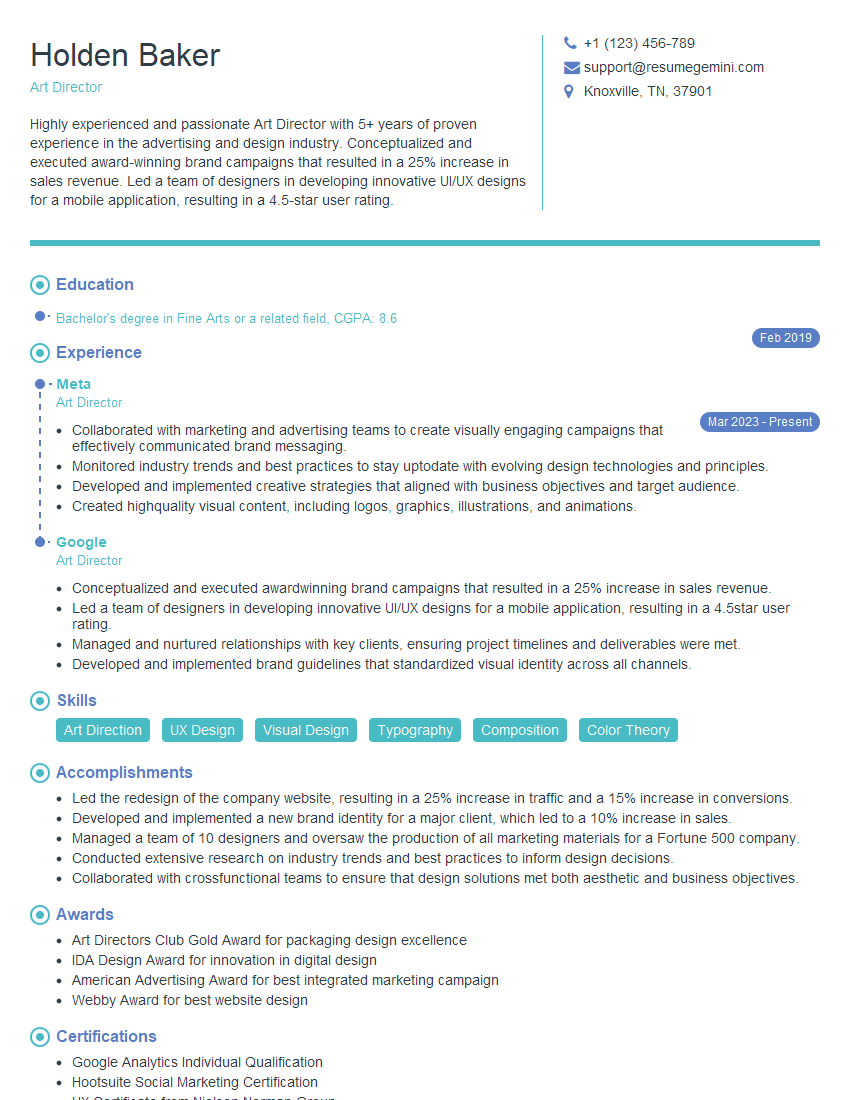
Art Director Resume Sample
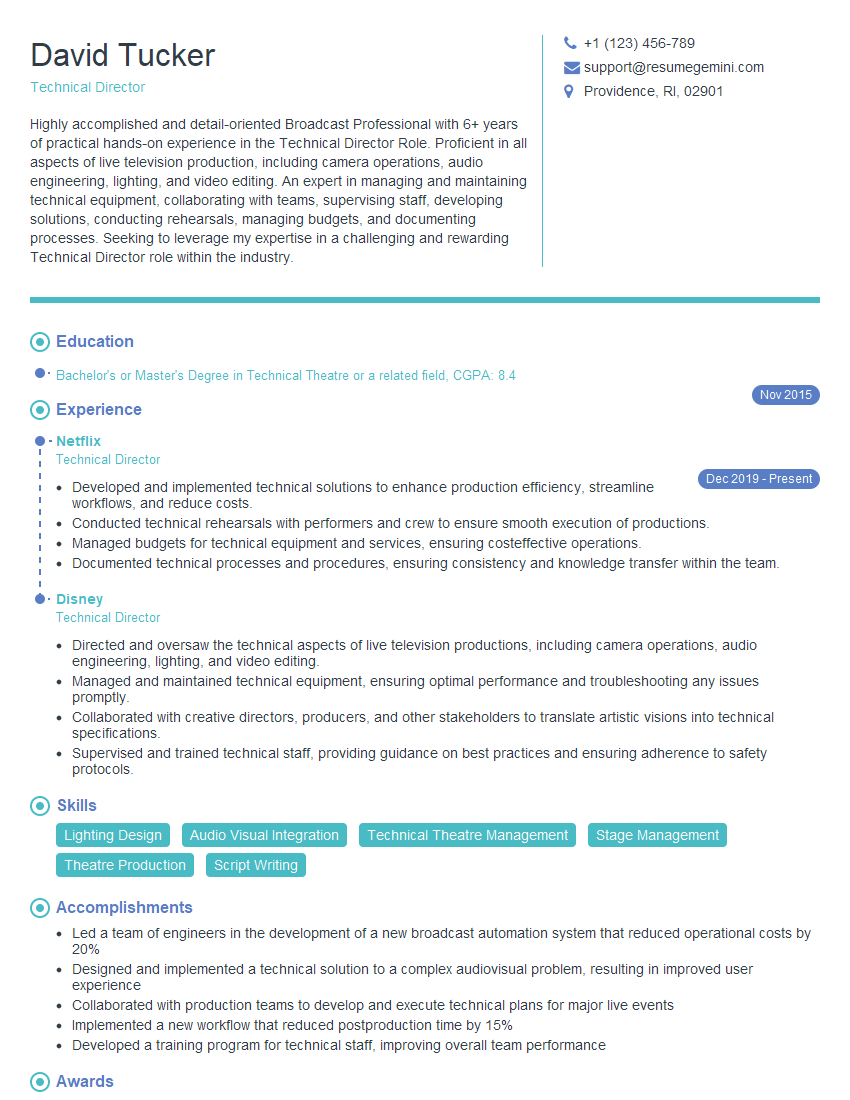
Technical Director Resume Sample
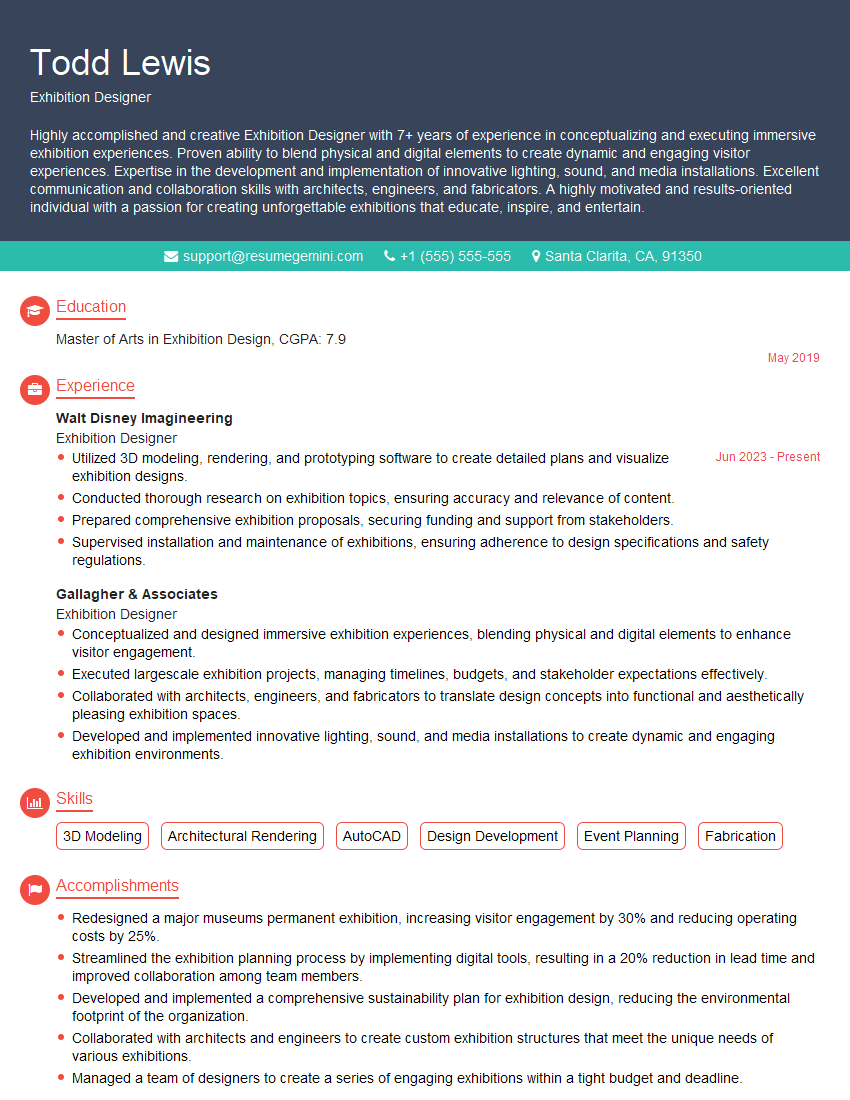
Exhibition Designer Resume Sample
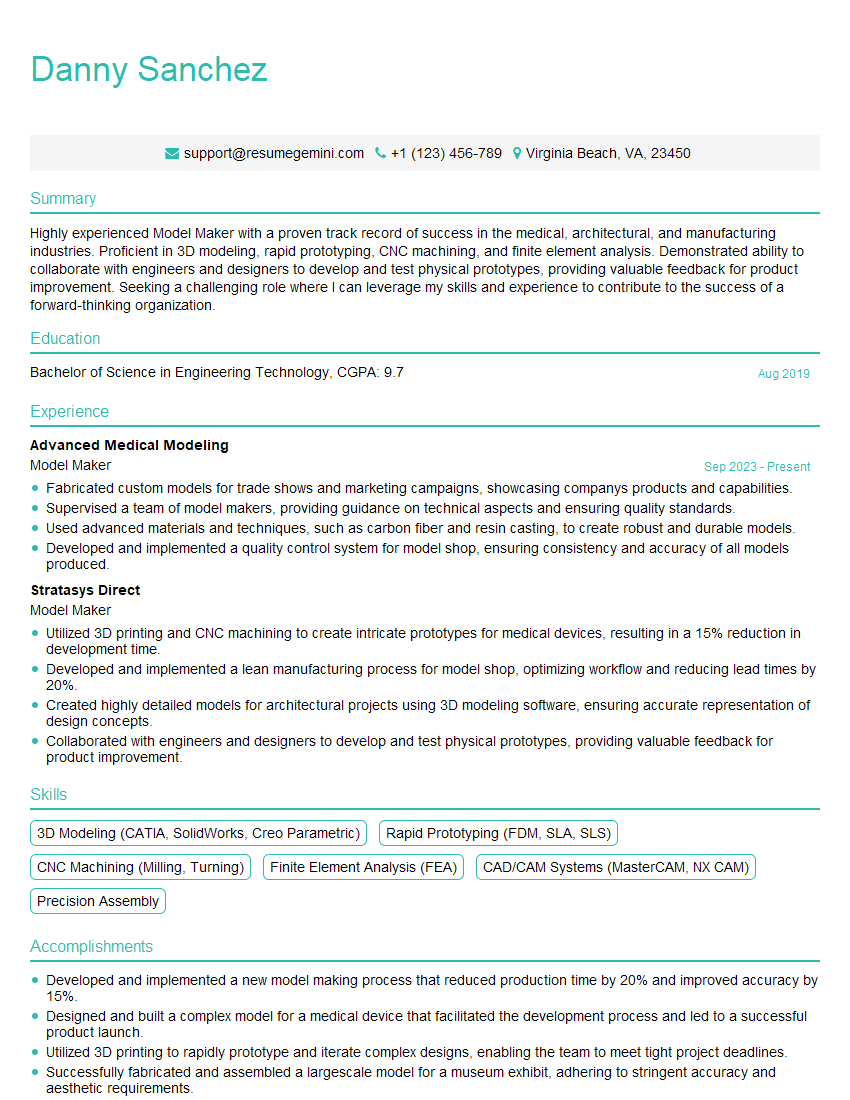
Model Maker Resume Sample
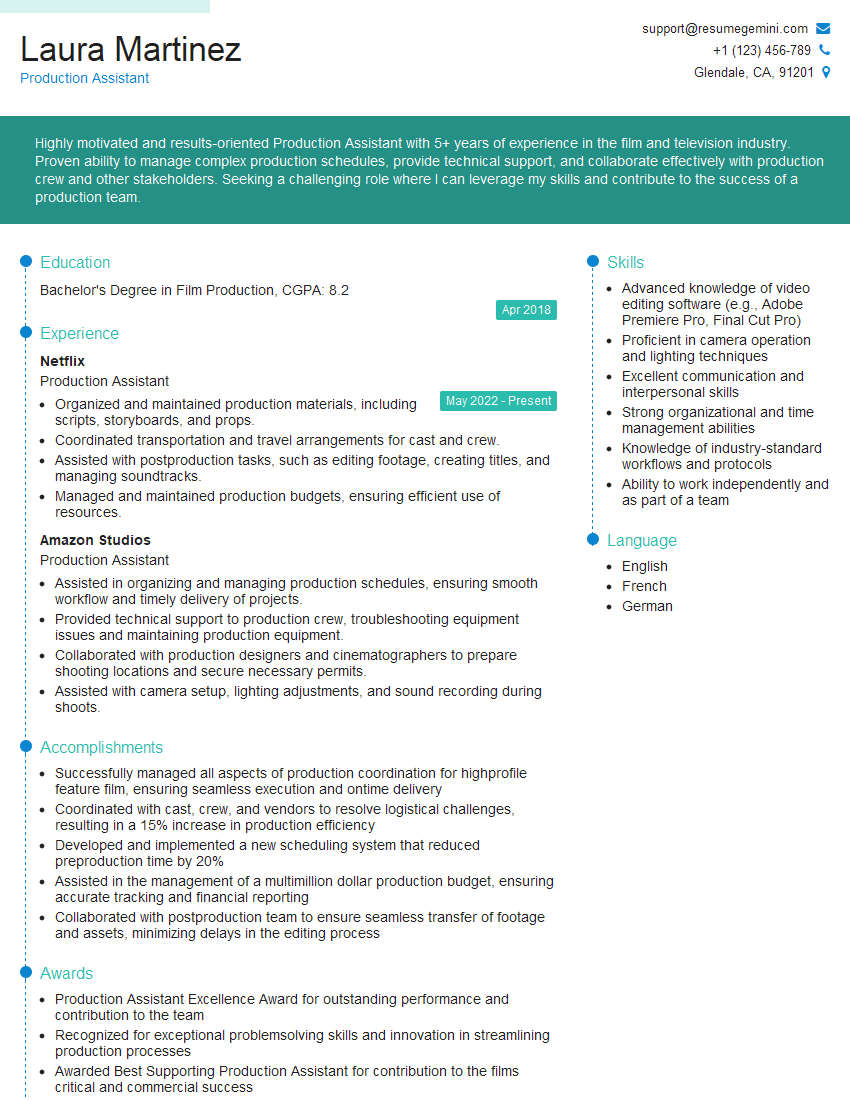
Production Assistant Resume Sample
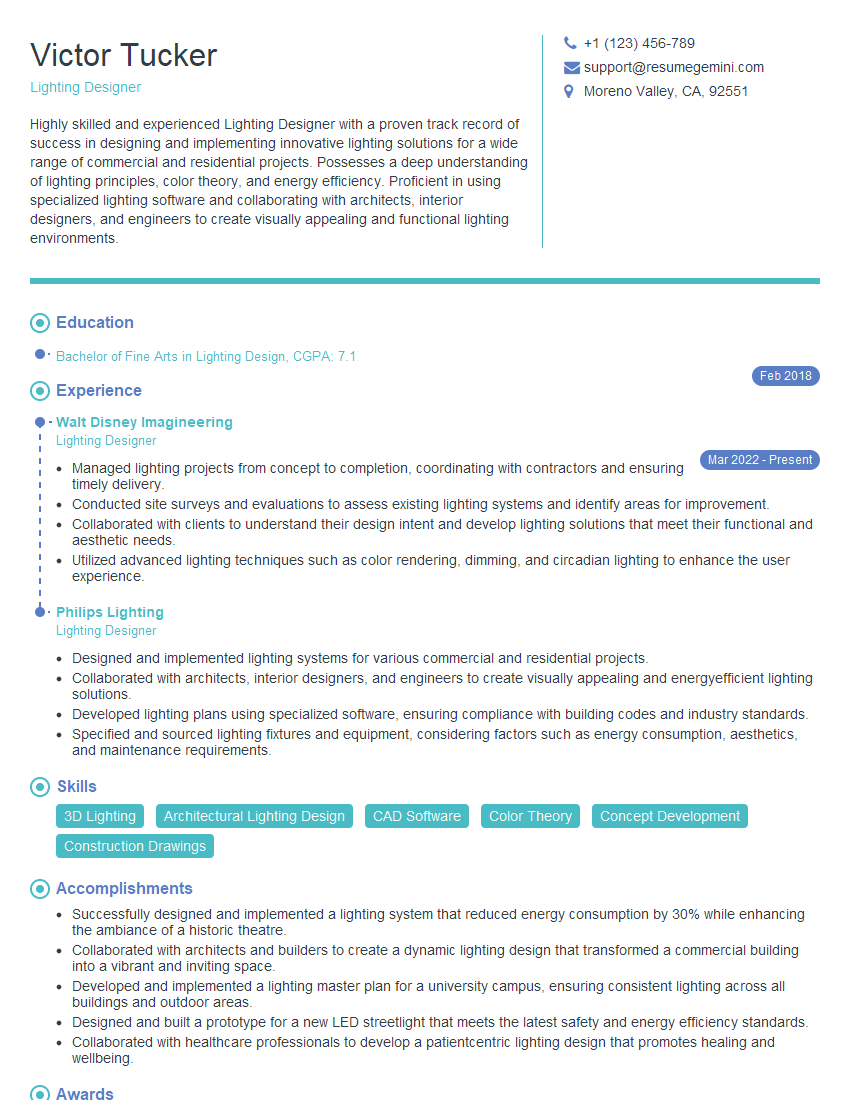
Lighting Designer Resume Sample
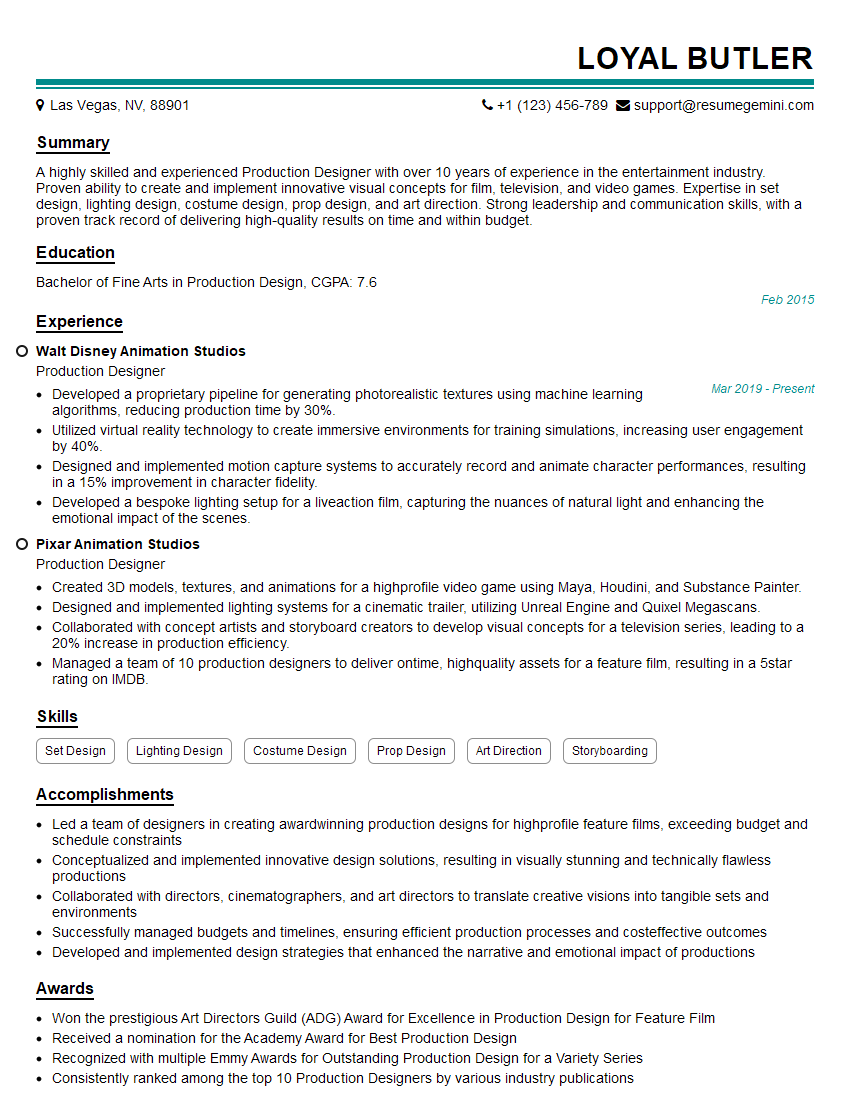
Production Designer Resume Sample
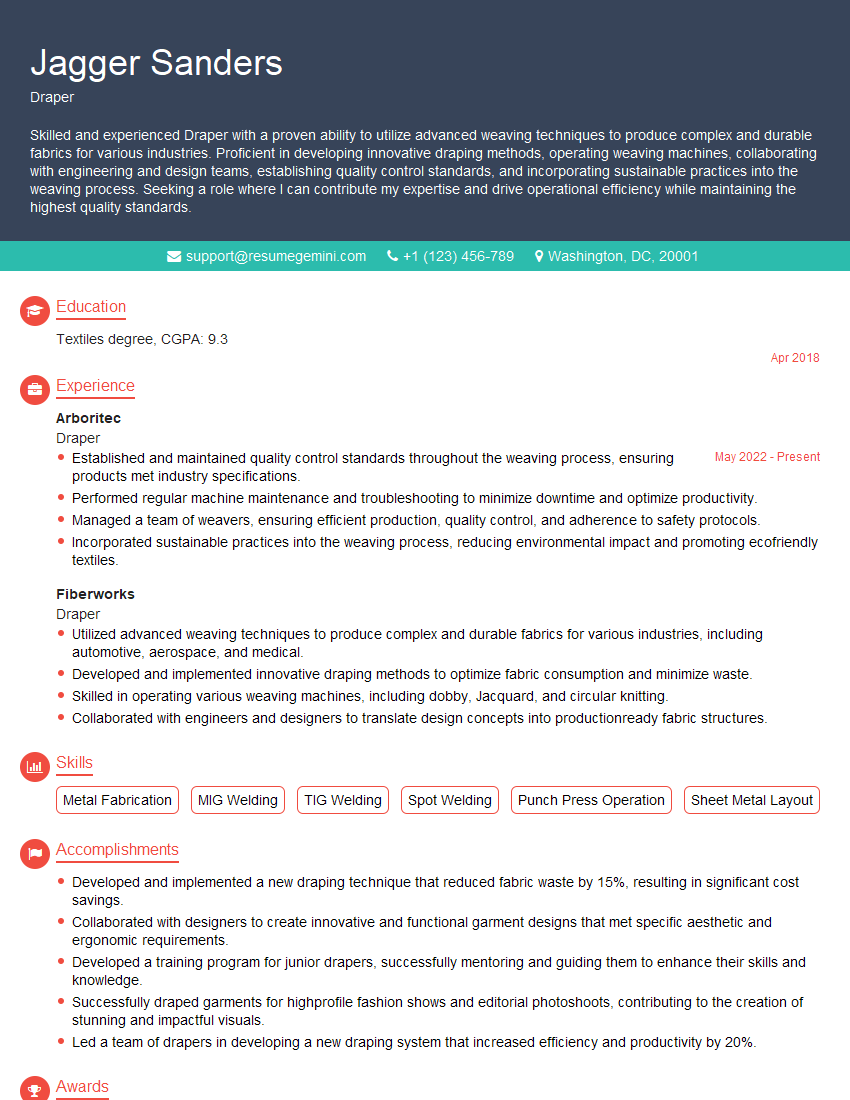
Draper Resume Sample
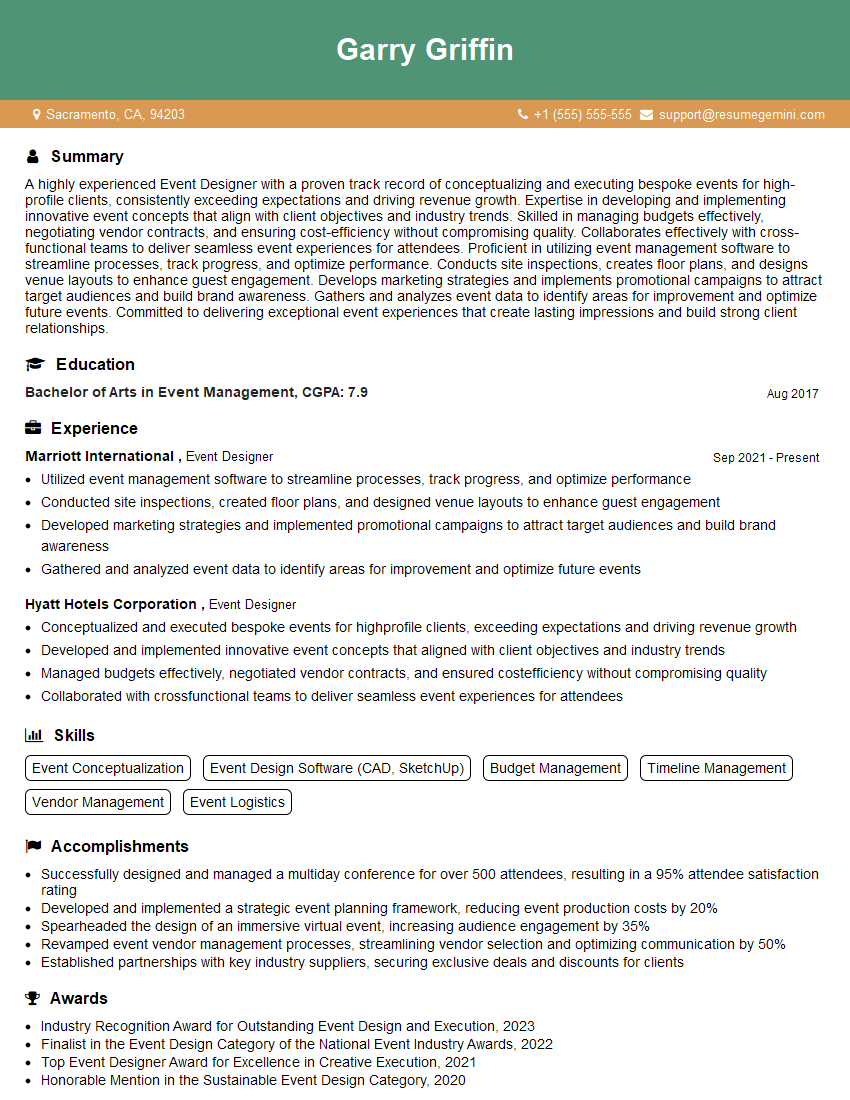
Event Designer Resume Sample
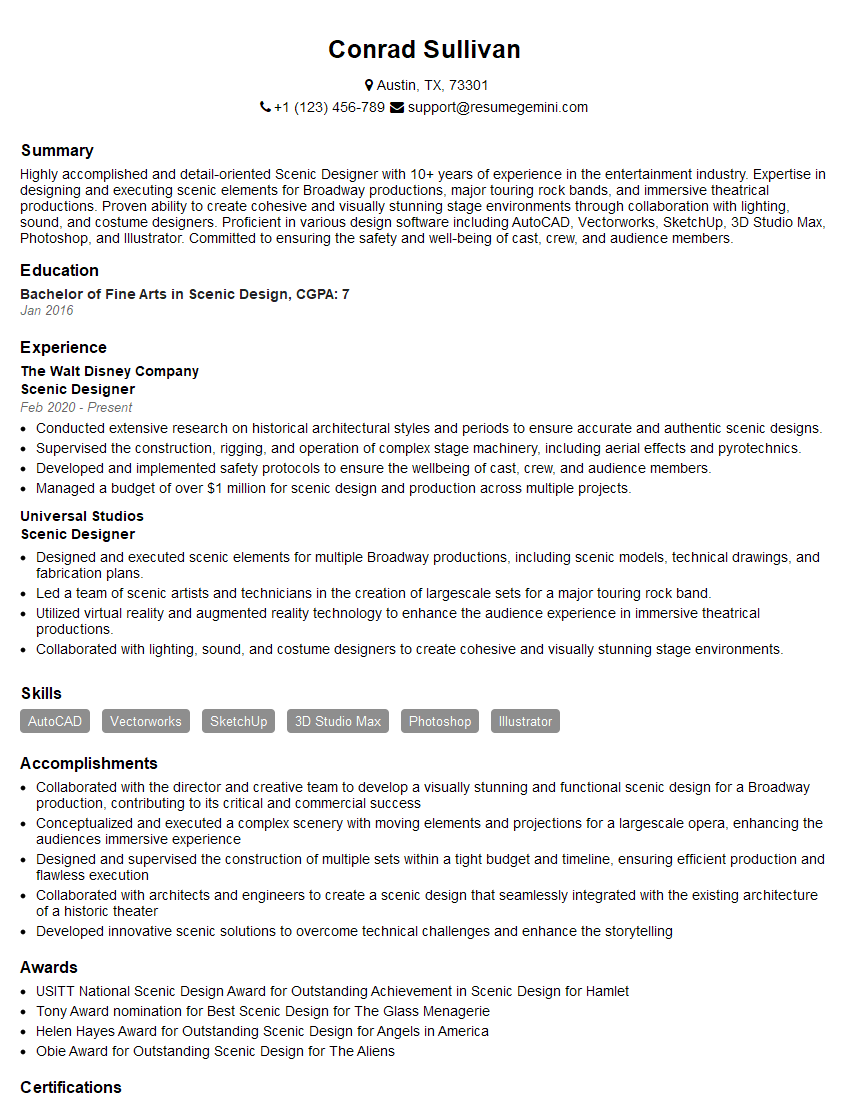
Scenic Designer Resume Sample
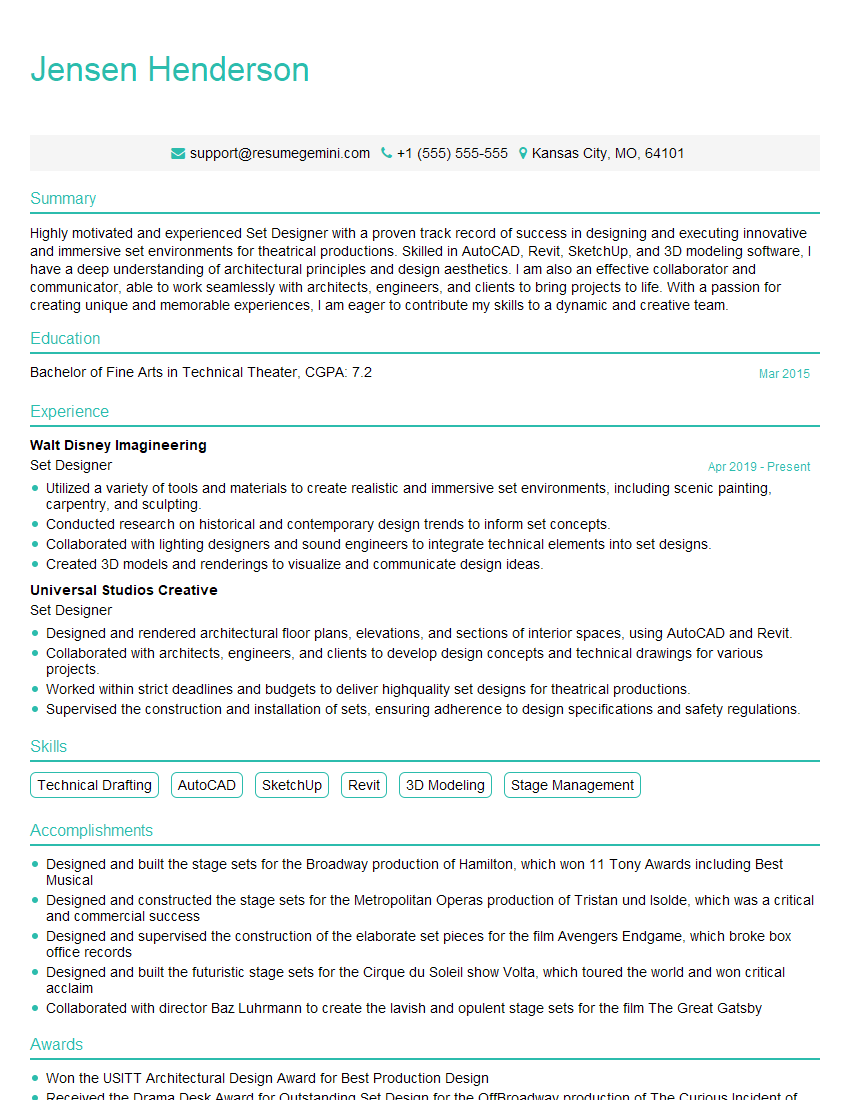
Set Designer Resume Sample
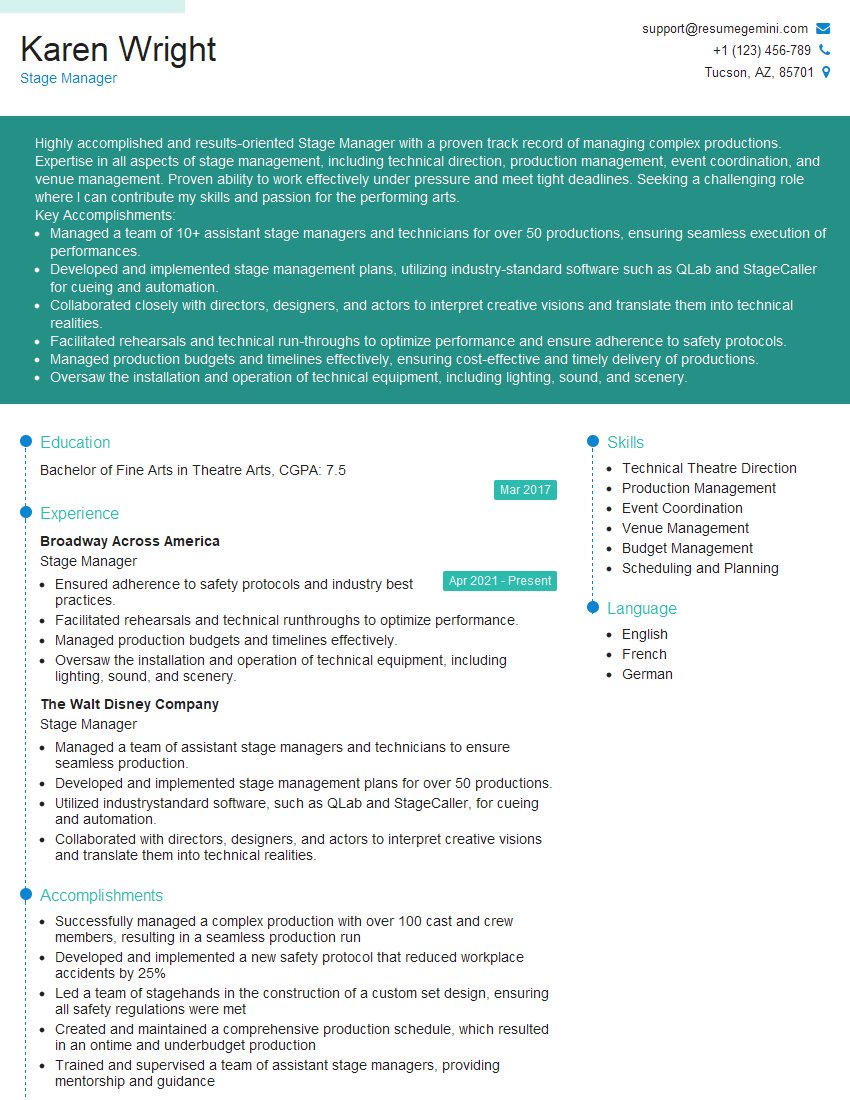
Stage Manager Resume Sample
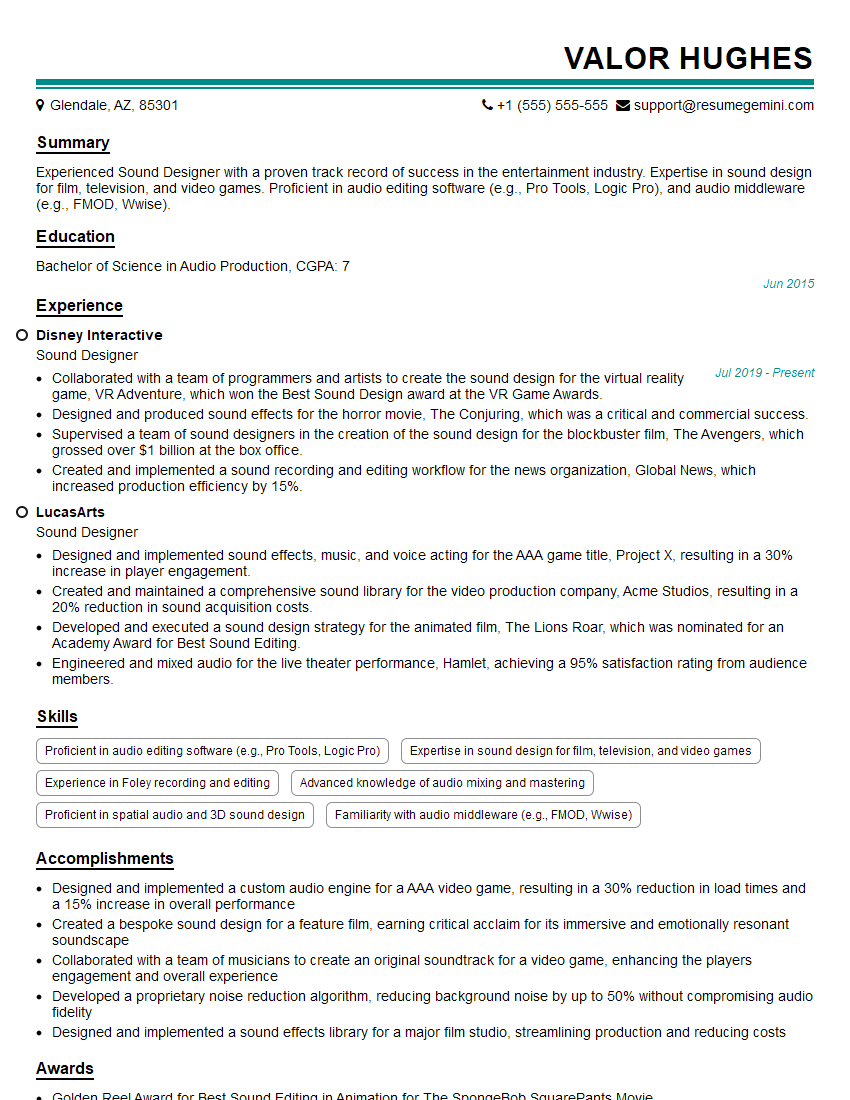
Sound Designer Resume Sample
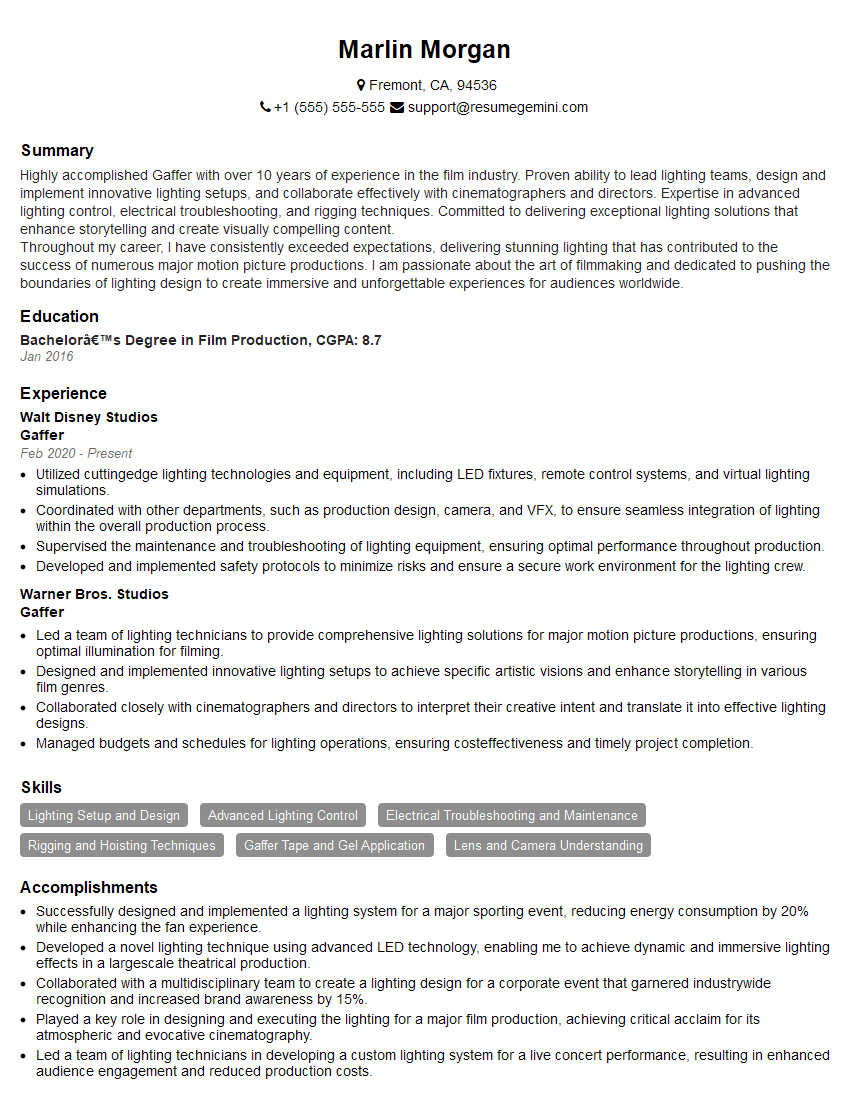
Gaffer Resume Sample
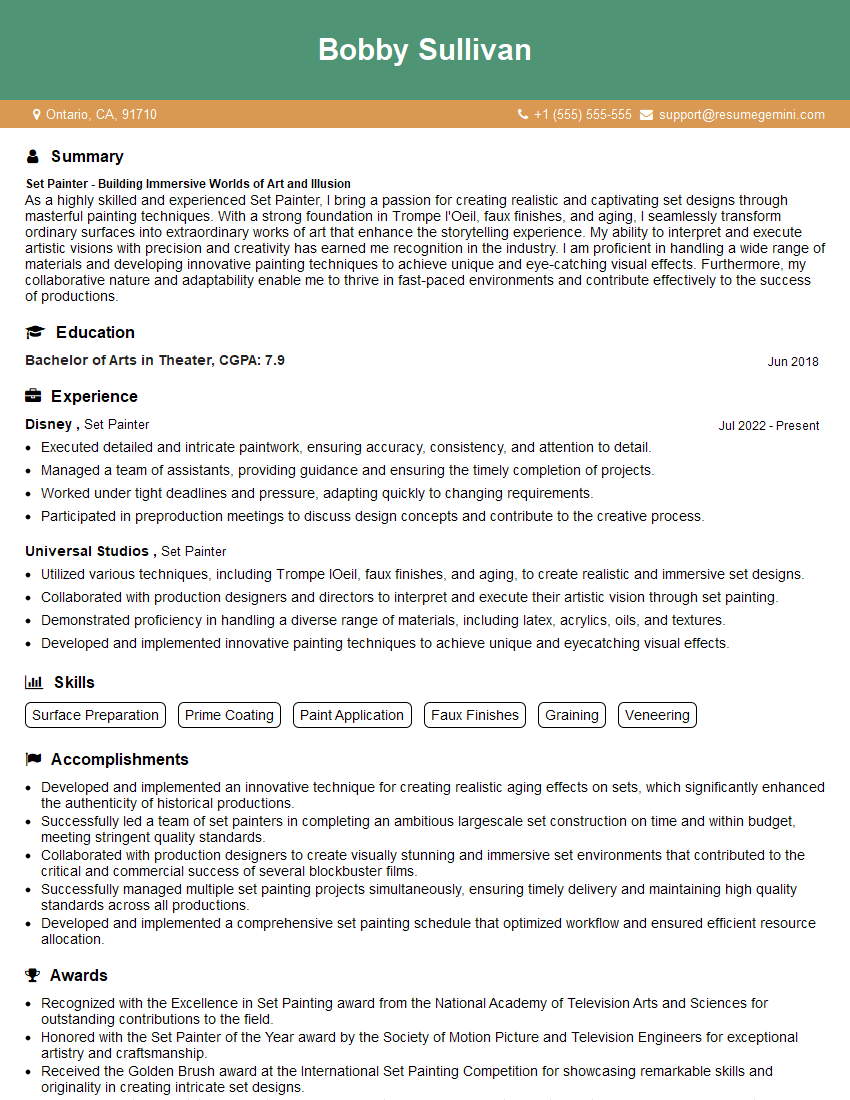
Set Painter Resume Sample
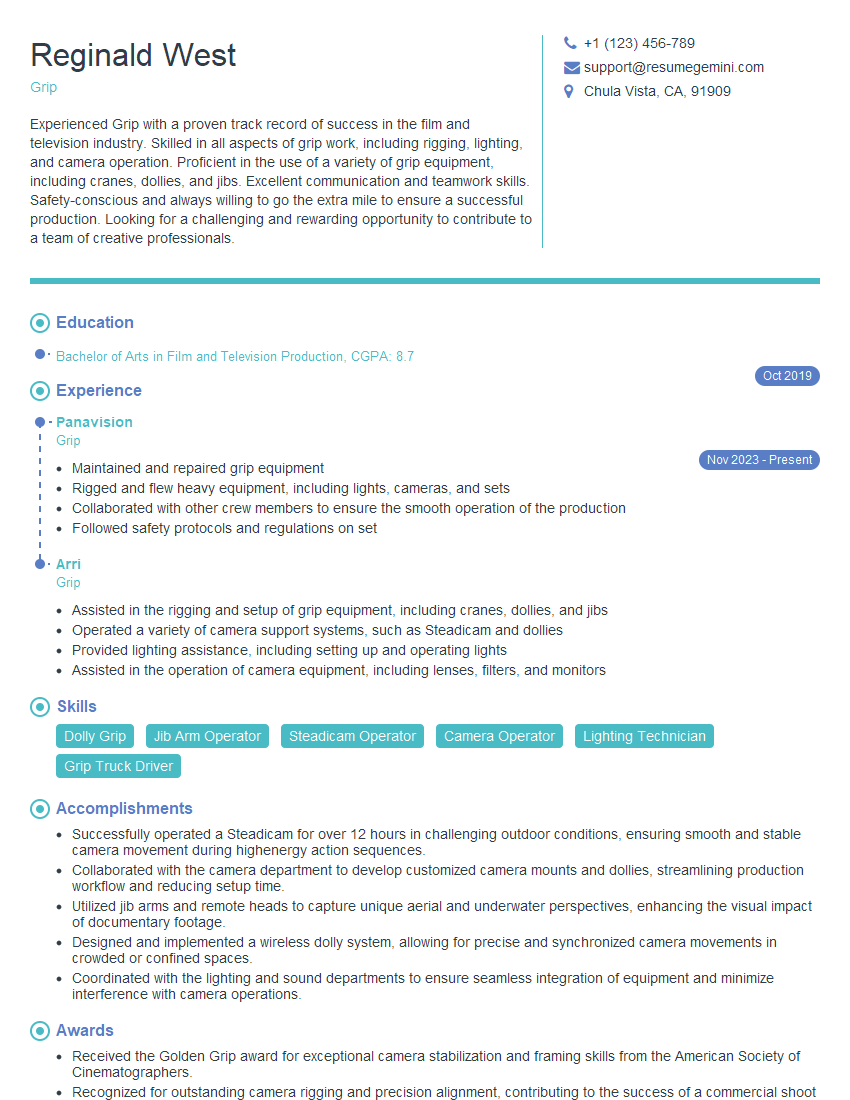
Grip Resume Sample
Explore more articles
Users Rating of Our Blogs
Share Your Experience
We value your feedback! Please rate our content and share your thoughts (optional).
What Readers Say About Our Blog
Very informative content, great job.
good