The thought of an interview can be nerve-wracking, but the right preparation can make all the difference. Explore this comprehensive guide to Detergent and Chemicals Handling interview questions and gain the confidence you need to showcase your abilities and secure the role.
Questions Asked in Detergent and Chemicals Handling Interview
Q 1. Explain the different types of detergents and their applications.
Detergents are broadly classified based on their chemical composition and intended use. Understanding these differences is crucial for effective cleaning and safe handling.
- Surfactant-based detergents: These are the most common type and work by reducing the surface tension of water, allowing it to penetrate and lift away dirt and grime. Examples include laundry detergents, dish soaps, and all-purpose cleaners. Within this category, you have anionic (like sodium lauryl sulfate), cationic (often used in fabric softeners), non-ionic (found in many dish soaps), and amphoteric (used in shampoos and other personal care products) surfactants, each with different properties and applications.
- Enzyme detergents: These contain enzymes that break down specific types of stains, like proteins (meat, blood) or carbohydrates (starch, sugars). These are frequently incorporated into laundry detergents for enhanced cleaning power.
- Bleach-containing detergents: Bleach, typically sodium hypochlorite, is a powerful oxidizing agent that disinfects and whitens fabrics. It’s often added to laundry detergents but requires careful handling due to its corrosive nature.
- Specialty detergents: This category encompasses detergents designed for specific cleaning tasks, such as industrial degreasers, carpet cleaners, or specialized formulations for delicate fabrics. These often contain unique combinations of surfactants and other chemicals tailored to their application.
For example, a laundry detergent will typically contain a blend of anionic surfactants for cleaning, enzymes for stain removal, and optical brighteners for enhancing whiteness. Contrast this with an industrial degreaser, which might feature powerful solvents and alkaline agents to tackle heavy grease and oil.
Q 2. Describe the process of safely handling hazardous chemicals.
Safe handling of hazardous chemicals requires a multi-faceted approach that prioritizes prevention over reaction. It begins with thorough training and a comprehensive understanding of the specific hazards of each chemical.
- Personal Protective Equipment (PPE): Always wear appropriate PPE, including gloves, eye protection, and respirators, as specified on the Safety Data Sheet (SDS). The type of PPE needed varies depending on the chemical’s hazard classification.
- Proper Ventilation: Work in well-ventilated areas to minimize inhalation risks. For highly volatile chemicals, a fume hood or other specialized ventilation system might be necessary.
- Spill Response Plan: Have a clear spill response plan in place, including the appropriate absorbent materials and neutralization agents for each chemical. Know where the emergency eyewash stations and safety showers are located.
- Storage and Handling: Chemicals should be stored in their original containers, clearly labeled, and in a designated, secure area, away from incompatible substances. Follow appropriate lifting techniques to avoid injuries.
- Waste Disposal: Dispose of chemical waste according to all relevant regulations. Never pour chemicals down the drain without checking for appropriate disposal methods.
Imagine handling concentrated sulfuric acid. You’d need specialized gloves, eye protection, and possibly a respirator. Spills would require a neutralizing agent and careful cleanup to avoid burns and other injuries. Proper ventilation would be crucial.
Q 3. What are the key safety regulations concerning detergent and chemical handling?
Safety regulations concerning detergent and chemical handling vary by jurisdiction, but generally align with overarching principles of minimizing risk to workers and the environment. Key regulations frequently incorporate:
- OSHA (Occupational Safety and Health Administration): In the United States, OSHA sets standards for workplace safety, including requirements for hazard communication, PPE, emergency response, and training. Specific regulations like the Hazard Communication Standard (HCS) are critical.
- WHMIS (Workplace Hazardous Materials Information System): In Canada, WHMIS provides a system for labeling, handling, and communicating hazard information for hazardous materials.
- GHS (Globally Harmonized System of Classification and Labelling of Chemicals): An internationally recognized system to classify and communicate chemical hazards, forming the basis of many national regulations. It aims for consistency in labeling and SDSs worldwide.
- Environmental Protection Agency (EPA) Regulations: Regulations concerning the handling, storage, and disposal of chemicals to protect the environment from pollution.
These regulations often overlap and reinforce each other. For example, both OSHA and GHS standards require SDSs for hazardous chemicals, ensuring consistent information across different jurisdictions.
Q 4. How do you ensure compliance with OSHA regulations in chemical handling?
Ensuring OSHA compliance in chemical handling is an ongoing process involving several key steps:
- Hazard Communication Program: Implementing a comprehensive hazard communication program is paramount. This includes clearly labeling all hazardous chemicals, providing SDSs to employees, and conducting regular training sessions.
- Employee Training: Employees must receive adequate training on the hazards associated with the chemicals they handle, the appropriate PPE, emergency procedures, and safe work practices. Training records must be meticulously maintained.
- Regular Inspections: Conduct regular safety inspections to identify potential hazards and ensure compliance with OSHA standards. This may involve checking PPE, storage areas, and emergency equipment.
- Incident Reporting and Investigation: Establish procedures for reporting and thoroughly investigating any incidents involving chemical exposure or spills. Corrective actions must be implemented to prevent future occurrences.
- Record Keeping: Maintain accurate records of training, inspections, incidents, and chemical inventory. These records are crucial for demonstrating compliance during OSHA inspections.
For instance, regular audits of our chemical storage areas and employee training records are conducted, ensuring everything is up to code and our team is knowledgeable. We maintain meticulous logs of all chemical usage and disposal.
Q 5. What are the common hazards associated with detergent and chemical handling?
The hazards associated with detergent and chemical handling are diverse and depend heavily on the specific chemicals involved. However, some common hazards include:
- Chemical Burns: Contact with corrosive chemicals like acids or alkalis can cause severe burns to the skin and eyes.
- Inhalation Hazards: Inhaling certain chemicals, especially volatile organic compounds (VOCs), can lead to respiratory problems, such as irritation, inflammation, or even more serious conditions.
- Skin Irritation and Allergies: Many detergents and chemicals can cause skin irritation, allergic reactions, or dermatitis, especially with repeated or prolonged exposure.
- Toxicity: Some chemicals are acutely toxic and can cause immediate health effects, even in small amounts. Others can be chronic toxins, leading to health problems after prolonged exposure.
- Fire and Explosion Hazards: Certain chemicals are flammable or can react explosively when mixed with other substances. Proper storage and handling are essential to prevent such incidents.
- Environmental Hazards: Improper disposal of chemical waste can lead to water and soil contamination, harming both ecosystems and human health.
For example, mixing bleach with ammonia creates toxic chlorine gas, a severe inhalation hazard. Improper handling of strong acids or bases can lead to severe burns. Therefore, awareness and training are crucial.
Q 6. Describe your experience with Material Safety Data Sheets (MSDS).
Material Safety Data Sheets (MSDS), now known as Safety Data Sheets (SDS), are indispensable tools for safe chemical handling. My experience with SDSs is extensive. I routinely utilize them to:
- Identify Hazards: SDSs provide comprehensive information about the chemical’s physical and health hazards, including flammability, toxicity, and reactivity.
- Determine Safe Handling Procedures: They detail safe handling practices, including necessary PPE, storage requirements, and spill response procedures.
- Understand First Aid Measures: SDSs describe the appropriate first aid measures in case of exposure, guiding immediate response and medical treatment.
- Comply with Regulations: SDSs are essential for meeting regulatory requirements, such as OSHA’s Hazard Communication Standard.
- Train Employees: I use information from SDSs to create effective employee training materials, ensuring everyone is aware of the potential hazards and appropriate safety measures.
I have personally used SDSs to identify compatible storage methods, select appropriate PPE for various tasks, and train personnel on safe handling procedures for dozens of different chemicals, from common cleaning agents to specialized industrial solvents. They are the cornerstone of our safety program.
Q 7. How do you identify and mitigate risks associated with chemical spills?
Identifying and mitigating risks associated with chemical spills requires a systematic approach.
- Immediate Action: The first step is to evacuate the area and prevent further exposure. This includes alerting others and restricting access.
- Assessment: Assess the nature and extent of the spill. Identify the chemical involved using its label or SDS, and determine the potential hazards (flammability, toxicity, reactivity).
- Containment: Contain the spill to prevent its spread. This might involve using absorbent materials, diking the area, or other appropriate containment methods.
- Cleanup: Use appropriate PPE and cleanup techniques based on the chemical’s properties and the SDS recommendations. Neutralizing agents may be necessary for some spills.
- Disposal: Dispose of the contaminated materials according to regulations. This often involves specialized waste disposal services.
- Documentation: Document the spill, including the date, time, location, chemical involved, cleanup methods, and any injuries or environmental impact.
For example, a spill of concentrated hydrochloric acid would require immediate evacuation, containment using an inert absorbent like vermiculite, neutralization with a base like sodium bicarbonate, and careful cleanup with appropriate PPE, followed by proper waste disposal. The entire process must be meticulously documented.
Q 8. Explain your understanding of proper labeling and storage of chemicals.
Proper labeling and storage of chemicals are paramount for safety and regulatory compliance. Labels must clearly identify the chemical’s name, hazards (using Globally Harmonized System of Classification and Labelling of Chemicals – GHS pictograms and signal words), concentration, manufacturer’s information, and any specific handling precautions. Storage depends heavily on the chemical’s properties. Incompatible substances, such as oxidizers and flammables, must be stored separately to prevent dangerous reactions. Storage areas should be well-ventilated, dry, and protected from extreme temperatures. For example, highly reactive chemicals might require specialized cabinets with inert atmospheres. Flammable liquids need to be kept away from ignition sources. Proper shelving and spill containment measures are crucial. Regular inventory checks help ensure labels are intact and chemicals are stored correctly.
- Example: A bottle of concentrated sulfuric acid needs a label clearly indicating its corrosive nature (GHS pictogram), its concentration (e.g., 98%), and storage requirements (e.g., ‘Store in a cool, dry place’). It should be kept separate from flammables and reducing agents.
Q 9. What are the different methods for neutralizing chemical spills?
Neutralizing chemical spills depends entirely on the spilled substance. There’s no one-size-fits-all solution. The first step is always to ensure your own safety by wearing appropriate PPE (Personal Protective Equipment). Then, you need to identify the chemical and consult the Safety Data Sheet (SDS) for recommended neutralization procedures. Some common methods include:
- Dilution with water: For some water-soluble substances, carefully diluting the spill with large amounts of water can be effective. This should be done gradually and with caution, avoiding splashing.
- Using a neutralizing agent: Acids can be neutralized with bases (like sodium bicarbonate solution), and bases can be neutralized with acids (like diluted acetic acid). The choice of neutralizing agent is critical and must be based on the specific chemical spilled. It’s essential to add the neutralizing agent slowly and monitor the pH to ensure complete neutralization. Incorrect choices can lead to exothermic reactions and further hazards.
- Absorption: Inert materials like vermiculite or sand can be used to absorb smaller spills, preventing further spread. The absorbed material must then be disposed of properly as hazardous waste.
- Specialized Spill Kits: Many organizations utilize pre-prepared spill kits containing the appropriate absorbent materials and neutralizing agents for specific chemicals frequently used in their operation.
Important Note: Always consult the SDS for the specific chemical involved before attempting any neutralization. Never attempt to neutralize a large or unknown spill without professional assistance.
Q 10. Describe your experience with personal protective equipment (PPE).
My experience with PPE is extensive, encompassing various types of equipment based on the specific hazards involved. This includes gloves (nitrile, neoprene, etc. selected based on chemical compatibility), eye protection (safety glasses, goggles, face shields), respirators (depending on the airborne hazard, ranging from dust masks to full-face respirators with appropriate cartridges), protective clothing (acid-resistant suits, aprons, etc.), and appropriate footwear (steel-toe boots for heavy-duty work or chemical-resistant boots for spills). Selecting the correct PPE involves risk assessment and understanding the specific chemicals being handled. I’ve been involved in numerous training sessions on proper PPE selection, donning, doffing, and maintenance. A simple example: When working with concentrated acids, I’d wear chemical-resistant gloves, a lab coat, safety goggles, and potentially a face shield to prevent any splashes from reaching skin or eyes. PPE needs to be inspected regularly for any damage before use.
Q 11. How do you handle incompatible chemicals?
Incompatible chemicals are a significant safety concern. My approach to handling them focuses on strict segregation and preventing any contact. I utilize specialized storage solutions, such as dedicated cabinets or separate storage areas. The SDS for each chemical is a critical reference point. Many SDSs include lists of incompatible materials. For example, strong oxidizers (like potassium permanganate) must be kept far away from reducing agents (like organic solvents) to avoid potentially violent reactions. Acids and bases should be stored separately. If unavoidable mixing or processing is required, this should only occur under strictly controlled and supervised conditions with appropriate safety measures. The work area needs to have suitable spill containment strategies in place.
Q 12. What is your experience with chemical waste disposal procedures?
Chemical waste disposal is governed by strict regulations. My experience involves meticulous record-keeping, proper labeling (following all relevant local, state, and federal regulations), and segregation of wastes based on their hazardous properties. I’m familiar with various disposal methods, including recycling (where feasible), incineration, and specialized waste treatment facilities. This process involves contacting licensed waste haulers, ensuring all paperwork is complete and accurate, and adhering to all safety protocols throughout the entire disposal process. For instance, a used bottle of concentrated acid would be considered hazardous waste and needs to be packaged according to regulations, labeled accordingly, and handed over to a licensed waste disposal company. Improper disposal poses environmental and health risks, so careful adherence to regulations is crucial.
Q 13. Describe your experience with inventory management of chemicals.
Efficient chemical inventory management is essential for safety, cost control, and regulatory compliance. I have experience using various inventory management systems, from simple spreadsheets to sophisticated software solutions, to track chemical quantities, expiration dates, and storage locations. This ensures that we have enough chemicals on hand to meet demand but also prevent the buildup of outdated or obsolete materials. Regular inventory audits are conducted to verify accuracy and identify any discrepancies. This data is critical for ordering new chemicals, managing waste, and ensuring compliance with regulations. An effective system flags chemicals nearing their expiration dates, allowing for proactive planning to minimize waste and potential hazardous situations.
Q 14. How do you ensure the quality of detergents and chemicals?
Ensuring detergent and chemical quality involves a multi-faceted approach. This starts with the selection of high-quality raw materials, adhering strictly to established formulas and manufacturing processes, and implementing rigorous quality control procedures at each stage of production. This includes regular testing of raw materials, in-process testing throughout the manufacturing process, and thorough testing of finished products to ensure they meet predetermined specifications and standards. This may involve chemical analysis (e.g., titration, spectroscopy), physical testing (e.g., viscosity, density), and microbiological testing to ensure purity and efficacy. We often use statistical process control (SPC) methods to monitor processes and identify potential deviations early on. We also maintain comprehensive documentation, including batch records and test results, to track quality and aid in troubleshooting any issues. We comply with relevant industry standards and regulations.
Q 15. Explain your experience with chemical analysis and testing.
My experience with chemical analysis and testing spans over ten years, encompassing a wide range of techniques. I’m proficient in both qualitative and quantitative analyses, using methods like titration, spectrophotometry, chromatography (HPLC and GC), and various spectroscopic techniques (IR, UV-Vis). For example, in my previous role at Acme Detergents, I was responsible for ensuring the quality of our flagship laundry detergent by routinely testing for surfactant concentration, pH levels, and the presence of any impurities. This involved meticulously following standardized operating procedures (SOPs) and maintaining detailed records of all analyses. I’m also experienced in interpreting the results, identifying any deviations from specifications, and suggesting corrective actions. Another example involves troubleshooting a production issue where we were experiencing inconsistent foaming in the detergent. Through careful analysis, I identified a contamination issue with a raw material, leading to a prompt rectification and preventing significant production losses.
Career Expert Tips:
- Ace those interviews! Prepare effectively by reviewing the Top 50 Most Common Interview Questions on ResumeGemini.
- Navigate your job search with confidence! Explore a wide range of Career Tips on ResumeGemini. Learn about common challenges and recommendations to overcome them.
- Craft the perfect resume! Master the Art of Resume Writing with ResumeGemini’s guide. Showcase your unique qualifications and achievements effectively.
- Don’t miss out on holiday savings! Build your dream resume with ResumeGemini’s ATS optimized templates.
Q 16. What is your experience with using different types of chemical handling equipment?
I’m highly experienced in operating and maintaining a variety of chemical handling equipment, including:
- Safety Cabinets: I’m familiar with various types including flammable material cabinets, acid cabinets, and general chemical storage cabinets, ensuring proper ventilation and labeling.
- Pumps and Transfer Systems: I’ve used peristaltic pumps, diaphragm pumps, and other transfer systems to safely move chemicals from bulk storage to production lines, following all safety protocols.
- Mixing Tanks and Reactors: My experience includes operating and maintaining various sizes of mixing tanks and reactors for detergent formulations, always prioritizing safe operation and avoiding cross-contamination.
- Personal Protective Equipment (PPE): I’m trained in the proper use and maintenance of all necessary PPE, including respirators, gloves, eye protection, and protective clothing, selecting appropriate PPE based on the specific chemical being handled.
For instance, during a recent project involving highly reactive chemicals, I successfully designed and implemented a new transfer system to minimize risk of spills and exposure, significantly improving safety protocols.
Q 17. Describe your experience with the transportation of hazardous materials.
My experience with the transportation of hazardous materials encompasses all aspects, from initial preparation to delivery. I understand and strictly adhere to all relevant regulations, including DOT (Department of Transportation) and IATA (International Air Transport Association) guidelines. This includes proper labeling, packaging, and documentation for all shipments. I’ve personally overseen the transportation of numerous shipments of corrosive chemicals and flammable solvents, ensuring proper hazard communication throughout the process. This includes selecting the appropriate transportation mode (truck, rail, or air), utilizing properly certified containers and vehicles, and preparing all the necessary shipping papers and documentation. In one instance, I prevented a potential disaster by identifying a packaging deficiency before a shipment of highly reactive chemicals left our facility. My attention to detail and adherence to regulations ensure safe and compliant transportation of hazardous materials.
Q 18. How do you maintain accurate records of chemical handling activities?
Maintaining accurate records is paramount in chemical handling. We utilize a combination of electronic and paper-based systems. Electronic systems typically involve a laboratory information management system (LIMS) for chemical analysis results, along with dedicated software for tracking chemical inventory, usage, and disposal. Paper-based systems include material safety data sheets (MSDS), inventory logs, and waste disposal records. Everything is meticulously logged, including dates, times, quantities, personnel involved, and any relevant observations. This detailed approach enables easy traceability, compliance audits, and facilitates efficient inventory management. For example, if we need to trace the origin of a particular batch of detergent or investigate a potential contamination, our detailed records allow us to quickly pinpoint the source of the issue.
Q 19. What is your understanding of the Globally Harmonized System of Classification and Labelling of Chemicals (GHS)?
The Globally Harmonized System of Classification and Labelling of Chemicals (GHS) is a globally-harmonized system that provides a standardized approach to classifying and labeling chemicals according to their health, environmental, and physical hazards. This creates consistency in hazard communication worldwide, making it easier to understand the risks associated with chemicals regardless of their origin. My understanding of GHS is comprehensive and includes applying the hazard classification system, understanding the pictograms and signal words, and preparing safety data sheets (SDS) that are compliant with GHS regulations. This knowledge is crucial for the safe handling, storage, and transportation of chemicals within our company. For instance, I’ve actively participated in transitioning our company’s chemical labeling system to fully comply with the GHS regulations, training team members on the new labeling system and updating our safety data sheets.
Q 20. Explain your experience with emergency response procedures for chemical incidents.
Emergency response procedures for chemical incidents are critical. I’m trained in emergency response and have participated in multiple drills and simulations. My experience includes identifying and mitigating various hazardous chemical spills and leaks, as well as responding to personal exposure incidents. This involves understanding the specific hazards of different chemicals, implementing appropriate containment strategies, using specialized equipment for clean-up, and providing first aid if necessary. We also have detailed emergency response plans that outline the roles and responsibilities of each team member, including contact information for emergency services. For example, during a simulated chemical spill incident, I successfully managed the containment and cleanup of a sulfuric acid leak, ensuring the safety of the team and the environment. This involved utilizing specialized spill kits, ensuring proper ventilation, and implementing safe disposal procedures.
Q 21. How do you ensure the safety of your team members during chemical handling operations?
Ensuring the safety of my team members is my top priority. This is achieved through a multi-pronged approach. Firstly, comprehensive training programs are provided to all personnel on proper chemical handling techniques, including the use of PPE, emergency procedures, and risk assessment methods. Secondly, we maintain a clean and organized work environment, ensuring proper storage and segregation of incompatible chemicals. Regular safety inspections and audits are conducted to identify and rectify any potential hazards. Thirdly, open communication and a strong safety culture are promoted, encouraging team members to report any safety concerns without fear of reprisal. For example, I’ve implemented a system where team members can anonymously report safety concerns, allowing for prompt remediation of potential hazards. We also regularly conduct safety talks and refresher training sessions, reinforcing best practices and addressing emerging safety challenges. This proactive approach to safety has created a culture of vigilance and reduced incidents significantly.
Q 22. Describe a time you had to troubleshoot a problem related to chemical handling.
During my time at Acme Cleaning Solutions, we experienced a significant drop in the effectiveness of our flagship industrial degreaser. Initially, we suspected a problem with the formulation itself. However, after a thorough investigation, we discovered the issue stemmed from improper chemical handling during the dispensing process. Specifically, the dispensing pump wasn’t calibrated correctly, leading to inconsistent dosages. This resulted in a weaker-than-intended solution being applied, causing the reduced effectiveness.
My troubleshooting involved several steps: First, we reviewed the Standard Operating Procedures (SOPs) for the degreaser dispensing system. We then visually inspected the pump for any signs of damage or malfunction, noticing minor wear on the seals. Next, we recalibrated the pump following the manufacturer’s instructions and conducted several test runs, meticulously measuring the dispensed solution volume. Finally, we compared the effectiveness of the newly calibrated dispensed solution against the expected results, confirming the resolution. This experience highlighted the criticality of maintaining equipment and adhering strictly to SOPs for safe and effective chemical handling.
Q 23. How do you stay updated on the latest regulations and best practices for chemical handling?
Staying abreast of the ever-evolving regulations and best practices in chemical handling requires a multi-pronged approach. I actively participate in industry-specific conferences and workshops, like those hosted by the American Cleaning Institute (ACI) and the Chemical Safety Board (CSB). These events provide valuable insights into emerging technologies and updated regulations.
Furthermore, I subscribe to reputable industry journals and newsletters, such as Chemical Engineering News and publications from organizations like OSHA (Occupational Safety and Health Administration) and EPA (Environmental Protection Agency). Regularly reviewing these resources ensures I’m familiar with any changes in legislation or recommended practices. I also maintain professional memberships within relevant organizations, which often provide access to exclusive training and updates. Finally, I leverage online resources such as government websites and databases containing the latest safety data sheets (SDS) for all the chemicals we handle.
Q 24. What is your experience with different types of chemical containers and their safe handling?
My experience encompasses a wide range of chemical containers, from standard drums (55-gallon) and pails (5-gallon) to IBC totes (Intermediate Bulk Containers) and smaller, specialized containers for highly reactive or corrosive chemicals. Safe handling procedures vary considerably depending on the container type and the chemical it holds. For instance, drums require proper lifting techniques to avoid injury and spills, often using drum dollies or lifting equipment. IBC totes necessitate secure placement and proper venting to prevent pressure buildup. Highly reactive chemicals often necessitate specialized containers designed to mitigate reactions with air or moisture, including secondary containment measures to prevent leaks from reaching the environment.
I’m proficient in the use of personal protective equipment (PPE) such as gloves, goggles, and respirators appropriate for each chemical and container type. This includes understanding the compatibility of gloves with different chemicals to prevent permeation and ensuring proper respirator fit for effective protection. I also have extensive knowledge of appropriate labeling and color-coding of containers according to the Globally Harmonized System of Classification and Labelling of Chemicals (GHS).
Q 25. Explain your experience with the use and maintenance of chemical dispensing equipment.
My experience includes the operation and maintenance of various chemical dispensing equipment, ranging from simple hand pumps to automated systems. This includes understanding the principles behind metering pumps, diaphragm pumps, and peristaltic pumps, each suited to different chemical types and application requirements. Regular maintenance is crucial, including scheduled checks of seals, valves, and tubing. I’m adept at troubleshooting malfunctions, identifying the cause of leaks or inconsistent dispensing, and performing necessary repairs or replacements. Furthermore, I understand the importance of adhering to manufacturer’s recommendations for calibration and preventative maintenance to ensure accurate and safe chemical dispensing.
For example, in one instance, an automated dispensing system experienced a blockage. Through a systematic approach, we identified the cause as crystallized chemical residue within the tubing. We cleared the blockage and subsequently implemented a preventive measure – routine flushing of the system with appropriate solvents after each use – to prevent future occurrences.
Q 26. How do you manage the supply chain for detergents and chemicals?
Managing the supply chain for detergents and chemicals involves a detailed understanding of procurement, inventory control, storage, and distribution. We employ a Just-in-Time (JIT) inventory management system to minimize storage costs and reduce the risk of chemical degradation. This requires accurate forecasting of demand based on historical data and anticipated production schedules. We work closely with reliable suppliers who adhere to strict quality control measures and can meet our delivery timelines consistently. Furthermore, we utilize sophisticated inventory tracking software to monitor stock levels and automatically trigger re-orders when thresholds are reached.
Safe storage is paramount, requiring compliance with all relevant regulations. This includes proper ventilation, temperature control, and segregation of incompatible chemicals to prevent dangerous reactions. We maintain detailed records of all chemical deliveries and movements to ensure full traceability and accountability in case of incidents.
Q 27. Describe your experience with the procurement process for detergents and chemicals.
The procurement process begins with identifying our chemical needs, based on production plans and anticipated demand. This includes selecting suitable chemicals based on their effectiveness, cost, and environmental impact. We then obtain quotes from pre-qualified suppliers, evaluating them based on factors such as price, quality, delivery reliability, and safety records. The selection process is rigorous, including verification of all necessary certifications and compliance documents. Once a supplier is selected, a detailed purchase order is generated, specifying the quantity, type, and delivery schedule. Upon delivery, a thorough inspection is performed to verify that the received chemicals meet the specifications outlined in the purchase order. We also maintain complete documentation for all aspects of the procurement process, including supplier performance records, contract agreements, and inspection reports.
Q 28. What are your salary expectations for this role?
My salary expectations are commensurate with my experience and skills in detergent and chemical handling, as well as the specific requirements and responsibilities of this role. I’m open to discussing a competitive compensation package that reflects the market value for a domain expert with my qualifications and proven track record.
Key Topics to Learn for Detergent and Chemicals Handling Interview
- Safety Regulations and Procedures: Understanding and applying relevant OSHA, EPA, and other industry-specific safety regulations for handling detergents and chemicals. This includes proper PPE usage, emergency response protocols, and waste disposal methods.
- Chemical Properties and Reactivity: Knowing the properties of common detergents and chemicals (e.g., pH, flammability, toxicity) and how they interact with each other and different materials. Practical application includes understanding compatibility charts and potential hazards of mixing substances.
- Storage and Transportation: Safe storage practices, including appropriate containers, labeling, and segregation of incompatible materials. Understanding transportation regulations and procedures for hazardous materials.
- Equipment Operation and Maintenance: Familiarity with relevant equipment (e.g., pumps, mixers, dispensing systems) and their safe operation and preventative maintenance. Troubleshooting common equipment malfunctions.
- Quality Control and Testing: Understanding quality control measures for detergents and chemicals, including testing methods to ensure product purity and compliance with specifications.
- Waste Management: Proper procedures for handling and disposing of chemical waste in accordance with environmental regulations. Understanding different waste treatment methods.
- Inventory Management: Efficient tracking and management of detergent and chemical inventory, including ordering, receiving, and storage optimization.
- Documentation and Record Keeping: Maintaining accurate and complete records of chemical handling activities, including safety incidents, maintenance logs, and inventory control.
Next Steps
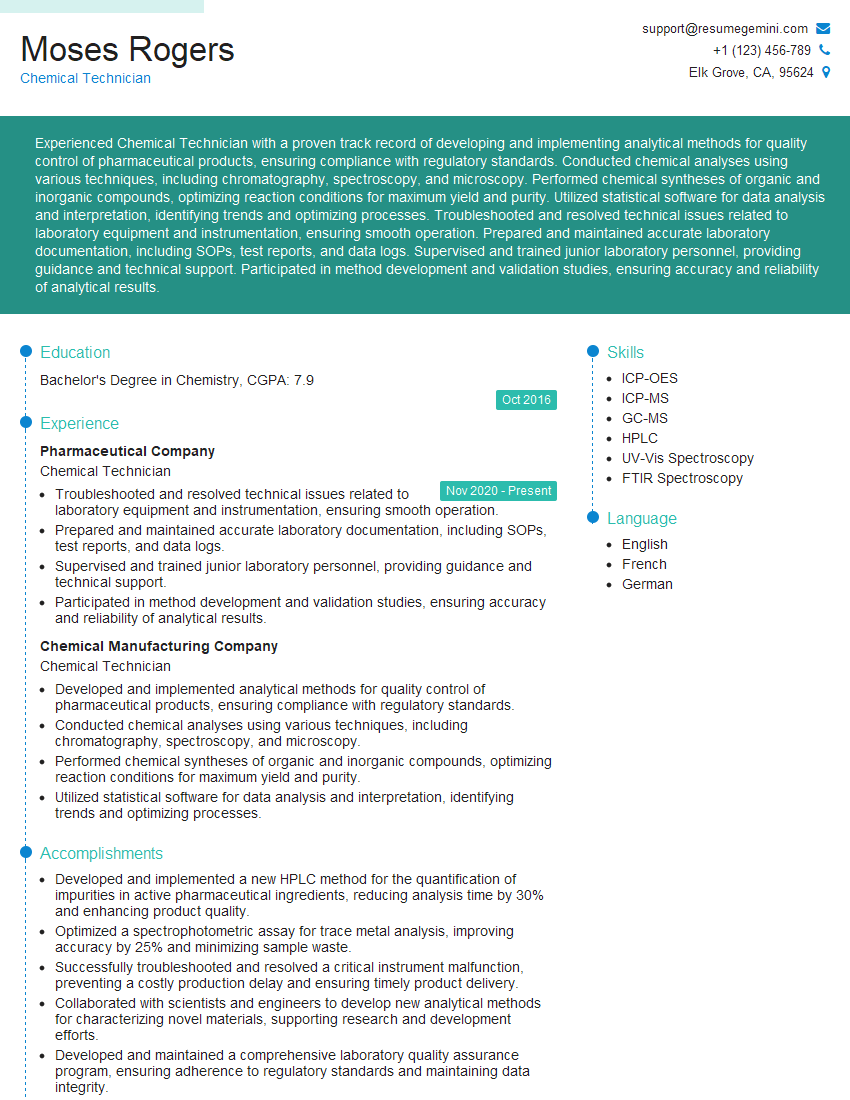
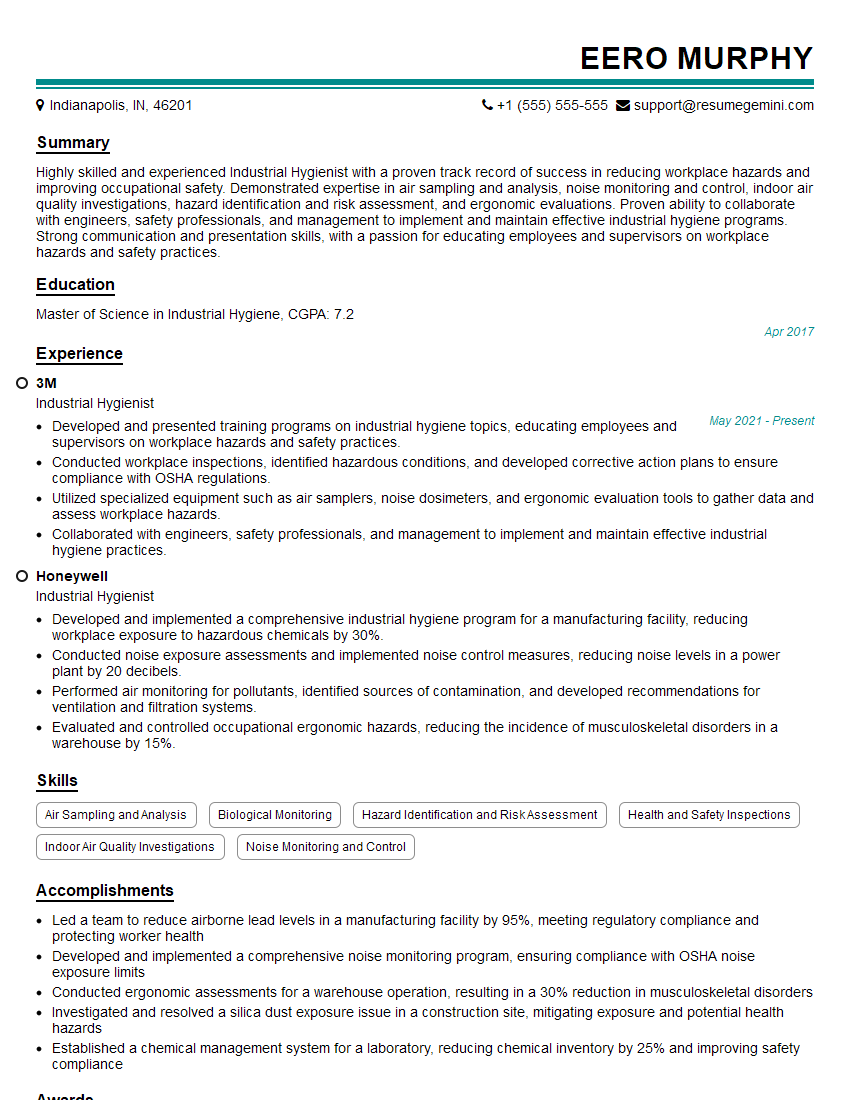
Mastering Detergent and Chemicals Handling opens doors to diverse and rewarding careers in manufacturing, logistics, and environmental management. It demonstrates your commitment to safety, efficiency, and regulatory compliance—highly valued attributes in many industries. To maximize your job prospects, crafting a strong, ATS-friendly resume is crucial. ResumeGemini is a trusted resource to help you build a professional and impactful resume that highlights your skills and experience effectively. Examples of resumes tailored to Detergent and Chemicals Handling are available to guide you through the process. Invest time in crafting a compelling resume – it’s your first impression with potential employers.
Explore more articles
Users Rating of Our Blogs
Share Your Experience
We value your feedback! Please rate our content and share your thoughts (optional).
What Readers Say About Our Blog
Very informative content, great job.
good