Are you ready to stand out in your next interview? Understanding and preparing for Diagnostic Tests interview questions is a game-changer. In this blog, we’ve compiled key questions and expert advice to help you showcase your skills with confidence and precision. Let’s get started on your journey to acing the interview.
Questions Asked in Diagnostic Tests Interview
Q 1. Explain the difference between sensitivity and specificity in diagnostic testing.
Sensitivity and specificity are two crucial metrics that describe the performance of a diagnostic test. Imagine you’re testing for a disease. Sensitivity refers to the test’s ability to correctly identify individuals who actually have the disease. A highly sensitive test will rarely miss a true positive case, minimizing false negatives. Conversely, specificity measures the test’s ability to correctly identify individuals who do not have the disease. A highly specific test will rarely misidentify a healthy individual as diseased, minimizing false positives.
Let’s illustrate with an example: A test with high sensitivity for a rare cancer would mean it’s very good at finding the cancer in those who have it. However, it might also generate some false positives – wrongly identifying healthy individuals as having the cancer. A highly specific test for a common cold would accurately identify those without the cold but might miss some actual cases, leading to false negatives.
- High Sensitivity, Lower Specificity: Useful for screening tests where it’s crucial to catch all positive cases, even if it means more follow-up testing (e.g., mammograms for breast cancer screening).
- High Specificity, Lower Sensitivity: Useful for confirmatory tests, where you want to be absolutely sure before making a diagnosis (e.g., a biopsy to confirm a cancer diagnosis after a positive mammogram).
Q 2. Describe the process of validating a new diagnostic test.
Validating a new diagnostic test is a rigorous process that involves multiple stages, aiming to establish its accuracy and reliability. It typically starts with analytical validation, which assesses the test’s performance characteristics in the lab. This includes evaluating its precision, linearity, and accuracy.
Next comes clinical validation, which assesses the test’s performance in a real-world setting. This often involves a large-scale study comparing the new test’s results with those of an established ‘gold standard’ test or clinical diagnosis. This allows researchers to calculate metrics like sensitivity, specificity, positive predictive value, and negative predictive value. The study should include a diverse population to ensure the test performs consistently across different groups. The results are then carefully analyzed to determine whether the test meets pre-defined performance criteria.
Finally, the entire process is documented meticulously, demonstrating the test’s reliability and validity. The validation results may be submitted for regulatory approval before the test can be used clinically.
Q 3. How do you interpret a receiver operating characteristic (ROC) curve?
A receiver operating characteristic (ROC) curve is a graphical representation of a diagnostic test’s performance across different thresholds. It plots the true positive rate (sensitivity) against the false positive rate (1-specificity) at various cut-off points. The area under the curve (AUC) summarizes the overall performance of the test.
Imagine a test determining if a patient has a heart condition. Different thresholds might exist to classify a result as positive or negative (e.g., blood pressure above 140/90). The ROC curve shows how the test performs at each possible threshold. An AUC of 1.0 indicates a perfect test (always correct), while 0.5 indicates a worthless test (no better than chance). An AUC between 0.7 and 0.8 generally suggests an acceptable diagnostic test. A higher AUC means a better diagnostic test.
By analyzing the ROC curve, clinicians can choose the optimal threshold that balances sensitivity and specificity, depending on the clinical context. For example, a screening test might prioritize sensitivity to detect as many positive cases as possible, even at the cost of some false positives. In contrast, a confirmatory test might prioritize specificity to avoid false positives.
Q 4. What are the limitations of using a single diagnostic test?
Relying on a single diagnostic test can significantly limit the accuracy of a diagnosis. Several factors contribute to this:
- Test Limitations: Every test has inherent limitations, such as imperfect sensitivity and specificity. A single test might miss subtle cases or produce false positive results.
- Disease Heterogeneity: Diseases often manifest differently in individuals, meaning a single test might not detect all variations of the disease.
- Influence of Other Factors: Various factors like patient age, comorbidities, and medication use can affect test results, confounding interpretation.
- No Confirmation: A positive result from one test needs confirmation from another, usually more specific test. If only one is available, we cannot fully confirm the positive.
Therefore, a comprehensive diagnostic approach usually involves using multiple tests and considering the patient’s clinical picture for a more accurate diagnosis. This reduces the impact of individual test limitations and improves overall diagnostic accuracy.
Q 5. Discuss the importance of quality control in diagnostic testing.
Quality control (QC) in diagnostic testing is critical for ensuring reliable and accurate results. It involves a system of checks and balances designed to detect and correct errors at every stage of the testing process, from sample collection to result reporting. This involves several key aspects:
- Pre-analytical QC: This includes proper patient identification, sample collection techniques, and storage conditions. Errors at this stage can significantly affect test results.
- Analytical QC: This covers the performance of the analytical instrument itself, involving regular calibration and maintenance using control samples. This ensures accuracy and reproducibility of test results.
- Post-analytical QC: This involves verification of results, including appropriate data entry and reporting. This step helps identify and rectify any errors that might have occurred during the analytical phase.
A robust QC system minimizes errors, improves the quality of patient care, and ensures compliance with regulatory standards.
Q 6. How do you manage pre-analytical variables in diagnostic testing?
Pre-analytical variables are factors that can influence the results of a diagnostic test before the actual testing process begins. These variables are significant sources of error and can drastically impact the reliability of test results. Effective management is crucial for ensuring accurate diagnoses. Key strategies include:
- Standardized Procedures: Implementing strict protocols for sample collection, handling, and processing minimizes variations and ensures consistency.
- Proper Patient Preparation: Providing clear instructions to patients on how to prepare for a test (e.g., fasting, avoiding certain medications) reduces bias. This is often the most overlooked and hardest to control.
- Sample Quality Control: Regular monitoring of sample integrity, checking for hemolysis, lipemia, or icterus, helps identify and eliminate flawed samples.
- Appropriate Storage: Maintaining appropriate storage temperature and time limits for samples prevents degradation and alteration of analytes.
- Training Personnel: Properly trained personnel are crucial in handling samples correctly. Regular training and updated protocols ensure that the best procedures are followed.
By carefully managing pre-analytical variables, laboratories can significantly improve the accuracy and reliability of their diagnostic tests, leading to more confident and informed clinical decisions.
Q 7. Explain the concept of diagnostic accuracy and its components.
Diagnostic accuracy refers to how well a test correctly identifies individuals with and without a particular disease. It’s a composite measure that encompasses several key components:
- Sensitivity: The proportion of individuals with the disease who test positive (true positives).
- Specificity: The proportion of individuals without the disease who test negative (true negatives).
- Positive Predictive Value (PPV): The probability that an individual with a positive test result actually has the disease.
- Negative Predictive Value (NPV): The probability that an individual with a negative test result does not have the disease.
- Accuracy: The overall correctness of the test, combining true positives and true negatives.
Imagine screening for a particular virus; high sensitivity would mean that it correctly identifies nearly all those who are actually infected. High specificity means it correctly identifies most of those not infected. PPV and NPV tell us the likelihood of a positive or negative result being truly accurate within the context of the population being tested. High accuracy means that the test is generally reliable in identifying both infected and uninfected individuals. These components are essential for interpreting the clinical utility of any diagnostic test.
Q 8. What are the different types of diagnostic tests available?
Diagnostic tests are broadly categorized into several types, each serving a unique purpose in identifying and characterizing diseases. These can be broadly classified by the sample type used (blood, tissue, urine, etc.) or by the methodology employed.
- In-vitro Diagnostic Tests (IVDs): These tests are performed on samples taken from the body, such as blood, urine, tissue, or other bodily fluids. Examples include blood counts (CBC), blood chemistry panels (e.g., liver function tests, renal function tests), urinalysis, and molecular diagnostic tests (PCR for infectious diseases or genetic testing).
- In-vivo Diagnostic Tests: These tests are performed directly on the body. Examples include imaging techniques like X-rays, CT scans, MRI, ultrasound, and endoscopy.
- Electrodiagnostic Tests: These assess the electrical activity of the body. Examples include electrocardiograms (ECGs) to evaluate heart function and electroencephalograms (EEGs) to assess brain activity.
- Genetic Tests: These tests analyze an individual’s DNA or RNA to identify genetic mutations that may be associated with diseases. They can be used for carrier screening, prenatal diagnosis, or newborn screening.
- Immunological Tests: These tests detect antibodies or antigens in the body, useful for identifying infections or autoimmune disorders. Examples include ELISA and immunofluorescence assays.
The choice of diagnostic test depends on the suspected condition, the clinical presentation, and the available resources. For example, a suspected bacterial infection might prompt a blood culture and sensitivity test, while a neurological disorder may necessitate an MRI.
Q 9. Discuss the ethical considerations in diagnostic testing.
Ethical considerations in diagnostic testing are paramount. They center around patient autonomy, confidentiality, and the responsible use of resources. Key aspects include:
- Informed Consent: Patients must be fully informed about the purpose, risks, benefits, and alternatives to the test before consenting. This includes understanding potential false positives and negatives and the implications of the results.
- Confidentiality: Test results are highly sensitive personal information and must be handled with strict confidentiality. Access to results should be limited to those directly involved in patient care.
- Accuracy and Reliability: Laboratories must ensure the accuracy and reliability of their testing procedures through rigorous quality control measures. False positives or negatives can have significant consequences for patient management.
- Genetic Testing Considerations: Genetic testing raises unique ethical concerns, including potential discrimination based on genetic predisposition to disease. Genetic counseling is often essential to help patients understand the implications of genetic test results.
- Resource Allocation: The cost of diagnostic testing can be significant. Ethical considerations arise when deciding which tests to prioritize, particularly in resource-limited settings.
For example, pre-symptomatic genetic testing for Huntington’s Disease presents ethical dilemmas for patients who might prefer not to know their future risk.
Q 10. How do you handle discrepancies between test results and clinical findings?
Discrepancies between test results and clinical findings are common and require careful investigation. This often involves a systematic approach:
- Review the Test Procedure: First, ensure the test was performed correctly and interpreted accurately. This includes verifying the sample handling, testing methodology, and the absence of any technical errors.
- Assess the Clinical Findings: Re-evaluate the patient’s clinical presentation. Is there additional information that could explain the discrepancy? Could there be a co-morbidity or confounding factor?
- Consider Alternative Diagnoses: Explore other possible diagnoses that could explain both the test results and clinical picture.
- Repeat Testing: In some cases, repeating the test may be warranted, either to rule out technical errors or to observe changes over time.
- Consult with Colleagues: Discuss the discrepancy with colleagues, especially specialists with relevant expertise. A multidisciplinary approach often provides valuable insights.
- Advanced Testing: Consider more specialized or advanced diagnostic tests if necessary. This may involve referring the patient to a specialist or a tertiary care center.
For instance, a patient with symptoms suggestive of a myocardial infarction (heart attack) might have a normal cardiac enzyme test. This discrepancy would prompt a review of the timing of the test, consideration of alternative causes of chest pain, and possibly the use of more sensitive diagnostic tools like cardiac imaging.
Q 11. What are the key performance indicators (KPIs) for a diagnostic testing laboratory?
Key Performance Indicators (KPIs) for a diagnostic testing laboratory are essential for monitoring quality, efficiency, and cost-effectiveness. Important KPIs include:
- Turnaround Time (TAT): The time it takes to complete a test, from sample reception to result reporting. Shorter TAT is crucial for timely patient care.
- Accuracy and Precision: The ability of the tests to produce accurate and consistent results. This is often measured through quality control procedures and participation in proficiency testing programs.
- Test Volume and Capacity: The number of tests performed and the laboratory’s ability to handle increased workload. This helps in resource allocation and capacity planning.
- Error Rate: The frequency of errors in sample handling, testing, or reporting. A low error rate is essential for patient safety.
- Cost per Test: The cost of performing a test, which includes personnel, materials, and equipment costs. Efficient cost management is vital for sustainability.
- Patient Satisfaction: Feedback from patients about their experience with the laboratory, encompassing factors like communication and accessibility.
- Regulatory Compliance: Adherence to relevant regulations and accreditation standards, ensuring the quality and reliability of test results.
Tracking these KPIs allows the laboratory to identify areas for improvement, optimize workflows, and ensure high-quality diagnostic services.
Q 12. Describe your experience with different diagnostic modalities (e.g., blood tests, imaging).
My experience encompasses a wide range of diagnostic modalities. I have extensive hands-on experience with various blood tests, including hematology, coagulation studies, and clinical chemistry panels. I’m proficient in interpreting these results within the context of the patient’s clinical presentation to reach a diagnosis or refine a treatment plan. I’ve also worked extensively with imaging modalities, such as interpreting X-rays, CT scans, and ultrasounds, which provided valuable insight into the structural aspects of diseases and helped guide treatment strategies. For instance, in one case a seemingly innocuous chest X-ray revealed a subtle abnormality that led to the diagnosis of lung cancer, highlighting the critical role of image interpretation in early disease detection.
Beyond these common modalities, I also have experience with more specialized tests such as molecular diagnostics (PCR, next-generation sequencing), assisting in the identification of infectious agents and genetic disorders. The integration of these different diagnostic techniques is essential for comprehensive patient care. In a case involving a patient with persistent fever, for instance, integrating blood cultures and PCR tests allowed us to rapidly and accurately diagnose a rare infectious disease, significantly impacting treatment and prognosis.
Q 13. Explain the role of diagnostic testing in disease management.
Diagnostic testing plays a crucial role in all phases of disease management, from initial diagnosis to monitoring treatment response and prognosis.
- Diagnosis: Diagnostic tests are essential in confirming or ruling out a suspected diagnosis. For example, a biopsy is crucial in confirming a cancer diagnosis, guiding the treatment strategy.
- Staging and Prognosis: Once a diagnosis is made, diagnostic tests help determine the stage of the disease (e.g., cancer staging using imaging and biopsies) and provide insights into prognosis (e.g., assessing tumor markers for cancer patients).
- Treatment Monitoring: Tests are used to monitor the effectiveness of treatment and to detect early signs of relapse or complications (e.g., monitoring blood glucose levels in diabetic patients or measuring viral load in HIV-positive individuals).
- Disease Screening: Diagnostic tests are vital for population-based screening programs to identify individuals at risk of developing a disease, enabling early intervention (e.g., mammography for breast cancer screening).
- Predictive Testing: Some tests can help predict an individual’s risk of developing certain diseases, enabling preventive measures (e.g., genetic testing for certain cancers).
In essence, diagnostic testing provides the objective data essential for evidence-based decision-making in patient care. It empowers healthcare professionals to personalize treatment plans, assess prognosis, and ultimately improve patient outcomes.
Q 14. How do you troubleshoot issues with malfunctioning diagnostic equipment?
Troubleshooting malfunctioning diagnostic equipment requires a systematic approach to ensure both safety and accurate results. The steps usually involve:
- Safety First: Immediately disconnect the equipment from the power source if there are any safety concerns. Prioritize the safety of personnel and patients.
- Check for Obvious Problems: Begin by checking for simple issues such as power cords, loose connections, and sufficient reagents (for analytical instruments). Refer to the equipment’s operational manual.
- Review Error Messages: Many diagnostic instruments display error messages that provide clues to the malfunction. Consult the equipment manual or troubleshooting guide for explanations of these error codes.
- Perform Basic Maintenance Checks: Perform routine maintenance checks such as cleaning optical components (for imaging equipment) or replacing filters (for analytical instruments) as outlined in the user manual.
- Run Quality Control (QC) Tests: Run QC tests to assess the accuracy and precision of the equipment. QC failures often indicate instrument malfunction.
- Consult Service Manuals and Documentation: Thoroughly review the service manual for troubleshooting procedures specific to the equipment.
- Contact the Manufacturer or Service Provider: If the problem persists after these steps, contact the manufacturer or a qualified service provider for assistance. They may need to perform more advanced diagnostics or repairs.
- Document all actions taken: Maintain a comprehensive log of all troubleshooting steps, including the problem encountered, actions performed, and the results of each action. This is crucial for record-keeping and future reference.
Remember that any repair or maintenance work should be carried out by trained personnel. Improper repairs can compromise the safety and accuracy of the equipment.
Q 15. Describe your experience with data analysis in diagnostic testing.
My experience with data analysis in diagnostic testing is extensive. It involves leveraging statistical methods and computational tools to analyze vast datasets generated from various diagnostic tests. This includes everything from basic descriptive statistics to more advanced techniques like regression analysis, ROC curve analysis, and machine learning algorithms. For instance, in a recent project, I used logistic regression to model the probability of a positive diagnosis based on multiple test results, improving the accuracy of our predictions. Another project involved using clustering algorithms to identify distinct patient subgroups based on their test profiles, which aided in tailoring treatment strategies. This work is crucial for validating new tests, optimizing existing ones, and developing predictive models to improve patient care.
A key aspect of this analysis is ensuring data quality and integrity. We meticulously handle missing data, outliers, and potential biases in the data to maintain the reliability of our conclusions. This involves careful data cleaning, validation, and transformation steps. The goal is always to extract meaningful insights that can inform clinical decision-making and contribute to better health outcomes.
Career Expert Tips:
- Ace those interviews! Prepare effectively by reviewing the Top 50 Most Common Interview Questions on ResumeGemini.
- Navigate your job search with confidence! Explore a wide range of Career Tips on ResumeGemini. Learn about common challenges and recommendations to overcome them.
- Craft the perfect resume! Master the Art of Resume Writing with ResumeGemini’s guide. Showcase your unique qualifications and achievements effectively.
- Don’t miss out on holiday savings! Build your dream resume with ResumeGemini’s ATS optimized templates.
Q 16. Explain the concept of positive and negative predictive values.
Positive and negative predictive values (PPV and NPV) are crucial metrics in assessing the performance of a diagnostic test. They tell us the probability that a test result is correct, given the true disease status of the patient. Imagine a screening test for a disease:
- Positive Predictive Value (PPV): This is the probability that a patient actually has the disease, given that the test result is positive. A high PPV is desirable, meaning a positive test is likely to be a true positive.
- Negative Predictive Value (NPV): This is the probability that a patient does not have the disease, given that the test result is negative. A high NPV is desirable, meaning a negative test is likely to be a true negative.
Let’s say a test has a PPV of 90%. This means that out of every 100 patients with a positive test result, 90 actually have the disease. Similarly, an NPV of 95% indicates that out of every 100 patients with a negative test result, 95 truly do not have the disease. The PPV and NPV are influenced by both the test’s sensitivity and specificity, as well as the prevalence of the disease in the population being tested. They are essential in interpreting test results and guiding clinical decisions.
Q 17. How do you interpret a 2×2 contingency table for diagnostic test results?
A 2×2 contingency table summarizes the results of a diagnostic test by comparing the test’s results to the gold standard (the definitive diagnostic method). It’s structured like this:
				Disease Present		Disease Absent
Test Positive		True Positive (TP)		False Positive (FP)
Test Negative		False Negative (FN)		True Negative (TN)
Let’s say we’re evaluating a new blood test for a particular cancer. After testing 100 patients, we obtain the following results:
				Disease Present		Disease Absent
Test Positive		20		10
Test Negative		10		60
From this table, we can calculate several important metrics:
- Sensitivity: TP / (TP + FN) = 20 / (20 + 10) = 66.7% (The probability of a positive test result given the disease is present).
- Specificity: TN / (TN + FP) = 60 / (60 + 10) = 85.7% (The probability of a negative test result given the disease is absent).
- PPV: TP / (TP + FP) = 20 / (20 + 10) = 66.7%
- NPV: TN / (TN + FN) = 60 / (60 + 10) = 85.7%
Interpreting these values gives us a comprehensive understanding of the test’s accuracy and helps determine its clinical utility.
Q 18. Discuss the impact of automation on diagnostic testing.
Automation has revolutionized diagnostic testing, leading to significant improvements in speed, accuracy, and efficiency. Automated systems handle sample processing, testing, and result reporting with minimal human intervention. This reduces human error, increases throughput, and allows for faster turnaround times, leading to quicker diagnosis and treatment. Examples include automated analyzers for blood tests, robotic systems for handling samples, and advanced imaging systems with automated image analysis capabilities.
However, automation also brings challenges. Implementing and maintaining automated systems requires substantial investment and specialized expertise. Quality control measures are essential to ensure the accuracy and reliability of automated results. Furthermore, there’s a need for robust data management systems to handle the large volumes of data generated by automated systems. Despite these challenges, the benefits of automation are undeniable, and its role in diagnostic testing will continue to expand.
Q 19. What are the regulatory requirements for diagnostic testing?
Regulatory requirements for diagnostic testing vary depending on the type of test, its intended use, and the geographic location. However, some common themes include:
- Accuracy and Reliability: Tests must demonstrate high levels of accuracy and reliability through rigorous validation studies.
- Safety: Tests must be safe for both patients and healthcare providers.
- Quality Control: Laboratories must implement robust quality control measures to ensure the accuracy and reliability of test results.
- Regulatory Approvals: Many diagnostic tests require premarket approval or clearance from regulatory agencies such as the FDA (in the US) or equivalent agencies in other countries.
- Data Privacy and Security: Strict regulations govern the handling and storage of patient data generated from diagnostic testing.
Compliance with these regulations is essential to ensure the safety and reliability of diagnostic testing and maintain public trust in healthcare.
Q 20. How do you stay current with advancements in diagnostic testing technologies?
Staying current with advancements in diagnostic testing technologies requires a multifaceted approach. I regularly attend conferences, workshops, and webinars related to diagnostic testing. I actively participate in professional organizations such as the American Association for Clinical Chemistry (AACC) and subscribe to relevant journals and publications, such as Clinical Chemistry and the Journal of Clinical Microbiology. Furthermore, I regularly review the latest research articles through databases such as PubMed. I also actively seek out online educational resources and engage with colleagues and experts in the field through networking events and professional discussions.
This continuous learning process ensures that I remain at the forefront of innovation in the diagnostic testing field and can effectively apply the latest advancements to my work.
Q 21. Describe your experience with different laboratory information systems (LIS).
Throughout my career, I’ve worked extensively with several Laboratory Information Systems (LIS). My experience includes using both commercially available LIS such as Cerner and Epic, as well as custom-developed systems. I am proficient in using LIS to manage patient demographics, test orders, results reporting, quality control data, and instrument calibration. I understand the importance of data integration between LIS and other healthcare information systems, such as electronic health records (EHRs).
My experience includes not only using these systems but also troubleshooting technical issues, participating in system upgrades and implementations, and providing training to laboratory staff. Proficiency in LIS is crucial for efficient and accurate laboratory operations and effective communication of results to clinicians.
Q 22. What are the common sources of error in diagnostic testing?
Errors in diagnostic testing can arise from various sources, broadly categorized as pre-analytical, analytical, and post-analytical. Pre-analytical errors occur before the test itself, such as improper patient preparation (e.g., inadequate fasting), incorrect sample collection (e.g., hemolysis in blood samples), or inappropriate storage and transportation of specimens. Analytical errors happen during the testing process, stemming from instrument malfunction, reagent degradation, or human error in performing the test. Post-analytical errors occur after the test, such as transcription errors in reporting results, misinterpretation of data, or delayed reporting leading to delayed treatment.
- Example: A pre-analytical error might involve a patient not fasting before a glucose test, leading to falsely elevated results. An analytical error could be a faulty calibration on a blood analyzer leading to consistently inaccurate results. A post-analytical error might be a lab technician incorrectly recording the patient’s ID, leading to the results being assigned to the wrong patient.
Minimizing these errors requires stringent quality control measures at each stage, including proper training of personnel, regular instrument calibration and maintenance, standardized procedures, and robust quality assurance programs.
Q 23. How do you ensure patient confidentiality in diagnostic testing?
Patient confidentiality is paramount in diagnostic testing and is governed by strict regulations (like HIPAA in the US). We maintain confidentiality by adhering to several key principles:
- Data Encryption: All patient data, including test results and personal information, are encrypted both in transit and at rest to prevent unauthorized access.
- Access Control: Access to patient data is restricted to authorized personnel only, with different levels of access based on roles and responsibilities. This includes using secure passwords and multi-factor authentication.
- Secure Data Storage: Patient data is stored in secure databases with appropriate backup and disaster recovery plans in place.
- Compliance with Regulations: We strictly adhere to all relevant regulations and guidelines concerning data privacy and patient confidentiality. This includes following procedures for data breach reporting.
- Informed Consent: Patients are always informed about how their data will be used and are given the opportunity to provide informed consent.
Example: We would never discuss a patient’s results with anyone except authorized healthcare providers involved in their care. We also ensure that patient identifiers are removed from any data used for research purposes unless anonymization is not possible.
Q 24. Explain your understanding of different diagnostic test methodologies (e.g., ELISA, PCR).
ELISA (Enzyme-Linked Immunosorbent Assay) and PCR (Polymerase Chain Reaction) are two widely used diagnostic test methodologies. ELISA is an immunological assay that detects the presence of an antigen (e.g., a virus or protein) or antibody in a sample by using an enzyme-linked antibody to create a detectable signal. Different ELISA formats exist (direct, indirect, sandwich) depending on the specific application.
PCR, on the other hand, is a molecular assay that amplifies specific DNA or RNA sequences. It enables detection of even minute amounts of genetic material, making it invaluable for identifying infectious agents or genetic mutations. Real-time PCR allows for quantification of the target sequence.
- ELISA Example: Detecting antibodies against HIV in a blood sample.
- PCR Example: Diagnosing COVID-19 by detecting the virus’s RNA in a nasal swab.
Each method has its strengths and limitations; ELISA is relatively simple and cost-effective but may have lower sensitivity than PCR; PCR is highly sensitive and specific but can be more complex and expensive. The choice of methodology depends on the specific diagnostic question, available resources, and required sensitivity and specificity.
Q 25. How do you interpret and report diagnostic test results?
Interpreting and reporting diagnostic test results involves a multi-step process. First, we must analyze the raw data generated by the test, comparing the results to established reference ranges or cut-off values. Then, we consider the clinical context, including the patient’s symptoms, medical history, and other relevant tests, to integrate the results into a comprehensive clinical picture. The final step is preparing a clear, concise report that communicates the findings and their clinical significance to the healthcare provider in a manner that avoids ambiguity.
- Example: A slightly elevated white blood cell count might not be significant in a healthy individual, but it could be highly relevant for a patient with a suspected infection. The report must clearly state the numerical result and its interpretation in the context of the patient’s overall clinical condition.
We use standardized reporting formats, ensuring clarity and minimizing the potential for misinterpretation. We also provide appropriate comments and recommendations when needed.
Q 26. Describe your problem-solving approach in dealing with unusual or unexpected test results.
My problem-solving approach when encountering unusual or unexpected test results involves a systematic investigation. First, I would verify the pre-analytical phase – checking for proper sample collection, handling, storage, and transportation. Next, I would review the analytical phase – verifying the instrument calibration, reagent integrity, and the accuracy of the test procedure itself. If no errors are found, I investigate potential clinical explanations. This might involve consulting relevant medical literature, reviewing the patient’s history, and discussing the findings with clinicians to gather more information.
- Example: Unexpectedly low levels of a specific hormone could be due to a technical error, a sample mix-up, or an underlying medical condition. A systematic investigation would help determine the root cause.
If the cause remains unclear, I would consider performing additional confirmatory tests or seeking expert consultation. Documentation of the entire investigation process is crucial for transparency and future learning.
Q 27. What is your experience with proficiency testing and external quality assessment schemes?
Proficiency testing and external quality assessment (EQA) schemes are essential for ensuring the accuracy and reliability of our testing processes. We participate in regular proficiency testing programs where we receive unknown samples and compare our results to those of other laboratories. This helps to identify any systematic biases or errors in our methods and allows us to benchmark our performance against established standards.
Participation in EQA schemes demonstrates our commitment to quality and provides continuous improvement opportunities. We analyze the results meticulously and use any identified discrepancies to improve our methods, address potential issues, and maintain high standards of laboratory practice. This continuous monitoring ensures we maintain the high quality of our services and deliver reliable and accurate results.
Q 28. Discuss your understanding of the principles of evidence-based diagnostics.
Evidence-based diagnostics involves making diagnostic decisions based on the best available scientific evidence. This includes considering the diagnostic accuracy of the tests used, the prevalence of the condition in the population, the clinical presentation of the patient, and the potential benefits and harms of different diagnostic and treatment strategies.
This approach minimizes the risk of misdiagnosis and ensures that decisions are aligned with the most up-to-date scientific knowledge. We use well-established guidelines and clinical pathways where available, incorporating critical appraisal of scientific literature to guide our choices of diagnostic tests and interpretation of results.
- Example: When choosing a test for a specific condition, we would consider its sensitivity (ability to correctly identify those with the condition) and specificity (ability to correctly identify those without the condition), along with the pre-test probability of the disease based on the patient’s symptoms and risk factors. A test with high sensitivity might be preferred if early detection is crucial, even if it has lower specificity.
Continuous learning and staying updated on the latest research are essential for applying the principles of evidence-based diagnostics effectively.
Key Topics to Learn for Diagnostic Tests Interview
- Test Selection & Design: Understanding the principles behind choosing appropriate diagnostic tests based on patient presentation, clinical suspicion, and available resources. Consider factors like sensitivity, specificity, and predictive values.
- Interpreting Results: Mastering the art of analyzing test results within the clinical context. This includes understanding reference ranges, potential sources of error, and how to correlate findings with patient history and other diagnostic information.
- Clinical Decision-Making: Learn how diagnostic tests inform clinical decision-making. Explore scenarios where test results influence treatment plans, further investigations, or patient management strategies.
- Types of Diagnostic Tests: Gain a solid understanding of various test types, including blood tests (e.g., complete blood count, metabolic panels), imaging techniques (e.g., X-ray, CT, MRI), and other specialized diagnostic procedures. Focus on their applications and limitations.
- Quality Control & Assurance: Familiarize yourself with quality control measures and assurance protocols in diagnostic testing, ensuring accuracy and reliability of results.
- Ethical Considerations: Understand the ethical implications of diagnostic testing, including informed consent, patient confidentiality, and appropriate use of resources.
- Emerging Technologies: Explore the latest advancements in diagnostic technologies and their impact on patient care. This demonstrates a forward-thinking approach.
Next Steps
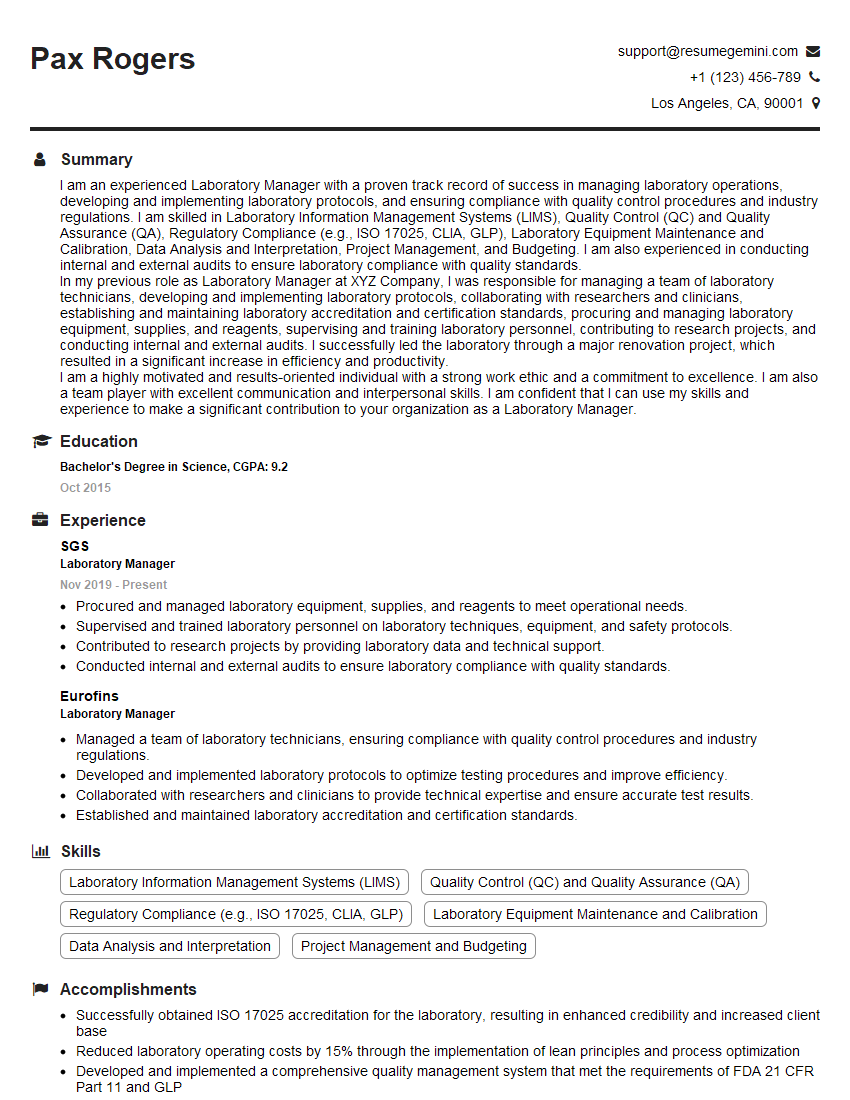
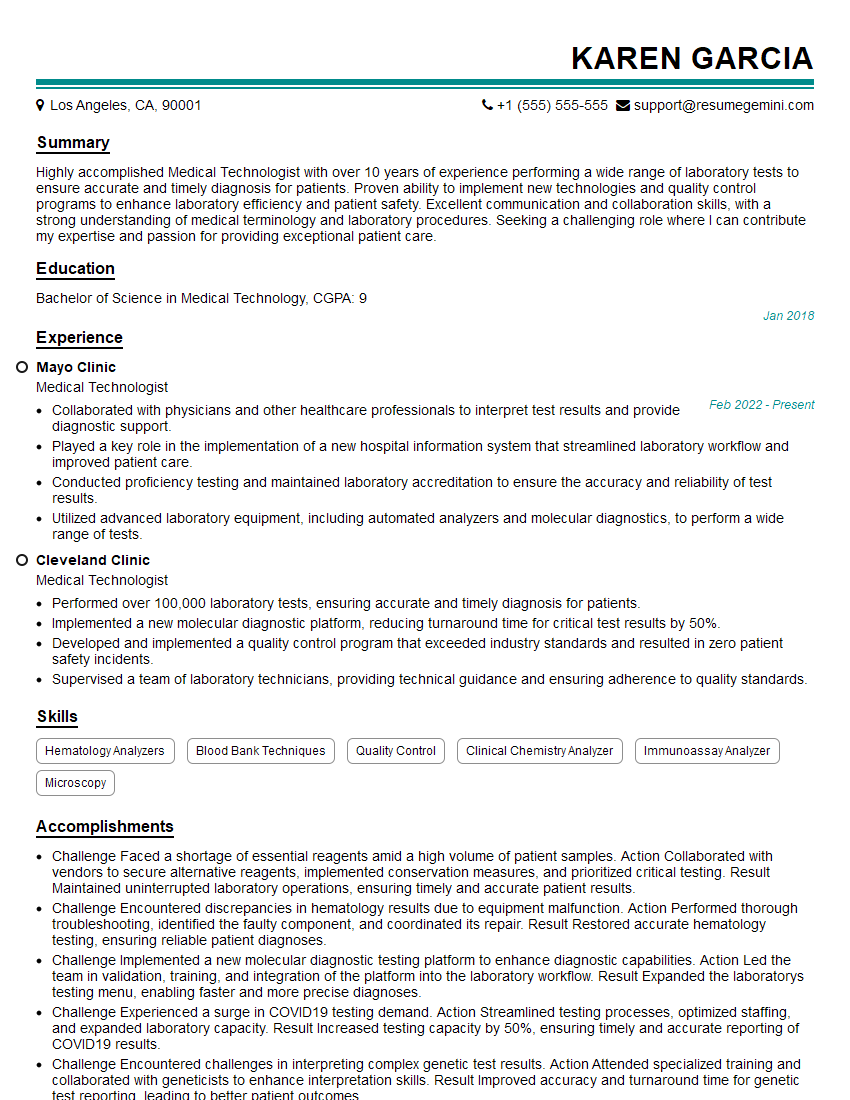
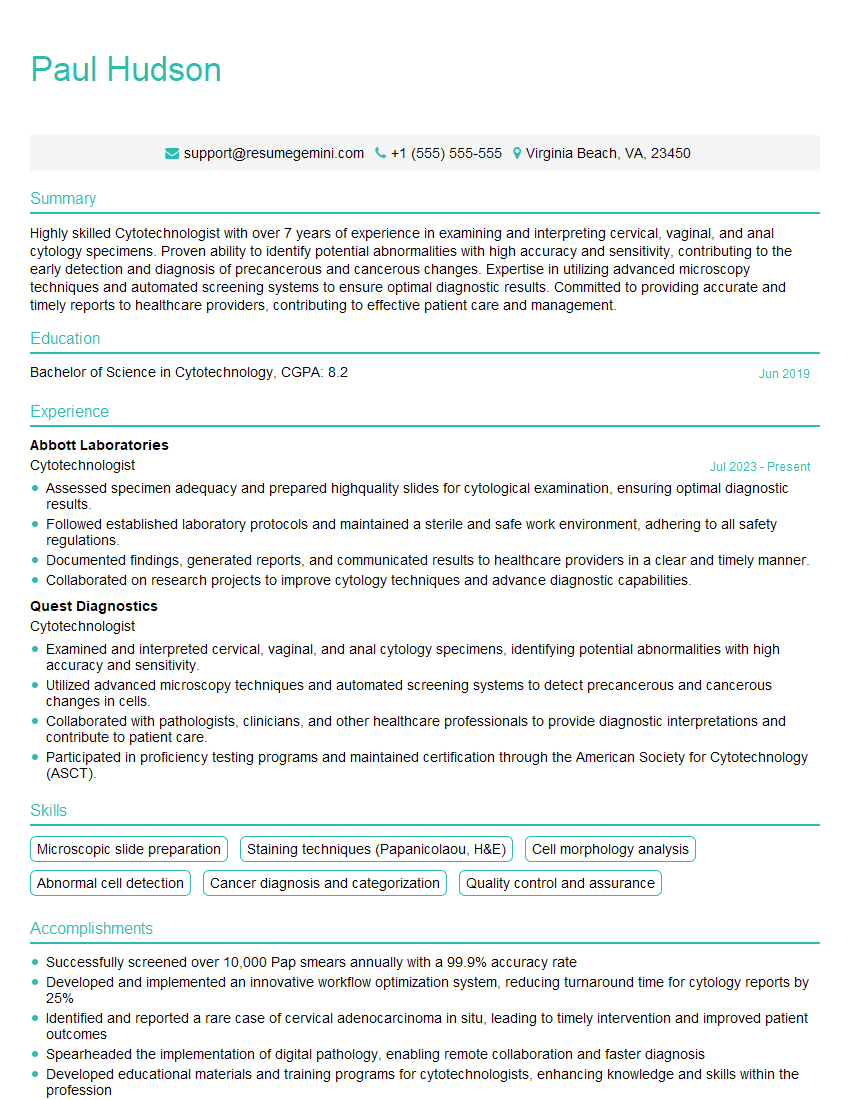
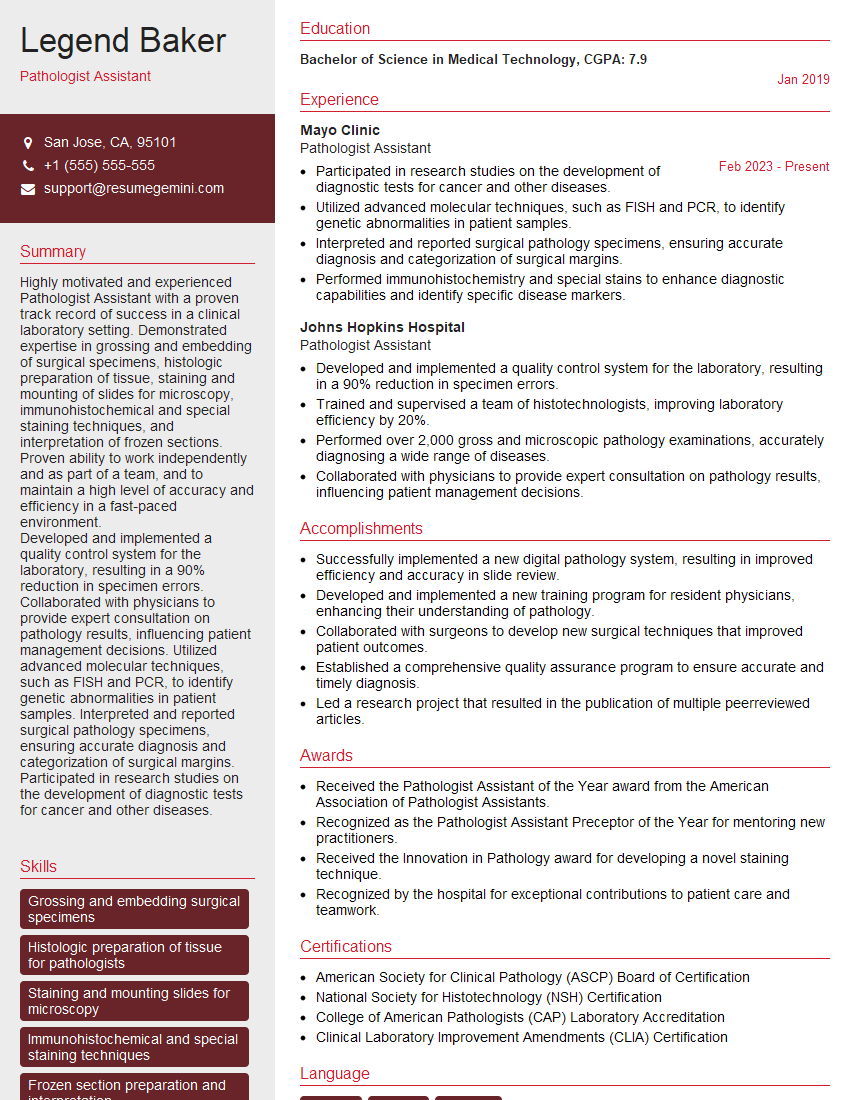
Mastering diagnostic tests is crucial for advancement in healthcare. A strong understanding of these principles will significantly enhance your clinical reasoning skills and make you a more valuable asset to any healthcare team. To increase your chances of landing your dream role, crafting an ATS-friendly resume is essential. ResumeGemini can help you build a compelling and effective resume that highlights your skills and experience in diagnostic tests. We provide examples of resumes tailored to the Diagnostic Tests field to guide you in creating a standout application. Use ResumeGemini to unlock your career potential!

Explore more articles
Users Rating of Our Blogs
Share Your Experience
We value your feedback! Please rate our content and share your thoughts (optional).
What Readers Say About Our Blog
Very informative content, great job.
good