Interviews are more than just a Q&A session—they’re a chance to prove your worth. This blog dives into essential Digital Content Production and Management interview questions and expert tips to help you align your answers with what hiring managers are looking for. Start preparing to shine!
Questions Asked in Digital Content Production and Management Interview
Q 1. Explain your experience with content strategy development.
Content strategy development is the backbone of any successful digital content initiative. It’s essentially a roadmap that outlines your content goals, target audience, content pillars, and the distribution strategy. It’s not just about creating content; it’s about creating the right content, for the right audience, at the right time.
My approach starts with a thorough understanding of the client’s business objectives. What are their key performance indicators (KPIs)? Are they aiming for increased brand awareness, lead generation, or sales? Once I have a clear understanding of the goals, I conduct audience research to create detailed buyer personas. This allows me to tailor content to resonate with specific audience needs and preferences.
Next, I define content pillars—core topics that align with the business objectives and resonate with the target audience. For example, a SaaS company might have content pillars like ‘Product Tutorials’, ‘Industry Best Practices’, and ‘Customer Success Stories’. I then develop a content calendar, outlining the type, format, and publishing schedule for each piece of content. Finally, I establish a robust content governance process to ensure consistency and quality throughout the content lifecycle.
For example, I once worked with a startup that was struggling to gain traction. By developing a comprehensive content strategy focused on thought leadership and valuable educational resources, we were able to increase their website traffic by 40% and generate a significant number of qualified leads within six months.
Q 2. Describe your process for optimizing content for SEO.
Optimizing content for SEO (Search Engine Optimization) is a multi-faceted process aimed at improving a website’s visibility in search engine results pages (SERPs). It involves both on-page and off-page optimization techniques.
My process begins with thorough keyword research using tools like SEMrush or Ahrefs. I identify relevant keywords with high search volume and low competition that align with the content’s topic. Then, I incorporate these keywords naturally into the content’s title, headings, meta descriptions, image alt text, and body text. Over-optimization is detrimental; it’s crucial to maintain readability and user experience.
On-page optimization also involves improving website structure, ensuring fast loading times, and optimizing for mobile devices. Off-page optimization focuses on building high-quality backlinks from reputable websites. This involves activities like guest blogging, influencer outreach, and participating in online communities.
Consider this example: Instead of simply writing an article titled ‘Dogs,’ a more SEO-friendly approach would be to target a specific long-tail keyword like ‘best dog breeds for apartment living.’ Then, I’d optimize the article’s structure, metadata, and images to ensure search engines can easily understand and index it. I would also look for opportunities to build backlinks to this article from relevant pet-related websites.
Q 3. How do you measure the success of a content marketing campaign?
Measuring the success of a content marketing campaign requires a multi-pronged approach, going beyond vanity metrics like social media likes. The key is to align your metrics with your campaign goals.
- Website Analytics: Tracking website traffic (unique visitors, bounce rate, time on site), conversion rates (leads, sales), and goal completions (e.g., form submissions) provides vital data on content effectiveness.
- Social Media Engagement: Monitoring shares, comments, likes, and mentions reveals audience reaction and content virality. However, engagement alone is insufficient without demonstrating a positive business impact.
- Lead Generation Metrics: If the goal is lead generation, monitor the number of leads generated, lead quality, and conversion rates from leads to customers.
- Brand Awareness Metrics: For brand-building campaigns, track changes in brand mentions, social media reach, and website traffic from branded searches.
- Return on Investment (ROI): Ultimately, we must calculate the ROI of the campaign by comparing the cost of content creation and distribution to the revenue generated.
For instance, if the campaign aims to improve lead generation, success will be measured by the increase in qualified leads. If it’s about increasing brand awareness, success will be evaluated by metrics like brand mentions and social media reach.
Q 4. What content management systems (CMS) are you proficient in?
I am proficient in several Content Management Systems (CMS), each offering unique strengths. My expertise includes:
- WordPress: The most popular CMS globally, offering flexibility and extensive plugin support. I’m comfortable managing WordPress sites, customizing themes, and implementing SEO plugins.
- Drupal: A robust CMS ideal for large-scale websites requiring advanced functionalities and scalability. My experience with Drupal includes content modeling, workflow management, and user access control.
- Adobe Experience Manager (AEM): A comprehensive enterprise-level CMS perfect for managing complex content across multiple channels. I’m skilled in AEM’s workflow, content creation, and template management.
My CMS proficiency enables me to adapt quickly to various project requirements and deliver effective content management solutions.
Q 5. Explain your experience with content repurposing.
Content repurposing involves transforming existing content into new formats to reach a wider audience and maximize its value. It’s a highly efficient way to increase content output without starting from scratch.
My repurposing strategies include:
- Turning blog posts into infographics or videos: A long-form blog post can be summarized and presented visually, appealing to different learning styles.
- Creating social media snippets from longer content: Extract key takeaways and compelling quotes to share on various social media platforms.
- Converting webinars into podcasts or blog series: Repackage webinar content into multiple formats to cater to different preferences.
- Developing email newsletters based on blog content: Curate blog content into weekly or monthly newsletters to engage subscribers.
For example, a comprehensive blog post on ‘Effective Time Management’ could be repurposed into a series of short social media posts focusing on specific time management tips, an infographic summarizing key strategies, and a short explainer video.
Q 6. How do you handle conflicting priorities in content production?
Conflicting priorities in content production are inevitable. My approach involves prioritization and clear communication.
Firstly, I use a prioritization matrix, often a MoSCoW method (Must have, Should have, Could have, Won’t have), to rank tasks based on their urgency and importance. This helps to focus efforts on the most critical deliverables.
Secondly, I maintain open communication with stakeholders. Regular meetings and progress reports ensure everyone is informed and aligned on priorities. Transparent communication helps prevent misunderstandings and allows for collaborative adjustments to the project plan.
Finally, I employ project management tools like Trello or Asana to visualize tasks, deadlines, and assigned responsibilities. This facilitates efficient workflow management and helps to identify and resolve potential conflicts proactively.
Q 7. Describe your process for creating a content calendar.
Creating a content calendar is crucial for maintaining a consistent content flow and maximizing efficiency. My process involves:
- Defining Goals and Objectives: Clearly outlining the goals of the content calendar—e.g., increased website traffic, lead generation, or brand awareness.
- Identifying Key Themes and Topics: Aligning content themes with established content pillars and overarching business goals.
- Content Ideation and Brainstorming: Generating a pool of content ideas, considering different formats (blog posts, videos, infographics, etc.).
- Scheduling Content: Planning the publication schedule for each content piece, ensuring a balanced mix of content types and topics.
- Assigning Responsibilities: Clearly defining roles and responsibilities for content creation, editing, and promotion.
- Tracking and Monitoring: Regularly monitoring performance and making adjustments to the calendar as needed.
I typically use spreadsheet software or dedicated content calendar tools to manage and track the calendar. The calendar is a living document, regularly updated to reflect changes in priorities and performance data.
Q 8. How do you ensure content consistency across multiple platforms?
Maintaining content consistency across multiple platforms is crucial for building a strong brand identity and providing a seamless user experience. It’s like having a well-trained team – everyone needs to be on the same page, using the same language and following the same playbook.
I achieve this through a multi-pronged approach:
- Style Guides: Creating comprehensive style guides that cover everything from brand voice and tone to visual elements (logo usage, color palettes, fonts) ensures uniformity across all platforms. This document becomes the single source of truth for all content creators.
- Template Creation: Developing standardized templates for various content types (blog posts, social media updates, email newsletters) helps maintain a consistent look and feel. This reduces the chance of individual variations creeping in.
- Content Management System (CMS) Utilization: Leveraging a robust CMS like WordPress allows for centralized content creation and management, simplifying updates and ensuring consistency across different channels. Workflows within the CMS can further enforce style guide adherence.
- Regular Audits & Reviews: Periodically reviewing content across all platforms to identify and address inconsistencies is critical. This proactive approach helps maintain quality and consistency over time.
For example, if our brand voice is friendly and approachable, this should be reflected consistently in our website copy, social media posts, and email marketing campaigns. Any deviation would be identified and corrected during the review process.
Q 9. What is your experience with A/B testing content?
A/B testing is fundamental to optimizing content performance. It’s like running a scientific experiment to determine what resonates best with your audience. I have extensive experience designing and implementing A/B tests on various platforms.
My approach typically involves:
- Identifying Key Variables: Determining which elements to test, such as headlines, calls to action (CTAs), images, or overall layout.
- Setting Clear Goals: Defining the metrics that will measure success, such as click-through rates (CTR), conversion rates, or time on page.
- Creating Variations: Developing multiple versions of the content, each with a different variation of the selected variable.
- Implementing the Test: Using A/B testing tools (e.g., Google Optimize) to distribute traffic evenly between the variations.
- Analyzing Results: Evaluating the data to determine which variation performed best and using this information to inform future content strategies.
For instance, in a recent campaign, we A/B tested two different headlines for a blog post. One headline focused on benefits, the other on problem-solving. The results clearly showed that the problem-solving headline led to a significantly higher click-through rate, allowing us to optimize our content strategy accordingly.
Q 10. How do you manage content revisions and approvals?
Managing content revisions and approvals is a crucial step to ensure high-quality, brand-consistent content. This process is best handled using a structured workflow that balances efficiency and thoroughness.
My approach typically involves:
- Version Control: Using a version control system (e.g., Git for code-based content, Google Docs’ revision history for text-based content) to track changes and revert to previous versions if needed.
- Clear Approval Process: Defining a clear workflow with designated roles and responsibilities for review and approval. This might include editors, designers, legal, and marketing teams.
- Feedback Mechanisms: Establishing channels for providing and receiving feedback on drafts. This could be through comments within the CMS or dedicated review platforms.
- Centralized System: Using a centralized system to manage all stages of the approval process, ensuring transparency and accountability.
In practice, a content piece might go through several rounds of revisions: initial draft, editor review, designer input, legal review, and finally, marketing approval before publishing. This system reduces confusion and ensures everyone is aligned.
Q 11. How do you track content performance metrics?
Tracking content performance metrics provides valuable insights into what’s working and what’s not, enabling data-driven decisions for improvement. I use a multi-faceted approach to monitor performance.
Key metrics I track include:
- Website Analytics: Using tools like Google Analytics to monitor website traffic, bounce rates, time on page, and conversion rates.
- Social Media Analytics: Tracking engagement metrics (likes, shares, comments), reach, and follower growth on various platforms.
- Email Marketing Metrics: Monitoring open rates, click-through rates, and conversion rates for email campaigns.
- Lead Generation Metrics: Tracking the number of leads generated from content marketing efforts.
- Brand Mentions: Monitoring brand mentions across various online platforms to understand brand sentiment and reach.
This data is then analyzed to identify trends, pinpoint areas for improvement, and inform future content strategies. For example, low engagement on a particular social media post might indicate a need for adjustments in the content format or messaging.
Q 12. What are some common content marketing challenges, and how have you overcome them?
Content marketing presents numerous challenges, but creative problem-solving is key to success. Here are some common hurdles and my strategies for overcoming them:
- Challenge: Generating Engaging Content Consistently:
Solution: Content calendars, brainstorming sessions with the team, utilizing content repurposing techniques (turning a blog post into an infographic, for example), and staying updated on industry trends. - Challenge: Measuring ROI:
Solution: Implementing clear tracking mechanisms from the outset, using attribution modeling to determine the effectiveness of content, and focusing on KPIs directly related to business goals. - Challenge: Keeping Up with Algorithm Changes:
Solution: Staying informed about algorithm updates and adapting strategies accordingly. This involves continuous learning and experimentation. - Challenge: Securing High-Quality Content Creation:
Solution: Building a strong network of freelance writers and designers, offering competitive compensation, and providing clear briefs and creative direction.
One example of overcoming a challenge involved a campaign with low engagement. By analyzing the data from Google Analytics and social listening, we identified that the content was not addressing the specific needs of our target audience. We then shifted our focus, creating content that resonated more strongly with our audience, resulting in a significant improvement in engagement.
Q 13. Describe your experience with content analytics tools (e.g., Google Analytics).
Google Analytics is my go-to tool for content analysis. I’m proficient in using it to gain deep insights into audience behavior, content performance, and campaign effectiveness. My experience encompasses various aspects of Google Analytics:
- Setting up tracking: Implementing appropriate tracking codes and event tracking to capture comprehensive data.
- Audience analysis: Identifying key demographics, interests, and behaviors of website visitors.
- Content performance analysis: Evaluating the performance of individual pages, blog posts, and other content assets using metrics such as page views, bounce rates, and time on page.
- Campaign tracking: Measuring the effectiveness of marketing campaigns using UTM parameters and other tracking mechanisms.
- Data visualization and reporting: Creating customized reports and dashboards to visualize key metrics and share insights with stakeholders.
For example, using Google Analytics, I can identify which content is generating the most leads, which keywords are driving traffic, and which pages are causing high bounce rates. This information directly informs our content strategy and allows for data-driven optimizations.
Q 14. How do you collaborate effectively with designers, developers, and other stakeholders?
Effective collaboration is paramount in digital content production. I leverage several strategies to ensure smooth and productive teamwork:
- Clear Communication: Utilizing project management tools (e.g., Asana, Trello) to track progress, assign tasks, and maintain clear communication channels.
- Regular Meetings: Holding regular meetings with stakeholders to discuss progress, address challenges, and ensure everyone is aligned on goals and deadlines.
- Shared Documents & Platforms: Using shared document platforms (e.g., Google Docs, Dropbox) to allow for collaborative editing and feedback.
- Defined Roles and Responsibilities: Clearly outlining roles and responsibilities to avoid duplication of effort and confusion.
- Feedback Mechanisms: Establishing structured feedback processes to encourage open communication and continuous improvement.
A successful example was a recent website redesign. By utilizing a project management tool, holding regular meetings, and using shared documents, we managed to successfully launch the website on time and within budget, exceeding expectations in terms of user experience and design quality. Open and transparent communication was key to this success.
Q 15. How do you stay current with industry trends in digital content production?
Staying current in the dynamic field of digital content production requires a multi-pronged approach. It’s not enough to just passively absorb information; active engagement is key. I utilize several strategies to ensure I remain at the forefront of industry trends.
- Industry Publications and Blogs: I regularly read leading publications like Content Marketing Institute, MarketingProfs, and Neil Patel’s blog to stay updated on the latest strategies, tools, and best practices. This helps me understand shifts in audience preferences and technological advancements.
- Conferences and Webinars: Attending industry conferences and webinars (both online and in-person) provides invaluable networking opportunities and exposes me to cutting-edge insights directly from experts. I actively participate in Q&A sessions to further my understanding.
- Following Key Influencers: I follow prominent figures on social media platforms like LinkedIn and Twitter. This allows me to access their perspectives on emerging trends and participate in relevant discussions. This often gives me early access to new thinking.
- Experimentation and Analysis: I believe in hands-on learning. I constantly experiment with new content formats, tools, and strategies, analyzing the results to refine my approach. This data-driven methodology ensures I’m not just following trends, but actively shaping them.
- Competitor Analysis: Keeping an eye on what competitors are doing in the digital content space – particularly those who are successful – is essential. Analyzing their strategies, formats, and overall performance informs my own content strategy and helps identify areas for improvement.
Career Expert Tips:
- Ace those interviews! Prepare effectively by reviewing the Top 50 Most Common Interview Questions on ResumeGemini.
- Navigate your job search with confidence! Explore a wide range of Career Tips on ResumeGemini. Learn about common challenges and recommendations to overcome them.
- Craft the perfect resume! Master the Art of Resume Writing with ResumeGemini’s guide. Showcase your unique qualifications and achievements effectively.
- Don’t miss out on holiday savings! Build your dream resume with ResumeGemini’s ATS optimized templates.
Q 16. Explain your experience with different content formats (blog posts, videos, infographics, etc.).
My experience spans a wide range of content formats, each with its unique strengths and audience engagement potential. I’ve successfully created and managed content across various platforms.
- Blog Posts: I’ve written numerous blog posts covering various topics, from industry news to in-depth analyses, focusing on SEO optimization and clear, concise writing to maximize audience reach and engagement. For example, I recently wrote a series of blog posts explaining complex financial concepts for a non-technical audience, resulting in a significant increase in website traffic.
- Videos: I’ve worked on video scripts, storyboards, and even participated in video production, including editing and post-production. This includes explainer videos, product demos, and interview-style content. I understand the power of visuals and have utilized different video styles to cater to different audience needs.
- Infographics: I’ve designed and developed infographics to visually represent complex data and information, making it easily digestible for the audience. I understand the importance of visually appealing design and data accuracy in creating effective infographics.
- Social Media Content: I’m proficient in creating engaging social media content across various platforms like LinkedIn, Instagram, and Twitter, tailoring the message and format to resonate with each platform’s specific audience.
- Ebooks and White Papers: I’ve worked on developing comprehensive ebooks and white papers, providing in-depth information and analysis for target audiences. This involved meticulous research, well-structured content, and effective design for easy readability.
Q 17. How do you ensure content accessibility and inclusivity?
Content accessibility and inclusivity are paramount for reaching a wider audience and fostering a positive brand image. My approach centers on ensuring that all content is easily consumed by individuals with disabilities or diverse needs.
- Alternative Text for Images: I always use descriptive alternative text (alt text) for all images. This ensures screen readers can convey the image’s meaning to visually impaired users. For example, instead of just
alt="image.jpg", I usealt="A smiling woman using a laptop in a brightly lit coffee shop". - Closed Captions and Transcripts for Videos: All videos include accurate closed captions and transcripts, making the content accessible to deaf or hard-of-hearing individuals. This also enhances searchability.
- Structured HTML: I use semantic HTML tags (
<header>,<nav>,<main>,<article>, etc.) to create well-structured content, improving accessibility for screen readers and assistive technologies. - Color Contrast: I pay careful attention to color contrast ratios to ensure sufficient readability for users with visual impairments. Tools like WebAIM’s color contrast checker are invaluable.
- Simple Language and Readability: I prioritize clear, concise language and maintain a high readability score to cater to diverse reading levels and cognitive abilities. Tools like Hemingway Editor can assist with this.
- Multilingual Support: Where appropriate, I consider offering content in multiple languages to expand reach and inclusivity.
Q 18. Describe your experience with content distribution strategies.
Effective content distribution is crucial for maximizing reach and impact. My experience includes a range of strategies tailored to different content types and target audiences.
- Social Media Marketing: I leverage various social media platforms to share content, using targeted advertising and organic posting strategies to reach specific demographics. This involves understanding the nuances of each platform’s algorithm and audience.
- Email Marketing: I utilize email marketing campaigns to nurture leads, announce new content, and engage with subscribers. This includes segmenting audiences and personalizing email messages for optimal engagement.
- Search Engine Optimization (SEO): I incorporate SEO best practices into all content creation to improve search engine rankings and organic traffic. This involves keyword research, on-page optimization, and link building.
- Paid Advertising: I have experience managing paid advertising campaigns on platforms like Google Ads and social media to increase content visibility and reach a broader audience. This requires meticulous campaign tracking and optimization.
- Content Syndication: I’ve successfully syndicated content across various platforms and websites to expand reach and exposure. This involves identifying relevant platforms and negotiating partnerships.
- Influencer Marketing: Collaborating with influencers in the relevant niche can significantly expand content reach and credibility.
Q 19. How do you handle negative feedback or criticism of your content?
Negative feedback, while initially challenging, presents a valuable opportunity for learning and improvement. My approach involves a structured process focused on understanding, responding, and adapting.
- Analyze the Feedback: I carefully review the feedback to identify recurring themes and patterns. Is it related to content accuracy, style, tone, or something else?
- Empathetic Response: I respond to the feedback in a respectful and empathetic manner, acknowledging the user’s concerns and validating their perspective.
- Address Concerns: If the feedback points to factual inaccuracies, I promptly correct the content. If the criticism relates to style or tone, I analyze whether adjustments are needed to better align with audience expectations.
- Learn and Adapt: I use the feedback to inform future content creation. This might involve adjusting the content strategy, refining writing style, or adopting new approaches to content creation.
- Transparency and Openness: When appropriate, I publicly address concerns and show my willingness to engage in constructive dialogue with the audience.
Remember, not all feedback is created equal. It’s important to differentiate between constructive criticism aimed at improving content and merely negative comments lacking substance. I focus on learning from valid criticisms to improve my craft.
Q 20. What is your experience with content automation tools?
My experience with content automation tools is extensive, allowing me to streamline workflows and enhance efficiency. I understand the limitations and benefits of such tools, and select them based on specific needs.
- Social Media Scheduling Tools: I use tools like Hootsuite and Buffer to schedule and automate social media posts, ensuring consistent engagement without constant manual intervention.
- Email Marketing Automation: Tools like Mailchimp and Constant Contact help automate email campaigns, allowing for personalized messaging and targeted outreach to different segments of the audience.
- Content Repurposing Tools: I’ve utilized tools that help repurpose existing content into different formats, such as turning blog posts into social media snippets or videos. This maximizes the value of each piece of content.
- SEO Tools: I utilize SEO tools like SEMrush and Ahrefs to automate keyword research, competitor analysis, and rank tracking, which inform my content strategy.
It’s crucial to remember that automation is a supplement, not a replacement, for human creativity and judgment. I always review automated content before publishing to ensure quality, accuracy, and alignment with brand guidelines.
Q 21. How do you ensure brand consistency in content creation?
Maintaining brand consistency in content creation is vital for building a strong brand identity and fostering audience trust. My approach focuses on several key elements.
- Brand Style Guide: I work closely with the marketing team to ensure all content adheres to the brand’s style guide, encompassing voice, tone, messaging, visuals, and overall brand personality. This often involves creating or contributing to the brand’s style guide itself.
- Template Usage: Utilizing consistent templates for various content formats (blog posts, social media graphics, email newsletters) ensures visual uniformity and reinforces brand recognition.
- Visual Consistency: Maintaining consistent color palettes, fonts, logos, and imagery across all content platforms creates a visually cohesive brand identity.
- Messaging Consistency: Ensuring consistent messaging across all platforms is crucial. This involves using consistent terminology, tone of voice, and value propositions.
- Content Review Process: A rigorous content review process ensures consistency and adherence to brand guidelines before publication. This often involves multiple levels of review and feedback.
A consistent brand voice and style create a memorable experience for your audience. They build a sense of familiarity and trust, solidifying brand loyalty over time.
Q 22. Describe your experience with social media content management.
My experience in social media content management spans over seven years, encompassing strategy development, content creation, scheduling, community engagement, and performance analysis across various platforms like Facebook, Instagram, Twitter, LinkedIn, and TikTok. I’ve managed both organic and paid social media campaigns for B2B and B2C clients in diverse industries, including technology, healthcare, and e-commerce. For example, I spearheaded a campaign for a tech startup that resulted in a 30% increase in follower engagement within three months by implementing a strategy that focused on interactive content, such as polls and Q&A sessions, and consistent posting using a carefully curated content calendar. I’m proficient in using scheduling tools like Hootsuite and Buffer to optimize content reach and manage multiple accounts simultaneously. I also leverage analytics dashboards to track key performance indicators (KPIs) like reach, engagement, and conversions, allowing for data-driven adjustments to content strategies.
Q 23. How do you adapt your content strategy to different target audiences?
Adapting content strategy to different target audiences is crucial for effective marketing. It involves understanding the unique characteristics of each audience segment, including demographics, psychographics, interests, needs, and pain points. I employ a multi-faceted approach, beginning with thorough audience research using tools like Google Analytics and social media analytics to identify audience characteristics. Then, I tailor content accordingly. For instance, for a younger audience on TikTok, I’d utilize short-form video content with trending audio and a playful, informal tone. In contrast, for a professional audience on LinkedIn, the content would be more formal, focusing on industry insights and thought leadership through long-form articles and professional-looking imagery. I also personalize the messaging to resonate with each audience’s specific motivations and challenges. Imagine a skincare company; a younger audience might be interested in quick fixes and trendy products, while an older audience might prioritize anti-aging solutions and long-term skin health. Therefore, the content must be specifically targeted and adapted to each audience’s requirements.
Q 24. What is your budget management experience in content creation?
My budget management experience in content creation is comprehensive. I’m adept at creating detailed budgets encompassing all aspects of the content production process, from initial concept development and research to final editing and distribution. This includes allocating funds for various resources, such as talent fees (writers, photographers, videographers), software licenses (editing software, graphic design tools), marketing and advertising expenses, and third-party platform costs. I always prioritize achieving maximum return on investment (ROI) by strategically allocating resources. For example, before launching a video campaign, I would meticulously analyze the potential ROI against different video production styles (high-end vs. low-cost) to select the most effective and cost-efficient option. I utilize project management software to track expenses, ensuring transparency and accountability throughout the entire content creation cycle. Regular budget reviews allow for timely adjustments and course corrections, preventing overspending and ensuring project success within allocated budget parameters.
Q 25. How do you prioritize content creation based on business objectives?
Prioritizing content creation based on business objectives is paramount. My approach starts by aligning content strategy with overall business goals. I use a framework that considers the SMART criteria (Specific, Measurable, Achievable, Relevant, and Time-bound) when defining content objectives. For example, if the business objective is to increase lead generation by 20% within the next quarter, the content strategy might focus on creating lead magnets (e.g., ebooks, webinars) and promoting them through targeted channels. I use a prioritization matrix to rank content ideas based on their potential impact on business objectives and the effort required to create them. High-impact, low-effort content is prioritized first, followed by high-impact, high-effort projects. Low-impact content is typically de-prioritized or eliminated unless it supports other business objectives. Regular tracking of content performance using analytics dashboards allows for continuous optimization and adjustments to the content calendar to maximize alignment with business goals.
Q 26. Explain your experience with content syndication.
Content syndication is a powerful strategy for amplifying content reach and expanding brand awareness. My experience involves repurposing and distributing existing content across multiple platforms and channels to reach a wider audience. This includes distributing blog posts to relevant online publications, sharing video content on various social media platforms and embedding videos on relevant websites, using podcasts to share audio content, and cross-promoting content across different owned channels. I understand the importance of tailoring the content to each specific platform and audience to optimize engagement. For instance, a blog post might be repurposed into a series of shorter social media posts with engaging visuals. I also monitor the performance of syndicated content across platforms, adapting the syndication strategy based on what’s working and what’s not. This data-driven approach allows for continuous optimization of content syndication efforts, ensuring maximum impact and minimizing wasted resources.
Q 27. Describe your process for identifying and addressing content gaps.
Identifying and addressing content gaps is a crucial aspect of maintaining a robust content strategy. My process begins with a comprehensive content audit, analyzing existing content to determine what’s working, what’s missing, and what needs updating. I use keyword research tools (e.g., SEMrush, Ahrefs) to identify relevant keywords and topics that our target audiences are searching for, but where we lack content. I also analyze competitor content to identify opportunities to create content that is more engaging, informative, or comprehensive than what is already available. I then prioritize filling these content gaps, focusing first on high-impact opportunities that directly address audience needs and align with business objectives. For instance, if the audit reveals a lack of content targeting a specific customer persona, we would create targeted content (blog posts, case studies, infographics) to address that specific audience’s pain points and challenges. The impact of these efforts is closely monitored to track effectiveness and inform future content development.
Key Topics to Learn for Digital Content Production and Management Interview
- Content Strategy & Planning: Understanding audience needs, defining content goals, and developing a content calendar. Practical application: Creating a content strategy for a fictional social media campaign.
- Content Creation & Editing: Writing, editing, and proofreading various content formats (blog posts, social media updates, website copy, etc.). Practical application: Analyzing existing content for SEO optimization and readability.
- Content Management Systems (CMS): Experience with platforms like WordPress, Drupal, or Contentful. Practical application: Demonstrating proficiency in content publishing workflows and managing user permissions.
- Digital Asset Management (DAM): Organizing, storing, and retrieving digital assets (images, videos, documents). Practical application: Describing a system for efficient asset organization and retrieval to ensure brand consistency.
- SEO & Content Optimization: Keyword research, on-page optimization, and content promotion strategies. Practical application: Explaining how to improve a website’s organic search ranking through content strategies.
- Analytics & Reporting: Tracking key performance indicators (KPIs), analyzing data, and reporting on content performance. Practical application: Interpreting website analytics to inform content strategy adjustments.
- Social Media Management: Developing and executing social media strategies across different platforms. Practical application: Outlining a social media plan for increasing engagement with a specific target audience.
- Content Marketing & Distribution: Understanding different content distribution channels and optimizing content for maximum reach. Practical application: Describing successful content promotion strategies using email marketing, paid advertising, or influencer collaborations.
- Teamwork & Collaboration: Working effectively with designers, developers, and other stakeholders. Practical application: Explaining your approach to managing feedback and coordinating efforts in a collaborative environment.
Next Steps
Mastering Digital Content Production and Management opens doors to exciting career opportunities and continuous professional growth. It’s a dynamic field demanding adaptability and a commitment to staying current with industry best practices. To significantly enhance your job prospects, crafting a compelling and ATS-friendly resume is crucial. ResumeGemini is a trusted resource that can help you build a professional resume that highlights your skills and experience effectively. Examples of resumes tailored to Digital Content Production and Management are available to guide your resume creation process.

Marketing Communications Manager Resume Sample
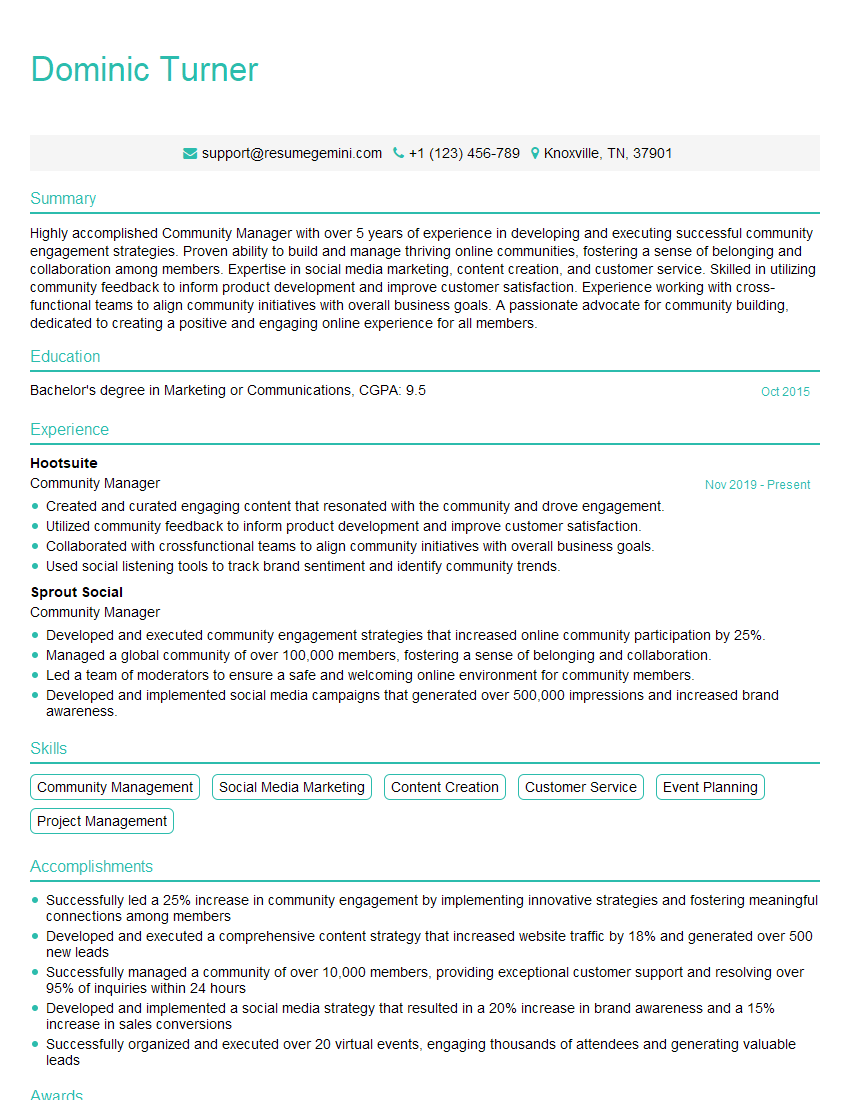
Community Manager Resume Sample

Social Media Manager Resume Sample
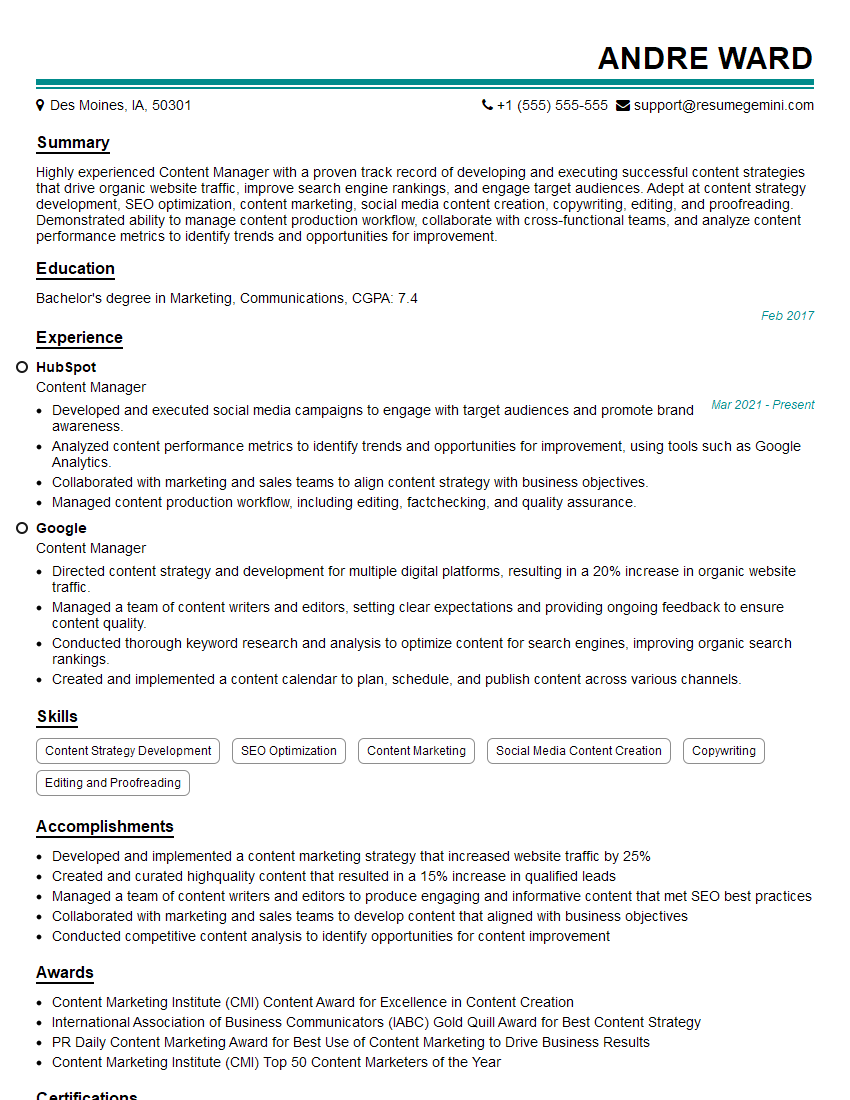
Content Manager Resume Sample
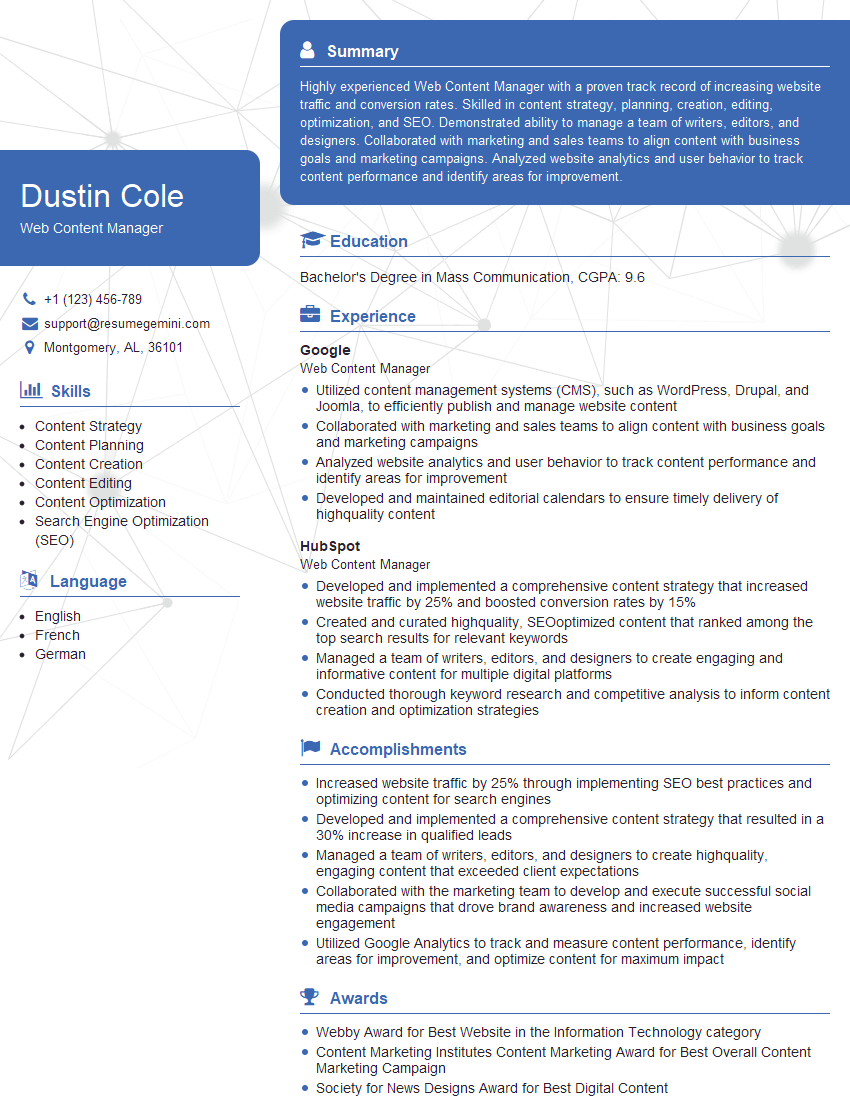
Web Content Manager Resume Sample

Content Strategist Resume Sample
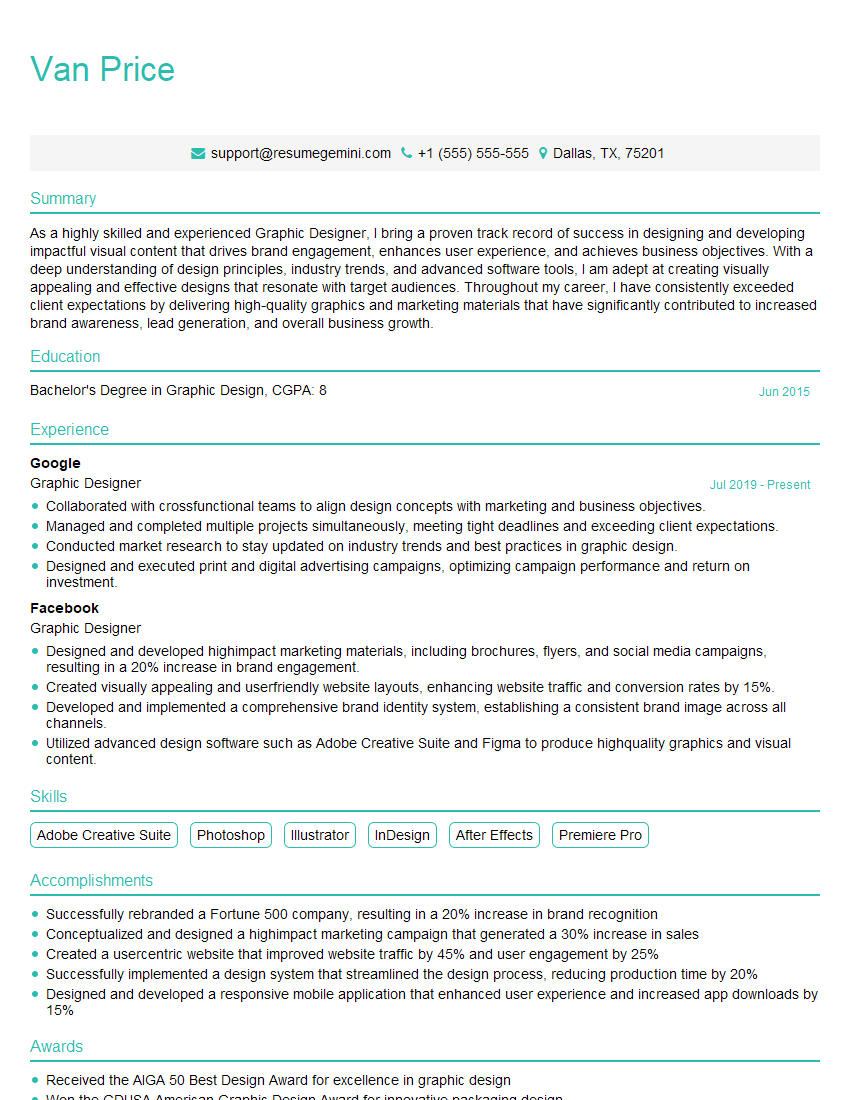
Graphic Designer Resume Sample
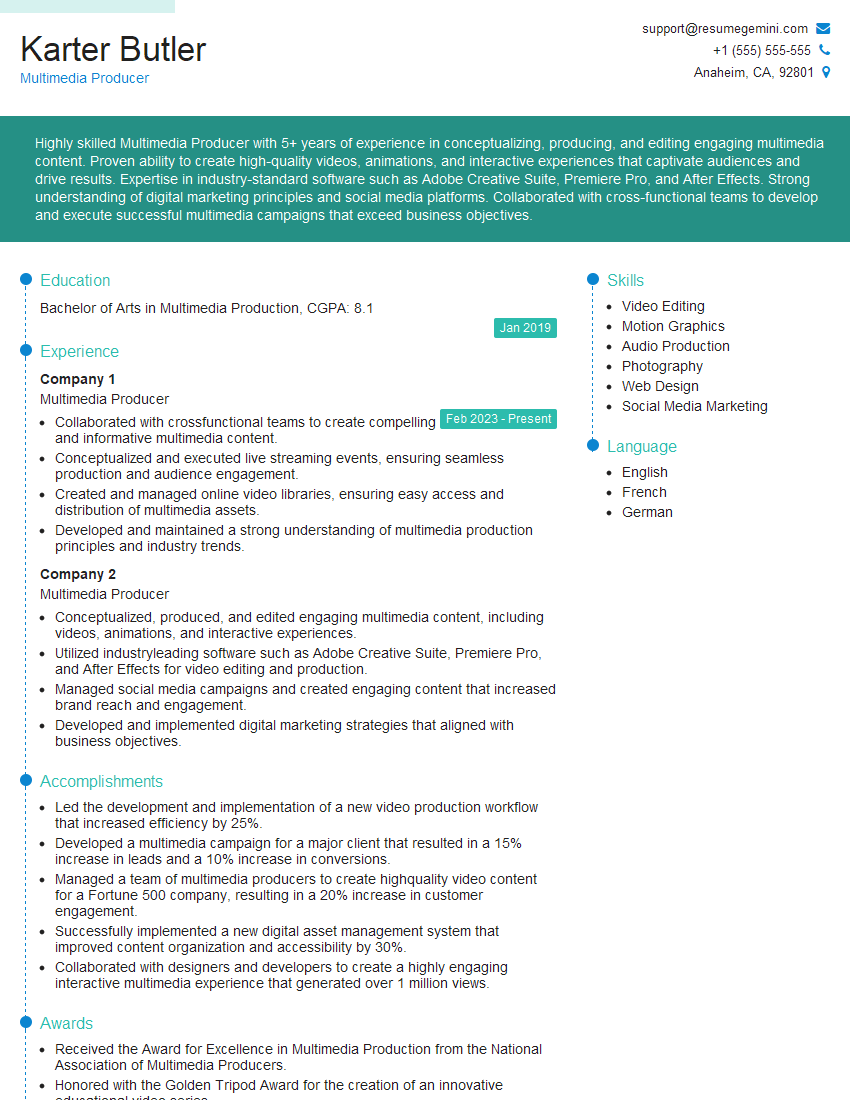
Multimedia Producer Resume Sample
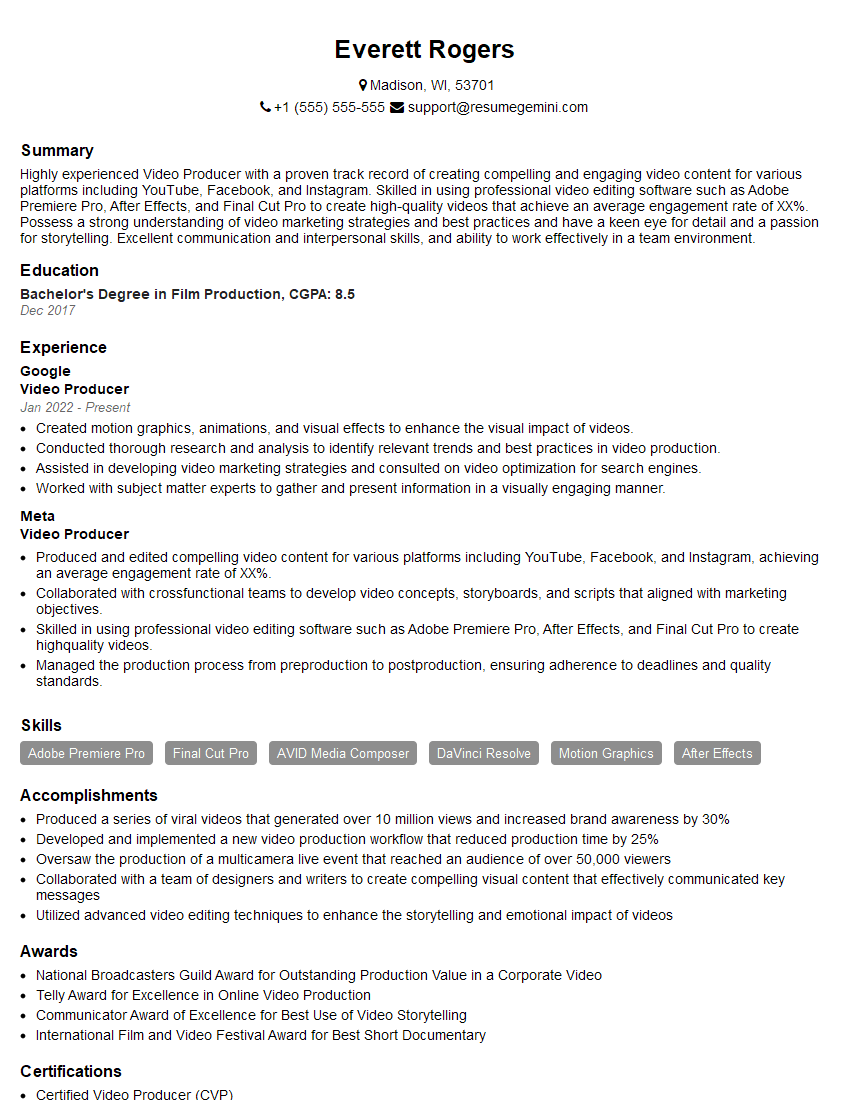
Video Producer Resume Sample
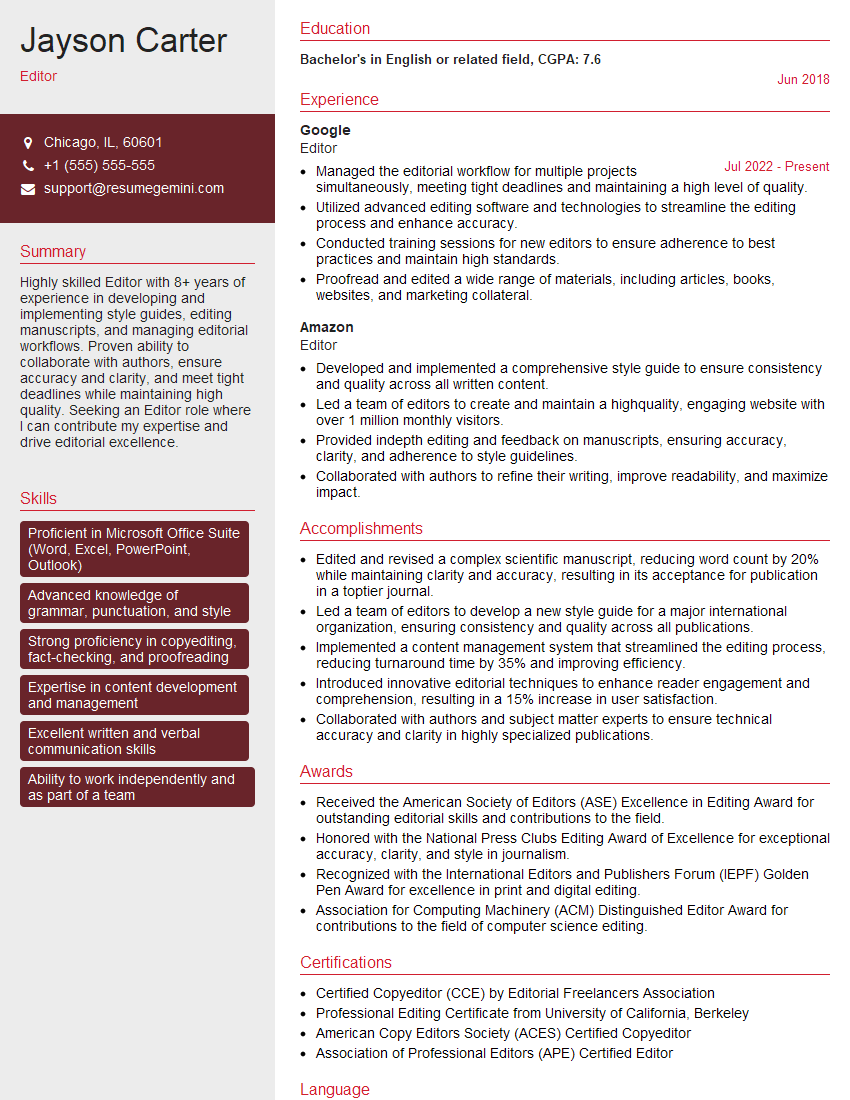
Editor Resume Sample
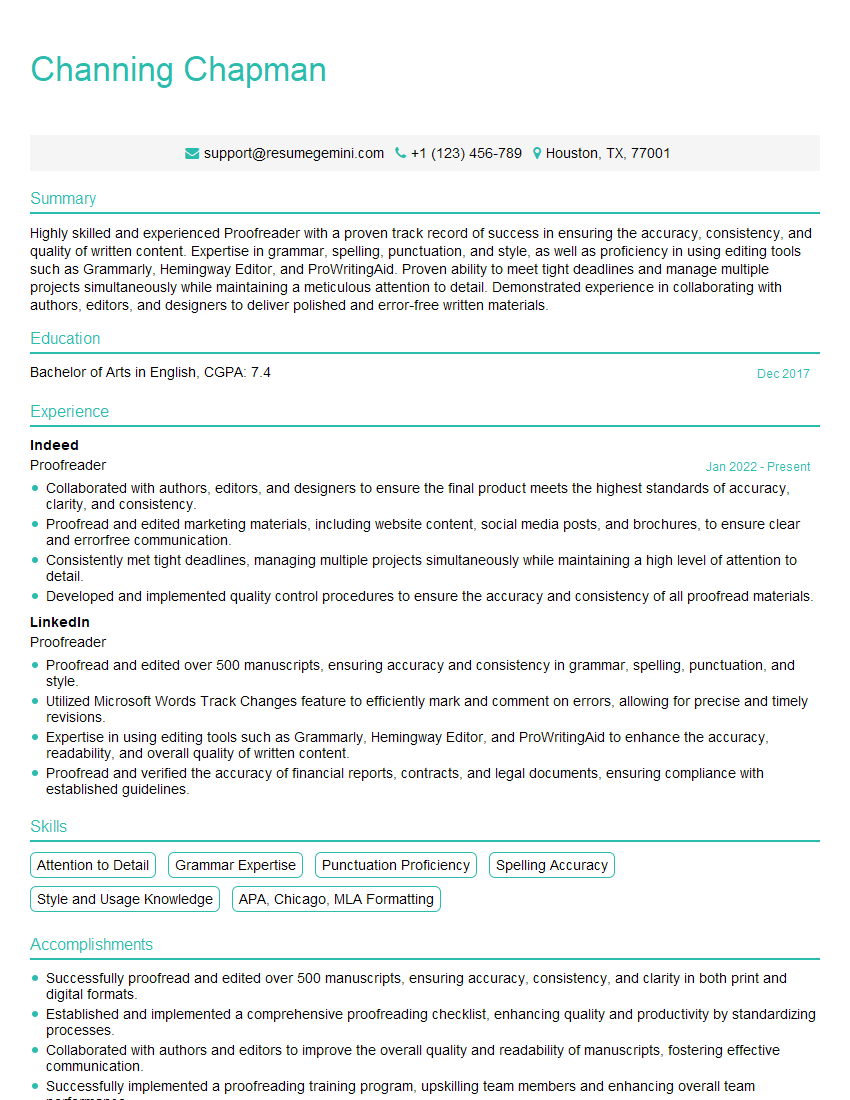
Proofreader Resume Sample

Copywriter Resume Sample
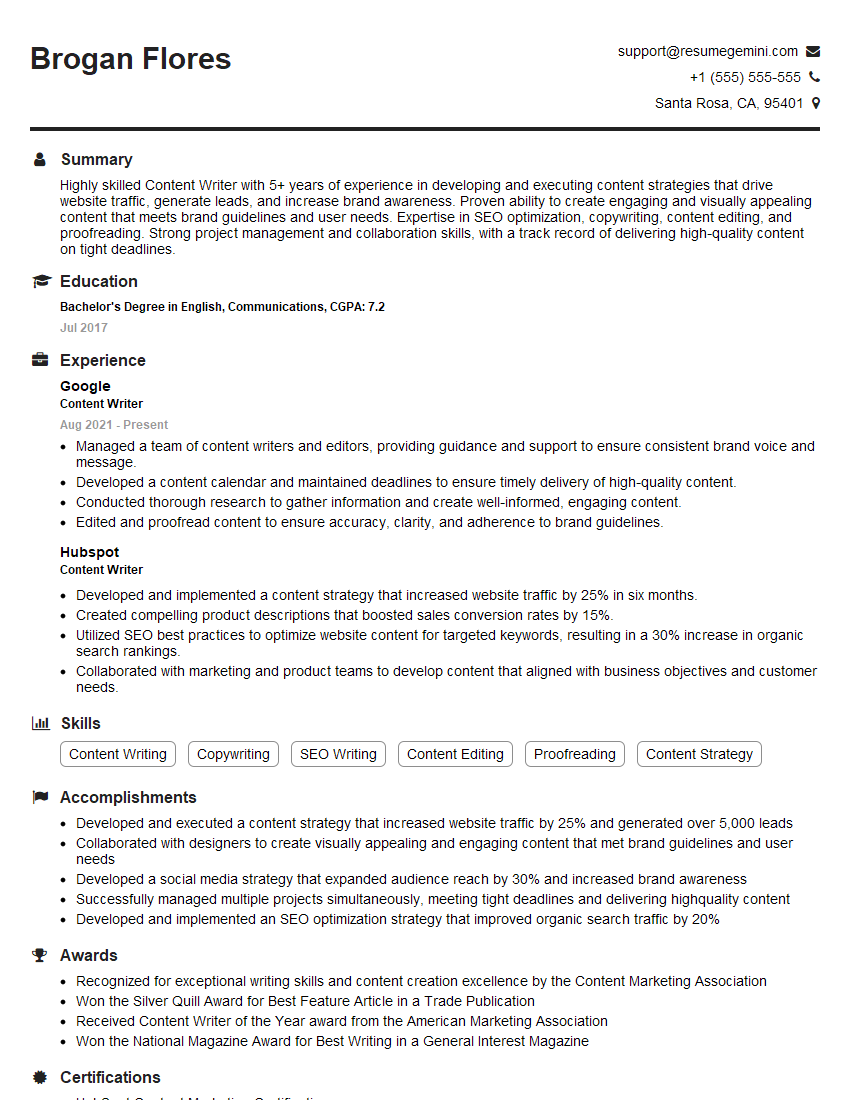
Content Writer Resume Sample
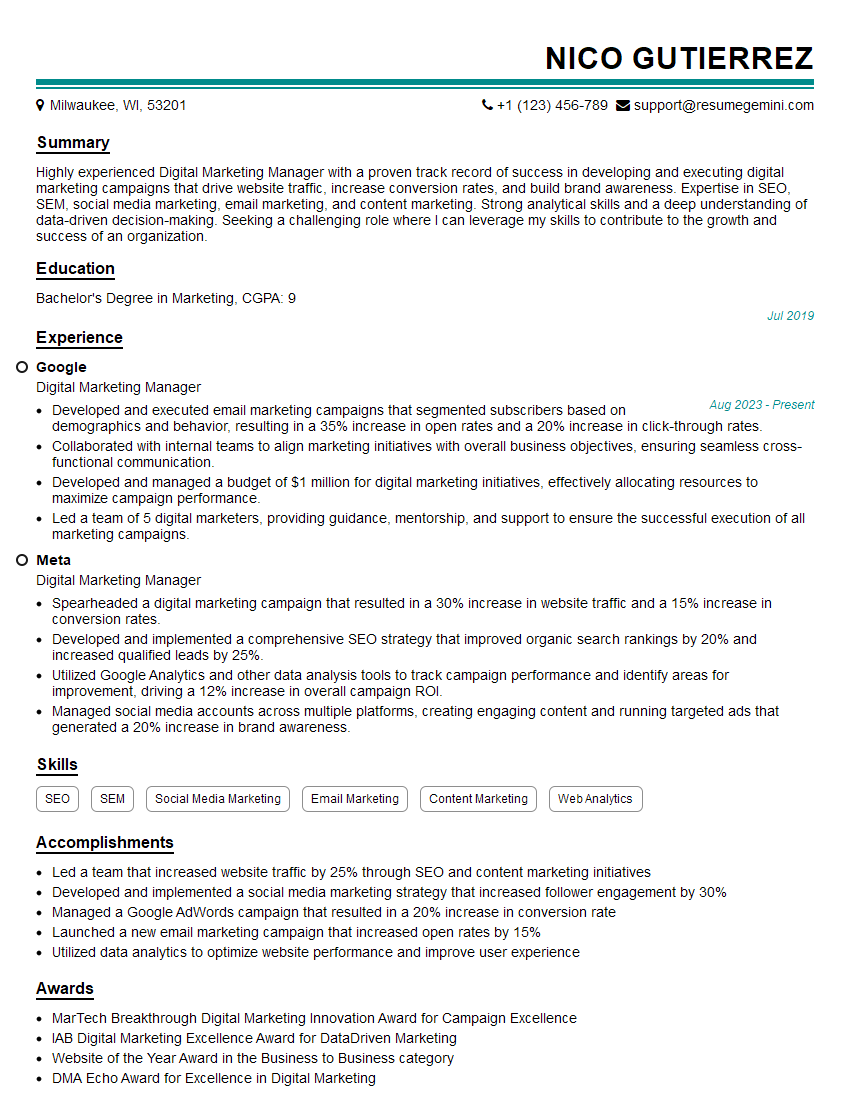
Digital Marketing Manager Resume Sample
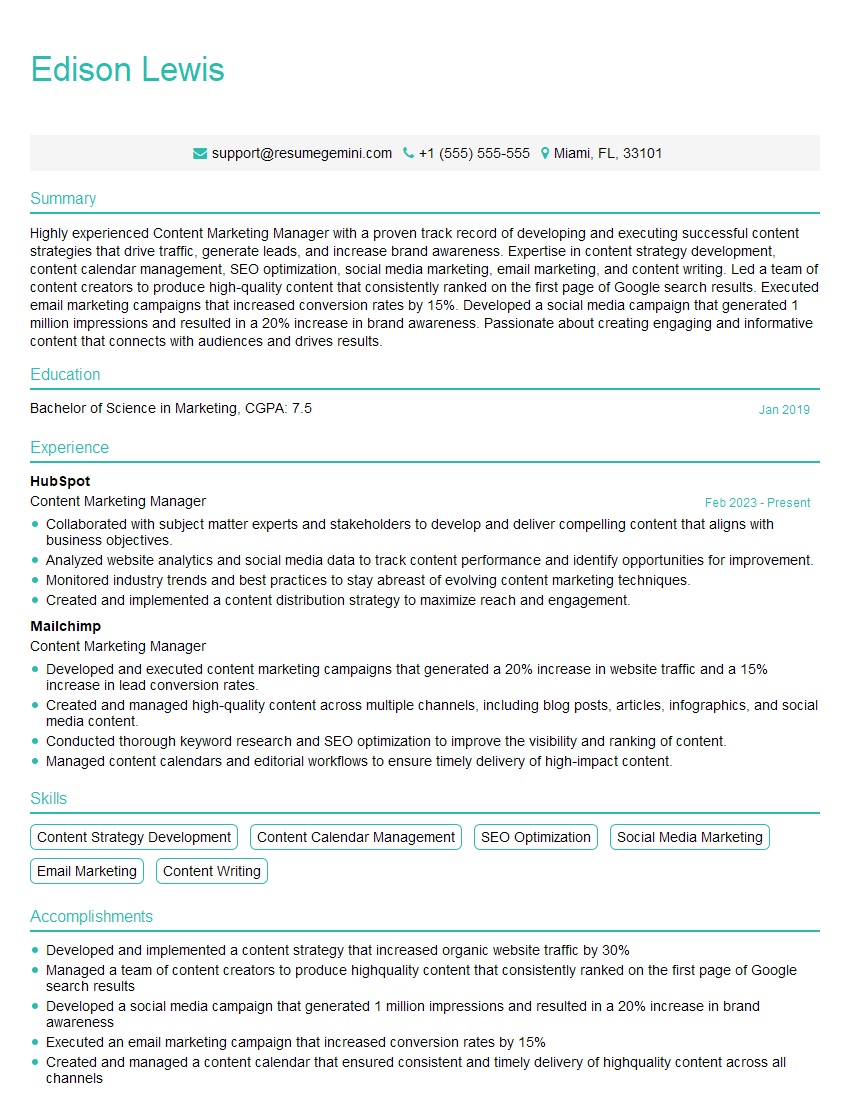
Content Marketing Manager Resume Sample
Explore more articles
Users Rating of Our Blogs
Share Your Experience
We value your feedback! Please rate our content and share your thoughts (optional).
What Readers Say About Our Blog
Very informative content, great job.
good