The thought of an interview can be nerve-wracking, but the right preparation can make all the difference. Explore this comprehensive guide to Disaster Relief and Humanitarian Assistance Operations interview questions and gain the confidence you need to showcase your abilities and secure the role.
Questions Asked in Disaster Relief and Humanitarian Assistance Operations Interview
Q 1. Describe your experience in needs assessments following a disaster.
Needs assessments are the cornerstone of effective disaster response. They involve systematically identifying the immediate and long-term needs of affected populations. This isn’t simply a matter of counting the number of people affected; it’s about understanding the specific vulnerabilities and requirements of diverse groups within the affected community.
My experience involves employing a mixed-methods approach. This typically begins with rapid assessments, utilizing tools like Key Informant Interviews (KIIs) and participatory mapping exercises to get a quick overview of the situation. For example, after a recent earthquake, I led a team in quickly surveying affected villages using KII’s with local leaders and community health workers to understand immediate needs like shelter, water, and medical supplies. We supplemented this with visual assessments of infrastructure damage and observations of population movements. This initial data informed a more comprehensive assessment using quantitative methods such as household surveys, to gather more detailed information on the scale and nature of needs including food security, sanitation, and psychosocial support. Data analysis, including creating maps and visualization tools, is vital to present findings clearly for decision-making. The final report prioritized needs based on urgency, scale, and the potential impact of unmet needs.
Q 2. Explain your understanding of the Sphere Standards.
The Sphere Standards are a set of internationally recognized minimum standards for humanitarian assistance. They provide a framework to ensure quality and accountability in disaster relief. Think of them as a ‘best practice’ guidebook for humanitarian organizations. They cover core areas such as:
- Humanitarian Charter and Principles: Emphasizing impartiality, neutrality, and independence. These core principles are non-negotiable.
- Needs Assessment and Response: Outlining the methodology for appropriate and effective needs assessments to guide operations.
- Water, Sanitation, and Hygiene (WASH): Providing guidance on ensuring access to safe water and sanitation to prevent outbreaks of waterborne diseases.
- Health: Addressing the critical need for providing medical care and preventing disease outbreaks.
- Shelter and Settlement: Focusing on the provision of safe and adequate shelter.
- Food Security and Nutrition: Assuring that people have access to sufficient, safe, and nutritious food.
- Protection: Ensuring the safety and dignity of vulnerable populations, particularly children, women, and the elderly.
Adherence to Sphere Standards is crucial for ensuring that humanitarian interventions are effective, efficient, and respect the rights and dignity of affected populations. Non-compliance can lead to ineffective aid, causing more harm than good.
Q 3. How would you prioritize needs in a resource-constrained environment?
Prioritizing needs in a resource-constrained environment requires a systematic approach. We use a framework that integrates urgency, impact, and feasibility. Urgency refers to life-threatening situations – needs that must be addressed immediately to save lives (e.g., providing immediate medical care following an earthquake). Impact considers the number of people affected and the potential long-term consequences of unmet needs (e.g., lack of food resulting in widespread malnutrition). Feasibility evaluates whether the resources available are sufficient to meet the need effectively and efficiently.
For instance, during a flood, we might first prioritize providing clean water and temporary shelter, as these address immediate life-threatening needs. Then, we might focus on food distribution, targeting the most vulnerable groups based on their needs and vulnerabilities. Finally, longer-term solutions such as restoring infrastructure would follow.
Decision-making in this context often involves difficult choices, requiring transparent and participatory processes involving community members to ensure fairness and accountability.
Q 4. Describe your experience with logistical planning in a disaster context.
Logistical planning in disaster relief is paramount to successful operations. It involves coordinating the movement of people, resources, and information across often-chaotic environments. My experience involves developing comprehensive logistical plans that consider factors such as transportation routes, storage facilities, communication systems, and security protocols. These plans are dynamic and adapt to the evolving situation.
For example, after a hurricane, I worked to establish a logistics hub that ensured the timely delivery of relief supplies to hard-to-reach areas. This involved mapping accessible routes, coordinating with local transportation providers, and establishing effective communication channels. We used GIS mapping to track movements, identify bottlenecks, and optimize resource allocation. We also pre-positioned essential supplies in anticipation of future events to ensure a rapid response.
Effective logistical planning relies on collaboration with different stakeholders: local authorities, international organizations, and community-based groups, and the usage of technology for real-time data and coordination.
Q 5. How do you ensure the safety and security of your team in a volatile environment?
Ensuring team safety and security in volatile environments is a top priority. This involves a multi-layered approach, beginning with comprehensive risk assessments and security training. We carefully analyze potential threats, such as violence, crime, and disease outbreaks. Team members receive training on security protocols, self-defense techniques, and cultural sensitivity. The training includes situational awareness and risk mitigation techniques.
We work closely with local security personnel and other humanitarian organizations to get accurate threat information and to coordinate security measures. This includes establishing secure communication channels, using secure transportation, and ensuring adequate medical supplies. A clear chain of command and well-defined emergency procedures are vital. We also ensure our team members have access to necessary medical care, psychological support, and opportunities for rest and recuperation.
Prioritizing security does not mean compromising effectiveness; rather, it enhances our ability to deliver aid while protecting our personnel.
Q 6. What are the key elements of an effective emergency response plan?
An effective emergency response plan must be comprehensive and adaptable. Key elements include:
- Situational Analysis: Understanding potential hazards and vulnerabilities specific to the area.
- Preparedness: Pre-positioning resources, developing standard operating procedures, and training personnel.
- Response: Establishing clear communication channels, mobilizing resources, and implementing the response plan.
- Recovery: Supporting long-term recovery efforts, including rebuilding infrastructure and providing psychosocial support.
- Coordination: Effective collaboration with local authorities, other humanitarian organizations, and communities.
- Monitoring and Evaluation: Tracking progress, gathering data, and adapting the plan as needed.
Regularly testing and updating the plan are vital to its effectiveness. Simulations and table-top exercises can help identify weaknesses and improve the plan’s functionality.
Q 7. Explain your understanding of the humanitarian principles.
The core humanitarian principles guide all our actions. They are:
- Humanity: Alleviating human suffering wherever it exists. This is the foundation of all humanitarian action.
- Neutrality: Not taking sides in hostilities or controversies of a political, racial, religious, or ideological nature. This means not taking a position for or against any party in a conflict.
- Impartiality: Providing assistance solely on the basis of need, without discrimination based on nationality, race, gender, religion, or political affiliation. Every individual affected by disaster has equal right to humanitarian assistance.
- Independence: Being autonomous from political, economic, military or other pressures. Maintaining independent action and judgment is crucial for delivering unbiased aid.
These principles are not just ideals; they are crucial for building trust with affected communities and ensuring the legitimacy of humanitarian action. They ensure that those most in need receive help, regardless of their background or beliefs.
Q 8. How do you manage cultural sensitivities in a humanitarian response?
Managing cultural sensitivities in humanitarian response is paramount for effective aid delivery and building trust with affected communities. It requires a deep understanding of local customs, beliefs, and social structures. Ignoring these nuances can lead to misunderstandings, resistance to aid, and even unintended harm.
- Pre-deployment research: Before any intervention, thorough research into the specific cultural context is crucial. This includes studying local traditions, religious practices, gender roles, power dynamics, and communication styles. For instance, understanding appropriate greetings, dress codes, and interaction protocols is vital.
- Community engagement: Active participation and consultation with community leaders and representatives are key. This participatory approach ensures that aid is culturally appropriate and aligns with the needs and priorities of the affected population. We should involve them in planning, implementation, and monitoring stages. For example, involving women’s groups in the design of water sanitation projects could lead to more effective and sustainable outcomes.
- Culturally sensitive communication: Utilizing interpreters who not only translate but also understand the cultural context is essential. Communication materials should be translated accurately and adapted to local comprehension levels and cultural norms. Using appropriate imagery and avoiding potentially offensive symbols or language is crucial. Imagine using images of pork in a predominantly Muslim community – it’s highly inappropriate.
- Training and awareness: All humanitarian workers need comprehensive training on cultural sensitivity and awareness. This training should emphasize empathy, respectful communication, and active listening skills. Regular refresher courses are essential to adapt to evolving circumstances.
Q 9. Describe your experience working with local communities in disaster relief.
My experience working with local communities in disaster relief has consistently highlighted the importance of partnership and collaboration. I’ve worked extensively in post-earthquake scenarios, particularly in Nepal. In one instance, we partnered with local village councils to distribute emergency shelter kits. Initially, there was some mistrust due to past experiences with external aid organizations. To overcome this, we spent several days getting to know the community, engaging with them to understand their specific needs and concerns.
We used participatory methods to assess their needs and involve them in the decision-making process. For instance, the community identified the need for particular types of roofing material that were better suited to the local climate than what we initially proposed. This participatory approach significantly boosted their trust in our efforts, leading to a more effective and sustainable outcome. They even assisted in the distribution and helped to resolve disagreements fairly, strengthening their own community resilience.
Q 10. How do you monitor and evaluate the effectiveness of humanitarian programs?
Monitoring and evaluating humanitarian programs is crucial to ensure effectiveness, accountability, and learning for future interventions. This involves a systematic process encompassing various stages:
- Needs assessment: This initial phase identifies the specific needs and vulnerabilities of the affected population. We use quantitative and qualitative data-gathering methods, including surveys, focus group discussions, and key informant interviews.
- Indicator development: We establish clear and measurable indicators to track progress toward achieving program objectives. These indicators should align with the stated goals and reflect both outputs (e.g., number of people reached) and outcomes (e.g., improved health status or food security).
- Data collection: Ongoing monitoring employs various tools such as regular data collection, field visits, and feedback mechanisms. This includes both quantitative (e.g., statistical data on distribution) and qualitative data (e.g., beneficiary feedback and observations).
- Evaluation: Periodic evaluations provide a comprehensive assessment of the program’s impact, efficiency, and effectiveness. These evaluations may employ different methodologies, including impact evaluations, process evaluations, and cost-benefit analysis.
- Reporting and learning: Findings from monitoring and evaluation are documented and shared with stakeholders. This process not only ensures accountability but also allows for continuous improvement and adaptation of programs based on the lessons learned.
For example, in a water purification program, indicators could include the number of people accessing safe water, the reduction in waterborne diseases, and community satisfaction with the intervention. Regular monitoring would track these indicators and inform any necessary adjustments.
Q 11. Explain your experience with budget management in disaster relief.
Budget management in disaster relief is crucial for efficient and responsible use of funds. It demands meticulous planning, transparent tracking, and rigorous accountability. My experience encompasses various aspects of this:
- Needs-based budgeting: The budget is developed based on a thorough needs assessment, prioritizing activities that address the most critical needs of the affected population. This ensures resources are allocated effectively and efficiently.
- Detailed budgeting process: The budget includes detailed line items, outlining costs associated with each activity, such as procurement, logistics, personnel, and monitoring and evaluation. This ensures a clear picture of resource allocation and facilitates efficient tracking of expenses.
- Regular financial reporting: Consistent financial reporting is essential to maintain transparency and accountability. This ensures that funds are used for their intended purposes, and deviations are identified and addressed promptly.
- Donor compliance: Adherence to donor regulations and reporting requirements is crucial. This ensures compliance with contractual obligations and maintain donor confidence.
- Risk management: Incorporating risk assessments into budget planning is crucial to account for potential cost overruns or delays due to unforeseen circumstances. This preparedness ensures flexibility in resource allocation.
For example, during a large-scale emergency response, we developed a detailed budget that included contingency funds for unforeseen events, such as a sudden surge in needs or logistical challenges. This allowed us to maintain program effectiveness despite the unexpected challenges.
Q 12. How do you handle conflict resolution within a team in a high-pressure environment?
Conflict resolution in a high-pressure environment like disaster relief requires a calm, structured approach. My experience shows that effective communication, empathy, and a focus on shared goals are crucial.
- Active listening: Understanding all perspectives is critical before attempting to resolve the conflict. This involves active listening, showing empathy, and summarizing the concerns of each individual involved.
- Collaborative problem-solving: Instead of imposing a solution, a collaborative approach allows everyone to contribute to finding a mutually acceptable outcome. This fosters ownership and buy-in, enhancing team cohesion.
- Focus on shared goals: Reminding the team about the common objective—delivering effective assistance to those in need—can help redirect focus from individual differences to collective success. A shared sense of purpose often helps resolve tensions.
- Mediation: If necessary, a neutral third party mediator can facilitate discussions, ensuring fair and impartial resolution. This ensures that all voices are heard and that the process remains unbiased.
- Documentation: Documenting the process and outcomes aids in preventing future recurrences and improving team dynamics. It shows transparency and helps everyone learn from the experience.
In one instance, a disagreement arose between two team members regarding the allocation of resources. By facilitating open communication and encouraging a collaborative approach, we were able to find a solution that satisfied both parties and didn’t compromise the effectiveness of our aid efforts.
Q 13. Describe your experience with reporting and communication during a crisis.
Effective reporting and communication during a crisis are essential for coordinating relief efforts, managing resources, and ensuring accountability. This requires a multi-faceted approach:
- Clear communication channels: Establishing clear and reliable communication channels is crucial. This includes using various methods, such as satellite phones, radio communication, and secure online platforms to overcome connectivity challenges.
- Regular updates: Providing regular updates to stakeholders, including donors, government agencies, and partner organizations, keeps everyone informed about progress, challenges, and needs.
- Data visualization: Using maps, charts, and other visual aids enhances understanding and allows for quick comprehension of complex information.
- Situation reports: Preparing and disseminating situation reports that provide a concise overview of the situation, needs, and response activities is crucial for effective coordination.
- Media engagement: Engaging with the media professionally provides timely information to the public and can help mobilize support.
During a recent flood response, we utilized a centralized communication platform to coordinate information flow among all team members. This streamlined communication, leading to faster response times and better resource allocation.
Q 14. How do you ensure accountability and transparency in your work?
Ensuring accountability and transparency is fundamental to building trust and maintaining credibility in humanitarian work. This involves several key strategies:
- Clear roles and responsibilities: Defining clear roles, responsibilities, and reporting lines minimizes confusion and ensures everyone understands their accountability. This prevents overlaps and gaps in responsibility.
- Transparent financial management: Maintaining transparent financial records, including detailed budget tracking, regular audits, and public reporting, demonstrates responsible use of funds.
- Beneficiary feedback mechanisms: Establishing mechanisms for gathering feedback directly from beneficiaries helps identify gaps in service delivery and ensures that assistance is meeting their actual needs.
- Data sharing and reporting: Regularly sharing data and reports with stakeholders provides transparency and allows for monitoring of progress and impact. This keeps the public and funders informed.
- Independent oversight: Seeking independent oversight and audits helps to verify the accuracy and reliability of information and ensures that best practices are followed.
For example, in all our projects, we publish regular reports detailing expenditures, beneficiary reach, and program impact. We also actively solicit feedback from beneficiaries to ensure our programs meet their needs effectively and transparently.
Q 15. What are your experiences with different types of disasters (e.g., natural disasters, conflict)?
My experience spans a wide range of disasters, from large-scale natural events like the 2010 Haiti earthquake and Hurricane Katrina to protracted humanitarian crises resulting from conflict, as seen in my work in the Syrian refugee crisis. In Haiti, I witnessed firsthand the immediate needs for search and rescue, medical assistance, and shelter provision. The scale of destruction and the logistical challenges in accessing remote areas were immense. This experience highlighted the crucial role of rapid needs assessment and the importance of establishing effective coordination mechanisms. In contrast, the Syrian refugee crisis presented a different set of challenges – a protracted situation requiring a focus on long-term resilience building, sustainable livelihoods, and addressing the psychosocial needs of affected populations. This highlighted the importance of community participation and locally-led solutions. The diversity of these experiences has provided invaluable insight into the multifaceted nature of disaster response and the need for flexible and adaptable approaches.
Career Expert Tips:
- Ace those interviews! Prepare effectively by reviewing the Top 50 Most Common Interview Questions on ResumeGemini.
- Navigate your job search with confidence! Explore a wide range of Career Tips on ResumeGemini. Learn about common challenges and recommendations to overcome them.
- Craft the perfect resume! Master the Art of Resume Writing with ResumeGemini’s guide. Showcase your unique qualifications and achievements effectively.
- Don’t miss out on holiday savings! Build your dream resume with ResumeGemini’s ATS optimized templates.
Q 16. How do you identify and mitigate risks in disaster relief operations?
Risk mitigation in disaster relief is paramount. It begins with comprehensive risk assessments, identifying vulnerabilities and potential hazards – be it geological risks, disease outbreaks, or security threats. This involves analyzing historical data, geographical information, and local knowledge. For instance, using GIS mapping to pinpoint flood-prone areas, or community consultations to understand community-specific concerns.
Mitigation strategies are then developed based on this analysis. This might include pre-positioning of relief supplies in vulnerable areas (such as emergency food and shelter kits), developing early warning systems, strengthening community resilience through capacity building, or establishing robust communication channels. For example, during my work in Nepal following the 2015 earthquake, we proactively established a robust communication network to facilitate rapid information sharing between teams and affected communities. We also pre-positioned medical supplies based on anticipated needs, significantly improving response times.
Q 17. Describe your experience with coordinating with multiple stakeholders (e.g., government, NGOs, UN)?
Effective coordination is the cornerstone of successful disaster relief. My experience includes extensive collaboration with various stakeholders, including national governments, international NGOs like the Red Cross and Oxfam, UN agencies such as UNICEF and WFP, and local community organizations. In the Syrian refugee crisis, I led a team that coordinated relief efforts with multiple agencies, ensuring a unified approach to address the needs of the displaced populations. We established a common operating procedure, utilizing cluster coordination mechanisms endorsed by the UN, to avoid duplication of efforts and maximize resource allocation. This involved regular meetings, joint assessments, and shared information platforms to foster transparency and accountability.
Successful coordination necessitates effective communication, mutual respect, and a shared understanding of goals and roles. Negotiation and compromise are essential in navigating differing priorities and perspectives. It’s about building trust and fostering collaborative relationships based on common goals.
Q 18. How do you ensure the sustainability of your interventions?
Ensuring the sustainability of interventions is critical to avoid creating dependency. We strive to empower local communities to become self-reliant through capacity building initiatives. For example, instead of simply distributing food, we invest in training local farmers on improved agricultural techniques. This ensures long-term food security. This approach emphasizes local ownership and promotes sustainable development. We also focus on fostering local partnerships, building local capacity and transferring skills to local organizations. This ensures that local actors can take over the responsibility of ongoing activities, enabling sustainability beyond the initial intervention phase. Another key component is promoting economic recovery and livelihoods through vocational training and microfinance schemes, enabling individuals and communities to rebuild their lives and create sustainable income sources.
Q 19. How do you leverage technology to improve efficiency in disaster relief?
Technology plays a transformative role in modern disaster relief. We utilize satellite imagery for damage assessment, enabling rapid situational awareness and prioritizing aid distribution. Mobile technology facilitates real-time data collection, communication, and information dissemination. For instance, during a recent flood response, we used mobile data collection apps to track the distribution of relief supplies and monitor needs on the ground. This greatly increased transparency and accountability. We also utilize drones for mapping inaccessible areas, assessing damage, and delivering essential supplies where traditional methods are difficult or impossible.
Data analytics help us understand patterns and trends in disaster impacts, enabling informed decision-making and resource allocation. For instance, we can use data to predict the spread of disease following a natural disaster and plan accordingly.
Q 20. What is your experience with using GIS software for mapping and data analysis?
GIS software is an indispensable tool in my work. I have extensive experience using ArcGIS and QGIS for mapping, data analysis, and visualization. We use GIS to create maps showing affected areas, distribution of resources, and risk profiles. This helps us understand the spatial distribution of needs and allocate resources effectively. For example, GIS helps us identify the optimal locations for establishing temporary shelters, medical facilities, and water distribution points.
Moreover, GIS facilitates spatial analysis, enabling us to identify patterns and correlations between different variables, such as population density and vulnerability to specific hazards. This supports effective planning, prediction, and response. We can also use GIS to track the movement of populations, monitor the spread of disease, and visualize the impact of different intervention strategies.
Q 21. How do you handle ethical dilemmas in humanitarian contexts?
Ethical dilemmas are inherent in humanitarian contexts. Balancing competing needs, ensuring impartiality, and upholding the principles of humanity, neutrality, and independence are constantly challenged. For instance, deciding how to allocate scarce resources fairly when demand exceeds supply requires careful consideration and a transparent decision-making process.
Prioritizing needs based on the severity of impact, vulnerability, and urgency, whilst adhering to ethical guidelines and accountability frameworks is critical. We utilize ethical frameworks developed by leading humanitarian organizations as our guides. Transparency and accountability are key, ensuring communities understand how decisions are made and can offer input. Regular ethical reflection among team members is crucial to navigate complex situations and ensure ethical conduct.
Q 22. Describe your experience in developing and delivering training programs related to disaster preparedness.
Developing and delivering effective disaster preparedness training requires a deep understanding of the target audience’s needs and the specific hazards they face. My approach involves a needs assessment, curriculum development, training delivery, and evaluation.
For example, I once developed a training program for community leaders in a coastal region prone to hurricanes. The curriculum included modules on evacuation planning, early warning systems, first aid, and post-disaster recovery. The training utilized interactive exercises, simulations, and real-world case studies to make learning engaging and practical. We also incorporated local language and culturally appropriate teaching methods to maximize understanding and engagement. Post-training evaluations, including questionnaires and observations, helped measure the effectiveness and identify areas for improvement.
Another project involved developing an online training module on earthquake preparedness for schools. This included animations, videos, and interactive quizzes. The online format increased accessibility and allowed for wider reach.
Q 23. Explain your understanding of different funding mechanisms for humanitarian aid.
Funding for humanitarian aid comes from diverse sources, each with its own priorities and application processes. These sources can be broadly categorized into:
- Governmental Aid: Bilateral aid (from one government to another) and multilateral aid (from international organizations like the UN).
- Private Foundations: Organizations like the Gates Foundation or smaller, specialized foundations provide grants for specific projects.
- Corporate Giving: Companies contribute through philanthropic initiatives or Corporate Social Responsibility programs.
- Individual Donations: Donations from individuals through charities or crowdfunding platforms.
- Emergency Appeals: Launched by international organizations (e.g., UN OCHA) to mobilize immediate resources for crisis response.
Understanding these different funding mechanisms is crucial for successful proposal writing and securing funding. Each funding source has specific requirements and reporting procedures that need to be meticulously followed.
Q 24. What is your experience with proposal writing for funding agencies?
I have extensive experience writing proposals for a variety of funding agencies, including governmental bodies, private foundations, and international organizations. My approach involves a thorough understanding of the funder’s priorities and requirements, a strong narrative showcasing the problem, solution, and impact, a detailed budget, and a robust monitoring and evaluation plan.
A successful proposal clearly articulates the problem, demonstrates a deep understanding of the context, proposes a well-defined and achievable solution, outlines a realistic budget and timeline, and emphasizes the project’s expected impact and sustainability. I always tailor my proposals to each specific funder, highlighting aspects that align with their strategic goals. For instance, when applying for funding from a foundation focused on community resilience, I’d emphasize participatory approaches and community ownership in the project design and implementation. Strong data and evidence are critical in supporting the project’s potential for success.
Q 25. How do you build and maintain partnerships with various organizations?
Building and maintaining strong partnerships is essential in humanitarian work. My strategy focuses on proactive communication, mutual respect, shared goals, and transparent collaboration. I believe in fostering relationships based on trust and shared understanding.
This includes regular meetings, joint planning sessions, open communication channels, and a commitment to addressing challenges collaboratively. It’s important to understand each partner’s strengths and limitations and leverage them effectively. For example, in a post-disaster response, I might collaborate with local NGOs for community outreach, international organizations for logistical support, and the government for policy coordination. Regular monitoring and evaluation help assess the effectiveness of the partnership and identify areas for improvement.
Documentation of agreements and roles is crucial for maintaining transparency and avoiding misunderstandings. Open communication and regular feedback mechanisms allow all parties to feel heard and valued.
Q 26. How do you measure the impact of your work in disaster relief?
Measuring the impact of disaster relief work is crucial for demonstrating effectiveness and informing future interventions. A robust monitoring and evaluation (M&E) framework is essential. This typically involves a mix of quantitative and qualitative data collection methods.
Quantitative methods might include tracking the number of people reached with aid, the amount of shelter provided, or the improvement in health indicators. Qualitative methods include focus group discussions, interviews, and case studies to understand the lived experiences of affected communities and the impact of the intervention on their lives. We use indicators aligned with project objectives. For example, if an objective is to improve access to clean water, then indicators such as the number of people accessing improved water sources or the reduction in waterborne diseases would be tracked. Regular data analysis and reporting allows for real-time adjustments and ensures the project stays on course.
Impact evaluations, often conducted after the project’s completion, assess the long-term effects of the intervention, providing valuable lessons learned for future projects. These findings are usually shared with relevant stakeholders through reports and presentations.
Q 27. Describe your experience in post-disaster recovery and reconstruction.
Post-disaster recovery and reconstruction is a long-term process requiring a phased approach that integrates humanitarian aid with development efforts. My experience encompasses various phases, including:
- Needs assessment: Evaluating the damage and identifying the immediate and long-term needs of the affected population.
- Debris removal and infrastructure repair: Coordinating efforts to clear debris, restore essential services (water, sanitation, electricity), and rebuild damaged infrastructure.
- Shelter and housing reconstruction: Providing temporary and permanent housing solutions, considering local building codes and materials.
- Economic recovery: Supporting livelihoods and businesses through job creation programs, microfinance initiatives, and skills training.
- Psychosocial support: Addressing the mental health needs of survivors through counseling and community-based support programs.
A successful post-disaster recovery strategy requires strong coordination among government agencies, NGOs, the private sector, and the affected communities. Community participation is crucial to ensure that the reconstruction efforts align with local needs and priorities.
Q 28. How do you adapt your strategies to different cultural contexts and disaster situations?
Adapting strategies to different cultural contexts and disaster situations is paramount. A one-size-fits-all approach is rarely effective. My approach involves:
- Cultural sensitivity training: Ensuring my team understands and respects local customs, traditions, and beliefs.
- Community engagement: Engaging with local leaders and community members to understand their needs and preferences and to ensure that interventions are culturally appropriate.
- Localization of interventions: Adapting relief efforts to the specific needs of the affected population, considering factors such as language, religion, and social structures.
- Context-specific risk assessments: Conducting thorough risk assessments to understand the specific vulnerabilities and hazards in the affected area.
- Flexibility and adaptability: Being flexible and adaptable in responding to unforeseen challenges and adjusting strategies based on real-time information and feedback.
For example, in a community with strong traditional leadership structures, engaging with these leaders is crucial for effective community mobilization and resource distribution. Likewise, disaster response needs to consider factors such as local building techniques and materials in order to provide sustainable solutions.
Key Topics to Learn for Disaster Relief and Humanitarian Assistance Operations Interview
- Needs Assessment & Prioritization: Understanding the immediate and long-term needs of affected populations, and prioritizing interventions based on urgency and impact. Practical application: Analyzing data from rapid needs assessments to develop a logical response plan.
- Logistics & Supply Chain Management: Efficiently managing the procurement, storage, and distribution of essential resources (food, water, shelter, medical supplies) in challenging environments. Practical application: Developing and implementing a logistics plan for a large-scale relief operation, considering factors like transportation, storage capacity, and security.
- Coordination & Collaboration: Working effectively with diverse stakeholders (government agencies, NGOs, community leaders) to ensure a coordinated and unified response. Practical application: Participating in a multi-agency coordination meeting and contributing to a collaborative response strategy.
- Emergency Shelter & Housing: Planning and implementing temporary and transitional shelter solutions for displaced populations. Practical application: Designing and implementing a shelter program, considering factors like materials, site selection, and community participation.
- Water, Sanitation & Hygiene (WASH): Providing access to safe water, sanitation facilities, and hygiene promotion to prevent disease outbreaks. Practical application: Developing and implementing a WASH program, including chlorination, hygiene education, and sanitation infrastructure.
- Health & Medical Assistance: Providing emergency medical care, disease surveillance, and public health interventions. Practical application: Developing and implementing a health and medical plan, considering factors like epidemiology, disease prevention, and access to healthcare.
- Security & Risk Management: Identifying and mitigating risks to personnel and assets in high-risk environments. Practical application: Conducting a security assessment and developing a risk mitigation plan for a relief operation.
- Protection & Accountability: Ensuring the safety and well-being of vulnerable populations, particularly women, children, and the elderly, and promoting accountability and transparency in relief operations. Practical application: Designing protection strategies that incorporate community participation and address specific vulnerabilities.
- Recovery & Reconstruction: Supporting long-term recovery and reconstruction efforts to build resilience and promote sustainable development. Practical application: Participating in post-disaster needs assessments and contributing to recovery planning.
Next Steps
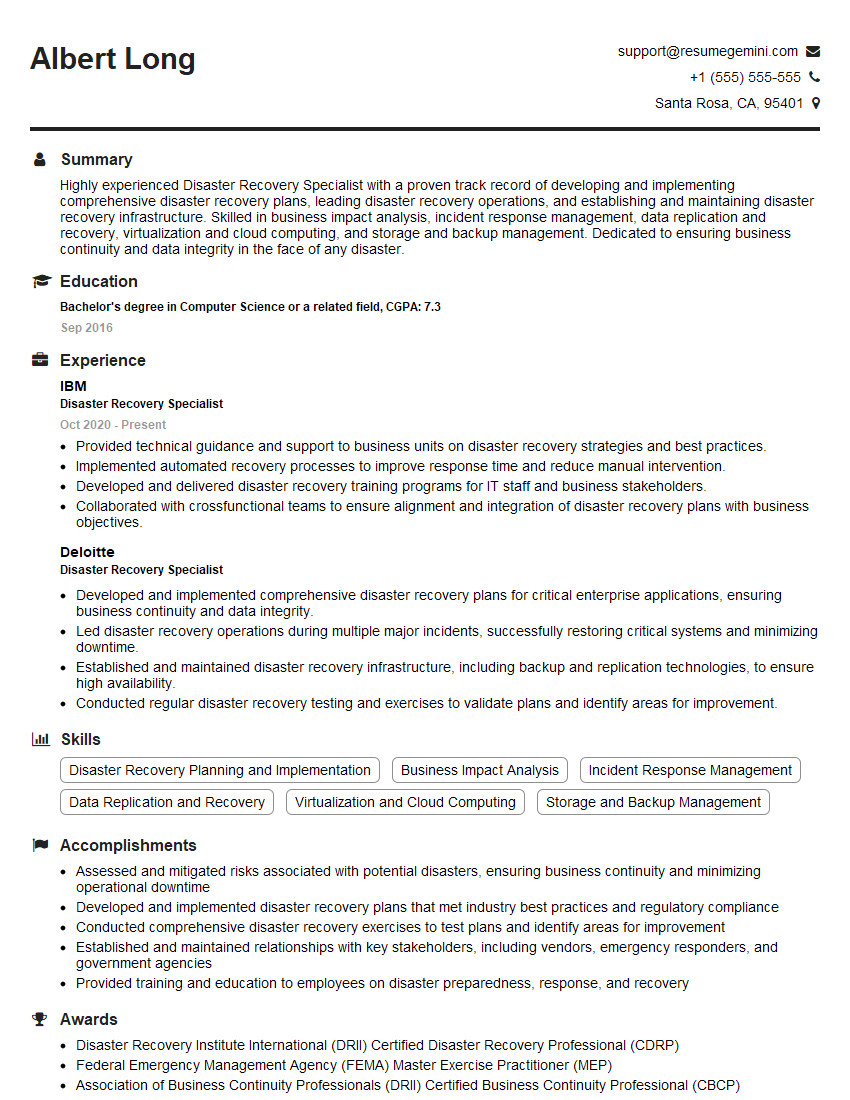
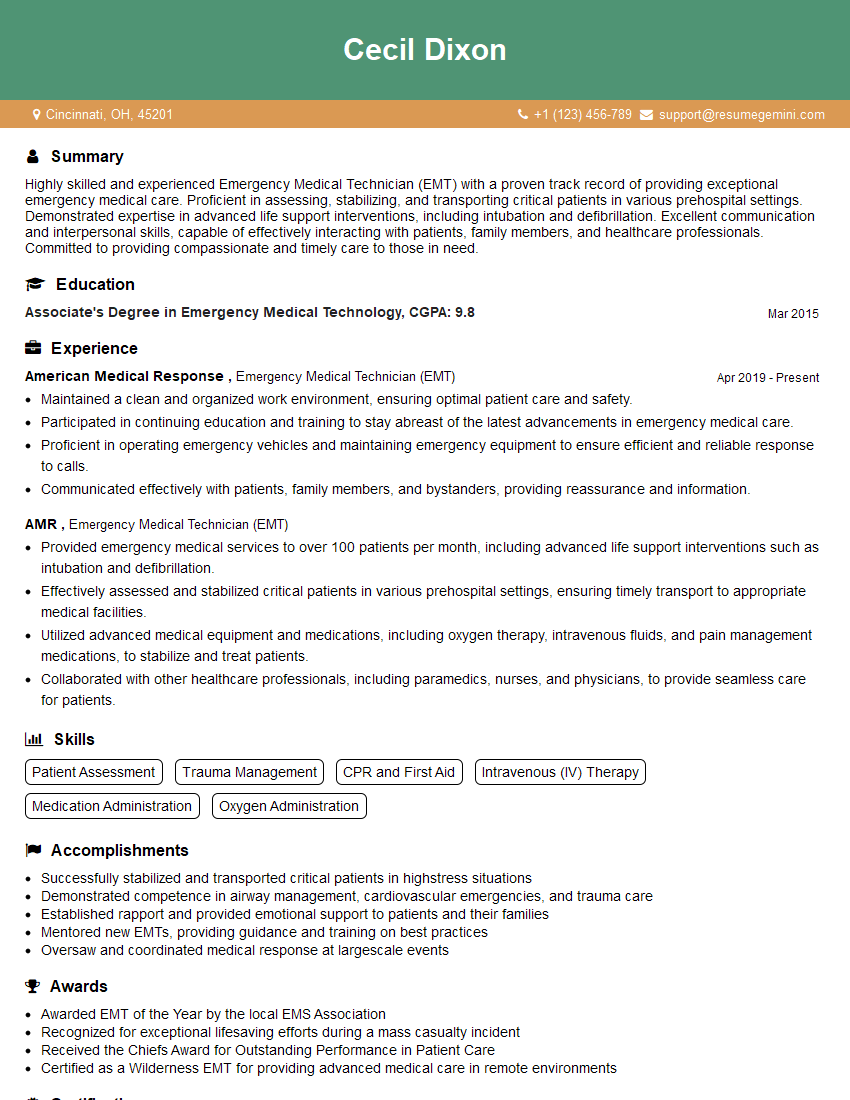
Mastering Disaster Relief and Humanitarian Assistance Operations opens doors to a fulfilling career with significant impact. To maximize your job prospects, creating a strong, ATS-friendly resume is crucial. ResumeGemini is a trusted resource that can help you build a professional and impactful resume tailored to this field. Examples of resumes specifically crafted for Disaster Relief and Humanitarian Assistance Operations roles are available to help guide you. Take the next step towards your dream career – build your best resume with ResumeGemini.
Explore more articles
Users Rating of Our Blogs
Share Your Experience
We value your feedback! Please rate our content and share your thoughts (optional).
What Readers Say About Our Blog
Very informative content, great job.
good