Interviews are more than just a Q&A session—they’re a chance to prove your worth. This blog dives into essential DOE (Department of Energy) Regulations interview questions and expert tips to help you align your answers with what hiring managers are looking for. Start preparing to shine!
Questions Asked in DOE (Department of Energy) Regulations Interview
Q 1. Explain the significance of the National Environmental Policy Act (NEPA) in DOE projects.
The National Environmental Policy Act (NEPA) is the cornerstone of environmental review for all federal agencies, including the Department of Energy (DOE). It mandates that federal agencies consider the environmental impacts of their actions before making decisions. For DOE projects, this means thoroughly evaluating potential effects on air and water quality, wildlife habitats, endangered species, and cultural resources. The process typically involves preparing an Environmental Assessment (EA) or an Environmental Impact Statement (EIS), depending on the project’s potential impact. An EA assesses if a project needs a full EIS. An EIS undergoes rigorous public review and comment, ensuring transparency and public participation. For example, a proposed nuclear power plant would necessitate a comprehensive EIS, detailing potential environmental risks like radioactive waste disposal and thermal pollution, as well as mitigation strategies. Failing to comply with NEPA can lead to project delays, legal challenges, and reputational damage for the DOE.
Q 2. Describe the process for obtaining a DOE license or permit.
Obtaining a DOE license or permit is a multi-step process involving rigorous application review, regulatory compliance, and potentially public comment periods. It begins with submitting a detailed application outlining the project’s scope, safety measures, and environmental considerations. The specifics vary based on the nature of the activity (e.g., nuclear reactor operation, radioactive material transportation, waste disposal). The DOE then conducts a thorough review, potentially involving multiple offices and expert panels, to ensure compliance with all applicable regulations and safety standards. This can involve on-site inspections and background checks. Once the DOE is satisfied, a license or permit is granted with specific conditions and stipulations. For instance, a license for transporting spent nuclear fuel would stipulate strict security protocols, transport route limitations, and emergency response plans. Failure to comply with these conditions can result in license revocation or significant penalties.
Q 3. What are the key requirements of the DOE’s radiation protection standards?
The DOE’s radiation protection standards are paramount to ensuring worker and public safety. They aim to minimize radiation exposure to As Low As Reasonably Achievable (ALARA) levels. Key requirements include establishing radiation protection programs, conducting regular radiation monitoring, implementing protective measures (e.g., shielding, distance, time), providing training and education to personnel, and maintaining detailed records of radiation exposure. These standards are based on internationally recognized principles and are regularly reviewed and updated to reflect scientific advancements. They also cover emergency response planning and procedures in case of radiation accidents. For example, a nuclear facility must adhere to strict ALARA principles in designing its operations, employing appropriate safety systems, and monitoring worker radiation dosages.
Q 4. How does the DOE handle the transportation of radioactive materials?
The DOE regulates the transportation of radioactive materials with stringent safety measures in place to minimize risks to workers, the public, and the environment. This involves using specialized packaging to ensure containment, employing secure transportation vehicles, adhering to strict routing procedures, and providing comprehensive emergency response plans. The DOE works closely with state and federal agencies, including the Department of Transportation (DOT), to coordinate transportation activities. Detailed shipping manifests and tracking systems are employed to monitor the movement of radioactive materials. Regulations cover various modes of transport, from road and rail to air and sea. For example, the transportation of spent nuclear fuel from a reactor to a reprocessing facility requires meticulous planning, robust packaging, and real-time monitoring to guarantee safety throughout the journey.
Q 5. Explain the role of the DOE in environmental remediation.
The DOE plays a crucial role in environmental remediation, addressing the legacy of past nuclear weapons production and energy activities. This involves cleaning up contaminated sites, managing radioactive and hazardous waste, and restoring ecological balance. The DOE employs a variety of technologies and techniques, depending on the nature and extent of the contamination. This can range from excavation and removal of contaminated soil to in-situ remediation, employing methods like bioremediation or chemical stabilization. The DOE also manages long-term storage and disposal of radioactive waste, aiming for solutions that minimize risks to human health and the environment. A notable example is the cleanup efforts at the Hanford Site in Washington State, a vast complex dealing with decades of nuclear waste. This ongoing remediation involves addressing a wide range of contaminants and employs diverse technologies to ensure long-term safety.
Q 6. What are the different types of DOE orders and how do they impact operations?
DOE orders provide guidance and instructions on various aspects of the department’s operations. They range from high-level policy directives to specific procedural instructions. Different types include:
- Secretary Orders: Broad policy statements setting the overall direction.
- Program Orders: Instructions relevant to specific program areas (e.g., nuclear weapons, energy efficiency).
- Manual Chapters: Detailed procedural guidance.
Q 7. Describe the DOE’s approach to cybersecurity and data protection.
The DOE recognizes cybersecurity and data protection as critical to its mission. Its approach involves establishing robust security frameworks, implementing advanced technologies, and providing comprehensive training to its workforce. The DOE employs multi-layered security systems, including firewalls, intrusion detection systems, and encryption technologies to protect sensitive data. Regular security assessments and vulnerability scans are conducted to identify and address potential weaknesses. The DOE also implements strong access control measures and adheres to strict data handling protocols. For example, protecting classified nuclear weapons design data requires extremely high levels of cybersecurity, employing advanced encryption, access controls, and regular penetration testing.
Q 8. How does the DOE manage its nuclear waste?
The Department of Energy (DOE) manages its nuclear waste through a complex system involving several stages, from generation to ultimate disposal. It’s a multi-billion dollar undertaking with significant environmental and safety considerations. The process broadly involves:
- Waste Generation and Characterization: Nuclear waste is generated at various DOE sites, including national laboratories and former weapons production facilities. This waste is rigorously characterized to determine its radioactivity, chemical composition, and physical form. This characterization is crucial for selecting appropriate storage and disposal methods.
- Interim Storage: Before final disposal, waste is stored temporarily at various sites. This interim storage ensures safety and prevents further environmental contamination. Different types of waste require different storage methods; for example, spent nuclear fuel is often stored in large pools of water, while other types of waste might be stored in dry casks.
- Transportation: The transport of nuclear waste is a tightly regulated process, requiring specialized containers and transportation routes to minimize risks during transit.
- Disposal: The ultimate goal is permanent disposal, primarily through the proposed Yucca Mountain repository (currently inactive) or potentially through other geological repositories under development. Research continues to explore and develop effective and safe long-term disposal solutions.
Think of it like cleaning up a large, complex spill. You need to carefully assess the nature of the spill, contain it safely, and then develop a plan for long-term remediation – that’s the challenge the DOE faces with nuclear waste.
Q 9. Explain the process for conducting a DOE compliance audit.
A DOE compliance audit is a systematic and independent examination of a DOE facility’s adherence to relevant regulations, orders, and guidance. It’s a rigorous process designed to identify vulnerabilities and ensure the safety, security, and environmental protection mandated by the department. The process usually involves:
- Planning and Scoping: The audit team identifies the specific areas to be reviewed, focusing on high-risk activities and potential compliance gaps. This might involve a review of the facility’s safety management system, environmental protection programs, or security protocols.
- Data Collection: Auditors collect evidence through various methods: document reviews, interviews with personnel, observations of operations, and potentially sampling and testing of materials. The quantity of data collected is directly proportional to the scope and complexity of the audit.
- Analysis and Evaluation: The auditors analyze the collected data to determine whether the facility is complying with all applicable regulations. They identify any findings, including non-conformances and recommendations for improvement.
- Reporting and Follow-up: A comprehensive report is generated that details the audit findings, conclusions, and recommendations. The audited facility then develops a corrective action plan to address any identified deficiencies, which are then verified by a follow-up audit.
Imagine it like a thorough inspection of a building’s fire safety system. Every aspect is scrutinized to ensure that the system is functioning correctly and meets all fire codes – that’s analogous to what a DOE compliance audit does.
Q 10. What are the penalties for non-compliance with DOE regulations?
Penalties for non-compliance with DOE regulations can be severe and far-reaching. They can range from:
- Administrative actions: These include warnings, notices of violation, and suspension or termination of contracts.
- Civil penalties: The DOE can impose significant financial penalties, potentially reaching millions of dollars depending on the severity and nature of the violation.
- Criminal prosecution: In cases of serious violations involving fraud, willful negligence, or gross misconduct, criminal charges can be filed, resulting in substantial fines and imprisonment.
- Environmental remediation: The violating entity might be required to fund and carry out environmental remediation activities to address any damage caused by the non-compliance.
The consequences are designed to deter non-compliance and ensure accountability for the safety and security of the nation’s nuclear assets and the environment.
Q 11. Describe your understanding of the DOE’s environmental management program.
The DOE’s environmental management program is a comprehensive framework designed to ensure environmental protection at all DOE facilities. It focuses on:
- Waste management: This covers the safe handling, storage, and disposal of various types of waste, including radioactive, hazardous, and mixed wastes.
- Site remediation: The DOE actively addresses environmental contamination at legacy sites, often from past nuclear weapons production and research activities.
- Environmental restoration: Programs work to restore contaminated sites to environmentally sound conditions, minimizing risks to human health and the environment.
- Compliance and oversight: The program enforces environmental regulations and ensures accountability through rigorous monitoring and auditing processes.
This program is critical because the DOE handles materials that pose significant environmental risks. Effective environmental management is not just about compliance, but about protecting public health and the environment for future generations.
Q 12. How familiar are you with the DOE’s contractor oversight process?
The DOE’s contractor oversight process is crucial for ensuring the safe and efficient operation of its numerous facilities, many of which are managed by private contractors. This oversight involves:
- Contract management: Developing and managing contracts with clear expectations, performance metrics, and compliance requirements.
- Performance monitoring: Regularly evaluating contractor performance against the terms of the contract, ensuring they meet safety, security, and environmental standards.
- Audits and inspections: Conducting regular audits and inspections to verify compliance with regulations and contract requirements.
- Corrective action: Implementing procedures to address any deficiencies or non-compliance found during monitoring or audits.
Think of it as a relationship between a homeowner and a general contractor building an addition to their house. The homeowner (DOE) needs to carefully monitor the contractor’s work to ensure it meets all building codes and their specifications – that’s the essence of contractor oversight.
Q 13. Explain the requirements for handling classified information within the DOE.
Handling classified information within the DOE is governed by strict regulations and procedures designed to protect national security. These requirements include:
- Security clearances: Individuals handling classified information must possess the appropriate security clearance, demonstrating trustworthiness and eligibility to access such sensitive material.
- Access control: Strict access control measures are enforced to limit access to classified information to only authorized personnel with a need-to-know.
- Data handling and storage: Procedures dictate how classified information should be handled, stored (both physically and electronically), and transmitted to ensure its confidentiality, integrity, and availability.
- Incident reporting: Any security incidents involving classified information, such as loss or unauthorized disclosure, must be immediately reported to appropriate authorities.
The handling of classified information is paramount to national security. Breaches can have severe consequences, leading to both legal repercussions and potential damage to national interests.
Q 14. How do you ensure compliance with DOE regulations in a fast-paced project environment?
Ensuring compliance in a fast-paced project environment requires proactive and integrated approaches. Key strategies include:
- Early engagement: Incorporating compliance considerations from the project’s inception, not as an afterthought. This prevents costly revisions and delays.
- Dedicated compliance team: Having a dedicated team responsible for compliance ensures consistent adherence to regulations throughout the project lifecycle.
- Regular training: Providing regular training to project staff ensures they understand and follow all relevant regulations and procedures.
- Use of checklists and tools: Implementing standardized checklists and digital tools to track compliance progress and identify potential risks.
- Real-time monitoring: Continuously monitoring the project’s progress against compliance requirements and addressing any deviations promptly.
It’s akin to a pilot adhering to a flight checklist; every step is crucial to safety. Similarly, consistent and proactive compliance measures ensure the smooth and lawful execution of projects in the DOE environment.
Q 15. What is your experience with DOE’s record keeping and documentation requirements?
My experience with DOE record-keeping and documentation requirements spans over 15 years, encompassing various projects involving nuclear materials, environmental remediation, and energy research. I’m intimately familiar with the 10 CFR Part 830 requirements, which mandate meticulous record-keeping to ensure accountability, traceability, and regulatory compliance. This includes maintaining accurate and complete records of all activities, including safety incidents, material transfers, and waste management practices.
For instance, in a recent project involving the decommissioning of a nuclear facility, I oversaw the creation and management of a comprehensive database documenting every step of the process, from initial site surveys to final site closure. This database included detailed documentation of waste characterization, disposal methods, and radiation monitoring results, ensuring complete transparency and compliance with DOE regulations. We used a combination of digital and physical records, ensuring redundancy and data integrity. This rigorous approach not only helped us successfully complete the project but also streamlined the regulatory review process.
My expertise extends beyond simply maintaining records; I understand the critical role records play in audits, investigations, and future project planning. I’m proficient in using various record management systems to ensure the efficient retrieval, organization, and preservation of information, guaranteeing its accessibility for years to come.
Career Expert Tips:
- Ace those interviews! Prepare effectively by reviewing the Top 50 Most Common Interview Questions on ResumeGemini.
- Navigate your job search with confidence! Explore a wide range of Career Tips on ResumeGemini. Learn about common challenges and recommendations to overcome them.
- Craft the perfect resume! Master the Art of Resume Writing with ResumeGemini’s guide. Showcase your unique qualifications and achievements effectively.
- Don’t miss out on holiday savings! Build your dream resume with ResumeGemini’s ATS optimized templates.
Q 16. Explain the concept of ALARA (As Low As Reasonably Achievable) in radiation protection.
ALARA, or As Low As Reasonably Achievable, is a fundamental principle in radiation protection. It emphasizes that radiation exposure should be kept to the minimum level possible, considering both economic and social factors. It’s not about eliminating all radiation exposure, which is often impossible, but rather about minimizing it to a level where the risks are demonstrably low, balancing the benefits of the activity with potential risks.
Imagine a medical procedure using X-rays. ALARA principles dictate that the radiologist should use the lowest possible radiation dose to achieve a diagnostic image. This might involve using advanced imaging techniques, optimizing equipment settings, and employing appropriate shielding. The cost of implementing these measures needs to be considered against the risk reduction gained.
Implementing ALARA involves a multi-step process: Planning and design of activities to minimize radiation exposure; using engineering controls to reduce exposure (shielding, distance, time); Implementing administrative controls (training, work procedures); Regular monitoring and assessment of radiation levels; and finally, documenting and reviewing all aspects of radiation safety practices. Failure to adhere to ALARA principles can lead to unnecessary radiation exposure, increasing the risk of health problems and potential regulatory violations.
Q 17. How does the DOE address potential conflicts of interest?
The DOE employs a robust system to address potential conflicts of interest, aiming to maintain impartiality and ensure ethical conduct. This involves stringent financial disclosure requirements for employees, contractors, and grantees. Individuals are required to disclose any financial interests that could potentially influence their decision-making or create a bias in their work.
The DOE utilizes a multi-layered approach: Disclosure forms are used to identify potential conflicts; Regular reviews and audits examine financial records and contracts; Independent ethics officers provide guidance and investigate potential violations; Recusal procedures ensure individuals with potential conflicts are removed from decisions involving conflicting interests; and Whistleblower protection mechanisms encourage the reporting of potential ethical breaches.
For example, if an employee is involved in awarding a contract to a company where a family member is a senior executive, they are obligated to disclose this information. This disclosure triggers a review process that might involve recusal from the decision or implementation of mitigation strategies. This proactive approach safeguards the integrity of DOE processes and projects.
Q 18. Describe your experience with environmental impact assessments for DOE projects.
My experience with environmental impact assessments (EIAs) for DOE projects is extensive. I’ve participated in numerous EIAs across various project types, from nuclear facility upgrades to renewable energy initiatives. I’m familiar with the National Environmental Policy Act (NEPA) compliance requirements, which guide the EIA process for all federally funded projects.
In a recent project involving the construction of a new wind farm on DOE land, I played a key role in conducting the EIA. This included assessing potential impacts on wildlife habitats, air quality, and water resources. We used sophisticated modeling techniques to predict environmental impacts and explored mitigation strategies to minimize any negative consequences. The EIA report, which detailed our findings and recommendations, was crucial in obtaining necessary permits and ensuring compliance with environmental regulations. We followed a structured approach outlined in the DOE’s NEPA implementation guidelines.
My understanding extends beyond the technical aspects of EIA; I’m also experienced in stakeholder engagement, public consultation, and the preparation of environmental documentation required for regulatory approval. Effective communication with relevant agencies and the public is paramount to ensure transparency and project success. This ensures that all potential environmental considerations are carefully weighed and addressed throughout the project lifecycle.
Q 19. How familiar are you with the DOE’s emergency response plan?
My familiarity with the DOE’s emergency response plan is comprehensive. I’ve participated in numerous emergency preparedness exercises and training programs, covering a range of potential scenarios, including radiological emergencies, hazardous material spills, and natural disasters. The DOE’s emergency response plans are designed to protect workers, the public, and the environment. They are tailored to the specific hazards associated with different DOE facilities and activities.
These plans typically incorporate detailed procedures for incident detection, notification, response, and recovery. They outline the roles and responsibilities of various personnel, the equipment needed for effective response, and communication protocols for keeping stakeholders informed. Regular drills and exercises are conducted to ensure that personnel are adequately trained and prepared to respond effectively in an emergency.
I’m familiar with the various regulatory requirements governing emergency preparedness, including the need for detailed documentation of drills, training, and response activities. This documentation is crucial for demonstrating regulatory compliance and continuous improvement in emergency response capabilities. My expertise lies not just in understanding the plans, but also in their practical application and continuous refinement to optimize response effectiveness.
Q 20. Explain the role of the DOE’s Office of Nuclear Safety.
The DOE’s Office of Nuclear Safety (ONS) plays a crucial role in ensuring the safe and secure management of nuclear materials and facilities within the DOE complex. It establishes and enforces safety standards, conducts independent safety assessments, and oversees the implementation of safety programs across the agency. The ONS is responsible for preventing accidents and protecting workers, the public, and the environment from the risks associated with nuclear activities.
Their responsibilities include developing and enforcing safety requirements; conducting independent safety assessments of DOE facilities and operations; investigating accidents and incidents to identify root causes and prevent recurrence; providing safety oversight for nuclear materials transportation and storage; and promoting a strong safety culture throughout the DOE complex.
The ONS works collaboratively with other DOE organizations, national laboratories, and contractors to achieve its mission. Their efforts help maintain a high level of safety performance within the DOE’s diverse range of nuclear activities. Their influence extends to all aspects of nuclear safety, from design and construction to operations and decommissioning. The independence of ONS is critical for ensuring objective oversight and effective safety management.
Q 21. What is your understanding of the DOE’s safety culture?
The DOE’s safety culture is paramount to its operations. It’s more than just a set of rules; it’s a shared set of values, beliefs, and behaviors that prioritize safety above all else. A strong safety culture fosters open communication, encourages proactive risk management, and empowers employees to raise concerns without fear of reprisal. It’s a culture that values continuous improvement, learning from mistakes, and fostering a shared responsibility for safety.
A strong DOE safety culture includes several key elements: Leadership commitment to safety at all levels; Empowered employees who are comfortable reporting safety concerns; Transparent and open communication regarding safety issues; Proactive hazard identification and risk management; Continuous improvement through learning from incidents and near misses; Regular training and education programs on safety procedures; Effective emergency response planning and execution; and a robust system of accountability for safety performance.
The DOE’s commitment to safety is not just an ethical imperative; it’s also essential for its operational success and maintaining public trust. A strong safety culture minimizes risks, enhances operational efficiency, and helps ensure the long-term sustainability of the DOE’s mission.
Q 22. How do you stay updated on changes and revisions to DOE regulations?
Staying current with DOE regulations requires a multi-pronged approach. It’s not a one-time effort, but an ongoing commitment. I primarily utilize the official DOE website, which is regularly updated with new rules, revisions, and guidance documents. I subscribe to their email alerts for specific areas of interest, such as nuclear safety or environmental protection. Furthermore, I actively participate in professional organizations like the American Nuclear Society or relevant environmental groups. These organizations often host webinars and conferences presenting updates and best practices for navigating the constantly evolving regulatory landscape. Finally, I maintain a network of contacts within the DOE and the nuclear/energy industry to learn about upcoming changes and interpretations of existing regulations from those directly involved in their implementation.
Think of it like staying updated on software updates; you can’t rely on one method, but rather a combination of approaches to ensure you don’t miss critical information. I treat regulatory updates with the same diligence I’d apply to a crucial software patch to minimize risk and ensure compliance.
Q 23. Describe your experience in developing and implementing a DOE compliance program.
In my previous role at a nuclear power plant, I was instrumental in developing and implementing a comprehensive DOE compliance program. This involved a thorough risk assessment identifying all applicable DOE Orders and regulations relevant to our operations. We then created a documented program that addressed each regulatory requirement. This included establishing clear lines of responsibility, developing standard operating procedures (SOPs), and implementing a robust training program for all personnel. We also established a rigorous internal audit process to monitor adherence to the program and identify any areas needing improvement. Key to our success was the implementation of a robust document control system to manage regulatory updates and ensure everyone had access to the most current versions. This involved regular reviews and updates of SOPs and training materials to reflect any changes in regulations. For example, when new guidance on radiation protection was released, we immediately reviewed our procedures and updated our training modules to comply.
The result was a demonstrably improved level of compliance, fewer regulatory findings, and a more secure and efficient operating environment. It wasn’t just about ticking boxes; it was about building a culture of safety and compliance throughout the organization.
Q 24. How would you address a situation where non-compliance with DOE regulations is discovered?
Discovering non-compliance with DOE regulations requires immediate and decisive action. My first step would be to immediately halt any activity that is causing the non-compliance. This is crucial to mitigate any further risks or violations. Then, I would assemble a team to thoroughly investigate the root cause of the non-compliance. This involves reviewing all relevant documentation, interviewing personnel, and analyzing any data related to the issue. Once the root cause is identified, we would develop a corrective action plan (CAP) to rectify the non-compliance and prevent recurrence. This CAP would be documented and implemented, with follow-up audits to ensure its effectiveness. Finally, depending on the severity of the non-compliance, we would determine whether self-reporting to the DOE is necessary. Transparency is critical in these situations, and proactively reporting demonstrates a commitment to compliance and safety.
Imagine it’s like a medical emergency; you wouldn’t delay treating a patient with a serious injury. Similarly, swift action is essential when dealing with DOE non-compliance to minimize potential harm and consequences.
Q 25. Explain your understanding of the DOE’s procurement process.
The DOE procurement process is complex and highly regulated, designed to ensure fairness, transparency, and accountability. It typically involves a multi-step process that begins with identifying the need and developing a detailed procurement plan. This plan will outline the requirements, specifications, and evaluation criteria for the procurement. Next, the DOE will issue a solicitation (e.g., a Request for Proposal or a Request for Quote) to potential vendors. The solicitation will include detailed information about the project, the requirements, and the submission process. Proposals are then evaluated based on pre-determined criteria, such as cost, technical merit, and past performance. The DOE then selects the vendor and negotiates a contract, ensuring compliance with all applicable regulations. Throughout the entire process, rigorous documentation and record-keeping are essential. This ensures the process is traceable and auditable. Failure to comply with this stringent process can have serious consequences, including contract cancellation or even legal action.
It’s crucial to understand that ethical considerations and transparency are paramount in every step of the process. Think of it as a highly rigorous and transparent auction where rules and regulations are strictly followed to guarantee fairness.
Q 26. How would you prioritize compliance efforts amidst competing project demands?
Prioritizing compliance efforts amid competing project demands requires a strategic approach. I would begin by conducting a risk assessment, evaluating the potential consequences of non-compliance for each area. This helps to identify the highest-risk areas requiring immediate attention. This assessment would consider the potential environmental impacts, safety risks, and regulatory penalties associated with each area. Once the high-risk areas are identified, I would allocate resources and personnel accordingly, ensuring sufficient time and attention are dedicated to addressing those critical compliance issues. Regular monitoring and reporting on compliance status will help track progress and identify any emerging issues that require adjustment to the prioritization scheme. It’s important to effectively communicate these priorities across all teams to ensure everyone understands the importance of compliance and how their work contributes to the overall goal.
This prioritization is similar to a triage system in a hospital; you treat the most critical cases first to ensure the greatest safety and prevent serious consequences.
Q 27. What are the key differences between DOE regulations and other federal environmental regulations?
While there’s overlap, DOE regulations differ significantly from other federal environmental regulations in scope and focus. Other agencies like the EPA (Environmental Protection Agency) primarily regulate environmental protection broadly across various sectors. The DOE’s regulations, on the other hand, are more narrowly focused on the unique risks associated with nuclear materials, radioactive waste, and other energy-related activities. DOE regulations often involve stricter safety standards, more stringent security protocols, and specific requirements for handling and disposal of hazardous materials unique to the nuclear and energy sectors. For example, the EPA might regulate air emissions from a power plant, while the DOE would regulate the safe handling of spent nuclear fuel at that same plant. Both are crucial, but address different, albeit sometimes overlapping, aspects of safety and environmental protection.
Think of it like this: the EPA deals with the general rules of the road, while the DOE focuses on the specific regulations for transporting hazardous materials, given the unique dangers involved.
Q 28. Describe your experience using DOE’s electronic record-keeping systems.
I have extensive experience using DOE’s electronic record-keeping systems, including the various electronic document management systems and databases. I am proficient in using these systems to store, retrieve, and manage both classified and unclassified information. I understand the importance of data integrity, access control, and audit trails in maintaining compliance. I am familiar with the various security protocols and procedures necessary to ensure the confidentiality, integrity, and availability of sensitive information. For example, I have used these systems to track and manage the records for radioactive material shipments, ensuring full compliance with transportation regulations. I’m also adept at using these systems for reporting and auditing, ensuring all required records are properly maintained and accessible when needed. This expertise includes maintaining an awareness of any system updates or changes to ensure compliance with all aspects of electronic record-keeping mandates. Proficient use of these systems is vital to ensuring efficient and compliant operations.
This is similar to using a complex accounting software: proficiency requires a deep understanding of its features, along with awareness of security and audit trail management.
Key Topics to Learn for DOE (Department of Energy) Regulations Interview
- Nuclear Safety and Security: Understanding regulations surrounding nuclear materials, facility security, and emergency preparedness. Consider practical applications like incident response procedures and regulatory compliance audits.
- Environmental Protection: Familiarize yourself with DOE’s environmental regulations, including waste management, remediation of contaminated sites, and compliance with environmental impact assessments. Think about how these regulations impact project planning and execution.
- National Security: Learn about the regulations concerning the protection of sensitive information and technologies related to national security. Explore the practical implications for data handling and access control.
- Contract and Procurement Regulations: Understand the complexities of DOE contracting procedures, including bidding processes, contract management, and compliance requirements. Consider scenarios involving contract disputes and ethical considerations.
- Safety and Health Regulations: Master the safety and health regulations applicable to DOE facilities and operations, emphasizing worker protection and hazard mitigation. Explore practical applications in risk assessment and safety program implementation.
- Energy Efficiency and Renewable Energy: Gain insight into DOE regulations promoting energy efficiency and the deployment of renewable energy technologies. Consider case studies of successful implementations and challenges encountered.
- Compliance and Enforcement: Understand the processes for reporting non-compliance, conducting internal audits, and responding to regulatory inquiries. Develop problem-solving skills related to addressing regulatory violations.
Next Steps
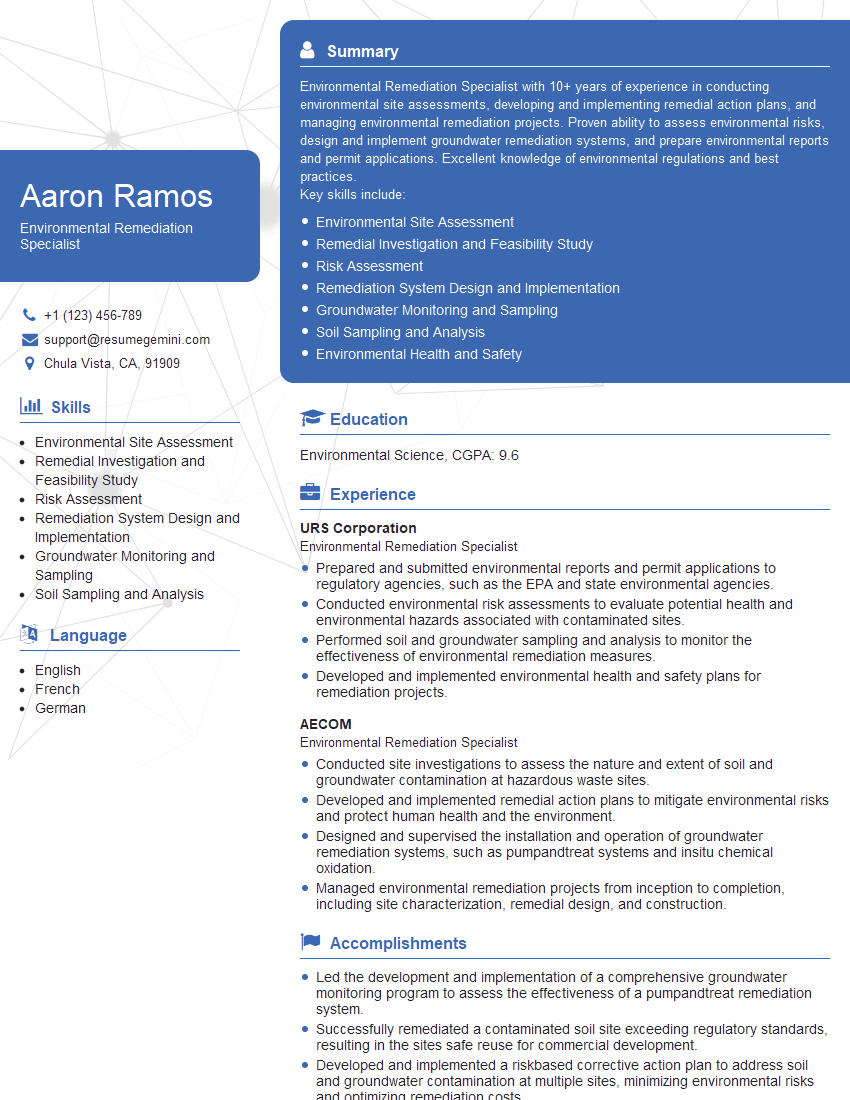
Mastering DOE regulations significantly enhances your career prospects within the energy sector, opening doors to higher-level positions and greater responsibility. A strong understanding of these regulations demonstrates your commitment to safety, security, and ethical conduct. To further boost your job search, create an ATS-friendly resume that highlights your relevant skills and experience. ResumeGemini is a trusted resource that can help you build a professional and impactful resume tailored to the specific requirements of DOE positions. Examples of resumes tailored to DOE regulations are available, showcasing how to effectively present your qualifications to potential employers.
Explore more articles
Users Rating of Our Blogs
Share Your Experience
We value your feedback! Please rate our content and share your thoughts (optional).
What Readers Say About Our Blog
Very informative content, great job.
good