Unlock your full potential by mastering the most common Starting Procedures interview questions. This blog offers a deep dive into the critical topics, ensuring you’re not only prepared to answer but to excel. With these insights, you’ll approach your interview with clarity and confidence.
Questions Asked in Starting Procedures Interview
Q 1. Describe your experience with developing starting procedures for new equipment.
Developing starting procedures for new equipment is a meticulous process that requires a deep understanding of the equipment’s functionality, safety protocols, and operational limits. It’s like creating a detailed recipe for a complex machine. My approach involves several key steps:
- Thorough Equipment Review: I begin by meticulously reviewing all available documentation, including manufacturer’s manuals, schematics, and safety data sheets. This provides a foundational understanding of the equipment’s components, operating principles, and potential hazards.
- Hazard Identification and Risk Assessment: I conduct a thorough hazard identification and risk assessment to pinpoint potential dangers during startup. This includes identifying potential points of failure, energy sources, and environmental factors. For example, a high-pressure system might require specific safety interlocks to prevent accidental releases.
- Procedure Development: Based on my risk assessment, I develop a step-by-step starting procedure that outlines each action required, in sequential order, including necessary safety checks and precautions. This procedure is often presented in a checklist format for clarity and ease of use. I aim for a procedure that is clear, concise, and unambiguous, avoiding technical jargon where possible.
- Review and Iteration: The draft procedure is then reviewed by a team of experienced engineers and operators to ensure its accuracy, completeness, and clarity. Feedback is incorporated, and the procedure is iteratively refined until it meets the highest standards.
- Testing and Validation: Finally, the starting procedure is tested during a controlled startup of the equipment. This allows us to identify and correct any deficiencies or ambiguities before full operational deployment.
For example, in a recent project involving a new automated packaging line, I developed a procedure that included pre-startup safety checks of all guarding, emergency stops, and lockout/tagout procedures before power-up, followed by a phased commissioning of the individual components and final integrated testing.
Q 2. How do you ensure the safety of personnel during a plant startup?
Ensuring personnel safety during a plant startup is paramount. My approach is multifaceted and prioritizes proactive risk mitigation:
- Pre-Startup Safety Briefing: Before any startup activity begins, a thorough safety briefing is conducted with all personnel involved. This briefing covers potential hazards, emergency procedures, and the use of personal protective equipment (PPE).
- Lockout/Tagout (LOTO) Procedures: Strict LOTO procedures are followed to ensure that all energy sources are isolated and secured before any maintenance or startup activities. This prevents unexpected energization and reduces the risk of electrical shock or other injuries.
- Permit-to-Work System: A robust permit-to-work system is utilized, ensuring that all necessary checks are completed and authorized before any work can commence. This system provides an audit trail and ensures accountability.
- Supervision and Monitoring: Experienced supervisors monitor startup activities closely, ensuring that all personnel follow established procedures and safety protocols. They intervene immediately if any unsafe practices are observed.
- Emergency Response Plan: A detailed emergency response plan is in place, outlining procedures to follow in case of an accident or emergency. This includes emergency contact numbers, evacuation routes, and first-aid procedures.
Think of it as creating a carefully orchestrated dance – each person knowing their role and working together to ensure a safe and successful startup.
Q 3. Explain your process for verifying the accuracy of starting procedures.
Verifying the accuracy of starting procedures is critical for safe and efficient operation. My process involves several checks and balances:
- Peer Review: The procedure is reviewed by a team of experienced engineers and operators with diverse perspectives. This ensures comprehensive evaluation and identification of any potential flaws or omissions.
- Simulation and Modeling: Where possible, simulations or models are used to test the procedure’s effectiveness under various scenarios, including fault conditions. This proactive approach identifies potential issues before they arise during actual startup.
- Pilot Testing: A pilot test is conducted under controlled conditions to validate the procedure’s practicality and identify any gaps or inconsistencies. This is a crucial step in refining the procedure before full-scale deployment.
- Documentation Review: The procedure is rigorously compared against the manufacturer’s recommendations and any relevant industry standards. This ensures compliance and adherence to best practices.
- Post-Startup Review: Following a successful startup, a post-startup review is conducted to evaluate the effectiveness of the procedure and identify any areas for improvement. This feedback loop is vital for ongoing refinement.
Essentially, we strive for a multi-layered approach, combining theoretical analysis with practical verification to guarantee accuracy and safety.
Q 4. What are the key performance indicators (KPIs) you monitor during a startup?
Key Performance Indicators (KPIs) monitored during startup vary depending on the equipment and process, but some common metrics include:
- Startup Time: The time taken to complete the entire startup process. Shorter startup times indicate efficiency.
- Equipment Availability: The percentage of time the equipment is operational after startup. High availability indicates a robust and reliable system.
- Production Rate: The output of the equipment after startup. This reflects the equipment’s performance and efficiency.
- Energy Consumption: The amount of energy used during startup. Efficient startups minimize energy waste.
- Safety Incidents: The number of safety incidents or near misses during startup. Zero incidents is the ultimate goal.
- Defect Rate: The rate of defective products produced during the initial operation. Low defect rate indicates good process control.
Monitoring these KPIs provides valuable insights into the effectiveness of the starting procedures and identifies areas for improvement.
Q 5. How do you handle unexpected issues or deviations during a startup?
Unexpected issues or deviations during startup are inevitable. My approach involves a structured response:
- Immediate Stoppage: If a critical issue or safety concern arises, the startup is immediately stopped to prevent further problems.
- Problem Identification and Assessment: The root cause of the deviation is identified through careful observation, data analysis, and consultation with relevant experts.
- Corrective Actions: Appropriate corrective actions are implemented to address the problem. This may involve making adjustments to the equipment, modifying the starting procedure, or replacing faulty components.
- Documentation: All deviations, corrective actions, and their outcomes are meticulously documented. This information is crucial for future reference and continuous improvement.
- Restart Procedure: A revised startup procedure may be necessary if significant changes were implemented. This ensures that future startups are safer and more efficient.
Imagine it like navigating a ship through a storm; a calm, controlled response, guided by experience and established protocols, is crucial to safe passage.
Q 6. Describe your experience with troubleshooting problems during startup.
Troubleshooting during startup involves systematic problem-solving. My approach is guided by a structured methodology:
- Data Collection: I begin by gathering relevant data, such as alarm logs, sensor readings, and operator observations. This information provides clues about the nature of the problem.
- Hypothesis Generation: Based on the collected data, I develop hypotheses about the root cause of the problem. This may involve examining schematics, reviewing technical documentation, or consulting with subject matter experts.
- Testing and Verification: I then test my hypotheses through systematic investigation and experimentation. This may involve isolating components, checking wiring, or running diagnostic tests.
- Corrective Actions: Once the root cause is identified, appropriate corrective actions are implemented to resolve the issue.
- Documentation: All troubleshooting steps, findings, and corrective actions are documented for future reference.
For example, during the startup of a chemical reactor, I once identified a pressure sensor malfunction by systematically checking the sensor’s readings against other pressure indicators and eventually confirming it with a replacement sensor. This highlighted the importance of having redundant systems and thorough documentation.
Q 7. What methods do you use to document starting procedures?
Documentation of starting procedures is crucial for consistency, training, and safety. My methods include:
- Structured Document Format: I use a structured document format, such as a checklist or flow chart, to ensure clarity and ease of use. This allows for easy navigation and understanding, regardless of the user’s technical expertise.
- Version Control: A version control system is employed to track changes to the procedure over time. This ensures that all personnel are using the most up-to-date version.
- Digital Storage: Procedures are stored digitally, allowing for easy access and distribution. Cloud-based storage ensures accessibility from multiple locations.
- Regular Updates: Procedures are reviewed and updated regularly to reflect changes in equipment, processes, or safety regulations.
- Training Materials: The starting procedure is integrated into training materials for operators and maintenance personnel. This ensures that everyone understands their roles and responsibilities during startup.
Consider it like a well-maintained recipe book for your plant; each step is clear, versioned, and readily available for anyone in the kitchen.
Q 8. How do you ensure that starting procedures are up-to-date and accurate?
Keeping startup procedures current and accurate is paramount for safety and operational efficiency. My approach involves a multi-faceted strategy. Firstly, a robust version control system is essential. We use a system where all changes are tracked, documented, and approved before implementation. This prevents accidental overwrites and ensures traceability. Secondly, regular reviews are conducted, ideally at least annually, or more frequently depending on the complexity of the process and any changes in operating conditions or equipment. These reviews involve a team of engineers, operators, and potentially safety personnel, ensuring diverse perspectives are considered. We also incorporate lessons learned from past startups, near misses, and incidents. Any deviation from the procedure or unexpected events are meticulously analyzed and documented, leading to iterative improvements. Finally, training and competency assessments are integral. Operators need to understand and be tested on the latest procedures, confirming they are not just following steps but also understanding the rationale behind them. For example, if a pump needs a specific sequence for startup to prevent cavitation, the operator must understand the risk of cavitation before running the procedure.
Q 9. What is your experience with HAZOP studies related to startup procedures?
HAZOP (Hazard and Operability) studies are an integral part of my startup procedure development process. In previous roles, I’ve actively participated in HAZOP studies focused on startup sequences for various plants, including chemical processing and pharmaceutical manufacturing facilities. My role typically involves contributing process knowledge, identifying potential hazards, and suggesting mitigating measures. For instance, in a HAZOP study for a reactor startup, we identified a potential hazard of uncontrolled exothermic reaction. Through the study, we refined the startup procedure to include more frequent temperature monitoring and added emergency shutdown triggers based on specific temperature thresholds. The outcome of these HAZOPs is often incorporated directly into the startup procedure, including detailed safety checks and emergency response plans. This ensures that not only is the process safe to start up, but also that deviations from the nominal case are addressed properly.
Q 10. Explain your approach to risk assessment during a startup.
My approach to risk assessment during startup is systematic and proactive. It begins with a thorough review of the process, identifying all potential hazards. This often involves using established risk assessment methodologies, such as HAZOP or a bow-tie analysis. The next step is to quantify the risk. This involves evaluating the likelihood of each hazard occurring and the severity of its consequences. The outcome of this analysis helps prioritize risk mitigation strategies. For example, if a high-likelihood, high-consequence risk is identified (e.g., uncontrolled pressure increase), this will require implementing stringent control measures, such as multiple independent safety systems, interlocks, and detailed operator training. Once mitigation strategies are in place, a residual risk assessment is conducted to determine if the risk is acceptable. It’s important to document the entire process, including the identified hazards, risk levels, mitigation strategies, and the final residual risks. This ensures transparency and accountability. This approach, built on a foundation of proactive hazard identification and risk mitigation, is integral to safe and reliable startups.
Q 11. How do you manage the different teams involved in a startup?
Managing multiple teams during a startup requires strong leadership and clear communication. I utilize a matrix-style management approach, leveraging the expertise of different teams, including operations, engineering, maintenance, and safety. Before the startup, I convene a pre-startup meeting where roles, responsibilities, and communication protocols are clearly defined. Regular status meetings, potentially held daily during the critical startup phase, keep everyone aligned and address potential roadblocks. Clear communication channels, such as dedicated email groups and potentially a real-time communication platform, are established to facilitate quick problem-solving. Delegation of tasks and empowerment of team members are key to efficiency. I make sure each team member has a clear understanding of their responsibilities and is empowered to make decisions within their area of expertise. Conflict resolution is also addressed proactively. Establishing clear escalation paths helps avoid conflicts from escalating into major issues. For example, if a disagreement arises between engineering and operations, a designated leader can step in to facilitate a resolution.
Q 12. How do you ensure effective communication during a startup?
Effective communication is absolutely vital for a successful startup. My approach involves establishing multiple communication channels tailored to different needs. This includes pre-startup briefings where the entire team understands the procedure, potential challenges, and emergency response plans. During the startup, real-time communication is crucial. We often utilize a combination of methods such as a dedicated control room, radio communication, and a real-time reporting system to monitor progress and address issues promptly. Clear and concise reporting is paramount. This means regularly documenting key parameters, including pressure, temperature, flow rates, and any deviations from the plan. Regular status updates are also shared with management, providing transparency and accountability. The use of checklists and standardized reporting forms ensures consistency and minimizes errors. Furthermore, a post-startup review is conducted to analyze the communication effectiveness and identify areas for improvement. For instance, in past startups, we discovered that integrating a central communication system dramatically improved real-time coordination and reduced response time to unexpected events.
Q 13. Describe your experience with commissioning activities.
Commissioning activities are a crucial part of my experience and are tightly integrated with startup procedures. My experience encompasses various aspects, from reviewing and approving commissioning plans to overseeing the execution of commissioning tests. I ensure that all equipment is properly installed and tested in accordance with vendor specifications and industry best practices. This involves verifying the functional performance of individual equipment items as well as their integration into the overall system. A systematic approach, often utilizing a commissioning checklist, ensures no step is missed. This helps prevent issues down the line. For instance, in a recent project, I oversaw the commissioning of a new reactor. This involved verifying its temperature control, pressure regulation, and safety systems. We conducted a series of tests, each documented thoroughly, which proved the systems were operating as designed. This rigorous approach ensures that when the plant starts up, the equipment is in optimal condition to perform its function. This minimizes potential problems during the startup phase and enhances overall efficiency and safety.
Q 14. How do you validate the performance of equipment after startup?
Validating equipment performance after startup involves a structured approach, combining data analysis with direct observation. We use pre-defined acceptance criteria, based on design specifications and operational requirements, to evaluate the equipment’s performance. This may involve verifying flow rates, pressures, temperatures, and other relevant parameters against pre-determined setpoints. Data is continuously monitored during the initial operating period, and any deviations are thoroughly investigated and addressed. We also often employ performance testing to confirm that the equipment meets its design specifications. For example, this might involve measuring the efficiency of a pump or the output of a reactor. The results are then documented and compared to the expected performance parameters. In addition to data analysis, regular visual inspections are performed to detect any anomalies, such as leaks, vibrations, or unusual noise. Comprehensive documentation of all testing and inspection activities is crucial, providing a record of the equipment’s performance and ensuring compliance with regulatory requirements. This documented evidence helps prevent problems in the future and supports ongoing operation and maintenance efforts.
Q 15. What are some common challenges you encounter during startups?
Startup challenges are multifaceted and often intertwined. Common hurdles include unforeseen equipment malfunctions – perhaps a critical sensor failing unexpectedly during initial power-up. Another frequent issue is discrepancies between design specifications and actual field conditions. For example, a piping system might have minor misalignments impacting flow, revealed only during commissioning. Integration problems between different systems are also prevalent. Imagine the scenario where a newly installed control system isn’t communicating correctly with existing equipment, causing delays and necessitating troubleshooting. Finally, human factors play a significant role; inadequate training of operators leading to mistakes or insufficient coordination amongst startup teams can lead to setbacks and safety concerns.
Career Expert Tips:
- Ace those interviews! Prepare effectively by reviewing the Top 50 Most Common Interview Questions on ResumeGemini.
- Navigate your job search with confidence! Explore a wide range of Career Tips on ResumeGemini. Learn about common challenges and recommendations to overcome them.
- Craft the perfect resume! Master the Art of Resume Writing with ResumeGemini’s guide. Showcase your unique qualifications and achievements effectively.
- Don’t miss out on holiday savings! Build your dream resume with ResumeGemini’s ATS optimized templates.
Q 16. How do you ensure compliance with safety regulations during startup?
Ensuring compliance with safety regulations during startup is paramount. This starts with a thorough risk assessment identifying potential hazards. We then develop a comprehensive safety plan incorporating procedures like lockout/tagout (explained further in the next answer), permitting systems, and detailed checklists for each startup phase. Regular safety briefings are crucial, making sure everyone understands their roles and responsibilities. Compliance is continuously monitored; we use documentation (like daily reports and inspection checklists) to ensure adherence and track progress. Any deviations or near misses are investigated, and corrective actions are implemented immediately to prevent recurrence. External audits and inspections are also welcomed to ensure our procedures meet regulatory standards.
Q 17. Describe your experience with lockout/tagout procedures during startup.
Lockout/tagout (LOTO) procedures are central to our safety protocols during startup. Before any work is performed on equipment, we ensure it’s completely de-energized and isolated using physical locks and tags. This prevents accidental startup and protects personnel from injuries. The process typically involves identifying energy sources (electricity, hydraulics, pneumatics), isolating these sources using designated switches and valves, applying locks and tags with clear identification of the person responsible, verifying the isolation (using testing devices to confirm no residual energy), and finally, releasing the LOTO only after the work is completed and verified. I’ve personally overseen several LOTO procedures, including the startup of a large compressor system where multiple power sources and pneumatic lines had to be isolated and verified before commencing maintenance and testing.
Q 18. How do you utilize process simulators or other modeling tools during startup?
Process simulators and modeling tools are invaluable during startup. We use them to predict process behavior under various conditions before actual operation. For instance, dynamic simulators help predict how the process will respond to changes in feed rates or temperature. This allows us to identify potential bottlenecks or operational challenges beforehand. Before commissioning a new distillation column, we might use a simulator to optimize operating parameters, ensuring that it runs efficiently and meets production targets. Steady-state models help us validate design parameters and ensure that equipment is sized appropriately. The data from these simulations guides us in preparing effective startup procedures and helps us optimize the startup sequence to minimize risks and maximize efficiency.
Q 19. How do you incorporate lessons learned from past startups into future procedures?
Lessons learned from past startups are meticulously documented and integrated into our procedures. We use a formal process, often involving post-startup reviews, where the team analyzes what went well, what could be improved, and what unexpected challenges were encountered. For example, if a particular startup step proved time-consuming or risky during a previous project, we might refine that step, adding additional checks or training, in future procedures. This continuous improvement approach ensures that our startup procedures are consistently refined and improved, becoming more efficient and safer over time. A database of lessons learned is maintained, easily accessible to all relevant personnel.
Q 20. Explain your understanding of the role of pre-commissioning in successful startup.
Pre-commissioning is critical to a successful startup. It involves a systematic inspection and testing of equipment and systems before the actual startup process begins. This phase involves verifying that all equipment is installed correctly, instrumentation is calibrated accurately, and systems are thoroughly inspected. Testing includes functional checks of individual components and integrated system tests, ensuring everything is working as designed. Through pre-commissioning, many potential problems are identified and rectified before the actual start-up, thus minimizing downtime and preventing unexpected issues during the crucial startup phase. It’s like a dress rehearsal before the grand opening of a play – ensuring everything is ready and runs smoothly.
Q 21. How do you handle changes to starting procedures during the startup phase?
Changes to starting procedures during the startup phase need to be managed carefully. Any modification requires a formal change request, reviewed and approved by the appropriate personnel, considering both safety and operational impacts. The change request documents the reason for the alteration, assesses the potential risks, and outlines the implementation steps. These changes are communicated clearly to all involved parties through formal updates to the procedure document, retraining where necessary, and appropriate communication channels to inform personnel. A robust change management system is key, ensuring that any changes are documented, controlled, and implemented safely and efficiently. Documentation of the change and its justification are crucial for traceability and future reference.
Q 22. How do you measure the success of a startup?
Measuring startup success isn’t solely about profit; it’s a multifaceted evaluation. We look at several key performance indicators (KPIs) to paint a complete picture. Early-stage success often hinges on achieving product-market fit – ensuring the product solves a real problem for a defined customer base. We track metrics like customer acquisition cost (CAC) and customer lifetime value (CLTV) to assess the financial viability. A healthy CLTV:CAC ratio indicates sustainable growth. Furthermore, we consider milestones achieved against the initial business plan, the team’s performance and morale, and the overall traction gained in the market. For example, a successful launch might be measured by the number of early adopters, positive user feedback, and securing seed funding. Ultimately, success is a journey, not a destination, requiring constant adaptation and refinement based on data-driven insights.
Q 23. What software or tools are you familiar with for managing startup procedures?
My experience encompasses a wide range of software and tools for managing startup procedures. For project management, I’m proficient in tools like Asana and Trello, which facilitate task assignment, collaboration, and progress tracking. For documentation, I utilize Confluence or Notion to maintain centralized and easily accessible startup procedures, checklists, and training materials. To monitor system performance during startup, I often rely on specialized software depending on the specific system – for instance, SCADA systems for industrial processes or custom monitoring tools for software applications. Data visualization tools like Tableau or Power BI are invaluable for analyzing performance data and identifying areas for improvement in our startup procedures.
Q 24. How do you balance speed and safety during a startup process?
Balancing speed and safety during startup is crucial. It’s like driving a car – you want to reach your destination quickly, but safety is paramount. We achieve this balance through a structured approach that prioritizes safety without sacrificing efficiency. This involves a thorough risk assessment identifying potential hazards and developing mitigation strategies. We utilize checklists and step-by-step procedures to ensure consistent execution and minimize errors. Regular testing and simulations help identify and address potential issues before they impact the live system. Furthermore, we establish clear lines of communication and escalation procedures to ensure prompt response to any unforeseen circumstances. For example, in a chemical plant startup, rigorous safety protocols would be implemented, including lock-out tag-out procedures and automated safety systems, while maintaining a streamlined process to minimize downtime.
Q 25. Describe your experience with different startup methodologies.
I’ve worked with several startup methodologies, each with its own strengths and weaknesses. Agile methodologies, with their iterative approach and emphasis on flexibility, have proven invaluable for adapting to changing requirements and incorporating feedback during the startup phase. Lean Startup methodologies, with their focus on minimal viable products (MVPs) and rapid prototyping, allowed for efficient resource allocation and faster validation of concepts. In contrast, Waterfall methodologies, while suitable for projects with clearly defined requirements, are less adaptable to the dynamic nature of many startups. My experience has taught me to choose the methodology that best suits the project’s specific context and risk profile.
Q 26. How do you ensure a smooth transition from startup to normal operation?
A smooth transition from startup to normal operation requires meticulous planning and execution. We develop a detailed handover plan, outlining responsibilities, timelines, and communication channels. This plan includes comprehensive documentation of the startup procedures, performance data, and any identified issues. We conduct thorough system checks and validations to ensure stability and performance meet expectations. Post-startup reviews are vital for identifying areas for improvement and refining our procedures. Regular performance monitoring continues even after normal operation commences to identify any potential issues early on. For example, in a software application launch, a phased rollout and continuous monitoring ensures a seamless transition and minimizes disruptions to users.
Q 27. What are your preferred methods for training operators on starting procedures?
Operator training is crucial for safe and efficient startups. We utilize a multi-faceted approach combining various methods. Classroom training provides theoretical knowledge of startup procedures and safety protocols. Hands-on training using simulators or real-world systems (under strict supervision) allows operators to practice procedures in a safe environment. On-the-job training with experienced personnel provides practical experience and mentorship. We also employ e-learning modules and interactive training materials to supplement classroom instruction and allow for self-paced learning. Regular assessments and certifications ensure competency and identify any training gaps. This comprehensive approach ensures operators are fully prepared for all scenarios.
Q 28. How do you prioritize tasks during a complex startup process?
Prioritizing tasks during a complex startup involves a systematic approach. We use a combination of techniques, starting with a detailed critical path analysis to identify the sequence of tasks and their dependencies. This allows us to pinpoint the critical path, those tasks that directly impact the overall startup time. We then prioritize tasks based on their dependency, risk, and impact on the overall startup. Tasks with high risk or potential for significant delays are given top priority. We use tools like Gantt charts or project management software to visualize the schedule, track progress, and manage dependencies. Regular review meetings allow for dynamic adjustments to priorities based on emerging issues or changing conditions. This ensures a focused and efficient approach, minimizing delays and maintaining control over the startup process.
Key Topics to Learn for Starting Procedures Interview
- Understanding the Scope: Defining the boundaries of “Starting Procedures” within your specific industry or role. Consider the various contexts and interpretations.
- Safety Protocols: Thoroughly reviewing and understanding all relevant safety procedures and regulations. Be prepared to discuss practical examples of how you would ensure safety compliance.
- Equipment Familiarization: Demonstrating knowledge of the equipment involved in the starting procedures. This includes both theoretical understanding and practical application—how you would operate, maintain, and troubleshoot issues.
- Checklists and Documentation: Explain the importance of using checklists and proper documentation throughout the starting process. Discuss how to ensure accuracy and completeness.
- Troubleshooting Common Issues: Prepare examples of common problems encountered during start-up and describe your methodical approach to identifying and resolving them. Highlight your problem-solving skills.
- Emergency Procedures: Outline your understanding of emergency procedures related to starting processes and how you would respond effectively in various scenarios.
- Regulatory Compliance: Demonstrate your awareness of relevant industry regulations and standards concerning starting procedures and how to maintain compliance.
- Optimization and Efficiency: Discuss strategies to improve the efficiency and effectiveness of starting procedures. This could involve identifying bottlenecks or suggesting improvements.
Next Steps
Mastering Starting Procedures demonstrates a crucial combination of technical knowledge, safety awareness, and problem-solving skills—highly valued attributes for career advancement. To significantly boost your job prospects, create an ATS-friendly resume that effectively highlights these skills. ResumeGemini is a trusted resource to help you build a professional resume that showcases your qualifications. Examples of resumes tailored to Starting Procedures are available to guide you. Invest time in crafting a compelling resume; it’s your first impression!
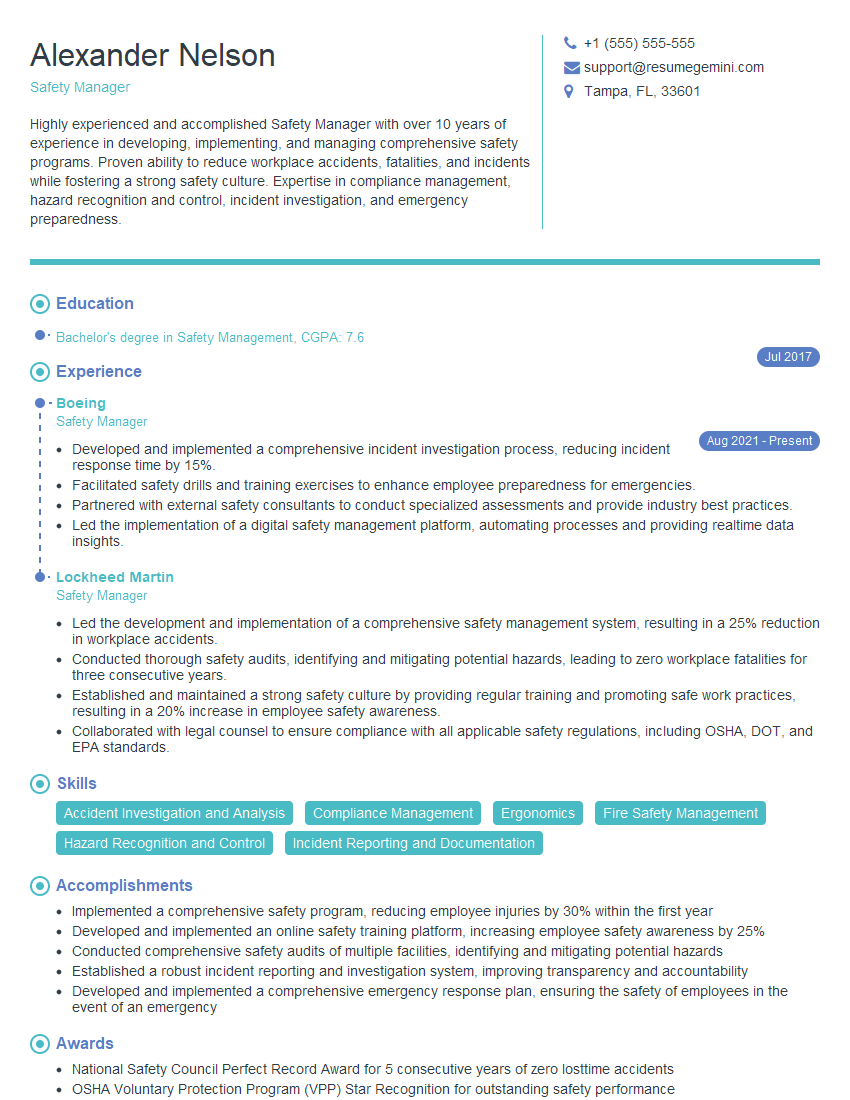
Safety Manager Resume Sample

Operations Manager Resume Sample
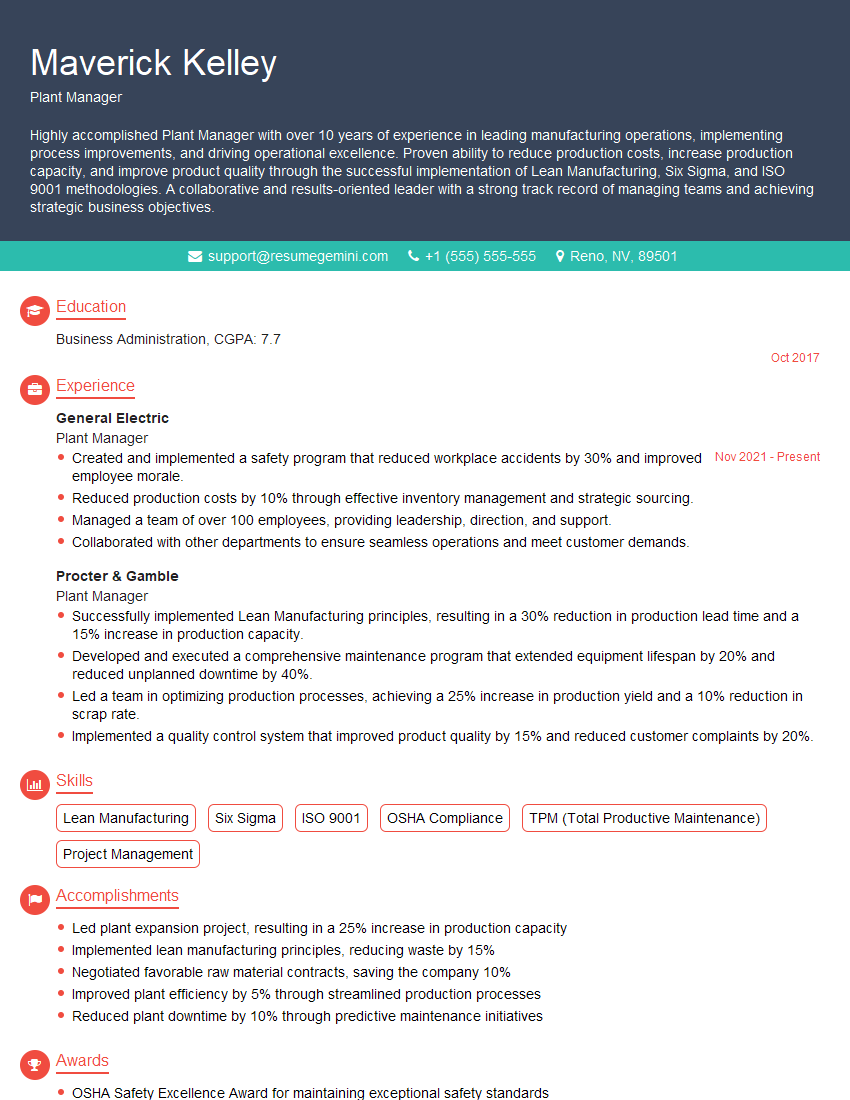
Plant Manager Resume Sample
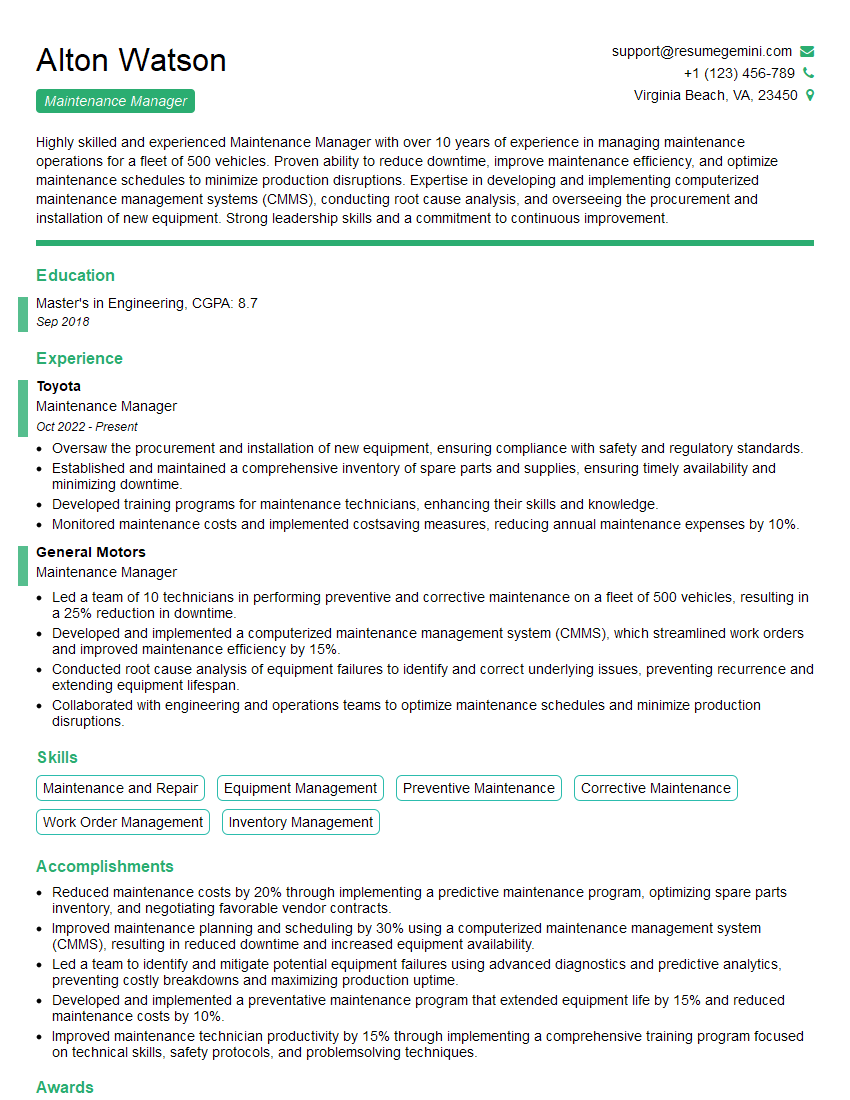
Maintenance Manager Resume Sample
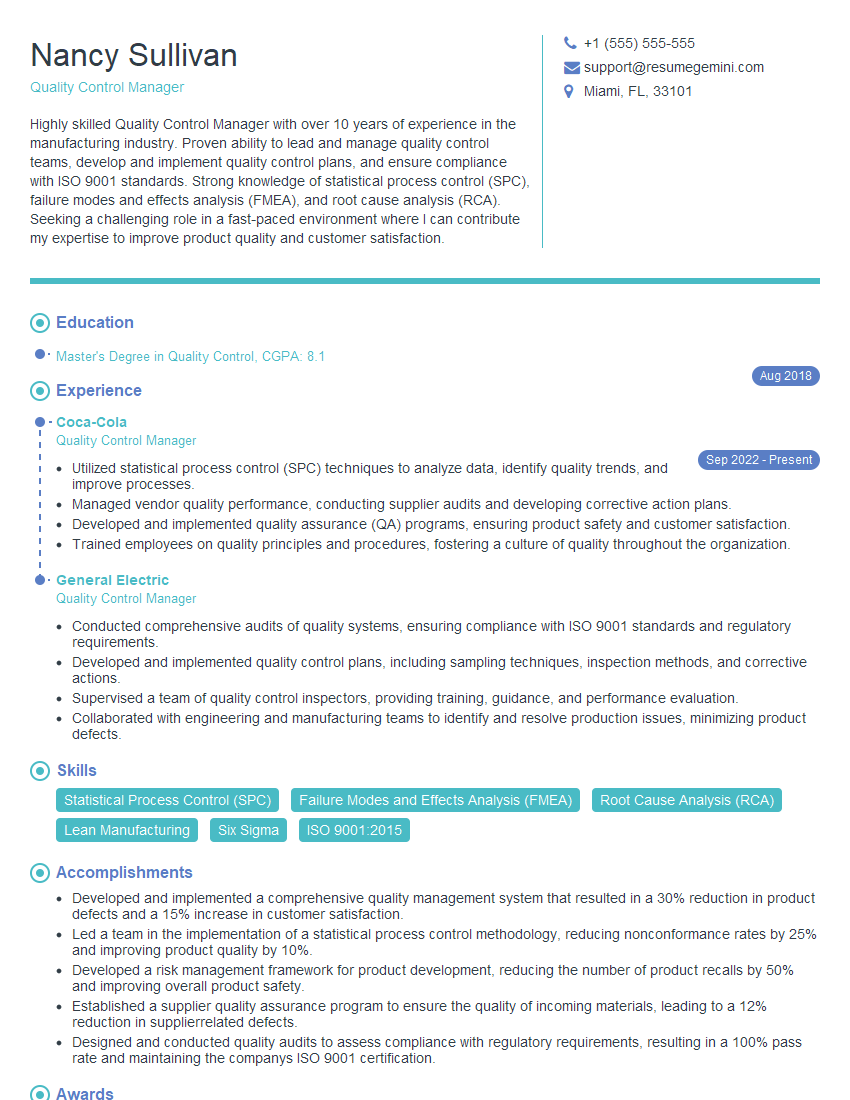
Quality Control Manager Resume Sample
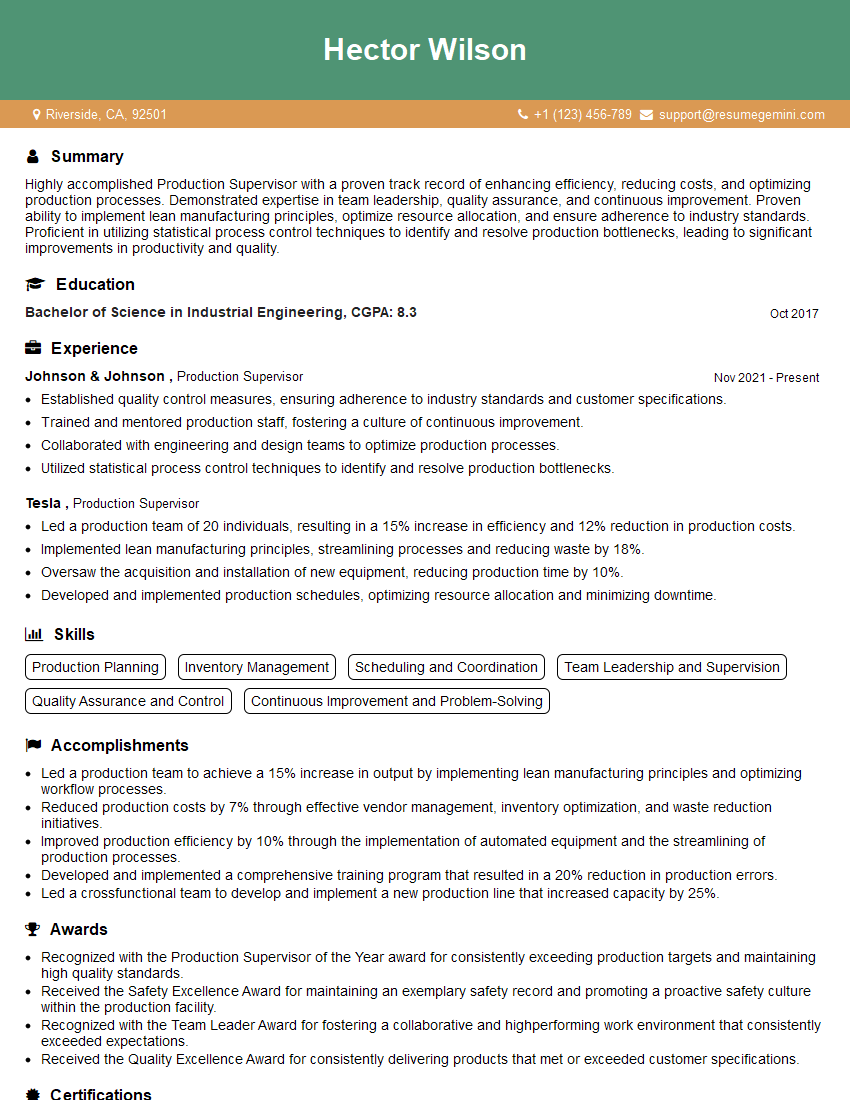
Production Supervisor Resume Sample

Project Manager Resume Sample
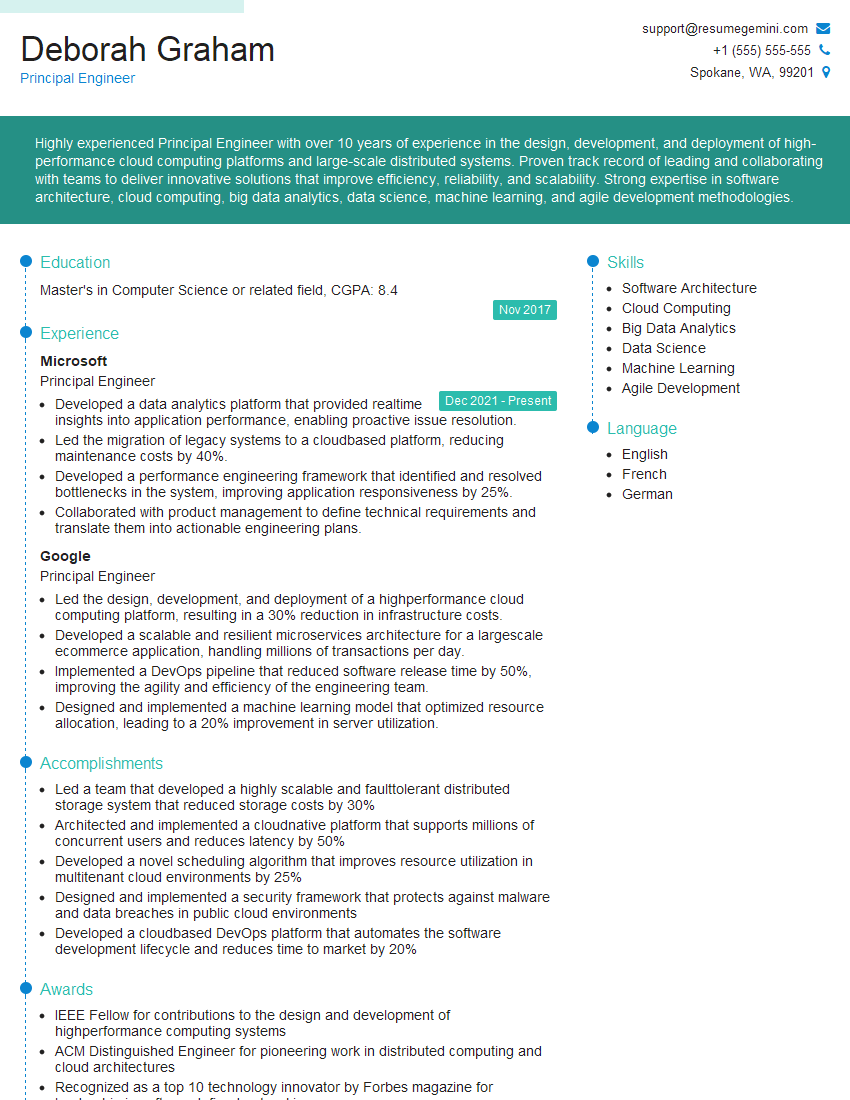
Principal Engineer Resume Sample
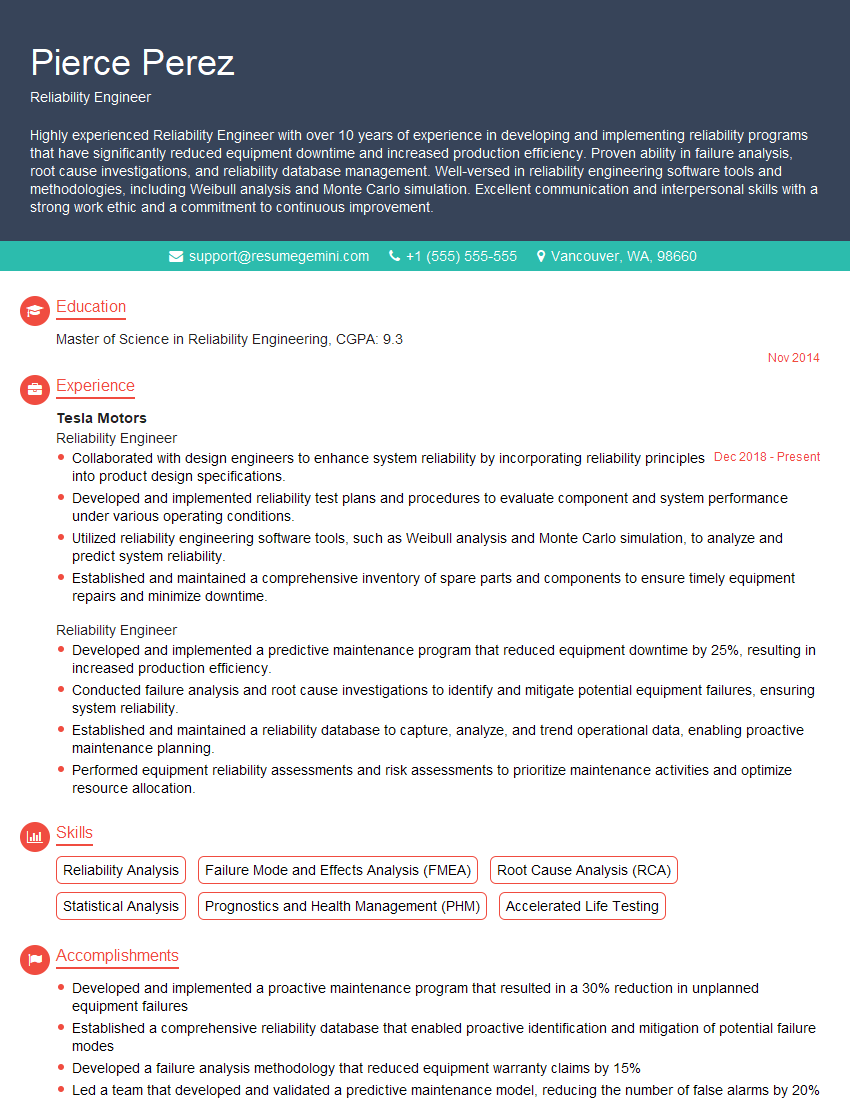
Reliability Engineer Resume Sample
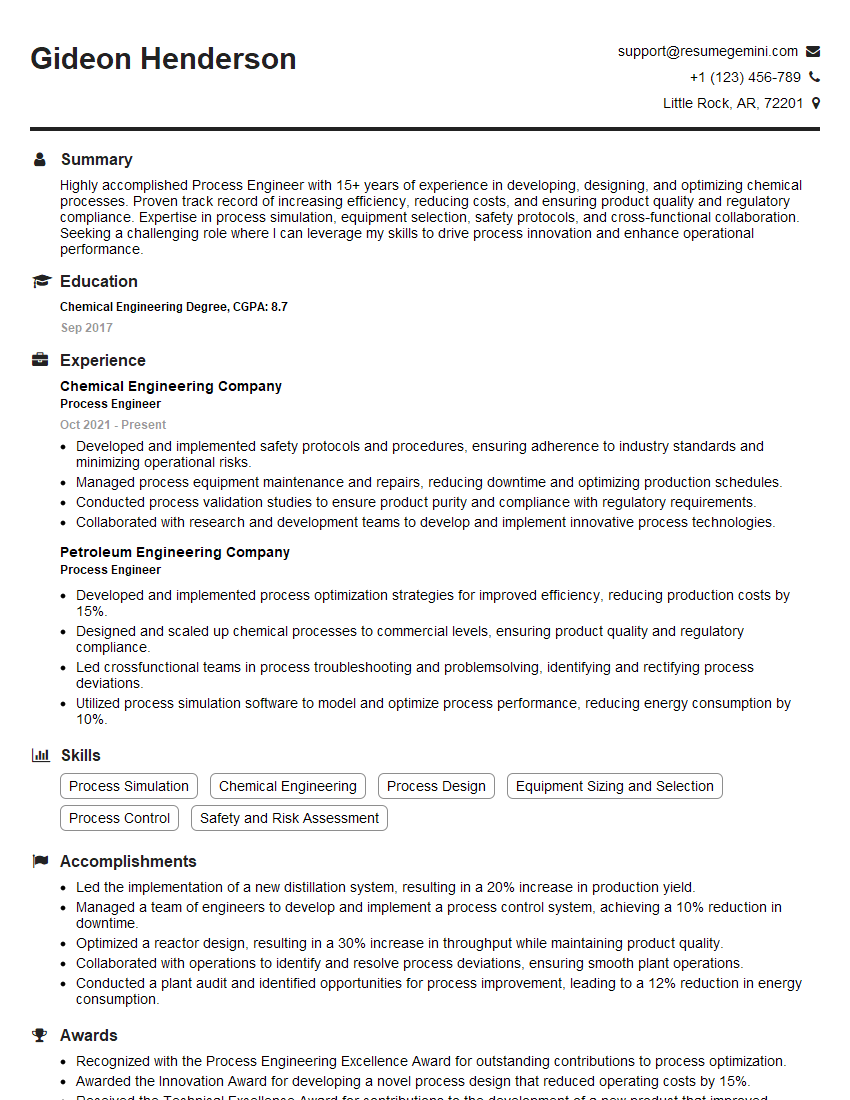
Process Engineer Resume Sample
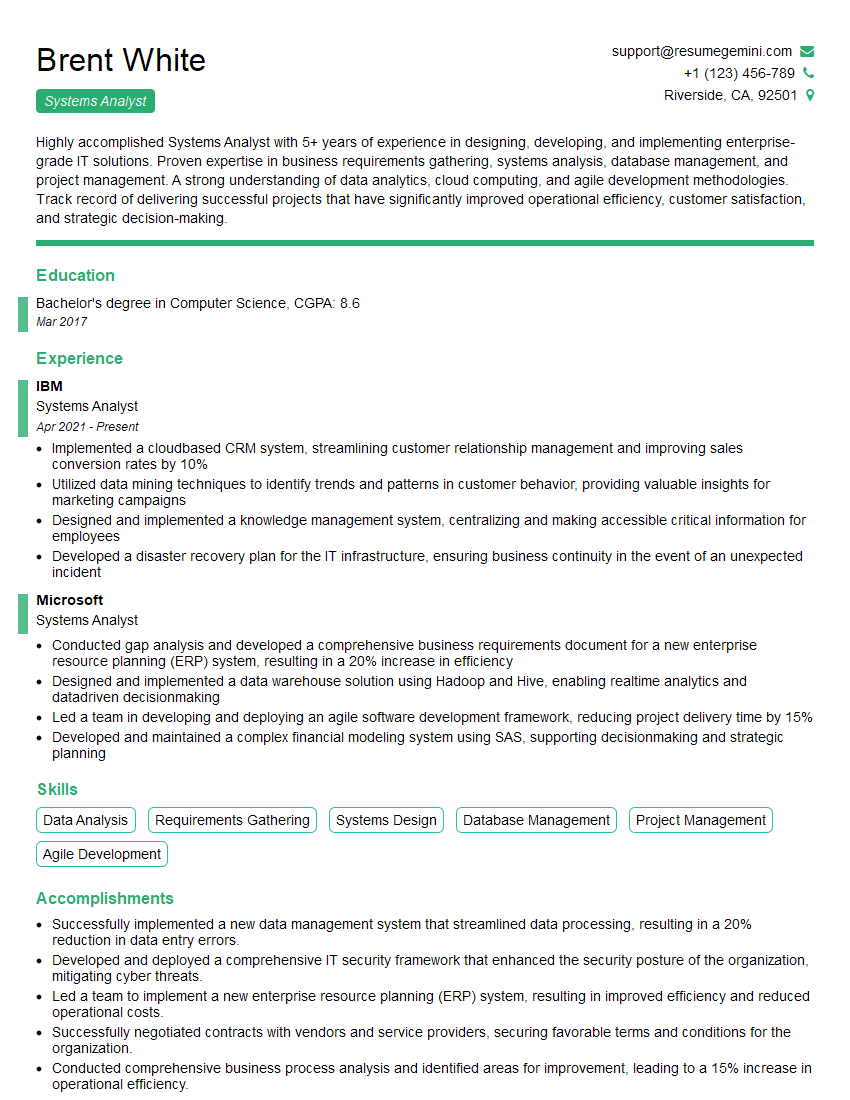
Systems Analyst Resume Sample
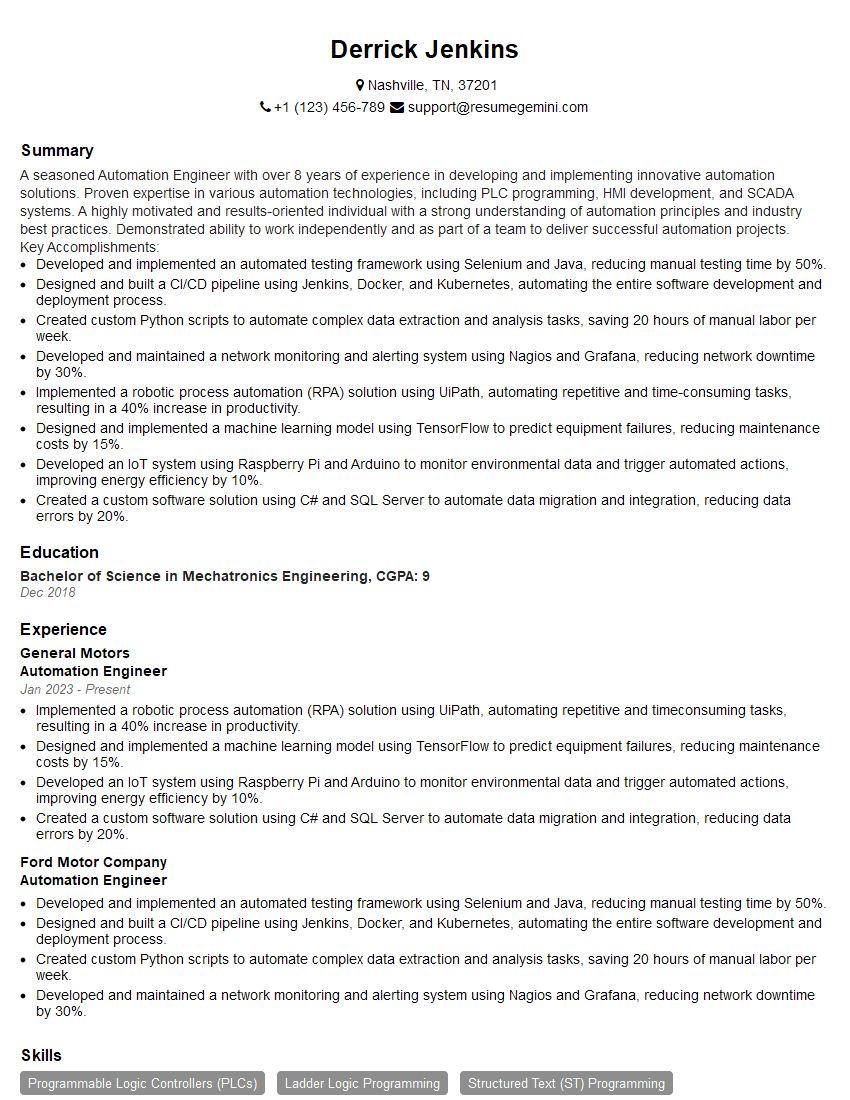
Automation Engineer Resume Sample
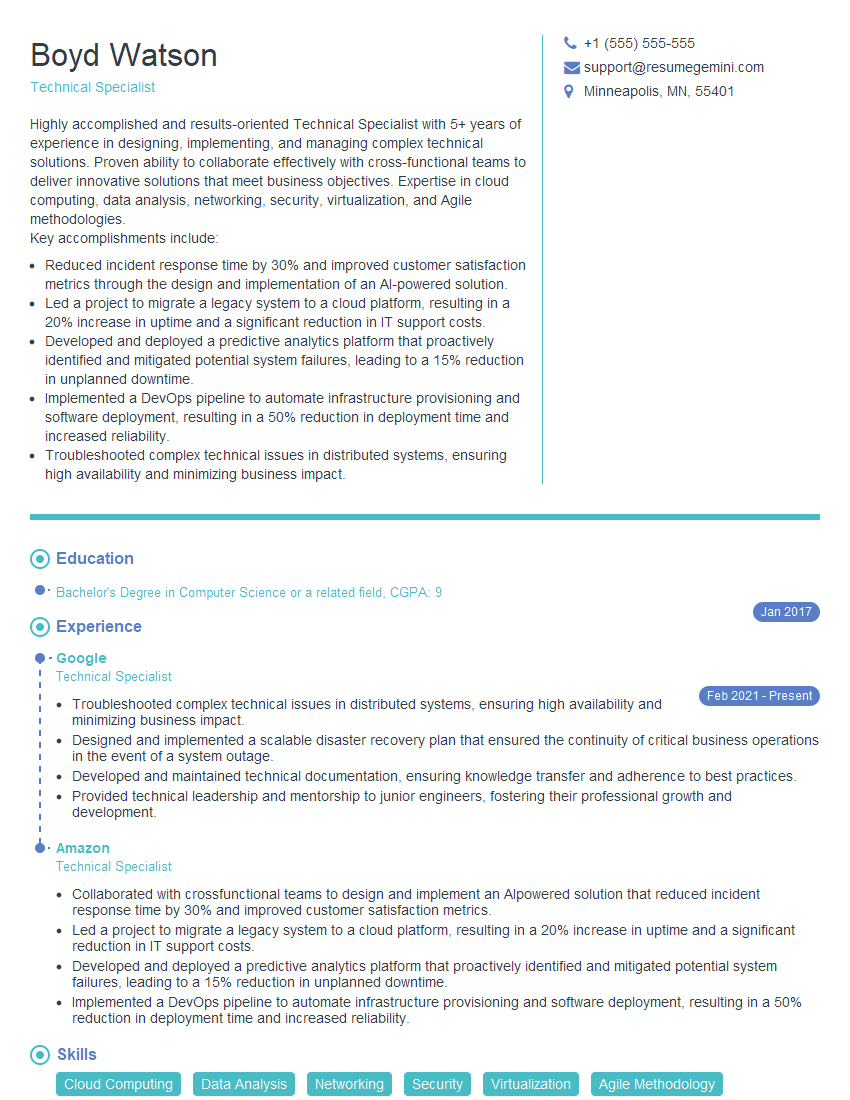
Technical Specialist Resume Sample
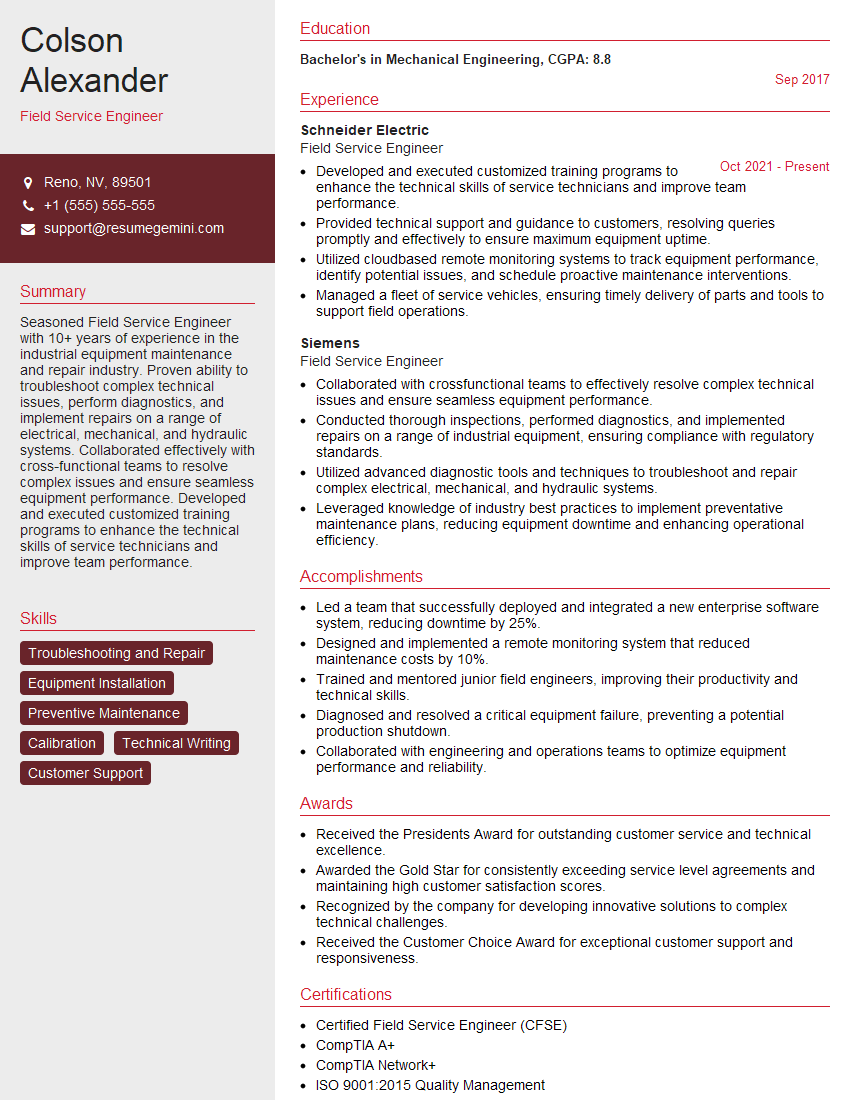
Field Service Engineer Resume Sample
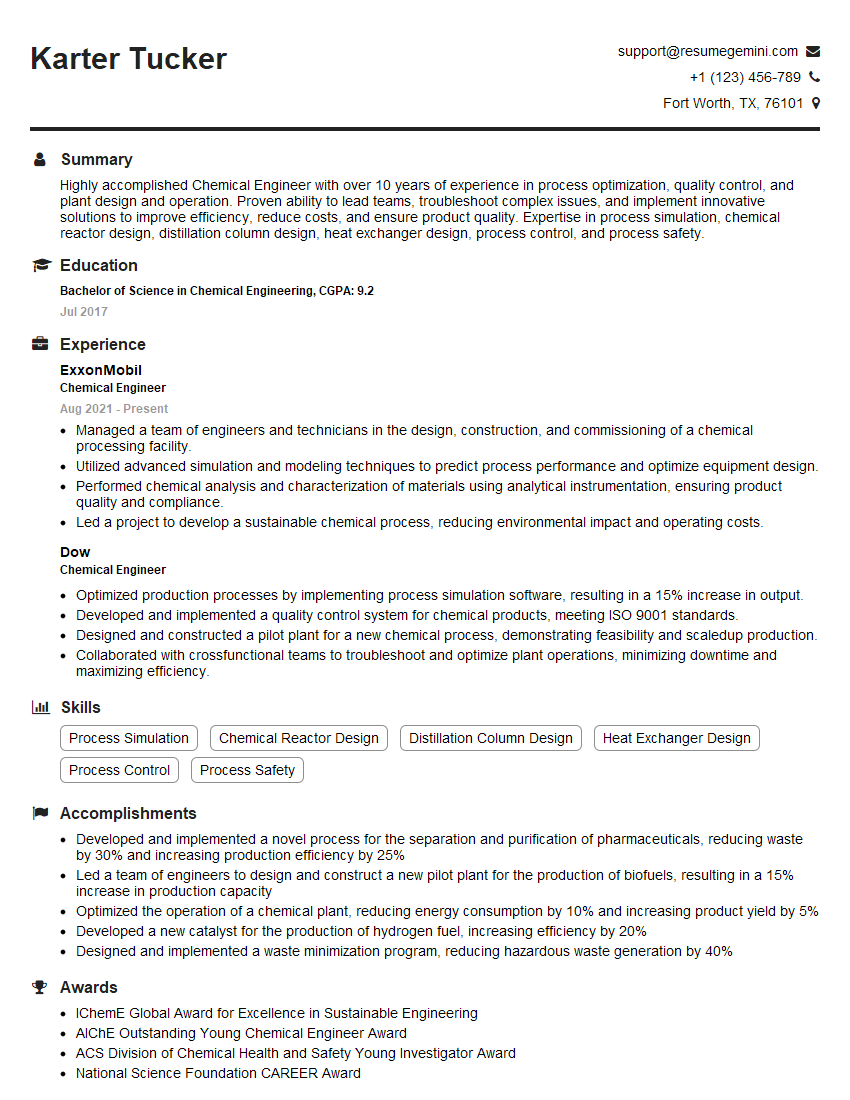
Chemical Engineer Resume Sample
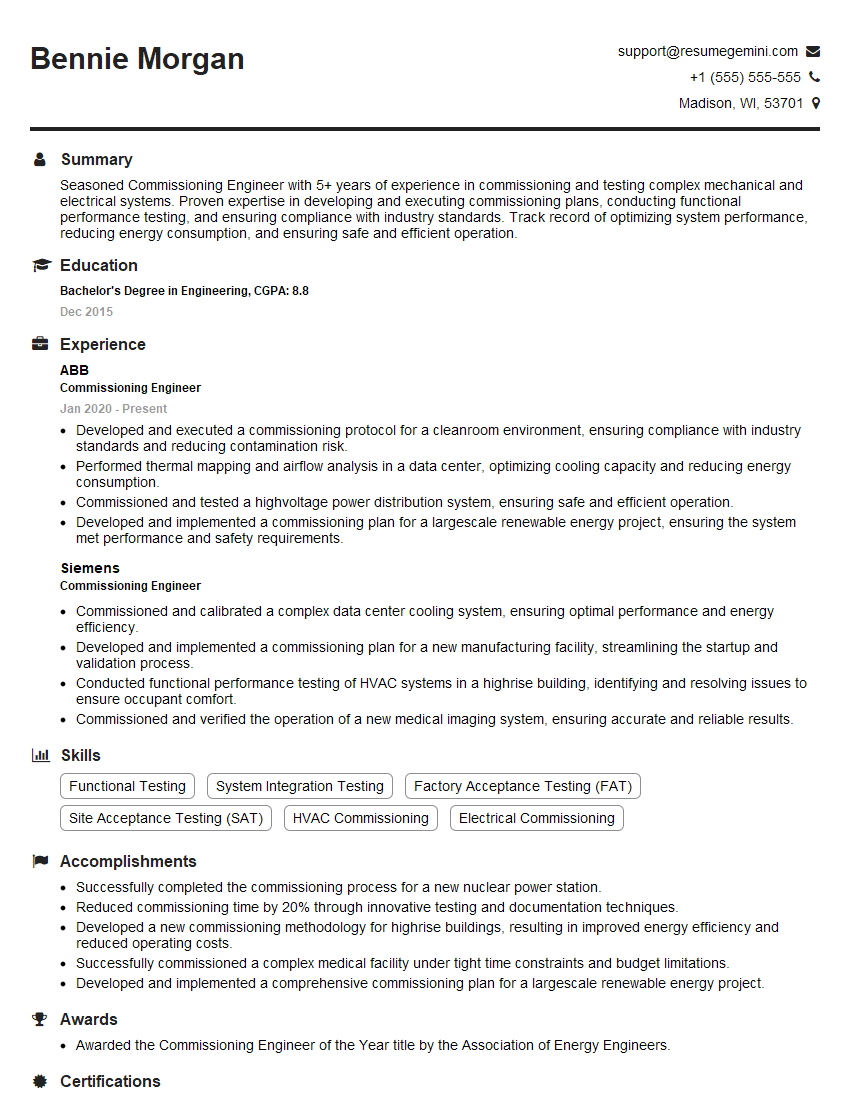
Commissioning Engineer Resume Sample
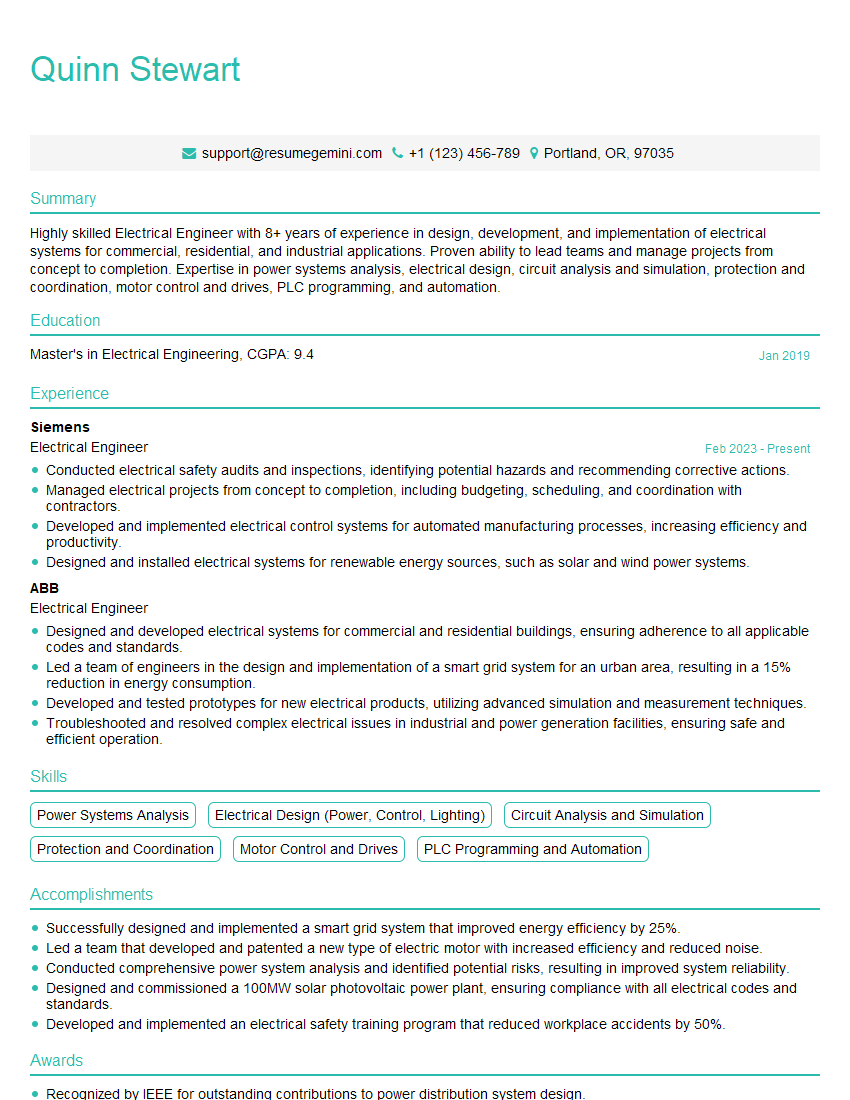
Electrical Engineer Resume Sample
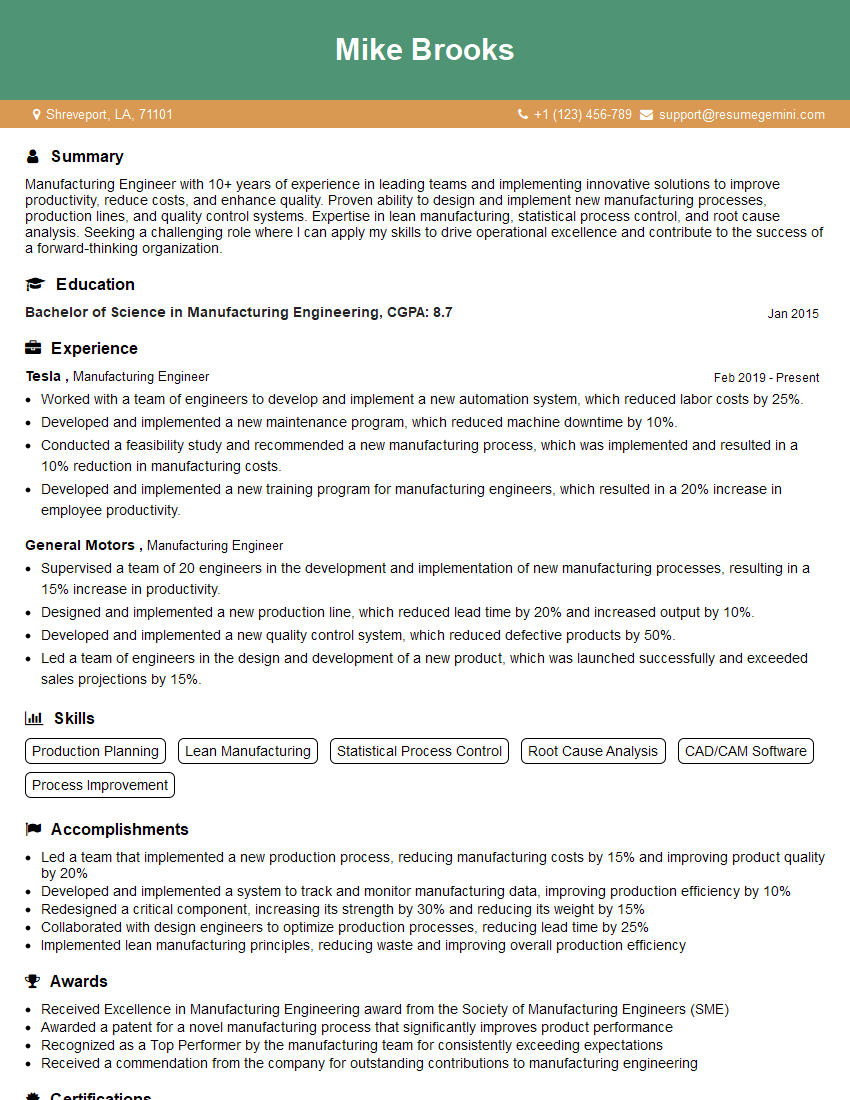
Manufacturing Engineer Resume Sample
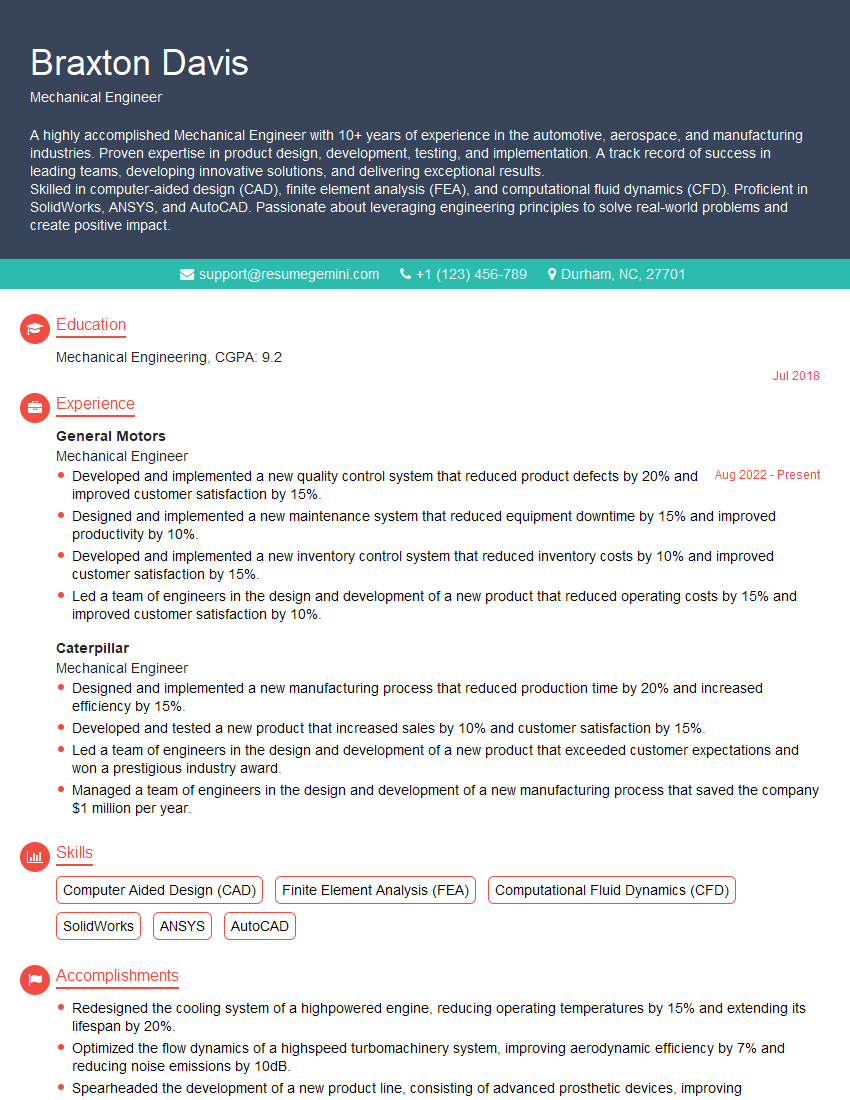
Mechanical Engineer Resume Sample
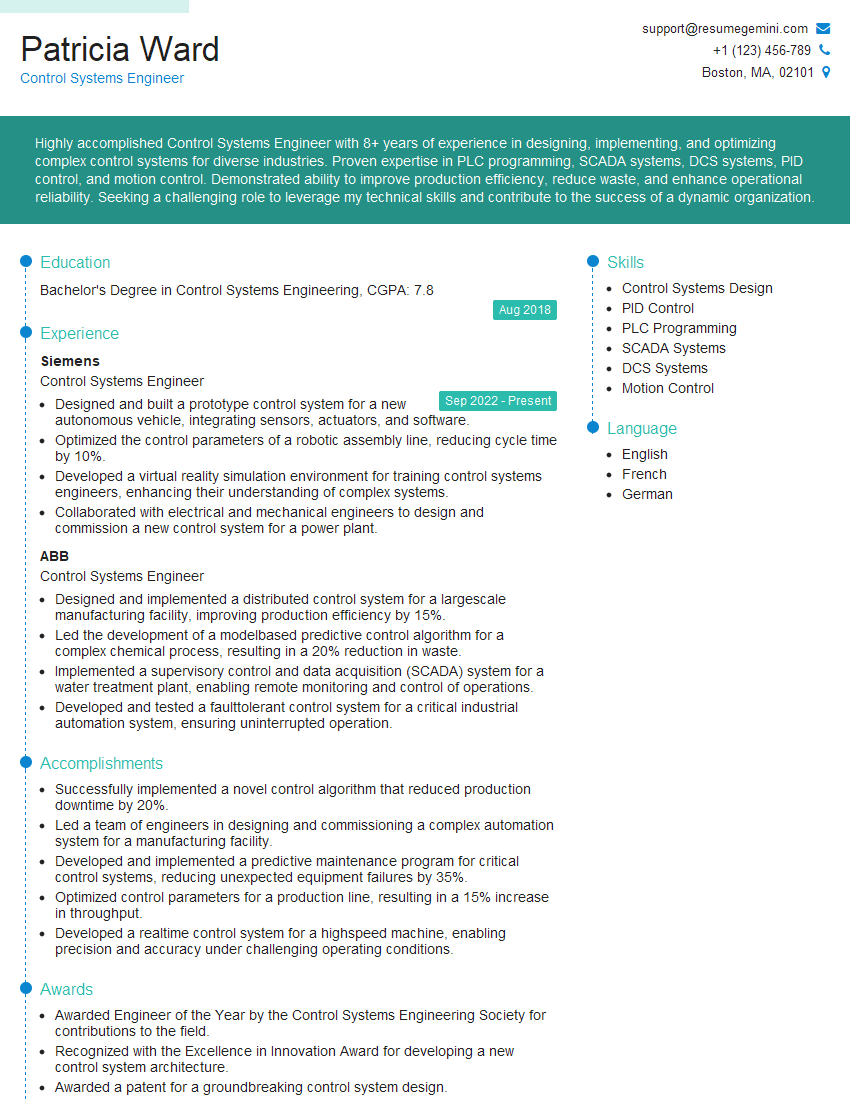
Control Systems Engineer Resume Sample
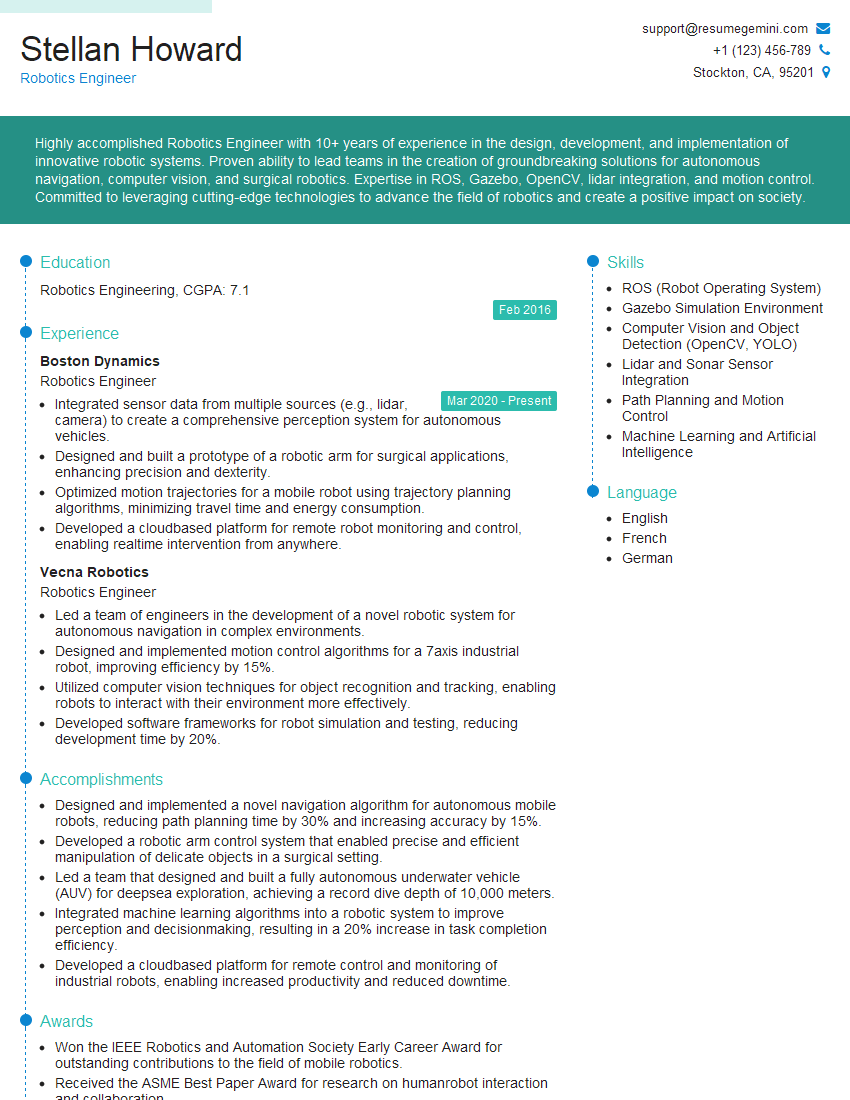
Robotics Engineer Resume Sample
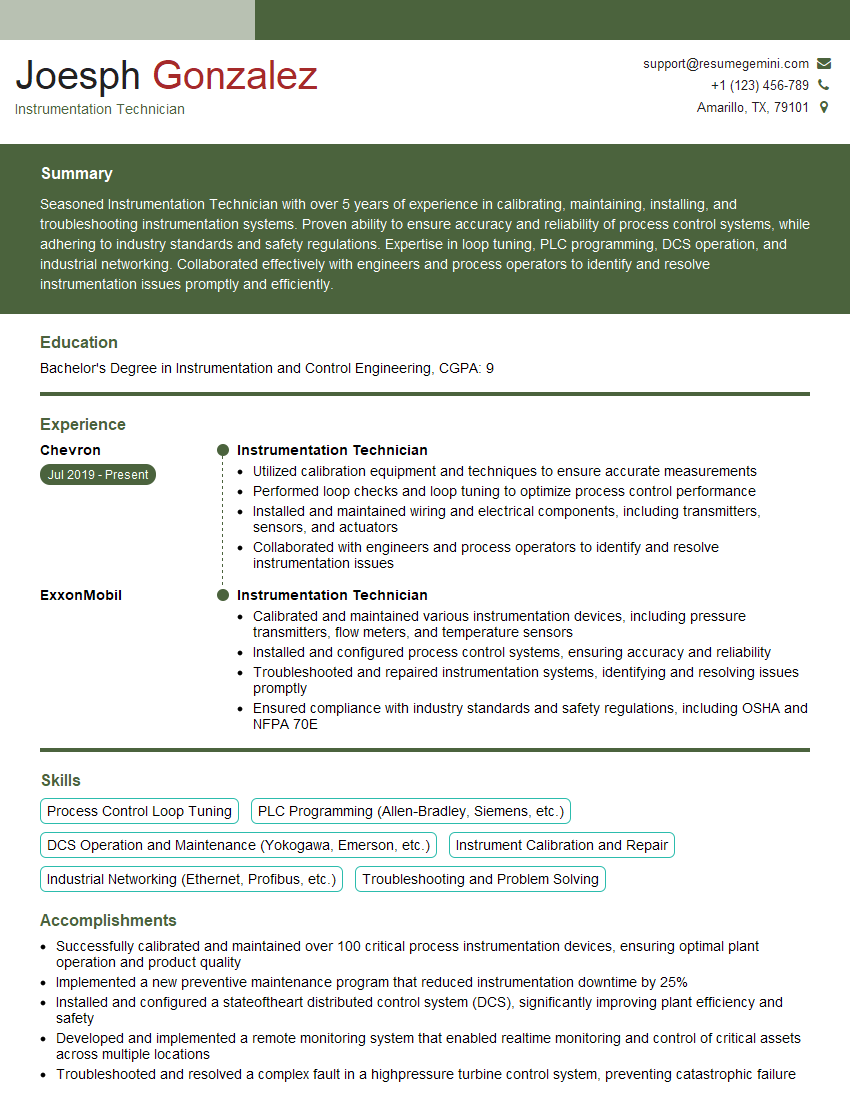
Instrumentation Technician Resume Sample
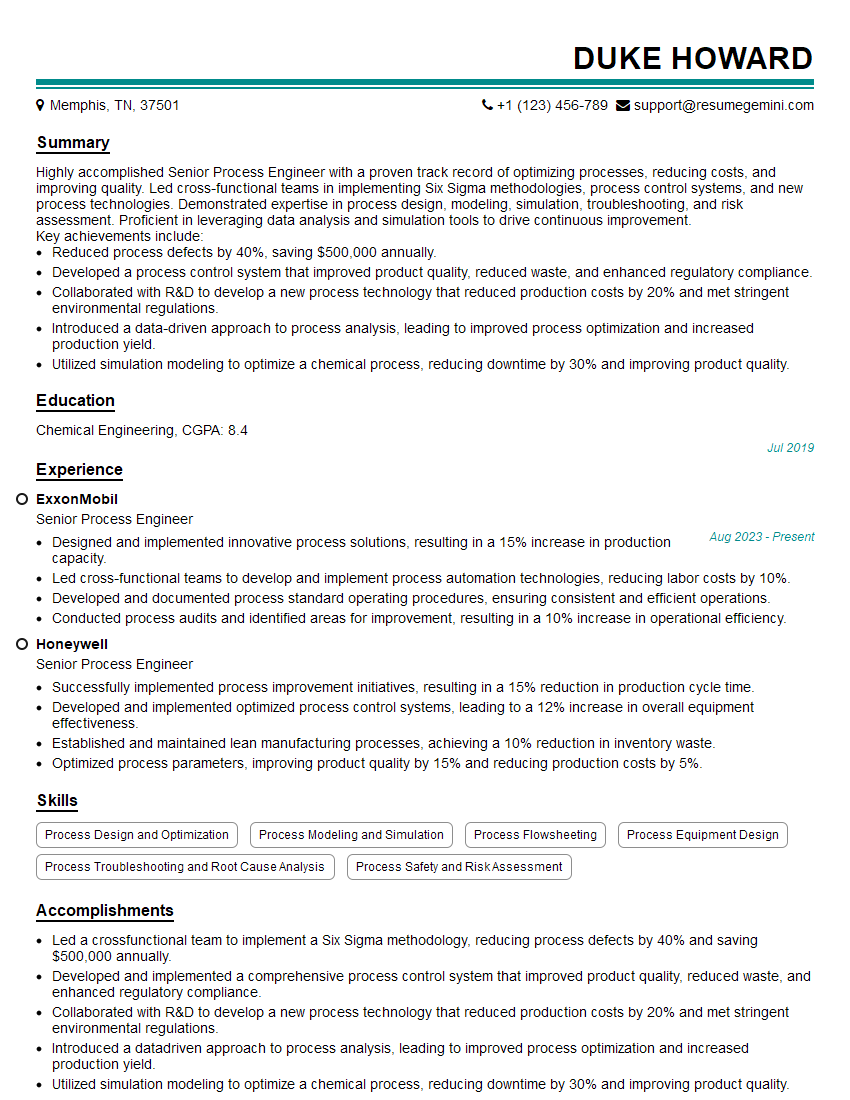
Senior Process Engineer Resume Sample
- Safety Manager
- Operations Manager
- Plant Manager
- Maintenance Manager
- Quality Control Manager
- Production Supervisor
- Project Manager
- Principal Engineer
- Reliability Engineer
- Process Engineer
- Systems Analyst
- Automation Engineer
- Technical Specialist
- Field Service Engineer
- Chemical Engineer
- Commissioning Engineer
- Electrical Engineer
- Manufacturing Engineer
- Mechanical Engineer
- Control Systems Engineer
- Robotics Engineer
- Instrumentation Technician
- Senior Process Engineer
Explore more articles
Users Rating of Our Blogs
Share Your Experience
We value your feedback! Please rate our content and share your thoughts (optional).
What Readers Say About Our Blog
Very informative content, great job.
good