Preparation is the key to success in any interview. In this post, we’ll explore crucial Dog Welfare and Management interview questions and equip you with strategies to craft impactful answers. Whether you’re a beginner or a pro, these tips will elevate your preparation.
Questions Asked in Dog Welfare and Management Interview
Q 1. Describe your experience in handling aggressive canine behavior.
Handling aggressive canine behavior requires a multifaceted approach prioritizing safety and understanding the root cause. It’s crucial to never approach an aggressive dog without proper training and ideally, with the assistance of a professional. My experience involves a thorough assessment to determine the triggers of aggression – is it fear-based, territorial, possessive, or dominance-related? Once the trigger is identified, we can tailor a behavior modification plan.
For instance, I worked with a German Shepherd who displayed resource guarding over his food bowl. We used desensitization and counter-conditioning, gradually approaching the bowl while offering high-value treats, associating the presence of humans with positive experiences. Simultaneously, management strategies were implemented, like feeding the dog in a separate, secure area to prevent access by other people or animals.
Another case involved a dog exhibiting fear-based aggression. This required a slow and gradual approach using positive reinforcement and building trust. We started with distance training, rewarding calm behavior from afar, slowly decreasing the distance over time, while managing exposure to potential stressors. This involved careful controlled introduction to new people and environments.
In all cases, consistent training and management, along with a strong understanding of canine body language, are paramount. Safety is always the top priority. If an aggressive dog poses an immediate threat, professional intervention and potentially muzzle training are necessary.
Q 2. Explain different methods of canine socialization.
Canine socialization is the process of exposing a dog to various sights, sounds, people, and other animals in a safe and controlled manner to help them develop appropriate social skills. Effective socialization is crucial during the puppy period (3-14 weeks) but continues throughout a dog’s life.
- Early Socialization: This involves controlled introductions to different stimuli, such as different people (children and adults), other dogs (of various sizes and breeds), and various environmental factors (e.g., noises, surfaces).
- Positive Experiences: Socialization should always be positive. Use rewards (food, praise) to associate positive feelings with new experiences. Avoid forcing interactions.
- Structured Playdates: Supervised playdates with well-socialized dogs of similar size and temperament are highly beneficial. Watch for signs of stress or overstimulation and intervene as needed.
- Puppy Classes: Enrolling in puppy classes provides opportunities for socialization within a structured, controlled environment, with a trainer to guide interactions.
- Gradual Exposure: Gradually expose your dog to different environments and situations, starting with those that are less stressful and gradually increasing the challenge.
Imagine teaching a child about different cultures – you wouldn’t throw them into a crowded marketplace immediately. Instead, you’d start with pictures, stories, and gradually increase exposure to more diverse environments. Canine socialization follows a similar principle, moving from less stressful to more challenging situations.
Q 3. What are the signs of canine stress or anxiety?
Canine stress and anxiety manifest in various ways, both behavioral and physical. Recognizing these signs is critical for addressing the underlying cause.
- Behavioral Signs: Excessive barking, whining, pacing, panting, destructive chewing, changes in appetite (increased or decreased), house soiling (even in housetrained dogs), hiding, changes in sleep patterns, increased clinginess, yawning, lip licking, avoidance of eye contact, changes in play behavior.
- Physical Signs: Dilated pupils, increased heart rate, trembling, muscle tension, tucked tail, flattened ears, piloerection (hair standing on end).
For example, a dog exhibiting excessive barking when left alone might be suffering from separation anxiety. A dog who avoids eye contact and cowers when approached might be displaying fear-based anxiety. It’s important to distinguish between normal behaviors and those indicating true distress. A one-time accident isn’t indicative of stress, but frequent accidents combined with other symptoms would raise a concern.
Q 4. How would you assess a dog’s temperament?
Assessing a dog’s temperament involves observing its behavior in various situations and utilizing standardized assessment tools. This process is crucial for responsible dog ownership and placement in appropriate homes.
My assessment involves observing a dog’s reaction to novel stimuli (new people, places, objects), its interaction with other dogs, its response to handling, and its general demeanor. I also consider the dog’s history, including its past experiences and training. This might include asking the owner questions regarding previous experiences that may have contributed to behavioral patterns.
I might use tools such as the Canine Temperament Test, observing the dog’s response to a series of controlled stimuli to gauge its reactivity and fear responses. This provides a structured approach to objectively assess the dog’s behavioral tendencies and risk factors. The overall goal is to obtain a holistic understanding of the dog’s personality to make informed recommendations regarding training, handling, and overall management.
Q 5. What are the key components of a safe and enriching kennel environment?
A safe and enriching kennel environment prioritizes the dog’s physical and psychological well-being. It shouldn’t be merely a place for confinement, but a comfortable and stimulating space.
- Safety: The kennel should be securely constructed, preventing escape and protecting the dog from injury. The floor should be non-slippery and comfortable.
- Comfort: Provide a comfortable bed, adequate bedding and a chew toy. The kennel should be sized appropriately for the dog, allowing it to stand, turn around and lie down comfortably.
- Cleanliness: Regular cleaning is crucial for hygiene and to minimize the risk of disease. Fresh water should always be available.
- Stimulation: Enrichment activities help to prevent boredom and stress. This can include puzzle feeders, interactive toys, and opportunities for scent work (e.g., a snuffle mat).
- Social Interaction: If the kennel houses multiple dogs, ensure compatible pairings to prevent aggression or stress. Dogs should have adequate space, especially if sensitive to overcrowding.
For example, a large kennel may accommodate several dogs, but if the dogs are not well-socialized, this can lead to stress and competition for resources. Conversely, a small, poorly constructed kennel can be unsafe and stressful for a dog.
Q 6. How do you handle a dog exhibiting separation anxiety?
Separation anxiety in dogs manifests as distress when separated from their owners. It can range from mild whining to destructive behaviors. Treatment involves a multi-pronged approach focusing on desensitization, counter-conditioning, and management strategies.
Desensitization involves gradually exposing the dog to the separation cues (e.g., putting on shoes, grabbing keys) without actually leaving. Reward calm behavior throughout this process. Counter-conditioning pairs the separation cues with positive associations like treats or a favorite toy.
Management strategies include creating a safe space for the dog (a comfortable kennel or designated area) and gradually increasing the duration of absences. Using calming aids, such as pheromone diffusers, can also be beneficial. Avoid comforting the dog when it’s distressed as this could reinforce the anxious behavior.
Finally, it’s crucial to rule out medical causes for the anxiety and seek veterinary advice as necessary. For severe cases, behavior modification programs or medication may be required. In some cases, a combination of these therapies may be most effective.
Q 7. Describe your experience with positive reinforcement training techniques.
Positive reinforcement training focuses on rewarding desired behaviors, making training more enjoyable and effective for both the dog and the trainer. I have extensive experience using this method, finding it far superior to punishment-based approaches, which can lead to fear and aggression.
Positive reinforcement utilizes rewards, such as treats, praise, or toys, to reinforce good behavior. For example, instead of punishing a dog for jumping on people, I would reward it for sitting calmly. The key is to clearly define the desired behavior and consistently reward its occurrence.
I employ a variety of positive reinforcement techniques, including:
- Clicker Training: Using a clicker to mark the exact moment a dog performs the desired behavior, immediately followed by a reward.
- Lure and Reward: Guiding the dog into the desired position using a treat, then rewarding the correct behavior.
- Shaping: Reinforcing successive approximations of the desired behavior until the complete behavior is achieved.
My experience shows that positive reinforcement builds trust and strengthens the bond between dog and owner, making training a positive and enjoyable experience. It’s a far more effective and humane approach than punishment-based methods.
Q 8. What are the common canine health issues and how are they managed?
Canine health issues are diverse, ranging from minor ailments to life-threatening conditions. Common problems include:
- Parasites: Fleas, ticks, heartworms, and intestinal worms are prevalent and can cause significant health problems if left untreated. Regular preventative medications and veterinary check-ups are crucial.
- Skin conditions: Allergies, infections, and mange are common, often requiring specific shampoos, medications, and dietary adjustments.
- Dental disease: Periodontal disease is incredibly common, leading to pain, infection, and even organ damage. Regular teeth brushing and professional cleanings are essential.
- Obesity: Overweight dogs are at increased risk for various health issues, including diabetes, arthritis, and heart disease. Proper nutrition and regular exercise are key.
- Joint problems: Hip and elbow dysplasia are hereditary conditions common in certain breeds, often requiring pain management and physical therapy.
- Cancer: Various types of cancer affect dogs, and early detection is crucial for effective treatment. Regular veterinary check-ups, including blood work, are recommended.
Management of these issues involves a multi-faceted approach, including preventative care (vaccinations, parasite prevention), regular veterinary check-ups, appropriate nutrition, and specific treatments tailored to the diagnosis. For example, a dog with heartworm requires a specific treatment protocol, while a dog with allergies may need a hypoallergenic diet and medication. Early intervention is always key to better outcomes.
Q 9. How do you identify and address potential health risks in a dog population?
Identifying potential health risks in a dog population requires a proactive and comprehensive approach. This includes:
- Regular veterinary examinations: Routine check-ups allow for early detection of diseases, abnormalities, and potential risks.
- Vaccination programs: Implementing appropriate vaccination protocols protects the population from contagious diseases.
- Parasite control: Implementing preventative measures against fleas, ticks, heartworms, and intestinal parasites is vital.
- Nutritional assessment: Ensuring proper nutrition minimizes the risk of obesity and related health problems.
- Environmental monitoring: Assessing the environment for potential hazards, such as toxins or infectious agents, is crucial.
- Genetic screening: For purebred populations, genetic testing can identify predispositions to certain hereditary diseases.
- Epidemiological studies: In large populations, epidemiological studies can pinpoint patterns and trends in disease occurrence, enabling targeted preventive measures.
Addressing identified risks involves implementing the appropriate preventative measures and treatment plans as needed. For instance, if a parasite infestation is detected, immediate treatment and preventative measures are implemented to protect the entire population. Similarly, a nutritional deficiency might call for dietary changes.
Q 10. What are the legal and ethical considerations in dog welfare?
Legal and ethical considerations in dog welfare are paramount. Legally, many jurisdictions have animal cruelty laws that prohibit neglect, abuse, and abandonment. These laws often specify requirements for housing, food, water, and veterinary care. Ethical considerations extend beyond legal mandates. They involve:
- Responsible breeding practices: Avoiding breeding dogs with known health issues, promoting responsible ownership, and discouraging irresponsible breeding practices.
- Euthanasia: Making humane euthanasia decisions in situations of severe suffering or incurable disease with veterinary guidance. Balancing compassion with responsible animal welfare.
- Research ethics: Ensuring that research involving dogs adheres to high ethical standards and minimizes any potential harm.
- Adoption and rehoming: Finding appropriate homes for dogs in need and ensuring proper screening and support for adopters.
Understanding and adhering to both legal and ethical guidelines is crucial for all involved in dog welfare, from breeders and shelters to veterinarians and owners. Ignorance of the law is no excuse for neglecting animal welfare. An example of a legal consideration could be ensuring sufficient space for a dog to prevent cruelty charges.
Q 11. Explain your understanding of canine body language.
Canine body language is complex and nuanced, but understanding the basics is crucial for responsible dog ownership and management. Key indicators include:
- Tail wags: While often associated with happiness, the context matters. A stiff, high wag can signify aggression, while a tucked tail might indicate fear or submission. A low, sweeping wag could be a sign of uncertainty.
- Ear position: Erect ears can show alertness or excitement, while flat ears often suggest fear or submission. Pinned-back ears can indicate aggression.
- Facial expressions: Whale eyes (showing the whites of the eyes), lip licking, yawning, and a lowered head are often signs of stress or anxiety.
- Posture: A dog that is stiff, tense, and has a raised hackles (fur along the spine) is likely feeling threatened or aggressive. A crouched posture with a lowered head usually indicates fear or submission.
- Vocalizations: Whining, barking, growling, and snarling all convey different messages.
Learning to read a dog’s body language helps prevent misunderstandings and potential problems. For example, recognizing a dog showing stress signals allows you to modify the environment or interaction to avoid a potential escalation.
Q 12. What is your experience with handling various dog breeds and their specific needs?
My experience encompasses a wide range of dog breeds, from small lapdogs like Chihuahuas to large working breeds like German Shepherds. Each breed has its own unique temperament, needs, and potential health concerns. For example:
- Small breeds often require more careful handling due to their fragility. They may be prone to dental issues and hypoglycemia.
- Large breeds are prone to certain orthopedic problems like hip and elbow dysplasia, requiring special attention to nutrition and exercise.
- Working breeds such as border collies, have high energy levels and require substantial mental and physical stimulation to prevent behavioral problems.
- Brachycephalic breeds such as Bulldogs, face respiratory challenges and require special care in hot weather.
Understanding these breed-specific needs allows for tailored care, preventing health problems and ensuring the dog’s overall well-being. For instance, a high-energy breed needs more extensive exercise routines than a low-energy breed.
Q 13. Describe your experience with administering medications to dogs.
Administering medications to dogs requires careful attention to detail and safety. My experience includes various methods, including:
- Oral medications: This often involves hiding pills in treats or using pill pockets. Some dogs may require the medication to be crushed and mixed with food.
- Topical medications: Applying creams, ointments, or sprays directly to the skin requires careful application to the affected area.
- Injectable medications: This requires sterile technique and knowledge of appropriate injection sites. This is generally performed by veterinarians.
- Eye and ear medications: Correct administration ensures the medication reaches the target area.
Safety always comes first. It is essential to accurately measure the correct dosage, carefully monitor the dog for any adverse reactions, and follow the veterinarian’s instructions precisely. For example, some medications need to be given with food, while others shouldn’t.
Q 14. How would you handle a dog bite incident?
Handling a dog bite incident requires immediate and appropriate action. The steps are:
- Ensure safety: Remove yourself and others from the immediate danger. If possible, safely restrain the dog.
- Assess the injury: Determine the severity of the bite. If it is a minor scratch or superficial wound, clean and bandage it. For severe bites, seek immediate medical attention.
- Seek medical attention: Deep wounds, significant bleeding, or bites to the face or neck require immediate medical attention. This is critical to prevent infection and potential complications.
- Report the incident: Depending on the circumstances and severity, report the incident to the appropriate authorities, such as animal control or law enforcement. If a child is involved, this step is extremely important.
- Follow-up care: If the dog is known, ensure it receives appropriate veterinary care, including rabies testing as mandated by local laws and regulations. Keep meticulous records of the incident.
Preventing dog bites through responsible ownership, training, and understanding canine behavior is paramount. Being aware of potential triggers that might cause aggressive behavior in a dog is also crucial.
Q 15. What is your knowledge of canine infectious diseases and their prevention?
Canine infectious diseases pose a significant threat to dog welfare. My knowledge encompasses a wide range of these diseases, including highly contagious ones like Canine Parvovirus, Canine Distemper, and Canine Influenza, as well as less common but equally serious conditions like Leptospirosis and Rabies. Prevention is paramount and relies heavily on a multi-pronged approach.
Vaccination: Core vaccines against diseases like Parvovirus, Distemper, and Rabies are crucial for all dogs. Additional vaccines, such as those for Leptospirosis and Kennel Cough (Bordetella bronchiseptica), may be recommended depending on the dog’s lifestyle and exposure risk. For example, dogs in shelters or boarding facilities require a higher level of protection due to close contact with other animals.
Parasite Control: Regular deworming and flea/tick prevention are essential. Internal parasites like heartworms can cause severe organ damage, while external parasites can lead to skin irritations, anemia, and the transmission of diseases. Different preventative measures are available; selecting the right one depends on the dog’s age, health, and environment.
Hygiene and Sanitation: Maintaining impeccable hygiene in kennels, dog runs, and other areas where dogs are housed is critical. Regular disinfection and cleaning practices help prevent the spread of infectious agents. This includes promptly cleaning up feces and urine, as well as disinfecting surfaces using approved veterinary-grade disinfectants. For example, in a shelter environment, proper waste disposal and frequent cleaning are non-negotiable.
Quarantine: Newly admitted dogs to a shelter or rescue should always be quarantined to monitor for any signs of illness before introducing them to the general population. This helps contain the spread of any potential infectious diseases and protects the health of the resident dogs.
By diligently following these preventive measures, the risk of infectious diseases can be significantly minimized, ensuring the health and well-being of the canine population under my care.
Career Expert Tips:
- Ace those interviews! Prepare effectively by reviewing the Top 50 Most Common Interview Questions on ResumeGemini.
- Navigate your job search with confidence! Explore a wide range of Career Tips on ResumeGemini. Learn about common challenges and recommendations to overcome them.
- Craft the perfect resume! Master the Art of Resume Writing with ResumeGemini’s guide. Showcase your unique qualifications and achievements effectively.
- Don’t miss out on holiday savings! Build your dream resume with ResumeGemini’s ATS optimized templates.
Q 16. Explain your understanding of canine nutrition and dietary requirements.
Canine nutrition is a complex field, and understanding a dog’s dietary requirements is critical for their overall health and well-being. It’s not a one-size-fits-all approach; needs vary greatly depending on factors like age, breed, activity level, and any underlying health conditions.
Life Stage: Puppies require diets higher in protein and calories to support their rapid growth. Adult dogs need a balanced diet to maintain their weight and overall health. Senior dogs may benefit from diets formulated for their specific needs, often with lower calories and adjusted nutrient profiles to support joint health and other age-related issues.
Breed Size and Activity Level: Larger breeds, for example, Great Danes, have different energy and nutrient requirements compared to smaller breeds like Chihuahuas. Similarly, highly active dogs will need more calories and protein than those leading sedentary lifestyles.
Nutritional Balance: A balanced diet includes high-quality protein sources (meat, poultry, fish), healthy fats, carbohydrates, and essential vitamins and minerals. Avoiding cheap fillers and artificial ingredients is key. Choosing a dog food from a reputable brand that meets the Association of American Feed Control Officials (AAFCO) standards is essential.
Individual Needs: Certain medical conditions, such as allergies or diabetes, require specialized diets. Consulting a veterinarian is crucial for tailored dietary recommendations. A dog with allergies might need a hypoallergenic food, while a diabetic dog might require a diet regulated in carbohydrate content.
I always prioritize providing dogs with high-quality, age-appropriate food that meets their individual nutritional needs. Regular monitoring of their weight, body condition, and overall health are integral to ensuring their diet remains appropriate and effective.
Q 17. How do you ensure the safety and well-being of dogs in your care?
Ensuring the safety and well-being of dogs in my care is my top priority. This involves a holistic approach, encompassing physical safety, environmental enrichment, and attentive observation.
Safe Housing: Providing clean, secure, and appropriately sized housing is vital. This includes well-maintained kennels or runs, free from hazards like sharp objects or potential escape routes. Dogs should be housed according to their temperament and compatibility to minimize the risk of conflict.
Environmental Enrichment: Dogs need mental and physical stimulation. This includes providing toys, opportunities for exercise and socialization (with careful consideration of compatibility), and creating a comfortable and enriching environment. We aim to minimize stress through positive handling and a consistent routine.
Health Monitoring: Regular observation for any signs of illness or injury is crucial. We watch for changes in behavior, appetite, or elimination patterns and respond promptly to any concerns. Regular veterinary check-ups are also essential.
Preventative Measures: Implementing strict hygiene protocols, parasite control, and vaccination programs significantly contribute to minimizing health risks. Regular disinfection and thorough cleaning routines are essential in group housing situations.
For example, we might implement a buddy system for anxious dogs, pair compatible playmates for socialization, or provide puzzle feeders to keep them mentally engaged. Our goal is to make their stay as comfortable and safe as possible, irrespective of their background or length of stay.
Q 18. What is your approach to conflict resolution with dog owners?
Conflict resolution with dog owners requires empathy, patience, and a strong understanding of both canine behavior and human emotions. My approach prioritizes open communication and collaboration.
Active Listening: I begin by attentively listening to the owner’s concerns without interruption, allowing them to fully express their perspective. This fosters trust and allows me to thoroughly understand the situation from their point of view.
Education and Information: I explain the dog’s behavior in clear, non-judgemental terms, using evidence-based information about canine body language and behavior. I avoid jargon and use analogies or relatable examples to help them understand.
Collaborative Problem Solving: Together, we brainstorm solutions tailored to the specific situation. This may involve providing training recommendations, suggesting behavioral modification techniques, or referring them to specialized resources like veterinary behaviorists.
Empathy and Support: I approach every interaction with empathy and understanding, acknowledging the challenges of dog ownership. Offering support and resources beyond the immediate problem can build stronger relationships and prevent future conflicts.
For instance, if an owner is frustrated by their dog’s aggression, I might explain how certain triggers might cause it and suggest training strategies like counter-conditioning or desensitization. It’s about empowering the owner to become a more effective and confident caregiver.
Q 19. Describe your experience with creating and implementing training plans for dogs.
Creating and implementing training plans requires a deep understanding of canine learning principles, such as positive reinforcement, and the ability to adapt to individual learning styles. My approach is always positive and reward-based.
Assessment: Before starting, I assess the dog’s current skill level, temperament, and any potential behavioral issues. This helps me create a customized plan that’s appropriate and effective.
Goal Setting: Clear, achievable goals are crucial. We start with small, manageable goals and gradually increase the difficulty as the dog progresses. For example, if the goal is to eliminate jumping, we might start with teaching the dog to sit politely at the door.
Positive Reinforcement: My approach is entirely reward-based, utilizing treats, praise, and toys to motivate and reinforce desired behaviors. I avoid punishment, which can be detrimental to the dog’s well-being and trust.
Consistency and Patience: Consistency is key for success. The plan should be consistently implemented by all individuals involved in the dog’s care. Patience is crucial, as dogs learn at their own pace.
Regular Evaluation: I regularly evaluate the plan’s progress, making adjustments as needed. This ensures that the training remains effective and enjoyable for both the dog and the owner.
For example, for a dog with separation anxiety, I might create a gradual desensitization plan, starting by leaving the dog alone for very short periods and gradually increasing the duration as they become more comfortable. I also work with owners to help them understand and manage the dog’s anxiety.
Q 20. How do you maintain accurate records and documentation for dogs under your care?
Maintaining accurate records is essential for responsible dog management. This helps track health information, behavioral changes, and other important details, ensuring the dogs receive the best possible care.
Individual Files: Each dog has a dedicated file containing all relevant information, including vaccination records, medical history, behavioral notes, and any special dietary requirements. This file serves as a comprehensive health and welfare record.
Digital and Physical Records: We utilize both digital and physical records to safeguard data and ensure accessibility. Digital records facilitate easy data sharing and analysis, while physical records serve as a backup.
Data Security: We maintain strict protocols to protect the privacy and security of all dog information. Access to these records is limited to authorized personnel only.
Regular Updates: All records are updated regularly to reflect any changes in the dog’s health, behavior, or other pertinent information. This includes regular updates after veterinary visits or significant behavioral changes.
Standardized Forms: We use standardized forms to ensure data consistency and ease of retrieval. These forms are designed to gather crucial information efficiently.
This meticulous record-keeping enables us to track trends, identify potential health problems early, and provide consistent, high-quality care to all dogs under our care. It also allows us to accurately report on our progress and impact to stakeholders and funding organizations.
Q 21. What are the common challenges in managing a dog shelter or rescue organization?
Managing a dog shelter or rescue organization presents numerous challenges, many of which are interconnected and require a holistic approach.
Limited Resources: Funding is often a significant constraint, affecting the quality of care, staffing levels, and available resources for veterinary care and enrichment programs.
High Intake and Limited Space: Shelters frequently face a surplus of animals, leading to overcrowding and increased stress on both staff and the animals themselves.
Finding Suitable Homes: Matching dogs with appropriate owners requires careful assessment of both the dog’s temperament and the potential adopter’s lifestyle and experience.
Staffing and Volunteer Management: Finding and retaining dedicated staff and volunteers is critical. The work can be emotionally demanding, requiring compassion, resilience, and effective management practices.
Disease Control: Preventing and managing infectious diseases necessitates a robust hygiene program, proactive veterinary care, and effective quarantine procedures. This is paramount to protect both the animals in care and the wider community.
Ethical Considerations: Making difficult decisions regarding animal euthanasia, particularly when faced with space limitations or untreatable medical conditions, poses significant ethical challenges. Open communication and transparent decision-making are crucial.
Successfully navigating these challenges often requires a strong leadership team, efficient organizational structure, strategic partnerships with other organizations, and a dedicated team committed to animal welfare.
Q 22. How would you handle a situation involving a lost or stray dog?
Finding a lost or stray dog requires a calm and systematic approach. Safety is paramount, both for the dog and for you. First, assess the situation: Is the dog exhibiting signs of aggression or distress? Is it injured? If it seems aggressive, maintain a safe distance and contact animal control immediately. If it’s approachable, try to gently observe its behavior from afar.
Next, I would attempt to approach the dog slowly, speaking in a soothing, quiet voice. I would avoid direct eye contact, which can be perceived as threatening, and offer a treat if I have one. If the dog is wearing a collar with identification tags, I’d contact the owner immediately. If not, I would take the dog to the nearest animal shelter or veterinary clinic. There, they can scan for a microchip, assess its health, and attempt to reunite it with its owner. Documentation of the event, including location, time, and the dog’s description, is crucial. I’d also post information about the found dog on local social media groups and lost pet websites.
For instance, I once found a small terrier mix trembling under a bush. Approaching slowly with a gentle voice and a piece of chicken, I managed to coax it out. Luckily, its collar had identification, and I was able to return it to a very relieved family.
Q 23. What is your experience with handling fearful or shy dogs?
Working with fearful or shy dogs requires patience, understanding, and a non-threatening approach. I’ve found that creating a safe, predictable environment is key. This means avoiding sudden movements, loud noises, and overwhelming stimuli. I build trust gradually, allowing the dog to approach me at its own pace. Positive reinforcement, using treats and praise, is essential. It’s about letting the dog dictate the interaction. Forcing interaction can be counterproductive and may increase fear.
Specific techniques I use include desensitization and counter-conditioning. For example, I might gradually expose a fearful dog to a trigger, like a loud noise, while pairing it with a positive experience, such as a tasty treat. The goal is to replace the negative association with a positive one. I also use body language cues to communicate calmness and non-threatening intentions: avoiding direct eye contact, keeping my posture relaxed, and speaking in a soft, calm voice. Every dog is different; some respond more quickly than others, but consistency and patience are always crucial.
One memorable case involved a severely abused dog who was terrified of human contact. It took months of slow, gentle interactions, building trust through positive reinforcement, before she would even allow me to pet her. It was a rewarding experience to witness her gradual transformation from a terrified animal to a happy, confident companion.
Q 24. Describe your experience with working collaboratively within a team focused on animal welfare.
Collaboration is essential in animal welfare. I have extensive experience working in multidisciplinary teams, including veterinarians, animal behaviorists, shelter staff, and volunteers. In my previous role, we collaborated on a community outreach program aimed at promoting responsible pet ownership, including workshops on dog training, responsible breeding, and the importance of spaying/neutering. Effective teamwork requires clear communication, shared goals, and mutual respect.
I’m skilled in facilitating open communication and ensuring that all team members’ opinions and expertise are valued. We utilized project management tools and regular meetings to track progress, address challenges, and ensure accountability. Success often hinges on our ability to leverage each member’s unique skills and experiences. For instance, in one project concerning a dog with severe separation anxiety, a collaborative approach involving the owner, a veterinary behaviorist, and myself ensured that the dog received appropriate veterinary care, behavior modification training, and supportive home adjustments.
Q 25. How do you stay updated on best practices in dog welfare and management?
Staying current in dog welfare and management is an ongoing process. I regularly read peer-reviewed journals, attend conferences and workshops (such as those offered by the American Veterinary Society of Animal Behavior and the Association of Professional Dog Trainers), and participate in continuing education courses. I also follow leading experts in the field and participate in online professional communities. This ensures I’m up-to-date on the latest research, best practices, and emerging trends in canine welfare and behavior.
I believe professional development is crucial, enabling me to continuously refine my skills and approach. New techniques and research constantly emerge, and keeping informed allows me to provide the best possible care for dogs under my supervision. For example, recent research on enrichment techniques for shelter dogs has significantly impacted how I design and implement environmental enrichment programs in my work.
Q 26. What are your salary expectations for this position?
My salary expectations for this position are commensurate with my experience and qualifications, taking into account the specific responsibilities and benefits offered. I’m open to discussing a competitive salary range based on the details of the position and industry standards.
Q 27. Describe your experience with emergency protocols in a canine setting.
Emergency protocols in a canine setting require swift and decisive action. My experience includes handling various emergencies, from minor injuries like cuts and scrapes to more serious situations like heatstroke, seizures, and suspected poisoning. I am trained in basic first aid and CPR for animals and know when and how to seek immediate veterinary care.
Our protocols always prioritize the safety of the animal and the staff involved. This means having a clear chain of command and well-defined procedures for assessing the situation, providing immediate care, contacting emergency services, and documenting the incident. We maintain updated emergency contact lists and ensure all staff are adequately trained. For example, in the case of a dog exhibiting signs of heatstroke, we have established procedures for immediate cooling and transportation to a veterinary clinic. Proper documentation of the event is crucial for both legal and medical purposes. This includes recording the time, the dog’s symptoms, the actions taken, and the veterinary care received.
Q 28. What are your strengths and weaknesses regarding dog welfare and management?
My strengths lie in my ability to build rapport with dogs, even those who are fearful or aggressive, through patience, understanding, and a positive reinforcement approach. I am highly organized, detail-oriented, and able to manage multiple tasks efficiently, and possess a deep understanding of canine behavior and welfare. I am also proficient in developing and implementing successful training programs.
One area I am continually working on is delegation. As a dedicated and thorough individual, I sometimes find it challenging to relinquish tasks, but I recognize the importance of effective team work and efficient time management. I am actively seeking opportunities to develop my leadership and delegation skills to better manage large-scale projects and teams.
Key Topics to Learn for Your Dog Welfare and Management Interview
Preparing for a Dog Welfare and Management interview requires a multifaceted approach. Success hinges on demonstrating a deep understanding of both the theoretical foundations and practical applications of this vital field. This section outlines key areas to focus your studies.
- Animal Behavior and Psychology: Understanding canine behavior, including communication, socialization, and common behavioral issues (e.g., aggression, anxiety). Practical application: Developing appropriate training and enrichment plans for diverse canine populations.
- Animal Health and Welfare: Recognizing signs of illness and injury in dogs; understanding preventative care, nutrition, and hygiene protocols. Practical application: Implementing effective health management programs in shelters or kennels.
- Shelter Management and Operations: Efficient handling of intake, assessment, and placement of animals; knowledge of relevant legislation and ethical considerations. Practical application: Optimizing shelter workflow to enhance animal welfare and adoption rates.
- Dog Handling and Restraint Techniques: Safe and humane methods for handling dogs of various sizes, breeds, and temperaments; understanding stress indicators and minimizing animal discomfort. Practical application: Demonstrating safe and effective handling techniques in different settings.
- Legislation and Ethics: Familiarity with relevant animal welfare laws, regulations, and ethical guidelines. Practical application: Ensuring compliance with legal requirements and upholding ethical standards in all aspects of your work.
- Disaster Preparedness and Response: Understanding protocols for managing animals during emergencies and natural disasters. Practical application: Developing and implementing emergency response plans for animal shelters or other relevant organizations.
Next Steps: Launch Your Career in Dog Welfare and Management
Mastering Dog Welfare and Management is key to unlocking exciting career opportunities in a field dedicated to improving the lives of animals. A strong understanding of these concepts will significantly enhance your interview performance and open doors to rewarding roles.
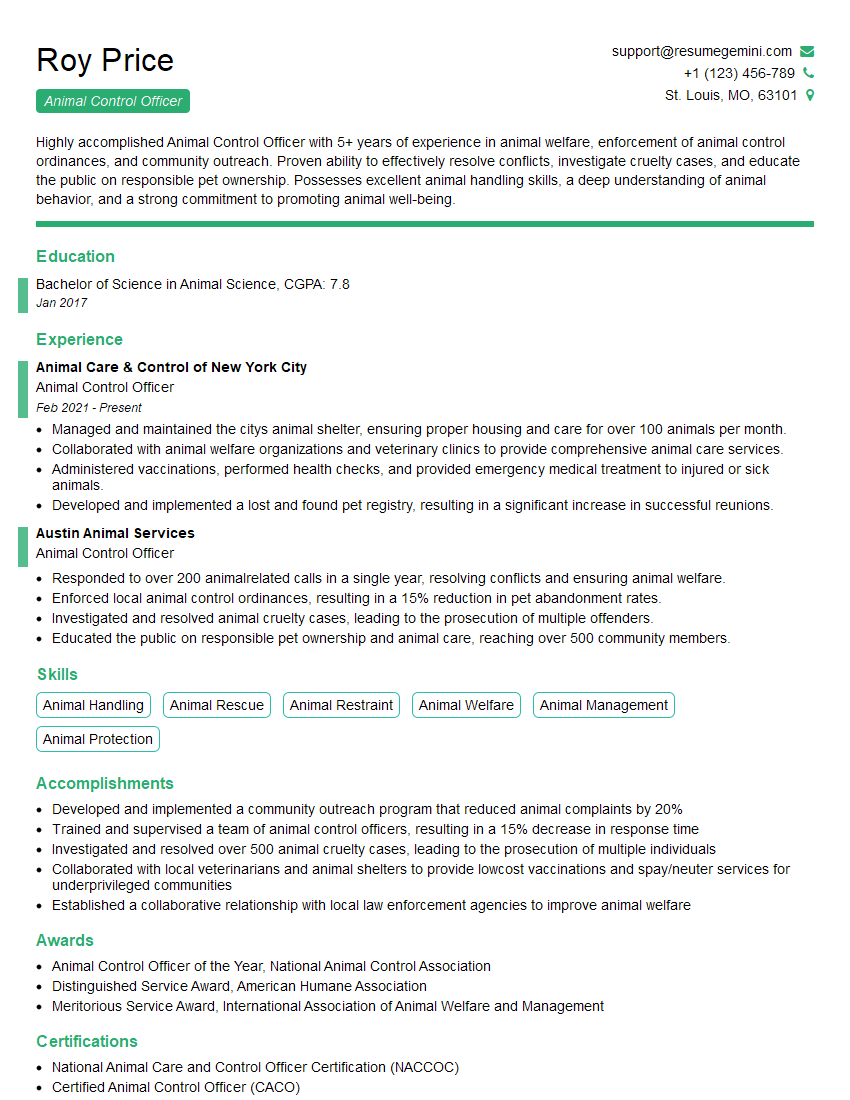
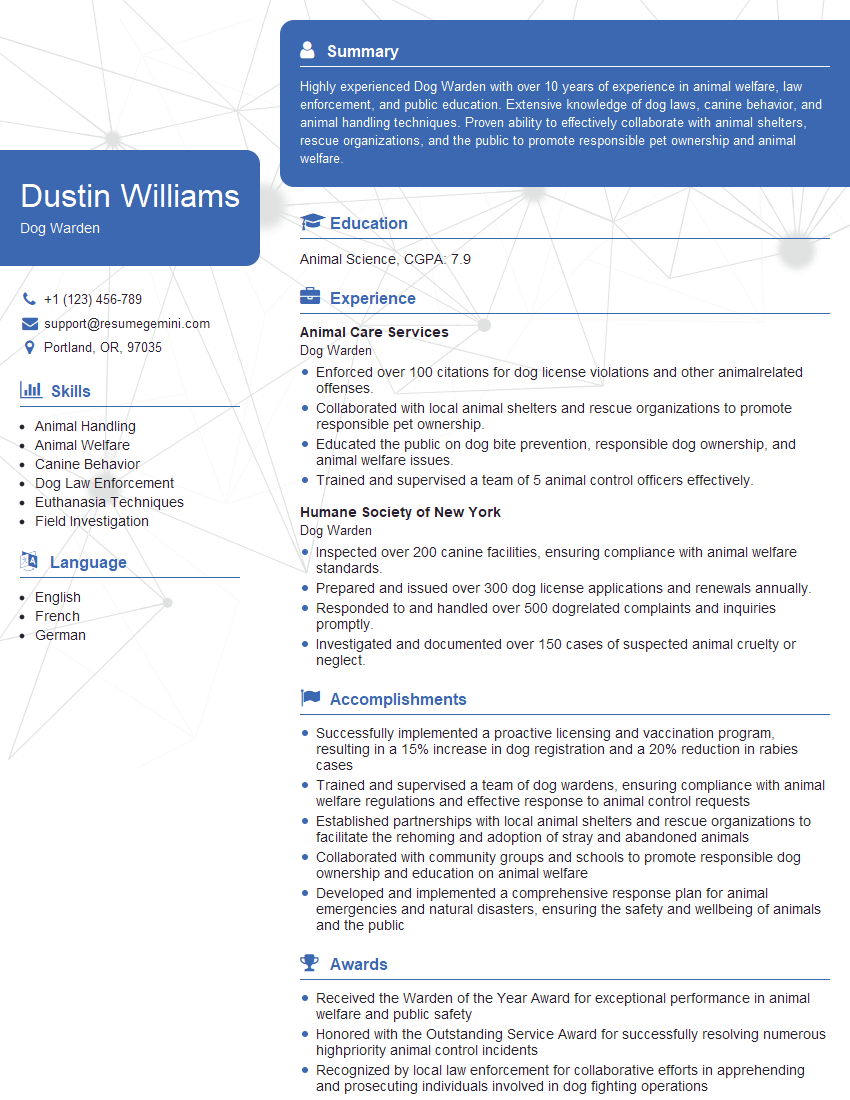
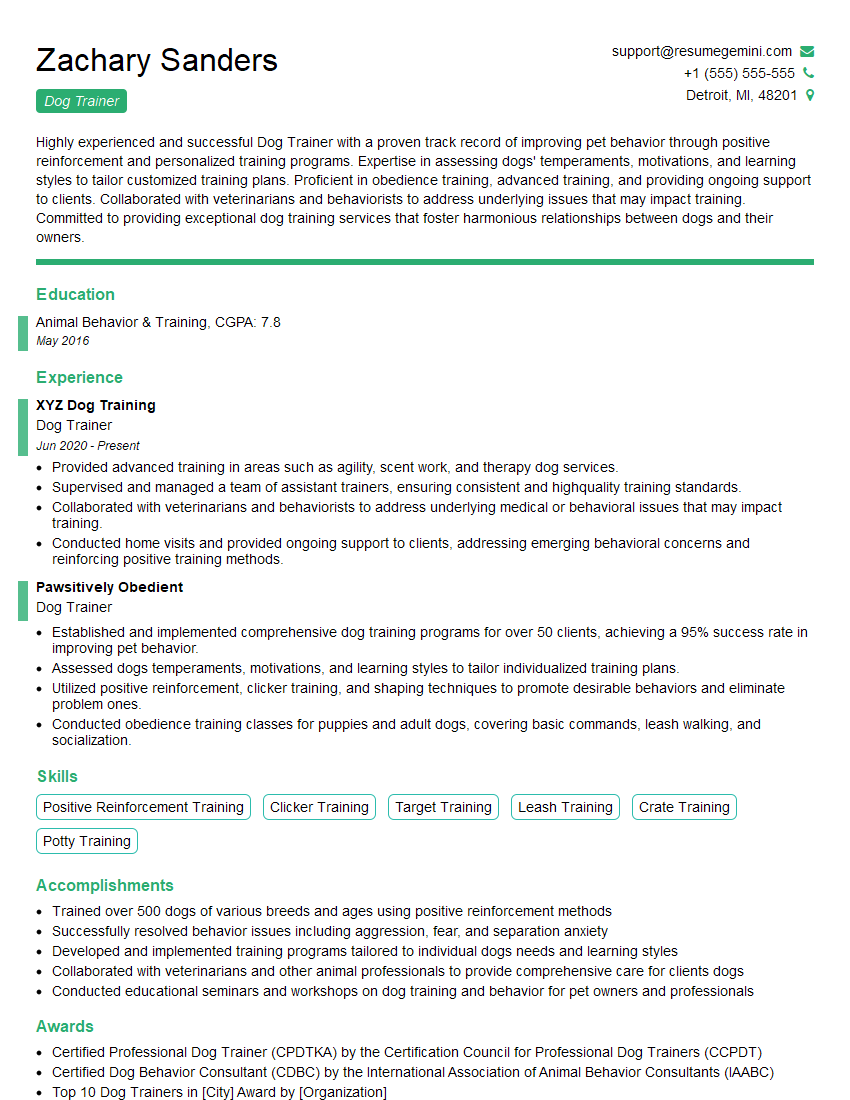
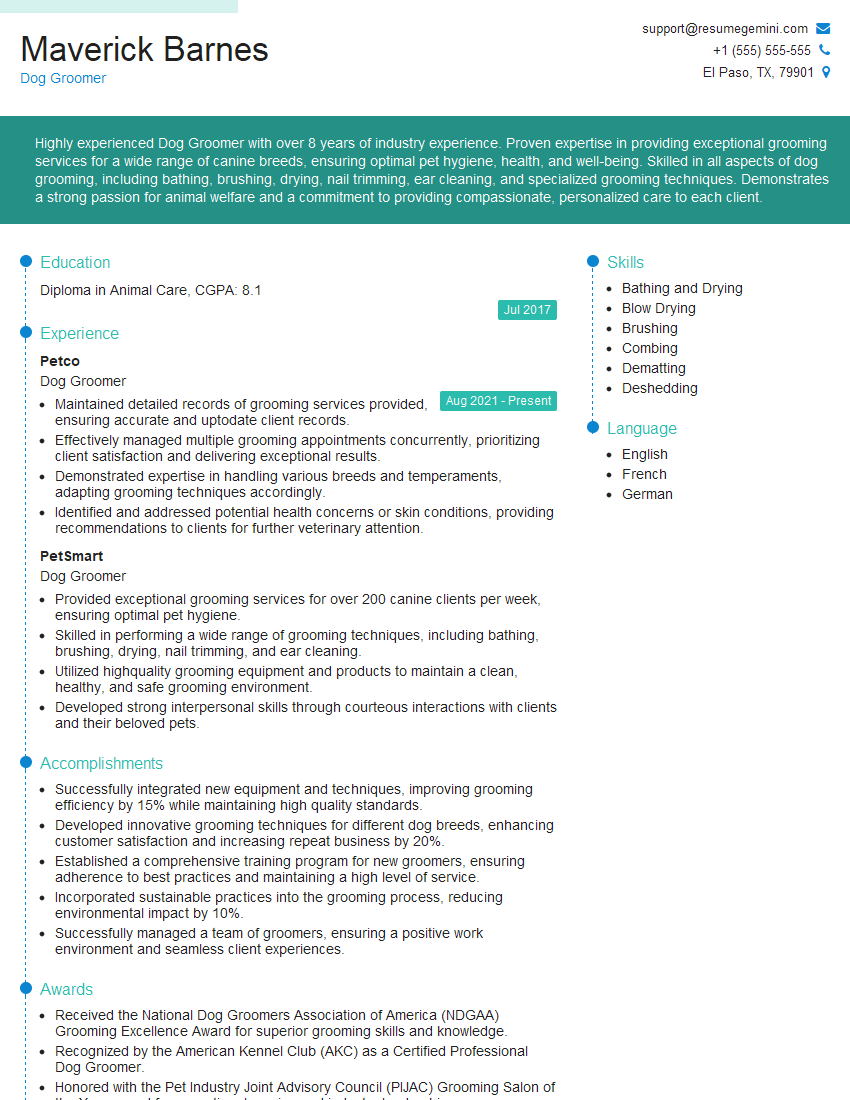
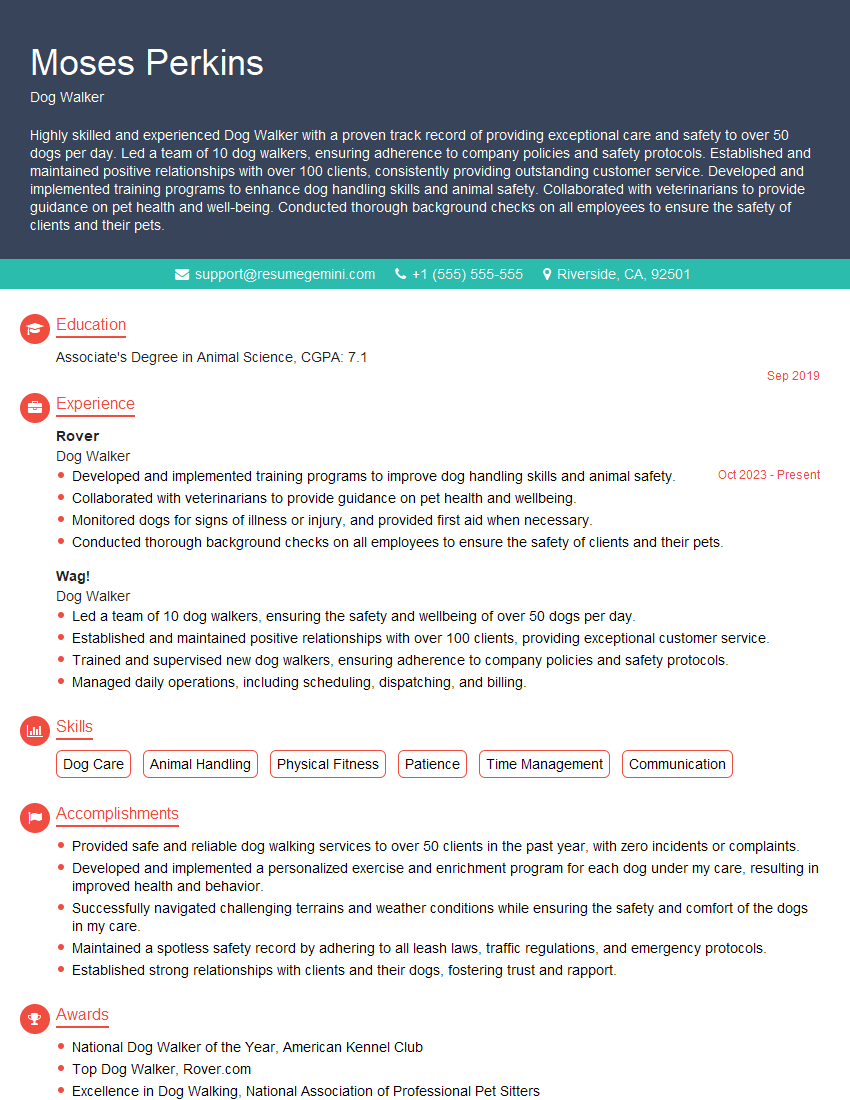
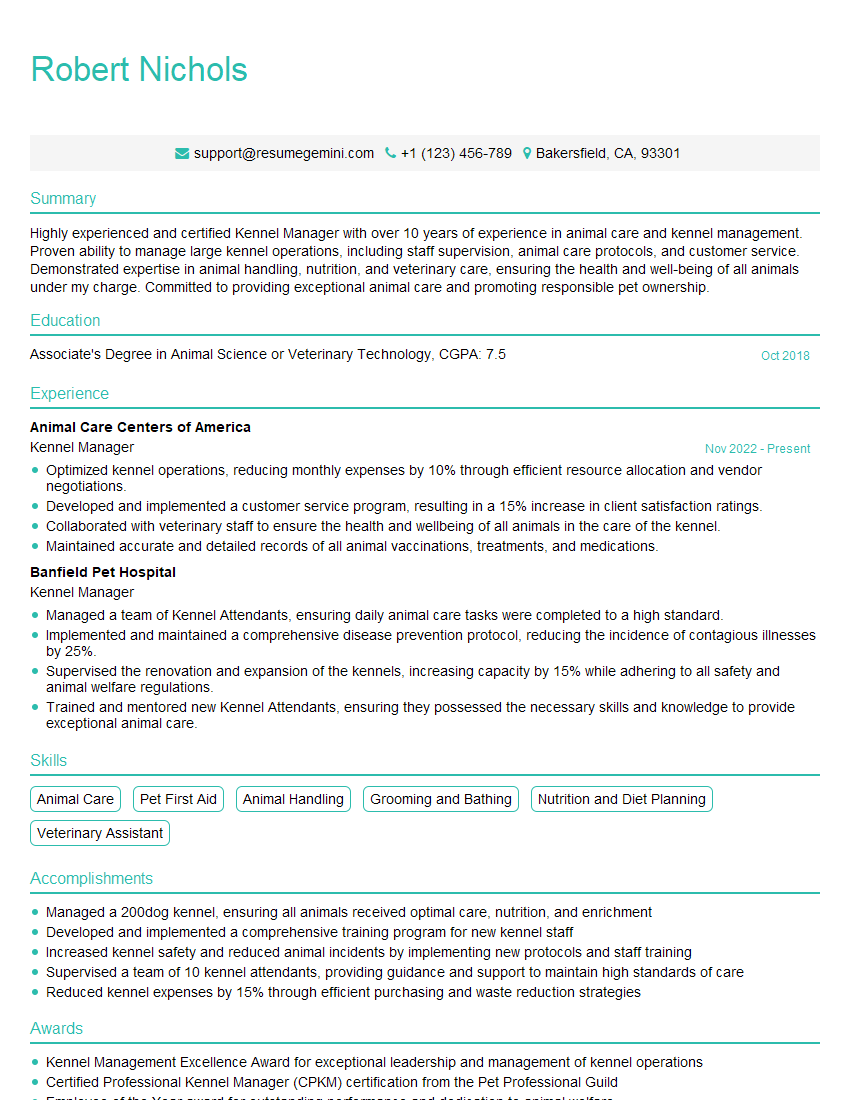
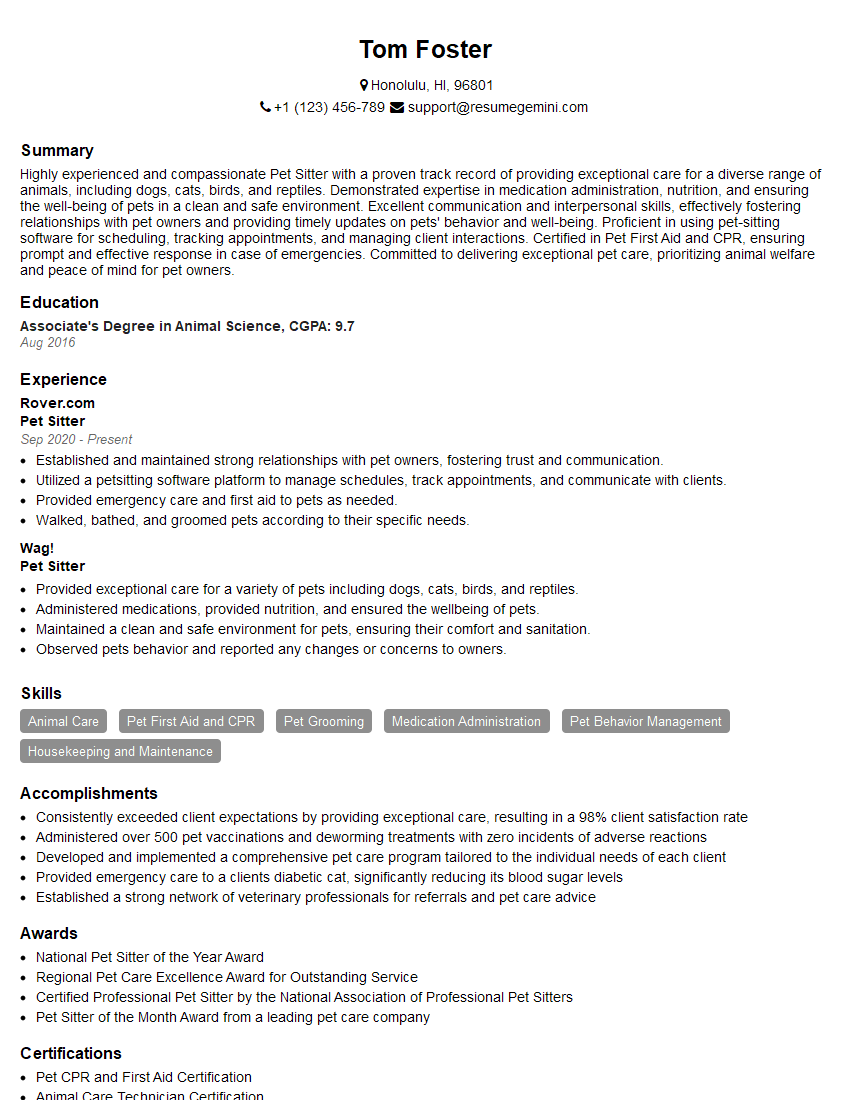
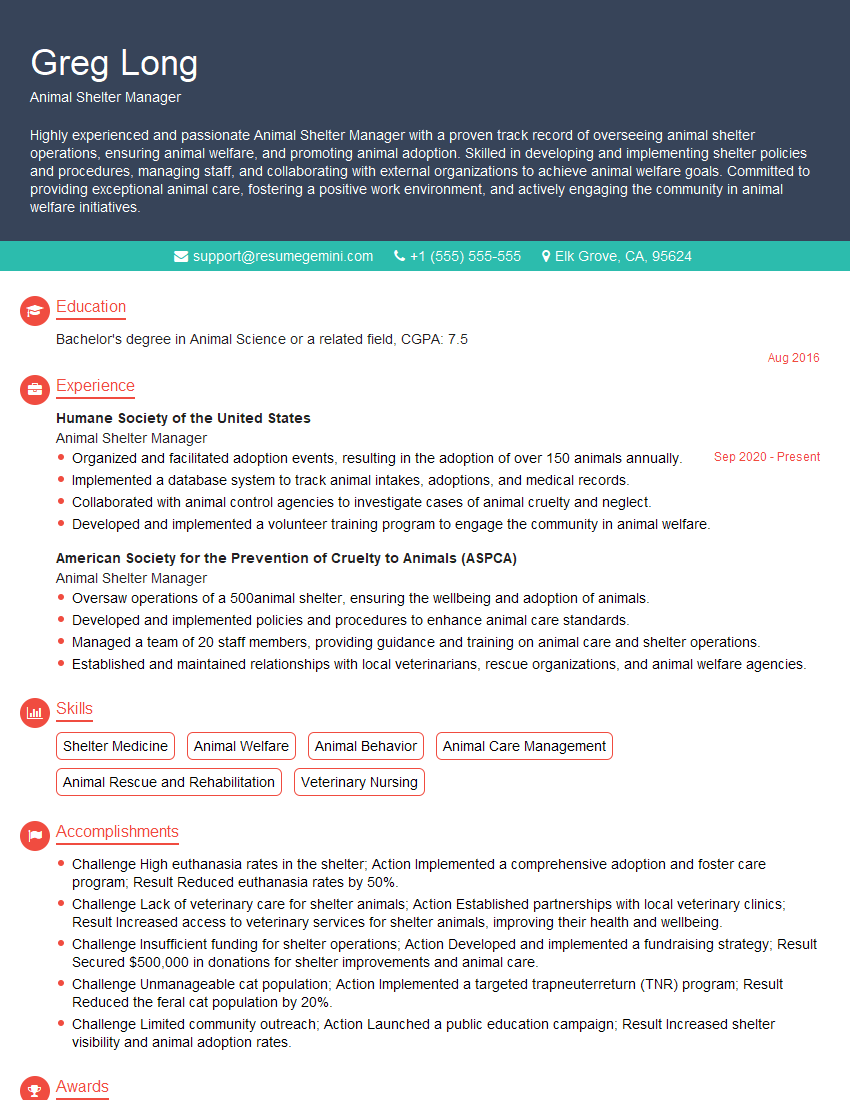
To maximize your chances of securing your dream position, focus on creating an ATS-friendly resume that effectively showcases your skills and experience. ResumeGemini is a trusted resource to help you build a professional and impactful resume that grabs the attention of recruiters. They provide examples of resumes tailored to the Dog Welfare and Management field, allowing you to craft a document that specifically addresses the requirements of your target roles. Take the next step toward your career goals—build your winning resume with ResumeGemini today!
Explore more articles
Users Rating of Our Blogs
Share Your Experience
We value your feedback! Please rate our content and share your thoughts (optional).
What Readers Say About Our Blog
Very informative content, great job.
good