Interviews are opportunities to demonstrate your expertise, and this guide is here to help you shine. Explore the essential Dolly and Hand Truck Operation interview questions that employers frequently ask, paired with strategies for crafting responses that set you apart from the competition.
Questions Asked in Dolly and Hand Truck Operation Interview
Q 1. What are the different types of dollies and hand trucks?
Dollies and hand trucks come in a variety of types, each designed for specific tasks and load capacities. The key differences often lie in their design and intended use.
- Platform dollies: These are flat platforms with wheels, ideal for moving relatively flat, stable loads like boxes or furniture. They’re simple, easy to use, and come in various sizes.
- Hand trucks (also called two-wheelers): These have a vertical handle and two wheels, typically used for moving heavier, more awkwardly shaped loads. The load is balanced on the platform between the wheels. Variations include furniture hand trucks with special features to protect furniture.
- Four-wheel dollies: Offering greater stability than two-wheelers, these are excellent for heavier or wider loads and are often used in warehouses or industrial settings.
- Specialized dollies: There are dollies designed for specific applications, such as appliance dollies with straps for secure transport of refrigerators or washing machines, or drum dollies for moving barrels.
Choosing the right type depends entirely on the load’s weight, size, shape, and the environment in which you’re working. For example, a lightweight platform dolly is perfect for moving boxes across a smooth floor, whereas a heavy-duty four-wheel dolly might be better suited for transporting large equipment across uneven terrain.
Q 2. Describe the proper lifting techniques when using a dolly or hand truck.
Proper lifting techniques are crucial to prevent injury when using dollies or hand trucks. Think of it like this: you’re not just moving the load, you’re also moving your own weight, so good posture is key.
- Assess the load: Before you even touch it, make sure you can safely handle the weight.
- Get a good grip: Use your legs, not your back. Bend your knees and keep your back straight. Avoid twisting your body.
- Lift with your legs: Engage your core muscles and lift smoothly using your leg strength.
- Maintain a stable base: Keep your feet shoulder-width apart for good balance.
- Guide the load: Keep the load close to your body as you lift and move it onto the dolly or hand truck.
- Use straps or other securing devices whenever possible, especially for unstable loads.
Imagine trying to lift a heavy box; bending at the waist is a recipe for back pain. Instead, bend your knees, keeping your back straight, and lift using your powerful leg muscles. This approach minimizes strain and makes the lifting process much safer and easier.
Q 3. How do you assess the weight of a load before moving it with a dolly or hand truck?
Accurately assessing the weight of a load is paramount before moving it. Never guess!
- Check for weight labels: Many packages and items have weight labels clearly visible.
- Use a scale: For heavier or unknown items, a scale is the best option for accurate weight measurement.
- Estimate based on experience: With experience, you develop a better sense of how heavy something feels. However, always err on the side of caution; if you’re unsure, it’s better to get help.
- Consider the load’s distribution: Unevenly distributed weight can make a load more challenging to move safely, even if the overall weight is manageable.
For instance, if you’re moving a stack of boxes, check the individual box weights to get an idea of the overall weight. If it feels too heavy for you to handle comfortably, it’s wise to seek assistance rather than risking injury.
Q 4. What safety precautions should be taken when operating a dolly or hand truck?
Safety should always be the top priority when operating a dolly or hand truck. Following these precautions can significantly reduce the risk of accidents.
- Inspect the equipment: Before each use, check for damaged wheels, loose bolts, or any other signs of wear and tear.
- Wear appropriate footwear: Steel-toe boots are recommended in industrial settings, but sturdy, closed-toe shoes are essential in any situation.
- Clear the path: Ensure the path is free from obstacles to avoid tripping hazards.
- Use caution on inclines: Moving heavy loads on slopes is inherently more dangerous; proceed slowly and cautiously.
- Avoid overloading: Never exceed the dolly or hand truck’s weight capacity.
- Get help when needed: If a load is too heavy or unwieldy, don’t hesitate to ask for assistance.
For example, imagine trying to maneuver a hand truck down a steep ramp with an overloaded cart. It is a recipe for disaster. Always check the weight capacity and always use caution.
Q 5. Explain the importance of securing loads on a dolly or hand truck.
Securing loads is essential for safety and efficient transport. A shifting load can cause accidents, damage to goods, and injuries.
- Use straps or ropes: Secure the load tightly to prevent shifting during movement.
- Use blocks or wedges: For unstable loads, use blocks to prevent slipping.
- Distribute weight evenly: Ensure the weight is balanced on the dolly or hand truck to maintain stability.
- Consider using shrink wrap: For multiple smaller items, shrink wrap can help keep everything together.
Think of a stack of fragile plates; without proper securing, they’re likely to break during transport. Strapping them firmly prevents this and ensures a safe delivery.
Q 6. How do you navigate tight spaces or corners while using a dolly or hand truck?
Navigating tight spaces requires skill and caution. Here’s how to maneuver effectively:
- Plan your route: Before you start, carefully assess the path, identifying potential obstacles.
- Use small, controlled movements: Avoid jerky motions that could destabilize the load.
- Take your time: Speed is the enemy; prioritize safety over quickness.
- Consider using a smaller dolly: If space is extremely limited, a smaller dolly might be better suited.
- Make use of pivoting: For sharp turns, try to use a pivot point.
Imagine trying to get a large refrigerator through a narrow doorway. Slow and careful movements, perhaps using a slight pivot, are vital to success and to prevent damage to the refrigerator or the doorway. Always take smaller steps than you initially think are necessary.
Q 7. What are the signs of a damaged or malfunctioning dolly or hand truck?
Regular inspection is key to identifying potential issues before they become safety hazards.
- Damaged wheels: Check for cracks, flat tires, or loose bearings.
- Bent or broken frame: Look for any signs of warping or structural damage.
- Loose bolts or screws: Tighten any loose fasteners to ensure stability.
- Worn-out straps: Replace worn or damaged straps immediately.
- Unusual noises or vibrations: These often indicate internal damage or wear.
For example, a squeaking wheel may seem minor, but it can indicate impending failure. Ignoring such signs can lead to a malfunction that compromises safety. Regular checks prevent such issues.
Q 8. What should you do if you encounter a damaged dolly or hand truck?
Safety is paramount when operating dollies and hand trucks. If I encounter a damaged piece of equipment – anything from a cracked wheel to a bent handle or a loose platform – I immediately take it out of service. I wouldn’t risk injury or damage to the load.
My next step is to report the damage to my supervisor, documenting the issue clearly. This usually involves a written report detailing the type of damage, the location of the damage, and the time and date I discovered it. Then, I obtain a replacement dolly or hand truck to continue with my tasks. I ensure the replacement is in good working order before using it.
Think of it like this: you wouldn’t drive a car with a flat tire. Similarly, you shouldn’t use a damaged dolly or hand truck, as it compromises safety and efficiency.
Q 9. How do you handle uneven surfaces or inclines while using a dolly or hand truck?
Uneven surfaces and inclines present significant challenges when moving loads. My approach prioritizes slow, controlled movements and careful load distribution. For minor irregularities, I proceed cautiously, adjusting my steps to maintain balance. For steeper inclines, I assess the situation: is it safe to proceed? If so, I often use a zig-zag pattern to improve stability. If not, I find an alternative route or seek assistance from a colleague.
On particularly uneven terrain, I might secure the load more tightly using straps or additional bracing to prevent shifting. I also consider using a different piece of equipment if it’s more suitable for the task, such as a pallet jack for heavier items or a different style of hand truck with larger wheels. I prioritize safety and load security above speed.
Remember, rushing can lead to accidents. Taking your time and assessing the situation is always preferable.
Q 10. Describe your experience with different types of cargo and how you adapt your technique.
My experience encompasses a wide range of cargo, from small boxes to large, bulky items, and even irregularly shaped objects. My technique adapts depending on the load’s size, weight, and fragility. For instance, when moving fragile items like electronics or glassware, I use extra padding and secure the load meticulously to prevent breakage. I might also consider using a smaller, more maneuverable dolly for better control.
Conversely, when handling heavier, bulkier items, I prioritize load balancing and often use a heavier-duty hand truck with larger wheels. I also pay close attention to my posture to prevent back injuries. For awkwardly shaped items, I might use additional straps or bracing for secure transport. Adaptability is key; no two loads are exactly alike.
For example, I recall moving a large, oddly shaped piece of machinery. I used a combination of straps, padding, and a heavy-duty hand truck and carefully maneuvered it through a narrow doorway. Success depended on careful planning and skillful execution.
Q 11. What is your experience with load balancing?
Load balancing is critical for safety and efficiency. It involves distributing weight evenly across the platform of the dolly or hand truck to prevent tipping or stress on the equipment. I achieve this by strategically positioning heavier items closer to the center of gravity, and lighter items on the perimeter, maintaining balance as much as possible.
Before moving any load, I visually inspect it to gauge the weight distribution. If needed, I’ll rearrange the items to achieve better balance. For really heavy or awkwardly shaped items, I might even use a weighing scale to ensure even distribution. Incorrectly balanced loads are not only dangerous but also inefficient.
An example would be moving boxes of different sizes: I’d place the larger, heavier boxes in the center and smaller ones around them to keep the weight centered, minimizing the chance of tipping.
Q 12. How do you prevent tipping over while using a hand truck?
Tipping is a serious concern when using hand trucks. My prevention strategies start with proper load balancing (as discussed earlier). Beyond that, I maintain a stable, balanced stance with my feet shoulder-width apart. I avoid jerky movements or quick turns and lift with my legs, not my back, to minimize strain and maximize control.
When negotiating corners or turns, I move slowly and deliberately, using small pivoting steps to change direction smoothly. I never overload the hand truck beyond its rated capacity. And always remember to keep the load close to your body for better stability.
Think of it like a tightrope walker: a steady, balanced approach is essential for safe transit. Rushing leads to mistakes.
Q 13. What is your experience with using straps or other securing devices?
Straps and other securing devices are essential for preventing loads from shifting or falling during transit. I’m proficient in using various types of straps, including ratchet straps and bungee cords, depending on the cargo’s size, weight, and shape. I always ensure the straps are securely fastened and tensioned appropriately, but not so tightly that it damages the load.
I also utilize other securing methods like using additional supports or bracing for particularly unstable loads. Before securing a load, I always inspect the straps for any signs of wear or damage. Using damaged straps is a significant safety hazard.
For instance, when moving a long piece of lumber, I’d use multiple straps to secure it to prevent it from sliding or shifting during transit. Proper securing prevents accidents and maintains cargo integrity.
Q 14. How do you deal with obstructions or other workers while moving loads?
Navigating obstacles and working around other people requires constant vigilance and communication. I always maintain awareness of my surroundings, anticipating potential hazards like doorways, corners, other workers, or equipment. I use visual cues, like hand signals or verbal communication, to alert others to my presence and movements.
If there is an obstruction, I reassess the route and find a safer path, avoiding shortcuts that could compromise safety. I prioritize safety and collaboration; slowing down and working together minimizes the risk of accidents.
For example, I once had to carefully maneuver a large pallet around another worker who was restocking a shelf. I communicated my intentions, waited for a suitable moment, and navigated carefully to avoid any collisions.
Q 15. What is your experience with pallet jacks?
Pallet jacks, also known as pump trucks or hand pallet trucks, are essential tools for moving pallets efficiently. My experience spans over [Number] years, encompassing various warehouse and logistics environments. I’m proficient in operating both manual and electric pallet jacks, understanding their mechanics and limitations. I’ve used them to move everything from light cardboard boxes to heavy machinery pallets, always prioritizing safety and proper technique. For instance, I’ve successfully navigated tight spaces in a busy warehouse using a manual pallet jack by employing precise maneuvering and awareness of my surroundings, avoiding collisions with other equipment and personnel. I am also experienced in performing basic maintenance checks on pallet jacks, such as inspecting the hydraulic system and wheels for damage.
Career Expert Tips:
- Ace those interviews! Prepare effectively by reviewing the Top 50 Most Common Interview Questions on ResumeGemini.
- Navigate your job search with confidence! Explore a wide range of Career Tips on ResumeGemini. Learn about common challenges and recommendations to overcome them.
- Craft the perfect resume! Master the Art of Resume Writing with ResumeGemini’s guide. Showcase your unique qualifications and achievements effectively.
- Don’t miss out on holiday savings! Build your dream resume with ResumeGemini’s ATS optimized templates.
Q 16. Describe your experience with using different wheel types on dollies and hand trucks.
Different wheel types significantly impact a dolly or hand truck’s performance. I’ve worked with several types, including:
- Standard Rubber Wheels: These are common for general use, offering a balance between durability and maneuverability on most surfaces. However, they can struggle on uneven terrain.
- Polyurethane Wheels: These are more durable and resilient than rubber, offering smoother rolling and better resistance to wear and tear, especially on rougher surfaces. I’ve found them particularly useful in environments with concrete floors or ramps.
- Nylon Wheels: These are highly durable and quieter than rubber or polyurethane, ideal for sensitive environments or situations requiring reduced noise. However, they can be less efficient on uneven or inclined surfaces.
- Pneumatic Tires (Air-Filled): These provide excellent shock absorption and smooth rolling over uneven surfaces, but require more maintenance as they are prone to punctures and need regular inflation checks. I’ve used these in outdoor settings or areas with significant bumps and unevenness.
My experience allows me to select the appropriate wheel type based on the terrain, load weight, and operational environment. Choosing the wrong wheel type can significantly impact efficiency and safety.
Q 17. How do you maintain the cleanliness and functionality of your equipment?
Maintaining clean and functional equipment is crucial for safety and efficiency. My routine involves:
- Regular Cleaning: After each use, I wipe down the equipment, removing any debris, spills, or dirt. This prevents corrosion and improves overall appearance and hygiene.
- Functional Checks: Before each use, I inspect the wheels, handles, and any other moving parts for damage or wear and tear. I check for loose bolts and ensure all components are functioning correctly.
- Lubrication: Moving parts, especially on manual equipment, benefit from periodic lubrication to reduce friction and extend the lifespan of the equipment. I follow manufacturer guidelines for appropriate lubricants.
- Reporting Issues: Any significant damage or malfunction is immediately reported to the appropriate supervisor so it can be repaired or replaced promptly. A proactive approach helps prevent accidents and downtime.
This proactive approach ensures equipment is always in optimal working condition, preventing accidents and downtime.
Q 18. What is your understanding of weight limits for dollies and hand trucks?
Understanding weight limits is paramount. Exceeding these limits can lead to equipment damage, injury, or even accidents. I always check the manufacturer’s label for the maximum weight capacity before using any dolly or hand truck. This information is usually prominently displayed on the equipment itself. I never attempt to move a load that exceeds the stated weight limit. If a load is too heavy, I seek assistance or use alternative equipment suitable for heavier loads. For example, I would never attempt to move a 2000 lb pallet with a hand truck rated for 1500 lbs. Instead, I would use a forklift or seek help from a colleague to split the load.
Q 19. Describe your problem-solving skills in relation to material handling challenges.
Problem-solving is a key aspect of material handling. I approach challenges systematically. For example, if I encounter a situation where a standard hand truck isn’t suitable due to the terrain, I’ll consider alternatives like a different wheel type, a powered pallet jack, or even a different transport method altogether. Another example: If a pallet is difficult to maneuver in a tight space, I might reposition the load, break it down into smaller units, or use a different route to avoid obstacles. I always prioritize safety and efficiency when choosing a solution.
Q 20. How do you ensure efficient and safe movement of materials?
Efficient and safe material movement requires a combination of skills and planning. I prioritize:
- Proper Load Securing: Loads should be properly secured to prevent shifting or falling during transport. Using straps or other securing devices is essential for heavy or unstable loads.
- Clear Pathways: Maintaining clear pathways, free from obstructions, ensures smooth movement and reduces the risk of accidents. This includes alerting others to my movement.
- Appropriate Equipment: Selecting the right equipment for the task is crucial. This involves understanding load weight, distance, and terrain.
- Safe Lifting Techniques: When handling heavy loads, using proper lifting techniques to prevent strain and injuries is crucial. This includes bending your knees, keeping your back straight, and lifting with your legs.
My approach is based on risk assessment and the prevention of accidents.
Q 21. How do you prioritize tasks when dealing with multiple loads?
When dealing with multiple loads, I prioritize based on several factors:
- Urgency: Time-sensitive loads are addressed first. This might involve delivering critical materials to a production line or fulfilling an urgent customer order.
- Size and Weight: Larger or heavier loads may require more time and resources, influencing their prioritization.
- Destination: I might group loads based on destination to optimize routes and minimize travel time.
- Fragility: Fragile items require special handling and are prioritized to reduce the risk of damage.
I often use a visual checklist or a simple organizational system to ensure all loads are addressed efficiently and safely. Prioritization is key to maintaining productivity and minimizing risk.
Q 22. How do you communicate effectively with colleagues and supervisors?
Effective communication is the cornerstone of any successful team. With colleagues, I prioritize clear and concise language, actively listening to understand their perspectives, and offering constructive feedback. I use a combination of verbal and non-verbal cues to ensure understanding, especially when dealing with complex tasks involving dolly and hand truck operation. For instance, I’ll use hand signals to ensure safety during maneuvering heavy loads. With supervisors, I maintain open communication channels, promptly reporting any issues or concerns, and actively seeking clarification on instructions. Regular check-ins help to maintain transparency and prevent misunderstandings. For example, before starting a large project involving many dollies, I’d discuss the plan with my supervisor, highlighting potential challenges and seeking approval for my approach.
Q 23. Describe a time you had to improvise a solution to a material handling problem.
During a particularly busy shipping day, our usual loading dock ramp was blocked for repairs. We needed to unload a large shipment of heavy equipment using hand trucks. Instead of waiting, I improvised a solution. I identified a less steep, albeit longer, alternative route leading to the warehouse. This involved carefully guiding the hand trucks across uneven terrain, ensuring each load was balanced and secured. We used two people per hand truck to navigate the longer, less-ideal route. By coordinating with my colleagues and using extra caution, we successfully unloaded the shipment without incident, proving that adaptability and teamwork can overcome unexpected obstacles. This experience highlighted the importance of assessing the situation quickly, devising a safe alternative plan, and effectively communicating that plan to my team.
Q 24. Explain your understanding of workplace safety regulations regarding material handling.
Workplace safety regulations regarding material handling are paramount. My understanding encompasses several key areas: Proper lifting techniques to prevent back injuries (following the ‘lift with your legs, not your back’ principle), always ensuring loads are within safe weight limits for both myself and the equipment. Safe equipment operation includes regular inspection of dollies and hand trucks for damage, checking wheels for proper function, ensuring the brakes work effectively, and knowing the weight limits of the equipment. Maintaining a clear workspace to avoid tripping hazards, using appropriate protective gear like gloves and steel-toed boots, and following all company-specific safety protocols, like wearing high-visibility vests. Non-compliance could result in serious injuries or damage to goods.
Q 25. How do you handle unexpected delays or changes in workload?
Unexpected delays or changes in workload require flexibility and problem-solving skills. If a delay occurs (e.g., equipment malfunction), I immediately inform my supervisor, providing a realistic estimate of the delay and possible solutions. For increased workload, I prioritize tasks based on urgency and importance, seeking assistance from colleagues if needed. I effectively communicate my progress and any challenges encountered, ensuring transparency throughout the process. For instance, if a sudden influx of packages needing delivery arises, I would first prioritize time-sensitive deliveries and then seek additional hands to expedite the process, making sure all hand trucks are properly used and maintained to prevent delays caused by equipment failure.
Q 26. What is your understanding of ergonomic principles and how do you apply them?
Ergonomic principles are crucial in material handling to prevent injuries. They focus on designing tasks and equipment to fit the human body, minimizing strain. I apply these principles by using proper lifting techniques, maintaining a straight back and bending my knees, keeping loads close to my body, avoiding twisting motions. When using dollies and hand trucks, I ensure the load is balanced and secured, choosing appropriate equipment for the task. I take regular breaks to avoid fatigue, and I’m always mindful of my posture. For example, when loading a dolly, I’ll make sure the weight is distributed evenly to prevent it from tilting and causing strain on my back.
Q 27. What are the common causes of accidents when using dollies and hand trucks?
Accidents with dollies and hand trucks often stem from several common causes: Improper lifting techniques leading to back injuries or dropped loads, Overloading equipment exceeding its weight capacity resulting in tipping or instability, Uneven surfaces causing trips and falls, Lack of awareness of surroundings resulting in collisions with obstacles or people, Poor maintenance of equipment (faulty brakes or wheels) leading to accidents. Rushing or improper handling can increase risks. Addressing these issues through training, proper equipment maintenance, and a focus on safe working practices is essential.
Q 28. How do you contribute to a safe and productive work environment?
Contributing to a safe and productive environment involves proactive participation in safety initiatives, actively reporting hazards, adhering to all safety regulations, and promoting teamwork. I encourage colleagues to follow safe practices and offer assistance where needed. By consistently performing my duties safely and efficiently, I set a positive example, contributing to a more productive work environment. This includes being proactive in reporting damaged equipment, maintaining a tidy work area, and supporting initiatives aimed at improving safety and efficiency.
Key Topics to Learn for Dolly and Hand Truck Operation Interview
- Safe Lifting Techniques: Understanding proper body mechanics, weight distribution, and lifting strategies to prevent injuries. Practical application: Demonstrating correct posture and lifting procedures for various loads.
- Equipment Operation and Maintenance: Familiarization with different types of dollies and hand trucks, their functionalities, and basic maintenance checks (tire pressure, wheel condition, etc.). Practical application: Explaining the differences between different types of equipment and their appropriate use cases.
- Load Securing and Transportation: Methods for safely securing loads on dollies and hand trucks to prevent shifting or falling during transport. Practical application: Describing techniques for securing different types of loads (boxes, barrels, etc.) and adapting to varying terrains.
- Navigation and Maneuverability: Efficiently navigating tight spaces, corners, and obstacles while operating dollies and hand trucks. Practical application: Explaining strategies for maneuvering in confined areas and around obstacles.
- Workplace Safety Regulations and Procedures: Adherence to safety protocols, including wearing appropriate safety gear and following company policies. Practical application: Demonstrating knowledge of relevant safety regulations and their importance.
- Problem-solving and Adaptability: Responding to unexpected challenges (e.g., damaged equipment, difficult terrain, unexpected load weight). Practical application: Describing how to handle different challenges and adapt to changing conditions.
Next Steps
Mastering dolly and hand truck operation is vital for many roles, demonstrating your commitment to safety, efficiency, and physical aptitude. This skill is highly transferable across various industries and can significantly boost your career prospects. To stand out, create a resume that’s not only comprehensive but also ATS-friendly, making it easily searchable by hiring managers. ResumeGemini is a trusted resource to help you build a professional and effective resume that showcases your skills and experience. Examples of resumes tailored to Dolly and Hand Truck Operation are available to help you craft the perfect application.
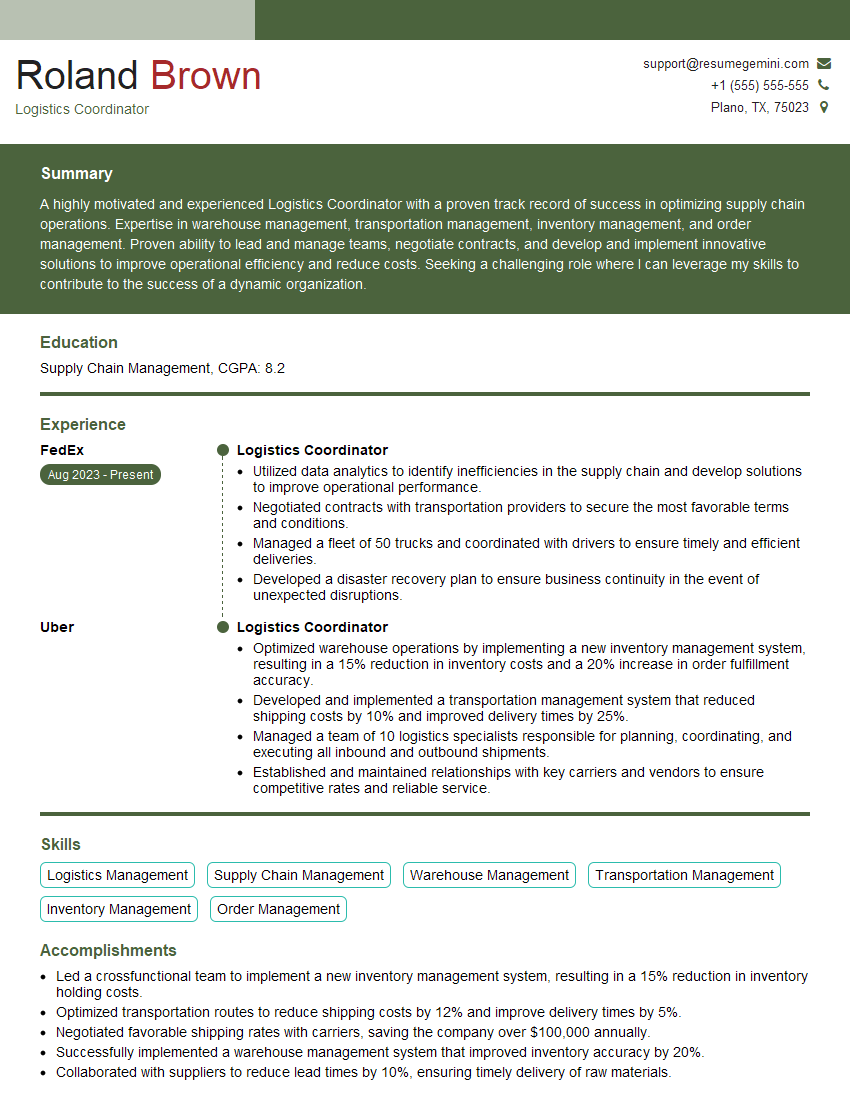
Logistics Coordinator Resume Sample
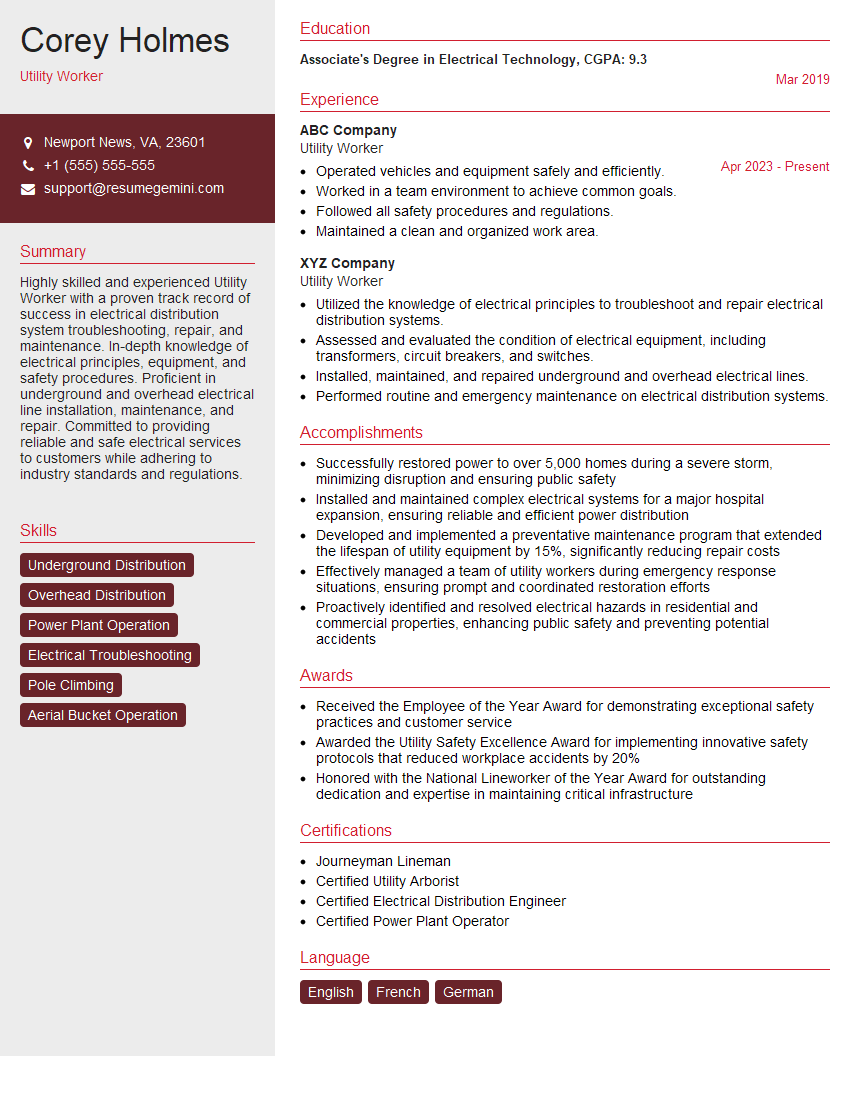
Utility Worker Resume Sample

Inventory Control Specialist Resume Sample

Shipping and Receiving Clerk Resume Sample
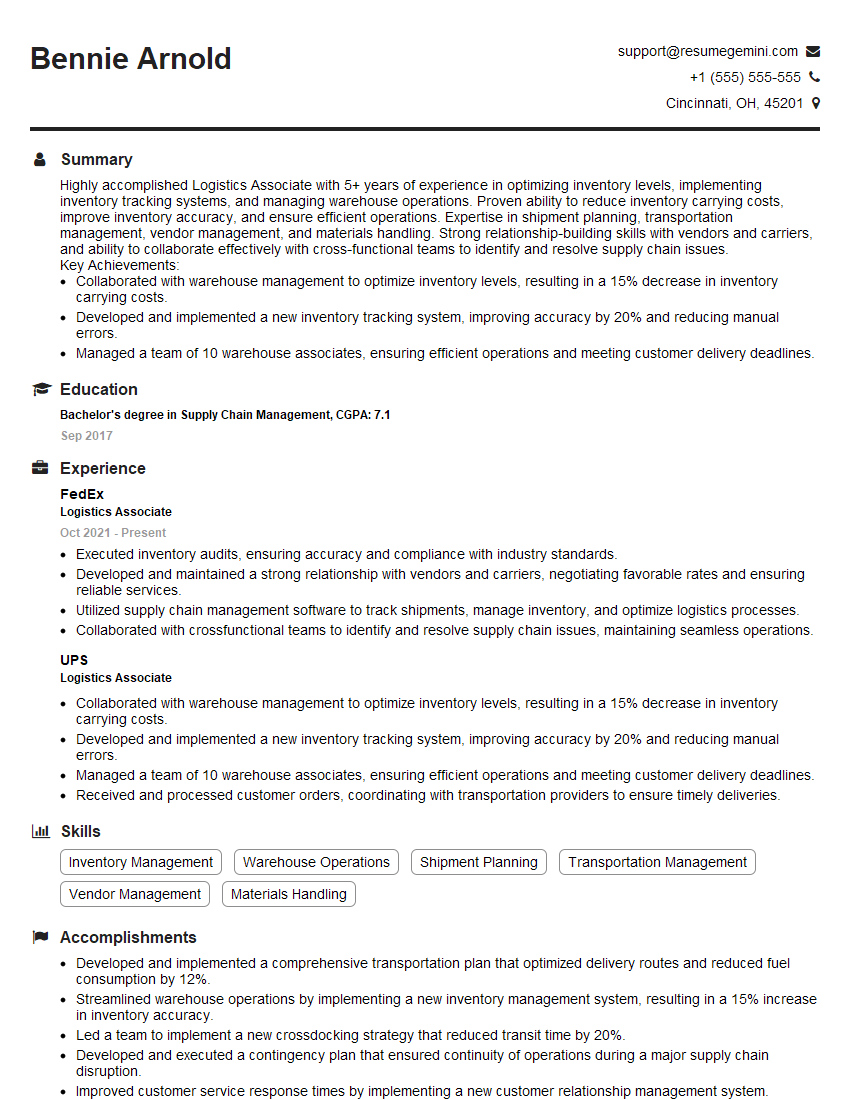
Logistics Associate Resume Sample
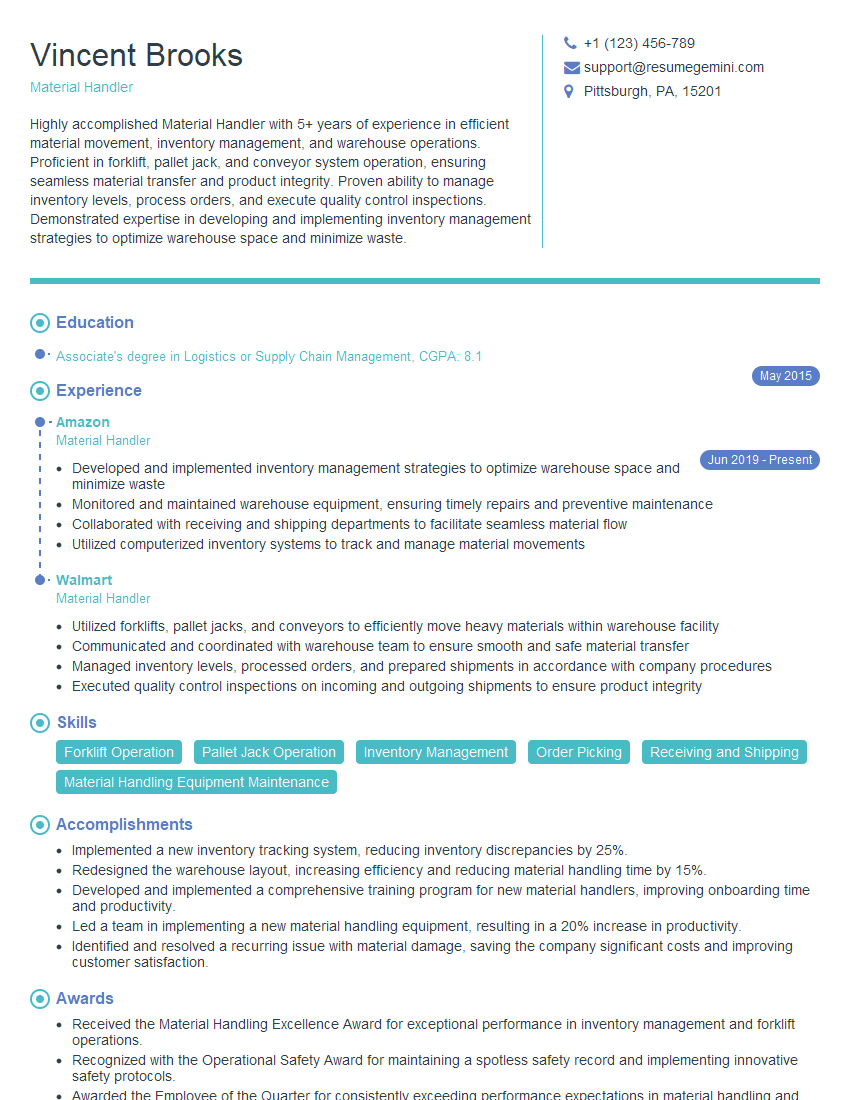
Material Handler Resume Sample
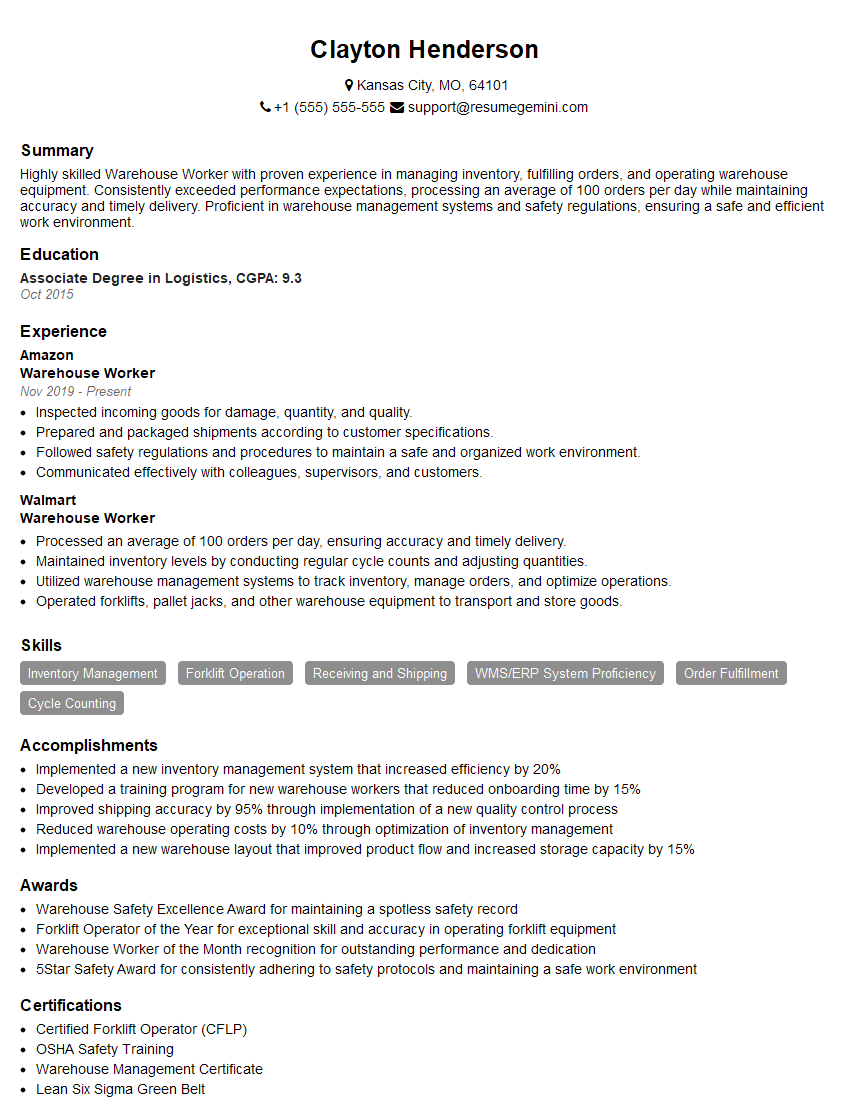
Warehouse Worker Resume Sample
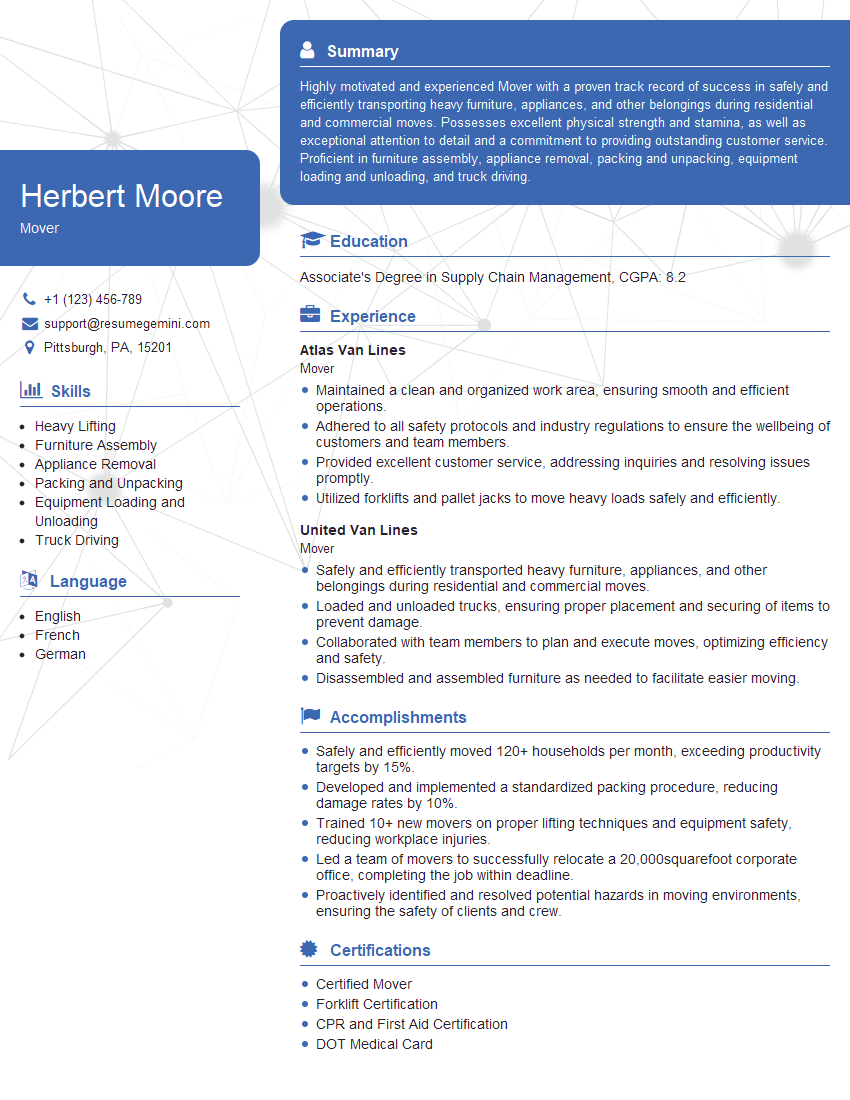
Mover Resume Sample
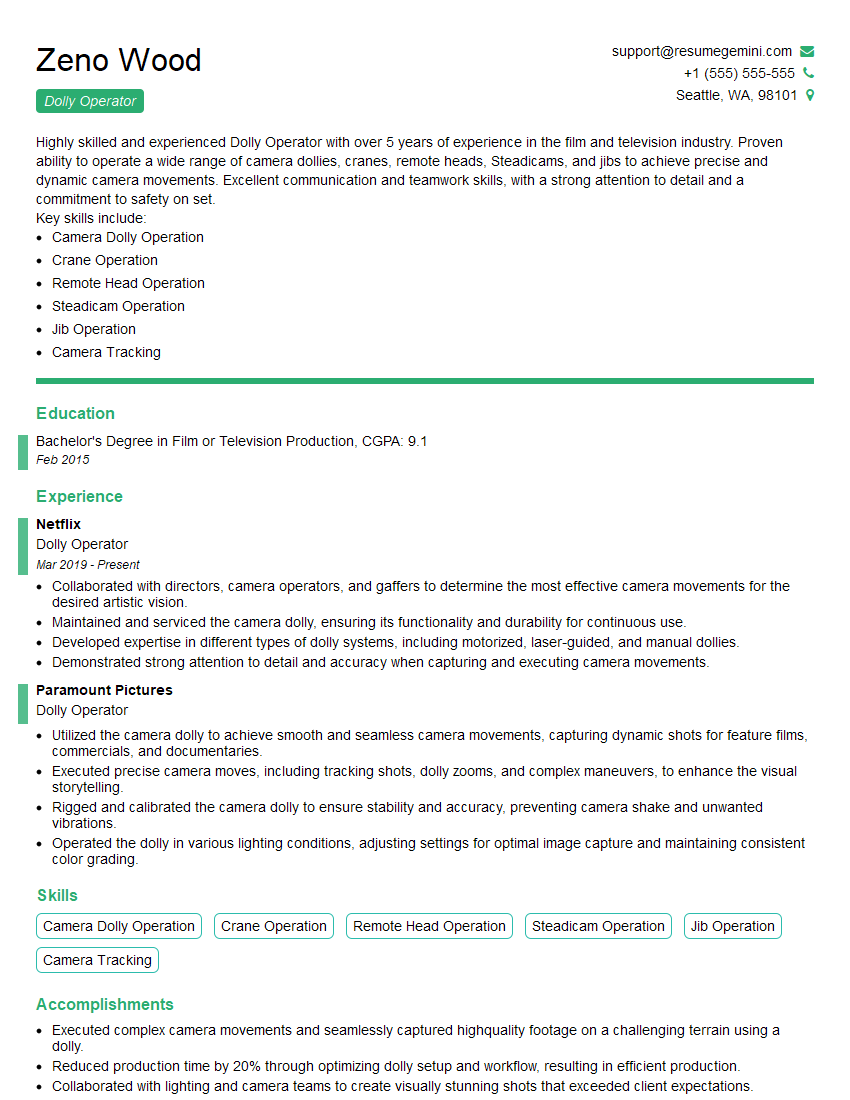
Dolly Operator Resume Sample
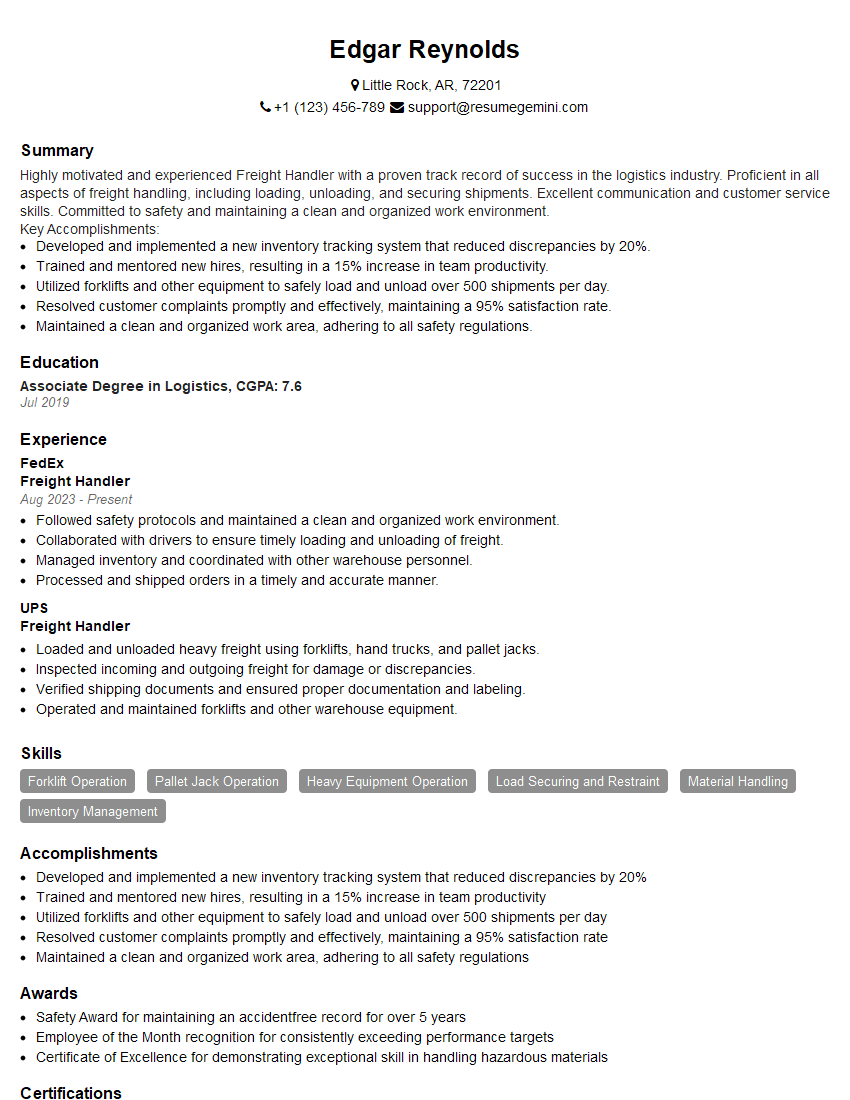
Freight Handler Resume Sample
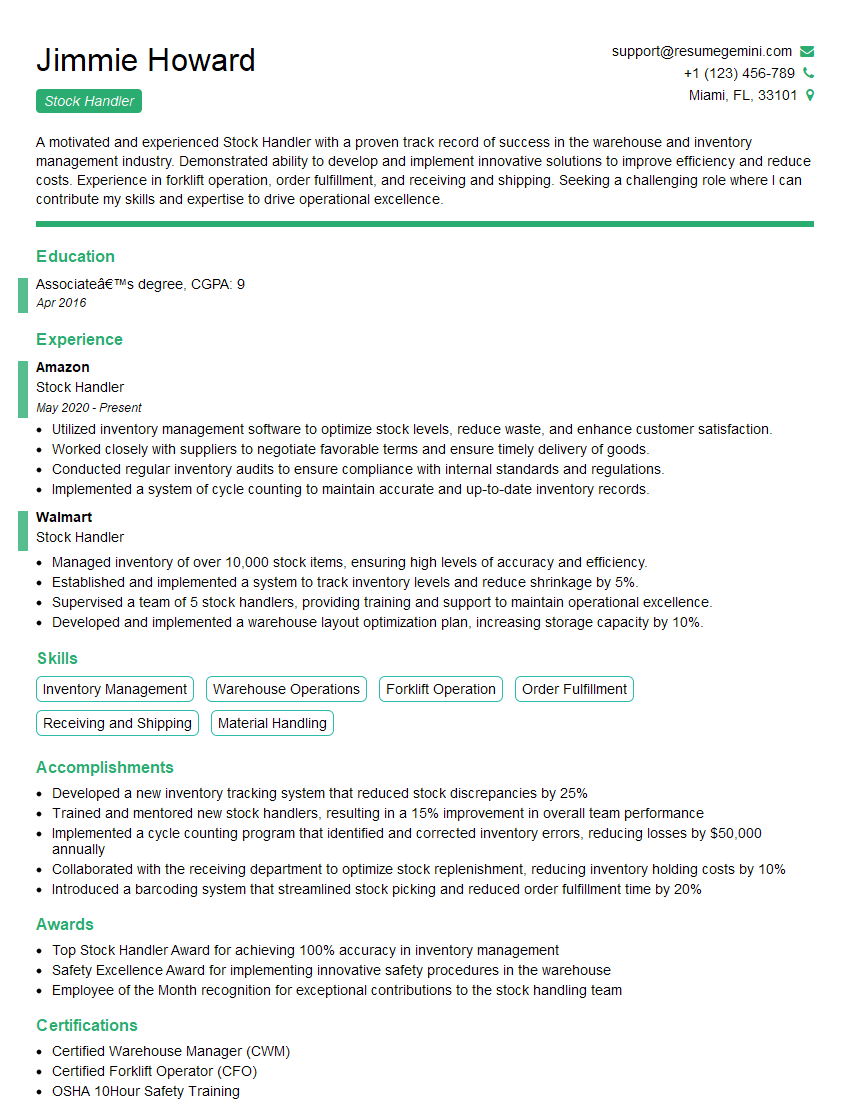
Stock Handler Resume Sample
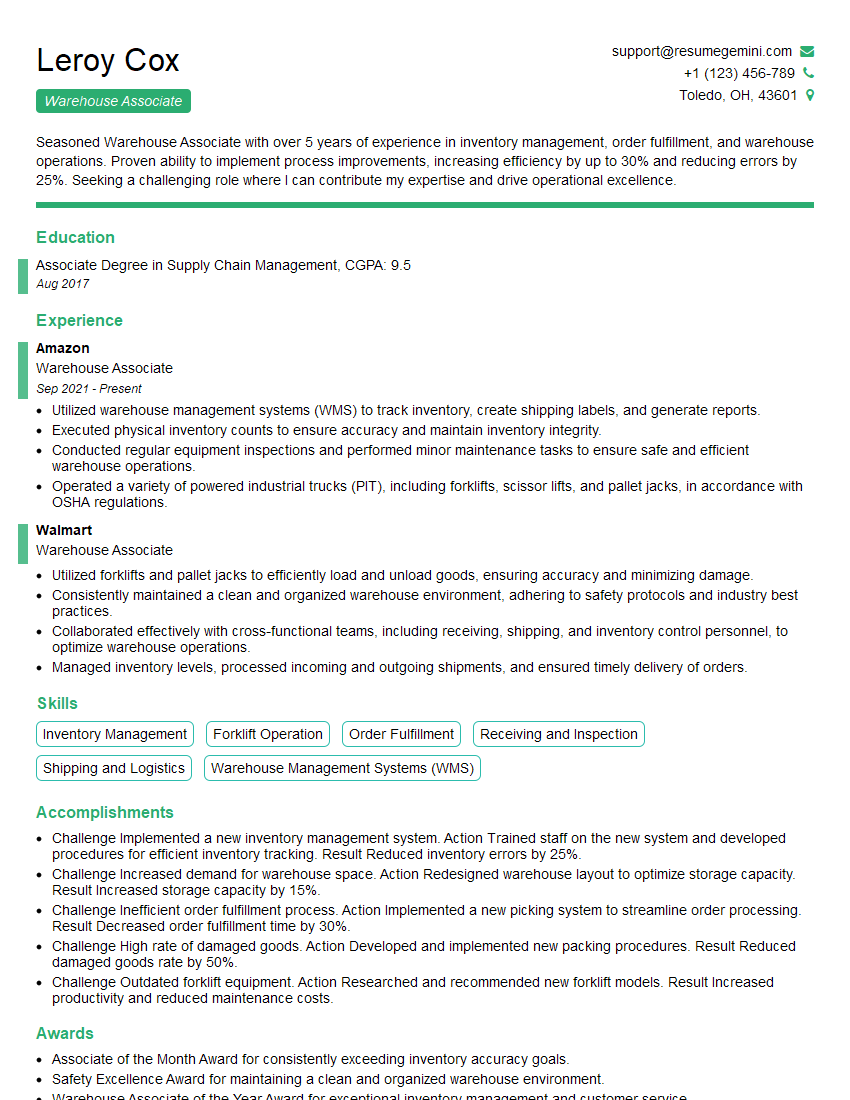
Warehouse Associate Resume Sample
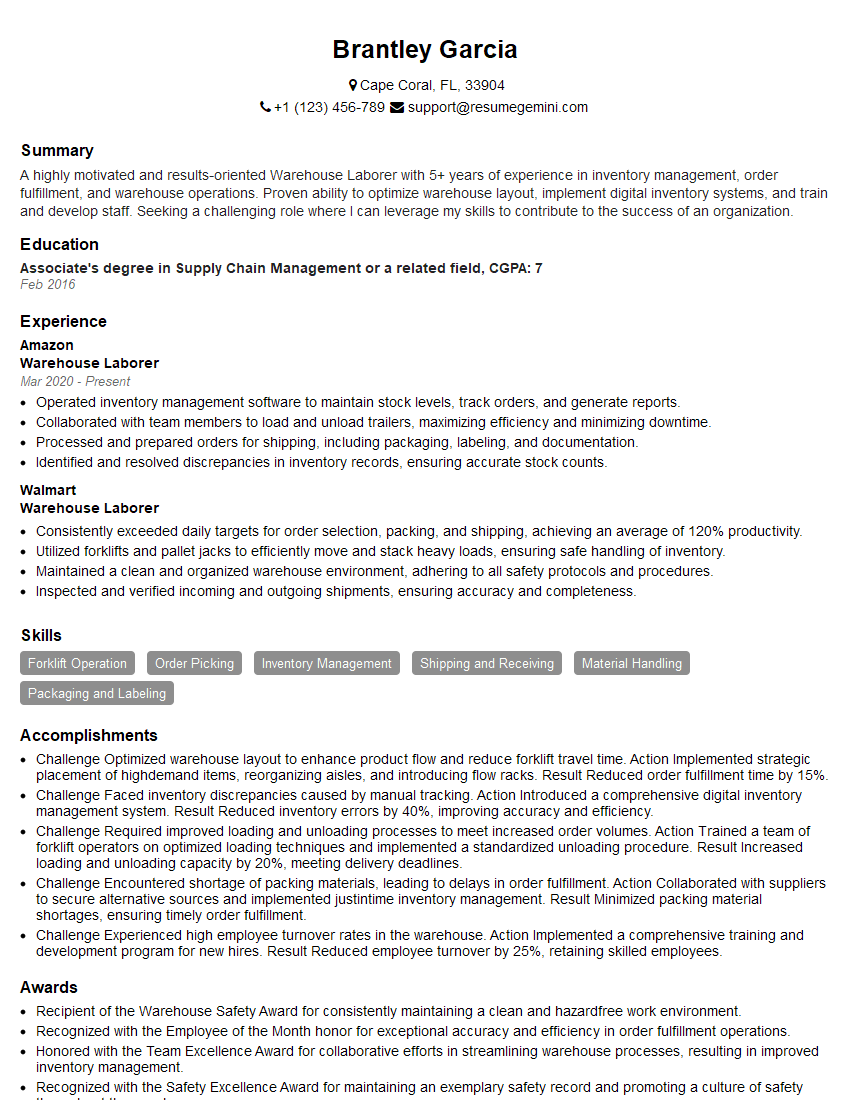
Warehouse Laborer Resume Sample
Explore more articles
Users Rating of Our Blogs
Share Your Experience
We value your feedback! Please rate our content and share your thoughts (optional).
What Readers Say About Our Blog
Very informative content, great job.
good