The thought of an interview can be nerve-wracking, but the right preparation can make all the difference. Explore this comprehensive guide to Biological Sampling and Data Analysis interview questions and gain the confidence you need to showcase your abilities and secure the role.
Questions Asked in Biological Sampling and Data Analysis Interview
Q 1. Explain the importance of proper sample preservation techniques.
Proper sample preservation is crucial because it prevents degradation and ensures the accuracy and reliability of subsequent analyses. Think of it like preserving a historical artifact – if not handled correctly, it loses its value and historical context. Biological samples, whether they are tissue, water, or soil, are susceptible to various forms of degradation, including enzymatic activity, microbial growth, and chemical changes. This degradation can alter the sample’s composition and lead to inaccurate results.
Methods depend on the sample type and the specific analyses to be performed, but common techniques include:
- Refrigeration: Cooling samples slows down enzymatic activity and microbial growth. This is suitable for many types of tissues and some water samples.
- Freezing: Freezing at ultra-low temperatures (-80°C) significantly slows down degradation processes. It’s ideal for long-term storage of tissues and other biological samples.
- Fixation: Chemicals like formalin are used to preserve the structural integrity of tissues by cross-linking proteins, preventing degradation. This is particularly important for histological studies.
- Preservatives for Water and Soil Samples: These often involve using chemicals to inhibit microbial growth and stabilize the chemical composition of the sample. Examples include adding acid to reduce pH or using preservatives specifically designed to protect DNA.
Failing to preserve samples properly can lead to false conclusions, wasted resources, and compromised research integrity.
Q 2. Describe different methods of biological sampling (e.g., soil, water, tissue).
Biological sampling methods are highly diverse, dictated by the type of sample being collected and the research question. Let’s look at some examples:
- Soil Sampling: This can involve various methods depending on the objective, such as taking core samples (using a soil auger for depth profiling), composite samples (combining multiple samples from a location to represent an area), or grab samples (collecting surface soil samples).
- Water Sampling: This can range from grab samples (using bottles) to integrated samples (using samplers that collect water at different depths to give an average profile). Specialized samplers exist for different water bodies (lakes, rivers, oceans), depths, and targets (e.g., plankton nets).
- Tissue Sampling: Methods depend on the tissue and the analysis. This could involve biopsies (small tissue samples), surgical excisions (larger samples), or liquid biopsies (blood samples to analyze circulating tumor cells or DNA).
The selection of the appropriate sampling method is critical to ensure that the collected sample is representative of the population or environment being studied and the questions you are trying to answer.
Q 3. How do you ensure the representativeness of a biological sample?
Ensuring sample representativeness is paramount. A biased sample will lead to inaccurate conclusions. Imagine trying to determine the average height of a population by only sampling basketball players! Here’s how to increase representativeness:
- Random Sampling: Every unit in the population has an equal chance of being selected. This reduces bias but might not be practical in all situations.
- Stratified Sampling: The population is divided into strata (subgroups) based on relevant characteristics, and samples are randomly selected from each stratum. This ensures representation from different subgroups.
- Systematic Sampling: Samples are taken at regular intervals (e.g., every 10th tree in a forest). Simple, but could miss variations if the interval aligns with a pattern.
- Appropriate Sample Location and Timing: Consider environmental factors that might influence the sample, such as seasonal variations or microhabitats. Sampling multiple times across seasons can address some of these temporal variations.
- Replication: Taking multiple samples from the same location or stratum increases reliability and allows for the estimation of variability.
Careful planning and the use of appropriate sampling strategies are key to maximizing the representativeness of your biological samples.
Q 4. What are the key considerations for sample size determination?
Sample size determination is a critical aspect of study design. A sample that is too small might not detect a true effect (leading to a false negative), while an excessively large sample can be costly and inefficient. Key considerations include:
- Power Analysis: This statistical technique determines the minimum sample size needed to detect an effect of a certain magnitude with a specified level of confidence (power). Power is typically set at 80% or higher.
- Effect Size: The magnitude of the difference or relationship you expect to observe. A larger expected effect requires a smaller sample size.
- Significance Level (alpha): The probability of rejecting the null hypothesis when it is actually true (Type I error). Usually set at 0.05.
- Variability within the Population: Higher variability within the population requires a larger sample size.
- Study Design: The type of statistical test used will also influence sample size calculations.
Software packages and online calculators are readily available to perform power analyses, making this a routine but very important step in experimental design. Ignoring appropriate sample size calculations can render the study results inconclusive.
Q 5. What statistical methods are commonly used in biological data analysis?
Biological data analysis often involves a variety of statistical methods, depending on the type of data and the research question. Common methods include:
- Descriptive Statistics: Summarizing data using measures like mean, median, standard deviation, and frequencies. This helps to get a preliminary understanding of the data.
- T-tests and ANOVA: Comparing means between two or more groups. T-tests are used for comparing two groups, whereas ANOVA (Analysis of Variance) extends this to multiple groups.
- Correlation and Regression: Analyzing the relationships between variables. Correlation measures the strength and direction of the linear relationship, while regression can model the relationship and predict values.
- Non-parametric tests: Used when data don’t meet the assumptions of parametric tests (e.g., normality). Examples include Mann-Whitney U test and Kruskal-Wallis test.
- Multivariate Analysis: Analyzing datasets with multiple variables simultaneously, such as Principal Component Analysis (PCA) for dimensionality reduction or clustering techniques to group similar samples.
Choosing the appropriate statistical methods requires careful consideration of the data’s characteristics and the specific research question. Improper statistical analyses can lead to misinterpretations of the results.
Q 6. Explain the concept of statistical power and its relevance to biological studies.
Statistical power refers to the probability that a study will correctly reject the null hypothesis when the alternative hypothesis is true. In simpler terms, it’s the probability that your study will find a real effect if one actually exists. For example, if a drug truly works, what’s the chance my experiment will demonstrate that?
High statistical power is essential in biological studies because it minimizes the risk of Type II error (false negative), where a real effect is missed. A study with low power might fail to detect a real effect simply due to insufficient sample size or other design flaws, leading to incorrect conclusions. A low power study could lead to a drug being dismissed, even if it’s actually effective. Conversely, a high-power study increases the likelihood of detecting a true effect, strengthening the reliability and validity of the study’s findings.
In practice, power analyses are conducted before a study begins to determine the necessary sample size to achieve the desired power. A typical target power is 80%, meaning an 80% chance of finding a significant effect if it truly exists.
Q 7. How do you handle missing data in biological datasets?
Missing data is a common problem in biological datasets. Various reasons can lead to this, including equipment malfunctions, human errors, or unavoidable circumstances. Ignoring missing data can lead to biased results. Several strategies exist to handle missing data:
- Deletion: The simplest approach is to remove samples or variables with missing data. This is acceptable only if the missing data are few, random (missing completely at random, MCAR), and removing them does not introduce bias. Listwise deletion removes entire observations, whereas pairwise deletion uses available data for each analysis.
- Imputation: Replacing missing values with estimated values. Methods include mean imputation (replacing with the mean of the available data), regression imputation (predicting values based on other variables), and multiple imputation (creating multiple plausible datasets to account for uncertainty in the imputation).
- Maximum Likelihood Estimation: Sophisticated statistical models are used to estimate parameters by considering the likelihood function, accounting for the missing data in a principled way.
The best method for handling missing data depends on the extent and pattern of missingness, the nature of the data, and the research question. It’s crucial to document the approach used and justify the choice. For example, in genomics, where missing data can be significant, multiple imputation is often favored to accurately reflect the variability introduced by the missingness. If there’s a non-random pattern in the missingness, more complex techniques are needed to mitigate bias, and it is often necessary to investigate the *why* of missingness to account for possible confounding variables.
Q 8. Describe your experience with various data visualization techniques.
Data visualization is crucial for understanding complex biological datasets. I’m proficient in a range of techniques, choosing the most appropriate method based on the data type and the insights I aim to extract.
- Scatter plots: Ideal for showing relationships between two continuous variables, like gene expression levels and protein abundance. For example, I recently used a scatter plot to identify a strong positive correlation between a specific gene’s expression and the severity of a disease phenotype.
- Box plots: Excellent for comparing the distribution of a continuous variable across different groups (e.g., treatment vs. control). I’ve used these extensively to compare the efficacy of different drug treatments by analyzing the distribution of disease markers.
- Histograms: Useful for visualizing the distribution of a single continuous variable, showing the frequency of different values. For instance, I used a histogram to illustrate the distribution of cell sizes in a population, helping to identify potential subpopulations.
- Heatmaps: Effective for representing large matrices of data, such as gene expression across multiple samples. They are particularly useful for identifying patterns and clusters within the data. I used heatmaps to study gene expression changes in response to environmental stress.
- Network graphs: Represent relationships between entities, such as protein-protein interactions or gene regulatory networks. I have employed network graphs to visualize complex biological pathways.
Beyond these basic techniques, I’m also experienced with more advanced methods like principal component analysis (PCA) for dimensionality reduction and visualization of high-dimensional data, and t-SNE for non-linear dimensionality reduction, essential for exploring complex datasets and identifying underlying patterns.
Q 9. How do you identify and address outliers in biological data?
Identifying and handling outliers is critical for accurate biological data analysis. Outliers can skew results and lead to incorrect conclusions. My approach involves a multi-step process:
- Visual Inspection: I start by visually inspecting the data using scatter plots, box plots, and histograms to identify data points that deviate significantly from the overall pattern.
- Statistical Methods: I employ statistical methods like the interquartile range (IQR) method to identify outliers. The IQR method calculates the difference between the 75th and 25th percentiles of the data. Data points falling outside 1.5 times the IQR below the first quartile or above the third quartile are considered potential outliers.
- Investigation: Once outliers are identified, it’s crucial to investigate their cause. Are they due to measurement errors, data entry mistakes, or biological variation? For instance, I once found outliers in a gene expression dataset that were caused by contamination in the samples. Addressing such issues is paramount.
- Handling Outliers: The handling of outliers depends on their cause. If they are due to errors, they should be corrected or removed. If they reflect true biological variation, they might be included in the analysis, but their potential impact needs to be carefully considered. Robust statistical methods, less sensitive to outliers, can be applied.
For example, in a recent microbiome study, I found some samples with unusually high bacterial diversity. After thorough investigation, it turned out these samples were contaminated, so I removed them from the analysis.
Q 10. What are your preferred software packages for biological data analysis (e.g., R, Python, SAS)?
My preferred software packages for biological data analysis are R and Python. Both offer a vast array of specialized packages tailored for biological data.
- R: I use R extensively for statistical computing and data visualization. Packages like
ggplot2for visualization,dplyrfor data manipulation, andlimmafor gene expression analysis are indispensable tools in my workflow. - Python: Python is my go-to language for scripting, automating tasks, and working with large datasets. Packages like
pandasfor data manipulation,scikit-learnfor machine learning, andbiopythonfor bioinformatics tasks are integral to my analyses. Python’s versatility makes it ideal for integrating diverse data sources and automating complex workflows.
While I have some familiarity with SAS, R and Python provide more flexibility and a broader community support for biological data analysis, making them my preferred choices.
Q 11. Explain your understanding of hypothesis testing and p-values.
Hypothesis testing is a crucial step in scientific inquiry. It involves formulating a null hypothesis (H0), which assumes no effect or relationship, and an alternative hypothesis (H1), which proposes an effect or relationship. We then use statistical tests to determine whether the observed data provide sufficient evidence to reject the null hypothesis in favor of the alternative.
The p-value is the probability of observing the obtained results (or more extreme results) if the null hypothesis were true. A low p-value (typically below 0.05) suggests that the observed results are unlikely to have occurred by chance alone, leading us to reject the null hypothesis. However, it’s crucial to remember that a p-value doesn’t provide evidence for the alternative hypothesis; it only indicates the strength of evidence against the null hypothesis.
For example, I might test the hypothesis that a new drug reduces blood pressure. The null hypothesis would be that the drug has no effect, while the alternative hypothesis would be that it does reduce blood pressure. A low p-value would suggest that the observed reduction in blood pressure is unlikely due to chance, supporting the alternative hypothesis.
Q 12. How do you interpret confidence intervals?
Confidence intervals provide a range of values within which the true population parameter is likely to fall with a certain level of confidence. For example, a 95% confidence interval for the mean blood pressure of a population means that if we were to repeat the experiment many times, 95% of the calculated confidence intervals would contain the true population mean.
A narrower confidence interval indicates greater precision in the estimate, while a wider interval indicates more uncertainty. The width of the confidence interval is influenced by the sample size and the variability of the data. Larger sample sizes generally lead to narrower confidence intervals.
In a practical setting, if a 95% confidence interval for the difference in blood pressure between a treatment and control group does not include zero, it indicates a statistically significant difference between the two groups. I use confidence intervals regularly in my work to assess the precision of my estimates and to make inferences about populations.
Q 13. Describe your experience with regression analysis in biological contexts.
Regression analysis is a powerful statistical technique used to model the relationship between a dependent variable and one or more independent variables. In biological contexts, I’ve used regression extensively to explore various relationships.
- Linear Regression: To model the relationship between gene expression levels and environmental factors, such as temperature or nutrient availability. For example, I used linear regression to show that the expression of a specific heat-shock protein increased linearly with temperature.
- Logistic Regression: To predict the probability of a binary outcome, such as disease presence or absence, based on several predictor variables (e.g., genetic markers, environmental factors). I have used this to predict the likelihood of developing a particular disease based on an individual’s genetic profile.
- Multiple Regression: To study the effects of multiple independent variables on a dependent variable, controlling for the influence of other variables. For instance, I might study the influence of age, weight, and diet on blood cholesterol levels.
Interpreting regression results involves examining the coefficients, p-values, and R-squared values to understand the strength and significance of the relationships. I always ensure that the assumptions of the chosen regression model are met before interpreting the results.
Q 14. How do you ensure the accuracy and reliability of your data analysis?
Ensuring the accuracy and reliability of my data analysis is paramount. I implement several strategies:
- Rigorous Data Collection: I begin by carefully designing the sampling strategy to minimize bias and error. This includes proper sample size calculation, precise measurement techniques, and rigorous quality control measures. I use standardized protocols and maintain detailed records of every step.
- Data Cleaning and Validation: Before analysis, I thoroughly clean and validate the data, checking for errors, inconsistencies, and missing values. I use automated scripts and visual inspection to detect and address such issues. For instance, range checks and consistency checks are part of my standard workflow.
- Appropriate Statistical Methods: I carefully select the most appropriate statistical methods based on the data type, research question, and assumptions of the chosen techniques. I also consider the limitations of each method and the potential for bias.
- Sensitivity Analysis: I routinely perform sensitivity analyses to assess the robustness of the results to changes in assumptions or the inclusion/exclusion of specific data points. This helps me assess the reliability of my findings.
- Peer Review and Replication: I encourage peer review of my analysis and data interpretation. Whenever possible, I strive for independent replication of the study, which adds further confidence in the results.
By systematically implementing these measures, I ensure that my findings are as accurate and reliable as possible.
Q 15. Explain your understanding of different types of bias in biological sampling.
Bias in biological sampling refers to systematic errors that can distort the results and lead to inaccurate conclusions. It’s crucial to minimize these biases to ensure the validity and reliability of our findings. Several types exist:
- Sampling bias: This occurs when the sample doesn’t accurately represent the population being studied. For instance, if I’m studying the average height of trees in a forest but only measure trees along a single easily accessible path, I’ll likely underestimate the average height because I might be missing taller trees in more difficult-to-reach areas.
- Measurement bias: This arises from flaws in the measurement process. Imagine measuring the weight of mice using a scale that’s not properly calibrated – every measurement will be off by a consistent amount, leading to a biased result.
- Observer bias: This happens when the researcher’s expectations or subjective judgments influence the data collection process. For example, if a researcher knows the treatment group in a study, they might unconsciously record slightly different readings compared to the control group.
- Confirmation bias: This is a more subtle bias where the researcher focuses on data that confirms their pre-existing hypotheses, overlooking contradictory evidence. It’s vital to be aware of this and actively seek out data that might challenge initial assumptions.
Identifying and mitigating these biases involves careful planning, using standardized protocols, blinding procedures (where possible, like in double-blind experiments), and rigorous quality control checks.
Career Expert Tips:
- Ace those interviews! Prepare effectively by reviewing the Top 50 Most Common Interview Questions on ResumeGemini.
- Navigate your job search with confidence! Explore a wide range of Career Tips on ResumeGemini. Learn about common challenges and recommendations to overcome them.
- Craft the perfect resume! Master the Art of Resume Writing with ResumeGemini’s guide. Showcase your unique qualifications and achievements effectively.
- Don’t miss out on holiday savings! Build your dream resume with ResumeGemini’s ATS optimized templates.
Q 16. How do you deal with non-normal data distributions?
Many biological datasets don’t follow a normal distribution (bell curve). Ignoring this can lead to inaccurate statistical inferences. Here’s how I address non-normal data:
- Transformations: I often apply mathematical transformations (like log, square root, or Box-Cox transformations) to make the data closer to normal. This is effective when the deviation from normality is moderate.
- Non-parametric tests: If transformations don’t work or the deviations are substantial, I opt for non-parametric statistical tests. These tests don’t assume normality and are robust to outliers. Examples include the Mann-Whitney U test (analogous to a t-test) or the Kruskal-Wallis test (analogous to ANOVA).
- Data visualization: Before choosing a method, I always visualize the data using histograms or box plots to assess the distribution’s shape and identify outliers. This visual inspection guides my choice of analytical approach.
- Robust methods: Robust statistical methods are less sensitive to outliers. For example, using the median instead of the mean as a measure of central tendency is a simple yet powerful way to account for potential outliers in non-normal data.
The choice of method depends on the specific dataset and research question. The key is to be aware of the assumptions of different tests and to select the method that best suits the data.
Q 17. Describe your experience with ANOVA or t-tests.
I have extensive experience with both ANOVA (Analysis of Variance) and t-tests, two fundamental statistical tests used to compare means across different groups.
T-tests are used to compare the means of two groups. For example, I might use a t-test to compare the average growth rate of plants treated with a new fertilizer versus a control group.
ANOVAs are used when comparing the means of three or more groups. A classic example would be comparing the average yield of different crop varieties under similar conditions. A one-way ANOVA compares means based on one factor (like crop variety), while a two-way ANOVA considers two or more factors (like crop variety and fertilizer type).
In my work, I always check the assumptions underlying these tests, such as normality and homogeneity of variances. Violations of these assumptions may necessitate the use of non-parametric alternatives or other data transformation strategies as mentioned earlier.
For instance, in a study comparing the effects of three different diets on blood glucose levels in mice, I used a one-way ANOVA followed by post-hoc tests (like Tukey’s HSD) to determine which specific diet groups differed significantly from each other. Proper reporting includes p-values, effect sizes, and confidence intervals to provide a comprehensive statistical analysis.
Q 18. What are the ethical considerations related to biological sampling and data collection?
Ethical considerations are paramount in biological sampling and data collection. These include:
- Informed consent: Whenever working with human participants, obtaining informed consent is essential. This means ensuring participants understand the study’s purpose, procedures, potential risks and benefits, and their right to withdraw at any time.
- Minimizing harm: Research must minimize any potential harm to both human and animal subjects. This involves rigorous risk assessments and adherence to ethical guidelines established by relevant institutions.
- Data privacy and confidentiality: Protecting the privacy and anonymity of participants is crucial. Data should be securely stored and only accessed by authorized personnel.
- Animal welfare: If using animals, adhering to strict guidelines for animal care and welfare is mandatory. Minimizing animal suffering and ensuring humane treatment are paramount. I have experience with IACUC (Institutional Animal Care and Use Committee) protocols.
- Data integrity: Maintaining the honesty and accuracy of data is essential. Any manipulation or fabrication of results is a serious ethical breach.
Ethical lapses can severely damage the reputation of researchers and compromise the trustworthiness of scientific findings. A strong ethical framework ensures responsible and trustworthy research practices.
Q 19. How do you ensure data security and confidentiality?
Data security and confidentiality are crucial for maintaining the integrity of research and protecting participants’ privacy. My approach involves:
- Secure storage: Data are stored on encrypted servers with restricted access. I use password-protected files and access control mechanisms.
- Data anonymization: Whenever possible, I anonymize datasets, removing any identifying information such as names or addresses. This prevents direct re-identification of participants.
- Access control: Access to data is limited to authorized personnel only. We use strict protocols for data sharing, and I regularly audit access logs to detect any unauthorized access attempts.
- Data backup and redundancy: Regular backups are performed to prevent data loss due to hardware failures or cyberattacks. I also employ redundant storage solutions to ensure data availability.
- Compliance with regulations: We strictly adhere to relevant data protection regulations (like HIPAA or GDPR) depending on the nature of the data and location of the research.
Data breaches can have significant consequences, therefore a robust security framework is fundamental for responsible data handling.
Q 20. Explain your experience with quality control procedures in biological sampling.
Quality control (QC) in biological sampling is vital for ensuring data accuracy and reliability. My experience includes:
- Standardized protocols: We use pre-defined, standardized protocols for sample collection, handling, and storage. This ensures consistency and minimizes variability across samples.
- Blind sampling: Where feasible, we use blind sampling techniques, ensuring those collecting samples are unaware of treatment groups to prevent bias.
- Regular calibration: Equipment (like scales, pipettes, and spectrophotometers) is regularly calibrated to ensure accuracy and precision. This involves using certified standards and maintaining detailed calibration logs.
- Duplicate samples: We often collect duplicate samples to assess the variability and reliability of the measurements. High variability might indicate issues with the sampling or measurement procedures.
- Blank samples: To control for contamination, we include blank samples (controls without the analyte) throughout the process.
- Positive and negative controls: Using positive (known to contain the analyte) and negative (known to be free of the analyte) controls allows for monitoring assay performance and detecting errors.
Rigorous QC procedures minimize errors and improve the overall quality of data, leading to more reliable and meaningful results. This also improves reproducibility of research studies.
Q 21. How do you document your data analysis workflow?
Documenting my data analysis workflow is crucial for reproducibility, transparency, and collaboration. I use a combination of approaches:
- Version control: I utilize version control systems (like Git) to track changes in code, scripts, and data files. This allows me to revert to previous versions if necessary and provides a clear audit trail.
- Detailed scripts: My analysis is primarily performed using scripts (e.g., R or Python). These scripts are well-commented and include clear explanations of each step.
- Interactive notebooks: I often use interactive notebooks (like Jupyter Notebooks) that combine code, results, and explanatory text. These notebooks provide a complete and readily understandable record of the analysis.
- Detailed reports: I generate comprehensive reports that document the data analysis workflow, including data cleaning, transformation, statistical analysis, and results interpretation.
- Metadata: I meticulously document metadata (data about the data), including sample information, experimental conditions, and data processing steps.
A well-documented workflow ensures that others can understand and reproduce my analysis. It’s also beneficial for my future reference, allowing me to revisit and understand my work even after a significant time has passed. Transparency fosters trust and allows other researchers to validate findings.
Q 22. Describe your experience with specific analytical techniques (e.g., PCR, ELISA, qPCR).
My experience encompasses a wide range of molecular biology techniques, with significant expertise in PCR, ELISA, and qPCR. PCR, or Polymerase Chain Reaction, is a cornerstone technique I’ve used extensively to amplify specific DNA sequences for various applications, from gene cloning and mutation detection to pathogen identification. For instance, I utilized PCR to detect the presence of a specific bacterial gene in environmental water samples, providing crucial data for assessing water quality. ELISA, or Enzyme-Linked Immunosorbent Assay, is another vital tool I’ve employed to quantify proteins or antibodies in biological samples. In one project, I used ELISA to measure cytokine levels in cell culture supernatants to investigate the immune response to a novel vaccine candidate. Finally, qPCR, or quantitative PCR, allows for the precise quantification of nucleic acids. This technique proved invaluable in a study examining gene expression changes in response to various stressors in plant tissues, allowing us to determine the relative abundance of specific transcripts.
- PCR: Used for DNA amplification and analysis in numerous projects, including pathogen detection and gene cloning.
- ELISA: Applied for protein quantification in diverse contexts, such as measuring antibody titers and identifying biomarkers.
- qPCR: Employed for precise quantification of nucleic acids, crucial for gene expression studies and pathogen load assessments.
Q 23. How would you interpret a correlation coefficient?
A correlation coefficient is a statistical measure that quantifies the strength and direction of a linear relationship between two variables. It ranges from -1 to +1. A coefficient of +1 indicates a perfect positive correlation (as one variable increases, the other increases proportionally), -1 indicates a perfect negative correlation (as one variable increases, the other decreases proportionally), and 0 suggests no linear correlation. The magnitude of the coefficient reflects the strength of the relationship; a coefficient of 0.8, for example, indicates a strong positive correlation, while 0.3 indicates a weak positive correlation. It’s crucial to remember that correlation does not imply causation. Just because two variables are correlated doesn’t necessarily mean one causes the other; there could be a third, confounding variable at play. For example, a strong positive correlation between ice cream sales and drowning incidents doesn’t mean ice cream causes drowning; both are likely correlated with the warmer weather.
Interpreting a correlation coefficient involves considering both the magnitude and the sign. A high absolute value (close to 1) signifies a strong relationship, while a low absolute value (close to 0) indicates a weak relationship. The sign (+ or -) indicates the direction of the relationship.
Q 24. Explain your experience with phylogenetic analysis.
My phylogenetic analysis experience involves constructing evolutionary trees (phylogenies) to understand the evolutionary relationships among different organisms or genes. I’m proficient in using various software packages such as MEGA, PhyML, and MrBayes. My work has included aligning sequence data (DNA, RNA, or protein), selecting appropriate substitution models, and employing different phylogenetic inference methods like maximum likelihood and Bayesian inference. For instance, in one project, I constructed a phylogenetic tree for a group of closely related bacterial species using 16S rRNA gene sequences to investigate their evolutionary history and potential transmission routes. The resulting phylogeny revealed distinct clades, providing insights into the species’ evolutionary divergence and geographical distribution. Furthermore, I’ve utilized phylogenetic trees to infer the evolutionary origins of particular genes and to identify potential horizontal gene transfer events.
Q 25. How do you choose appropriate statistical tests for different research questions?
Choosing the appropriate statistical test hinges on several factors, including the type of data (e.g., continuous, categorical), the research question (e.g., comparing means, assessing correlations), and the assumptions of the test. For instance, to compare the means of two independent groups with normally distributed data, I’d use a t-test. If the data isn’t normally distributed, a non-parametric test like the Mann-Whitney U test would be more appropriate. For comparing means among three or more groups, ANOVA (analysis of variance) is commonly used, with post-hoc tests applied to determine specific differences. Correlation analysis, using Pearson’s correlation for continuous data or Spearman’s rank correlation for non-parametric data, helps assess the relationship between two variables. Chi-square tests are suitable for analyzing categorical data and assessing independence between variables. Before selecting a test, it’s essential to carefully examine the data’s distribution and meet the assumptions of the chosen test. Incorrect test selection can lead to misleading conclusions. I always meticulously document my rationale for choosing a specific statistical test.
Q 26. Describe your experience with multivariate data analysis techniques.
My experience with multivariate data analysis includes techniques like Principal Component Analysis (PCA), clustering analysis (hierarchical and k-means), and discriminant function analysis. PCA is a powerful dimensionality reduction technique used to reduce the number of variables while retaining most of the variation in the data. I’ve used PCA to analyze large datasets of gene expression profiles, identifying key genes contributing to specific phenotypes. Clustering analysis allows grouping similar observations based on their characteristics. I’ve applied this technique to microbial community data, identifying distinct microbial clusters based on their species composition. Discriminant function analysis is used to classify observations into predefined groups based on multiple predictor variables. In one project, I used this technique to classify different types of cancer based on gene expression patterns. The choice of multivariate method depends on the research question and the characteristics of the data.
Q 27. How do you communicate complex biological data to a non-technical audience?
Communicating complex biological data to a non-technical audience requires translating technical jargon into plain language and using clear, concise visuals. Instead of using complex statistical terms, I focus on explaining the main findings in a simple, narrative style. I use analogies and real-world examples to make abstract concepts relatable. For instance, when explaining gene expression data, I might use the analogy of a recipe: genes are like ingredients, and their expression levels are like the quantities used in a recipe, influencing the final outcome (the phenotype). Visual aids such as charts, graphs, and infographics are essential to convey key information effectively and engagingly. I prioritize simplicity and clarity over technical detail, focusing on the overarching message and its implications. I often tailor my communication style to the audience’s prior knowledge and interests.
Q 28. What are the limitations of your chosen statistical methods?
The limitations of statistical methods are numerous and should always be considered. For instance, parametric tests like t-tests and ANOVA assume normality of data distribution. Violation of this assumption can lead to inaccurate results. Correlation analysis only reveals associations, not causal relationships. Multivariate techniques like PCA can be sensitive to outliers, which can skew the results. The choice of statistical method significantly influences the conclusions drawn from the data. Therefore, I always carefully assess the data’s characteristics, consider potential limitations of the chosen methods, and report these limitations transparently in my analyses and publications. Furthermore, sample size limitations can impact the power of statistical tests, and it is crucial to acknowledge this limitation, particularly when non-significant results are obtained.
Key Topics to Learn for Biological Sampling and Data Analysis Interview
- Experimental Design: Understanding the principles of experimental design, including randomization, replication, and control groups, is crucial for ensuring the validity and reliability of your sampling methods. Consider the impact of different sampling strategies on your data analysis.
- Sampling Techniques: Master various sampling techniques, such as random sampling, stratified sampling, and systematic sampling. Be prepared to discuss the strengths and weaknesses of each technique and their applicability to different biological systems and research questions. Practical application: Discuss choosing the appropriate sampling method for a specific ecological study (e.g., studying bird populations in a forest).
- Data Collection and Management: Learn best practices for collecting, organizing, and managing biological data. This includes understanding data types (qualitative, quantitative), data entry methods, and the importance of data accuracy and integrity. Practical application: Explain your experience with data management software and databases.
- Statistical Analysis: Develop a strong understanding of descriptive and inferential statistics relevant to biological data. This includes measures of central tendency and variability, hypothesis testing, regression analysis, and ANOVA. Practical application: Discuss interpreting statistical results and drawing meaningful conclusions from your analysis.
- Data Visualization: Master the art of effectively visualizing biological data using appropriate graphs and charts. This will enhance the communication of your findings to a wider audience. Practical application: Explain your experience creating graphs and figures using software like R or Python.
- Bioinformatics Tools & Techniques: Familiarize yourself with common bioinformatics tools and techniques used for analyzing biological data, such as sequence alignment, phylogenetic analysis, and genomic data analysis. This demonstrates advanced technical skills.
- Error Analysis and Quality Control: Understand how to identify and address potential sources of error in your sampling and data analysis procedures. This demonstrates attention to detail and a commitment to rigorous scientific methods.
Next Steps
Mastering biological sampling and data analysis is paramount for career advancement in various scientific fields. A strong foundation in these skills opens doors to exciting research opportunities and impactful contributions. To maximize your job prospects, create an ATS-friendly resume that highlights your skills and experience effectively. ResumeGemini is a trusted resource to help you build a professional and impactful resume. They provide examples of resumes tailored to Biological Sampling and Data Analysis, ensuring yours stands out from the competition. Invest in your future – craft a resume that reflects your expertise and secures your dream job.
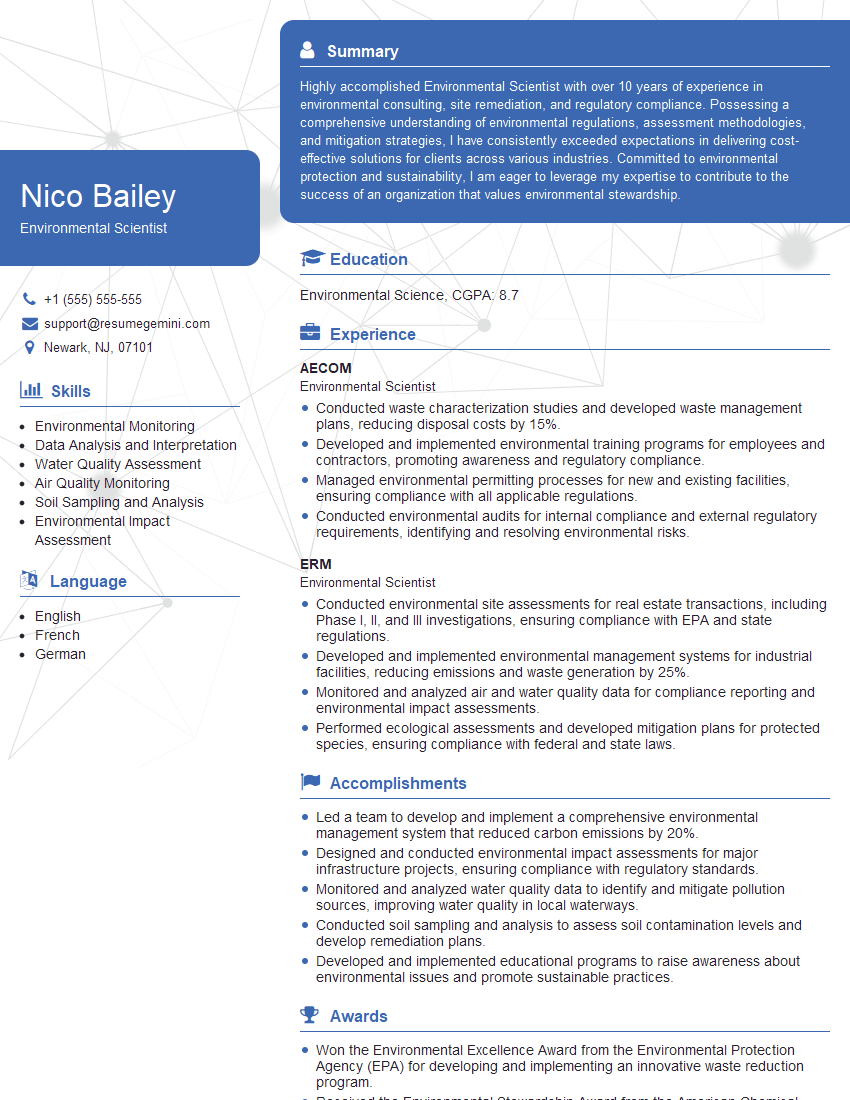
Environmental Scientist Resume Sample
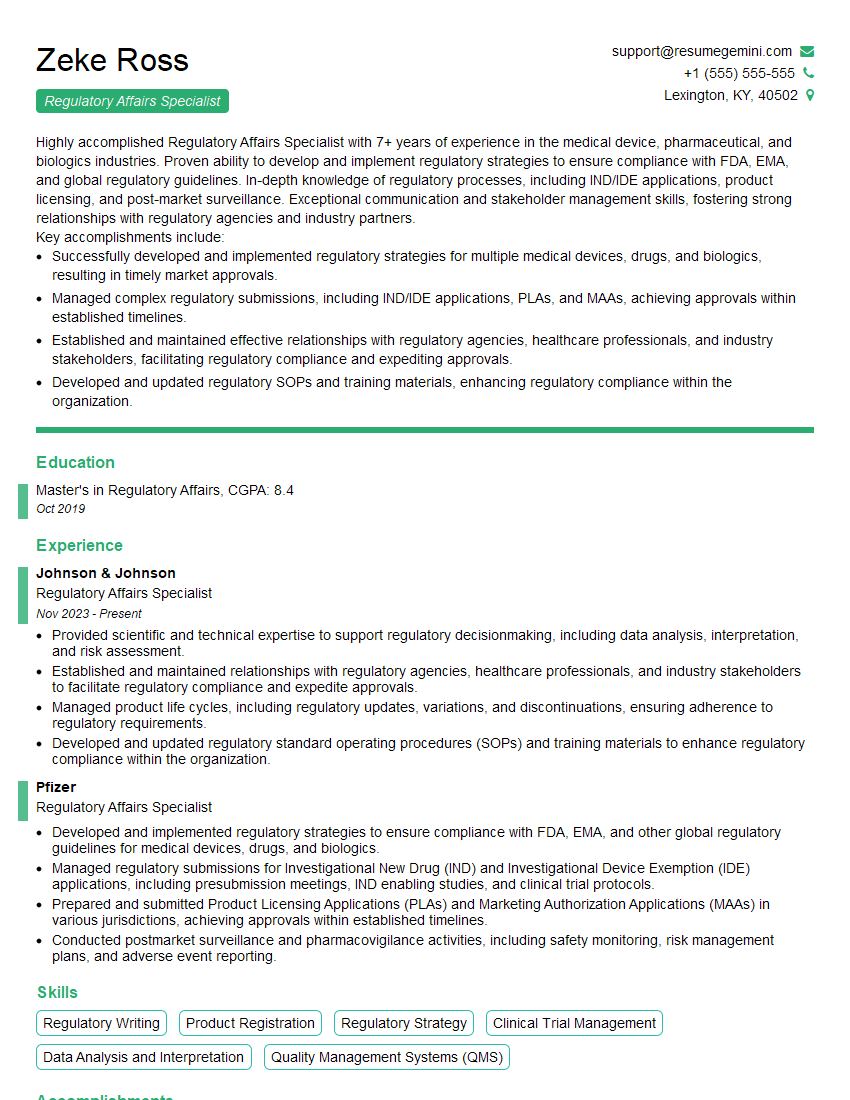
Regulatory Affairs Specialist Resume Sample
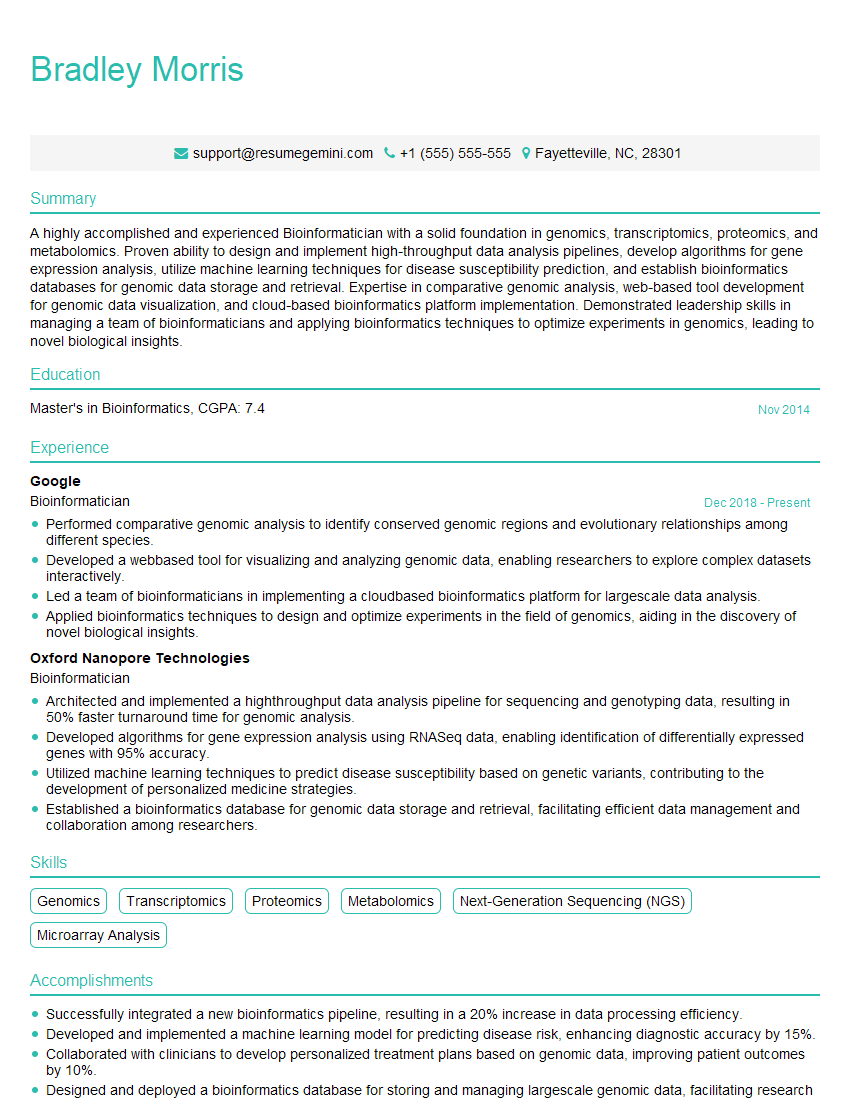
Bioinformatician Resume Sample
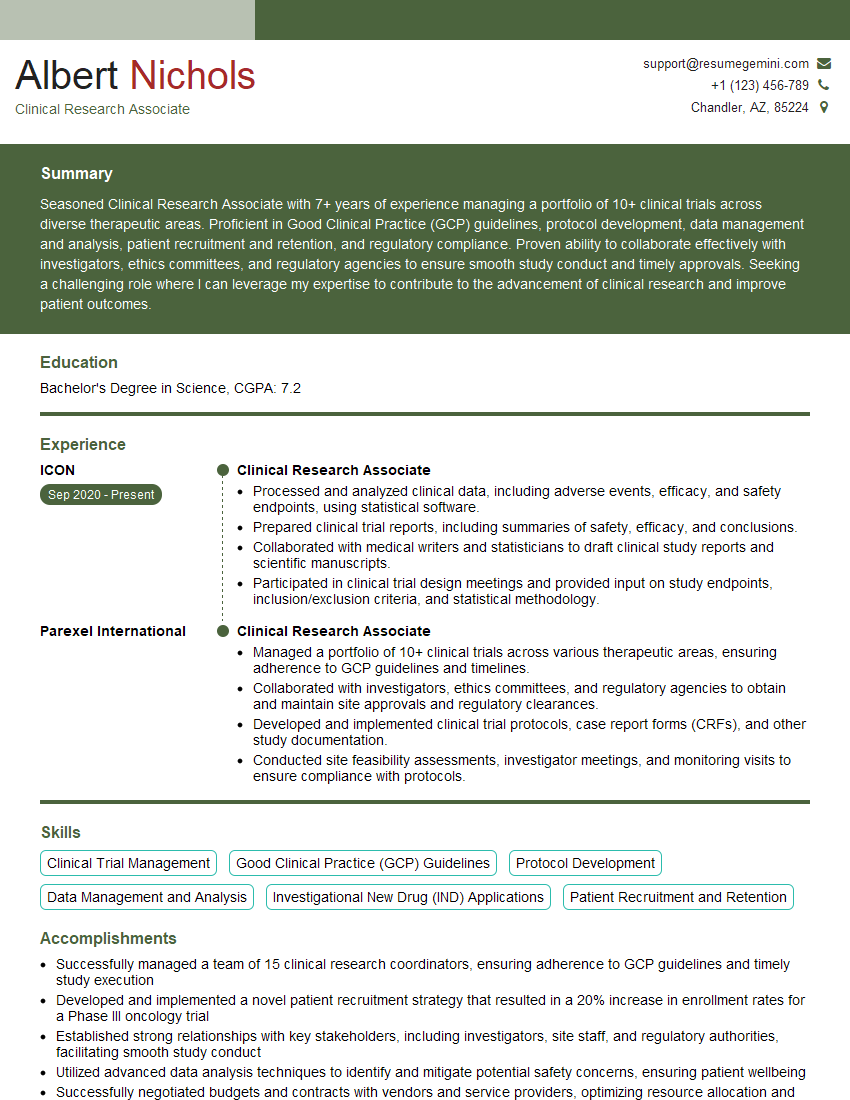
Clinical Research Associate Resume Sample

Biomedical Scientist Resume Sample

Quality Control Specialist Resume Sample
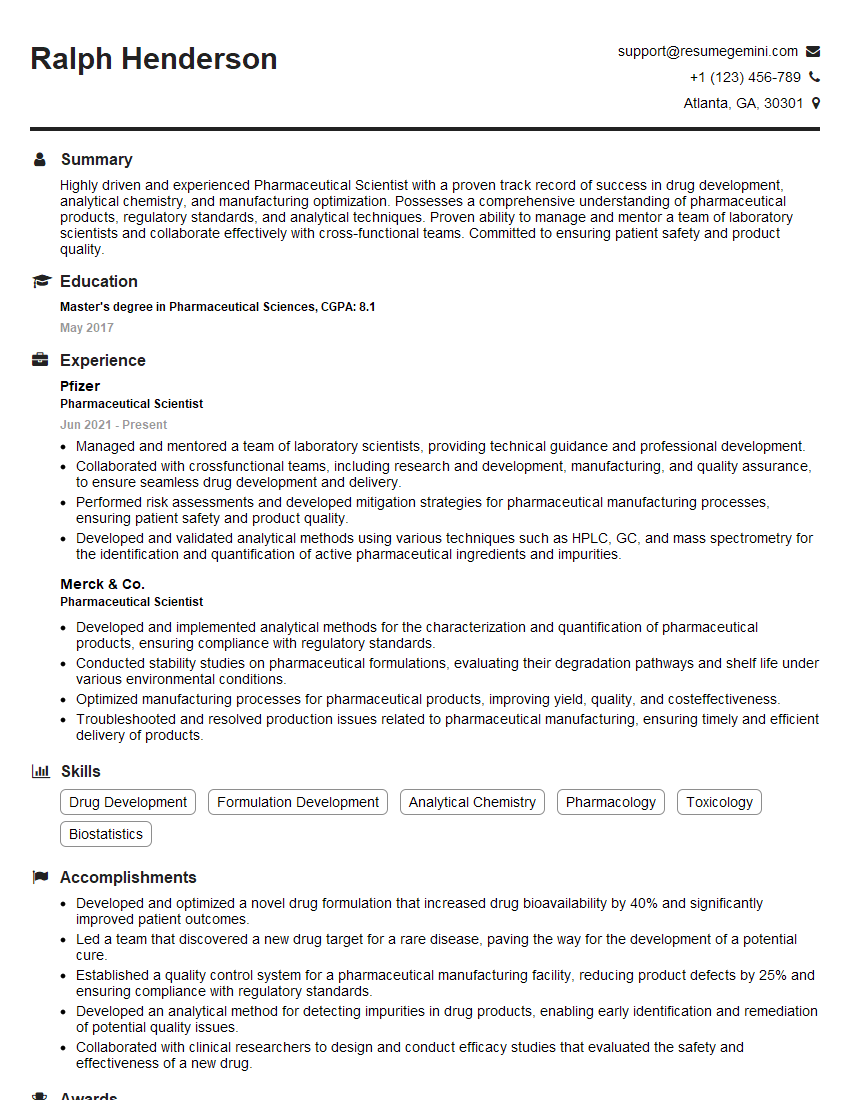
Pharmaceutical Scientist Resume Sample
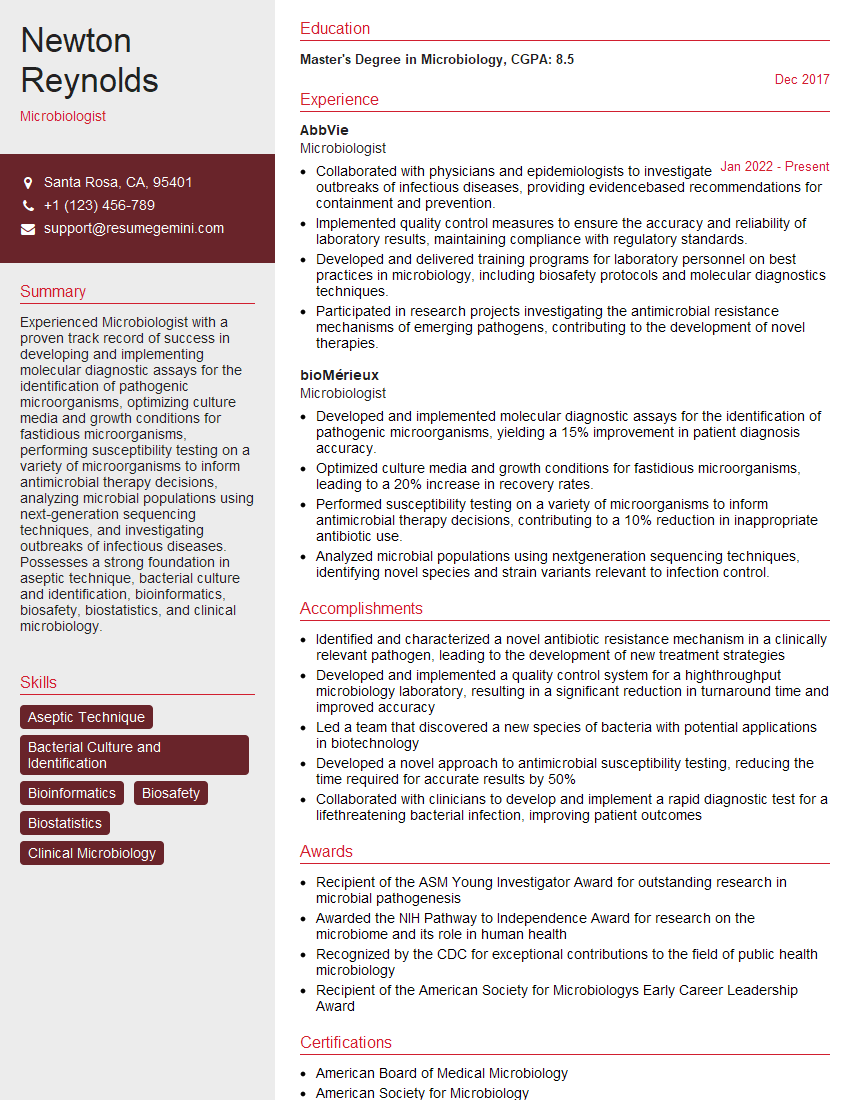
Microbiologist Resume Sample
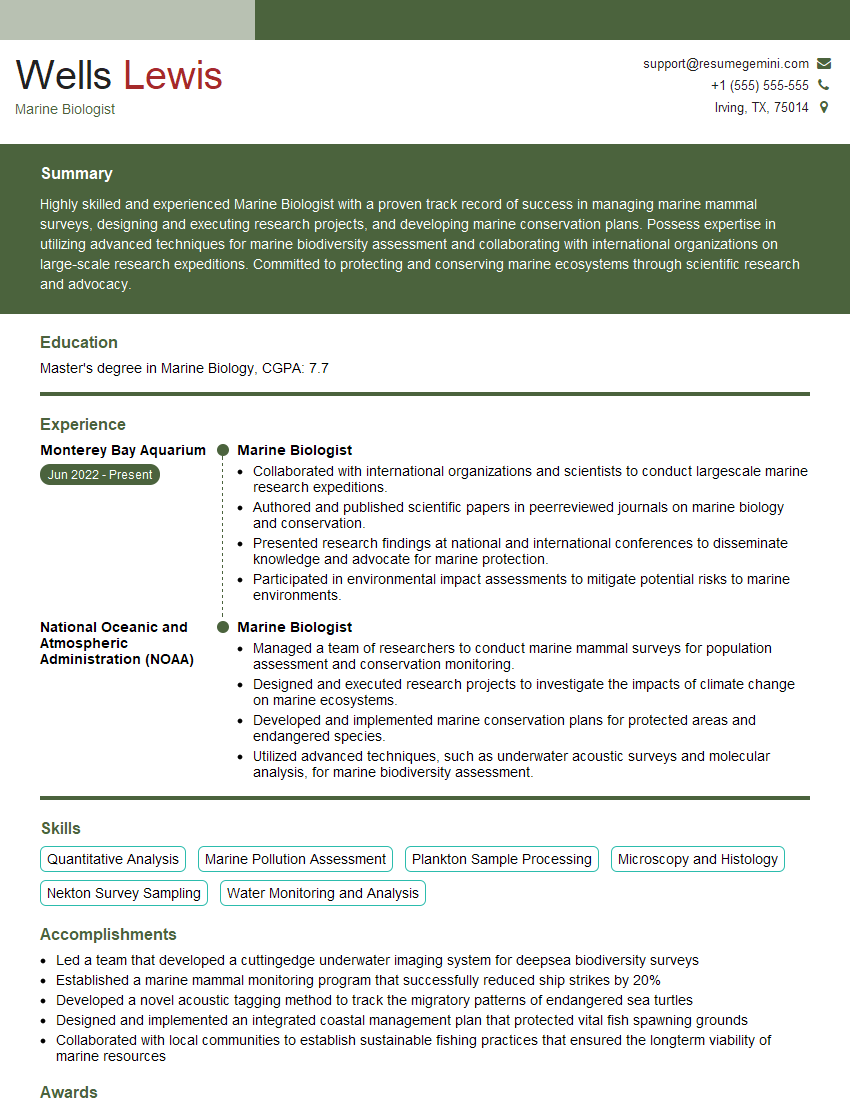
Marine Biologist Resume Sample

Wildlife Biologist Resume Sample
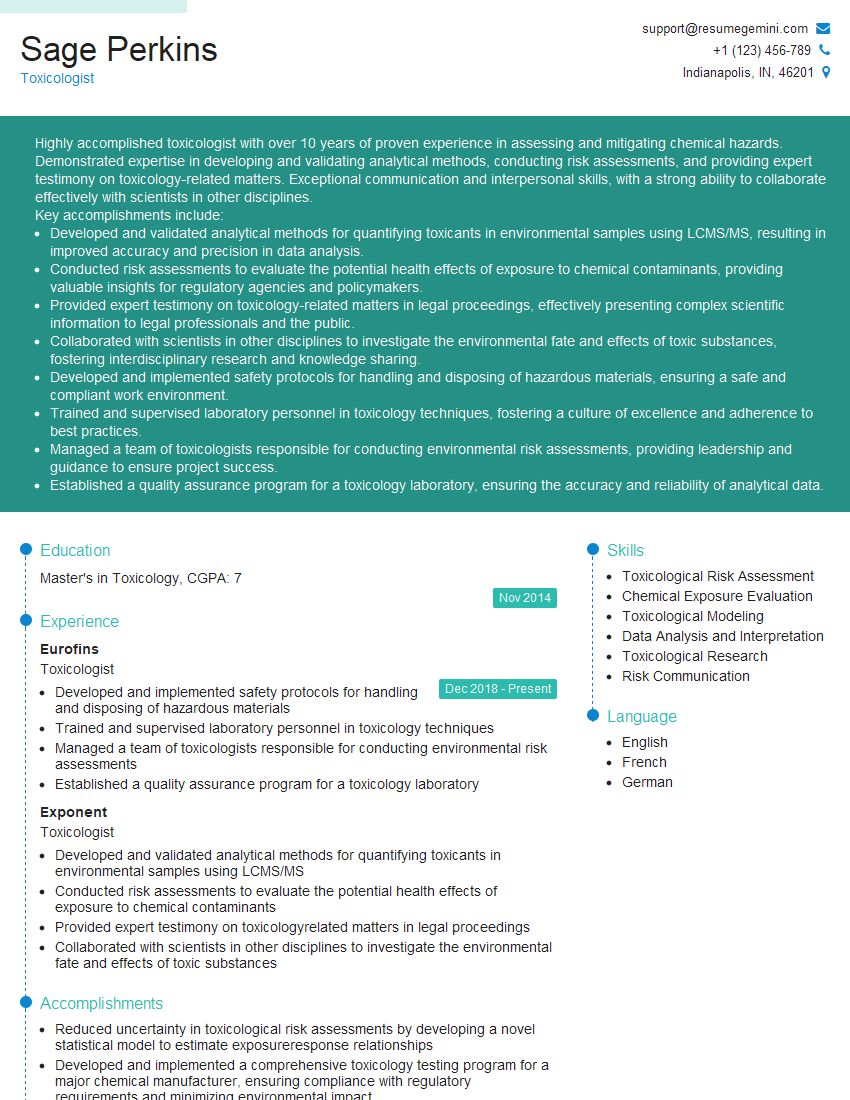
Toxicologist Resume Sample
Immunologist Resume Sample
Explore more articles
Users Rating of Our Blogs
Share Your Experience
We value your feedback! Please rate our content and share your thoughts (optional).
What Readers Say About Our Blog
Very informative content, great job.
good