Unlock your full potential by mastering the most common Domain Knowledge (e.g., Healthcare, Finance) interview questions. This blog offers a deep dive into the critical topics, ensuring you’re not only prepared to answer but to excel. With these insights, you’ll approach your interview with clarity and confidence.
Questions Asked in Domain Knowledge (e.g., Healthcare, Finance) Interview
Q 1. Explain the concept of Net Present Value (NPV).
Net Present Value (NPV) is a crucial financial metric used to evaluate the profitability of a potential investment or project. It represents the difference between the present value of cash inflows and the present value of cash outflows over a period of time. In simpler terms, it tells you how much value an investment adds today, considering the time value of money.
The time value of money is the concept that money available at the present time is worth more than the same amount in the future due to its potential earning capacity. A dollar today can earn interest, making it worth more than a dollar received tomorrow.
NPV is calculated by discounting all future cash flows back to their present value using a discount rate (which usually reflects the cost of capital or the required rate of return). A positive NPV indicates that the investment is expected to generate more value than it costs, making it a potentially worthwhile endeavor. Conversely, a negative NPV suggests the investment would likely result in a net loss.
Example: Let’s say you’re considering investing in a project that costs $10,000 today. It’s projected to generate $3,000 in cash flows each year for the next five years. If your discount rate is 10%, you would calculate the present value of each year’s cash flow and sum them. If the sum exceeds $10,000, the NPV is positive. NPV calculations are typically performed using spreadsheet software or financial calculators.
Q 2. What are the different types of financial statements?
There are three primary types of financial statements that provide a comprehensive overview of a company’s financial health: the Income Statement, the Balance Sheet, and the Statement of Cash Flows.
- Income Statement: This statement shows a company’s revenues and expenses over a specific period (e.g., a quarter or a year), ultimately resulting in net income or net loss. It illustrates the profitability of the business during that period.
- Balance Sheet: A snapshot of a company’s assets, liabilities, and equity at a specific point in time. It follows the fundamental accounting equation: Assets = Liabilities + Equity. This statement provides insights into the company’s financial position.
- Statement of Cash Flows: This statement tracks the movement of cash both into and out of a company during a specific period. It’s categorized into operating activities, investing activities, and financing activities. It helps understand how a company generates and uses cash.
Analyzing these statements together provides a holistic view of a company’s financial performance and situation. For example, a company might report high net income (Income Statement) but have low cash reserves (Balance Sheet and Statement of Cash Flows), indicating potential issues with cash management.
Q 3. Describe your understanding of CAPM (Capital Asset Pricing Model).
The Capital Asset Pricing Model (CAPM) is a financial model that calculates the expected rate of return for an asset or investment. It’s based on the idea that the expected return of an asset is equal to the risk-free rate of return plus a risk premium that reflects the asset’s systematic risk.
Systematic risk, also known as market risk, is the risk associated with the overall market and cannot be diversified away. It’s measured by beta (β), which represents the sensitivity of the asset’s returns to changes in the market return. A beta of 1 means the asset moves in line with the market; a beta greater than 1 indicates higher volatility than the market, and a beta less than 1 suggests lower volatility.
The formula for CAPM is: Expected Return = Risk-Free Rate + Beta * (Market Return – Risk-Free Rate)
Example: If the risk-free rate is 2%, the market return is 10%, and the beta of a stock is 1.5, the expected return for that stock would be: 2% + 1.5 * (10% – 2%) = 14%
CAPM is widely used in investment decision-making, portfolio management, and pricing assets. It provides a framework for assessing the risk and return characteristics of investments.
Q 4. How do you calculate Return on Investment (ROI)?
Return on Investment (ROI) is a performance measure used to evaluate the efficiency or profitability of an investment or compare the efficiency of a number of different investments. It is calculated by dividing the net profit (or net gain) of an investment by the cost of the investment.
The formula for ROI is: ROI = (Net Profit / Cost of Investment) * 100%
Example: If you invest $10,000 in a business and it generates a net profit of $2,000, your ROI would be: ($2,000 / $10,000) * 100% = 20%.
It is important to note that the ‘cost of investment’ and ‘net profit’ should be clearly defined and consistently applied when calculating ROI across different investments to allow for fair comparison.
Q 5. What is the difference between debt and equity financing?
Debt and equity financing are two primary ways companies raise capital. They differ significantly in their implications for the company’s financial structure and ownership.
- Debt Financing: This involves borrowing money from lenders (e.g., banks, bondholders). It creates a liability for the company, requiring repayment of the principal plus interest. Debt financing doesn’t dilute ownership but increases financial risk due to the obligation to repay.
- Equity Financing: This involves raising capital by selling ownership shares in the company to investors (e.g., through issuing stock). Equity financing doesn’t create debt but dilutes the ownership of existing shareholders. It reduces the financial risk of the company, because the investors bear a proportion of the losses in case of business failure.
The choice between debt and equity financing depends on various factors, including the company’s financial situation, risk tolerance, growth plans, and the availability of capital from lenders and investors. A blend of both is often the most effective approach.
Q 6. Explain the concept of diversification in investment.
Diversification in investment is a risk management strategy that involves spreading investments across a variety of assets to reduce the overall risk of the portfolio. The idea is that when some investments perform poorly, others might perform well, offsetting losses and reducing the overall volatility.
Diversification can be achieved across different asset classes (e.g., stocks, bonds, real estate, commodities), industries, geographies, and investment strategies. It doesn’t eliminate all risk, but it mitigates the impact of any single investment’s underperformance. A well-diversified portfolio aims to achieve a balance between risk and return based on the investor’s risk tolerance and investment objectives.
Example: Instead of investing all your money in a single stock, diversification involves investing in a mix of stocks from different sectors, a few bonds, and potentially some real estate. This way, if one sector underperforms, the others might offset the losses.
Q 7. What are some key financial ratios and how are they used?
Many key financial ratios help analyze a company’s financial health and performance. These ratios can be grouped into several categories: liquidity, solvency, profitability, and efficiency.
- Liquidity Ratios (e.g., Current Ratio, Quick Ratio): Assess a company’s ability to meet its short-term obligations.
- Solvency Ratios (e.g., Debt-to-Equity Ratio, Times Interest Earned): Evaluate a company’s long-term financial stability and its ability to meet its long-term debt obligations.
- Profitability Ratios (e.g., Gross Profit Margin, Net Profit Margin, Return on Equity): Measure a company’s ability to generate profits.
- Efficiency Ratios (e.g., Inventory Turnover, Days Sales Outstanding): Assess how effectively a company manages its assets and operations.
Examples:
- The Current Ratio (Current Assets / Current Liabilities) indicates whether a company has enough short-term assets to cover its short-term debts. A higher ratio suggests better liquidity.
- The Debt-to-Equity Ratio (Total Debt / Total Equity) shows the proportion of a company’s financing that comes from debt versus equity. A higher ratio implies higher financial risk.
- The Net Profit Margin (Net Income / Revenue) reveals the percentage of revenue that translates into profit. A higher margin reflects better profitability.
Analyzing these ratios together provides a thorough understanding of a company’s financial strengths and weaknesses. It’s crucial to compare these ratios to industry averages and historical trends to gain meaningful insights.
Q 8. How do you evaluate the creditworthiness of a borrower?
Evaluating a borrower’s creditworthiness is crucial in lending. It involves a thorough assessment of their ability and willingness to repay debt. This assessment is typically done using a combination of factors, often summarized in a credit score.
Credit History: This is the most important factor. A longer history of responsible credit use (on-time payments, low credit utilization) indicates lower risk. Lenders look at past delinquencies, bankruptcies, and collections.
Debt-to-Income Ratio (DTI): This measures the percentage of your gross monthly income that goes towards debt payments (mortgage, car loans, credit cards, etc.). A lower DTI indicates more financial flexibility and lower risk.
Credit Utilization Ratio: This shows how much of your available credit you’re using. Keeping it low (ideally below 30%) demonstrates responsible credit management.
Credit Mix: Having a variety of credit accounts (credit cards, installment loans) can positively impact your score, showing experience managing different types of credit.
New Credit: Frequently applying for new credit can negatively impact your score as it suggests potential financial instability.
Income and Employment Stability: Lenders verify income and employment history to ensure the borrower has the means to repay the loan. A stable job with a consistent income is preferred.
Example: Imagine two applicants for a mortgage. Applicant A has a long history of on-time payments, a low DTI, and excellent credit utilization. Applicant B has a short credit history, several late payments, and a high DTI. Applicant A is clearly the lower-risk borrower.
Q 9. Describe your understanding of the Dodd-Frank Act.
The Dodd-Frank Wall Street Reform and Consumer Protection Act of 2010 was enacted in response to the 2008 financial crisis. Its main goals were to increase financial regulation, prevent another crisis, and protect consumers. Key provisions include:
Increased Regulatory Oversight: It created the Consumer Financial Protection Bureau (CFPB) to oversee consumer financial products and services, and strengthened the supervision of banks and other financial institutions.
Derivatives Regulation: It aimed to increase transparency and reduce risk in the derivatives market, requiring standardization and clearing of many derivatives through central clearinghouses.
Volcker Rule: This prohibits banks from engaging in proprietary trading (trading for their own profit) and limits their investments in hedge funds and private equity.
Stress Testing: Banks are now required to undergo regular stress tests to assess their resilience to economic shocks.
Consumer Protection: The Act strengthened consumer protections in areas such as mortgages, credit cards, and debt collection.
In essence, Dodd-Frank sought to create a more stable and transparent financial system while enhancing consumer protections. However, its effectiveness remains a subject of ongoing debate.
Q 10. Explain the concept of market risk.
Market risk, also known as price risk, is the potential for investment losses due to fluctuations in market prices. It encompasses various factors that can affect the value of an asset, such as stocks, bonds, or real estate.
Interest Rate Risk: Changes in interest rates can significantly impact the value of fixed-income securities like bonds.
Equity Price Risk: Fluctuations in stock prices due to company performance, economic conditions, or investor sentiment.
Currency Risk (Exchange Rate Risk): Changes in exchange rates can affect the value of investments denominated in foreign currencies.
Commodity Price Risk: Fluctuations in the prices of raw materials like oil, gold, or agricultural products can impact related investments.
Example: An investor holding a portfolio heavily weighted in technology stocks faces significant market risk. If the technology sector experiences a downturn, the value of their investments will likely decrease. Diversification is a key strategy to mitigate market risk by spreading investments across different asset classes.
Q 11. What is the difference between a bull and bear market?
The terms “bull market” and “bear market” describe the overall trend of a market, typically the stock market.
Bull Market: A bull market is characterized by a prolonged period of rising prices. Investors are optimistic, and buying activity outweighs selling. Prices generally trend upwards, and many investors expect further price increases.
Bear Market: A bear market is the opposite – a prolonged period of declining prices. Investors are pessimistic, and selling activity dominates. Prices generally trend downwards, and investors anticipate further price declines. A common rule of thumb defines a bear market as a 20% or greater decline from a recent peak.
Example: The period from 2009 to 2020 was largely a bull market, with major stock indices exhibiting significant growth. The sharp market downturn in early 2020 could be considered the start of a bear market, although its duration and severity were somewhat atypical.
Q 12. Explain the concept of a derivative.
A derivative is a financial contract whose value is derived from an underlying asset. The underlying asset can be anything from a stock or bond to a commodity or even a weather index. Derivatives are used for various purposes, including hedging (reducing risk), speculation (betting on price movements), and arbitrage (exploiting price discrepancies).
Futures Contracts: An agreement to buy or sell an asset at a specific price on a future date.
Options Contracts: Give the buyer the right, but not the obligation, to buy (call option) or sell (put option) an underlying asset at a specific price (strike price) before or on a specific date (expiration date).
Swaps: Agreements to exchange cash flows based on a specific underlying asset or index.
Example: A farmer might use futures contracts to lock in a price for their crop, hedging against potential price declines before harvest. A speculator might buy call options on a stock, hoping its price will rise significantly before the option expires.
Q 13. What are some common types of insurance?
There are many types of insurance, each designed to protect against specific risks. Here are some common ones:
Auto Insurance: Protects against financial losses resulting from car accidents, including damage to your vehicle and injuries to others.
Homeowners/Renters Insurance: Covers damage or loss to your home or belongings due to fire, theft, or other events.
Health Insurance: Helps cover medical expenses, such as doctor visits, hospital stays, and prescription drugs.
Life Insurance: Provides a financial benefit to designated beneficiaries upon the death of the insured person.
Disability Insurance: Replaces a portion of your income if you become unable to work due to illness or injury.
Liability Insurance: Protects you against financial losses if you’re held legally responsible for causing harm to someone else.
The specific types of insurance you need will depend on your individual circumstances and risk tolerance.
Q 14. Explain the concept of managed care.
Managed care is a system of healthcare delivery aimed at controlling costs and improving efficiency. It involves coordinating care through networks of providers and using various strategies to manage utilization of services.
Health Maintenance Organizations (HMOs): Typically require you to choose a primary care physician (PCP) within the network. Referrals are usually needed to see specialists.
Preferred Provider Organizations (PPOs): Offer more flexibility. You can see specialists without a referral, but costs are generally lower if you use in-network providers.
Point-of-Service (POS) Plans: Combine elements of HMOs and PPOs. You choose a PCP, but you have the option to see out-of-network providers at a higher cost.
Managed care uses several methods to control costs, including pre-authorization for procedures, utilization review (assessing the necessity of services), and disease management programs for chronic conditions. The goal is to deliver high-quality care at a reasonable cost by emphasizing preventive care and managing the overall healthcare experience.
Q 15. Describe the different types of healthcare delivery systems.
Healthcare delivery systems encompass the various ways healthcare services are organized and delivered to patients. These systems differ based on their structure, ownership, payment mechanisms, and the range of services offered.
- Fee-for-service (FFS): Providers are paid for each service rendered. This system can incentivize overutilization of services. Example: A doctor bills separately for a consultation, lab tests, and x-rays.
- Health Maintenance Organizations (HMOs): Patients choose a primary care physician (PCP) within the network. Referrals are needed to see specialists. Generally, lower cost but less choice. Example: Kaiser Permanente
- Preferred Provider Organizations (PPOs): Patients can see any doctor, but in-network providers cost less. More choice, but potentially higher costs than HMOs. Example: Many large insurance companies offer PPO plans.
- Point-of-Service (POS): A hybrid of HMO and PPO, offering more flexibility than HMOs but with potential cost-sharing. Example: A POS plan might allow out-of-network visits, but at a higher cost.
- Integrated Delivery Systems (IDS): Combine various healthcare providers under one umbrella, such as hospitals, clinics, and physician practices, aiming for coordinated care. Example: A large hospital system owning multiple clinics and employing many physicians.
The optimal system often depends on the specific needs and resources of a community and individual patients.
Career Expert Tips:
- Ace those interviews! Prepare effectively by reviewing the Top 50 Most Common Interview Questions on ResumeGemini.
- Navigate your job search with confidence! Explore a wide range of Career Tips on ResumeGemini. Learn about common challenges and recommendations to overcome them.
- Craft the perfect resume! Master the Art of Resume Writing with ResumeGemini’s guide. Showcase your unique qualifications and achievements effectively.
- Don’t miss out on holiday savings! Build your dream resume with ResumeGemini’s ATS optimized templates.
Q 16. What is the Affordable Care Act (ACA)?
The Affordable Care Act (ACA), also known as Obamacare, is a landmark healthcare reform law in the United States enacted in 2010. Its primary goals were to expand health insurance coverage, improve the quality of healthcare, and control costs. Key provisions included:
- Individual Mandate (now repealed): Required most Americans to have health insurance or pay a penalty.
- Health Insurance Marketplaces (Exchanges): Created online platforms for individuals and small businesses to compare and purchase insurance plans.
- Medicaid Expansion: Allowed states to expand Medicaid eligibility to more low-income adults.
- Essential Health Benefits: Mandated that most health insurance plans cover a set of essential health benefits, such as hospitalization, maternity care, and mental health services.
- Pre-existing Conditions Protections: Prevented insurance companies from denying coverage or charging higher premiums based on pre-existing conditions.
The ACA has significantly impacted the healthcare landscape, increasing insurance coverage rates and making healthcare more accessible to millions. However, it continues to be a subject of ongoing debate and revision.
Q 17. What are some key performance indicators (KPIs) in healthcare?
Key Performance Indicators (KPIs) in healthcare measure the efficiency, effectiveness, and quality of care. They vary depending on the organization and its goals but often include:
- Patient Satisfaction Scores: Measured through surveys, reflecting patients’ experiences with care.
- Readmission Rates: The percentage of patients readmitted to the hospital within a specific timeframe after discharge, indicating quality of care and discharge planning.
- Length of Stay (LOS): Average number of days patients spend in the hospital, reflecting efficiency of care.
- Mortality Rates: The number of deaths within a specific population, reflecting the effectiveness of treatments and preventative care.
- Infection Rates: Number of hospital-acquired infections, indicating infection control protocols’ effectiveness.
- Cost per Patient Day: Total cost divided by the number of patient days, showing operational efficiency.
- Emergency Department Wait Times: Average time patients wait in the emergency department, reflecting efficiency and resource allocation.
Tracking KPIs is crucial for continuous improvement and identifying areas needing attention.
Q 18. Explain the concept of healthcare cost containment.
Healthcare cost containment refers to strategies and initiatives aimed at reducing or controlling healthcare expenses without compromising the quality of care. The rising cost of healthcare is a major concern globally. Strategies include:
- Preventive Care: Focusing on wellness and disease prevention to reduce the need for expensive treatments later.
- Care Coordination: Improving communication and collaboration among healthcare providers to avoid duplicative services and improve patient outcomes.
- Value-Based Care: Shifting reimbursement models from fee-for-service to payment models that reward quality and efficiency.
- Technology Adoption: Utilizing telehealth, electronic health records (EHRs), and other technologies to streamline processes and reduce administrative costs.
- Negotiating Drug Prices: Implementing strategies to negotiate lower prices for pharmaceuticals.
- Promoting Health Literacy: Empowering patients with information to make informed decisions about their health and utilize healthcare resources effectively.
Successful cost containment requires a multi-faceted approach addressing both the supply and demand sides of healthcare.
Q 19. What is the difference between Medicare and Medicaid?
Medicare and Medicaid are both government-funded health insurance programs in the United States, but they serve different populations:
- Medicare: A federal health insurance program primarily for individuals aged 65 or older and certain younger people with disabilities or end-stage renal disease. It’s funded through payroll taxes and general tax revenue. It has four parts: A (hospital insurance), B (medical insurance), C (Medicare Advantage), and D (prescription drug insurance).
- Medicaid: A joint federal and state program providing healthcare coverage to low-income individuals and families. Eligibility requirements vary by state. It covers a broader range of services than Medicare, including long-term care.
The key difference lies in who they cover – Medicare for the elderly and disabled, Medicaid for the low-income. Both play crucial roles in ensuring access to healthcare for vulnerable populations.
Q 20. Describe the process of medical billing and coding.
Medical billing and coding is the process of translating medical services into standardized codes for insurance claims. It involves two main steps:
- Medical Coding: Assigning standardized codes (CPT, ICD, HCPCS) to each medical service, procedure, diagnosis, and supply provided to a patient. This allows for consistent communication across healthcare systems. Example: A specific surgical procedure might receive a CPT code. A diagnosis of pneumonia will receive an ICD code.
- Medical Billing: Creating and submitting insurance claims using the generated codes, patient information, and other necessary data. This involves verifying insurance coverage, submitting the claim to the correct payer, following up on payments, and managing outstanding balances. Example: Submitting a claim to Medicare for a patient’s hospital stay using the appropriate codes.
Accurate medical billing and coding are essential for timely reimbursement and efficient revenue cycle management. Errors can lead to claim denials, delayed payments, and financial losses for healthcare providers.
Q 21. What is the role of HIPAA in healthcare?
The Health Insurance Portability and Accountability Act of 1996 (HIPAA) is a US law designed to protect the privacy and security of Protected Health Information (PHI). PHI includes any information about a patient’s health status, provision of healthcare, or payment for healthcare that can be linked to their identity. HIPAA’s key roles include:
- Protecting Patient Privacy: Establishing standards for the use and disclosure of PHI. Healthcare providers must obtain patient consent before releasing PHI, except in certain limited circumstances.
- Ensuring Data Security: Implementing security measures to protect electronic PHI (ePHI) from unauthorized access, use, disclosure, disruption, modification, or destruction.
- Improving Healthcare Efficiency: Standardizing electronic transactions, such as claims submissions, to improve efficiency and reduce administrative costs.
HIPAA violations can result in significant fines and penalties for healthcare providers. Compliance with HIPAA is crucial for maintaining patient trust and protecting sensitive health information. It mandates privacy rules, security rules, and breach notification rules.
Q 22. Explain the concept of evidence-based medicine.
Evidence-based medicine (EBM) is an approach to medical practice that integrates the best available research evidence with clinical expertise and patient values to make decisions about patient care. It’s not about blindly following studies, but rather using the best available science as a guide, informed by your experience and the individual preferences of the patient.
Imagine you’re a doctor treating a patient with high blood pressure. EBM would guide you to consult the latest research on effective hypertension treatments. You’d look at randomized controlled trials comparing different medications, considering factors like efficacy, side effects, and cost. You’d then discuss the options with your patient, weighing the potential benefits and risks in the context of their lifestyle and preferences. The final treatment plan is a collaborative decision, based on the best scientific evidence, your professional judgement, and the patient’s wishes.
In essence, EBM ensures that medical practices are continually updated and refined based on rigorous scientific findings. This results in improved patient outcomes and more efficient healthcare delivery.
Q 23. What are some common healthcare quality metrics?
Healthcare quality metrics are standardized measurements used to track and evaluate the effectiveness and efficiency of healthcare services. These metrics help healthcare providers identify areas for improvement and ensure that they are meeting the needs of their patients. Common metrics fall into several categories:
- Patient Safety: Examples include hospital-acquired infection rates, medication errors, and patient falls. A lower rate indicates better safety.
- Clinical Effectiveness: This covers things like readmission rates (lower is better), mortality rates (lower is better), and the percentage of patients achieving specific treatment goals (higher is better, e.g., blood sugar control in diabetics).
- Patient Satisfaction: Measured through surveys, this reflects patient experience with care, such as communication with doctors, wait times, and overall satisfaction with the hospital or clinic.
- Efficiency: Metrics here might include average length of stay (ALOS) in hospitals (shorter is better), cost per patient, and bed occupancy rates.
- Timeliness: This addresses aspects like how quickly patients receive diagnoses and treatment, including wait times for appointments and tests.
These metrics are essential for benchmarking performance against other providers, identifying trends, and justifying resource allocation within healthcare systems.
Q 24. Describe the challenges faced by the healthcare industry.
The healthcare industry faces a multitude of complex challenges:
- Rising Costs: Healthcare expenses continue to escalate, driven by factors such as technological advancements, aging populations, and chronic disease management. This places a strain on individuals, insurance companies, and government budgets.
- Access to Care: Many individuals lack access to affordable and quality healthcare, particularly in underserved communities. This disparity contributes to poorer health outcomes and exacerbates existing inequalities.
- Shortage of Healthcare Professionals: A growing shortage of doctors, nurses, and other healthcare professionals threatens the ability to meet the increasing demand for services, especially in specialized areas.
- Technological Advancements: While technology offers many benefits, it also presents challenges in terms of integration, cost, security, and the need for ongoing training and support for staff.
- Regulatory Compliance: Navigating complex regulations and compliance requirements adds administrative burden and cost to healthcare organizations.
- Chronic Disease Management: The prevalence of chronic conditions such as diabetes and heart disease places a substantial burden on healthcare systems, demanding ongoing care and management.
- Public Health Crises: Unexpected events like pandemics can overwhelm healthcare systems and highlight the vulnerabilities in preparedness and resource allocation.
Addressing these challenges requires a multi-faceted approach involving policy changes, technological innovation, workforce development, and improved access to care.
Q 25. What are some ethical considerations in healthcare?
Ethical considerations in healthcare are paramount and guide decision-making at all levels. Key areas include:
- Patient Autonomy: Respecting a patient’s right to make informed decisions about their own care, even if those decisions differ from medical advice.
- Beneficence: Acting in the best interests of the patient, prioritizing their well-being and avoiding harm.
- Non-maleficence: Avoiding actions that could cause harm to the patient; “do no harm”.
- Justice: Ensuring fair and equitable distribution of healthcare resources, preventing discrimination based on factors such as race, socioeconomic status, or gender.
- Confidentiality: Protecting the privacy of patient information and maintaining confidentiality. This includes compliance with HIPAA regulations (in the US).
- Informed Consent: Obtaining informed consent before any medical procedure or treatment, ensuring the patient understands the risks, benefits, and alternatives.
- End-of-life care: Navigating complex issues surrounding end-of-life decisions, including advanced directives, palliative care, and respecting patient wishes.
Ethical dilemmas frequently arise in healthcare, often requiring careful consideration of competing values and principles. Ethical committees and guidelines provide frameworks for navigating these complex situations.
Q 26. Explain the concept of population health management.
Population health management (PHM) is a coordinated approach to improving the health of a defined population by focusing on prevention, early intervention, and continuous care. It shifts from a traditional fee-for-service model to one that emphasizes value-based care.
Instead of just treating individual patients, PHM aims to address the overall health status of a specific group, such as a community, an employer’s workforce, or a group of patients with a particular condition. This involves data analysis to identify high-risk individuals, proactive interventions to prevent illness, and coordination of care across different healthcare providers.
For example, a PHM program might target individuals with diabetes. Using data analytics, they would identify patients at high risk of complications. Proactive interventions could include educational programs on diet and exercise, regular monitoring of blood sugar levels, and medication adherence support. By coordinating care with specialists and ensuring access to necessary resources, PHM aims to improve outcomes, reduce hospitalizations, and lower overall healthcare costs.
Q 27. What is the impact of technology on healthcare?
Technology has profoundly impacted healthcare, leading to significant advancements in diagnosis, treatment, and care delivery. Some key impacts include:
- Improved Diagnostics: Advanced imaging techniques (MRI, CT scans), genetic testing, and sophisticated laboratory equipment allow for earlier and more accurate diagnosis of diseases.
- Minimally Invasive Procedures: Robotic surgery and other minimally invasive techniques result in less trauma, faster recovery times, and shorter hospital stays.
- Telemedicine: Remote consultations and monitoring allow patients to access care regardless of location, improving access to specialists and reducing travel burdens.
- Electronic Health Records (EHRs): EHRs improve data management, facilitate communication among healthcare providers, and reduce medical errors.
- Artificial Intelligence (AI): AI is increasingly used for tasks such as image analysis, disease prediction, and drug discovery.
- Wearable Technology: Wearable devices collect health data, empowering patients to monitor their health and engage in preventive measures.
However, technology also presents challenges, including data security concerns, the need for extensive training of healthcare professionals, and the potential for widening the digital divide among patients.
Q 28. Describe the role of data analytics in healthcare.
Data analytics plays a critical role in improving healthcare delivery and outcomes. It involves the systematic collection, analysis, and interpretation of healthcare data to identify trends, patterns, and insights that can inform decision-making.
Applications of data analytics in healthcare include:
- Predictive Modeling: Identifying patients at high risk of developing certain conditions, allowing for proactive interventions.
- Disease Surveillance: Tracking the spread of infectious diseases and predicting outbreaks.
- Improving Operational Efficiency: Optimizing hospital workflows, reducing wait times, and improving resource allocation.
- Personalized Medicine: Tailoring treatment plans to individual patients based on their genetic makeup and other factors.
- Quality Improvement: Identifying areas where healthcare quality can be enhanced and tracking the effectiveness of interventions.
- Research and Development: Facilitating drug discovery and development by identifying potential drug targets and predicting clinical trial outcomes.
The use of data analytics requires careful consideration of data privacy and security, as well as the ethical implications of using patient data for research and decision-making.
Key Topics to Learn for Domain Knowledge (e.g., Healthcare, Finance) Interview
Ace your interview by mastering these key areas. Remember, understanding the “why” behind the concepts is as crucial as knowing the “what”.
- Healthcare (Example): Regulatory Landscape: HIPAA, FDA regulations, payer models (e.g., HMO, PPO). Understand the practical implications of these regulations on patient care and operational efficiency.
- Healthcare (Example): Healthcare Delivery Systems: Analyze different models (e.g., fee-for-service, value-based care) and their impact on cost and quality. Consider the challenges and opportunities presented by each.
- Healthcare (Example): Data Analysis in Healthcare: Explore the use of EHR data for improving patient outcomes, identifying trends, and managing resources. Practice interpreting key performance indicators (KPIs).
- Finance (Example): Financial Statement Analysis: Master the interpretation of balance sheets, income statements, and cash flow statements. Be prepared to discuss key ratios and their significance.
- Finance (Example): Investment Strategies: Understand different investment approaches (e.g., value investing, growth investing) and their risk-reward profiles. Be ready to discuss current market trends.
- Finance (Example): Risk Management: Explore various risk management techniques used in financial institutions and their importance in mitigating potential losses. Consider both market and operational risks.
Next Steps
Demonstrating a strong grasp of domain knowledge is vital for career advancement and securing your dream role. A well-crafted resume is your first impression – make it count! An ATS-friendly resume ensures your qualifications are effectively communicated to hiring managers.
ResumeGemini can help you build a professional and impactful resume that highlights your domain expertise. We provide examples of resumes tailored to Healthcare and Finance, giving you a head start in crafting your perfect application. Take the next step towards your career success with ResumeGemini.
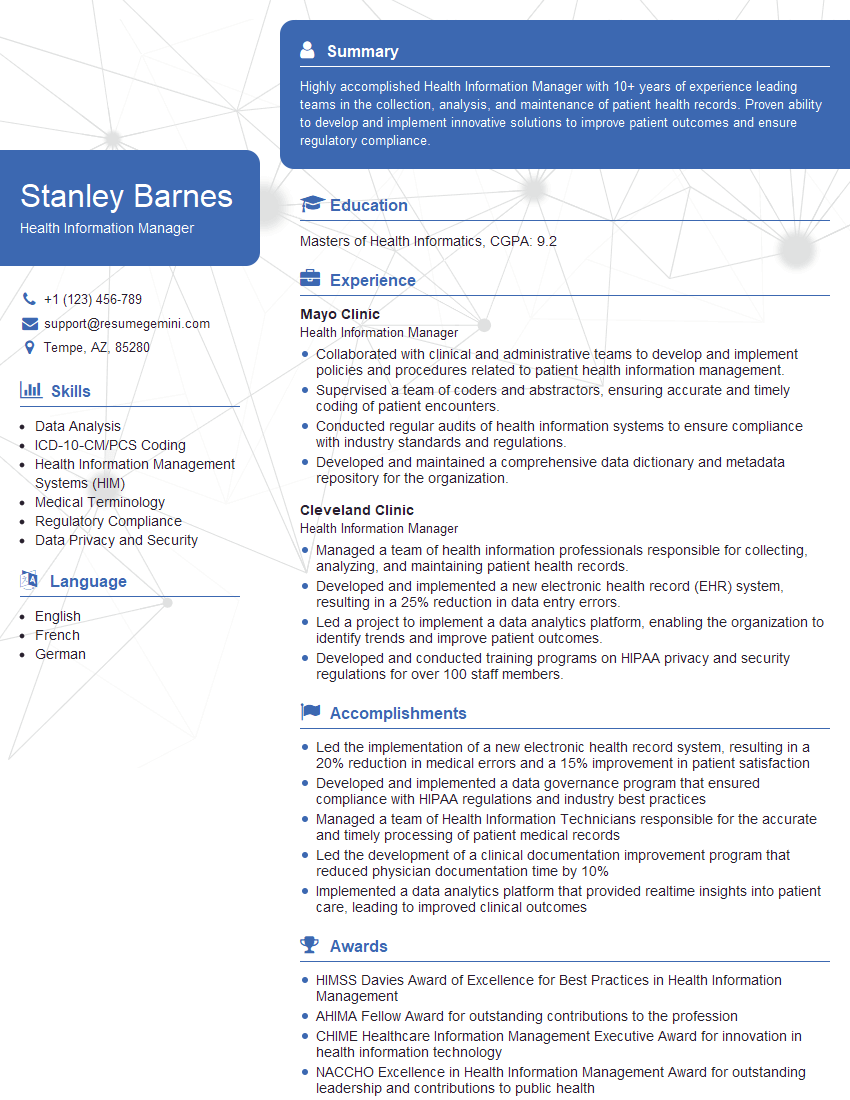
Health Information Manager Resume Sample
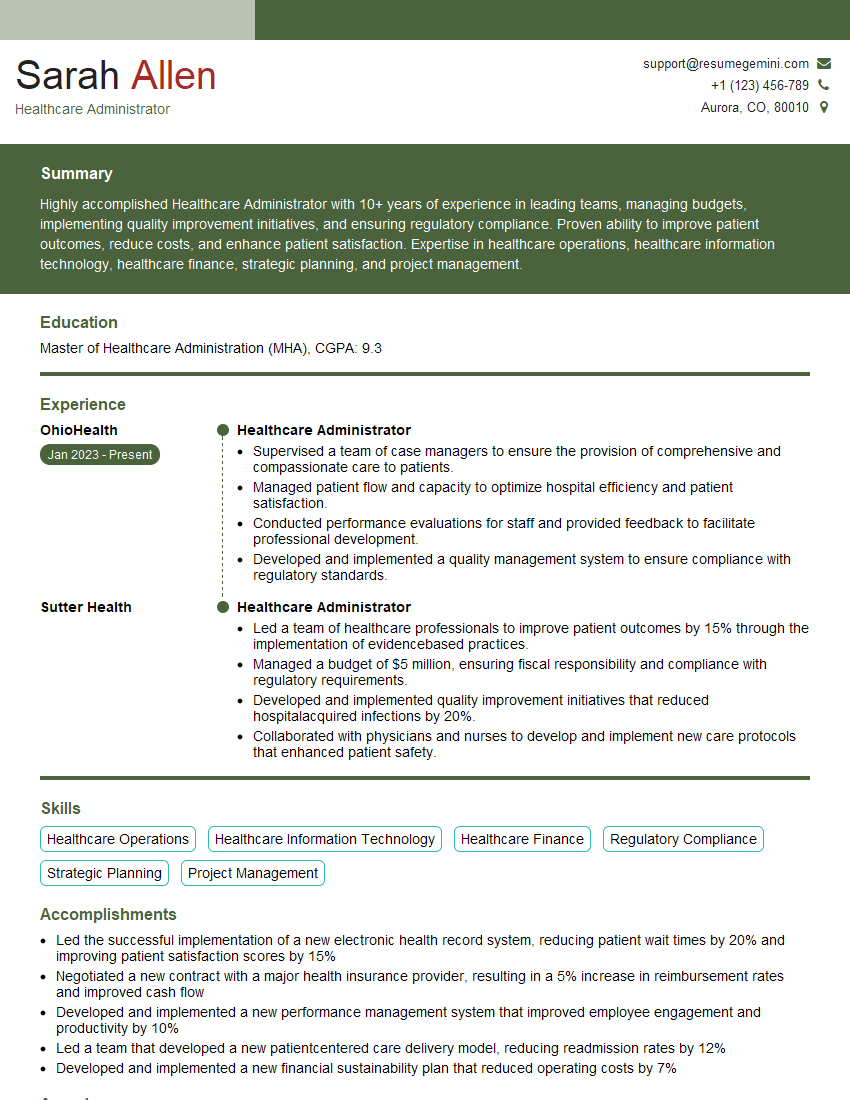
Healthcare Administrator Resume Sample

Compliance Officer Resume Sample
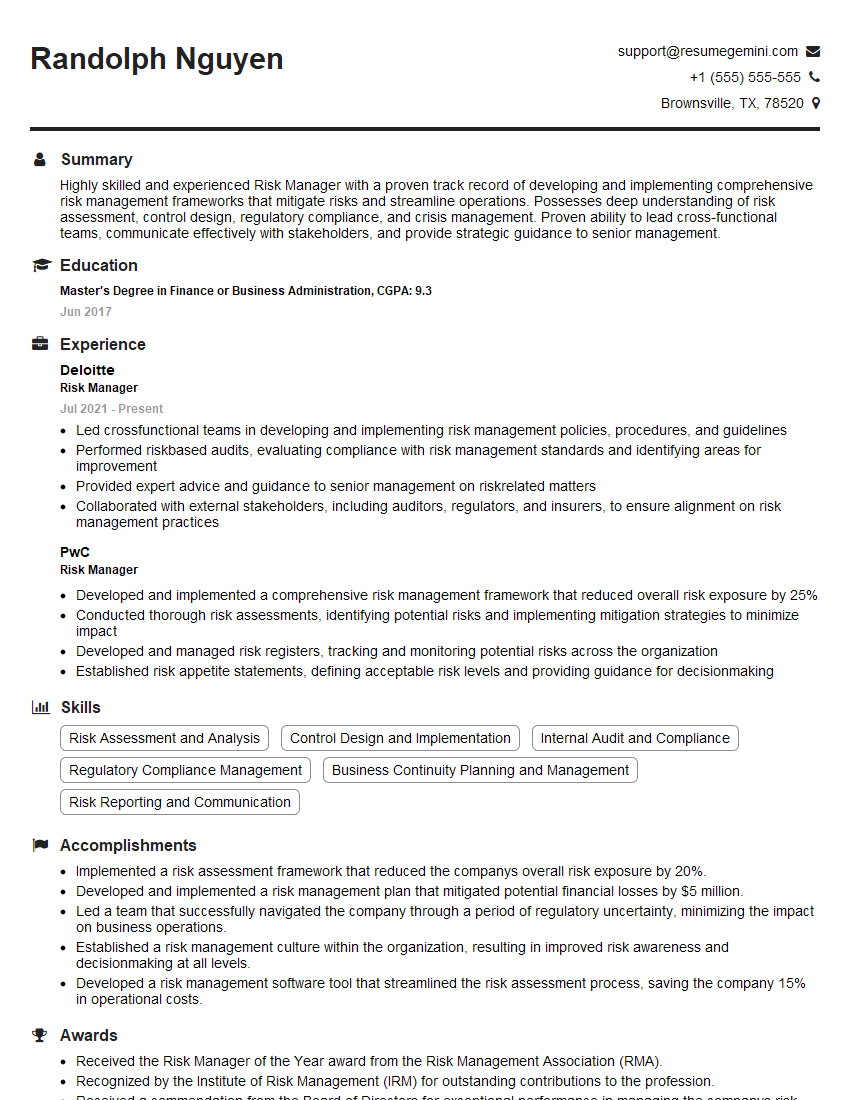
Risk Manager Resume Sample
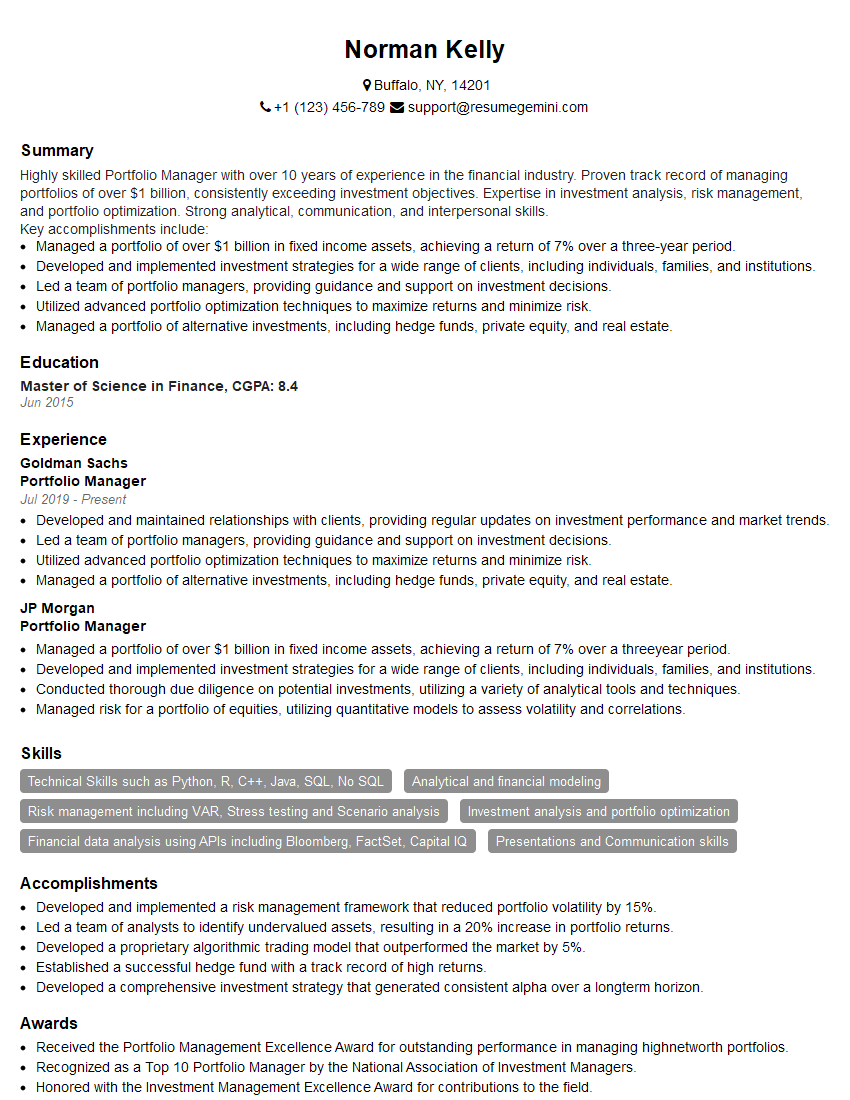
Portfolio Manager Resume Sample
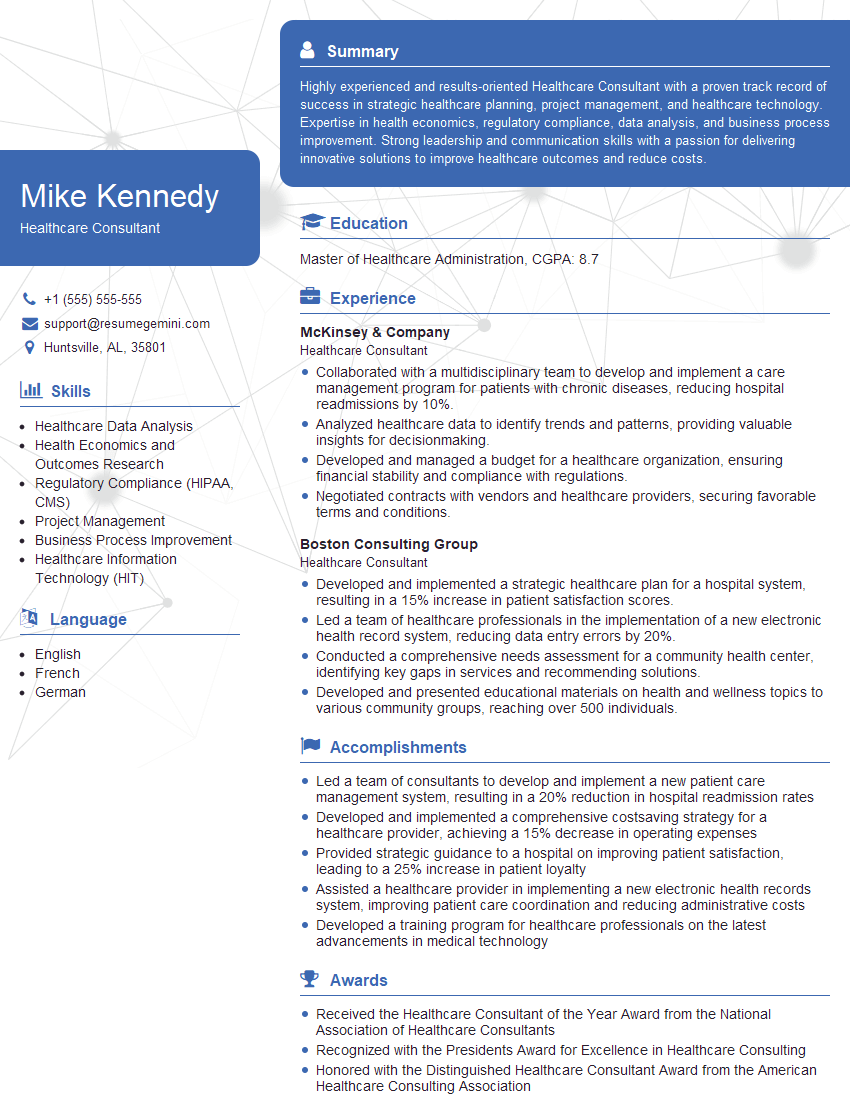
Healthcare Consultant Resume Sample
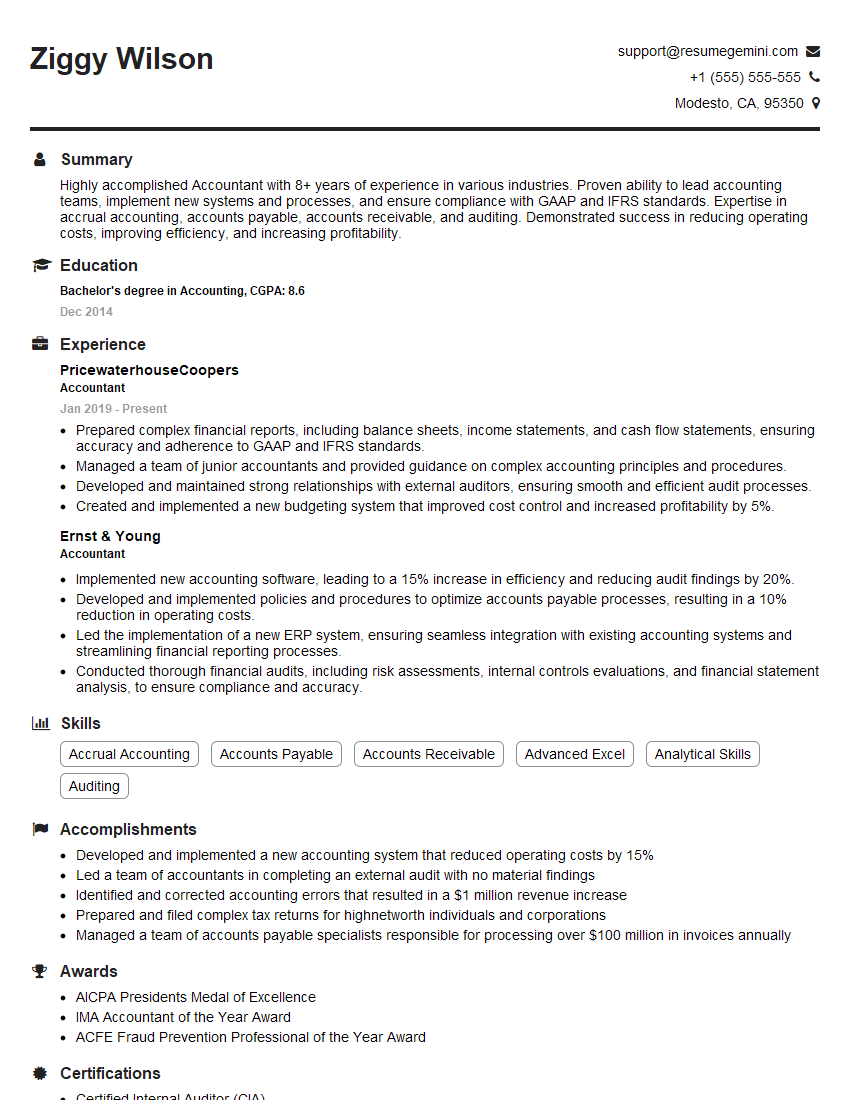
Accountant Resume Sample
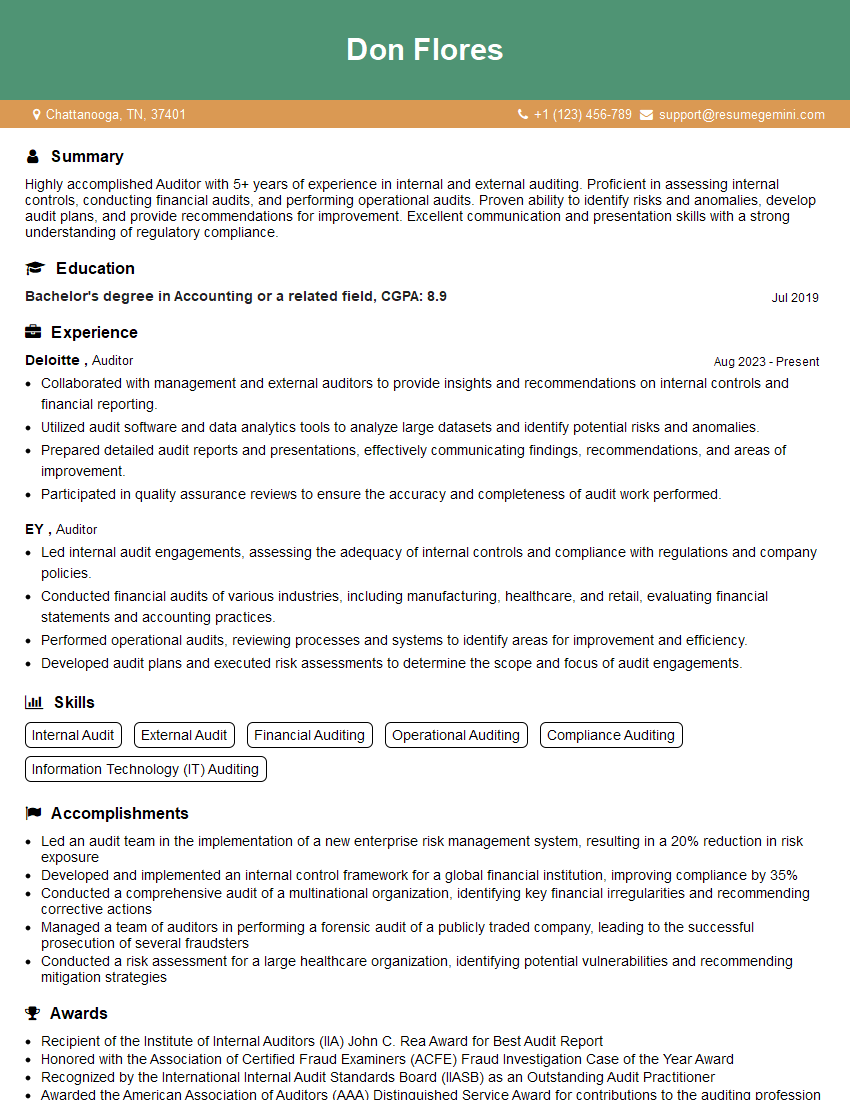
Auditor Resume Sample
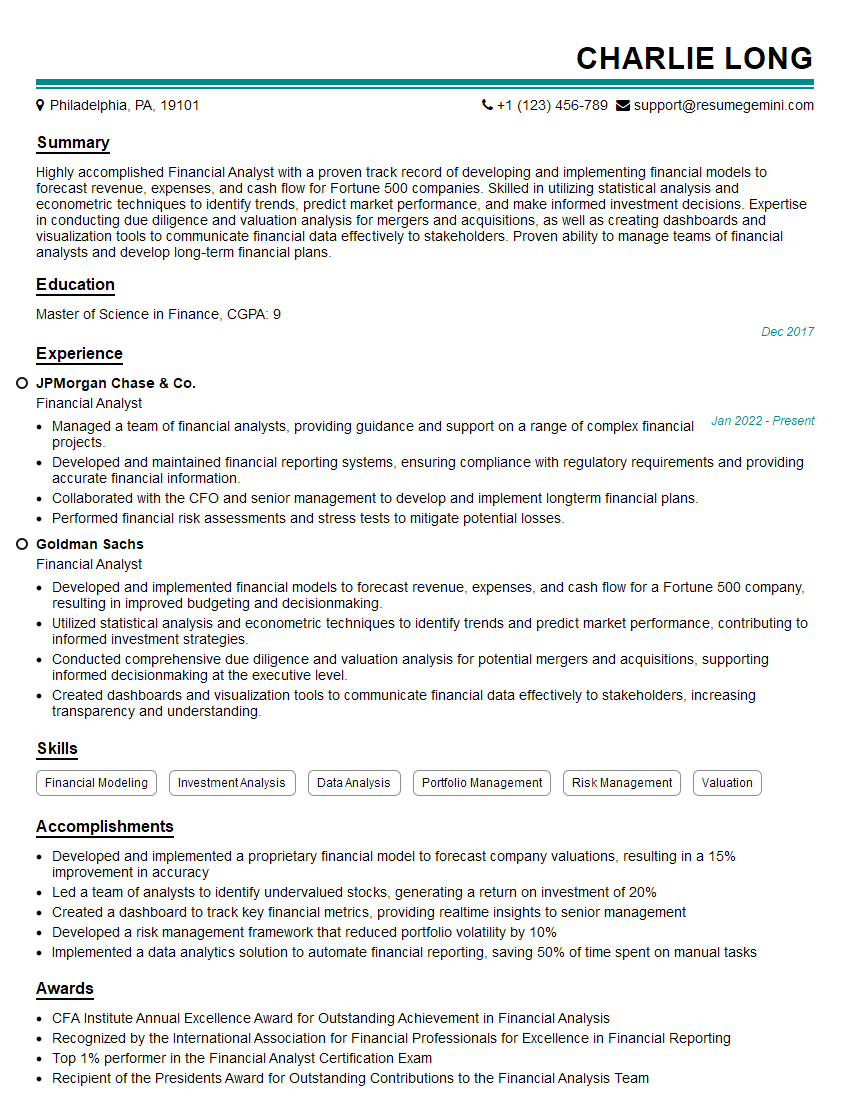
Financial Analyst Resume Sample
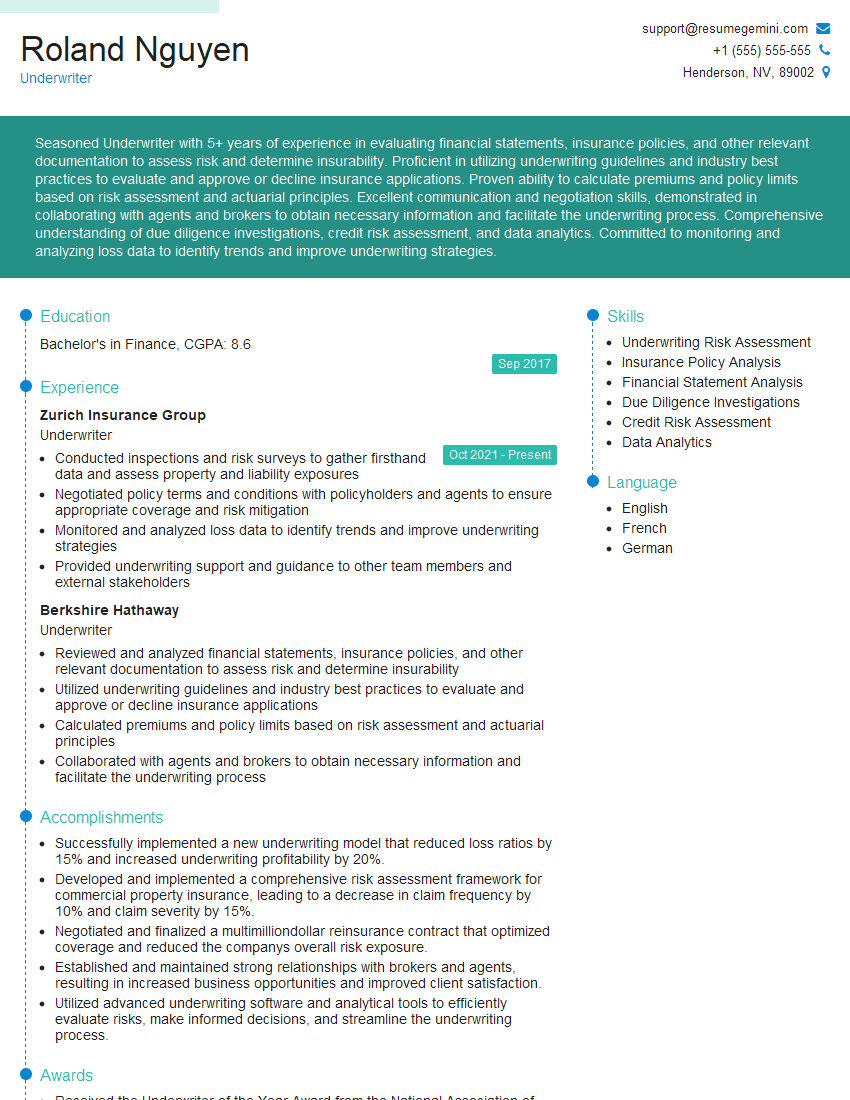
Underwriter Resume Sample
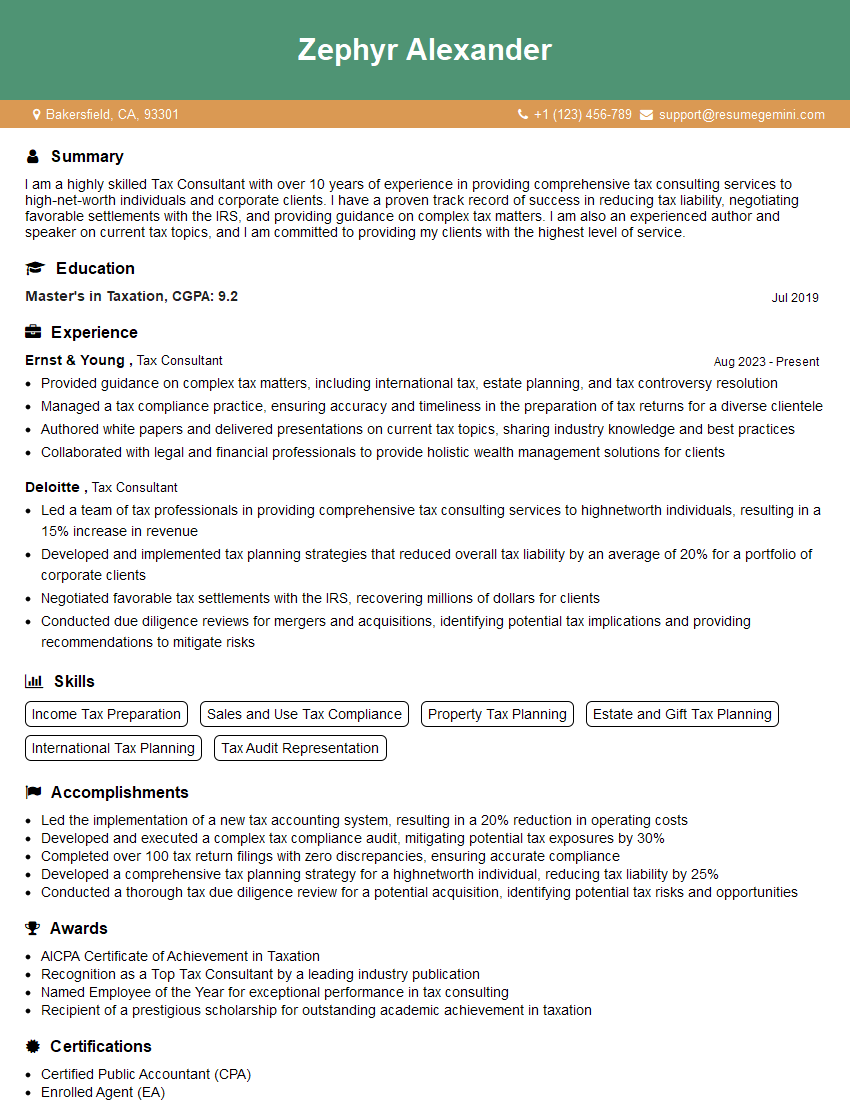
Tax Consultant Resume Sample
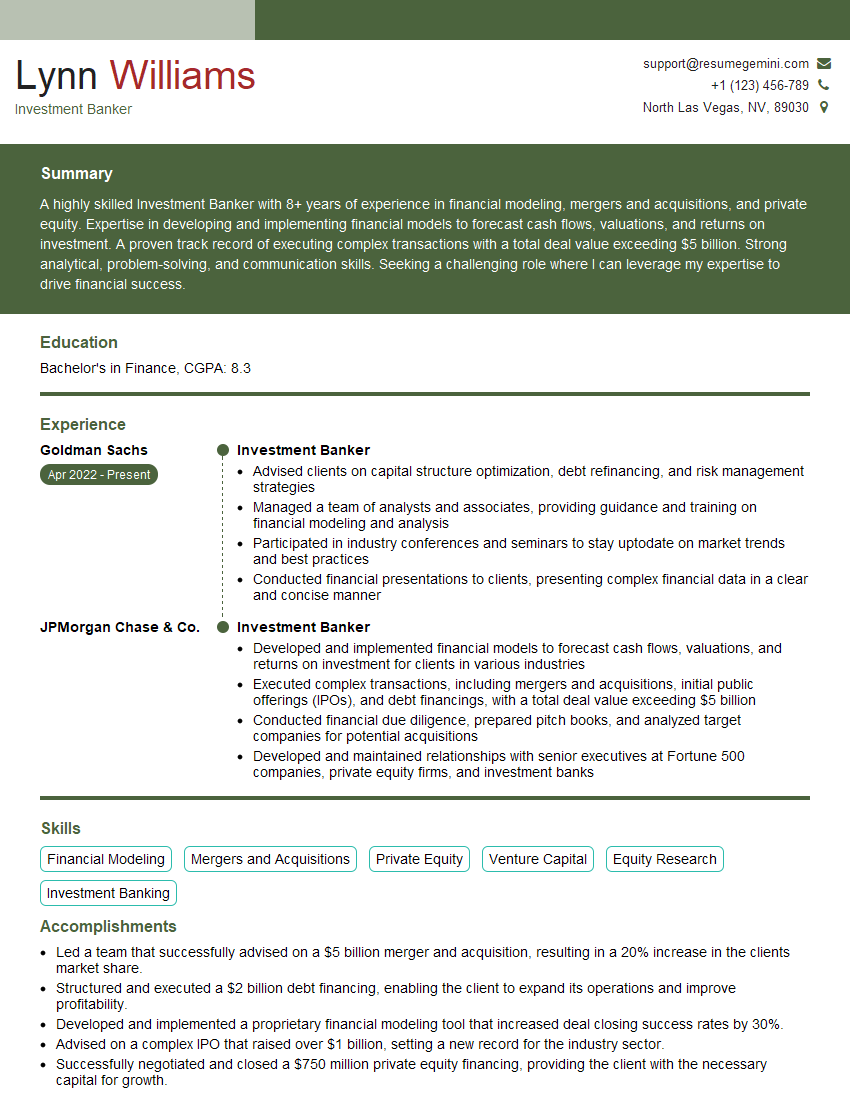
Investment Banker Resume Sample
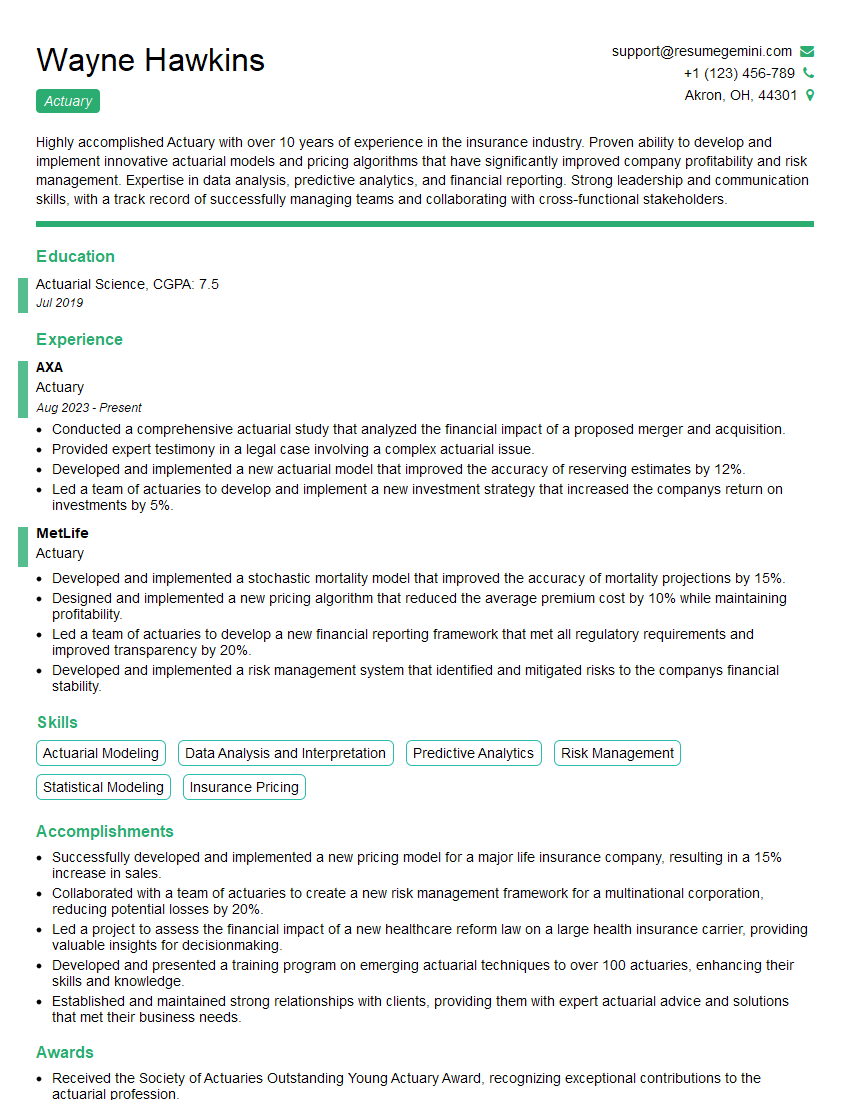
Actuary Resume Sample
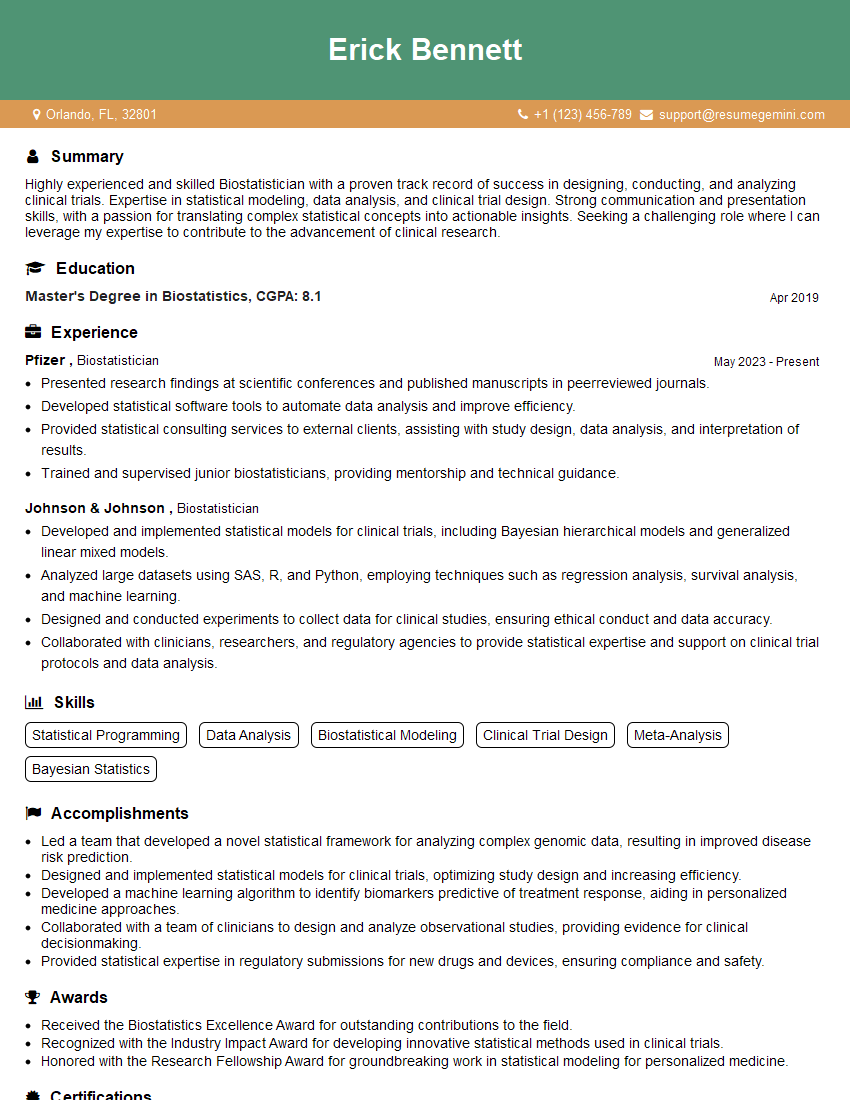
Biostatistician Resume Sample
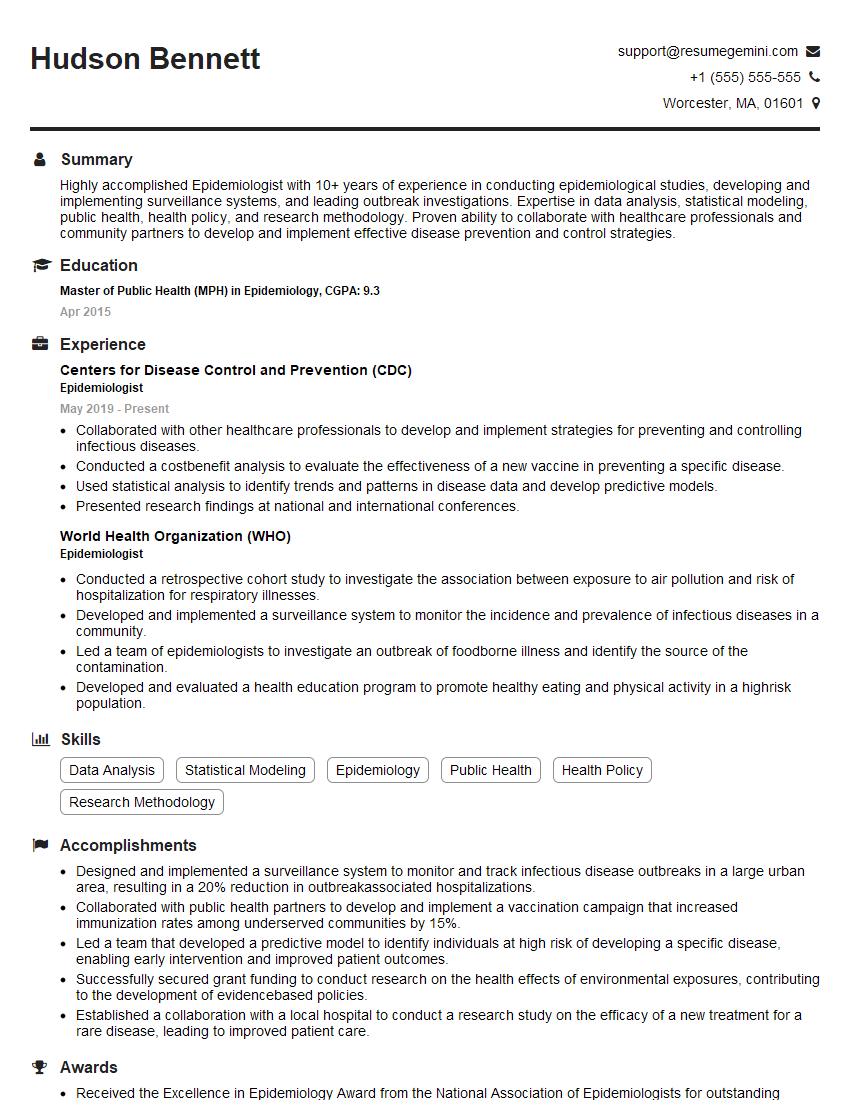
Epidemiologist Resume Sample
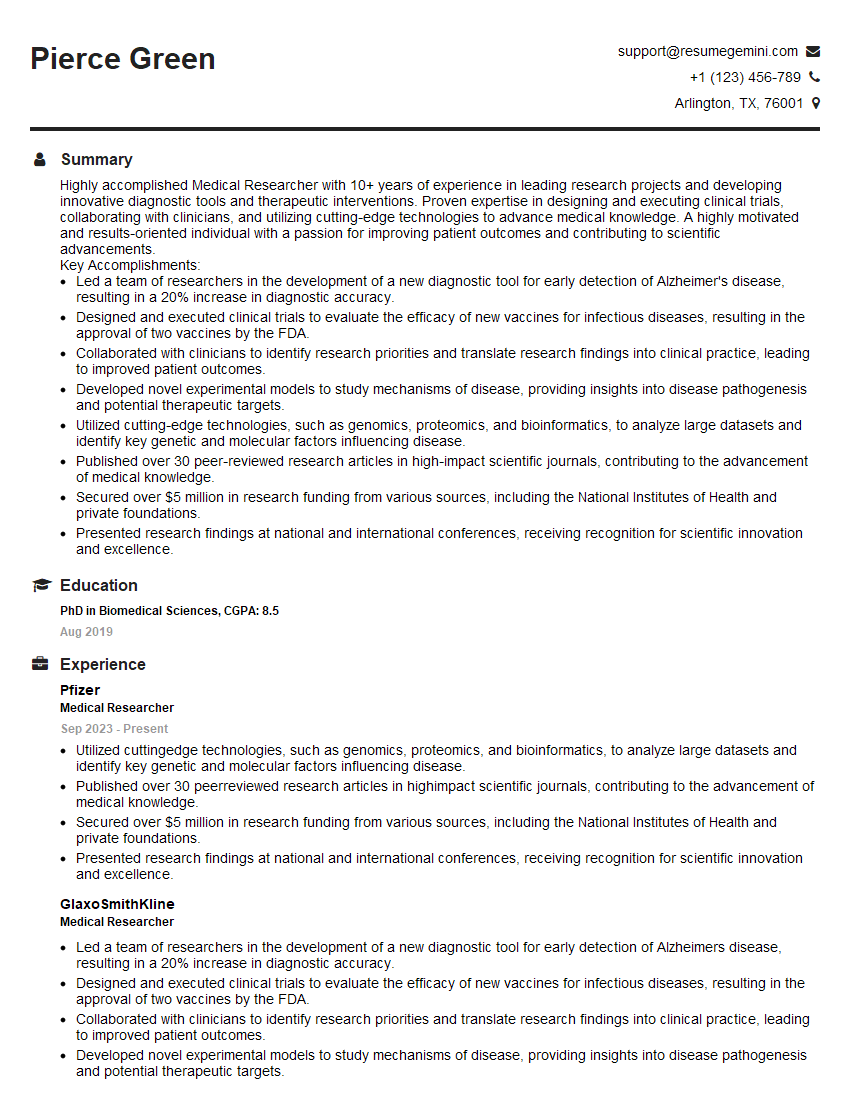
Medical Researcher Resume Sample
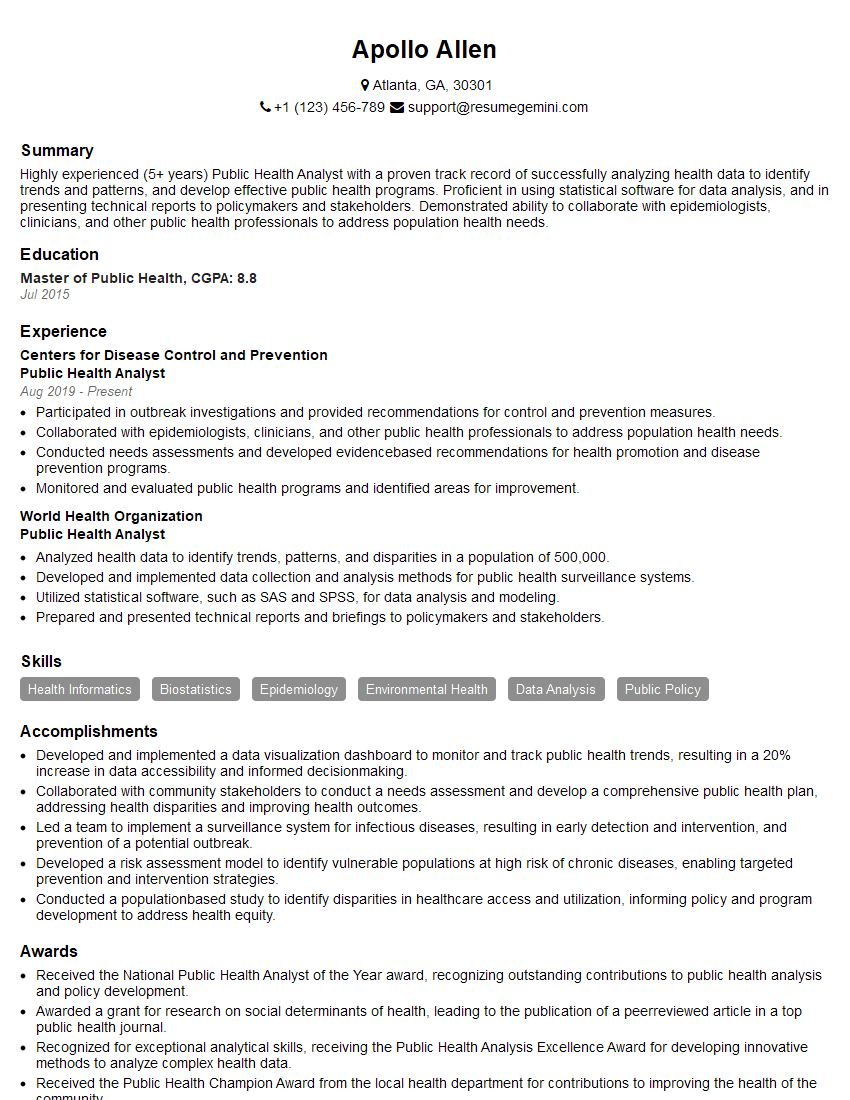
Public Health Analyst Resume Sample
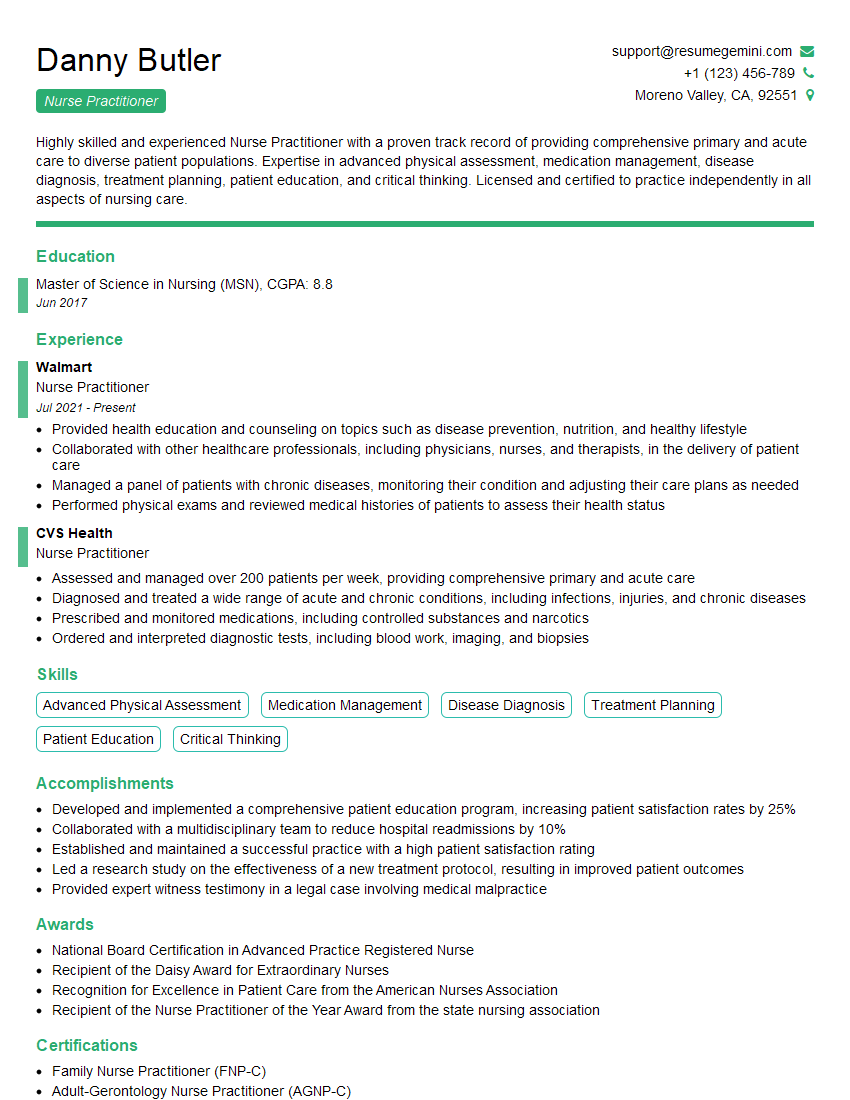
Nurse Practitioner Resume Sample
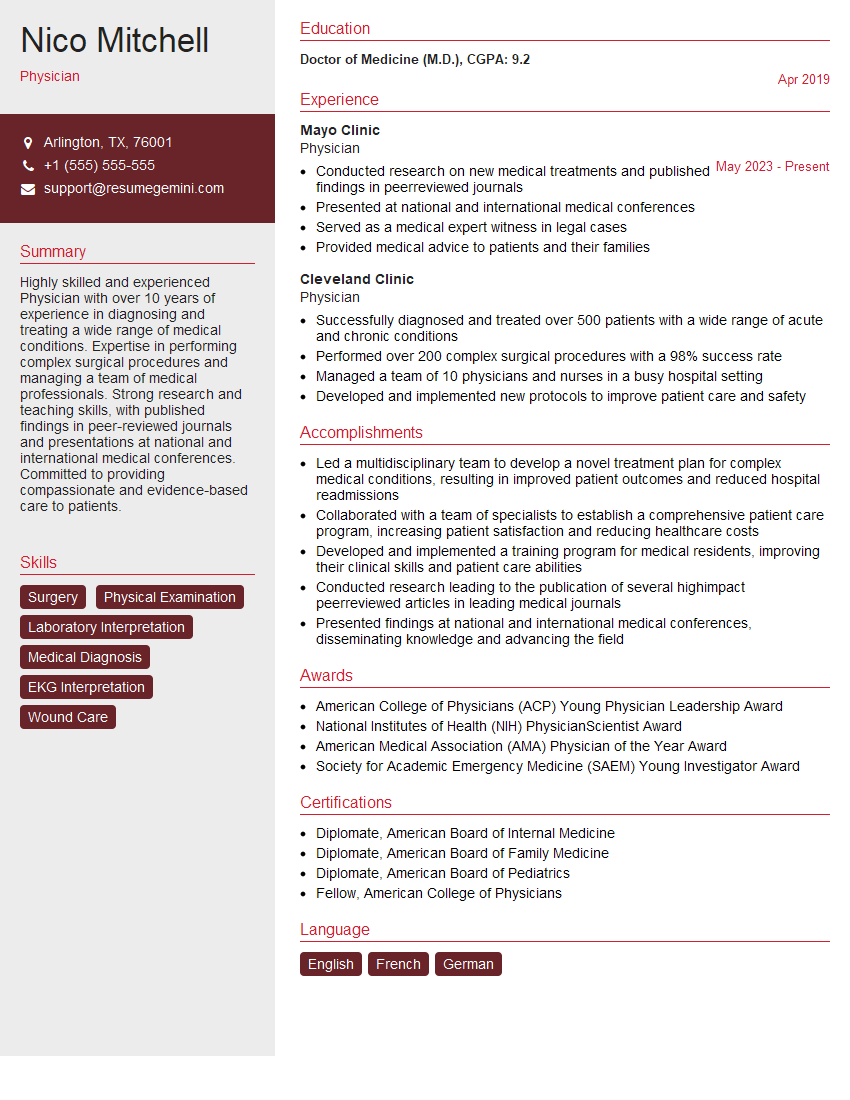
Physician Resume Sample
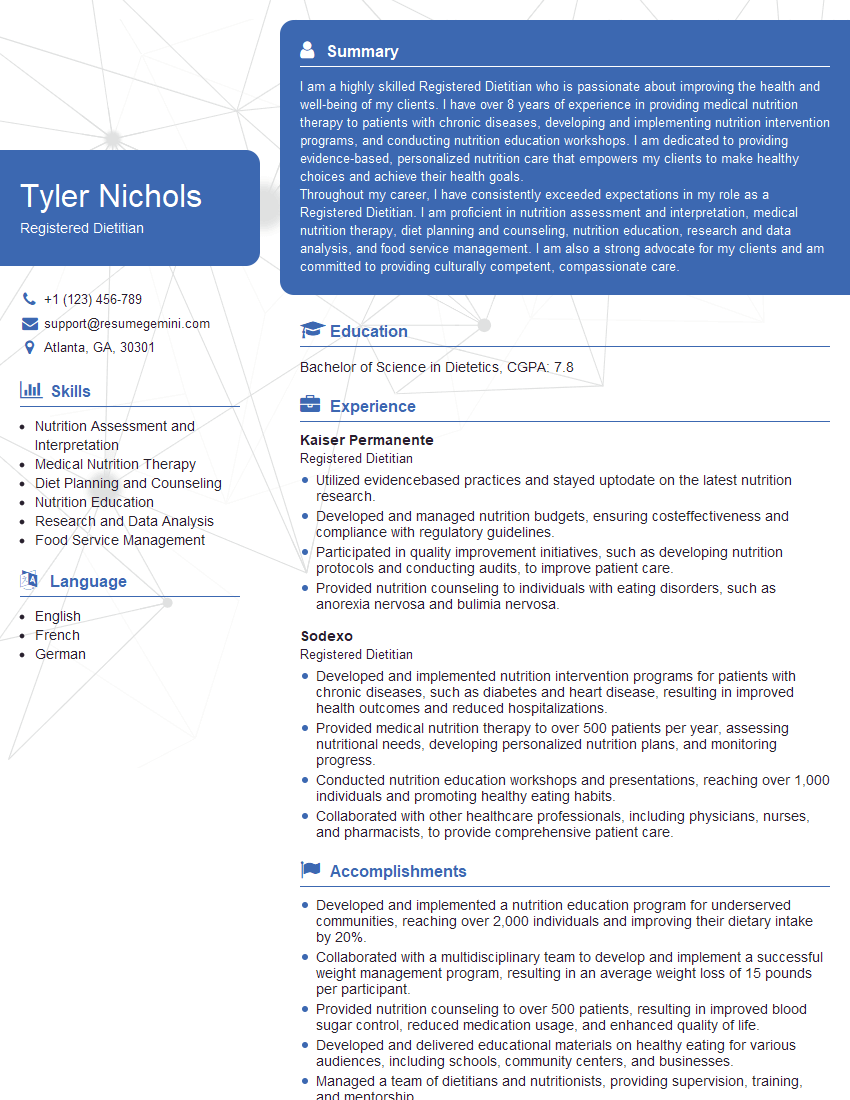
Registered Dietitian Resume Sample
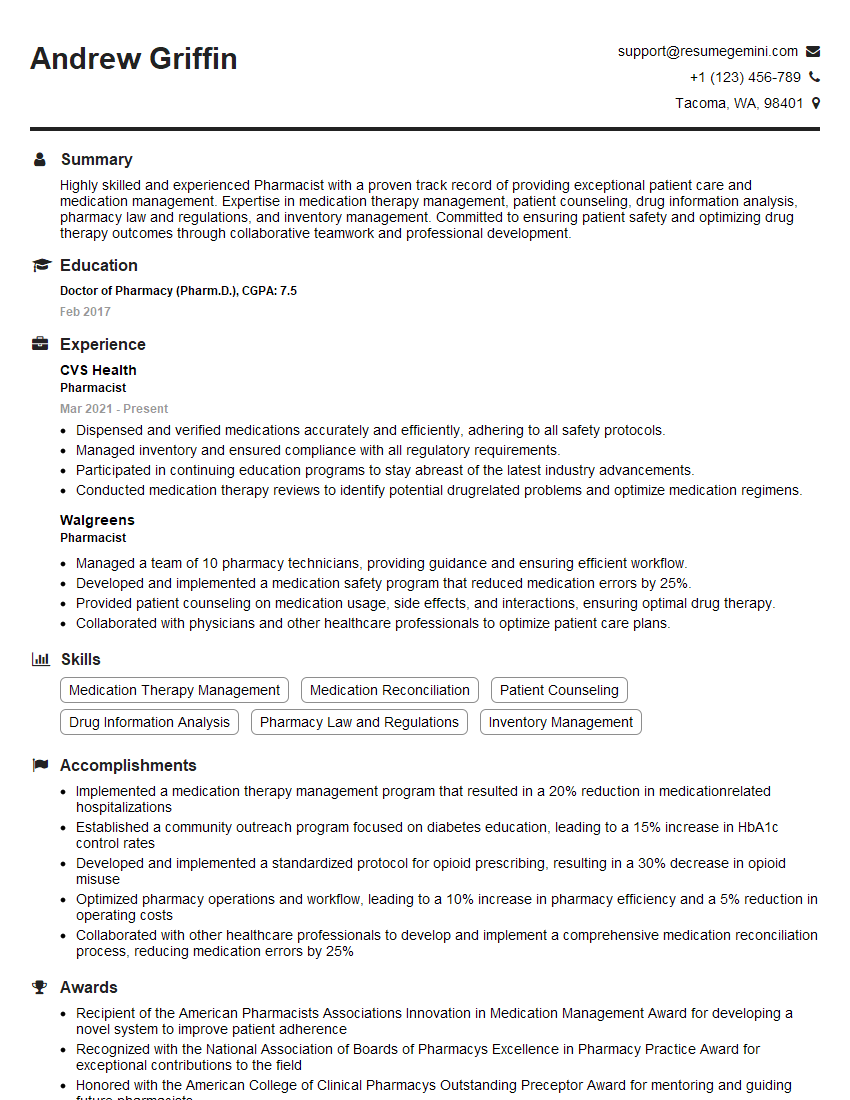
Pharmacist Resume Sample
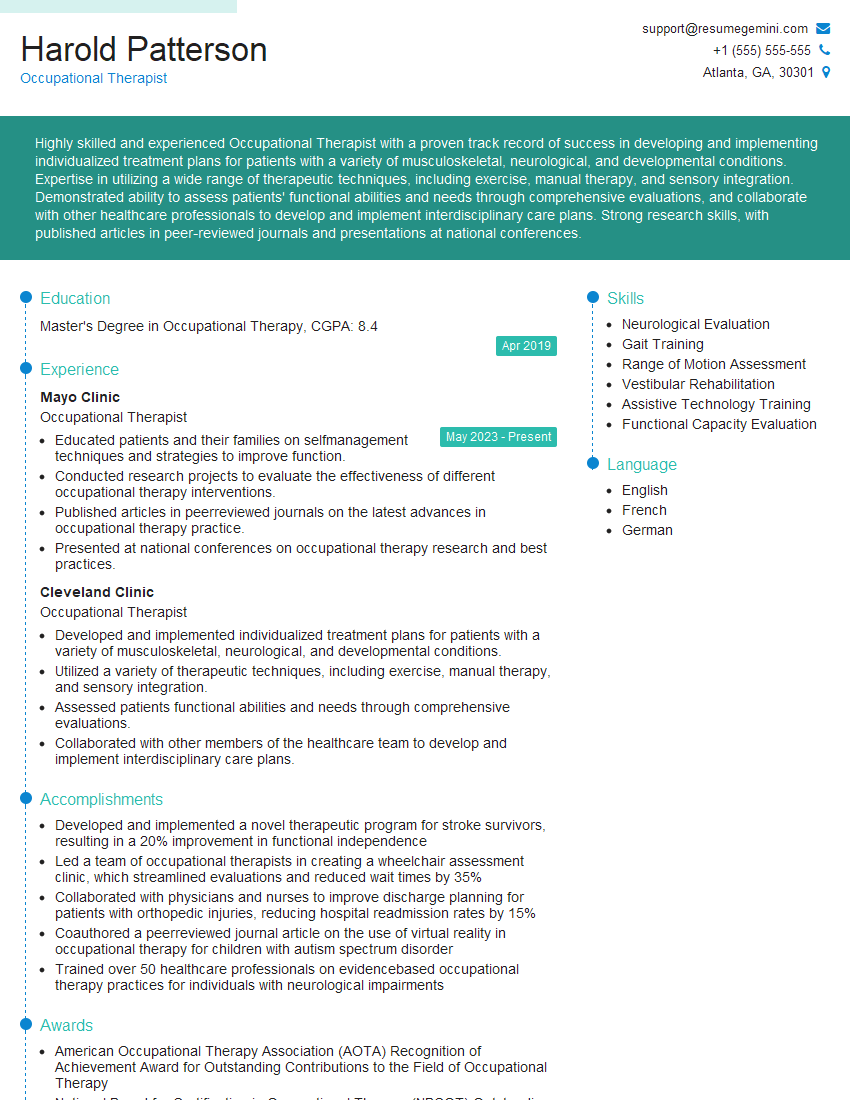
Occupational Therapist Resume Sample
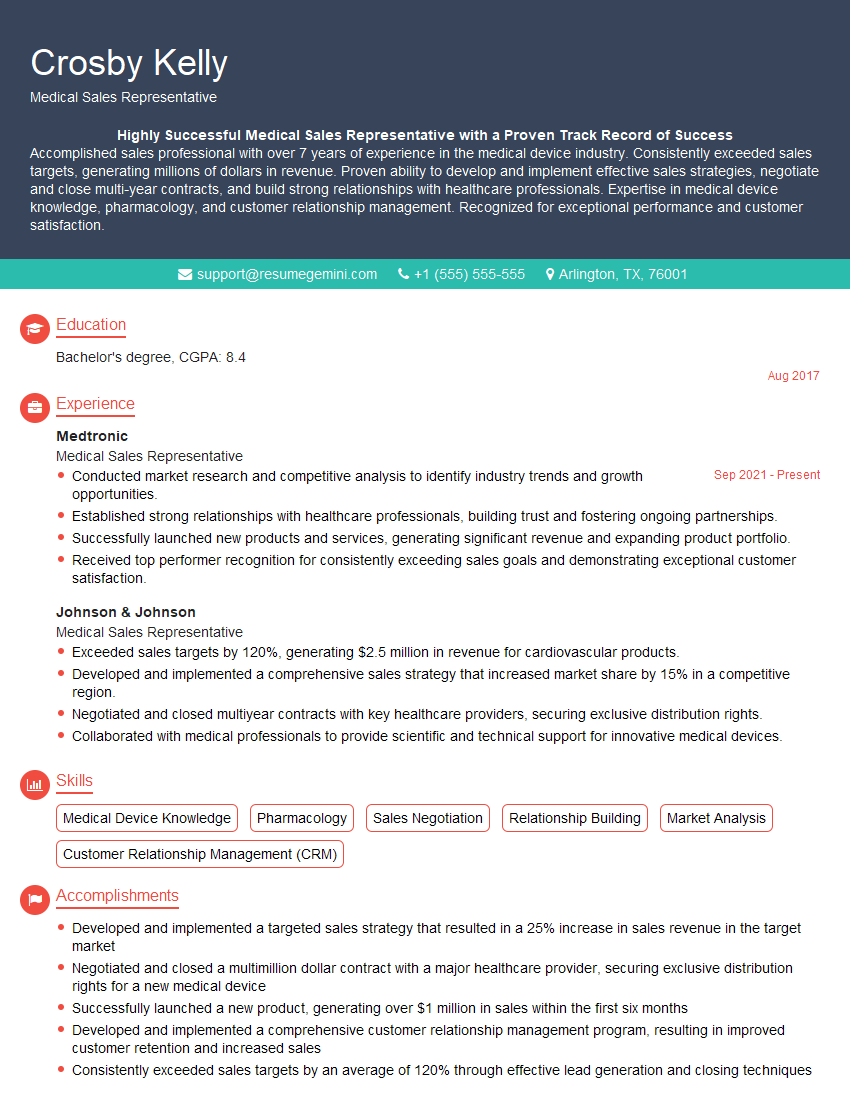
Medical Sales Representative Resume Sample
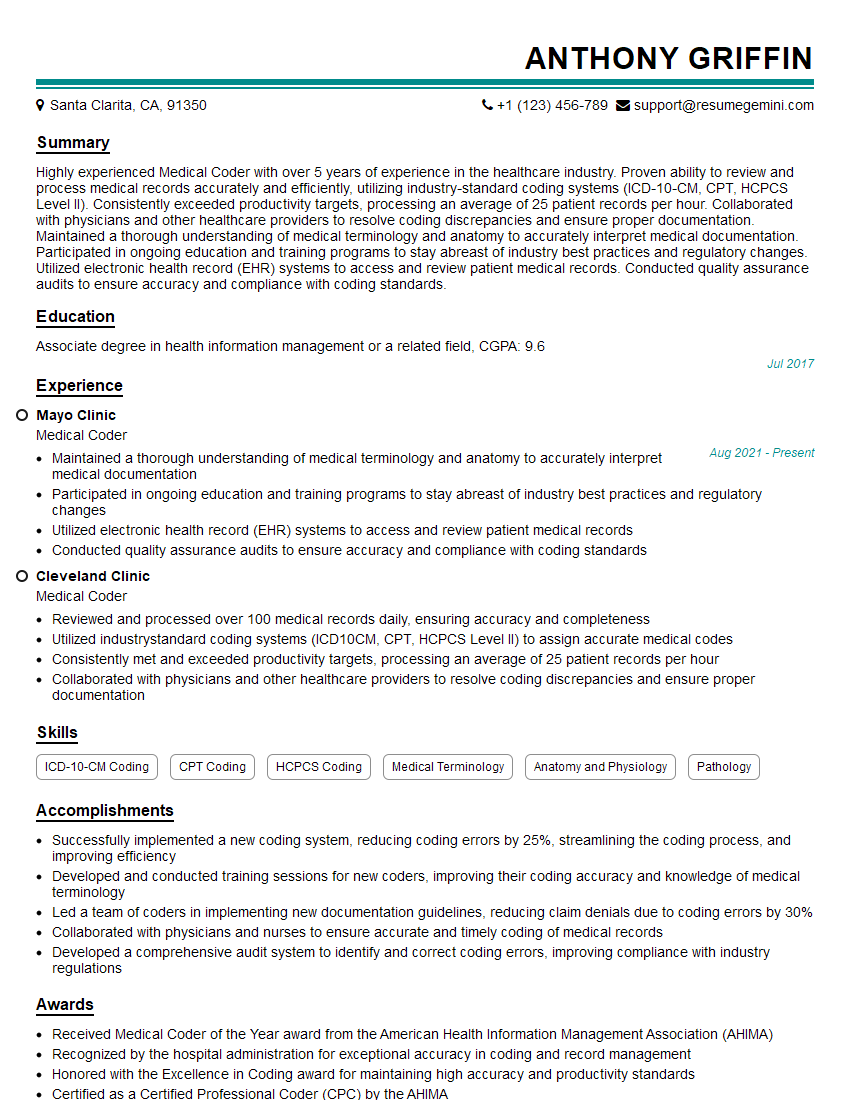
Medical Coder Resume Sample
- Health Information Manager
- Healthcare Administrator
- Compliance Officer
- Risk Manager
- Portfolio Manager
- Healthcare Consultant
- Accountant
- Auditor
- Financial Analyst
- Underwriter
- Tax Consultant
- Investment Banker
- Actuary
- Biostatistician
- Epidemiologist
- Medical Researcher
- Public Health Analyst
- Nurse Practitioner
- Physician
- Registered Dietitian
- Pharmacist
- Occupational Therapist
- Medical Sales Representative
- Medical Coder
Explore more articles
Users Rating of Our Blogs
Share Your Experience
We value your feedback! Please rate our content and share your thoughts (optional).
What Readers Say About Our Blog
Very informative content, great job.
good