Cracking a skill-specific interview, like one for Drilling Rig Management, requires understanding the nuances of the role. In this blog, we present the questions you’re most likely to encounter, along with insights into how to answer them effectively. Let’s ensure you’re ready to make a strong impression.
Questions Asked in Drilling Rig Management Interview
Q 1. Explain the different types of drilling rigs and their applications.
Drilling rigs are classified based on their mobility and the type of drilling operations they perform. Think of it like choosing the right tool for a job – a small screwdriver for delicate work, a sledgehammer for demolition.
- Land Rigs: These are stationary rigs used for onshore drilling. Subtypes include:
- Jack-up rigs: Raise their drilling platform above water level using legs, ideal for shallow waters.
- Mast rigs: Simpler, often smaller rigs used for shallower wells or specific applications. Think of these as the workhorses for straightforward jobs.
- Top drive rigs: Utilize a top drive system for rotating the drill string, offering greater control and efficiency, often used in complex drilling scenarios.
- Offshore Rigs: These are deployed in marine environments. Subtypes include:
- Jack-up rigs (as mentioned above): Common for relatively shallow waters.
- Semi-submersible rigs: Float on pontoons partially submerged, suitable for deeper waters and harsher weather.
- Floating drillships: Highly mobile vessels that can operate in very deep water; they are like the luxury cruise ships of the drilling world, very advanced and capable.
- Spar platforms: Cylindrical, buoyant structures anchored to the seabed; used for ultra-deepwater drilling and are very stable.
The choice of rig depends on factors such as water depth, well depth, geographic location, and the complexity of the well. For example, a simple onshore well might only require a mast rig, while an ultra-deepwater exploration well would demand a drillship or spar platform.
Q 2. Describe the process of rig mobilization and demobilization.
Rig mobilization and demobilization are crucial logistical operations involving the careful planning and execution of moving the rig to and from a drilling location. Think of it as meticulously packing and unpacking a very large, complex piece of equipment.
Mobilization involves transporting all rig components, setting up the rig site, preparing the location, and conducting all necessary pre-drilling checks. This includes:
- Transporting the rig components (often a complex process involving multiple shipments).
- Site preparation (clearing land, constructing access roads, establishing support infrastructure).
- Rig erection and testing (assembling the rig components and conducting thorough checks).
Demobilization is the reverse process. It involves systematically dismantling and removing the rig, restoring the site to its original condition, and transporting all equipment. This includes:
- Disassembling the rig and preparing the components for transport.
- Performing decommissioning activities (such as well plugging and abandonment).
- Site restoration (removing equipment, reclaiming land, cleaning up waste).
- Transporting all equipment to its next location.
Efficient mobilization and demobilization are vital for minimizing non-productive time (NPT) and reducing project costs. Careful planning and coordination are paramount.
Q 3. What are the key safety procedures you follow on a drilling rig?
Safety is paramount in drilling operations. We operate under a zero-tolerance policy for accidents. Our safety procedures are meticulously followed and regularly audited.
- Rigsite safety inspections: Daily inspections of the entire rig site, identifying and correcting any hazards before they become incidents.
- Personal Protective Equipment (PPE): Mandatory use of PPE, including hard hats, safety glasses, hearing protection, and appropriate clothing for all personnel at all times. This is non-negotiable.
- Emergency response drills: Regular drills and training to ensure personnel are prepared for emergencies, like fires or well control incidents. This includes practicing evacuation plans and emergency shutdowns.
- Permit-to-work system: A formal system that ensures all tasks are carefully planned, approved, and carried out safely. Think of it as the formal approval process for any potentially hazardous activity.
- Hazard identification and risk assessment: Continuously identifying and assessing potential hazards, implementing control measures, and regularly reviewing the safety plan.
- Toolbox talks: Regular briefings on specific safety concerns and best practices. These keep everyone aware and engaged in safety protocols.
I’ve personally witnessed the effectiveness of these procedures in preventing accidents. For example, a routine inspection once revealed a loose cable that could have caused a serious electrical hazard; immediate action prevented a potential incident.
Q 4. How do you manage a drilling rig budget effectively?
Effective drilling rig budget management is crucial for ensuring profitability. It requires careful planning, monitoring, and control.
- Detailed budgeting: Creating a comprehensive budget that includes all anticipated costs – from rig dayrates and operating expenses to personnel, materials, and contingency funds. This requires careful estimations and realistic forecasting.
- Cost tracking and analysis: Continuously monitoring actual costs against the budget, identifying any variances, and taking corrective actions. We utilize specialized software for this.
- Performance monitoring: Evaluating the rig’s performance in terms of efficiency, cost-effectiveness, and safety. This helps pinpoint areas for improvement and cost optimization. Regular reports are essential.
- Negotiating favorable contracts: Securing competitive prices for services and supplies. Strong vendor relationships are a benefit here.
- Minimizing non-productive time (NPT): Reducing downtime through efficient planning, proactive maintenance, and swift responses to equipment malfunctions significantly reduces costs.
- Inventory management: Efficiently managing inventory to minimize waste and storage costs. This means only procuring what’s needed, when it’s needed.
One instance where I was able to reduce costs was by negotiating a better rate with a supplier. By building strong relationships, we were able to secure a lower price on critical equipment, leading to significant savings.
Q 5. Explain the concept of well control and your role in ensuring its maintenance.
Well control is the process of preventing uncontrolled flow of formation fluids (oil, gas, water) during drilling operations. Think of it as managing a very high-pressure system to prevent uncontrolled release.
My role in ensuring well control maintenance includes:
- Strict adherence to well control procedures: Implementing and enforcing standard operating procedures (SOPs) for all drilling operations. This is crucial.
- Regular equipment inspections and maintenance: Ensuring that all well control equipment (e.g., blowout preventers (BOPs), pressure control equipment) is regularly inspected, maintained, and tested. This means following strict schedules.
- Proper mud weight management: Maintaining the appropriate mud weight (density of the drilling fluid) to prevent formation pressures from exceeding the hydrostatic pressure of the mud column. Incorrect mud weight can be disastrous.
- Well control training: Ensuring that all personnel receive proper well control training and are proficient in emergency response procedures. This means regular refresher courses and drills.
- Monitoring well pressure: Continuously monitoring well pressure and other parameters to detect any abnormal changes. Early detection is key to preventing incidents.
In one scenario, early detection of a pressure anomaly allowed us to take preventative measures, averting a potential blowout. This highlights the importance of constant vigilance.
Q 6. How do you handle a critical equipment malfunction on a drilling rig?
Equipment malfunctions are an inevitable part of drilling operations. The response, however, must be swift and efficient. Our approach involves:
- Immediate shutdown: The first step is to secure the well and shut down non-essential operations to prevent further damage or injury.
- Assessment of the malfunction: Identify the exact nature of the malfunction and assess the level of risk it poses. A clear diagnosis is paramount.
- Emergency repair or replacement: Initiate emergency repairs or arrange for replacement parts as quickly as possible. This often involves contacting specialized services.
- Safety briefing: Ensure the safety of personnel working on the repair. Prioritizing personnel safety during repair is essential.
- Documentation and reporting: Meticulously document the malfunction, repair procedure, and any lessons learned. This forms part of our continuous improvement program.
- Root cause analysis: After the repair, conduct a thorough investigation to determine the root cause of the malfunction to prevent recurrence. This is a vital step in preventing future problems.
I once dealt with a critical top drive failure. Through our systematic approach, we managed to get a replacement unit within 48 hours, minimizing downtime and preventing significant cost overruns.
Q 7. What are the common causes of non-productive time (NPT) on a drilling rig, and how do you minimize them?
Non-productive time (NPT) is any time the rig is not actively drilling. It’s a significant cost factor in drilling operations.
Common causes of NPT include:
- Equipment malfunctions: Mechanical issues, such as pump failures or top drive problems.
- Unexpected geological formations: Encountering unexpected hard rock formations or other challenges that require changes in drilling parameters.
- Personnel issues: Lack of skilled personnel or crew changes can lead to delays.
- Supply chain issues: Delays in receiving essential supplies or parts.
- Weather-related delays: Extreme weather conditions can halt operations.
- Poor planning: Inadequate planning and coordination between different teams.
Minimizing NPT requires a proactive approach:
- Preventive maintenance: Regular maintenance to prevent equipment failures.
- Effective communication: Clear and timely communication among all involved parties.
- Efficient logistics management: Ensuring timely delivery of supplies and services.
- Contingency planning: Developing plans to handle unexpected events.
- Real-time monitoring: Utilizing data analytics to identify potential issues and address them proactively.
By implementing these strategies, I have successfully reduced NPT on several drilling projects, resulting in significant cost savings and improved project timelines.
Q 8. Describe your experience with different drilling fluids and their applications.
Drilling fluids, or muds, are crucial in drilling operations. They serve multiple vital functions, including carrying cuttings to the surface, lubricating the drill bit, controlling wellbore pressure, and supporting the wellbore walls. My experience encompasses a wide range of drilling fluids, each tailored to specific geological conditions and well objectives.
Water-based muds (WBM): These are the most common and cost-effective, suitable for many formations. However, their effectiveness can be limited in challenging formations like shale, which can swell and cause problems.
Oil-based muds (OBM): These offer superior lubricity and shale inhibition, ideal for complex formations prone to instability. They’re more expensive and environmentally sensitive, requiring careful management and disposal.
Synthetic-based muds (SBM): These combine the advantages of both WBM and OBM, offering good lubricity and shale inhibition with reduced environmental impact. They are a more expensive option but provide excellent performance in challenging wells.
Polymer muds: These are used in specific situations, such as high-temperature and high-pressure wells or sensitive formations. Their properties can be tailored by adding various polymers for enhanced performance.
For example, in one project involving a highly fractured shale formation, we opted for an SBM with specialized shale inhibitors to minimize wellbore instability and optimize drilling efficiency. The selection was based on detailed analysis of the formation’s properties and rigorous testing of different mud systems.
Q 9. How do you ensure compliance with regulatory requirements and company safety policies on a drilling rig?
Safety and regulatory compliance are paramount in drilling operations. My approach is proactive, involving a multi-layered strategy.
Rigorous pre-job planning: This includes a thorough review of all relevant regulations (e.g., OSHA, local environmental regulations) and company safety policies. We develop a detailed safety plan specific to the project, outlining potential hazards and control measures.
Regular safety meetings and training: Daily toolbox talks address specific safety concerns and reinforce best practices. Regular training programs ensure the crew is up-to-date on safety procedures and emergency response protocols.
Strict adherence to procedures: All operations must be conducted according to established procedures. Deviation requires proper authorization and justification. This includes rigorous equipment inspections and maintenance.
Incident reporting and investigation: Any incidents, near misses, or safety concerns are promptly reported, investigated, and corrective actions implemented to prevent recurrence.
Environmental monitoring: We meticulously monitor environmental parameters, ensuring compliance with waste management and discharge regulations.
For instance, I’ve successfully led a team through a complex well intervention where strict adherence to well control procedures prevented a potential blowout, highlighting the importance of proactive safety measures.
Q 10. Explain the process of well logging and its importance in drilling operations.
Well logging is the process of making a detailed record of the geological formations encountered during drilling. This involves deploying various tools downhole to measure physical and chemical properties of the formations.
Types of logs: Common logs include gamma ray (measures radioactivity), resistivity (measures electrical conductivity), porosity (measures pore space in rock), and density logs (measures formation density). Specific tools may be chosen for specialized information, such as determining the presence of hydrocarbons.
Importance: Well logs provide crucial data for several purposes:
- Formation Evaluation: Identify reservoir rocks (containing oil and gas), determine their quality and extent.
- Well Completion Design: Guide the selection of casing and completion strategies.
- Reservoir Management: Assess reservoir properties to optimize production.
- Safety: Identify potential hazards, such as unstable formations or high-pressure zones.
Process: Logging is typically conducted during or after drilling, using wireline or logging-while-drilling (LWD) techniques. The data is then analyzed to create detailed geological interpretations.
In a previous project, well logs revealed a previously unknown fault zone, allowing us to adjust our drilling plan and prevent a potential wellbore instability issue. This underscores the vital role of well logging in risk mitigation and optimizing drilling efficiency.
Q 11. Describe your experience with directional drilling techniques.
Directional drilling is a technique used to deviate a wellbore from its vertical path, allowing access to reservoirs that are not directly beneath the surface location. My experience includes various directional drilling techniques:
Rotary Steerable Systems (RSS): These employ downhole motors to control the wellbore trajectory with high accuracy and efficiency. This is often the preferred method for complex well paths.
Measurement While Drilling (MWD): Incorporates tools that provide real-time data on the wellbore trajectory, allowing for adjustments during drilling, crucial for maintaining accuracy.
Geosteering: This combines real-time geological data with MWD to steer the wellbore through specific formations, maximizing hydrocarbon recovery.
In one project, we used RSS and MWD to drill a highly deviated well, successfully targeting a remote reservoir that was inaccessible with vertical drilling. The precise directional control minimized the risk of wellbore instability and significantly improved drilling efficiency.
Q 12. How do you manage a team of diverse individuals on a drilling rig?
Managing a diverse team on a drilling rig requires strong leadership, communication, and conflict-resolution skills. I focus on:
Building a strong team culture: Emphasizing safety, mutual respect, and open communication. I foster a collaborative environment where everyone feels valued and can contribute their expertise.
Clear roles and responsibilities: Clearly defined roles and responsibilities minimize confusion and prevent conflicts. Everyone understands their contributions to the overall mission.
Effective communication: Regular meetings, clear instructions, and open feedback channels are essential. I adapt my communication style to suit individual team members and ensure everyone understands instructions.
Conflict resolution: Addressing conflicts promptly and fairly. I encourage open discussion and find solutions that are mutually acceptable. This often involves mediating between team members and finding common ground.
Recognizing and appreciating contributions: Celebrating achievements and recognizing individual efforts boosts morale and encourages teamwork.
For example, during a particularly challenging well, I successfully navigated a cultural difference between team members by actively promoting understanding and collaboration, resulting in a smoothly executed operation.
Q 13. How do you communicate effectively with different stakeholders in drilling operations?
Effective communication is vital in drilling operations, involving various stakeholders. I tailor my approach based on the audience and the information being conveyed.
Company Management: Formal reports, progress updates, and clear documentation of decisions and challenges are essential.
Drilling Crew: Clear, concise instructions and open dialogue are crucial for safety and efficient operations. I ensure everyone understands the daily plan and potential hazards.
Engineering Teams: Technical discussions, data sharing, and collaborative problem-solving are vital for resolving complex issues.
Clients: Regular updates on progress, potential issues, and cost management are crucial for maintaining trust and transparency.
Regulatory Bodies: Compliance with regulations necessitates accurate reporting, documentation, and open communication on any potential issues.
During a recent project, my clear and consistent communication with all stakeholders ensured a smooth operation and a successful completion, despite unexpected challenges.
Q 14. What is your experience with mud logging and its role in drilling operations?
Mud logging is a crucial aspect of drilling operations. It involves continuous monitoring and analysis of the drilling mud, providing real-time information on the geological formations being drilled.
Role in Drilling Operations: Mud loggers analyze cuttings (rock fragments brought to the surface by the drilling mud) and the mud itself for properties such as lithology (rock type), hydrocarbon indicators (e.g., gas shows), and formation pressure indicators. This information is crucial for making real-time decisions during drilling, optimizing drilling parameters, and identifying potential hazards.
Data Analysis: Mud loggers use various tools and techniques to analyze cuttings and mud, including visual inspection, gas chromatography, and other analytical methods. The data is then used to create logs that show changes in formations.
Importance: Early detection of hydrocarbon shows and other geological features can significantly impact drilling strategies, maximizing the chances of finding and producing hydrocarbons. It is also invaluable for predicting formation pressures, preventing well control issues, and enhancing overall drilling safety.
In one instance, mud logging data revealed a significant gas show, prompting an immediate change in drilling parameters. This prevented a potential blowout and ensured a safe and efficient operation.
Q 15. Explain your understanding of the different types of drilling bits and their selection criteria.
Drilling bits are the teeth at the end of the drill string that actually cut and crush the rock formation. Selecting the right bit is crucial for efficient and safe drilling. There are three main types: roller cone bits, fixed cutter bits (PDC bits), and diamond bits.
Roller Cone Bits: These have rotating cones with teeth or inserts that crush the rock. They are robust and effective in harder formations but tend to wear faster. Think of them as giant, rock-crushing gears. I’ve used these extensively in abrasive formations where their durability is paramount.
Fixed Cutter Bits (PDC Bits): These have numerous small, hard, polycrystalline diamond compact (PDC) cutters that cut and shear the rock. They are very efficient in softer to medium-hard formations and provide a smoother borehole. I prefer these for directional drilling as they allow for better hole control and extended run times. For example, in a recent shale gas project, the use of PDC bits significantly improved our Rate of Penetration (ROP).
Diamond Bits: These use natural or synthetic diamonds embedded in a matrix, ideal for very hard or abrasive formations where other bits would wear out too quickly. They are significantly more expensive than other types, making their selection very specific.
Bit selection depends on various factors including formation hardness, lithology (rock type), desired rate of penetration (ROP), and the overall drilling program. A thorough geological analysis and pre-planning are crucial to select the optimal bit for a particular well. For instance, in a well with anticipated hard limestone, a diamond bit or a robust roller cone bit would be considered, whereas for softer shale formations, a PDC bit would likely be preferred.
Career Expert Tips:
- Ace those interviews! Prepare effectively by reviewing the Top 50 Most Common Interview Questions on ResumeGemini.
- Navigate your job search with confidence! Explore a wide range of Career Tips on ResumeGemini. Learn about common challenges and recommendations to overcome them.
- Craft the perfect resume! Master the Art of Resume Writing with ResumeGemini’s guide. Showcase your unique qualifications and achievements effectively.
- Don’t miss out on holiday savings! Build your dream resume with ResumeGemini’s ATS optimized templates.
Q 16. How do you manage risk on a drilling rig?
Risk management on a drilling rig is a continuous process, not just a one-time task. It involves identifying, analyzing, evaluating, and mitigating potential hazards. My approach involves a multi-layered system. First, we utilize a comprehensive Job Safety Analysis (JSA) for every task to identify potential hazards. Then, we implement appropriate control measures like permits to work, lockout/tagout procedures, and personal protective equipment (PPE). Regular safety meetings, toolbox talks and proactive safety audits further reinforce safe work practices.
Beyond the day-to-day operations, we conduct regular risk assessments, focusing on key areas such as well control, pressure management, and equipment integrity. We use techniques such as Failure Modes and Effects Analysis (FMEA) to anticipate potential failures and develop contingency plans. Furthermore, a strong reporting system, including incident reporting and near-miss reporting, ensures we learn from mistakes and continually improve safety procedures. A recent example was implementing enhanced mud logging procedures after a near-miss to improve early warning of potential pressure issues.
Q 17. Describe your experience with well testing procedures.
Well testing is a critical phase to determine the reservoir’s productivity and gather important data about the hydrocarbons. My experience encompasses various testing procedures, including pressure build-up tests (PBU), pressure fall-off tests (PFO), and drillstem tests (DST). I’ve been involved in both conventional and unconventional well testing.
A typical well test starts with the isolation of the productive zone using packers. Then, production is initiated to gather data about flow rates, pressure, and fluid composition. The data obtained are then analyzed using specialized software to determine reservoir properties like permeability and porosity. Safety is paramount during well testing; we adhere strictly to well control procedures and utilize specialized equipment and qualified personnel to manage potential hazards associated with high-pressure environments.
In a recent project, I was responsible for conducting a DST on an exploration well. The data acquired during the test confirmed the presence of hydrocarbons and provided crucial information for reservoir modeling and future development plans. Accurate and efficient well testing is essential for making informed decisions about field development.
Q 18. What is your experience with different types of drilling programs?
My experience spans various drilling programs, including exploration wells, development wells, appraisal wells, and workover operations. Each program has unique objectives, challenges, and operational procedures.
Exploration wells focus on discovering new hydrocarbon reserves, often in unproven areas, demanding specialized drilling techniques and advanced geological interpretation.
Development wells are drilled to extract hydrocarbons from already discovered reservoirs, focusing on maximizing production and efficiency.
Appraisal wells help define the reservoir’s boundaries and properties to optimize field development plans.
Workover operations involve interventions on existing wells to enhance production, repair damaged components, or perform other maintenance activities.
Understanding the specific goals of each program is vital for optimizing the drilling strategy, selecting the appropriate drilling equipment, and planning for potential challenges. For example, in an exploration well, we might prioritize data acquisition while in a development well, the focus shifts towards maximizing production rates and minimizing non-productive time (NPT).
Q 19. How do you monitor and control the drilling parameters (e.g., weight on bit, rotary speed)?
Monitoring and controlling drilling parameters is crucial for optimizing drilling performance, ensuring wellbore stability, and preventing accidents. We achieve this through a combination of sophisticated equipment and experienced personnel. Weight on bit (WOB) and rotary speed (RPM) are two primary parameters. WOB influences the rate of penetration and the bit’s life. RPM determines the cutting speed and the amount of torque applied to the bit. These parameters are constantly monitored and adjusted via the drilling control system.
The drilling control system typically includes real-time displays showing WOB, RPM, torque, mud flow rate, pressure, and other critical parameters. This system allows the drilling team to make immediate adjustments to optimize drilling performance, such as increasing WOB to improve ROP in softer formations or decreasing WOB to minimize bit wear in harder formations. We also use automated systems and software for data analysis to refine the control strategies. I’ve used various advanced systems, including automated drilling control systems which optimize parameters based on real-time data analysis and predictive modeling.
Q 20. What is your approach to problem-solving in a high-pressure drilling environment?
Problem-solving in a high-pressure drilling environment requires a systematic and methodical approach. My approach is based on a structured problem-solving process. First, we clearly define the problem. Then we gather all relevant data through various sources – real-time measurements, logs, historical data, and team input. Next, we brainstorm possible solutions, evaluating each based on feasibility, safety, and cost-effectiveness. After that, we implement the chosen solution and closely monitor its effectiveness. Finally, we document the problem, the solution, and the results for future reference.
For example, when facing a stuck pipe situation, we’d first assess the situation (is it a differential sticking, a mechanical sticking, or a combination?), use logging tools to determine the extent of the problem, and then decide on the best approach, whether that is to use weight and rotation to free the pipe or to use specialized tools. In high-pressure situations, maintaining a calm and controlled response, adhering strictly to well control procedures, and leveraging the expertise of experienced personnel are crucial for successful resolution.
Q 21. How do you ensure the quality control of drilling operations?
Ensuring quality control in drilling operations is paramount for efficiency, safety, and overall project success. Our quality control program includes various checks and balances at every stage of the drilling process. This starts with rigorous pre-drilling planning, which encompasses detailed engineering studies, risk assessments, and selection of appropriate equipment and materials. During the drilling process, we use regular inspections of equipment, tools, and materials. Detailed logs, including drilling parameters, mud properties, and geological formations, are meticulously maintained.
We also conduct periodic audits to verify compliance with safety regulations and operational procedures. Data analysis, including reviewing operational data to identify trends and potential problems, plays a pivotal role. Effective communication and collaboration among the drilling team, engineers, and management are also critical. For example, regular mud logging reports help us monitor the condition of the wellbore and identify potential issues early on. Any deviation from planned parameters or unexpected occurrences are immediately investigated and addressed.
Q 22. What is your familiarity with different types of drilling equipment?
My familiarity with drilling equipment spans a wide range, encompassing both land-based and offshore rigs. I’m proficient with various rig types, including:
- Top Drives: I have extensive experience with top drive systems, including their operation, maintenance, and troubleshooting. Understanding their efficiency in automated pipe handling is critical for optimizing drilling operations. For instance, I once resolved a top drive malfunction during a critical section of a well, preventing significant downtime and cost overruns by quickly identifying a faulty hydraulic component.
- Rotary Tables: While top drives are increasingly common, I’m also well-versed in the operation and maintenance of rotary tables, understanding their role in older rig designs and specific applications. I can quickly diagnose problems relating to their mechanical aspects, including issues with the gearboxes or power transmission.
- Mud Pumps: I understand the intricacies of mud pump operation, including the different types (triplex, duplex), their maintenance schedules, and troubleshooting common issues such as pressure fluctuations or pump failures. A recent example involves optimizing mud pump settings to reduce wear and tear, extending their lifespan and reducing maintenance costs.
- Drawworks: I’m highly familiar with the drawworks system, a crucial component responsible for hoisting and lowering the drill string. This includes understanding braking systems, crown block maintenance, and troubleshooting issues related to wireline integrity.
- Drilling Automation Systems: I’m experienced with modern drilling automation systems, including those used for automated drilling, real-time monitoring and data acquisition. This knowledge contributes significantly to improving efficiency and safety.
This broad experience allows me to effectively manage drilling operations, address equipment issues, and contribute to overall project success.
Q 23. Explain your experience with hydraulic fracturing (fracking).
My experience with hydraulic fracturing (fracking) is extensive. It’s a crucial part of many modern drilling projects, aiming to increase the permeability of the reservoir rock to enhance hydrocarbon production. My involvement includes:
- Stage Design and Planning: I participate in the planning phase, working with engineering teams to determine the optimal stage placement, proppant type, and fluid volumes based on geological data. This involves careful consideration of reservoir properties to maximize production.
- Fracturing Execution: I oversee the actual fracturing operations, ensuring safe and efficient execution of the planned stages. This requires meticulous monitoring of pressure, flow rates, and other critical parameters to prevent issues like formation damage or equipment failure.
- Post-Fracturing Analysis: I participate in reviewing the data collected during fracturing to identify areas for improvement in future operations. Analyzing this data, helps understand how effective the process was and to continually refine techniques.
- Safety and Environmental Compliance: Ensuring strict adherence to safety regulations and environmental protection protocols is paramount. I’m well versed in all relevant regulations and best practices in this regard.
In a recent project, I implemented a new fracturing technique that increased production by 15% compared to previous wells, demonstrating my commitment to optimizing operations.
Q 24. Describe your understanding of the different phases of drilling a well.
Drilling a well involves several distinct phases:
- Planning and Pre-Drilling: This stage involves detailed geological analysis, well design, and securing all necessary permits. It’s the foundation for a successful operation and includes risk assessment.
- Spudding: This marks the official start of drilling, where the drill bit initially penetrates the earth’s surface. This requires careful coordination and precision.
- Drilling the Wellbore: This is the main phase, where the drill bit progressively drills deeper, passing through various geological formations. Constant monitoring and adjustments are essential, and this phase frequently involves changes in drilling parameters (mud weight, RPM).
- Casing and Cementing: Steel pipes (casing) are inserted into the wellbore and cemented in place to provide structural support, prevent wellbore collapse, and isolate different geological formations. This crucial step ensures well integrity.
- Completion: Once the target depth is reached, the well is prepared for production. This may involve perforating the casing to allow hydrocarbons to flow, installing production tubing, and testing the well’s productivity.
Each phase is critical and requires careful management and coordination to ensure both efficiency and safety. A breakdown in any phase can significantly impact the project’s overall success.
Q 25. What are some common causes of accidents on a drilling rig, and how to prevent them?
Accidents on a drilling rig can stem from various sources. The most common causes include:
- Equipment Failure: Mechanical failures, such as a breakdown of the top drive or mud pump, can lead to serious accidents if not properly maintained. Regular inspections and preventive maintenance are crucial.
- Human Error: This includes lapses in judgment, failure to follow safety procedures, or inadequate training. Strong safety culture, comprehensive training, and clear communication are paramount.
- Well Control Issues: Kicks (sudden influx of formation fluids) or blowouts can have catastrophic consequences if not managed effectively. This necessitates rigorous well control procedures and regular training on emergency responses.
- Environmental Hazards: Exposure to hazardous materials, such as H2S (hydrogen sulfide) or methane, can lead to health issues or explosions. Proper ventilation and safety protocols are essential.
Prevention strategies include:
- Robust Safety Programs: Implementing comprehensive safety programs, including regular safety meetings, training, and audits, is fundamental.
- Regular Maintenance: Preventative maintenance is key to mitigating equipment failures.
- Emergency Response Plans: Well-defined emergency response plans and regular drills are crucial for handling unexpected events efficiently and safely.
- Effective Communication: Clear communication between all personnel on the rig is essential to prevent misunderstandings.
A proactive approach to safety is essential; a near miss should be treated with as much seriousness as an actual accident to identify and correct potential hazards.
Q 26. How do you maintain a positive and productive work environment on a drilling rig?
Maintaining a positive and productive work environment on a drilling rig is crucial for safety and efficiency. I achieve this through several key strategies:
- Open Communication: Fostering open communication among the team, ensuring everyone feels comfortable voicing concerns or suggesting improvements. Regular team meetings and one-on-one check-ins are essential.
- Fair and Respectful Treatment: Treating everyone with respect and fairness, regardless of their position, is paramount. This creates a sense of team unity.
- Effective Leadership: Leading by example, exhibiting strong work ethic, and demonstrating a commitment to safety. This inspires others to follow suit.
- Recognition and Appreciation: Recognizing and appreciating team members’ contributions, celebrating successes, and providing constructive feedback.
- Conflict Resolution: Addressing conflicts promptly and fairly, ensuring resolution in a way that maintains team cohesion.
- Promoting Work-Life Balance: While demanding, respecting the need for rest and downtime is critical. This includes ensuring adequate rest periods and promoting mental well-being.
I believe a strong team dynamic is directly correlated to a successful and safe operation. Building this trust takes consistent effort, but the returns in terms of productivity and safety are invaluable.
Q 27. What are your salary expectations for this role?
My salary expectations are commensurate with my experience and expertise in drilling rig management. Considering my extensive background and proven track record of success in optimizing operations and improving safety, I’m seeking a competitive salary within the range of [Insert Salary Range]. However, I am open to discussing this further based on the specifics of the role and the overall compensation package.
Key Topics to Learn for Drilling Rig Management Interview
- Rig Operations & Safety: Understanding daily operations, safety protocols (e.g., well control, H2S safety), and emergency response procedures. Practical application: Describe your experience managing a team during a simulated emergency or a challenging operational scenario.
- Drilling Fluids & Wellbore Stability: Knowledge of mud properties, their function, and the impact on wellbore stability. Practical application: Explain how you would troubleshoot a problem with mud weight or rheology affecting drilling efficiency.
- Mechanical Systems & Maintenance: Familiarity with the various mechanical systems on a rig (drawworks, mud pumps, top drives) and preventative maintenance strategies. Practical application: Detail your experience scheduling and overseeing preventative maintenance to minimize downtime and maximize efficiency.
- Production Optimization & Cost Control: Strategies for optimizing drilling performance while managing costs effectively. Practical application: Describe a situation where you implemented cost-saving measures without compromising safety or efficiency.
- Team Management & Leadership: Managing diverse teams, fostering effective communication, and resolving conflicts. Practical application: Share a specific example demonstrating your leadership skills in a high-pressure environment.
- Well Planning & Execution: Understanding the drilling program, daily planning, and execution. Practical application: Describe your experience in reviewing and implementing a well plan.
- Data Analysis & Reporting: Utilizing data to monitor performance, identify trends, and make informed decisions. Practical application: Explain how you’ve used data to improve a specific aspect of rig operations.
- Regulatory Compliance: Adherence to relevant safety and environmental regulations. Practical application: Describe your experience ensuring compliance with specific regulations (e.g., OSHA, environmental permits).
Next Steps
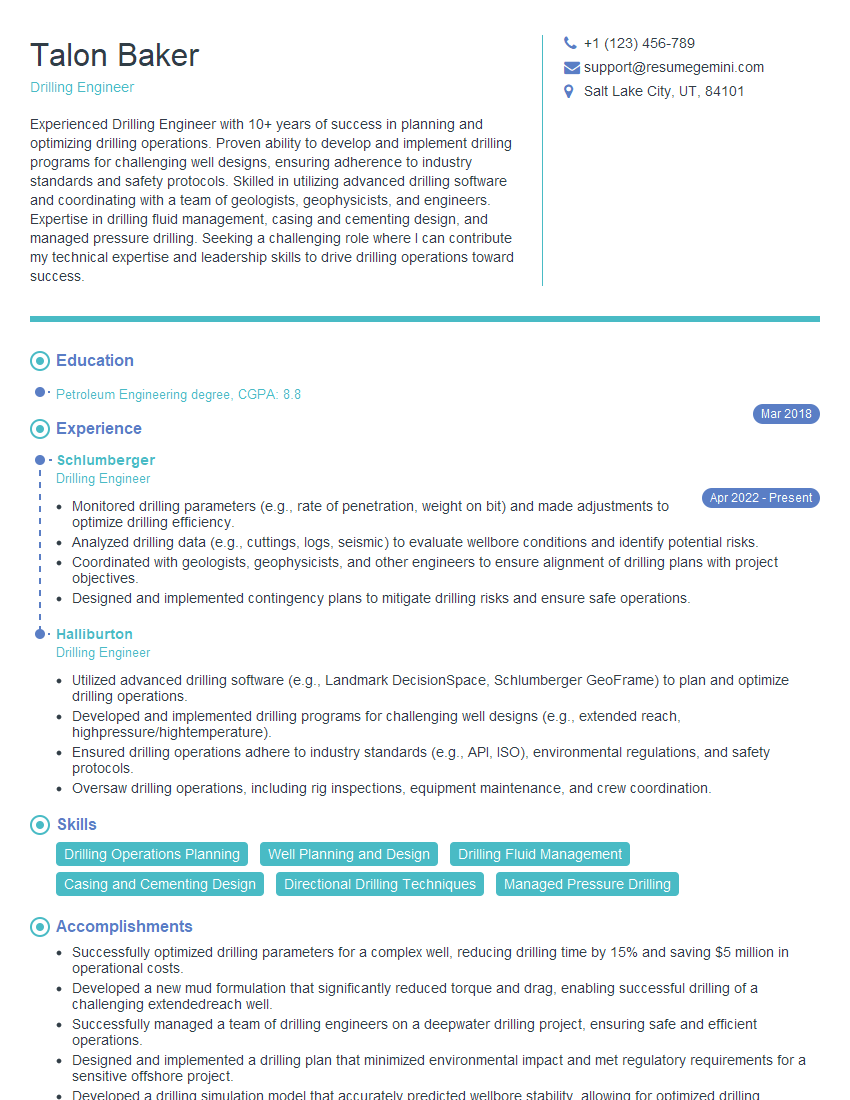
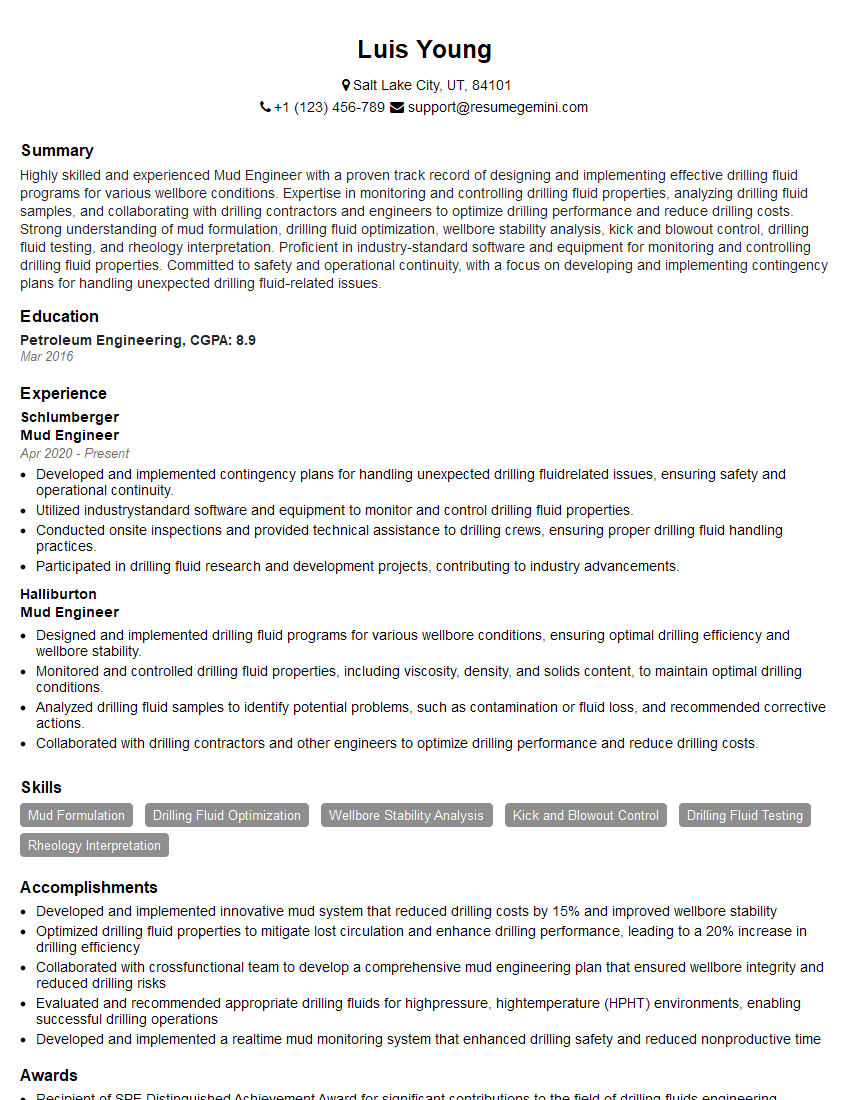
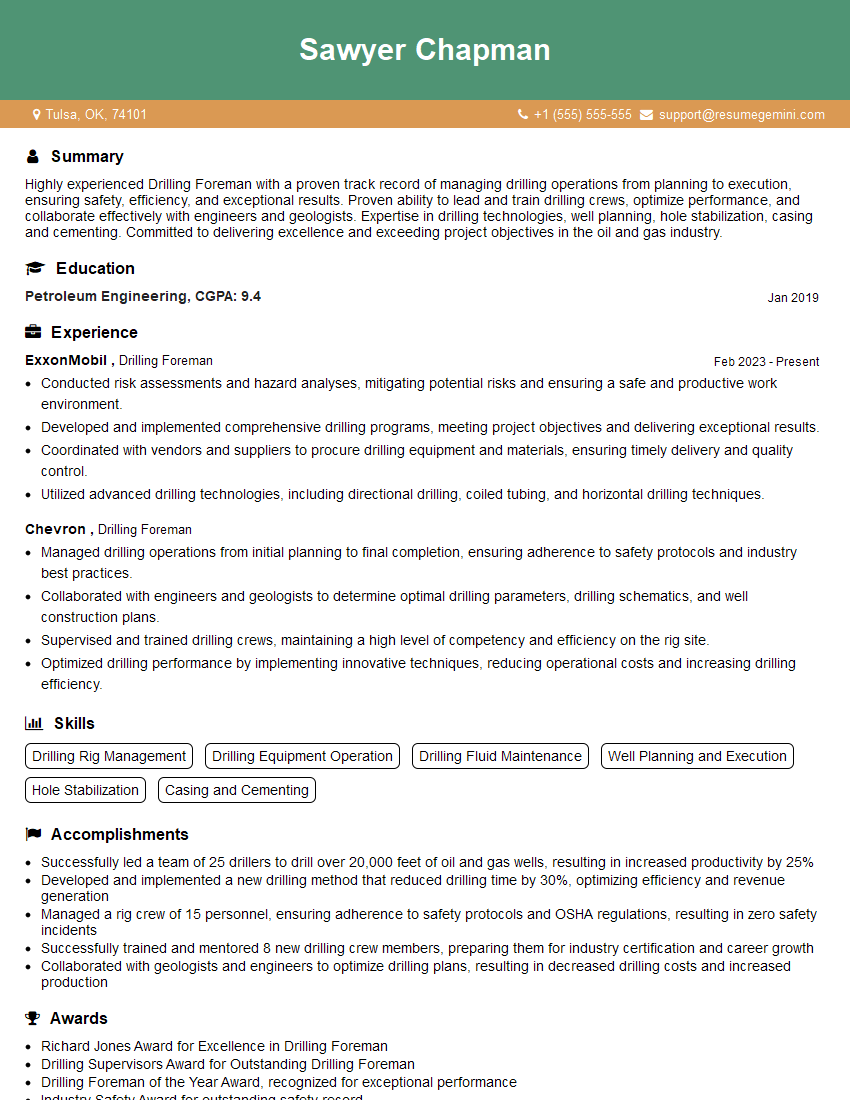
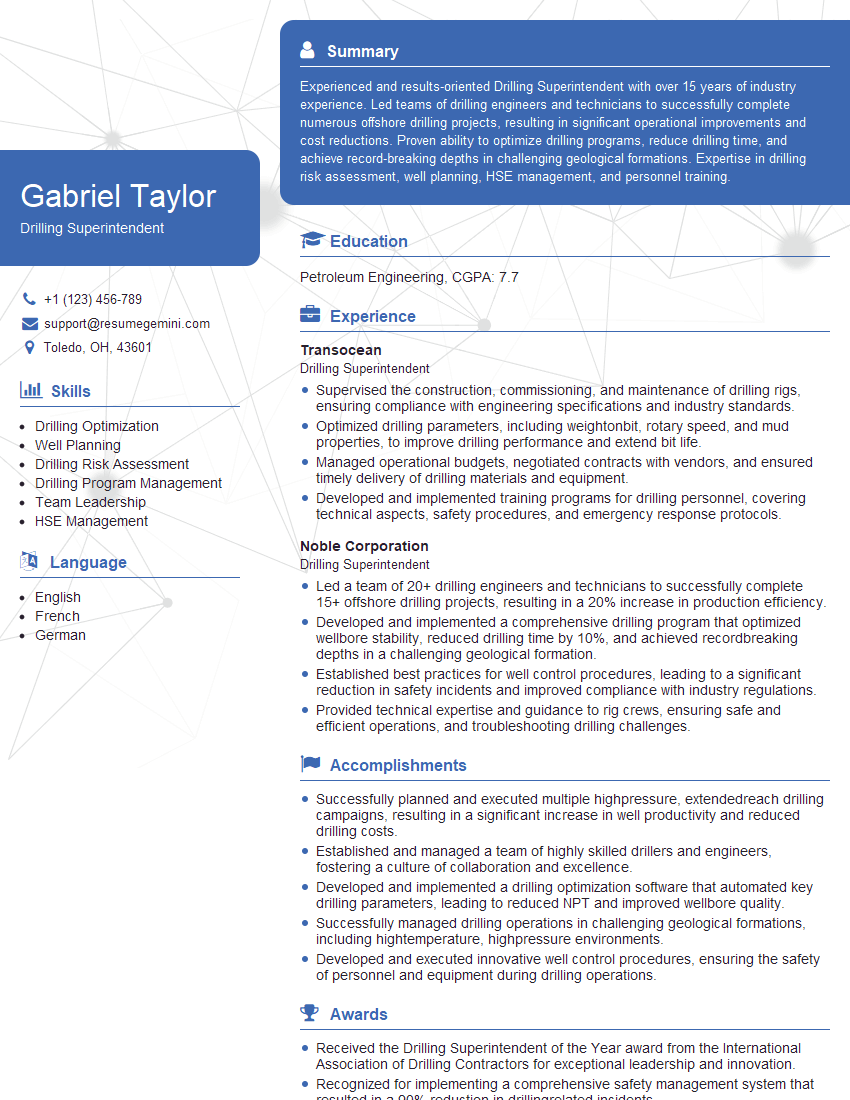
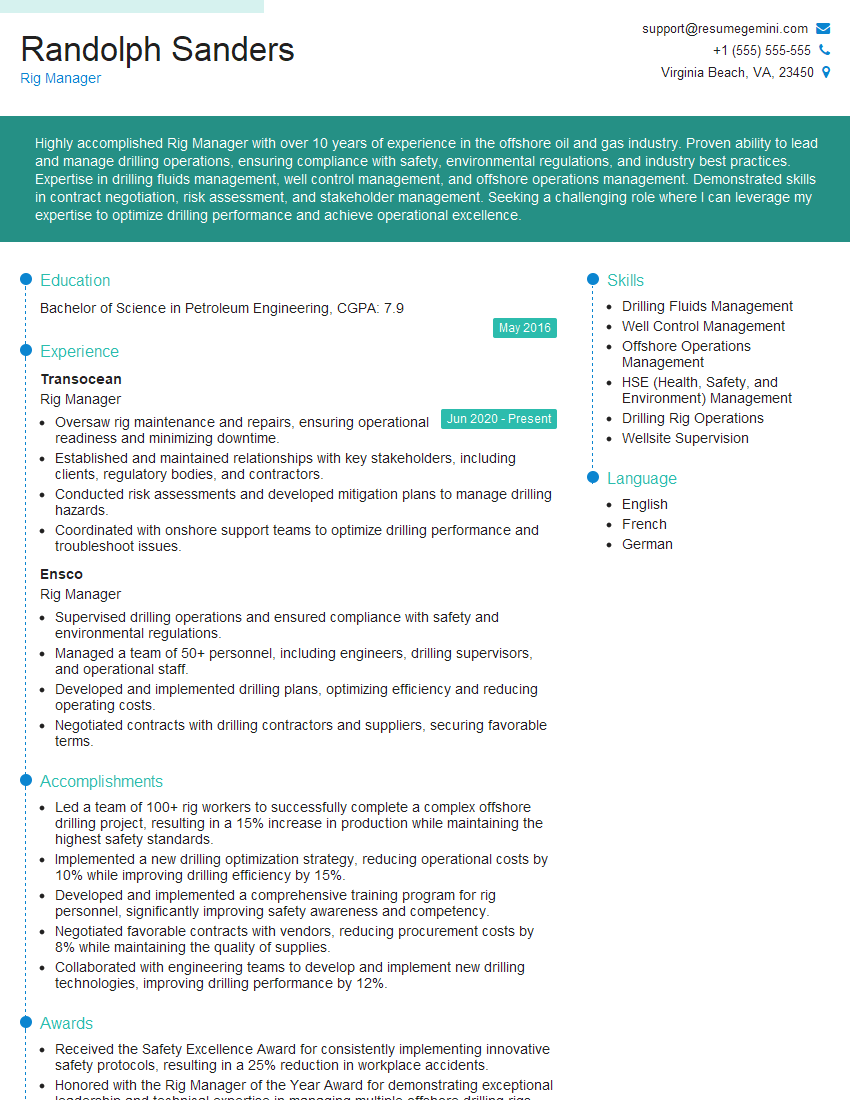
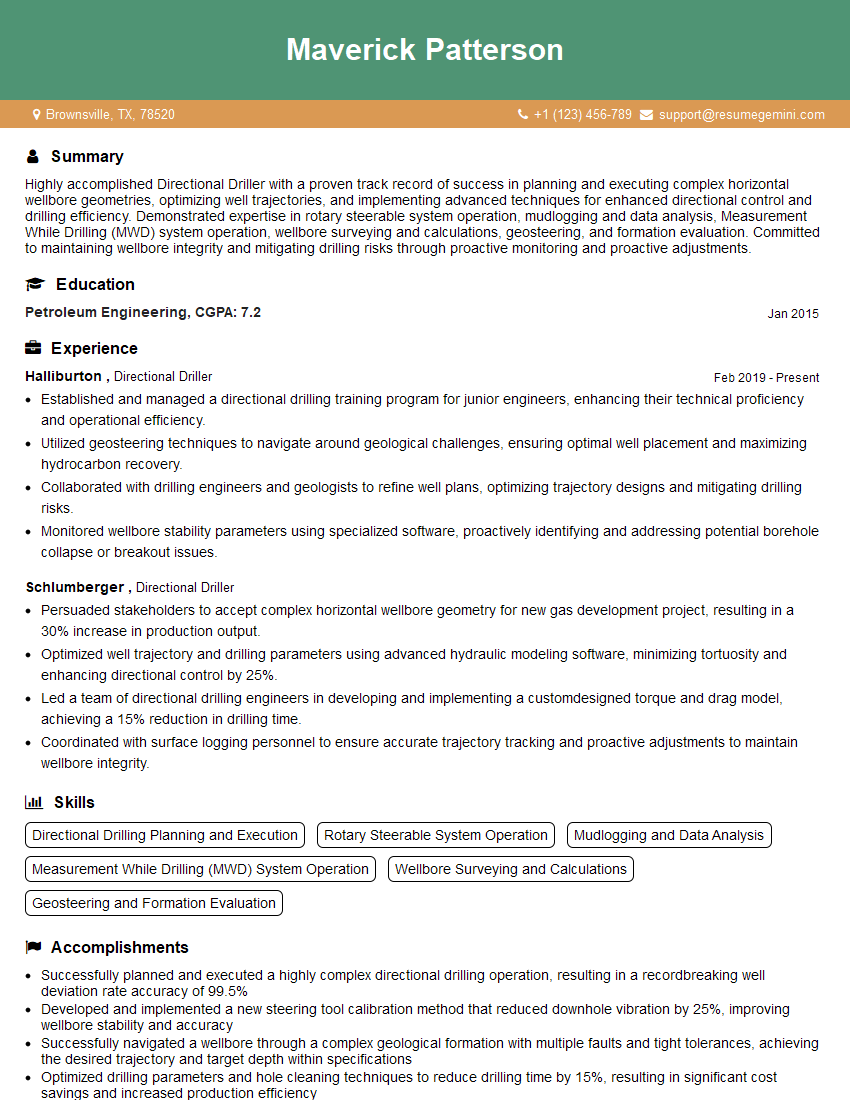
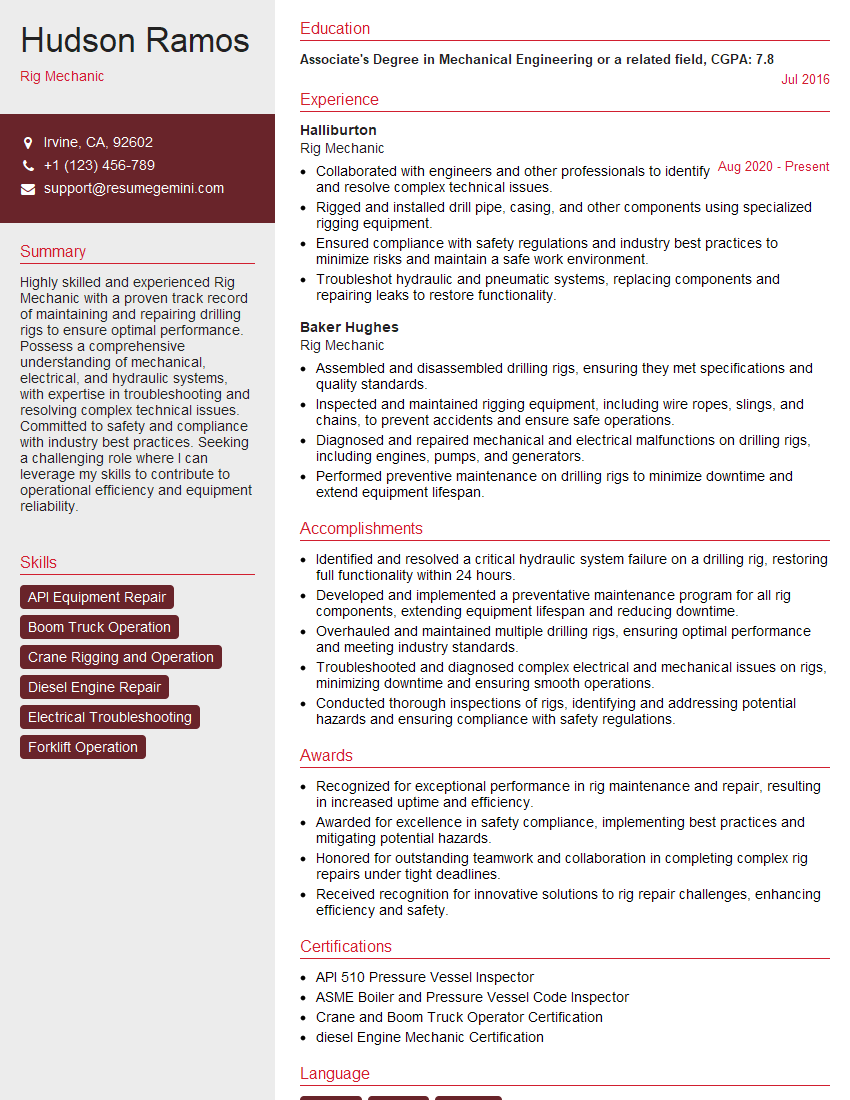
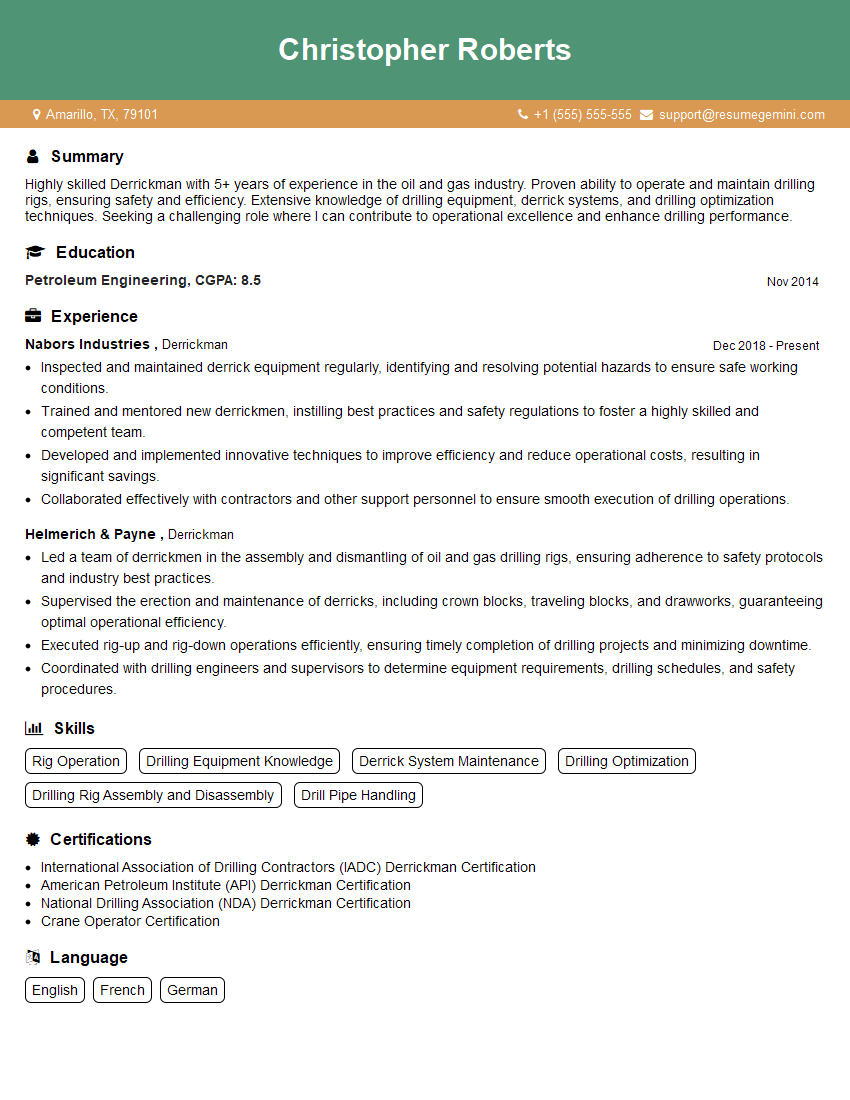
Mastering Drilling Rig Management is crucial for advancing your career in the oil and gas industry, opening doors to higher-level positions and greater responsibility. A well-crafted resume is essential for showcasing your skills and experience to potential employers. Building an ATS-friendly resume significantly increases your chances of getting your application noticed. We recommend using ResumeGemini, a trusted resource for creating professional and impactful resumes. Examples of resumes tailored to Drilling Rig Management are available to help guide you.

Explore more articles
Users Rating of Our Blogs
Share Your Experience
We value your feedback! Please rate our content and share your thoughts (optional).
What Readers Say About Our Blog
Very informative content, great job.
good