Preparation is the key to success in any interview. In this post, we’ll explore crucial ProblemSolving and Analytical Abilities interview questions and equip you with strategies to craft impactful answers. Whether you’re a beginner or a pro, these tips will elevate your preparation.
Questions Asked in ProblemSolving and Analytical Abilities Interview
Q 1. Describe your approach to solving a complex problem.
My approach to solving complex problems is systematic and iterative, employing a structured methodology. I begin by thoroughly understanding the problem, breaking it down into smaller, more manageable components. This involves clarifying the problem statement, identifying key constraints, and defining the desired outcome. Then, I gather relevant information from various sources, including data analysis, stakeholder interviews, and research. I explore potential solutions, evaluating their feasibility and potential impact using analytical techniques like SWOT analysis or cost-benefit analysis. I prioritize solutions based on factors like effectiveness, resource requirements, and risk. After implementing the chosen solution, I carefully monitor its effectiveness and make adjustments as needed. This iterative process allows for continuous improvement and ensures that the final solution effectively addresses the initial problem.
For instance, if tasked with improving customer retention, I wouldn’t jump straight into solutions. First, I’d analyze churn data, identify common reasons for churn through surveys and interviews, and then brainstorm potential solutions, such as improving customer support or enhancing product features. I’d then test these solutions, measure their impact, and refine my approach based on the results. This iterative process ensures a more effective and efficient solution.
Q 2. Explain a time you had to analyze a large dataset to identify trends.
In a previous role, I analyzed a large dataset of website user activity to identify trends impacting conversion rates. The dataset contained millions of rows, encompassing user demographics, session duration, pages visited, and ultimately, whether a conversion occurred. I used SQL to extract relevant data subsets and then employed Python with libraries like Pandas and NumPy to clean, transform, and analyze the data. I visualized the data using tools such as Matplotlib and Seaborn to identify key trends. For instance, I discovered a strong correlation between session duration and conversion rates – users who spent longer on the website were significantly more likely to convert. I also found that users accessing the website from mobile devices had a lower conversion rate compared to desktop users. This analysis led to recommendations such as improving the mobile user experience and optimizing the website’s content to enhance engagement and increase conversion rates.
# Example Python code snippet for data analysis:
import pandas as pd
data = pd.read_csv('website_activity.csv')
data['conversion'] = data['conversion'].astype(bool)
conversion_rate = data['conversion'].mean()
print(f'Overall Conversion Rate: {conversion_rate:.2%}')
Q 3. How do you prioritize tasks when facing multiple competing demands?
Prioritizing tasks when faced with multiple competing demands requires a structured approach. I utilize methods like the Eisenhower Matrix (urgent/important), which helps categorize tasks based on urgency and importance. Urgent and important tasks get immediate attention, while important but not urgent tasks are scheduled. Urgent but not important tasks are delegated if possible, and tasks that are neither urgent nor important are eliminated. I also consider factors like deadlines, dependencies between tasks, and the potential impact of each task on overall goals. Setting realistic deadlines and using time management techniques such as the Pomodoro Technique helps to ensure efficient task completion.
For example, if I had a critical presentation due tomorrow (urgent and important), a long-term project with a distant deadline (important but not urgent), a minor administrative task (urgent but not important), and a social media update (neither urgent nor important), I’d focus on the presentation first, then schedule time for the project, delegate the administrative task if possible, and skip the social media update for now.
Q 4. Describe a situation where you identified a problem that wasn’t explicitly stated.
In a previous project involving the optimization of a supply chain, the explicit goal was to reduce costs. While working on this project, I noticed a significant increase in customer complaints related to late deliveries. This wasn’t initially stated as a problem, but it was evident from the data. By analyzing the complaints and correlating them with delivery times, I identified a bottleneck in the warehouse processing, resulting in delayed shipments. Highlighting this unstated problem proved crucial, as addressing it not only improved customer satisfaction but also reduced costs associated with returns, refunds, and damage control.
This example highlights the importance of proactive problem-solving; looking beyond the explicitly stated objectives to uncover hidden issues and improve overall performance. It demonstrated that data analysis is not just about numbers; it is about understanding the bigger picture and using data to drive significant improvements.
Q 5. How do you handle ambiguity and incomplete information when solving problems?
Handling ambiguity and incomplete information requires a structured approach that emphasizes making informed decisions despite uncertainty. I start by defining the problem as clearly as possible, even with incomplete information. Then I actively seek out additional data and information from various sources. I employ techniques such as scenario planning to anticipate potential outcomes based on different assumptions. I also engage in collaborative discussions with stakeholders to gather diverse perspectives and fill in knowledge gaps. While acknowledging the limitations of incomplete information, I make decisions based on the best available data and continuously reassess and adjust my approach as new information becomes available. I consider the potential risks and rewards associated with each decision and aim for iterative improvement through continuous feedback and data analysis.
Imagine needing to design a marketing campaign with limited information on the target audience. Instead of waiting for complete data, I’d start with what is known, conduct targeted research, and develop several campaign versions based on various assumptions about the audience. I’d then test these campaigns and learn from the results, iteratively refining my approach as I gain more information.
Q 6. What analytical tools or software are you proficient in?
I am proficient in several analytical tools and software packages. My expertise includes SQL for data extraction and manipulation, Python with libraries like Pandas, NumPy, Scikit-learn (for machine learning), and Matplotlib/Seaborn for data visualization. I also have experience with data visualization tools such as Tableau and Power BI. Furthermore, I’m familiar with statistical software packages such as R and SPSS, and I possess a working knowledge of cloud-based data platforms like AWS and Google Cloud Platform. My proficiency in these tools enables me to efficiently process, analyze, and interpret large datasets to extract meaningful insights and drive data-informed decisions.
Q 7. How do you approach decision-making under pressure?
Decision-making under pressure requires a calm, structured approach. I begin by clearly defining the problem and the desired outcome. I then prioritize the most critical information and limit the scope to the most essential factors. I avoid emotional decision-making and focus on gathering and evaluating relevant data as quickly and accurately as possible. I leverage my experience and analytical skills to make informed decisions based on probabilities and potential consequences. If time allows, I seek input from trusted colleagues to validate my assessment. Finally, after making the decision, I closely monitor its impact and make adjustments as needed.
For instance, if faced with a critical system failure during peak hours, I would prioritize restoring service as quickly as possible. I’d focus on the core issue, communicate with my team, and utilize established protocols to resolve the problem efficiently. While efficiency is crucial, accuracy is equally important to prevent further errors.
Q 8. Describe your experience with root cause analysis.
Root cause analysis (RCA) is a systematic process for identifying the underlying causes of problems, rather than just addressing the symptoms. It’s crucial for preventing recurrence and improving overall efficiency. I’ve extensively used several RCA methodologies, including the ‘5 Whys,’ Fishbone diagrams (Ishikawa diagrams), and Fault Tree Analysis.
For example, in a previous role, we experienced a significant drop in website traffic. Instead of simply panicking and trying random fixes, we employed the ‘5 Whys’ method. We systematically asked ‘why’ five times to drill down to the root cause. Why did traffic drop? Because bounce rate increased. Why did the bounce rate increase? Because page load time slowed down. Why did page load time slow down? Because of a recent server update. Why did the server update cause slowdowns? Because insufficient testing was performed before deployment. The root cause wasn’t the update itself, but the lack of thorough testing. This allowed us to implement more robust testing procedures, preventing similar issues in the future.
I also have experience with more complex methodologies like Fault Tree Analysis, which is particularly useful for analyzing complex systems with multiple potential failure points. This involves constructing a diagram that illustrates the various ways a system can fail, identifying the contributing factors, and prioritizing mitigation efforts.
Q 9. How do you stay organized when working on multiple projects?
Managing multiple projects effectively requires a robust organizational system. I rely heavily on project management tools like Jira and Asana, utilizing features like task assignment, deadlines, and progress tracking. Beyond these tools, I employ a prioritized task list, regularly reviewing and adjusting it based on deadlines and urgency. I break down large projects into smaller, manageable tasks, ensuring each has clear objectives and deliverables. Time blocking is also essential: scheduling dedicated time slots for each project minimizes context switching and improves focus.
For instance, if I’m working on three projects simultaneously – a website redesign, a market research study, and a client presentation – I’ll dedicate specific days or parts of days to each. Mondays might be for website design, Tuesdays for research, and Wednesdays for presentation prep. This structured approach prevents feeling overwhelmed and ensures timely completion of all tasks. Regular review meetings with stakeholders also help to keep everything on track and address any unforeseen challenges promptly.
Q 10. Give an example of a time you had to adapt your approach to solving a problem.
In a previous project involving data analysis, my initial approach relied heavily on a specific statistical model. However, after initial analysis, I realized the data violated the model’s assumptions. Instead of forcing the data to fit the model, I adapted my approach. I explored alternative statistical methods, ultimately selecting a non-parametric technique that was more suitable for the data’s characteristics. This resulted in a more accurate and reliable analysis.
This experience highlighted the importance of flexibility and adaptability. Sticking rigidly to a pre-conceived plan without considering the nuances of the situation can lead to inaccurate or misleading conclusions. Being open to alternative methods and adapting my approach based on the data’s characteristics is crucial for effective problem-solving.
Q 11. How do you communicate complex information clearly and concisely?
Communicating complex information clearly and concisely requires a multi-faceted approach. I begin by understanding my audience and tailoring my communication style to their level of expertise. I avoid technical jargon whenever possible, opting for plain language that everyone can understand. Visual aids such as charts, graphs, and diagrams are invaluable in simplifying complex data and illustrating key insights.
For instance, when presenting financial data to a non-financial audience, I wouldn’t use terms like ‘amortization’ or ‘depreciation’ without clear explanations. Instead, I might use simple analogies or visualizations to illustrate the concepts. I also focus on the ‘story’ behind the data, highlighting the key takeaways and implications rather than overwhelming the audience with details. Finally, I always allow time for questions to ensure complete understanding and address any concerns.
Q 12. How do you ensure the accuracy of your analysis?
Ensuring accuracy in analysis is paramount. I employ several strategies to achieve this. Firstly, I meticulously review my work, checking for errors in data entry, calculations, and interpretations. Secondly, I utilize multiple data sources to validate findings and reduce the risk of bias. Thirdly, I employ cross-validation techniques to test the robustness of my models and ensure they generalize well to new data. Finally, I document my methodology thoroughly, enabling others to reproduce my results and verify my findings. This rigorous approach helps me maintain the highest standards of accuracy.
For example, in a recent project, I compared results from two different survey methodologies. Discrepancies between the results prompted further investigation, ultimately revealing a flaw in one of the survey designs. This highlights the importance of employing multiple validation techniques to increase the confidence in my analysis.
Q 13. Describe a time you identified a flaw in a logical argument.
During a team discussion about a proposed marketing campaign, a colleague argued that increasing ad spend would automatically lead to a proportional increase in sales. I identified a flaw in this argument: it ignored the concept of diminishing returns and the saturation point of the market. Simply throwing more money at advertising doesn’t guarantee increased sales if the market is already saturated or the advertising strategy is ineffective. I presented data showing the relationship between ad spend and sales often plateaus beyond a certain point, suggesting a more nuanced approach that involved targeted advertising and improved campaign design rather than a blanket increase in spending.
This experience reinforced the importance of critical thinking and challenging assumptions, even within a team setting. Healthy debate and constructive criticism are crucial for reaching the best solutions.
Q 14. How do you handle disagreements or conflicting opinions within a team?
Disagreements are inevitable in teamwork, and I view them as opportunities for growth and improved decision-making. My approach involves active listening to understand all perspectives, seeking common ground, and focusing on the shared goal. I encourage open and respectful communication, ensuring everyone feels heard and valued. If a consensus can’t be reached, I believe in using a structured approach such as voting or mediating to reach a decision that the team can support, even if it’s not everyone’s first choice.
For example, in one project, there was a disagreement about the best software to use. Instead of letting it escalate, I facilitated a discussion where each team member presented the pros and cons of their preferred option. We then collectively evaluated these factors based on our project’s specific needs and voted on the most suitable option. This process ensured everyone’s input was considered, leading to a more unified and committed team despite initial disagreement.
Q 15. What strategies do you use to overcome creative blocks?
Creative blocks are a common challenge, even for experienced problem-solvers. My strategy involves a multi-pronged approach focusing on both mental shifts and practical techniques. First, I actively try to change my environment – a walk in nature, a change of workspace, or even just listening to different music can help break the mental rigidity that often accompanies a block. Second, I employ brainstorming techniques, such as mind mapping, where I visually connect ideas, allowing for unexpected associations. This can unearth new perspectives I might have missed otherwise. Third, I leverage collaborative efforts. Discussing the problem with colleagues or even bouncing ideas off someone outside the field can spark fresh insights. For example, during a project designing a new user interface, I experienced a creative block regarding the navigation structure. A walk in the park helped clear my head, and a subsequent brainstorming session with a colleague, who wasn’t familiar with UI design, unexpectedly led to an elegant solution that was both intuitive and user-friendly.
Career Expert Tips:
- Ace those interviews! Prepare effectively by reviewing the Top 50 Most Common Interview Questions on ResumeGemini.
- Navigate your job search with confidence! Explore a wide range of Career Tips on ResumeGemini. Learn about common challenges and recommendations to overcome them.
- Craft the perfect resume! Master the Art of Resume Writing with ResumeGemini’s guide. Showcase your unique qualifications and achievements effectively.
- Don’t miss out on holiday savings! Build your dream resume with ResumeGemini’s ATS optimized templates.
Q 16. Describe your experience with data visualization and interpretation.
Data visualization is crucial for effective communication and understanding of complex datasets. My experience encompasses creating various charts and graphs (bar charts, line graphs, scatter plots, heatmaps) using tools like Tableau and Python’s Matplotlib and Seaborn libraries. I’m proficient in selecting appropriate visualization techniques based on the data type and the message I aim to convey. For example, I recently used a heatmap to illustrate correlations between various market factors and stock performance, clearly showing which factors had the strongest relationships. Interpreting visualizations involves going beyond simply identifying trends; it requires critical thinking to understand underlying patterns, potential biases in the data, and causal relationships (or lack thereof). A key part of this is considering limitations, for instance, recognizing when correlation doesn’t imply causation. My experience extends to presenting these visualizations effectively, ensuring the audience grasps the key findings and their implications.
Q 17. How do you measure the success of your problem-solving efforts?
Measuring the success of problem-solving involves a multifaceted approach that goes beyond simply achieving a solution. I consider several key metrics: First, I evaluate the effectiveness of the solution in achieving the stated objective. Did it meet the initial goal? Were the identified problems solved? Second, I assess the efficiency of the process. Was the solution found in a timely and cost-effective manner? Third, I gauge the sustainability of the solution. Does it address the root cause of the problem, or is it just a temporary fix? Finally, and perhaps most importantly, I evaluate the impact of the solution. Did it positively affect the stakeholders involved? Did it create any unintended negative consequences? For instance, in resolving a recurring software bug, the success wasn’t just about fixing the bug but also about implementing robust testing procedures to prevent future occurrences and minimizing the impact on users. Quantitative metrics, such as reduced error rates or improved customer satisfaction scores, would complement the qualitative aspects of the evaluation.
Q 18. Explain your experience with statistical modeling or forecasting.
My experience with statistical modeling and forecasting involves using various techniques to analyze data and make predictions. I’m proficient in applying regression analysis (linear, logistic, multiple), time series analysis (ARIMA, exponential smoothing), and other forecasting methods depending on the data characteristics and the nature of the problem. For example, I used time series analysis to forecast sales for a retail company, taking into account seasonal trends and external economic factors. The choice of model heavily depends on the data’s properties: for example, the presence of autocorrelation in time-series data dictates the application of methods specifically designed to handle such dependencies. Model accuracy is paramount, and I thoroughly evaluate model performance using metrics such as Mean Absolute Error (MAE), Root Mean Squared Error (RMSE), and R-squared. I also recognize the importance of model validation and testing on unseen data to ensure generalizability and avoid overfitting.
Q 19. Describe a time you had to present your findings to a non-technical audience.
During a project analyzing customer churn for a telecommunications company, I had to present my findings to a non-technical audience, including executives and marketing personnel. To ensure effective communication, I avoided technical jargon and focused on visual representations of data – charts and graphs were my primary tool. I also used relatable analogies and real-world examples to explain complex concepts. For instance, instead of explaining the concept of ‘logistic regression,’ I described it as predicting the probability of a customer leaving, similar to predicting the likelihood of rain based on weather patterns. I structured my presentation with a clear narrative, starting with the problem, highlighting key findings, and ending with actionable recommendations. The feedback was positive, indicating that my approach facilitated a clear understanding of the complex analysis and enabled data-driven decision-making.
Q 20. How do you stay current with new analytical methods and technologies?
Staying current in the rapidly evolving field of analytics is crucial. I utilize several strategies: First, I actively participate in online communities and forums, engaging in discussions and learning from experts. Second, I regularly attend webinars and conferences, which offer exposure to cutting-edge techniques and technologies. Third, I subscribe to reputable journals and newsletters that publish research articles and industry updates. Fourth, I dedicate time to online courses and tutorials on platforms like Coursera and edX to expand my skill set. Finally, I embrace a culture of continuous learning by experimenting with new tools and techniques in my projects. For instance, I recently explored the use of deep learning for a particular problem, expanding my expertise beyond traditional statistical modeling techniques.
Q 21. Explain your understanding of different problem-solving frameworks (e.g., Six Sigma).
My understanding of problem-solving frameworks encompasses several methodologies, including Six Sigma. Six Sigma is a data-driven approach aimed at minimizing defects and variability in processes. Its DMAIC (Define, Measure, Analyze, Improve, Control) cycle provides a structured framework for problem-solving. In the Define phase, the problem is clearly defined, along with the goals. The Measure phase involves gathering data to understand the current state. The Analyze phase focuses on identifying the root causes of the problem using tools like Pareto charts and fishbone diagrams. In the Improve phase, solutions are implemented and tested. Finally, the Control phase focuses on maintaining the improvements achieved. Other frameworks, such as Lean and Agile methodologies, complement Six Sigma by focusing on waste reduction and iterative development. The choice of framework depends on the specific problem and organizational context. For example, in a manufacturing setting, Six Sigma might be employed to reduce product defects, while in a software development project, Agile’s iterative nature would be more appropriate.
Q 22. Describe a time you had to make a difficult decision based on limited data.
Making decisions with incomplete information is a common challenge. In my previous role at a marketing agency, we needed to decide which of two new campaign strategies to launch for a client’s product. We had some initial A/B testing data from a small pilot program, but the sample size was too small to be statistically significant. The available data showed a slight edge for Strategy A in terms of click-through rates, but the conversion rate was higher for Strategy B.
To make the best decision, we adopted a structured approach. First, we weighted the available data, acknowledging its limitations. The click-through rate was a leading indicator, but the conversion rate, ultimately, was more important to the client’s business goals. We also considered qualitative factors: Strategy A was less risky and easier to implement quickly. We documented our reasoning and assumptions clearly. Finally, we decided on a phased launch of Strategy A, allowing for continuous monitoring and adjustment based on the early results from a wider rollout. This mitigated the risk of committing to a strategy that turned out to be less effective with a larger audience. This phased approach allowed us to collect more data and make iterative improvements, demonstrating a commitment to data-driven decision making even in the face of uncertainty.
Q 23. How do you deal with setbacks or failures in your problem-solving process?
Setbacks are inevitable in problem-solving. I view them as valuable learning opportunities. When faced with a failure, my first step is to conduct a thorough post-mortem analysis. This involves objectively reviewing the process, identifying where things went wrong, and determining the root causes. I avoid assigning blame; the focus is on understanding the factors that contributed to the outcome.
For example, in a previous project involving predictive modeling, my initial model performed poorly. Instead of being discouraged, I systematically investigated potential issues: data quality problems, feature engineering choices, model selection, and hyperparameter tuning. I discovered that a crucial variable had significant outliers that were skewing the results. After addressing the outliers and refining the model, I achieved significantly better performance. The key is to learn from the mistakes, adapt your approach, and persevere. Documentation is crucial in this phase to avoid repeating past errors.
Q 24. Explain your understanding of A/B testing and its applications.
A/B testing (also known as split testing) is a controlled experiment where two versions of a webpage, app, or other marketing asset are shown to different groups of users to determine which version performs better. It’s a powerful tool for data-driven decision making, allowing you to test hypotheses and measure the impact of changes objectively.
- How it works: Traffic is split randomly between two (or more) variants (A and B). Key metrics are tracked (e.g., click-through rates, conversion rates, bounce rates). Statistical analysis determines if the difference in performance between the variants is statistically significant.
- Applications: A/B testing is widely used in website optimization, email marketing, app development, and advertising. It can be used to test different headlines, calls to action, images, layouts, and pricing strategies.
- Example: Imagine testing two different email subject lines. Version A has a concise subject, while Version B is more elaborate. By tracking the open rates and click-through rates for each version, you can determine which subject line is more effective in engaging your audience.
Q 25. Describe your experience with regression analysis.
Regression analysis is a statistical method used to model the relationship between a dependent variable and one or more independent variables. It helps us understand how changes in the independent variables affect the dependent variable. I have extensive experience applying various regression techniques, including linear regression, logistic regression, and polynomial regression.
For instance, I once used multiple linear regression to predict customer churn for a telecommunications company. The dependent variable was churn (yes/no), and the independent variables included factors like age, contract length, monthly bill amount, and customer service interactions. The model allowed us to identify the most significant predictors of churn, providing valuable insights for targeted retention strategies. The model’s output provided coefficients for each variable, enabling us to understand the relative impact of each on churn probability. I always validate the model rigorously using appropriate metrics like R-squared, adjusted R-squared, and other relevant evaluation criteria.
Q 26. How do you identify and mitigate potential risks in your analytical work?
Identifying and mitigating risks is paramount in analytical work. My approach involves a multi-faceted strategy:
- Data Quality Assessment: Thoroughly examining the data for errors, inconsistencies, and biases is crucial before any analysis. This includes checking for missing values, outliers, and data entry errors.
- Sensitivity Analysis: Testing the robustness of the analysis by changing inputs or assumptions helps to understand how sensitive the results are to variations in the data.
- Model Validation: Using appropriate metrics and techniques to validate the chosen model’s accuracy, precision and reliability ensures that the results are trustworthy.
- Assumptions Documentation: Clearly documenting all assumptions made during the analysis enhances transparency and allows for a critical review of the findings.
- Peer Review: Seeking feedback from colleagues ensures another set of eyes can spot potential biases or flaws.
For example, if I were building a fraud detection model, I would carefully assess the data for potential biases and make sure that the model is not unfairly targeting specific demographic groups. I would also perform rigorous testing to ensure that the model’s false positive and false negative rates are acceptably low.
Q 27. How do you ensure data integrity and security?
Data integrity and security are fundamental principles. My approach involves several key steps:
- Data Validation and Cleansing: Implementing data validation rules to ensure data consistency and accuracy, and cleaning the data to remove errors and inconsistencies is a crucial first step.
- Access Control: Restricting access to sensitive data based on the principle of least privilege ensures that only authorized personnel can access it.
- Data Encryption: Employing encryption techniques to protect data both in transit and at rest prevents unauthorized access to sensitive information.
- Regular Backups: Implementing regular backups and disaster recovery procedures ensures data availability in case of hardware failures or other unforeseen events.
- Compliance with Regulations: Adhering to relevant data privacy regulations (such as GDPR, CCPA) is crucial for responsible data handling.
For instance, when working with personally identifiable information (PII), I would encrypt the data both when it’s stored and when it’s transmitted. I would also meticulously document all data handling procedures to ensure compliance with relevant regulations and internal policies. Transparency and accountability are key.
Q 28. Describe a time you used critical thinking to solve a problem.
Critical thinking is essential for effective problem-solving. In a previous project, our team was tasked with improving customer engagement on a social media platform. Initial analysis showed a decline in user activity. Instead of jumping to immediate solutions, I took a step back and applied critical thinking by systematically evaluating various factors.
First, I questioned the assumptions underlying the initial analysis. Was the decline statistically significant, or was it simply random fluctuation? I looked at different metrics (daily active users, session duration, post engagement) to get a holistic picture, rather than focusing on a single metric. I also considered external factors that might have influenced user engagement (seasonal trends, competitor actions, changes in the platform’s algorithm). By systematically analyzing different contributing factors and challenging initial assumptions, I discovered a correlation between a recent app update and decreased user engagement. This led us to identify and fix a bug in the update, resulting in a significant improvement in customer engagement. The structured approach helped avoid jumping to conclusions and led to a more effective solution.
Key Topics to Learn for Problem-Solving and Analytical Abilities Interview
- Understanding the Problem: Learn to dissect complex problems into smaller, manageable parts. Practice identifying the core issue, separating symptoms from root causes, and defining clear objectives.
- Analytical Techniques: Familiarize yourself with various analytical methods, including SWOT analysis, root cause analysis (RCA), and data analysis techniques. Understand how to apply these methods to different scenarios.
- Logical Reasoning & Deduction: Develop your ability to draw logical conclusions from available information. Practice identifying patterns, making inferences, and evaluating evidence critically.
- Problem-Solving Frameworks: Explore different structured approaches to problem-solving, such as the PDCA cycle (Plan-Do-Check-Act) or the 5 Whys method. Practice applying these frameworks to real-world examples.
- Decision-Making Under Uncertainty: Learn how to make informed decisions even when faced with incomplete information or ambiguity. Develop strategies for risk assessment and mitigation.
- Communication & Collaboration: Practice articulating your thought process clearly and concisely. Understand how to effectively collaborate with others to solve complex problems.
- Data Interpretation & Visualization: Learn to interpret data from various sources (charts, graphs, tables) and effectively communicate your findings through clear visualizations.
Next Steps
Mastering problem-solving and analytical abilities is crucial for career advancement. These skills are highly valued across industries and significantly impact your ability to contribute effectively and innovate within your role. To maximize your job prospects, it’s essential to present these skills clearly and concisely on your resume. Crafting an ATS-friendly resume is key to getting your application noticed. ResumeGemini is a trusted resource to help you build a professional and impactful resume that highlights your strengths. We provide examples of resumes tailored to showcasing problem-solving and analytical abilities to help you get started.
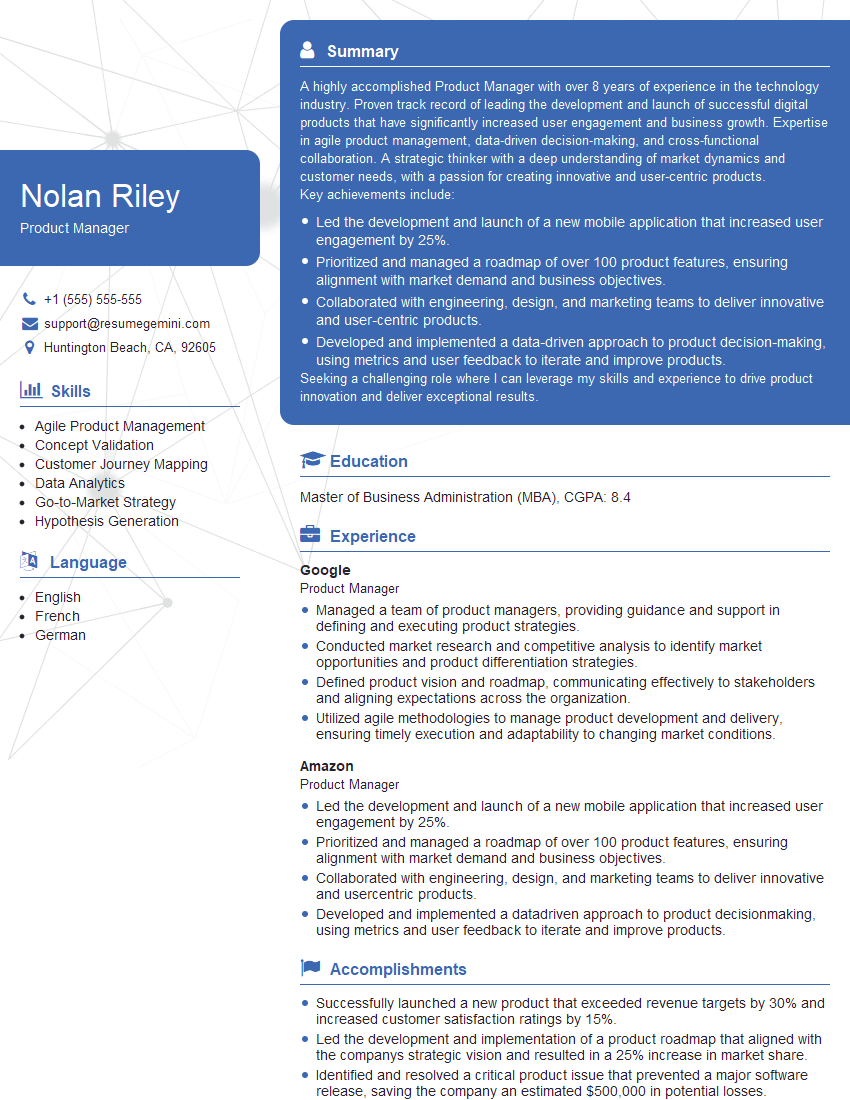
Product Manager Resume Sample
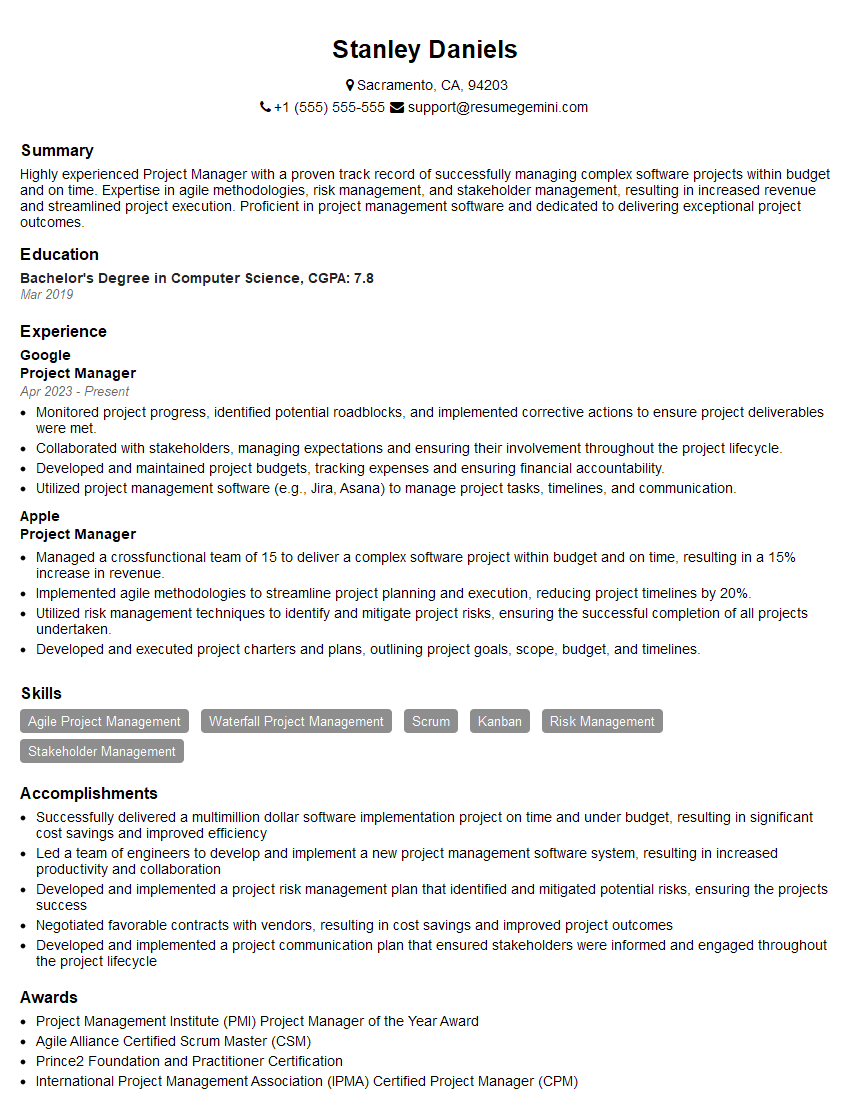
Project Manager Resume Sample
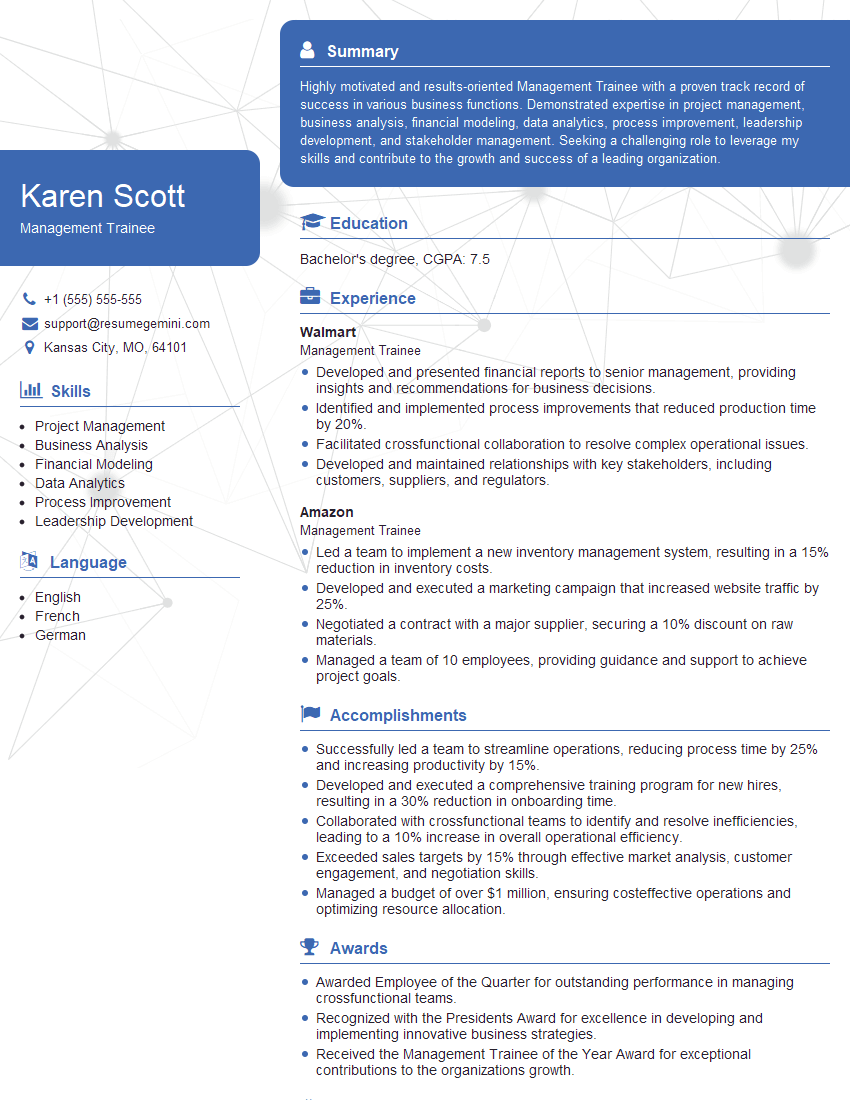
Management Trainee Resume Sample
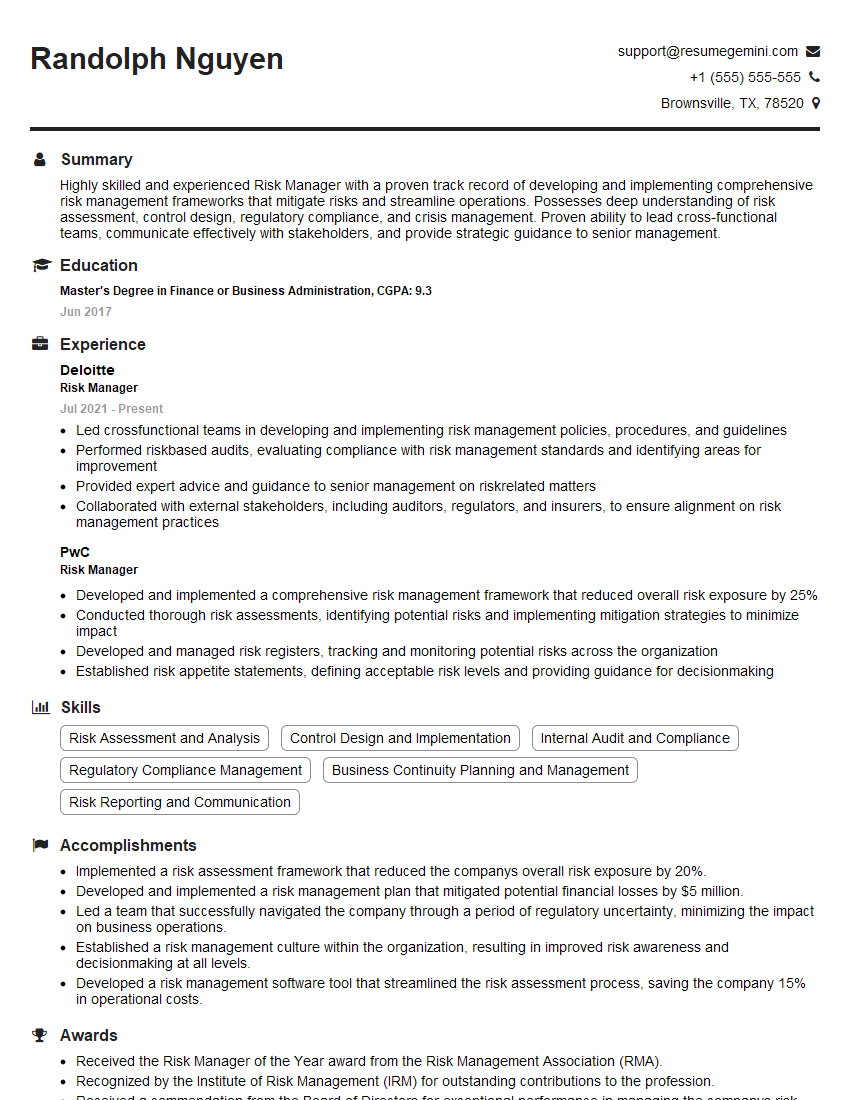
Risk Manager Resume Sample
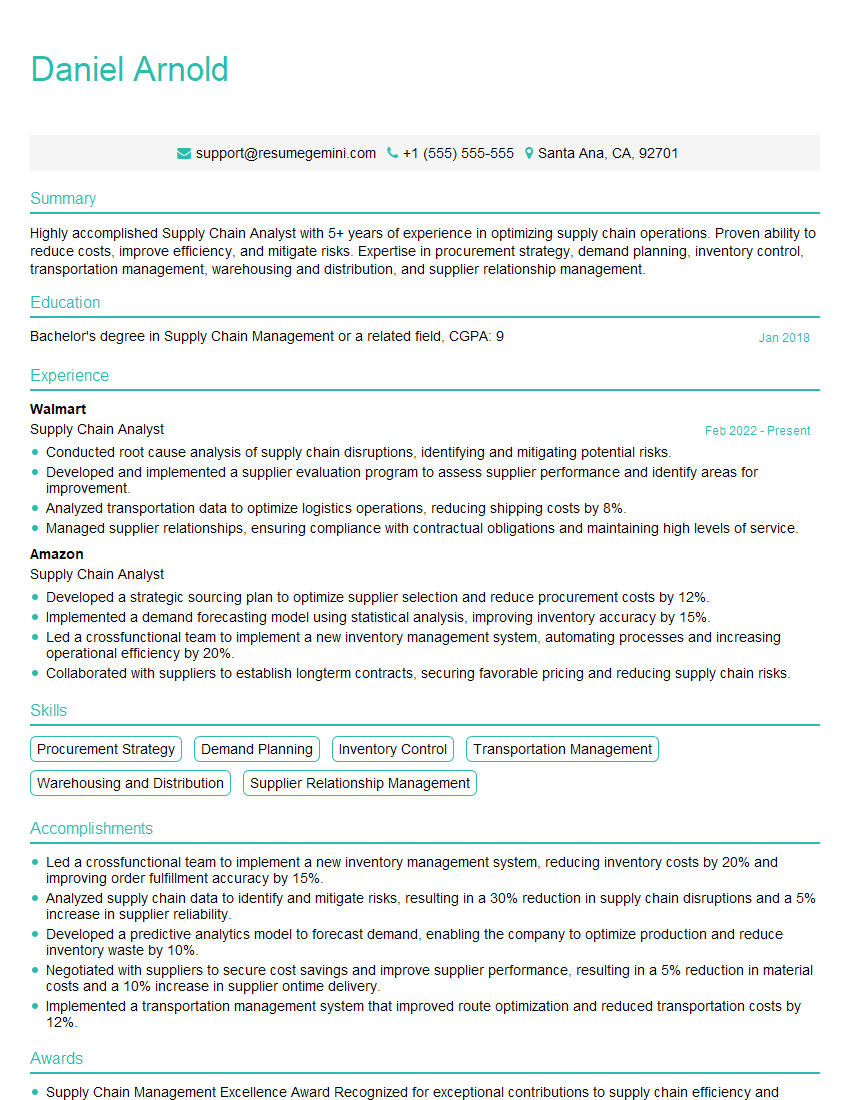
Supply Chain Analyst Resume Sample
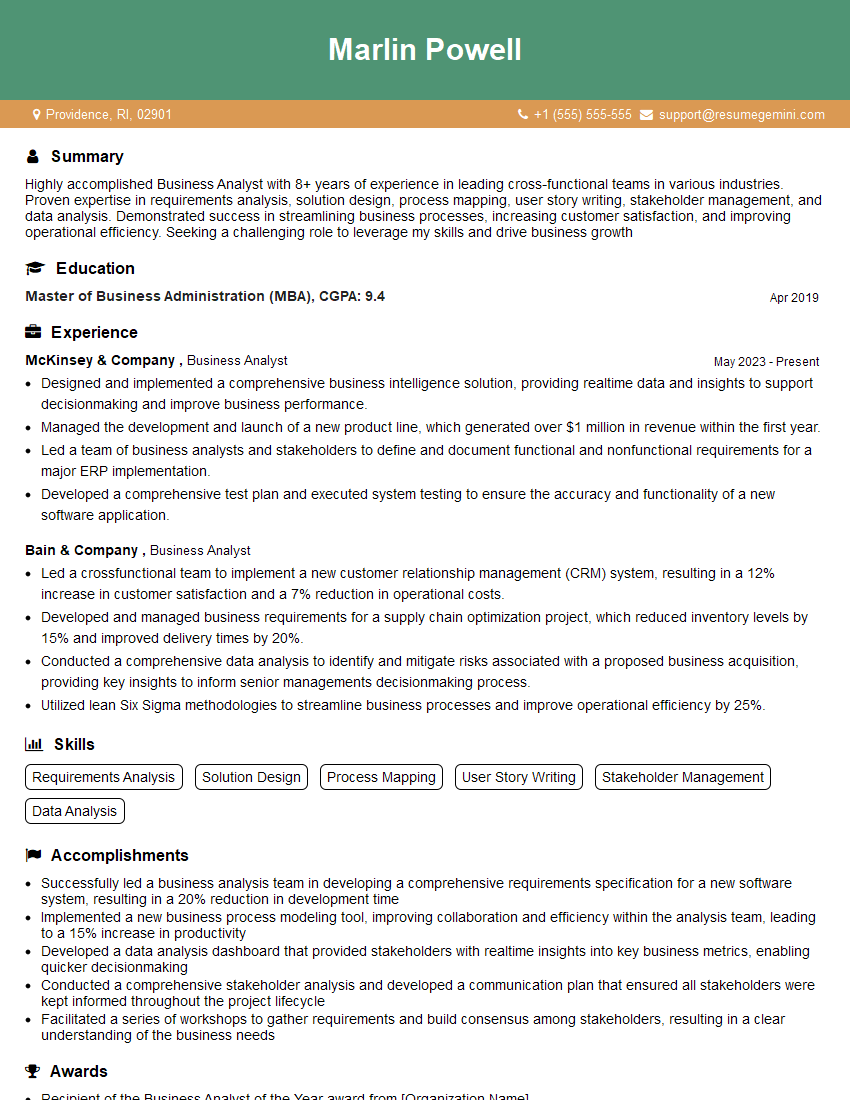
Business Analyst Resume Sample
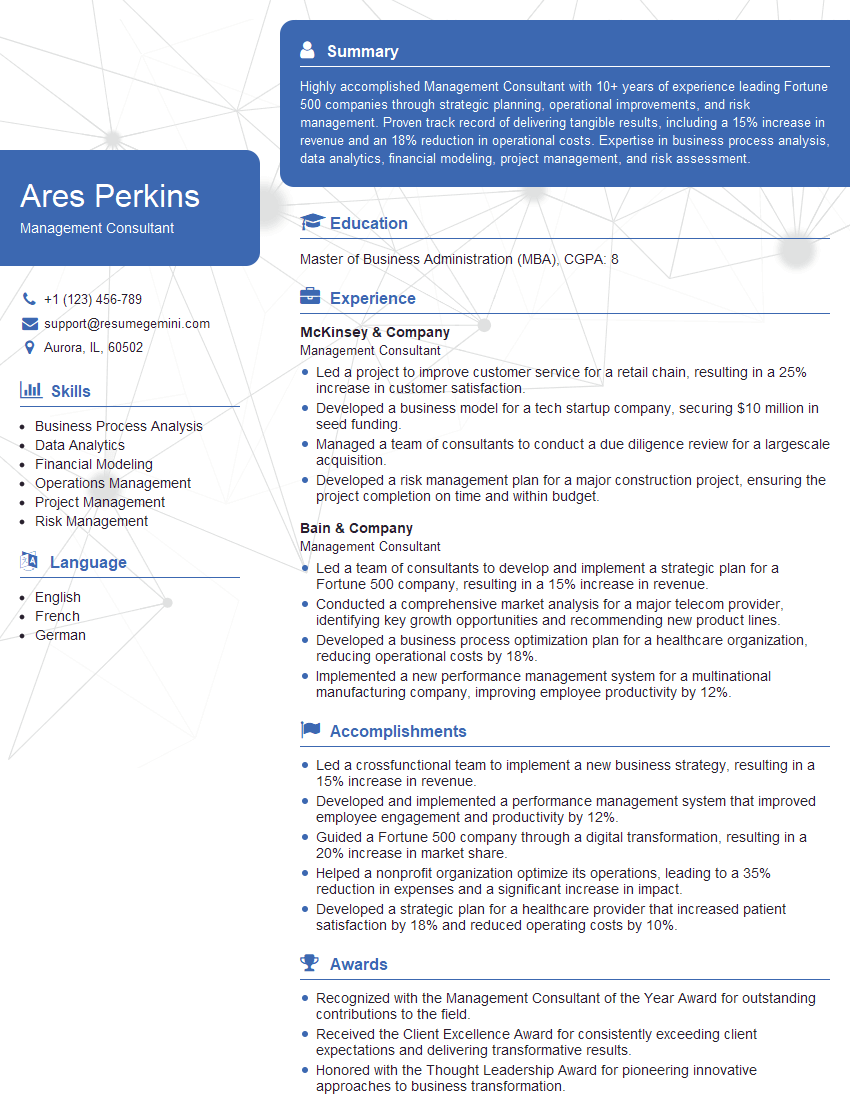
Management Consultant Resume Sample
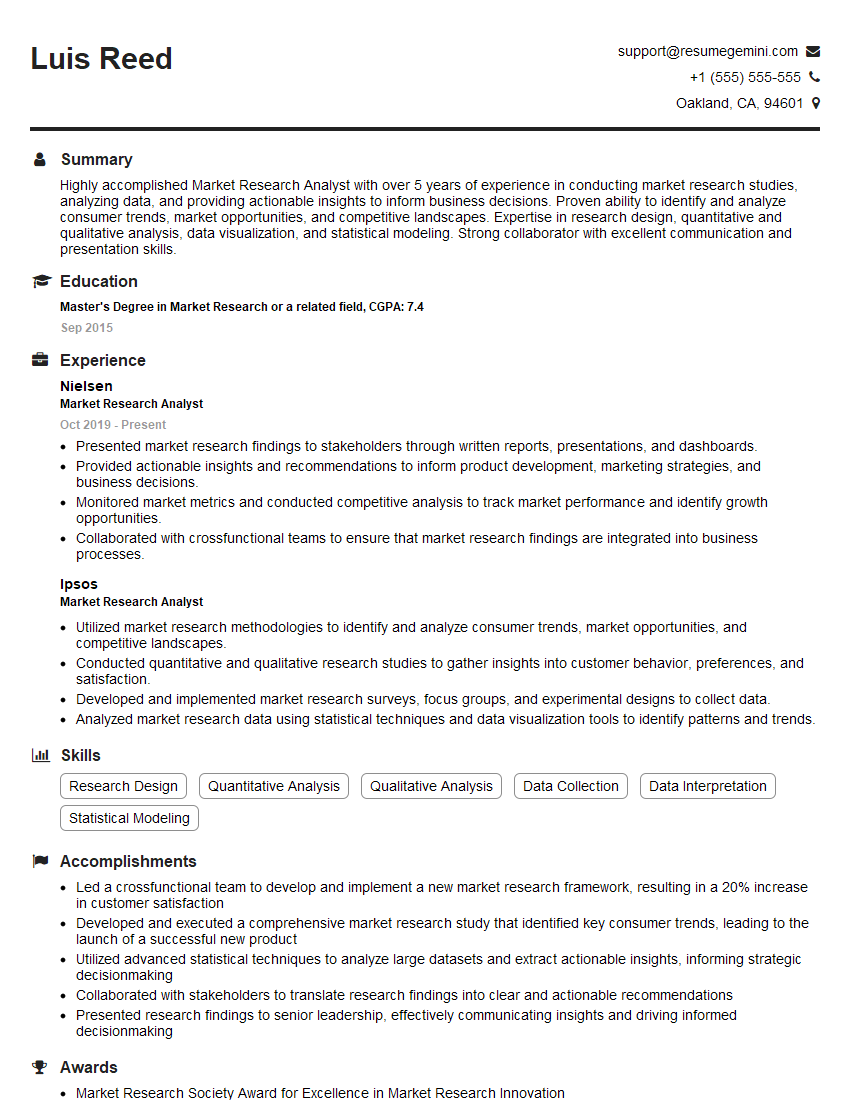
Market Research Analyst Resume Sample
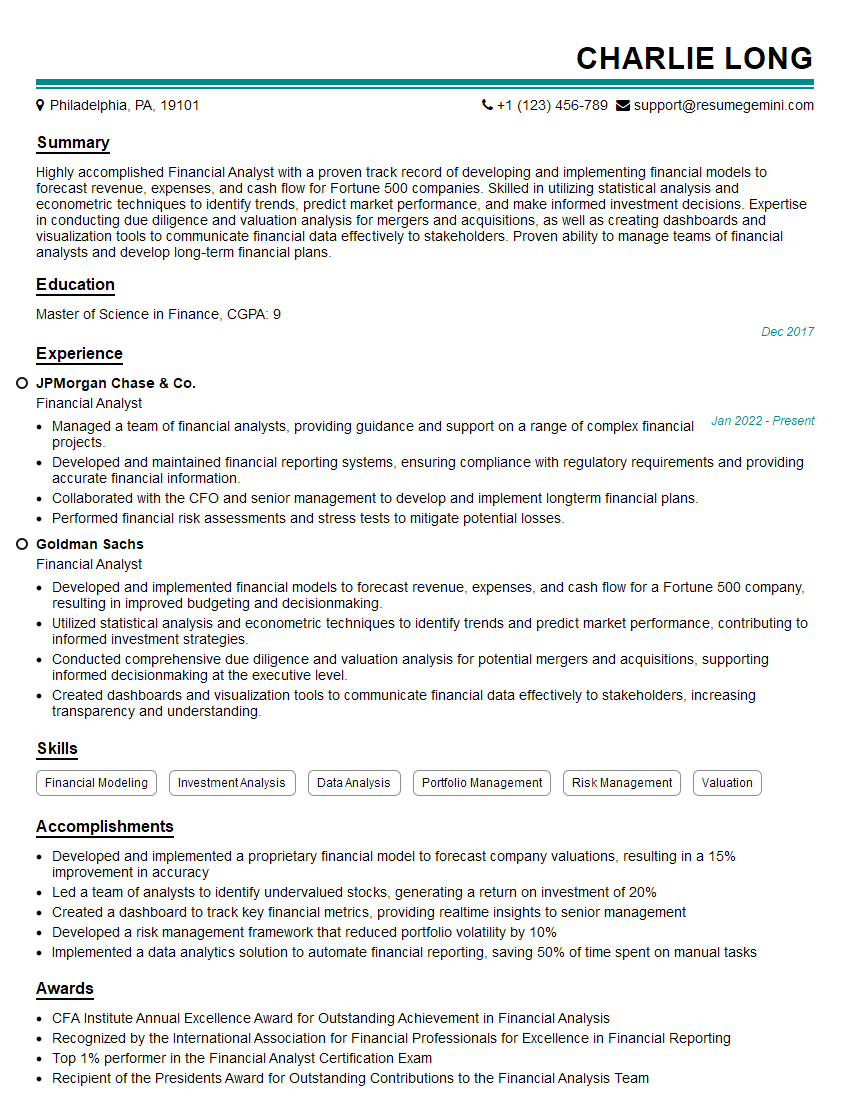
Financial Analyst Resume Sample
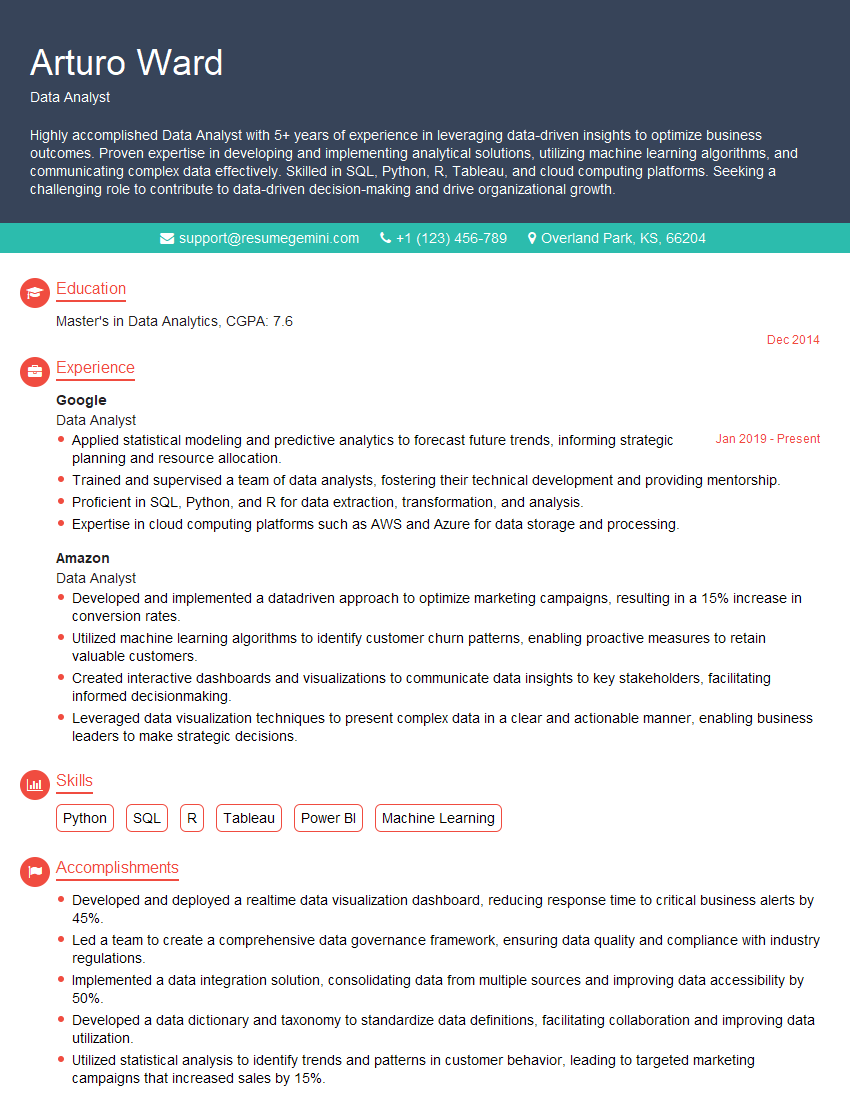
Data Analyst Resume Sample
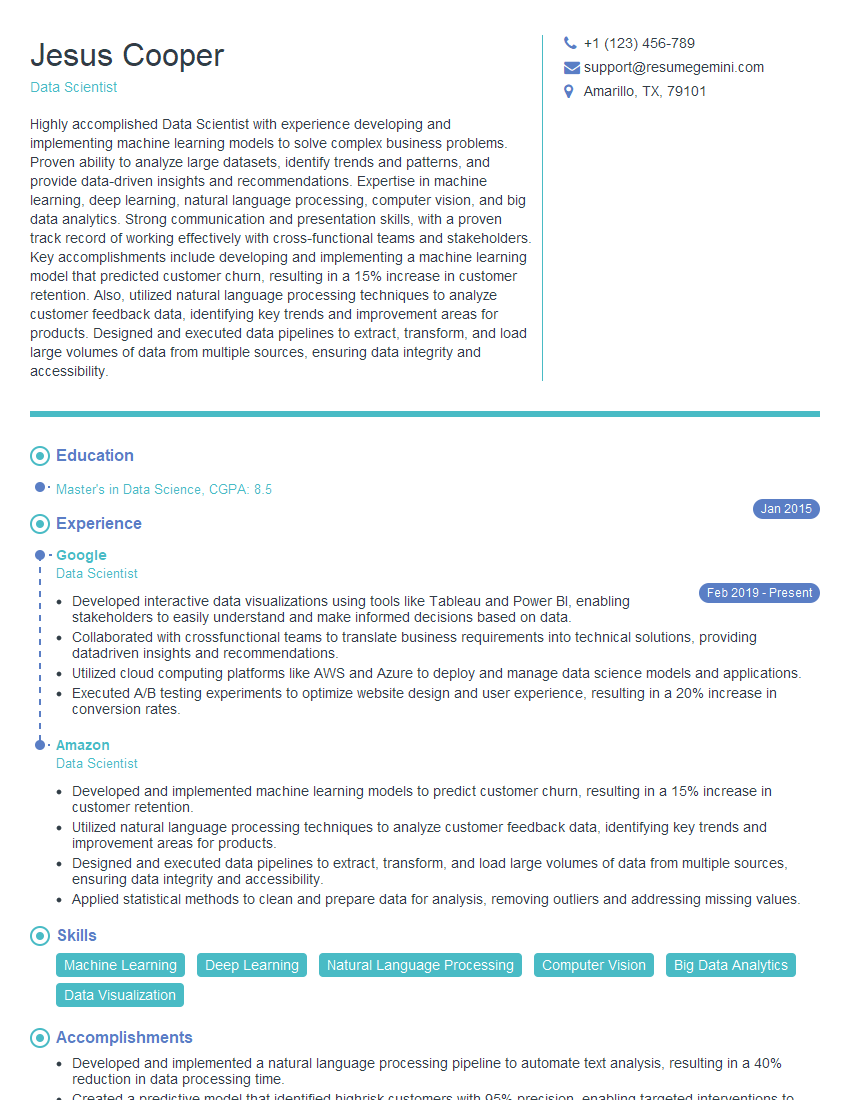
Data Scientist Resume Sample
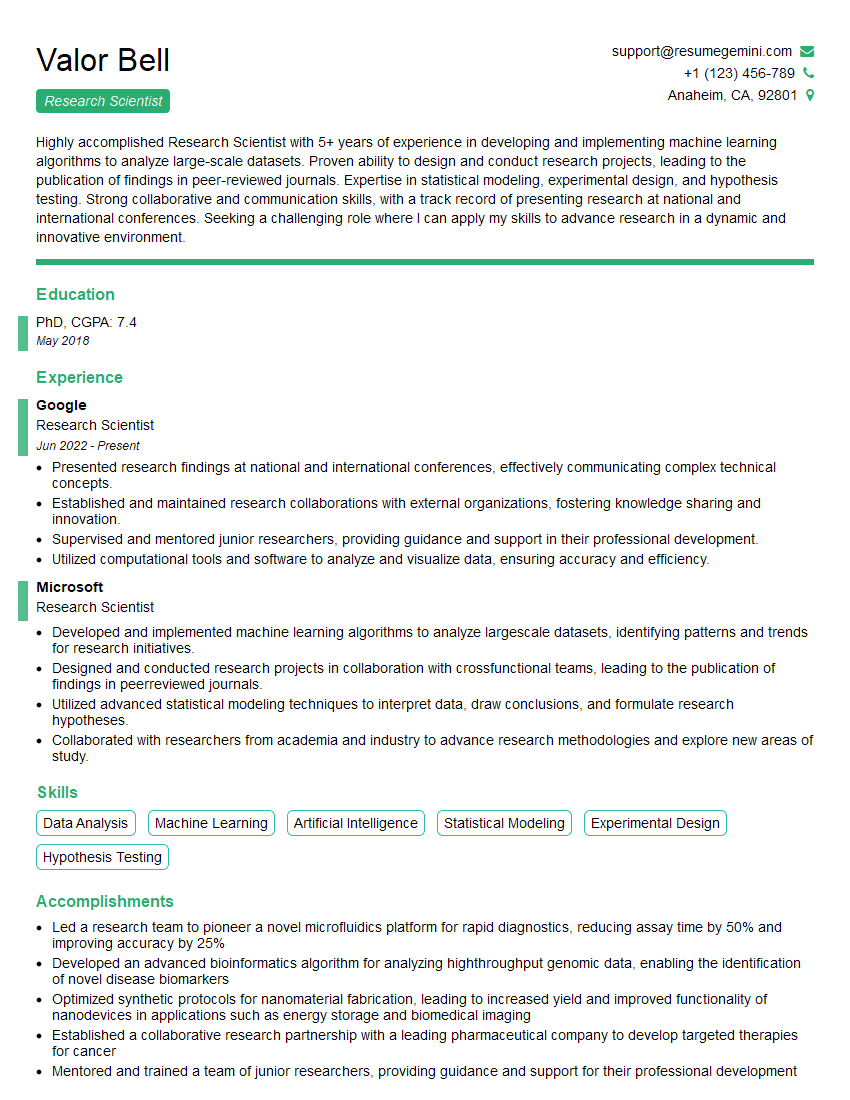
Research Scientist Resume Sample
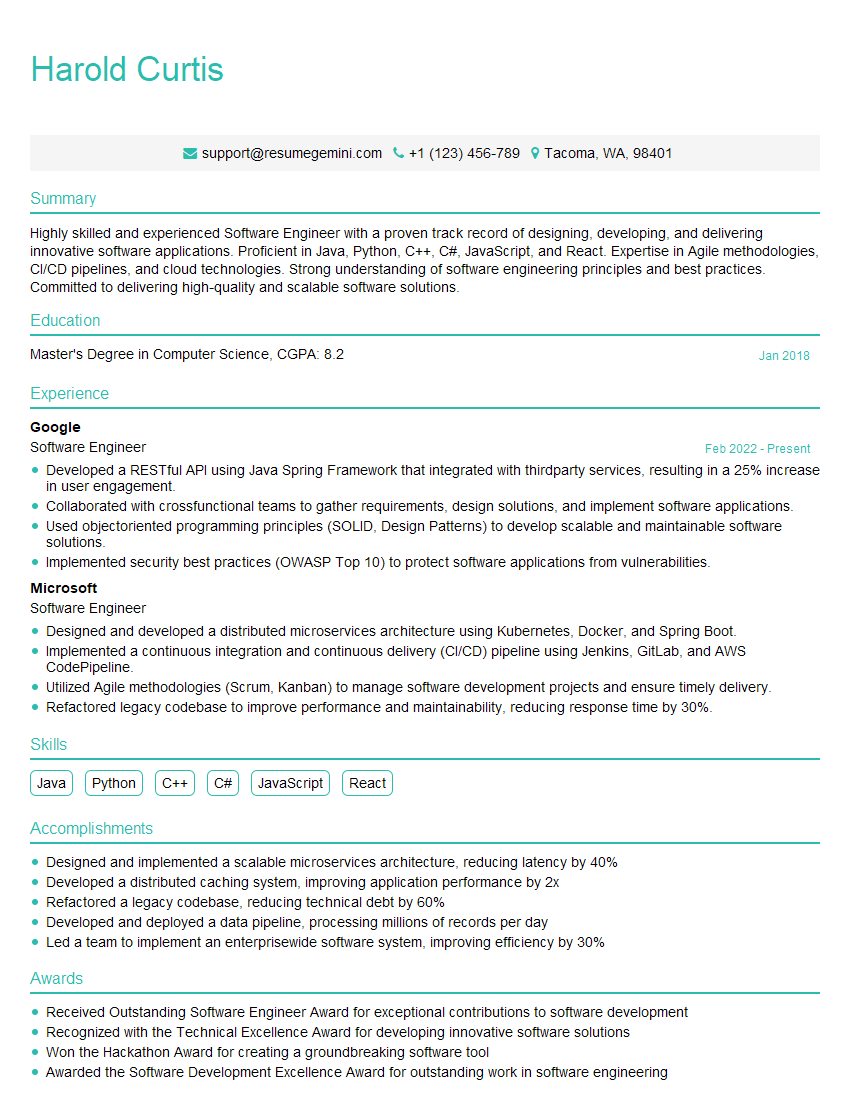
Software Engineer Resume Sample
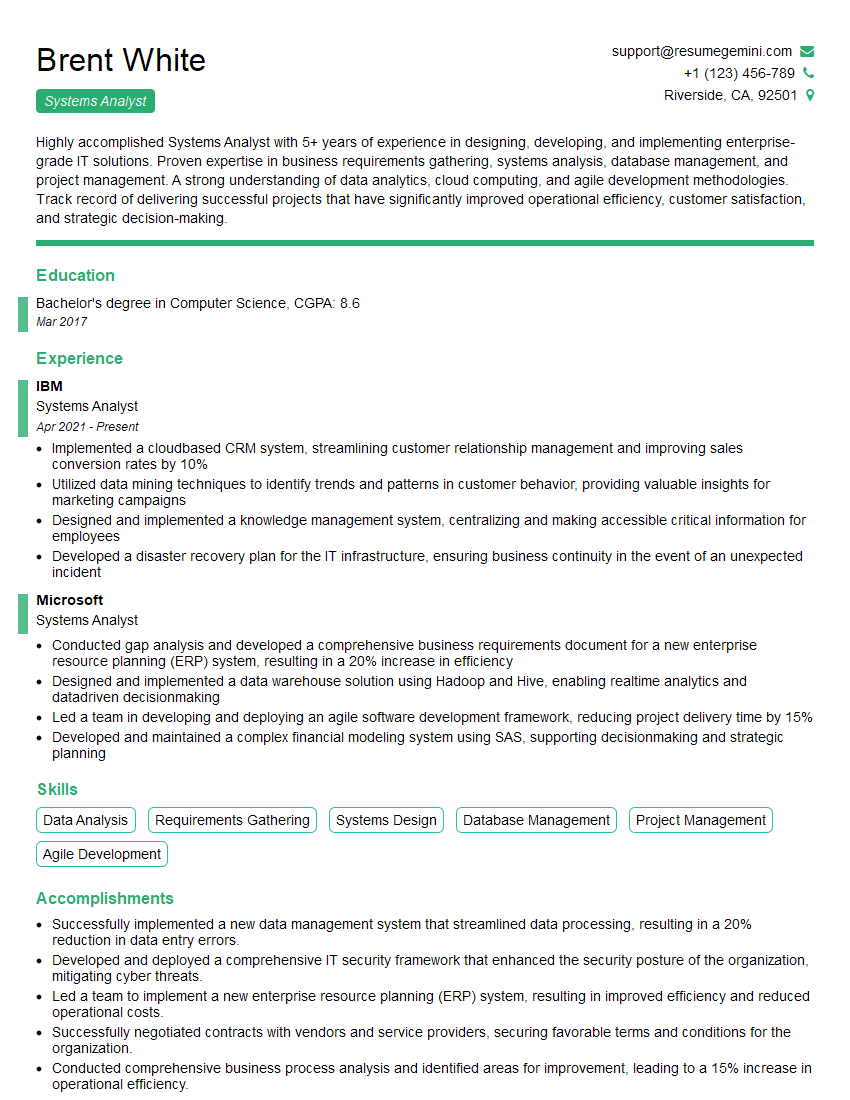
Systems Analyst Resume Sample
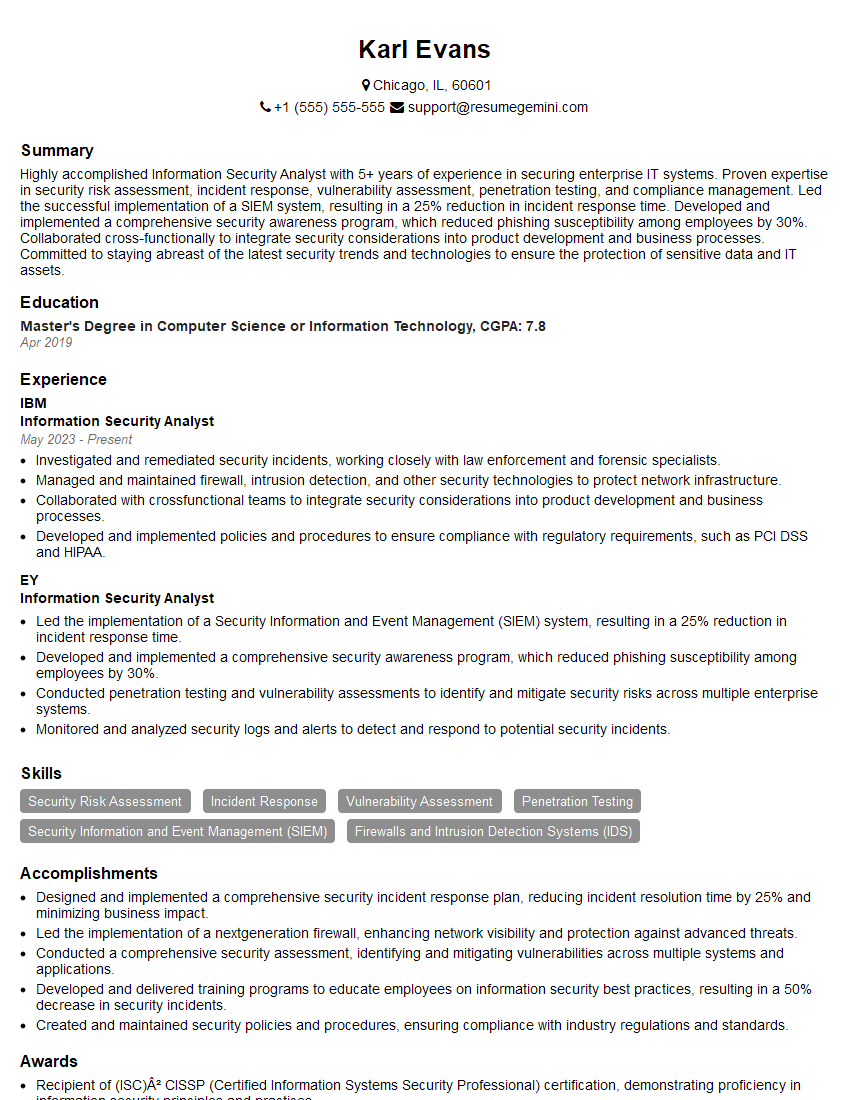
Information Security Analyst Resume Sample
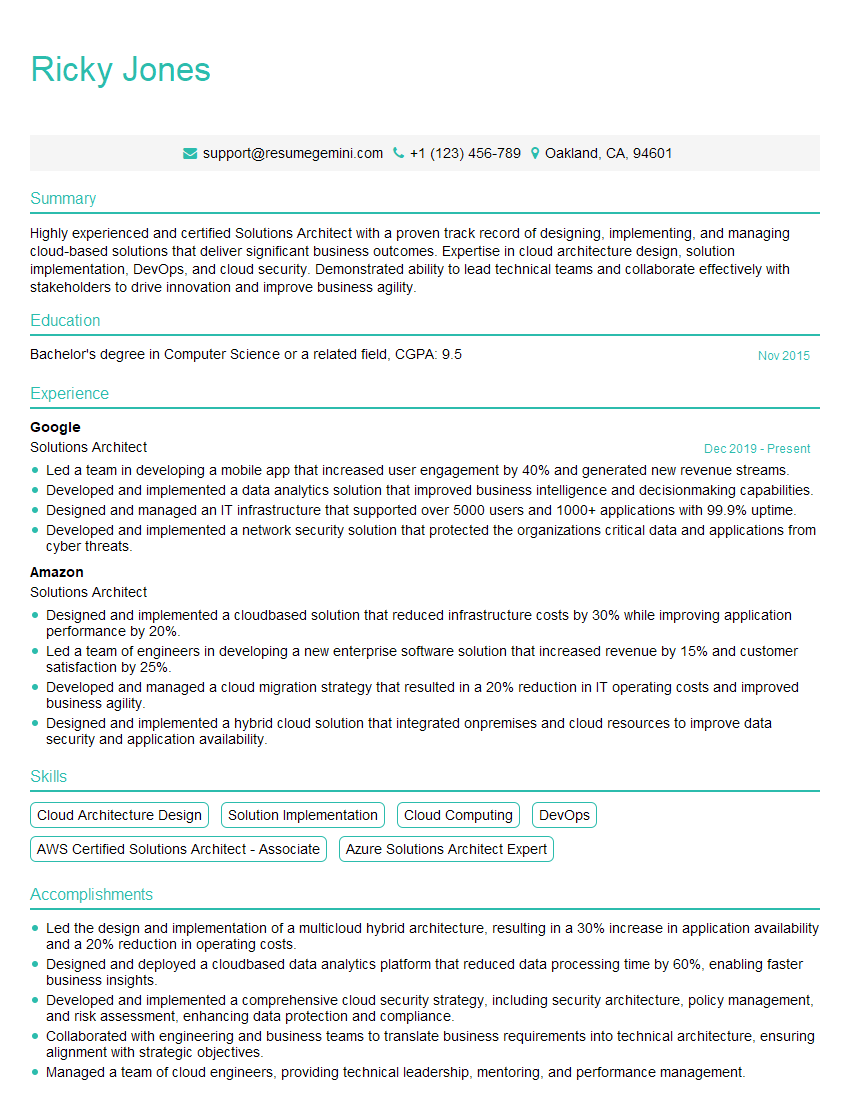
Solutions Architect Resume Sample
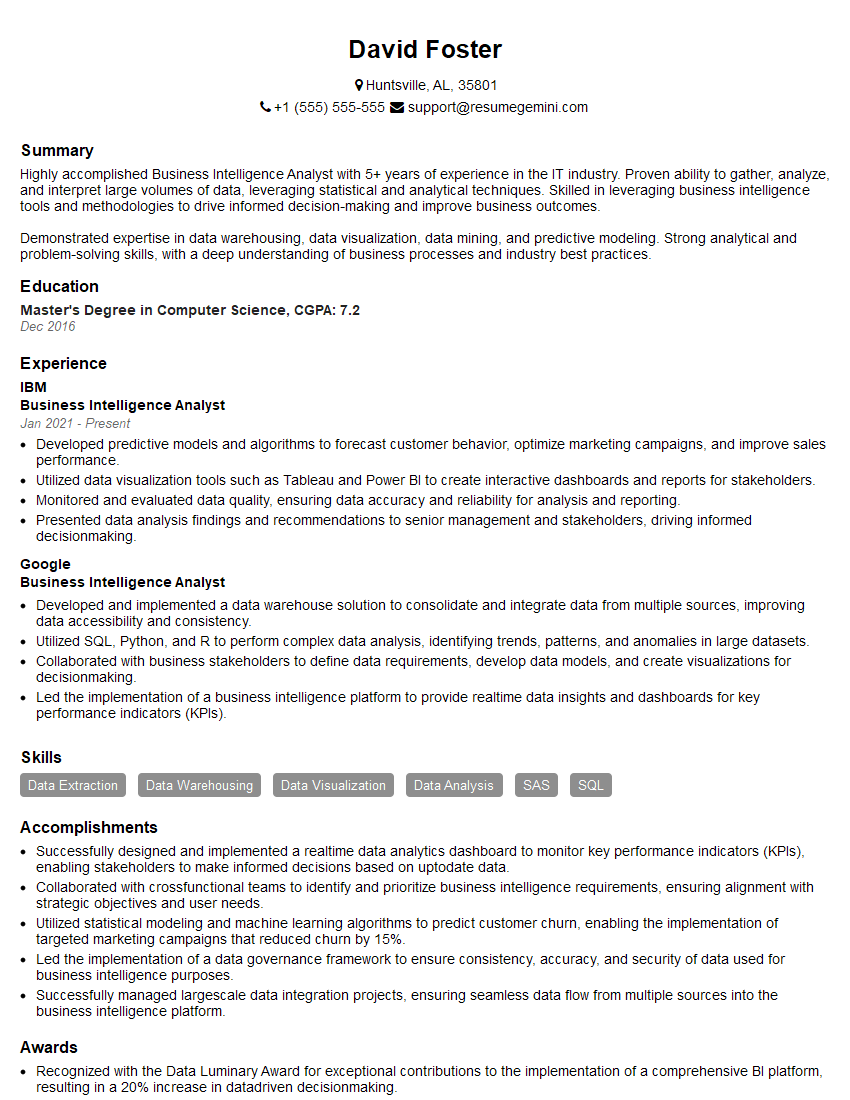
Business Intelligence Analyst Resume Sample
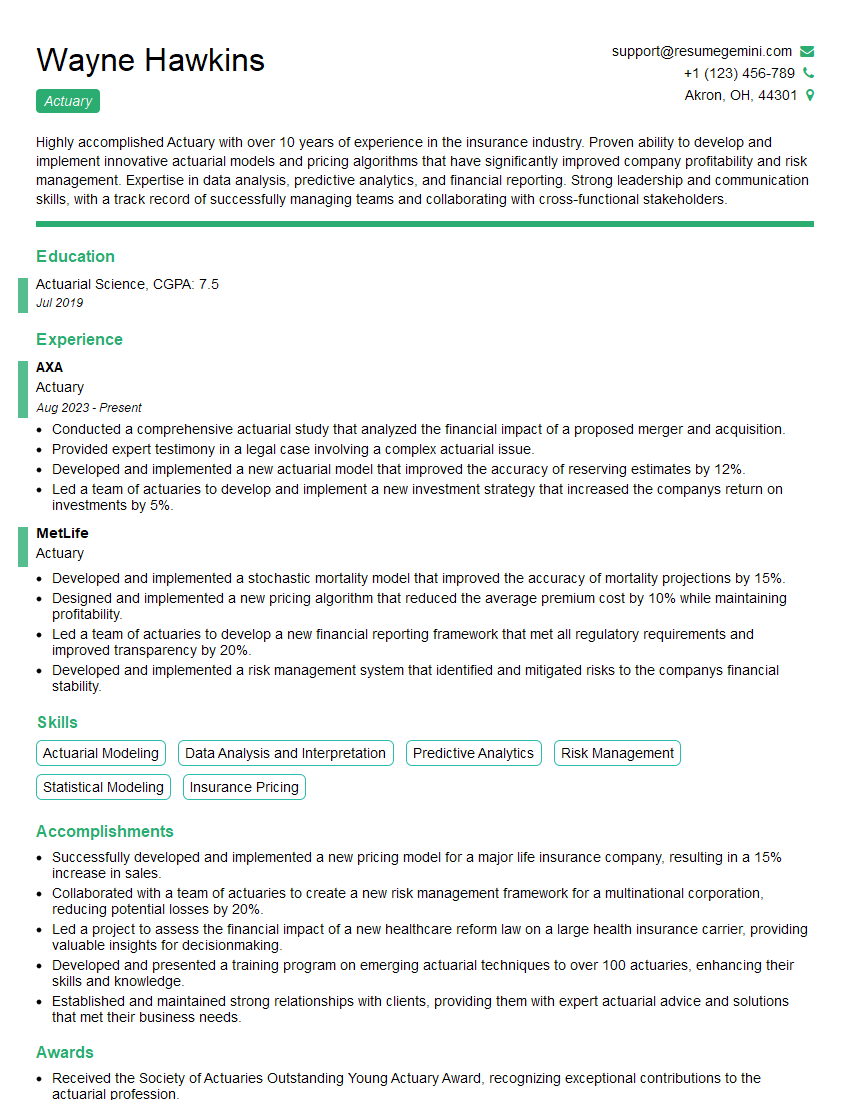
Actuary Resume Sample
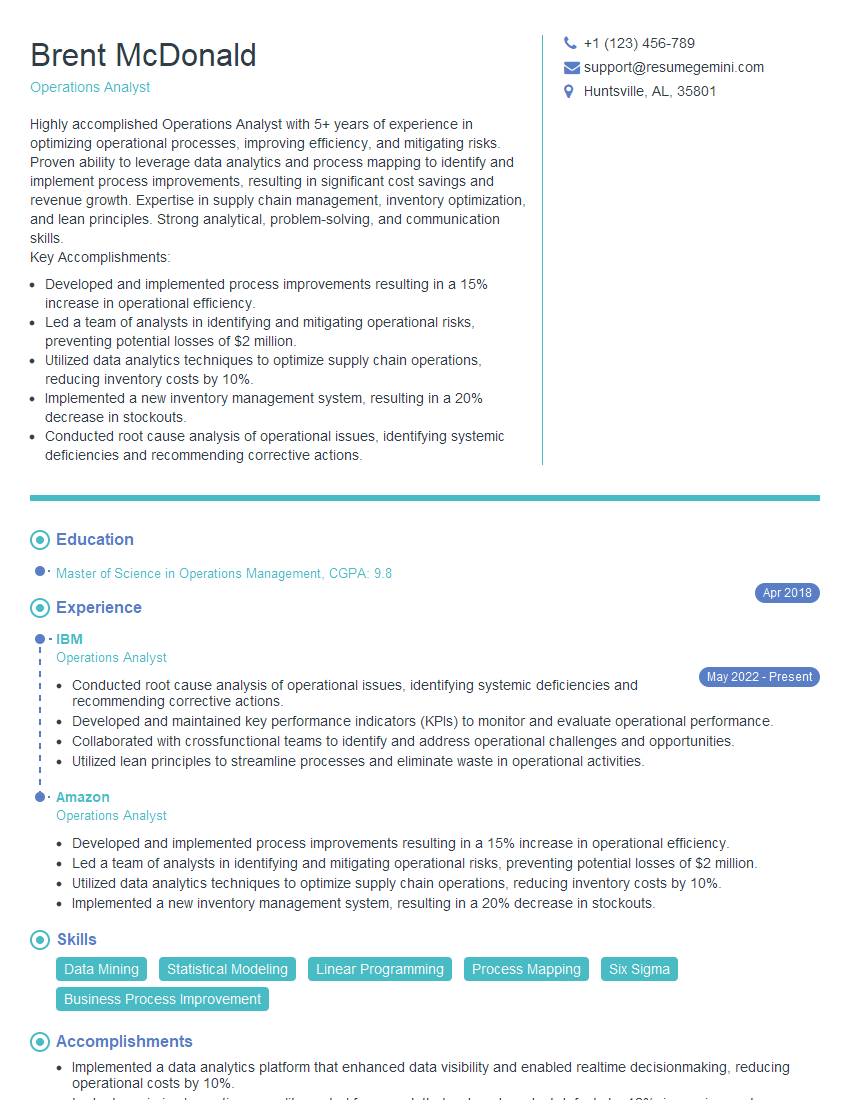
Operations Analyst Resume Sample
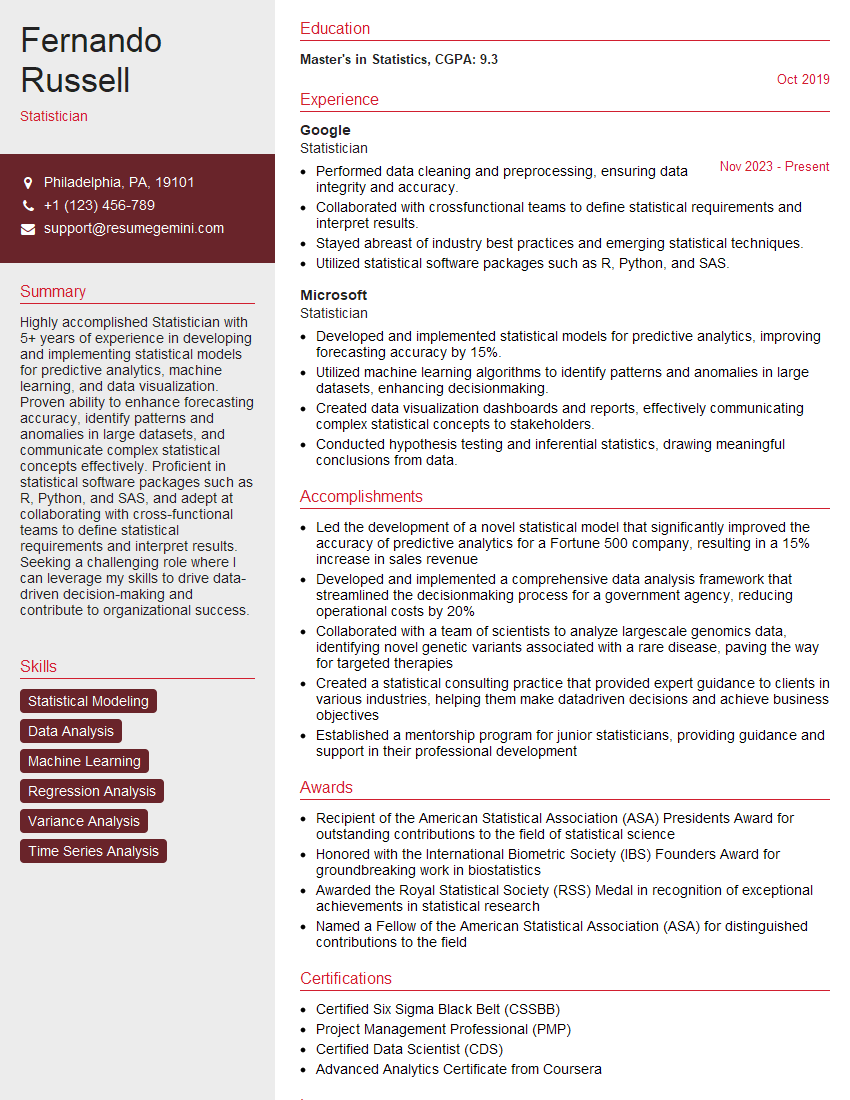
Statistician Resume Sample
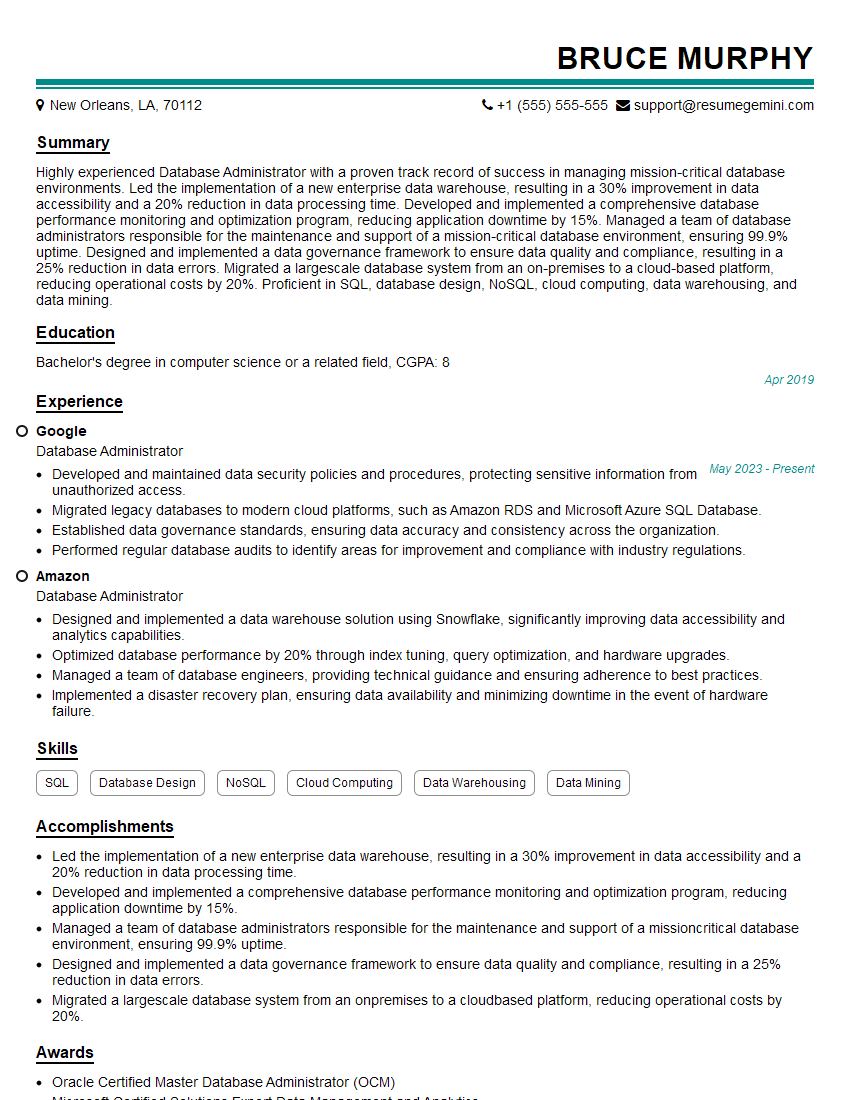
Database Administrator Resume Sample
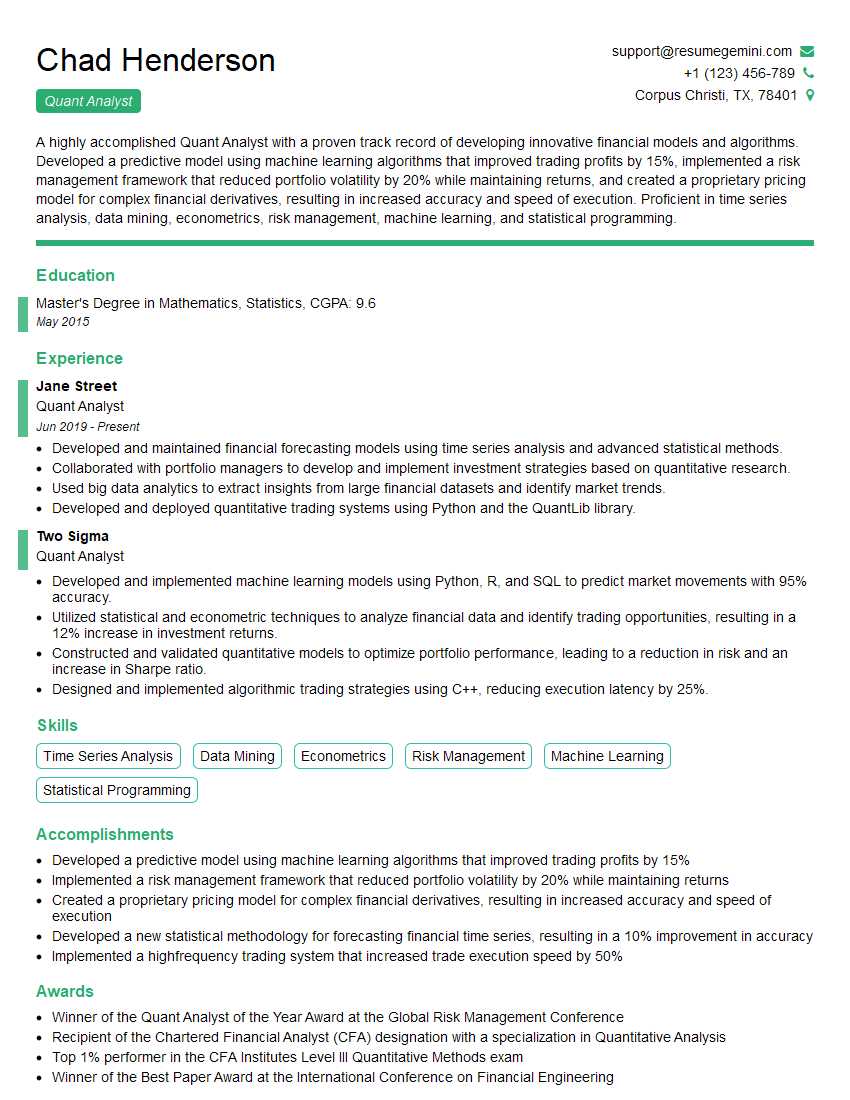
Quant Analyst Resume Sample
- Product Manager
- Project Manager
- Management Trainee
- Risk Manager
- Supply Chain Analyst
- Business Analyst
- Management Consultant
- Market Research Analyst
- Financial Analyst
- Data Analyst
- Data Scientist
- Research Scientist
- Software Engineer
- Systems Analyst
- Information Security Analyst
- Solutions Architect
- Business Intelligence Analyst
- Actuary
- Operations Analyst
- Statistician
- Database Administrator
- Quant Analyst
Explore more articles
Users Rating of Our Blogs
Share Your Experience
We value your feedback! Please rate our content and share your thoughts (optional).
What Readers Say About Our Blog
Very informative content, great job.
good