Feeling uncertain about what to expect in your upcoming interview? We’ve got you covered! This blog highlights the most important Drylot Feeding interview questions and provides actionable advice to help you stand out as the ideal candidate. Let’s pave the way for your success.
Questions Asked in Drylot Feeding Interview
Q 1. Describe your experience with ration formulation for feedlot cattle.
Ration formulation for feedlot cattle is a critical aspect of maximizing animal performance and profitability. It involves carefully balancing the nutritional needs of the cattle with the cost and availability of feedstuffs. My approach starts with understanding the target animal’s growth stage, weight, and desired daily gain. Then, I utilize specialized software, incorporating detailed nutrient analysis of available feeds like corn, sorghum, soybean meal, and hay. This software allows me to create a balanced ration that meets requirements for energy, protein, vitamins, and minerals, while minimizing feed costs.
For example, I recently formulated a ration for a group of 800-pound steers targeting a 3.5-pound daily gain. The software helped me optimize the blend of corn, distillers grains, and soybean meal to meet their nutritional needs while staying within a predetermined budget. I regularly review and adjust the ration based on factors such as animal performance, feed costs, and the availability of ingredients.
Q 2. What are the key factors influencing feed intake in drylot conditions?
Feed intake in drylot conditions is influenced by several key factors. Think of it like a human’s appetite – various things affect how much they eat. Firstly, the ration’s palatability plays a crucial role. Cattle are more likely to consume a palatable, well-mixed ration. Secondly, the bunk management practices, including feed availability and cleanliness of the bunk, directly impact intake. A clean bunk with consistent feed access will promote higher intake. Thirdly, animal health significantly affects feed intake; sick animals typically consume less. Finally, environmental factors such as temperature and humidity also affect appetite. Extreme heat or cold can significantly reduce feed intake.
- Palatability: Using quality ingredients and proper mixing techniques.
- Bunk Management: Consistent feed delivery and removal of spoiled feed.
- Animal Health: Regular monitoring for illness and disease.
- Environment: Providing shade and ventilation in hot weather.
Q 3. How do you monitor and manage feed efficiency in a drylot system?
Monitoring and managing feed efficiency involves tracking several key metrics. Feed efficiency is simply the amount of feed required to produce a unit of weight gain. We calculate this by tracking daily feed intake and daily weight gain. For example, if a steer consumes 25 pounds of feed and gains 3 pounds, its feed efficiency is 8.33 (25/3). We also monitor feed conversion ratios, which is a similar calculation showing the pounds of feed required per pound of gain. Regular weighing of the cattle using scales is crucial for accurate tracking. We also monitor feed wastage, which can be a significant source of inefficiency, aiming to minimize this waste through proper bunk management.
In addition to individual animal measurements, aggregate data helps us evaluate the effectiveness of our ration. Trends in average daily gain (ADG), feed efficiency, and feed conversion ratios provide insights to identify any problems that might need adjustment.
Q 4. Explain your understanding of TMR (Total Mixed Ration) formulation and management.
A Total Mixed Ration (TMR) is a complete feed, thoroughly mixed to ensure consistent nutrient delivery to each animal. This eliminates sorting and ensures all animals have access to a balanced diet. Formulating a TMR requires careful consideration of the available ingredients, their nutrient profiles, and the nutritional requirements of the cattle. I utilize specialized software to formulate a TMR based on cost, nutrient requirements, and ingredient availability. The software helps optimize the blend of ingredients, generating a recipe that ensures a consistent and balanced mix.
Management involves accurate weighing and mixing of ingredients using appropriate equipment, often a mixer wagon. Regular monitoring of the TMR’s consistency and palatability is essential. I regularly inspect the TMR for homogeneity and look for any signs of sorting or segregation. This may indicate the need for adjustments to the mixing process or the formulation itself.
Q 5. What are common challenges associated with drylot feeding and how have you addressed them?
Common challenges in drylot feeding include variations in feed intake and feed efficiency, health issues due to stress or disease, and the management of manure. Variations in intake can be addressed through better bunk management, ensuring consistent feed delivery and removing spoiled feed. Disease outbreaks can be mitigated through vaccination programs and providing optimal living conditions. Manure management involves proper storage and disposal, potentially through composting, to comply with environmental regulations.
I’ve addressed these challenges by implementing a comprehensive approach: meticulous record-keeping, proactive disease prevention, and efficient manure management. For example, I once dealt with a significant increase in respiratory disease, which severely impacted feed intake. By improving ventilation and implementing a vaccination program, we quickly mitigated the outbreak.
Q 6. Describe your experience with feed bunk management and ensuring consistent feed access.
Feed bunk management is crucial for ensuring consistent feed access and minimizing feed waste. It’s like managing a restaurant – you want to ensure everyone gets enough food at the right time. This involves consistently delivering the right amount of feed at regular intervals, often twice daily. We use scales to measure feed delivery, aiming for a consistent amount each feeding time. Regular cleaning of the bunks is essential to remove any spoiled or wasted feed, preventing the spread of diseases. Monitoring feed consumption patterns helps us adjust the feeding amount and frequency, minimizing waste and ensuring sufficient feed for all cattle.
I’ve found that strategic bunk space allocation based on cattle size and hierarchy is also beneficial. This allows for better access to feed for all animals and reduces competition, thereby promoting better intake and reducing stress.
Q 7. How do you monitor animal health and identify potential nutritional deficiencies?
Monitoring animal health and identifying potential nutritional deficiencies is an ongoing process. Regular visual observation of the animals is a crucial starting point – checking for signs of illness, lameness, and poor body condition. We conduct regular weighings to track growth rates and identify animals that are underperforming. Blood tests can help identify specific nutrient deficiencies, while fecal samples can assess the functioning of the digestive system.
For example, if we notice several animals exhibiting signs of dull hair coat and lethargy, a blood test might reveal a deficiency in certain minerals. This would allow us to adjust the ration accordingly, including supplementation to correct the deficiency. This proactive monitoring and early intervention are key to maintaining optimal animal health and maximizing profitability.
Q 8. What are the common signs of digestive upsets in drylot fed animals and how do you respond?
Digestive upsets in drylot-fed animals often manifest as changes in feed intake, manure consistency, and overall behavior. Reduced appetite (anorexia) is a common early sign. You might see animals exhibiting signs of discomfort, such as abdominal pain (manifested as pawing at the abdomen, kicking, or lying down frequently), or changes in their rumination behavior (for ruminants like cattle and sheep; reduced chewing cud). Manure consistency is crucial; diarrhea (loose, watery feces) or constipation (hard, dry feces) are both indicators of digestive problems. Dehydration, evidenced by sunken eyes and loss of skin elasticity, can be a serious consequence. Animals might also appear lethargic, weak, or have a fever.
Response: The response depends on the severity and suspected cause. Mild cases might involve dietary adjustments – switching to a less energy-dense or more easily digestible feed, increasing water availability and electrolyte supplementation. More severe cases necessitate veterinary intervention. This could involve diagnostic tests (fecal analysis, blood work) to identify the underlying cause (e.g., bacterial infection, parasitic infestation, toxicosis). Treatment might include antibiotics, anti-parasitics, or supportive care like intravenous fluids to combat dehydration. Close monitoring of the animal’s condition is crucial, including regular observation of feed intake, manure consistency, and overall behavior.
Example: I once had a group of heifers experiencing severe diarrhea after a sudden change in feed. We quickly switched them back to their previous diet, provided electrolytes, and administered a fluid bolus. Regular monitoring over 24-48 hours allowed us to catch a secondary issue and we eventually were able to introduce the new feed slowly over a week resulting in the problem being eliminated.
Q 9. Explain your understanding of feed additives and their role in drylot feeding.
Feed additives play a vital role in enhancing drylot feeding efficiency and animal health. They’re substances added to feed to improve its nutritional value, palatability, or prevent/control disease. These can include:
- Probiotics: Live microorganisms that improve gut health by outcompeting harmful bacteria. They improve digestion and nutrient absorption.
- Prebiotics: Non-digestible food ingredients that selectively stimulate the growth of beneficial bacteria in the gut.
- Enzymes: Improve digestibility of feed ingredients by breaking down complex carbohydrates, proteins, or fats.
- Ionophores: Antibiotics that alter gut microflora, improving feed efficiency and reducing methane emissions (especially relevant in ruminants).
- Acidifiers: Reduce stomach pH, inhibiting the growth of harmful bacteria and improving nutrient digestibility.
- Growth Promotants: Substances that stimulate growth and improve feed efficiency (note: regulations around growth promotants vary widely by country).
Role: By improving digestion, nutrient absorption, and overall health, feed additives contribute to increased weight gain, reduced feed costs, and improved animal welfare. The choice of additives depends on the animal species, the type of feed, and the specific goals of the operation. Careful consideration of cost-benefit analysis is crucial, as some additives can be expensive.
Q 10. How do you manage manure in a drylot system to minimize environmental impact?
Manure management in drylot systems is crucial for minimizing environmental impact. Uncontrolled manure accumulation leads to water pollution, air pollution (ammonia emissions), and odor problems. Effective strategies include:
- Regular scraping and removal: Removing manure regularly prevents build-up and reduces ammonia emissions. The frequency depends on factors such as stocking density and weather conditions.
- Composting: Manure composting reduces volume and odor, transforming it into a valuable soil amendment. This involves controlling moisture, aeration, and temperature during the composting process.
- Anaerobic digestion: This technology converts manure into biogas (a renewable energy source) and digestate (a nutrient-rich fertilizer). It’s a more advanced and capital-intensive method but offers significant environmental benefits.
- Liquid manure management: If manure is stored as slurry, proper storage facilities and application methods are necessary to prevent runoff and groundwater contamination. Regular testing of the liquid manure is important to check for the nutrient content.
- Runoff control: Implementing measures to prevent runoff from the drylot, such as berms or vegetative buffers, can protect water quality.
Example: In one operation, we implemented a regular scraping schedule coupled with a composting system. This significantly reduced odor complaints from neighbors and provided a valuable organic fertilizer for nearby fields. The cost of the composting system was offset by the reduced need for commercial fertilizers.
Q 11. What are your strategies for minimizing feed waste in a drylot setting?
Minimizing feed waste in drylot feeding is essential for economic efficiency and environmental sustainability. Strategies include:
- Proper feed bunk management: Ensure the bunk is always clean and that feed is distributed evenly to prevent selective feeding and waste. Adjust the amount of feed offered to match consumption patterns, avoiding overfilling.
- Regular bunk checks: Monitor feed intake and waste regularly to fine-tune feeding strategies. This helps identify problems early on, such as poor feed quality or animal health issues affecting feed consumption.
- Automated feeding systems: Automated systems provide more precise feed delivery and reduce labor costs while also potentially reducing waste by ensuring that animals receive the right amount at the right time.
- Feed quality control: High-quality feed is more palatable and digestible, reducing waste. Regular inspection of feed for mold, spoilage, or other issues is essential.
- Appropriate feed particle size: The size of feed particles should be adapted to the animals’ age and species to maximize intake and minimize waste.
Example: In a recent project, we implemented a system of daily bunk checks and adjusted the feed allocation based on the remaining feed, leading to a 15% reduction in feed waste within a month.
Q 12. How do you adapt your feeding strategies based on variations in weather conditions?
Weather significantly impacts feed intake and animal comfort in drylot systems. Adaptations are needed to ensure optimal performance and animal welfare.
- Heat stress: During hot weather, animals reduce feed intake to avoid overheating. Provide shade, increase water access, and potentially adjust the diet to reduce energy density. Fans and sprinklers can help mitigate heat stress.
- Cold stress: In cold conditions, animals require more energy to maintain body temperature. Increase the energy density of the diet, providing high-quality forages and concentrates. Windbreaks can reduce exposure to cold winds. Ensuring adequate bedding will improve overall thermal comfort.
- Rainfall and mud: Excessive rain creates muddy conditions, which can reduce feed intake and increase the risk of disease. Ensure good drainage to minimize mud and provide dry areas for animals to rest.
- Wind: Strong winds can cause discomfort and reduce feed intake. Providing windbreaks or sheltered areas is beneficial.
Example: During a particularly hot summer, we implemented a system of sprinklers and shade structures in our drylot, resulting in a marked improvement in animal comfort and feed intake despite the heat.
Q 13. What are the key metrics you use to assess the performance of a drylot feeding operation?
Key metrics to assess drylot feeding operation performance include:
- Average daily gain (ADG): Measures the average weight gain per animal per day. It’s a direct indicator of the effectiveness of the feeding program.
- Feed conversion ratio (FCR): The ratio of feed consumed to weight gain. A lower FCR indicates higher efficiency.
- Mortality rate: The percentage of animals that die during the feeding period. High mortality rates suggest problems with animal health, management, or feed quality.
- Feed intake: Monitoring daily feed consumption helps identify potential problems early. Variations can signal health issues, palatability problems, or other issues.
- Health status: Regular veterinary checks and disease monitoring are vital. A healthy herd is more efficient and productive.
- Manure management efficiency: Assessing the effectiveness of manure management practices (e.g., composting efficiency, nutrient recovery) is crucial for environmental sustainability and cost effectiveness.
- Cost per unit of weight gain: This comprehensive metric considers feed costs, labor, veterinary expenses, and other operational costs, providing insights into overall economic efficiency.
Example: Tracking ADG and FCR on a monthly basis allows us to identify trends and make timely adjustments to the feeding program, maximizing profitability. For example, if FCR increases, we would investigate whether there is a problem with the quality or type of feed being used.
Q 14. Describe your experience with inventory management of feed supplies.
Effective feed inventory management is crucial to avoid shortages and spoilage. My approach involves:
- Regular stock checks: Periodically assessing feed quantities to ensure sufficient supplies are available.
- First-in, first-out (FIFO) system: Ensuring that older feed is used before newer feed to prevent spoilage.
- Proper storage: Using appropriate storage facilities to protect feed from moisture, pests, and spoilage. Properly sealed bins and bags protect the feed from contamination.
- Supplier relationships: Building strong relationships with reliable suppliers to guarantee consistent feed quality and delivery.
- Inventory tracking software: Utilizing software or spreadsheets to accurately track feed usage and predict future needs. This provides accurate predictions about when to place new orders. It helps to anticipate potential shortages.
- Feed budgeting: Developing a feed budget that aligns with production goals and available resources.
Example: I once implemented a new inventory management system, using a combination of physical stock checks and spreadsheet tracking, which resulted in a significant reduction in feed spoilage and improved our ability to accurately forecast feed needs.
Q 15. How do you ensure the quality and safety of feed delivered to the drylot?
Ensuring feed quality and safety in drylot operations is paramount for animal health and productivity. It’s a multi-step process starting long before the feed arrives at the farm. We begin by carefully selecting reputable feed suppliers with robust quality control systems. This involves reviewing their feed manufacturing processes, ingredient sourcing, and testing procedures. We demand certificates of analysis (COAs) for every feed delivery, verifying the nutrient composition aligns with our formulated rations. Upon arrival, we visually inspect the feed for any signs of spoilage, contamination (e.g., mold, foreign materials), or inconsistencies in texture or color. Regularly scheduled laboratory analysis of samples further ensures the feed meets our standards and is free from harmful mycotoxins or bacteria. Finally, we maintain strict storage procedures in clean, dry, and well-ventilated facilities to prevent deterioration and pest infestation. Think of it like preparing a gourmet meal; every ingredient must be fresh and of the highest quality to produce a delicious and nutritious final product.
Career Expert Tips:
- Ace those interviews! Prepare effectively by reviewing the Top 50 Most Common Interview Questions on ResumeGemini.
- Navigate your job search with confidence! Explore a wide range of Career Tips on ResumeGemini. Learn about common challenges and recommendations to overcome them.
- Craft the perfect resume! Master the Art of Resume Writing with ResumeGemini’s guide. Showcase your unique qualifications and achievements effectively.
- Don’t miss out on holiday savings! Build your dream resume with ResumeGemini’s ATS optimized templates.
Q 16. Explain your understanding of different feedstuff types and their nutritional value.
Feedstuffs are broadly categorized into energy sources, protein sources, and mineral/vitamin supplements. Energy sources, such as corn, barley, and sorghum, provide the animal with readily available energy for growth and maintenance. The energy content is typically expressed as metabolizable energy (ME). Protein sources, including soybean meal, alfalfa hay, and distillers grains, are crucial for muscle development and tissue repair. The protein content is expressed as crude protein (CP). The nutritional value varies significantly depending on the source and processing. For example, corn grain is higher in energy but lower in protein compared to soybean meal. Alfalfa hay offers a good balance of energy and protein, along with significant fiber. Mineral and vitamin supplements are added to ensure the animals receive the necessary micronutrients for optimal health. We carefully balance these feedstuffs in our rations, using nutritional software and considering the animals’ age, weight, and production goals. For instance, a growing calf needs a higher protein diet compared to a mature cow in maintenance. This careful balancing is critical for cost-effective and efficient animal production.
Q 17. How do you manage water availability and quality for animals in drylot?
Water is just as crucial as feed. We ensure readily available, clean, and fresh water at all times. This involves providing sufficient water troughs, strategically located throughout the drylot to minimize competition and ensure access for all animals. Regular cleaning and disinfection of the water troughs are critical to prevent the growth of algae or harmful bacteria. Water quality is monitored through regular testing to check for contaminants like nitrates, sulfates, or excessive mineral content. In areas with limited water supply, we implement water conservation strategies, such as using automatic waterers that minimize spillage and using troughs with efficient flow control. Water quality issues can directly impact feed intake and overall animal health, highlighting the importance of proactive management.
Q 18. What is your experience with record keeping and data analysis in drylot feeding?
Record-keeping and data analysis are integral to efficient drylot management. We utilize computerized feed management systems to track feed intake, weight gain, feed conversion ratios (FCR), and other key performance indicators (KPIs). This data allows us to monitor the effectiveness of our feeding strategies and identify areas for improvement. For example, tracking individual animal weight gain helps identify animals that may be underperforming, prompting further investigation into health or nutritional issues. We also meticulously document feed purchases, inventory levels, and feed costs. This data is essential for budgeting and cost-control purposes. Sophisticated statistical analysis allows us to identify trends and correlations, informing decisions related to feed formulation, animal health, and overall farm management. Data-driven decision making is crucial for optimizing efficiency and profitability.
Q 19. How do you utilize technology to improve efficiency in drylot feeding?
Technology plays a significant role in enhancing efficiency in drylot feeding. Automated feed delivery systems, such as self-feeding bunks or automated mixers, improve feed distribution and minimize labor costs. Precision livestock farming (PLF) technologies, like electronic scales and RFID tags, provide real-time data on animal weight, feed intake, and location. This allows for personalized feeding strategies, optimizing nutrient delivery and reducing feed waste. Data analytics software helps process the large datasets generated by PLF technologies, providing valuable insights into animal performance and management practices. For example, identifying the correlation between feed intake patterns and animal health could improve health management and reduce medication costs. We regularly evaluate and adopt new technologies to enhance productivity and reduce manual effort.
Q 20. Describe your experience with feed budgeting and cost-control strategies.
Feed budgeting and cost-control are paramount in profitable drylot operations. We begin by developing a detailed feed budget based on the number of animals, their nutritional requirements, and projected market prices of feedstuffs. This budget includes not only the cost of feed but also transportation, storage, and potential losses. We use market analysis tools and negotiate favorable pricing with suppliers. We also implement strategies to minimize feed waste, such as using accurate feed mixing techniques and regularly inspecting feed storage areas to prevent spoilage. We carefully monitor the actual feed costs against the budget, identifying any variances and taking corrective actions to stay within the planned budget. Regular analysis helps to optimize feed rations without compromising animal productivity, always aiming for the optimal balance between cost and nutritional value.
Q 21. What is your understanding of animal welfare standards in drylot operations?
Animal welfare is a top priority in our drylot operations. We adhere to strict standards for housing, feeding, and animal handling, ensuring animals have adequate space, comfortable resting areas, and access to clean water and feed. We provide shade and protection from extreme weather conditions. Regular health monitoring and prompt veterinary care are critical aspects of our animal welfare program. We strive to minimize stress on the animals through humane handling practices and avoiding overcrowding. We also utilize technology to monitor animal health and well-being, allowing for early detection of potential problems. Compliance with relevant animal welfare regulations and industry best practices is essential. A healthy and comfortable animal is a productive animal; therefore, our animal welfare practices are directly linked to the overall success of our operations.
Q 22. How do you implement biosecurity measures in a drylot setting?
Biosecurity in drylot feeding is crucial to prevent disease outbreaks that can devastate a herd. It’s all about minimizing the introduction and spread of pathogens. Think of it like creating a fortress around your animals to keep the bad guys out.
- Perimeter Control: We establish a clear perimeter around the drylot, limiting access points and controlling vehicle and personnel movement. This often involves designated entry and exit points, footbaths, and vehicle washes.
- Hygiene Protocols: Strict hygiene is paramount. This includes regular cleaning and disinfection of feeding equipment, water troughs, and the surrounding area. We also enforce handwashing protocols for all personnel entering the lot.
- Pest Control: Rodents and insects can carry diseases. We implement a comprehensive pest control program, using traps and other methods to minimize their presence.
- Quarantine: Any new animals introduced to the drylot undergo a strict quarantine period to monitor for any signs of illness before integrating them with the existing herd. This is like giving new employees a probationary period.
- Visitor Control: Limiting access to the drylot to authorized personnel only is vital. Visitors should be screened and provided with appropriate protective gear.
- Waste Management: Proper disposal of manure and other waste materials is crucial to prevent pathogen spread. This often involves composting or other environmentally sound disposal methods.
For example, in one operation, we implemented a footbath system with a disinfectant solution at each entry point, resulting in a significant reduction in foot rot cases.
Q 23. How do you manage potential feed contamination risks?
Feed contamination can have devastating consequences, impacting animal health and productivity. My approach is multifaceted and focuses on prevention and detection.
- Source Selection: I prioritize selecting feed from reputable suppliers with rigorous quality control measures. This includes verifying the origin and handling of ingredients.
- Storage Practices: Proper storage is essential. We use clean, dry, and well-ventilated storage facilities, protecting feed from moisture, rodents, insects, and other contaminants. First-in, first-out (FIFO) inventory management is strictly followed.
- Regular Inspections: Visual inspections of feed are conducted regularly to detect any signs of spoilage, mold, or foreign materials. We also utilize rapid tests for mycotoxins or other potential contaminants.
- Feed Testing: Routine laboratory testing of feed samples is crucial to identify potential problems early on. This helps to prevent larger issues down the road.
- Emergency Protocols: We have established protocols for handling contaminated feed, including safe removal and disposal.
For instance, we once detected aflatoxins in a batch of corn through routine testing. Immediate action prevented a costly outbreak and protected the herd’s health.
Q 24. Describe your experience with different types of drylot facilities.
My experience encompasses a variety of drylot facilities, each with its unique design and management considerations.
- Conventional Drylots: These are the most common type, typically consisting of open areas with feeding bunks and water troughs. Management requires careful attention to manure management and minimizing mud and dust.
- Covered Drylots: These offer protection from the elements, reducing stress on animals and improving feed efficiency. However, they require careful ventilation management to prevent the buildup of ammonia and other gases.
- Free-Stall Barns: These provide individual resting areas for animals, improving comfort and hygiene. They are more capital-intensive but often result in higher productivity and better animal welfare.
- Compost-bedded Drylots: These systems utilize a deep layer of bedding material that is regularly composted, improving hygiene and reducing manure management challenges. However, careful management of bedding depth and moisture is crucial.
I’ve found that the best design depends on factors like climate, herd size, and budget. Each system presents its own advantages and disadvantages that need to be carefully evaluated.
Q 25. How do you handle feed refusals effectively?
Feed refusals, or uneaten feed, are a sign of potential problems. Effective management requires careful observation and investigation.
- Regular Monitoring: Daily monitoring of feed intake and refusals is essential to detect any changes in appetite or feeding behavior. This helps to identify problems early on.
- Cause Investigation: Understanding the cause of refusals is crucial. This could be related to feed quality (spoilage, palatability), animal health (illness, stress), or feeding management (incorrect ration, feeding times).
- Feed Adjustments: If the cause is feed-related, adjustments to the ration may be needed. This might involve altering the ingredients, adjusting the nutrient levels, or adding palatable supplements.
- Environmental Factors: Environmental factors such as extreme temperatures or overcrowding can also affect feed intake. Addressing these factors may improve consumption.
- Health Assessment: If refusals are accompanied by other symptoms like lethargy or reduced milk production, a veterinary examination may be necessary.
In one case, a sudden increase in feed refusals was traced to a batch of feed contaminated with mycotoxins. Removing the contaminated feed and implementing stricter quality controls resolved the issue.
Q 26. What is your approach to training and supervising employees in drylot feeding operations?
Training and supervision of employees are vital for safe and efficient drylot operations. My approach emphasizes both theoretical knowledge and hands-on practice.
- Initial Training: New employees receive comprehensive training on biosecurity protocols, feed handling procedures, animal welfare, and safety regulations. This includes both classroom instruction and on-the-job training.
- Ongoing Training: Regular refresher training sessions are conducted to ensure that employees stay up-to-date on best practices and new technologies. We also conduct regular audits to ensure compliance.
- Supervisory Oversight: Supervisors provide daily oversight and guidance to employees, ensuring they follow established procedures and addressing any concerns promptly. Open communication is key.
- Performance Evaluations: Regular performance evaluations provide feedback to employees, allowing for identification of areas for improvement and promoting professional development.
- Safety Training: Employees receive regular training on safety procedures, including the proper use of equipment and the handling of hazardous materials.
For example, we developed a training module on proper feed mixing techniques, resulting in a noticeable improvement in the consistency of the rations and a reduction in feed waste.
Q 27. Explain your experience with troubleshooting and problem-solving in drylot feeding.
Troubleshooting in drylot feeding involves a systematic approach to identifying and resolving problems.
- Data Collection: The first step is to gather data on the problem, including the nature of the issue, when it started, and any potential contributing factors. This might involve reviewing feed records, animal health data, and environmental conditions.
- Hypothesis Generation: Based on the data collected, develop potential hypotheses explaining the problem. For example, poor feed intake could be due to feed quality, animal health, or management practices.
- Testing Hypotheses: Test the hypotheses through observation, experimentation, or data analysis. For example, adjusting the feed ration, checking for disease, or examining feeding procedures.
- Implementation of Solutions: Once the root cause has been identified, implement the appropriate solutions. This might involve changing feed ingredients, treating an illness, or adjusting management practices.
- Monitoring and Evaluation: After implementing solutions, monitor the situation closely to evaluate their effectiveness. This might involve tracking feed intake, animal health, and productivity.
In one instance, I investigated reduced milk production, systematically ruling out disease, nutritional deficiencies, and environmental factors before discovering that a malfunctioning water system was limiting access to fresh water for a portion of the herd.
Q 28. How do you stay current with industry best practices in drylot feeding?
Staying current with industry best practices is essential for continuous improvement in drylot feeding. My strategy is multifaceted.
- Professional Organizations: Active participation in professional organizations such as the American Society of Animal Science (ASAS) and attending conferences and workshops provide valuable insights into the latest research and best practices.
- Industry Publications: Regular reading of industry journals and publications keeps me abreast of new developments in nutrition, animal health, and management techniques.
- Networking: Networking with other professionals in the field, including veterinarians, nutritionists, and fellow producers, provides opportunities to learn from shared experiences and best practices.
- Continuing Education: I actively seek out opportunities for continuing education, such as online courses and webinars, to enhance my knowledge and skills.
- Government Agencies: Staying informed about relevant regulations and guidelines issued by government agencies ensures that operations comply with all legal requirements.
For example, attending a recent conference on precision feeding technologies provided me with valuable knowledge that I have since incorporated into my operation, leading to improvements in feed efficiency and animal welfare.
Key Topics to Learn for Drylot Feeding Interview
- Feed Formulation and Nutrition: Understanding nutrient requirements of different livestock species (e.g., cattle, swine), balancing rations for optimal growth and health, and calculating feed costs.
- Feed Management and Storage: Practical application of proper storage techniques to minimize spoilage and maintain feed quality, inventory management strategies, and the impact of feed storage on profitability.
- Drylot Design and Management: Understanding the principles of efficient drylot design, including considerations for manure management, water access, and animal welfare. Practical experience with layout optimization and waste reduction strategies.
- Animal Health and Biosecurity: Identifying and preventing common health issues in drylot systems, implementing biosecurity protocols to minimize disease transmission, and understanding the role of vaccination and preventative care.
- Economic Analysis and Budgeting: Calculating feed conversion ratios, analyzing cost-benefit scenarios of different feeding strategies, and developing realistic budgets for drylot operations. Understanding the impact of feed costs on overall profitability.
- Environmental Considerations: Understanding the environmental impact of drylot feeding, including manure management strategies to minimize nutrient runoff and greenhouse gas emissions, and strategies for sustainable feed production.
- Data Analysis and Record Keeping: Utilizing data to track animal performance, feed efficiency, and overall farm productivity. Understanding the importance of accurate record-keeping for decision-making and regulatory compliance.
Next Steps
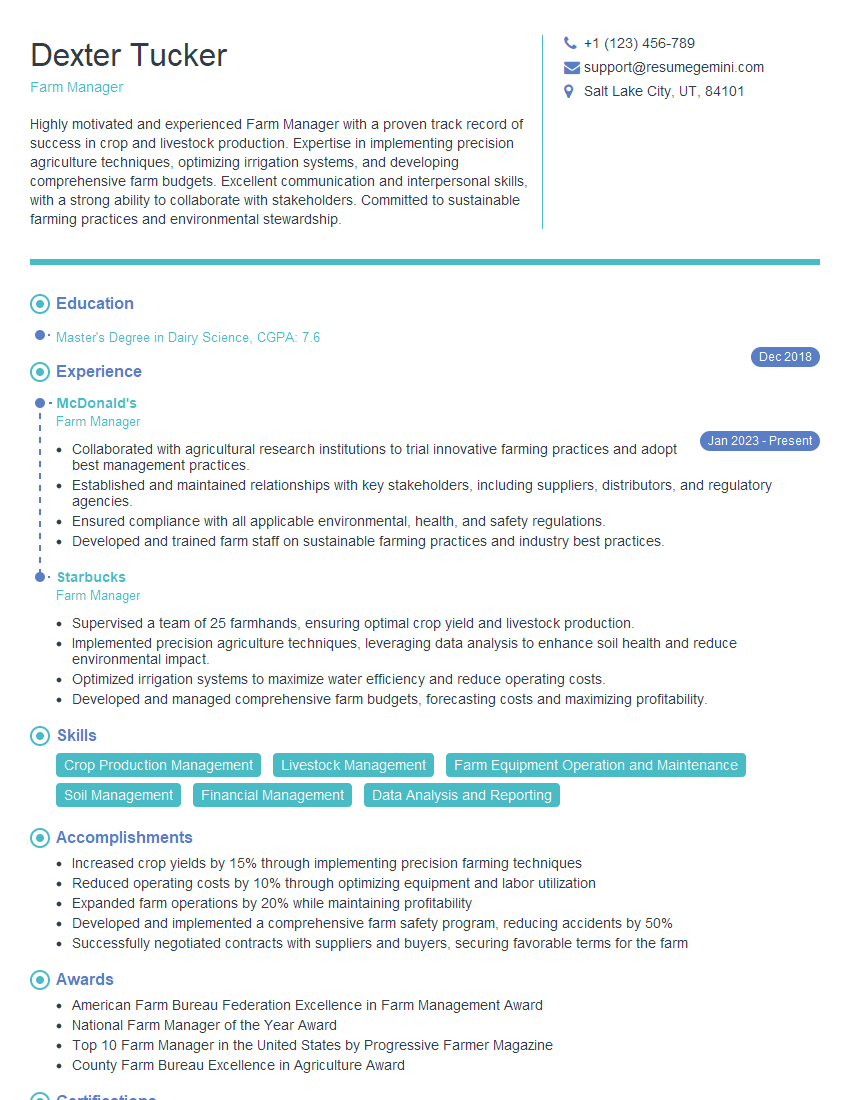
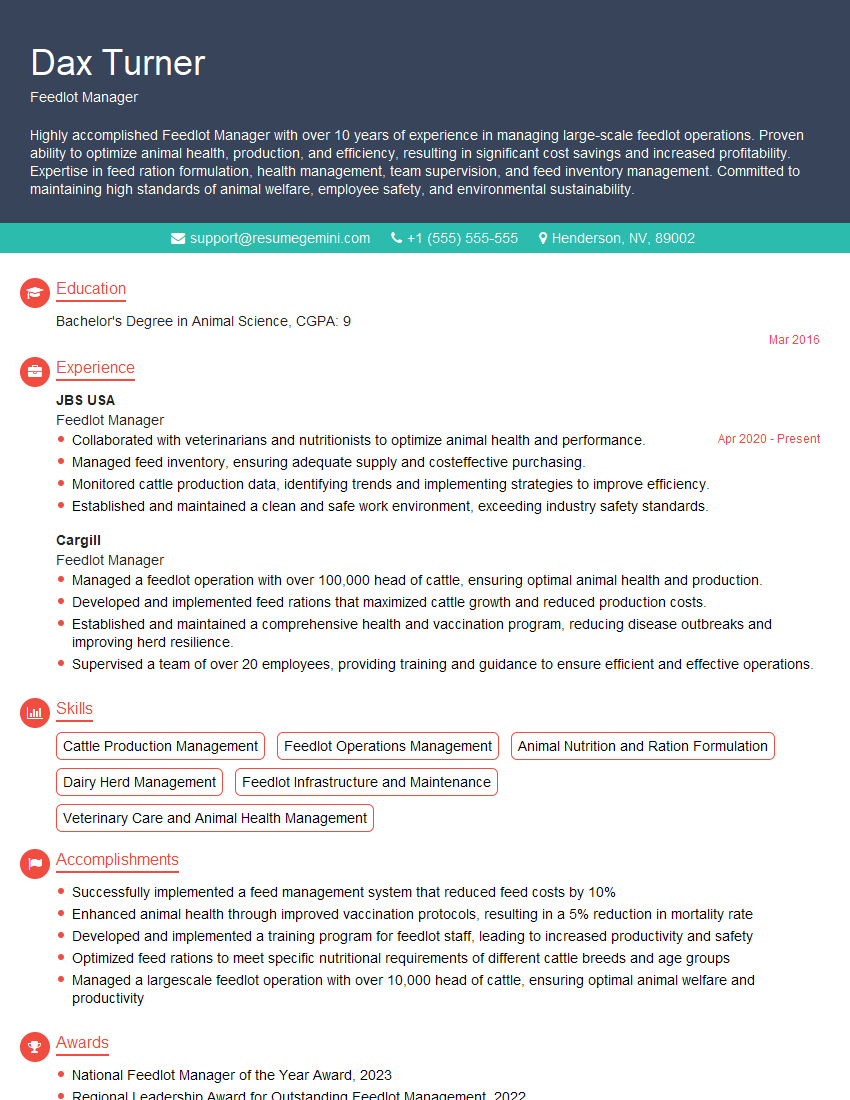
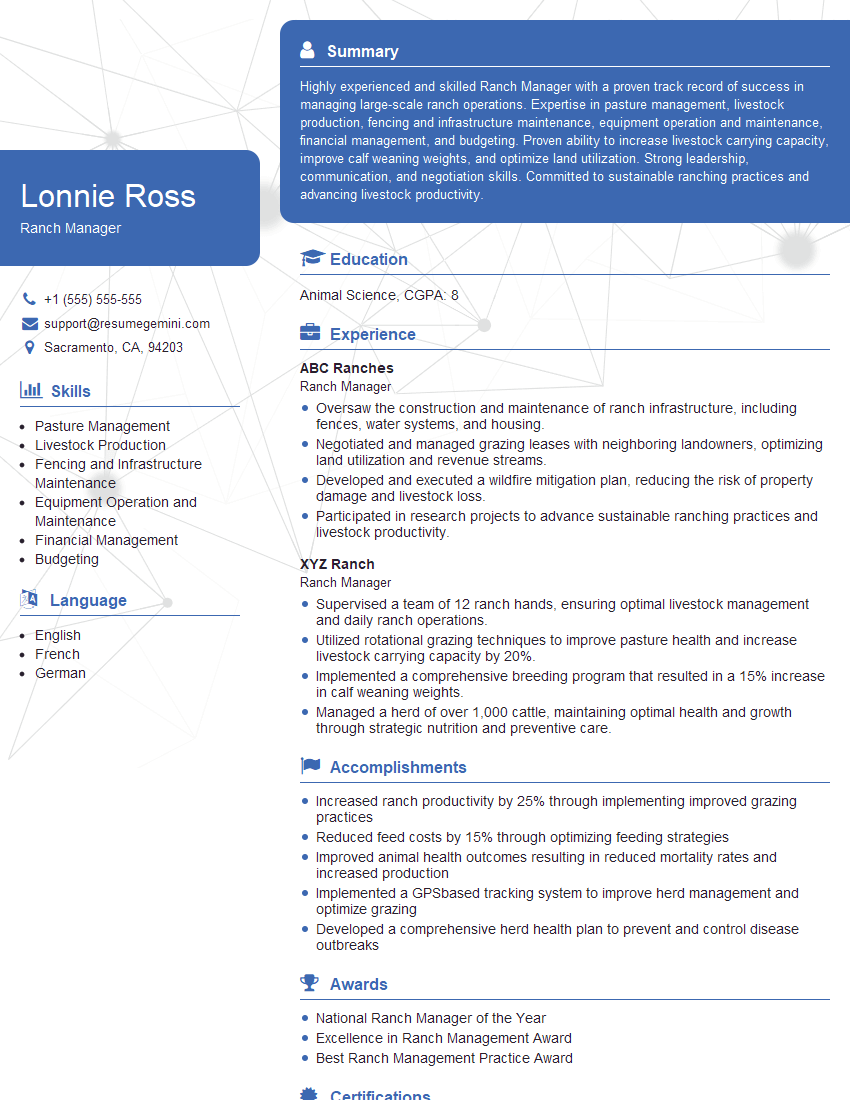
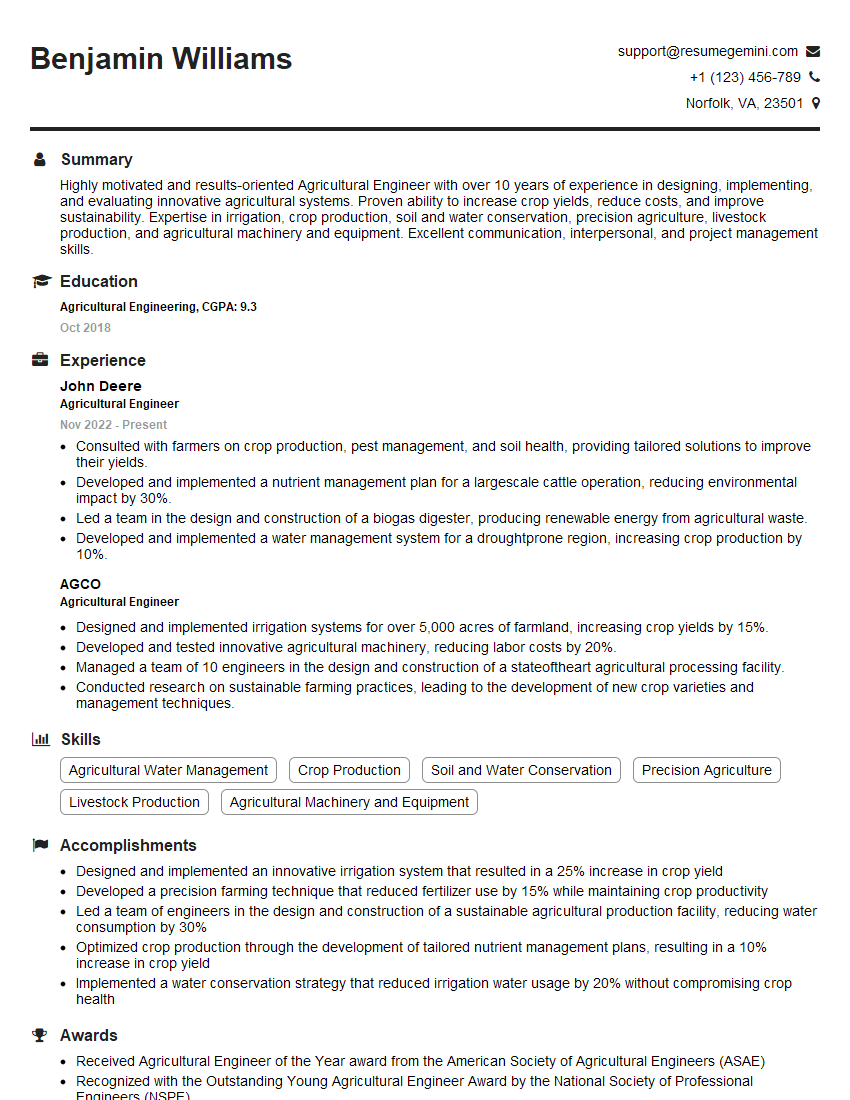
Mastering Drylot Feeding opens doors to rewarding careers in agriculture, offering opportunities for advancement and specialization. A strong understanding of these principles will significantly enhance your interview performance and career prospects. To maximize your job search success, it’s crucial to present your skills and experience effectively through an ATS-friendly resume. ResumeGemini is a trusted resource to help you build a professional resume that highlights your qualifications. Examples of resumes tailored to Drylot Feeding are available, providing valuable guidance in showcasing your expertise.

Explore more articles
Users Rating of Our Blogs
Share Your Experience
We value your feedback! Please rate our content and share your thoughts (optional).
What Readers Say About Our Blog
Very informative content, great job.
good