Unlock your full potential by mastering the most common Effective Communication and Coordination interview questions. This blog offers a deep dive into the critical topics, ensuring you’re not only prepared to answer but to excel. With these insights, you’ll approach your interview with clarity and confidence.
Questions Asked in Effective Communication and Coordination Interview
Q 1. Describe your approach to communicating complex information to diverse audiences.
Communicating complex information effectively to diverse audiences requires a tailored approach. It’s not a one-size-fits-all solution; instead, it involves understanding your audience’s background, technical expertise, and preferred communication style. My approach starts with analyzing the audience. Who am I talking to? What’s their level of understanding of the subject matter? What’s their preferred communication style (visual, auditory, kinesthetic)?
Once I understand the audience, I simplify complex information into digestible chunks. This might involve using analogies, metaphors, or storytelling to make abstract concepts more relatable. For instance, explaining a complex financial model by comparing it to a household budget can be incredibly effective for a non-financial audience. I also prioritize visual aids like charts, graphs, and diagrams to enhance understanding and retention.
Finally, I always leave room for questions and feedback. This interactive approach ensures that the audience understands the information and allows me to address any misunderstandings or concerns immediately. For example, during a presentation on a new software system, I would actively encourage questions and provide opportunities for hands-on practice.
Q 2. How do you prioritize competing communication needs within a project?
Prioritizing competing communication needs in a project requires a strategic approach that balances urgency, importance, and impact. I typically use a prioritization matrix, considering factors like deadlines, stakeholder influence, and potential consequences of delays. This involves clearly defining the communication goals for each need, estimating the resources required, and assessing the potential risks of not addressing them timely.
For instance, if I have to communicate both a critical project update to senior management and a detailed technical explanation to the development team, I’d prioritize the senior management update first due to its immediate impact on overall project direction. Following that, I’d dedicate the necessary time to thoroughly explain the technical details to the development team to ensure successful implementation.
This isn’t about ignoring less urgent needs; it’s about strategically sequencing communication efforts to maximize efficiency and impact. Regular scheduling and project management tools can also aid this process.
Q 3. Explain a time you had to resolve a communication breakdown within a team.
In a previous project, a communication breakdown occurred between the design and development teams. The designers had created detailed mockups, but the developers misinterpreted some crucial design elements due to ambiguous specifications. This led to delays and rework.
To resolve this, I facilitated a joint meeting between both teams. I encouraged open and honest communication, asking each team member to clarify their understanding of the design specifications. We utilized the mockups as a visual aid, pointing out the areas of confusion and correcting the misinterpretations. We established a clear communication protocol going forward which involved regularly scheduled check-ins and the use of a centralized project management tool to ensure everyone was on the same page.
The key takeaway was the importance of proactive communication, clear specifications, and a collaborative problem-solving approach to prevent future breakdowns.
Q 4. How do you ensure consistent messaging across different communication channels?
Maintaining consistent messaging across different channels requires a structured approach. This begins with establishing a central communication plan that outlines key messages, target audiences, and communication channels. This plan serves as a single source of truth for all communication materials.
Next, I utilize templates and style guides to ensure consistency in tone, language, and branding across all platforms (e.g., email templates, social media posts, presentations). For instance, a consistent brand voice and visual identity ensure recognition and trust. Finally, regular review and feedback mechanisms are crucial to identify and address any inconsistencies.
Using a centralized communication repository, like a shared drive or project management software, also helps maintain consistency by allowing everyone to access the same updated information and materials. This eliminates confusion caused by outdated or conflicting information.
Q 5. What strategies do you use to actively listen and understand diverse perspectives?
Actively listening and understanding diverse perspectives is crucial for effective communication and collaboration. My approach involves creating a safe and inclusive space where everyone feels comfortable sharing their ideas. This involves demonstrating empathy, paying attention to both verbal and nonverbal cues, and asking clarifying questions to ensure understanding.
I employ techniques like paraphrasing to confirm understanding, summarizing key points to ensure everyone is on the same page, and seeking out diverse opinions to gain a holistic perspective. For example, before making a decision, I would intentionally seek input from team members with different backgrounds and expertise.
It’s important to remember that active listening is not just about hearing; it’s about understanding and valuing the perspectives of others. This helps build trust, fosters collaboration, and promotes better decision-making.
Q 6. How do you handle conflict that arises from communication misunderstandings?
Conflict arising from communication misunderstandings should be addressed promptly and constructively. My approach involves identifying the root cause of the conflict by focusing on the facts and avoiding personal attacks. This usually involves clarifying ambiguous statements, asking open-ended questions to understand each party’s perspective, and acknowledging their feelings.
I then work collaboratively with the involved parties to find a mutually agreeable solution. This might involve mediating discussions, suggesting alternative solutions, or proposing a compromise. It’s important to focus on the problem, not the individuals involved. A step-by-step process, involving active listening and empathy, is essential to resolve the conflict.
Once a solution is reached, I ensure that it is documented and communicated to all relevant stakeholders to prevent similar conflicts in the future. Follow-up is crucial to ensure that the solution is effective and that the communication channels are improved.
Q 7. Describe your experience using various communication tools (e.g., email, video conferencing).
I have extensive experience using various communication tools, adapting my approach to the specific context and audience. Email is my go-to tool for asynchronous communication, ensuring clarity and conciseness in my messages. I use subject lines that accurately reflect the content and prioritize using bullet points or numbered lists to break down complex information.
Video conferencing tools like Zoom or Microsoft Teams are vital for synchronous communication, fostering real-time collaboration and engagement. I ensure a professional and engaging online presence by maintaining eye contact with the camera, using clear and concise language, and utilizing visual aids to enhance understanding.
Project management tools like Asana or Jira are indispensable for managing communication within project teams. They facilitate the sharing of updates, documentation, and feedback in a centralized location, ensuring transparency and accountability. My proficiency in these tools enables efficient and effective communication and coordination across teams and projects.
Q 8. How do you adapt your communication style to different individuals and situations?
Adapting communication style is crucial for effective interaction. It’s about understanding your audience and tailoring your message to resonate with them. This involves considering factors like their personality, communication preferences (e.g., direct vs. indirect, formal vs. informal), cultural background, and technological proficiency.
- For example, when communicating with a senior executive, I would use a formal tone, concise language, and focus on key results and strategic implications. However, when working with a junior team member, I might adopt a more collaborative, mentoring style, using more detailed explanations and encouraging questions.
- Another example: When dealing with a highly technical team, I’d use precise terminology and data-driven insights. With a less technical audience, I’d simplify complex information using analogies and plain language, avoiding jargon.
- In short: I employ active listening and observation to gauge the best approach for each individual and situation, adjusting my language, tone, and delivery accordingly to ensure clear and effective communication.
Q 9. How do you ensure all team members are informed and up-to-date on project progress?
Keeping a team informed requires a multi-pronged strategy. Regular, consistent updates are key, delivered through channels that are easily accessible and preferred by the team.
- Project Management Software: Tools like Jira, Asana, or Trello allow for centralizing updates, assigning tasks, and tracking progress visually. This ensures everyone has access to the same information in real-time.
- Regular Team Meetings: Stand-up meetings (short, focused updates) or more in-depth progress reviews provide opportunities for direct discussion, clarification, and addressing concerns. These meetings also allow for two-way communication and foster collaboration.
- Email Updates: For quick announcements or updates that don’t require immediate discussion, email is a useful tool. However, I avoid overusing email to prevent information overload.
- Visual Communication: Charts, graphs, and dashboards can summarize complex information effectively, making it easier for team members to quickly grasp project progress and identify potential roadblocks.
The key is to choose the right tool for the right audience and message. Consistency and transparency are vital in maintaining informed and engaged team members.
Q 10. Describe a situation where you had to coordinate multiple tasks or teams simultaneously.
During a product launch, I was responsible for coordinating the marketing team, the development team, and the sales team. Each team had distinct deadlines and dependencies. The marketing team needed final product specifications from development to create launch materials, while the sales team required training materials and sales collateral before the launch date. Delays in any one area would cascade and impact the overall success.
My approach was to:
- Create a detailed project timeline: This involved identifying all tasks, dependencies, and deadlines for each team.
- Establish clear communication channels: We used a project management software, daily stand-up meetings, and regular email updates to ensure transparency and facilitate quick issue resolution.
- Regularly monitor progress: I used the project management software to track progress against the timeline and identify any potential bottlenecks. I proactively communicated any delays or issues to the relevant stakeholders.
- Facilitate collaboration: I ensured regular cross-functional communication to address interdependencies and prevent conflicts.
Through proactive planning, clear communication, and consistent monitoring, we successfully launched the product on time and met all our objectives.
Q 11. How do you measure the effectiveness of your communication efforts?
Measuring communication effectiveness is crucial for continuous improvement. I use both qualitative and quantitative methods:
- Quantitative Measures: These include metrics such as the number of project deliverables completed on time, the number of issues resolved efficiently, team satisfaction scores (from surveys), and customer feedback related to clarity of communication.
- Qualitative Measures: These involve observing team interactions, conducting one-on-one feedback sessions, and analyzing the tone and effectiveness of communication during meetings. I look for signs of understanding, engagement, and buy-in from the team.
By combining both quantitative and qualitative data, I can gain a holistic view of my communication effectiveness and identify areas for improvement. For instance, consistently low team satisfaction scores might indicate a need for improved communication clarity or more frequent updates. High levels of issue resolution efficiency suggest effective communication around problem-solving.
Q 12. What tools or techniques do you use to manage and track communication within a project?
I utilize a combination of tools and techniques to manage communication effectively:
- Project Management Software: (e.g., Asana, Jira, Trello) for task assignments, progress tracking, file sharing, and central communication hubs.
- Communication Platforms: (e.g., Slack, Microsoft Teams) for quick messaging, group discussions, and file sharing, especially for real-time collaboration.
- Email: For formal communication, announcements, and distributing important documents. I use clear subject lines and organize my emails effectively to prevent information overload.
- Meeting Agendas and Minutes: To ensure all meetings are focused, productive, and that decisions are documented and communicated.
- Centralized Document Repository: (e.g., SharePoint, Google Drive) to keep all project-related documentation organized and readily accessible to the team.
The key is selecting tools that integrate well and are user-friendly for the team, avoiding complexity and ensuring ease of access to relevant information.
Q 13. How do you handle feedback, both positive and negative, regarding your communication?
Feedback is essential for growth and improvement. I welcome both positive and negative feedback as opportunities to learn and refine my communication strategies.
- Positive Feedback: I acknowledge and appreciate positive feedback, identifying what aspects of my communication were effective and replicating those approaches in the future.
- Negative Feedback: I actively listen and seek clarification to understand the source of the negative feedback. I avoid getting defensive and instead focus on understanding the perspective of the person providing the feedback. I then reflect on the feedback, identify areas for improvement, and adjust my approach accordingly. Sometimes, this might involve seeking additional training or exploring alternative communication methods.
Ultimately, I view feedback as a valuable tool for enhancing my communication skills and building stronger working relationships.
Q 14. Explain your process for planning and executing a large-scale communication campaign.
Planning and executing a large-scale communication campaign involves a structured approach:
- Define Objectives: What are the specific goals of the campaign? What do we want to achieve (e.g., increase brand awareness, drive sales, improve customer satisfaction)?
- Identify Target Audience: Who are we trying to reach? What are their demographics, interests, and communication preferences?
- Develop Key Messages: What are the core messages we want to communicate? These messages should be clear, concise, and consistent across all channels.
- Choose Communication Channels: Which channels will best reach our target audience (e.g., social media, email, print, events)?
- Create a Content Calendar: This outlines the specific content to be created and distributed, and when it will be released across chosen channels.
- Develop a Budget: Allocate resources for content creation, channel usage, and any necessary personnel.
- Execute the Campaign: Distribute the content according to the content calendar, monitor results, and adapt the strategy as needed.
- Measure and Analyze Results: Track key metrics (e.g., website traffic, engagement rates, sales conversions) to assess the effectiveness of the campaign. Use this data to inform future communication efforts.
Throughout the process, consistent monitoring, flexibility, and effective collaboration are key to success. Regular feedback loops and data analysis will enable course correction as needed.
Q 15. How do you delegate tasks and responsibilities effectively to ensure clear communication?
Effective delegation isn’t just about assigning tasks; it’s about empowering individuals while ensuring clear communication and accountability. I begin by assessing each team member’s skills and experience, matching tasks to their strengths. This ensures not only efficient completion but also boosts morale and professional development.
Next, I clearly define the task’s scope, expected outcomes, deadlines, and required resources. This is often documented, for instance, with a shared task management tool providing a central source of truth. I also explicitly communicate the decision-making authority granted to the individual, clarifying when they should consult me and when they have autonomy. Regular check-ins are crucial; they aren’t about micromanaging, but about providing support and addressing any roadblocks. Open communication channels, like instant messaging or regular team meetings, are vital for addressing questions or concerns promptly.
For example, when delegating the creation of a marketing presentation, I’d provide a detailed brief outlining the target audience, key message points, desired tone, and deadlines. I’d also schedule regular brief check-ins throughout the process, offering feedback and ensuring the individual remains on track and feels supported.
Career Expert Tips:
- Ace those interviews! Prepare effectively by reviewing the Top 50 Most Common Interview Questions on ResumeGemini.
- Navigate your job search with confidence! Explore a wide range of Career Tips on ResumeGemini. Learn about common challenges and recommendations to overcome them.
- Craft the perfect resume! Master the Art of Resume Writing with ResumeGemini’s guide. Showcase your unique qualifications and achievements effectively.
- Don’t miss out on holiday savings! Build your dream resume with ResumeGemini’s ATS optimized templates.
Q 16. Describe your experience with cross-functional collaboration and communication.
Cross-functional collaboration is essential for successful project delivery. In my previous role, we launched a new product requiring close collaboration between engineering, marketing, and sales teams. I facilitated communication through regular cross-functional meetings, ensuring clear agendas and well-defined roles. We used a project management software to track progress, share documents, and provide updates transparently. This ensured everyone was informed and aligned on progress and potential roadblocks.
To maintain effective communication, I emphasized active listening, encouraging each team to openly share their perspectives and concerns. This fostered trust and mutual respect. We employed visual aids, such as Kanban boards and progress reports, to facilitate a shared understanding of the project status and individual contributions. This enhanced transparency and improved accountability. Addressing conflicts promptly and fairly through mediation was also essential, ensuring collaborative problem-solving.
Q 17. How do you maintain a positive and productive communication environment within a team?
Building a positive and productive communication environment requires a multi-faceted approach. First, I prioritize open and honest communication, encouraging team members to share their ideas, concerns, and feedback without fear of judgment. This necessitates creating a safe space where vulnerability is accepted and constructive criticism is valued. Regular team meetings, both formal and informal, are essential to foster connections and address issues proactively.
Secondly, I promote active listening and empathy, ensuring everyone feels heard and understood. Clear communication guidelines, such as utilizing specific communication channels for different purposes (e.g., email for formal updates, instant messaging for quick questions), help maintain order and prevent information overload. Recognizing and appreciating individual contributions actively boosts morale and fosters a collaborative spirit. Finally, providing regular feedback, both positive and constructive, is essential to guide performance and reinforce positive behavior.
Q 18. How do you build rapport and trust with stakeholders through effective communication?
Building rapport and trust with stakeholders involves consistent, transparent, and respectful communication. I prioritize understanding their needs and perspectives before presenting information. This involves active listening and asking clarifying questions. I tailor my communication style to suit each stakeholder, whether it’s a formal presentation for senior management or a casual conversation with a team member. Providing regular updates, acknowledging their input, and being responsive to their inquiries demonstrate respect and build trust.
For example, before a major project launch, I’d schedule meetings with key stakeholders to discuss the project plan, address potential concerns, and gather their input. I would follow up with regular progress reports, highlighting both successes and challenges faced. Being readily available to answer questions and addressing feedback promptly are essential. Demonstrating competence and reliability consistently strengthens the relationship and builds confidence.
Q 19. How do you handle situations where you need to deliver difficult or negative news?
Delivering difficult or negative news requires sensitivity, empathy, and a strategic approach. I start by choosing the right time and place for the conversation, ensuring privacy and minimizing distractions. I then directly address the issue, using clear and concise language, avoiding jargon or euphemisms. I focus on factual information while acknowledging the recipient’s emotions and potential reactions.
It’s crucial to offer support and solutions. This may involve outlining a plan of action to address the issue or offering resources and assistance. The tone should be empathetic and understanding; actively listening to their response and addressing their concerns is vital. Following up to check in on their well-being and offer further support demonstrates care and responsibility.
For instance, if informing a team member of a performance issue, I’d schedule a private meeting, clearly explaining the areas for improvement, and offering specific examples with constructive feedback. I’d provide resources to assist their development, such as training or mentorship, outlining a plan for improvement and outlining clear expectations.
Q 20. How do you use visual aids or other communication tools to enhance understanding?
Visual aids and communication tools significantly enhance understanding, particularly when presenting complex information. I utilize various tools depending on the context; for instance, presentations with charts and graphs for data-driven insights, flowcharts for illustrating processes, or videos for showcasing complex procedures. Infographics are excellent for summarizing key information concisely.
In team meetings, whiteboards or collaborative online tools facilitate brainstorming and idea sharing, enabling everyone to participate actively and visualize concepts. When communicating across diverse groups, using multiple media formats, like combining text with images or videos, caters to different learning styles and enhances comprehension. Simplicity and clarity are paramount; avoiding cluttered visuals and keeping the message concise prevents information overload.
Q 21. Explain your experience with crisis communication and how you’ve managed it.
Crisis communication requires a swift, decisive, and transparent approach. My experience includes managing a product launch delay due to unforeseen technical difficulties. My immediate response involved assembling a crisis communication team, establishing clear communication channels, and defining key messages to be conveyed to affected stakeholders. We prioritized transparency, communicating the situation promptly and honestly, acknowledging the impact and expressing empathy.
We utilized multiple channels to disseminate information quickly and efficiently—email alerts, press releases, and updates on our website. We also proactively addressed stakeholder concerns through Q&A sessions and regular updates. This strategy minimized speculation and maintained stakeholder trust. The post-crisis review helped us identify areas for improvement and develop a stronger crisis communication plan for the future.
Q 22. What is your experience with written communication, including report writing and presentations?
Effective written communication is crucial for conveying information clearly and concisely. My experience encompasses a wide range of written materials, from formal reports and proposals to presentations and email correspondence. In report writing, I focus on a structured approach: a clear executive summary, well-defined sections with supporting evidence, and data visualizations where appropriate. I prioritize accuracy, ensuring all data is verified and properly cited. For presentations, I tailor the content and style to the audience, using visuals to enhance understanding and engagement. I’ve successfully created presentations for both technical and non-technical audiences, employing different strategies to ensure clear communication. For instance, when presenting complex data to a non-technical audience, I’d use metaphors and analogies to simplify the information, avoiding jargon. I always ensure my writing is grammatically correct, free of errors, and professionally formatted.
For example, in my previous role at [Previous Company Name], I was responsible for writing quarterly performance reports for senior management. These reports required a high level of accuracy and conciseness, distilling complex data into actionable insights. The reports were consistently well-received, contributing to improved decision-making within the organization. I also regularly created presentations for client meetings, tailoring my approach based on the client’s background and interests. The positive feedback and successful project outcomes demonstrate the effectiveness of my communication strategies.
Q 23. How do you manage expectations and communication with clients or stakeholders?
Managing expectations and communication with clients or stakeholders requires proactive and transparent communication throughout the entire project lifecycle. This begins with clearly defining project goals, deliverables, and timelines at the outset. Regular updates, both written and verbal, are crucial to keep everyone informed of progress. I utilize various communication channels such as email, project management software, and regular meetings, tailoring my approach to the preferences of each stakeholder. I actively solicit feedback and address concerns promptly and professionally. Addressing potential issues or delays transparently is crucial; I avoid sugarcoating and always offer solutions. Building strong rapport with clients and stakeholders is essential for effective communication and managing expectations.
For instance, I once worked on a project where the initial timeline proved overly optimistic. Instead of hiding the delay, I proactively informed stakeholders about the challenges and proposed alternative solutions. This transparency built trust and allowed us to collaboratively revise the timeline, avoiding unnecessary conflict and maintaining a positive working relationship.
Q 24. How do you use data and analytics to inform your communication strategies?
Data and analytics are integral to informing effective communication strategies. By analyzing data, I can identify key trends, understand audience preferences, and measure the effectiveness of my communication efforts. For example, website analytics can reveal which content resonates most with the target audience, informing future content creation. Social media analytics can provide insight into audience sentiment and engagement. This data-driven approach allows for more targeted and impactful communication. I use tools like Google Analytics and social media analytics dashboards to track key metrics and measure ROI. I present findings in a clear and concise manner, using visualizations like charts and graphs to illustrate key trends. This helps stakeholders understand the data’s implications and makes data-driven decision-making more accessible.
In a recent project, analyzing website traffic data revealed a significant drop in engagement with a specific type of content. This insight led to a change in content strategy, resulting in a significant increase in engagement and website traffic.
Q 25. Describe a time you improved communication processes within a team or organization.
In a previous role, our team struggled with inefficient communication, leading to delays and misunderstandings. To improve this, I implemented a new communication system based on a combination of strategies. First, I introduced daily stand-up meetings to facilitate quick information sharing and problem-solving. Second, I implemented a project management tool to centralize all project documents and communication, ensuring everyone had access to the same information. Third, I encouraged regular feedback sessions to identify and address communication barriers. These changes resulted in improved team cohesion, reduced errors, and increased project efficiency. The project management tool allowed for better task assignment, progress tracking and communication documentation.
The results were significant: project completion times decreased by 15%, and the number of errors due to miscommunication dropped by 20%. This demonstrates the positive impact of a well-structured and collaborative communication system.
Q 26. How do you ensure confidentiality and data security in your communications?
Confidentiality and data security are paramount in my communication practices. I adhere to all relevant data protection regulations and company policies. This includes using secure communication channels for sensitive information, encrypting data where necessary, and limiting access to confidential information on a need-to-know basis. I am meticulous about data handling and storage. I only share information with authorized personnel and always obtain consent before sharing personal data. When handling sensitive client information, I always make sure to follow the strictest confidentiality protocols established by the company and any relevant legislation.
For example, I would never share a client’s financial information via unencrypted email. Instead, I’d utilize secure file-sharing platforms with appropriate access controls. Furthermore, I would always obtain explicit consent before sharing any data, ensuring full transparency with clients about how their information is handled.
Q 27. How do you stay current with best practices in communication and coordination?
Staying current with best practices in communication and coordination is a continuous process. I regularly attend industry conferences, webinars, and workshops, and actively participate in professional development opportunities. I subscribe to relevant industry publications and follow leading communication experts on social media. I also regularly review and update my knowledge of communication technologies and software to ensure I’m utilizing the most effective tools. Continuous learning is crucial in this rapidly evolving field, and I am committed to staying informed about emerging trends and best practices.
For instance, I recently completed a course on effective virtual communication strategies to enhance my skills in leading and participating in remote teams and meetings.
Q 28. What are your strengths and weaknesses in communication and coordination?
My strengths lie in my ability to adapt my communication style to different audiences, my proactive approach to managing expectations, and my skill in leveraging data to inform my strategies. I am a strong listener and strive to understand different perspectives. I’m also highly organized and detail-oriented, ensuring accuracy and consistency in my communications.
One area for development is improving my ability to deliver constructive criticism more effectively, ensuring feedback is both helpful and motivating. I’m actively working on developing this skill by seeking feedback on my communication style and participating in training sessions focused on providing effective feedback.
Key Topics to Learn for Effective Communication and Coordination Interview
- Active Listening & Feedback: Understanding the nuances of verbal and nonverbal communication, providing constructive feedback, and clarifying information to ensure mutual understanding. Practical application: Describe a situation where active listening resolved a conflict or improved a team project.
- Communication Styles & Adaptability: Recognizing different communication preferences (direct, indirect, assertive, passive) and adapting your style to effectively connect with diverse individuals and teams. Practical application: Explain how you’ve tailored your communication approach based on the audience and context.
- Conflict Resolution & Negotiation: Identifying and addressing conflicts constructively, employing negotiation strategies to find mutually beneficial solutions. Practical application: Describe a challenging situation where you successfully mediated a disagreement.
- Teamwork & Collaboration: Understanding roles, responsibilities, and leveraging individual strengths within a team environment for optimal project outcomes. Practical application: Provide an example showcasing your contribution to successful teamwork.
- Nonverbal Communication: Recognizing and utilizing body language, tone, and other nonverbal cues to enhance communication effectiveness and build rapport. Practical application: Describe a situation where nonverbal communication played a critical role in a successful interaction.
- Written Communication: Crafting clear, concise, and professional written communication, including emails, reports, and presentations. Practical application: Describe your approach to writing effective and impactful reports or presentations.
- Project Management & Coordination: Utilizing tools and techniques to plan, organize, and execute projects efficiently, ensuring timely completion and effective communication amongst team members. Practical application: Give an example of a project you managed effectively, highlighting the coordination strategies you employed.
Next Steps
Mastering effective communication and coordination is paramount for career advancement. These skills are highly valued across all industries, enabling you to build strong relationships, lead teams effectively, and contribute meaningfully to organizational success. To maximize your job prospects, creating an ATS-friendly resume is crucial. ResumeGemini is a trusted resource that can help you build a professional resume showcasing your skills and experience. Examples of resumes tailored to highlight expertise in Effective Communication and Coordination are available to help you build a compelling application.
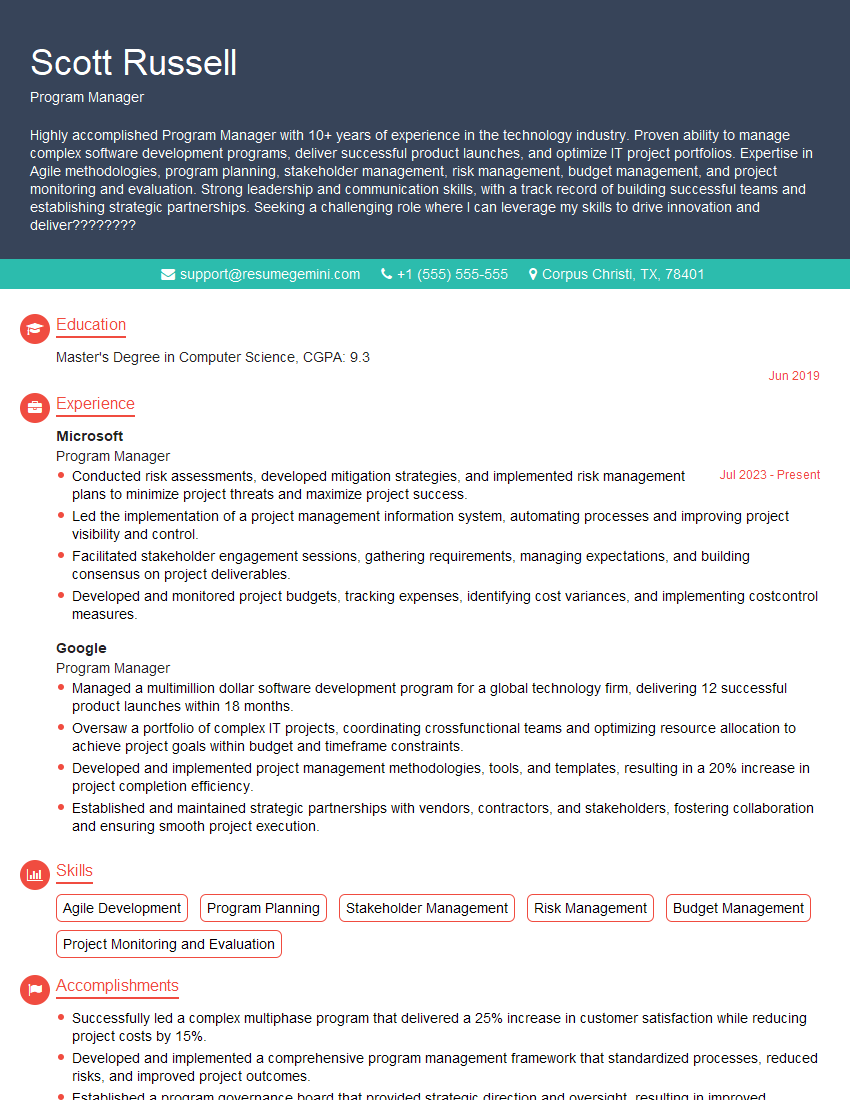
Program Manager Resume Sample
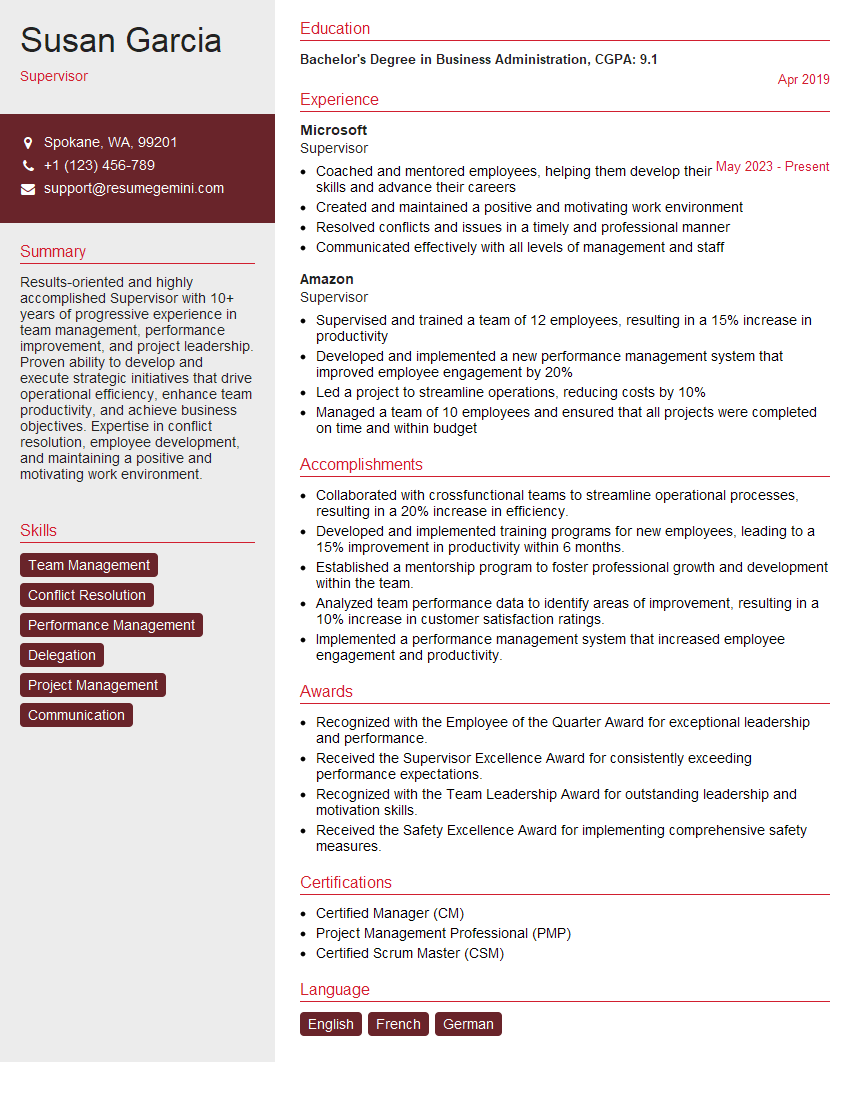
Supervisor Resume Sample
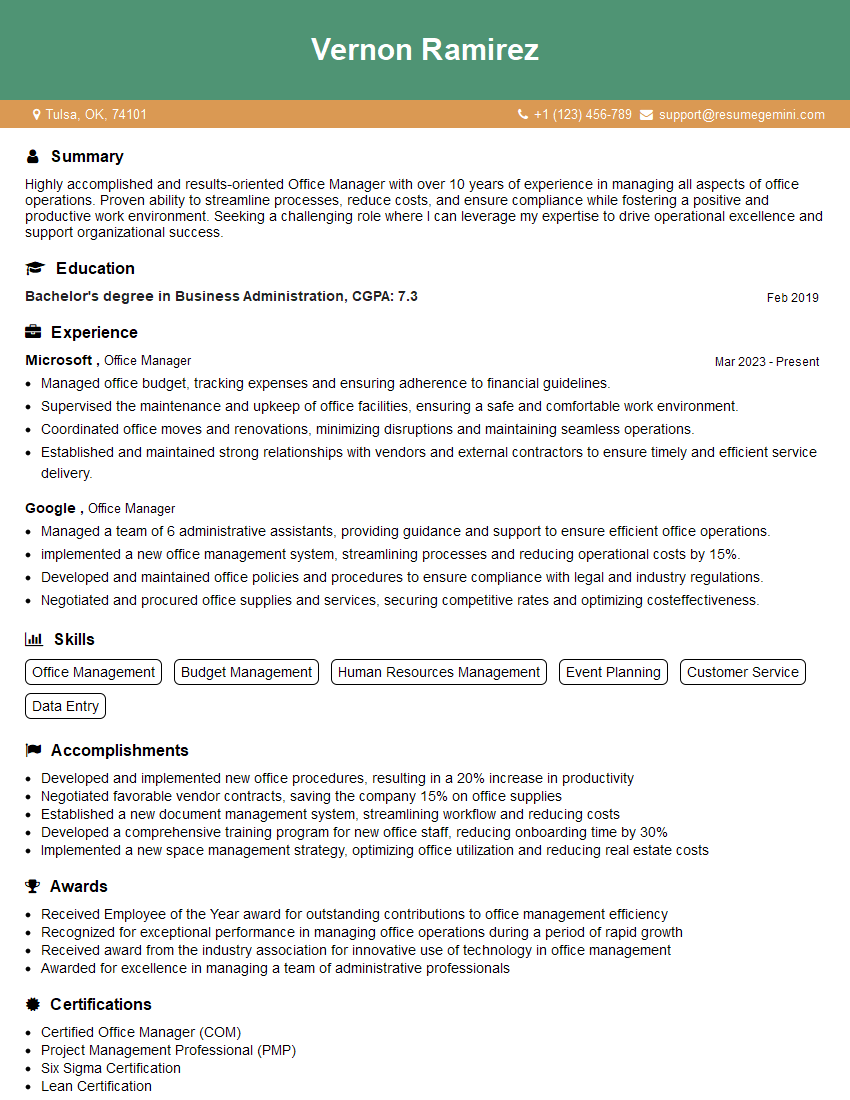
Office Manager Resume Sample

Operations Manager Resume Sample
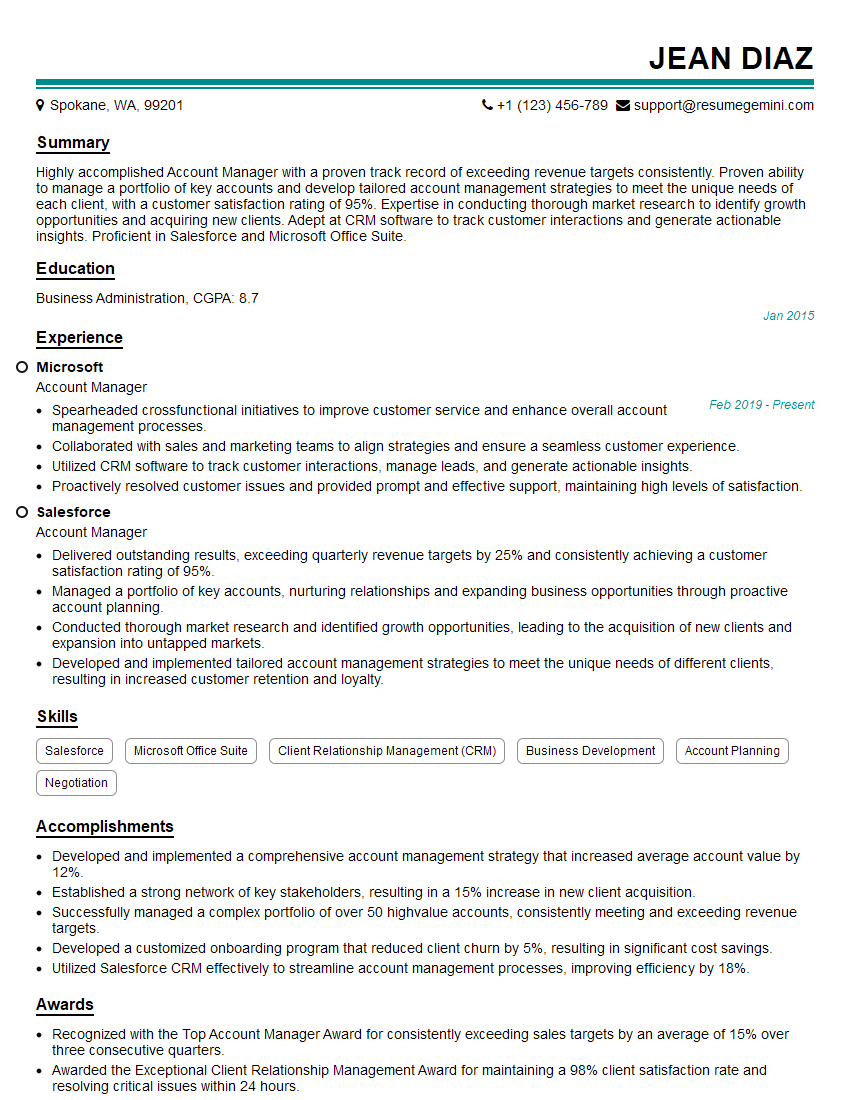
Account Manager Resume Sample
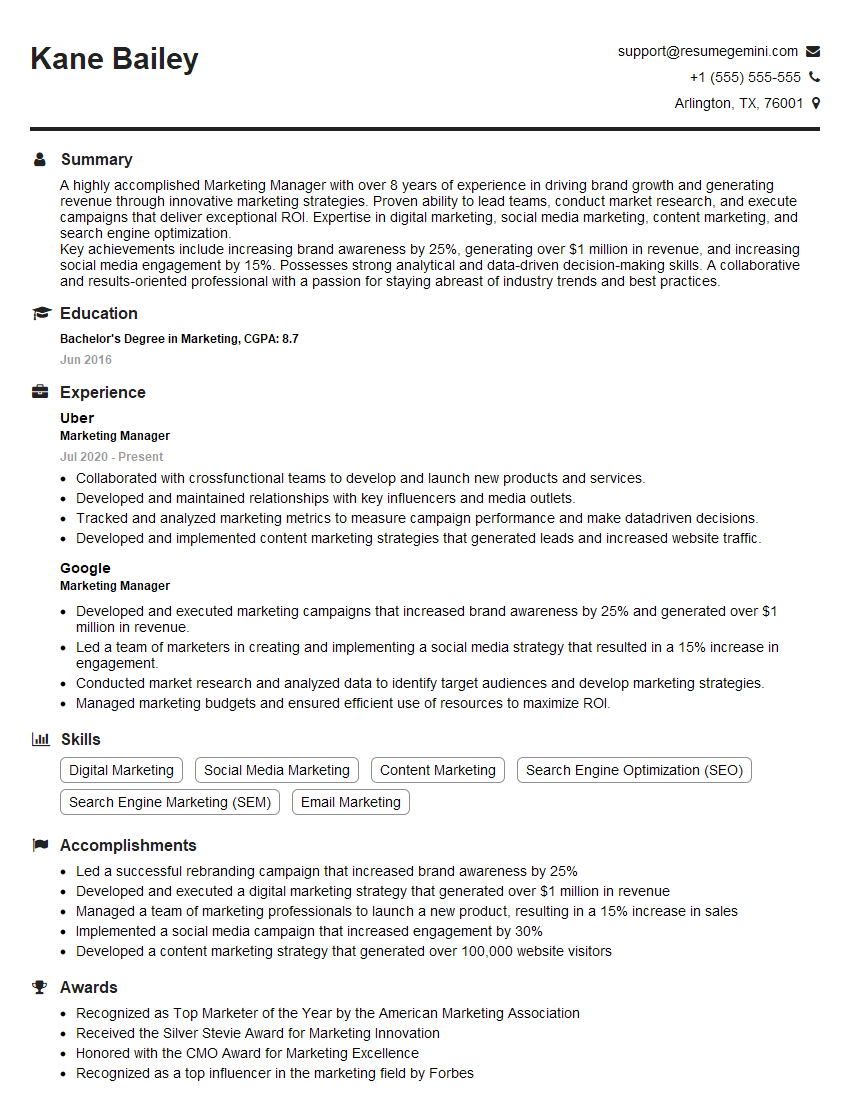
Marketing Manager Resume Sample
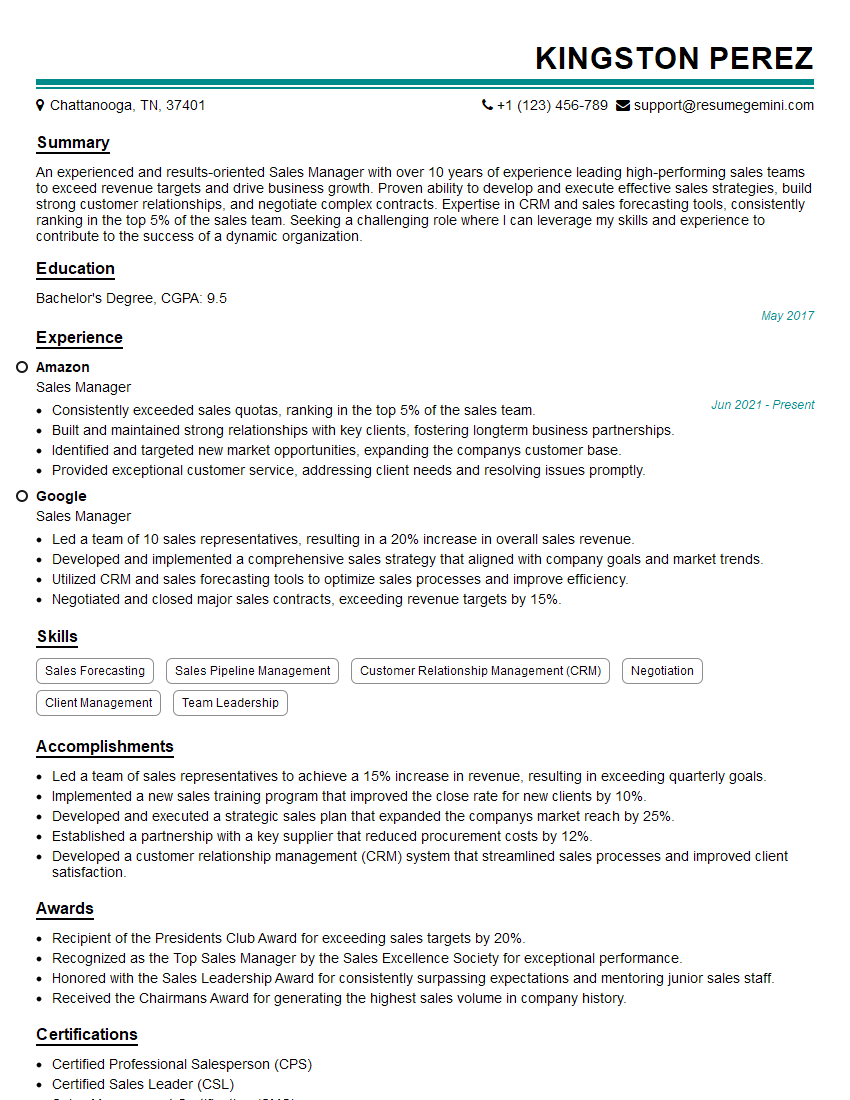
Sales Manager Resume Sample
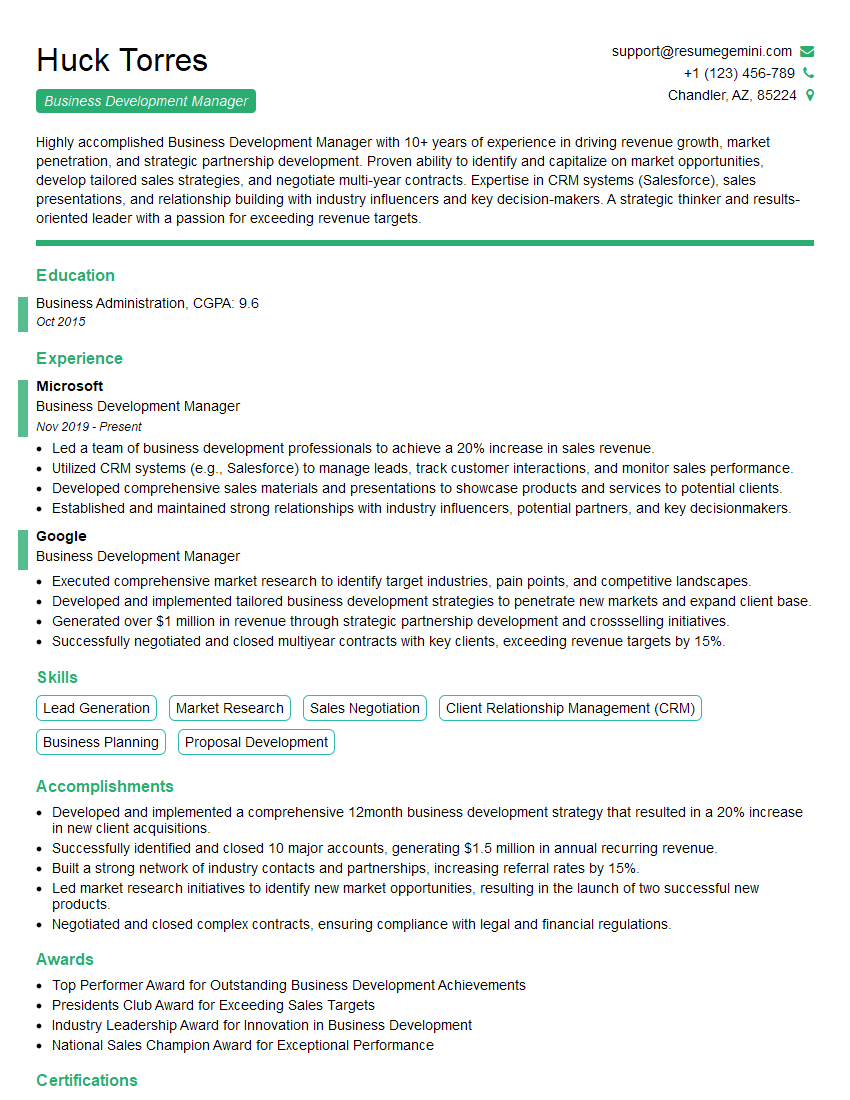
Business Development Manager Resume Sample
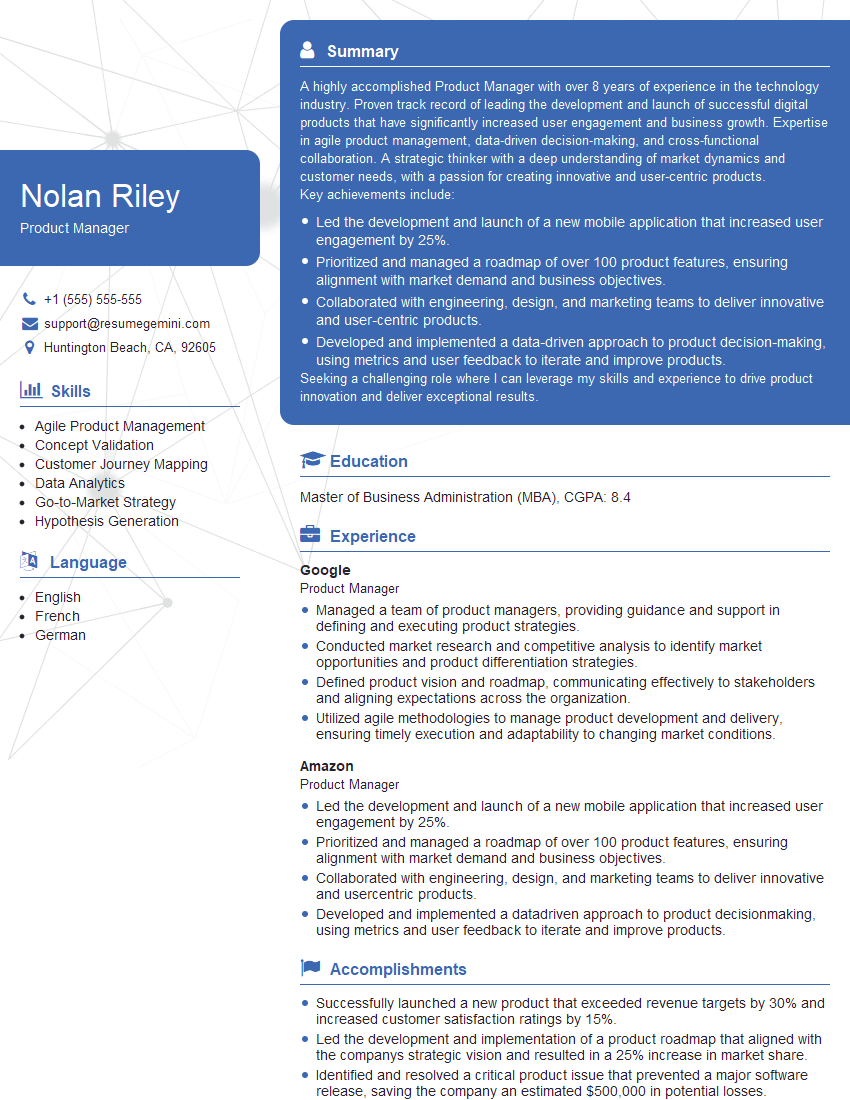
Product Manager Resume Sample

Communications Manager Resume Sample

Customer Service Manager Resume Sample
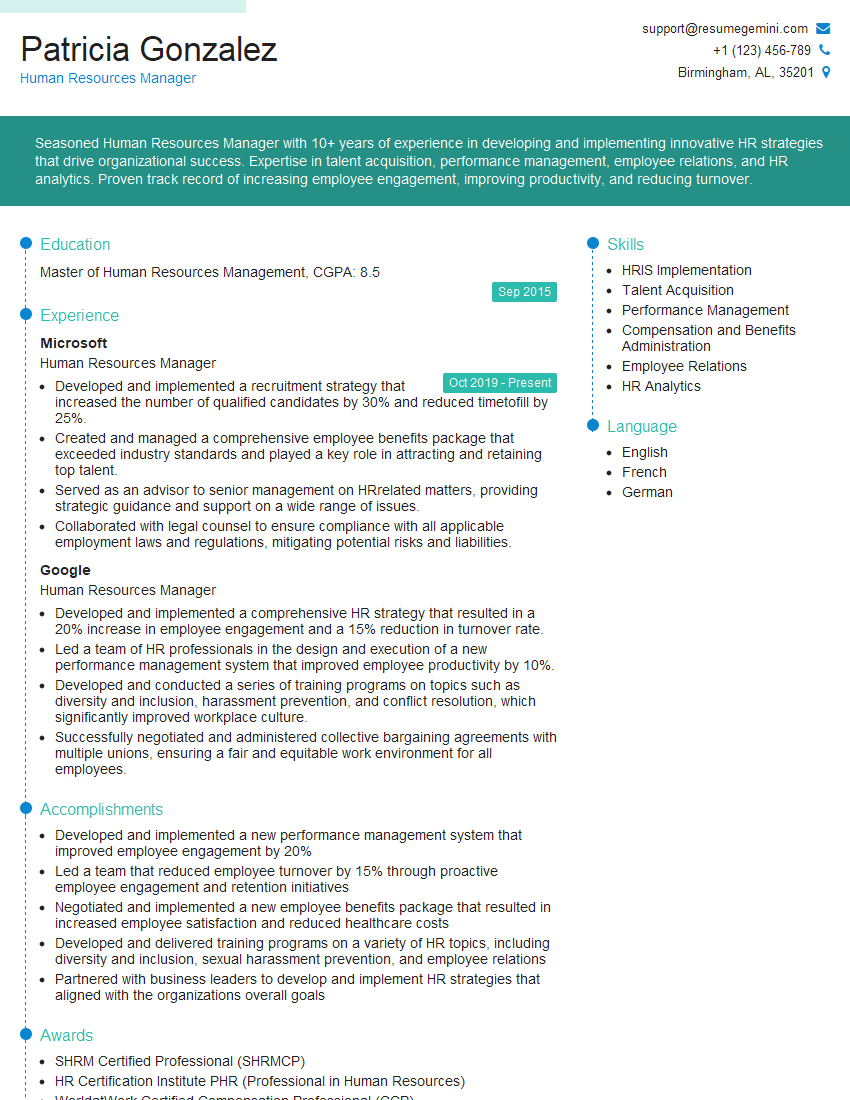
Human Resources Manager Resume Sample
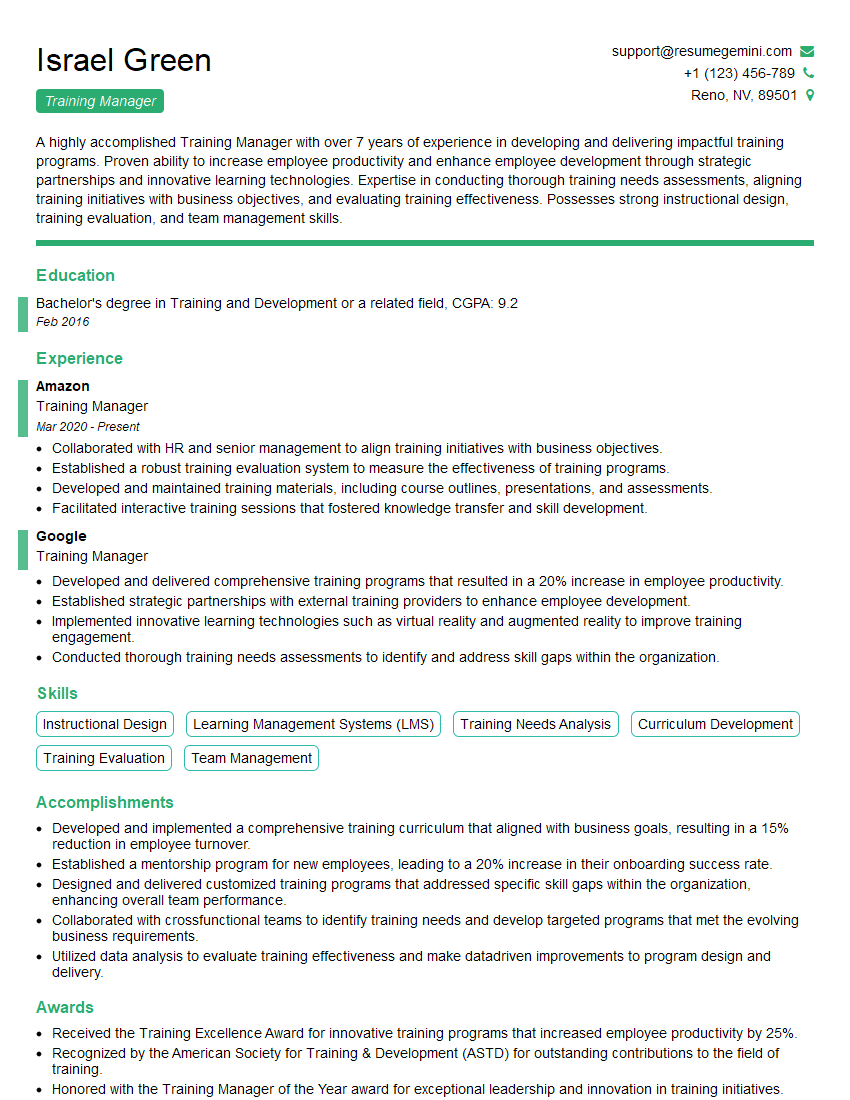
Training Manager Resume Sample
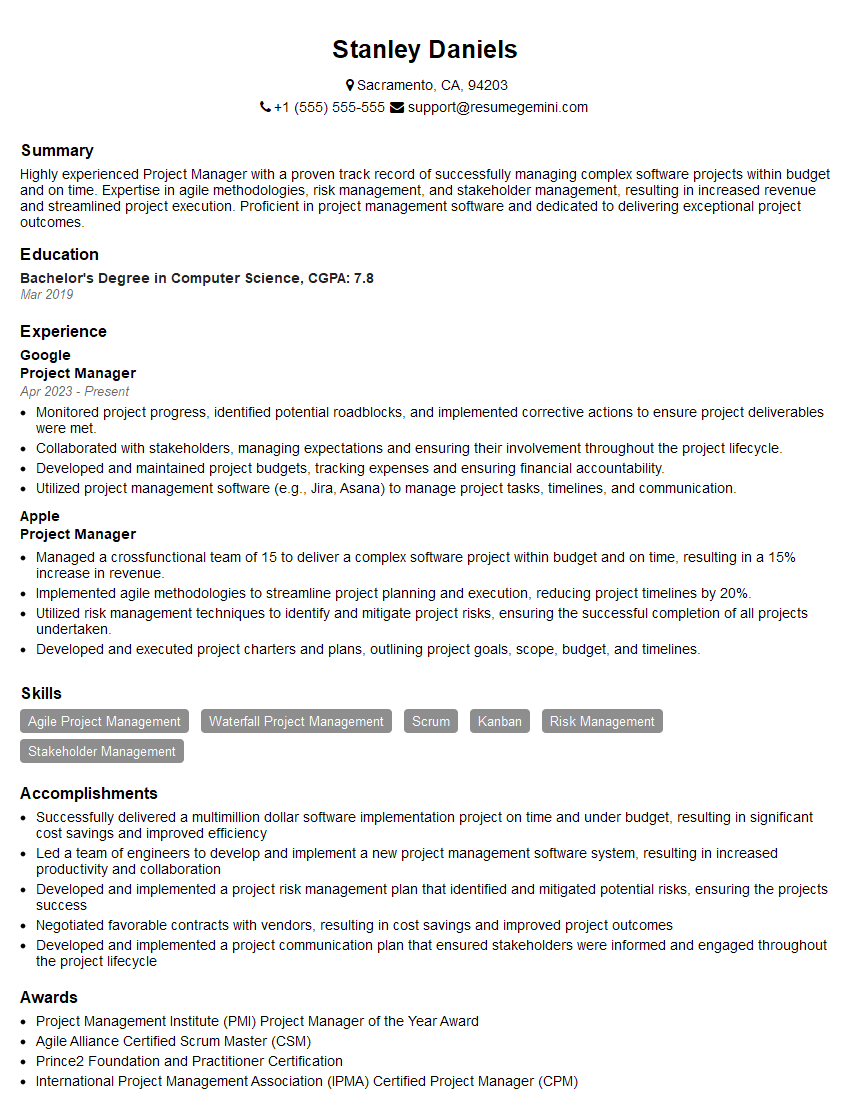
Project Manager Resume Sample
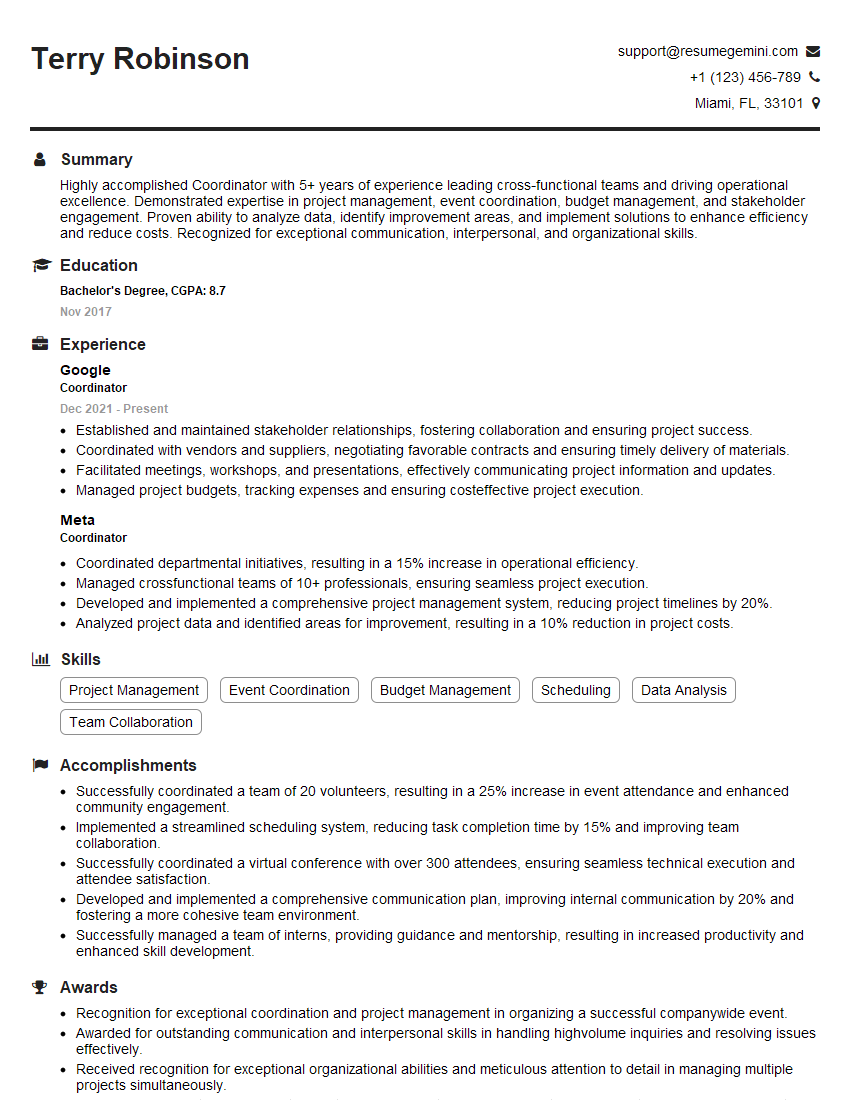
Coordinator Resume Sample
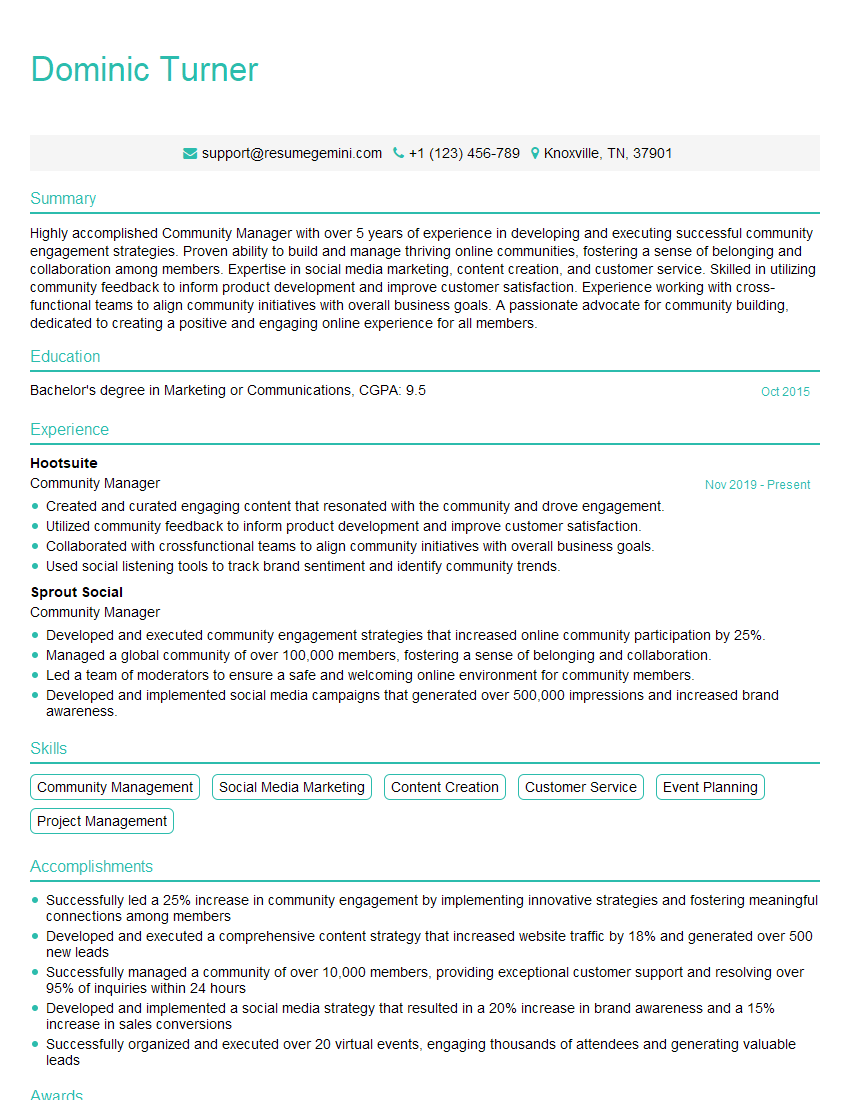
Community Manager Resume Sample
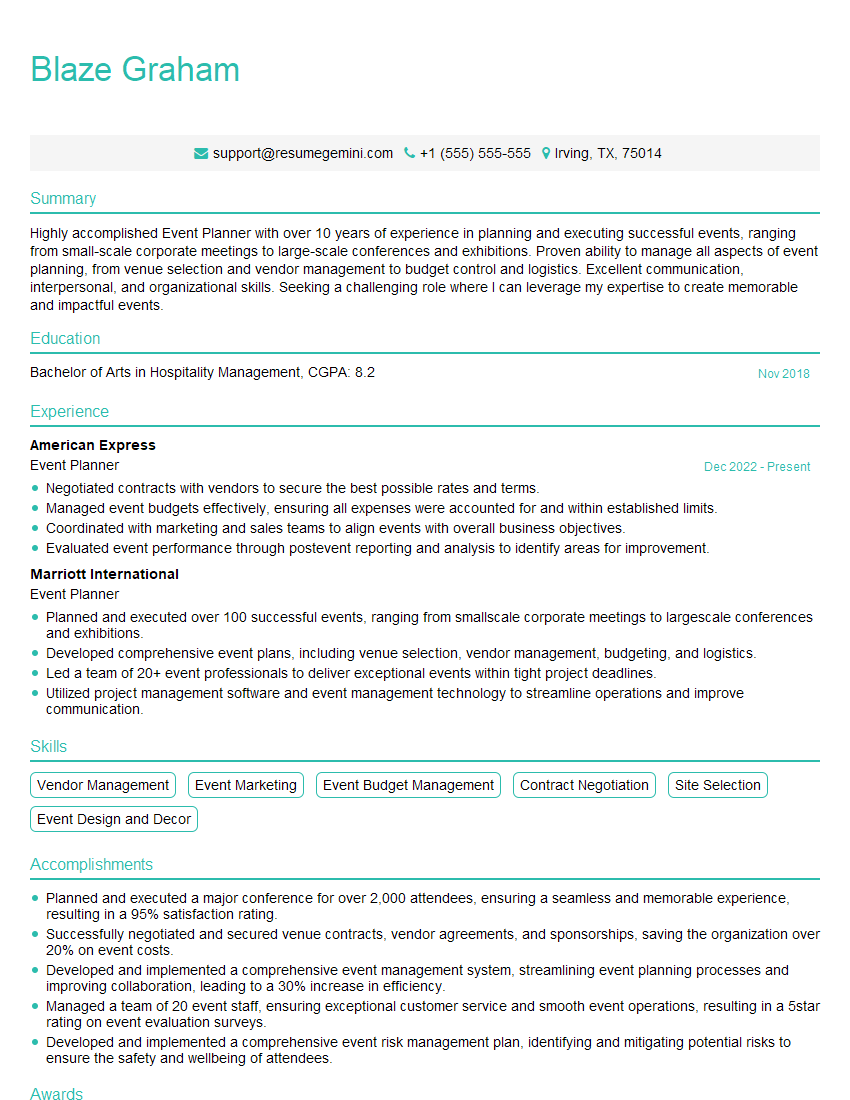
Event Planner Resume Sample
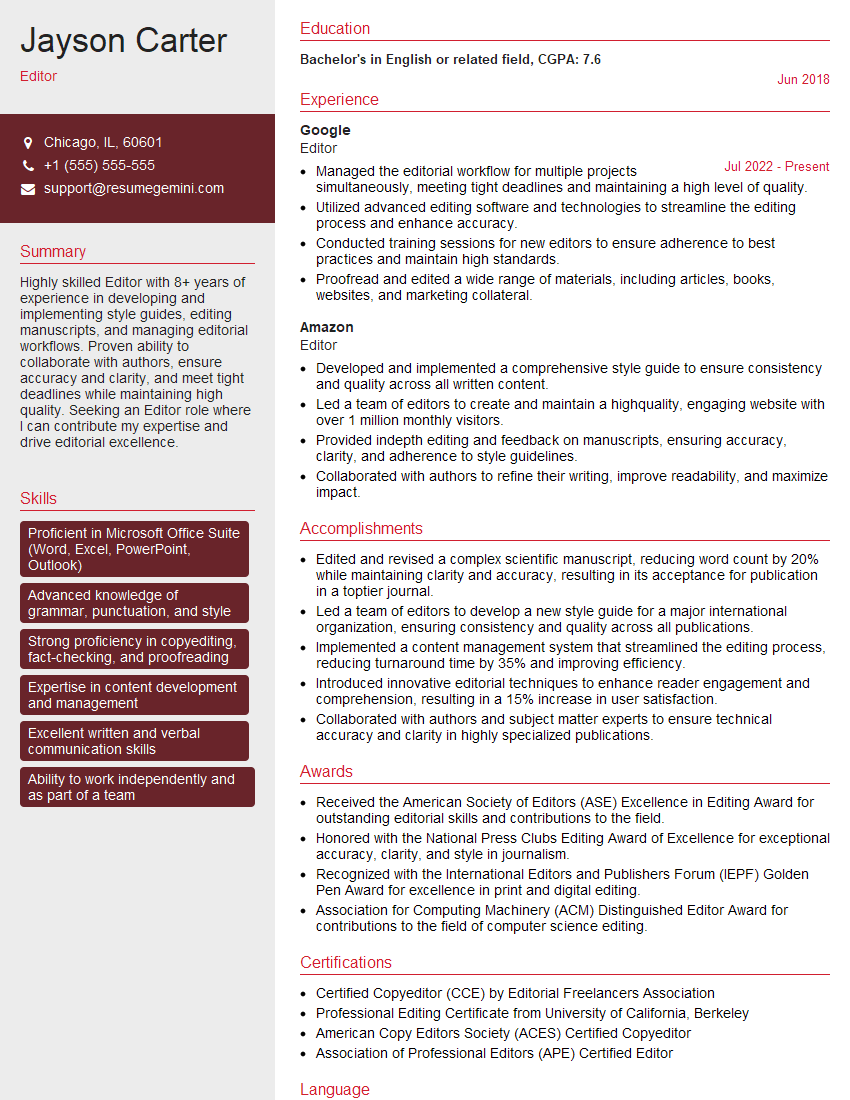
Editor Resume Sample
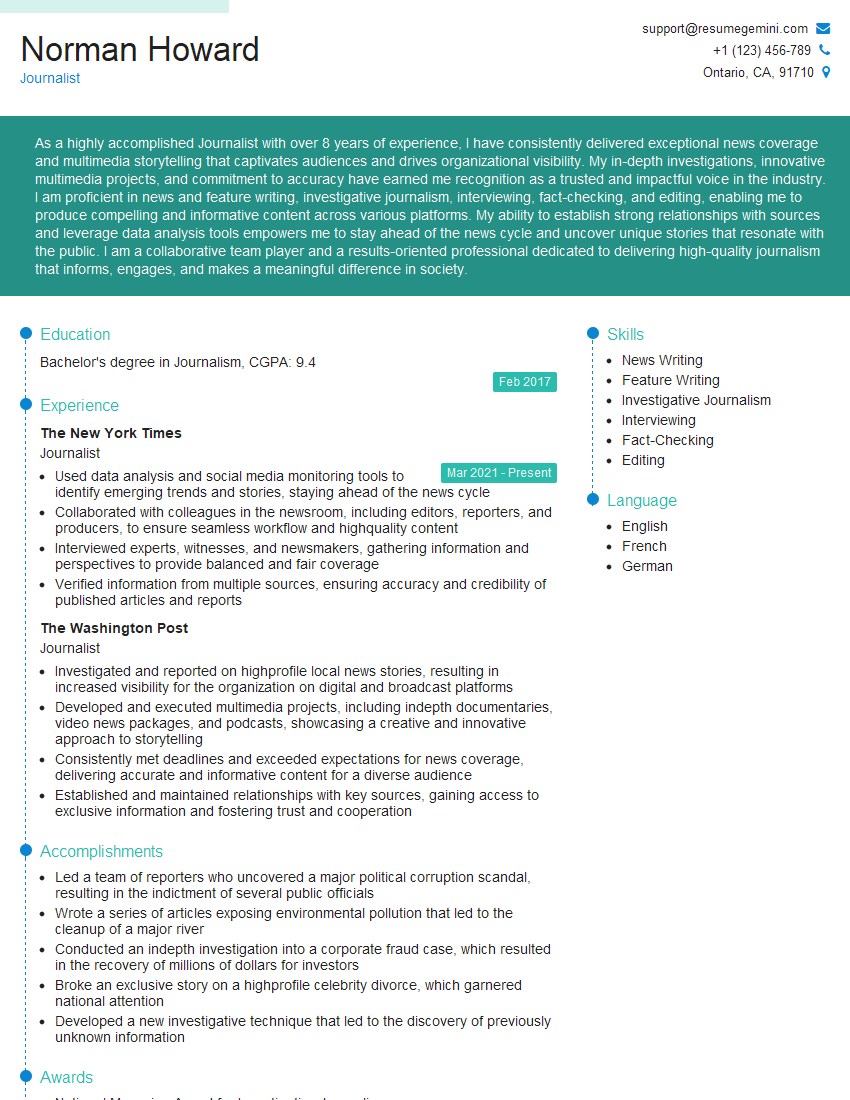
Journalist Resume Sample
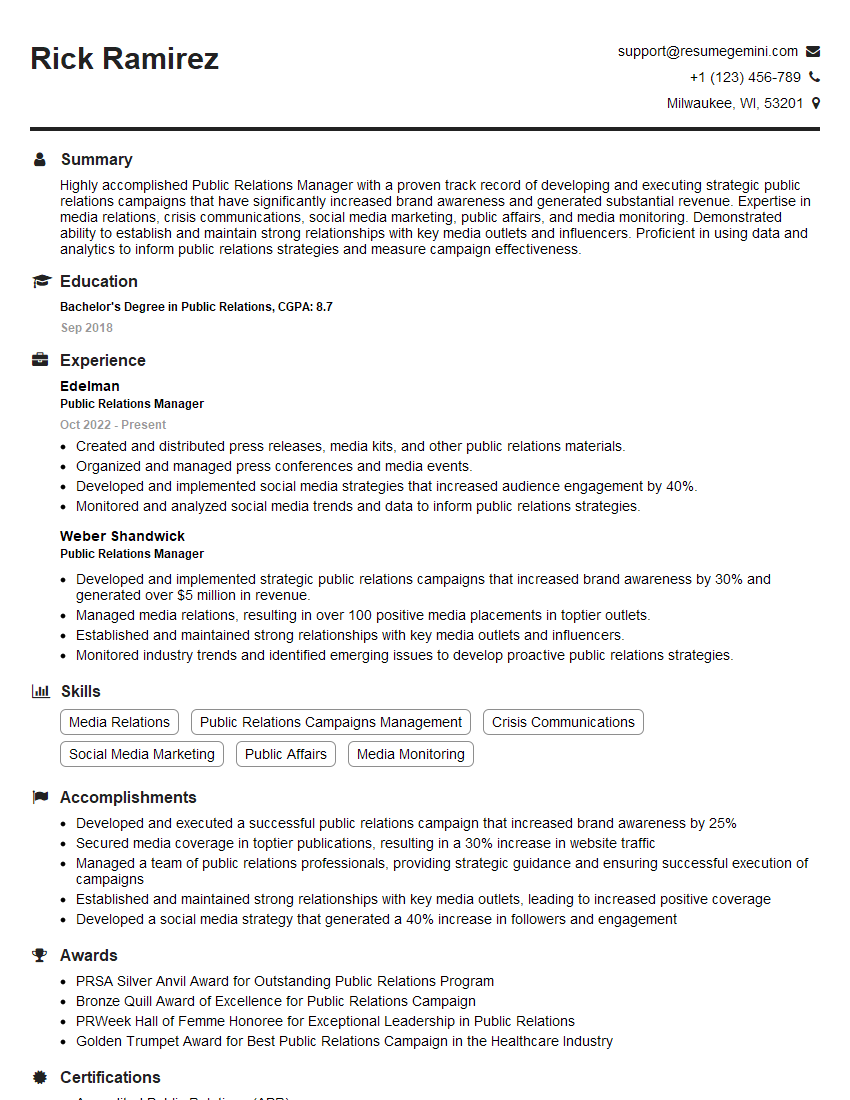
Public Relations Manager Resume Sample

Technical Writer Resume Sample
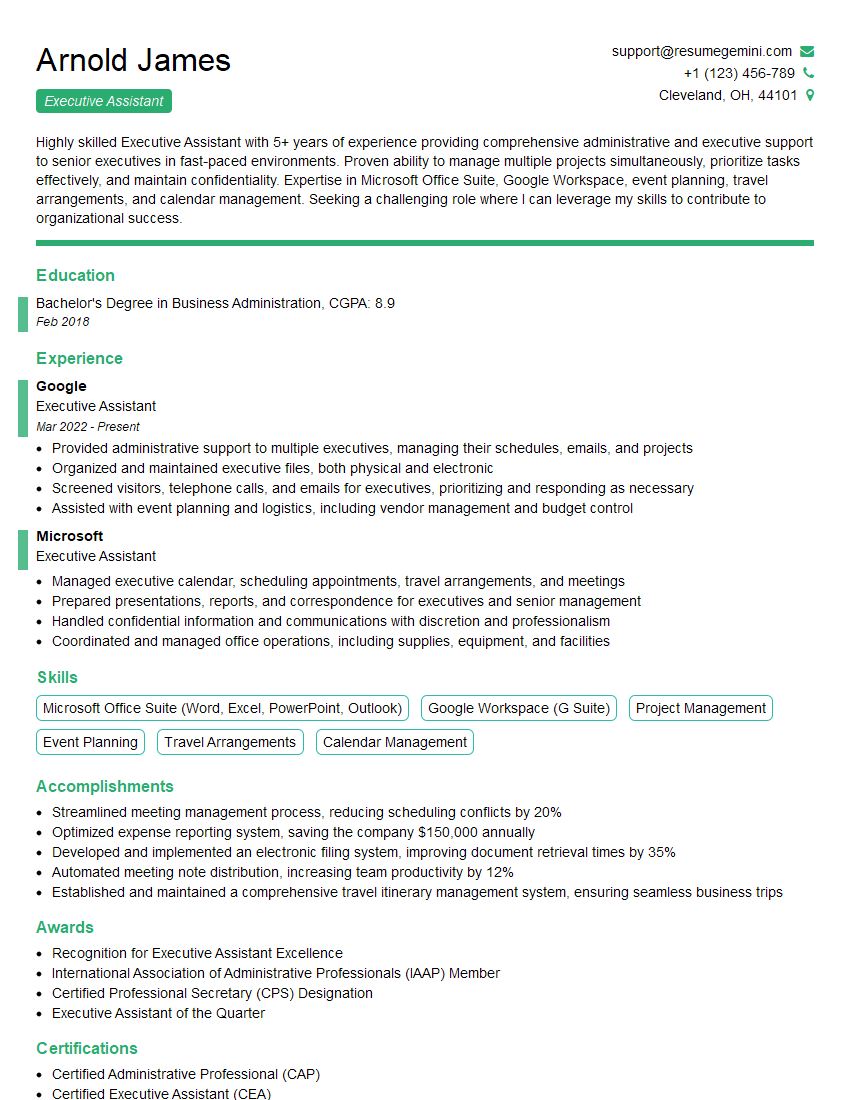
Executive Assistant Resume Sample
- Program Manager
- Supervisor
- Office Manager
- Operations Manager
- Account Manager
- Marketing Manager
- Sales Manager
- Business Development Manager
- Product Manager
- Communications Manager
- Customer Service Manager
- Human Resources Manager
- Training Manager
- Project Manager
- Coordinator
- Community Manager
- Event Planner
- Editor
- Journalist
- Public Relations Manager
- Technical Writer
- Executive Assistant
Explore more articles
Users Rating of Our Blogs
Share Your Experience
We value your feedback! Please rate our content and share your thoughts (optional).
What Readers Say About Our Blog
Very informative content, great job.
good