Feeling uncertain about what to expect in your upcoming interview? We’ve got you covered! This blog highlights the most important Effective Communication and Engagement interview questions and provides actionable advice to help you stand out as the ideal candidate. Let’s pave the way for your success.
Questions Asked in Effective Communication and Engagement Interview
Q 1. Describe your approach to communicating complex information to diverse audiences.
Communicating complex information effectively to diverse audiences requires a multi-faceted approach. It’s not just about *what* you say, but *how* you say it and to whom. My strategy centers around understanding the audience’s prior knowledge, their preferred communication styles, and tailoring the message accordingly. I begin by simplifying complex concepts into smaller, more digestible chunks using clear, concise language. Visual aids like charts, graphs, and diagrams are invaluable in conveying information quickly and efficiently. For example, when explaining a complex financial model to a non-finance team, I’d avoid jargon and focus on using analogies and visual representations to illustrate key concepts. I might compare the model to a simple machine, explaining each part’s function and how they interact. Further, I incorporate opportunities for questions and feedback throughout the communication process, ensuring everyone understands and feels heard.
Beyond visuals, I adapt my communication style to different learning preferences. Some people are visual learners, some auditory, and some kinesthetic. Catering to these diverse needs ensures maximum engagement and understanding. I might use storytelling to engage auditory learners, provide hands-on activities for kinesthetic learners, and create visually appealing presentations for visual learners. Finally, I always consider the communication channel – a presentation for a large group differs significantly from a one-on-one meeting or an email.
Q 2. How do you tailor your communication style to different individuals or groups?
Tailoring communication style is crucial for effective engagement. I assess the audience’s background, experience, and communication preferences before crafting my message. For example, when communicating with senior management, I focus on the high-level strategic implications and use concise, data-driven language. With junior team members, I adopt a more collaborative and supportive approach, focusing on clear explanations and opportunities for questions and discussion. I also adapt my tone and language to match the context. A formal presentation demands a professional and respectful tone, while a brainstorming session encourages a more informal and creative atmosphere.
Understanding individual communication styles – whether someone is direct or indirect, detail-oriented or big-picture focused – is critical. I actively listen to understand their communication patterns and adapt my style accordingly. For instance, if I’m speaking to someone who is detail-oriented, I provide comprehensive information and carefully explain all the nuances. If I’m speaking to someone who prefers a high-level overview, I focus on the key takeaways and avoid overwhelming them with unnecessary details. This personalized approach builds trust and rapport, leading to more effective communication.
Q 3. Explain a time you had to overcome a communication barrier. What strategies did you use?
In a previous project, we were collaborating with a global team, and significant communication barriers arose due to language differences and time zone discrepancies. The initial project updates were unclear and resulted in misunderstandings and delays. To overcome this, I implemented several strategies. First, I facilitated a meeting where we established clear communication protocols, including specifying communication channels (e.g., project management software), preferred communication times, and language preferences. We opted for using a shared project management platform for transparent document sharing and progress tracking. Secondly, we invested in professional translation services for critical documents to minimize ambiguity. Thirdly, we held regular virtual meetings with clearly defined agendas to ensure everyone was on the same page and could address questions in real-time. These strategies significantly improved communication clarity, leading to enhanced collaboration and the successful completion of the project on time and within budget.
Q 4. How do you measure the effectiveness of your communication strategies?
Measuring communication effectiveness involves a multi-pronged approach that goes beyond simply assessing whether the message was received. I use a combination of quantitative and qualitative methods. Quantitative measures include tracking key metrics such as audience engagement (e.g., meeting attendance, website traffic, email open rates), feedback surveys (using Likert scales or open-ended questions), and the achievement of communication objectives (e.g., increased sales, improved employee satisfaction). Qualitative data comes from focus groups, one-on-one interviews, and informal feedback, helping assess the clarity, impact, and overall effectiveness of the communication. For example, if I’m delivering a training session, I’d measure effectiveness through post-training quizzes, observing participant engagement during the session, and collecting feedback through a short survey. By combining these quantitative and qualitative measures, I get a comprehensive understanding of the communication’s success and areas for improvement.
Q 5. Describe your experience with conflict resolution using communication skills.
Effective communication is essential for conflict resolution. I approach conflicts by actively listening to all parties involved, seeking to understand their perspectives without judgment. I encourage open dialogue, using neutral language and focusing on the issues rather than personalities. I aim to identify the root cause of the conflict, which may involve asking clarifying questions and seeking further information. Once the core issues are understood, I work collaboratively with the involved parties to develop mutually acceptable solutions. This may involve brainstorming alternative solutions, negotiating compromises, and agreeing on a plan of action with clear responsibilities and timelines. For example, during a team disagreement on a project approach, I facilitated a meeting where each team member explained their perspectives. Through active listening and open discussion, we identified the underlying concerns about deadlines and resource allocation. This led to a revised project plan addressing these concerns, resolving the conflict and fostering a stronger team dynamic.
Q 6. How do you build and maintain positive relationships with stakeholders?
Building and maintaining positive relationships with stakeholders is built upon consistent, transparent, and proactive communication. This involves regular updates, open dialogues, and active listening. I ensure stakeholders are kept informed of project progress, challenges, and decisions that impact them. I actively seek feedback and address their concerns promptly and professionally. Transparency is key; I make sure information is readily accessible, and I am upfront about potential problems or delays. I leverage various channels for communication – emails, meetings, presentations, informal check-ins – to maintain consistent engagement. Building trust is paramount; I honor my commitments, show empathy, and demonstrate genuine respect for stakeholders’ time and perspectives. For example, I frequently send project update emails to key stakeholders, summarizing progress and highlighting potential roadblocks. I also schedule regular one-on-one meetings to discuss individual concerns and build rapport.
Q 7. How do you handle constructive criticism regarding your communication style?
Constructive criticism is invaluable for professional growth. I welcome feedback as an opportunity to improve my communication skills and effectiveness. When receiving criticism, I listen attentively without interrupting, seeking to fully understand the feedback provider’s perspective. I ask clarifying questions to ensure I understand the specific points raised. I avoid becoming defensive and instead focus on learning from the feedback. I analyze the criticism to identify areas for improvement and develop a plan for addressing those areas. For example, if feedback indicated my presentations were too technical, I would adapt my style to include more visual aids, simpler language, and more opportunities for audience interaction. I might also seek further training or mentorship to enhance my presentation skills. Finally, I thank the person for their feedback, acknowledging its value in helping me improve my communication effectiveness.
Q 8. How do you proactively identify and address potential communication breakdowns?
Proactive identification of communication breakdowns involves anticipating potential obstacles before they disrupt the flow of information. This is achieved through a combination of understanding the audience, the message’s complexity, and the chosen communication channel. I employ a process that involves:
- Audience Analysis: Before any communication, I carefully consider the audience’s background, knowledge level, and potential biases. For example, a technical presentation to engineers requires a different approach than a general overview for a board of directors.
- Message Clarity Check: I assess the clarity and conciseness of my message, using techniques like the ‘inverted pyramid’ style of writing (most important information first) to ensure key points are easily grasped. I also get feedback from colleagues or conduct pilot tests to validate understanding.
- Channel Selection: The communication channel significantly influences effectiveness. Email might be suitable for formal updates, while a quick chat is better for urgent matters. Choosing the wrong channel is a common cause of breakdown. I always select the most appropriate and efficient option.
- Feedback Mechanisms: I build in mechanisms for immediate feedback throughout the communication process. This could be through polls during a presentation, Q&A sessions, or even simply pausing for questions during a conversation.
Addressing these potential issues proactively prevents misunderstandings, ensures clarity, and fosters a more productive communication flow.
Q 9. What methods do you use to ensure clear and concise communication?
Clear and concise communication is paramount. My methods focus on simplifying complex information without sacrificing accuracy. I use these strategies:
- Structuring Information: I organize information logically, using headings, bullet points, and numbered lists to improve readability and scannability. Think of it like building a house—a solid foundation (introduction), clear walls (main points), and a strong roof (conclusion) make it easy to understand.
- Plain Language: I avoid jargon and technical terms whenever possible, replacing them with simpler alternatives or providing definitions if necessary. My goal is to make the message accessible to everyone, regardless of their background.
- Visual Aids: I leverage visual aids such as charts, graphs, and infographics to enhance comprehension. A picture is often worth a thousand words.
- Storytelling: I use storytelling techniques to make information more engaging and memorable. People connect with narratives more easily than abstract concepts.
- Proofreading and Editing: I always carefully review my communication for errors in grammar, spelling, and punctuation. A polished message reflects professionalism and attention to detail.
By combining these techniques, I strive for communication that is both easily understood and impactful.
Q 10. Describe a time you had to persuade someone to adopt a different viewpoint.
In a previous role, I needed to persuade a team resistant to adopting a new project management software. They were comfortable with their existing, less efficient system and voiced concerns about the learning curve. My approach involved:
- Active Listening: I first listened to their concerns and acknowledged their apprehension. This showed respect for their perspective.
- Empathy and Understanding: I empathized with their feelings about change and addressed their concerns directly, highlighting how the new software could ultimately save them time and effort, thus alleviating their workload.
- Demonstrations and Training: I organized hands-on training sessions and demonstrations, allowing them to experience the software’s benefits firsthand. This practical approach was far more effective than theoretical explanations.
- Highlighting Benefits: I focused on the positive impacts of the new system—improved collaboration, reduced errors, enhanced reporting—rather than dwelling on the challenges of transitioning.
- Gradual Implementation: We implemented the software gradually, starting with a pilot group, before expanding its use across the entire team. This made the transition less disruptive.
Through patience, empathy, and a clear demonstration of the software’s advantages, I successfully persuaded the team to adopt the new system, resulting in a significant boost in efficiency and productivity.
Q 11. How do you effectively engage a large audience?
Engaging a large audience requires a multi-faceted approach combining strong presentation skills with interactive elements. I employ these strategies:
- Compelling Narrative: I structure my presentation around a compelling story or narrative, keeping the audience engaged and invested in the topic.
- Visual Appeal: I use visually engaging slides with high-quality images, minimal text, and clear messaging. Overly cluttered slides can quickly lose an audience’s attention.
- Interactive Elements: I incorporate interactive elements such as polls, Q&A sessions, and quizzes to keep the audience actively participating. This prevents passive listening and fosters a sense of involvement.
- Varied Delivery: I vary my delivery style to maintain audience interest. This might involve incorporating anecdotes, humor, or changing the pace and tone of my presentation.
- Technology Integration: I leverage technology such as live streaming, online polls, and social media engagement to reach a wider audience and increase participation. For instance, using a live Q&A tool allows for immediate feedback and responses.
The key is to create a dynamic and engaging experience that connects with the audience on both an intellectual and emotional level.
Q 12. How do you use active listening techniques to improve communication?
Active listening involves fully concentrating on the speaker, understanding their message, responding thoughtfully, and remembering what was said. It’s more than just hearing; it’s about truly understanding. I use these techniques:
- Nonverbal Cues: I maintain eye contact, nod to show understanding, and use open body language to convey attentiveness.
- Paraphrasing and Summarizing: I periodically paraphrase or summarize what the speaker has said to ensure I’ve understood correctly and to show them I’m paying attention. For example, I might say, ‘So, if I understand correctly, you’re saying…’
- Asking Clarifying Questions: I ask clarifying questions to ensure I fully grasp the speaker’s message and address any ambiguities. This demonstrates genuine interest and ensures no misunderstandings.
- Minimal Interruptions: I avoid interrupting the speaker unless it’s to clarify something crucial. Let the speaker finish their thoughts before responding.
- Empathetic Responses: I respond with empathy, acknowledging the speaker’s feelings and perspectives, even if I don’t necessarily agree with them.
By actively listening, I demonstrate respect, build stronger relationships, and ensure I accurately understand the message before responding.
Q 13. How do you provide feedback effectively and respectfully?
Providing effective and respectful feedback involves focusing on behavior and its impact, rather than personal attacks. My approach follows these steps:
- Specificity: I provide specific examples of behavior rather than making vague generalizations. Instead of saying ‘You’re not a good team player,’ I’d say ‘During the last project meeting, you interrupted your colleagues multiple times, which prevented others from fully contributing their ideas.’
- Balance: I balance positive feedback with constructive criticism. Highlighting strengths before addressing areas for improvement makes the feedback more receptive.
- Focus on Behavior and Impact: I focus on the observable behavior and its impact, not on the person’s character or intentions. The goal is to improve performance, not to inflict personal judgment.
- Actionable Suggestions: I offer actionable suggestions for improvement. Feedback should not just point out problems; it should offer solutions.
- Private Setting: I deliver feedback in a private and respectful setting to avoid embarrassing the recipient.
- Active Listening to Response: I actively listen to the recipient’s response and address any questions or concerns they may have.
By following these guidelines, I aim to provide feedback that is both helpful and motivating, fostering growth and improvement.
Q 14. How do you incorporate technology to enhance communication and engagement?
Technology plays a crucial role in enhancing communication and engagement. I utilize various tools and platforms depending on the context and goals:
- Project Management Software (e.g., Asana, Trello): For team collaboration, these tools facilitate seamless information sharing, task assignments, and progress tracking, improving transparency and accountability.
- Communication Platforms (e.g., Slack, Microsoft Teams): These platforms enable real-time communication, quick question-and-answer sessions, and file sharing, making collaboration more efficient and immediate.
- Video Conferencing (e.g., Zoom, Google Meet): Video conferencing allows for face-to-face communication even when geographically dispersed, improving connection and engagement.
- Learning Management Systems (LMS): LMS platforms can deliver training materials, host online courses, and facilitate knowledge sharing, improving employee development and engagement.
- Social Media (depending on context): Social media can be a valuable tool for reaching a wide audience and promoting engagement. However, the choice should be strategic and align with the goals and context.
The key is to choose the right technology for the right purpose, ensuring that it enhances—rather than hinders—effective communication and engagement.
Q 15. How do you measure audience engagement?
Measuring audience engagement isn’t about a single metric, but rather a holistic understanding of how your message is resonating. It requires a multi-faceted approach combining quantitative and qualitative data.
- Quantitative Measures: These offer numerical insights. Examples include website analytics (page views, time on site, bounce rate), social media metrics (likes, shares, comments, retweets), email open and click-through rates, event attendance, and survey response rates. A high bounce rate, for instance, might suggest your content isn’t meeting audience expectations.
- Qualitative Measures: These provide deeper context. This involves analyzing audience feedback through surveys, focus groups, social media comments, and customer reviews. Positive sentiment analysis on social media, for instance, can highlight successful engagement strategies.
- Engagement Scoring Systems: Sophisticated systems combine quantitative and qualitative data to produce a composite engagement score. This score allows for ongoing monitoring and adjustment of communication strategies. For example, a score might incorporate website traffic, social media interactions, and customer satisfaction survey results.
By tracking these metrics over time, you can identify trends, measure the effectiveness of your communication efforts, and make data-driven improvements.
Career Expert Tips:
- Ace those interviews! Prepare effectively by reviewing the Top 50 Most Common Interview Questions on ResumeGemini.
- Navigate your job search with confidence! Explore a wide range of Career Tips on ResumeGemini. Learn about common challenges and recommendations to overcome them.
- Craft the perfect resume! Master the Art of Resume Writing with ResumeGemini’s guide. Showcase your unique qualifications and achievements effectively.
- Don’t miss out on holiday savings! Build your dream resume with ResumeGemini’s ATS optimized templates.
Q 16. Describe a situation where you had to adapt your communication style to a difficult situation.
During a project launch, we encountered significant resistance from a key stakeholder who felt their input wasn’t valued. They were highly technical, and my initial communication, which focused on high-level business goals, was ineffective. I realized I needed to adapt.
My initial approach relied on concise summaries and strategic overviews. However, to overcome this, I shifted my style. I scheduled a one-on-one meeting, actively listened to their concerns, and asked clarifying questions, demonstrating empathy and respect. I then tailored my communication to a more technical level, incorporating detailed specifications and addressing their specific anxieties. This involved presenting the technical implications alongside the strategic vision, establishing common ground, and demonstrating I understood their concerns.
By adapting my communication to their preferred style and addressing their concerns directly, I was able to gain their support and ensure a successful project launch. This highlighted the importance of flexibility and personalized communication in overcoming challenges.
Q 17. How do you handle communication challenges in remote or virtual teams?
Effective communication in remote or virtual teams requires proactive strategies to overcome the limitations of physical distance.
- Establish Clear Communication Channels: Designate specific platforms for different communication types (e.g., project management software for tasks, instant messaging for quick questions, video conferencing for meetings).
- Over-Communicate: Regular updates, even on small matters, prevent misunderstandings and maintain transparency. Frequent check-ins and virtual coffee breaks can foster a sense of connection.
- Utilize Visual Aids: Charts, diagrams, and screen sharing can clarify complex information and make virtual meetings more engaging.
- Encourage Asynchronous Communication: Recognize that not everyone is available at the same time. Utilize tools like email and project management systems that allow for flexible communication.
- Develop Strong Online Etiquette: Set clear guidelines for responsiveness, meeting conduct, and online communication, promoting respectful and productive interactions.
Regular team-building activities, even virtual ones, can also bolster camaraderie and improve communication within remote teams.
Q 18. How do you ensure consistent messaging across different channels?
Maintaining consistent messaging across different channels requires a strategic and centralized approach.
- Centralized Messaging Hub: Create a single source of truth for all marketing and communication materials. This could be a shared document, a content management system, or a dedicated team member responsible for reviewing all materials before release.
- Brand Style Guide: Develop a comprehensive style guide outlining tone, voice, terminology, and visual identity for all channels. This ensures consistency in messaging and presentation across the board.
- Template Development: Using pre-designed templates for emails, social media posts, and website content helps maintain visual consistency and ensures key messages are consistently delivered.
- Regular Audits: Conduct periodic checks across all channels to identify any inconsistencies and ensure adherence to brand guidelines. This involves reviewing materials for accuracy, consistency, and alignment with the overall communication strategy.
- Feedback Loops: Create systems to gather feedback from various teams and stakeholders to identify potential inconsistencies early in the process.
By consistently reviewing and updating these systems, you ensure your message remains unified and impactful across diverse channels.
Q 19. How do you foster open and honest communication within a team?
Fostering open and honest communication involves creating a safe and supportive environment where team members feel comfortable sharing their ideas, concerns, and feedback without fear of judgment or reprisal.
- Lead by Example: Be transparent and vulnerable in your own communication. Share your own experiences and challenges to demonstrate that it’s okay to be open.
- Active Listening: Pay attention, ask clarifying questions, and demonstrate empathy when team members share their perspectives.
- Regular Feedback Sessions: Implement a system for regular feedback, both formal and informal. Encourage both positive and constructive criticism.
- Psychological Safety: Create an environment where team members feel safe to take risks, express dissenting opinions, and admit mistakes without fear of negative consequences.
- Open-Door Policy: Encourage open dialogue and make yourself readily available for questions and concerns. This signals that you value their input and are approachable.
By cultivating trust and respect, you create a space where honest and open communication can thrive, leading to greater collaboration and problem-solving.
Q 20. Explain your understanding of nonverbal communication and its impact.
Nonverbal communication encompasses all the ways we communicate without using words – body language, tone of voice, facial expressions, eye contact, posture, and even personal space. It significantly impacts how our message is received, often more powerfully than our spoken words.
For example, crossed arms might convey defensiveness, while a firm handshake can signal confidence. A monotone voice might make a message seem boring, even if the content is interesting. Similarly, avoiding eye contact can create a sense of distrust. Conversely, positive body language – like nodding, smiling, and maintaining appropriate eye contact – can build rapport and trust.
Understanding nonverbal cues is crucial for effective communication. Incongruence between verbal and nonverbal messages – such as saying ‘I’m fine’ while visibly upset – can lead to confusion and mistrust. By paying close attention to both our own and others’ nonverbal cues, we can improve our communication effectiveness and build stronger relationships.
Q 21. How do you manage expectations effectively through communication?
Managing expectations effectively through communication involves clearly outlining what is achievable, setting realistic timelines, and maintaining transparent communication throughout the process. This reduces misunderstandings and disappointments.
- Clearly Define Expectations: Use specific, measurable, achievable, relevant, and time-bound (SMART) goals. Avoid ambiguity or vagueness.
- Communicate Regularly: Provide consistent updates on progress, challenges, and potential roadblocks. This prevents assumptions and keeps everyone informed.
- Establish Feedback Mechanisms: Create opportunities for open dialogue and feedback to address any emerging concerns or changes in expectations.
- Acknowledge Limitations: Be upfront about potential constraints or challenges that may affect timelines or outcomes. Transparency builds trust and manages expectations realistically.
- Document Agreements: Summarize key agreements and expectations in writing to ensure clarity and serve as a point of reference.
By following these practices, you can effectively manage expectations, build trust, and ensure a smooth and successful process.
Q 22. How familiar are you with different communication models (e.g., transactional, Schramm)?
I’m very familiar with various communication models. Understanding these models is crucial for effective communication. The transactional model, for example, views communication as a continuous, simultaneous process where sender and receiver are constantly exchanging messages and influencing each other. Unlike the linear model, it recognizes the simultaneous roles of sender and receiver, including feedback loops. Think of a conversation – it’s not a one-way street; it’s a dynamic exchange.
Schramm’s model emphasizes the shared field of experience between communicators. Effective communication hinges on overlapping experiences and understanding; the more common ground, the clearer the message. For instance, explaining a complex technical concept to a non-technical audience requires bridging that experiential gap through clear, simple language and relevant examples. Finally, models like the Shannon-Weaver model highlight the importance of the communication channel and the potential for noise (interference) in the transmission of information.
My understanding of these models allows me to adapt my communication style to different contexts and audiences, ensuring clear and effective message delivery.
Q 23. Describe your experience using various communication mediums (email, presentations, etc.)
I have extensive experience using various communication mediums. Email is a cornerstone of my communication, used for concise updates, detailed reports, and formal correspondence. I prioritize clarity and conciseness in emails, using subject lines that accurately reflect the content and structuring information logically. For instance, when sending a project update, I use bullet points to highlight key milestones and achievements.
Presentations are another key medium. I tailor presentations to the audience and the context. I use visual aids strategically to support my message, ensuring that the slides are not overwhelming but rather complement my spoken word. I often practice my presentations beforehand to ensure a confident and engaging delivery.
Other mediums I regularly utilize include in-person meetings (where I prioritize active listening and non-verbal cues), video conferencing (where I focus on clear audio and visuals), and instant messaging (for quick, informal exchanges).
Q 24. How do you prioritize different communication tasks?
Prioritizing communication tasks involves a structured approach. I utilize a combination of methods including urgency and importance matrix (Eisenhower Matrix). This helps me categorize tasks as urgent/important, important/not urgent, urgent/not important, and neither. This allows me to focus on the high-impact tasks first. I also use project management tools like Trello or Asana to visually organize tasks and deadlines, ensuring nothing slips through the cracks. Finally, I regularly review my task list to adapt to changing priorities, ensuring agility and responsiveness. For example, a client’s urgent request might override a less time-sensitive internal report.
Q 25. How do you identify and address communication biases?
Identifying and addressing communication biases is a crucial part of effective communication. I start by understanding my own potential biases – perhaps a tendency to interrupt, or an assumption based on someone’s background. Self-awareness is the first step. Then, I actively listen to understand the other person’s perspective, seeking to uncover any underlying assumptions or biases they might have. For instance, if someone expresses a viewpoint that seems prejudiced, I’ll try to understand the root of that viewpoint through open-ended questions rather than immediately challenging it. This approach fosters a more constructive dialogue. It’s also important to be aware of confirmation bias (seeking out information that confirms existing beliefs) and work against it by actively seeking out diverse perspectives.
Q 26. How do you use storytelling to enhance engagement?
Storytelling is a powerful engagement tool. People connect with narratives on an emotional level. I use storytelling to make information relatable, memorable, and persuasive. For example, instead of simply stating statistics about project success, I might share an anecdote about a specific challenge overcome, illustrating the teamwork and problem-solving involved. The narrative adds context and emotional depth. When choosing stories, I consider the audience – what will resonate with them? The key is to be authentic and genuine in the storytelling, creating a connection with listeners.
Q 27. What are your strategies for maintaining effective communication in high-pressure situations?
Maintaining effective communication under pressure requires a proactive and structured approach. I prioritize clear and concise messaging, avoiding ambiguity or jargon. I use active listening to ensure I’m fully understanding the situation and others’ concerns. Furthermore, in stressful scenarios, it’s crucial to remain calm and composed, modeling that behavior for others. In the midst of a crisis, I’ll often use a structured communication plan to keep everyone informed and coordinated, for example, circulating regular updates and establishing clear lines of communication. Openly acknowledging uncertainty and challenges builds trust rather than creating an air of false certainty.
Q 28. How do you build trust and rapport through effective communication?
Building trust and rapport through effective communication is a continuous process. It begins with active listening – truly hearing and understanding the other person’s perspective. Showing empathy and validating their feelings is critical. For instance, if someone expresses frustration, acknowledging their feelings demonstrates understanding. Furthermore, transparency and honesty are essential – being upfront about challenges and limitations builds trust. Consistency in communication is also key – following through on commitments and keeping people informed strengthens relationships. Finally, showing genuine interest in others – asking questions and demonstrating genuine concern – fosters a positive working relationship.
Key Topics to Learn for Effective Communication and Engagement Interview
- Active Listening: Understanding the nuances of verbal and nonverbal cues to ensure comprehension and build rapport. Practical application: Describe a situation where active listening helped you resolve a conflict or achieve a positive outcome.
- Nonverbal Communication: Mastering body language, tone, and facial expressions to convey confidence and professionalism. Practical application: Explain how you adapt your communication style to different audiences and contexts.
- Verbal Communication: Articulating ideas clearly and concisely, both orally and in writing. Practical application: Provide an example of a time you had to explain a complex concept to someone with limited technical knowledge.
- Interpersonal Skills: Building and maintaining positive relationships with colleagues, clients, and stakeholders. Practical application: Describe your approach to teamwork and conflict resolution.
- Storytelling & Narrative: Structuring your communication to engage your audience and create a memorable impact. Practical application: Prepare a concise anecdote highlighting your communication skills in a professional setting.
- Feedback & Empathy: Providing and receiving constructive criticism effectively, demonstrating understanding and perspective-taking. Practical application: Describe a time you gave or received feedback that led to positive change.
- Cross-Cultural Communication: Adapting communication styles to navigate diverse work environments and perspectives. Practical application: Discuss your experience communicating effectively across cultural boundaries (if applicable).
Next Steps
Mastering effective communication and engagement is paramount for career advancement. It unlocks opportunities for leadership, collaboration, and influence, significantly impacting your professional success. To enhance your job prospects, crafting an ATS-friendly resume is crucial. A well-structured resume highlights your skills and experience effectively, increasing your chances of securing interviews. We recommend using ResumeGemini, a trusted resource, to build a professional and impactful resume. Examples of resumes tailored to showcasing your Effective Communication and Engagement skills are available for your review, further supporting your job search journey.
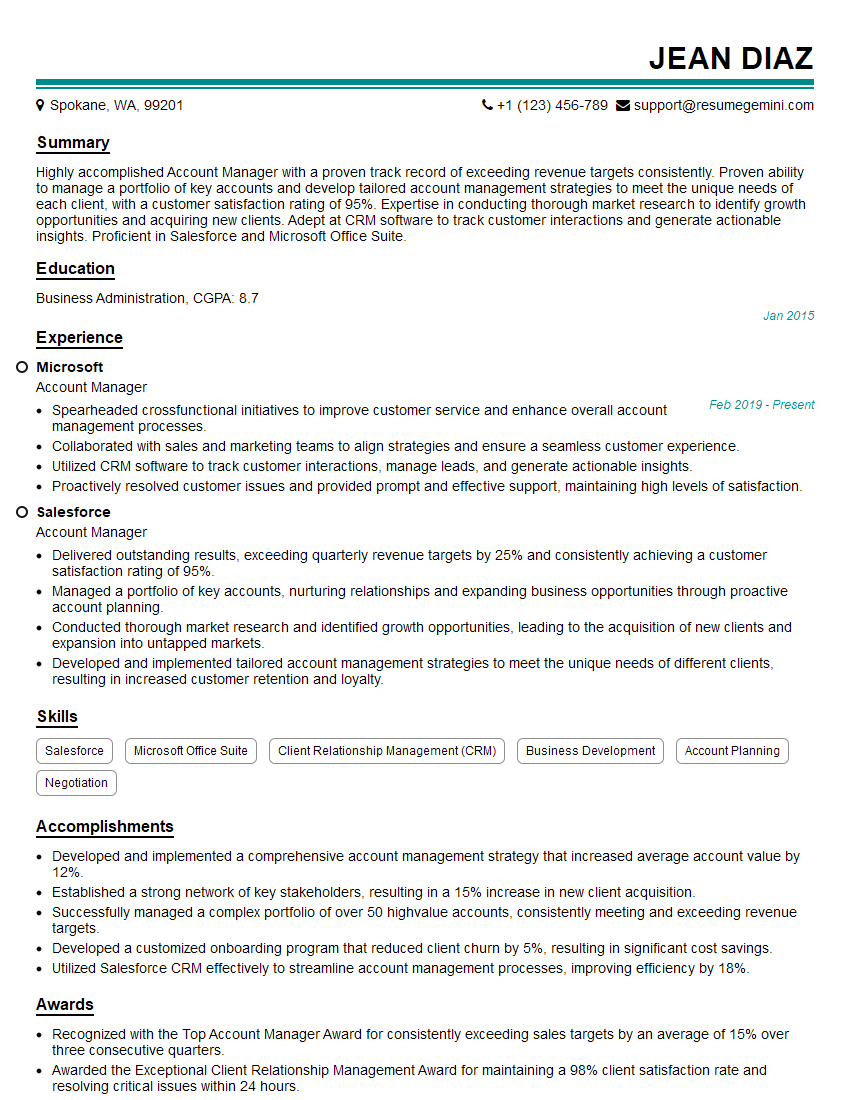
Account Manager Resume Sample
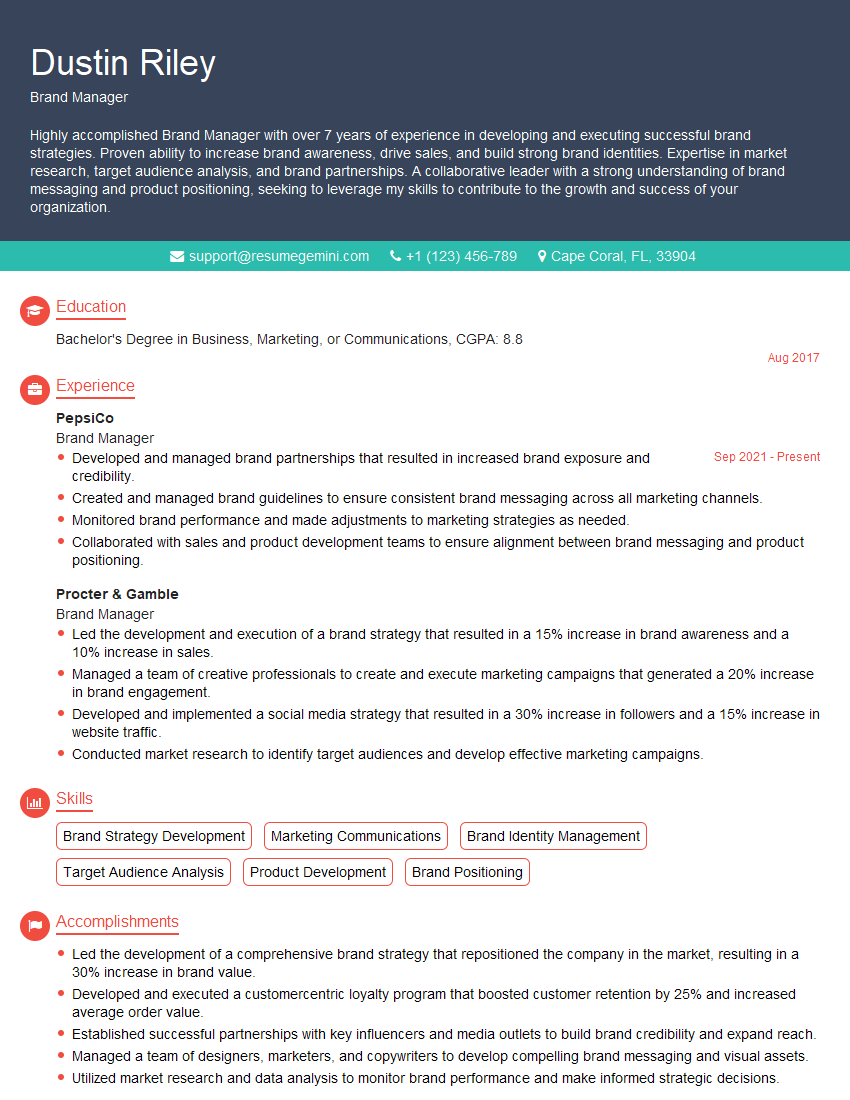
Brand Manager Resume Sample
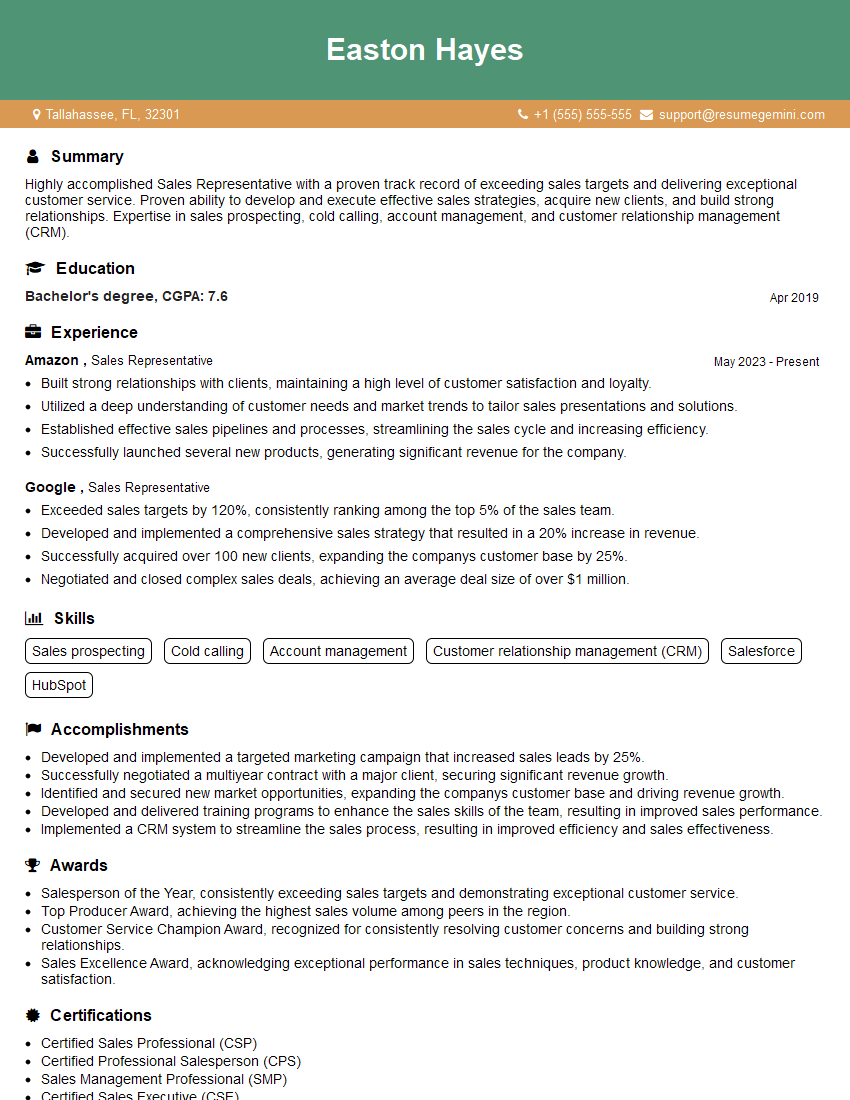
Sales Representative Resume Sample
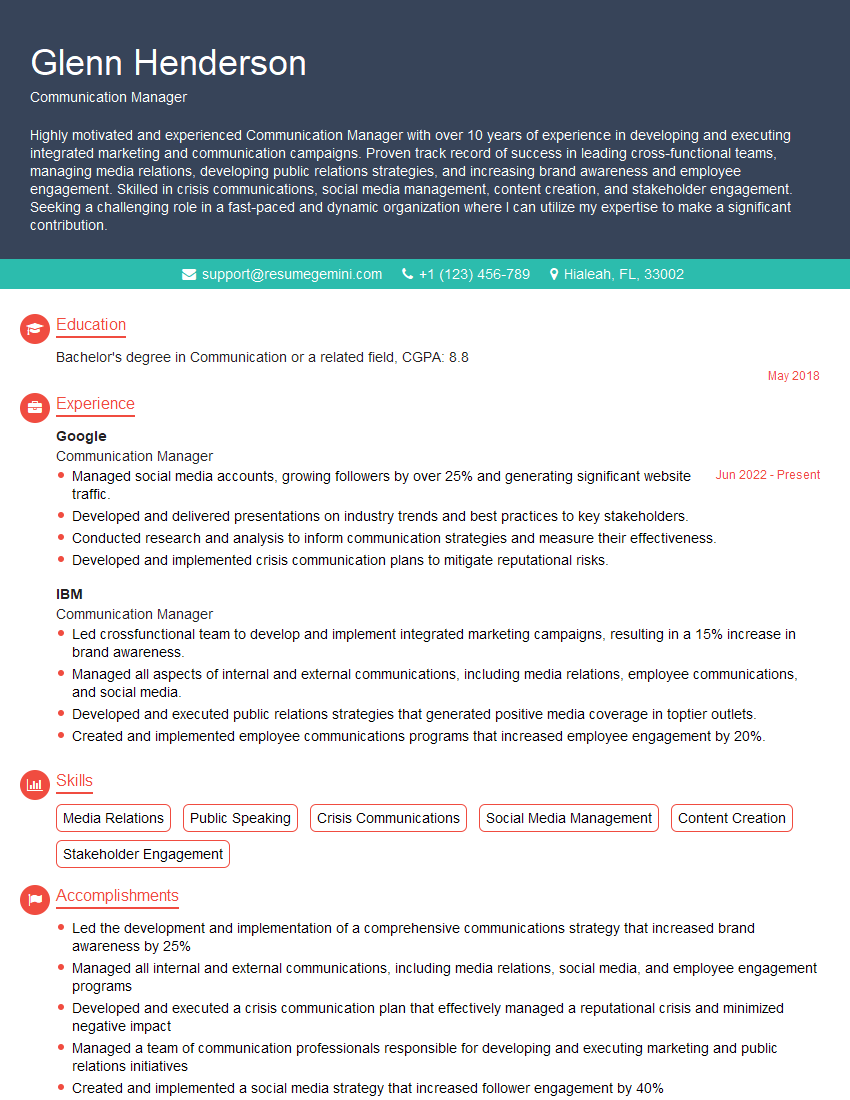
Communication Manager Resume Sample

Marketing Communications Manager Resume Sample
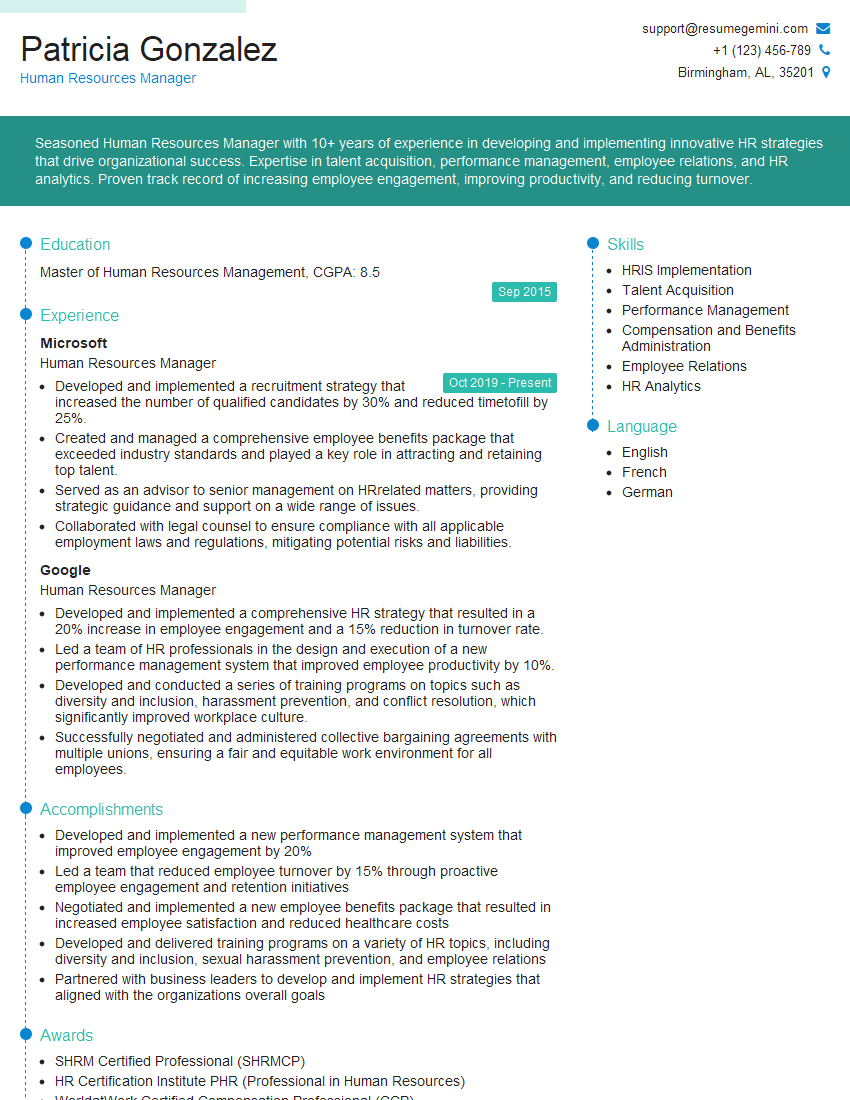
Human Resources Manager Resume Sample
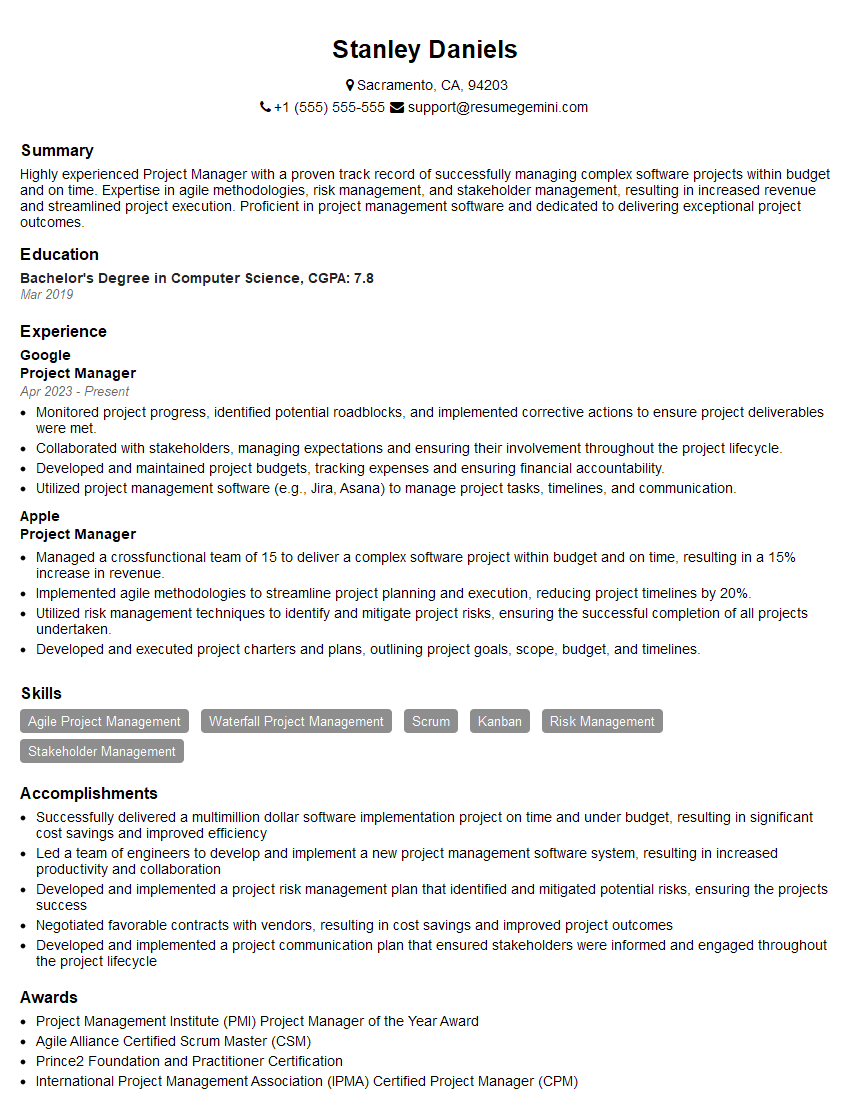
Project Manager Resume Sample
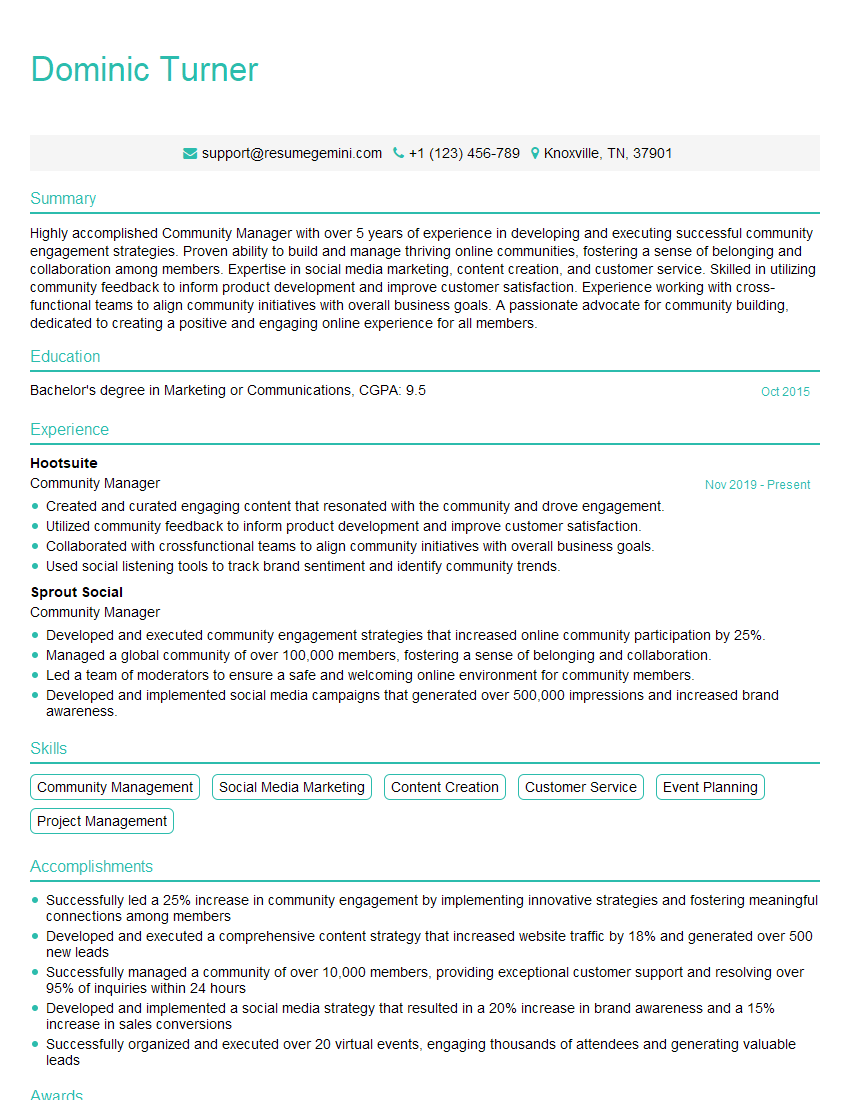
Community Manager Resume Sample
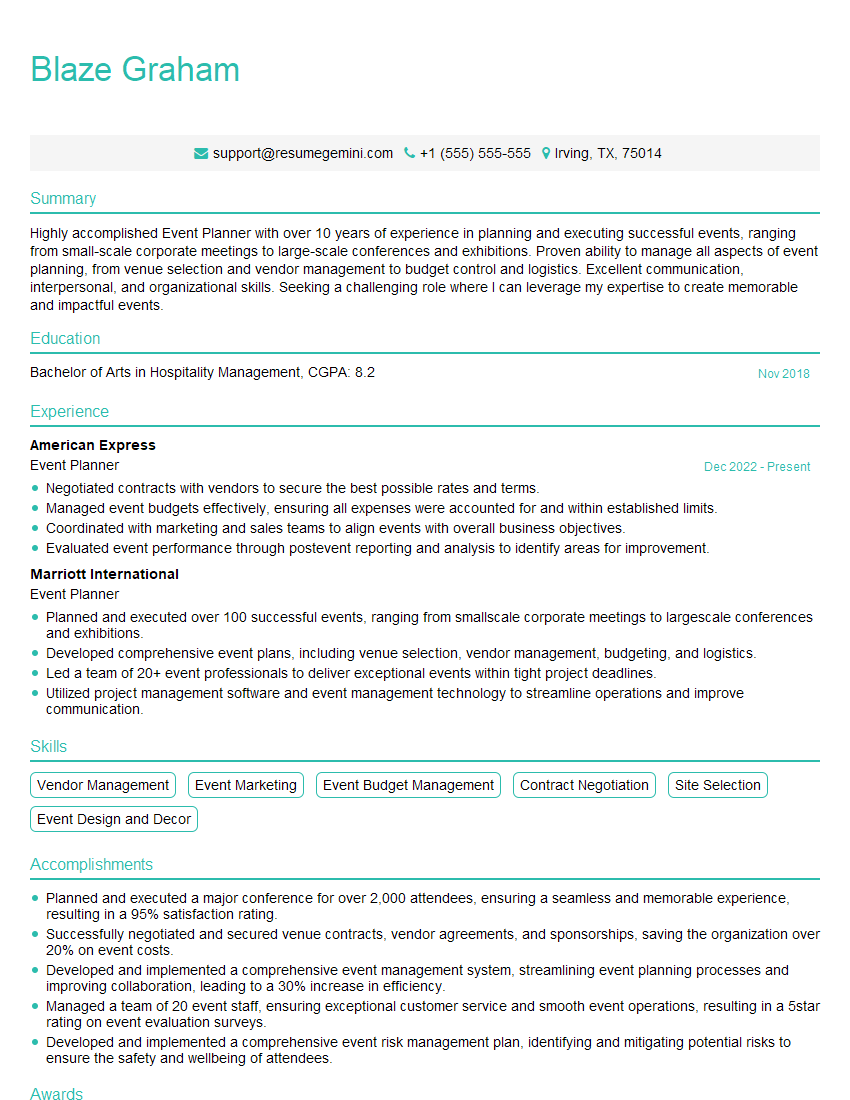
Event Planner Resume Sample
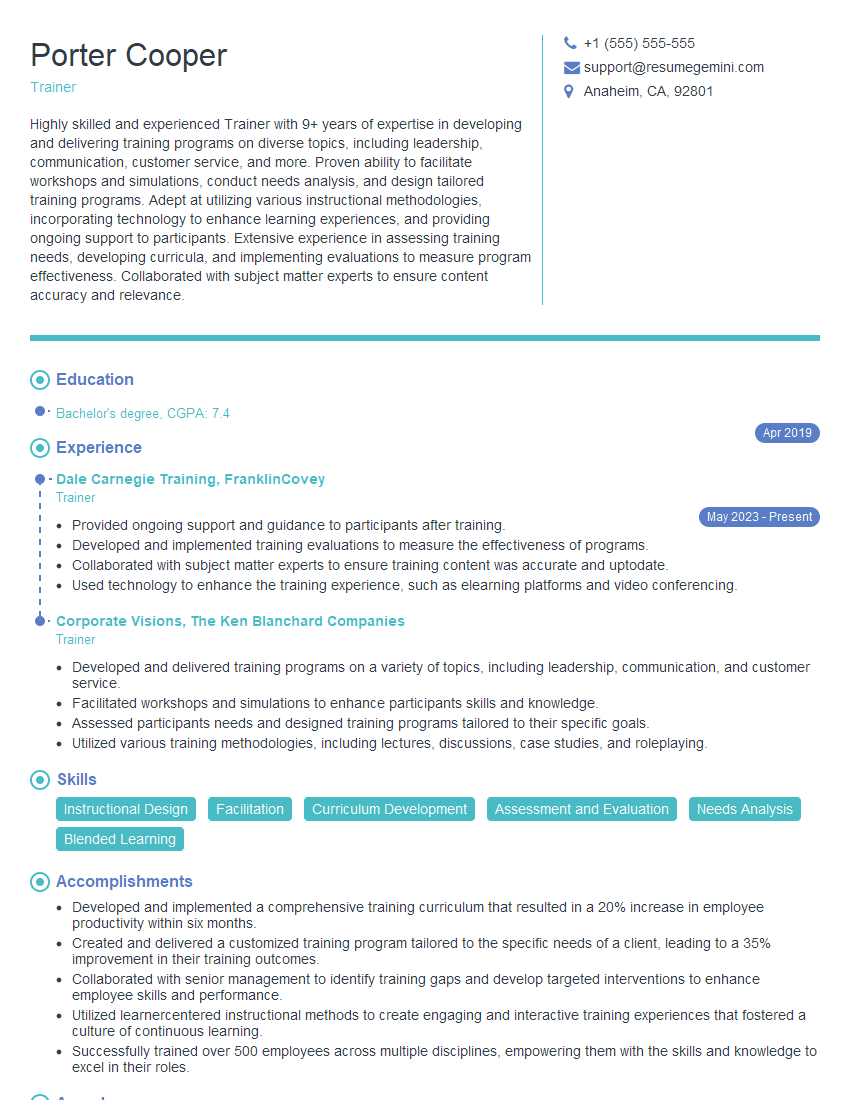
Trainer Resume Sample

Social Media Manager Resume Sample

Communications Consultant Resume Sample
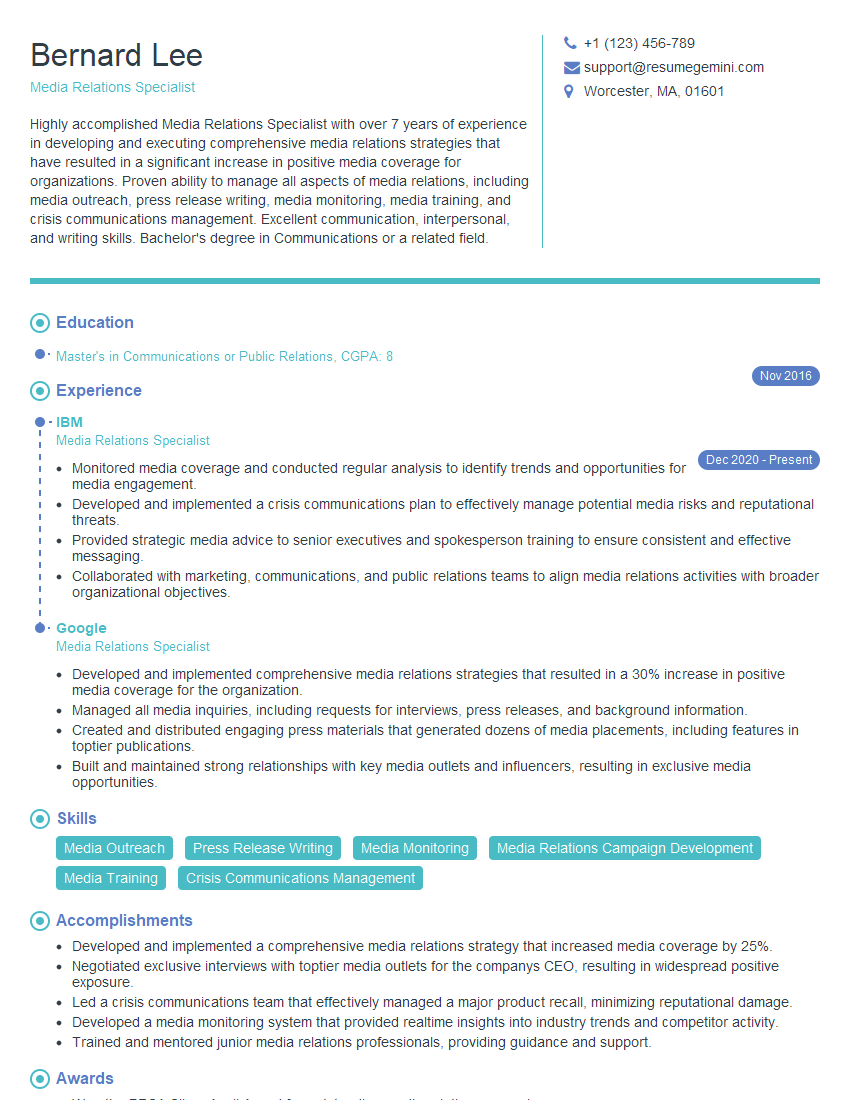
Media Relations Specialist Resume Sample
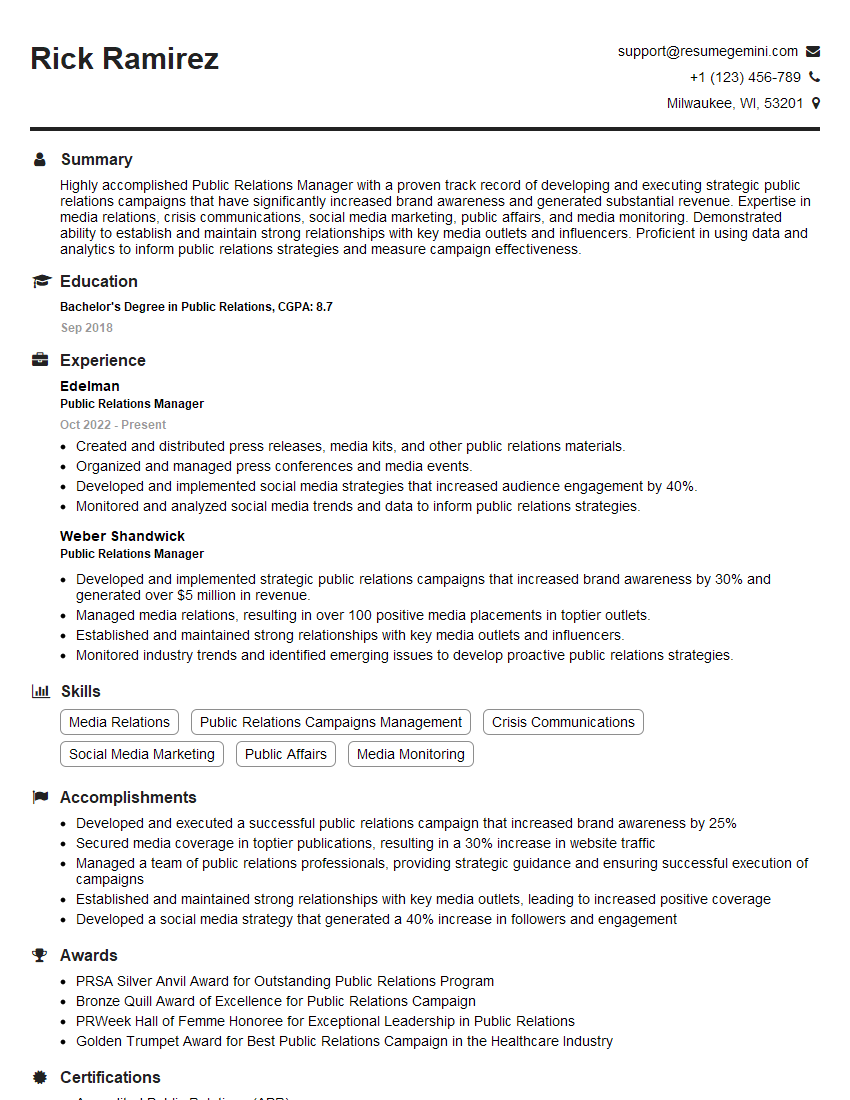
Public Relations Manager Resume Sample
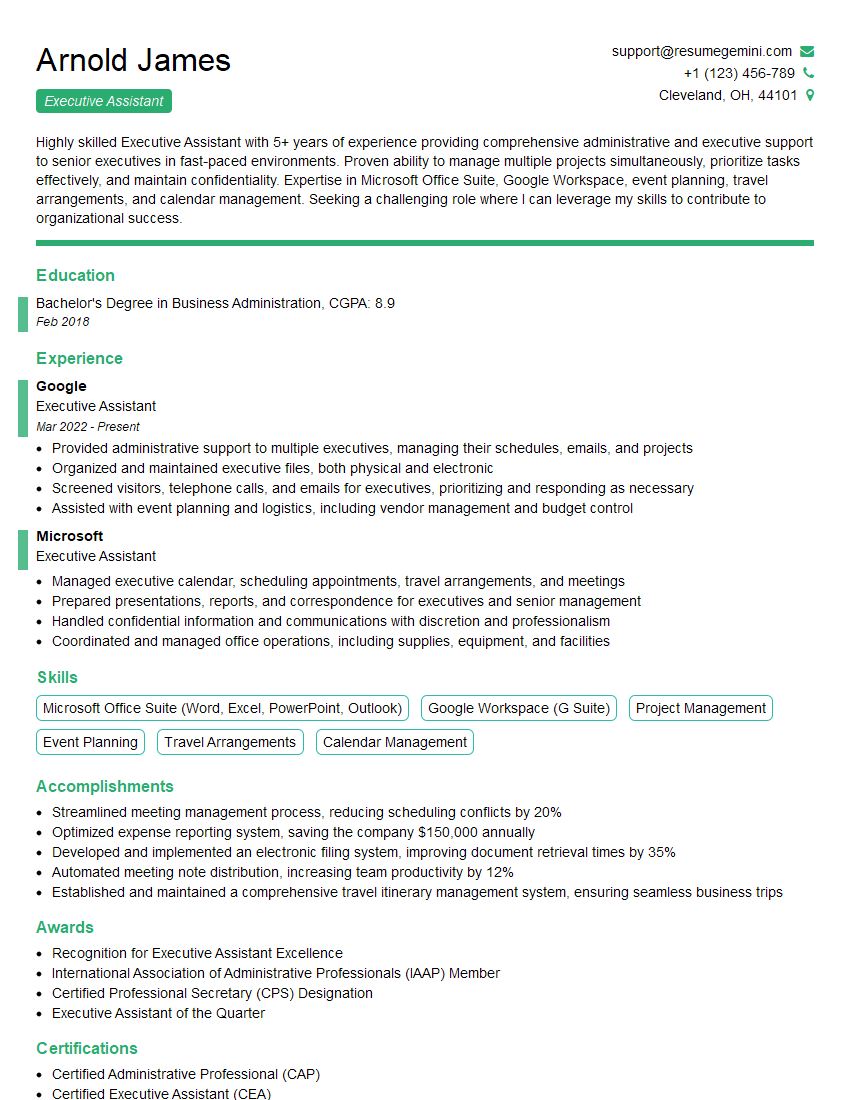
Executive Assistant Resume Sample
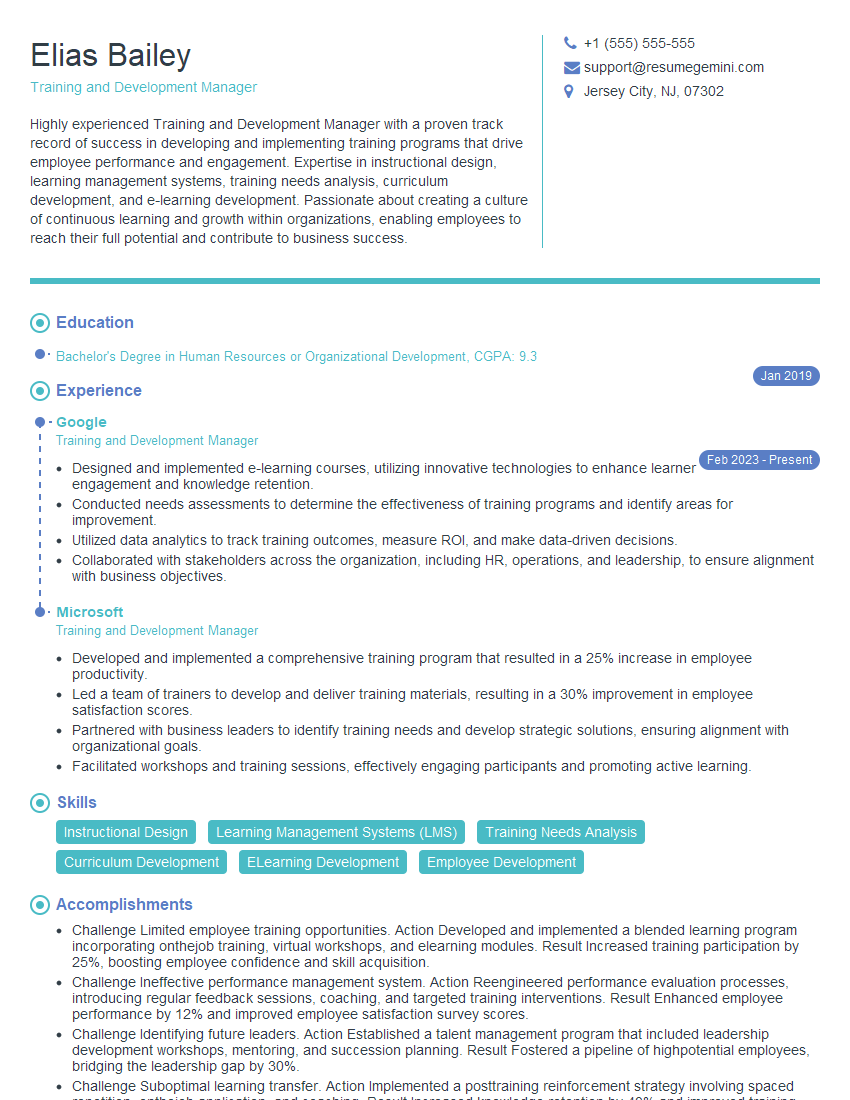
Training and Development Manager Resume Sample
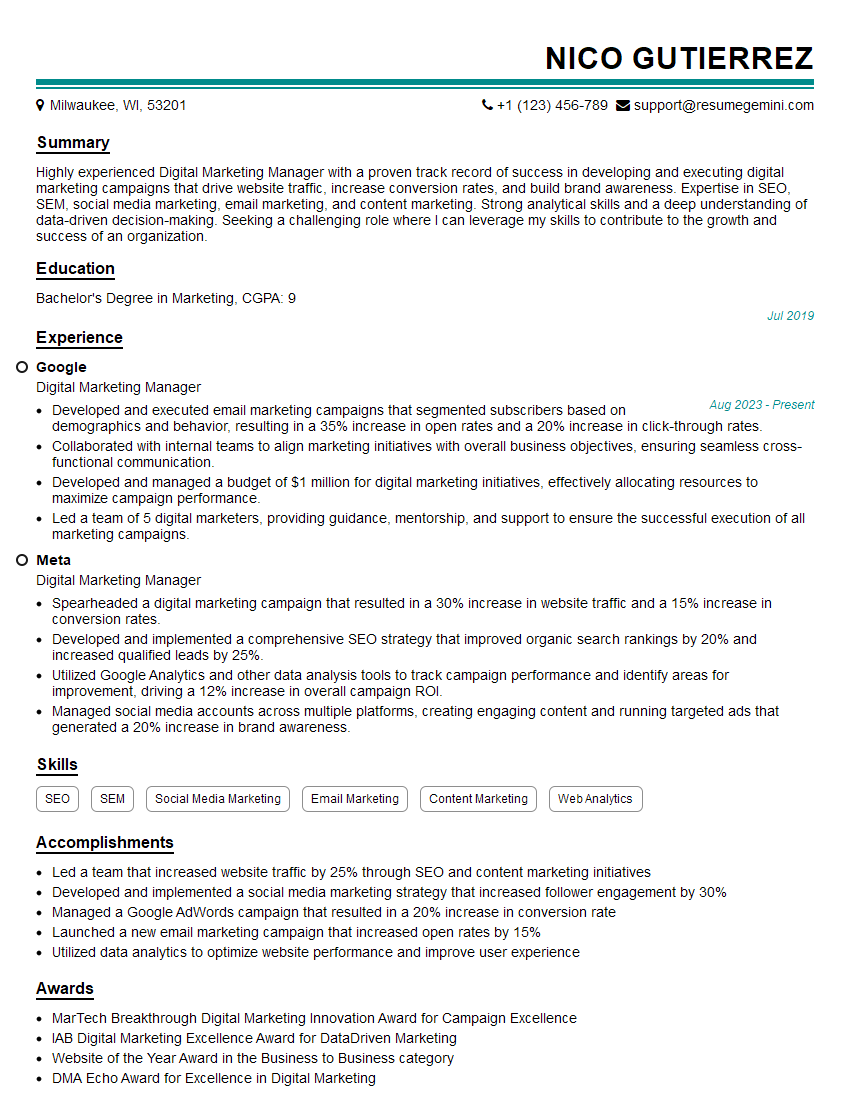
Digital Marketing Manager Resume Sample
- Account Manager
- Brand Manager
- Sales Representative
- Communication Manager
- Marketing Communications Manager
- Human Resources Manager
- Project Manager
- Community Manager
- Event Planner
- Trainer
- Social Media Manager
- Communications Consultant
- Media Relations Specialist
- Public Relations Manager
- Executive Assistant
- Training and Development Manager
- Digital Marketing Manager
Explore more articles
Users Rating of Our Blogs
Share Your Experience
We value your feedback! Please rate our content and share your thoughts (optional).
What Readers Say About Our Blog
Very informative content, great job.
good