Are you ready to stand out in your next interview? Understanding and preparing for Grapevine Clone Management interview questions is a game-changer. In this blog, we’ve compiled key questions and expert advice to help you showcase your skills with confidence and precision. Let’s get started on your journey to acing the interview.
Questions Asked in Grapevine Clone Management Interview
Q 1. Explain the importance of maintaining grapevine clone purity.
Maintaining grapevine clone purity is paramount for ensuring consistent wine quality and vineyard productivity. Each clone possesses unique characteristics influencing the grape’s flavor profile, aroma, sugar content, and disease resistance. If a clone becomes mixed with others (genetic drift), these desirable traits can be diluted or lost entirely, resulting in inconsistent harvests and reduced profitability. Think of it like a prized recipe – if you start substituting ingredients, the final dish won’t taste the same.
Maintaining purity involves rigorous practices throughout the entire propagation process, from selecting superior mother vines to meticulously overseeing nursery management. This ensures that the planted vines accurately reflect the desired characteristics of the original clone.
Q 2. Describe the different methods of grapevine propagation.
Grapevine propagation primarily relies on two methods: grafting and cuttings.
Grafting: This involves joining a scion (the desired grapevine clone) onto a rootstock (a different vine providing disease resistance or other desirable root traits). Grafting is common for its ability to combine the ideal fruiting characteristics of a specific clone with the desirable root system of a rootstock, offering robustness and adaptability to various soil conditions. For instance, a high-quality Cabernet Sauvignon clone might be grafted onto a rootstock resistant to phylloxera, a devastating pest.
Cuttings: This involves propagating new vines from stem cuttings of the mother vine. The cutting must develop roots before it can become an independent plant. This method is simpler and less expensive than grafting but carries a higher risk of viral or other diseases transmitting to the new vines if the mother plant isn’t healthy. It’s best suited for maintaining smaller plantings or when the rootstock is less critical.
Q 3. What are the key factors to consider when selecting a grapevine clone for a specific terroir?
Selecting the right grapevine clone for a specific terroir (the complete natural environment in which a particular plant or crop grows and lives) is crucial for optimal grape production. The interplay between the clone’s genetic predisposition and the environmental factors of the vineyard site dictates the final quality of the grapes.
Climate: Clones differ in their heat and cold tolerance. A clone thriving in a warm climate might struggle in a cooler one.
Soil type and drainage: Some clones prefer well-drained soils while others tolerate waterlogging. Soil nutrient content also plays a role.
Disease resistance: Selecting clones with inherent resistance to prevalent diseases in the area minimizes the need for chemical treatments, benefiting both the environment and the vineyard’s long-term health.
Yield and ripening period: The clone’s tendency to produce high or low yields and its ripening time need to match the grower’s objectives and the climate.
Flavor profile and aroma: Some clones are known for producing more intense fruit flavors or specific aromatic compounds; choosing a clone to complement the desired wine style is crucial.
For example, a Pinot Noir clone known for its early ripening and delicate aromas might be perfectly suited to a cooler, shorter-season climate, while a more vigorous, late-ripening clone would flourish in warmer regions with longer growing seasons.
Q 4. How do you identify and manage diseases and pests specific to grapevine clones?
Identifying and managing diseases and pests specific to grapevine clones requires vigilance and a multi-pronged approach. Regular vineyard inspections are crucial for early detection. Different clones exhibit varying susceptibility to different diseases and pests.
Disease identification: Visual symptoms, such as leaf spots, discoloration, or wilting, along with laboratory testing, can help pinpoint the specific pathogen.
Pest identification: Examining leaves, stems, and fruit for insect infestations or signs of their activity (e.g., leaf damage, tunnels) is key. Traps and pheromones can also be used for monitoring.
Integrated Pest Management (IPM): IPM strategies often combine cultural practices (e.g., pruning, canopy management), biological control (e.g., introducing beneficial insects), and only using pesticides as a last resort and choosing the least toxic option.
Resistant clones: Selecting clones with inherent resistance to prevalent diseases and pests is a proactive measure minimizing the need for interventions. This is often the most cost-effective and environmentally friendly solution in the long run.
Q 5. Discuss the impact of rootstock selection on grapevine clone performance.
Rootstock selection significantly influences grapevine clone performance. The rootstock provides anchorage, nutrient and water uptake, and resistance to various soilborne diseases and pests such as phylloxera and nematodes. Choosing the appropriate rootstock can optimize the overall vine’s growth, yield, and fruit quality.
Disease and pest resistance: Certain rootstocks offer resistance to specific soilborne pathogens, protecting the scion from infection.
Water and nutrient uptake: Rootstocks influence the vine’s access to water and nutrients from the soil. This affects vigor and fruit production. Some rootstocks are drought-tolerant, while others are more efficient at nutrient uptake.
Vigor control: Rootstocks can regulate the vigor (growth rate) of the scion. A weaker rootstock can reduce excessive vine growth, making canopy management easier and potentially improving fruit quality, while a strong rootstock promotes vigorous growth and yields.
Adaptability to soil conditions: Rootstocks can adapt the vine to different soil types, improving its ability to thrive in challenging environments. For example, a rootstock tolerating calcareous soil could be paired with a clone that prefers well-drained conditions.
Improper rootstock selection can result in reduced yields, poor fruit quality, and increased susceptibility to diseases, significantly impacting vineyard profitability.
Q 6. Explain the process of budwood selection and certification.
Budwood selection and certification are critical for maintaining clone purity and preventing the spread of diseases. Budwood refers to dormant buds taken from selected mother vines that are used for propagation. The selection process is stringent, focusing on vines exhibiting desirable traits – high-quality fruit, disease resistance, and uniformity.
Mother vine selection: Mother vines undergo rigorous testing and evaluation to ensure their genetic purity and health. They must meet specific criteria regarding yield, fruit quality, disease resistance, and virus-free status.
Indexing: Laboratory testing to check for viruses and other pathogens is conducted on the selected vines to confirm disease-free status.
Budwood propagation: Budwood is carefully collected and handled, usually under strict quarantine conditions, to prevent cross-contamination and ensure the genetic integrity of the clone.
Certification: Certified budwood comes with official documentation and labeling guaranteeing its origin and disease-free status. This certification is crucial for the grape and wine industry, ensuring the quality and traceability of the propagating material.
The entire process is regulated to prevent the spread of diseases and maintain the genetic purity of the clones, ensuring that the vines planted in vineyards accurately represent the desired characteristics of each clone.
Q 7. How do you ensure the genetic stability of grapevine clones over time?
Ensuring the genetic stability of grapevine clones over time requires a robust and ongoing approach to clone management, incorporating several key strategies.
Strict propagation protocols: Adhering to proper grafting or cutting techniques and maintaining strict hygiene throughout the propagation process reduces the risk of mutations or genetic drift.
Regular field inspections: Monitoring vineyards for any deviations from the expected characteristics of the clone can help detect early signs of genetic instability or contamination.
Periodic laboratory analysis: DNA fingerprinting and other molecular techniques can be used to verify the genetic purity of the clones and detect any genetic changes over time.
Selection of superior mother vines: Continuously selecting and maintaining superior mother vines that consistently exhibit the desired traits helps preserve the clone’s original characteristics.
Maintaining isolation: Preventing cross-pollination with other clones and wild vines minimizes the chances of unintended hybridization and loss of genetic integrity.
By following these practices, growers can significantly reduce the risk of genetic drift and maintain the valuable characteristics of their chosen clones for generations.
Q 8. Describe your experience with grafting techniques for grapevines.
Grafting is a fundamental technique in grapevine clone management, allowing us to propagate desirable traits onto rootstocks with beneficial characteristics. I’ve extensive experience with various grafting methods, including bench grafting, field grafting, and cleft grafting. Bench grafting, performed in a controlled environment, offers greater precision and allows for larger-scale propagation. In this method, we carefully prepare both the scion (the desired clone) and the rootstock (providing disease resistance or adaptability to soil conditions), ensuring a perfect fit for optimal union. Field grafting is useful for repairing damaged vines or introducing new clones into existing vineyards. Cleft grafting, where a split is made in the rootstock and the scion inserted, is commonly employed for older vines or in cases where bench grafting isn’t feasible.
For instance, in one project, we successfully used bench grafting to propagate a Pinot Noir clone known for its high-quality berries onto a rootstock resistant to phylloxera, a devastating root louse. This ensured the preservation of the desirable fruit characteristics while mitigating the risk of root damage. The success rate was consistently high due to careful attention to sanitation and precise grafting techniques.
Q 9. What are the common challenges faced in maintaining the quality of grapevine clones?
Maintaining the quality of grapevine clones presents several challenges. One major issue is the risk of genetic drift and contamination through mutation or pollen dispersal from other clones. This can lead to a gradual loss of the desired characteristics of the original clone. Another challenge is the susceptibility to various diseases and pests, which can severely affect vine health and fruit quality. Environmental factors like climate change (e.g., increased drought frequency, extreme weather events) also pose a threat, impacting vine performance and the expression of desired traits.
Furthermore, the unintentional mixing of clones during propagation or in the vineyard itself can result in a loss of clonal purity, affecting the consistency of fruit production and impacting wine quality. Vigilance in vineyard management is crucial to avoid these issues.
Q 10. How do you assess the yield and quality of grapes from different clones?
Assessing the yield and quality of grapes from different clones involves a multi-faceted approach. We begin by measuring the yield in terms of the weight of grapes produced per vine or per hectare. Simultaneously, we assess the quality parameters. This includes analyzing the sugar content (Brix), acidity (pH and titratable acidity), and phenolic compounds (responsible for color, tannins, and flavor). Sensory evaluation, through blind taste tests, is also crucial, providing subjective feedback on aroma, taste, and overall quality. Detailed records are kept for each clone, tracking the data over multiple years to account for variations due to environmental factors.
For example, we might compare two Chardonnay clones. One might demonstrate higher yield but lower sugar content, resulting in a lighter-bodied wine. Another clone might have lower yield but higher sugar and phenolic content, leading to a richer, more complex wine. This detailed comparison guides our decisions on which clones are most suitable for a specific winemaking style and market demands.
Q 11. Explain your experience in using molecular markers for clone identification.
Molecular markers are invaluable tools for precise clone identification and verification. My experience involves using SSR (Simple Sequence Repeat) and SNP (Single Nucleotide Polymorphism) markers for DNA fingerprinting of grapevine clones. These techniques provide a highly accurate method to distinguish between clones, even those with very subtle phenotypic differences. We extract DNA from grapevine leaves and amplify specific regions using PCR (Polymerase Chain Reaction). The resulting DNA fragments are then separated and analyzed, revealing unique patterns that serve as the ‘fingerprint’ for each clone. This is particularly helpful in detecting mislabeled vines or accidental mixing of clones.
In a recent project, we successfully used SSR markers to confirm the authenticity of several prized Cabernet Sauvignon clones obtained from a nursery. The analysis revealed that one lot was mislabeled, preventing the unintentional planting of a genetically different clone in the vineyard.
Q 12. How do you monitor and manage the growth and vigor of grapevines?
Monitoring and managing grapevine growth and vigor require regular observation and intervention. We monitor key parameters such as shoot growth rate, leaf size and color, and fruit set. Vine vigor is influenced by several factors, including rootstock selection, training system, and nutrition. Excessive vigor can lead to reduced fruit quality and increased susceptibility to diseases, while insufficient vigor results in low yields. To manage vigor, we use several techniques like pruning, leaf removal, and nutritional management. Regular soil testing helps optimize fertilization and prevent nutrient deficiencies or excesses.
For example, we might adjust pruning intensity to reduce vigor in a vigorously growing clone or apply specific fertilizers to improve fruit production in a less vigorous clone. Regular monitoring ensures that growth remains within the optimal range for yield and quality.
Q 13. Describe your approach to vineyard sanitation and disease prevention.
Vineyard sanitation and disease prevention are paramount for maintaining healthy vines and high-quality fruit. Our approach is based on a combination of preventative measures and prompt intervention when diseases are detected. Preventative measures include proper sanitation practices (e.g., removing diseased leaves and debris, sterilizing pruning tools), strategic vineyard design to improve air circulation and sunlight penetration, and careful selection of disease-resistant rootstocks. Integrated pest management (IPM) strategies focus on minimizing the use of chemical pesticides while utilizing beneficial insects and other biological control methods.
For instance, we monitor for downy mildew and powdery mildew through regular scouting and promptly apply approved fungicides only when infection thresholds are exceeded. This integrated approach protects both the environment and the health of the vines.
Q 14. What are your experiences with different training systems for grapevines?
My experience encompasses various grapevine training systems, each with its own advantages and disadvantages. Common systems include spur pruning, cane pruning, and vertical shoot positioning (VSP). Spur pruning involves pruning the vine to short spurs, resulting in compact, manageable vines with relatively high yields. Cane pruning retains longer canes, potentially increasing yield but requiring more careful management. VSP is a highly efficient system, maximizing sunlight exposure and facilitating fruit quality. The choice of training system depends on factors such as clone characteristics, climate, and desired yield levels.
In one project, we compared the performance of a particular Pinot Noir clone under spur pruning and VSP. We found that VSP resulted in improved fruit quality due to better sunlight penetration, while spur pruning offered higher yields. The optimal training system was selected based on the balance between yield and quality targets for the wine produced.
Q 15. Discuss the economic impact of using specific grapevine clones.
The economic impact of using specific grapevine clones is significant and multifaceted. Choosing the right clone can dramatically influence yield, grape quality, wine style, and ultimately, profitability. For instance, some clones are known for higher yields but lower quality fruit, while others produce less but with superior characteristics leading to higher-priced wines.
Consider a Chardonnay vineyard. Planting a clone known for high acidity and aromatic complexity (like Dijon clones) can command higher prices per bottle, offsetting potentially lower yields. Conversely, a clone prioritizing high yield might maximize volume but lead to lower profit margins if the wine quality isn’t as desirable. This choice fundamentally impacts vineyard economics. Factors such as disease resistance, which certain clones exhibit, also play a crucial role. A clone resistant to powdery mildew might reduce the need for costly fungicide applications, directly impacting the vineyard’s operational costs and profitability. Therefore, clone selection is a critical economic decision that requires careful consideration of all these interconnected factors.
For example, in a recent project, we compared the economic performance of two Pinot Noir clones in a cool-climate region. One clone, known for its high berry weight, resulted in a higher yield but a lower price point due to less intense flavor profile. The other clone, with smaller berries but superior flavor concentration, yielded less but produced a higher-value wine. A comprehensive financial model considering yield, price, and production costs clearly demonstrated the higher profitability of the second clone despite its lower yield.
Career Expert Tips:
- Ace those interviews! Prepare effectively by reviewing the Top 50 Most Common Interview Questions on ResumeGemini.
- Navigate your job search with confidence! Explore a wide range of Career Tips on ResumeGemini. Learn about common challenges and recommendations to overcome them.
- Craft the perfect resume! Master the Art of Resume Writing with ResumeGemini’s guide. Showcase your unique qualifications and achievements effectively.
- Don’t miss out on holiday savings! Build your dream resume with ResumeGemini’s ATS optimized templates.
Q 16. How do you document and maintain records for your clone management programs?
Maintaining meticulous records is paramount in clone management. We employ a multi-faceted system integrating both physical and digital records. Each clone is assigned a unique identifier (UID) that follows it throughout its lifespan. This UID is incorporated into physical labels attached to mother blocks and field blocks. Detailed information, such as the clone’s origin, propagation methods, planting date, and any observed characteristics (e.g., disease resistance, yield data), are recorded in a relational database.
This database allows for efficient searching and reporting. We use GIS mapping to pinpoint the location of each clone in the vineyard. This spatial information, coupled with yield and quality data from harvests, allows us to conduct detailed analyses of clone performance across different vineyard sections and environmental conditions. Regular field inspections are meticulously documented, with photos and notes added to the database to provide a visual record of the clone’s health and development over time. We also utilize QR codes linked to the database entries for quick access to information during field work.
Regular data backups and version control are implemented to ensure data integrity and prevent loss. This comprehensive system allows us to track clone performance across years, facilitating informed decisions about future plantings and improving overall vineyard efficiency and sustainability.
Q 17. Explain your experience with data analysis techniques in viticulture.
Data analysis is fundamental to optimizing clone management. We employ various techniques, including descriptive statistics to understand yield and quality parameters for each clone, as well as more advanced methods like regression analysis to identify correlations between environmental factors (temperature, rainfall, soil properties) and clone performance.
We utilize statistical software packages such as R and specialized viticultural software to analyze large datasets. For example, we’ve used regression models to predict yield based on historical weather data and clone characteristics, enabling better planning and resource allocation. Furthermore, we leverage spatial analysis techniques using GIS software to identify patterns in clone performance across the vineyard, revealing microclimatic influences or soil heterogeneity effects. This allows for targeted management interventions such as irrigation or fertilization strategies tailored to specific clone needs within a section of the vineyard.
Principal Component Analysis (PCA) has been particularly useful for reducing the dimensionality of complex datasets encompassing numerous variables related to grape quality (e.g., sugar content, acidity, phenolic compounds). PCA helps identify the key factors influencing wine quality across different clones and enables us to prioritize the clones with superior profiles.
Q 18. How do you manage clone diversity in a vineyard setting?
Managing clone diversity requires a strategic approach. The primary goal is to balance the benefits of diversity (disease resistance, adaptation to environmental changes) with the practical aspects of vineyard management and wine production.
We employ a block planting design, allocating different clones to separate blocks within the vineyard. This allows for isolated observation and management of each clone. The size of each block is determined by several factors, including the expected yield of the clone, its susceptibility to diseases, and the overall vineyard design. We also employ buffer zones between clones to minimize cross-pollination and potential contamination from diseases. The selection of clones for a specific vineyard is guided by soil type, climate conditions, and the desired wine style. A diversity of clones may increase resistance to disease and increase resilience against environmental stress compared to a monoculture.
For example, we might plant a disease-resistant clone alongside a high-quality clone that is more susceptible to certain diseases. Regular monitoring for diseases and pests is critical to promptly address any issues, and careful record-keeping helps track clone performance and adapt our strategies as needed.
Q 19. What are your strategies for adapting to climate change impacts on grapevine clones?
Adapting to climate change impacts requires a proactive approach. We are actively evaluating clones for their resilience to heat stress, drought, and changes in precipitation patterns. We collaborate with universities and research institutions to identify clones with inherent tolerance to these stresses. This involves assessing physiological traits like stomatal conductance (which indicates water use efficiency) and heat shock protein expression.
Furthermore, we employ precision viticulture techniques, such as targeted irrigation and soil management practices, to mitigate the effects of climate change on susceptible clones. We are exploring alternative training systems that optimize canopy management for improved water use efficiency and heat dissipation. Diversifying clones planted in a specific vineyard reduces the risk of widespread crop failure due to a single climatic stress. Data analysis helps us identify those clones that perform best under changing climatic conditions, guiding future planting decisions.
We are also experimenting with rootstock selection to enhance drought tolerance and improve overall vine resilience. This layered approach combines genetic adaptation (through clone selection) with agronomic practices to improve the vineyard’s long-term sustainability in a changing climate.
Q 20. Describe your experience with using GPS and GIS technology in vineyard management.
GPS and GIS technology are integral to our vineyard management. GPS-enabled devices are used to precisely map the location of each clone within the vineyard. This data is integrated into our GIS database, creating a highly detailed spatial representation of the vineyard. This detailed mapping allows us to perform spatial analysis to assess the performance of each clone in relation to environmental factors (e.g., slope, aspect, soil type). We can precisely identify and measure areas of water stress, frost pockets, and disease outbreaks.
The GIS system allows us to create thematic maps highlighting clone performance, yield variation, and disease incidence. This visualization facilitates targeted management interventions such as precision irrigation or localized treatments. For example, we can identify areas where a particular clone is underperforming due to poor soil drainage and implement remedial measures only in that specific area. This precision approach minimizes resource use and optimizes vineyard management.
Furthermore, we use GIS technology to plan vineyard operations, including harvesting and pruning, optimizing routes and reducing operational costs. The precise location data allows for better equipment usage and efficient workforce allocation. This combination of GPS and GIS significantly enhances vineyard efficiency and improves decision-making at all levels of management.
Q 21. How do you collaborate with other vineyard teams to ensure clone integrity?
Collaboration is crucial for maintaining clone integrity. We actively participate in industry networks and collaborate with other vineyards, nurseries, and research institutions to exchange information, share best practices, and ensure the authenticity and traceability of our clones. This includes participation in inter-vineyard trials to compare clone performance across different environments. We have developed standard operating procedures for clone propagation and management, aiming for consistent practices across the industry.
Regular communication and exchange of data on disease incidence, pest management strategies, and clone performance are integral parts of our collaborations. Participation in industry meetings and workshops fosters collaboration and knowledge sharing, contributing to the overall improvement of clone management practices. We also engage in formal agreements with nurseries to ensure the supply of certified and true-to-type clones, thus reducing the risk of contamination or misidentification. These concerted efforts help preserve the genetic purity of grapevine clones and enhance the sustainability of the industry.
Q 22. What are your experiences with different irrigation techniques for grapevines?
Irrigation is crucial for grapevine health and yield, and different techniques cater to various needs and climates. I’ve extensive experience with several methods, each with its own advantages and disadvantages.
Drip Irrigation: This method delivers water directly to the roots, minimizing water waste and maximizing efficiency. It’s particularly useful in areas with water scarcity and allows for precise control over water application. I’ve successfully implemented drip irrigation in several vineyards, resulting in improved water use efficiency and higher yields. For example, in a project in California, switching to drip irrigation reduced water consumption by 30% while maintaining fruit quality.
Micro-sprinkler Irrigation: This system uses small sprinklers to provide a gentle spray, offering more uniform coverage than drip irrigation. It’s beneficial for vines in hotter climates needing more frequent watering. I’ve found it particularly useful for young vines still developing their root systems.
Flood Irrigation: While less efficient in terms of water usage, flood irrigation can be cost-effective in areas with abundant water resources and relatively flat terrain. It’s crucial to manage the water level to avoid waterlogging. I rarely recommend this method, except in very specific circumstances where the land is suitable.
Overhead Irrigation: Often used for frost protection, overhead irrigation is less efficient for mature vines. It can lead to fungal diseases if not managed carefully. I use it primarily in situations needing quick frost protection in the early spring.
Choosing the best irrigation technique depends on factors such as climate, soil type, vine age, water availability, and budget. I always conduct a thorough site assessment before recommending any specific method.
Q 23. Explain your understanding of soil health and its impact on grapevine clones.
Soil health is paramount in grapevine clone management. Healthy soil provides essential nutrients, improves water retention, and supports beneficial microbial activity. This directly impacts vine growth, fruit quality, and disease resistance. Poor soil health can lead to reduced yields, increased susceptibility to diseases, and inferior grape quality.
Specifically, I focus on:
Soil Organic Matter: High levels of organic matter improve soil structure, water retention, and nutrient availability. I encourage practices like cover cropping and composting to enhance organic matter content.
Nutrient Availability: Regular soil testing helps in determining nutrient deficiencies and tailoring fertilization strategies to meet the specific needs of each clone. Nutrient imbalances can significantly affect the vines’ health and the quality of the grapes.
Soil Biology: A diverse soil microbiome enhances nutrient cycling and disease suppression. I avoid practices that disrupt the soil ecosystem, and I encourage soil health through techniques like biochar addition.
For example, I once worked with a vineyard experiencing poor yields. Soil testing revealed significant nutrient deficiencies and low organic matter. By implementing a program of cover cropping, compost application, and targeted fertilization, we significantly improved soil health and saw a 25% increase in yield within two years. This clearly demonstrated the direct impact of soil health on grapevine productivity.
Q 24. Describe your knowledge of sustainable viticulture practices.
Sustainable viticulture practices are central to my approach. It’s about producing high-quality grapes while minimizing environmental impact and preserving resources for future generations. My focus areas include:
Integrated Pest Management (IPM): This involves using a combination of cultural, biological, and chemical methods to manage pests, minimizing the reliance on synthetic pesticides.
Reduced Tillage: Minimizing soil disturbance helps maintain soil health, reduce erosion, and conserve water. I often utilize cover crops to suppress weeds instead of relying heavily on herbicides.
Water Conservation: Implementing efficient irrigation techniques like drip irrigation, as discussed earlier, is crucial for conserving water resources.
Biodiversity: Planting diverse cover crops and maintaining habitat for beneficial insects contributes to a healthy vineyard ecosystem.
Renewable Energy: Exploring renewable energy sources like solar power for vineyard operations can significantly reduce the carbon footprint.
Adopting sustainable practices not only benefits the environment but also enhances the long-term profitability and resilience of the vineyard.
Q 25. How do you handle challenges with low yields or poor quality due to clone selection?
Low yields or poor grape quality due to poor clone selection are challenging but addressable. The approach requires a systematic evaluation to pinpoint the exact cause.
Thorough assessment: This starts with identifying the specific clone(s) underperforming and analyzing factors such as soil conditions, climate, and vineyard management practices.
Soil and vine analysis: We conduct soil tests to check nutrient levels and assess potential deficiencies, and leaf analysis to determine the vines’ nutritional status. This helps in identifying potential nutrient limitations or imbalances hindering growth.
Remediation strategies: Based on the assessment, appropriate adjustments are made. This could involve soil amendment, irrigation adjustments, nutrient management changes, or even rootstock considerations. If the clone is proven unsuitable for the specific conditions, interplanting or grafting with a more compatible clone can be explored.
Data-driven decisions: I maintain detailed records of vine performance, yield, and grape quality for each clone over time. This historical data aids in future clone selection and management strategies.
For instance, I once encountered a vineyard with low yields and small berries from a specific Pinot Noir clone. Further investigation revealed the clone was poorly suited to the soil’s high pH. We solved this by undertaking soil amendment, adjusting irrigation, and eventually interplanting with a more compatible clone.
Q 26. How do you stay updated on the latest research and advancements in grapevine clone management?
Staying abreast of the latest research is crucial. I employ several strategies:
Peer-reviewed journals: I regularly review journals such as the American Journal of Enology and Viticulture and others to stay updated on current research in grapevine genetics, viticulture, and enology.
Industry conferences and workshops: Participating in national and international viticulture conferences and workshops facilitates networking with fellow experts and learning about cutting-edge techniques and technologies.
Professional organizations: Membership in organizations like the American Society for Enology and Viticulture (ASEV) provides access to research papers, publications, and networking opportunities.
Online resources: I utilize online databases and resources like university extension websites to access recent research findings and practical guides.
Continuous learning is integral to being successful in this field. Staying informed about new clones, improved management practices, and emerging diseases allows me to adapt and refine my strategies to maintain optimal grapevine performance.
Q 27. Describe a time you had to troubleshoot a problem related to grapevine clone performance.
In a vineyard in Napa Valley, we encountered a significant decline in fruit production in a specific block of Chardonnay vines. Initial assessments pointed towards potential water stress, but upon deeper investigation, we discovered a widespread infestation of root-knot nematodes. These nematodes were damaging the root systems of the vines, limiting their ability to uptake water and nutrients.
We implemented a multi-pronged approach to tackle the problem:
Soil sampling and analysis: Extensive soil sampling confirmed the presence of high nematode populations.
Nematode management strategies: We employed a combination of strategies, including soil solarization (heating the soil to kill the nematodes) and the introduction of resistant rootstocks.
Improved irrigation management: This ensured the vines received adequate water and nutrients, despite the root damage. Careful monitoring was crucial.
Long-term monitoring: Regular soil sampling continues to monitor nematode levels and the effectiveness of our remediation strategies.
This experience highlighted the importance of thorough investigation and a multifaceted approach to resolving complex vineyard problems. It also reinforced the need for continuous monitoring and adaptation in grapevine management.
Key Topics to Learn for Grapevine Clone Management Interview
- Understanding Grapevine Networks: Explore the structure and dynamics of information flow in grapevine networks, including their various forms (e.g., single-strand, gossip, probability).
- Impact on Organizational Communication: Analyze how grapevine communication affects productivity, morale, and decision-making within organizations. Consider both positive and negative consequences.
- Strategies for Managing Grapevine Communication: Learn methods for mitigating negative impacts and leveraging the grapevine for effective communication. This includes techniques for clarifying information, addressing rumors, and fostering open dialogue.
- Ethical Considerations: Discuss the ethical implications of managing information flow within an organization, including issues of privacy and transparency.
- Practical Application: Case Studies: Analyze case studies illustrating successful and unsuccessful grapevine management strategies. Consider how different approaches impact organizational outcomes.
- Technology’s Role: Explore how modern communication technologies (e.g., social media, instant messaging) influence grapevine dynamics and the challenges of managing them.
- Measuring Effectiveness: Understand how to assess the effectiveness of grapevine management strategies. What metrics can be used to gauge success?
Next Steps
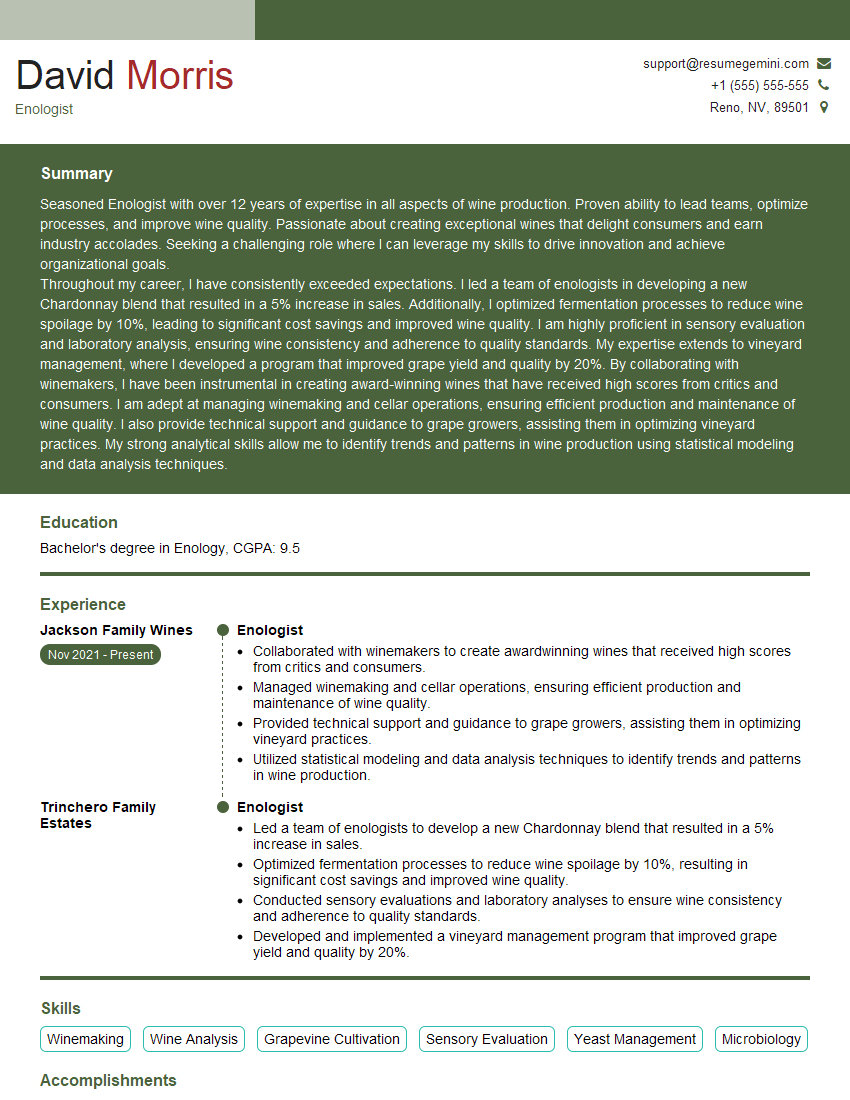
Mastering Grapevine Clone Management demonstrates valuable skills in communication, leadership, and organizational understanding – highly sought-after attributes that significantly boost your career prospects. To maximize your chances of landing your dream role, creating an ATS-friendly resume is crucial. ResumeGemini is a trusted resource that can help you build a professional and impactful resume tailored to highlight your relevant skills and experience. We provide examples of resumes specifically tailored to the Grapevine Clone Management field to give you a head start. Invest time in crafting a strong resume; it’s your first impression on potential employers.

Explore more articles
Users Rating of Our Blogs
Share Your Experience
We value your feedback! Please rate our content and share your thoughts (optional).
What Readers Say About Our Blog
Very informative content, great job.
good