Interviews are opportunities to demonstrate your expertise, and this guide is here to help you shine. Explore the essential Effective Use of Signals and Verbal Communication interview questions that employers frequently ask, paired with strategies for crafting responses that set you apart from the competition.
Questions Asked in Effective Use of Signals and Verbal Communication Interview
Q 1. Describe your approach to interpreting nonverbal cues in professional settings.
Interpreting nonverbal cues in professional settings requires a holistic approach, going beyond simply observing individual gestures. It involves considering the context, the individual’s baseline behavior, and the interplay between verbal and nonverbal messages. I focus on observing clusters of cues rather than relying on single gestures, which can be easily misinterpreted. For example, crossed arms might indicate defensiveness, but in a cold room, it could simply be a way to conserve warmth.
My approach involves:
- Observing Body Language: Paying close attention to posture, facial expressions, eye contact, and hand gestures. For instance, leaning forward usually signifies engagement, while avoiding eye contact might suggest discomfort or disinterest.
- Analyzing Proxemics: Understanding the use of personal space. An overly close approach might be perceived as aggressive, while excessive distance can signal aloofness.
- Considering the Context: Recognizing that nonverbal cues vary across cultures and situations. What’s acceptable in one culture might be offensive in another. Similarly, a relaxed posture in a casual setting might be inappropriate in a formal meeting.
- Cross-referencing with Verbal Communication: Inconsistencies between verbal and nonverbal messages often indicate underlying emotions or intentions. If someone says they’re happy but their facial expression is strained, it’s crucial to investigate further.
By combining careful observation with contextual awareness, I can gain a more accurate and nuanced understanding of the unspoken messages in a professional setting.
Q 2. How do you adapt your communication style to different audiences?
Adapting my communication style to different audiences is crucial for effective communication. I tailor my approach based on factors like the audience’s knowledge level, cultural background, communication preferences, and the purpose of the interaction.
For example, when presenting to a technical audience, I use precise language and might include technical jargon, assuming they possess the necessary expertise. However, when addressing a non-technical audience, I would simplify the language and focus on conveying the key message clearly and concisely, perhaps using analogies or visual aids.
Similarly, I adjust my tone and style based on the context. A formal presentation requires a more structured and professional approach, while a casual team meeting allows for a more relaxed and informal style. I always aim to build rapport with the audience by using inclusive language and showing genuine interest in their perspectives. Active listening and seeking clarification are key aspects of this adaptation process.
Q 3. Explain a time you had to deliver difficult news; how did you manage the verbal and nonverbal aspects?
I once had to deliver the news of a significant budget cut to a team that had just completed a very demanding project. This was challenging because the team felt they deserved recognition for their hard work. To manage the situation effectively, I prioritized empathy and transparency.
Verbal aspects: I began by acknowledging their achievements and expressing my appreciation for their dedication. I explained the reasons behind the budget cuts clearly and honestly, avoiding jargon or corporate speak. I focused on the facts and refrained from making excuses. I also outlined the steps being taken to mitigate the impact of the cuts and reassured the team of the organization’s commitment to their future.
Nonverbal aspects: I maintained open and sincere eye contact with each team member, showing that I was listening actively and taking their concerns seriously. My body language was open and approachable – I avoided crossing my arms or displaying any signs of defensiveness. I spoke in a calm and reassuring tone, using a moderate pace and volume. I ensured the setting was private and conducive to a sensitive conversation.
The result was a more receptive and understanding reaction than I anticipated. Open communication and genuine empathy allowed the team to process the difficult news and move forward collaboratively.
Q 4. How do you ensure clear and concise communication in complex situations?
Ensuring clear and concise communication in complex situations relies on careful planning and execution. I use several strategies:
- Structure and Organization: I begin by outlining the key points and structuring my message logically. This allows the audience to follow the narrative easily and grasp the main ideas.
- Visual Aids: In complex situations, visual aids like charts, diagrams, or presentations are incredibly effective in simplifying complex information and making it more accessible.
- Simple Language: I avoid jargon and technical terms unless absolutely necessary and always define them if used. I focus on using clear, concise language that is easily understood by all.
- Check for Understanding: Regularly checking for understanding by asking questions, summarizing key points, and encouraging feedback ensures that the message is received accurately.
- Active Listening: Paying attention to the audience’s questions and concerns enables me to address any misunderstandings promptly and refine my communication approach.
By combining these strategies, I can ensure that even complex information is conveyed effectively and efficiently, reducing ambiguity and improving understanding.
Q 5. What strategies do you use to actively listen and understand unspoken messages?
Actively listening and understanding unspoken messages is a crucial skill. It involves paying attention not only to what is said but also to how it’s said and the nonverbal cues that accompany it. My strategies include:
- Paying Attention to Nonverbal Cues: Observing body language, facial expressions, tone of voice, and personal space to identify underlying emotions or intentions.
- Empathetic Listening: Trying to understand the speaker’s perspective and emotions, even if I don’t agree with their viewpoint.
- Reflecting and Summarizing: Paraphrasing the speaker’s message to ensure I understand it correctly and to show them that I’m actively listening.
- Asking Clarifying Questions: Seeking additional information or clarification to eliminate ambiguity and ensure a shared understanding.
- Observing Silence: Sometimes silence can be more revealing than words. I pay attention to pauses and hesitations, as they may indicate uncertainty or hesitation.
By actively listening and observing these cues, I can pick up on unspoken messages and build stronger relationships based on trust and mutual understanding.
Q 6. How do you handle misunderstandings caused by misinterpretations of verbal or nonverbal signals?
Misunderstandings stemming from misinterpretations of verbal or nonverbal signals are inevitable. My approach to handling them involves:
- Acknowledging the Misunderstanding: Openly acknowledging that a misunderstanding has occurred creates a safe space for discussion and resolution. Avoiding blame is crucial.
- Seeking Clarification: Asking open-ended questions to understand the other person’s perspective and the source of the misunderstanding.
- Restating and Paraphrasing: Summarizing both my own understanding and the other person’s perspective to ensure mutual understanding.
- Focusing on Shared Goals: Reminding everyone of the shared goals and objectives to maintain a collaborative approach.
- Finding Common Ground: Identifying areas of agreement and building on them to create a foundation for resolution.
By approaching misunderstandings with empathy and a commitment to open communication, I can effectively resolve conflicts and strengthen relationships.
Q 7. Describe a situation where you had to use persuasive communication to achieve a goal.
In a previous role, I had to persuade senior management to invest in a new software system that would significantly improve our team’s efficiency. This required persuasive communication that went beyond simply presenting data.
My approach involved:
- Building a Strong Case: I presented a comprehensive analysis that included data on current inefficiencies, potential cost savings, and improved workflow projections. I supported my claims with tangible evidence, avoiding generalizations and focusing on concrete outcomes.
- Highlighting the Benefits: Instead of focusing solely on the technical aspects, I emphasized the benefits for the entire organization, including improved productivity, reduced operational costs, and enhanced employee satisfaction.
- Addressing Concerns: I anticipated potential objections and proactively addressed them. This demonstrated my thorough preparation and commitment to their concerns.
- Visual Aids: I utilized a clear and engaging presentation with charts and graphs to illustrate the data clearly and effectively.
- Building Consensus: I involved stakeholders throughout the process to build support and address any concerns collaboratively.
By presenting a compelling case supported by strong evidence and demonstrating an understanding of their priorities, I successfully persuaded senior management to approve the investment. The new system significantly improved team efficiency, proving the effectiveness of my persuasive communication strategy.
Q 8. How do you build rapport and trust through effective communication?
Building rapport and trust is the foundation of effective communication. It’s about creating a connection with the other person, making them feel heard and understood. This involves active listening, showing empathy, and demonstrating genuine interest in their perspective.
- Active Listening: Pay close attention to both verbal and nonverbal cues. Reflect back what you hear to ensure understanding (e.g., “So, if I understand correctly, you’re saying…”). Avoid interrupting.
- Empathy: Try to see things from their point of view. Acknowledge their feelings, even if you don’t agree with their perspective. A simple “I understand how frustrating that must be” can go a long way.
- Building Common Ground: Find shared interests or experiences to create a connection. This can be as simple as mentioning a shared interest in a hobby or discussing a current event.
- Honesty and Transparency: Be truthful and open in your communication. If you don’t know the answer, say so, and explain how you will find out.
- Respectful Communication: Use polite and courteous language, even when disagreeing. Avoid judgmental or condescending tones.
For example, in a client meeting, starting with a genuine compliment about their work before discussing business needs will immediately foster a sense of trust and openness to collaboration.
Q 9. How do you utilize nonverbal cues to enhance your presentations?
Nonverbal cues are powerful tools that can significantly enhance presentations. They can emphasize your message, build connection with the audience, and make your presentation more engaging. Consider these:
- Eye Contact: Maintain consistent eye contact with different members of the audience to connect with each person individually and demonstrate confidence.
- Posture: Stand tall with relaxed shoulders to convey confidence and authority. Avoid slouching or fidgeting.
- Gestures: Use natural hand gestures to emphasize points and make the presentation more dynamic. Avoid excessive or distracting movements.
- Facial Expressions: Let your face reflect your emotions and enthusiasm for the topic. A genuine smile can make a huge difference.
- Proxemics: Use the space effectively. Moving around can add dynamism but avoid pacing nervously. Maintaining appropriate distance from the audience helps to build trust.
- Vocal Variety: Vary your tone, pace, and volume to keep the audience engaged and emphasize key points. Pauses can also add impact.
For instance, when discussing a challenging aspect of a project, a slight pause and a more serious facial expression can underscore the gravity of the situation, and increase audience engagement. Conversely, a warm smile and open body language during a success story immediately creates a positive and trusting atmosphere.
Q 10. What are the key differences between written, verbal, and visual communication, and when would you use each?
Written, verbal, and visual communication each serve different purposes and have unique strengths and weaknesses:
- Written Communication: Ideal for conveying detailed information, providing a permanent record, and ensuring clarity on complex topics. Examples include emails, reports, and proposals. It allows for careful consideration and editing but lacks the immediacy of other forms.
- Verbal Communication: Best suited for spontaneous discussions, building rapport, and delivering immediate feedback. It allows for immediate clarification and feedback, but can be easily misinterpreted if not clear.
- Visual Communication: Excellent for presenting complex data concisely, engaging audiences emotionally, and highlighting key insights quickly. This can include graphs, charts, images, and videos. While highly effective, it can be less precise than written communication and require careful consideration of design.
Choosing the right form depends on the context and the message. For example, a complex technical explanation is best conveyed in a written report, whereas a quick update is better suited for a verbal conversation. A presentation to stakeholders might benefit from a blend of verbal communication and visual aids like charts and graphs.
Q 11. Explain how you manage communication in a high-pressure environment.
Managing communication in high-pressure situations requires a structured approach:
- Clear and Concise Communication: Prioritize clarity and brevity. Avoid ambiguity to prevent misinterpretations.
- Active Listening: Pay close attention to what others are saying, even under stress. This helps avoid misunderstandings.
- Structured Communication Channels: Utilize appropriate channels— emails for formal updates, briefings for immediate needs, etc. This ensures everyone is informed accurately.
- Remain Calm and Composed: A calm demeanor can positively influence others. Deep breaths and a focused mindset can help manage stress.
- Emphasize Collaboration: Encourage teamwork and collaboration. Sharing responsibility and information promotes collective problem-solving.
- Seek Clarification: When uncertainty arises, ask for clarity to avoid assumptions.
- Debriefing: After the crisis, conduct a thorough debrief to analyze what worked well and identify areas for improvement.
For example, during a product launch crisis, I prioritized clear and concise updates to the team, using a dedicated communication channel to ensure everyone had the same information, ultimately preventing misinformation and maintaining order.
Q 12. How do you identify and address communication barriers?
Identifying and addressing communication barriers is crucial for effective communication. These barriers can be physical (noise, distance), psychological (prejudice, emotions), semantic (jargon, different interpretations of words), or cultural (different norms and values).
- Active Listening and Observation: Pay attention to verbal and nonverbal cues. If someone seems confused or disengaged, investigate further.
- Seek Clarification: Ask questions to ensure understanding. Paraphrase to check comprehension.
- Simplify Language: Avoid jargon and technical terms when communicating with individuals who may not understand them.
- Be Aware of Cultural Differences: Adapt your communication style to reflect cultural norms.
- Use Multiple Channels: Combine written, verbal, and visual communication for better understanding.
- Provide Context: Give sufficient background information for better comprehension.
- Address Emotional Barriers: Acknowledge and validate emotions, creating a safe space for open communication.
For example, in a multinational team, using simple language, providing visual aids alongside written instructions, and ensuring consistent communication across multiple languages helps overcome semantic and cultural barriers. Addressing personal biases within team discussions requires actively listening and ensuring all voices are heard.
Q 13. Describe a time you had to deliver a message with strong emotional content. How did you manage the situation?
I once had to deliver the news of significant budget cuts to a team that had worked incredibly hard on a project. This involved conveying difficult information sensitively and professionally. I structured my approach as follows:
- Empathy and Understanding: I started by acknowledging the team’s hard work and dedication, emphasizing their value to the company.
- Transparency: I explained the reasons behind the cuts clearly and honestly, avoiding vague or misleading language.
- Focus on Solutions: Instead of dwelling on the negative, I highlighted the company’s commitment to the project’s long-term success and outlined strategies for adapting to the new budget.
- Open Dialogue: I encouraged questions and open discussion, creating a safe space for the team to voice concerns and frustrations.
- Support and Guidance: I offered support and resources to help the team navigate the changes and offered assistance in finding alternative solutions.
This approach helped mitigate the negative emotional impact of the announcement while fostering a collaborative and supportive environment. Open communication and empathy were key to navigating a challenging situation.
Q 14. How do you use feedback to improve your communication skills?
Feedback is vital for improving communication skills. I actively seek and utilize feedback through different methods:
- 360-degree Feedback: I regularly solicit feedback from colleagues, supervisors, and subordinates to gain a comprehensive view of my communication strengths and weaknesses.
- Self-Reflection: I critically evaluate my performance after every presentation or important interaction, focusing on areas where I can improve.
- Observation and Recording: I sometimes record myself during presentations or meetings to analyze my nonverbal cues and communication style objectively.
- Mentorship and Coaching: I seek guidance from experienced communicators to receive constructive criticism and targeted advice.
- Specific and Actionable Feedback: I focus on specific instances and areas for improvement, making actionable plans to address them. For example, instead of general feedback like “be more engaging,” I look for specific feedback like “use more gestures to emphasize key points.”
By consistently seeking, analyzing, and implementing feedback, I continuously refine my communication approach, becoming a more effective and empathetic communicator.
Q 15. What techniques do you use to handle interruptions or distractions during a conversation?
Handling interruptions requires a blend of assertive yet polite techniques. My approach focuses on acknowledging the interruption without derailing the current conversation. I might say something like, “I’d love to address that in a moment; let me just finish this point.” This acknowledges their input while subtly signaling that the current conversation has priority. If the interruption is urgent, I’ll politely request a brief pause to address it before returning to the original topic, for example, “Excuse me one moment, this seems pressing.” I find it useful to establish a clear starting and ending point for meetings or conversations to minimise unexpected interruptions.
In more informal settings, a simple non-verbal cue like a raised hand or a slight head tilt can signal a need to finish a thought before addressing the interruption. The key is to be respectful of the interrupter while maintaining control of the conversation’s flow. This avoids frustration and ensures all points are addressed efficiently.
Career Expert Tips:
- Ace those interviews! Prepare effectively by reviewing the Top 50 Most Common Interview Questions on ResumeGemini.
- Navigate your job search with confidence! Explore a wide range of Career Tips on ResumeGemini. Learn about common challenges and recommendations to overcome them.
- Craft the perfect resume! Master the Art of Resume Writing with ResumeGemini’s guide. Showcase your unique qualifications and achievements effectively.
- Don’t miss out on holiday savings! Build your dream resume with ResumeGemini’s ATS optimized templates.
Q 16. How do you handle conflict through effective communication?
Conflict resolution hinges on active listening and empathy. I start by ensuring everyone feels heard. I encourage each party to explain their perspective without interruption. I use reflective listening techniques, restating what I’ve heard to confirm understanding and show empathy, like “So, if I understand correctly, you feel frustrated because…” Once all perspectives are clear, we collaboratively identify the root cause of the conflict. This often involves asking clarifying questions like, “What specifically led to this disagreement?” We then brainstorm solutions together, focusing on finding mutually agreeable outcomes. It’s crucial to maintain a calm and respectful tone throughout the process. Documenting agreements is also important to ensure everyone is on the same page and accountability is clear. For example, in a past project, a disagreement arose between designers and developers regarding a feature’s implementation. By facilitating open discussion and collaborative problem-solving, we were able to find a compromise that satisfied both teams and led to a better product.
Q 17. How do you tailor your communication to different communication styles?
Adapting my communication style is crucial for effective interactions. I recognize that different individuals prefer different communication approaches. Some prefer direct and concise communication, others need more context and detail. I observe nonverbal cues – body language, tone of voice, and level of engagement – to understand their communication style. For instance, if someone is using technical jargon, I might adjust my language to match their level of expertise, avoiding confusion. If someone seems hesitant or reserved, I might adjust my pace and ask more open-ended questions to encourage participation.
For instance, when working with a visual learner, I prioritize using diagrams and visual aids. With an auditory learner, I would rely more on verbal explanations and discussions. Understanding and adapting to various styles helps ensure everyone feels understood and engaged, fostering better collaboration and productivity.
Q 18. Describe your experience in giving and receiving constructive criticism.
Giving and receiving constructive criticism is a vital part of professional growth. When giving feedback, I focus on specific behaviors and their impact, avoiding personal attacks. I use the “sandwich method,” starting with a positive comment, then delivering the constructive criticism, and ending with another positive note. For instance, “I appreciate your dedication to this project. However, the report could benefit from clearer headings and a more concise summary. Overall, your work demonstrates strong analytical skills.” When receiving feedback, I listen actively, ask clarifying questions to ensure full understanding, and avoid becoming defensive. I consider the feedback objectively and look for areas where I can improve. I actively seek feedback regularly, recognizing its value in my professional development. A recent example involved receiving feedback on a presentation. The feedback helped me refine my delivery and make the content more engaging.
Q 19. How do you measure the effectiveness of your communication?
Measuring communication effectiveness involves analyzing several key aspects. Firstly, I assess whether the intended message was understood. Did the audience comprehend the information accurately? Secondly, I look at the impact of the communication. Did it achieve the desired outcome? For instance, did a persuasive presentation lead to the desired sales figures, or did a training session improve team performance? Gathering feedback through surveys, informal conversations, or observing the audience’s reaction is crucial. Analyzing data like meeting attendance, project completion rates, and customer satisfaction scores also helps gauge effectiveness. Lastly, I reflect on my own performance – what worked well, what could be improved, and how I can adapt my approach in the future. This reflective practice is essential for continuous improvement.
Q 20. How do you use technology to enhance your communication skills?
Technology significantly enhances communication skills. I leverage tools like video conferencing (Zoom, Microsoft Teams) for remote collaboration, allowing for face-to-face interaction despite geographical distances. Project management software (Asana, Trello) facilitates efficient task assignment and progress tracking. Communication platforms (Slack, Microsoft Teams) allow for quick and easy information sharing. I also utilize presentation software (PowerPoint, Google Slides) to create visually engaging content. Furthermore, I use email effectively for formal communication, ensuring clarity and professionalism in written correspondence. By strategically employing these tools, I optimize communication efficiency and improve team coordination and productivity.
Q 21. Describe your experience using communication to motivate a team.
Motivating a team involves clear, consistent, and inspiring communication. I focus on setting a clear vision and ensuring everyone understands their role in achieving the shared goals. Regular updates and open communication channels keep the team informed and engaged. Acknowledging and appreciating individual contributions boosts morale and fosters a positive work environment. I employ storytelling to connect with the team on an emotional level, sharing examples of past successes or overcoming challenges. Active listening to team members’ concerns and offering support creates a sense of trust and psychological safety. For example, during a challenging project deadline, I used regular team meetings, transparent communication about progress and potential roadblocks, and recognition of individual efforts to maintain team motivation and achieve our goals successfully. This resulted in not only meeting the deadline but also increased team cohesion and confidence.
Q 22. How do you handle situations where there are conflicting verbal and nonverbal cues?
Conflicting verbal and nonverbal cues are a common challenge in communication. It’s crucial to remember that nonverbal communication often carries more weight than verbal communication, especially when they contradict each other. My approach involves a multi-step process:
- Observe and Analyze: I carefully observe all cues – facial expressions, body language, tone of voice, and the actual words spoken. I look for patterns and inconsistencies.
- Prioritize Nonverbal Cues: Often, nonverbal cues are more honest indicators of someone’s true feelings. If someone says they’re fine but their body language shows tension, I lean towards the nonverbal cues.
- Clarify and Ask Questions: I politely address the discrepancy. For example, I might say, ‘I noticed you seem a little hesitant; is everything alright?’ This opens a dialogue for clarification.
- Empathy and Active Listening: I strive to understand the perspective of the other person. Active listening – paying close attention to both verbal and nonverbal cues – is crucial in resolving such conflicts.
- Context is Key: Cultural differences can influence nonverbal communication. What might be considered polite in one culture could be interpreted differently in another. I’m mindful of cultural contexts.
Example: During a performance review, an employee verbally agreed with the feedback but their posture and facial expressions indicated discomfort. By asking clarifying questions, I discovered they felt overwhelmed by the suggested improvements, and we were able to create a more manageable action plan.
Q 23. How do you ensure your written communication is clear and easy to understand?
Clear and concise written communication is essential for effective professional communication. My strategy includes:
- Know Your Audience: Tailoring the language and style to the reader’s background and knowledge level is key. Simple language is better than jargon.
- Structure and Organization: Using headings, subheadings, bullet points, and numbered lists improves readability and makes information easier to digest.
- Conciseness: Avoid unnecessary words or phrases. Get straight to the point, making sure every sentence contributes to the message.
- Proofreading and Editing: Always thoroughly proofread and edit for grammar, spelling, and punctuation errors. A second pair of eyes can be helpful.
- Plain Language: Use active voice and short, simple sentences. Avoid overly complex sentence structures.
Example: When writing a technical report for a non-technical audience, I would avoid jargon and explain complex concepts using analogies and relatable examples. I’d also use visuals like charts and graphs to support the text.
Q 24. Explain how you manage communication across different cultures or languages.
Managing communication across different cultures and languages requires sensitivity and adaptability. My approach involves:
- Cultural Awareness Training: I regularly engage in cultural awareness training to understand diverse communication styles, customs, and etiquette.
- Language Proficiency: If possible, I try to learn basic phrases in the languages of those I’m communicating with. Even a few words show respect and effort.
- Translation Services: For formal communication or when language barriers are significant, I utilize professional translation and interpretation services to ensure accurate and effective communication.
- Clear and Simple Language: I use clear, concise language that avoids idioms, slang, or culturally specific references that might not be understood by everyone.
- Nonverbal Communication Awareness: I’m extra mindful of nonverbal cues since gestures and body language can vary significantly across cultures.
- Active Listening and Feedback: I pay extra attention to active listening to ensure that my message is being received and understood as intended. Regularly seeking feedback is essential.
Example: In a multinational team meeting, I ensured all presentations were translated, and I used visuals to reinforce key points. I also encouraged active participation and checked for understanding after each key topic.
Q 25. How do you use visual aids to strengthen your message?
Visual aids significantly enhance communication by making complex information more accessible and engaging. Effective use of visuals includes:
- Relevance: Ensure visuals directly relate to the message and support the key points.
- Clarity and Simplicity: Avoid overcrowding visuals with too much information. Keep it simple and easy to understand.
- Appropriate Format: Choose the right visual format – charts, graphs, images, videos – depending on the type of information.
- Accessibility: Consider the needs of all audience members, including those with visual impairments. Use alternative text for images.
- Professional Design: Use high-quality visuals with a consistent aesthetic that aligns with the overall message.
Example: When presenting financial data, I would use charts and graphs to visually represent trends and key figures rather than just presenting raw numbers. This makes the information more easily digestible and memorable.
Q 26. How do you adapt your communication strategy based on the communication channel?
Communication channels greatly influence the effectiveness of communication. Adapting my communication strategy involves:
- Email: Formal, concise, and well-structured emails are preferred. Proofreading is crucial.
- Instant Messaging: More informal, but still professional and respectful. Use appropriate emojis sparingly.
- Phone Calls: Good for real-time discussions and clarifications. Active listening is essential.
- Video Conferencing: Allows for non-verbal cues. Ensure a professional background and good lighting.
- In-Person Meetings: Best for complex discussions and collaborative problem-solving. Effective nonverbal communication is key.
Example: I would use email for formal announcements, instant messaging for quick questions, and a video conference for a project team meeting requiring collaboration and visual sharing.
Q 27. Describe a time you had to communicate complex information simply and concisely.
I once had to explain a complex statistical analysis to a group of non-statisticians. Instead of overwhelming them with technical details, I:
- Focused on the Key Findings: I identified the three most important findings and focused solely on those.
- Used Analogies and Real-World Examples: I used relatable examples to illustrate the concepts. For instance, I compared statistical significance to the likelihood of flipping a coin and getting heads ten times in a row.
- Visual Aids: I created a simple chart illustrating the main findings.
- Checked for Understanding: I frequently paused to ask questions and ensure the audience understood each concept.
This approach made the complex information understandable and memorable, leading to a productive discussion.
Q 28. What are your strengths and weaknesses in terms of verbal and nonverbal communication?
Strengths:
- Active Listening: I am a strong listener and focus on both verbal and nonverbal cues to fully understand the speaker’s message.
- Adaptability: I readily adjust my communication style based on the audience, context, and communication channel.
- Clarity and Conciseness: I can effectively convey complex information in a simple and understandable manner.
- Nonverbal Awareness: I pay attention to my own body language and interpret the nonverbal cues of others accurately.
Weaknesses:
- Over-Analyzing Nonverbal Cues: Sometimes I might over-interpret nonverbal cues, especially in unfamiliar cultural contexts.
- Impatience: When faced with communication difficulties, I can sometimes become impatient, especially if the other party isn’t easily grasping the concept. I am actively working to mitigate this weakness by practicing patience and employing various communication strategies to explain complex information in simple terms.
I am continuously working on improving my communication skills through self-reflection and seeking feedback. I believe that effective communication is a lifelong learning process.
Key Topics to Learn for Effective Use of Signals and Verbal Communication Interview
- Nonverbal Communication: Understanding and utilizing body language, including posture, eye contact, and hand gestures, to project confidence and engagement.
- Active Listening: Demonstrating attentiveness and comprehension through verbal and nonverbal cues, ensuring you fully understand the interviewer’s questions and expectations.
- Verbal Fluency and Clarity: Articulating your thoughts clearly, concisely, and confidently, avoiding filler words and ensuring your message is easily understood.
- Storytelling and Examples: Structuring your responses using the STAR method (Situation, Task, Action, Result) to illustrate your skills and experiences with compelling narratives.
- Tone and Modulation: Adjusting your tone and volume to match the context and maintain a professional and engaging conversation.
- Managing Nervousness: Employing techniques to control anxiety and project calmness and self-assurance during the interview.
- Questioning and Clarification: Asking insightful questions to demonstrate your interest and understanding, and clarifying points when necessary.
- Adaptability and Responsiveness: Adjusting your communication style to match the interviewer’s communication style and the overall interview dynamic.
Next Steps
Mastering effective use of signals and verbal communication is crucial for career advancement. It significantly impacts your ability to build rapport, demonstrate competence, and ultimately secure your desired role. To maximize your job prospects, creating an ATS-friendly resume is essential. This ensures your qualifications are effectively highlighted and easily searchable by recruiters. ResumeGemini is a trusted resource to help you craft a professional and impactful resume that showcases your skills in effective communication. Examples of resumes tailored to highlight expertise in Effective Use of Signals and Verbal Communication are available to guide you through the process.
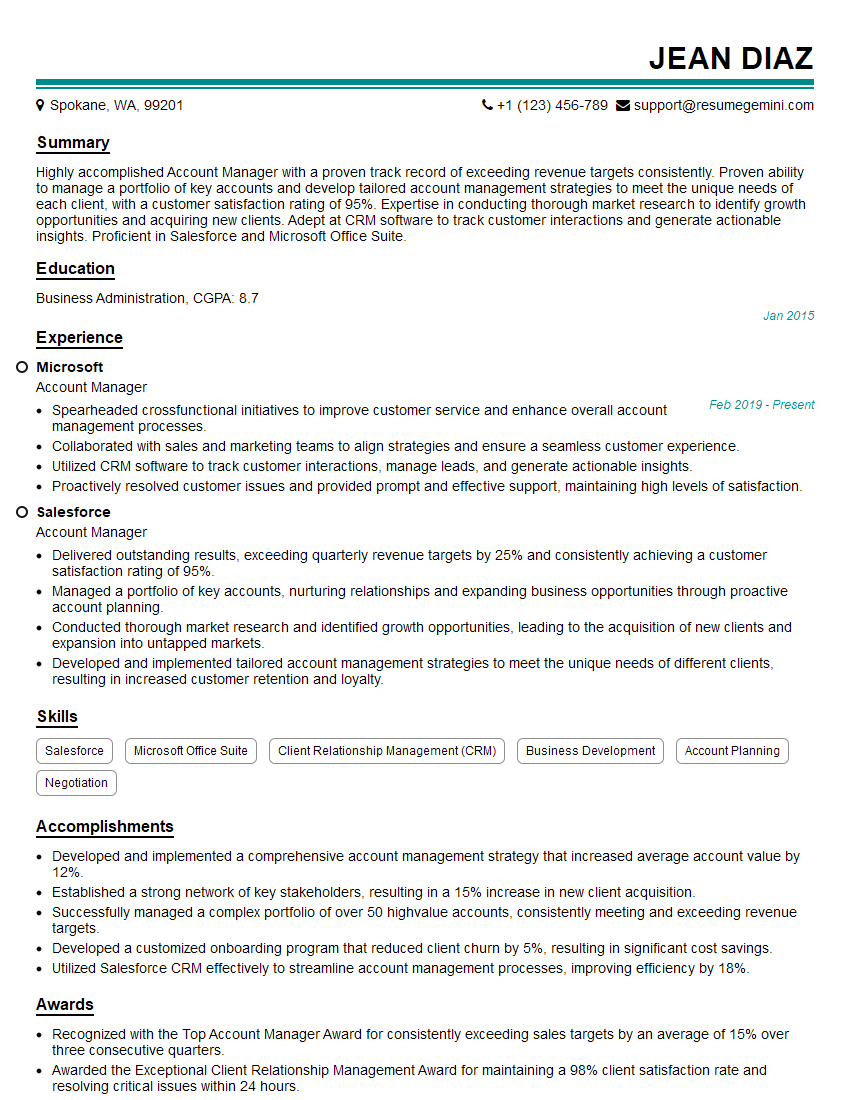
Account Manager Resume Sample
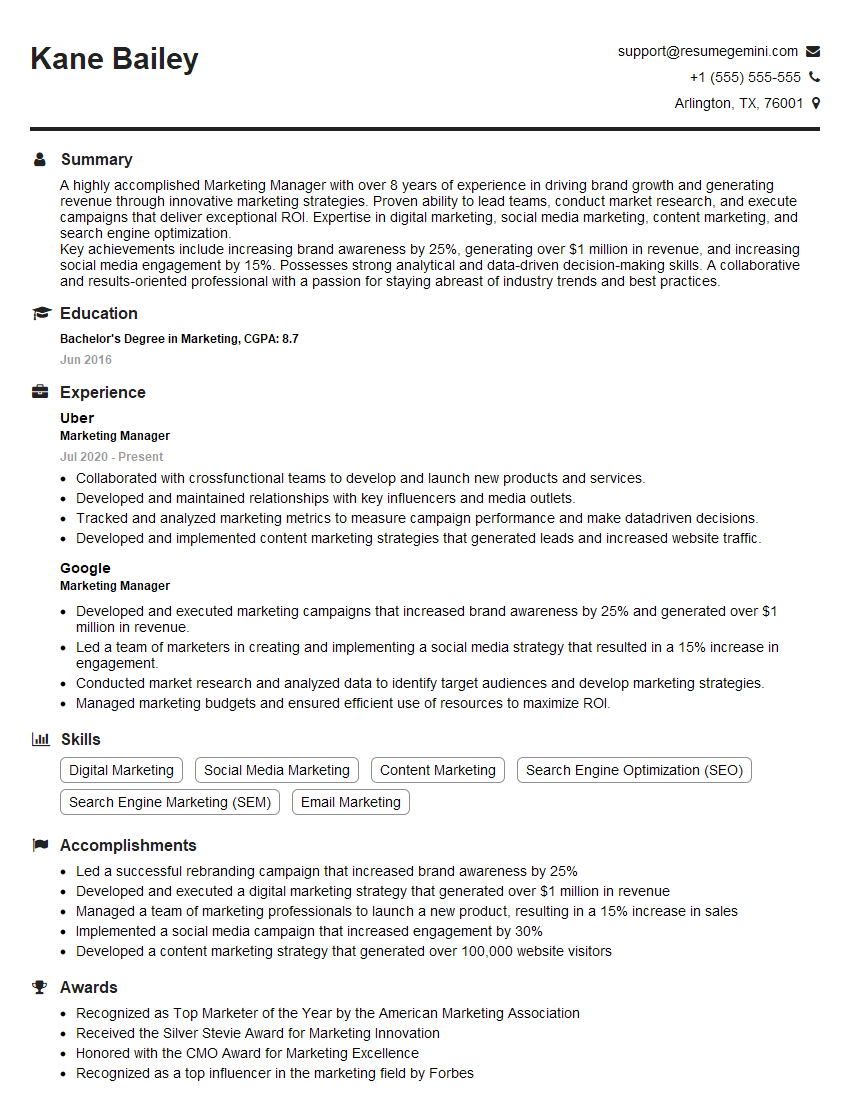
Marketing Manager Resume Sample
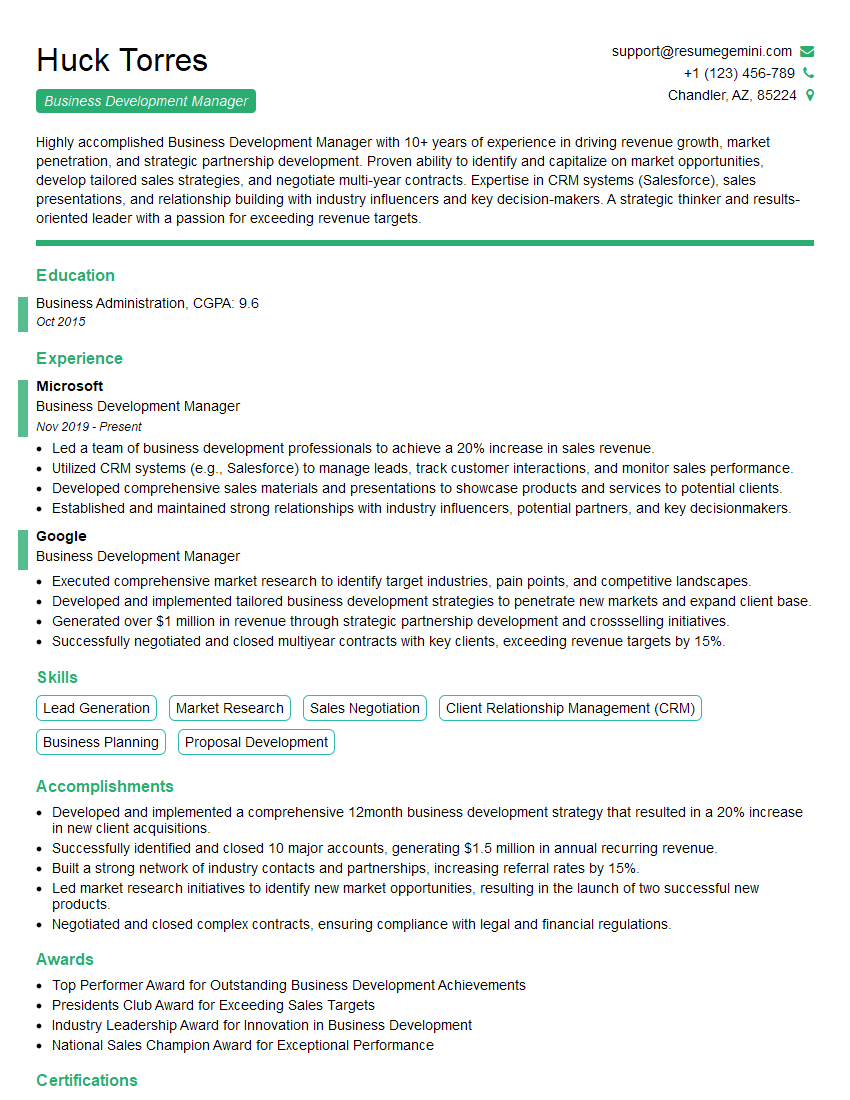
Business Development Manager Resume Sample
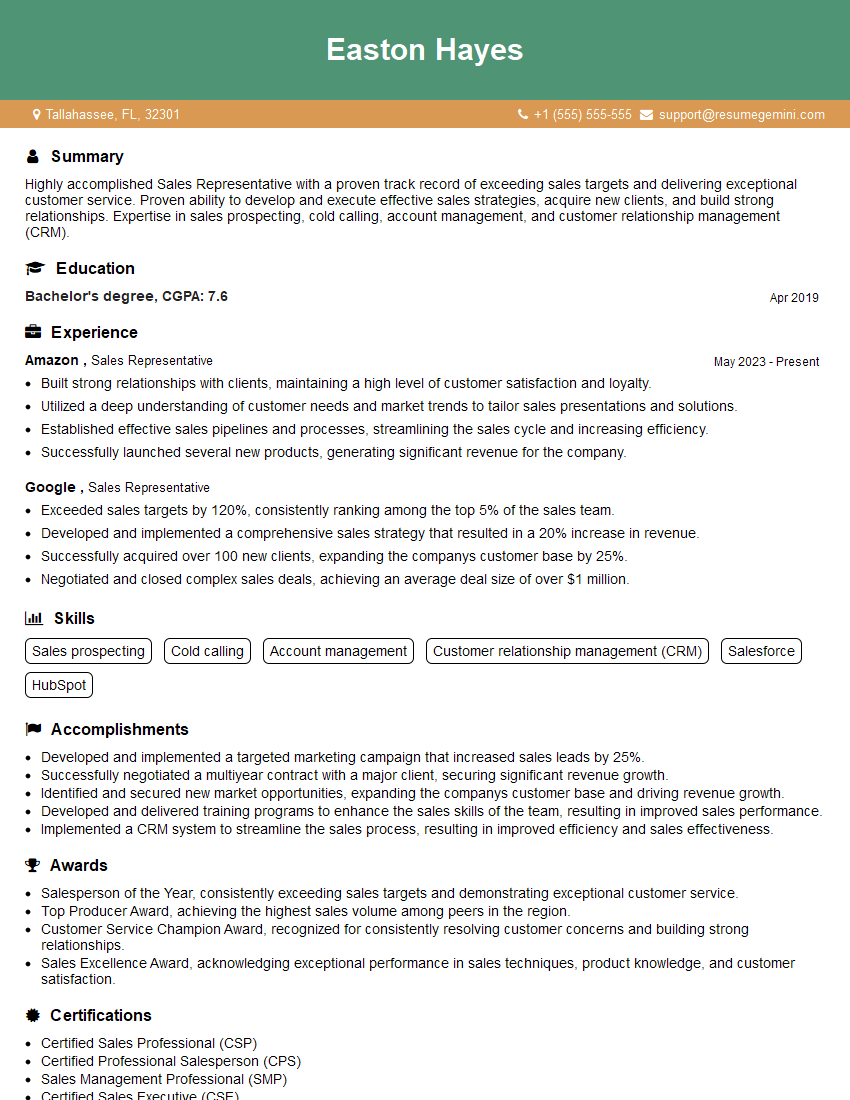
Sales Representative Resume Sample

Customer Service Manager Resume Sample
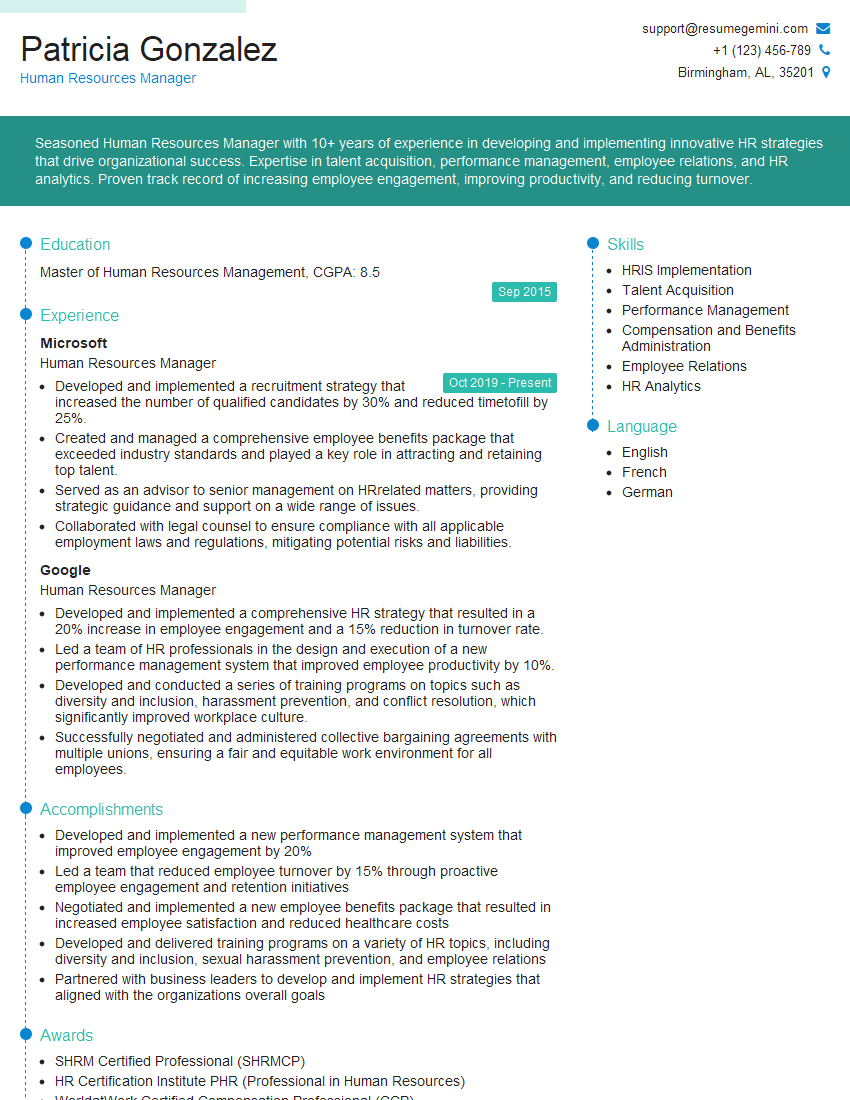
Human Resources Manager Resume Sample

Project Manager Resume Sample

Instructor Resume Sample
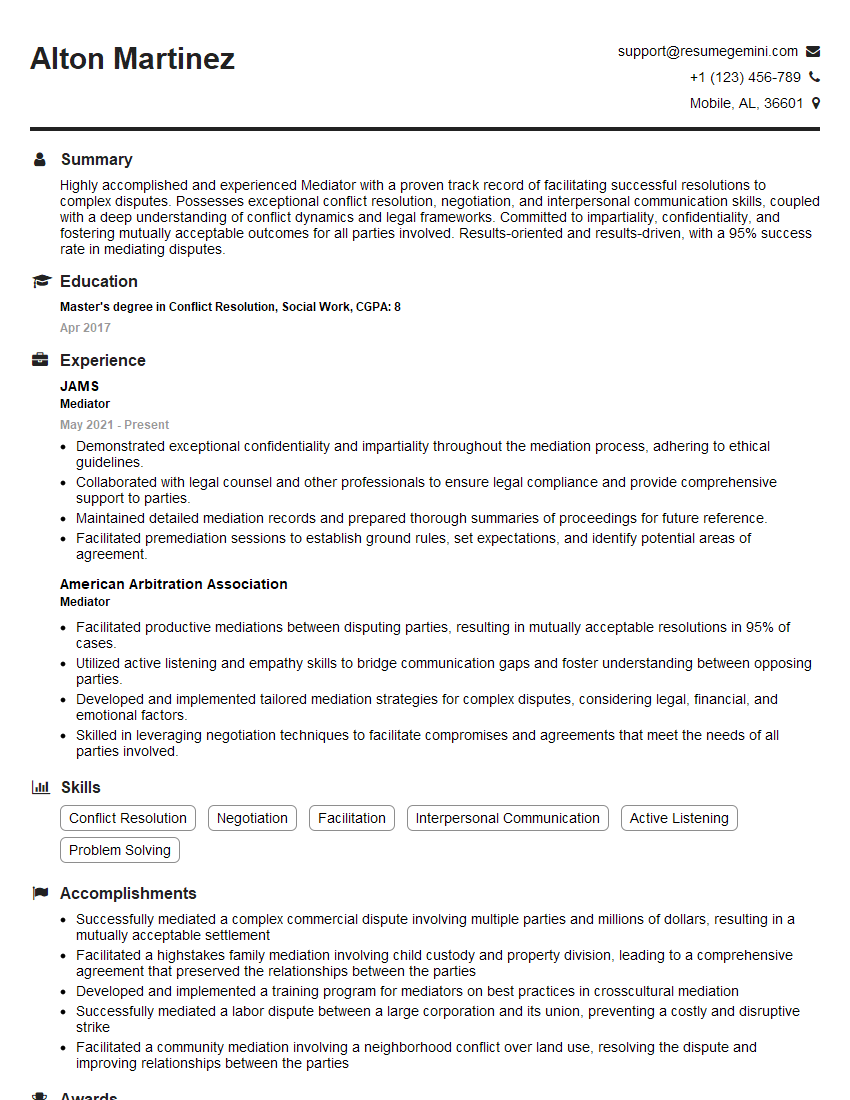
Mediator Resume Sample
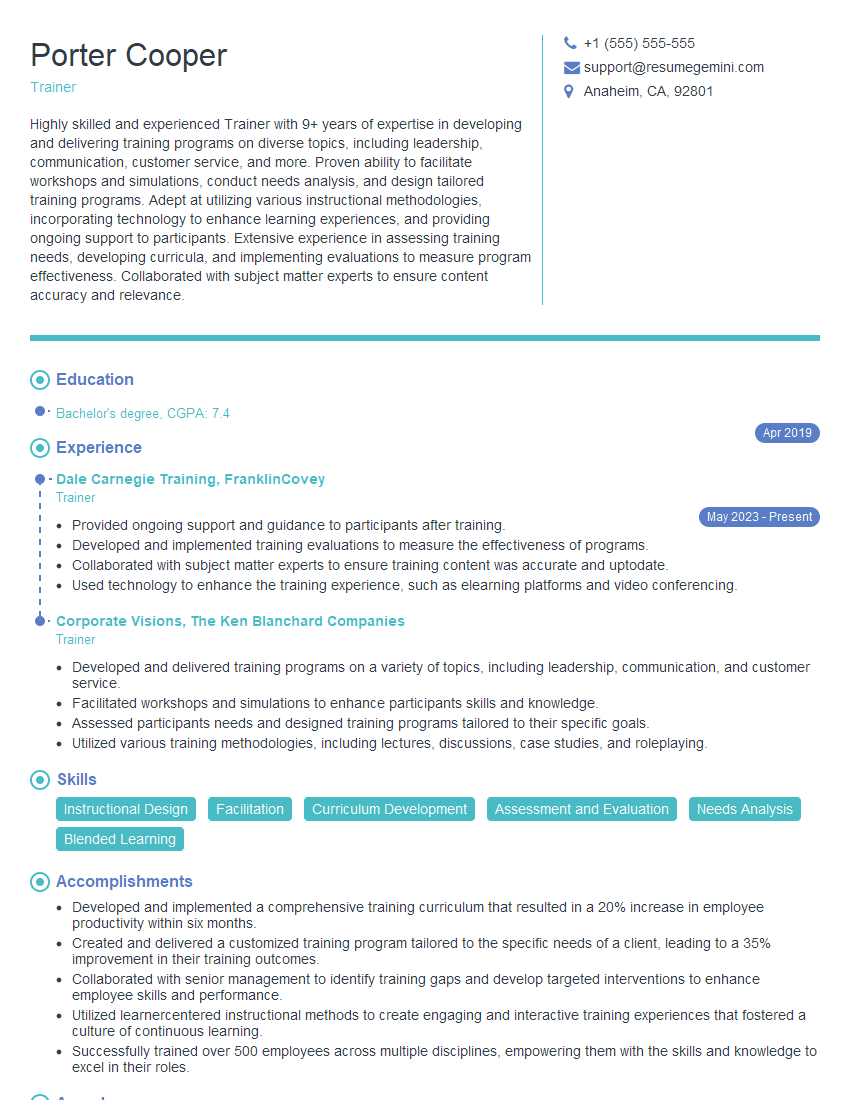
Trainer Resume Sample

Social Media Manager Resume Sample
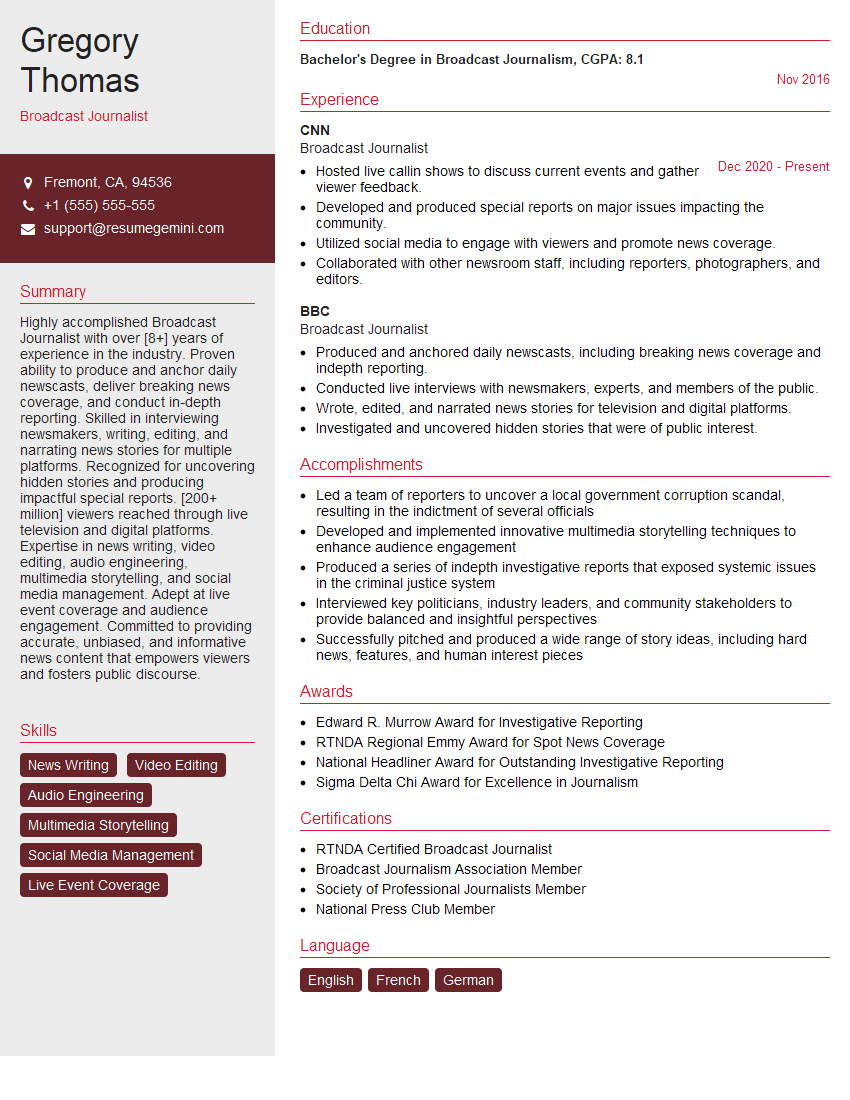
Broadcast Journalist Resume Sample
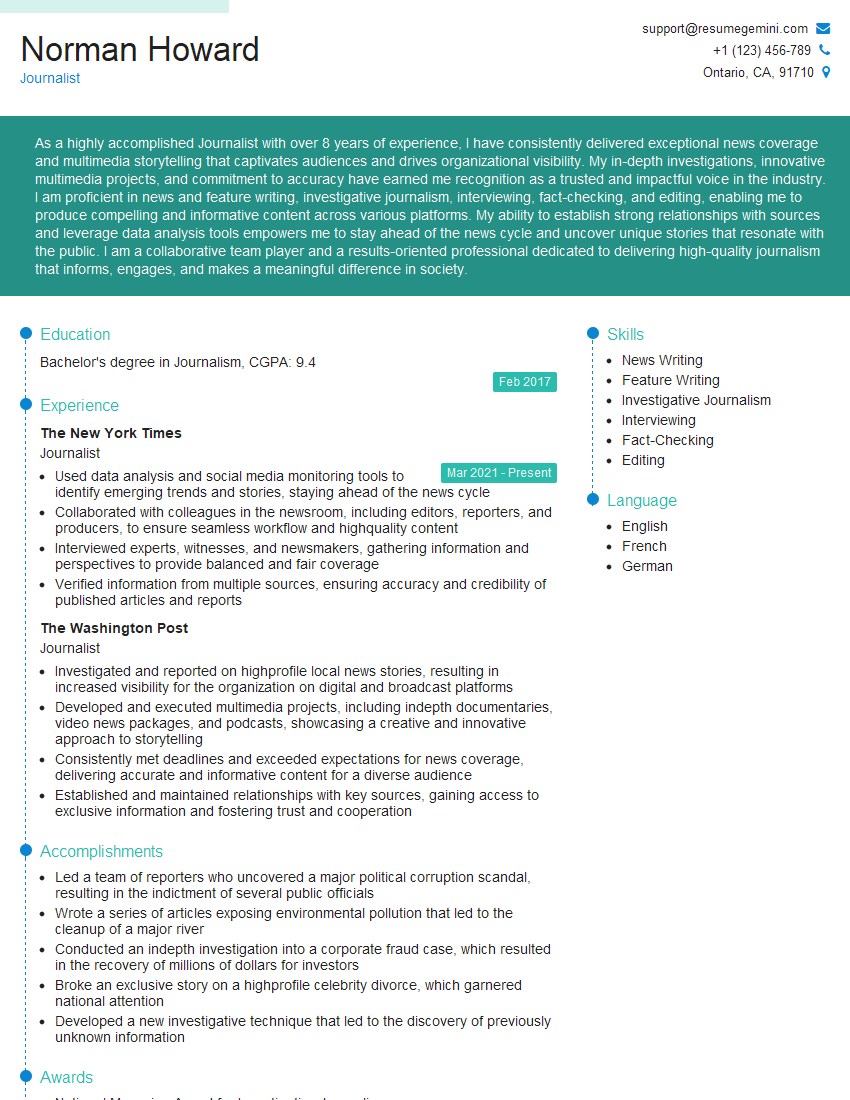
Journalist Resume Sample
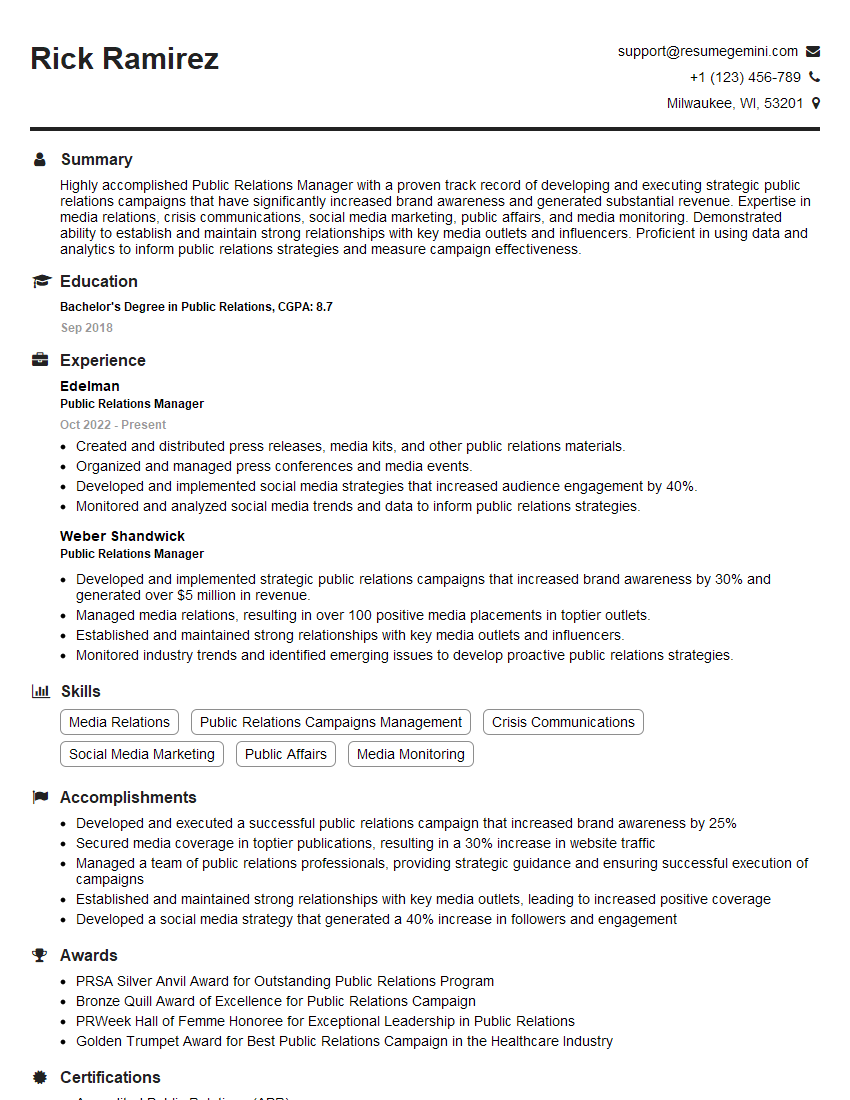
Public Relations Manager Resume Sample
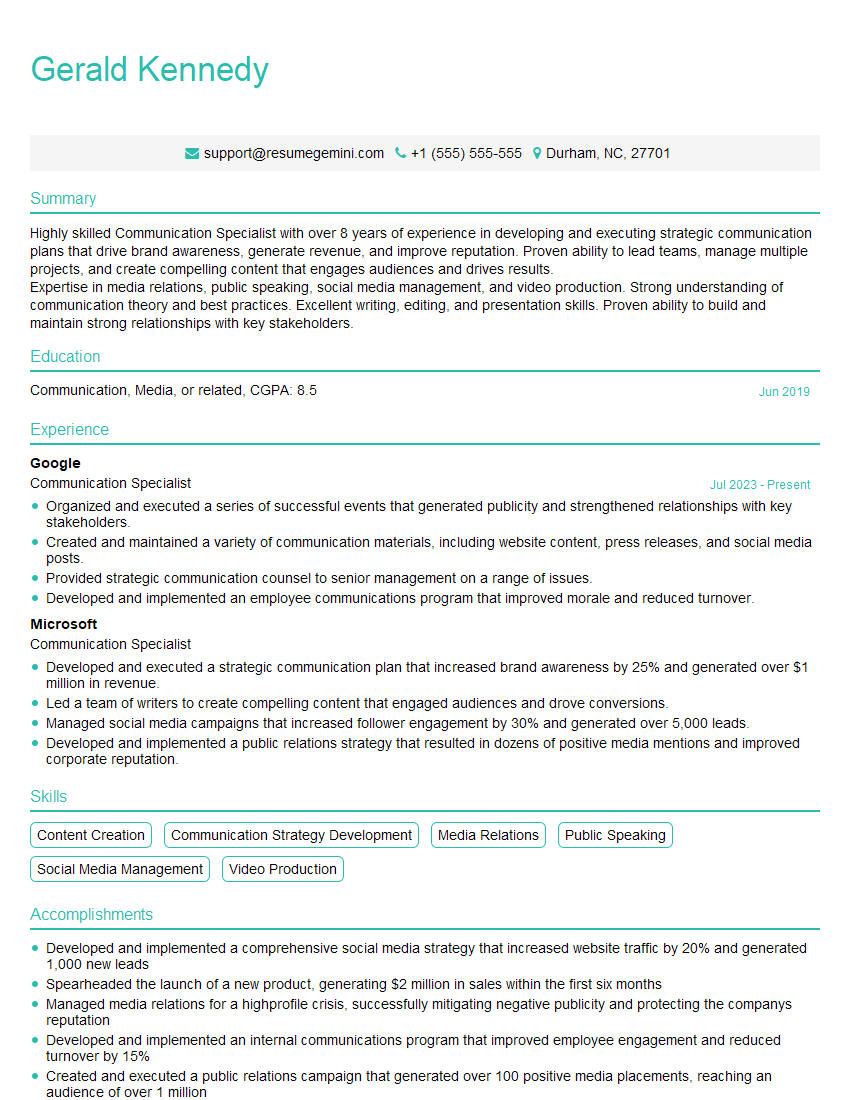
Communication Specialist Resume Sample
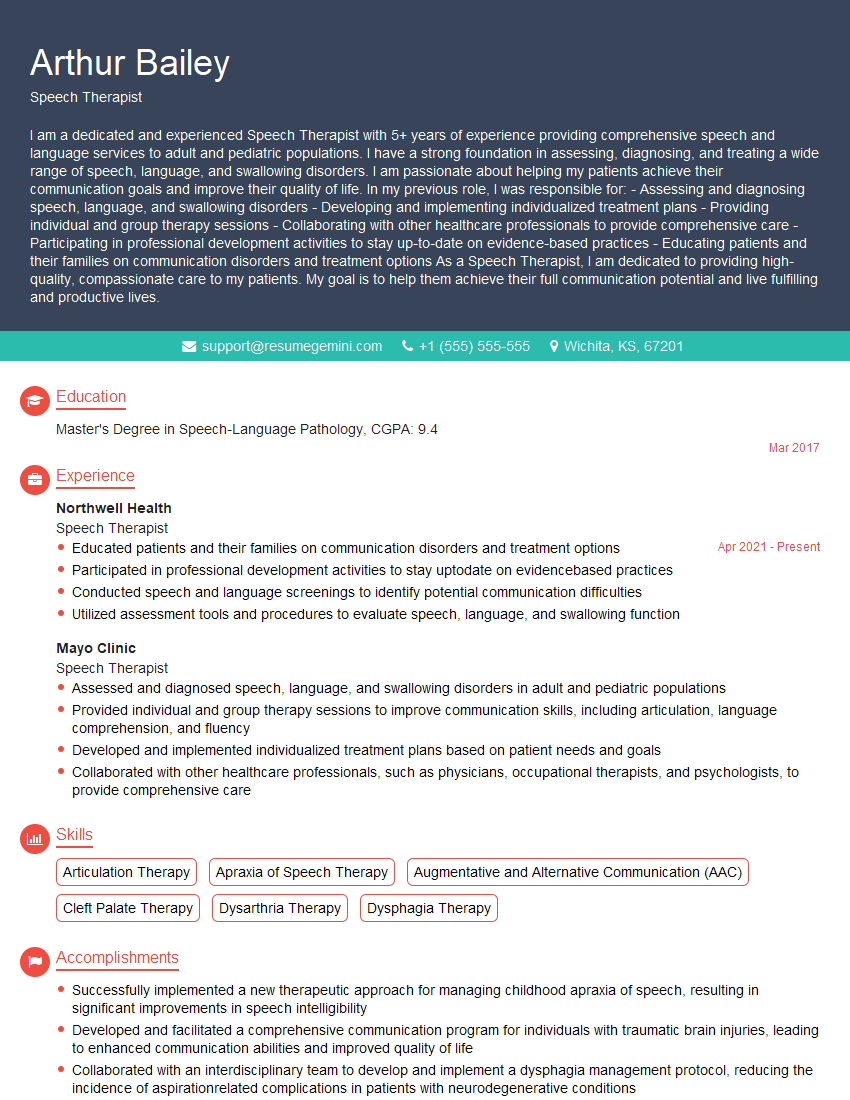
Speech Therapist Resume Sample
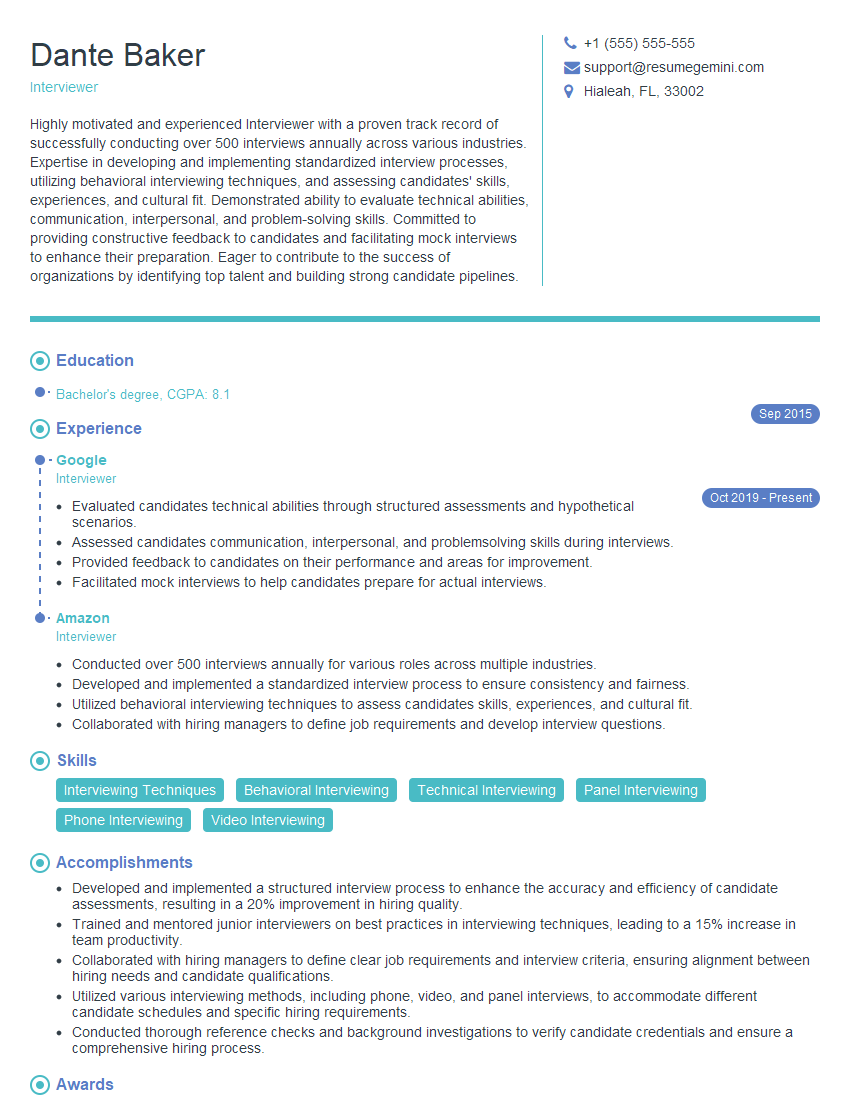
Interviewer Resume Sample
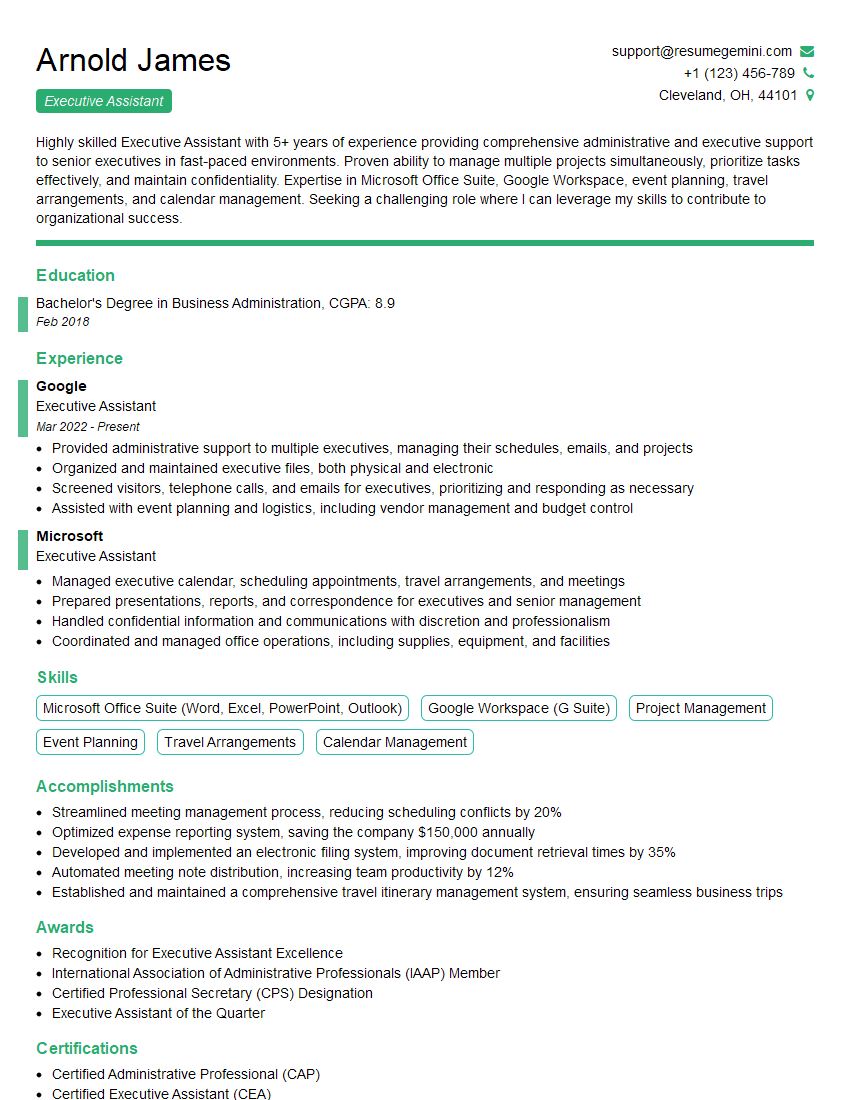
Executive Assistant Resume Sample
- Account Manager
- Marketing Manager
- Business Development Manager
- Sales Representative
- Customer Service Manager
- Human Resources Manager
- Project Manager
- Instructor
- Mediator
- Trainer
- Social Media Manager
- Broadcast Journalist
- Journalist
- Public Relations Manager
- Communication Specialist
- Speech Therapist
- Interviewer
- Executive Assistant
Explore more articles
Users Rating of Our Blogs
Share Your Experience
We value your feedback! Please rate our content and share your thoughts (optional).
What Readers Say About Our Blog
Very informative content, great job.
good