Interviews are more than just a Q&A session—they’re a chance to prove your worth. This blog dives into essential Efficient in Equipment Troubleshooting and Repair interview questions and expert tips to help you align your answers with what hiring managers are looking for. Start preparing to shine!
Questions Asked in Efficient in Equipment Troubleshooting and Repair Interview
Q 1. Describe your experience with preventative maintenance procedures.
Preventative maintenance is crucial for extending the lifespan of equipment and preventing unexpected breakdowns. It involves regularly scheduled inspections and servicing to identify and address potential issues before they escalate into major problems. My experience encompasses a wide range of preventative maintenance procedures, from simple visual inspections to more complex tasks like lubrication, cleaning, and component replacements.
- Visual Inspections: Regularly checking for wear and tear, loose connections, leaks, and unusual noises.
- Lubrication: Applying lubricants to moving parts to reduce friction and wear, preventing premature failure.
- Calibration: Ensuring the accuracy of measuring instruments and equipment through regular calibration checks.
- Cleaning: Removing dust, debris, and other contaminants that can hinder performance and cause damage.
- Component Replacements: Proactively replacing parts that are nearing the end of their lifespan, based on manufacturer recommendations or historical data.
For example, in my previous role at a manufacturing plant, I implemented a preventative maintenance program for our assembly line robots. This involved weekly inspections, monthly lubrication, and yearly replacement of specific wear parts. This program resulted in a significant reduction in unplanned downtime and increased the lifespan of the robots by over 20%.
Q 2. Explain your troubleshooting methodology when faced with equipment malfunction.
My troubleshooting methodology follows a structured, systematic approach. I use a five-step process: Identify, Isolate, Investigate, Implement, and Inspect.
- Identify the Problem: Accurately define the malfunction. What isn’t working as expected? What are the symptoms?
- Isolate the Problem: Narrow down the possible causes. Is the issue with a specific component or a more widespread problem?
- Investigate the Cause: Use diagnostic tools and techniques to determine the root cause. This may involve checking wiring, testing components, and reviewing operational logs.
- Implement a Solution: Repair or replace the faulty component. Document the repair process.
- Inspect the Results: Verify that the repair was successful and that the equipment is functioning correctly. Test thoroughly.
Imagine a conveyor belt stops unexpectedly. I’d first check the power supply (Identify). Then, I might isolate the issue to the motor by checking if other parts are operational (Isolate). Next, I’d test the motor’s voltage, current, and resistance (Investigate). Based on the findings, I would then repair or replace the motor (Implement) and finally test the conveyor belt to confirm everything works (Inspect).
Q 3. How do you prioritize repairs when multiple pieces of equipment require attention?
Prioritizing repairs requires a careful assessment of several factors. I utilize a risk-based approach, considering the following:
- Criticality: Which equipment is essential for core operations? Equipment vital to production takes precedence.
- Impact: How severe is the malfunction’s impact on productivity or safety? A safety hazard would be prioritized over a minor inconvenience.
- Urgency: How quickly does the repair need to be completed? Downtime costs are factored in.
- Repair Complexity: Some repairs require specialized skills or parts; this affects the time and resources required.
I often use a simple matrix to visually represent these factors and prioritize repairs accordingly. For instance, a critical piece of equipment with a major malfunction posing a safety risk would be prioritized over a less critical piece of equipment with a minor malfunction.
Q 4. What diagnostic tools are you proficient in using?
I am proficient in using a variety of diagnostic tools, including:
- Multimeters: For measuring voltage, current, and resistance.
- Oscilloscope: For analyzing waveforms and identifying electrical signal problems.
- Logic Analyzers: For troubleshooting digital circuits and identifying timing issues.
- Thermal Imaging Cameras: For detecting overheating components.
- Specialized diagnostic software: Software provided by equipment manufacturers to run diagnostic tests and identify faults.
The specific tools I use depend on the type of equipment and the nature of the malfunction. My expertise includes using these tools safely and effectively to obtain accurate readings and diagnose problems correctly.
Q 5. Describe a time you had to troubleshoot a complex equipment failure.
One particularly challenging case involved a complex CNC milling machine that suddenly stopped responding to commands. After initial checks revealed no obvious power or communication issues, I started by systematically testing individual components using my oscilloscope and logic analyzer. I discovered intermittent signals in the control circuit, suggesting a problem with a specific integrated circuit (IC). Replacing the IC resolved the problem, but determining the root cause of the IC failure was an additional challenge. Through careful analysis of operational logs and environmental factors, I discovered the IC had been exposed to excessive heat due to poor ventilation. This highlighted the importance of considering environmental factors in equipment maintenance and repair.
Q 6. How do you document your troubleshooting and repair procedures?
Detailed documentation is critical for effective troubleshooting and repair. I use a combination of methods to ensure a complete record:
- Detailed Repair Logs: These logs include a clear description of the malfunction, steps taken to troubleshoot the problem, parts replaced, and the final solution. They also note any special considerations or observations.
- Photographs and Videos: Visual documentation helps clarify complex issues and provides a record of the equipment’s condition before and after the repair.
- Schematic Diagrams: For complex equipment, referring to schematics helps to understand the circuitry and identify potential problem areas.
- Digital Work Order System: I use a digital system to store and manage all repair records, ensuring easy access and retrieval of information.
This comprehensive documentation allows me to quickly identify and solve similar issues in the future, and also provides a valuable resource for continuous improvement in our maintenance procedures.
Q 7. What safety protocols do you adhere to when repairing equipment?
Safety is my paramount concern. I strictly adhere to all relevant safety protocols, including:
- Lockout/Tagout Procedures: Before working on any equipment, I always follow lockout/tagout procedures to disconnect power sources and prevent accidental energization.
- Personal Protective Equipment (PPE): I wear appropriate PPE, such as safety glasses, gloves, and hearing protection, depending on the task.
- Safe Work Practices: I maintain a clean and organized workspace, use proper lifting techniques, and follow all manufacturer’s safety guidelines.
- Risk Assessment: Before beginning any repair, I conduct a risk assessment to identify potential hazards and develop appropriate control measures.
- Emergency Procedures: I am familiar with the emergency procedures and know how to respond to potential accidents or emergencies.
By prioritizing safety, I protect myself, my colleagues, and the equipment from potential harm.
Q 8. How do you determine the root cause of equipment failure?
Determining the root cause of equipment failure is a systematic process that requires a blend of technical knowledge, analytical skills, and methodical troubleshooting. It’s like detective work, where you gather clues to solve a mystery. I begin by gathering information: What was the equipment doing when it failed? Were there any warning signs? Then I move on to visual inspection, looking for obvious damage or anomalies. Next, I use diagnostic tools, such as multimeters, pressure gauges, and specialized software, depending on the equipment type. For instance, if a motor fails, I’d check the voltage supply, current draw, and winding resistance using a multimeter. If it’s a pneumatic system, I’d check for leaks using soapy water. The key is to systematically eliminate possibilities until you pinpoint the exact cause. This often involves checking wiring, sensors, actuators, and the control system, documenting each step to maintain a clear record. I use a process of elimination to trace the failure back to its source – a faulty component, a wiring problem, or even a design flaw. Finally, I document all findings, including the root cause and corrective actions taken, to prevent future occurrences.
For example, I once worked on a packaging machine that kept jamming. Initially, I suspected the sensors weren’t properly detecting product placement. However, after a thorough inspection, I discovered a worn-out gear in the drive mechanism, which was causing inconsistent movement. Replacing the gear resolved the jamming issue permanently. This highlighted the importance of a thorough inspection before making assumptions.
Q 9. Explain your understanding of electrical safety regulations.
Electrical safety regulations are paramount in my work. I am deeply familiar with OSHA (Occupational Safety and Health Administration) standards and other relevant local and national codes, ensuring that all work is carried out safely and legally. My understanding extends to lockout/tagout procedures, the proper use of personal protective equipment (PPE) such as insulated gloves and safety glasses, and working safely around high-voltage equipment. I always adhere to the principle of ‘lockout/tagout’ before commencing any repair or maintenance work involving electrical equipment, effectively isolating power sources to prevent accidental energization. This involves physically locking and tagging the power switch to prevent accidental activation. Before working on any electrical system, I always ensure the power is completely disconnected, using a multimeter to verify that the power is indeed off. Working with electricity requires constant vigilance and respect for its potential hazards. I regularly update my knowledge of these regulations to ensure I’m always working within the latest safety standards. I consider safety not just a regulation, but a critical aspect of my professional responsibility.
Q 10. How familiar are you with hydraulic systems and their troubleshooting?
I have extensive experience with hydraulic systems, encompassing their troubleshooting and maintenance. Hydraulic systems utilize pressurized fluids to transmit power, and understanding their intricacies is crucial for effective troubleshooting. I’m proficient in diagnosing leaks using pressure gauges and visual inspection. I’m adept at identifying problems such as malfunctioning pumps, failing valves, contaminated fluid, or worn seals. My skills extend to identifying noises indicating specific problems – a whining sound might suggest a pump issue, while a rhythmic thumping could point to a valve problem. Using tools like pressure gauges and flow meters, I can pinpoint the location and nature of hydraulic malfunctions. I’m also familiar with various hydraulic components, including pumps, cylinders, valves, and accumulators, and can effectively diagnose issues related to each component. My approach is to first visually inspect the system, looking for leaks or damaged components, followed by systematic testing of pressure, flow, and fluid condition. I’m also experienced in hydraulic system flushing and filtration to maintain optimal performance and prevent further issues.
Q 11. Describe your experience working with pneumatic systems.
My experience with pneumatic systems is equally strong. Pneumatic systems utilize compressed air to power machinery. Troubleshooting pneumatic systems often involves identifying leaks using soapy water, checking pressure regulators, and inspecting air filters. Just like with hydraulics, understanding the various components—cylinders, valves, air compressors, and filters—is critical. I can effectively diagnose problems such as leaks, faulty valves, insufficient air pressure, or contamination. I’m comfortable working with various types of pneumatic valves, including solenoid valves, pneumatic timers, and pressure-sensitive valves. I also know how to interpret pressure readings, identify flow restrictions, and understand the function of pressure regulators and filters. Often, I find that the root cause of issues in pneumatic systems is quite simple – a loose connection, a clogged filter, or a minor leak. However, my experience has shown that these seemingly minor issues can lead to major problems if not dealt with promptly.
For example, I once had a packaging machine experiencing intermittent shutdowns. After checking the PLC and other electrical components, I traced the problem to a minor leak in an air line that was reducing the pressure to a critical component. A simple repair solved the intermittent failures and prevented major downtime.
Q 12. What is your experience with PLC programming and troubleshooting?
I have significant experience with PLC (Programmable Logic Controller) programming and troubleshooting, using various programming languages, including ladder logic and structured text. I can read, understand, and modify existing PLC programs to diagnose malfunctions and implement changes. My skills extend to using PLC programming software to monitor system parameters in real-time, facilitating the quick diagnosis of system errors. I am proficient in using diagnostic tools and software to troubleshoot issues in PLCs and their associated input/output (I/O) devices. This includes analyzing fault codes, examining program logic, and verifying the proper operation of input and output signals. I have worked with different PLC brands and models, adapting my skills to different systems.
For instance, I once worked on a production line where the PLC was causing an unexpected shutdown. By carefully analyzing the PLC program and input signals, I identified a faulty sensor that was triggering a safety shutdown. Replacing the sensor instantly resolved the issue, minimizing downtime and demonstrating my proficiency in this crucial area of industrial automation.
Q 13. How do you handle situations where you are unable to immediately resolve an equipment issue?
When faced with an equipment issue that I cannot immediately resolve, my first step is to thoroughly document the problem, including all observations and diagnostic tests performed. I then escalate the issue to the appropriate team or supervisor, clearly explaining the situation and providing all relevant information. I may consult technical manuals, online resources, or even reach out to equipment manufacturers for assistance. Depending on the complexity and urgency, I may temporarily implement a workaround to minimize disruption while waiting for expert assistance. Transparency and clear communication are vital in these situations to ensure the problem gets resolved effectively and efficiently. It’s crucial to avoid making assumptions and to focus on gathering all available information to assist others in addressing the issue quickly and accurately.
Q 14. How do you stay current with advancements in equipment repair technology?
Keeping up-to-date with advancements in equipment repair technology is essential in my field. I achieve this through several methods: I actively participate in professional development workshops and training courses, focusing on new technologies and troubleshooting techniques. I regularly subscribe to industry publications and journals, staying informed on the latest advancements in equipment design and repair methodologies. I also actively participate in online forums and communities dedicated to equipment repair, engaging in discussions with fellow professionals and sharing knowledge. Furthermore, I actively seek out opportunities to work with new equipment and technologies to expand my practical experience and deepen my expertise.
Q 15. What is your experience with various types of sensors and their applications?
My experience with sensors spans a wide range, encompassing various types and applications. I’m proficient in using and troubleshooting sensors for temperature (thermocouples, RTDs, thermistors), pressure (strain gauge, piezoelectric, capacitive), level (ultrasonic, radar, float), flow (turbine, ultrasonic, vortex), and proximity (inductive, capacitive, photoelectric) measurements. For instance, in a recent project involving a packaging machine, a faulty proximity sensor caused inaccurate product placement. By systematically testing the sensor’s output and wiring, I identified a loose connection, resolving the issue and restoring efficient operation. Another example involved a manufacturing process where a faulty temperature sensor was leading to inconsistent product quality. Through careful analysis of the sensor’s calibration and signal processing, I pinpointed a drift in its readings which required a replacement. Understanding sensor technology involves not only knowing how they work but also understanding their limitations and potential failure modes.
- Thermocouples: Measuring temperature in high-temperature environments.
- RTDs (Resistance Temperature Detectors): Precise temperature measurements in various applications.
- Photoelectric Sensors: Detecting the presence or absence of objects in automated systems.
Career Expert Tips:
- Ace those interviews! Prepare effectively by reviewing the Top 50 Most Common Interview Questions on ResumeGemini.
- Navigate your job search with confidence! Explore a wide range of Career Tips on ResumeGemini. Learn about common challenges and recommendations to overcome them.
- Craft the perfect resume! Master the Art of Resume Writing with ResumeGemini’s guide. Showcase your unique qualifications and achievements effectively.
- Don’t miss out on holiday savings! Build your dream resume with ResumeGemini’s ATS optimized templates.
Q 16. Describe your experience with interpreting equipment schematics and diagrams.
Interpreting schematics and diagrams is fundamental to my troubleshooting process. I’m adept at reading both electrical and pneumatic schematics, identifying component interconnections, and tracing signal flow. For example, when faced with a malfunctioning hydraulic press, I utilized the hydraulic schematic to systematically trace the pressure lines, identifying a leak in a valve assembly that was causing pressure loss. I’m comfortable using software like AutoCAD to view and interpret complex blueprints. Understanding these diagrams isn’t just about reading symbols; it’s about visualizing the physical system, anticipating potential points of failure, and developing a clear plan of action. A simple analogy would be like reading a map to find the quickest route to a destination – except the destination is fixing a piece of equipment.
Think of it like this: a schematic is a roadmap of the equipment. Each component is like a landmark, and the lines connecting them are the roads. Understanding the flow of fluids (pneumatic/hydraulic) or electricity allows me to trace any problem back to its source efficiently.
Q 17. How do you ensure the accuracy of your repairs?
Accuracy in repairs is paramount. I employ a multi-step process to ensure correctness. Firstly, thorough diagnosis using systematic testing and measurement is crucial. I always document my findings meticulously. Secondly, I use calibrated instruments to ensure accurate measurements. Thirdly, I perform rigorous testing after repairs, simulating real-world operating conditions to verify the fix. This might involve running diagnostic software, conducting load tests, and monitoring performance parameters. Finally, I always adhere to established safety protocols and best practices, prioritizing safety throughout the entire process. A recent repair involved a precision milling machine. After replacing a faulty bearing, I meticulously checked the alignment of the spindle to within microns using a dial indicator to ensure optimal precision.
Q 18. What are the common causes of equipment failure in your area of expertise?
Common causes of equipment failure in my field are varied and often interconnected. Wear and tear due to normal operation is a major factor. This includes mechanical wear, such as bearing failure, and electrical wear, such as insulation breakdown. Environmental factors, like excessive heat, humidity, or dust, significantly contribute to equipment degradation. Improper maintenance, including neglecting lubrication schedules or failing to address minor issues promptly, often leads to more significant problems. Operator errors, such as incorrect operation or overloading equipment, can also cause failures. Finally, inherent design flaws or manufacturing defects can create vulnerabilities to failure. Think of it like a chain – each of these factors is a link, and if one is weak, the whole system can fail.
Q 19. How do you prioritize tasks during a critical equipment breakdown?
Prioritizing tasks during a critical equipment breakdown requires a systematic approach. My process begins with assessing the immediate safety risks. Then, I identify the criticality of the equipment, assessing its impact on overall production or operations. Next, I determine the most likely cause of failure based on available information and experience. This step often involves gathering data from various sources—error logs, operator reports, and sensor readings. I then develop a prioritized list of actions, focusing on the most impactful repairs first—those that are likely to restore critical functionality quickly. Finally, I carefully document the whole process and any temporary fixes to ensure smooth handoff to other maintenance personnel or a detailed report for future analysis.
Q 20. Explain your understanding of different types of lubrication and their applications.
Lubrication is critical in preventing wear and tear on machinery. My understanding includes different lubrication types and their applications. I’m familiar with various oils (mineral, synthetic, biodegradable) and greases, each suited for different operating conditions and equipment types. For instance, high-temperature applications might require specialized synthetic oils with high thermal stability. Heavy-duty machinery often uses greases due to their ability to stay in place under pressure and resist washout. Selecting the correct lubricant involves considering factors such as operating temperature, load, speed, and the material compatibility of the lubricant with the equipment components. Proper lubrication isn’t just about adding oil; it’s about ensuring the right type of lubricant is used in the correct manner, in the correct quantities and at the correct intervals, all based on the equipment manufacturer’s specifications and best practices.
Q 21. Describe your experience with welding and other metalworking techniques.
My experience with welding encompasses various techniques, including MIG (Metal Inert Gas), TIG (Tungsten Inert Gas), and stick welding. I’m also proficient in other metalworking techniques such as cutting, grinding, drilling, and tapping. I use these skills frequently for repairs involving metal components, often repairing broken frames, fabricating replacement parts, or modifying existing equipment to improve its functionality. For example, during a repair on a conveyor system, I used MIG welding to repair a damaged section of the frame, ensuring structural integrity and safety. Understanding different welding techniques and their applications is crucial for creating strong, reliable, and safe repairs that meet the standards required for the specific equipment involved.
Q 22. How do you handle pressure and stress during urgent repair situations?
In urgent repair situations, pressure is inevitable. My approach focuses on structured problem-solving to manage stress effectively. I begin by prioritizing the criticality of the issue – a complete production line shutdown demands a different approach than a minor malfunction. Next, I systematically assess the problem, gathering data and information before jumping to conclusions. This might involve checking logs, inspecting the equipment, or consulting with colleagues. I find that a checklist helps to ensure I don’t miss anything crucial under pressure. Once I’ve identified the root cause, I devise a step-by-step plan, ensuring I have the necessary tools and resources. Regularly communicating updates to stakeholders helps alleviate anxieties and keeps everyone informed. Finally, I debrief after the repair, reflecting on what worked well and what could be improved for future scenarios. For instance, during a critical pump failure at a water treatment plant, I followed this method, prioritizing the repair based on potential health risks, meticulously diagnosing the issue using pressure gauges and flow meters, implementing the repair under strict safety guidelines, and then documenting the entire process and recommendations for preventative maintenance. This systematic approach transforms stressful situations into manageable challenges.
Q 23. Explain your experience with working on high-voltage equipment.
I possess extensive experience working with high-voltage equipment, always adhering to stringent safety protocols. My experience spans various types, including transformers, switchgear, and motor control centers. I’m proficient in lockout/tagout procedures, ensuring complete de-energization before any work commences. I’m familiar with using specialized tools like high-voltage testers and insulation resistance meters to verify safety and identify potential faults. Before commencing any work on high-voltage equipment, I always perform thorough inspections, checking for visible damage, loose connections, and signs of arcing. For example, during the maintenance of a large power transformer, I meticulously followed the lockout/tagout procedure, verified the absence of voltage using multiple test instruments, inspected the insulation meticulously, and only then proceeded with the scheduled maintenance, ensuring complete safety at all times. This meticulous attention to detail prevents accidents and ensures the safe and effective operation of high-voltage systems.
Q 24. How do you communicate technical information clearly and effectively to non-technical personnel?
Communicating technical information to non-technical personnel requires clear and concise language, avoiding jargon. I use analogies and metaphors to explain complex concepts in simpler terms. For instance, when explaining a complex electrical fault to a client, I might compare it to a blocked water pipe, easily understood by anyone regardless of their technical expertise. I also use visual aids like diagrams and flowcharts to illustrate my points effectively. I focus on explaining the impact of the issue and the solution in practical terms, emphasizing the benefits and potential consequences. For example, when describing the importance of regular maintenance on a machine, I highlight how it prevents unexpected downtime and reduces production costs. Active listening and confirming understanding through questions are crucial to ensure the message is clearly received. This approach builds trust and helps non-technical personnel understand the importance of the work being done.
Q 25. How do you maintain accurate records of parts inventory and usage?
Maintaining accurate records of parts inventory and usage is critical for efficient maintenance. I utilize a combination of a computerized inventory management system and physical stock checks to ensure accuracy. The computerized system tracks parts received, used, and remaining in stock, providing real-time information on inventory levels and usage trends. Regular physical stock checks help to identify discrepancies between the physical inventory and the recorded data, ensuring the accuracy of the system. I maintain detailed records of each part used, including the equipment it was used on, the date of usage, and the job number. This detailed approach allows for easy tracking of parts usage, facilitating cost analysis and identifying potential areas for improvement. I have used several systems, including CMMS (Computerized Maintenance Management Systems) which streamline inventory management, generating reports that highlight low-stock items and potential for cost savings through bulk purchasing.
Q 26. What is your experience with preventative maintenance scheduling software?
I have extensive experience with preventative maintenance scheduling software, specifically CMMS (Computerized Maintenance Management Systems). I’m proficient in using these systems to schedule routine maintenance tasks, track work orders, and manage parts inventory. I understand how to configure the software to reflect our organization’s specific needs, including setting up preventative maintenance schedules based on equipment usage, operating hours, and manufacturer recommendations. My experience includes using several platforms such as UpKeep, Fiix, and IBM Maximo, customizing them to track metrics, generate reports, and analyze trends in equipment reliability. This allows for proactive identification of potential issues, reducing downtime and enhancing equipment lifespan. For example, using a CMMS, I was able to identify a pattern of frequent failures in a specific type of motor, leading to a proactive replacement program, preventing costly unplanned outages. This demonstrates my ability to utilize the software for predictive and preventative maintenance.
Q 27. Describe your experience with various types of motors and drives.
My experience encompasses a wide range of motors and drives, including AC induction motors, DC motors, servo motors, and stepper motors. I understand the principles of operation, troubleshooting techniques, and maintenance procedures for each type. I’m familiar with various drive systems, such as variable frequency drives (VFDs) and servo drives, and their applications in different industrial settings. I can diagnose faults in motors and drives using various diagnostic tools, including multimeters, oscilloscope, and motor current analyzers. For instance, I have experience troubleshooting issues in a three-phase AC induction motor by analyzing the motor current signature, identifying a problem with a failing winding. I replaced the faulty winding, restoring the motor to optimal performance. My expertise extends to understanding the interrelationship between motors, drives, and the controlled equipment to ensure efficient and safe operation.
Q 28. What are your salary expectations for this role?
My salary expectations for this role are in the range of [Insert Salary Range], commensurate with my experience, skills, and the responsibilities of the position. This range reflects my extensive experience in efficient equipment troubleshooting and repair, my proficiency in using specialized software, and my proven ability to reduce downtime and improve overall equipment effectiveness. I am confident that my contributions will significantly benefit your organization. I am also open to discussing this further based on the complete compensation package and the specific details of the role.
Key Topics to Learn for Efficient Equipment Troubleshooting and Repair Interview
- Systematic Troubleshooting Methodologies: Understanding and applying structured approaches like the 5 Whys, fault tree analysis, and diagnostic flowcharts to pinpoint equipment malfunctions effectively.
- Electrical Systems Diagnosis: Practical experience in identifying and resolving issues in electrical circuits, including voltage measurements, continuity testing, and component identification within various equipment types.
- Mechanical Systems Troubleshooting: Applying knowledge of mechanical principles to diagnose problems in pumps, motors, gears, and other mechanical components; familiarity with lubrication systems and preventative maintenance.
- Hydraulic and Pneumatic Systems: Understanding the principles of hydraulic and pneumatic systems, including pressure testing, leak detection, and component replacement within these systems.
- Safety Procedures and Regulations: Demonstrating a strong understanding of and adherence to safety protocols relevant to equipment repair, including lockout/tagout procedures and personal protective equipment (PPE) usage.
- Preventive Maintenance Strategies: Explaining the importance of preventative maintenance and outlining techniques to predict and prevent equipment failures, maximizing uptime and reducing repair costs.
- Diagnostic Tools and Equipment: Familiarity with and practical experience using a range of diagnostic tools, including multimeters, oscilloscopes, pressure gauges, and specialized equipment specific to the type of equipment being repaired.
- Root Cause Analysis: Going beyond simple repairs to identify the underlying causes of recurring malfunctions, implementing corrective actions to prevent future issues.
- Documentation and Reporting: Ability to accurately document troubleshooting steps, repairs performed, and relevant data for record-keeping and future reference.
- Communication and Teamwork: Highlighting skills in effectively communicating technical information to both technical and non-technical audiences, and collaborating effectively within a team environment.
Next Steps
Mastering efficient equipment troubleshooting and repair is crucial for career advancement in many industries. It demonstrates valuable problem-solving skills and technical expertise highly sought after by employers. To significantly boost your job prospects, creating a strong, ATS-friendly resume is essential. ResumeGemini is a trusted resource that can help you build a professional and impactful resume tailored to your skills and experience. Examples of resumes specifically tailored for individuals proficient in equipment troubleshooting and repair are available to guide your resume creation process.
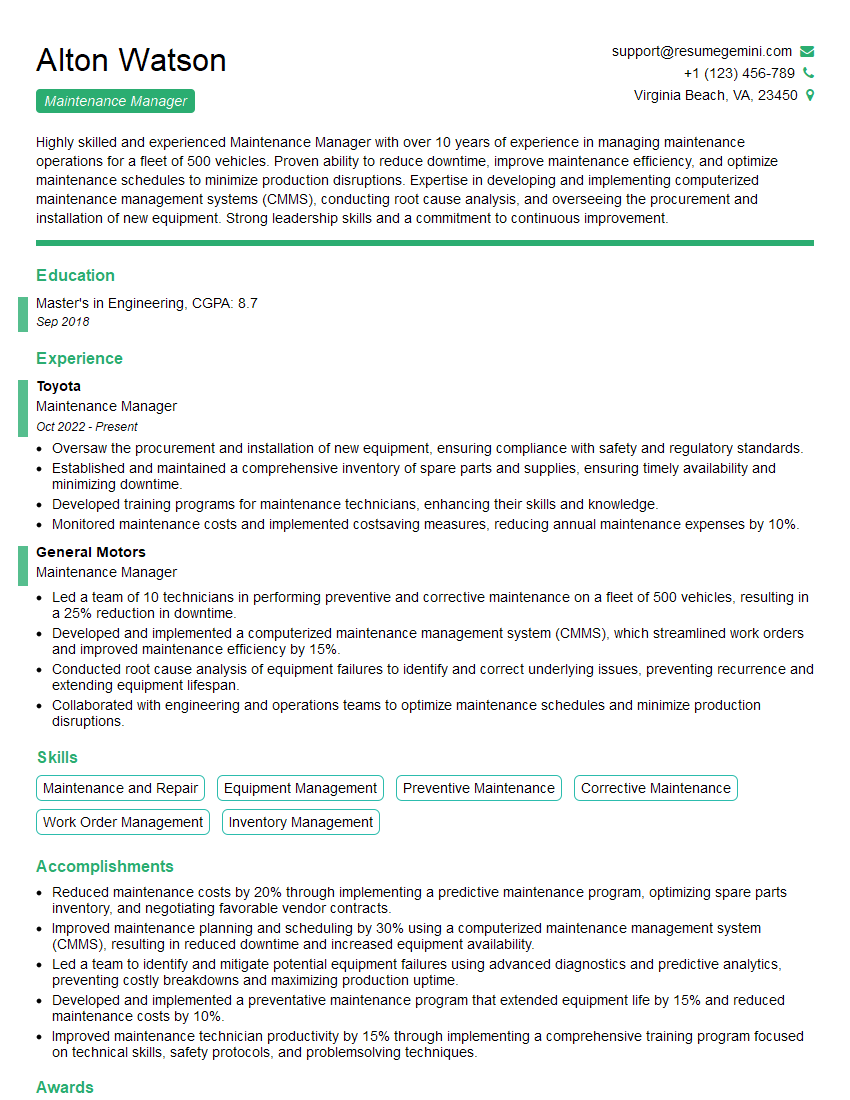
Maintenance Manager Resume Sample
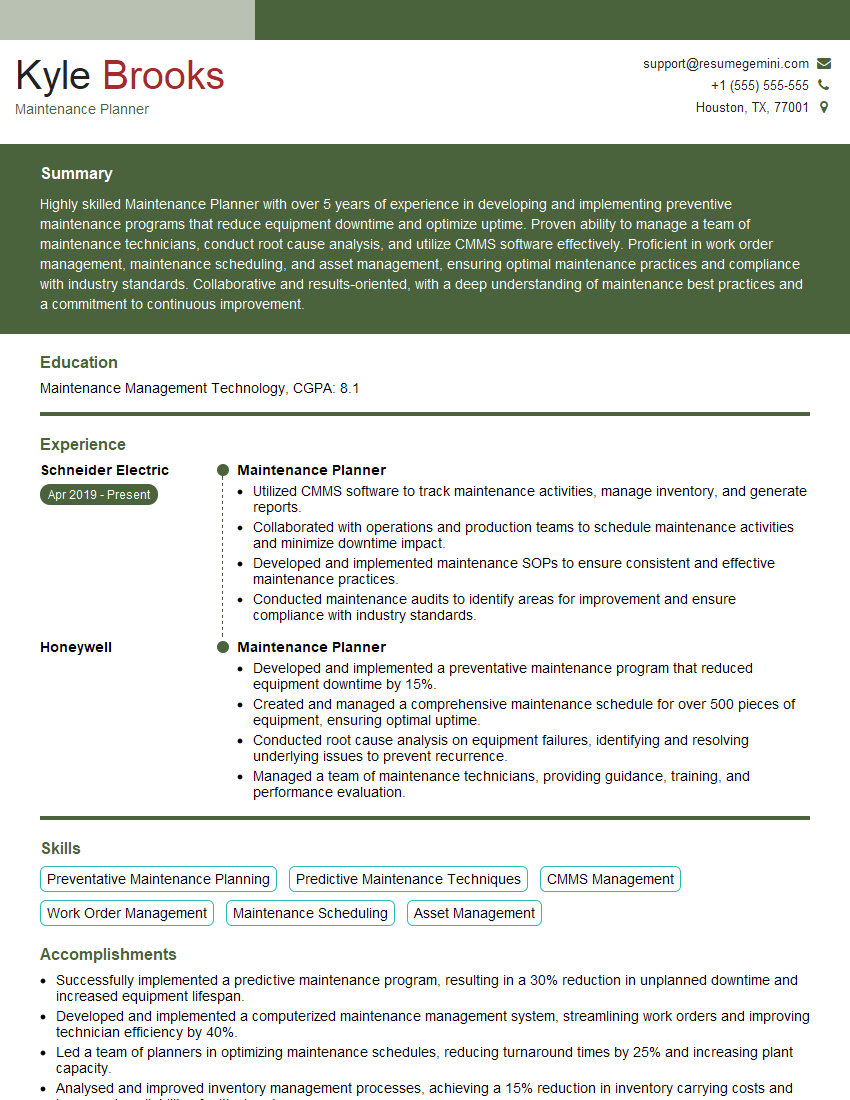
Maintenance Planner Resume Sample
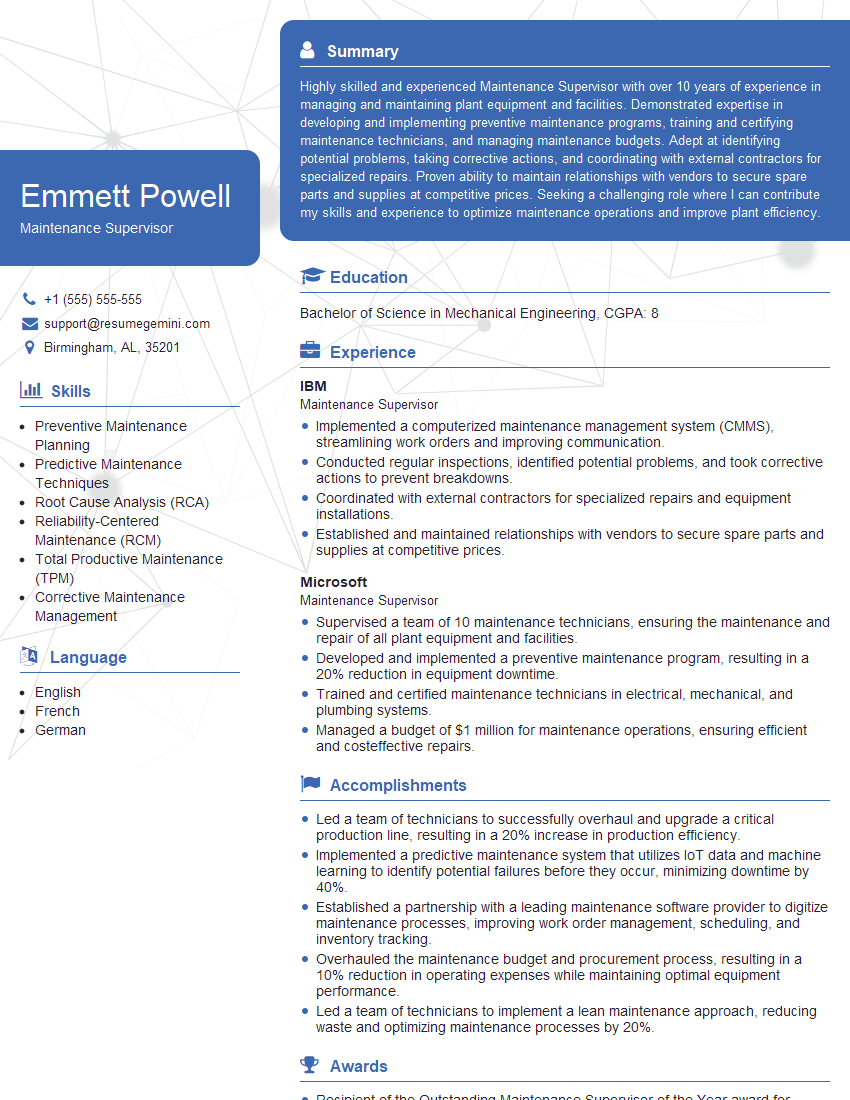
Maintenance Supervisor Resume Sample

Technical Support Engineer Resume Sample

Network Technician Resume Sample
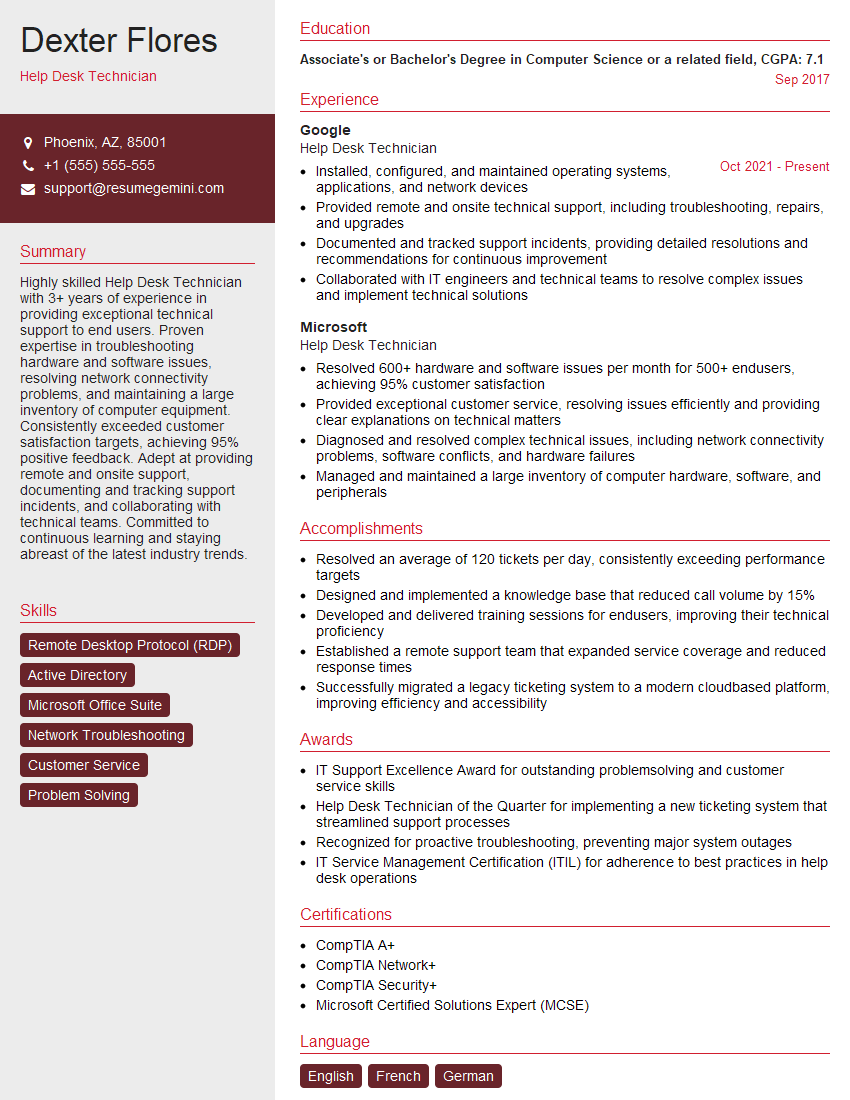
Help Desk Technician Resume Sample
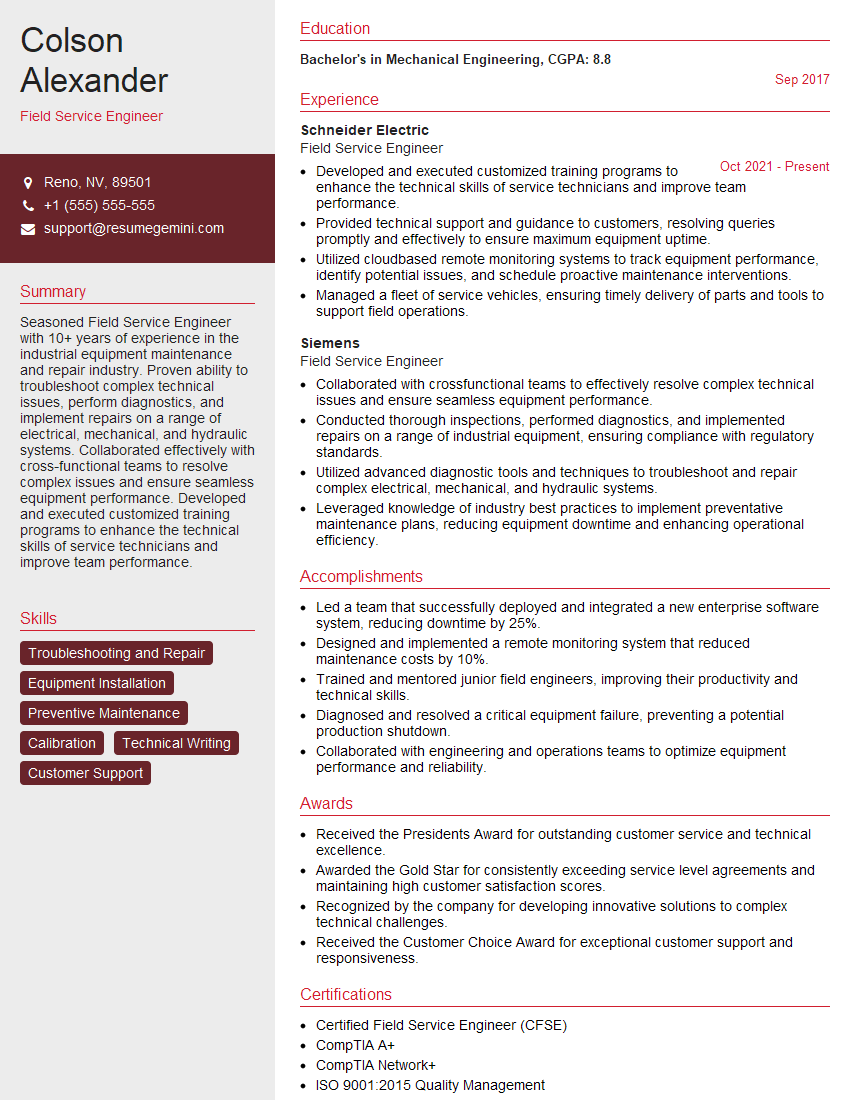
Field Service Engineer Resume Sample

Electronics Technician Resume Sample
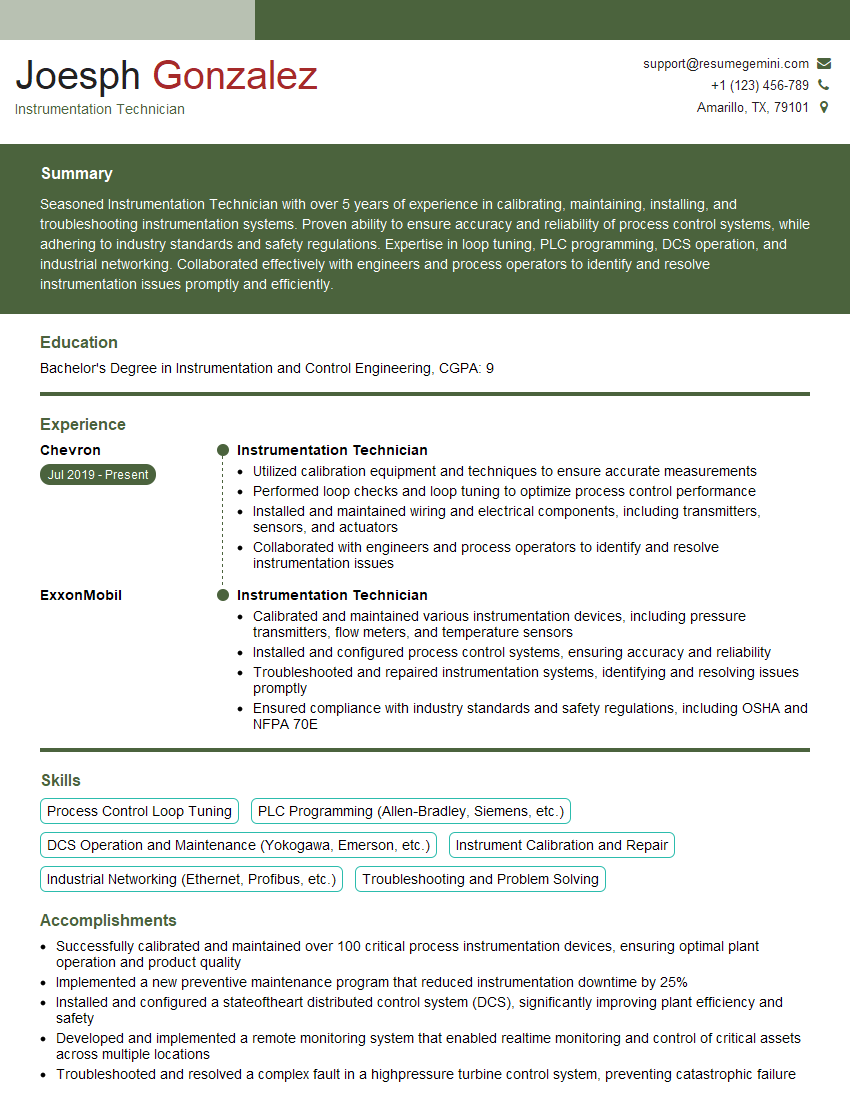
Instrumentation Technician Resume Sample

Automation Technician Resume Sample
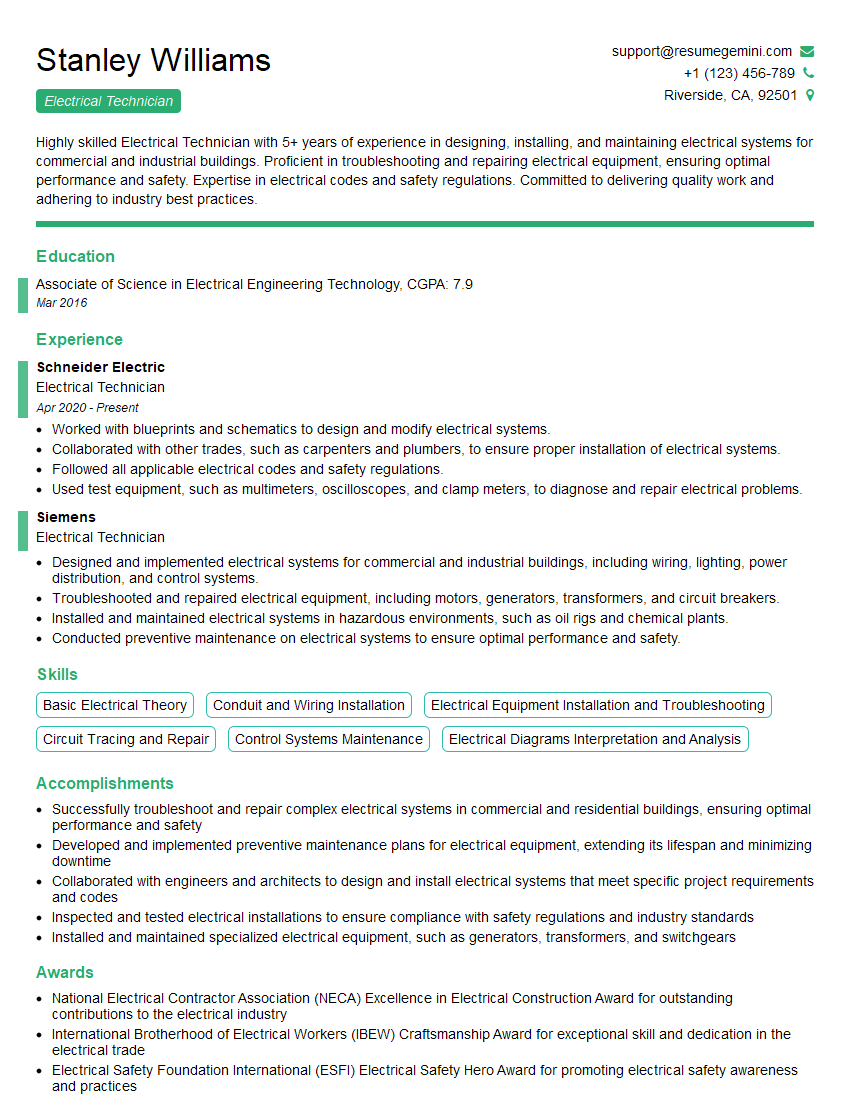
Electrical Technician Resume Sample
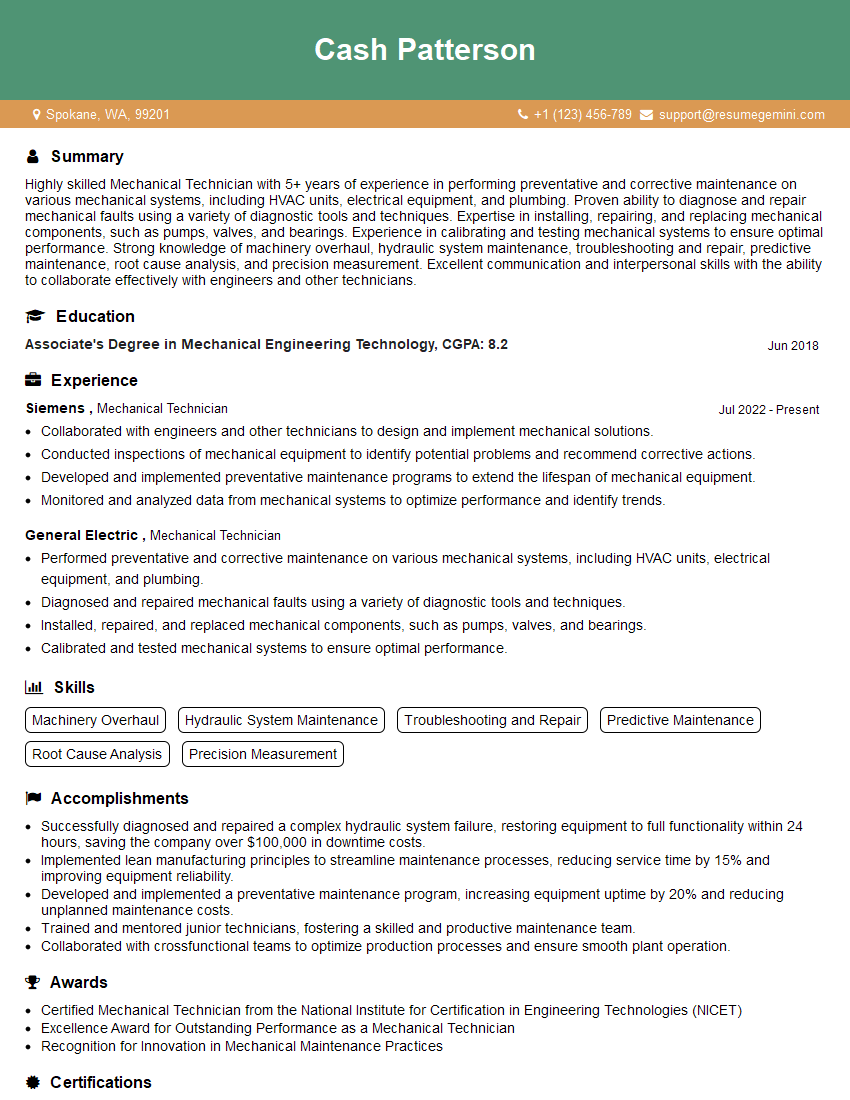
Mechanical Technician Resume Sample

Robotics Technician Resume Sample
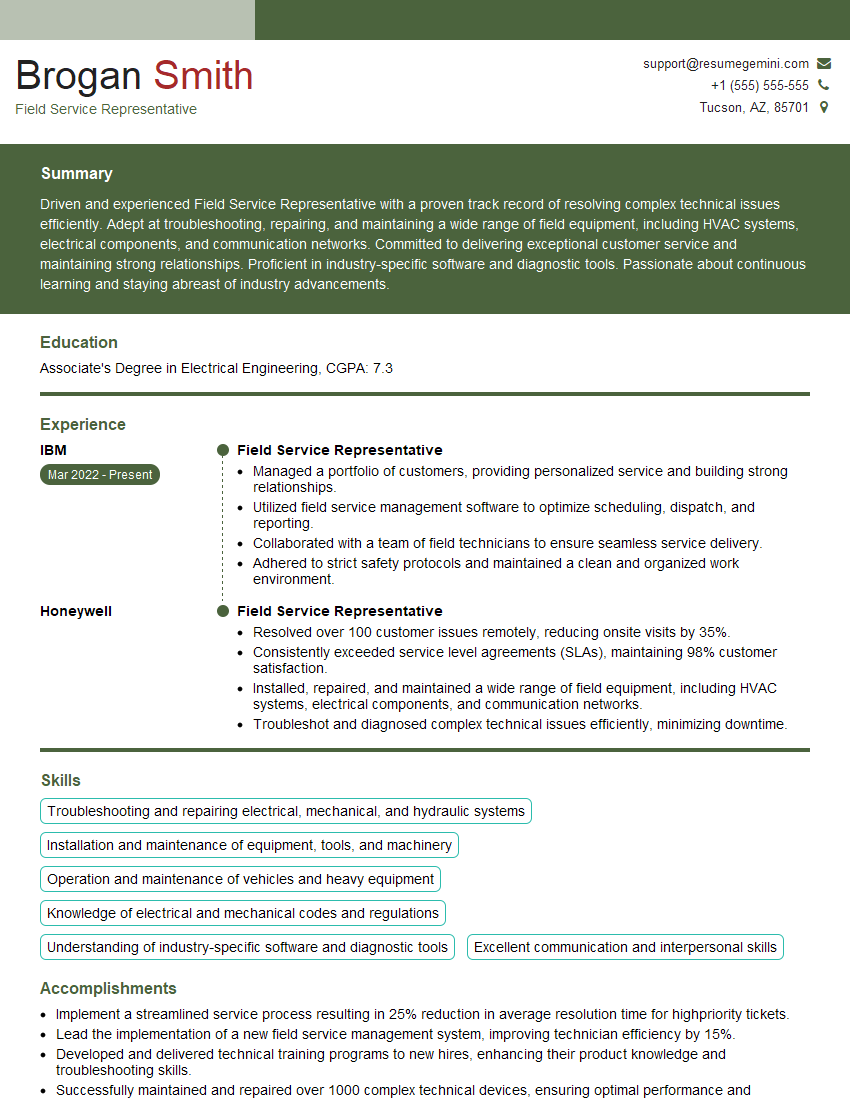
Field Service Representative Resume Sample
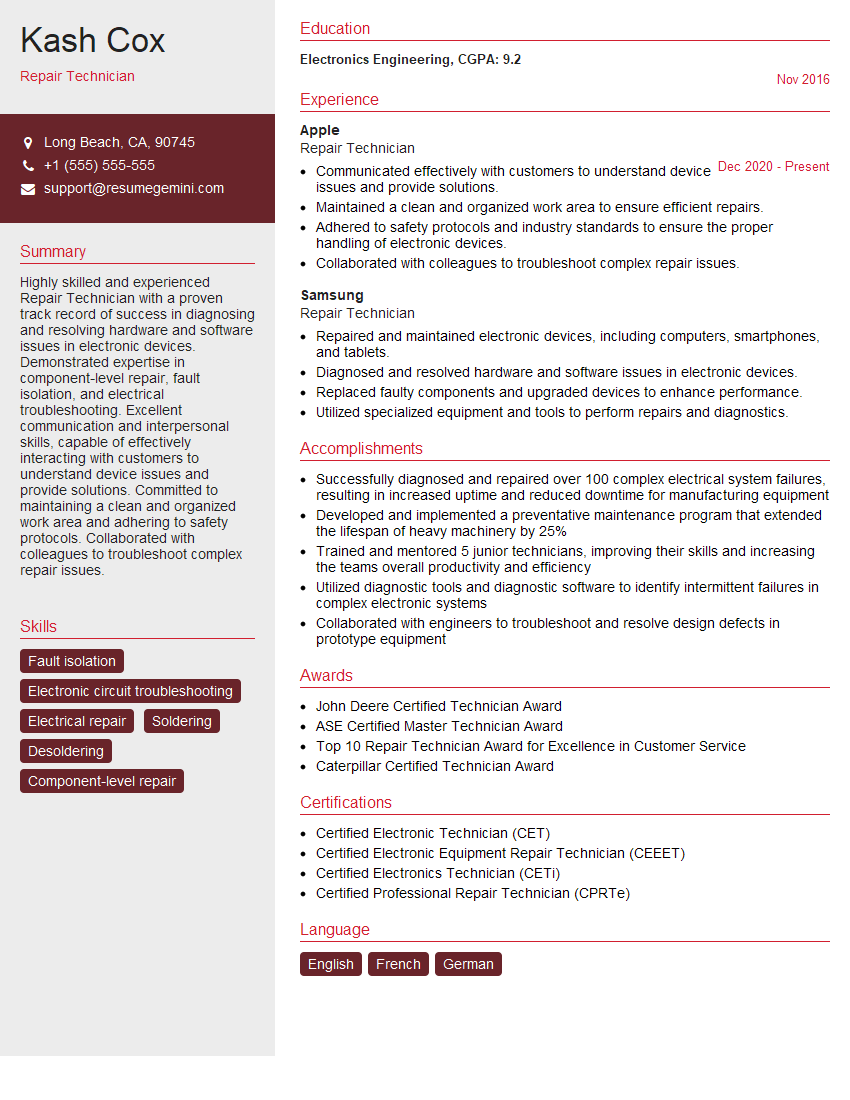
Repair Technician Resume Sample
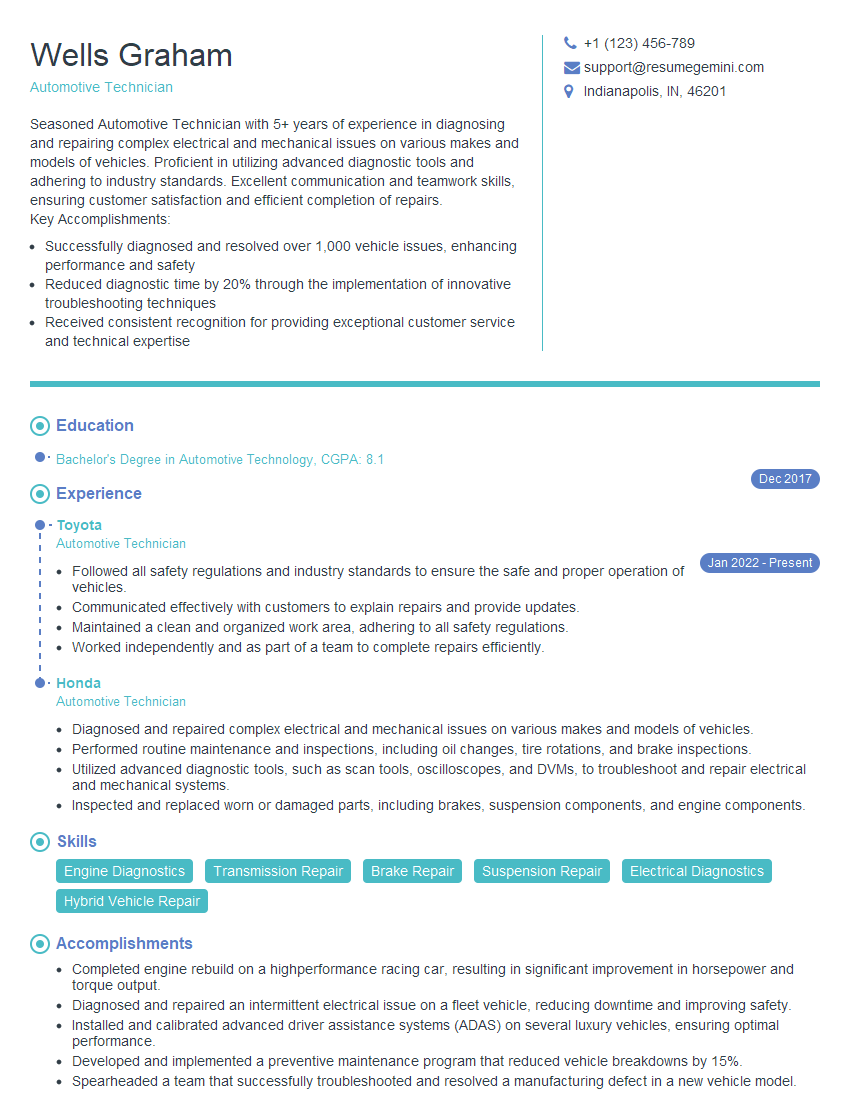
Automotive Technician Resume Sample
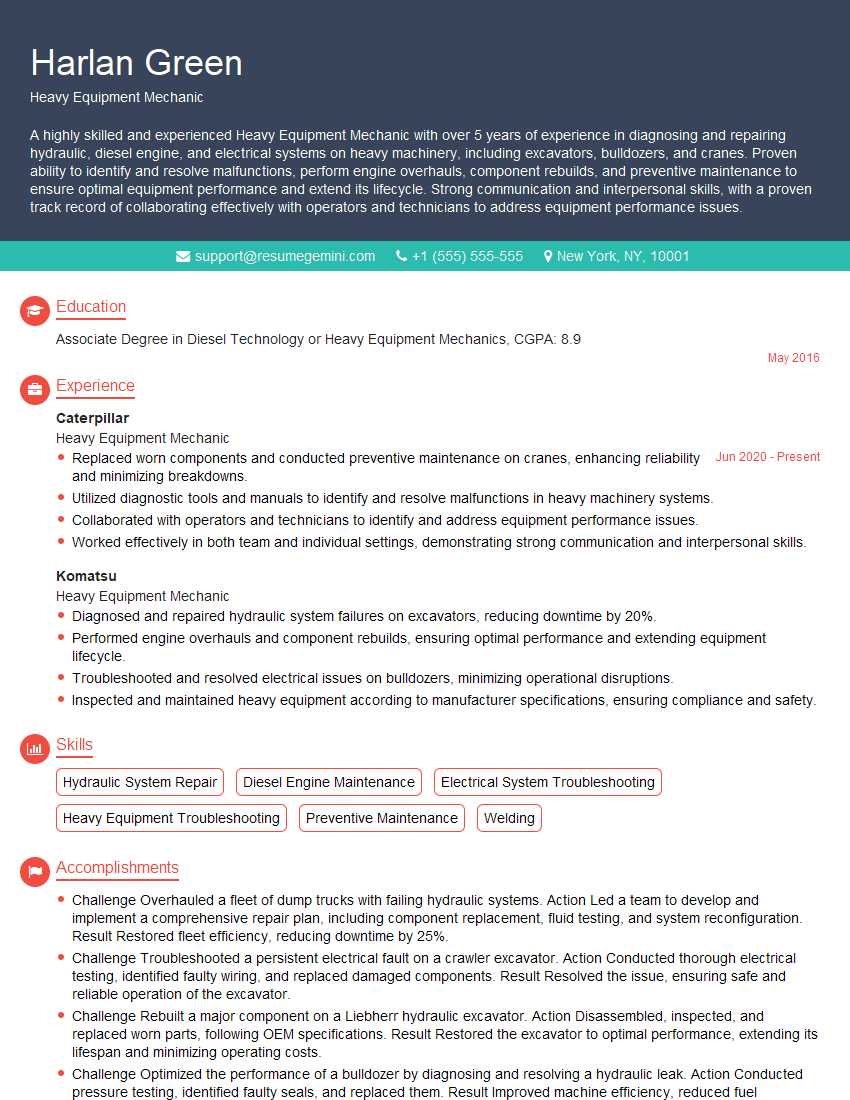
Heavy Equipment Mechanic Resume Sample
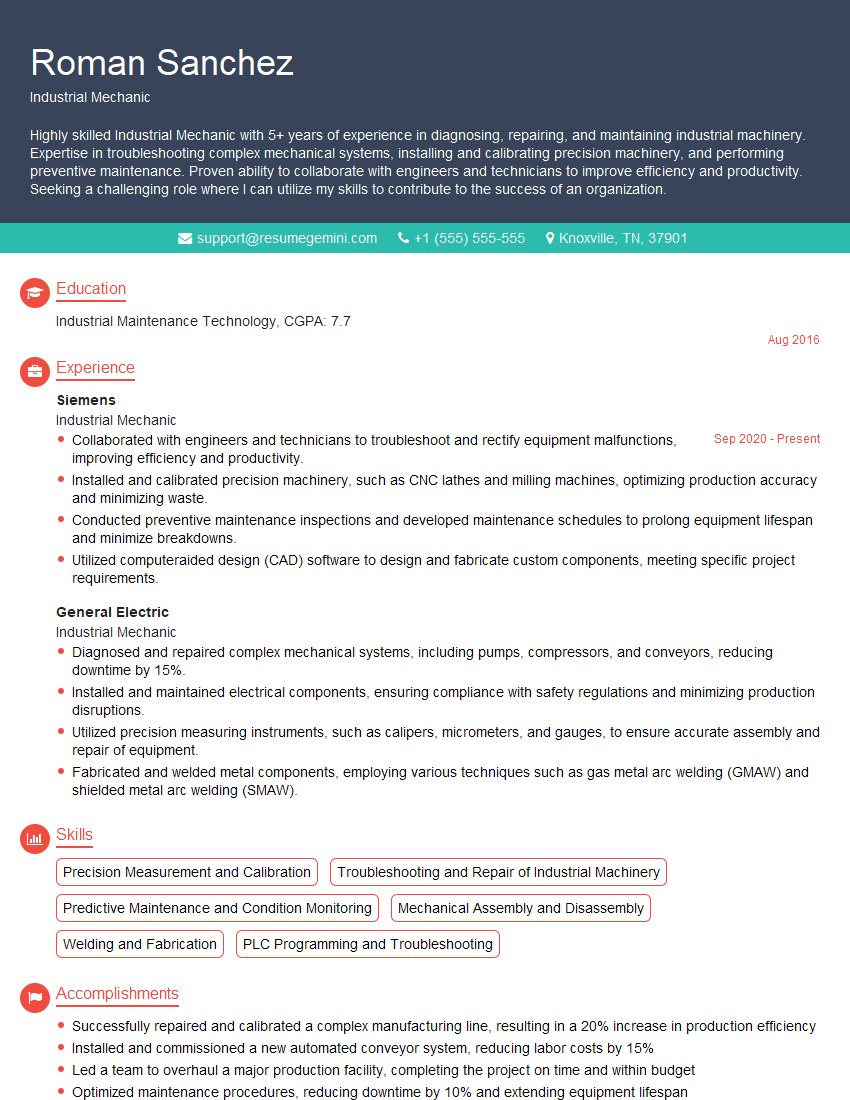
Industrial Mechanic Resume Sample

Facilities Maintenance Technician Resume Sample
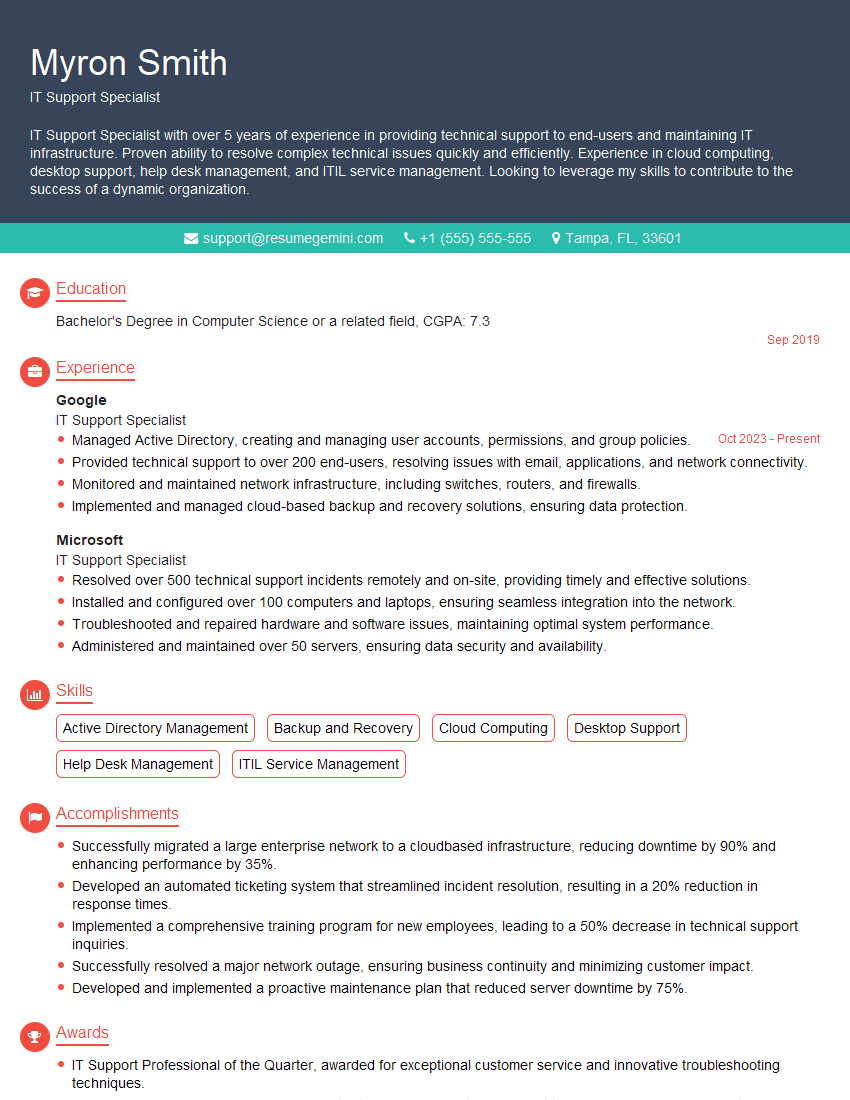
IT Support Specialist Resume Sample
- Maintenance Manager
- Maintenance Planner
- Maintenance Supervisor
- Technical Support Engineer
- Network Technician
- Help Desk Technician
- Field Service Engineer
- Electronics Technician
- Instrumentation Technician
- Automation Technician
- Electrical Technician
- Mechanical Technician
- Robotics Technician
- Field Service Representative
- Repair Technician
- Automotive Technician
- Heavy Equipment Mechanic
- Industrial Mechanic
- Facilities Maintenance Technician
- IT Support Specialist
Explore more articles
Users Rating of Our Blogs
Share Your Experience
We value your feedback! Please rate our content and share your thoughts (optional).
What Readers Say About Our Blog
Very informative content, great job.
good