The thought of an interview can be nerve-wracking, but the right preparation can make all the difference. Explore this comprehensive guide to Electrical Analysis Software interview questions and gain the confidence you need to showcase your abilities and secure the role.
Questions Asked in Electrical Analysis Software Interview
Q 1. Explain the difference between transient and steady-state analysis.
Transient analysis examines the behavior of a circuit over time, particularly during the initial period after a change in the circuit’s conditions, like switching a power source on or off. Imagine flipping a light switch – the initial surge of current and the gradual settling to a steady state are part of the transient response. Steady-state analysis, conversely, focuses on the circuit’s behavior after all transient effects have died out. It’s like looking at the light bulb after it’s been on for a while; we’re only interested in its stable operating point.
The key difference lies in the time domain. Transient analysis involves solving differential equations to track circuit variables like voltage and current as they change with time. Steady-state analysis, however, simplifies the problem, often using phasor analysis for AC circuits or simple DC circuit laws for DC circuits, effectively ignoring the time-dependent aspects.
For example, in a simple RC circuit, transient analysis would show the exponential rise or fall of the capacitor voltage after a step change in the input voltage, while steady-state analysis would only give the final voltage across the capacitor after a sufficiently long time has passed.
Q 2. Describe your experience with different types of circuit analysis (e.g., AC, DC, transient).
My experience encompasses all three types: DC, AC, and transient analysis. I’ve extensively used software like LTSpice, PSIM, and MATLAB/Simulink for these analyses. In DC analysis, I’ve tackled problems involving nodal and mesh analysis, determining voltage and current distributions in complex circuits, and verifying circuit designs for power supplies and digital logic. AC analysis has been critical for designing and optimizing filter circuits, analyzing impedance matching, and assessing the frequency response of amplifiers and communication systems. Here, I’m proficient in techniques like Bode plots and Nyquist plots to understand system stability and performance.
Transient analysis has been instrumental in simulating the switching behavior of power electronics circuits, including power converters and motor drives. I’ve used this to analyze voltage and current waveforms, assess switching losses, and optimize control strategies. For instance, I once used transient analysis in PSIM to model the start-up behavior of a buck converter, identifying and resolving an unexpected voltage overshoot.
Q 3. How do you handle convergence issues in simulation software?
Convergence issues, where the simulation fails to reach a stable solution, are common. My approach is systematic and involves several steps. First, I check the circuit for obvious problems like improperly defined components or unrealistic parameter values. Sometimes a simple mistake in component values or connections can cause significant problems.
Next, I examine the simulation settings. Adjusting the solver’s tolerances (absolute and relative errors) or time step can often resolve convergence issues. For stiff circuits (circuits with vastly different time constants), an implicit solver is preferred over an explicit one. If the problem persists, I might try a different solver altogether (e.g., switching from trapezoidal to backward Euler).
If the problem lies in the circuit itself, I might need to simplify the model. This could involve replacing a complex sub-circuit with a simpler equivalent circuit, or using a more appropriate model for specific components. Sometimes, techniques like source stepping or reducing the simulation time can help the solver to converge.
Q 4. What are the limitations of using simplified models in electrical analysis?
Simplified models, while useful for initial design and quick estimations, have limitations. The most significant limitation is the lack of accuracy. Simplified models often neglect important parasitic effects like resistance in wires, capacitance in junctions, and inductance in loops, leading to discrepancies between simulated and real-world behavior. For instance, a simplified model might ignore the effects of stray capacitance, leading to inaccurate predictions of high-frequency performance.
Another limitation is the limited applicability. A model simplified for one operating region might be inaccurate in another. For instance, a simple linear model of a diode is only accurate for small signal analysis, while a more complex model is necessary to capture its behavior under large signal conditions. Therefore, it’s crucial to carefully select the appropriate model based on the analysis objective and the circuit’s operating conditions. Always consider the trade-off between simplicity and accuracy when selecting a model.
Q 5. Explain your experience with different simulation solvers (e.g., implicit, explicit).
I have experience with both implicit and explicit solvers. Implicit solvers, such as trapezoidal rule and backward Euler, are unconditionally stable but can be computationally expensive. They’re suitable for stiff circuits with widely varying time constants, common in power electronics or circuits with high-speed switching. Explicit solvers, like forward Euler, are computationally less intensive but can be conditionally stable. This means they might be unstable for certain time steps and require careful selection of the time step.
The choice between implicit and explicit solvers depends on the specific problem. For transient analysis of power converters, I typically opt for an implicit solver to ensure stability and accuracy. For simpler circuits where computational efficiency is crucial, an explicit solver might be sufficient. The software I use allows me to select the appropriate solver and adjust its parameters for optimal performance and accuracy.
Q 6. How do you validate the accuracy of your simulation results?
Validating simulation results is crucial. I use a multi-pronged approach. First, I perform a thorough sanity check by comparing the simulation results with theoretical calculations or expected values based on basic circuit laws. If there are significant discrepancies, it indicates a potential error in the model or simulation settings.
Next, I employ experimental verification wherever possible. I compare simulation results with measurements from a real-world prototype. This is the gold standard for validation and helps identify any inaccuracies in the model or unmodeled effects. When physical prototypes are unavailable, I might use previously validated models as a benchmark for comparison.
Finally, I perform sensitivity analysis to assess how changes in input parameters affect the simulation results. This helps to identify potential sources of uncertainty and refine the model. This rigorous process ensures that the simulation results are reliable and accurate.
Q 7. What are the common sources of error in electrical simulations?
Several factors contribute to errors in electrical simulations. Model inaccuracies are a major source of error, as mentioned earlier. Using simplified models that neglect important parasitic effects can lead to significant deviations from reality. Another common source is errors in the input parameters. Inaccurate component values, tolerances, and source specifications directly impact the simulation results. For example, a small error in a resistor value could lead to significant errors in current calculations.
Numerical errors inherent in the simulation algorithms can also lead to inaccuracies. The choice of solver and simulation parameters (time step, tolerances, etc.) affects the accuracy and stability of the simulation. Finally, human error in setting up the simulation or interpreting the results should not be overlooked. Mistakes in the circuit schematic, incorrect boundary conditions, or misinterpretations of the simulation outputs are potential sources of error. Therefore, a careful and systematic approach to simulation is essential.
Q 8. Describe your experience with different types of electrical components and their models.
My experience encompasses a wide range of electrical components, from basic passive elements like resistors, capacitors, and inductors to more complex active components such as transistors (BJTs, MOSFETs), operational amplifiers (op-amps), and integrated circuits (ICs). I understand their ideal and real-world behavior, including parasitic effects.
For modeling, I utilize different approaches depending on the complexity and accuracy required. Simple circuits often use ideal models, which abstract away non-ideal characteristics. For instance, a resistor is simply defined by its resistance value. However, for more precise simulations, I incorporate more realistic models, accounting for factors like temperature dependence, tolerances, and parasitic capacitances and inductances. For transistors, I’ve used models like Gummel-Poon and EKV, choosing the appropriate level of detail based on the simulation goal. For ICs, I often rely on pre-characterized models provided by manufacturers or developed through measurements.
For example, in simulating a high-frequency amplifier, ignoring the parasitic capacitances of the transistors would lead to inaccurate predictions of bandwidth. Therefore, choosing the appropriate transistor model becomes crucial. Similarly, the temperature dependence of resistors can significantly affect the performance of a circuit in varying environmental conditions, so incorporating a temperature-dependent model improves accuracy.
Q 9. How do you choose the appropriate simulation parameters for a given application?
Selecting appropriate simulation parameters is critical for obtaining reliable and meaningful results. It depends heavily on the specific application and the desired level of detail. Key parameters include simulation type (AC, DC, transient), time step, convergence criteria, and the choice of solver.
For example, in a transient analysis simulating a digital circuit’s switching behavior, the time step must be small enough to capture the fast transitions accurately, but not so small that it drastically increases simulation time. Similarly, the convergence criteria, which determines how accurately the solver approaches a solution, must be appropriately chosen to balance accuracy and computational cost. A too-strict criterion can lead to excessive simulation times, while a relaxed one might yield inaccurate results. Choosing an appropriate solver (e.g., Newton-Raphson, Trapezoidal) is also crucial, as each algorithm has strengths and weaknesses related to efficiency and stability for different types of circuits.
I always begin by defining the goals of the simulation and then carefully choose parameters that reflect the circuit’s dynamics and the level of detail required for achieving those goals. For instance, a quick check of circuit operation might use coarser parameters, while verifying compliance with stringent timing specifications requires much finer granularity.
Q 10. Explain your experience with post-processing simulation results.
Post-processing simulation results is as important as the simulation itself. It’s where we extract meaningful insights and validate the design. My experience involves using various techniques to analyze simulation outputs from different software packages.
This includes generating plots of voltage and current waveforms, Bode plots for frequency response analysis, and spectrograms to study signal content. I also use advanced techniques like FFT (Fast Fourier Transform) to analyze frequency components in signals, and I’m proficient in identifying critical parameters like rise/fall times, gain, bandwidth, and distortion metrics.
For instance, in a power supply simulation, I’d analyze the output voltage ripple and efficiency to ensure they meet the specifications. Similarly, in an amplifier design, I’d examine the frequency response to determine the bandwidth and gain, and I’d analyze the harmonic distortion to assess signal integrity. I frequently use spreadsheet software and specialized data visualization tools to manipulate and present simulation results effectively, communicating findings to engineers and stakeholders clearly.
Q 11. How do you use simulation results to improve circuit design?
Simulation results are invaluable for iterative circuit design improvements. I use them to identify bottlenecks, optimize performance, and debug issues before physically building prototypes.
For example, if a simulation reveals excessive voltage drop in a power distribution network, I can use this information to optimize the trace widths, add bypass capacitors, or adjust the power supply design. Similarly, if an amplifier simulation shows poor frequency response, I can modify component values, add compensation networks, or even change the amplifier topology to improve its performance. In debugging, simulation helps identify the root cause of malfunctions by isolating problematic areas and suggesting corrective actions. This iterative process of simulation, analysis, and design modification significantly reduces development time and cost and increases the likelihood of a successful first prototype.
I often employ ‘what-if’ analysis by systematically changing component values or circuit parameters to understand their impact on the overall performance and to explore design trade-offs. This data-driven approach enables informed design choices, leading to optimized circuit functionality and manufacturability.
Q 12. Describe your experience with different types of electrical analysis software (e.g., PSpice, LTSpice, MATLAB).
I have extensive experience with several electrical analysis software packages. PSpice and LTSpice are widely used for schematic capture and circuit simulation, particularly for analog and mixed-signal circuits. I’m proficient in creating circuit schematics, defining component models, running simulations (DC, AC, transient), and analyzing the results. I’ve also used MATLAB extensively for more advanced signal processing, control system design, and data analysis, including processing simulation results from PSpice or LTSpice.
For instance, I’ve used PSpice’s advanced features like behavioral modeling to simulate custom components or complex subsystems. In MATLAB, I’ve created custom scripts to automate simulation processes, analyze large datasets, and generate comprehensive reports. The choice of software depends on the application; for quick circuit simulations and prototyping, LTSpice is ideal, while MATLAB excels in more complex signal processing and control system design aspects.
Q 13. How do you troubleshoot simulation errors?
Troubleshooting simulation errors requires a systematic approach. The first step is carefully reviewing the error messages provided by the software. These messages often pinpoint the source of the problem, such as incorrect component values, connectivity issues, or numerical instability.
If the error message is unclear, I’ll start by checking the circuit schematic for obvious errors, such as unconnected nodes, incorrect component orientation, or conflicting component values. Then I’ll verify the simulation settings, ensuring that the chosen parameters (e.g., time step, convergence criteria, simulation type) are appropriate for the circuit being simulated. Sometimes, the simulation fails due to numerical issues; in these cases, adjusting the simulation parameters (e.g., tightening or loosening the convergence tolerance) or selecting a different solver might resolve the problem.
If the problem persists, I’ll simplify the circuit gradually to isolate the source of the error. This could involve removing components or sections of the circuit until the error disappears, which helps to identify the problematic component or subcircuit. I also utilize the software’s debugging features, such as waveform monitoring during the simulation to track voltage and current values and identify unexpected behavior. Finally, consulting the software’s documentation and online forums is a valuable way to seek additional assistance and solutions.
Q 14. What are the best practices for managing large simulation projects?
Managing large simulation projects requires a well-organized and structured approach. I advocate for a top-down design methodology, breaking down complex circuits into smaller, manageable modules. This allows for more efficient simulation, debugging, and analysis.
Furthermore, effective version control is crucial. I use tools like Git to track changes to circuit schematics, simulation files, and simulation results. This ensures that the project’s history is well-documented and allows for easy rollback to previous versions if necessary.
Clear naming conventions for files and directories are also vital to avoid confusion and improve project organization. I use descriptive names that clearly identify the purpose and content of each file. Finally, generating comprehensive reports that document the simulation setup, results, and conclusions is essential for knowledge sharing and reproducibility. These reports help to maintain the project’s integrity and allow for easy communication of the findings to other engineers and stakeholders.
Q 15. Describe your experience with scripting or programming in the context of electrical analysis.
Scripting and programming are indispensable tools in electrical analysis, significantly boosting efficiency and allowing for automation of complex tasks. My experience spans several languages, primarily Python and MATLAB. I’ve extensively used Python with libraries like NumPy and SciPy for numerical computations, data manipulation, and post-processing of simulation results. For instance, I developed a Python script to automate the extraction of key parameters from thousands of transient simulations performed in PSIM, significantly reducing the time spent on manual data analysis. In MATLAB, I’ve leveraged its symbolic math capabilities to build custom models for complex circuits, enabling rapid prototyping and analysis before implementing them in dedicated simulation tools. Furthermore, I’ve used scripting to automate the generation of simulation inputs, streamlining the workflow and reducing human error. This is particularly useful when dealing with parameter sweeps or optimization studies.
Career Expert Tips:
- Ace those interviews! Prepare effectively by reviewing the Top 50 Most Common Interview Questions on ResumeGemini.
- Navigate your job search with confidence! Explore a wide range of Career Tips on ResumeGemini. Learn about common challenges and recommendations to overcome them.
- Craft the perfect resume! Master the Art of Resume Writing with ResumeGemini’s guide. Showcase your unique qualifications and achievements effectively.
- Don’t miss out on holiday savings! Build your dream resume with ResumeGemini’s ATS optimized templates.
Q 16. Explain your familiarity with different types of signal integrity analysis.
Signal integrity analysis is crucial for high-speed digital designs. My experience encompasses various aspects, including:
- Rise/Fall Time Analysis: Assessing signal transitions to ensure they meet specifications and avoid signal distortion or reflections.
- Reflection and Crosstalk Analysis: Identifying and mitigating signal reflections and crosstalk between traces on printed circuit boards (PCBs). I’ve used tools like ADS and Altium Designer to model these effects and optimize trace routing.
- Eye Diagram Analysis: Evaluating signal quality by examining the eye diagram, a visual representation of the signal’s performance over time. Open eye diagrams indicate excellent signal integrity, while closed ones indicate potential issues.
- Jitter Analysis: Analyzing variations in signal timing to ensure data integrity. I’ve used advanced techniques like Time Domain Reflectometry (TDR) simulation to identify jitter sources.
For example, I once used eye diagram analysis to diagnose intermittent data errors in a high-speed communication system. By identifying the closure of the eye diagram at specific frequencies, I was able to pinpoint the source of the jitter to a poorly designed clock circuit.
Q 17. How do you address thermal effects in your simulations?
Thermal effects can significantly impact the performance and reliability of electronic components. I incorporate thermal analysis into my simulations using several approaches. Many simulation tools offer coupled electro-thermal simulations, allowing for a simultaneous solution of electrical and thermal behavior. Alternatively, I utilize dedicated thermal simulation software like ANSYS Icepak or Flotherm. These tools allow me to model heat transfer through conduction, convection, and radiation. I use the thermal simulation results to validate the design’s ability to dissipate heat effectively. For instance, I’ve used these techniques to predict the junction temperature of power transistors under different operating conditions, ensuring they operate within their safe limits and prevent thermal runaway. The outputs from thermal analysis, such as temperature profiles and thermal gradients, are then integrated back into the electrical model to fully understand the impact of thermal effects on circuit behavior.
Q 18. Describe your experience with electromagnetic field simulations.
I have extensive experience with electromagnetic (EM) field simulations, primarily using tools like ANSYS HFSS and CST Microwave Studio. These simulations are critical for designing antennas, RF components, and high-speed interconnect systems where electromagnetic effects become significant. I’ve modeled various structures, including microstrip lines, waveguides, and antennas, using different techniques like Finite Element Method (FEM) and Method of Moments (MoM). For example, I recently used HFSS to optimize the design of a patch antenna for a wireless communication system, achieving desired performance metrics such as gain and bandwidth. My experience also includes understanding and mitigating electromagnetic interference (EMI) and electromagnetic compatibility (EMC) issues through proper shielding and grounding design, often requiring coupled EM-circuit simulations.
Q 19. How do you handle noise in your simulations?
Handling noise in simulations requires a multifaceted approach. Firstly, accurate modeling of noise sources is crucial. This includes thermal noise, shot noise, and flicker noise, which can be incorporated into circuit simulations using various techniques. Secondly, the simulation settings themselves need to be carefully configured. For instance, using appropriate time steps and simulation lengths are vital to properly capture the effects of noise. Finally, post-processing of simulation results is crucial to isolate and analyze the noise effects. Statistical analysis techniques, such as Monte Carlo analysis, are essential for evaluating the impact of noise across a range of scenarios. For example, I used Monte Carlo analysis to determine the probability of failure in a sensitive analog circuit due to variations in component tolerances and noise levels. This helped us to make informed decisions on component selection and circuit design improvements.
Q 20. Explain your experience with power system analysis software (e.g., PSS/E, PowerWorld).
My experience with power system analysis software encompasses PSS/E and PowerWorld Simulator. I’ve used these tools extensively for power flow studies, short-circuit analysis, transient stability studies, and dynamic simulations of large-scale power systems. For instance, I used PSS/E to analyze the stability of a power grid under various fault conditions, identifying potential vulnerabilities and proposing solutions to improve grid resilience. PowerWorld Simulator has been useful for smaller scale network analysis and educational purposes, helping me to quickly develop an understanding of complex power system behavior. I am also comfortable working with various data formats used in power system analysis and have experience in integrating data from different sources.
Q 21. What are the key differences between time-domain and frequency-domain analysis?
Time-domain and frequency-domain analysis are two fundamental approaches to analyzing electrical systems. Time-domain analysis examines the system’s response to inputs as a function of time. This directly represents how the system behaves over time, but can be computationally expensive for complex systems. Frequency-domain analysis, on the other hand, examines the system’s response to sinusoidal inputs at various frequencies. This approach is often more efficient and provides insights into system behavior at different frequencies, particularly useful for analyzing the system’s response to periodic signals and identifying resonant frequencies. For example, time-domain analysis is essential for transient simulations where the dynamic response of the system is crucial, such as evaluating the response of a power system to a fault. Frequency-domain analysis is better suited for analyzing AC steady-state behaviors such as analyzing the frequency response of an amplifier. The choice between the two often depends on the specific nature of the problem and the desired information.
Q 22. How do you perform sensitivity analysis on your designs?
Sensitivity analysis is crucial in electrical design to understand how variations in input parameters affect the output. It helps identify critical components or parameters that significantly influence the performance, allowing for better design robustness and optimization. I typically employ several methods:
Parametric Sweeps: I systematically vary individual parameters (e.g., resistor values, capacitor tolerances) over a specified range and observe the impact on key performance indicators (KPIs) like gain, bandwidth, or power consumption. This can be easily implemented in most simulation software through built-in sweep functionalities. For example, in simulating an amplifier circuit, I might sweep the transistor’s beta value to see its effect on the amplifier’s gain.
Monte Carlo Analysis: This probabilistic method simulates numerous iterations with randomly varied parameters within specified tolerances. It provides a statistical distribution of the KPIs, revealing potential worst-case and best-case scenarios. This is invaluable for assessing the reliability of the design when facing manufacturing tolerances.
Adjoint Sensitivity Analysis: For more complex designs, I use adjoint sensitivity analysis. This sophisticated technique efficiently calculates the sensitivity of output parameters to all input parameters simultaneously, significantly reducing computational cost compared to brute-force methods. This is particularly useful when dealing with large circuits with many parameters.
The results are then analyzed graphically or numerically, helping pinpoint the most sensitive components and inform design decisions like tighter tolerances or alternative component choices to enhance the design’s resilience.
Q 23. Explain your experience with optimization techniques in electrical analysis.
Optimization techniques are essential for achieving optimal performance in electrical designs. My experience encompasses various methods, from simple gradient-based approaches to more advanced evolutionary algorithms.
Gradient-Based Optimization: For designs with smooth, continuous responses, I use gradient-based methods like steepest descent or conjugate gradient. These methods iteratively refine the design parameters based on the calculated gradient of the objective function. They’re efficient but can get stuck in local optima.
Evolutionary Algorithms: For complex, non-linear or discontinuous objective functions, I employ evolutionary algorithms like genetic algorithms or particle swarm optimization. These methods mimic natural selection, generating and evolving a population of design candidates until optimal solutions are found. They are robust but computationally more demanding.
Simulated Annealing: This probabilistic metaheuristic helps avoid local optima by accepting worse solutions with a certain probability, which gradually decreases over time. It’s useful for navigating complex design spaces.
I have utilized these techniques in optimizing antenna designs for maximum gain, minimizing power consumption in integrated circuits, and improving the signal-to-noise ratio in communication systems. The choice of optimization method is highly dependent on the design’s complexity, the nature of the objective function, and the available computational resources.
Q 24. Describe your experience with model order reduction techniques.
Model order reduction (MOR) is crucial when dealing with large-scale systems where full-order simulation is computationally prohibitive. MOR techniques create reduced-order models that accurately approximate the behavior of the original system, significantly reducing simulation time and memory requirements.
Krylov subspace methods: I frequently use Krylov subspace methods, such as Arnoldi and Lanczos algorithms, to project the high-dimensional system onto a lower-dimensional subspace that captures the dominant dynamics. This approach is effective for linear systems and preserves the key characteristics of the original model.
Balanced truncation: This technique identifies and removes less significant states from the system based on their controllability and observability. It results in a reduced-order model with minimal information loss. This is especially useful for large linear and nonlinear systems.
Proper Orthogonal Decomposition (POD): POD uses data from full-order simulations or experimental measurements to construct a reduced-order basis. It’s powerful for nonlinear systems but requires a set of representative snapshots of the system’s behavior.
For instance, in simulating a high-speed digital circuit with millions of transistors, I would apply MOR techniques to create a simplified model that accurately predicts signal integrity while drastically shortening the simulation time. The choice of MOR technique hinges on the system’s characteristics and the desired accuracy.
Q 25. How do you ensure the security of your simulation data?
Data security is paramount when handling sensitive simulation data. I adhere to a multi-layered approach:
Access Control: I implement strict access control measures, limiting access to simulation data and project files based on the principle of least privilege. This includes utilizing robust password management practices and regularly auditing user permissions.
Data Encryption: Sensitive data, both in transit and at rest, is encrypted using strong encryption algorithms. I employ encryption both at the file level and potentially through database encryption.
Regular Backups: Regular backups of simulation data are stored securely offsite, safeguarding against data loss due to hardware failure or cyberattacks.
Firewall and Intrusion Detection Systems: Network security measures, including firewalls and intrusion detection systems, protect the simulation environment from unauthorized access and malicious activity.
Version Control: Using version control systems like Git helps track changes to simulation files and facilitates collaboration while maintaining data integrity.
Furthermore, adherence to company security policies and industry best practices is critical to maintaining a secure simulation environment. I’m also aware of data privacy regulations and ensure compliance in my practices.
Q 26. What are the ethical considerations when using simulation software?
Ethical considerations in using simulation software are crucial to ensure responsible and unbiased outcomes. Key aspects include:
Data Integrity: Ensuring the accuracy and validity of input data is paramount. Using flawed or manipulated data leads to unreliable simulation results and can have serious consequences. I carefully validate all input data and perform thorough checks to avoid biases.
Transparency and Reproducibility: My simulation processes and results are documented clearly, making them transparent and reproducible. This allows others to review the methodology and verify the results independently, preventing potential misconduct.
Avoiding Misrepresentation: It’s ethically crucial to avoid misrepresenting or exaggerating simulation results. Presenting the limitations and uncertainties inherent in any simulation is necessary for responsible interpretation.
Environmental Impact: High-performance computing used in simulations can have an environmental impact. I strive to optimize simulation workflows and utilize energy-efficient computing practices to minimize my environmental footprint.
Intellectual Property: Respecting intellectual property rights related to the simulation software and any models used is vital. I ensure proper licensing and compliance with all relevant regulations.
Ethical conduct builds trust and credibility in the simulation results, ensuring that they are used responsibly and contribute to safe and effective designs.
Q 27. Explain your experience with collaborative simulation workflows.
Collaborative simulation workflows are commonplace in today’s design environments. My experience includes leveraging various tools and methodologies to facilitate efficient teamwork.
Cloud-Based Platforms: I have worked extensively with cloud-based simulation platforms that allow for shared access to projects, datasets, and results. This facilitates simultaneous collaboration, enabling multiple engineers to work on the same project concurrently.
Version Control Systems: Using Git or similar version control systems allows for collaborative development of simulation models and scripts. This enables efficient tracking of changes, merging of different contributions, and rollback capabilities if needed.
Collaborative Design Tools: I’m familiar with collaborative design tools that integrate simulation with other design aspects (e.g., CAD). This integrated environment enables seamless data exchange and improves the efficiency of the design process.
Communication Tools: Effective communication is vital. I utilize tools like instant messaging, project management software, and regular team meetings to ensure clear communication and coordination among team members.
Working effectively in collaborative environments requires clear communication, well-defined roles and responsibilities, and a shared understanding of the simulation goals and workflows. These aspects are critical for successfully executing large-scale simulation projects.
Q 28. Describe a challenging simulation problem you solved and how you approached it.
One challenging simulation problem I encountered involved simulating electromagnetic interference (EMI) in a high-speed digital circuit board. The circuit contained numerous components, complex geometries, and a wide range of frequencies, leading to extremely long simulation times using traditional methods.
My approach involved a combination of techniques:
Model Order Reduction: I initially applied MOR techniques to simplify the circuit model, significantly reducing the number of elements without compromising accuracy.
Hierarchical Simulation: I divided the simulation into smaller, more manageable sub-circuits, simulating each individually and then integrating the results. This significantly decreased computational time.
Frequency Domain Analysis: Instead of a time-domain simulation, I utilized frequency domain analysis, which is particularly efficient for studying EMI effects. This allowed for a much faster assessment of the EMI across a wide range of frequencies.
Advanced Solver Techniques: I utilized advanced solver techniques within my chosen simulation software to optimize the simulation process and improve computational efficiency. This included exploring different numerical methods and adjusting solver parameters.
By combining these techniques, I was able to reduce the simulation time by several orders of magnitude without sacrificing accuracy, enabling timely design modifications to mitigate the EMI issues. The successful resolution of this complex simulation highlights the importance of leveraging various methods and adapting to the specifics of the problem at hand.
Key Topics to Learn for Electrical Analysis Software Interview
- Circuit Simulation: Understanding the fundamental principles behind simulating various circuit configurations (DC, AC, transient) and interpreting the results. This includes analyzing voltage, current, power, and impedance.
- Component Modeling: Learn how to accurately model different electrical components (resistors, capacitors, inductors, transistors, etc.) within the software, understanding their limitations and appropriate applications.
- Signal Integrity Analysis: Mastering techniques to analyze signal integrity issues, such as reflections, crosstalk, and impedance mismatches, and implementing solutions to mitigate them.
- Power System Analysis: Familiarize yourself with simulating and analyzing power systems, including load flow studies, fault analysis, and protection schemes. This includes understanding concepts like per-unit systems and symmetrical components.
- PCB Design Integration: Gain experience integrating electrical analysis software with PCB design tools for efficient and accurate analysis of circuit board performance.
- Data Analysis and Interpretation: Develop strong skills in interpreting simulation results, identifying trends, and drawing meaningful conclusions to support design decisions.
- Software-Specific Features: Become proficient in the specific features and functionalities of the Electrical Analysis Software you’ll be using in the interview (e.g., specific solvers, analysis types, post-processing tools).
- Troubleshooting and Debugging: Develop problem-solving skills to identify and resolve errors or unexpected results during simulations. This includes understanding convergence issues and model limitations.
Next Steps
Mastering Electrical Analysis Software is crucial for a successful career in electrical engineering, opening doors to exciting opportunities in design, development, and research. A strong understanding of these tools significantly enhances your problem-solving abilities and allows you to contribute meaningfully to complex projects. To maximize your job prospects, creating an ATS-friendly resume is essential. ResumeGemini can be a trusted resource to help you build a professional and impactful resume that highlights your skills and experience effectively. Examples of resumes tailored to Electrical Analysis Software professionals are available to help you showcase your expertise.
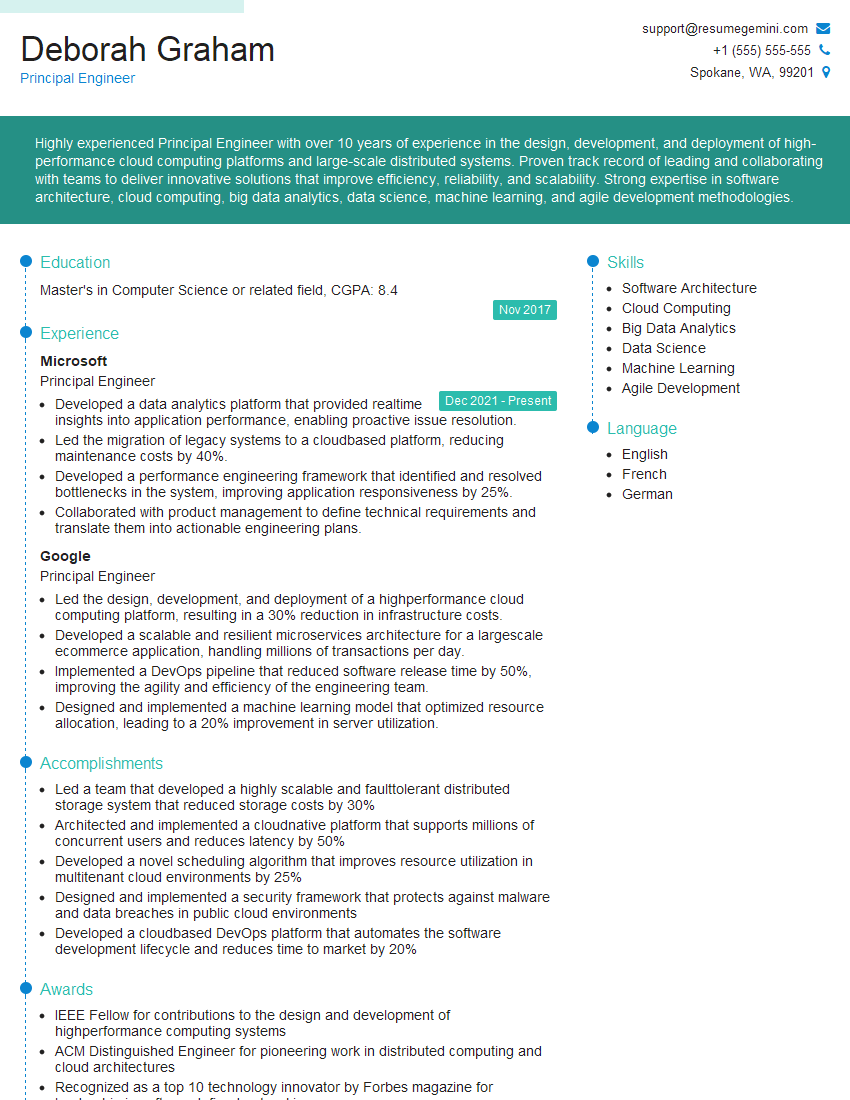
Principal Engineer Resume Sample
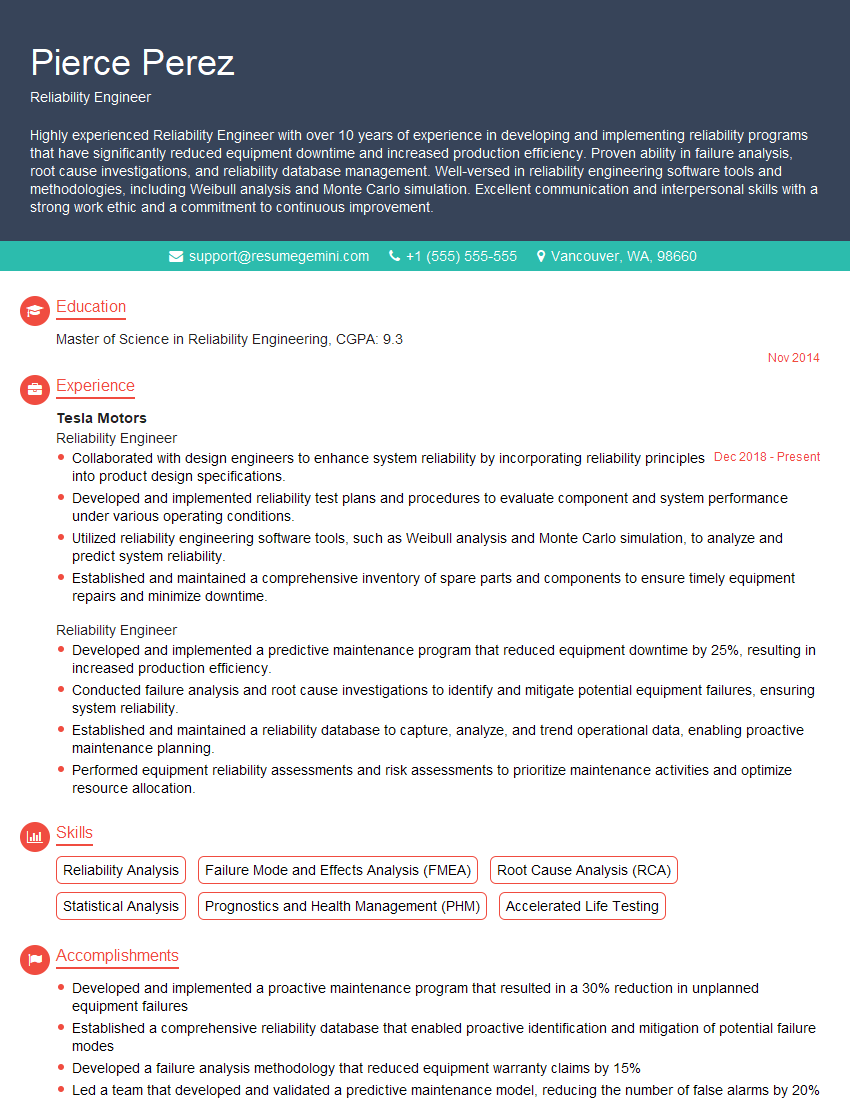
Reliability Engineer Resume Sample
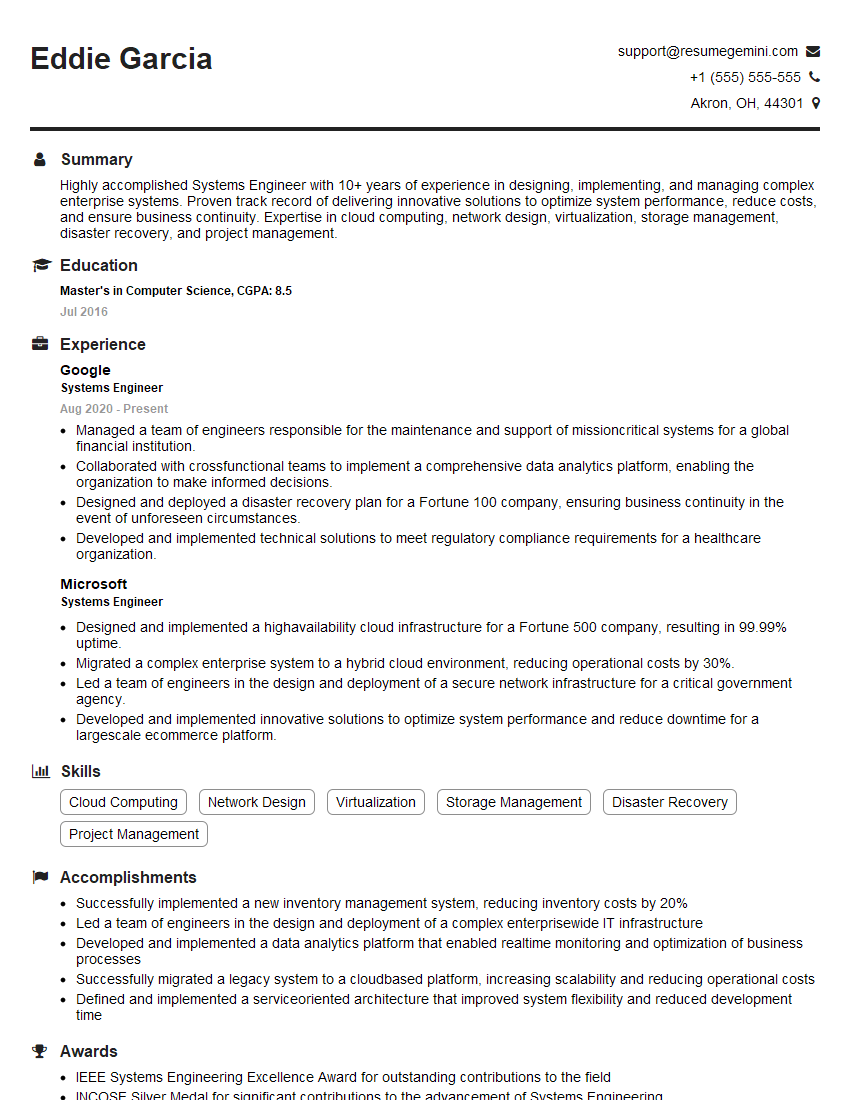
Systems Engineer Resume Sample
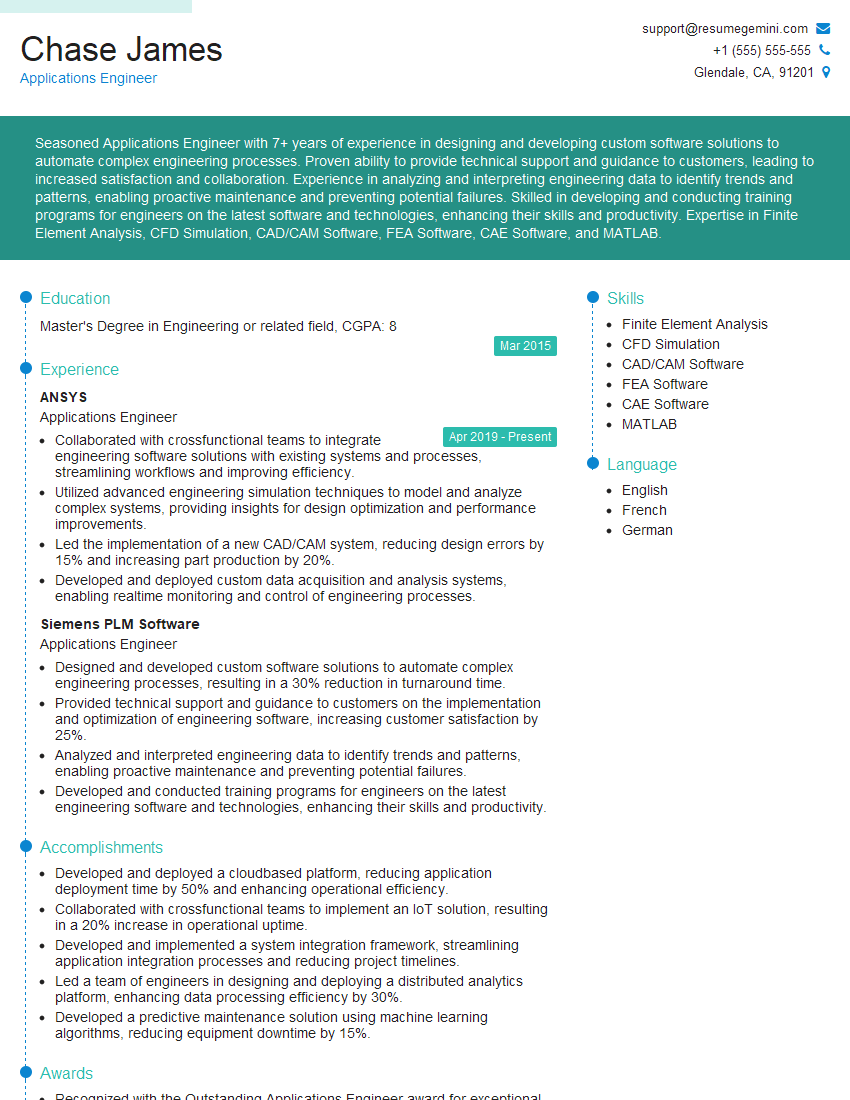
Applications Engineer Resume Sample
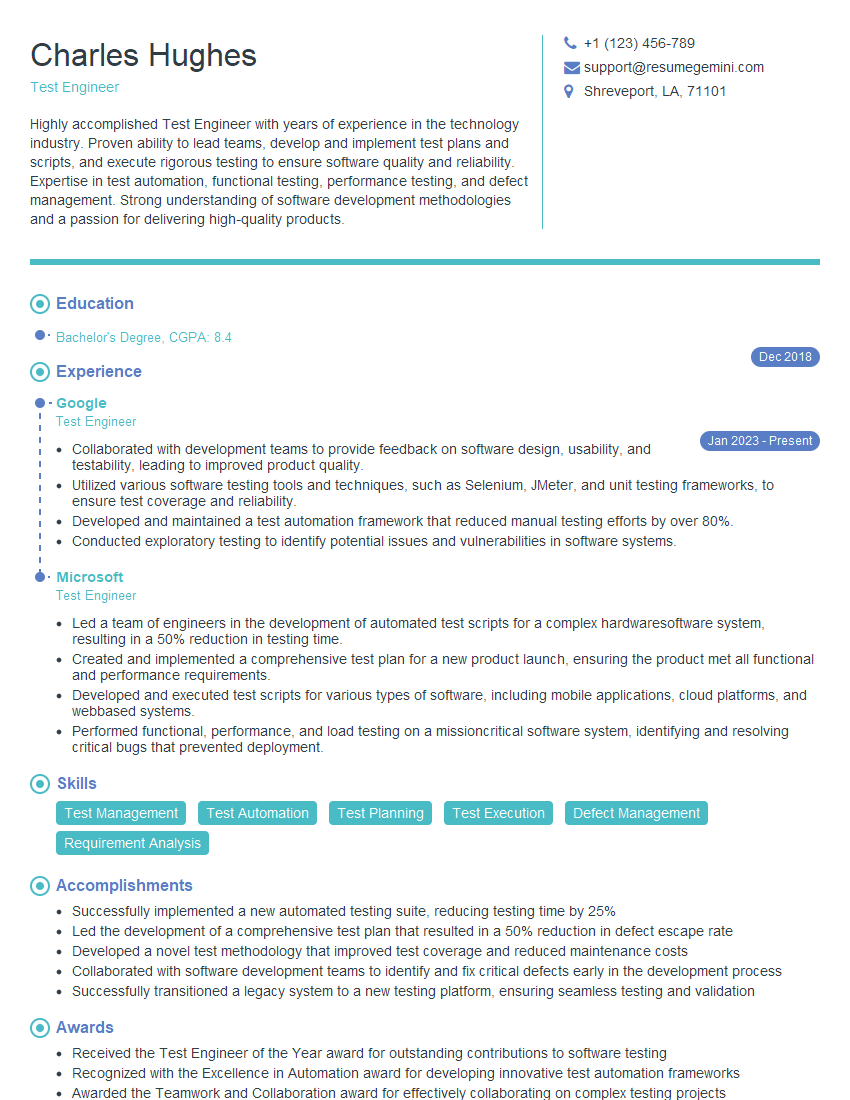
Test Engineer Resume Sample
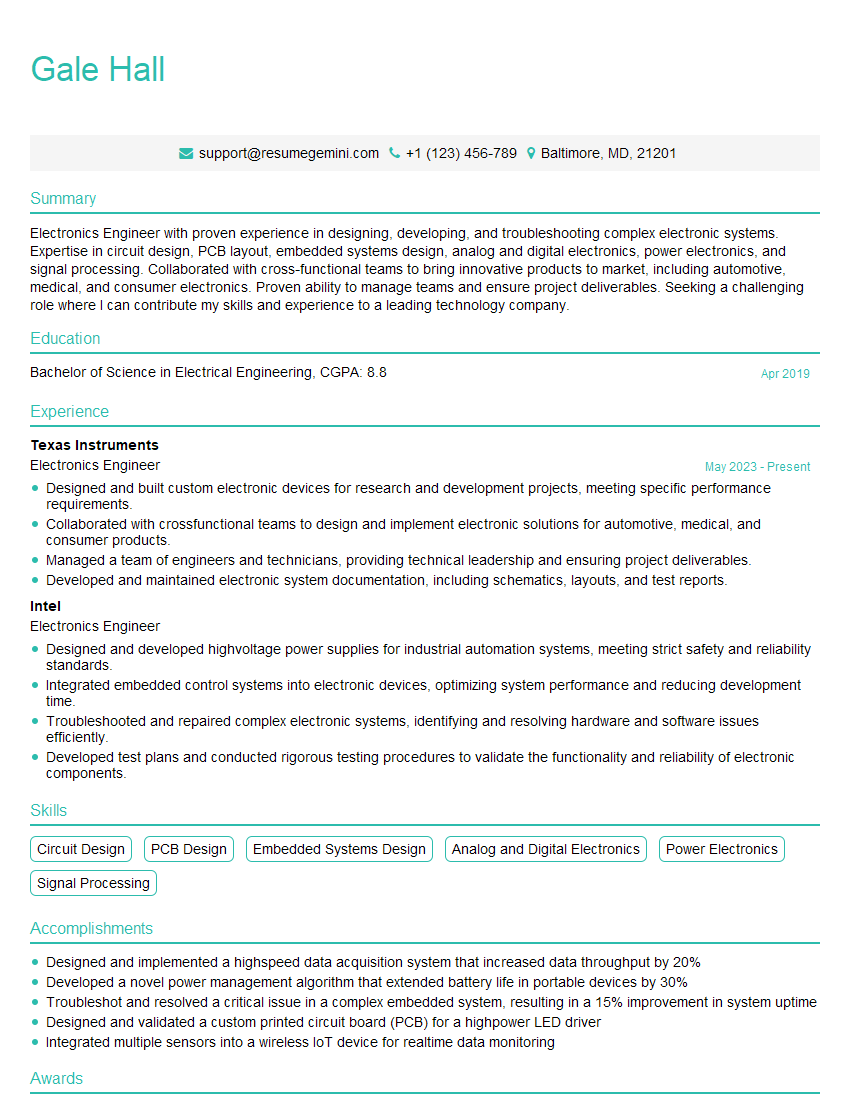
Electronics Engineer Resume Sample

Hardware Engineer Resume Sample
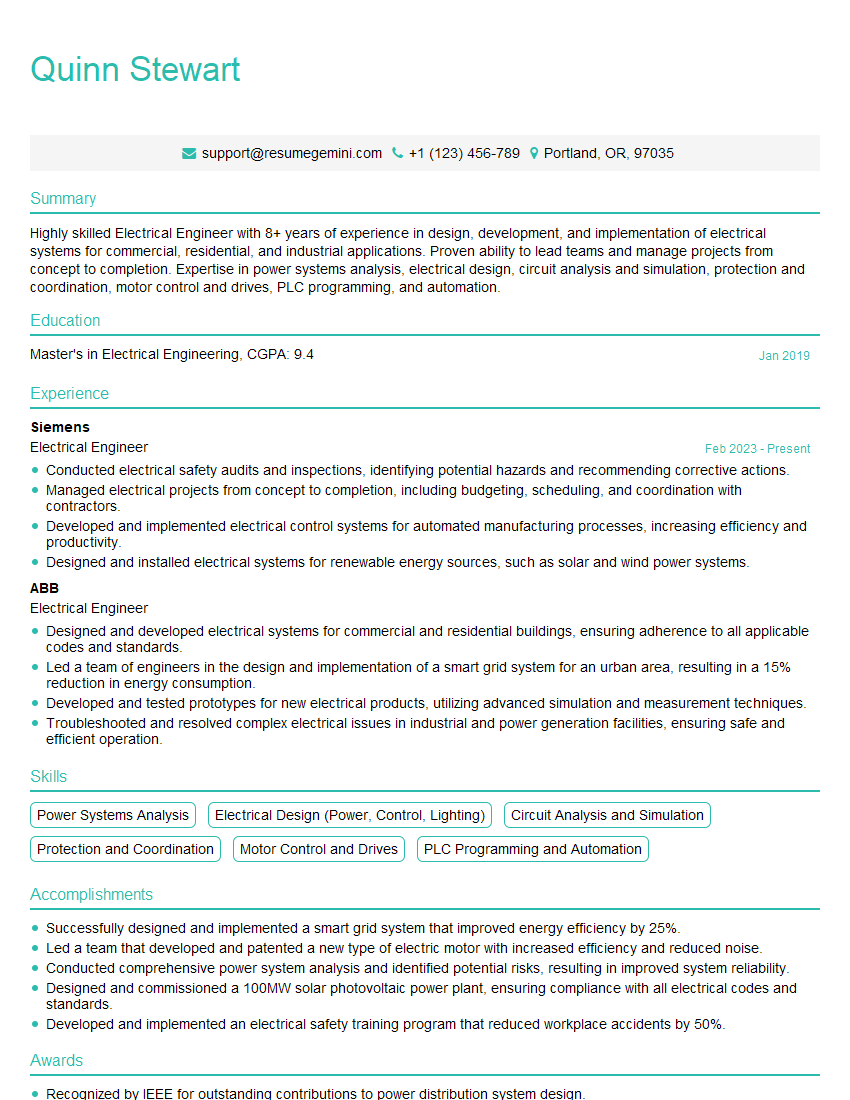
Electrical Engineer Resume Sample
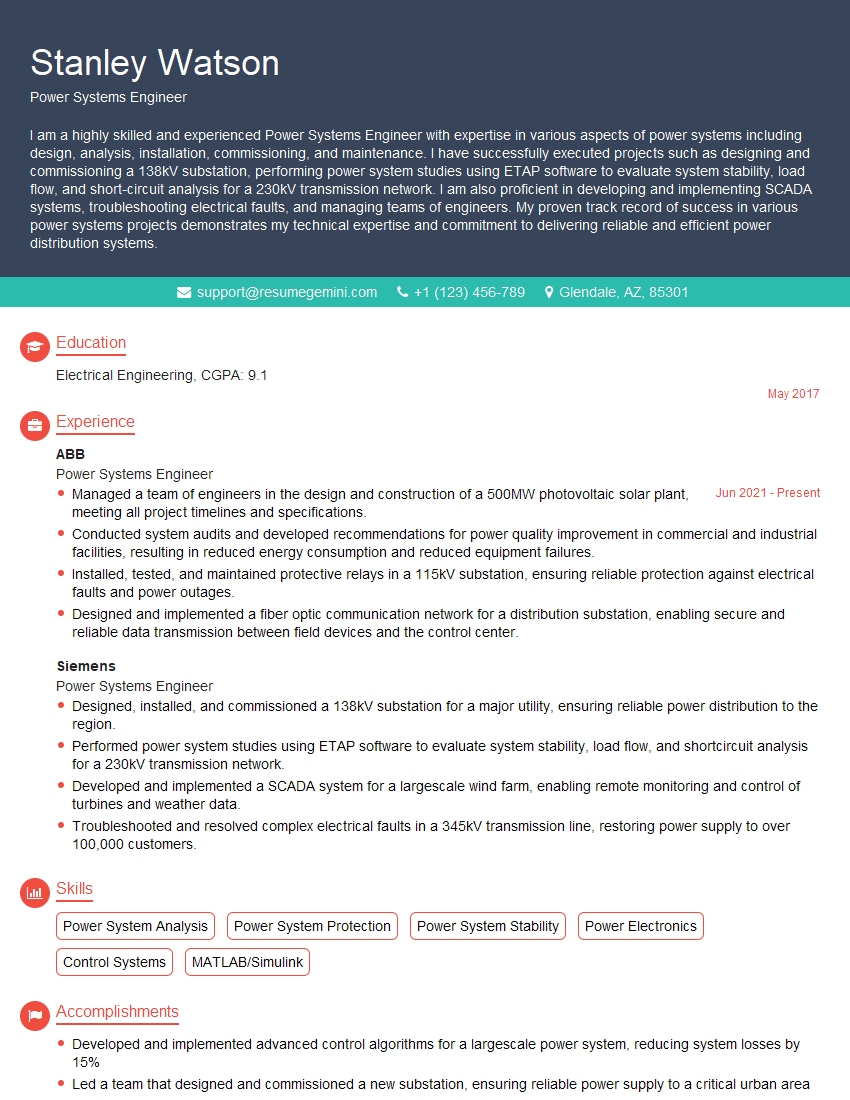
Power Systems Engineer Resume Sample
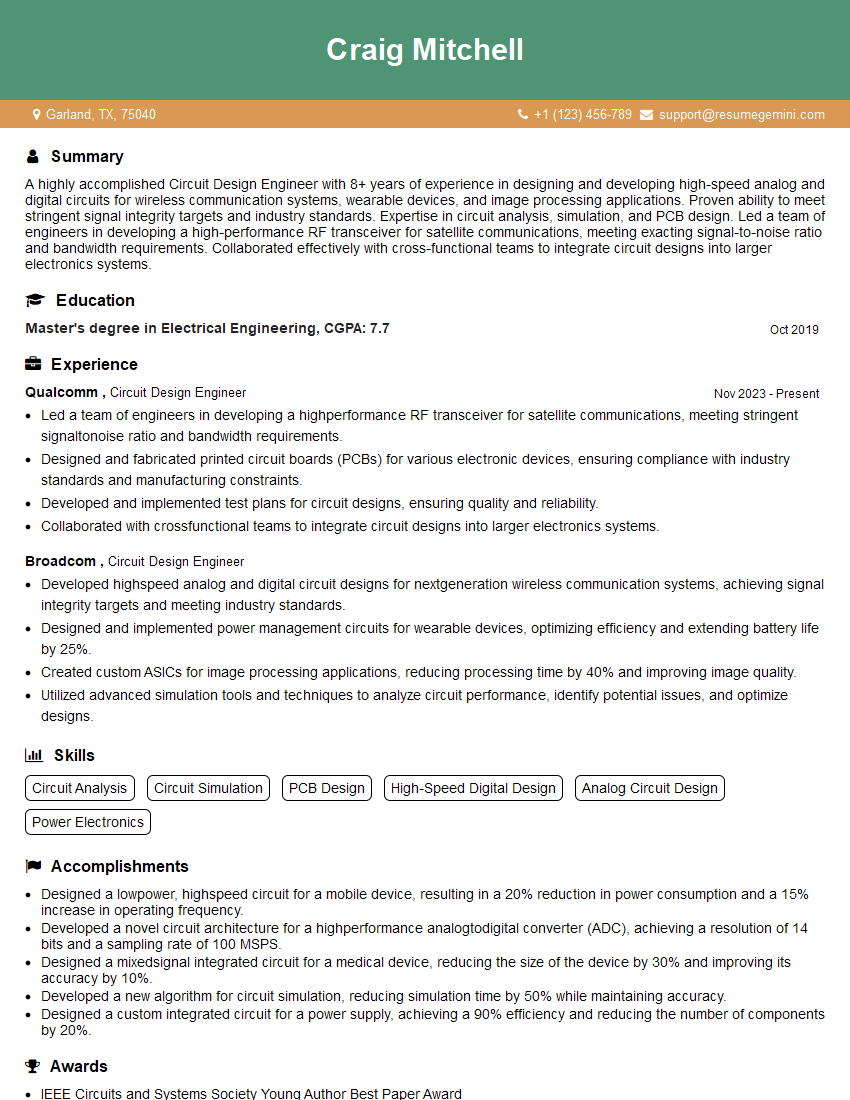
Circuit Design Engineer Resume Sample
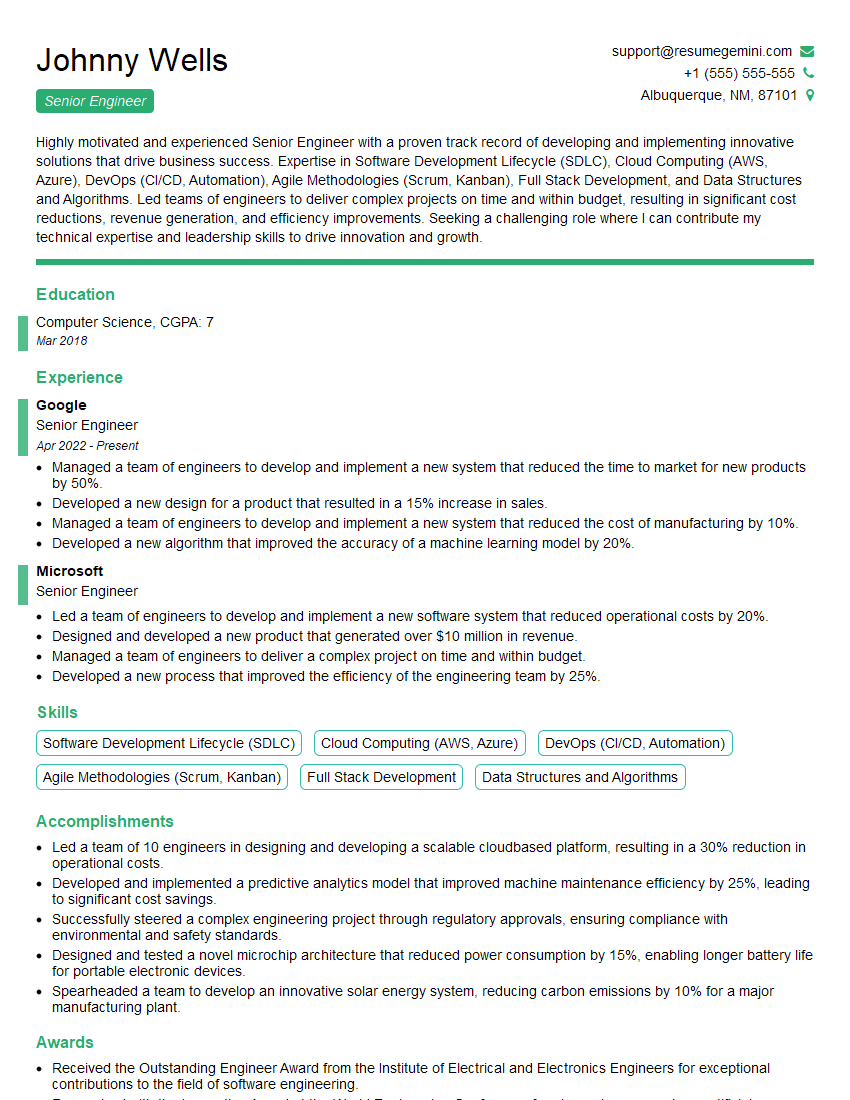
Senior Engineer Resume Sample
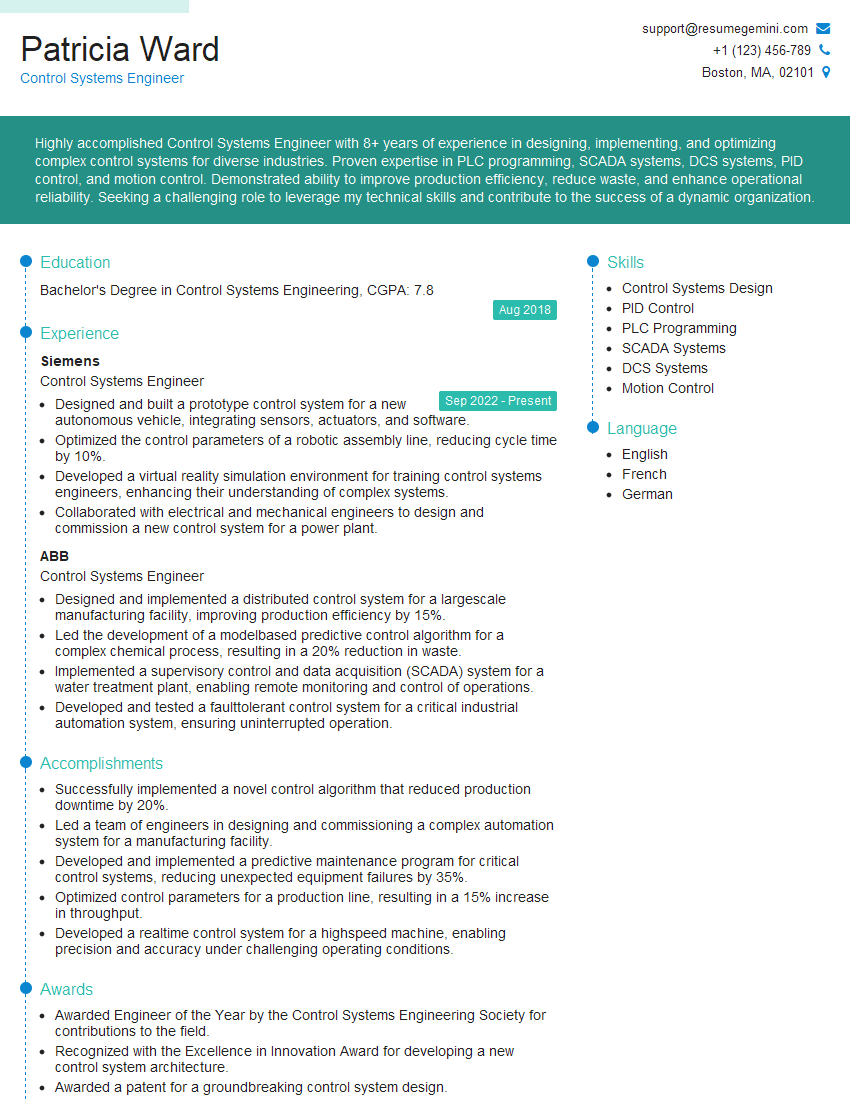
Control Systems Engineer Resume Sample
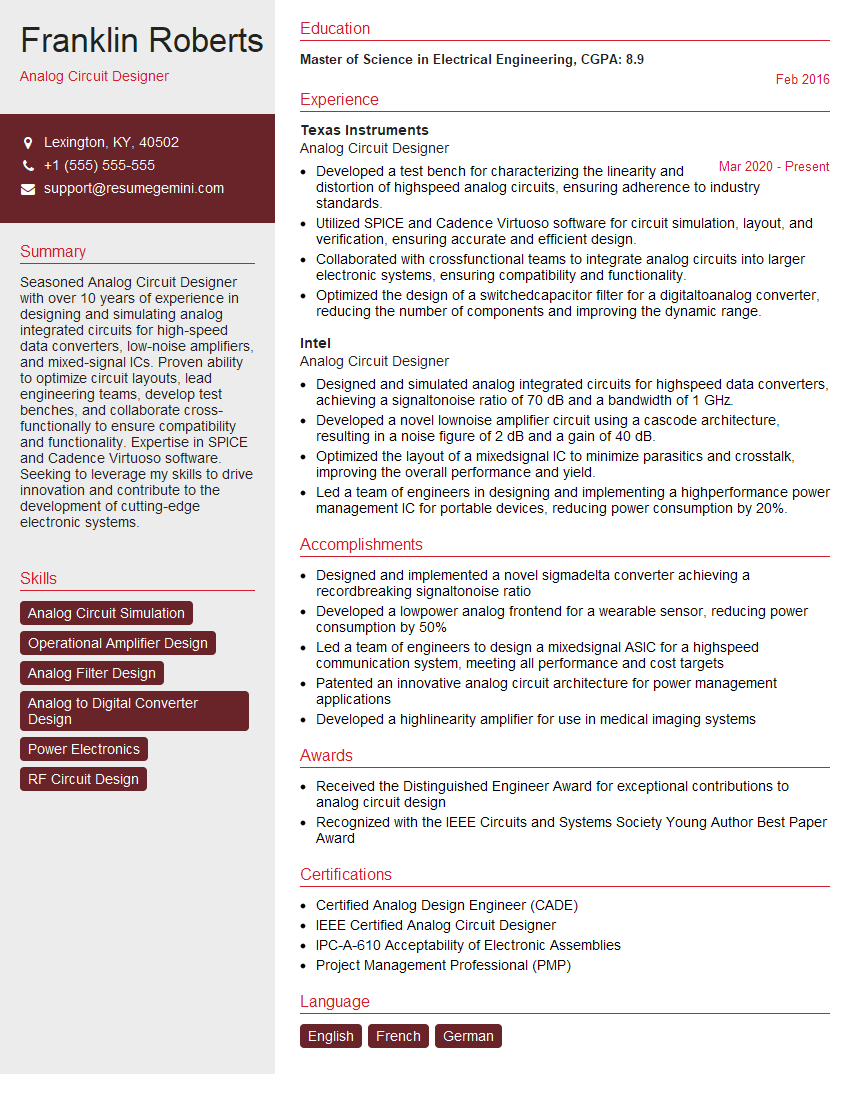
Analog Circuit Designer Resume Sample
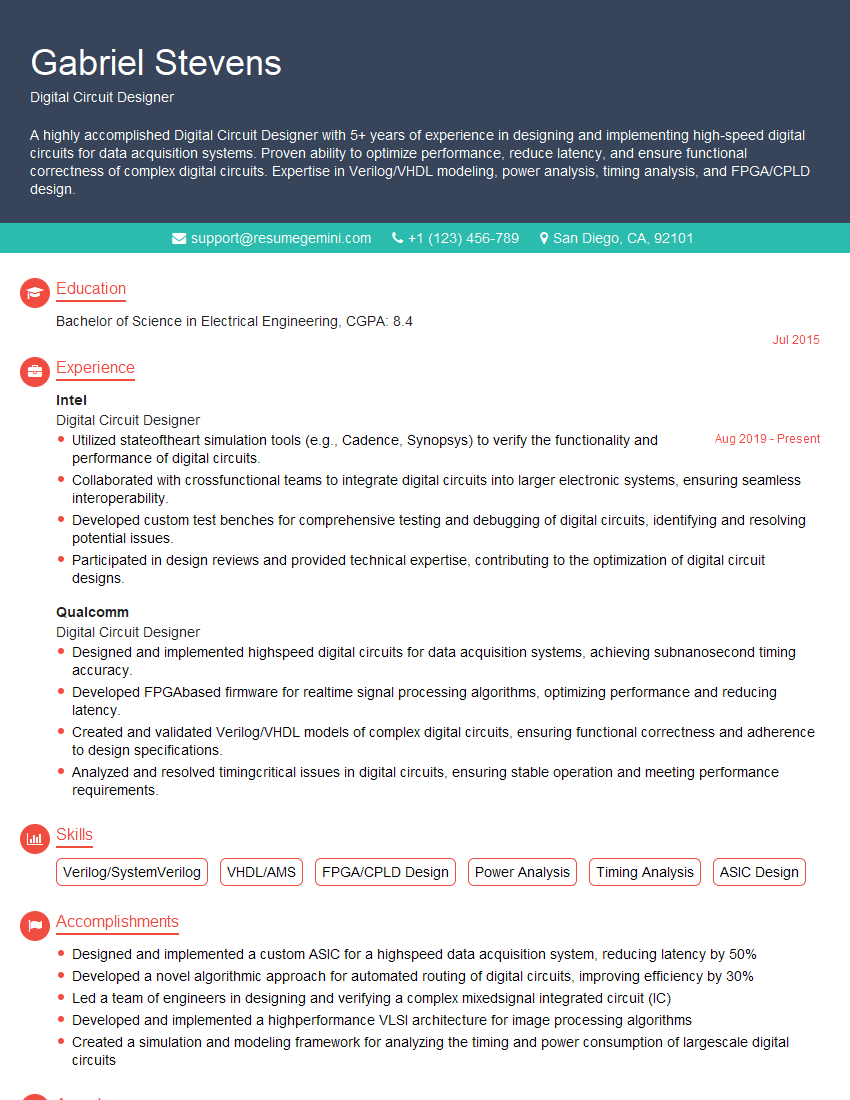
Digital Circuit Designer Resume Sample
Explore more articles
Users Rating of Our Blogs
Share Your Experience
We value your feedback! Please rate our content and share your thoughts (optional).
What Readers Say About Our Blog
Very informative content, great job.
good