Every successful interview starts with knowing what to expect. In this blog, we’ll take you through the top Electrical Equipment Installation and Maintenance interview questions, breaking them down with expert tips to help you deliver impactful answers. Step into your next interview fully prepared and ready to succeed.
Questions Asked in Electrical Equipment Installation and Maintenance Interview
Q 1. Explain the National Electrical Code (NEC) and its relevance to your work.
The National Electrical Code (NEC) is a widely adopted set of standards for the safe installation and maintenance of electrical systems in the United States. It’s essentially a rulebook ensuring electrical safety in buildings and structures. My work constantly relies on the NEC. Every project I undertake, from designing a new electrical system to troubleshooting a malfunctioning circuit, must adhere to its guidelines. The NEC dictates everything from wire sizing and circuit breaker selection to grounding requirements and installation methods. For instance, the NEC specifies the minimum wire gauge needed for a specific amperage to prevent overheating and fire hazards. Ignoring the NEC can lead to serious consequences, including electrical fires, equipment damage, and even injury or death. Staying updated on NEC revisions is crucial for maintaining my professional competency and ensuring the safety of my work.
Q 2. Describe your experience with different types of electrical wiring (e.g., conduit, BX cable).
I have extensive experience with various types of electrical wiring. Conduit, for example, is a protective metal or plastic tubing that houses and protects wires. It’s incredibly versatile and used in a vast range of applications, offering excellent protection against physical damage and environmental factors. I’ve used rigid metal conduit (RMC), flexible metal conduit (FMC), and PVC conduit in various projects, choosing the appropriate type based on the specific application and environmental conditions. BX cable, also known as armored cable, is another common type. It’s a single-unit cable with a metallic sheath that provides both protection and grounding. BX cable is often simpler and faster to install than conduit in certain situations, especially in residential applications. However, conduit offers greater flexibility in terms of wire changes or repairs later down the line. My experience encompasses working with both types in various settings, from industrial facilities to residential homes, always prioritizing safety and adhering to NEC standards.
Q 3. How do you troubleshoot a faulty circuit breaker?
Troubleshooting a faulty circuit breaker involves a systematic approach. First, I’d visually inspect the breaker, checking for any signs of damage, such as scorch marks or a tripped mechanism. If it’s tripped, I’d reset it and observe if the problem recurs. If it trips immediately, it suggests a fault in the circuit. I then check the load on that circuit. A common cause is an overload; too many appliances running simultaneously, drawing more current than the breaker can handle. I would then systematically unplug appliances connected to that circuit to isolate the culprit. If it continues to trip even with minimal load, the problem may lie within the wiring itself – a short circuit or a ground fault. Using a multimeter, I’d then check for continuity in the wiring and also test for ground faults. If no obvious fault is found in the wiring, the breaker itself might be faulty and need replacing. Safety is paramount; I’d always de-energize the circuit before any hands-on work.
Q 4. What are the safety precautions you take when working with high-voltage equipment?
Safety is my absolute top priority when working with high-voltage equipment. I always follow a strict protocol: Firstly, I ensure the equipment is de-energized using proper lockout/tagout procedures. This involves physically locking out the power source to prevent accidental re-energization. I never trust a visual inspection alone. Secondly, I use appropriate personal protective equipment (PPE), including insulated gloves, safety glasses, and arc flash suits, which protect from the extreme heat and blast forces of an electrical arc. Thirdly, I perform voltage testing using properly insulated test equipment to double-check that the equipment is truly de-energized before beginning any work. I regularly attend safety training to stay updated on the latest safety procedures and technologies and never take shortcuts when it comes to safety.
Q 5. Explain your experience with different types of motors (AC, DC, servo).
My experience encompasses various motor types. AC motors are ubiquitous in industrial settings, offering a good balance of power and cost-effectiveness. I’m proficient in troubleshooting and maintaining both single-phase and three-phase AC motors, including induction motors and synchronous motors. DC motors, while less common than AC motors, offer precise speed control and are frequently used in applications requiring accurate positioning, such as robotics or conveyor systems. I have experience maintaining and repairing various types of DC motors, including brushed and brushless DC motors. Servo motors are specialized motors used for precise positioning and speed control, typically found in automated systems and robotics. I’m familiar with their control systems and the troubleshooting techniques specific to these high-precision motors. In each case, understanding the motor’s specifications and control circuitry is crucial for effective maintenance and repair.
Q 6. How do you test for continuity and insulation resistance?
Testing for continuity and insulation resistance is fundamental in electrical maintenance. Continuity testing checks for a complete electrical path between two points. Using a multimeter, I set it to the continuity setting (often symbolized by a diode). A low resistance reading (usually indicated by a beep) signifies a continuous path; an open circuit shows high resistance or infinite resistance. This test helps identify broken wires or faulty connections. Insulation resistance testing, on the other hand, measures the insulation’s ability to resist current leakage. A megohmmeter (or insulation resistance tester) is used for this. A high resistance reading indicates good insulation; low resistance suggests insulation breakdown, potentially posing a safety hazard. These tests are critical in preventative maintenance, ensuring the safety and reliability of electrical systems.
Q 7. Describe your experience with electrical drawings and schematics.
I am proficient in reading and interpreting electrical drawings and schematics. These diagrams are essential for understanding the layout and functionality of electrical systems. I’m able to decipher various symbols and notations, including those for wires, components, and devices. For example, I can easily trace the path of a circuit from a power source to its load, identifying potential problem areas based on the schematic. This skill is crucial for troubleshooting, maintenance, and installation work. I’ve worked extensively with both single-line diagrams, which offer a simplified overview of the system, and detailed wiring diagrams showing the exact placement and routing of wires. Understanding these diagrams saves time, improves efficiency, and prevents errors during installations and repairs.
Q 8. What is your experience with different types of transformers?
My experience with transformers encompasses a wide range of types, including power transformers, distribution transformers, instrument transformers (current and potential), and isolation transformers. I’ve worked extensively with both oil-filled and dry-type transformers, ranging in capacity from small units used in control circuits to large power transformers in substations. I’m familiar with their construction, operation, testing, and maintenance. For example, I’ve been involved in the installation and commissioning of a 50MVA power transformer for a large industrial facility, which involved meticulous pre-commissioning checks, oil testing, and the monitoring of temperature and winding resistance during operation.
My experience also includes troubleshooting transformer faults, such as winding failures, tap changer issues, and bushing problems. Diagnosing these faults often involves using specialized testing equipment like insulation resistance testers, transformer ratio testers, and dissolved gas analysis equipment. I’ve successfully repaired several transformers avoiding costly replacements by correctly identifying and resolving the underlying causes of failure.
Furthermore, I understand the importance of safety procedures during transformer maintenance, including proper lockout/tagout procedures and safe working practices near high-voltage equipment.
Q 9. How do you perform a lockout/tagout procedure?
Lockout/Tagout (LOTO) is a critical safety procedure to prevent the accidental release of energy during maintenance or repair. It’s a systematic process that ensures equipment is de-energized and rendered inoperable before any work is performed.
The procedure typically involves these steps:
- Planning: Identifying all energy sources (electrical, mechanical, hydraulic, pneumatic, etc.) and developing a specific procedure for each piece of equipment.
- Notification: Informing all personnel involved in the task of the LOTO procedure.
- Lockout: Physically disconnecting and securing the energy source using appropriate lockout devices, ensuring it is impossible to re-energize unintentionally. This often involves circuit breakers, valves, or other isolation devices.
- Tagout: Attaching a tag with information about the work being performed, the person performing it, and the date/time. This serves as a visual warning to others.
- Verification: Testing to confirm that the equipment is completely de-energized before commencing any work. This might involve using voltage testers.
- Release: Removing the lockout devices and tags only after verifying that the work is complete, the equipment is safe, and all personnel are clear.
I always adhere strictly to LOTO procedures. For example, in one instance we had a scenario where a motor needed to be repaired. Before beginning work, we carefully isolated the power supply, applied appropriate lockout devices, verified that the motor was de-energized, and tagged the circuit breaker to prevent accidental re-energization.
Q 10. Explain your experience with PLC programming and troubleshooting.
My PLC programming experience spans several platforms, including Allen-Bradley, Siemens, and Schneider Electric. I’m proficient in ladder logic, function block diagrams (FBD), structured text, and sequential function charts (SFC). I’ve worked on projects ranging from simple control systems for conveyor belts to complex automation systems for manufacturing processes.
Troubleshooting PLCs typically involves a systematic approach:
- Reviewing the alarm logs and historical data: This helps pinpoint when and under what conditions the issue occurred.
- Inspecting the physical connections: Checking wiring, sensors, and actuators for any loose connections, damage, or misconfigurations.
- Using diagnostic tools: Employing programming software to monitor inputs, outputs, and internal variables to identify the source of the fault. For instance, if a conveyor belt stops unexpectedly, we’ll use the PLC’s diagnostic tools to check the status of limit switches, proximity sensors, and motor control signals.
- Testing the program logic: Stepping through the code to identify any programming errors or inconsistencies.
For example, I once debugged a PLC program for a bottling plant where bottles were not being properly capped. Using the PLC’s monitoring capabilities, I found that a timing issue in the program was causing a delay, resulting in incomplete capping. A simple adjustment to the program solved the issue.
Q 11. Describe your experience with SCADA systems.
My experience with SCADA systems includes design, implementation, and maintenance of systems using various platforms such as Wonderware InTouch, Siemens WinCC, and Rockwell FactoryTalk. I understand the architecture of SCADA systems, including the role of PLCs, RTUs (Remote Terminal Units), and HMIs (Human-Machine Interfaces).
My work has involved configuring and customizing SCADA screens to monitor and control various industrial processes, including water treatment plants, oil and gas pipelines, and manufacturing facilities. This involves creating alarms, trending graphs, and historical data reporting, ensuring real-time visualization and control of the entire operation.
Furthermore, I possess expertise in SCADA database management and report generation, enabling efficient data analysis and troubleshooting. For instance, I once used SCADA data to pinpoint the cause of a recurring pressure drop in a pipeline. The historical data revealed a pattern that ultimately identified a valve-related issue.
Q 12. How do you diagnose and repair faulty electrical components?
Diagnosing and repairing faulty electrical components requires a systematic approach combining technical knowledge and practical skills. It begins with safety precautions, including lockout/tagout procedures.
The diagnostic process generally follows these steps:
- Visual Inspection: Checking for obvious signs of damage, such as burnt components, loose connections, or physical damage.
- Testing: Using multimeters, insulation resistance testers, and other specialized equipment to measure voltage, current, resistance, and insulation levels. For example, checking the continuity of a circuit or measuring the insulation resistance of a motor winding.
- Component-Level Analysis: Troubleshooting individual components, such as capacitors, resistors, transistors, or relays, using appropriate testing methods.
- Circuit Analysis: Tracing the circuit to locate the source of the fault, using schematics and diagrams.
Once the faulty component is identified, repair involves replacing it with a suitable replacement. For example, I have successfully diagnosed and repaired several motor control circuits, which involved testing motor windings, replacing faulty contactors, and adjusting overload relays. I emphasize the importance of using only approved replacement components to ensure system reliability and safety.
Q 13. What is your experience with preventative maintenance schedules?
Preventative maintenance schedules are crucial for ensuring the reliability and longevity of electrical equipment. I have experience developing and implementing these schedules for various industrial settings. My approach involves considering factors such as equipment criticality, operating conditions, manufacturer recommendations, and industry best practices.
A typical preventative maintenance schedule includes:
- Routine Inspections: Regular visual inspections of equipment for signs of wear, damage, or overheating.
- Functional Tests: Periodic testing of equipment to verify proper operation and identify potential problems early on.
- Cleaning: Regular cleaning of electrical equipment to remove dust, dirt, and other contaminants.
- Lubrication: Lubricating moving parts as necessary to reduce wear and tear.
- Calibration: Calibration of measuring instruments and sensors to ensure accuracy.
I’ve implemented CMMS (Computerized Maintenance Management Systems) to manage and track preventative maintenance tasks. For instance, I developed a comprehensive preventative maintenance schedule for a food processing plant that significantly reduced equipment downtime and improved overall efficiency.
Q 14. Describe your experience with different types of sensors and transducers.
My experience with sensors and transducers is broad, encompassing various types, including:
- Temperature Sensors: Thermocouples, RTDs (Resistance Temperature Detectors), and thermistors.
- Pressure Sensors: Strain gauge pressure transducers, piezoelectric sensors, and capacitive sensors.
- Flow Sensors: Differential pressure flow meters, ultrasonic flow meters, and turbine flow meters.
- Level Sensors: Ultrasonic level sensors, float switches, and capacitive level sensors.
- Proximity Sensors: Inductive, capacitive, and photoelectric sensors.
I understand the principles of operation, calibration, and application of these devices in industrial settings. For example, I’ve used various sensor types to monitor and control processes in water treatment plants. We employed ultrasonic level sensors to measure water levels in storage tanks, differential pressure flow meters to measure water flow rates, and temperature sensors to monitor water temperature. Understanding the characteristics of each sensor was key to accurately measuring the parameters of the processes and ensuring optimal performance.
Q 15. Explain your troubleshooting process for electrical system failures.
Troubleshooting electrical system failures is a systematic process that requires a methodical approach. My process begins with safety – ensuring the power is completely isolated before any investigation. Then I follow these steps:
- Visual Inspection: I start with a thorough visual inspection, looking for obvious signs of damage like loose connections, burnt wires, or damaged components. This often reveals the source of the problem quickly.
- Gather Information: I gather information from operators or witnesses about the circumstances leading to the failure. When did it happen? What were the preceding events? This contextual information is vital.
- Testing and Measurement: Using appropriate testing equipment like multimeters, clamp meters, and insulation testers, I systematically check voltage, current, resistance, and continuity at various points in the system. This helps pinpoint the exact location of the fault.
- Isolate the Problem: Once the faulty component or section is identified, I carefully isolate it from the rest of the system to prevent further damage or cascading failures. This might involve disconnecting circuits or isolating specific equipment.
- Repair or Replacement: Depending on the nature of the fault, I either repair the damaged component or replace it with a suitable equivalent. All repairs are done according to safety standards and best practices.
- Verification and Documentation: After the repair or replacement, I thoroughly test the system to ensure its proper functioning. All findings, repairs, and tests are meticulously documented.
For example, I once encountered a factory power outage. Through systematic testing, I traced the issue to a blown fuse in the main distribution panel, caused by an overloaded circuit. Replacing the fuse and addressing the circuit overload resolved the issue.
Career Expert Tips:
- Ace those interviews! Prepare effectively by reviewing the Top 50 Most Common Interview Questions on ResumeGemini.
- Navigate your job search with confidence! Explore a wide range of Career Tips on ResumeGemini. Learn about common challenges and recommendations to overcome them.
- Craft the perfect resume! Master the Art of Resume Writing with ResumeGemini’s guide. Showcase your unique qualifications and achievements effectively.
- Don’t miss out on holiday savings! Build your dream resume with ResumeGemini’s ATS optimized templates.
Q 16. How do you ensure compliance with relevant safety standards and regulations?
Compliance with safety standards and regulations is paramount in electrical work. I adhere strictly to the National Electrical Code (NEC) and all relevant local and industry-specific regulations. This involves:
- Following Codes and Standards: Every installation and maintenance task is performed according to the applicable codes and standards. I am familiar with NFPA 70E (electrical safety in the workplace) and relevant OSHA regulations.
- Proper Documentation: All work is meticulously documented, including permits, inspections, test results, and modifications. This ensures traceability and accountability.
- Lockout/Tagout Procedures: I religiously follow lockout/tagout procedures to ensure the complete isolation of power before any work is performed on energized equipment. This prevents accidental energization and electrical shock.
- Personal Protective Equipment (PPE): I always use appropriate PPE, including insulated gloves, safety glasses, and arc flash protection, as per the risk assessment of the specific task.
- Regular Training and Updates: I stay up-to-date with the latest codes, standards, and best practices through continuous professional development and training.
For instance, before working on any high-voltage equipment, I perform a thorough risk assessment, implement the appropriate lockout/tagout procedures, and ensure all team members are wearing the necessary PPE.
Q 17. What is your experience with different types of grounding systems?
Grounding systems are crucial for safety and equipment protection. I have experience with various grounding systems, including:
- Grounding Electrode System (GES): This is the most common system, using ground rods driven into the earth to create a low-impedance path to ground. I understand the calculations and design considerations for proper grounding rod spacing and depth.
- Plate Grounding: In applications where soil resistivity is high, plate grounding offers a larger contact area for improved grounding. I’ve used this effectively in challenging soil conditions.
- Grounding Grids: For large installations, grounding grids provide a comprehensive network of interconnected conductors to ensure effective grounding over a large area. I have worked on projects involving the design and installation of such grids.
- Equipment Grounding: This involves connecting the metallic enclosures of electrical equipment to the grounding system to protect personnel from electrical shock. I understand the importance of proper bonding and grounding for equipment protection.
My experience includes designing and implementing grounding systems for industrial facilities, ensuring compliance with NEC Article 250. A specific example involved improving the grounding of a substation to reduce ground impedance, thus enhancing safety and minimizing the risk of ground faults.
Q 18. Describe your experience with power distribution systems.
Power distribution systems are the backbone of any electrical installation. My experience encompasses various aspects of power distribution, including:
- Low-Voltage Systems (LV): I am proficient in designing, installing, and maintaining low-voltage power distribution systems, commonly found in buildings and smaller industrial facilities. I understand the use of circuit breakers, fuses, and other protective devices.
- Medium-Voltage Systems (MV): I have worked with medium-voltage systems, utilizing transformers, switchgear, and protective relays for larger industrial and commercial applications. I understand the specific safety precautions required when working with MV systems.
- High-Voltage Systems (HV): I possess a working knowledge of high-voltage systems, including substations and transmission lines. I understand the complex safety protocols and specialized equipment required for their maintenance and operation.
- Power System Calculations: I have experience performing various power system calculations, including load calculations, voltage drop calculations, and short-circuit current calculations, ensuring a robust and reliable power distribution system.
For example, I participated in the upgrade of a factory’s power distribution system, which included installing a new transformer, upgrading switchgear, and improving the system’s grounding. This project significantly enhanced the reliability and safety of the power system.
Q 19. How do you handle emergency situations involving electrical equipment?
Handling emergency situations involving electrical equipment requires a calm and decisive approach, prioritizing safety above all else. My response involves:
- Immediate Isolation: The first and most crucial step is to immediately isolate the affected equipment or section of the system to prevent further damage or injury. This involves using proper lockout/tagout procedures.
- Assessment and Evacuation: I assess the situation to determine the extent of the damage and any immediate hazards. If necessary, I evacuate the area and ensure the safety of personnel.
- Emergency Services: If the situation requires specialized assistance, I contact the appropriate emergency services (fire department, utility company) immediately.
- Damage Control: Once the immediate danger is mitigated, I begin damage control measures, preventing further spread of the problem. This might involve isolating circuits or shutting down affected equipment.
- Investigation and Repair: After the emergency is resolved, I conduct a thorough investigation to determine the root cause of the failure and implement necessary corrective actions to prevent future occurrences.
In one instance, a short circuit caused a fire in an electrical panel. I immediately isolated the power, evacuated the area, and called the fire department. After the fire was extinguished, I conducted a thorough investigation and replaced the damaged panel, implementing changes to prevent future incidents.
Q 20. What is your experience with electrical testing equipment (e.g., multimeters, clamp meters)?
I am proficient in using various electrical testing equipment. My experience includes:
- Multimeters: I regularly use multimeters to measure voltage, current, resistance, and continuity. I understand how to select the appropriate ranges and settings for accurate measurements.
- Clamp Meters: I use clamp meters to measure current without interrupting the circuit. This is essential for measuring high currents and for applications where disconnecting the circuit is impractical.
- Insulation Testers (Meggers): I use insulation testers to check the insulation resistance of cables and equipment, ensuring electrical safety and preventing electrical shock. I understand the interpretation of insulation resistance values.
- Power Quality Analyzers: I have experience using power quality analyzers to assess the quality of the power supply, identifying issues such as voltage sags, surges, and harmonics.
These instruments are vital for diagnosing electrical problems, ensuring safety, and validating the effectiveness of repairs. For instance, a recent project required me to use a clamp meter to measure the current draw of various motors to identify an overloaded circuit.
Q 21. Explain your understanding of different types of protective relays.
Protective relays are essential components of power systems that detect and respond to abnormal conditions. My understanding encompasses various types:
- Overcurrent Relays: These relays protect against overcurrent conditions, such as short circuits and overloads. They are fundamental components in protecting equipment from damage.
- Differential Relays: These relays compare the current entering and leaving a protected zone. They provide highly sensitive protection against internal faults within transformers and generators.
- Distance Relays: These relays measure the impedance to a fault along a transmission line. They are particularly useful in protecting long transmission lines.
- Ground Fault Relays: These relays detect ground faults, providing protection against earth faults and ensuring personnel safety.
Understanding the characteristics and settings of different protective relays is crucial for designing and maintaining reliable and safe power systems. I have experience selecting and configuring appropriate protective relays for various applications, ensuring proper coordination and minimizing system downtime. For instance, I was involved in the selection and configuration of protective relays for a new industrial substation, ensuring the correct operation and protection of the various equipment.
Q 22. How do you interpret electrical drawings and schematics?
Interpreting electrical drawings and schematics is fundamental to any electrical work. It’s like reading a map for an electrician; it tells us where everything is and how it’s connected. I approach it systematically, starting with the title block to understand the drawing’s purpose and revision history. Then, I carefully examine the symbols, line weights, and annotations. For instance, a thicker line might represent a higher voltage cable, while specific symbols represent components like motors, circuit breakers, and transformers. I always cross-reference multiple drawings – single-line diagrams showing the overall system, and detailed schematics showing wiring connections within panels and equipment. This helps build a complete picture of the electrical system. I find it helpful to sketch my own simplified versions as I go, to better understand the flow of power and the relationships between different components. This is especially crucial when troubleshooting or planning modifications.
For example, if I’m faced with a schematic for a three-phase motor, I’d look for the motor’s connection details (delta or wye), the size and type of circuit breaker protecting it, and the path of the power supply from the main panel. Understanding these relationships is crucial for safe and effective work.
Q 23. What is your experience working with different types of batteries?
My experience encompasses a wide range of battery technologies, including lead-acid (both flooded and valve-regulated), nickel-cadmium (NiCd), lithium-ion (Li-ion), and sealed lead-acid (SLA) batteries. Each type has unique characteristics influencing its application. Lead-acid batteries are common in backup power systems due to their cost-effectiveness and relatively high capacity, although they require regular maintenance. NiCd batteries offer high discharge rates but are more expensive and have environmental concerns. Li-ion batteries are known for their high energy density and long lifespan, making them suitable for portable equipment and electric vehicles, though their cost and safety considerations (potential for thermal runaway) need careful management. SLA batteries are maintenance-free and ideal for smaller applications where sealed construction is advantageous. My experience involves not just installation but also testing, maintenance, and safe disposal procedures specific to each type. I understand the importance of regularly checking battery voltage, specific gravity (for lead-acid), and terminal connections to ensure optimal performance and prevent premature failure.
Q 24. Describe your experience with cable sizing and selection.
Cable sizing and selection are crucial for safety and efficiency. I use established standards and industry codes, primarily NEC (National Electrical Code) in the US, to determine the appropriate cable size. This involves several factors: the current carrying capacity (amps), voltage drop, cable type (e.g., copper or aluminum), ambient temperature, installation method (e.g., conduit, open air), and the required insulation rating. I utilize cable sizing charts and calculation software to ensure compliance. For instance, a longer cable run requires a larger diameter cable to minimize voltage drop, ensuring the equipment receives the correct voltage and preventing overheating. Incorrect sizing can lead to safety hazards like fire and equipment damage. Selecting the right cable type is also critical; factors such as resistance, insulation, and environmental conditions influence the choice. For example, if installing cables in a high-temperature environment, I would use a cable rated for those temperatures to prevent insulation failure.
Q 25. How do you manage your workload and prioritize tasks?
Managing workload and prioritizing tasks involves a structured approach. I typically use a combination of techniques, including task lists, scheduling tools, and regular review meetings. I start by breaking down large projects into smaller, manageable tasks. I then prioritize these tasks based on urgency and importance, using methods like the Eisenhower Matrix (urgent/important). This allows me to focus on critical tasks first while ensuring that less urgent tasks are still completed. For example, a critical repair needed to restore a vital system would take precedence over routine maintenance. Regular communication with supervisors and colleagues is also crucial to ensure tasks are aligned with project goals and to adjust priorities as needed. I also account for unexpected events – prioritizing troubleshooting tasks if equipment malfunction occurs.
Q 26. What is your approach to problem-solving in electrical maintenance?
My approach to problem-solving in electrical maintenance is systematic and methodical. I begin by gathering information: assessing the problem, observing symptoms, and gathering relevant data. This often involves checking voltage, current, and continuity using multimeters and other testing equipment. Then, I develop hypotheses about the cause of the problem. I test each hypothesis systematically, eliminating possibilities until the root cause is identified. Safety is paramount throughout this process; I always de-energize circuits before working on them, using appropriate lockout/tagout procedures. Documentation is key; I meticulously record all findings and actions taken, including the solution and any preventative measures implemented to avoid future issues. This detailed record is essential for future reference and for improving our maintenance practices.
Q 27. Describe a time you had to troubleshoot a complex electrical problem. What was your approach?
I once encountered a complex issue with a large industrial motor that would intermittently trip its circuit breaker. Initially, the problem seemed straightforward – a simple overload. However, after replacing the breaker and verifying the motor’s load, the problem persisted. My approach involved a systematic investigation. I started by checking the motor’s winding resistance, looking for any signs of shorts or grounds. This was normal. I then moved to examine the motor’s power supply, tracing the wiring back to the main panel, checking connections and voltage drops at each point. This led me to discover a loose connection in a splice within a conduit running through a damp area. The corrosion had caused intermittent high resistance, resulting in overloading. By cleaning the connection, carefully insulating it, and tightening the terminals, the problem was resolved. This experience highlighted the importance of thorough investigation; a seemingly simple overload had a deeper, less obvious root cause.
Q 28. How do you stay updated on the latest advancements in electrical equipment and technology?
Staying updated on advancements in electrical equipment and technology is crucial in this field. I achieve this through multiple avenues: actively participating in professional organizations like IEEE (Institute of Electrical and Electronics Engineers), attending industry conferences and workshops, and regularly reviewing industry publications and journals. Online resources such as reputable manufacturers’ websites and technical forums are also valuable. I also seek out training opportunities to enhance my skills on new technologies and safety standards. This proactive approach ensures that I remain proficient in the latest techniques and technologies, and that my work is always up to current safety and efficiency standards. It’s vital to stay informed, especially regarding new safety regulations and emerging technologies such as smart grids and renewable energy integration.
Key Topics to Learn for Electrical Equipment Installation and Maintenance Interview
- Electrical Safety Regulations and Codes: Understanding and applying relevant safety standards (e.g., NEC, OSHA) is paramount for safe and compliant installations.
- Wiring Diagrams and Schematics: Interpreting and creating wiring diagrams is crucial for planning, troubleshooting, and maintaining electrical systems. Practical application involves tracing circuits and identifying potential faults.
- Installation Techniques for Various Equipment: This encompasses the safe and efficient installation of motors, transformers, switchgear, control panels, and other electrical components, including proper grounding and bonding.
- Preventive Maintenance Procedures: Developing and executing regular maintenance schedules, including inspections, cleaning, testing, and lubrication, to extend equipment lifespan and prevent failures. This also includes understanding predictive maintenance techniques.
- Troubleshooting and Repair Techniques: Diagnosing and resolving electrical faults using multimeters, oscilloscopes, and other diagnostic tools. This includes understanding common electrical problems and their solutions.
- Power Distribution Systems: Knowledge of different power distribution methods, including low-voltage and high-voltage systems, and their applications. This includes understanding transformers and circuit breakers.
- Motor Control Systems: Understanding different types of motor control systems (e.g., starters, VFDs) and their applications, including troubleshooting and maintenance.
- Instrumentation and Control Systems: Familiarity with basic instrumentation and control principles, including sensors, actuators, and PLCs (Programmable Logic Controllers).
- Blueprint Reading and Technical Documentation: Understanding and interpreting technical drawings, specifications, and manuals is essential for successful installations and maintenance.
- Problem-Solving and Analytical Skills: Demonstrating the ability to systematically identify, analyze, and resolve complex electrical problems is crucial for success in this field.
Next Steps
Mastering Electrical Equipment Installation and Maintenance opens doors to a rewarding career with excellent growth potential. Companies highly value skilled professionals who can ensure the safe and efficient operation of critical electrical systems. To maximize your job prospects, crafting a strong, ATS-friendly resume is vital. ResumeGemini is a trusted resource that can help you build a professional resume that highlights your skills and experience effectively. Examples of resumes tailored to Electrical Equipment Installation and Maintenance are available to guide you. Invest the time to showcase your expertise—your future self will thank you!
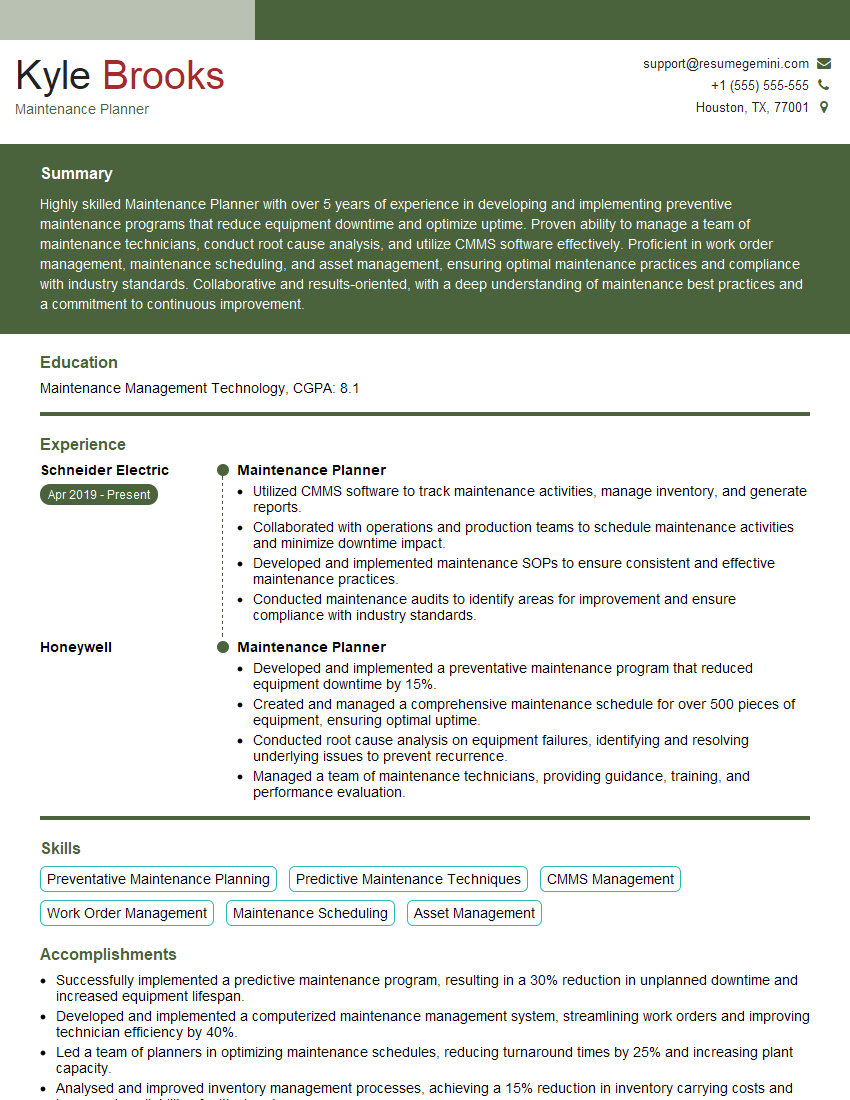
Maintenance Planner Resume Sample
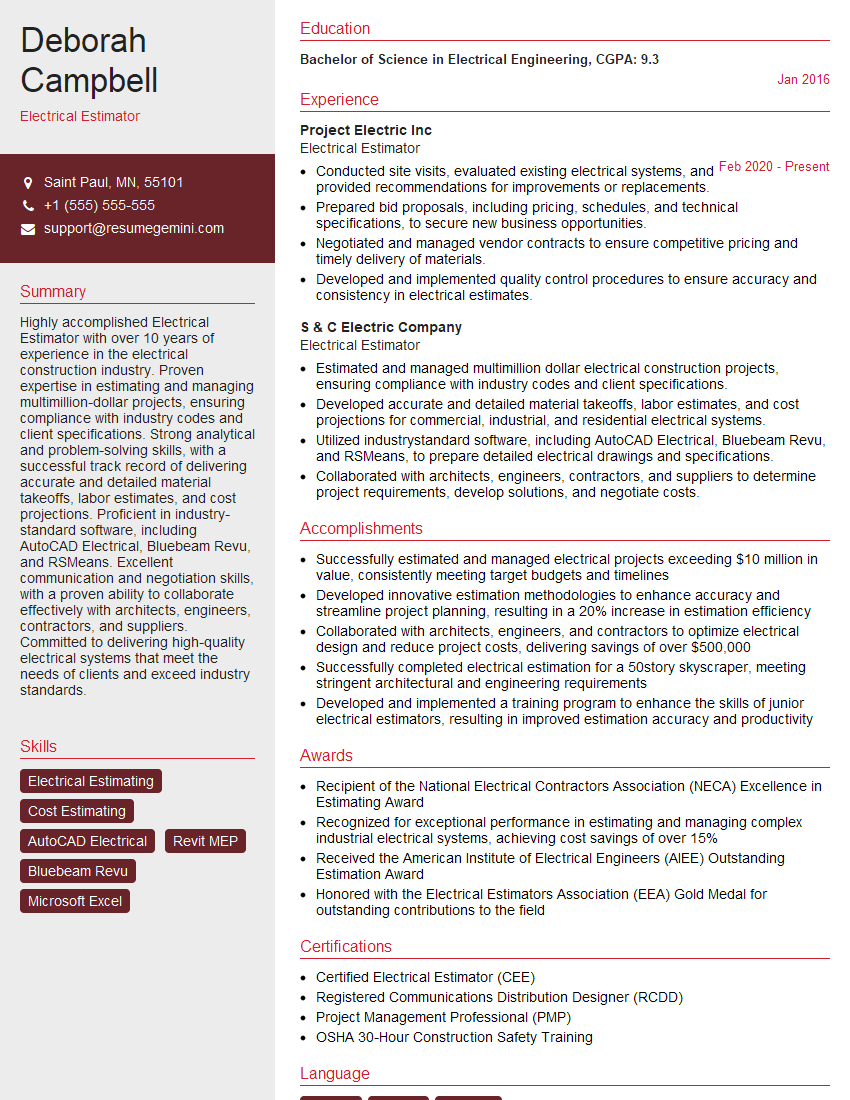
Electrical Estimator Resume Sample
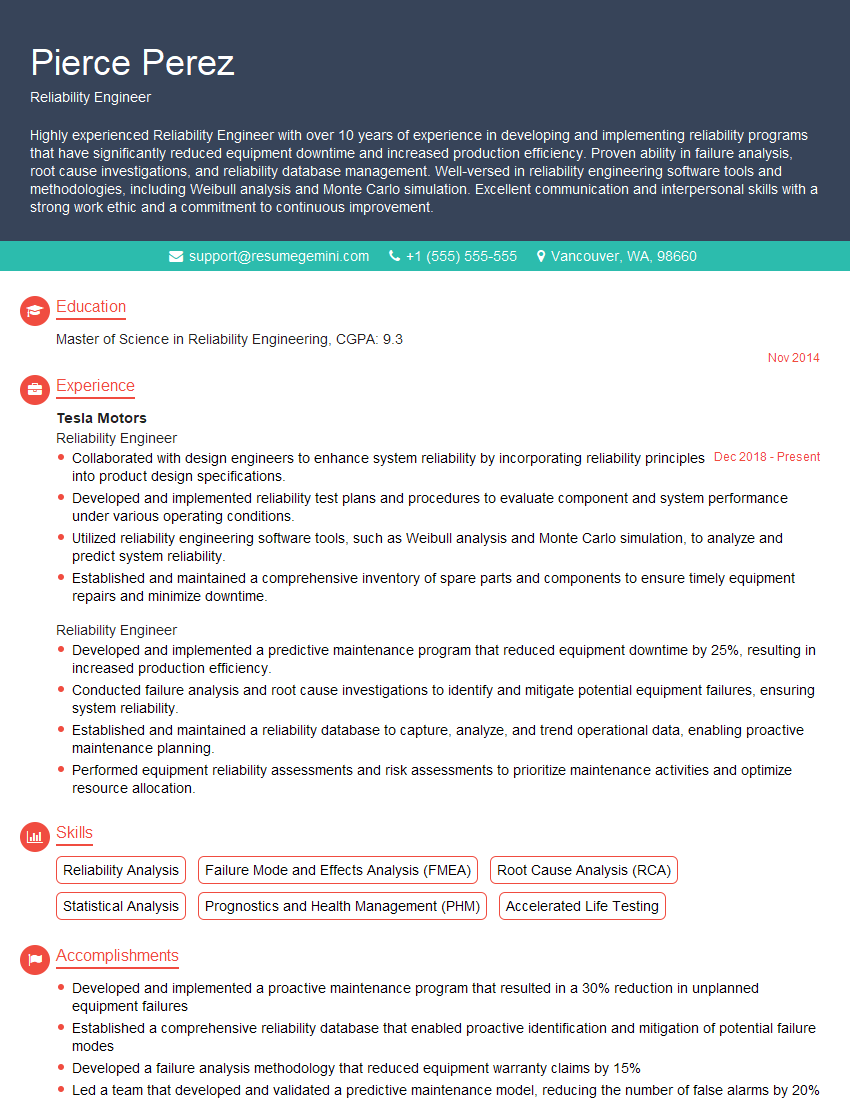
Reliability Engineer Resume Sample
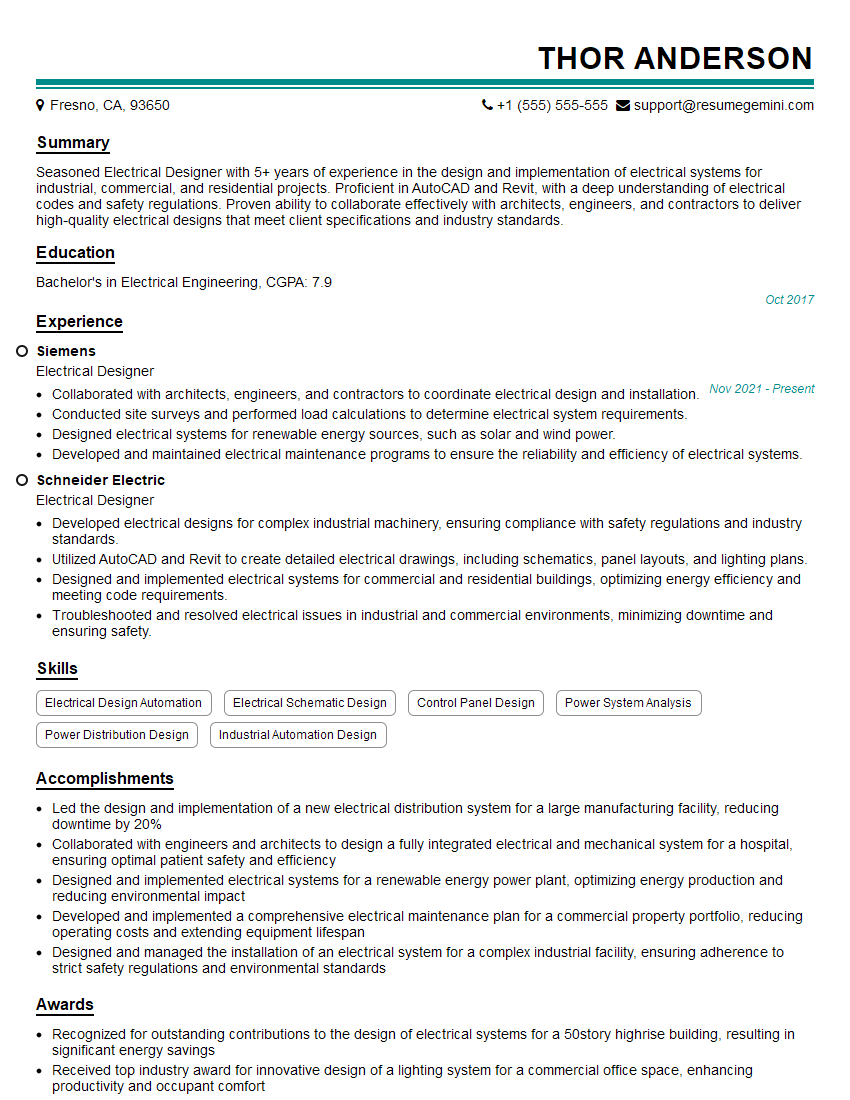
Electrical Designer Resume Sample
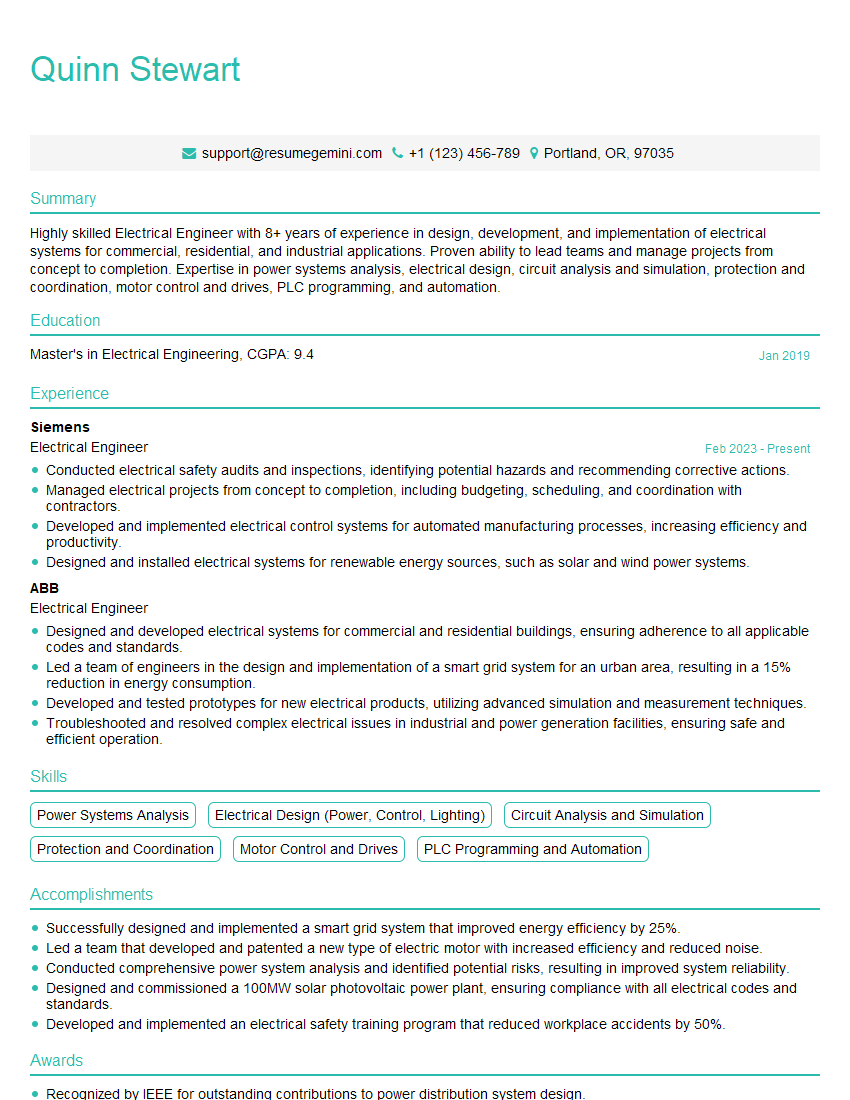
Electrical Engineer Resume Sample
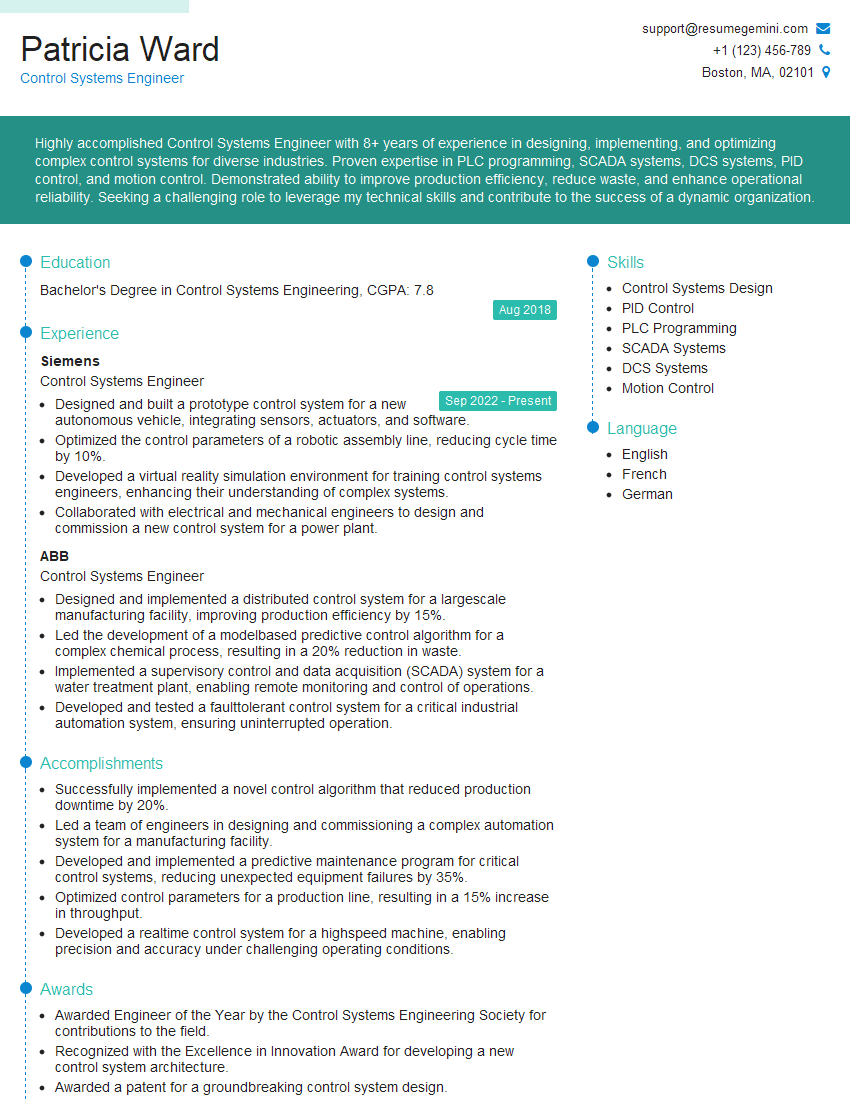
Control Systems Engineer Resume Sample
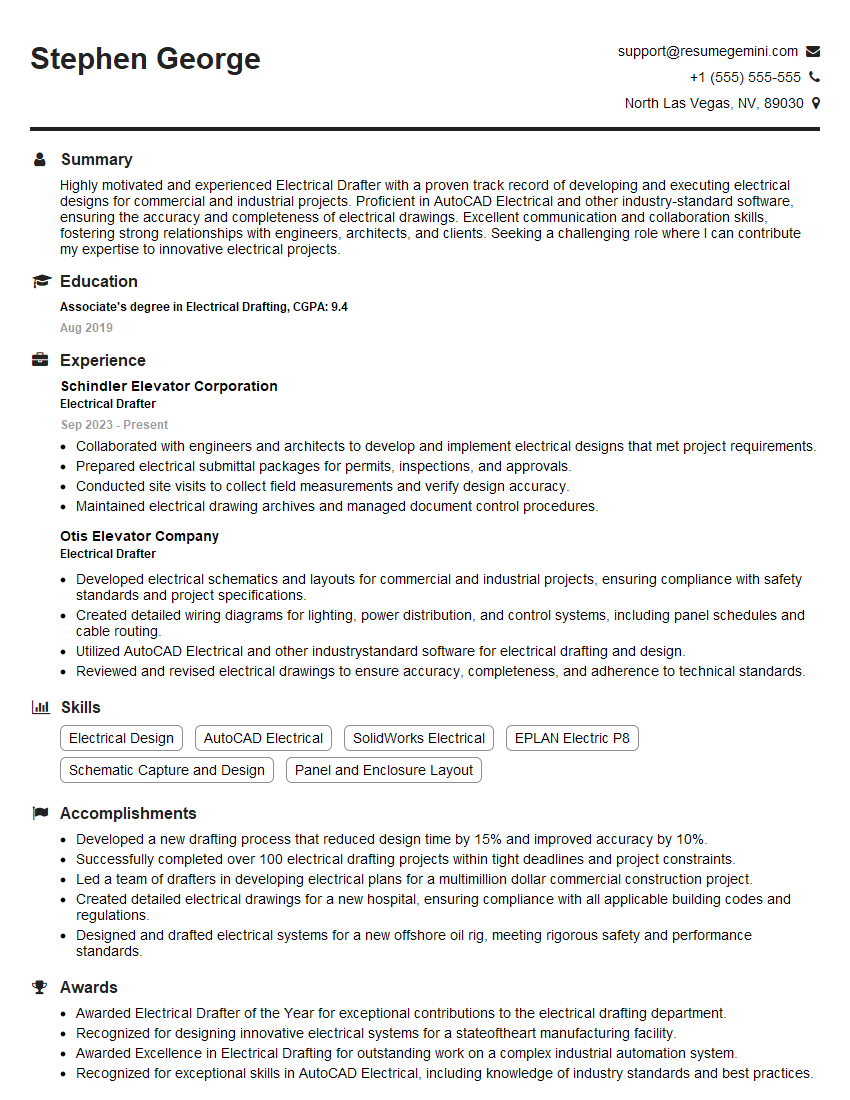
Electrical Drafter Resume Sample
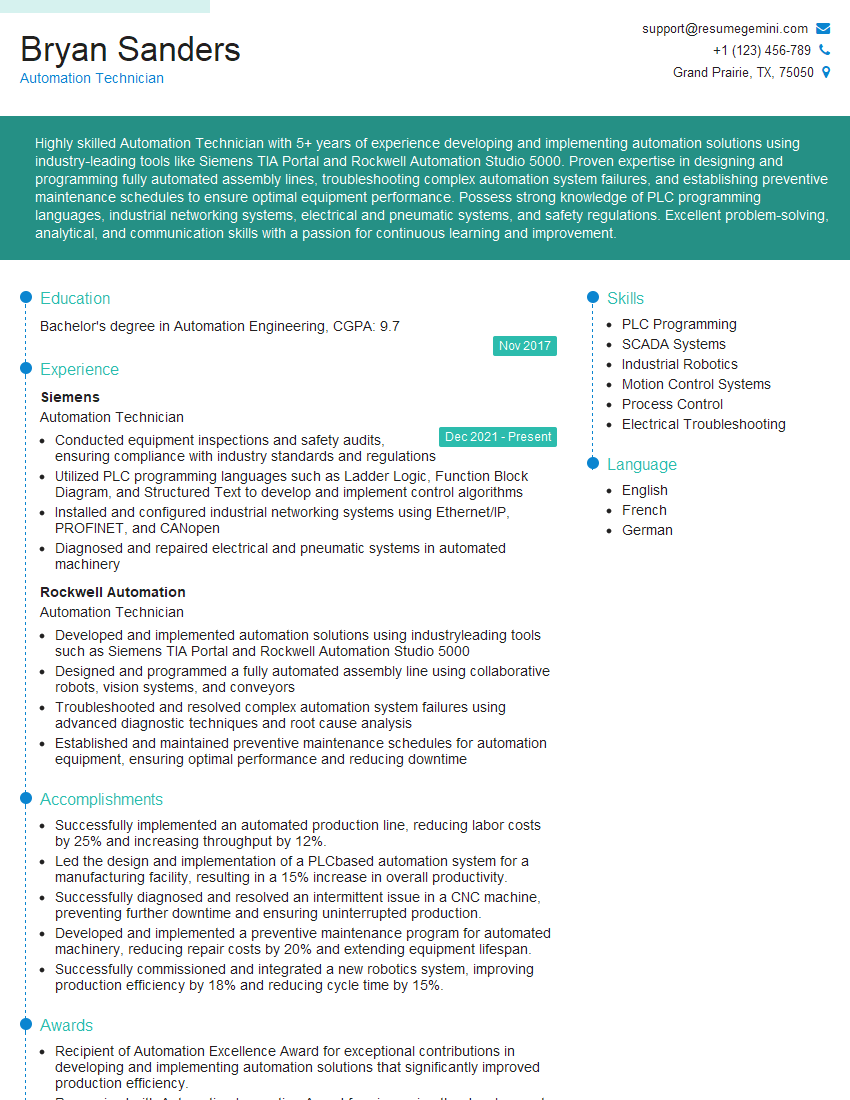
Automation Technician Resume Sample
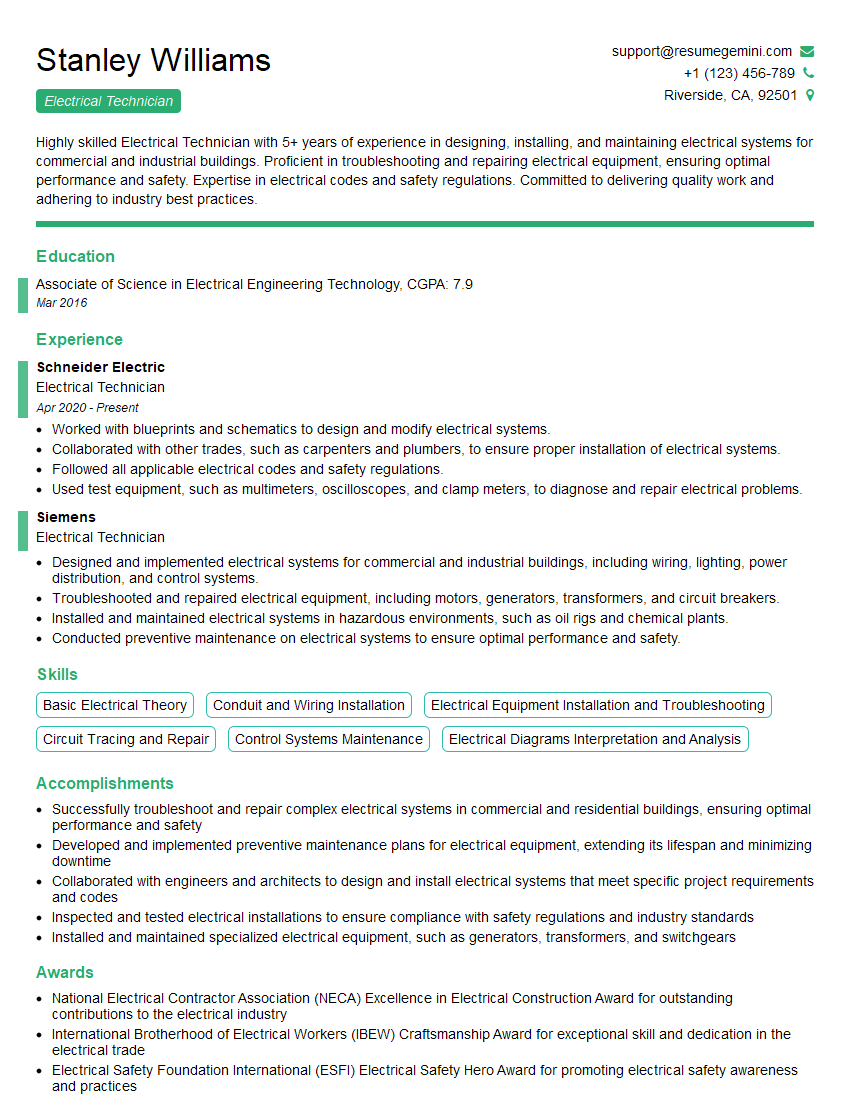
Electrical Technician Resume Sample
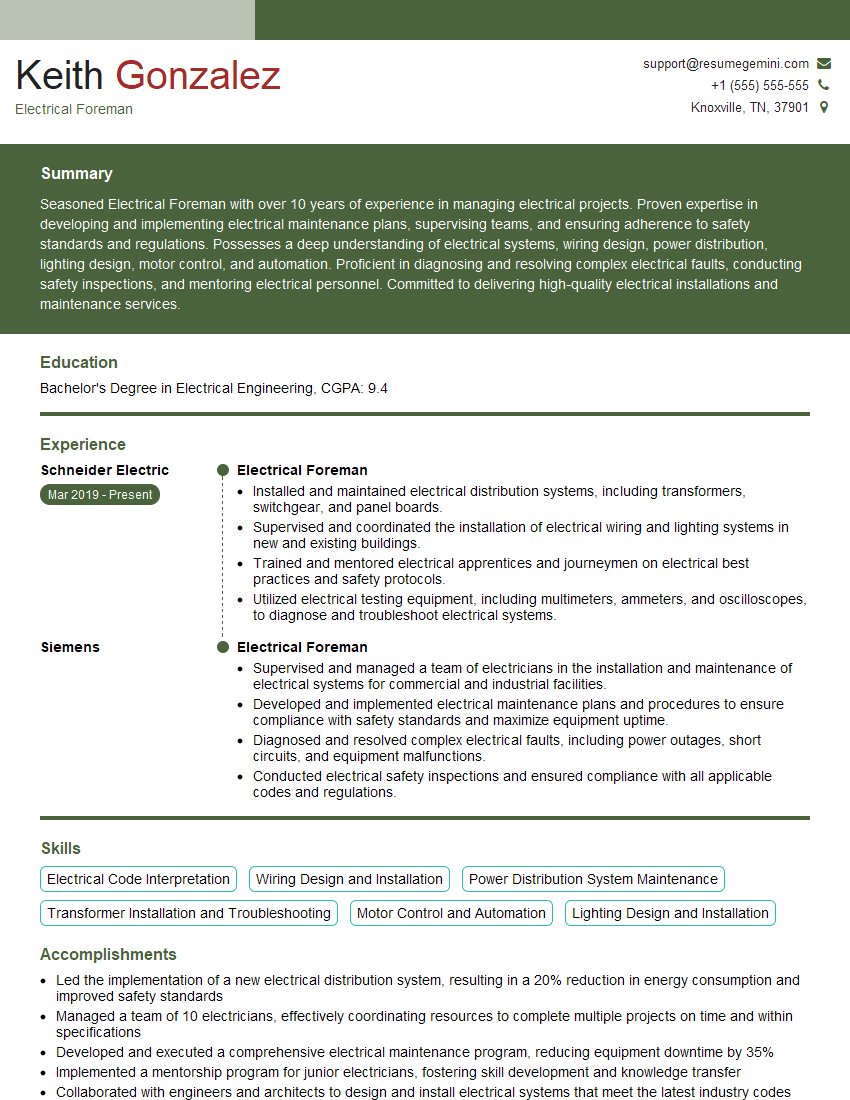
Electrical Foreman Resume Sample
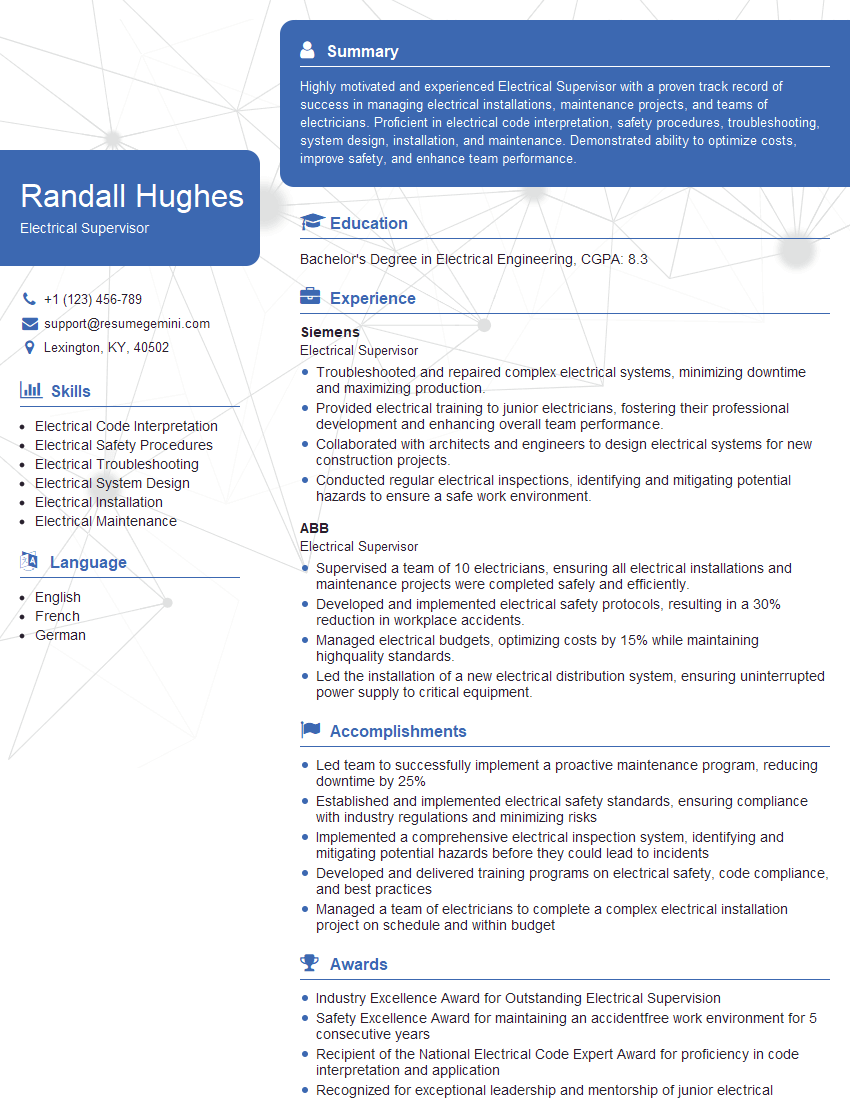
Electrical Supervisor Resume Sample
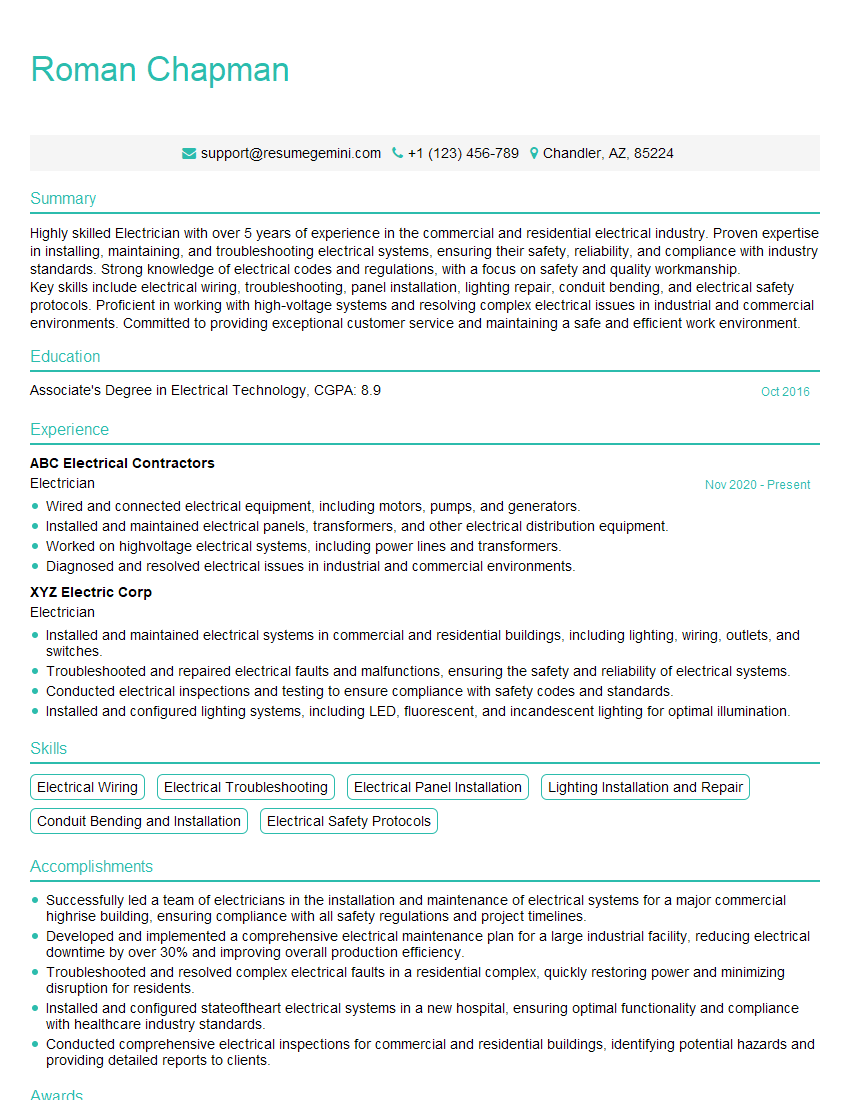
Electrician Resume Sample
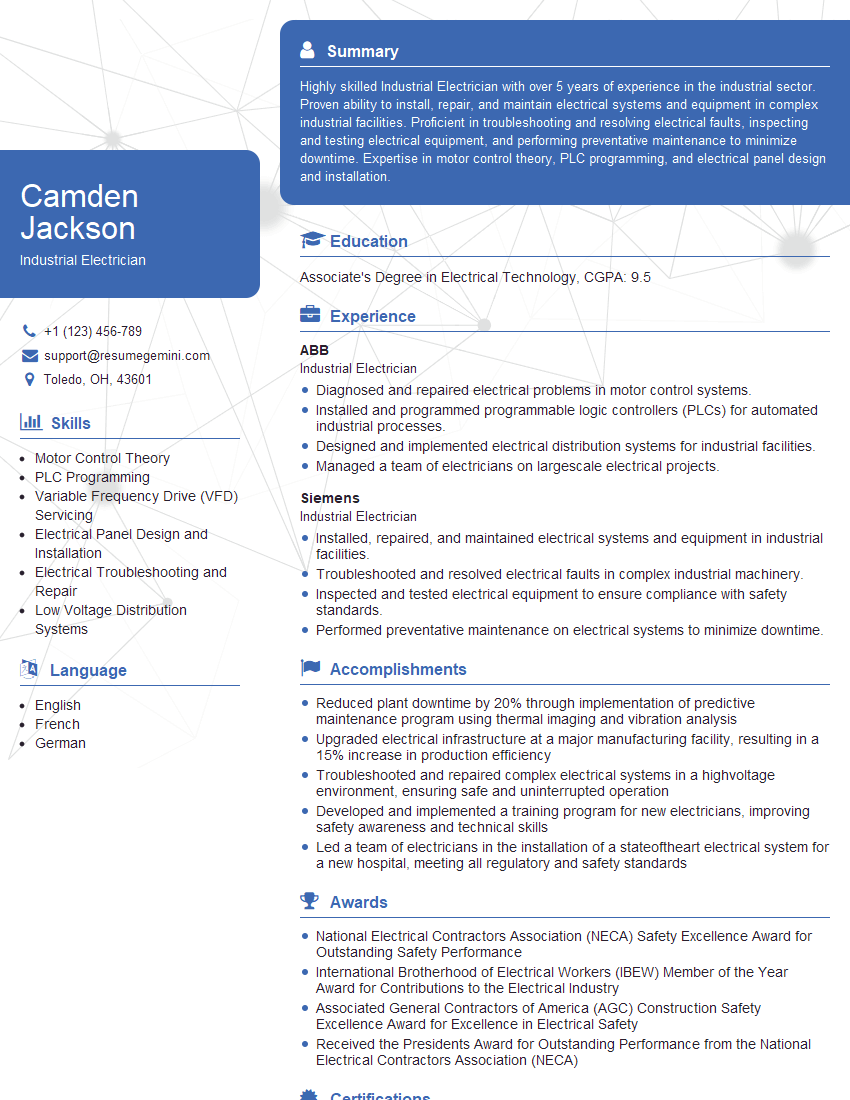
Industrial Electrician Resume Sample

Maintenance Electrician Resume Sample
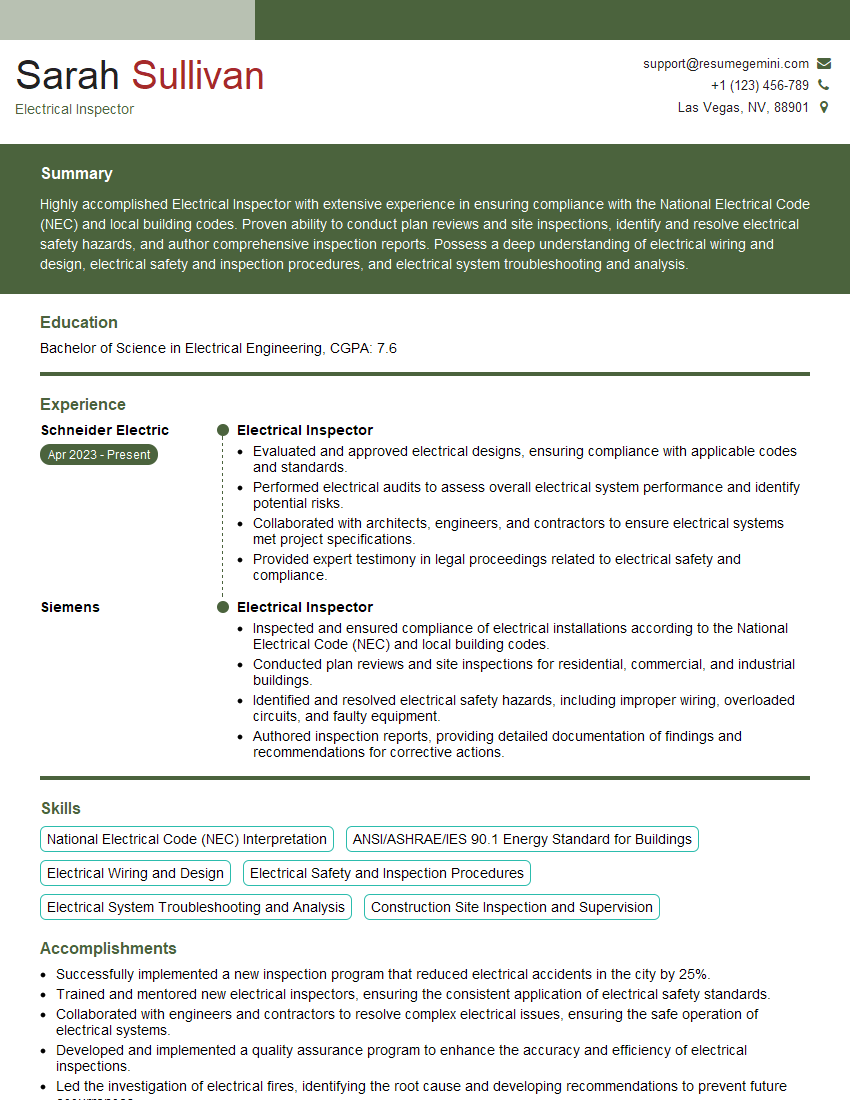
Electrical Inspector Resume Sample

Electrical Maintenance Technician Resume Sample
- Maintenance Planner
- Electrical Estimator
- Reliability Engineer
- Electrical Designer
- Electrical Engineer
- Control Systems Engineer
- Electrical Drafter
- Automation Technician
- Electrical Technician
- Electrical Foreman
- Electrical Supervisor
- Electrician
- Industrial Electrician
- Maintenance Electrician
- Electrical Inspector
- Electrical Maintenance Technician
Explore more articles
Users Rating of Our Blogs
Share Your Experience
We value your feedback! Please rate our content and share your thoughts (optional).
What Readers Say About Our Blog
Very informative content, great job.
good