Cracking a skill-specific interview, like one for Emergency Communication and Response, requires understanding the nuances of the role. In this blog, we present the questions you’re most likely to encounter, along with insights into how to answer them effectively. Let’s ensure you’re ready to make a strong impression.
Questions Asked in Emergency Communication and Response Interview
Q 1. Describe your experience with various emergency communication systems.
Throughout my career, I’ve worked extensively with a variety of emergency communication systems, ranging from traditional landline telephones and two-way radios to sophisticated computer-aided dispatch (CAD) systems and web-based alert platforms. My experience encompasses:
- Traditional Radio Systems: I’m proficient in using VHF and UHF radio systems, understanding their limitations in terms of range and interference. I have experience with both simplex and duplex communication modes and understand proper radio etiquette and procedures. For instance, I’ve managed communication during large-scale events like wildfires, coordinating multiple teams effectively via radio.
- Telephone Systems: I’m experienced in handling high-volume inbound and outbound calls during emergencies. This includes managing multiple lines simultaneously, prioritizing calls based on urgency, and accurately recording all pertinent information. I’ve used various call-handling techniques to ensure efficient dispatch and resource allocation.
- Computer-Aided Dispatch (CAD) Systems: My expertise extends to using advanced CAD systems, which integrate mapping, resource tracking, and call prioritization algorithms. I can efficiently enter, update, and retrieve information from these systems in a fast-paced, high-stress environment. In one instance, I used a CAD system to swiftly identify the nearest available ambulance to a critical cardiac arrest call, significantly reducing response time.
- Web-Based Alert Systems: I’ve used web-based platforms for mass notification and emergency alerts, such as sending out alerts to the public during severe weather events or coordinating responses to widespread power outages. This includes ensuring accurate information dissemination and managing feedback from the public.
Q 2. How would you prioritize multiple incoming emergency calls during a high-volume event?
Prioritizing multiple incoming emergency calls during a high-volume event requires a systematic approach. My approach follows a well-established protocol that emphasizes:
- Triaging Calls: I use a triage system to assess the urgency of each call based on factors like the nature of the emergency (e.g., life-threatening vs. non-life-threatening), the number of individuals involved, and the location of the incident. This is often based on standardized protocols like the START (Simple Triage and Rapid Treatment) method.
- Utilizing CAD Systems: Advanced CAD systems automatically prioritize calls based on pre-programmed algorithms, considering factors like proximity of resources, call type, and response time. This provides a critical objective assessment during high-stress situations.
- Clear Communication: I ensure clear and concise communication with both callers and responders. This involves providing accurate information and following established communication protocols to avoid confusion and delays.
- Resource Allocation: Based on the priority level and available resources, I effectively allocate personnel and equipment to the most critical incidents first, ensuring optimal use of limited resources.
- Escalation: I promptly escalate situations requiring specialized support or exceeding my level of authority to the appropriate supervisors or agencies.
Think of it like a hospital emergency room – the most critically injured patients get seen first. Similar principles apply to emergency communication.
Q 3. Explain your understanding of NIMS (National Incident Management System).
The National Incident Management System (NIMS) is a standardized approach to incident management that integrates best practices for coordinating emergency response across different jurisdictions and agencies. My understanding of NIMS encompasses its core components:
- Command and Management: NIMS emphasizes a unified command structure, ensuring clear lines of authority and accountability. This structure facilitates coordinated decision-making and resource allocation during complex incidents.
- Preparedness: NIMS promotes proactive planning and preparedness through exercises and training, which helps organizations better respond to and recover from incidents.
- Communications and Information Management: Effective communication is crucial to NIMS, including using interoperable communication systems and establishing clear communication protocols between different agencies.
- Resource Management: NIMS facilitates the efficient allocation and tracking of resources, including personnel, equipment, and supplies.
- Ongoing Management and Review: NIMS promotes continuous improvement through after-action reviews and feedback mechanisms, enabling organizations to learn from past experiences and adapt their procedures.
NIMS is essential for ensuring a seamless and effective response during large-scale emergencies where coordination between multiple agencies is critical. For example, during a hurricane, NIMS principles help coordinate the efforts of local, state, and federal agencies, providing a structured and unified response.
Q 4. What are some common communication barriers during emergencies, and how can they be overcome?
Several communication barriers can hinder effective emergency response. These include:
- Technical Difficulties: Radio interference, power outages, and network failures can disrupt communication systems. Solutions include having backup systems, regular testing, and diverse communication channels.
- Language Barriers: Communication breakdowns can occur due to language differences. Solutions include using interpreters or translation services.
- Jargon and Technical Terminology: Using specialized language that callers don’t understand can lead to miscommunication. Clear and plain language is essential.
- Stress and Anxiety: Both callers and responders may experience high levels of stress, impacting their ability to communicate clearly. Training in stress management and clear communication techniques is important.
- Information Overload: Too much information at once can confuse responders. Prioritizing key information is vital.
Overcoming these barriers requires proactive planning and training. This involves investing in robust communication infrastructure, providing cross-cultural communication training, and developing standardized communication protocols that emphasize clarity and simplicity. Regular drills and simulations help prepare teams for various communication challenges.
Q 5. How do you ensure clear and concise communication under pressure?
Ensuring clear and concise communication under pressure requires a combination of skills and techniques. These include:
- Active Listening: Paying close attention to what the caller is saying, asking clarifying questions, and summarizing key information to ensure understanding.
- Structured Communication: Following a standardized protocol to gather essential information efficiently, avoiding unnecessary details.
- Plain Language: Using simple, everyday language, avoiding jargon and technical terms. This ensures that the message is easily understood.
- Controlled Breathing and Mindfulness Techniques: Practicing techniques to manage stress and anxiety, which can significantly impact communication effectiveness.
- Prioritization: Focusing on critical information first and delivering that information in a concise and organized manner.
Imagine having to direct emergency responders while simultaneously dealing with a panicked caller. Calm, clear instructions are critical, and this requires a high level of training and practice. Regular simulations and role-playing help me refine this critical skill.
Q 6. Describe your experience with utilizing different communication technologies (e.g., radio, telephone, internet-based systems).
My experience with various communication technologies is extensive. As mentioned before, I’m proficient with radios, telephones, and computer systems. But my experience also includes:
- Text Messaging: In certain situations, text messaging can be a valuable tool for delivering short, concise messages, especially when voice communication is difficult or impossible. This is particularly useful when coordinating with teams in noisy environments.
- Satellite Phones: I have experience with satellite phones, crucial in areas with limited or no cellular coverage. They’re essential during remote search and rescue operations.
- Social Media and Web-Based Platforms: While not always a primary communication channel, social media platforms can be used to disseminate information to the public during emergencies, or to gather critical information.
- Video Conferencing: In certain situations, video conferencing allows for visual confirmation and faster understanding. This is particularly useful for remote consultations between medical teams or experts.
The selection of the most appropriate technology depends heavily on the specific circumstances of the emergency. Understanding the strengths and limitations of each technology is essential for effective communication.
Q 7. What is your experience with handling emotionally distressed callers?
Handling emotionally distressed callers is a critical aspect of emergency communication. My approach combines empathy, active listening, and de-escalation techniques. This includes:
- Empathetic Listening: I validate the caller’s feelings and demonstrate genuine concern. This helps build trust and rapport, facilitating communication.
- Calm and Reassuring Tone: I maintain a calm and reassuring tone of voice, which helps reduce the caller’s anxiety.
- Clear and Concise Instructions: I provide clear and concise instructions in a way the caller can easily understand, focusing on immediate actions that can improve their situation.
- Seeking Clarification: I ask clarifying questions to understand the caller’s situation fully and avoid misunderstandings.
- Transferring to Appropriate Resources: If necessary, I transfer the call to a mental health professional or other appropriate resource, ensuring the caller gets the support they need.
It’s important to remember that handling emotionally distressed callers requires patience, empathy, and a deep understanding of human psychology. I’ve received specialized training in crisis intervention and de-escalation techniques, which significantly improves my ability to manage these challenging situations effectively.
Q 8. How would you handle a situation where information is conflicting or inaccurate?
Conflicting or inaccurate information is a significant challenge in emergency response. My approach involves a systematic process of verification and triangulation. First, I’d identify the source of each piece of information, assessing its reliability. For example, a report from a trained first responder carries more weight than an unverified social media post. Then, I’d cross-reference the information with data from multiple sources – this could include dispatch logs, sensor data, or reports from other agencies. Discrepancies would trigger further investigation. If a clear picture can’t be established quickly, I prioritize actions based on the most credible information available, while acknowledging the uncertainty and preparing for potential changes as more verifiable data becomes available. This might involve deploying resources based on a worst-case scenario while simultaneously investigating conflicting information to refine the response.
For instance, during a large-scale chemical spill, if one report indicates a leak of highly toxic substance X and another reports a less toxic substance Y, I would prioritize actions based on the worst-case scenario (substance X), immediately deploying hazmat teams equipped to handle it. Simultaneously, I’d dedicate resources to verify the exact nature of the spilled chemical, using lab analysis or contacting the facility for accurate manifest information. This dual approach ensures a robust and adaptive response even under conditions of uncertainty.
Q 9. Describe your experience with coordinating with multiple agencies during an emergency response.
Coordinating with multiple agencies is critical in emergency response. My experience includes working on several large-scale incidents requiring collaboration with police, fire departments, medical services, and public works. Effective coordination relies on clear communication, established protocols, and a common operational picture. I use a combination of strategies, including pre-incident planning, establishing a unified command structure, and utilizing common communication platforms. Pre-incident planning helps define roles, responsibilities, and communication channels. A unified command structure ensures clear lines of authority and decision-making, while common communication platforms (such as radio systems and shared databases) ensure information flows seamlessly between agencies.
During a major flood event, I was part of a team that coordinated the evacuation of a residential area. We worked closely with the police to manage traffic and ensure safe evacuation routes, with the fire department to assist with rescues in flooded areas, and with public works to manage road closures and debris removal. Using a shared digital map, we tracked resources, rescue efforts, and areas of greatest need. This approach resulted in a coordinated and effective response, minimizing casualties and property damage. Regular briefings and open communication were key to maintaining situational awareness and adjusting plans dynamically.
Q 10. What is your process for verifying the credibility of emergency calls?
Verifying the credibility of emergency calls is paramount. My process involves a structured approach, starting with assessing the caller’s demeanor and the clarity of the information provided. Are they calm and coherent? Are the details specific and consistent? Then, I’d try to corroborate the information independently, using available tools and resources. This might involve looking at existing databases (crime reports, previous incidents), cross-referencing information with other agencies (911 dispatch, security cameras), or using technological tools such as geolocation services if location information is vague or unclear.
For example, a call reporting a potential bomb threat would be treated with extreme caution. I’d verify the caller’s identity whenever possible, investigate their call history for patterns, check for similar threats or suspicious activities in the area, and immediately alert bomb disposal units. The information’s credibility isn’t simply a yes/no answer, but rather a continuous assessment that guides the response’s scale and urgency.
Q 11. Explain your experience with providing post-incident debriefings.
Post-incident debriefings are crucial for identifying areas for improvement and learning from experiences. My approach to conducting these sessions focuses on a structured yet open environment. I begin by acknowledging everyone’s efforts and contributions, creating a safe space where individuals can openly discuss their experiences, both positive and negative. I use a combination of methods, including facilitated discussions, guided questionnaires, and even informal feedback sessions, ensuring diverse perspectives are gathered. The debriefings aren’t about assigning blame, but rather about identifying what went well and what could be improved. The collected data is then used to update protocols and training materials.
Following a large-scale wildfire, I conducted a debriefing involving firefighters, paramedics, and dispatchers. We identified communication challenges as a major area for improvement, leading to changes in radio protocols and the implementation of a new, integrated communications system to improve inter-agency coordination in future similar events. This iterative approach, of reviewing and adapting, is key to building resilience and readiness in emergency response.
Q 12. How do you maintain situational awareness during a crisis?
Maintaining situational awareness during a crisis requires a multi-faceted approach. It’s about having a clear understanding of the evolving situation, including the nature of the incident, the resources available, and the needs of the affected population. I rely on a combination of tools and techniques: A designated communication hub or central command center, real-time data feeds from various sources (sensor data, social media monitoring, etc.), regular briefings and updates from field teams, and the ability to critically analyze incoming information and predict future trends. A key aspect is to balance the volume of information with the need for timely decision-making. This often requires setting priorities and focusing on the most critical pieces of information.
Imagine a blizzard that’s cutting off power and transportation. My approach involves constantly monitoring weather reports, power grid status, road closures, and reports from emergency responders in the field. By comparing those data streams and using predictive modeling (if available), I can anticipate areas that will soon be most severely affected, allowing me to pre-position resources and provide early warnings to potentially affected communities. Regular communication and feedback from responders in the field constantly refine my understanding of the evolving situation.
Q 13. What methods do you employ to gather and disseminate information effectively?
Effective information gathering and dissemination is fundamental to emergency response. My methods include utilizing various communication channels, including radio systems, dedicated communication platforms, and social media monitoring tools, always keeping in mind the need for verified and accurate information. For gathering information, I use a combination of direct reports from field personnel, data feeds from sensors and surveillance systems, and analysis of social media for ground-level insights. For dissemination, the methods depend on the audience and information’s urgency. Critical updates would be relayed immediately via radio and dedicated communication platforms to frontline personnel. Broader updates for the public might be delivered through press releases, social media, and public information websites.
During a hazardous materials incident, I’d rely on first responders for real-time information about the extent of contamination and immediate health risks. I’d combine this with data from environmental monitoring sensors to create a dynamic map of the affected zone. This map, combined with safety guidelines, would be immediately shared with affected residents through a dedicated website and social media, while emergency alerts would inform the wider public.
Q 14. How familiar are you with relevant emergency response protocols and procedures?
I am very familiar with relevant emergency response protocols and procedures. My knowledge encompasses national and local emergency response plans, including incident command systems (ICS), National Incident Management System (NIMS), and relevant healthcare and safety regulations. I understand and can effectively utilize various communication protocols, and am proficient in using emergency response software and databases. My training includes participation in numerous simulations and real-world emergency response operations, enhancing my practical application of these protocols.
I regularly update my knowledge to stay abreast of changes in best practices and technology. My certifications include [Mention relevant certifications like ICS 100, 200, 700, etc.]. This ongoing professional development ensures that my skills and knowledge remain current and relevant to the demands of modern emergency management.
Q 15. Describe a time you had to make a difficult decision under pressure during an emergency.
During a major wildfire, we faced a critical decision regarding the evacuation of a rural community. Initial reports suggested the fire was moving slower than anticipated, but a sudden shift in wind direction created a rapidly evolving threat. Evacuating would disrupt lives, causing significant stress and economic impact, but delaying risked lives. We had limited time to assess the constantly changing situation using real-time data from multiple sources (weather forecasts, fire spread models, and on-the-ground reports).
The difficult decision was to initiate a phased evacuation. We prioritized vulnerable populations—elderly, individuals with disabilities, and families with young children—initially, giving them ample time to leave. We then communicated the developing threat to the rest of the community, providing clear instructions and resources. This approach mitigated widespread panic and allowed for a more manageable evacuation. While a complete and immediate evacuation might have seemed safer in hindsight, our phased approach balanced safety with minimizing undue disruption, proving effective in saving lives and minimizing property damage. It was crucial to communicate constantly and transparently, adapting the message as new information came in.
Career Expert Tips:
- Ace those interviews! Prepare effectively by reviewing the Top 50 Most Common Interview Questions on ResumeGemini.
- Navigate your job search with confidence! Explore a wide range of Career Tips on ResumeGemini. Learn about common challenges and recommendations to overcome them.
- Craft the perfect resume! Master the Art of Resume Writing with ResumeGemini’s guide. Showcase your unique qualifications and achievements effectively.
- Don’t miss out on holiday savings! Build your dream resume with ResumeGemini’s ATS optimized templates.
Q 16. What steps would you take to manage a large-scale emergency communication failure?
Managing a large-scale emergency communication failure requires a swift and multi-faceted response. First, we need to acknowledge and declare the failure, preventing further misinformation and panic. This might involve utilizing alternative communication channels such as radio broadcasts, sirens, or even community leaders on the ground.
- Assess the Damage: Identify the root cause of the failure (e.g., network outage, system overload, human error). This investigation may involve IT specialists and emergency response personnel.
- Activate Backup Systems: Deploy secondary communication channels (e.g., satellite phones, ham radio). These alternative methods are crucial for restoring critical communication links.
- Establish a Central Hub: A single point of contact for all information dissemination is vital. This central hub should receive reports from various sources and filter accurate information for public release.
- Public Information Campaign: A coordinated message needs to be delivered to the public through available channels. This includes updates on the situation, available resources, and any safety instructions.
- Post-Incident Analysis: After the emergency subsides, a thorough investigation is necessary to determine what went wrong and how to prevent similar failures in the future.
Think of it like a complex machine: when one part fails, you need to swiftly activate backups and ensure the overall system can continue operating, albeit perhaps at a reduced capacity. Transparency is key – honesty about the situation, even its limitations, builds trust during a crisis.
Q 17. How do you utilize technology to improve emergency communication efficiency?
Technology plays a crucial role in enhancing the speed, reach, and accuracy of emergency communications. We use a variety of tools to improve efficiency.
- Social Media Integration: Platforms like Twitter and Facebook allow for rapid dissemination of information to a wide audience, especially during events that affect a broad area.
- Wireless Emergency Alerts (WEA): This technology allows for the immediate delivery of emergency alerts directly to mobile phones within a specified geographic area.
- GIS Mapping and Location-Based Services: Real-time mapping tools help visualize emergency situations, track resource allocation, and provide crucial location data to first responders.
- Two-Way Radio Systems: Reliable and resilient radio systems provide constant communication between teams in the field and command centers. This is critical in areas with poor cell service.
- Text Message Broadcasting: For mass notifications, particularly where mobile network issues may limit voice communications, SMS broadcasting is an extremely useful tool.
The effective use of these technologies requires careful planning and implementation, ensuring interoperability and redundancy to prevent single points of failure. Regular training and testing are critical in maintaining preparedness and ensuring effective usage in real-world emergencies.
Q 18. Describe your experience with developing and implementing emergency communication plans.
I have extensive experience in developing and implementing comprehensive emergency communication plans across various contexts, including schools, municipalities, and healthcare facilities.
My approach involves a collaborative process starting with a thorough risk assessment. We identify potential hazards and prioritize them based on likelihood and potential impact. This guides the design of communication strategies tailored to the specific risks. Plans include detailed protocols for various scenarios—natural disasters, technological failures, and active shooter events.
Implementation involves regular training sessions for staff and community members. We conduct drills to test the plans’ effectiveness and identify areas for improvement. A crucial aspect is ensuring that the communication channels, including alerts, announcements, and information sharing procedures, are adequately tested. We use a combination of tabletop exercises, functional drills, and full-scale simulations to build practical proficiency. Documentation and version control are carefully maintained to ensure all stakeholders have access to the most up-to-date plan.
Q 19. What is your experience with community outreach and emergency preparedness education?
Community outreach and emergency preparedness education are integral components of effective emergency response. I’ve been involved in various programs that empower communities to be better prepared.
- Public Workshops and Presentations: We offer workshops and training sessions educating individuals on disaster preparedness, including how to create household emergency plans, assemble emergency kits, and understand evacuation procedures.
- Community Events: Participation in community events provides platforms to distribute educational materials, interact directly with residents, and address concerns.
- Social Media Campaigns: Utilizing social media allows us to reach a broader audience with targeted messages, sharing tips and updates in an accessible format.
- Partnerships with Schools and Local Organizations: We collaborate with schools and community organizations to integrate emergency preparedness education into their existing programs, ensuring messages reach a wide range of age groups.
Effective community education fosters a sense of collective responsibility and improves community resilience during emergencies. It’s about empowering individuals to take proactive steps, creating a safer and more prepared community.
Q 20. How do you ensure the accuracy and timeliness of information dissemination?
Accuracy and timeliness are paramount in emergency communication. We employ several strategies to ensure that information is both correct and delivered promptly.
- Multiple Source Verification: Information is verified from multiple credible sources before dissemination. This reduces the risk of spreading misinformation.
- Information Filtering: A designated team reviews and filters information, ensuring that only accurate and relevant updates are released to the public.
- Real-time Data Integration: Leveraging real-time data feeds (weather alerts, traffic updates, etc.) enhances the accuracy and relevance of information.
- Clear and Concise Messaging: Messages are carefully crafted to be easily understood by all audiences, avoiding technical jargon and ambiguity. Simplicity and clarity are crucial under stress.
- Regular Updates and Corrections: Frequent updates keep the public informed. If mistakes are made, corrections are issued swiftly and transparently.
Think of it like a newsroom during a breaking news event: multiple reporters are on the scene, verifying facts before broadcasting to minimize errors and ensure the public gets the most up-to-date and reliable information. Trust is built on accuracy, and timely corrections demonstrate integrity.
Q 21. What training and certifications do you have in emergency communication and response?
My professional development in emergency communication and response includes:
- Certified Emergency Manager (CEM): This certification demonstrates proficiency in all aspects of emergency management, including planning, response, and recovery.
- National Incident Management System (NIMS) Training: I have completed NIMS training courses, which cover incident command systems and other key aspects of emergency response coordination.
- Public Information Officer (PIO) Training: Specific training on delivering clear, concise, and accurate information to the public during crises.
- Advanced Communication Technologies training: Proficient in utilizing various communication technologies (e.g., GIS, social media, wireless emergency alerts) for effective emergency communication.
- Hazardous Materials (HazMat) Awareness training: Understanding the risks and communication protocols related to hazardous materials incidents.
Beyond certifications, I have extensive hands-on experience across a diverse range of emergency scenarios, constantly refining my skills and adapting to new challenges. Continuous professional development keeps me abreast of best practices and emerging technologies in the field.
Q 22. How do you maintain confidentiality and data security when handling sensitive emergency information?
Maintaining confidentiality and data security when handling sensitive emergency information is paramount. It requires a multi-layered approach encompassing strict adherence to regulations like HIPAA (for health information) and FERPA (for student information), alongside robust technological safeguards and procedural protocols.
- Access Control: We utilize role-based access control systems, ensuring that only authorized personnel with a legitimate need to know have access to specific data. This is implemented through secure logins, password management policies, and regular audits of access logs.
- Data Encryption: All sensitive data, both in transit and at rest, is encrypted using industry-standard encryption algorithms. This prevents unauthorized access even if a breach occurs.
- Secure Communication Channels: We exclusively use encrypted communication channels for transmitting sensitive information, such as secure messaging platforms and VPNs (Virtual Private Networks). Open channels are never used.
- Regular Security Audits and Training: We conduct regular security audits to identify and address vulnerabilities. Furthermore, all personnel undergo mandatory training on data security best practices and are made aware of the legal and ethical implications of data breaches.
- Incident Response Plan: A detailed incident response plan outlines steps to take in the event of a data breach or security incident. This plan covers containment, investigation, remediation, and notification procedures.
For instance, during a large-scale natural disaster, we might handle sensitive medical information about injured individuals. Our protocols ensure this information is only accessible to authorized medical personnel and emergency responders, and all communication regarding these individuals utilizes secure channels.
Q 23. Explain your experience with using mapping and geographic information systems (GIS) during emergencies.
Mapping and GIS are indispensable tools in emergency response. My experience includes using GIS software (such as ArcGIS) to create and update real-time maps showing the location of incidents, resources, and affected areas. This data visualization is crucial for effective resource allocation and strategic decision-making.
- Incident Mapping: I’ve used GIS to map the locations of incidents during wildfires, floods, and other disasters, allowing emergency responders to quickly assess the situation and deploy resources efficiently. This includes visualizing the spread of a wildfire, identifying areas of greatest need, and tracking the movement of evacuation routes.
- Resource Tracking: GIS enables real-time tracking of emergency vehicles, personnel, and supplies, ensuring optimal utilization and preventing resource duplication. For example, we can track ambulances to ensure the closest one is dispatched to an incident.
- Evacuation Planning: GIS is vital in developing evacuation plans. We can model evacuation routes, identify potential bottlenecks, and estimate evacuation times, helping to optimize safety and efficiency.
- Damage Assessment: Post-incident, GIS is used to assess the extent of damage, identify critical infrastructure needs, and prioritize recovery efforts.
In one particular instance, during a hurricane, we used GIS to dynamically update a map showing flooded areas, allowing us to redirect rescue efforts to the most severely impacted zones. This real-time data significantly improved the effectiveness of our response.
Q 24. How familiar are you with different types of emergency alerts and warning systems?
My familiarity with emergency alerts and warning systems is extensive. I’m well-versed in various technologies and methods, ranging from traditional sirens and public address systems to modern digital platforms.
- Wireless Emergency Alerts (WEA): These cell-phone based alerts are invaluable for reaching a wide population quickly with urgent warnings about imminent threats, like severe weather or AMBER alerts.
- Reverse 911 Systems: These systems allow emergency managers to send targeted messages to specific geographic areas or groups of people. This precision is essential for efficient evacuation notices or critical updates.
- National Oceanic and Atmospheric Administration (NOAA) Weather Radio: This provides continuous weather updates and warnings, crucial for preparing for and responding to severe weather events.
- Social Media and Mass Notification Systems: These platforms, while not always reliable as the primary alert system, play a significant role in disseminating information to the public and receiving situational reports. They require careful management to avoid misinformation.
- Public Address Systems: Traditional sirens and loudspeakers remain important for immediate, localized alerts, especially in areas with limited or unreliable cellular service.
Understanding the strengths and limitations of each system is vital. For example, while WEA reaches a vast audience, it relies on cell service, which may be unreliable during major disasters. Therefore, a multi-system approach is always the best practice.
Q 25. Describe your experience with crisis communication strategies.
Crisis communication strategies are centered on delivering clear, concise, and consistent information to stakeholders during emergency situations. My experience involves developing and implementing communication plans that address diverse audiences and various communication channels.
- Pre-Incident Planning: A well-defined communication plan, developed *before* a crisis, is critical. This plan includes identifying key stakeholders (media, public, internal staff), establishing communication protocols, and designating spokespersons.
- Message Development: Messages need to be tailored to specific audiences, using simple, accessible language and avoiding jargon. Consistency is paramount – all messages must align across all channels to avoid confusion.
- Multi-Channel Approach: Using a combination of channels (websites, social media, press releases, etc.) ensures broad reach and redundancy in case one channel fails. However, maintaining consistency of messaging across all channels is crucial.
- Monitoring and Feedback: Actively monitoring public sentiment and media coverage allows for adapting the communication strategy as the situation evolves. Gathering feedback helps understand what is working and where improvements are needed.
- Transparency and Honesty: Maintaining open and honest communication, even when delivering bad news, builds trust and reduces anxiety.
For example, during a large-scale power outage, our communication strategy focused on providing regular updates on restoration efforts, addressing public concerns through social media, and working with the media to ensure accurate reporting.
Q 26. What measures do you take to prevent communication burnout and maintain team morale during prolonged emergencies?
Preventing communication burnout and maintaining team morale during prolonged emergencies is vital for sustained effectiveness. This requires a proactive approach focused on team well-being and support.
- Regular Breaks and Rest: Enforcing regular breaks and adequate rest periods for team members is crucial to prevent exhaustion and maintain focus. Rotating shifts and providing opportunities for sleep are essential.
- Open Communication and Debriefings: Creating a safe space for team members to express their concerns, share their experiences, and receive support is vital. Regular debriefings help process the emotional toll of the crisis.
- Mental Health Resources: Providing access to mental health professionals and resources is crucial for supporting team members who may be experiencing stress, anxiety, or PTSD.
- Team Building and Recognition: Recognizing and appreciating the contributions of team members helps boost morale. Small acts of appreciation, like providing meals or organizing team-building activities (when appropriate), can significantly improve team spirit.
- Clear Roles and Responsibilities: Ensuring that everyone understands their roles and responsibilities reduces confusion and stress. Clear communication channels minimize the potential for conflict.
During a prolonged wildfire, we implemented a system of rotating shifts, provided access to counseling services, and held regular team meetings to address concerns and celebrate successes. This helped prevent burnout and maintain a strong, supportive team environment.
Q 27. How would you assess the effectiveness of an emergency communication strategy after an event?
Assessing the effectiveness of an emergency communication strategy requires a multi-faceted approach involving both qualitative and quantitative data analysis.
- Quantitative Data: Analyze metrics such as the number of people reached through different channels, the speed of information dissemination, and the number of calls received to emergency hotlines. This provides a numerical understanding of reach and efficiency.
- Qualitative Data: Conduct surveys, interviews, and focus groups with the public, emergency responders, and other stakeholders to gather feedback on the clarity, timeliness, and usefulness of the communication. This reveals public perception and identifies areas for improvement.
- Media Analysis: Review media coverage to assess the accuracy and consistency of information disseminated, noting any instances of misinformation or conflicting messages.
- After-Action Review (AAR): Conduct a thorough AAR with all participating teams to identify areas of success and areas needing improvement in the communication strategy. This is a vital process for learning and improvement.
- Social Media Monitoring: Analyze social media trends and sentiment to gauge public perception and identify any emerging communication challenges or concerns.
For example, after a severe storm, we analyzed call logs to assess the effectiveness of our warning system, conducted public surveys to gauge satisfaction with communication, and reviewed media coverage to identify areas where our messaging could have been improved. This analysis informed revisions to our communication plan for future events.
Q 28. Describe your experience with working collaboratively with diverse teams during emergency response operations.
Working collaboratively with diverse teams is fundamental in emergency response. Success depends on effective communication, mutual respect, and shared understanding of roles and responsibilities.
- Cross-Training and Shared Understanding: Cross-training across different teams ensures a shared understanding of each team’s capabilities and limitations. This fosters better collaboration and reduces communication barriers.
- Clear Communication Protocols: Establishing clear communication protocols ensures consistent and efficient information flow between teams. This might involve utilizing specific communication platforms or designating liaison officers.
- Respect for Diverse Perspectives: Recognizing and valuing the diverse skills, experiences, and perspectives of team members is vital for effective collaboration. Different backgrounds often bring unique insights to problem-solving.
- Conflict Resolution Mechanisms: Establishing clear protocols for addressing disagreements and conflicts helps maintain team cohesion. Mediation or facilitated discussions can resolve conflicts effectively.
- Shared Goals and Objectives: Keeping a shared focus on the overall goals of the mission helps to unify the team and avoid internal conflict. Everyone understands that despite individual differences, the common goal is paramount.
During a major earthquake, I collaborated closely with fire, police, medical, and engineering teams. By establishing clear communication protocols and ensuring mutual respect among team members, we were able to coordinate rescue efforts effectively and minimize response time.
Key Topics to Learn for Emergency Communication and Response Interview
- Incident Command System (ICS): Understand the principles of ICS, its organizational structure, and its role in effective emergency response coordination. Consider practical applications like resource allocation and communication protocols within an ICS framework.
- Crisis Communication Strategies: Explore various communication channels and their effectiveness during emergencies (e.g., social media, mass notification systems, public address systems). Analyze case studies demonstrating successful and unsuccessful crisis communication approaches.
- Public Information and Warning Systems: Learn about the design and implementation of warning systems, including their limitations and how to overcome them. Discuss the ethical considerations and best practices for disseminating critical information to the public.
- Interagency Coordination: Examine the challenges and best practices for collaborating with diverse agencies (e.g., law enforcement, fire services, healthcare) during emergencies. Practice outlining effective strategies for information sharing and mutual aid.
- Technological Tools and Applications: Familiarize yourself with relevant software and technologies used in emergency communication and response, such as GIS mapping, radio communication systems, and emergency alert platforms. Be prepared to discuss their functionalities and limitations.
- Risk Communication and Community Engagement: Understand how to effectively communicate risk information to different audiences and build trust with communities during and after an emergency. Explore methods for engaging diverse stakeholders and fostering collaborative risk reduction strategies.
- Emergency Response Planning and Exercises: Discuss the importance of developing comprehensive emergency plans and conducting regular drills and exercises to test preparedness and identify areas for improvement. Analyze the benefits of various exercise methodologies and their applications.
Next Steps
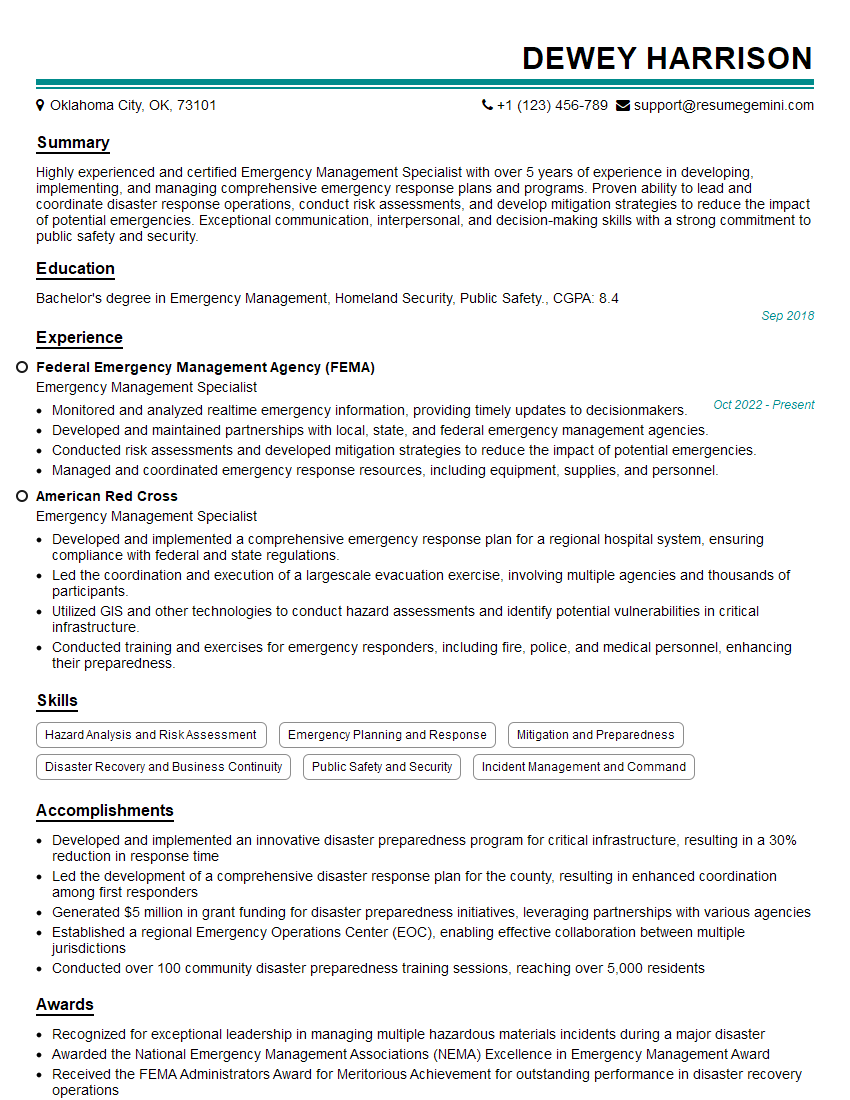
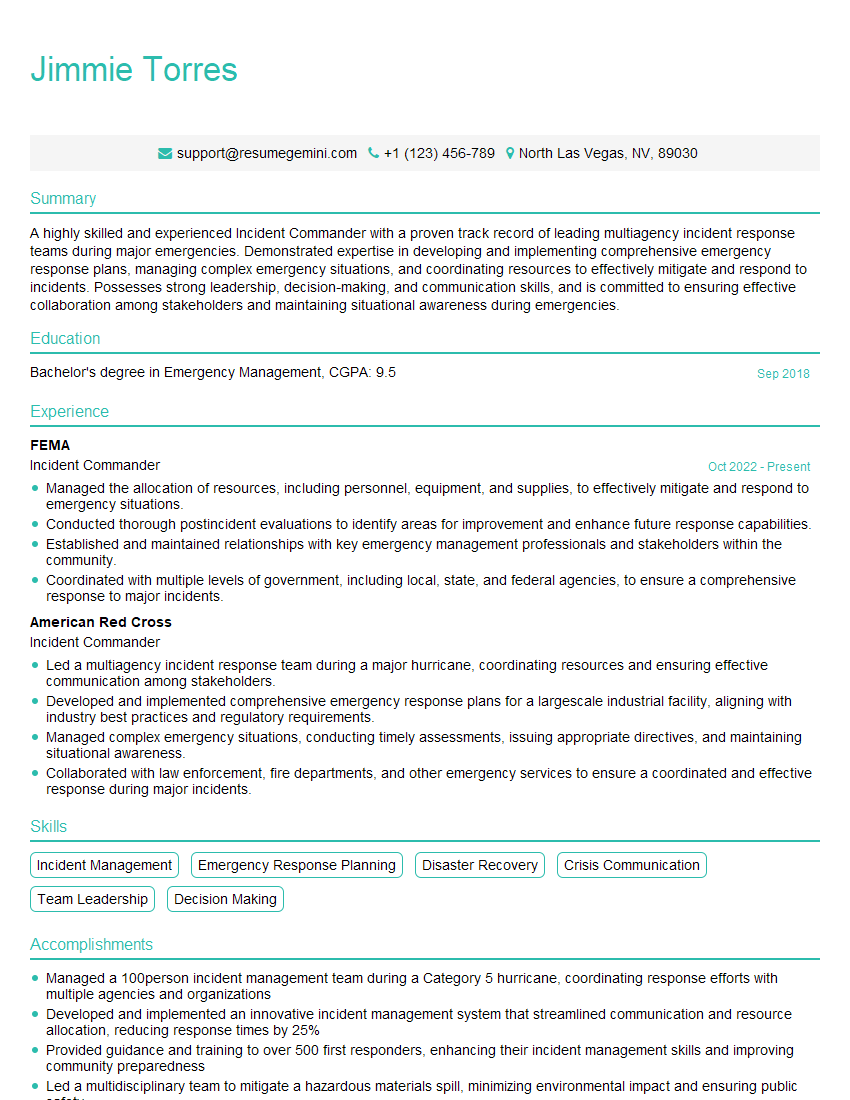
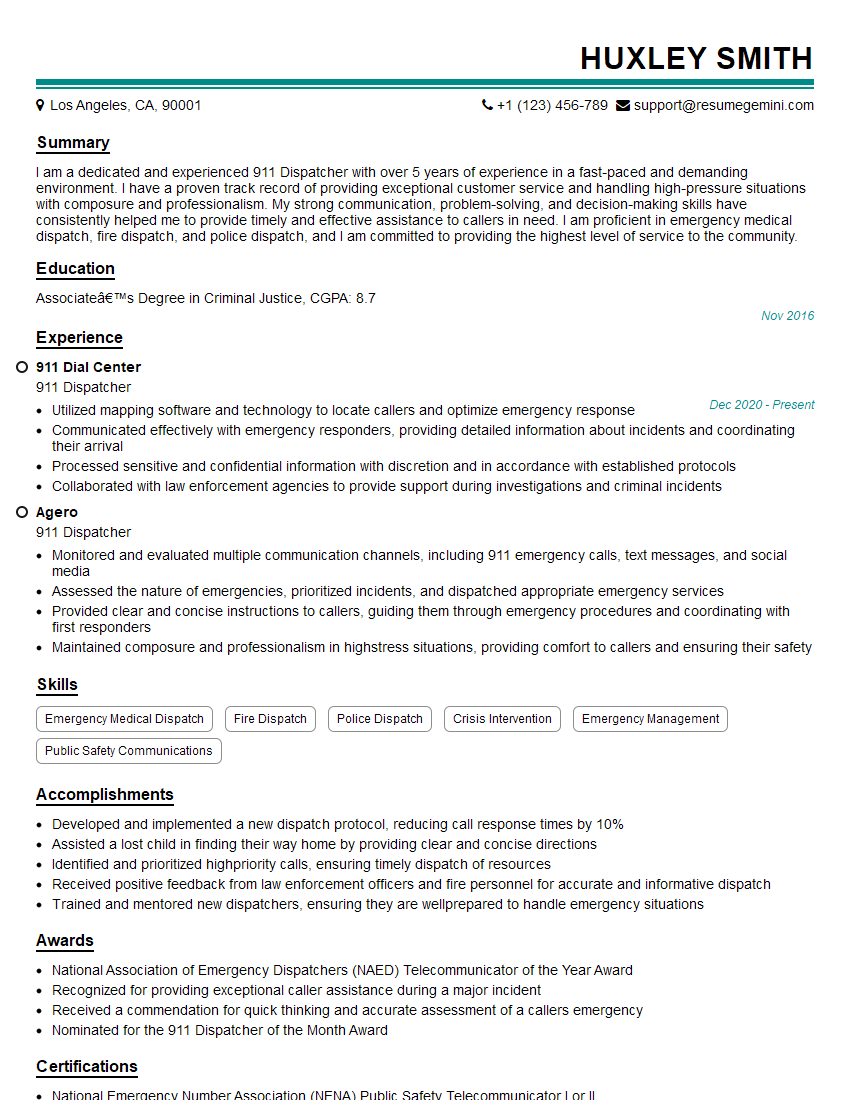
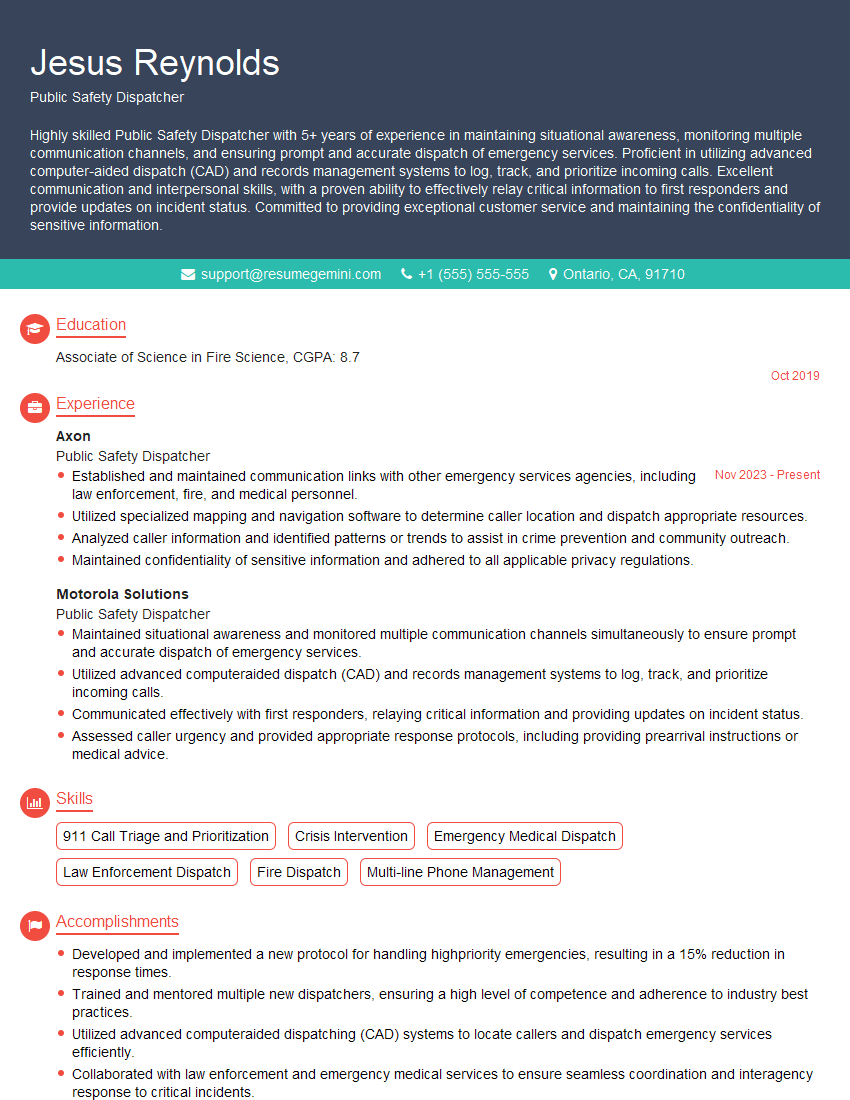
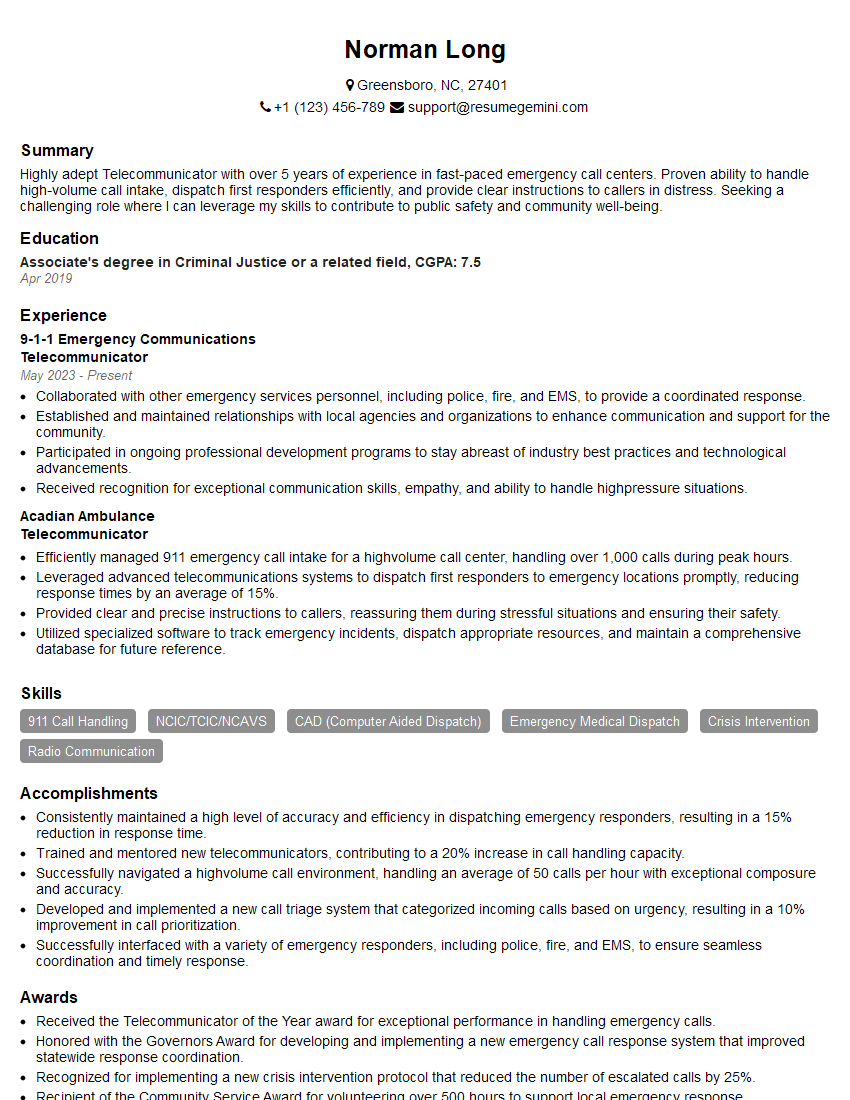
Mastering Emergency Communication and Response is crucial for a rewarding and impactful career. It allows you to contribute directly to community safety and resilience. To maximize your job prospects, invest time in creating a strong, ATS-friendly resume that highlights your skills and experience. ResumeGemini is a trusted resource to help you build a professional and effective resume tailored to the specific demands of this field. Examples of resumes specifically designed for Emergency Communication and Response professionals are available to guide you.
Explore more articles
Users Rating of Our Blogs
Share Your Experience
We value your feedback! Please rate our content and share your thoughts (optional).
What Readers Say About Our Blog
Very informative content, great job.
good