Every successful interview starts with knowing what to expect. In this blog, we’ll take you through the top Emergency Response and Safety Procedures interview questions, breaking them down with expert tips to help you deliver impactful answers. Step into your next interview fully prepared and ready to succeed.
Questions Asked in Emergency Response and Safety Procedures Interview
Q 1. Describe your experience in developing and implementing emergency response plans.
Developing and implementing emergency response plans is a multifaceted process requiring a deep understanding of potential hazards and a systematic approach to mitigation. My experience encompasses the entire lifecycle, from initial risk assessment to plan execution and post-incident review. This involves collaborating with stakeholders, conducting thorough hazard analyses (like HAZOP studies or What-If analyses), defining clear roles and responsibilities, and establishing communication protocols. For example, in my previous role at a manufacturing plant, I led the development of a comprehensive emergency response plan addressing fire, chemical spills, and medical emergencies. This involved creating detailed procedures, maps, and training materials, as well as conducting regular drills to ensure preparedness. The plan was meticulously tested and updated following each drill or incident review, ensuring its effectiveness in managing various situations.
Another significant project involved creating a mass casualty incident (MCI) plan for a large public event. This required extensive coordination with local emergency services, detailed evacuation procedures, and a robust communication strategy to manage large numbers of casualties and maintain public order. In both instances, success depended on clear communication, realistic training, and a commitment to continuous improvement.
Q 2. Explain your understanding of OSHA regulations and their application in the workplace.
OSHA (Occupational Safety and Health Administration) regulations are crucial for maintaining a safe and healthy work environment. My understanding extends to various standards, including hazard communication (29 CFR 1910.1200), personal protective equipment (PPE) (29 CFR 1910.132), and emergency action plans (29 CFR 1910.38). I’m familiar with the process of conducting OSHA inspections, identifying non-compliance issues, and implementing corrective actions. For instance, understanding the Hazard Communication Standard means properly labeling chemicals, developing Safety Data Sheets (SDS), and providing comprehensive employee training on chemical hazards. Likewise, ensuring compliance with PPE standards necessitates selecting the appropriate protective gear for specific tasks and ensuring its proper use and maintenance. I also have experience working with OSHA 300 logs, tracking workplace injuries and illnesses to identify trends and implement preventative measures. This proactive approach helps minimize risks and fosters a culture of safety within the workplace.
Q 3. How would you assess and mitigate workplace hazards?
Assessing and mitigating workplace hazards is a systematic process that begins with a thorough hazard identification. This might involve workplace inspections, job safety analyses (JSAs), and reviewing incident reports. Once hazards are identified, their risk level is evaluated considering the likelihood and severity of potential harm. This often involves using risk matrices. Then, appropriate control measures are implemented, following the hierarchy of controls: elimination, substitution, engineering controls, administrative controls, and lastly, personal protective equipment (PPE). For example, if a repetitive strain injury hazard is identified in an assembly line, I would first explore ergonomic changes (engineering control) such as adjustable workstations. If that’s insufficient, I might implement work rotation schedules (administrative control). PPE, such as wrist braces, would be considered only as a last resort. Regular monitoring and review of the effectiveness of the controls are crucial to ensure ongoing safety.
Q 4. What are the key components of a comprehensive safety program?
A comprehensive safety program is more than just a set of rules; it’s a holistic approach to fostering a safety-conscious culture. Key components include:
- Management Commitment: Visible and active leadership support is essential.
- Hazard Identification and Risk Assessment: Proactive identification and evaluation of potential hazards.
- Hazard Control: Implementing controls based on the hierarchy of controls.
- Safety Training and Education: Providing regular and relevant training to all employees.
- Emergency Response Planning: Establishing clear procedures for handling various emergencies.
- Incident Reporting and Investigation: A system for tracking incidents, investigating root causes, and implementing corrective actions.
- Record Keeping and Documentation: Maintaining accurate records of safety activities, training, and incidents.
- Continuous Improvement: Regularly reviewing and updating the program based on performance data and best practices.
Q 5. Describe your experience with conducting safety training and drills.
I have extensive experience in conducting safety training and drills, tailoring the content to specific roles and hazards. My approach is highly interactive, employing various methods such as classroom instruction, hands-on demonstrations, and scenario-based exercises. For example, I’ve developed and delivered training programs on lockout/tagout procedures, confined space entry, and fire safety. Drills, such as fire drills and emergency evacuation exercises, are crucial for testing the effectiveness of emergency response plans. I make sure these drills are realistic and involve active participation from all employees, followed by thorough debriefings to identify areas for improvement. Feedback from participants is incorporated to enhance future training sessions. The goal is to build proficiency and confidence in responding effectively to various emergency situations.
Q 6. How would you handle an emergency situation involving a chemical spill?
Handling a chemical spill requires a rapid and coordinated response, prioritizing the safety of personnel and the environment. The first step is to activate the emergency response plan and notify emergency services. Next, establish a perimeter around the spill area to prevent further exposure. The specific actions depend on the chemical involved, as indicated in the Safety Data Sheet (SDS). This might involve using absorbent materials, diking the spill to contain it, or employing specialized neutralizing agents. Personnel must wear appropriate PPE, as dictated by the SDS. Throughout the process, communication is vital, keeping all involved parties informed of developments. Once the spill is contained and neutralized, appropriate cleanup procedures should be implemented, and the area should be thoroughly inspected to ensure it is safe to re-enter. Finally, a detailed incident report should be filed for future reference and analysis.
Q 7. What is your experience with incident reporting and investigation?
Incident reporting and investigation are crucial for continuous improvement in safety. My experience involves developing and managing incident reporting systems, ensuring timely and accurate documentation of all incidents, regardless of severity. These reports typically include details of the incident, contributing factors, injuries, and damages. Following an incident, a thorough investigation is conducted to determine the root cause(s). This often involves interviewing witnesses, reviewing data, and analyzing physical evidence. The objective is not to assign blame but to identify system failures or unsafe practices that led to the incident. Findings from the investigation are used to develop corrective actions, which might include changes in procedures, equipment upgrades, or additional training. The effectiveness of corrective actions is monitored to ensure they prevent similar incidents from occurring in the future. This iterative process helps refine safety programs and minimize future risks.
Q 8. Explain your process for conducting a risk assessment.
A thorough risk assessment is the cornerstone of any effective safety program. It’s a systematic process of identifying hazards, analyzing risks, and determining appropriate control measures. My process follows a structured approach:
- Hazard Identification: This involves a comprehensive walkthrough of the workplace, identifying potential sources of harm. This includes physical hazards (e.g., machinery, slippery surfaces), chemical hazards (e.g., solvents, cleaning agents), biological hazards (e.g., bacteria, viruses), ergonomic hazards (e.g., repetitive motions, awkward postures), and psychosocial hazards (e.g., stress, harassment). I often utilize checklists, job safety analyses, and input from employees to ensure a complete picture.
- Risk Analysis: Once hazards are identified, I assess the likelihood and severity of each hazard resulting in potential harm. This often involves using a risk matrix, where likelihood and severity are ranked (e.g., low, medium, high), allowing for prioritization. For example, a high likelihood of minor injury would be prioritized differently than a low likelihood of catastrophic injury.
- Risk Evaluation: This step involves evaluating the overall risk level, comparing it to acceptable risk levels, and determining if current controls are adequate. This often involves comparing risk levels with regulatory standards and industry best practices.
- Risk Control: Based on the evaluation, I implement control measures to mitigate risks. This follows the hierarchy of controls: Elimination (removing the hazard), Substitution (replacing the hazard with a less hazardous alternative), Engineering Controls (modifying the workplace to reduce hazard exposure), Administrative Controls (changing work practices or procedures), and Personal Protective Equipment (PPE) (providing employees with equipment to protect themselves). For example, if a machine poses a risk of crushing injuries, the ideal control would be engineering controls like guarding, then administrative controls like lock-out/tag-out procedures, lastly PPE like gloves and safety glasses.
- Monitoring and Review: The risk assessment process is not a one-time event. Regular monitoring and review are crucial to ensure the effectiveness of controls and to identify any new or changing hazards. This includes regular inspections, incident investigations, and employee feedback.
For example, during a recent risk assessment at a construction site, we identified the risk of falls from height as a high-priority hazard. We implemented engineering controls such as guardrails and safety nets, alongside administrative controls like daily safety talks and proper training on fall protection equipment.
Q 9. How would you prioritize multiple emergencies simultaneously?
Prioritizing multiple simultaneous emergencies requires a systematic approach based on established protocols and a clear understanding of the potential consequences. I use a triage system, similar to what’s used in healthcare, to prioritize based on the severity and urgency of the situation:
- Categorization: Quickly categorize each emergency based on its severity (e.g., life-threatening, serious injury, minor injury, property damage). For example, a building fire causing multiple injuries and potential loss of life would be prioritized over a minor traffic accident.
- Impact Assessment: Assess the potential impact of each emergency on people, property, and the environment. A large-scale chemical spill poses a significantly greater risk than a smaller, contained leak.
- Resource Allocation: Allocate available resources—personnel, equipment, and supplies—based on the prioritized emergencies. The most critical situations receive the immediate and greatest concentration of resources.
- Communication: Maintain clear and concise communication among all responding teams, providing regular updates on the status of each emergency. This could involve utilizing a dedicated emergency communication system or a pre-established chain of command.
- Dynamic Adjustment: Remain adaptable and adjust priorities as the situation evolves. Unexpected developments or changes in severity may necessitate a shift in resource allocation. For instance, an initially minor fire that rapidly spreads requires a drastic shift in priority.
Using this approach allows for efficient and effective resource management, ensuring that the most critical needs are addressed first while maintaining a strategic overview of all unfolding events. A real-world example might involve a multi-vehicle accident with injuries, and a simultaneous report of a building fire. The accident requiring immediate medical attention and potential rescue would be prioritized first, followed by actions to contain and mitigate the fire.
Q 10. Describe your experience with emergency communication systems.
My experience encompasses a range of emergency communication systems, both technologically advanced and simpler, depending on the context. I am proficient in using:
- Two-way radios: Essential for immediate, real-time communication during emergencies, particularly in areas with limited or no cell service. I have experience using various types and understanding their limitations, such as range and interference.
- Cellular communication systems: Including mobile phones and satellite phones provide broader reach but can be unreliable during emergencies due to network congestion or outages. I know the importance of having backup communication plans in case of network failures.
- Emergency Alert Systems (EAS): Familiar with these systems and their protocols to issue warnings to large populations during major incidents (e.g., severe weather, public health emergencies).
- Mass notification systems: Including text messaging, email alerts, and social media platforms for providing timely information to large groups of people during emergencies.
- Dedicated emergency communication platforms: I’ve worked with specialized software designed to coordinate emergency response, integrating various communication methods into a single platform, enabling efficient command and control.
In a recent incident involving a hazardous material spill, the use of two-way radios allowed for rapid coordination between on-site responders, emergency medical services, and the Environmental Protection Agency (EPA), while mass notification systems provided up-to-date information to the surrounding community. Effective communication was critical to containing the spill and minimizing environmental impact.
Q 11. How would you manage a team during an emergency response?
Managing a team during an emergency requires strong leadership, clear communication, and a collaborative approach. My approach is centered around:
- Clear Roles and Responsibilities: Before an emergency, I ensure everyone understands their roles and responsibilities within the team. This includes pre-defined assignments, designated leaders, and established communication channels.
- Effective Communication: Maintaining open and transparent communication during the response is paramount. I utilize various communication tools depending on the situation to ensure quick dissemination of information and to avoid confusion.
- Delegation and Empowerment: I delegate tasks effectively, empowering team members to take ownership of their responsibilities. This fosters efficiency and reduces the burden on any single individual.
- Stress Management: Recognizing that emergencies can be stressful, I aim to create a supportive environment. This involves providing regular updates, encouraging team members to take breaks, and offering psychological support if needed.
- Debriefing and Post-Incident Analysis: Following the emergency, I facilitate a debriefing session to review what went well, what could be improved, and to identify areas for future training or process improvements. This continuous learning cycle is essential for enhancing preparedness.
During a major flooding event, I led a team responsible for evacuating residents from a low-lying area. Clear role assignments, coupled with constant communication, ensured a safe and efficient evacuation, minimizing panic and maximizing effectiveness. Post-incident analysis revealed areas for improvement in our communication protocols.
Q 12. What is your experience with evacuation procedures?
My experience with evacuation procedures is extensive, encompassing various scenarios and settings, including workplaces, public spaces, and disaster relief efforts. I’m familiar with the essential components of effective evacuation planning:
- Risk Assessment: The starting point is a thorough assessment of potential hazards and the most likely emergency scenarios. This helps determine the most appropriate evacuation routes and strategies.
- Evacuation Plans: Developing detailed evacuation plans including designated assembly points, communication protocols, and designated personnel for assistance.
- Training and Drills: Regular training and drills are crucial to ensure everyone understands their roles and the procedures. This includes familiarization with escape routes, assembly points, and the use of emergency equipment.
- Emergency Exits and Signage: Ensuring that all emergency exits are clearly marked, unobstructed, and readily accessible.
- Accessibility Considerations: Evacuation plans should accommodate individuals with disabilities, ensuring their safety and well-being.
- Post-Evacuation Procedures: This includes accounting for personnel, securing the premises, and coordinating with emergency responders.
In one instance, I helped develop an evacuation plan for a large office building. We conducted several drills to fine-tune the procedures, resulting in a smooth and efficient evacuation during a fire drill. Regular review and updates ensure that the plan remains relevant and effective.
Q 13. How would you handle a workplace injury or illness?
Handling workplace injuries or illnesses requires a swift and organized response to minimize further harm and ensure appropriate medical attention. My process involves:
- Immediate Response: Assess the situation and ensure the scene is safe. If necessary, take steps to prevent further injuries or exposure to hazards.
- First Aid: Provide immediate first aid as needed, ensuring any necessary precautions are taken to avoid cross-contamination or further injury.
- Emergency Medical Services (EMS) Activation: Contact EMS and provide accurate information regarding the nature of the injury or illness, location, and the number of affected individuals.
- Incident Report Documentation: Document all details related to the incident including time, date, location, nature of the injury, actions taken, witnesses, and any contributing factors. This information is vital for internal investigation, regulatory compliance, and future prevention.
- Follow-up and Investigation: Conduct a thorough investigation to identify the root cause of the incident and implement corrective actions to prevent similar occurrences in the future.
- Employee Support and Return-to-Work: Provide support to the injured employee, ensuring they receive the necessary medical care, and facilitating a safe and gradual return to work.
For example, during a workplace accident involving a fall from a ladder, I immediately ensured the scene was secure, provided first aid, contacted EMS, and documented the incident. The subsequent investigation revealed inadequate ladder safety training, leading to improved training protocols for all employees.
Q 14. Explain your understanding of personal protective equipment (PPE).
Personal Protective Equipment (PPE) refers to the protective clothing, helmets, goggles, or other garments or equipment designed to protect the wearer from injury or infection. My understanding of PPE encompasses:
- Selection and Use: Selecting the appropriate PPE based on the specific hazards present. This requires an understanding of the various types of PPE and their limitations. Training on correct usage and maintenance is critical.
- Fit and Comfort: Proper fit is crucial for effectiveness. PPE should be comfortable enough for the wearer to use correctly without compromising safety.
- Maintenance and Storage: PPE needs regular inspection and maintenance to ensure its continued effectiveness. Proper storage prevents damage and deterioration.
- Standards and Regulations: Familiarity with relevant safety standards and regulations governing the use of PPE, ensuring compliance and effectiveness.
- Limitations: Recognizing that PPE is not a complete solution and that other control measures are often necessary in conjunction with PPE. PPE is a last line of defense, not the first.
For instance, in a laboratory setting, appropriate PPE might include lab coats, safety glasses, gloves, and respirators, depending on the specific chemicals or biological agents being handled. Regular inspection of gloves for tears and proper disposal afterward is crucial to safety.
Q 15. Describe your experience with fire safety procedures.
My experience with fire safety procedures is extensive, encompassing both theoretical knowledge and practical application. I’m proficient in all aspects, from conducting thorough fire risk assessments and developing comprehensive fire prevention plans to executing emergency evacuations and post-incident investigations.
For example, in my previous role at a large manufacturing facility, I was responsible for overseeing the implementation of a new fire suppression system. This involved coordinating with contractors, ensuring compliance with all relevant codes and standards (like NFPA standards), and training employees on the proper use of the system and emergency procedures. We conducted regular drills and simulations, constantly refining our protocols to ensure optimal response time and safety. Another example includes developing and delivering training programs on fire extinguisher usage, escape routes, and emergency assembly points, resulting in a significant improvement in employee awareness and preparedness.
- Risk Assessment: Identifying potential fire hazards and evaluating their likelihood and potential impact.
- Prevention Plan: Developing a comprehensive plan addressing fire prevention measures, including regular inspections and maintenance of fire safety equipment.
- Emergency Response: Establishing clear procedures for evacuation, firefighting, and post-incident response, with regular drills and training.
Career Expert Tips:
- Ace those interviews! Prepare effectively by reviewing the Top 50 Most Common Interview Questions on ResumeGemini.
- Navigate your job search with confidence! Explore a wide range of Career Tips on ResumeGemini. Learn about common challenges and recommendations to overcome them.
- Craft the perfect resume! Master the Art of Resume Writing with ResumeGemini’s guide. Showcase your unique qualifications and achievements effectively.
- Don’t miss out on holiday savings! Build your dream resume with ResumeGemini’s ATS optimized templates.
Q 16. How would you ensure compliance with safety regulations?
Ensuring compliance with safety regulations is a multifaceted process requiring vigilance and a proactive approach. It begins with a thorough understanding of all applicable regulations, which can vary significantly based on industry, location, and specific operations. This includes staying updated on any changes or amendments to relevant legislation.
My strategy involves several key steps: First, a comprehensive audit of existing safety protocols and equipment to identify any gaps or non-compliance issues. This is followed by the development and implementation of corrective actions, documented meticulously to ensure accountability. Regular inspections and audits are crucial for ongoing compliance, alongside employee training programs to enhance awareness and understanding of safety regulations. Documentation is paramount; we maintain detailed records of inspections, training, and any incidents, enabling traceability and continuous improvement. For example, in my previous role, we implemented a robust system using a digital platform to track inspections, training certifications, and safety incident reports, allowing for real-time monitoring and immediate identification of potential non-compliance areas.
- Regular Audits and Inspections: Conducting routine inspections to identify potential hazards and ensure adherence to regulations.
- Employee Training: Educating employees on safety procedures, regulations, and the importance of compliance.
- Documentation: Maintaining comprehensive records of inspections, training, and any safety incidents.
- Corrective Actions: Addressing any non-compliance issues promptly and effectively.
Q 17. What is your experience with emergency preparedness planning?
My experience in emergency preparedness planning is extensive and encompasses a wide range of scenarios, from natural disasters to industrial accidents. It involves a systematic approach that integrates risk assessment, resource allocation, and communication strategies.
I’ve led the development of comprehensive emergency response plans for diverse organizations, including manufacturing plants and healthcare facilities. These plans detail procedures for evacuation, emergency communication, first aid response, and post-incident recovery. For instance, in one project, we developed a multi-hazard plan for a hospital, considering scenarios like earthquakes, fire, and pandemics. This required close collaboration with various stakeholders, including medical staff, security personnel, and local emergency services. The plan incorporated specific protocols for patient evacuation, staff communication, and resource management during different types of emergencies. Regular drills and simulations are crucial for testing and refining the plan’s effectiveness, ensuring it’s always up to date and tailored to evolving circumstances.
- Risk Assessment: Identifying potential hazards and assessing their likelihood and impact.
- Plan Development: Creating detailed plans outlining procedures for different emergency scenarios.
- Resource Allocation: Securing the necessary resources (personnel, equipment, supplies) for effective response.
- Training and Drills: Conducting regular training sessions and simulations to ensure preparedness.
- Communication Strategy: Establishing a clear and effective communication system for internal and external stakeholders.
Q 18. How would you effectively communicate risks and safety information?
Effective communication of risks and safety information is paramount in ensuring a safe and productive environment. My approach involves tailoring the message to the audience, utilizing multiple communication channels, and emphasizing clarity and simplicity.
For example, when communicating safety information to a workforce, I use clear, concise language, avoiding jargon. Visual aids like diagrams and videos can be extremely helpful. Regular safety meetings and newsletters keep everyone updated on changes in procedures or new risks. In case of an emergency, clear, concise alerts and instructions are crucial, possibly using various methods like text alerts, PA systems, and visual signals. For instance, during a fire drill, using a combination of announcements and visual cues (signs and flashing lights) enhances comprehension and minimizes confusion. To ensure understanding, feedback mechanisms are important, providing opportunities for questions and clarifications.
- Tailored Messaging: Adjusting the communication style and level of detail to suit the audience’s needs and understanding.
- Multiple Channels: Utilizing a variety of methods to disseminate information, such as meetings, newsletters, posters, and digital platforms.
- Visual Aids: Using diagrams, videos, and other visual tools to improve understanding.
- Feedback Mechanisms: Providing opportunities for questions and clarifying any misunderstandings.
Q 19. Describe your experience in using safety monitoring equipment.
My experience with safety monitoring equipment is extensive, ranging from basic fire alarm systems to sophisticated environmental monitoring devices. I am proficient in operating, maintaining, and interpreting data from a variety of equipment, ensuring the systems are functioning correctly and providing accurate information.
I’m familiar with various types of equipment, including gas detectors, smoke detectors, radiation monitors, and CCTV systems. I understand the importance of regular calibration and maintenance to ensure accurate readings. For example, I have experience using gas detection systems in industrial settings to monitor for potentially hazardous gases, ensuring worker safety. Any malfunction or deviation from normal operating parameters would trigger immediate alerts and necessitate prompt investigation. Proper maintenance and calibration logs are crucial for compliance and to prevent equipment failure during critical times.
- Operation: Proficient in operating and interpreting data from various safety monitoring devices.
- Maintenance: Experienced in performing routine maintenance and calibration to ensure accuracy.
- Troubleshooting: Able to identify and resolve malfunctions in safety monitoring systems.
- Data Interpretation: Skilled at analyzing data from monitoring equipment to identify potential hazards.
Q 20. What is your experience with emergency response technology?
My experience with emergency response technology includes a variety of systems and software designed to enhance efficiency and effectiveness during crises. This encompasses everything from emergency notification systems and GPS tracking devices to specialized software for incident management and resource allocation.
For example, I have experience working with computerized dispatch systems that optimize response times by routing emergency personnel to incidents based on their location and availability. I’m also familiar with various software platforms designed for incident management, enabling real-time tracking of resources and personnel deployment during an emergency. These systems often incorporate mapping tools and communication features to facilitate coordinated responses. Additionally, I’ve utilized GPS tracking devices in field operations to locate personnel and equipment, particularly useful during large-scale incidents or in challenging terrains.
- Emergency Notification Systems: Experience using various systems to rapidly alert personnel and stakeholders during emergencies.
- GPS Tracking: Proficiency in using GPS technology to monitor the location of personnel and equipment.
- Incident Management Software: Experience using software platforms for managing resources and personnel during emergencies.
- Communication Systems: Familiar with different communication technologies used in emergency response, including two-way radios and mobile devices.
Q 21. How would you evaluate the effectiveness of a safety program?
Evaluating the effectiveness of a safety program requires a multi-faceted approach that combines quantitative and qualitative data analysis. A purely quantitative approach focusing solely on incident rates might not reveal the whole picture.
My evaluation process involves examining several key performance indicators (KPIs): Firstly, the frequency and severity of safety incidents. A reduction in incidents demonstrates improvement. Secondly, employee safety training participation and knowledge retention are assessed through quizzes and observations. Thirdly, compliance with safety regulations, as verified by audits and inspections, is a crucial measure. Fourthly, employee perception of safety is surveyed; positive feedback indicates a safe and well-supported environment. Finally, the effectiveness of safety communication channels is measured through feedback and surveys. Regular reviews of these KPIs help identify areas needing improvement, leading to continuous refinement and enhancement of the safety program.
- Incident Rate Analysis: Tracking the frequency and severity of safety incidents.
- Employee Training Effectiveness: Assessing employee knowledge and understanding of safety procedures.
- Compliance Audits: Regularly evaluating adherence to safety regulations and standards.
- Employee Surveys: Gauging employee perception of safety and satisfaction with the safety program.
- Communication Effectiveness: Evaluating the impact of safety communications on employee knowledge and behavior.
Q 22. Explain your understanding of emergency response procedures for different types of hazards.
Emergency response procedures vary significantly depending on the type of hazard. A well-structured emergency plan accounts for diverse threats, tailoring responses to their unique characteristics.
- Natural Disasters: Earthquakes, floods, and hurricanes require evacuation plans, securing buildings, and establishing communication systems. My experience includes coordinating evacuation drills during hurricane season, ensuring everyone understood designated assembly points and shelter protocols.
- Fire Emergencies: These demand immediate action, involving activating fire alarms, following established escape routes, and utilizing fire extinguishers (when properly trained and appropriate). I’ve led training sessions emphasizing the RACE acronym (Rescue, Alarm, Confine, Extinguish) and proper extinguisher usage.
- Hazardous Material Spills: Chemical spills necessitate implementing containment procedures, contacting emergency services, and evacuating the affected area. My background includes participating in simulated hazardous material incidents, focusing on effective communication with first responders and the safe isolation of the affected area.
- Workplace Accidents: These could range from minor injuries to serious incidents. First aid protocols, reporting procedures, and investigation processes are crucial. I have extensive experience in creating and updating incident reports, ensuring compliance with OSHA regulations.
A successful approach involves understanding the unique characteristics of each hazard, developing tailored response plans, and rigorously training personnel in proper procedures. Regular drills and simulations reinforce preparedness.
Q 23. How would you manage a crisis situation with limited resources?
Managing a crisis with limited resources necessitates prioritization and strategic resource allocation. Think of it like triage in a medical emergency – you focus on the most critical needs first.
- Prioritize Threats: Identify the most immediate and significant dangers. For instance, in a building fire, saving lives is the top priority, followed by property protection.
- Optimize Resources: Use available resources strategically. This might involve assigning tasks based on personnel skills and the availability of equipment. For example, if communication systems are down, rely on pre-designated meeting points and runners.
- Seek External Assistance: Don’t hesitate to reach out to external agencies like fire departments, police, or emergency medical services. Effective communication is key.
- Delegate Responsibly: Empower team members with clear responsibilities, ensuring they understand their roles and the overall strategy. This minimizes confusion during chaotic situations.
- Maintain Calm and Order: A calm and controlled response is vital to effective crisis management. Clear communication, both internally and externally, helps prevent panic and ensures coordinated action.
I once managed a power outage during a large-scale event with limited backup generators. By prioritizing essential services (lighting, communication), delegating tasks, and calmly reassuring attendees, we successfully mitigated the disruption.
Q 24. Describe your experience with disaster recovery planning and execution.
Disaster recovery planning involves anticipating potential disruptions and establishing procedures to minimize impact and ensure business continuity. Execution requires a systematic approach.
- Risk Assessment: Identify potential disasters specific to the location and operations. This could involve reviewing historical data, conducting site surveys, and considering natural hazards, technological failures, or security threats.
- Develop a Plan: Create a detailed plan outlining communication protocols, data backup strategies, recovery procedures, and the roles and responsibilities of each team member. This plan should be regularly reviewed and updated.
- Testing and Training: Conduct regular drills and simulations to test the plan’s effectiveness. This identifies weaknesses and allows for improvements. Training personnel in their roles is vital.
- Recovery Execution: In the event of a disaster, the plan needs to be implemented effectively. This involves activating the plan, restoring critical systems, and ensuring the safety and well-being of personnel.
- Post-Disaster Review: After a disaster, a thorough review of the plan and its execution is crucial to identifying areas for improvement and enhancing preparedness for future events.
I’ve been involved in developing and executing recovery plans for several organizations, including a major data center where we successfully restored operations within hours following a severe storm.
Q 25. Explain your approach to maintaining a safe work environment.
Maintaining a safe work environment requires a proactive and multi-faceted approach. It’s not just about avoiding accidents; it’s about fostering a safety-conscious culture.
- Hazard Identification & Risk Assessment: Regularly inspect the workplace to identify potential hazards, assess associated risks, and implement appropriate control measures. This involves using checklists, safety audits, and employee feedback.
- Safety Training and Education: Provide comprehensive safety training to all employees, covering relevant hazards, safe work practices, and emergency procedures. Regular refresher training is essential.
- Personal Protective Equipment (PPE): Ensure appropriate PPE is available and used correctly. Regular inspections and maintenance of PPE are crucial.
- Emergency Preparedness: Develop and regularly test emergency plans, ensuring employees know what to do in various scenarios (fire, evacuation, etc.).
- Communication and Reporting: Establish clear reporting procedures for accidents, near misses, and safety concerns. Foster open communication to encourage employees to raise issues.
In my previous role, I implemented a new safety program that reduced workplace incidents by 30% in the first year by focusing on employee engagement and proactive hazard identification.
Q 26. How would you adapt emergency response procedures to various workplace settings?
Adapting emergency response procedures to various workplace settings requires considering the unique characteristics of each environment. A one-size-fits-all approach is ineffective.
- Workplace Type: A manufacturing plant has different hazards and needs compared to an office setting. Emergency procedures must reflect these differences.
- Size and Layout: Large facilities require different evacuation strategies compared to small offices. Designated assembly points and escape routes need to be carefully planned.
- Specific Hazards: Consider the specific hazards present in each workplace. This could include chemicals, machinery, electricity, or confined spaces.
- Personnel: Emergency response procedures should be tailored to the skills and abilities of the workforce. Training needs will vary accordingly.
- Local Regulations: Compliance with local safety regulations and guidelines is crucial.
For instance, adapting emergency procedures for a construction site involves considering the presence of heavy machinery, potential falls from heights, and the need for specialized rescue techniques. A detailed risk assessment is crucial before developing a suitable plan.
Q 27. Describe your experience in dealing with difficult or stressful situations.
Dealing with difficult or stressful situations requires a calm and controlled approach, focusing on effective communication, problem-solving, and emotional resilience.
- Remain Calm: Maintain composure even under pressure. Panic is counterproductive. Deep breathing and mindfulness techniques can be helpful.
- Assess the Situation: Objectively assess the situation to understand the immediate challenges and priorities.
- Effective Communication: Communicate clearly and concisely with everyone involved. Active listening is crucial to understanding perspectives.
- Problem-Solving: Apply problem-solving skills to identify solutions. Break down complex issues into manageable steps.
- Seek Support: Don’t hesitate to seek assistance from colleagues, supervisors, or mental health professionals when needed. It’s a sign of strength, not weakness.
I once had to manage a situation where a critical piece of equipment failed during a live event. By remaining calm, assessing the situation, and collaborating with the team, we found a temporary solution, minimizing the disruption.
Q 28. What is your understanding of emergency response legal and ethical considerations?
Emergency response involves significant legal and ethical considerations, impacting liability, responsibility, and the well-being of those involved.
- Legal Compliance: Emergency response plans must comply with relevant laws and regulations (OSHA, local fire codes, etc.). Failure to comply can lead to penalties and legal action.
- Duty of Care: Organizations and individuals have a legal and ethical duty of care to ensure the safety and well-being of employees, visitors, and the public. This includes providing appropriate training, equipment, and procedures.
- Incident Reporting: Accidents and incidents must be reported according to legal requirements. Accurate and timely reporting is essential.
- Confidentiality: Protecting the privacy and confidentiality of individuals involved in an incident is crucial, particularly concerning medical information or personal data.
- Ethical Decision-Making: Difficult ethical dilemmas may arise during emergencies. Prioritizing safety and well-being while adhering to ethical principles is paramount.
Understanding these legal and ethical considerations is essential for developing and implementing effective emergency response plans that protect both individuals and organizations.
Key Topics to Learn for Emergency Response and Safety Procedures Interview
- Emergency Response Planning: Understanding the development and implementation of comprehensive emergency response plans, including risk assessments, hazard identification, and mitigation strategies. Practical application: Describe your experience in contributing to or executing a specific emergency response plan.
- Incident Command System (ICS): Knowledge of ICS principles, roles, and responsibilities within an emergency response team. Practical application: Explain how you would utilize ICS principles during a large-scale incident involving multiple agencies.
- Hazard Communication and Safety Data Sheets (SDS): Understanding the proper handling, storage, and communication of hazardous materials information. Practical application: Describe a scenario where you successfully communicated hazard information to prevent an accident or injury.
- Evacuation Procedures and Emergency Drills: Familiarity with various evacuation techniques, conducting drills, and post-drill analysis for continuous improvement. Practical application: Detail your experience in planning and executing emergency drills and analyzing their effectiveness.
- First Aid and CPR: Demonstrating knowledge of basic first aid and CPR techniques and their practical application in emergency situations. Practical application: Describe a situation where you provided first aid or CPR and the outcome.
- Communication and Coordination: Effective communication strategies during emergency response, including clear and concise reporting, collaboration with other teams, and maintaining situational awareness. Practical application: Describe a situation where effective communication was critical to a successful emergency response.
- Post-Incident Analysis and Reporting: Understanding the importance of reviewing incidents to identify areas for improvement in future responses. Practical application: Describe your experience in contributing to a post-incident analysis report.
- Regulatory Compliance: Familiarity with relevant safety regulations and legal requirements related to emergency response and safety procedures. Practical application: Explain how you ensure compliance with relevant regulations in your work.
Next Steps
Mastering Emergency Response and Safety Procedures is crucial for career advancement in this critical field. Demonstrating a strong understanding of these concepts will significantly enhance your interview performance and open doors to exciting opportunities. To maximize your job prospects, creating a compelling and ATS-friendly resume is essential. ResumeGemini is a trusted resource that can help you build a professional resume that highlights your skills and experience effectively. ResumeGemini provides examples of resumes tailored to Emergency Response and Safety Procedures to guide you in creating a standout application. Invest the time to craft a powerful resume – it’s your first impression and a key step in securing your dream role.
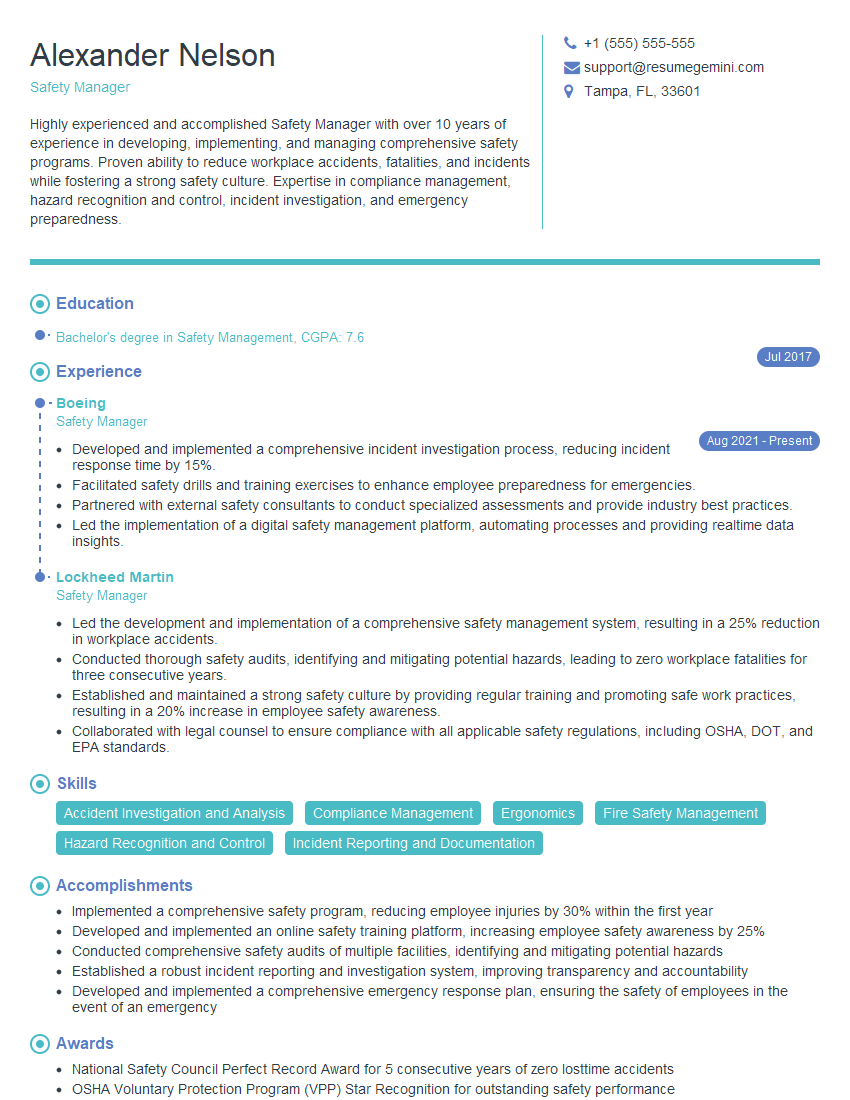
Safety Manager Resume Sample
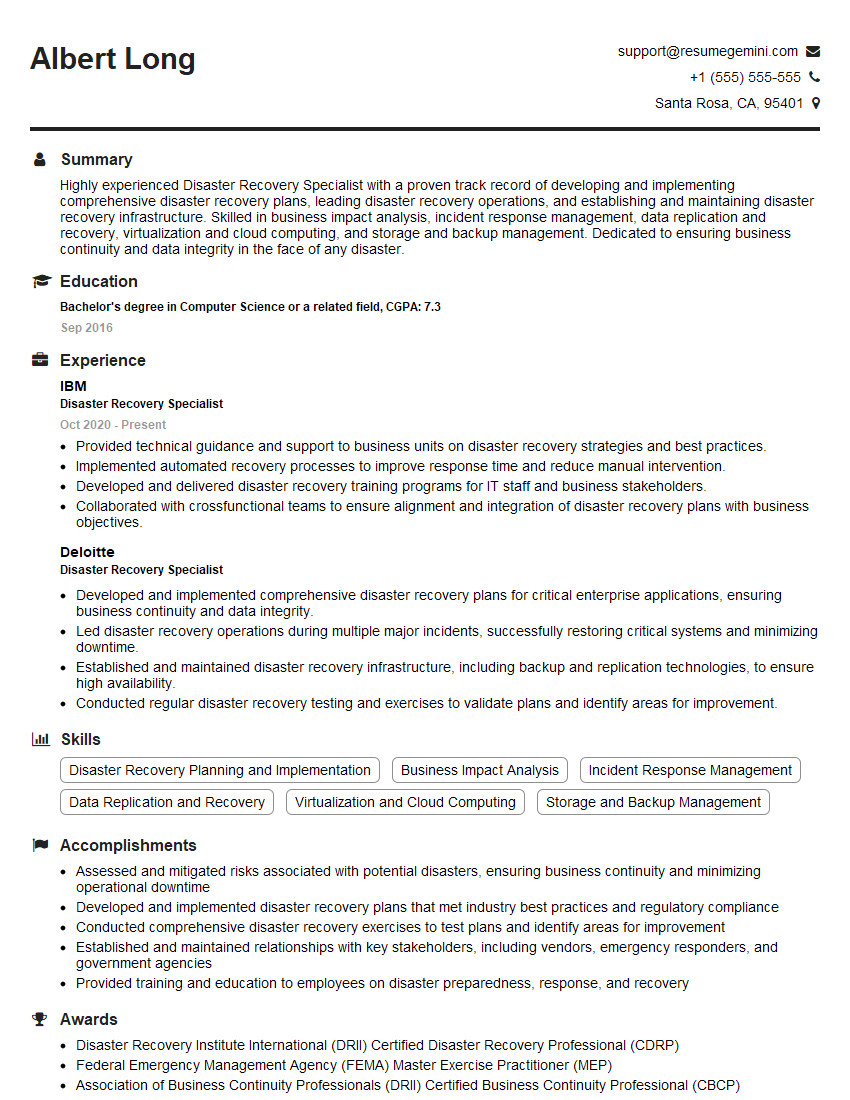
Disaster Recovery Specialist Resume Sample
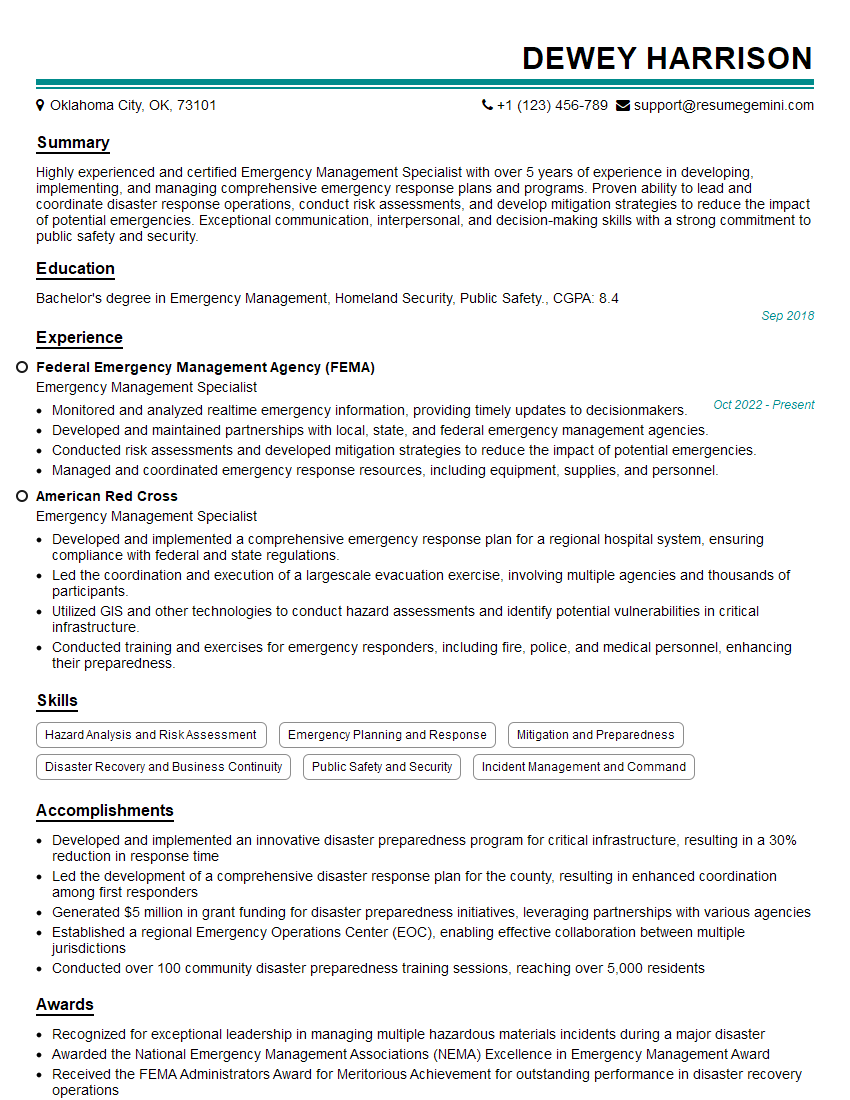
Emergency Management Specialist Resume Sample
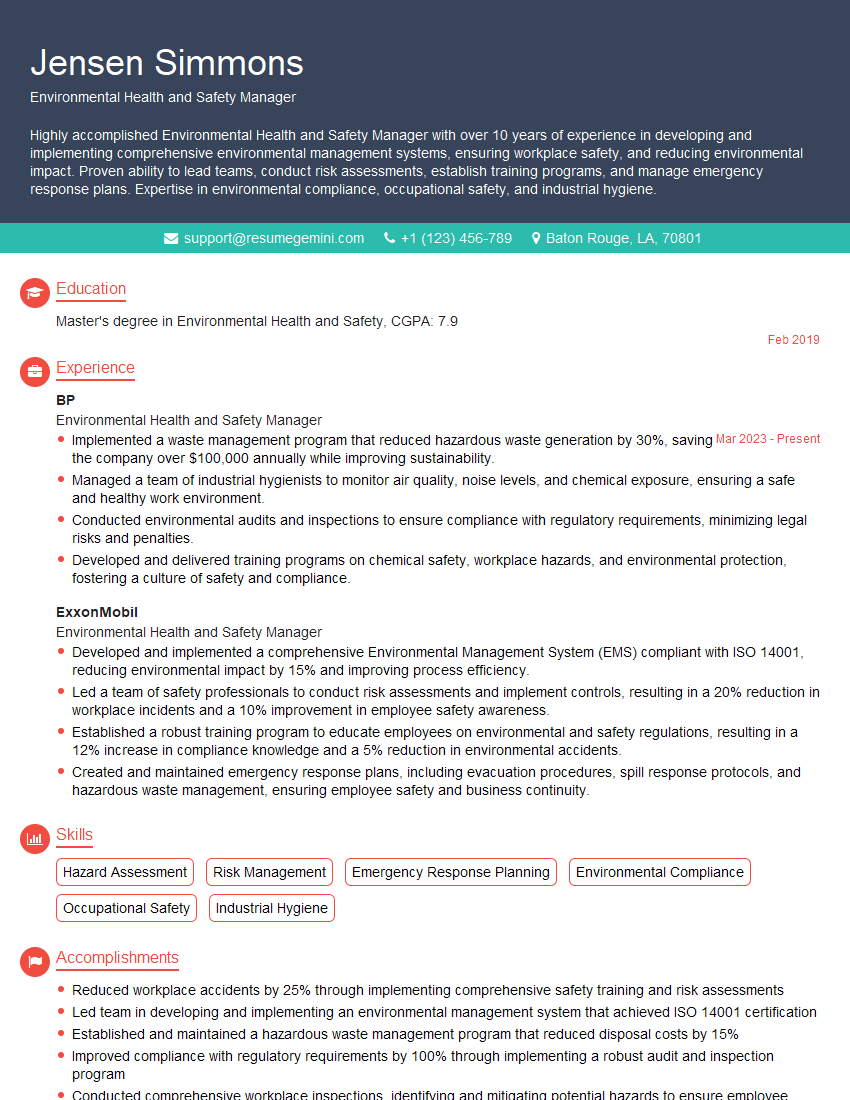
Environmental Health and Safety Manager Resume Sample
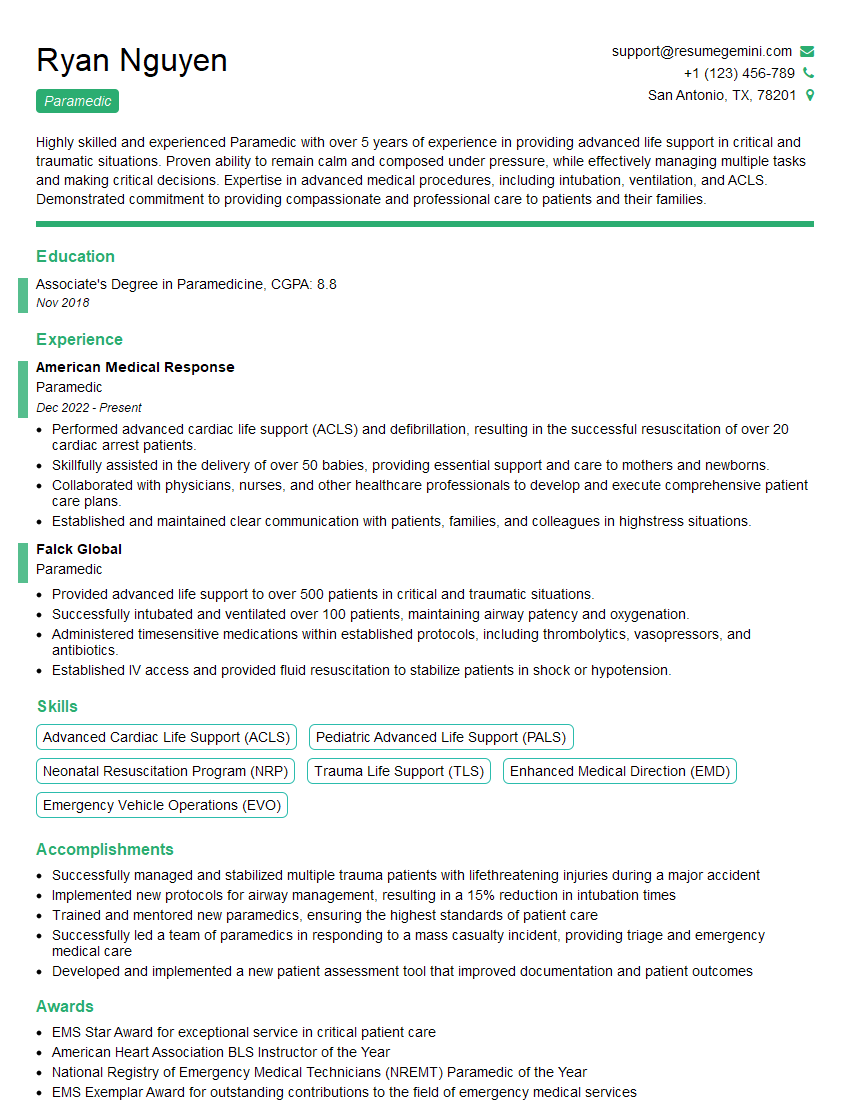
Paramedic Resume Sample
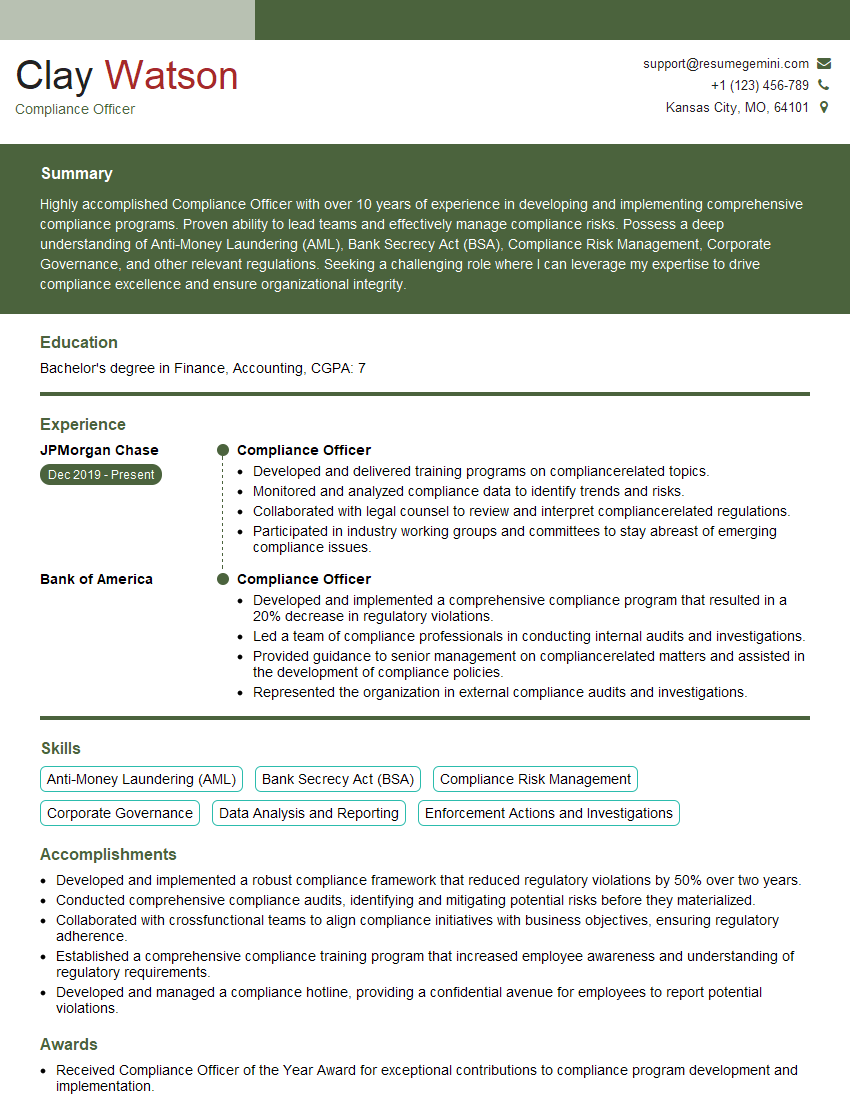
Compliance Officer Resume Sample
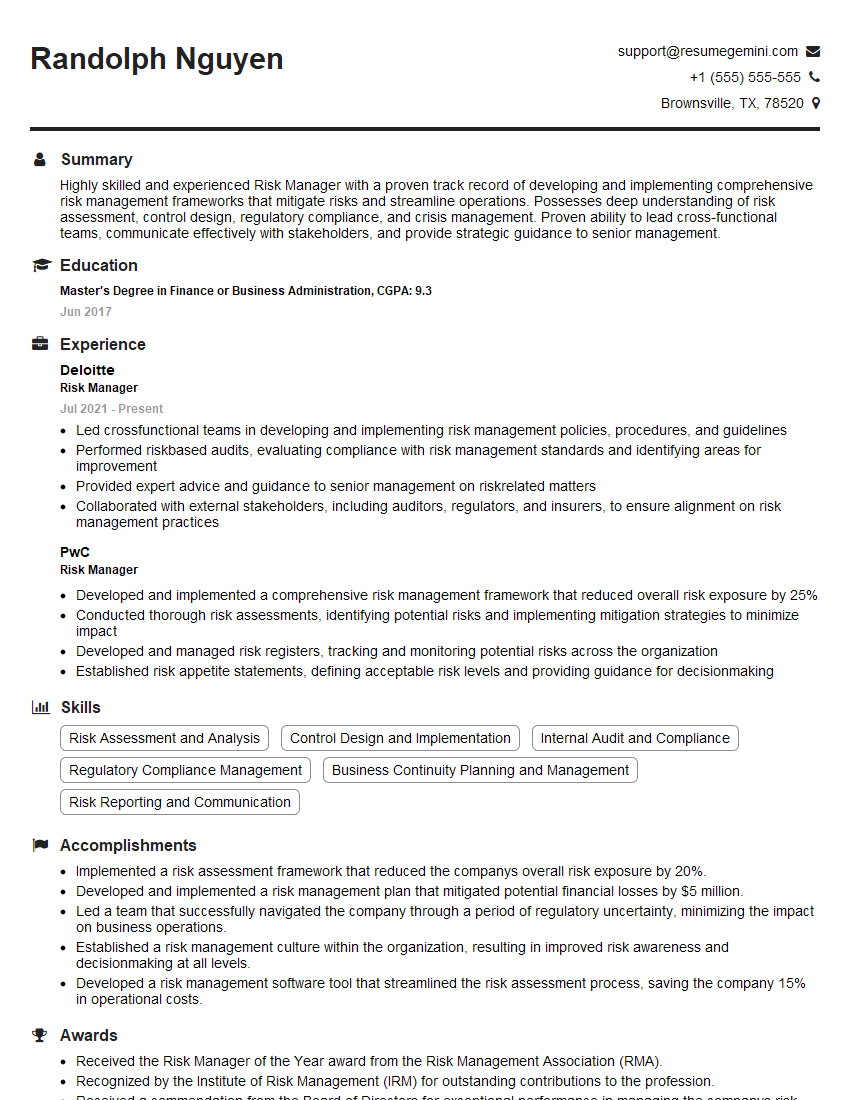
Risk Manager Resume Sample
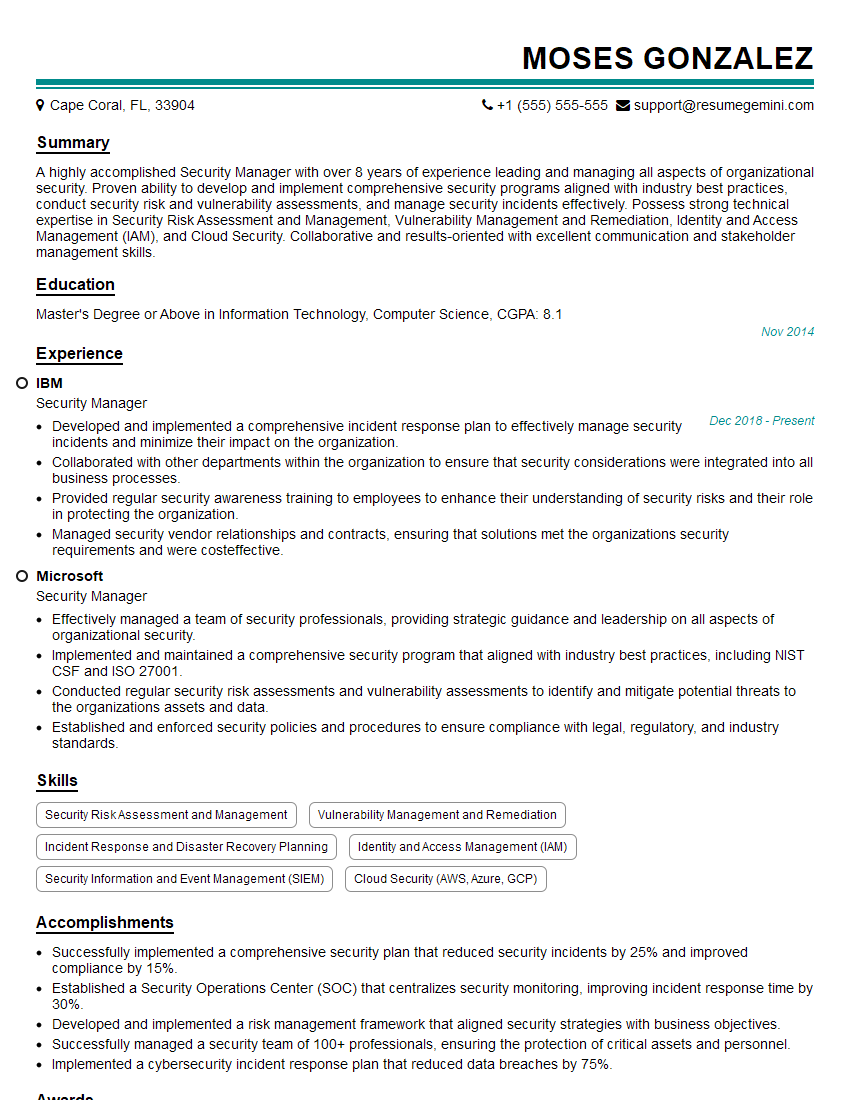
Security Manager Resume Sample
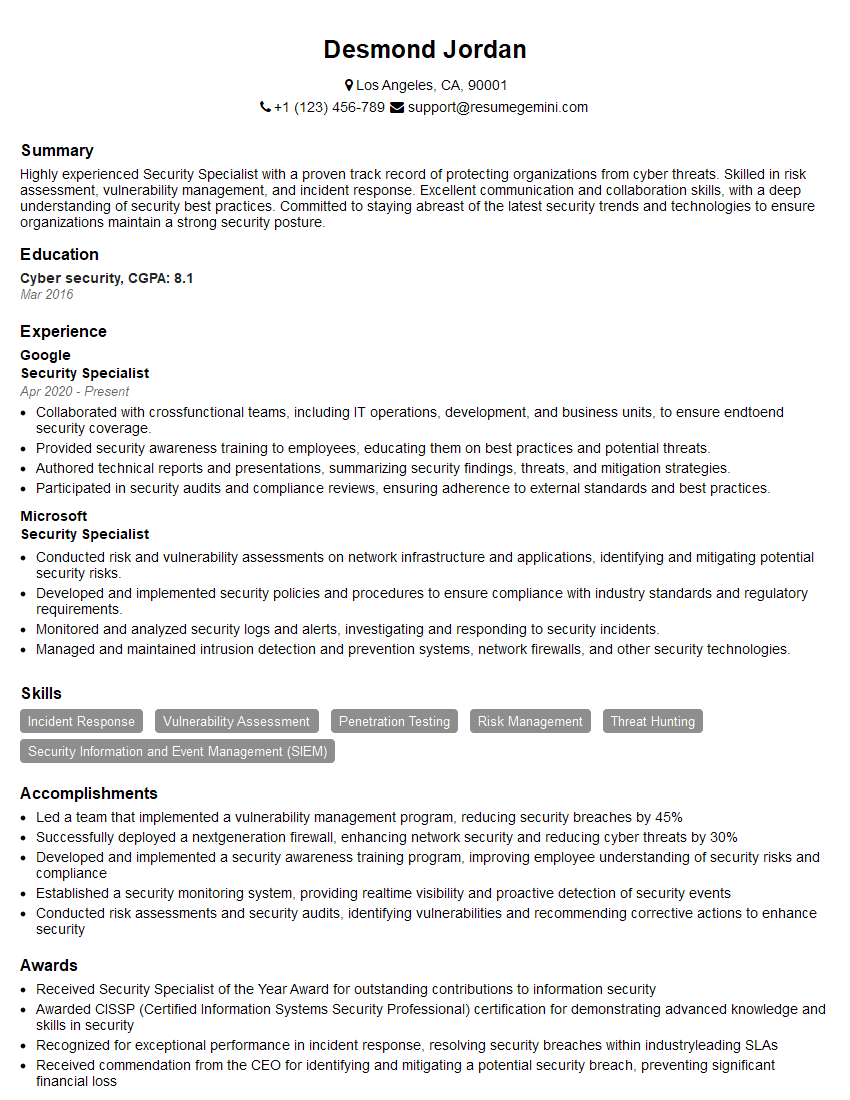
Security Specialist Resume Sample
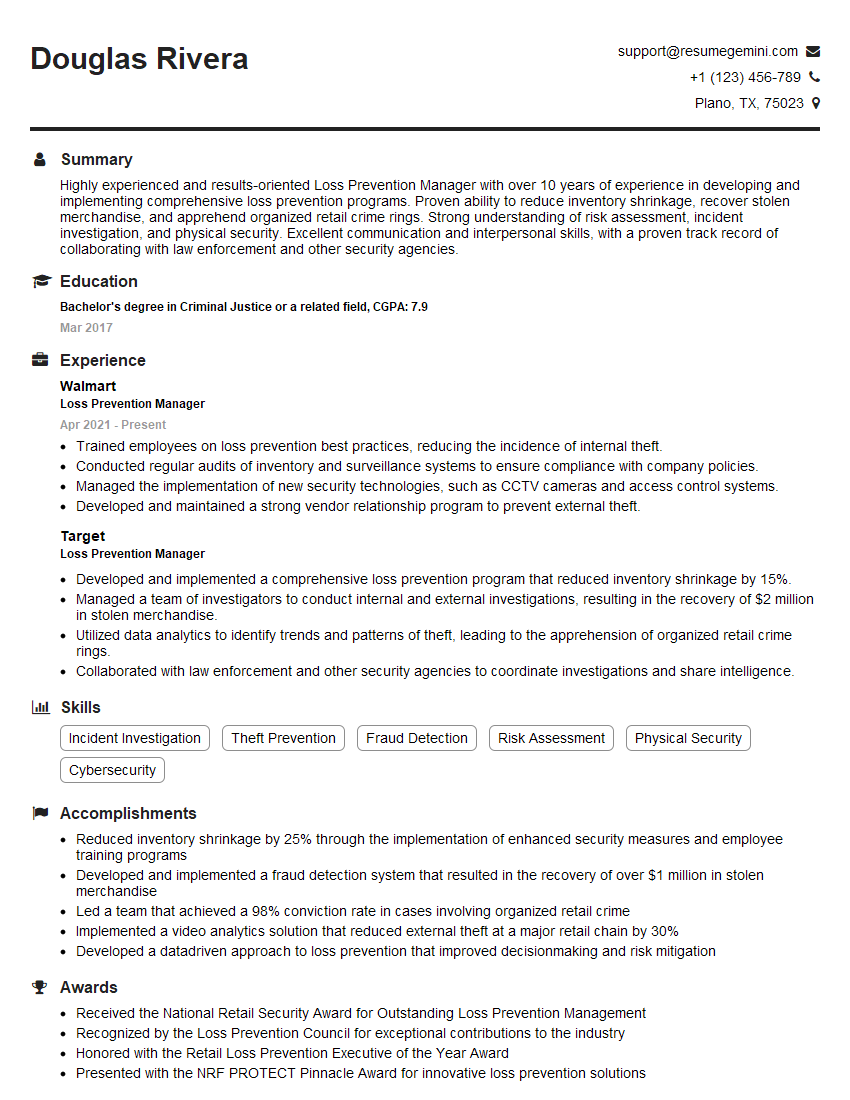
Loss Prevention Manager Resume Sample
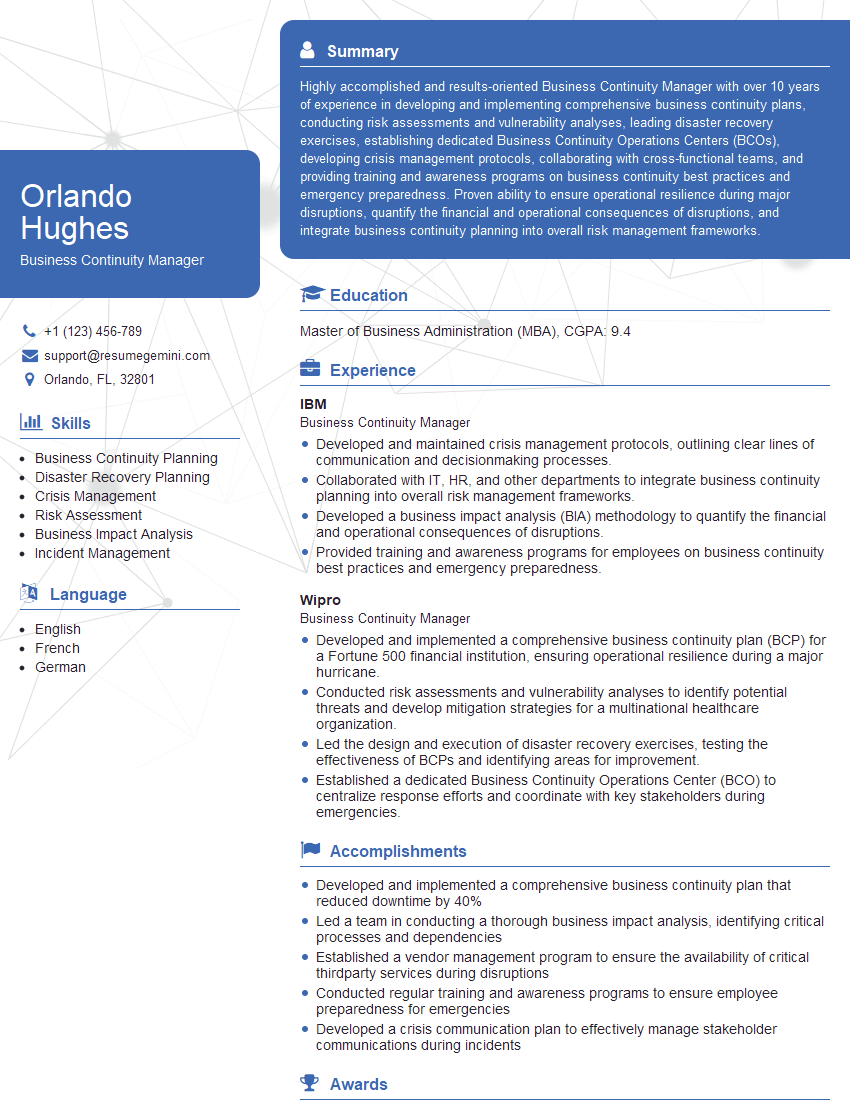
Business Continuity Manager Resume Sample
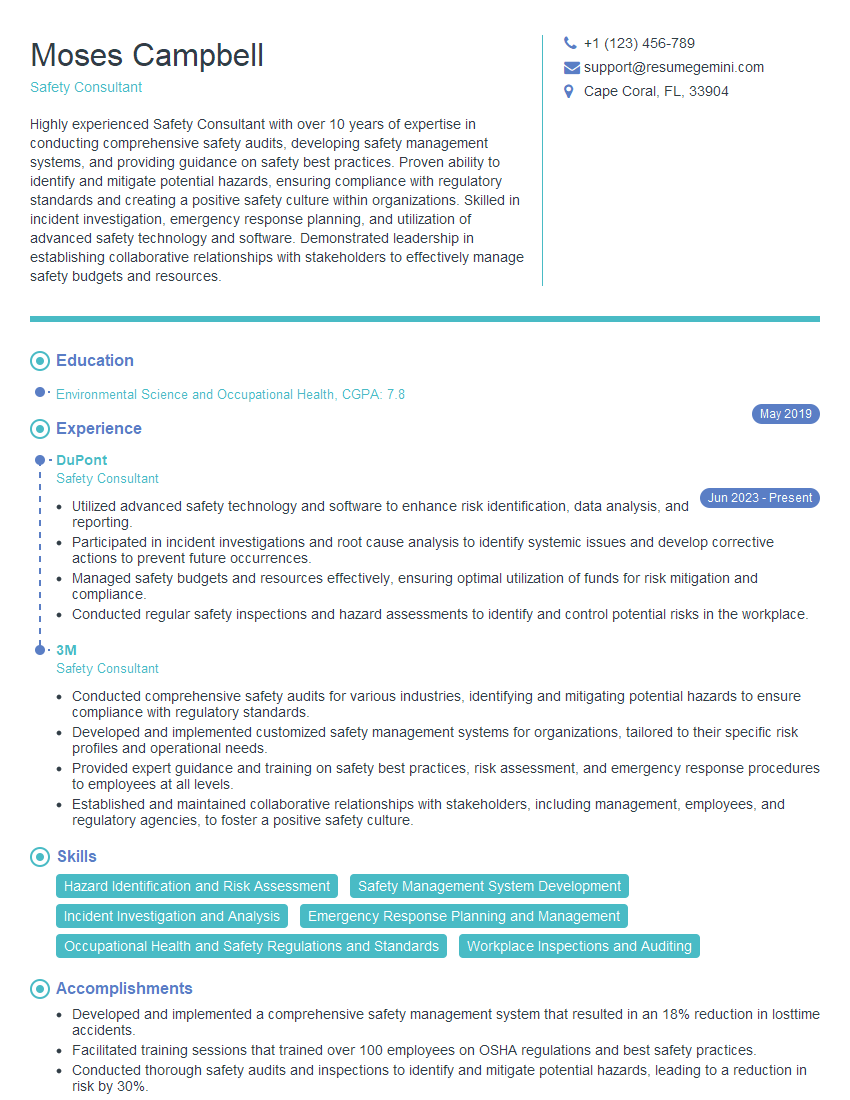
Safety Consultant Resume Sample
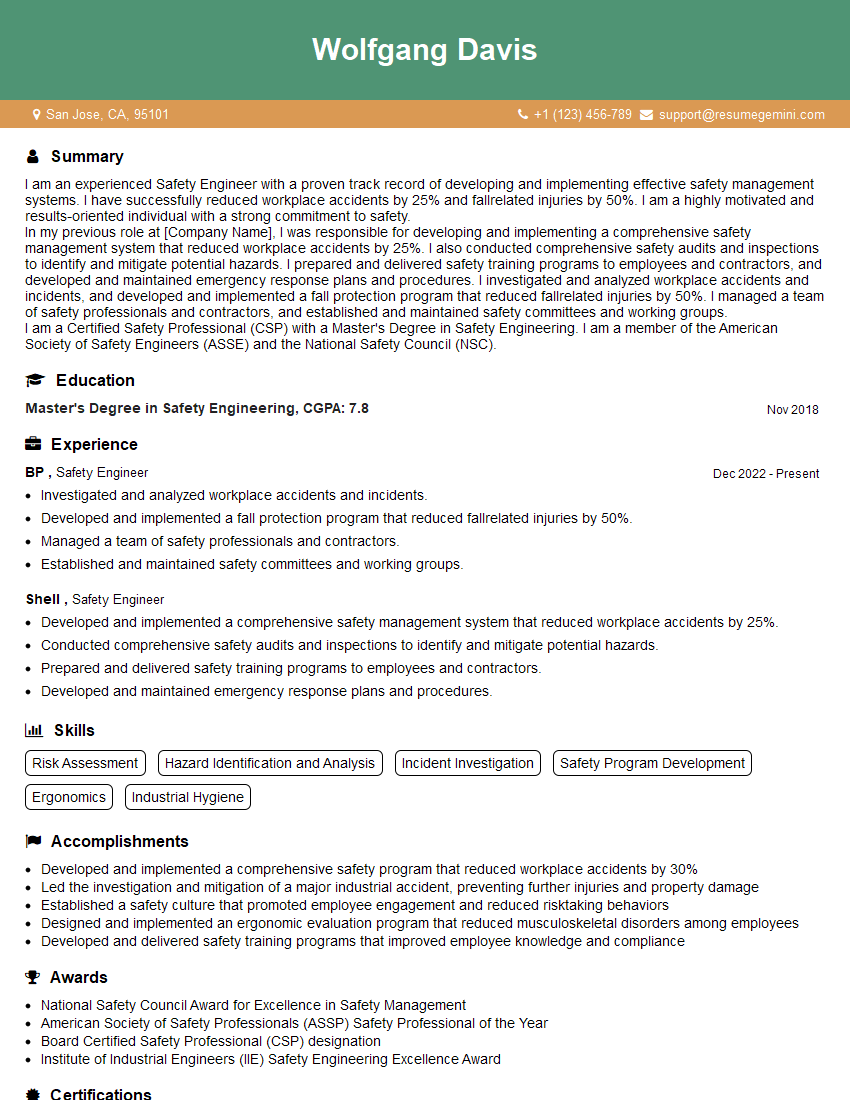
Safety Engineer Resume Sample
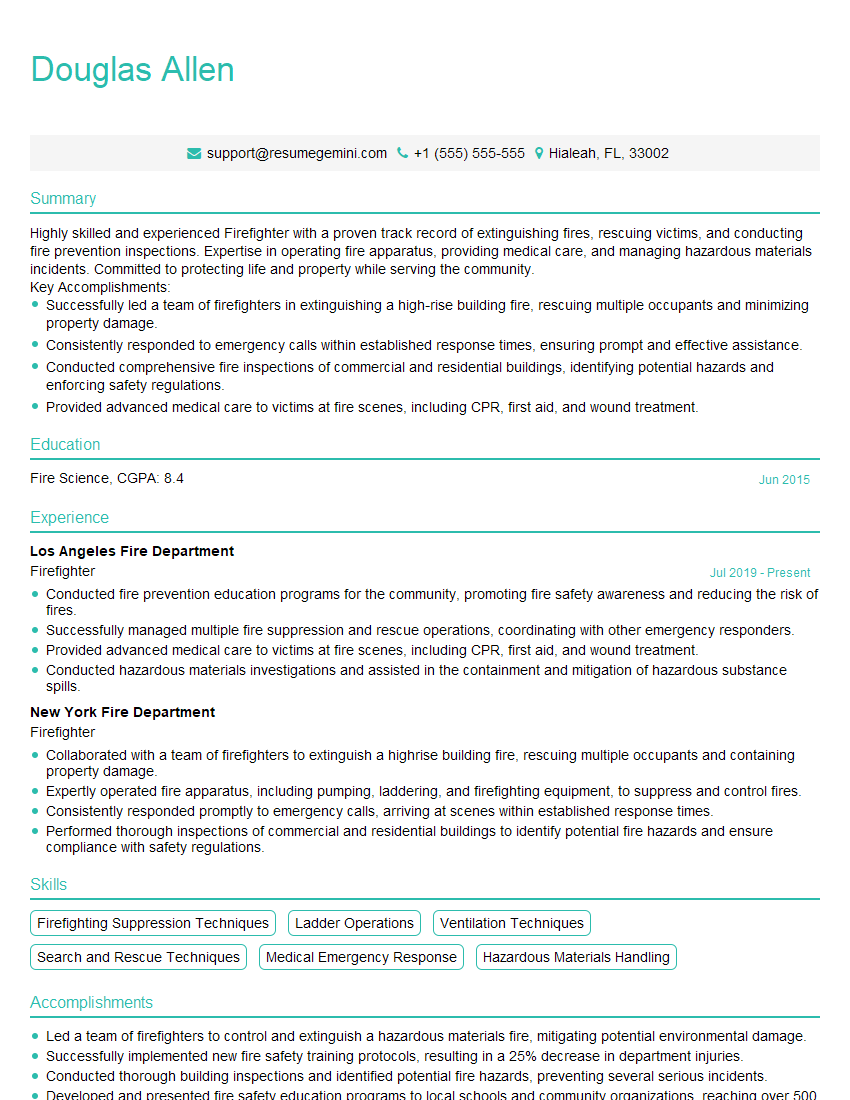
Firefighter Resume Sample
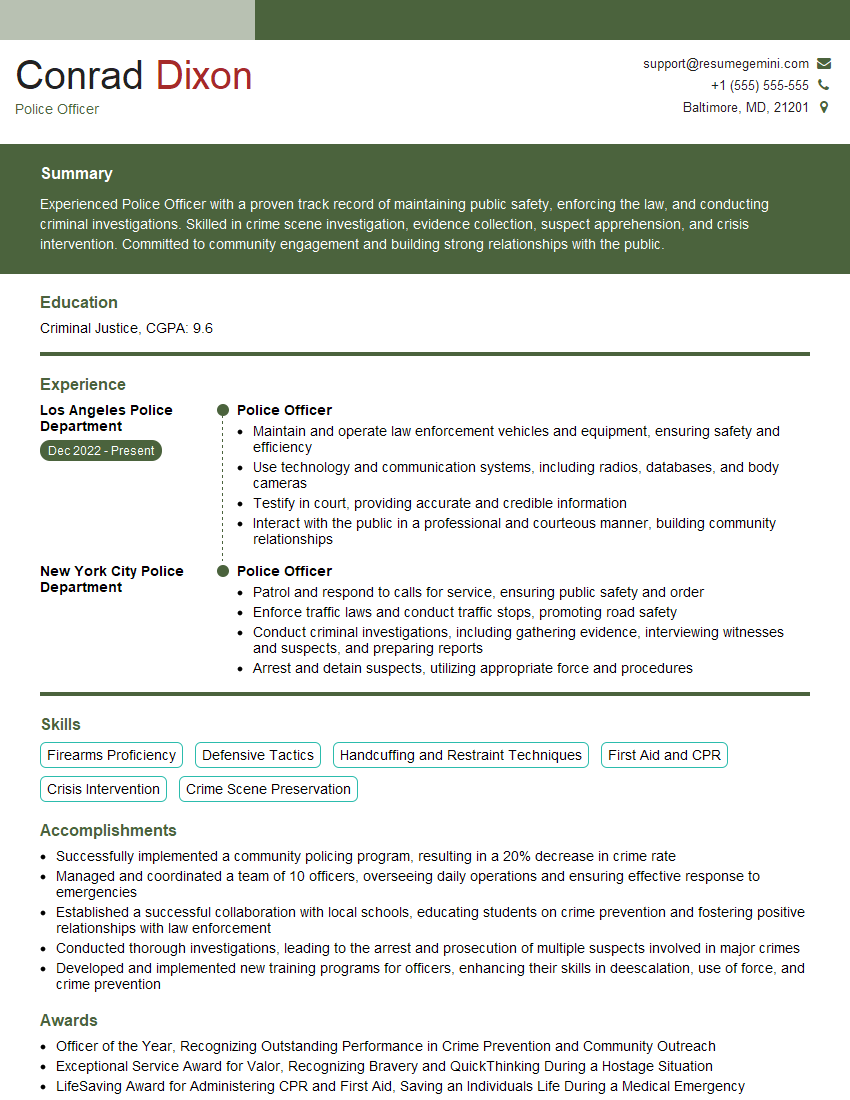
Police Officer Resume Sample
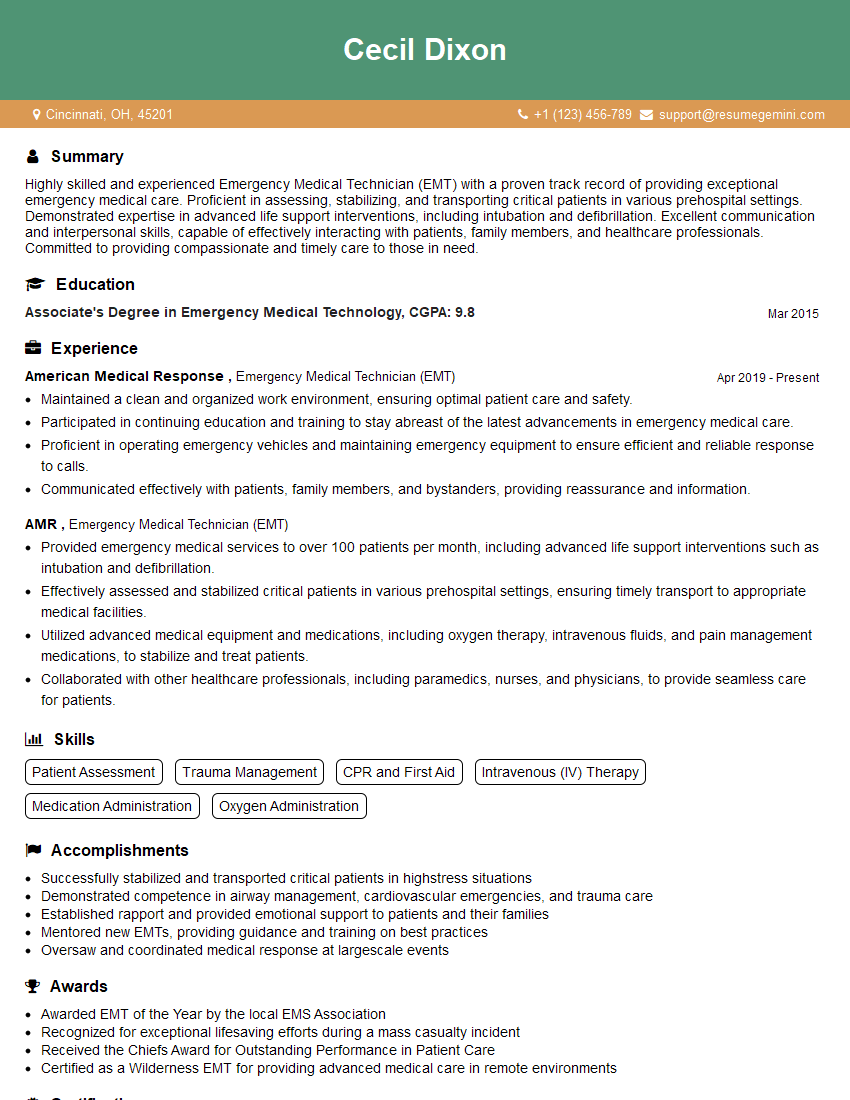
Emergency Medical Technician (EMT) Resume Sample
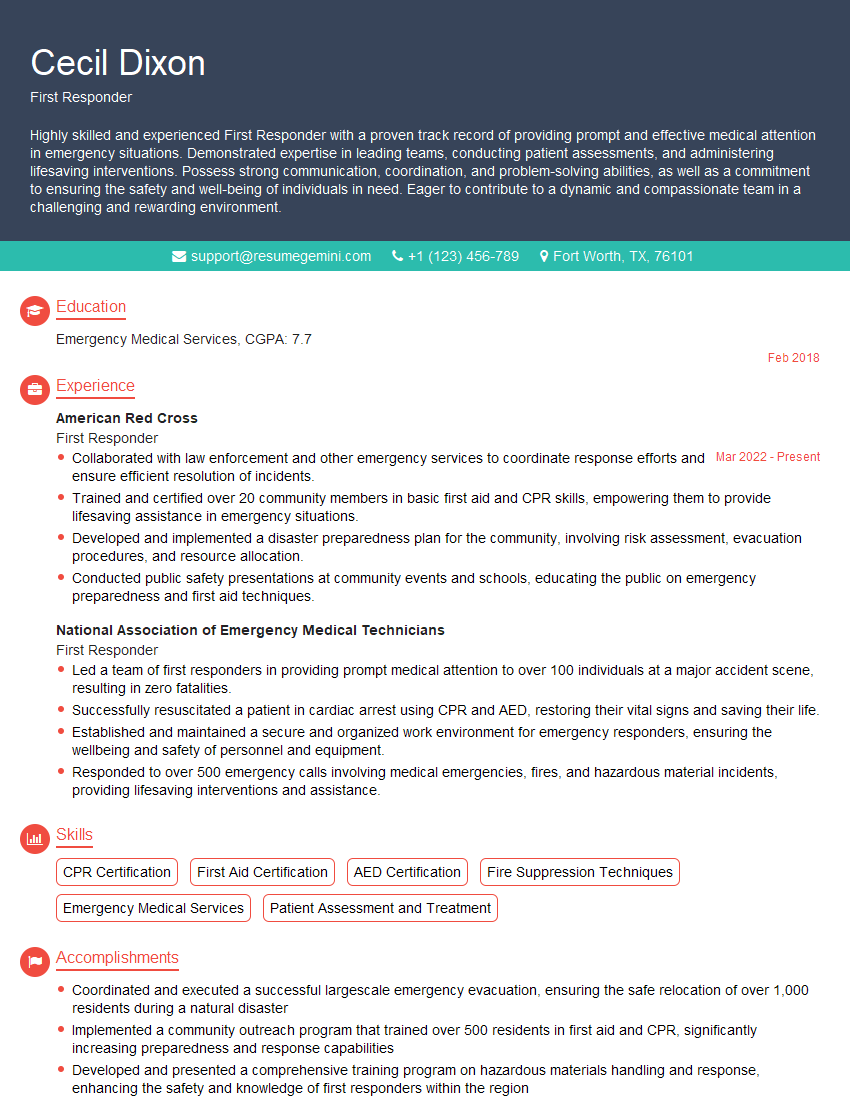
First Responder Resume Sample
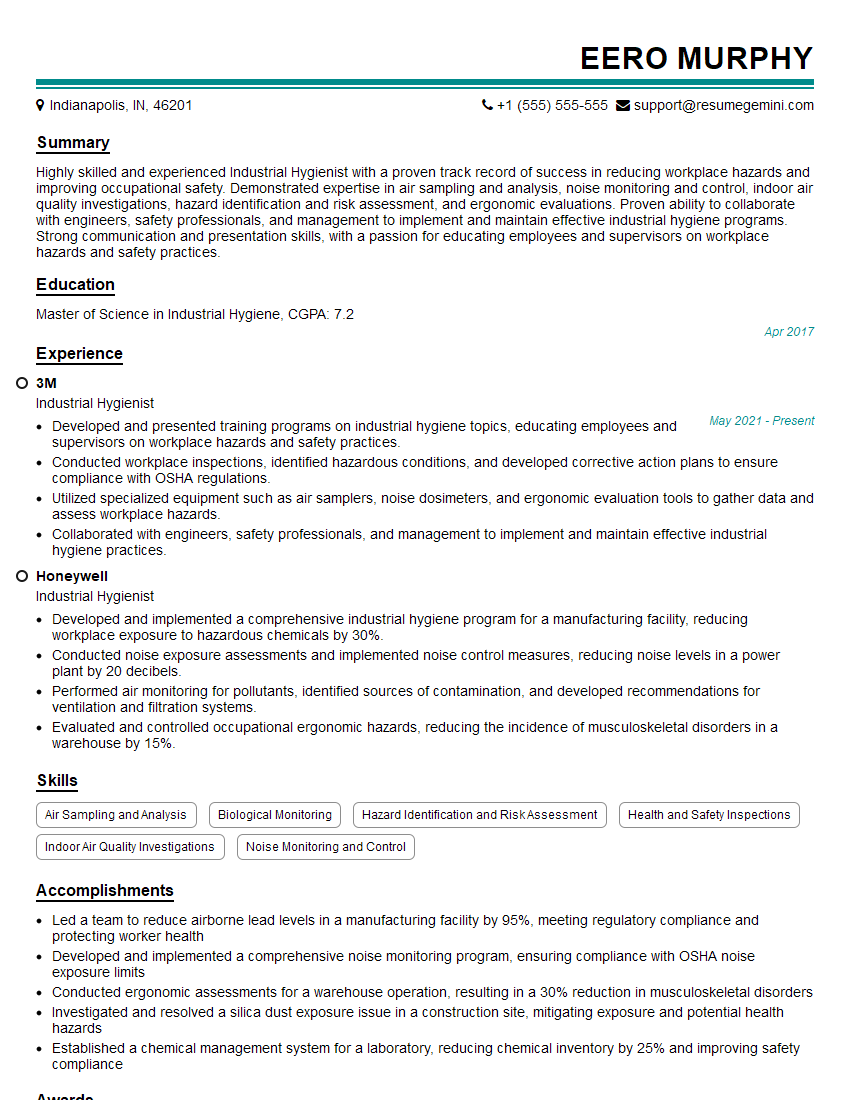
Industrial Hygienist Resume Sample
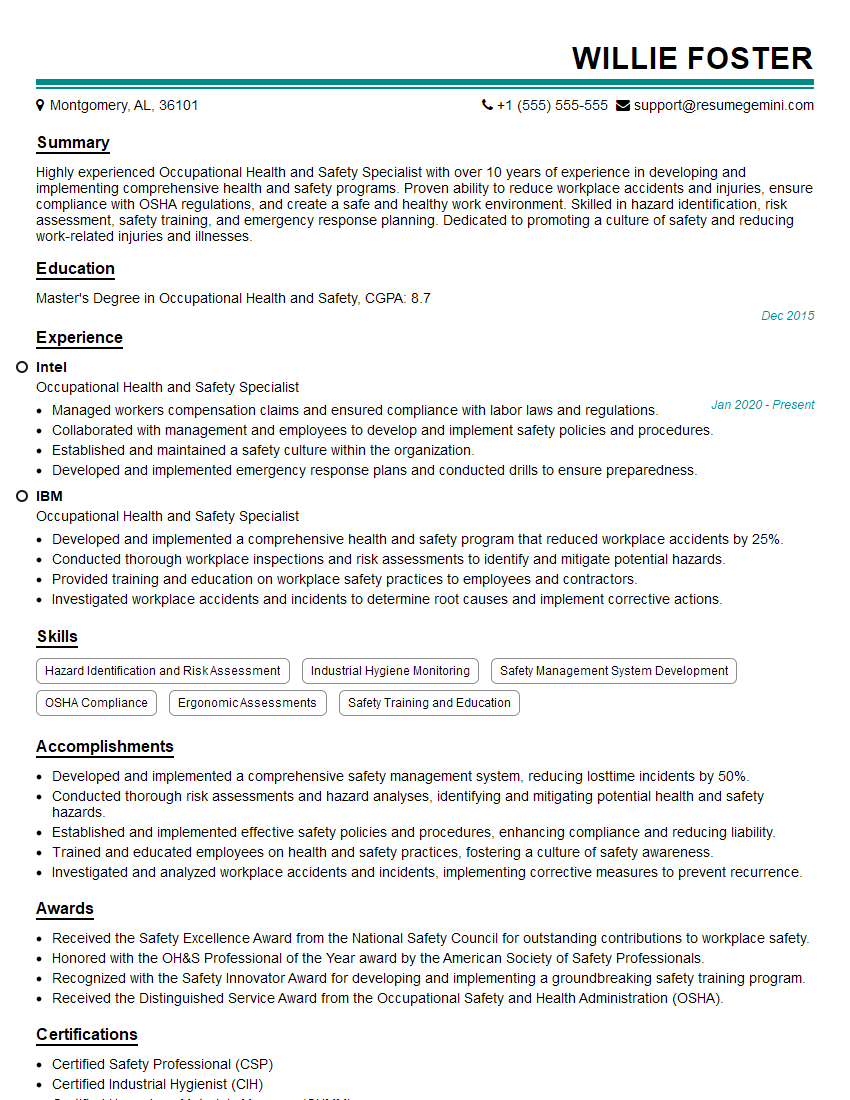
Occupational Health and Safety Specialist Resume Sample
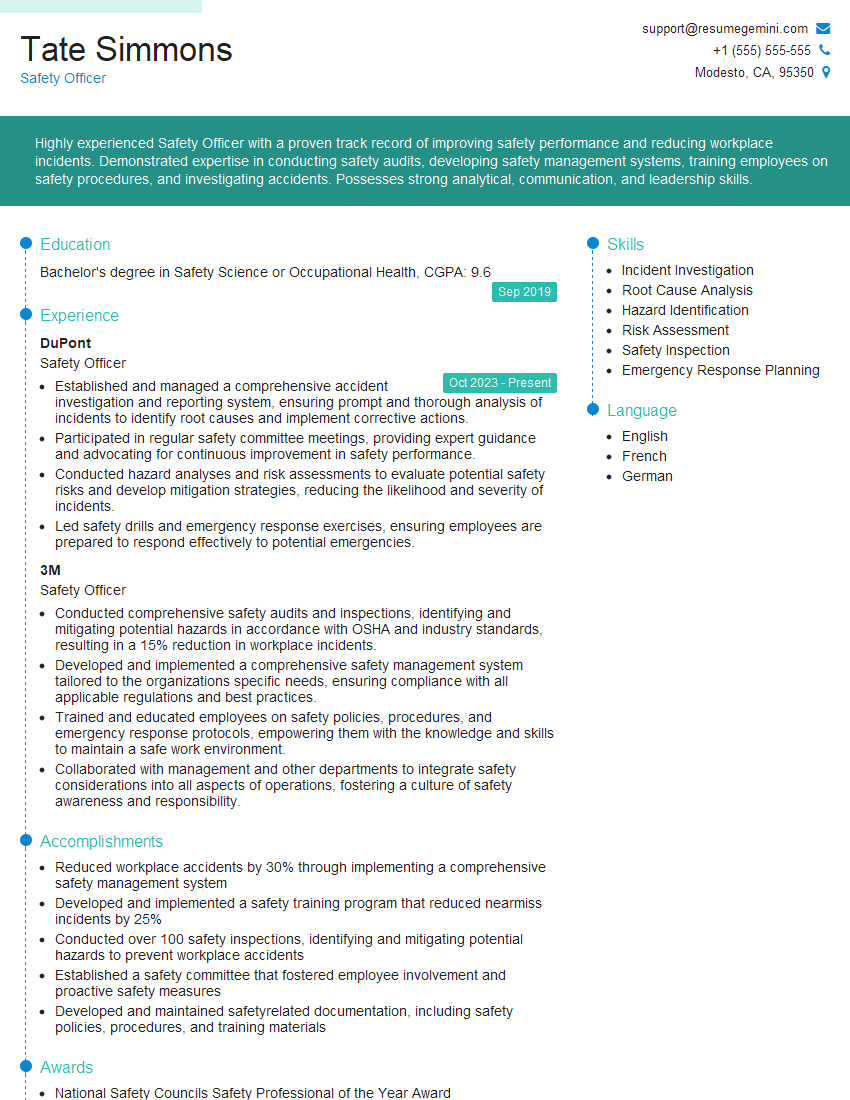
Safety Officer Resume Sample
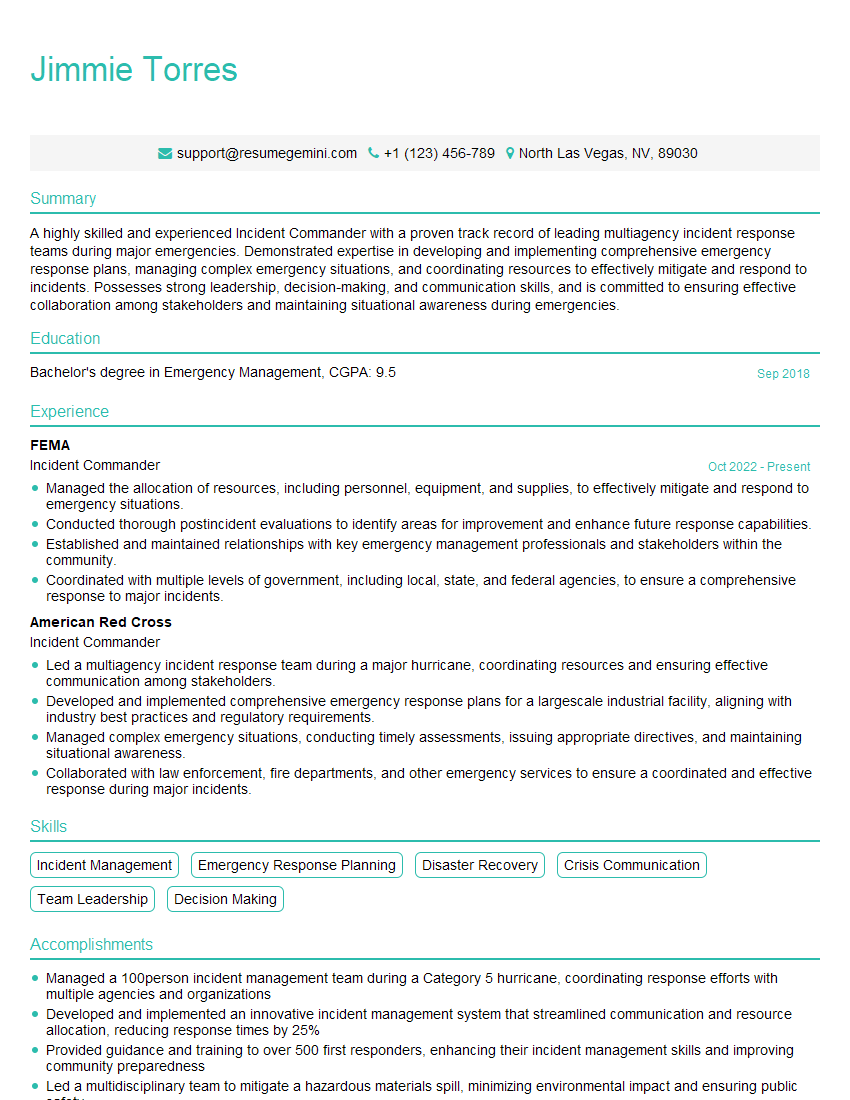
Incident Commander Resume Sample
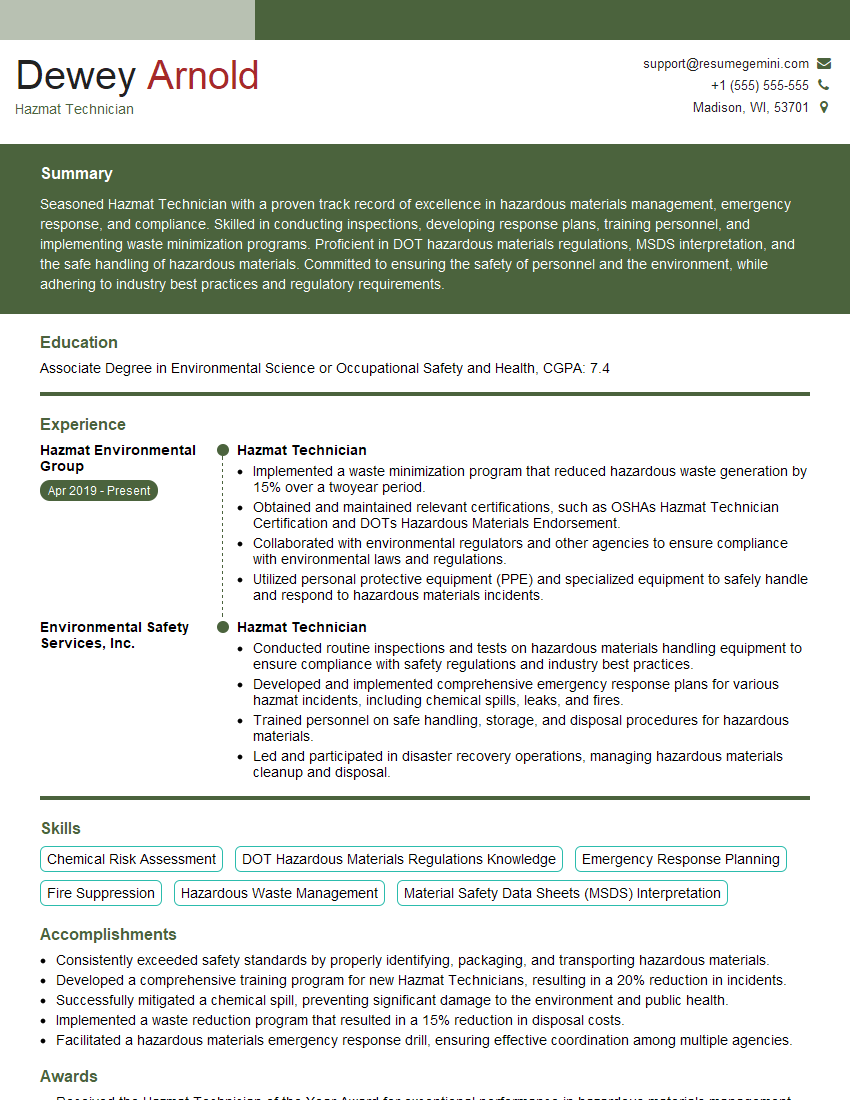
Hazmat Technician Resume Sample
- Safety Manager
- Disaster Recovery Specialist
- Emergency Management Specialist
- Environmental Health and Safety Manager
- Paramedic
- Compliance Officer
- Risk Manager
- Security Manager
- Security Specialist
- Loss Prevention Manager
- Business Continuity Manager
- Safety Consultant
- Safety Engineer
- Firefighter
- Police Officer
- Emergency Medical Technician (EMT)
- First Responder
- Industrial Hygienist
- Occupational Health and Safety Specialist
- Safety Officer
- Incident Commander
- Hazmat Technician
Explore more articles
Users Rating of Our Blogs
Share Your Experience
We value your feedback! Please rate our content and share your thoughts (optional).
What Readers Say About Our Blog
Very informative content, great job.
good