Feeling uncertain about what to expect in your upcoming interview? We’ve got you covered! This blog highlights the most important Emergency Treatment and First Aid interview questions and provides actionable advice to help you stand out as the ideal candidate. Let’s pave the way for your success.
Questions Asked in Emergency Treatment and First Aid Interview
Q 1. Describe the steps involved in assessing a patient’s airway, breathing, and circulation (ABCs).
Assessing a patient’s airway, breathing, and circulation (ABCs) is the cornerstone of any emergency response. It’s a systematic approach to quickly identify life-threatening problems and prioritize treatment. Think of it as a triage system for the most critical aspects of life.
- Airway: Check if the airway is open and clear. Look for obvious obstructions like vomit, blood, or a foreign body. Listen for breathing sounds. If the airway is obstructed, gently tilt the head back and lift the chin (head-tilt-chin-lift maneuver). For suspected spinal injuries, use the jaw-thrust maneuver instead. If necessary, use a suction device to clear secretions. Example: Imagine finding someone unconscious after a car accident; you would immediately check their mouth for any obstructions.
- Breathing: Once the airway is clear, assess breathing. Look for chest rise and fall, listen for breath sounds, and feel for air movement. Count the respiratory rate (breaths per minute). Is breathing adequate, labored, or absent? If breathing is inadequate or absent, begin rescue breathing (mouth-to-mouth or using a bag-valve mask). Example: A person with shallow, rapid breathing might indicate respiratory distress, necessitating oxygen administration.
- Circulation: Check for a pulse – carotid (neck) is preferred in unconscious adults, radial (wrist) in conscious adults, and brachial (inner arm) in infants and children. Assess skin color (pale, cyanotic – bluish, flushed). Is the skin clammy or dry? Is there significant bleeding? Check for signs of shock (pale, cool, clammy skin, rapid weak pulse, altered mental status). If there’s no pulse, begin CPR immediately. Example: A patient with a rapid, weak pulse and cool, clammy skin might be going into shock, requiring immediate attention to fluid balance and blood pressure.
Q 2. Explain the procedure for controlling external bleeding.
Controlling external bleeding is crucial to prevent shock and death. The first step is always to ensure your own safety. The method depends on the type and severity of the bleed.
- Direct Pressure: Apply firm, direct pressure to the wound using a clean cloth. Elevate the injured limb above the heart to reduce blood flow to the area. Example: If someone cuts their arm deeply, apply firm pressure directly to the wound with a clean cloth or bandage, and elevate the arm.
- Pressure Points: If direct pressure isn’t enough, locate and apply pressure to a pressure point – a place where a major artery is close to the surface of the skin. Example: For bleeding in the arm or hand, the brachial pressure point (inner upper arm) can be used.
- Tourniquet (Last Resort): A tourniquet should only be used as a last resort for severe, life-threatening bleeding that can’t be controlled by other methods. It should be placed above the wound, and the time of application should be noted for medical personnel.
- Wound Care: Once the bleeding is controlled, call for emergency medical services (EMS). After the bleeding is stopped, cover the wound with a clean dressing and bandage to prevent infection.
Q 3. How do you manage a patient experiencing a seizure?
Managing a patient experiencing a seizure involves protecting them from injury and monitoring their condition. Remember, a seizure is a neurological event, not a medical emergency in itself, unless it is prolonged or repeated.
- Safety First: Protect the person from injury. Clear the area of any objects that could cause harm. If the person is standing or sitting, gently guide them to the floor. Do not restrain them.
- Positioning: Turn the person onto their side to prevent choking on vomit or saliva. Place something soft, like a jacket, under their head.
- Monitoring: Time the seizure. Note the type of seizure (tonic-clonic, absence, etc.) if possible. Observe the person’s breathing and level of consciousness after the seizure ends.
- Post-Seizure Care: After the seizure, the person might be confused, sleepy, or weak. Allow them to rest in a safe and quiet environment. Offer comfort and support. Call EMS if the seizure is longer than 5 minutes, if there are multiple seizures without recovery in between, or if the person has trouble breathing or is injured.
Q 4. What are the signs and symptoms of a stroke, and what immediate actions should be taken?
Stroke is a medical emergency requiring immediate action. Recognizing the signs and symptoms is crucial for timely intervention.
Signs and Symptoms: Remember the acronym FAST:
- Facial drooping: One side of the face droops or is numb.
- Arm weakness: One arm is weak or numb.
- Speech difficulty: Speech is slurred or jumbled.
- Time to call 911: If you observe any of these signs, call emergency services immediately.
Other symptoms can include sudden severe headache, vision changes, dizziness, confusion, and loss of balance or coordination.
Immediate Actions:
- Call 911 immediately.
- Note the time of symptom onset. This information is critical for medical professionals.
- Keep the person comfortable and monitor their breathing and vital signs if possible.
- Do not give the person anything to eat or drink.
Q 5. Describe your approach to treating a suspected heart attack.
Suspected heart attack requires immediate medical attention. Chest pain or discomfort is the hallmark symptom, but it can manifest differently in men and women.
Symptoms: Chest pain or discomfort (often squeezing, pressure, fullness, or pain), shortness of breath, pain in other areas such as the jaw, neck, back, or arms, sweating, nausea, lightheadedness. Women may experience less typical symptoms such as back or jaw pain, nausea, or shortness of breath.
Treatment Approach:
- Call 911 immediately.
- Have the person chew and swallow an aspirin (unless contraindicated by allergies or medical conditions). Aspirin helps prevent blood clots.
- Help the person rest in a comfortable position.
- Monitor their breathing and vital signs if possible and remain calm.
Q 6. How would you handle a patient experiencing anaphylactic shock?
Anaphylactic shock is a severe, life-threatening allergic reaction. It requires immediate intervention to prevent death.
Symptoms: Difficulty breathing, swelling of the face, lips, or tongue, hives or rash, dizziness, lightheadedness, rapid pulse, nausea, vomiting, stomach cramps.
Treatment Approach:
- If the person has an epinephrine auto-injector (EpiPen), help them administer it immediately. This is the most critical step.
- Call 911 immediately.
- Monitor the person’s breathing and vital signs. If breathing is severely compromised, begin rescue breathing if you are trained to do so.
- Keep the person lying down and elevate their legs slightly.
- Remove any triggers if possible (e.g., insect sting, food).
- Prepare for EMS. Provide accurate information about the situation, symptoms, and time of onset.
Q 7. Explain the proper technique for performing CPR on an adult, child, and infant.
Cardiopulmonary resuscitation (CPR) is a life-saving technique used when someone’s breathing or heartbeat has stopped. The technique varies slightly depending on the age of the victim.
General Steps (Adult, Child, and Infant):
- Check for responsiveness and breathing.
- Call 911 or your local emergency number immediately.
- Begin chest compressions. For adults, place the heel of one hand on the center of the chest and the other hand on top, interlacing fingers. For children, use one or two hands depending on size. For infants, use two fingers in the center of the chest.
- Compress the chest at a rate of 100-120 compressions per minute. Allow the chest to fully recoil after each compression. The depth of compressions should be about 2 inches for adults, about 2 inches for children, and about 1.5 inches for infants.
- Give rescue breaths. After 30 compressions, give 2 rescue breaths for adults and children. For infants, give 2 rescue breaths after 15 compressions. Ensure an airtight seal over the victim’s mouth and nose. Each breath should take about 1 second.
- Continue CPR until EMS arrives or the person shows signs of life.
Differences in CPR Techniques:
- Adult: Two hands for chest compressions. Deeper compressions.
- Child: One or two hands for chest compressions depending on size. Less depth than adults.
- Infant: Two fingers for chest compressions. Shallowest compressions.
Note: This information is for educational purposes only and should not replace proper CPR training. Hands-on training from a qualified instructor is crucial for mastering CPR techniques.
Q 8. Describe the different types of shock and their management.
Shock is a life-threatening condition where the body isn’t getting enough blood flow to its organs. Different types of shock stem from various underlying causes, impacting the circulatory system differently.
- Hypovolemic Shock: This is caused by significant blood or fluid loss (e.g., severe bleeding, dehydration). Think of it like your plumbing system not having enough water – your organs don’t receive sufficient oxygen and nutrients.
- Cardiogenic Shock: This occurs when the heart isn’t pumping blood effectively (e.g., heart attack, heart failure). It’s like a pump malfunctioning in your circulatory system.
- Distributive Shock: This happens when blood vessels dilate excessively, causing blood to pool in the extremities and reducing blood return to the heart (e.g., anaphylaxis, sepsis). Imagine your pipes suddenly becoming much larger, slowing the water flow.
- Obstructive Shock: This results from something blocking blood flow in the circulatory system (e.g., pericardial tamponade, pulmonary embolism). This is like a blockage in your pipes, halting the flow completely.
Management of Shock: The first priority is to ensure the patient’s airway, breathing, and circulation (ABCs). Then, depending on the type of shock, specific interventions are required:
- Control bleeding (hypovolemic shock).
- Administer oxygen and potentially medications to support heart function (cardiogenic shock).
- Treat the underlying cause (e.g., administer epinephrine for anaphylaxis in distributive shock).
- Address the obstruction (obstructive shock).
In all cases, keeping the patient warm, monitoring vital signs, and seeking immediate advanced medical care are crucial.
Q 9. How do you prioritize multiple casualties in a mass-casualty incident?
Prioritizing multiple casualties in a mass-casualty incident (MCI) requires a systematic approach, often using the START (Simple Triage And Rapid Treatment) method or a similar system. The goal is to quickly identify and treat those with the most life-threatening injuries first.
START triage typically categorizes patients into four groups based on their breathing, circulation, and mental status. Patients are assessed rapidly, often in less than a minute per patient. Those requiring immediate care are prioritized and those with less urgent needs are attended to later. This ensures the most effective use of limited resources in a high-pressure environment. It’s a dynamic process; priorities shift as the situation evolves.
For example, a patient who is not breathing may need immediate CPR and airway management, while someone with a minor laceration could wait.
Q 10. What are the limitations of your first aid certification?
My first aid certification, while equipping me with essential life-saving skills, has limitations. It doesn’t authorize me to perform advanced medical interventions such as administering certain medications intravenously, interpreting complex medical situations, or diagnosing conditions beyond the scope of first aid. My training is focused on immediate stabilization and preparation for transport to a medical facility. I am bound by the scope of my training and must act within those limits, prioritizing patient safety above all else.
For example, I can recognize signs of a stroke but I cannot diagnose it or provide specific treatments beyond basic first aid and calling EMS.
Q 11. Explain the proper use of an AED (Automated External Defibrillator).
An AED (Automated External Defibrillator) is a device used to treat sudden cardiac arrest (SCA). It’s designed to be user-friendly even for laypeople. Here’s how to use one:
- Power on the AED: Follow the device’s prompts.
- Attach the pads: Place the pads on the patient’s bare chest as indicated on the pads and in the AED’s instructions.
- Analyze the heart rhythm: The AED will analyze the patient’s heart rhythm and indicate if a shock is advised.
- Deliver the shock (if advised): Ensure no one is touching the patient, then press the shock button if prompted.
- Begin CPR: Immediately start CPR (chest compressions and rescue breaths) after the shock, following the AED’s instructions and continuing until help arrives or the patient shows signs of recovery.
It’s crucial to follow the AED’s voice prompts and instructions precisely. The AED provides clear guidance, making it relatively straightforward to operate, but proper training is paramount.
Q 12. How do you manage a patient with a suspected spinal injury?
Managing a patient with a suspected spinal injury requires careful handling to prevent further damage. The primary focus is to maintain spinal stabilization. This involves minimizing movement of the head, neck, and spine.
Steps to take:
- Assess the scene for safety.
- Ensure the patient’s airway, breathing, and circulation are intact.
- Gently support the head and neck. Avoid any unnecessary movement.
- Immobilize the spine using a cervical collar and a spinal board. This requires proper training and technique. If no formal spinal immobilization device is available, manual stabilization is crucial.
- Monitor the patient’s vital signs.
- Transport the patient to a medical facility immediately. Spinal injuries require urgent medical care.
Remember, improper handling can worsen a spinal injury, leading to severe consequences. Proper training in spinal immobilization techniques is essential.
Q 13. Describe your experience with splinting and immobilizing injuries.
I have extensive experience in splinting and immobilizing injuries. This involves using various types of splints, such as rigid splints (e.g., SAM splints), inflatable splints, and soft splints (e.g., slings and bandages), depending on the nature and location of the injury. Proper splinting aims to minimize movement of the injured body part, reducing pain and the risk of further damage. My experience encompasses various scenarios, from simple fractures to complex dislocations.
Example: I’ve successfully splinted a suspected fractured tibia using a rigid splint, carefully padding the area to prevent pressure sores. I also have experience in using slings and bandages to immobilize shoulder injuries. The key is to accurately assess the injury and use the appropriate splinting technique to provide effective immobilization while ensuring proper circulation to the affected area.
Q 14. How would you handle a patient with a severe allergic reaction?
A severe allergic reaction, or anaphylaxis, is a life-threatening emergency. The primary treatment involves administering epinephrine (adrenaline) via an auto-injector (like an EpiPen).
Management steps:
- Recognize the signs: Difficulty breathing, swelling of the face, lips, or tongue, hives, dizziness, and a rapid weak pulse.
- Activate emergency medical services (EMS) immediately.
- Administer epinephrine: If the patient has a prescribed auto-injector and is able to take it, assist in administering it as directed.
- Monitor vital signs: Continuously monitor breathing and pulse rate.
- Maintain an open airway: This might include assisting the patient into a comfortable position, or, in severe cases, performing rescue breaths.
- Transport to a hospital: Even after administering epinephrine, ongoing medical care is essential.
Delay in treatment can be fatal. Recognizing the signs of anaphylaxis and acting quickly is critical. Even after apparent improvement, ongoing observation and transport are vital.
Q 15. What are the signs and symptoms of hypothermia and hyperthermia?
Hypothermia and hyperthermia represent opposite ends of the body’s temperature regulation spectrum. Hypothermia is dangerously low body temperature, while hyperthermia is dangerously high.
Hypothermia: Signs and symptoms range from mild to severe. Mild hypothermia might present as shivering, confusion, slurred speech, and drowsiness. As it worsens, shivering may stop (a dangerous sign), muscle stiffness and decreased coordination appear, consciousness diminishes, and eventually, the heart and breathing can fail. Think of it like your body’s engine slowing down due to lack of fuel (heat).
- Mild: Shivering, confusion, slurred speech, drowsiness
- Moderate: Loss of shivering, muscle stiffness, poor coordination, decreased level of consciousness
- Severe: Unconsciousness, slow heart rate and breathing, loss of reflexes
Hyperthermia: This is an elevation in core body temperature, often caused by prolonged exposure to heat, strenuous activity, or dehydration. Early signs include sweating, dizziness, headache, nausea, and weakness. As it progresses, the person may experience confusion, seizures, rapid heart rate, and eventually, organ damage or heat stroke. Imagine your body’s engine overheating – it needs cooling down urgently.
- Mild: Sweating, dizziness, headache, nausea, weakness
- Moderate: Confusion, rapid heart rate, high body temperature
- Severe: Seizures, loss of consciousness, organ damage (heat stroke)
Career Expert Tips:
- Ace those interviews! Prepare effectively by reviewing the Top 50 Most Common Interview Questions on ResumeGemini.
- Navigate your job search with confidence! Explore a wide range of Career Tips on ResumeGemini. Learn about common challenges and recommendations to overcome them.
- Craft the perfect resume! Master the Art of Resume Writing with ResumeGemini’s guide. Showcase your unique qualifications and achievements effectively.
- Don’t miss out on holiday savings! Build your dream resume with ResumeGemini’s ATS optimized templates.
Q 16. Describe your experience with wound care and dressing.
Wound care and dressing are fundamental aspects of emergency treatment. My experience encompasses a wide range of wounds, from minor abrasions to deep lacerations and burns. My approach always begins with assessing the wound’s depth, length, contamination, and the presence of any foreign bodies.
I prioritize controlling bleeding using direct pressure, elevation, and, when appropriate, pressure points. Cleaning is crucial; I use sterile saline solution to remove debris and prevent infection. The choice of dressing depends on the wound type. For minor wounds, a simple adhesive bandage often suffices. Deeper wounds require more absorbent dressings and potentially sterile gauze to pack the wound and absorb drainage. I always ensure proper bandaging to immobilize the wound, minimize movement, and promote healing. Finally, I carefully document the wound’s characteristics and the treatment provided. I am also proficient in suturing, stapling, and applying other wound closure techniques.
For example, I once managed a patient with a deep laceration to the forearm resulting from a fall. After controlling the bleeding, I thoroughly cleaned the wound, explored for any foreign bodies (there were none in this case), and applied a sterile dressing. This was followed by appropriate bandaging and referral to a physician for potential suturing, depending on the need.
Q 17. How do you assess and manage a patient with a head injury?
Assessing and managing a head injury requires a systematic approach. The acronym AVPU is useful for initial assessment of consciousness: Alert, Verbal response, Painful response, Unresponsive.
Assessment involves checking for signs of skull fracture (e.g., bleeding from ears or nose, raccoon eyes, Battle’s sign), pupillary response (unequal pupil sizes can indicate brain injury), level of consciousness, presence of neurological deficits (weakness, paralysis), and vital signs (breathing, pulse, blood pressure). I would also look for signs of shock – pale skin, rapid pulse, and low blood pressure.
Management focuses on stabilizing the airway, breathing, and circulation (ABCs). This might involve manual stabilization of the neck to prevent further spinal cord injury, administering oxygen, and monitoring vital signs. I would then promptly transport the patient to a hospital, providing continuous monitoring and support en route. Any changes in the patient’s condition should be communicated to the receiving hospital. The importance of early intervention in head injury cannot be overstated.
Q 18. How would you handle a patient who is unresponsive?
An unresponsive patient requires immediate action. The first step is to assess the scene for safety, then check for responsiveness (shaking and shouting). If there’s no response, I would immediately call for emergency medical services (EMS).
While waiting for EMS, I would begin CPR (Cardiopulmonary Resuscitation) if the patient is not breathing or only gasping. This involves chest compressions and rescue breaths (if trained and comfortable doing so). I would also check for signs of obvious bleeding or injury. Once EMS arrives, I would provide a detailed report of my findings and actions taken, ensuring a seamless transition of care.
Remember, time is critical in these situations. Early CPR and prompt EMS activation can significantly improve the patient’s outcome. Each minute counts in cases of cardiac arrest or severe respiratory compromise.
Q 19. Describe your understanding of triage systems.
Triage systems prioritize patients based on the severity of their injuries and their need for immediate treatment. The goal is to allocate resources effectively and maximize the number of lives saved in a mass casualty incident (MCI) or situations with limited resources. Common triage systems include START (Simple Triage and Rapid Treatment), SALT (Tactical Combat Casualty Care), and others adapted to local contexts.
These systems typically use a combination of assessment criteria, such as respiratory rate, perfusion (circulation), and mental status, to quickly categorize patients into different priority levels. For example, patients with life-threatening injuries that are immediately correctable are prioritized over those with less urgent needs. Understanding and efficiently using triage systems is critical to optimizing resource use and saving the greatest number of lives in an emergency scenario.
Q 20. Explain your experience working in a high-pressure environment.
My experience working in high-pressure environments, such as during disaster response or in busy emergency departments, has honed my ability to remain calm, focused, and decisive under immense stress. I’ve learned to prioritize tasks, delegate effectively when possible, and adapt quickly to changing circumstances.
For instance, during a major traffic accident involving multiple casualties, I was part of a team that had to quickly triage patients, coordinate with other first responders, and manage patient transport. The atmosphere was chaotic, but having clear protocols and effective communication made a significant difference. Maintaining composure and trusting my training enabled me to handle that overwhelming situation effectively and efficiently.
Q 21. How do you communicate effectively with patients and colleagues during an emergency?
Effective communication is paramount in emergency situations. With patients, I strive for clear, concise, and empathetic communication, explaining procedures in simple terms and addressing their concerns. Building rapport and trust is vital, as frightened patients are more likely to cooperate with treatment if they feel safe and understood. I adjust my communication style based on the patient’s age, cognitive ability, and emotional state.
With colleagues, clear and precise communication is equally important. This involves using standardized terminology, giving accurate situation reports, and actively listening to others’ input. Effective teamwork, based on open and honest communication, ensures efficient coordination and optimized patient outcomes. In a high-pressure environment, clear and concise communication can be the difference between life and death.
Q 22. Describe your knowledge of different types of bandages and dressings.
Bandages and dressings are crucial in emergency treatment for controlling bleeding, protecting wounds, and promoting healing. Different types serve various purposes.
- Gauze pads: These are absorbent, sterile pads used to absorb blood and other fluids from wounds. They’re highly versatile and come in various sizes. Think of them as the workhorse of wound care.
- Adhesive bandages: These are readily available for minor cuts and scrapes. They offer a simple way to cover small wounds and protect them from contamination. The different sizes cater to wounds of varying dimensions.
- Roller bandages: These are lengths of fabric used to secure dressings in place, provide support to injuries like sprains, or apply pressure to control bleeding. Applying them correctly, using the appropriate tension and overlapping techniques, is vital.
- Occlusive dressings: These are airtight dressings, often made of plastic or petroleum-based materials, which are used to create an airtight seal over a wound. They’re crucial in situations where preventing air from reaching the wound is important, such as in severe burns or penetrating chest injuries, helping to maintain body temperature and prevent infection.
- Pressure dressings: These are specifically designed to apply pressure to a wound to control bleeding. They often involve placing a bulky dressing over the wound and then tightly wrapping a roller bandage around it. Proper application is critical to staunch bleeding.
Choosing the right bandage depends entirely on the nature and severity of the injury. For instance, a small cut might only need a simple adhesive bandage, while a deep laceration with heavy bleeding requires a pressure dressing and possibly more advanced wound care.
Q 23. What are the potential complications of improperly administered first aid?
Improperly administered first aid can lead to a range of potentially serious complications, some even life-threatening. These can include:
- Worsening of the injury: Incorrect splinting of a fracture, for example, could cause further damage to soft tissues or nerves. Similarly, inappropriate pressure on a wound could lead to tissue damage.
- Increased risk of infection: Not properly cleaning a wound before applying a dressing can introduce bacteria, leading to local or systemic infection. Using contaminated materials further increases this risk.
- Delayed healing: Improper wound care can delay the healing process, resulting in prolonged pain, scarring, and potential functional impairment.
- Shock: In cases of significant blood loss, improper control of bleeding could result in the victim going into shock, a potentially fatal condition.
- Death: In cases of severe trauma, incorrect first aid, particularly relating to airway management or bleeding control, could prove fatal. For example, improper handling of a spinal injury could result in paralysis or death.
It’s crucial that first aid is administered competently and in line with best practices. When in doubt, it’s always better to err on the side of caution and seek professional medical attention as soon as possible.
Q 24. How do you maintain your first aid and CPR certifications?
Maintaining my first aid and CPR certifications is a continuous process of ongoing education and practical skills reinforcement. I achieve this through:
- Recertification courses: I regularly attend recertification courses offered by accredited organizations such as the American Heart Association (AHA) or the American Red Cross. These courses refresh my knowledge and skills, ensuring I am up to date with the latest guidelines and techniques.
- Continuing education: I actively seek out professional development opportunities through workshops, conferences, and online courses to stay abreast of advancements in emergency medicine and first aid.
- Regular skills practice: I regularly practice my CPR and first aid techniques using training mannequins and practice scenarios to maintain proficiency and refine my skills. This ensures I can confidently and effectively handle real-life emergencies.
- Review of guidelines: I consistently review the latest first aid and CPR guidelines and protocols to ensure my practices align with the most current recommendations.
This commitment ensures that I can deliver safe, effective, and up-to-date first aid and CPR to individuals in need.
Q 25. Explain your knowledge of relevant legal and ethical considerations in emergency care.
Legal and ethical considerations are paramount in emergency care. They guide my actions and ensure I am acting responsibly and within the bounds of the law.
- Duty to act: While I have a moral obligation to help, legally, my duty to act is often limited to my scope of practice and training. I must only perform procedures I’m qualified to do.
- Consent: Before providing any treatment, I must obtain consent from the injured person, unless they are unconscious or unable to provide it. In these cases, implied consent is assumed.
- Confidentiality: I am bound by confidentiality and must not disclose any information about a patient without their consent, except in situations where it is required by law, such as reporting child abuse.
- Negligence: I must avoid any actions that could be construed as negligence. This means providing competent care within the limits of my training and seeking professional help when necessary.
- Abandonment: Once I commence providing care, I cannot abandon the person until professional medical help arrives and can take over, unless it is unsafe for me to continue.
Understanding these considerations ensures that I act responsibly, ethically, and legally within the boundaries of my role as a first aider.
Q 26. Describe a time you had to make a quick decision under pressure in an emergency situation.
During a hiking trip, a fellow hiker suffered a severe leg injury after a fall. We were miles from any cell service. Assessing the situation quickly, I realized the priority was controlling the bleeding and preventing further injury. The victim’s leg was twisted at an unnatural angle, and there was significant bleeding.
Under pressure, I made the decision to improvise a splint using sticks and hiking gear to stabilize the leg, minimizing further injury. Simultaneously, I applied direct pressure to the wound using a clean cloth, controlling the bleeding. Communication was key; I kept the hiker calm and reassured them while systematically addressing the injury. We eventually signaled for help, and thanks to the initial stabilization and bleeding control, the hiker received timely medical attention, avoiding serious complications.
This experience highlighted the importance of quick assessment, prioritization, and improvisation in emergency situations where resources are limited.
Q 27. How do you stay calm and collected in stressful situations?
Staying calm and collected in stressful situations is a skill honed through training and experience. My approach involves several key strategies:
- Focused breathing: Deep, controlled breaths help regulate my heart rate and reduce anxiety. I focus on slow, steady inhalations and exhalations.
- Prioritization: I focus on the immediate priorities, one step at a time, rather than being overwhelmed by the whole situation. A systematic approach minimizes panic.
- Positive self-talk: I reassure myself that I have the skills and knowledge to handle the situation, drawing on past experiences to build confidence.
- Systematic assessment: Following established procedures and protocols provides a sense of control and reduces the likelihood of making mistakes under pressure.
- Delegation (when appropriate): In team situations, effectively delegating tasks can alleviate stress and enhance efficiency.
Regular training and practice scenarios build resilience and allow me to react effectively even in high-pressure situations. Over time, I’ve developed a mindset that emphasizes calm, clear thinking, and decisive action.
Q 28. Describe your understanding of infection control protocols.
Infection control is critical in preventing the spread of disease and ensuring the safety of both the injured person and the first aider. My understanding encompasses:
- Hand hygiene: This is the cornerstone of infection control. I always wash my hands thoroughly with soap and water, or use an alcohol-based hand sanitizer, before and after providing any care.
- Personal protective equipment (PPE): I utilize appropriate PPE, such as gloves, eye protection, and masks, to prevent the transmission of bodily fluids. The selection of PPE depends on the nature of the injury and the potential risk of exposure.
- Wound care: When handling wounds, I ensure they are cleaned with sterile materials and covered appropriately with sterile dressings. I avoid touching the wound itself unless absolutely necessary and with appropriate precautions.
- Waste disposal: All contaminated materials, such as dressings and gloves, are disposed of in designated biohazard containers to prevent the spread of infection.
- Environmental cleaning: After providing care, I clean and disinfect any surfaces that may have come into contact with bodily fluids to prevent further contamination.
Adherence to these protocols is vital in protecting both the patient and the first aider from potential infection, ensuring the safety and well-being of all involved.
Key Topics to Learn for Emergency Treatment and First Aid Interview
- Primary Assessment: Understanding the ABCDE approach (Airway, Breathing, Circulation, Disability, Exposure) and its practical application in various emergency situations. This includes recognizing and managing life-threatening conditions.
- Trauma Management: Handling injuries like bleeding, fractures, and head injuries. This involves theoretical knowledge of wound care, splinting techniques, and recognizing signs of shock. Practical application focuses on swift and effective response in high-pressure scenarios.
- Medical Emergencies: Recognizing and responding to conditions such as heart attacks, strokes, seizures, and allergic reactions. This includes understanding the theoretical basis of each condition and practical steps to take until professional medical help arrives.
- CPR and AED Use: Mastering the techniques of cardiopulmonary resuscitation (CPR) and automated external defibrillator (AED) use. This requires both theoretical understanding of the physiological principles and practical proficiency in performing the procedures effectively.
- Patient Assessment and Communication: Developing strong skills in effectively communicating with patients and their families during stressful events. Understanding how to gather information accurately while maintaining a calm and reassuring demeanor is critical.
- Legal and Ethical Considerations: Familiarity with relevant laws and ethical guidelines concerning patient confidentiality, consent, and documentation. This includes understanding the implications of your actions and decisions in emergency situations.
- Teamwork and Leadership: Demonstrating understanding of effective teamwork in emergency response and the ability to lead or follow as needed within a team dynamic. This includes clear communication and effective delegation of tasks.
Next Steps
Mastering Emergency Treatment and First Aid is crucial for career advancement in healthcare and related fields. It demonstrates a commitment to patient well-being and showcases critical thinking skills under pressure. To significantly increase your job prospects, it’s vital to create a professional and ATS-friendly resume that highlights your qualifications effectively. ResumeGemini is a trusted resource to help you build a powerful resume that gets noticed. We offer examples of resumes tailored to Emergency Treatment and First Aid professionals to guide you in creating your own exceptional application.
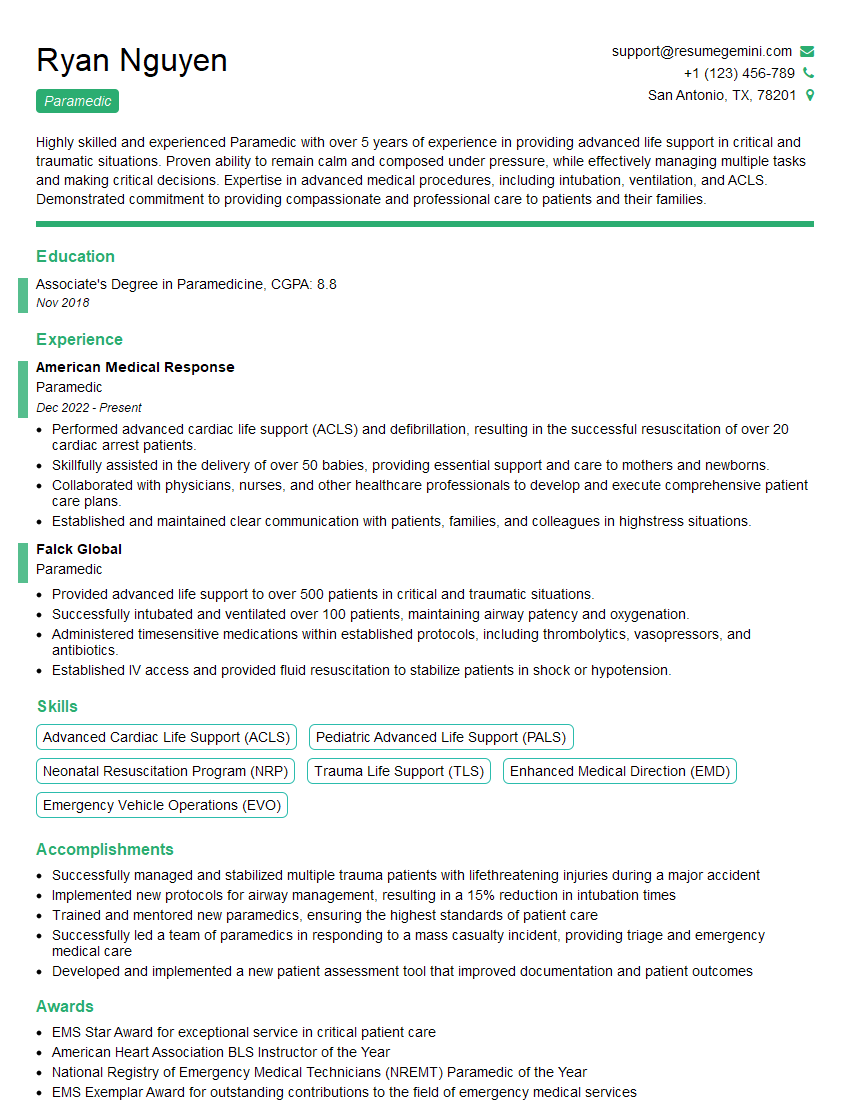
Paramedic Resume Sample
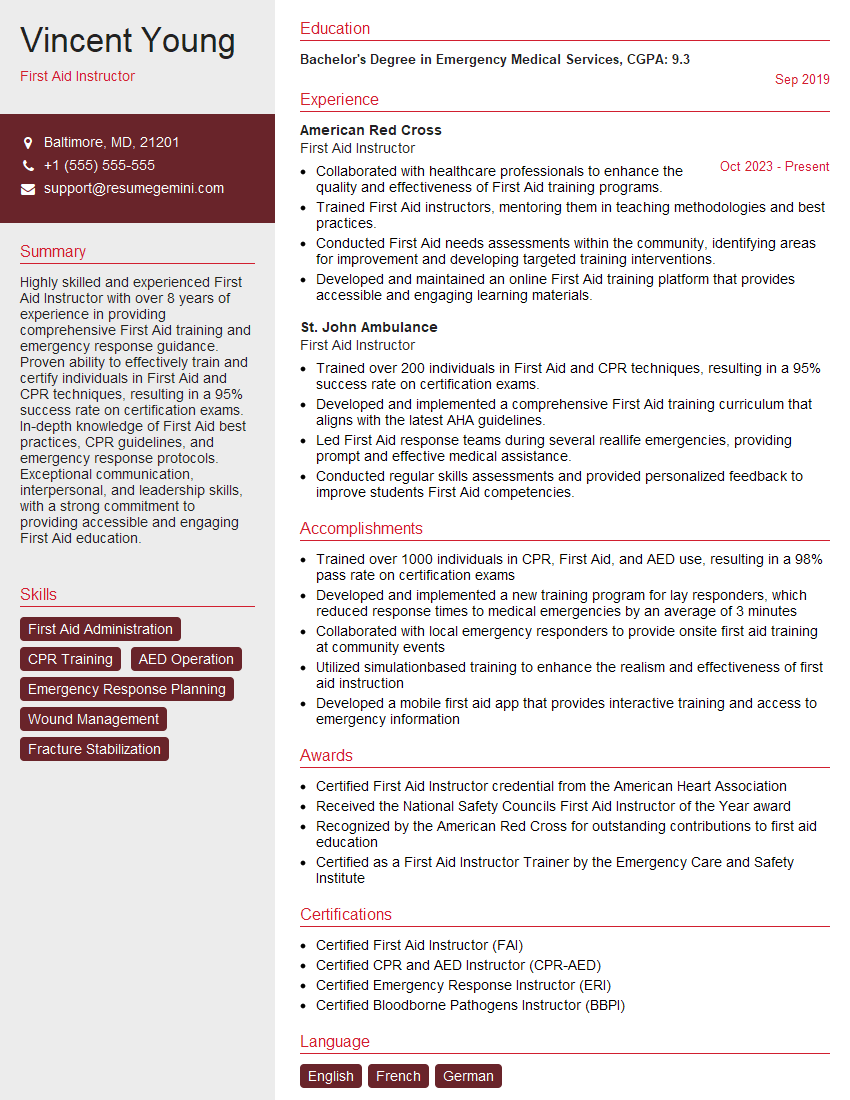
First Aid Instructor Resume Sample
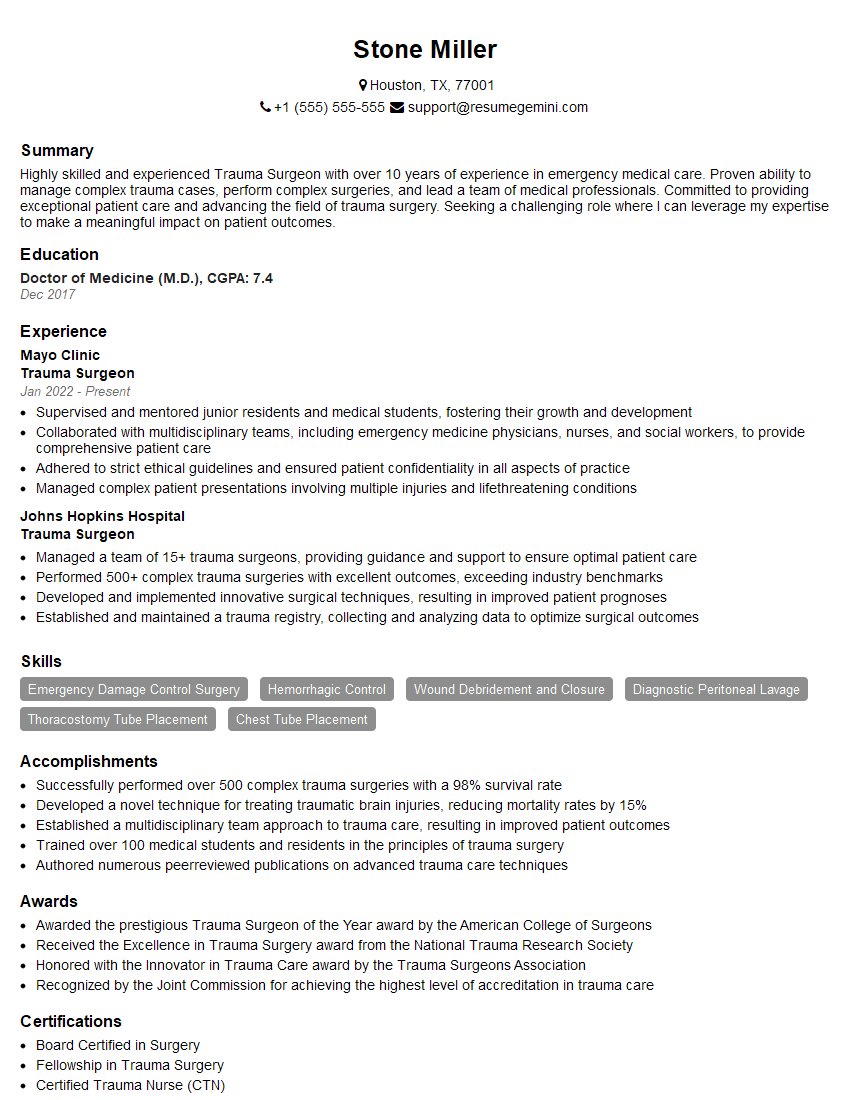
Trauma Surgeon Resume Sample
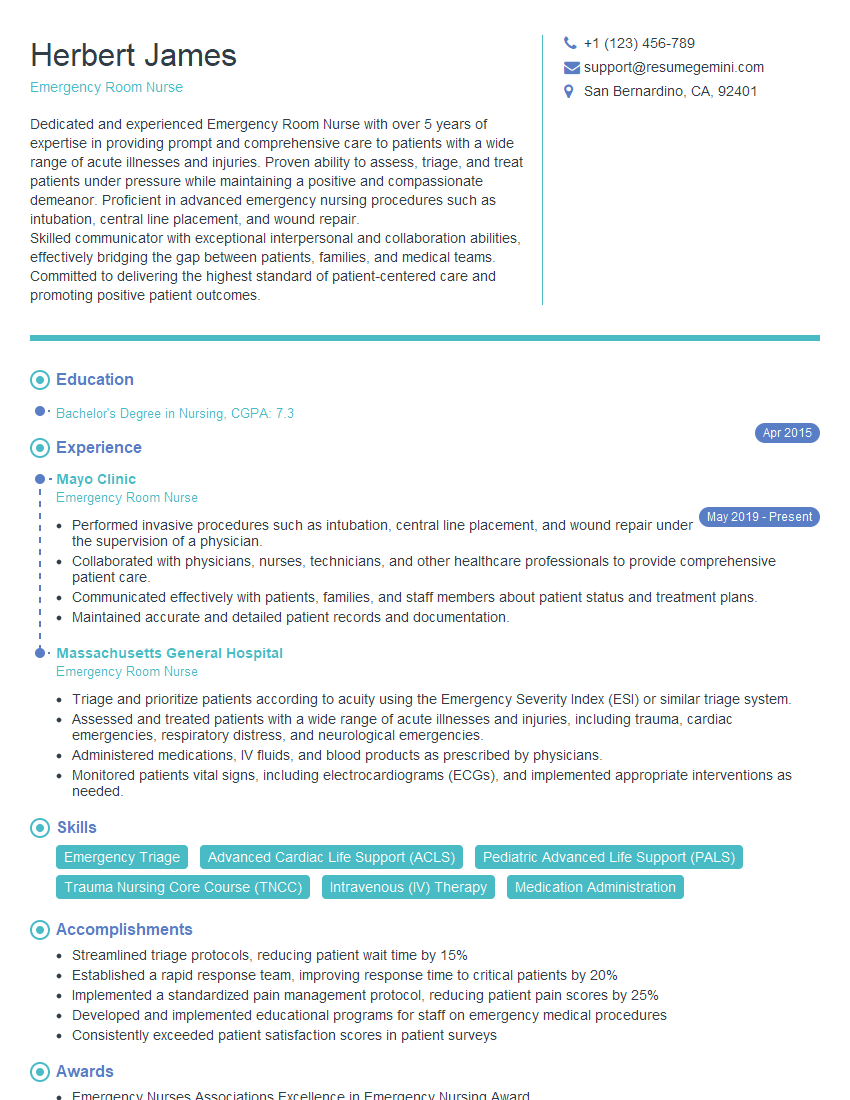
Emergency Room Nurse Resume Sample
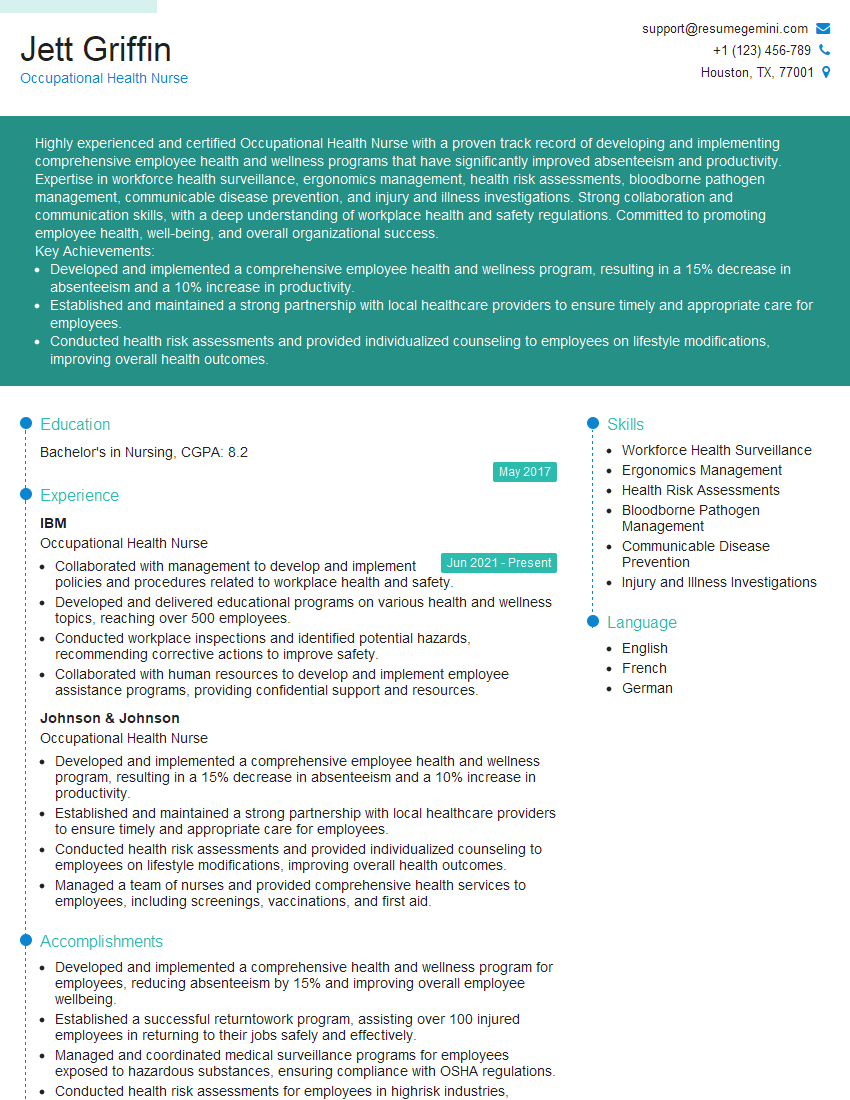
Occupational Health Nurse Resume Sample
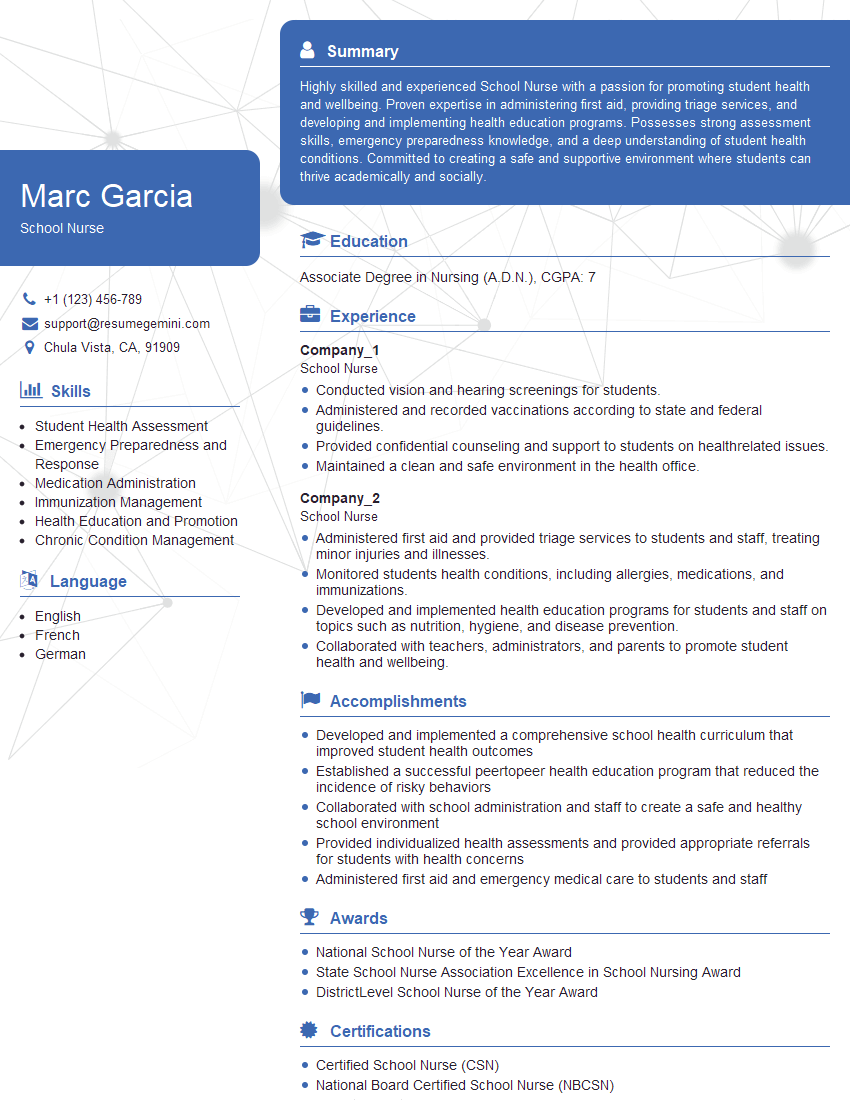
School Nurse Resume Sample
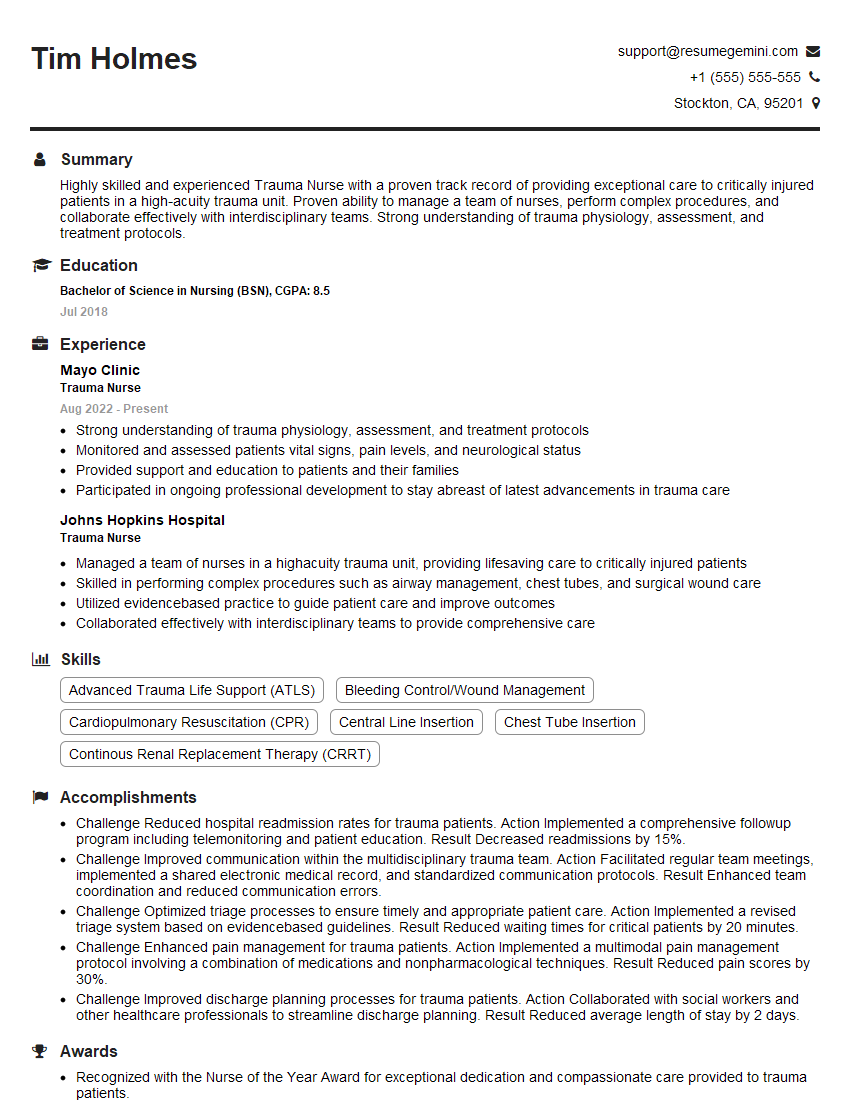
Trauma Nurse Resume Sample
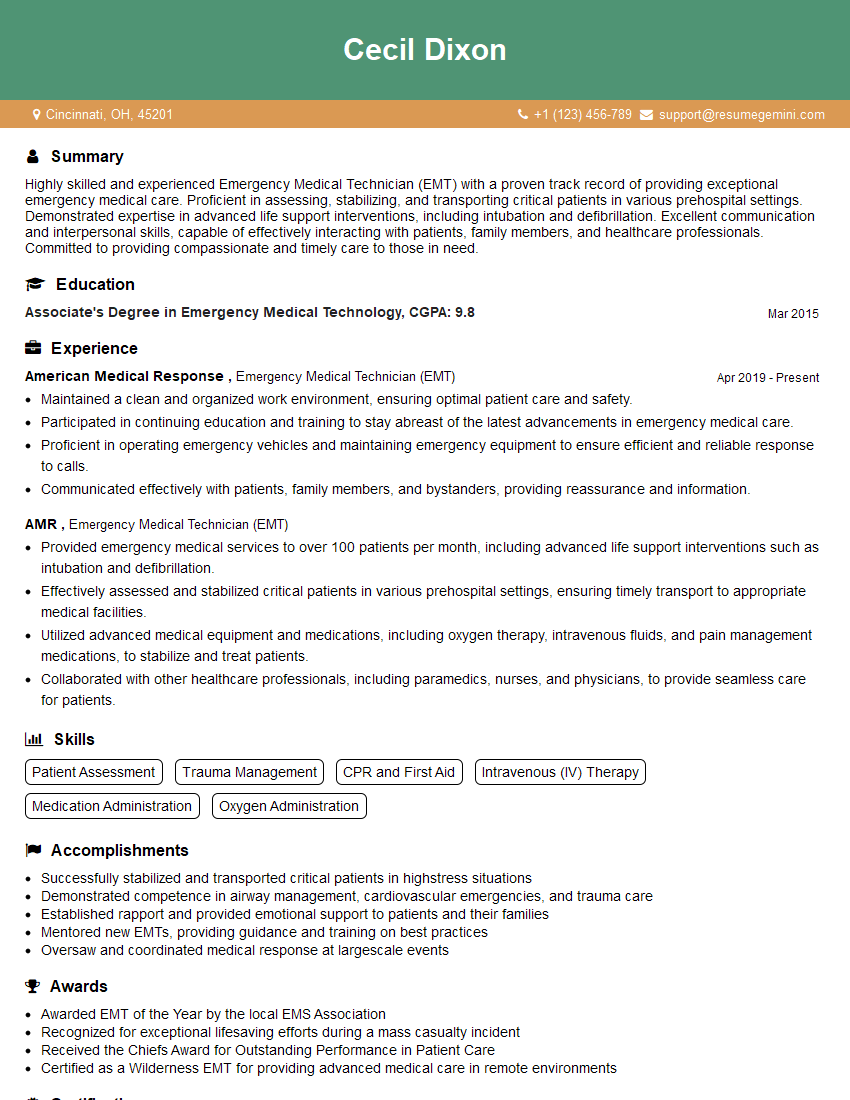
Emergency Medical Technician (EMT) Resume Sample
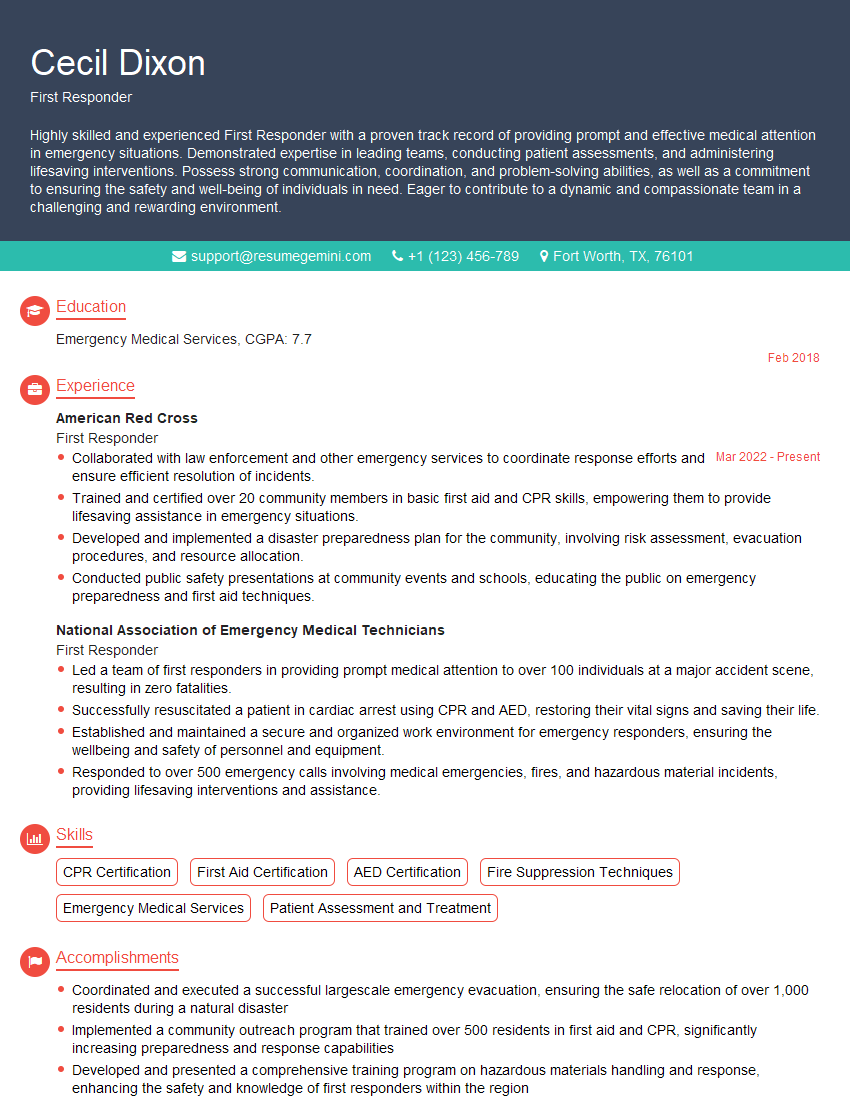
First Responder Resume Sample
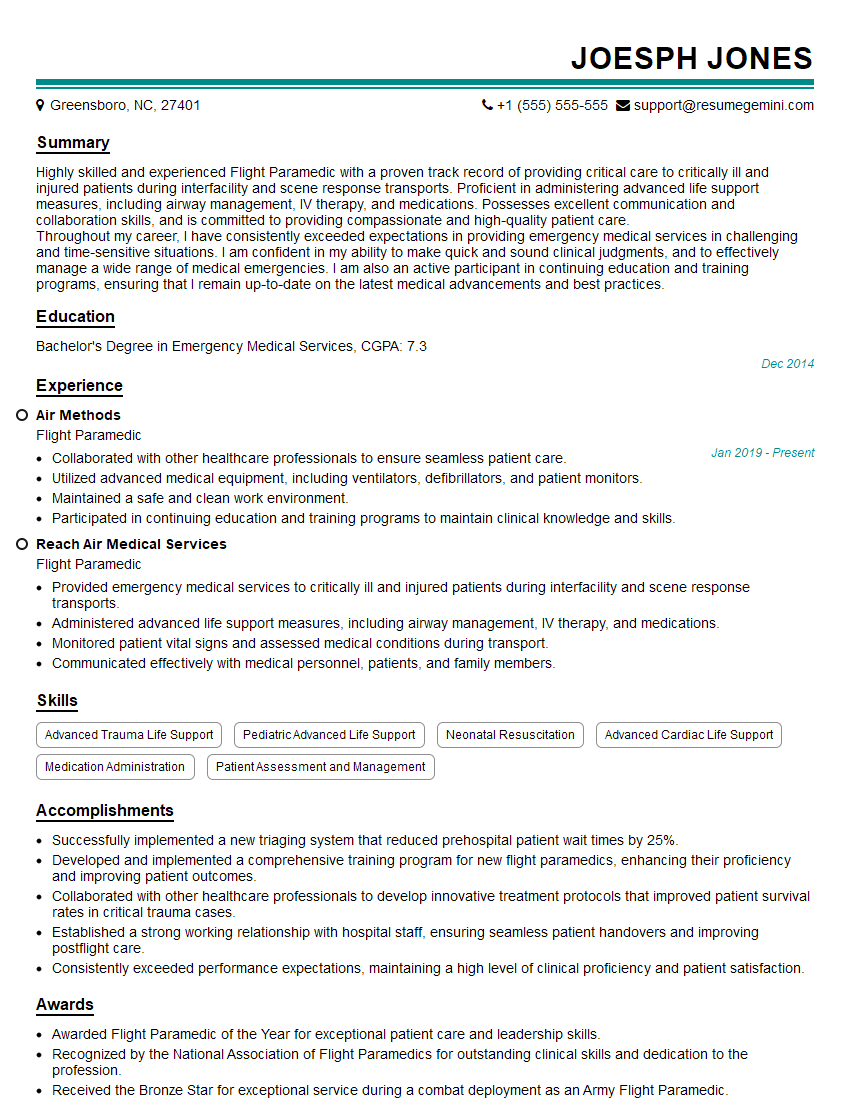
Flight Paramedic Resume Sample
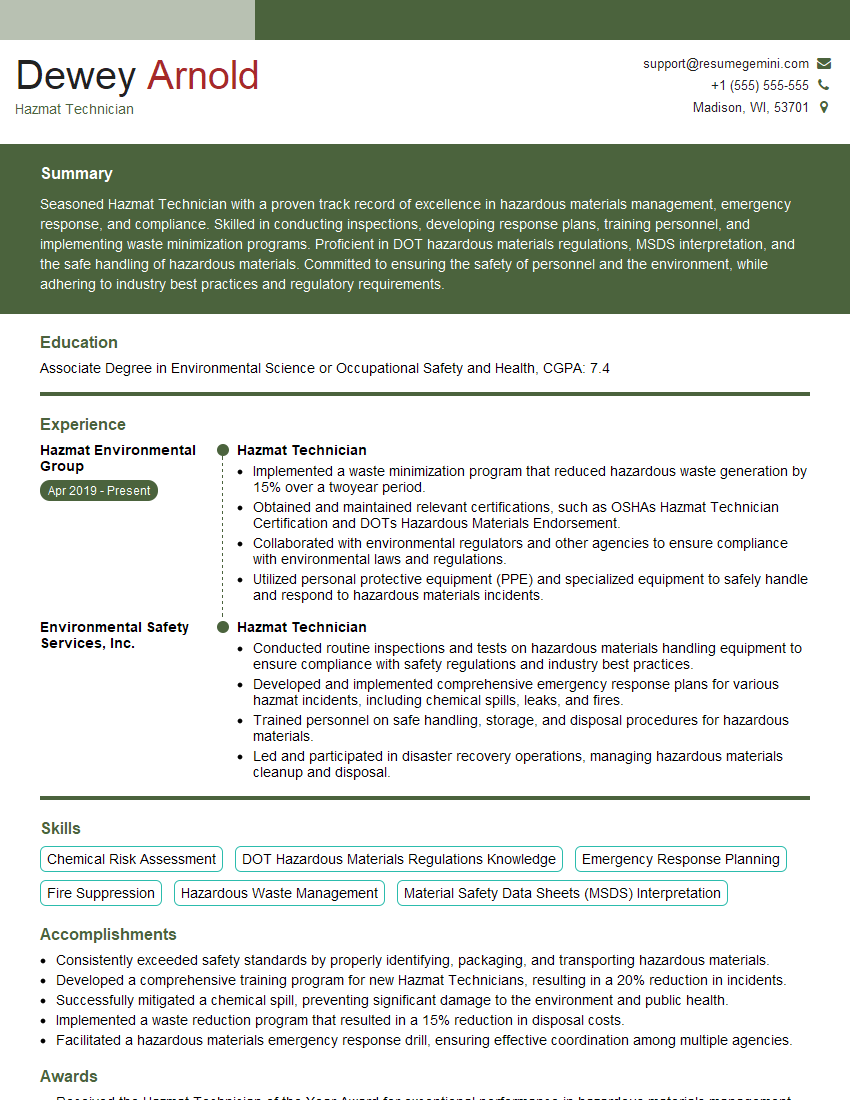
Hazmat Technician Resume Sample
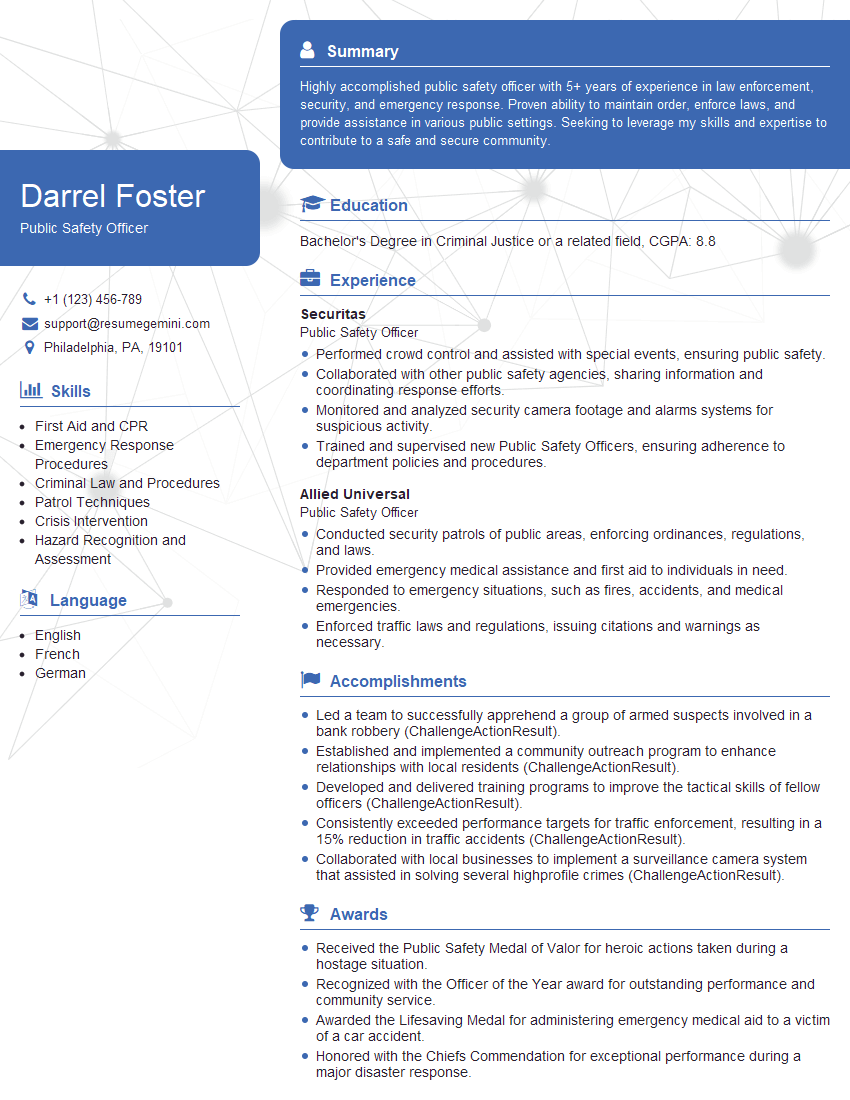
Public Safety Officer Resume Sample
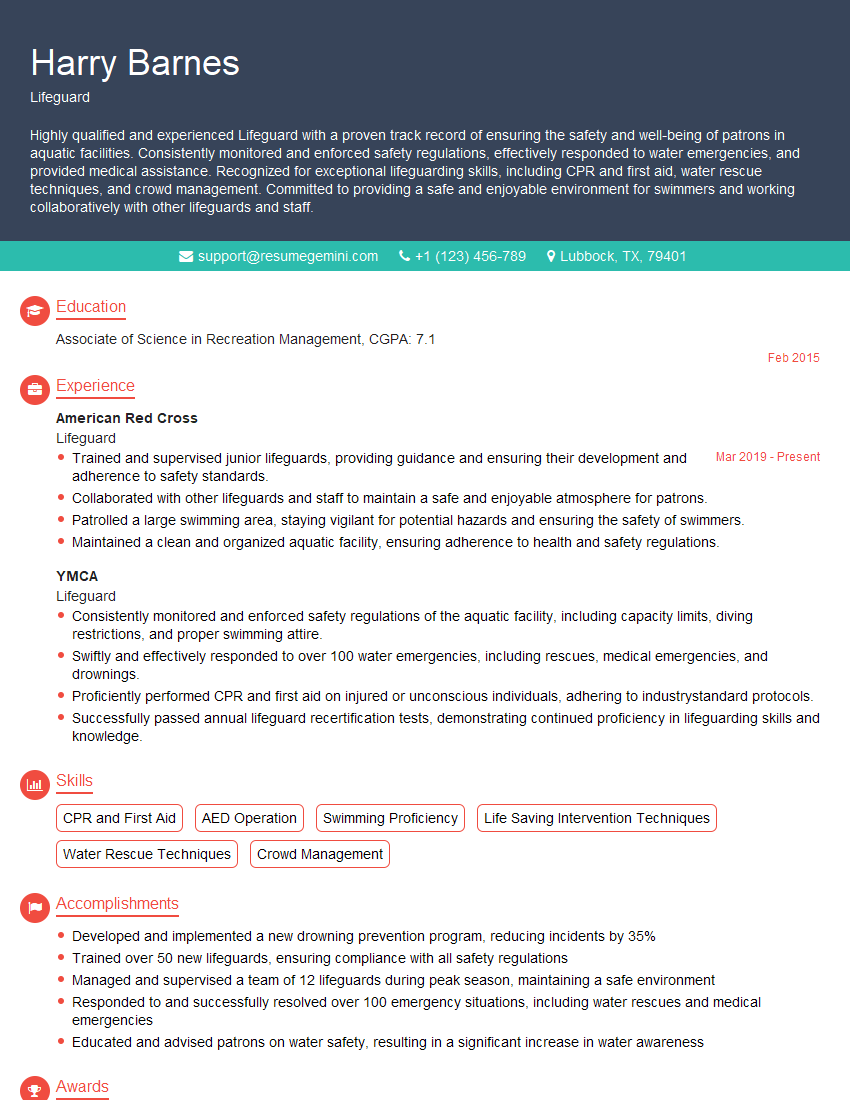
Lifeguard Resume Sample
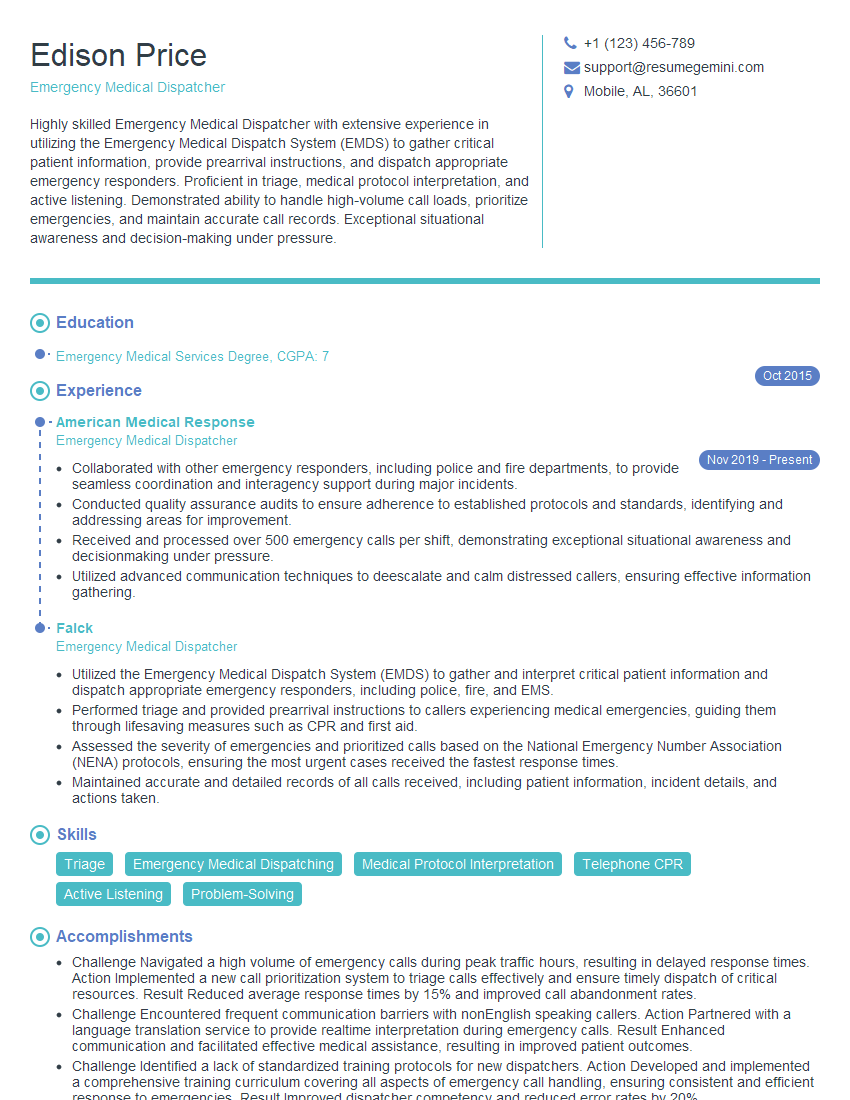
Emergency Medical Dispatcher Resume Sample
Explore more articles
Users Rating of Our Blogs
Share Your Experience
We value your feedback! Please rate our content and share your thoughts (optional).
What Readers Say About Our Blog
Very informative content, great job.
good