Unlock your full potential by mastering the most common Employee Supervision and Leadership interview questions. This blog offers a deep dive into the critical topics, ensuring you’re not only prepared to answer but to excel. With these insights, you’ll approach your interview with clarity and confidence.
Questions Asked in Employee Supervision and Leadership Interview
Q 1. Describe your approach to delegating tasks effectively.
Effective delegation isn’t just about assigning tasks; it’s about empowering your team. My approach starts with a clear understanding of each team member’s skills and strengths. I assess the task’s complexity, required skills, and deadlines. Then, I match the task to the right person, ensuring they have the necessary resources and authority to complete it. This involves not only assigning the task but also clearly outlining expectations, providing necessary training or support, and setting realistic deadlines.
For example, if a new project requires data analysis and a team member excels in that area, I’ll delegate that aspect to them, providing them with the relevant data sets and clarifying the desired outcome. Regular check-ins are crucial; I don’t just assign and forget. I offer guidance and support without micromanaging, allowing individuals to own their work and develop their capabilities. This fosters ownership and boosts team morale.
Q 2. How do you handle employee conflict resolution?
Conflict resolution requires a proactive and impartial approach. My first step is to understand the root cause of the conflict through open and respectful communication with all parties involved. I encourage each individual to express their perspective without interruption.
Then, I facilitate a collaborative discussion, focusing on finding common ground and solutions that address everyone’s concerns. If the conflict involves significant issues or personal attacks, I might suggest mediation or separate conversations to cool things down before a group discussion. The goal is not to assign blame but to find a mutually agreeable solution that promotes a positive and productive work environment. For instance, if two team members disagree on a project strategy, I’d guide them to present their arguments, listen to each other’s points, and collaboratively create a plan that incorporates the best elements of both ideas.
Q 3. Explain your process for providing constructive feedback.
Constructive feedback is crucial for growth. My process begins with focusing on specific behaviors or outcomes rather than making sweeping generalizations. I use the SBI (Situation-Behavior-Impact) model – describing the situation, the observed behavior, and its impact.
I frame the feedback in a supportive and encouraging manner, focusing on helping the individual improve rather than criticizing. I actively listen to their perspective and address their concerns. For example, instead of saying ‘Your work is sloppy,’ I might say, ‘During the last project, I noticed that some data points in your report were inconsistent (Situation). This led to some discrepancies in the analysis (Impact). Could we discuss how we can ensure greater accuracy in the future (Behavior)?’ This approach fosters a learning environment and strengthens the employee-manager relationship.
Q 4. How do you measure employee performance?
Measuring employee performance requires a multifaceted approach. It goes beyond simply looking at numbers. I utilize a combination of methods including:
- Key Performance Indicators (KPIs): Quantifiable metrics directly related to job responsibilities. These could include sales figures, project completion rates, or customer satisfaction scores.
- 360-degree feedback: Gathering input from peers, subordinates, and superiors to gain a comprehensive view of an employee’s performance.
- Self-assessment: Encouraging employees to reflect on their own performance and identify areas for improvement.
- Regular check-ins: Frequent one-on-one meetings to discuss progress, address challenges, and provide support.
Using a balanced scorecard approach, I ensure that both quantitative and qualitative aspects of performance are considered. This allows for a fair and holistic evaluation.
Q 5. What methods do you use for motivating your team?
Motivating a team requires understanding individual needs and preferences. My approach is multifaceted and includes:
- Recognition and appreciation: Publicly acknowledging achievements and contributions, both big and small.
- Opportunities for growth and development: Providing training, mentorship, and challenging assignments to enhance skills and career progression.
- Creating a positive and supportive work environment: Fostering open communication, teamwork, and mutual respect.
- Empowerment and autonomy: Giving team members ownership of their work and the freedom to make decisions.
- Fair compensation and benefits: Ensuring employees feel valued and fairly compensated for their contributions.
Understanding individual motivators is key – what works for one person might not work for another. Regular communication helps me tailor my approach to each team member’s needs.
Q 6. Describe a time you had to address poor employee performance.
In a previous role, a team member consistently missed deadlines and the quality of their work was declining. My first step was a private meeting to understand the underlying reasons. It turned out they were dealing with personal issues affecting their focus and productivity.
Instead of immediate disciplinary action, I offered support and adjusted their workload to be more manageable. We worked together to create a performance improvement plan (PIP) outlining specific goals, timelines, and support strategies. We had regular check-ins to monitor progress and offer assistance. Through consistent support and a structured plan, their performance gradually improved. This experience highlighted the importance of empathy and understanding individual circumstances when addressing performance issues. A PIP, used appropriately and compassionately, can often be a more effective solution than immediate reprimand.
Q 7. How do you manage employee workloads during peak times?
Managing workloads during peak times requires careful planning and prioritization. My approach involves:
- Prioritizing tasks: Identifying critical tasks and allocating resources accordingly.
- Open communication: Keeping the team informed about project deadlines and potential challenges.
- Delegation and task re-assignment: Redistributing workloads to ensure fair distribution and avoid burnout.
- Flexibility and adaptability: Adjusting schedules and processes as needed to accommodate increased demand.
- Overtime management (when necessary): Ensuring overtime is fairly compensated and does not lead to employee exhaustion.
Proactive planning is key – anticipating potential bottlenecks and resource constraints helps to mitigate issues before they arise. Clear communication and a collaborative spirit are crucial for successful navigation of peak periods. It’s about finding a balance between meeting deadlines and safeguarding the well-being of the team.
Q 8. How do you ensure fair and consistent treatment of all employees?
Ensuring fair and consistent treatment of all employees is paramount for a positive and productive workplace. It’s about applying the same rules and standards to everyone, regardless of their background, position, or personal relationships. This involves establishing clear policies and procedures and consistently applying them.
- Objective Performance Evaluation: I rely on objective metrics and documented evidence when evaluating employee performance, rather than subjective opinions or biases. For instance, sales figures for a salesperson or project completion timelines for a project manager.
- Consistent Disciplinary Actions: If disciplinary actions are needed, they are applied uniformly according to the company’s code of conduct and progressive discipline policy. This means that similar infractions receive similar consequences, avoiding favoritism or inconsistency.
- Open Communication Channels: I maintain open and accessible communication channels to encourage employees to voice their concerns or report unfair treatment without fear of retribution. Regular one-on-one meetings and team meetings are crucial here.
- Regular Training: I ensure all team members receive regular training on company policies, diversity and inclusion, and anti-discrimination practices. This not only fosters a culture of fairness but also demonstrates a commitment to it.
For example, in a previous role, I addressed an issue where two employees received different levels of discipline for a similar infraction. By reviewing the situation objectively based on company policy, I ensured both received fair and consistent discipline, reinforcing a perception of fairness throughout the team.
Q 9. How do you stay updated on industry best practices in employee supervision?
Staying updated on industry best practices in employee supervision is an ongoing process. It requires a proactive approach that combines several methods.
- Professional Development: I actively seek professional development opportunities such as workshops, seminars, and conferences related to employee supervision, leadership, and management.
- Industry Publications and Journals: I subscribe to and regularly review relevant industry publications and journals to stay informed on current trends, research, and best practices in employee management.
- Networking: I engage in networking with other supervisors and leaders in my field, participating in professional organizations and attending industry events to share knowledge and learn from others’ experiences.
- Online Resources: I utilize credible online resources, such as reputable websites, blogs, and webinars, to access the latest information and best practices.
For instance, recently, I attended a workshop on effective feedback strategies, which helped me refine my approach to providing constructive criticism and fostering a growth mindset within my team. This resulted in increased employee engagement and improved performance outcomes.
Q 10. What is your experience with performance management systems?
I have extensive experience with various performance management systems, from traditional annual reviews to more modern, continuous feedback models. My experience encompasses designing, implementing, and managing performance management systems across different organizational structures and team sizes.
- Goal Setting: I work collaboratively with employees to set SMART (Specific, Measurable, Achievable, Relevant, and Time-bound) goals that align with overall organizational objectives.
- Regular Check-ins: Instead of relying solely on annual reviews, I conduct regular check-ins with my employees to provide ongoing feedback, address any challenges, and monitor progress towards goals. This allows for early intervention and prevents performance issues from escalating.
- 360-degree Feedback: Where appropriate, I incorporate 360-degree feedback, gathering input from peers, subordinates, and superiors, providing a more comprehensive view of an employee’s performance.
- Performance Improvement Plans (PIPs): When performance consistently falls short of expectations, I develop and implement detailed PIPs with specific, actionable steps to improve performance. This approach focuses on collaboration and support rather than solely punishment.
In a past role, I implemented a new performance management system that shifted from a solely annual review process to a continuous feedback model. This resulted in a significant improvement in employee engagement and a measurable increase in overall team performance.
Q 11. Describe your approach to coaching and mentoring employees.
My approach to coaching and mentoring employees is built on a foundation of trust, mutual respect, and a commitment to their professional growth. I see coaching and mentoring as an investment in both the individual and the team.
- Active Listening: I start by actively listening to employees’ aspirations, concerns, and challenges. Understanding their perspectives is key to tailoring my support.
- Identifying Strengths and Weaknesses: Through observation, feedback, and discussions, I identify both their strengths and areas for development. Building on strengths while addressing weaknesses is crucial.
- Setting Development Goals: Together, we establish specific, measurable, and achievable development goals. This collaborative approach ensures buy-in and commitment.
- Providing Resources and Support: I provide access to resources such as training courses, mentorship programs, and relevant literature to support their development. I also offer ongoing support and guidance.
- Regular Check-ins and Feedback: We regularly check-in to monitor progress, provide feedback, and adjust strategies as needed. This continuous feedback loop is essential for successful development.
For example, I recently mentored a junior team member who aspired to a leadership role. By providing regular coaching, identifying training opportunities, and offering guidance on leadership skills, I helped them achieve their career aspirations, while strengthening the team as a whole.
Q 12. How do you foster a positive and productive team environment?
Fostering a positive and productive team environment is crucial for success. It requires a multifaceted approach focusing on building relationships, promoting collaboration, and creating a culture of mutual respect and support.
- Team Building Activities: I regularly organize team-building activities, both formal and informal, to strengthen relationships and encourage collaboration. These can range from team lunches to more structured activities.
- Open Communication: I promote open and honest communication within the team, encouraging regular dialogue and feedback sharing. This fosters trust and transparency.
- Recognition and Appreciation: I actively recognize and appreciate individual and team accomplishments, both big and small. This reinforces positive behaviors and motivates the team.
- Conflict Resolution: I address conflicts promptly and fairly, focusing on finding solutions that are mutually acceptable to all parties involved. This maintains a harmonious work environment.
- Work-Life Balance: I promote a healthy work-life balance by encouraging employees to use their vacation time and discouraging excessive overtime, which contributes to burnout and decreased productivity.
In a previous team, I implemented a peer recognition program where team members could nominate each other for outstanding contributions. This fostered a culture of appreciation and mutual respect, significantly enhancing team morale and productivity.
Q 13. How do you handle employee requests for time off?
Handling employee requests for time off requires a fair, consistent, and efficient process. The key is to balance employee needs with business requirements.
- Clear Policy: A clear and well-communicated time-off policy is crucial. This policy should outline procedures for requesting time off, approval processes, and any restrictions or limitations.
- Timely Response: I respond to time-off requests promptly, acknowledging receipt and providing updates on the approval process within a reasonable timeframe.
- Fair and Consistent Application: I apply the time-off policy consistently and fairly to all employees, avoiding any favoritism or discrimination.
- Collaboration: When possible, I work collaboratively with employees to find mutually agreeable solutions for their time-off requests, taking into account business needs and project deadlines. This demonstrates understanding and fosters positive employee relations.
- Documentation: All time-off requests and approvals are meticulously documented to maintain accurate records and ensure compliance with company policies.
For example, when an employee needs to take unexpected time off due to a family emergency, I prioritize flexibility and support, working with them to ensure coverage for their responsibilities while respecting their personal needs. This approach balances business operations with genuine compassion for employees.
Q 14. Explain your approach to setting clear expectations for employees.
Setting clear expectations for employees is essential for achieving organizational goals and ensuring individual success. This involves clearly defining roles, responsibilities, and performance standards.
- Job Descriptions: I ensure that job descriptions are clear, concise, and comprehensive, outlining the key responsibilities, duties, and performance expectations for each role.
- Performance Standards: Performance standards are explicitly defined using measurable metrics, enabling employees to understand what constitutes successful performance. This avoids ambiguity.
- Goal Setting: I work collaboratively with employees to set SMART goals that align with both individual and organizational objectives. This ensures that individual contributions are aligned with the team and company’s overall goals.
- Regular Communication: I maintain open and regular communication with employees, providing ongoing feedback, addressing questions, and clarifying expectations as needed. This ensures alignment and prevents misunderstandings.
- Documentation: Key expectations, performance standards, and goals are documented and shared with employees. This provides a reference point and facilitates accountability.
For example, when onboarding a new team member, I provide them with a detailed job description and schedule a meeting to review their roles, responsibilities, and performance goals. This sets a clear foundation for their success and ensures alignment with team objectives.
Q 15. How do you identify and address skill gaps within your team?
Identifying and addressing skill gaps is crucial for team performance. My approach is multifaceted, starting with regular performance reviews where I actively listen to employee feedback and assess their strengths and weaknesses against project requirements. I use a combination of methods:
- Performance evaluations: These aren’t just annual events; I conduct regular check-ins to monitor progress and identify emerging needs. For example, if an employee consistently struggles with a particular software, that highlights a skill gap.
- 360-degree feedback: Gathering input from peers, supervisors, and subordinates provides a holistic view of an employee’s performance and can reveal blind spots.
- Skills assessments: Formal assessments, like online quizzes or practical exercises, can objectively measure proficiency in specific areas. This data is crucial for targeted training.
- Observation: Direct observation of employees at work helps identify areas where they may require additional support or training.
Once skill gaps are identified, I work collaboratively with the employee to develop a tailored training plan. This plan might include on-the-job training, mentorship, external courses, or online learning resources. Regular follow-ups ensure the training is effective and that the skill gap is successfully closed.
Career Expert Tips:
- Ace those interviews! Prepare effectively by reviewing the Top 50 Most Common Interview Questions on ResumeGemini.
- Navigate your job search with confidence! Explore a wide range of Career Tips on ResumeGemini. Learn about common challenges and recommendations to overcome them.
- Craft the perfect resume! Master the Art of Resume Writing with ResumeGemini’s guide. Showcase your unique qualifications and achievements effectively.
- Don’t miss out on holiday savings! Build your dream resume with ResumeGemini’s ATS optimized templates.
Q 16. Describe your experience with employee training and development.
Employee training and development is a continuous process I view as an investment in the team’s growth and the company’s success. My experience spans various training methodologies, including:
- Mentorship Programs: I’ve paired junior employees with experienced colleagues for knowledge transfer and skill development. One instance saw a junior marketing associate mentored by a senior strategist, resulting in the junior associate exceeding expectations in a major campaign.
- Workshops and Seminars: I’ve organized and facilitated internal workshops on topics such as project management, communication, and leadership skills. These workshops foster collaboration and shared learning.
- Online Learning Platforms: I’ve utilized online platforms like LinkedIn Learning to provide employees with access to a vast library of courses relevant to their roles and career aspirations.
- Conferences and External Training: I actively seek opportunities for employees to attend industry conferences and external training programs to enhance their expertise and broaden their perspectives.
Crucially, I emphasize individualized learning plans. Training isn’t one-size-fits-all; I work closely with each employee to identify their specific needs and tailor their learning journey accordingly. Regular evaluations ensure the training is impactful and aligned with organizational goals.
Q 17. How do you ensure compliance with company policies and procedures?
Compliance is paramount. My approach involves a multi-pronged strategy:
- Regular Training: I ensure all team members receive thorough training on company policies and procedures. This includes clear communication and easily accessible resources.
- Documentation and Communication: I maintain clear and accessible documentation of all policies and procedures, regularly updating them as needed. I also use various methods to ensure communication about policy updates reaches everyone—email announcements, team meetings, and regular reminders.
- Open Communication and Feedback: I foster a culture of open communication where employees feel comfortable asking questions and raising concerns about compliance. This proactive approach helps identify and address potential issues before they escalate.
- Regular Audits and Reviews: I conduct periodic audits and reviews to assess compliance and identify areas for improvement. This provides valuable insights into the effectiveness of our compliance efforts.
- Reporting and Remediation: A clear process exists for reporting any compliance violations, coupled with a structured approach for remediation and corrective action.
For instance, in a previous role, we implemented a new data privacy policy. We not only provided comprehensive training but also created a dedicated Q&A forum to address employee concerns and ensure everyone understood their responsibilities.
Q 18. How do you handle disciplinary actions with employees?
Disciplinary actions are never taken lightly. My approach focuses on fairness, consistency, and a focus on improvement. I adhere to the following steps:
- Documentation: Thorough documentation of all incidents and conversations is essential. This includes dates, times, witnesses, and details of the infraction.
- Private Meeting: I conduct a private meeting with the employee to discuss the issue. The goal is not to place blame, but to understand the situation and help the employee understand the consequences of their actions.
- Progressive Discipline: I employ a progressive discipline system, starting with verbal warnings, then written warnings, and escalating to more serious consequences if necessary. Each step is documented.
- Performance Improvement Plan (PIP): In many cases, a PIP is implemented to outline specific goals and expectations for improvement. This provides a roadmap for the employee to get back on track.
- HR Involvement: For serious infractions, I involve HR to ensure compliance with company policies and legal requirements.
The key is to be fair, consistent, and to focus on helping the employee understand their mistakes and make amends. My goal is to retain employees whenever possible, but workplace safety and compliance must be prioritized.
Q 19. How do you build trust and rapport with your team members?
Building trust and rapport is fundamental to effective leadership. I achieve this through:
- Open Communication: I encourage open and honest communication, actively listening to my team’s concerns and feedback. This includes regular team meetings, one-on-one check-ins, and open-door policies.
- Transparency: I strive for transparency in decision-making, explaining the rationale behind choices and involving the team whenever possible. This builds confidence and demonstrates respect.
- Recognition and Appreciation: I actively recognize and appreciate individual and team accomplishments, both big and small. This boosts morale and fosters a positive work environment.
- Fairness and Consistency: I treat all team members fairly and consistently, ensuring equitable opportunities and treatment.
- Vulnerability and Empathy: Showing vulnerability and empathy by sharing relevant personal experiences (appropriately) helps build stronger connections and foster a supportive environment.
For example, during a particularly challenging project, I openly shared my own anxieties and concerns with the team, creating a safe space for them to share theirs. This fostered a deeper sense of trust and camaraderie.
Q 20. How do you adapt your management style to different personalities?
Adapting my management style is essential for maximizing individual and team performance. I understand that different personalities respond differently to various leadership approaches. I use a flexible approach that draws upon several management styles, adjusting my technique depending on the individual’s needs and preferences:
- Transformational Leadership: Inspiring and motivating individuals to reach their full potential, focusing on shared vision and goals.
- Transactional Leadership: Using rewards and consequences to motivate and achieve specific outcomes, particularly useful for task-oriented individuals.
- Servant Leadership: Prioritizing the needs of the team and providing support and resources for their success.
- Coaching: Guiding and mentoring team members to develop their skills and capabilities.
For instance, I might use a more directive approach with a detail-oriented individual who prefers clear instructions, while employing a more collaborative style with a creative individual who thrives on brainstorming and teamwork. Regular observation and communication are key to understanding individual preferences and adapting my style accordingly.
Q 21. Describe your experience with employee onboarding.
A robust onboarding process is critical for setting new employees up for success. My approach emphasizes:
- Pre-boarding: Communication begins before the employee’s start date, providing necessary paperwork, information about the company culture, and expectations.
- Orientation: A structured orientation program that covers company policies, procedures, and introductions to key personnel. This includes a tour of the facilities and an overview of the team’s structure and processes.
- Initial Training: Providing necessary training related to the employee’s specific role and responsibilities. This might involve shadowing experienced colleagues or participating in formal training programs.
- Mentorship or Buddy System: Assigning a mentor or buddy to support the new employee and answer questions, providing guidance and support during their first few weeks or months.
- Regular Check-ins: Conducting regular check-ins with the new employee to assess their progress, answer questions, and address any concerns. This feedback loop is crucial for early adjustments and integration.
In my experience, a well-structured onboarding process significantly reduces employee turnover and accelerates their integration into the team. It’s an investment that pays off in improved productivity and employee satisfaction.
Q 22. What are some of the common challenges you face as a supervisor?
Supervising a team presents a unique set of challenges. One common hurdle is managing diverse personalities and work styles. Each team member brings their own strengths and weaknesses, requiring a flexible approach to leadership. Another significant challenge is ensuring consistent high performance while managing individual workloads and priorities. This involves proactive communication, identifying and addressing roadblocks, and ensuring everyone understands the team goals. Resource constraints, like budget limitations or insufficient staffing, can also create significant difficulties. Finally, navigating conflict resolution and providing constructive feedback are essential yet challenging aspects of supervision.
- Example: In a previous role, I managed a team with varying levels of experience. Some were highly skilled but lacked initiative, while others were enthusiastic but needed more training. I addressed this by creating personalized development plans and assigning tasks that leveraged each individual’s strengths.
Q 23. How do you prioritize tasks and manage competing deadlines?
Prioritizing tasks and managing competing deadlines requires a structured approach. I utilize several methods to effectively manage my time and ensure timely completion of tasks. The Eisenhower Matrix (urgent/important) is a valuable tool for categorizing tasks. This helps me focus on urgent and important tasks first while delegating or scheduling less critical tasks. I also rely heavily on project management tools and techniques such as Kanban boards, which visualize workflow, and Gantt charts for scheduling and tracking progress. Open communication with my team is crucial; ensuring everyone understands priorities and deadlines helps maintain overall project momentum.
- Example: When facing multiple pressing deadlines, I prioritize tasks based on their impact on project goals and client expectations. I then break down large tasks into smaller, manageable steps to streamline the workflow and improve efficiency. Regular check-ins with team members ensure that everyone remains on track and any roadblocks are addressed promptly.
Q 24. How do you ensure the accuracy and timeliness of employee work?
Ensuring accurate and timely work requires a proactive and supportive approach. This involves clearly defining expectations and providing detailed instructions upfront. I establish clear processes and procedures, using checklists and templates where applicable, to standardize workflows and minimize errors. Regular quality checks and feedback sessions are essential. This allows for early identification of any issues and facilitates timely corrective action. Moreover, I encourage open communication so team members feel comfortable raising concerns or seeking clarification. This fosters a culture of accountability and continuous improvement. I also leverage project management tools to track progress and flag potential delays.
- Example: In a previous project, I implemented a quality control checklist for each stage of the process. This resulted in a significant reduction in errors and improved the overall accuracy of the final product.
Q 25. How do you handle situations where employees are consistently underperforming?
Addressing consistent underperformance requires a systematic and empathetic approach. I begin by having a private, constructive conversation with the employee. This allows me to understand the root cause of the underperformance – be it lack of training, lack of resources, personal issues, or a mismatch of skills and role. I then work collaboratively with the employee to develop a performance improvement plan (PIP). This plan outlines specific, measurable, achievable, relevant, and time-bound (SMART) goals, timelines, and support mechanisms. Regular follow-up meetings are critical to monitor progress and provide ongoing support. If the underperformance persists despite these efforts, further disciplinary action may be necessary, always following company procedures and legal guidelines.
- Example: I once worked with an employee whose performance was consistently below expectations. After several conversations, we discovered they were struggling with a personal issue that was affecting their work. With the support of HR, we provided additional resources and adjusted their workload, allowing them to gradually regain their footing.
Q 26. Describe a time you had to make a difficult decision as a supervisor.
One challenging decision involved a team member who consistently missed deadlines and had difficulty prioritizing tasks. After numerous coaching sessions and feedback conversations, their performance didn’t improve. I had to decide whether to let them go or offer additional support. I opted for the latter, recommending that the employee seek external support for time management skills. This involved collaborating with HR to provide resources and support while monitoring progress closely. The employee ultimately improved their performance, showcasing that carefully considered support can yield positive outcomes. This decision underscored the importance of balancing employee well-being with team productivity and company goals.
Q 27. What are your strategies for maintaining high employee morale?
Maintaining high employee morale requires a multi-faceted approach focused on creating a positive and supportive work environment. I prioritize open and honest communication, encouraging feedback and making sure everyone feels heard. Recognizing and appreciating individual and team accomplishments, both big and small, is vital. This can be done through verbal praise, written acknowledgements, or small rewards. Creating opportunities for team building and social interaction builds camaraderie and strengthens team cohesion. I also ensure that employees have the resources and support they need to succeed in their roles and foster a culture of trust and mutual respect. Regular check-ins and feedback sessions allow me to gauge morale and address any concerns promptly.
Q 28. How do you measure the success of your team and individual employees?
Measuring team and individual success involves utilizing both qualitative and quantitative metrics. For team success, I consider overall project completion rates, adherence to deadlines, budget management, and client satisfaction. I also assess team cohesion and collaboration effectiveness through observation and feedback. Individual employee success is measured using key performance indicators (KPIs) aligned with their roles and responsibilities. This might include metrics such as sales targets, customer service ratings, project completion rates, or quality of work. Regular performance reviews provide a structured environment for discussing progress, providing feedback, and setting future goals. The combination of objective data and subjective assessment ensures a comprehensive and fair evaluation of both team and individual performance.
Key Topics to Learn for Employee Supervision and Leadership Interview
- Understanding Team Dynamics: Learn to analyze team structures, identify individual strengths and weaknesses, and foster collaborative environments. Practical application: Describe a time you successfully navigated a conflict within a team.
- Effective Communication & Feedback: Master techniques for clear, constructive communication, both positive reinforcement and addressing performance issues. Practical application: Develop examples illustrating how you deliver both positive and critical feedback effectively.
- Delegation & Empowerment: Understand the art of delegating tasks appropriately, empowering team members, and fostering accountability. Practical application: Explain your approach to assigning tasks and monitoring progress, ensuring employee growth.
- Performance Management & Goal Setting: Learn strategies for setting SMART goals, conducting performance reviews, and implementing performance improvement plans. Practical application: Describe your experience in setting and tracking team or individual goals.
- Motivation & Engagement: Explore different motivational theories and their practical applications in boosting team morale and productivity. Practical application: Give an example of a time you successfully motivated a team to achieve a challenging goal.
- Conflict Resolution & Mediation: Develop skills in identifying, addressing, and resolving conflicts constructively within a team. Practical application: Describe your approach to resolving disagreements among team members.
- Training & Development: Understand the importance of employee training and development for skill enhancement and career progression. Practical application: Share an example where you contributed to the professional development of a team member.
Next Steps
Mastering employee supervision and leadership is crucial for career advancement, opening doors to more challenging and rewarding roles with increased responsibility and compensation. To significantly boost your job prospects, focus on creating a strong, ATS-friendly resume that highlights your relevant skills and accomplishments. ResumeGemini is a trusted resource that can help you build a professional and impactful resume tailored to the specific demands of Employee Supervision and Leadership positions. Examples of resumes optimized for these roles are available to guide you. Invest the time to craft a compelling narrative; it’s an investment in your future success.
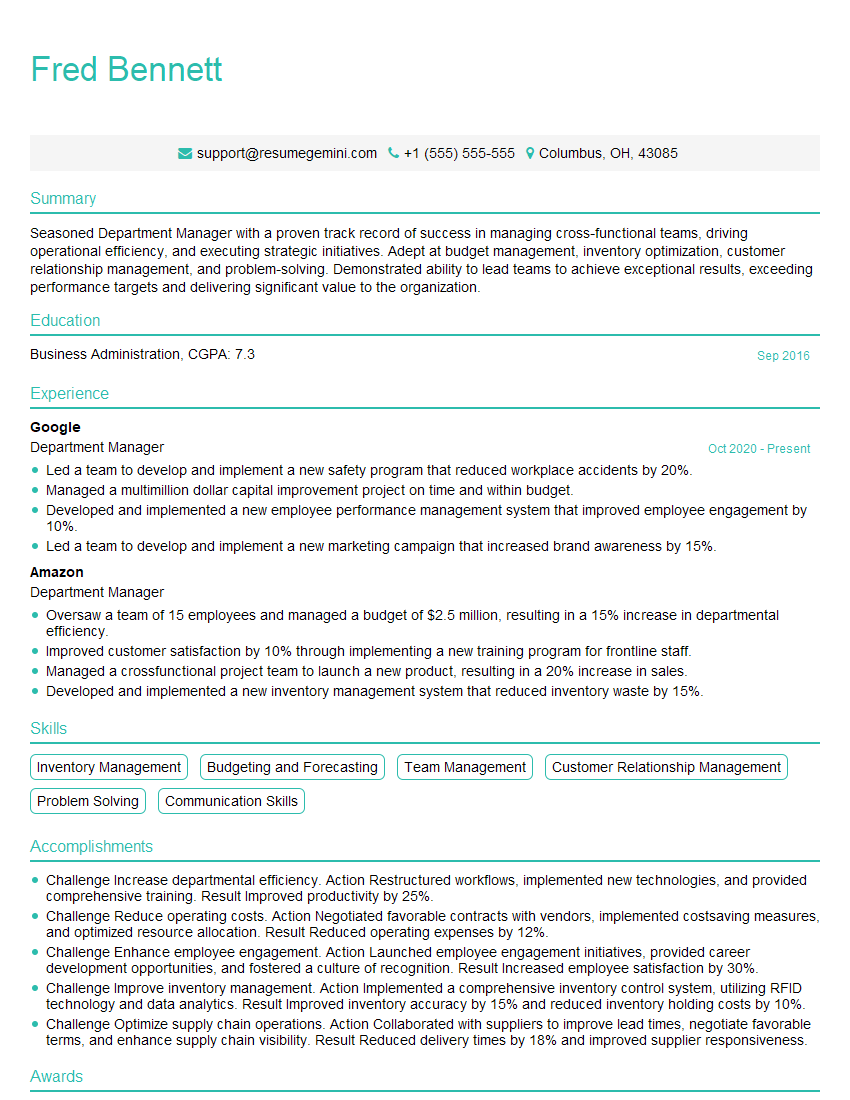
Department Manager Resume Sample
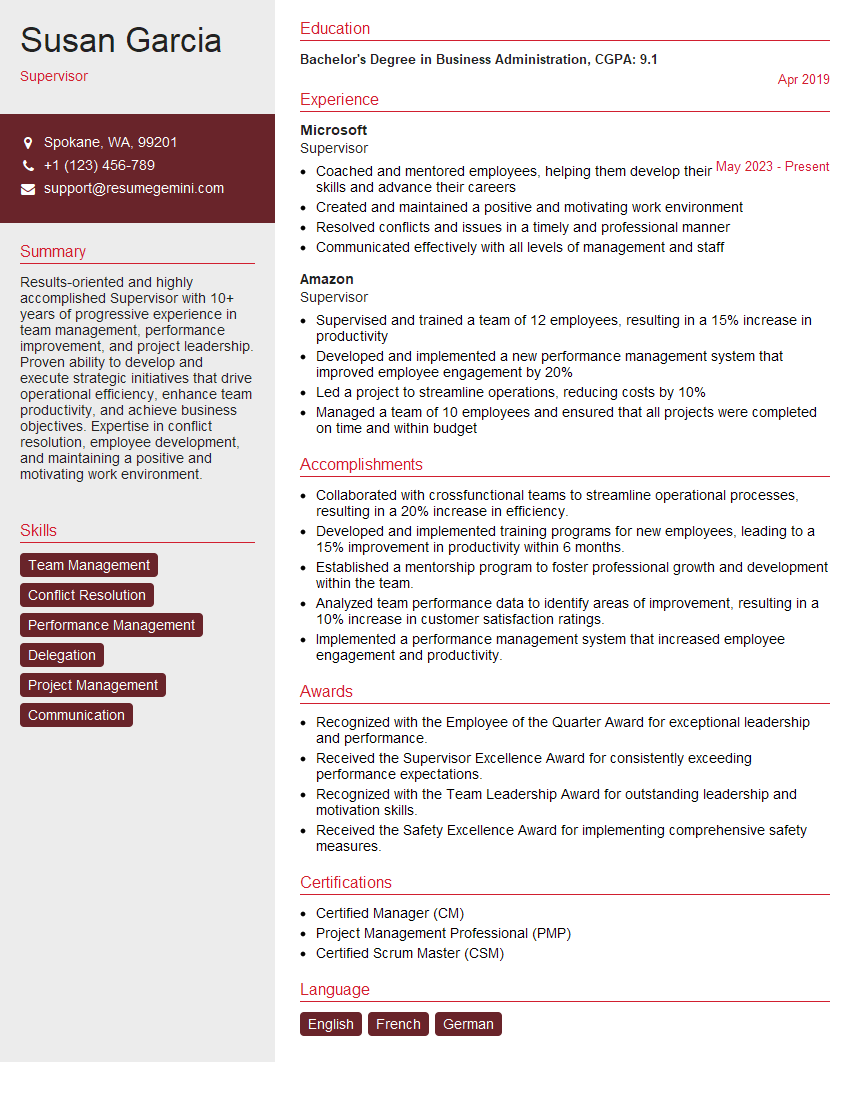
Supervisor Resume Sample
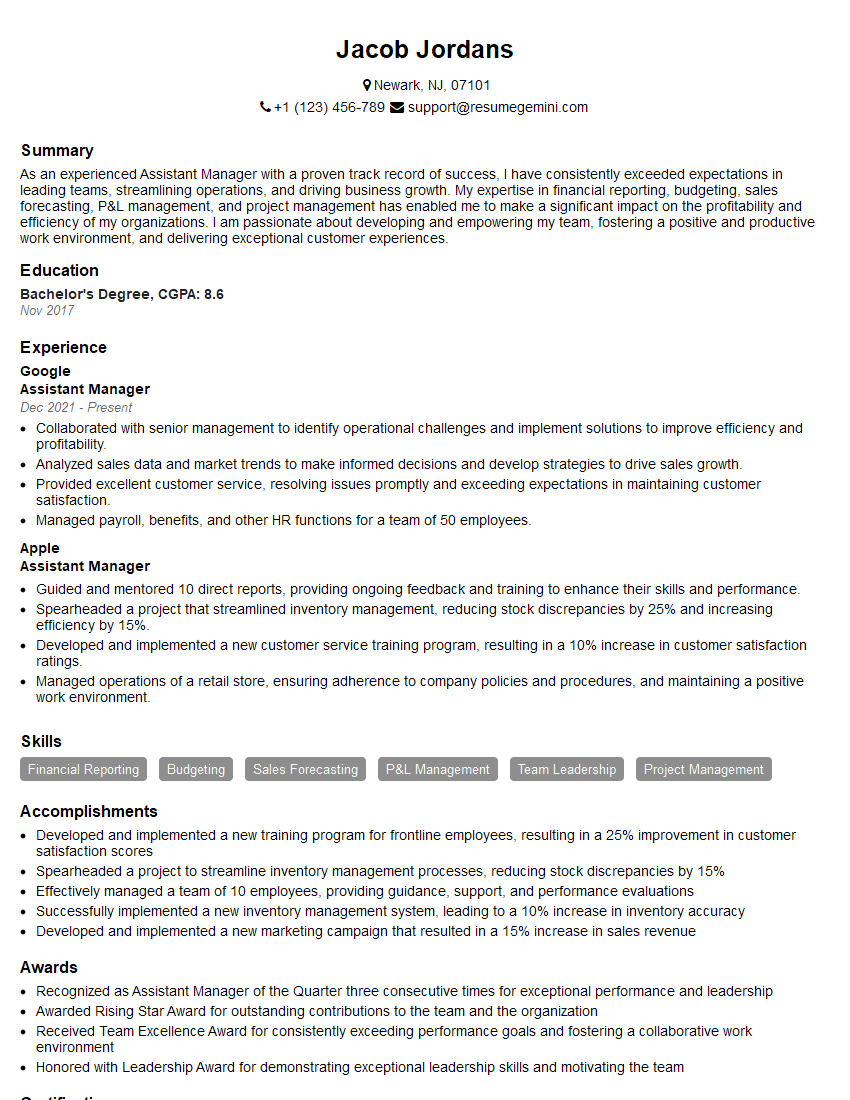
Assistant Manager Resume Sample
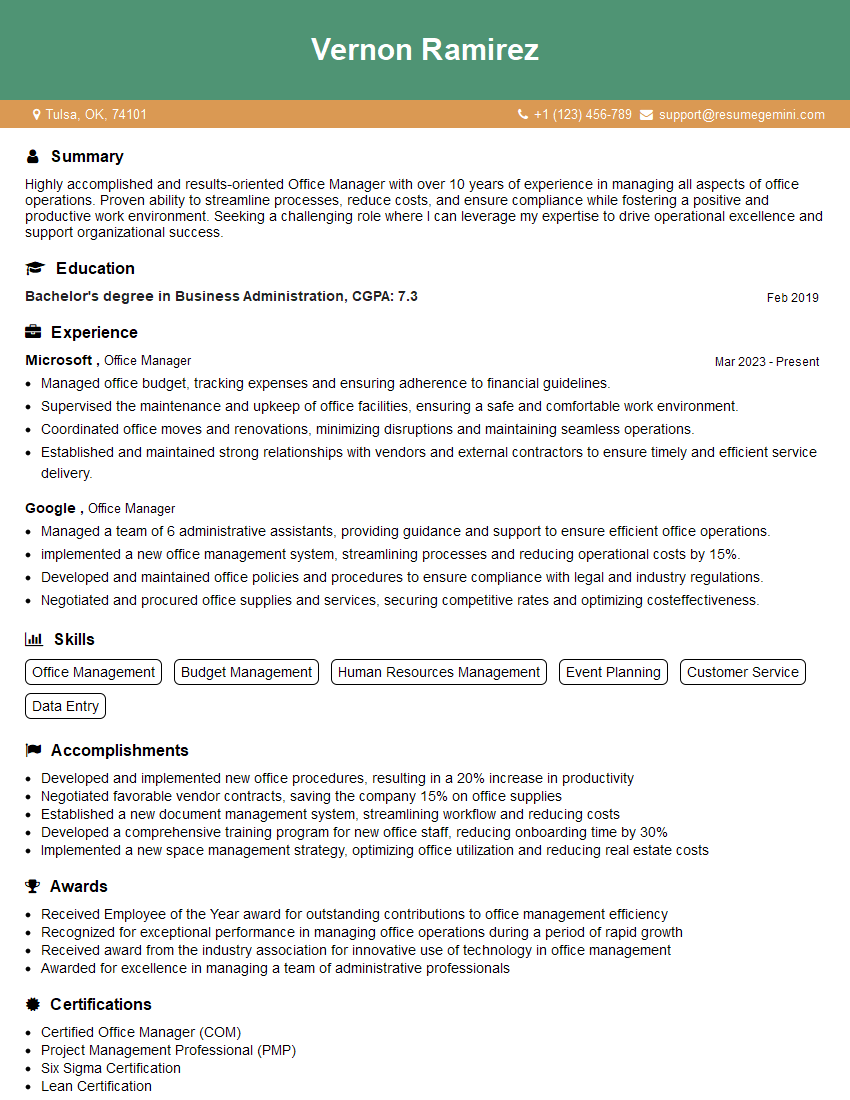
Office Manager Resume Sample

Operations Manager Resume Sample
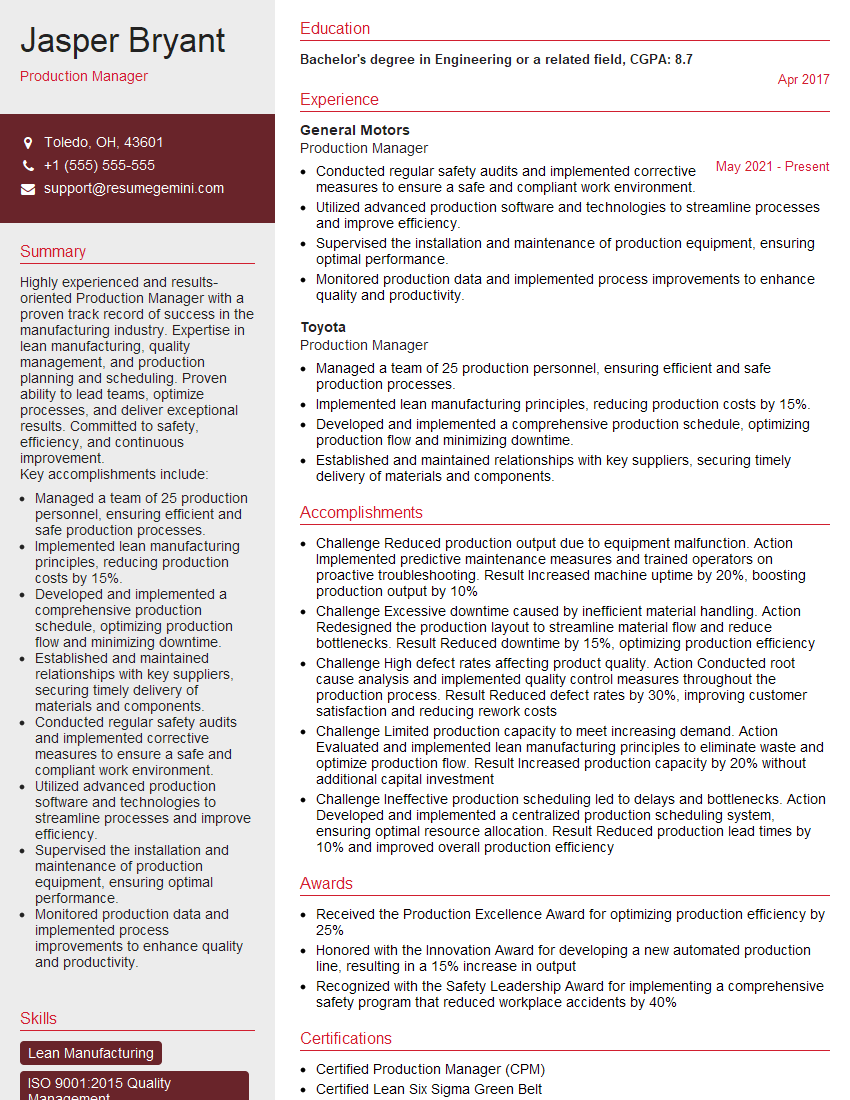
Production Manager Resume Sample
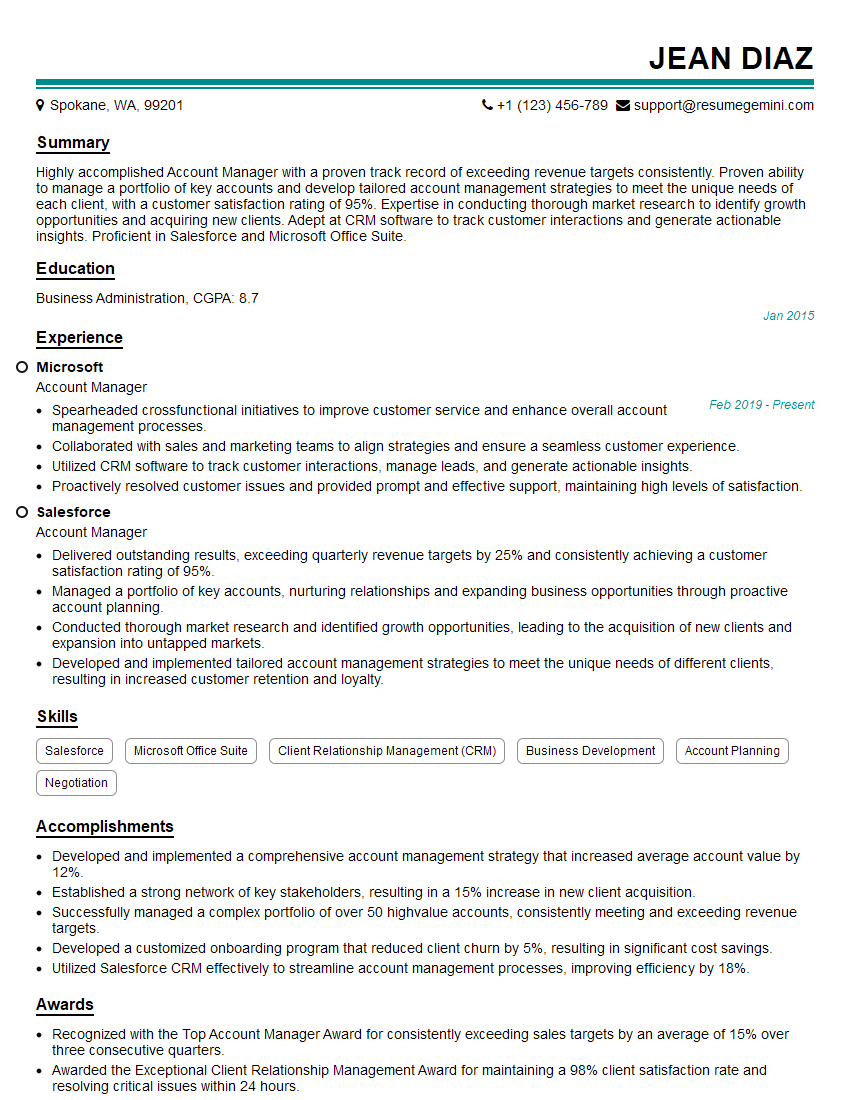
Account Manager Resume Sample
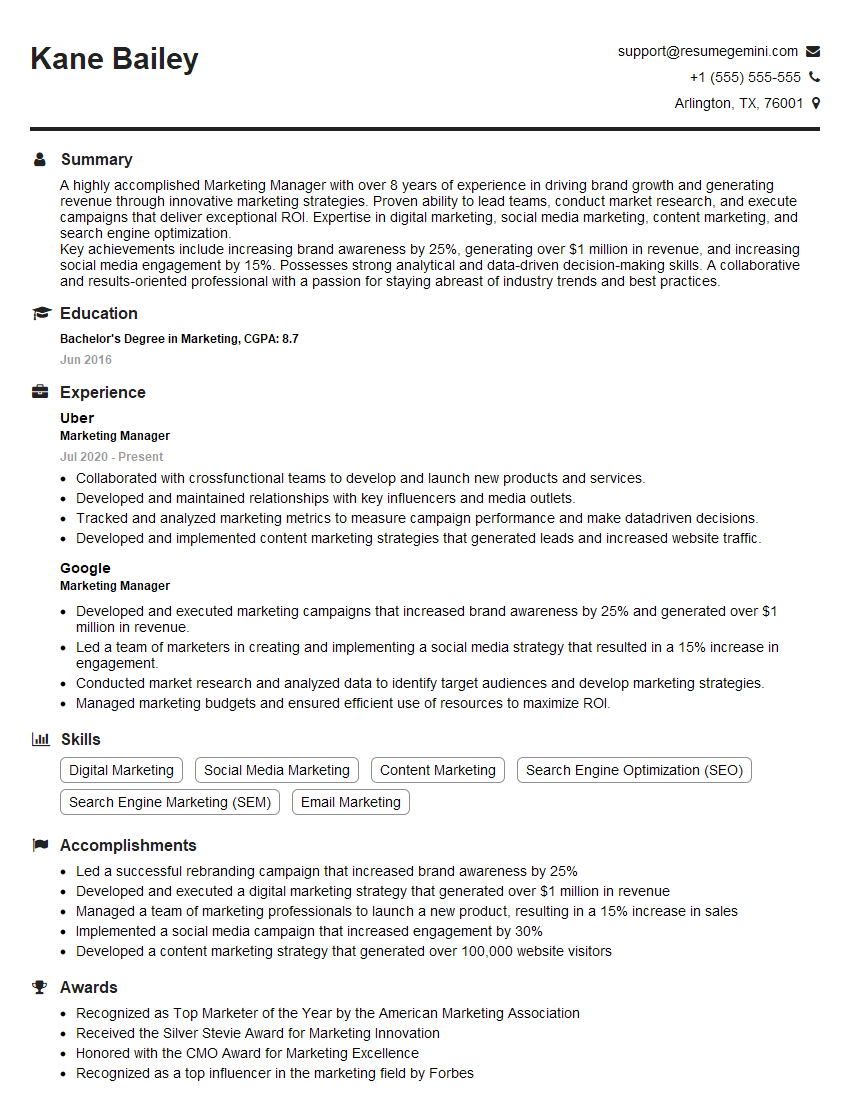
Marketing Manager Resume Sample
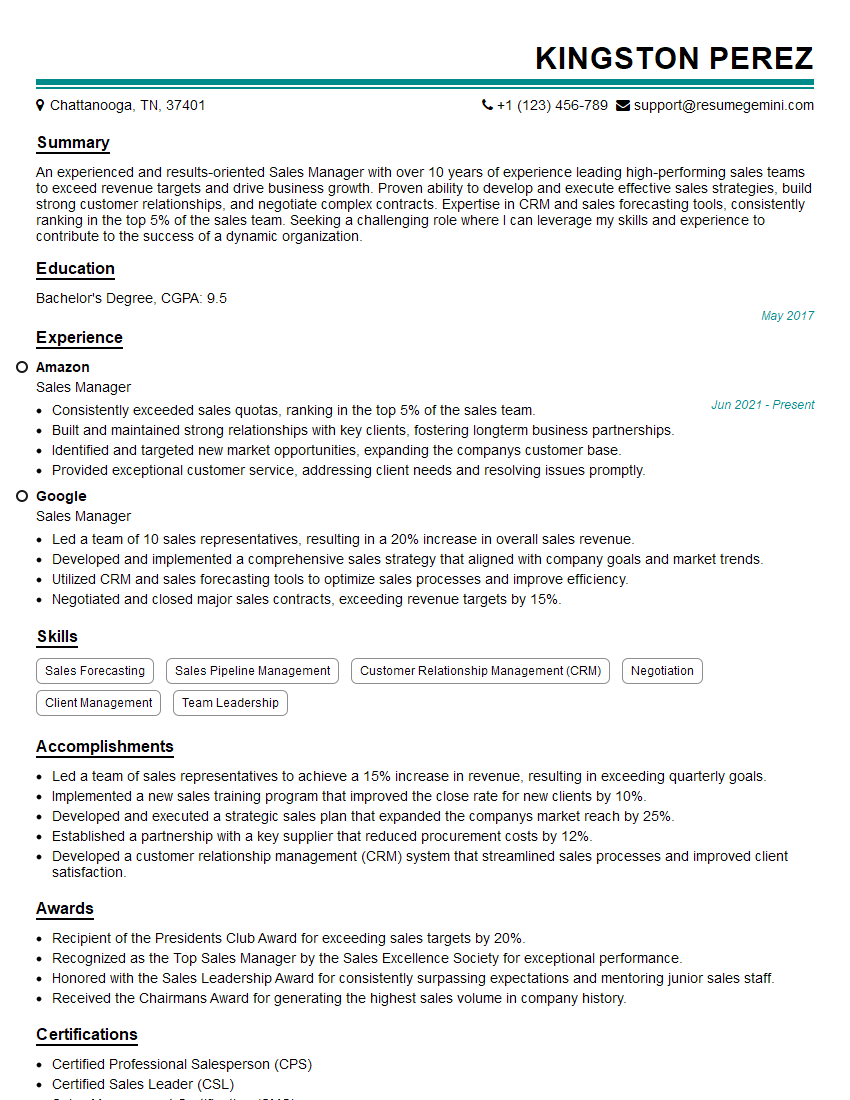
Sales Manager Resume Sample
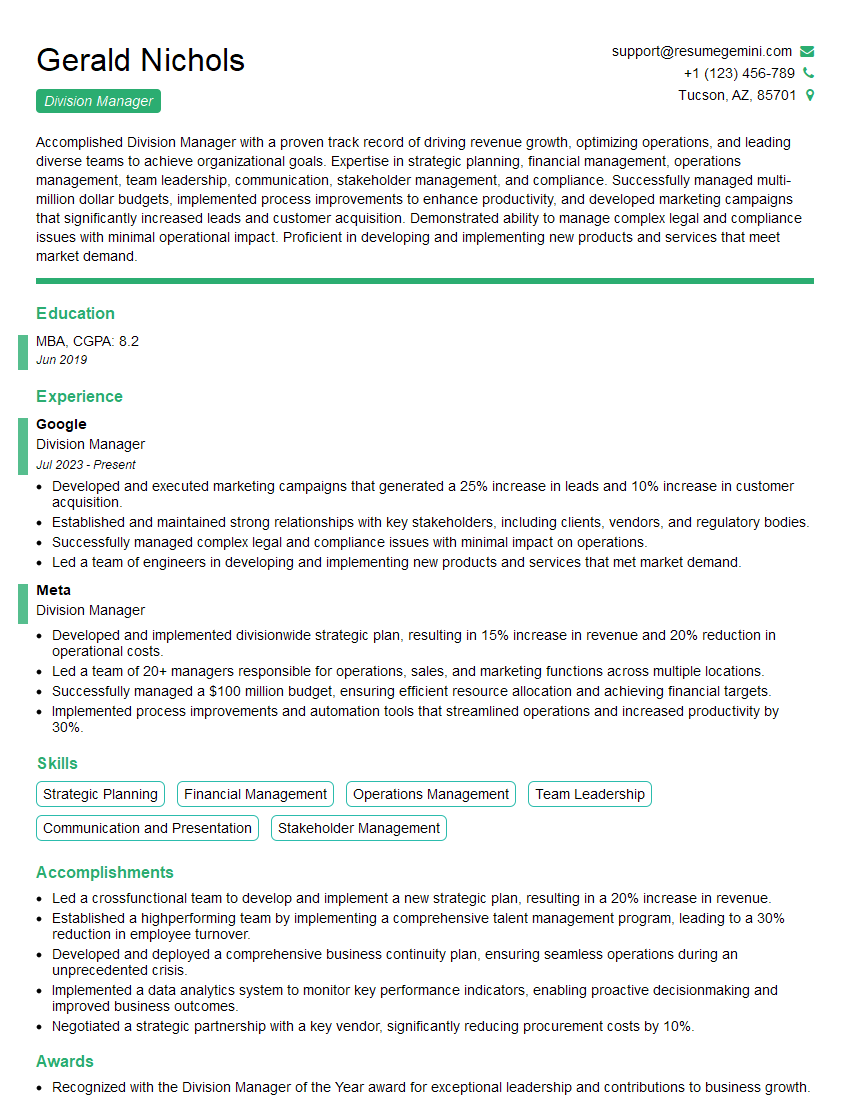
Division Manager Resume Sample
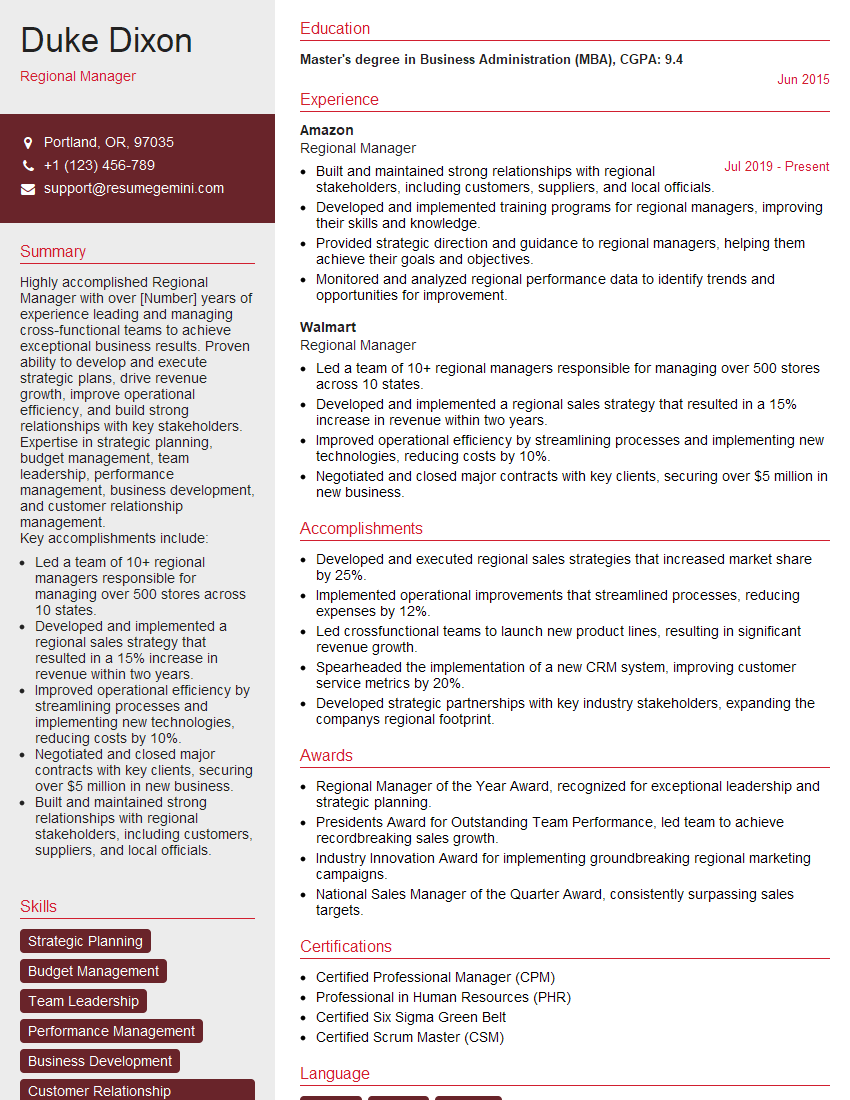
Regional Manager Resume Sample
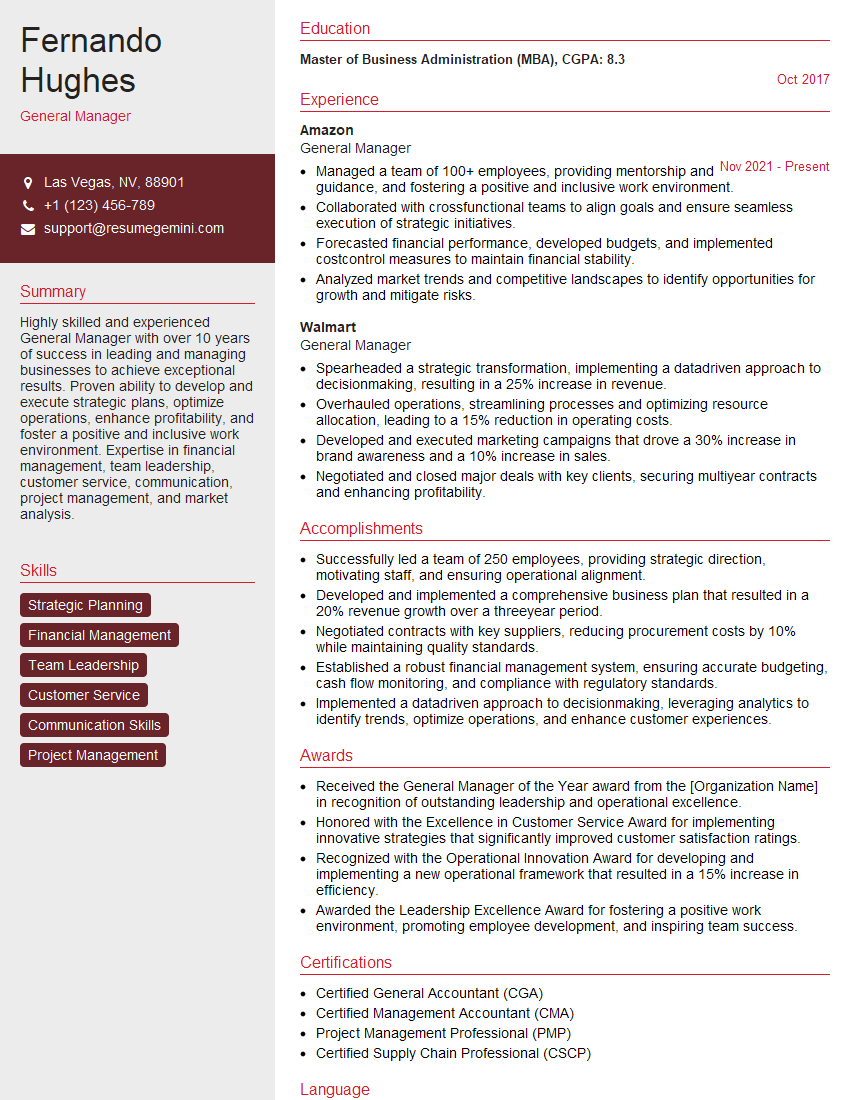
General Manager Resume Sample
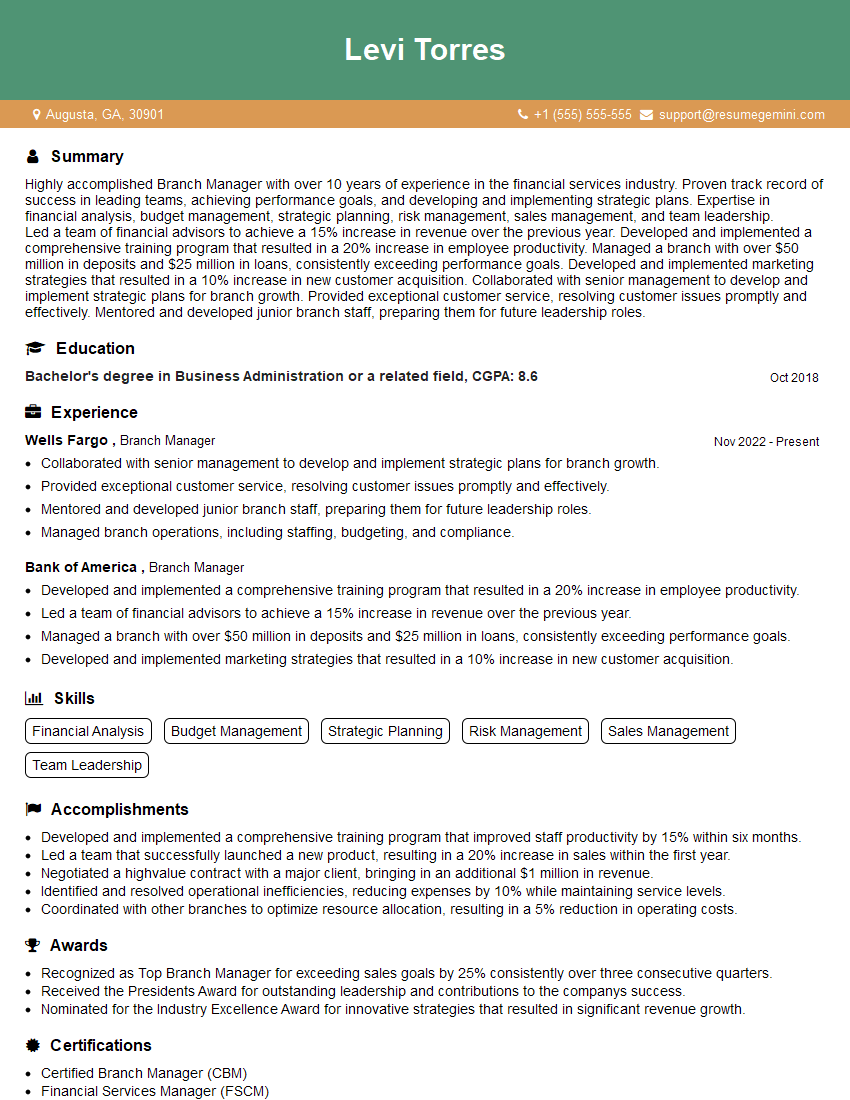
Branch Manager Resume Sample
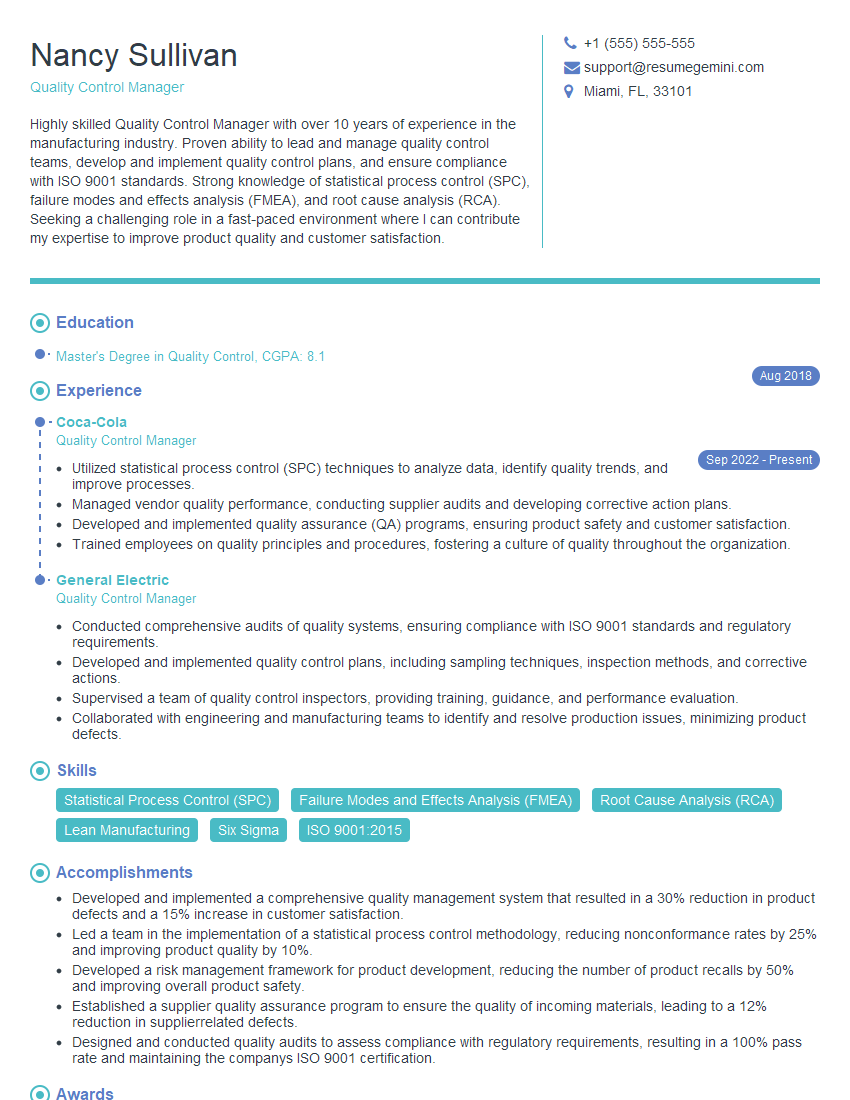
Quality Control Manager Resume Sample
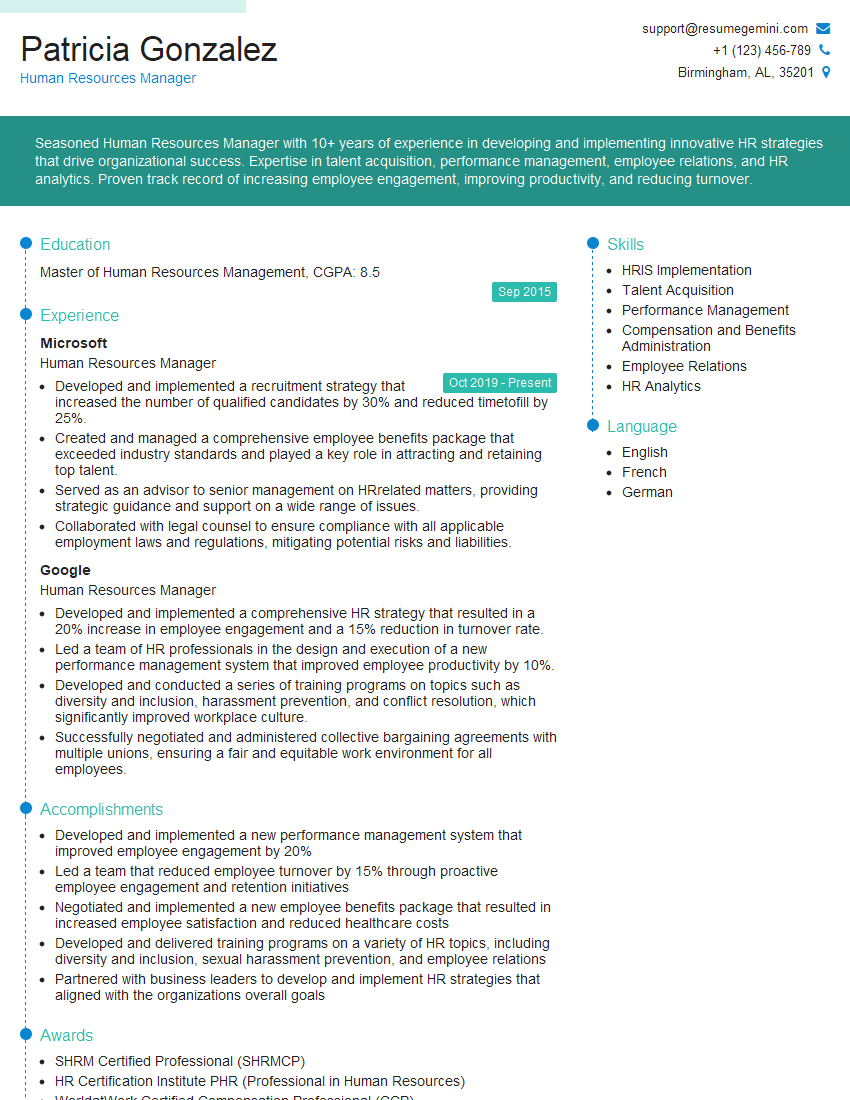
Human Resources Manager Resume Sample
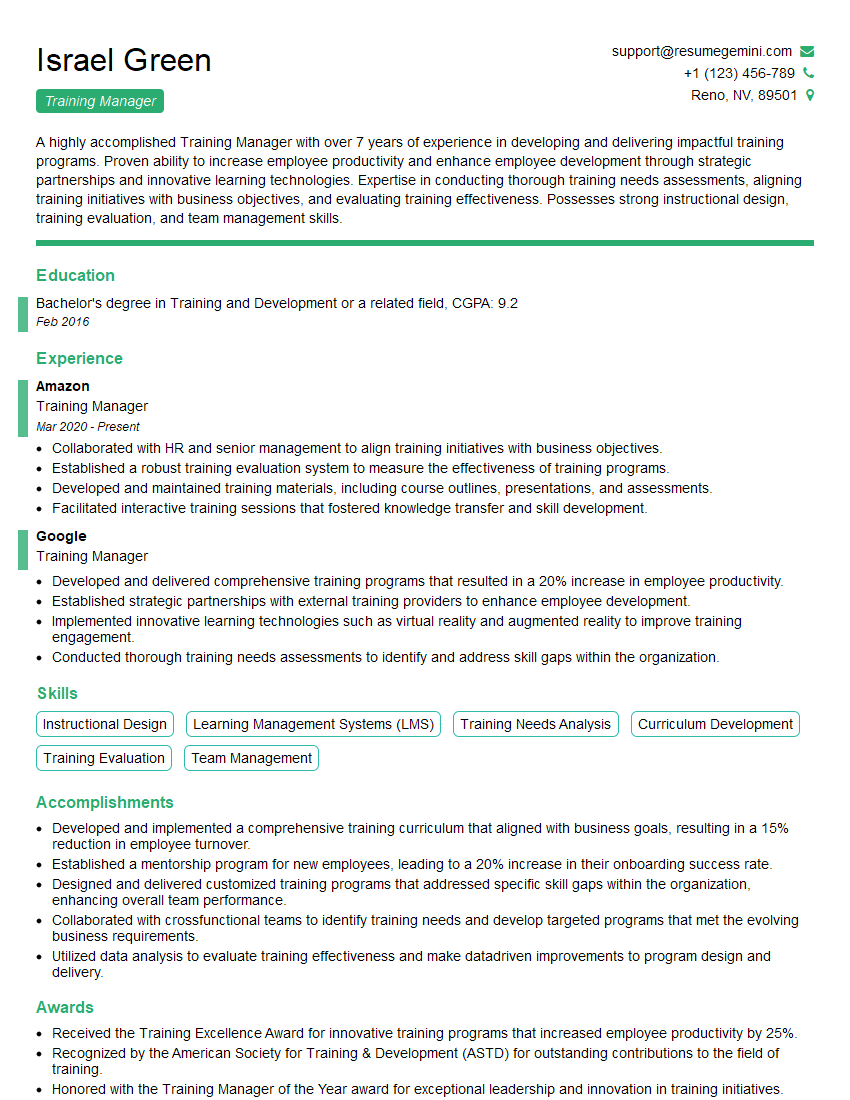
Training Manager Resume Sample

Project Manager Resume Sample
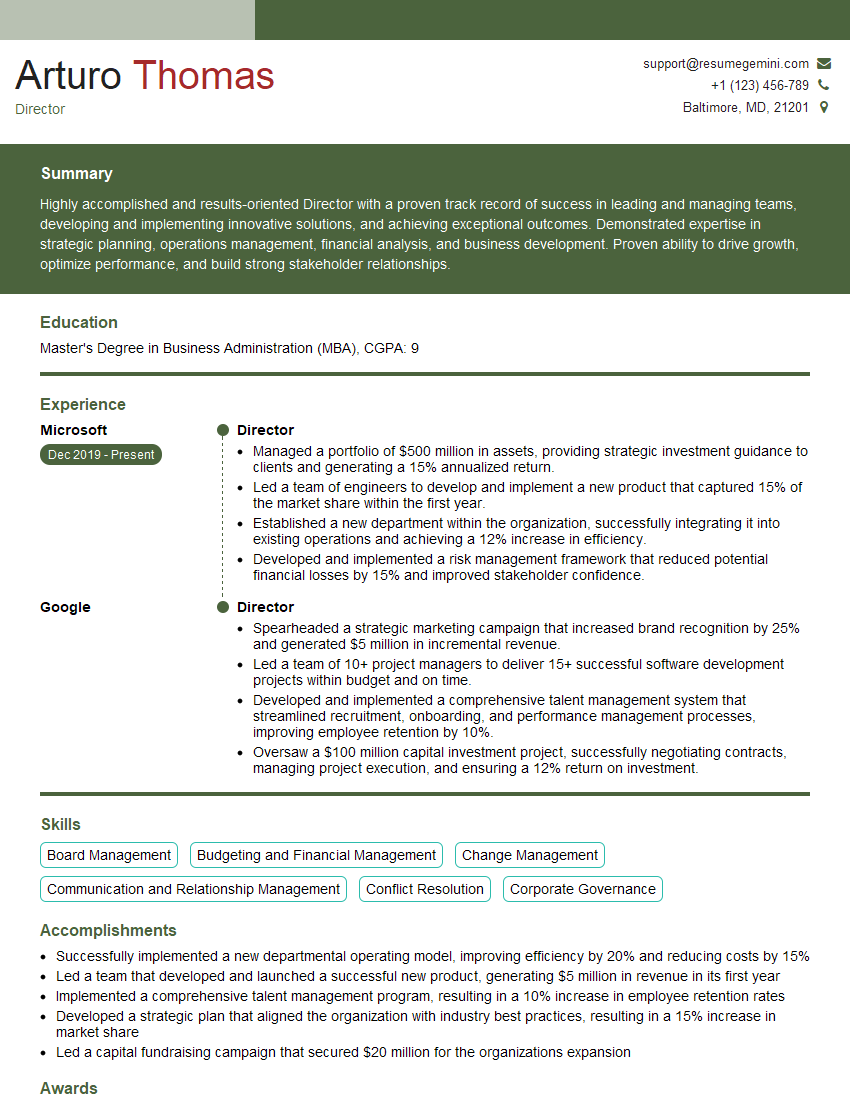
Director Resume Sample
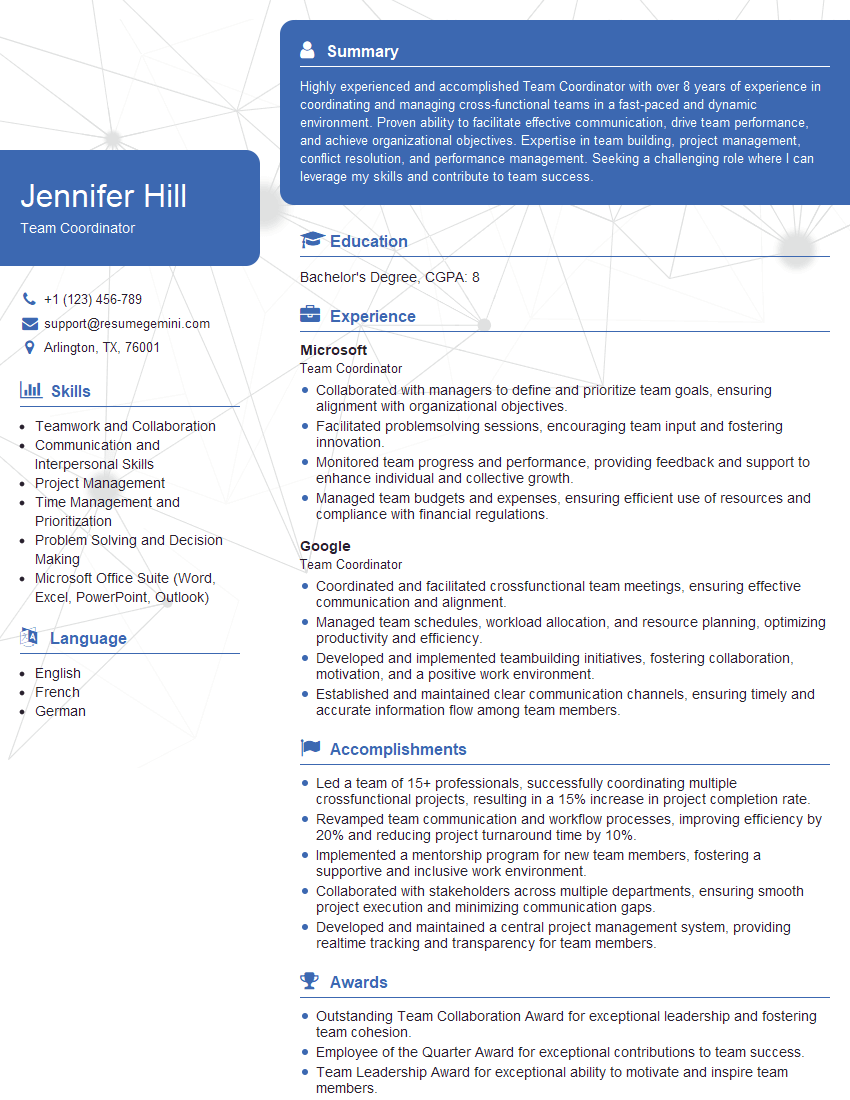
Team Coordinator Resume Sample
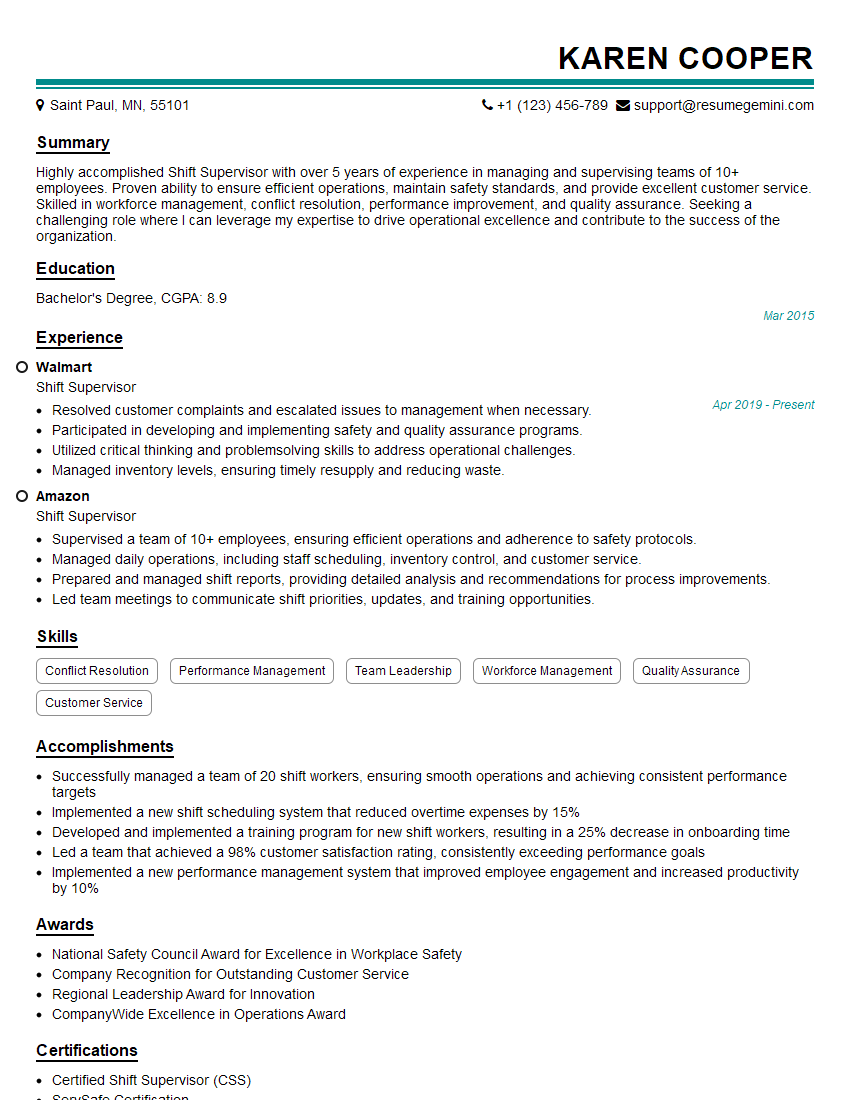
Shift Supervisor Resume Sample
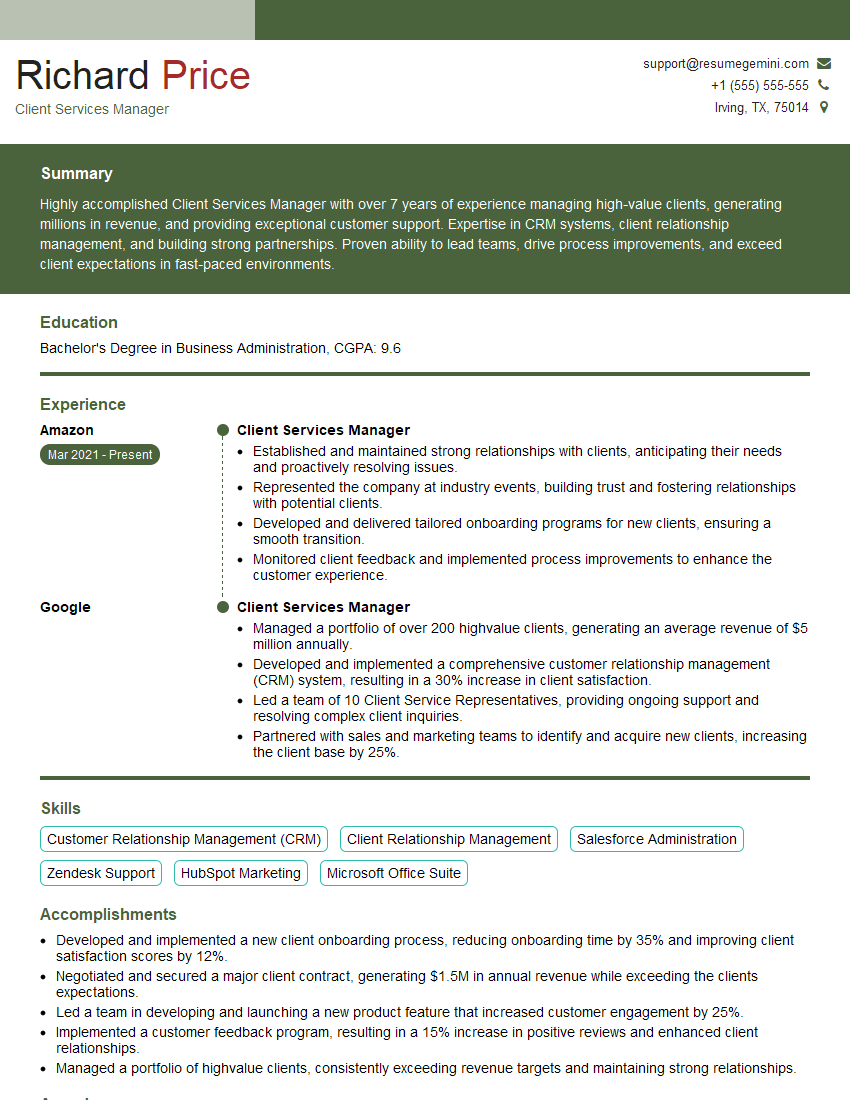
Client Services Manager Resume Sample
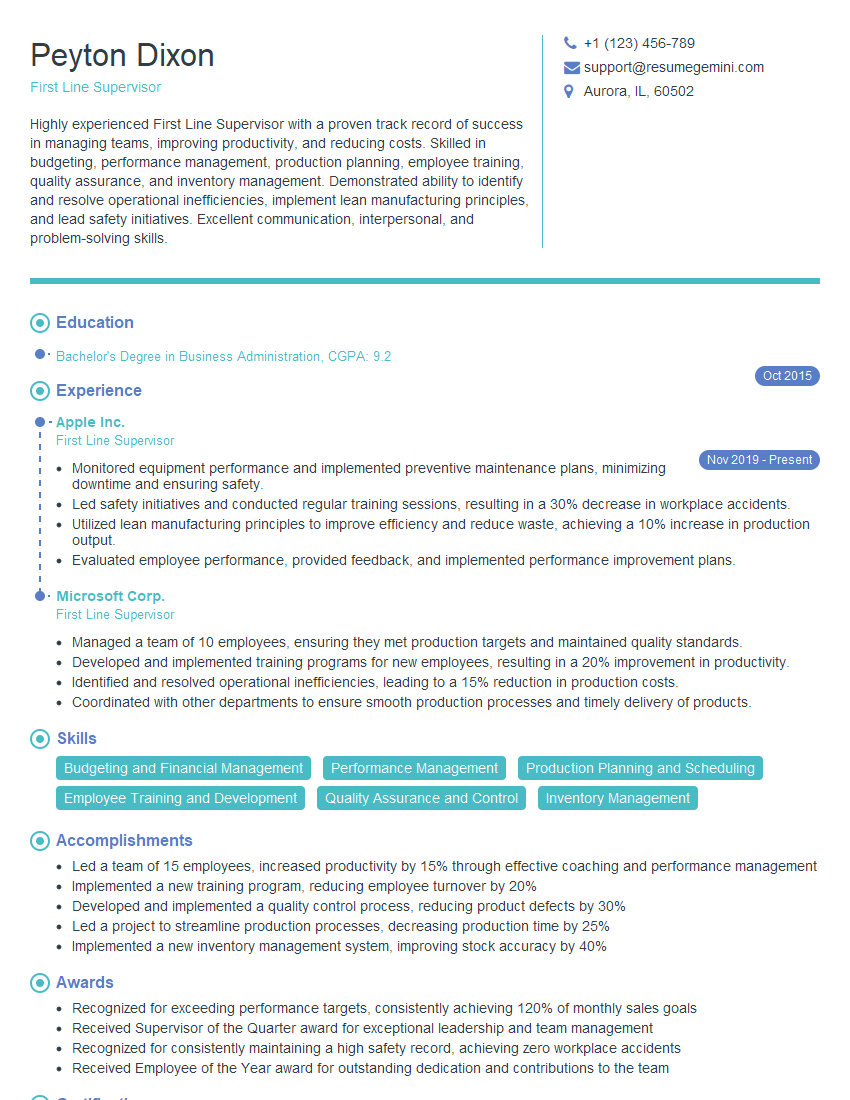
First Line Supervisor Resume Sample
- Department Manager
- Supervisor
- Assistant Manager
- Office Manager
- Operations Manager
- Production Manager
- Account Manager
- Marketing Manager
- Sales Manager
- Division Manager
- Regional Manager
- General Manager
- Branch Manager
- Quality Control Manager
- Human Resources Manager
- Training Manager
- Project Manager
- Director
- Team Coordinator
- Shift Supervisor
- Client Services Manager
- First Line Supervisor
Explore more articles
Users Rating of Our Blogs
Share Your Experience
We value your feedback! Please rate our content and share your thoughts (optional).
What Readers Say About Our Blog
Very informative content, great job.
good