Feeling uncertain about what to expect in your upcoming interview? We’ve got you covered! This blog highlights the most important Energy Efficiency for Solar Applications interview questions and provides actionable advice to help you stand out as the ideal candidate. Let’s pave the way for your success.
Questions Asked in Energy Efficiency for Solar Applications Interview
Q 1. Explain the difference between PV system efficiency and energy yield.
PV system efficiency and energy yield are related but distinct metrics. PV system efficiency refers to the percentage of incoming solar radiation that a solar panel converts into usable electricity under standardized testing conditions (STC). Think of it like the panel’s inherent capability to transform sunlight into power. A 20% efficient panel means that 20% of the sunlight hitting it becomes electricity; the rest is lost as heat.
Energy yield, on the other hand, is the actual amount of electricity generated by a solar PV system over a given period, typically a year. This depends not only on the panel’s efficiency but also on factors like solar irradiance (amount of sunlight received), panel temperature, shading, system losses (due to wiring, inverters etc.), and the system’s size. For example, a highly efficient panel in a location with low sunlight will produce less energy than a moderately efficient panel in a sunny location. So, efficiency is a panel characteristic, while energy yield is a system performance measure over time.
Q 2. Describe various methods for improving the energy efficiency of solar PV systems.
Improving the energy efficiency of solar PV systems involves optimizing various aspects of the system. Methods include:
- Using high-efficiency solar panels: Advances in solar cell technology constantly lead to panels with higher conversion efficiencies (e.g., monocrystalline silicon panels generally outperform polycrystalline ones).
- Optimizing system design: This involves careful consideration of factors like panel angle (tilt) and orientation (azimuth) to maximize sunlight capture. Sophisticated software tools can simulate different configurations to optimize energy production.
- Minimizing shading: Even a small amount of shading can significantly reduce the output of an entire string of panels. Careful site selection and shading mitigation strategies (like tree trimming or strategic panel placement) are crucial.
- Employing advanced inverters: Modern inverters with maximum power point tracking (MPPT) technology continuously monitor and adjust the system to extract the maximum possible power from the solar panels under varying conditions.
- Implementing smart monitoring and control: Real-time data monitoring and control systems can identify and address issues like performance degradation or component failures promptly, maximizing energy production.
- Regular cleaning and maintenance: Dust and dirt accumulation on solar panels reduce their efficiency. Regular cleaning (especially in dusty environments) significantly improves energy yield.
- Using bifacial solar panels: These panels capture light from both sides, significantly increasing energy production, particularly in reflective surfaces.
Q 3. How do you calculate the levelized cost of energy (LCOE) for a solar project?
The Levelized Cost of Energy (LCOE) represents the average cost of electricity generation over the entire lifetime of a solar project. It’s a crucial metric for comparing different energy sources and evaluating the financial viability of solar investments. The calculation involves several steps:
- Estimate the total capital costs: This includes land acquisition, equipment purchase, installation, and interconnection costs.
- Estimate the annual operating and maintenance (O&M) costs: This covers cleaning, repairs, insurance, and administrative expenses.
- Estimate the annual energy production: This is based on the system’s rated capacity, solar irradiance data, and expected system losses.
- Determine the project’s lifespan: Typically, solar projects have a lifespan of 25-30 years.
- Discount future cash flows: Future costs and revenues are discounted to their present values using a discount rate that reflects the project’s risk.
- Calculate the LCOE using the following formula:
LCOE = (Total Capital Costs + Total O&M Costs) / Total Energy Production (over lifetime)The result is expressed in $/kWh. A lower LCOE indicates a more cost-effective project.
Q 4. What are the key factors affecting the performance of solar panels?
Several factors impact solar panel performance:
- Solar Irradiance: The amount of sunlight reaching the panel directly affects energy production. Cloudy days significantly reduce output.
- Temperature: Higher temperatures reduce the efficiency of solar panels. Panel temperature is affected by ambient temperature and the amount of sunlight.
- Shading: Even partial shading can severely impact the entire string of connected panels, leading to significant energy losses. This is often mitigated using advanced panel bypass diodes.
- Angle of Incidence: The angle at which sunlight strikes the panel influences the amount of light absorbed. Optimizing panel tilt and azimuth is crucial.
- Soiling: Dust, dirt, snow, and other deposits reduce the amount of light reaching the solar cells, decreasing efficiency. Regular cleaning is necessary.
- Panel Degradation: Solar panels gradually lose efficiency over time due to factors like weathering and material degradation. This is usually a gradual process measured annually.
- Manufacturing Defects: Imperfections in the manufacturing process can lead to lower-than-expected performance.
Q 5. Explain the concept of solar irradiance and its impact on system output.
Solar irradiance is the power per unit area received from the sun in the form of solar radiation. It’s typically measured in watts per square meter (W/m²). It’s essentially the intensity of sunlight. Higher irradiance means more sunlight is available to be converted into electricity by the solar panels.
Irradiance significantly impacts system output. A higher irradiance level leads to a higher power output from the solar panels. The relationship isn’t perfectly linear due to factors like panel temperature, but generally, more sunlight results in more electricity. For instance, a system will generate considerably more power on a clear sunny day than on a cloudy day, as the irradiance is substantially higher on a sunny day. Solar resource maps and data are crucial for predicting a location’s average irradiance, vital for accurate system sizing and energy yield estimation.
Q 6. How do you assess the suitability of a location for a solar PV system?
Assessing the suitability of a location for a solar PV system involves several key considerations:
- Solar Irradiance: The higher the average annual solar irradiance, the more energy the system will generate. This is typically evaluated using solar resource maps and data.
- Shading: Identify potential shading sources such as trees, buildings, or hills. Extensive shading can significantly reduce energy production.
- Roof Orientation and Tilt: South-facing (in the Northern Hemisphere) roofs with optimal tilt angles generally produce the most energy. East and west-facing roofs are also viable, though their output may vary throughout the day.
- Roof Condition and Structure: The roof needs to be structurally sound and able to support the weight of the solar panels and mounting system.
- Grid Connection: Proximity to the electricity grid simplifies the interconnection process and reduces costs. Access to a suitable grid connection point is essential.
- Local Regulations and Permits: Understand local building codes, zoning regulations, and permitting requirements for solar installations.
- Environmental Considerations: Evaluate potential impact on local ecosystems and ensure compliance with environmental regulations.
- Accessibility: Easy access for installation, maintenance, and potential repairs is a practical consideration.
A thorough site assessment, often including a professional solar energy assessment, is crucial to determine the suitability of a location for a solar PV system and to ensure the design optimizes energy production and system longevity.
Q 7. What are the common types of energy storage systems used with solar power?
Several types of energy storage systems are used with solar power to address the intermittent nature of solar energy production:
- Battery Storage (Lithium-ion, lead-acid): Lithium-ion batteries are currently the most common choice for residential and commercial applications due to their high energy density, longer lifespan, and faster charging/discharging rates. Lead-acid batteries are a more affordable option but generally have a shorter lifespan and lower efficiency.
- Pumped Hydro Storage: This large-scale technology involves pumping water uphill during periods of surplus solar energy and releasing it to generate electricity during periods of high demand. It is suitable for large solar farms.
- Thermal Storage: This method involves storing solar energy as heat, often using molten salts or other materials. The stored heat can then be used to generate electricity via thermal power plants or provide heating and cooling. It’s best suited for concentrated solar power (CSP) systems.
- Compressed Air Energy Storage (CAES): This technology stores energy by compressing air and releasing it to drive turbines when energy is needed. CAES systems are becoming more efficient, making them a viable option for large-scale applications.
- Flywheel Energy Storage: This involves storing energy in a rotating flywheel, which spins at high speed to store kinetic energy. Flywheels offer fast response times and long lifespans but are generally less energy-dense than battery storage.
The choice of energy storage system depends on factors such as cost, scale of the solar installation, energy storage capacity required, and application needs.
Q 8. Discuss the advantages and disadvantages of different solar panel technologies.
Solar panel technology has evolved significantly, offering various options each with its own set of advantages and disadvantages. Let’s compare the most common types:
- Crystalline Silicon (c-Si): This is the most prevalent type, further categorized into monocrystalline and polycrystalline. Monocrystalline panels are more efficient (around 18-22%) due to their uniform structure, resulting in higher power output per unit area. However, they’re more expensive to produce. Polycrystalline panels are less efficient (around 15-17%) but cheaper. Think of it like this: monocrystalline is like a perfectly cut diamond, while polycrystalline is like a cluster of smaller diamonds, both sparkling, but one more refined.
- Thin-Film Solar Panels: These include amorphous silicon (a-Si), cadmium telluride (CdTe), and copper indium gallium selenide (CIGS). Thin-film panels are lighter, flexible, and can be manufactured on various substrates, making them suitable for integrating into building materials. However, their efficiency is generally lower (around 7-13%) compared to c-Si panels, and some have concerns regarding material toxicity (CdTe).
- Perovskite Solar Cells: A relatively new technology offering potentially high efficiencies (over 25% in labs) and low manufacturing costs. However, they are still under development, and long-term stability and toxicity concerns need to be addressed before widespread adoption. Think of this as the cutting edge, promising great potential, but still needs further refinement.
The choice depends on factors like budget, available roof space, aesthetic preferences, and desired performance. For high-efficiency needs with a larger upfront investment, monocrystalline is often preferred. For budget-conscious applications or integration into unique architectural designs, thin-film options might be more suitable.
Q 9. Describe the process of performing a solar energy audit for a building.
A solar energy audit for a building is a systematic assessment to determine its solar energy potential. It’s like a health check for your building’s energy system. The process involves several key steps:
- Site Assessment: This includes analyzing the building’s geometry (roof orientation, slope, shading), geographic location (solar irradiance), and energy consumption patterns. We need to understand how much energy the building currently uses and where the potential for solar energy integration lies.
- Shading Analysis: Identifying any potential shading from trees, buildings, or other structures is crucial as it significantly impacts solar panel performance. Software tools and on-site analysis are employed to accurately map shading patterns throughout the year.
- Energy Consumption Analysis: Reviewing energy bills and understanding the building’s energy use profile helps determine the size of the solar system needed to offset energy consumption. We look for peak energy demand periods to optimize system design.
- System Design and Sizing: Based on the analysis, a solar energy system is designed with optimal panel placement, number of panels, inverter capacity, and other components. This involves simulations and calculations using specialized software.
- Cost-Benefit Analysis: The total cost of the system, including installation, maintenance, and potential incentives, is weighed against the potential energy savings and return on investment.
- Report and Recommendations: The audit culminates in a comprehensive report that outlines the findings, system design proposals, cost estimates, and projected energy savings, empowering clients with informed decisions.
Accurate data collection and detailed analysis are essential for ensuring the feasibility and effectiveness of the solar system.
Q 10. How do you identify and mitigate shading losses in a solar array?
Shading significantly reduces solar panel output. Think of it like a cloud blocking the sun. Identifying and mitigating shading requires a multi-pronged approach:
- Detailed Shading Analysis: Use software tools like PVsyst or Helioscope to model shading patterns throughout the day and year. This helps pin-point the sources of shading, be it trees, neighboring buildings or even chimney stacks.
- Shading Mitigation Strategies:
- Tree Trimming/Removal: Strategically trimming or removing trees that cast significant shadows on the solar array can significantly improve energy production.
- Optimizing Panel Layout: Careful placement of panels can minimize shading effects. For example, slightly offsetting rows of panels can reduce shading within the array.
- Panel Tilt Adjustment: Adjusting panel tilt can minimize shading depending on the source and time of day.
- Microinverters/Power Optimizers: These devices can help mitigate shading effects at the individual panel level. If one panel is shaded, it doesn’t affect the performance of others.
- Regular Monitoring: Continuous monitoring of the solar array’s performance can help identify new shading issues that might arise over time due to tree growth or changes in the surroundings.
Minimizing shading is critical for maximizing the return on investment for a solar energy system.
Q 11. What is the importance of maximum power point tracking (MPPT) in solar systems?
Maximum Power Point Tracking (MPPT) is crucial for maximizing the energy harvested from a solar array. Solar panels don’t produce power at a constant rate; their output varies with sunlight intensity and temperature. The MPPT algorithm continuously monitors the voltage and current produced by the panel and adjusts the system to operate at the point where the product of voltage and current (power) is maximum. Imagine a hill – MPPT helps the system find the highest point (maximum power) on that hill rather than just settling somewhere lower.
Without MPPT, the solar panel wouldn’t consistently operate at its peak efficiency, leading to significant energy loss. MPPT controllers are essential components in solar inverters and optimize power extraction under various conditions, increasing the overall system efficiency and energy yield.
Q 12. Explain the concept of net metering and its impact on solar energy adoption.
Net metering is a billing mechanism that allows solar energy system owners to feed excess electricity generated by their solar panels back into the grid and receive credits on their electricity bills. Think of it like a two-way meter: when you use more energy than your panels produce, you draw from the grid; when you generate excess energy, that excess is sent back to the grid, and you are credited for it.
Net metering has a significant impact on solar energy adoption. It incentivizes homeowners and businesses to install solar systems, as they can offset a portion of their electricity costs and even earn money by selling excess power. This reduces the upfront financial burden of solar installations and makes them more attractive. However, net metering policies vary widely across different regions, and changes to these policies can influence the economic viability of solar power installations.
Q 13. How does temperature affect the performance of solar panels?
Temperature significantly affects solar panel performance. As temperature increases, the efficiency of solar panels decreases. This is because the silicon material in the panels becomes less efficient at converting sunlight into electricity at higher temperatures. Think of it like an athlete running a marathon in hot weather – their performance is reduced compared to cooler conditions.
For every 1°C increase above the standard operating temperature (typically 25°C), the power output of a solar panel decreases by approximately 0.3% to 0.5%. This reduction is more significant for monocrystalline panels compared to polycrystalline ones. Proper ventilation and shading strategies can be employed to mitigate the impact of high temperatures and maintain optimal panel efficiency.
Q 14. Describe different methods for improving the energy efficiency of buildings to maximize solar gains.
Improving building energy efficiency to maximize solar gains involves a holistic approach encompassing several strategies. Think of it as creating a well-insulated house that both retains heat in winter and stays cool in summer, while cleverly using solar energy to its fullest potential.
- High-Performance Windows: Using windows with low-e coatings, triple glazing, and proper orientation minimizes heat loss in winter and heat gain in summer. These windows effectively act as solar filters, allowing desirable solar heat gain in winter and reducing unwanted heat in summer.
- Insulation: Proper insulation in walls, roofs, and floors reduces heat transfer, keeping the building warm in winter and cool in summer. This minimizes the energy required for heating and cooling, allowing a more efficient use of solar gains.
- Thermal Mass: Materials like concrete, brick, or stone can be used to store solar heat during the day and release it at night, reducing the need for nighttime heating. This is akin to a thermal battery, slowly releasing energy when it’s needed.
- Passive Solar Design: Carefully positioning windows and overhangs to maximize solar heat gain in winter and minimize it in summer. This is about strategically using sunlight’s power without relying on active mechanical systems.
- Shading Devices: Using awnings, blinds, or trees to control solar radiation during peak summer hours can significantly reduce cooling loads. This prevents overheating and helps maintain comfortable indoor temperatures.
- Natural Ventilation: Designing the building to maximize natural ventilation during milder months reduces the reliance on mechanical cooling systems and allows for a passive cooling strategy.
By integrating these strategies, we can create energy-efficient buildings that effectively harness solar energy for heating and lighting, minimizing energy consumption and reliance on conventional energy sources.
Q 15. What are some common causes of solar panel degradation and how can it be prevented?
Solar panel degradation, the gradual reduction in a panel’s power output over time, is a crucial concern for long-term solar energy system performance. Several factors contribute to this decline.
- PID (Potential Induced Degradation): This occurs due to voltage differences between the panel’s metallic components and the earth, leading to current leakage and reduced efficiency. Proper grounding and using panels with PID resistance are crucial preventative measures.
- Soiling: Dust, dirt, bird droppings, and other debris accumulate on the panel surface, blocking sunlight and reducing energy production. Regular cleaning, ideally with specialized equipment for large installations, is essential.
- UV Degradation: Prolonged exposure to ultraviolet (UV) radiation from the sun can degrade the panel’s materials, particularly the encapsulant. Selecting panels with high UV resistance is key. Proper panel orientation and potential use of UV-resistant coatings can further mitigate this effect.
- Hot Spots: Shading of even a small portion of a panel can create localized overheating, damaging cells and reducing overall efficiency. Careful panel layout and design to minimize shading, coupled with bypass diodes within the panel itself (to isolate affected cells) are critical.
- Microcracks: Physical damage, such as microcracks in the silicon cells from hail or handling, can reduce efficiency. Careful installation and handling are essential. Choosing robust panels designed for the specific climate is crucial.
Preventing degradation involves a multifaceted approach including careful site selection, proper installation, regular maintenance (cleaning, inspection), and selecting high-quality, robust panels with inherent resistance to these degradation mechanisms. Regular performance monitoring and analysis can also detect early signs of degradation, allowing for timely intervention.
Career Expert Tips:
- Ace those interviews! Prepare effectively by reviewing the Top 50 Most Common Interview Questions on ResumeGemini.
- Navigate your job search with confidence! Explore a wide range of Career Tips on ResumeGemini. Learn about common challenges and recommendations to overcome them.
- Craft the perfect resume! Master the Art of Resume Writing with ResumeGemini’s guide. Showcase your unique qualifications and achievements effectively.
- Don’t miss out on holiday savings! Build your dream resume with ResumeGemini’s ATS optimized templates.
Q 16. How do you determine the optimal tilt angle and azimuth for a solar array?
Determining the optimal tilt and azimuth angles for a solar array is crucial for maximizing energy production throughout the year. This process involves considering several factors, primarily the geographical location and the sun’s path.
The tilt angle is the angle at which the panels are inclined relative to the horizontal plane. Ideally, the tilt angle should match the latitude of the location for optimal annual energy production. However, adjustments might be necessary to favor either winter or summer production based on energy demand.
The azimuth angle refers to the compass direction the panels face. A south-facing array (in the Northern Hemisphere) is usually optimal, as it receives the most direct sunlight throughout the day. However, obstructions (trees, buildings) may necessitate adjustments.
Several tools and techniques can help determine optimal angles:
- Solar Resource Assessment Tools: Software programs and online tools, such as PVWatts, use location-specific data (latitude, longitude, shading, etc.) to simulate solar energy production for various tilt and azimuth configurations. These tools provide valuable data for optimization.
- On-site Surveys: A physical site assessment is crucial to identify any shading from surrounding structures or vegetation. This information needs to be incorporated into the optimization process.
- Empirical Methods: For smaller installations, a simple rule of thumb is to set the tilt angle equal to the latitude of the location. Azimuth should be as close to south as possible.
The optimal angles will always be a compromise between maximizing annual energy yield and considerations of cost, aesthetics, and potential shading. Detailed simulations and site surveys are usually recommended to arrive at the best configuration for any given project.
Q 17. Discuss the role of energy storage in increasing the reliability of solar power systems.
Energy storage, typically through batteries, plays a vital role in enhancing the reliability and resilience of solar power systems. Solar energy production is inherently intermittent, depending on sunlight availability. Energy storage mitigates this intermittency.
During peak sunlight hours, excess solar energy can be stored in batteries. This stored energy is then available during periods of low or no sunlight, such as at night or during cloudy weather. This ensures a continuous power supply, making the system more reliable.
Benefits of incorporating energy storage include:
- Improved Grid Stability: Batteries can act as a buffer, smoothing out fluctuations in solar energy production and improving grid stability. This is especially important in microgrids and off-grid systems.
- Increased System Resilience: During grid outages, a battery-backed solar system can provide backup power, ensuring continued operation of critical loads.
- Time-Shifting of Energy Consumption: Stored energy can be used to meet energy demands during peak hours, reducing reliance on the grid during these high-cost periods.
- Reduced Reliance on the Grid: Greater energy independence through self-sufficient power during periods of low or no sun.
The choice of battery technology (lead-acid, lithium-ion, etc.) depends on factors such as cost, lifespan, energy density, and application requirements. Proper sizing of the battery bank is critical to ensure sufficient storage capacity to meet the desired level of reliability.
Q 18. What are some key considerations for integrating solar energy into a microgrid?
Integrating solar energy into a microgrid presents unique challenges and opportunities. Microgrids are localized grids that can operate independently or be connected to the main grid. Integrating solar requires careful planning and consideration of several factors.
- Size and Capacity Matching: The solar array’s capacity must be appropriately sized to meet the microgrid’s energy demands, considering its load profile and the availability of energy storage.
- Power Electronics and Control Systems: Sophisticated power electronics, including inverters and grid-forming inverters, are necessary to efficiently integrate the DC output of the solar panels into the AC microgrid. Advanced control systems are also needed to manage power flow and ensure stable operation.
- Protection and Safety: Appropriate protection devices, such as fuses and circuit breakers, are crucial to protect both the solar system and the microgrid during faults or emergencies.
- Grid Synchronization and Stability: If the microgrid is connected to the main grid, proper synchronization mechanisms are needed to ensure seamless integration and prevent grid instability.
- Energy Storage Integration: Including energy storage is often essential for enhancing the reliability and resilience of a solar-powered microgrid, providing power during periods of low solar irradiance or grid outages.
- Regulatory Compliance: Microgrid installations must comply with relevant safety and interconnection standards and regulations.
Successful integration of solar energy into a microgrid requires a holistic design approach, considering the interactions between the solar power system, other distributed generation resources (e.g., wind turbines), energy storage, and load management strategies. Expertise in power systems engineering is critical to ensure efficient and reliable operation.
Q 19. Explain the importance of system monitoring and data analysis in optimizing solar energy production.
System monitoring and data analysis are paramount to optimizing solar energy production and identifying potential issues early on. This involves collecting real-time data from various components of the solar system, analyzing this data to identify trends and anomalies, and using this information to improve system performance.
Monitoring typically involves using sensors and data loggers to measure parameters such as:
- Solar Irradiance: The amount of sunlight striking the panels.
- Panel Temperature: Temperature affects panel efficiency.
- Voltage and Current: Measures of the electrical output of the panels.
- Power Output: Total power generated by the system.
- Energy Yield: The total energy produced over a given period.
Data analysis techniques, including statistical analysis and machine learning, can be employed to identify patterns, predict future performance, and detect potential problems, such as degradation, shading, or equipment malfunction. This enables proactive maintenance and optimization strategies, preventing costly repairs and downtime.
Examples of how monitoring and data analysis benefit solar energy systems:
- Early Detection of Degradation: Trends in power output can reveal performance degradation, allowing for prompt repairs or replacements.
- Optimization of Panel Placement and Orientation: Data analysis can refine the tilt and azimuth angles for improved energy production.
- Improved Maintenance Scheduling: Data helps schedule cleaning and maintenance tasks based on actual system performance and soiling rates.
- Enhanced Fault Detection: Anomalies in data can signal equipment malfunctions, enabling timely repairs.
In summary, comprehensive monitoring and data analysis transform reactive maintenance into proactive optimization, extending the lifespan of the system and maximizing return on investment.
Q 20. How do you evaluate the environmental impact of a solar energy project?
Evaluating the environmental impact of a solar energy project involves a comprehensive assessment of its life cycle, considering the environmental consequences at each stage, from manufacturing and installation to operation and decommissioning.
Key Environmental Impacts to Assess:
- Manufacturing Emissions: The production of solar panels involves energy consumption and emissions of greenhouse gases, as well as the use of materials with varying environmental impacts (silicon, metals, etc.). Life cycle assessment (LCA) studies quantify these emissions.
- Land Use and Habitat Disruption: Large-scale solar farms can require significant land areas, potentially impacting natural habitats and ecosystems. Careful site selection, minimizing land use, and implementing mitigation strategies are crucial.
- Water Use: Panel manufacturing and some cleaning processes can consume water resources. Water-efficient manufacturing practices and responsible water management are essential.
- Waste Generation: Solar panel disposal presents a challenge. Proper recycling and disposal procedures need to be in place to minimize environmental impact at the end of the panels’ lifespan. The industry is actively working on improving recycling technologies.
- Biodiversity Impacts: The effects of the project on local flora and fauna need to be evaluated. Studies might assess changes in habitat use, impacts on wildlife corridors, and mitigation measures.
Methods for Environmental Impact Assessment:
- Life Cycle Assessment (LCA): A standardized method for quantifying the environmental impacts of a product or system throughout its entire life cycle.
- Environmental Impact Statements (EIS): Formal documents that evaluate the potential environmental consequences of a project and propose mitigation measures. Required for many larger projects.
- Environmental Site Assessments (ESA): Preliminary assessments to identify potential environmental concerns on the project site.
A thorough environmental impact assessment is critical for responsible solar energy development, ensuring that the benefits of renewable energy outweigh potential environmental consequences. Transparency and involvement of stakeholders throughout the assessment process are highly valuable.
Q 21. Describe different methods for reducing the cost of solar energy systems.
Reducing the cost of solar energy systems is crucial for wider adoption. Several strategies can be employed to achieve this goal:
- Technological Advancements: Ongoing research and development are leading to more efficient solar cells and improved manufacturing processes, reducing the cost per watt of solar energy.
- Economies of Scale: The increasing global demand for solar energy is driving economies of scale, leading to lower manufacturing costs.
- Government Incentives and Subsidies: Many governments offer financial incentives, such as tax credits, rebates, and feed-in tariffs, to encourage solar energy adoption, making it more affordable for consumers.
- Improved Financing Options: Innovative financing models, such as Power Purchase Agreements (PPAs), allow consumers to benefit from solar energy without significant upfront investment. These agreements remove initial capital barriers.
- Optimized System Design: Careful system design, including appropriate sizing of components and minimizing installation costs, can lower the overall cost of a solar energy system.
- Community Solar Programs: Community solar projects allow multiple consumers to share the cost and benefits of a large solar installation, reducing individual upfront investment.
- Reduced Soft Costs: Soft costs (such as permitting, installation labor, and interconnection fees) can constitute a significant portion of the total cost. Streamlining the permitting process, improving installer training, and simplifying interconnection procedures can reduce these costs.
The cost of solar energy has been declining dramatically in recent years, and continued innovation and policy support are expected to further reduce costs and increase the affordability and accessibility of solar power.
Q 22. How do you perform a life-cycle analysis of a solar energy system?
A life-cycle analysis (LCA) of a solar energy system meticulously examines its environmental impact across its entire lifespan, from raw material extraction and manufacturing to installation, operation, and eventual decommissioning and disposal. It’s like evaluating a product’s ‘cradle-to-grave’ footprint.
The process involves several key steps:
- Inventory Analysis: Quantifying all energy and material inputs and outputs at each stage. This includes things like the energy used to manufacture solar panels, the transportation involved, and the materials used in installation.
- Impact Assessment: Determining the environmental consequences of these inputs and outputs. This might involve calculating greenhouse gas emissions, water usage, and the potential for pollution.
- Interpretation: Analyzing the results to identify the stages with the biggest environmental impacts and to explore potential mitigation strategies. For example, identifying a specific manufacturing process as a major contributor to carbon emissions would highlight an area for improvement.
Software tools and databases are often used to conduct LCAs, allowing for comprehensive analysis and comparison of different solar system designs and technologies. A well-conducted LCA helps to make informed decisions regarding the sustainability and overall environmental performance of solar energy systems, guiding the selection of materials and optimizing design for minimal environmental impact.
For instance, comparing a system using monocrystalline silicon panels versus one using thin-film panels might reveal significantly different carbon footprints due to variations in manufacturing processes. This influences choices in system design for increased sustainability.
Q 23. What are the current trends and future prospects for solar energy efficiency?
The solar energy efficiency landscape is dynamic, driven by continuous innovation and supportive policy changes. Current trends include:
- Higher Efficiency Solar Cells: Research focuses on enhancing cell efficiency beyond current levels (around 20% for commercial panels), utilizing materials like perovskites and tandem cells to boost power output significantly.
- Smart Solar Technologies: Integration of sensors, artificial intelligence (AI), and machine learning is enabling optimized energy production, predictive maintenance, and better grid integration. For example, AI algorithms can analyze weather data and adjust panel angles for maximum energy harvesting.
- Bifacial Solar Panels: These panels capture light from both sides, potentially increasing energy yield by up to 30% depending on installation. This trend is particularly valuable in open areas with high albedo (reflectivity).
- Solar Tracking Systems: Sophisticated tracking mechanisms continuously adjust panel orientation to follow the sun’s movement, maximizing sunlight capture throughout the day. This significantly enhances energy generation in regions with direct sunlight.
Future prospects involve further efficiency gains through advancements in material science, improved manufacturing techniques, and the integration of solar technology into building materials (Building-Integrated Photovoltaics or BIPV). These advancements will lead to lower costs, broader adoption, and a greater contribution of solar to global energy needs. We can envision a future where integrated solar solutions become commonplace in buildings and infrastructure, seamlessly blending energy generation with everyday structures.
Q 24. Discuss the impact of government policies and regulations on solar energy development.
Government policies and regulations are crucial in driving solar energy development. Incentives such as tax credits, subsidies, and feed-in tariffs stimulate investment and deployment, making solar systems more financially attractive. Regulations like building codes requiring solar panel installation in new constructions or mandating a percentage of renewable energy for utilities greatly increase solar adoption.
Conversely, inconsistent or unfavorable policies can hinder growth. For example, lengthy permit processes or limitations on net metering (allowing homeowners to sell excess solar power to the grid) can discourage investment. Trade barriers and tariffs on imported solar components can also impact the market significantly.
A stable, supportive regulatory environment is essential for the sustainable development of the solar energy sector, providing market certainty for investors and driving technological innovation. The interplay between policy and market forces is constantly reshaping the landscape of solar energy development, making continuous monitoring of policy changes vital for successful project implementation.
Q 25. How do you ensure the safety of personnel working on solar energy projects?
Safety is paramount in solar energy projects. A comprehensive safety plan is crucial, addressing potential hazards from working at heights, electrical shocks, and exposure to UV radiation. Key elements include:
- Training and Certification: All personnel must receive thorough training on safe work practices, including proper use of personal protective equipment (PPE) such as harnesses, insulated gloves, and eye protection. Certifications demonstrate competency in handling electrical systems and working at heights.
- Risk Assessments: Regular assessments identify potential hazards and implement control measures. This might include detailed site surveys identifying any potential fall hazards or electrical risks.
- Lockout/Tagout Procedures: Strict procedures must be followed to de-energize electrical systems during maintenance or repairs, preventing accidental shocks.
- Emergency Response Plan: A well-defined emergency response plan outlines procedures for handling accidents, injuries, and emergencies.
- Compliance with Regulations: Adhering to all relevant Occupational Safety and Health Administration (OSHA) or equivalent regulations is mandatory.
Prioritizing safety not only protects personnel but also minimizes project delays and potential legal liabilities. A strong safety culture fostered through regular training, risk management, and clear communication is essential for successful and safe project execution.
Q 26. What are your strategies for troubleshooting common problems in solar PV systems?
Troubleshooting solar PV systems requires a systematic approach. I typically begin with a visual inspection, checking for obvious issues like shading, loose connections, or damaged panels. Then, I’ll move to more advanced diagnostics using tools such as:
- Multimeters: To measure voltage, current, and resistance at various points in the system, helping to identify faulty components.
- Infrared Cameras: To detect hotspots in panels or wiring, indicating potential failures or overheating.
- Data Loggers: To record system performance data over time, identifying patterns and trends indicative of issues.
Common problems and their solutions:
- Low Power Output: Could be caused by shading, faulty inverters, or damaged panels. Addressing these issues involves cleaning panels, replacing faulty components, or re-orienting panels to minimize shading.
- Ground Faults: Can result in reduced power or system shutdowns. Identifying and addressing ground faults might involve checking grounding wires and using specialized equipment to locate the fault.
- Inverter Malfunctions: Can lead to complete system failure. Troubleshooting inverters often involves checking for error codes and potentially replacing faulty units.
A systematic approach, combining visual inspection with advanced diagnostic tools and a strong understanding of system components, is essential for efficiently and effectively troubleshooting problems in solar PV systems. This approach minimizes downtime and ensures optimal system performance.
Q 27. Describe your experience with different solar panel installation techniques.
My experience encompasses various solar panel installation techniques, each suited to specific contexts and project requirements. These include:
- Roof-mounted Systems: This is the most common type, involving mounting panels directly on rooftops using various racking systems. Factors considered here include roof type, structural integrity, and aesthetic considerations.
- Ground-mounted Systems: These systems involve mounting panels on the ground, often using adjustable racking systems to optimize sunlight capture. Ground conditions, soil stability, and land availability are critical aspects.
- Building-Integrated Photovoltaics (BIPV): Here, solar panels are integrated directly into building materials like roofing tiles or facades. This method requires specialized materials and integration techniques, ensuring structural stability and water tightness.
- Floating Solar Farms: These innovative systems install panels on bodies of water, often reservoirs or lakes, minimizing land use while taking advantage of large-scale deployment opportunities.
Each installation technique requires specific expertise in design, engineering, and safety procedures, ensuring optimal performance and long-term reliability. Choosing the best technique involves careful assessment of the site-specific conditions, project goals, and budgetary constraints.
Q 28. How do you manage projects with conflicting demands for efficiency and cost?
Balancing efficiency and cost is a constant challenge in solar projects. My strategy involves:
- Value Engineering: Identifying opportunities to improve efficiency without significant cost increases. This could involve optimizing panel placement to minimize shading, selecting efficient inverters, or utilizing cost-effective racking systems.
- Life-Cycle Cost Analysis: Comparing the initial cost of different solutions with their long-term operating costs and potential energy savings. A system with a higher initial cost might offer significant long-term savings in energy bills.
- Prioritization: Clearly defining project priorities. If maximizing energy efficiency is paramount, then certain cost increases might be acceptable. Conversely, if budget is the main constraint, some compromises in efficiency might be necessary.
- Negotiation with Suppliers: Negotiating favorable prices and terms with suppliers can help in optimizing costs without sacrificing quality.
- Phased Implementation: Implementing the project in phases, starting with a smaller, more cost-effective system that can later be expanded as the budget allows.
Effective communication and collaboration with clients and stakeholders are key in navigating the trade-offs between efficiency and cost, ensuring that the final solution satisfies both technical and financial goals. Each project demands a tailored approach, taking into account the specific constraints and priorities involved.
Key Topics to Learn for Energy Efficiency for Solar Applications Interview
- Photovoltaic (PV) System Design & Optimization: Understanding system components, energy yield calculations, and maximizing efficiency through design choices (e.g., panel orientation, shading analysis).
- Energy Storage Systems (ESS) Integration: Exploring battery technologies, their impact on grid stability and efficiency, and optimizing ESS integration for peak demand shaving and self-consumption.
- Building Integrated Photovoltaics (BIPV): Analyzing the advantages and challenges of integrating PV into building materials, design considerations for aesthetics and performance, and lifecycle cost analysis.
- Energy Auditing & Performance Monitoring: Methods for assessing energy consumption, identifying areas for improvement in existing solar installations, and utilizing data analytics for performance optimization.
- Grid Integration & Smart Grid Technologies: Understanding the impact of distributed generation on the grid, utilizing smart inverters and advanced metering infrastructure for improved grid management, and exploring demand-side management strategies.
- Solar Thermal Applications: Examining the principles of solar thermal energy conversion, exploring applications in heating and cooling systems, and understanding efficiency considerations for different technologies.
- Economic Analysis & Financial Modeling: Developing financial models to evaluate the economic viability of solar energy projects, understanding different financing mechanisms, and analyzing return on investment (ROI) and payback periods.
- Environmental Impact & Sustainability: Assessing the environmental impact of solar energy systems throughout their lifecycle, exploring sustainable manufacturing practices, and understanding the role of solar energy in mitigating climate change.
- Troubleshooting and Problem Solving: Developing the ability to diagnose and resolve common issues in PV systems, including shading, wiring faults, and performance degradation. Practical experience in this area is highly valuable.
Next Steps
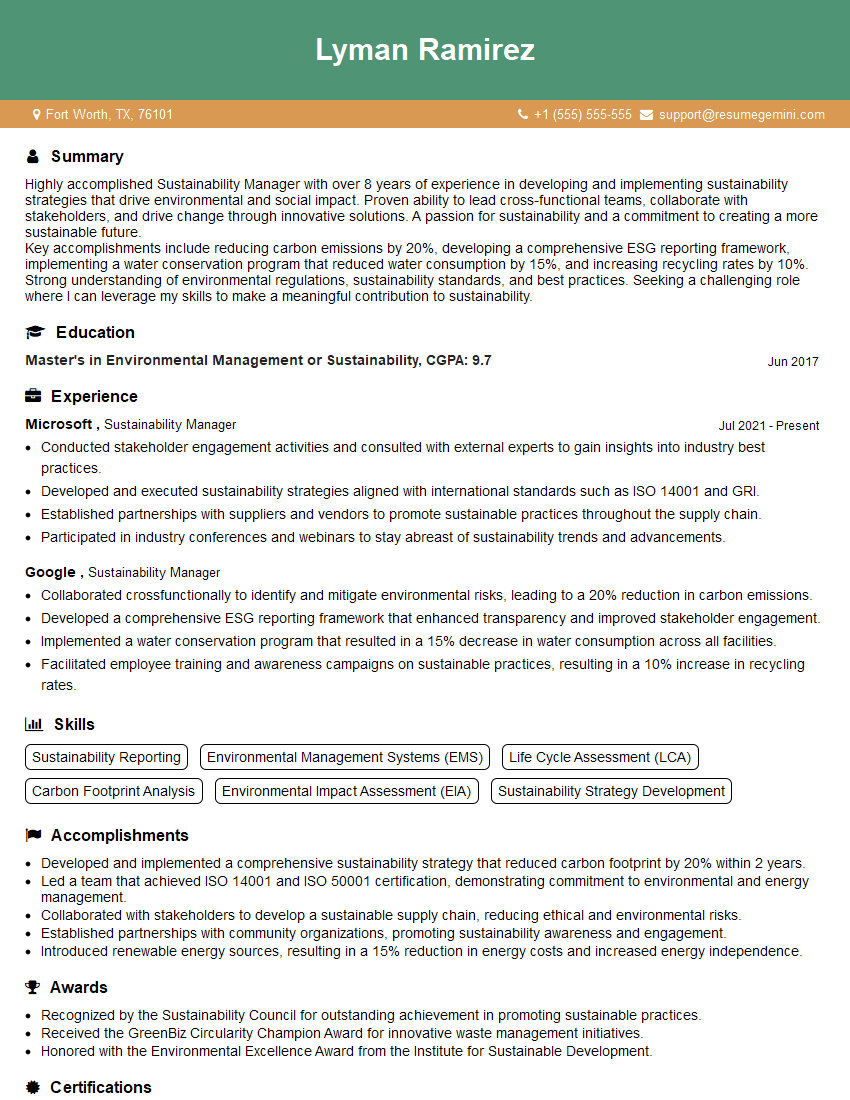
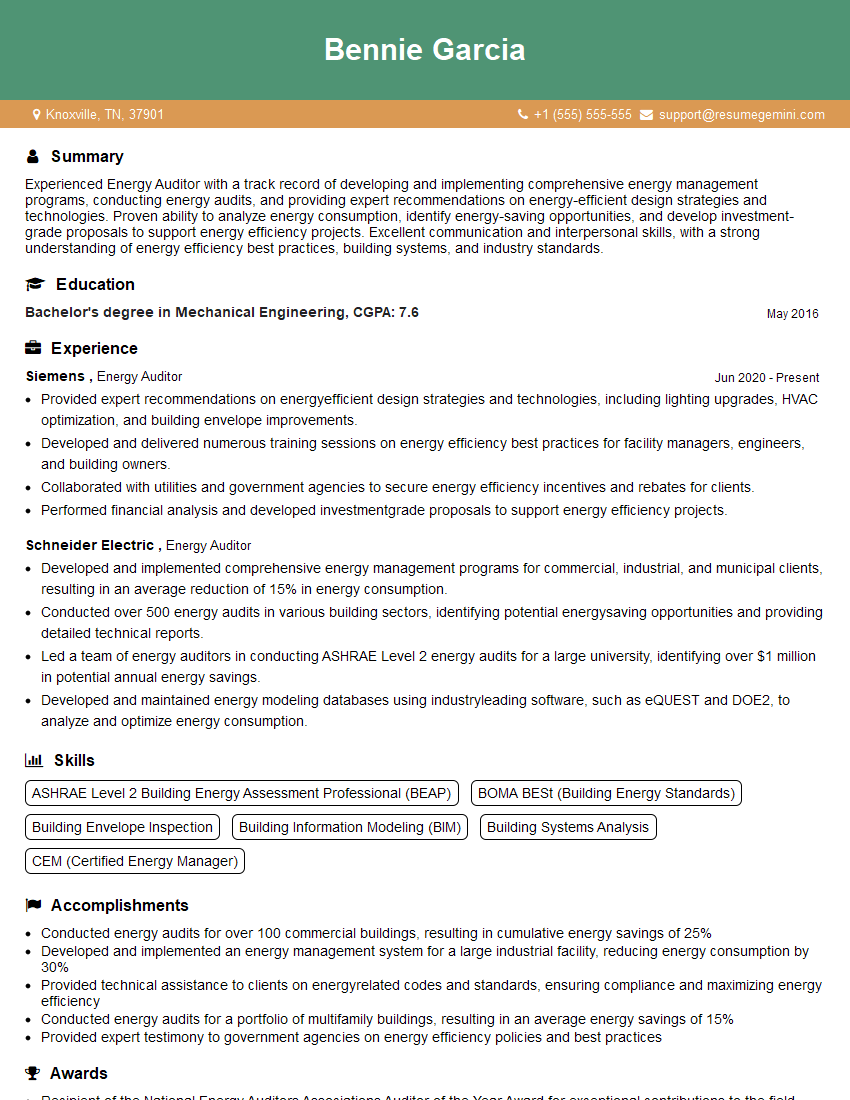
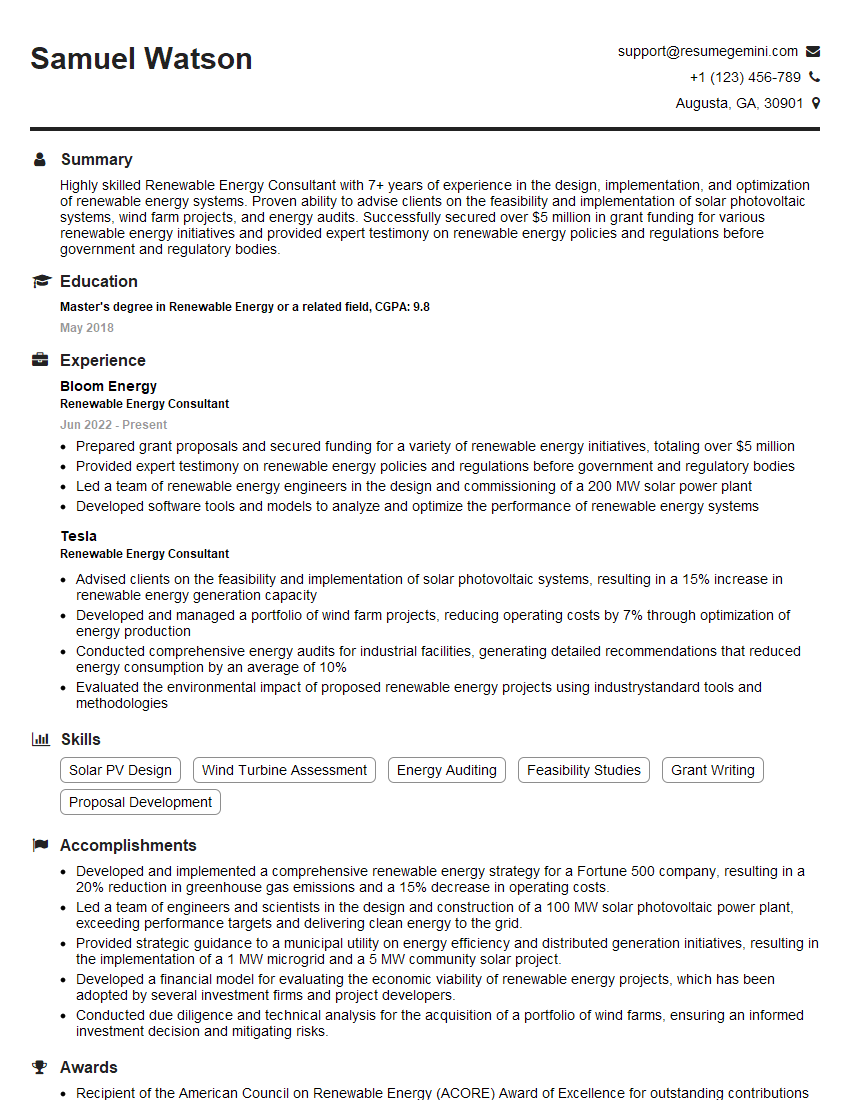
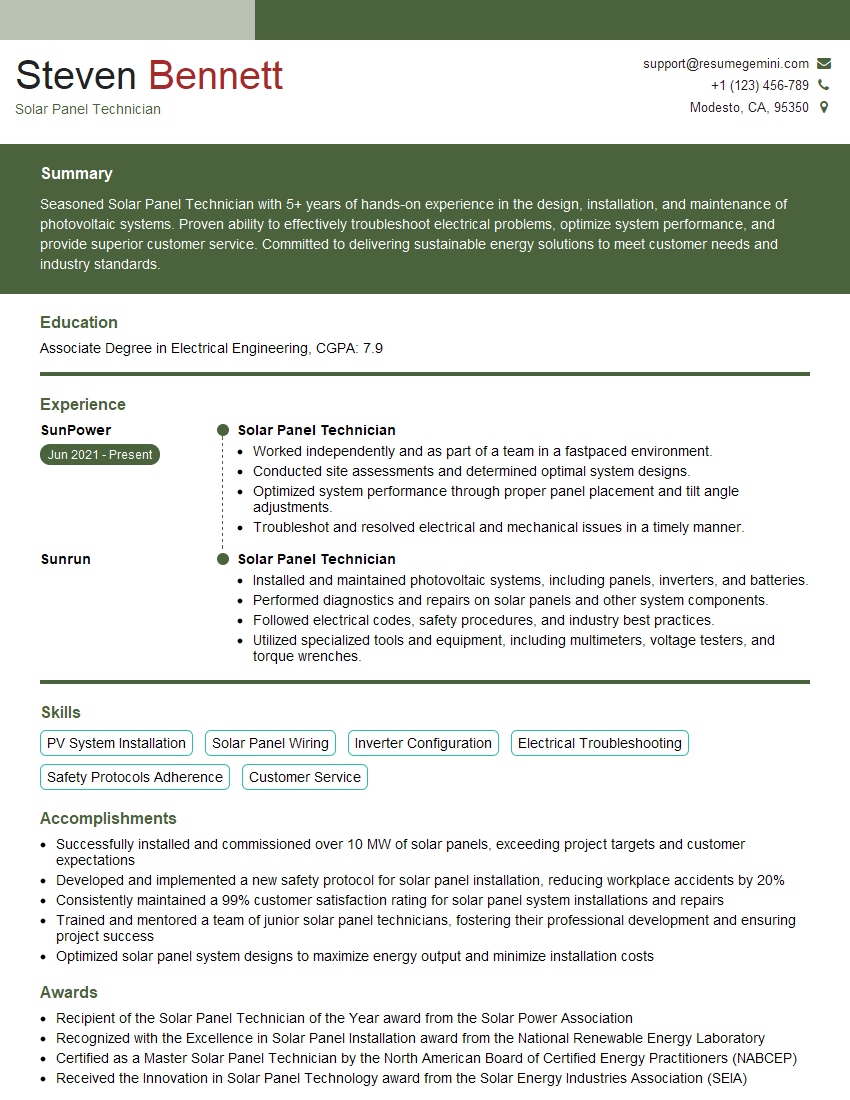
Mastering Energy Efficiency for Solar Applications is crucial for career advancement in this rapidly growing field. A strong understanding of these principles will significantly enhance your job prospects and open doors to exciting opportunities. To stand out, create an ATS-friendly resume that effectively highlights your skills and experience. ResumeGemini is a trusted resource that can help you build a professional and impactful resume, ensuring your application gets noticed. We provide examples of resumes tailored to Energy Efficiency for Solar Applications to guide you.

Explore more articles
Users Rating of Our Blogs
Share Your Experience
We value your feedback! Please rate our content and share your thoughts (optional).
What Readers Say About Our Blog
Very informative content, great job.
good