The thought of an interview can be nerve-wracking, but the right preparation can make all the difference. Explore this comprehensive guide to Energy Resilience interview questions and gain the confidence you need to showcase your abilities and secure the role.
Questions Asked in Energy Resilience Interview
Q 1. Explain the concept of energy resilience and its importance in the current energy landscape.
Energy resilience refers to the ability of an energy system to withstand and recover rapidly from disruptions, whether caused by natural disasters (hurricanes, earthquakes), cyberattacks, or other unforeseen events. It’s about ensuring a reliable and continuous supply of energy, even in the face of adversity. In today’s interconnected world, where energy systems are increasingly complex and vulnerable, energy resilience is paramount. The importance stems from the critical role energy plays in our daily lives – powering homes, businesses, hospitals, and essential services. A resilient energy system minimizes economic losses, ensures public safety, and maintains societal stability during and after disruptions.
Imagine a city hit by a severe storm. An energy system lacking resilience might experience widespread and prolonged blackouts, leading to significant economic damage, disruptions to healthcare, and even loss of life. A resilient system, on the other hand, would be designed to minimize the impact of such an event, ensuring the continued flow of electricity to critical facilities and facilitating a quicker recovery for the rest of the population.
Q 2. Describe different approaches to enhancing energy resilience at the grid level.
Enhancing grid-level energy resilience involves a multi-pronged approach focusing on diversification, redundancy, and smart grid technologies. Key strategies include:
- Diversification of Generation Sources: Relying on a mix of generation sources (e.g., nuclear, natural gas, renewables) reduces vulnerability to disruptions affecting a single source. If one source fails, others can compensate.
- Strengthening Transmission and Distribution Infrastructure: Investing in robust infrastructure, including underground cabling and improved grid protection systems, reduces the impact of physical damage from natural disasters.
- Smart Grid Technologies: Implementing advanced sensors, communication networks, and control systems enables real-time monitoring, automated response to disruptions, and optimized load management.
- Demand-Side Management (DSM): Programs that encourage energy conservation and load shifting during peak demand or emergencies can significantly reduce strain on the grid and improve its overall resilience.
- Microgrids: Smaller, localized grids that can operate independently from the main grid during outages provide backup power and enhance resilience at a local level.
For example, California’s investment in diverse renewable energy sources and smart grid technologies has improved its resilience against wildfires, which have frequently caused widespread power outages in the past.
Q 3. How can renewable energy sources contribute to improving energy resilience?
Renewable energy sources, such as solar and wind power, significantly contribute to improving energy resilience. This is primarily because they are often geographically distributed and less susceptible to centralized disruptions that can affect traditional fossil fuel power plants.
- Decentralized Generation: Solar panels on rooftops and distributed wind turbines spread generation across a wider area, making the system less vulnerable to single-point failures.
- Reduced Dependence on Fossil Fuels: Increased reliance on renewable energy reduces dependence on volatile fossil fuel markets and potential disruptions to fuel supply chains.
- Enhanced Self-Sufficiency: Local generation of renewable energy can provide backup power during grid outages, enhancing self-sufficiency at both individual and community levels.
Consider a remote island community. Reliance on a single diesel generator for power makes it extremely vulnerable. However, integrating solar and wind power, coupled with battery storage, significantly enhances its resilience, ensuring a continuous energy supply even during stormy weather which may damage the generator.
Q 4. What are the key challenges in integrating renewable energy into existing grids?
Integrating renewable energy into existing grids presents several challenges:
- Intermittency: Solar and wind power are intermittent, meaning their output fluctuates depending on weather conditions. This requires sophisticated forecasting and grid management techniques to maintain grid stability.
- Transmission and Distribution Limitations: Existing grids may not be adequately equipped to handle the influx of renewable energy from geographically dispersed sources. Upgrades to transmission lines and substations are often needed.
- Grid Stability and Frequency Regulation: The inherent variability of renewable energy can destabilize the grid’s frequency and voltage, requiring advanced control mechanisms and energy storage solutions.
- Geographic Constraints: The optimal locations for renewable energy generation (e.g., windy areas, sunny regions) may be far from population centers, necessitating the construction of new transmission lines.
For instance, the rapid growth of solar power in certain regions has strained existing transmission infrastructure, leading to grid congestion and the need for significant upgrades to accommodate the increased capacity.
Q 5. Explain the role of energy storage in enhancing grid resilience.
Energy storage plays a crucial role in enhancing grid resilience by addressing the intermittency of renewable energy sources and providing backup power during disruptions. Storage allows excess energy generated during periods of low demand (e.g., nighttime solar power) to be stored and released when demand is high or the primary energy source is unavailable. This improves grid stability, reduces reliance on fossil fuel peaker plants, and enhances the ability to withstand outages.
Think of energy storage as a buffer, smoothing out the fluctuations in renewable energy generation and ensuring a reliable supply even when the sun isn’t shining or the wind isn’t blowing. It acts like a safety net for the grid.
Q 6. Discuss the various types of energy storage technologies and their applications in resilience strategies.
Various energy storage technologies exist, each with its strengths and weaknesses:
- Pumped Hydro Storage: This mature technology uses excess energy to pump water uphill, storing it in a reservoir. The water is then released to generate electricity when needed. It’s cost-effective for large-scale applications but geographically limited.
- Battery Storage (Lithium-ion, Flow Batteries): Batteries are versatile and can be deployed at various scales, from residential to grid-level. Lithium-ion batteries are widely used but have limitations regarding lifespan and environmental concerns. Flow batteries offer longer lifespans and better scalability but are currently more expensive.
- Compressed Air Energy Storage (CAES): Excess energy is used to compress air, which is then released to drive turbines and generate electricity. This technology is suitable for large-scale applications but requires significant infrastructure.
- Thermal Energy Storage: This involves storing energy as heat (e.g., molten salt) or cold, which can then be used to generate electricity or provide heating/cooling.
The choice of technology depends on factors like scale, cost, application, and environmental impact. For example, lithium-ion batteries are ideal for residential applications and small-scale grid support, while pumped hydro storage is better suited for large-scale grid stabilization.
Q 7. How can microgrids enhance the resilience of energy systems?
Microgrids are localized grids that can operate independently from the main grid, significantly enhancing the resilience of energy systems. They typically incorporate distributed generation resources (e.g., solar, wind, diesel generators), energy storage, and intelligent control systems.
- Islanding Capability: During grid outages, microgrids can seamlessly disconnect from the main grid and continue to supply power to their connected customers, minimizing the impact of disruptions.
- Enhanced Reliability: The localized nature of microgrids reduces the vulnerability to widespread outages caused by events affecting the main grid.
- Improved Load Management: Microgrid control systems can optimize energy distribution and manage load to maximize efficiency and ensure reliable power supply.
- Faster Recovery: When the main grid is restored, microgrids can seamlessly reconnect, ensuring a quick return to normal operation.
Imagine a hospital situated in a remote area. A microgrid equipped with on-site generation and battery storage would ensure uninterrupted power supply during a major grid outage, safeguarding critical medical equipment and patient care. This is a prime example of how microgrids enhance energy resilience in critical infrastructure sectors.
Q 8. What are the key considerations in designing and implementing a microgrid?
Designing and implementing a microgrid involves a multifaceted approach that considers several crucial factors to ensure its reliability and effectiveness. Think of a microgrid as a localized energy system, independent or interconnected with the larger grid, capable of operating autonomously during outages.
- Load Characterization: Understanding the energy demands of the community or facility is paramount. This involves analyzing energy consumption patterns, identifying peak and off-peak hours, and considering future growth. For example, a hospital microgrid would have drastically different load profiles compared to a university campus.
- Resource Assessment: Identifying available energy resources is crucial. This includes evaluating the potential for solar, wind, biomass, or other renewable sources, and assessing the feasibility of incorporating energy storage systems like batteries or pumped hydro. The geography and climate heavily influence this decision; a sunny desert region will favor solar, while a windy area might favor wind turbines.
- System Architecture: Designing the microgrid’s architecture involves selecting appropriate generation sources, inverters, transformers, and protection devices. The control system needs to be robust and reliable, capable of managing the flow of energy seamlessly between different sources and loads. A well-designed architecture often includes redundancy to handle component failures.
- Grid Connection and Operation: Deciding whether the microgrid will be fully isolated (island mode) or connected to the main grid (grid-connected mode) is vital. This depends on several factors, including cost, regulatory requirements, and the desired level of independence. A grid-connected microgrid can sell excess power to the grid, creating revenue streams and increasing resilience.
- Regulatory Compliance: Meeting all relevant regulatory requirements, including interconnection agreements and safety standards, is non-negotiable. This often involves working with local utilities and regulatory bodies to ensure compliance throughout the design, construction, and operation of the microgrid.
- Economic Analysis: A comprehensive economic analysis, including capital costs, operational expenses, and potential revenue streams, is necessary to justify the investment. Life-cycle costing models are crucial in evaluating the long-term economic viability of the microgrid.
Q 9. Describe the role of smart grid technologies in improving energy resilience.
Smart grid technologies play a pivotal role in enhancing energy resilience by improving the efficiency, reliability, and responsiveness of the electricity grid. They enable real-time monitoring, control, and automation, facilitating faster responses to disruptions and optimized resource allocation.
- Advanced Metering Infrastructure (AMI): Smart meters provide real-time data on energy consumption, allowing for better load forecasting and demand-side management. This data enables proactive measures to prevent overloads and potential disruptions.
- Distribution Automation: Automated switches and sensors can isolate faulty equipment quickly, minimizing the impact of outages on a larger area. This quick isolation prevents cascading failures, a common cause of widespread blackouts.
- Demand Response Programs: Smart grid technologies enable utilities to communicate with consumers and incentivize them to reduce energy consumption during peak demand periods or emergencies. This helps balance supply and demand, reducing stress on the grid and improving resilience.
- Renewable Energy Integration: Smart grid technologies facilitate the seamless integration of renewable energy sources, such as solar and wind, into the grid. Advanced control systems optimize the power flow from these variable sources, enhancing reliability and reducing reliance on fossil fuels.
- Microgrid Integration: Smart grids allow for the seamless integration and control of microgrids, enabling them to operate autonomously or in coordination with the main grid, improving grid flexibility and resilience.
Q 10. Explain how cybersecurity threats can impact energy resilience and what measures can be taken to mitigate them.
Cybersecurity threats pose a significant risk to energy resilience. A successful cyberattack can disrupt power generation, transmission, or distribution, leading to widespread outages and societal disruption. Think of a sophisticated malware attack targeting a critical control system—the consequences could be devastating.
- Impact of Cyberattacks: Cyberattacks can range from data breaches that expose sensitive information to sophisticated attacks that directly control grid operations. This can result in power outages, compromised data integrity, and financial losses. A successful attack on a substation, for example, could disable a large portion of the grid.
- Mitigation Measures: Effective cybersecurity strategies are crucial to protecting energy infrastructure. This involves a multi-layered approach including:
- Network Security: Implementing firewalls, intrusion detection systems, and robust authentication mechanisms to prevent unauthorized access to grid systems.
- Endpoint Security: Securing all devices connected to the grid network, including servers, workstations, and operational technology (OT) devices.
- Vulnerability Management: Regularly scanning for and patching security vulnerabilities in software and hardware to prevent exploitation.
- Security Awareness Training: Educating personnel about cybersecurity threats and best practices to minimize human error.
- Incident Response Plan: Developing and regularly testing an incident response plan to quickly and effectively handle cyberattacks.
A robust cybersecurity program requires constant vigilance and adaptation as threats evolve. Regular security assessments and penetration testing are vital in identifying and addressing vulnerabilities before they can be exploited.
Q 11. How can demand-side management strategies contribute to energy resilience?
Demand-side management (DSM) strategies are crucial for enhancing energy resilience by actively managing electricity demand to better align with supply. It’s about optimizing consumption rather than solely focusing on generation. This is particularly important during peak demand or during grid emergencies.
- Peak Demand Reduction: DSM programs incentivize consumers to reduce their electricity consumption during peak demand periods, lessening stress on the grid and reducing the risk of outages.
- Load Shifting: Encouraging consumers to shift their energy consumption from peak to off-peak hours, smoothing the demand curve and making better use of available resources. For example, encouraging the use of smart appliances that can be programmed to operate during off-peak hours.
- Distributed Energy Resources (DER) Management: DSM integrates DERs such as solar panels and batteries into a broader demand management strategy. This not only reduces peak demand but also provides backup power during outages.
- Energy Efficiency Programs: Incentivizing energy efficiency improvements in homes and businesses reduces overall energy consumption, reducing the strain on the grid and enhancing reliability.
- Time-of-Use Pricing: Implementing time-of-use pricing incentivizes consumers to shift their energy consumption to off-peak hours, balancing supply and demand across the day.
Successful DSM programs require strong collaboration between utilities and consumers, often utilizing smart meters and advanced communication technologies.
Q 12. Discuss the importance of energy efficiency in enhancing energy resilience.
Energy efficiency is a cornerstone of energy resilience. By reducing energy consumption, we reduce the demand on the power grid, making the system less vulnerable to disruptions. Think of it as strengthening the system from the inside out, decreasing the load and therefore the risk of overload.
- Reduced Demand Stress: Lower energy consumption directly translates to lower demand, reducing the strain on the grid and minimizing the risk of outages during peak demand or emergencies.
- Lower reliance on fossil fuels: Increased energy efficiency reduces reliance on centralized power plants, improving energy security and reducing the impact of potential fuel supply disruptions.
- Improved Grid Stability: A more energy-efficient grid is inherently more stable and less vulnerable to cascading failures and disruptions.
- Cost Savings: Improved energy efficiency leads to significant cost savings for consumers and businesses, improving the economic resilience of the community.
- Environmental Benefits: Energy efficiency contributes to environmental sustainability by reducing greenhouse gas emissions and pollution.
Implementing energy efficiency measures, such as using energy-efficient appliances, improving building insulation, and optimizing industrial processes, is a cost-effective way to significantly enhance energy resilience.
Q 13. What are the key risk factors that can threaten energy resilience?
Numerous risk factors can threaten energy resilience, ranging from natural disasters to human-caused events. These risks can severely impact power generation, transmission, and distribution, leading to widespread outages and economic disruption.
- Natural Disasters: Hurricanes, earthquakes, floods, wildfires, and extreme weather events can cause significant damage to energy infrastructure, leading to prolonged power outages. The impact is amplified by climate change, with more frequent and intense weather events.
- Cyberattacks: As discussed earlier, cyberattacks on critical energy infrastructure can disrupt operations, leading to widespread outages and data breaches.
- Terrorist Attacks: Physical attacks on power plants, substations, or transmission lines can disrupt energy supply and create significant security concerns.
- Equipment Failures: Aging infrastructure and equipment malfunctions can lead to outages, highlighting the need for regular maintenance and upgrades.
- Geopolitical Instability: International conflicts or political instability can disrupt energy supply chains and access to fuel resources.
- Human Error: Errors in operation, maintenance, or planning can contribute to energy disruptions.
- Supply Chain Disruptions: Disruptions in the supply of critical components or fuels can hinder the functioning of the energy system.
Understanding these risks and implementing appropriate mitigation strategies is crucial for building a resilient energy system.
Q 14. How can you assess and quantify the risks associated with energy disruptions?
Assessing and quantifying the risks associated with energy disruptions requires a systematic approach combining qualitative and quantitative methods. The goal is to understand the probability and impact of various disruptions, enabling informed decision-making.
- Risk Assessment Methodology: A structured risk assessment methodology, such as Failure Modes and Effects Analysis (FMEA) or HAZOP (Hazard and Operability Study), can be employed. This involves identifying potential failure modes, their likelihood of occurrence, and their potential consequences.
- Data Collection and Analysis: Gathering historical data on past outages, equipment failures, and natural disasters is crucial. Statistical analysis techniques can be used to estimate the probability of future events.
- Impact Assessment: Quantifying the potential impacts of disruptions is vital. This includes estimating the economic losses, societal disruption, and environmental damage. For example, calculating the cost of lost productivity due to an outage for a specific region.
- Scenario Planning: Developing various scenarios representing different levels of disruption can be invaluable. This helps in testing the resilience of the system under different conditions and identifying critical vulnerabilities.
- Quantitative Risk Analysis: Techniques like Monte Carlo simulations can be used to quantify the uncertainty associated with risk estimates, providing a more realistic picture of potential outcomes.
- Vulnerability Mapping: Creating maps identifying critical infrastructure and areas most vulnerable to different types of disruptions is crucial for targeted mitigation efforts.
The results of the risk assessment should inform the development of mitigation strategies and investment decisions aimed at enhancing energy resilience.
Q 15. Describe different methods for mitigating the impact of energy disruptions.
Mitigating the impact of energy disruptions requires a multi-pronged approach focusing on prevention, preparedness, and response. Think of it like building a strong house – you need a solid foundation, sturdy walls, and a plan for dealing with storms.
Diversification of energy sources: Relying on a single source leaves you vulnerable. Diversifying across renewable (solar, wind, hydro) and non-renewable (natural gas, nuclear) sources reduces risk. Imagine relying solely on a single supplier for groceries – if they’re out, you’re in trouble. Diversification provides backup.
Strengthening grid infrastructure: Investing in smart grids, microgrids, and robust transmission lines enhances resilience. A smart grid can automatically reroute power during outages, minimizing disruption. Microgrids, smaller localized grids, can operate independently if the main grid fails, much like a backup generator for your home.
Energy storage solutions: Batteries, pumped hydro storage, and compressed air energy storage can store excess energy for use during outages. Think of this as having a pantry stocked with food – you can ride out a short-term supply disruption.
Demand-side management: Programs encouraging energy conservation and shifting energy use to off-peak hours reduce peak demand and strain on the grid. Imagine a city where everyone uses electricity at the same time – it would overwhelm the system. Demand-side management helps even out energy consumption.
Improved forecasting and monitoring: Advanced technologies can predict potential disruptions, allowing proactive measures. This is like having a weather forecast – you can prepare for a storm before it hits.
Career Expert Tips:
- Ace those interviews! Prepare effectively by reviewing the Top 50 Most Common Interview Questions on ResumeGemini.
- Navigate your job search with confidence! Explore a wide range of Career Tips on ResumeGemini. Learn about common challenges and recommendations to overcome them.
- Craft the perfect resume! Master the Art of Resume Writing with ResumeGemini’s guide. Showcase your unique qualifications and achievements effectively.
- Don’t miss out on holiday savings! Build your dream resume with ResumeGemini’s ATS optimized templates.
Q 16. Explain the role of emergency response planning in maintaining energy resilience.
Emergency response planning is crucial for maintaining energy resilience. It’s the playbook for handling disruptions. A well-defined plan ensures coordinated and effective responses to various scenarios, minimizing downtime and damage.
Scenario planning: Identifying potential disruptions (e.g., natural disasters, cyberattacks, equipment failures) and developing tailored responses. This is like a fire drill – you practice so you know what to do when a real emergency happens.
Communication protocols: Establishing clear communication channels among stakeholders (utilities, government, emergency services) to ensure timely information sharing. Clear communication prevents chaos during a crisis.
Resource allocation: Pre-positioning critical resources (e.g., generators, fuel, repair crews) to facilitate rapid response. Having these resources ready is like having a well-stocked first-aid kit – you’re prepared to handle minor injuries quickly.
Restoration strategies: Defining step-by-step procedures for restoring power after a disruption. This is like having a detailed instruction manual for repairing a broken appliance.
Training and drills: Regular training and drills ensure that personnel are prepared to execute the plan effectively. Practice makes perfect, and this is particularly important for emergency situations.
Q 17. How can supply chain resilience be improved in the energy sector?
Improving supply chain resilience in the energy sector involves diversifying sources, strengthening relationships with suppliers, and adopting robust risk management strategies. Think of it as building a robust supply chain that can withstand unexpected shocks.
Diversification of suppliers: Relying on multiple suppliers for critical components and fuels reduces dependence on any single source. This is like having multiple suppliers for your business – if one fails, you have others to rely on.
Strategic partnerships: Building strong relationships with key suppliers, including long-term contracts and collaborative planning. Trust and collaboration are essential for smooth operations.
Inventory management: Maintaining appropriate levels of critical inventory to buffer against supply disruptions. This is like having extra stock in your warehouse to deal with unexpected demand surges.
Technology adoption: Utilizing technologies such as blockchain and AI for better supply chain visibility and optimization. These technologies provide real-time insights into the entire supply chain, allowing for proactive management.
Risk assessment and mitigation: Regularly assessing potential supply chain risks (e.g., geopolitical instability, natural disasters) and implementing appropriate mitigation strategies. This involves identifying vulnerabilities and implementing solutions to minimize the impact of disruptions.
Q 18. What are the key regulatory and policy considerations related to energy resilience?
Regulatory and policy considerations for energy resilience are critical. They shape investment decisions, incentivize resilience-enhancing activities, and create a framework for emergency response. This is like having building codes that ensure structural integrity.
Grid modernization initiatives: Regulations supporting investment in smart grids, microgrids, and advanced metering infrastructure. These regulations encourage investment in grid upgrades.
Renewable energy standards: Policies mandating a certain percentage of electricity from renewable sources enhance energy diversity and resilience.
Emergency preparedness regulations: Guidelines and standards for emergency response planning, ensuring utilities have robust plans in place.
Cybersecurity standards: Regulations protecting critical energy infrastructure from cyberattacks, a growing threat to energy security and resilience.
Incentives for energy storage: Tax credits or subsidies that encourage the adoption of energy storage technologies.
Q 19. How can energy resilience be integrated into sustainable development strategies?
Integrating energy resilience into sustainable development strategies is crucial. Resilient energy systems are inherently more sustainable, minimizing environmental impacts and ensuring equitable access to energy. Think of this as building a house that is both strong and environmentally friendly.
Decentralized energy systems: Promoting distributed generation using renewable sources reduces reliance on centralized power plants and improves resilience.
Energy efficiency measures: Implementing energy efficiency programs reduces overall energy demand, minimizing strain on the grid and enhancing resilience.
Community-based energy planning: Engaging local communities in energy planning ensures that resilience strategies align with local needs and priorities.
Sustainable energy infrastructure: Building energy infrastructure that is both resilient and environmentally friendly. For example, using sustainable materials in construction and minimizing environmental impacts during operation.
Access to energy for vulnerable populations: Ensuring that resilience strategies protect vulnerable populations from the impacts of energy disruptions.
Q 20. Discuss the role of climate change adaptation in enhancing energy resilience.
Climate change adaptation is essential for enhancing energy resilience. As climate change increases the frequency and severity of extreme weather events, energy systems must be designed to withstand these impacts. This is like fortifying your house against more frequent and intense storms.
Climate-resilient infrastructure: Designing and building energy infrastructure (power plants, transmission lines) to withstand extreme weather events. This involves using robust materials and designing for flooding, high winds, and extreme temperatures.
Distributed generation: Decentralized renewable energy sources are less vulnerable to widespread disruptions than centralized systems. This makes the overall energy system more robust.
Improved weather forecasting: Enhanced weather forecasting and early warning systems can help prevent and mitigate the impact of extreme weather events. This enables better preparation and response measures.
Climate risk assessments: Identifying vulnerabilities of energy systems to climate change impacts and developing adaptation strategies. This involves systematically analyzing climate change risks and developing measures to reduce those risks.
Sea-level rise mitigation: Protecting coastal energy infrastructure from sea-level rise through measures such as elevation, seawalls, or relocation.
Q 21. Explain the concept of energy security and its relationship with energy resilience.
Energy security and energy resilience are closely related but distinct concepts. Energy security focuses on the uninterrupted availability of energy resources at an affordable price, while energy resilience emphasizes the ability of energy systems to withstand and recover from disruptions. Think of energy security as having enough fuel in your car, while energy resilience is having a plan for if your car breaks down.
Energy security focuses on the supply side: Ensuring reliable access to diverse and affordable energy sources. This involves securing supplies, promoting domestic production, and diversifying import sources.
Energy resilience focuses on the system’s ability to withstand and recover from disruptions: This involves strengthening infrastructure, diversifying energy sources, implementing robust emergency response plans, and reducing vulnerability to shocks.
Interdependence: Energy security is a necessary but not sufficient condition for energy resilience. A secure supply can be disrupted, hence resilience needs to be addressed separately.
Example: A country may have secure access to a specific type of fuel (energy security), but if a natural disaster damages its distribution infrastructure, power outages could occur (lack of resilience).
Q 22. How can community engagement contribute to improving energy resilience?
Community engagement is absolutely crucial for building energy resilience. Think of it like this: a resilient energy system isn’t just about strong infrastructure; it’s about a strong community prepared to weather the storm. Direct participation fosters a sense of ownership and responsibility, leading to more effective solutions.
- Vulnerability Assessments: Engaging residents helps identify critical needs and vulnerabilities specific to their area, such as households with elderly members or those reliant on life-sustaining medical equipment.
- Demand-Side Management Programs: Community involvement is essential for the success of programs like community solar initiatives or peak demand reduction strategies. Incentivizing participation and providing educational resources ensures broad adoption.
- Emergency Preparedness & Response: Community drills and training programs, alongside the creation of neighborhood mutual aid networks, significantly improve the community’s ability to respond effectively to disruptions.
- Policy Advocacy: A mobilized community can effectively advocate for policies that support energy resilience at the local and national levels, such as investments in renewable energy infrastructure or grid modernization.
For instance, in a recent project, we organized workshops in a coastal community prone to hurricanes. Engaging residents directly allowed us to tailor our resilience plan to their specific concerns and capabilities, resulting in higher participation rates and a more effective plan.
Q 23. Describe various strategies for improving energy infrastructure resilience.
Improving energy infrastructure resilience requires a multi-faceted approach. We need to move beyond simply reacting to failures and proactively design systems that can withstand and recover from disruptions.
- Diversification of Energy Sources: Reducing reliance on a single energy source, like a large power plant, by incorporating renewables (solar, wind, hydro) and distributed generation enhances reliability. If one source fails, others can compensate.
- Microgrids and Decentralized Systems: Microgrids, small localized grids that can operate independently, enable localized energy production and distribution, isolating them from widespread outages on the larger grid.
- Grid Modernization: Smart grid technologies, advanced metering infrastructure (AMI), and improved grid sensors enable real-time monitoring and rapid response to disruptions. Predictive maintenance helps prevent failures before they occur.
- Infrastructure Hardening: Protecting infrastructure against extreme weather events, such as burying power lines or using stronger materials, is vital in enhancing resilience.
- Cybersecurity Enhancements: Protecting the grid from cyberattacks, which can cripple infrastructure, is becoming increasingly critical. Robust cybersecurity measures are a must.
Consider the example of California investing heavily in microgrids to protect against wildfires and improve resilience in remote areas. This decentralized approach enhances overall grid stability.
Q 24. What are the economic implications of energy disruptions and how can they be mitigated?
Energy disruptions have significant economic consequences, cascading through various sectors and impacting businesses, consumers, and the overall economy. The immediate impacts are obvious: power outages lead to business closures, lost productivity, and disrupted supply chains. Longer-term effects can include job losses, reduced investment, and damage to a region’s reputation.
- Direct Costs: Repairing damaged infrastructure, replacing lost equipment, and compensating for lost productivity contribute to substantial direct costs.
- Indirect Costs: Supply chain disruptions, decreased tourism, and reduced economic activity create significant indirect costs that can last for months or even years.
- Mitigation Strategies: Investing in resilient infrastructure, implementing robust emergency response plans, diversification of energy sources, and the development of early warning systems all help mitigate these economic losses.
- Insurance and Risk Transfer: Comprehensive insurance policies and risk-sharing mechanisms can help organizations and communities manage the financial impact of disruptions.
Hurricane Katrina’s devastation highlighted the immense economic repercussions of prolonged energy outages, causing billions in losses and long-term economic hardship for the affected region. Investing in resilient infrastructure is a cost-effective measure in the long run, even if it requires upfront investment.
Q 25. How can data analytics and machine learning be used to enhance energy resilience?
Data analytics and machine learning are game-changers in enhancing energy resilience. They offer the power to predict, prevent, and respond to disruptions more effectively.
- Predictive Maintenance: Analyzing sensor data from power lines, transformers, and other equipment allows for predictive maintenance, identifying potential failures before they occur and reducing outages.
- Demand Forecasting: Machine learning models can accurately forecast energy demand, enabling utilities to optimize energy generation and distribution, reducing stress on the grid and preventing blackouts.
- Real-time Grid Monitoring: AI-powered systems monitor the grid in real-time, detecting anomalies and responding swiftly to disturbances, minimizing the impact of outages.
- Emergency Response Optimization: Data analytics can guide emergency response teams by identifying the areas most affected by disruptions and prioritizing restoration efforts.
For example, using historical weather data, energy consumption patterns, and equipment condition, machine learning algorithms can predict the probability of a power outage during a heatwave, allowing for proactive measures.
Example: A machine learning model could predict an upcoming surge in energy demand based on weather forecasts and historical data, enabling utilities to preemptively dispatch additional generation resources.Q 26. Describe your experience with developing and implementing energy resilience plans.
In my previous role, I led the development and implementation of a comprehensive energy resilience plan for a large urban area. This involved several key stages:
- Vulnerability Assessment: We conducted a detailed assessment of the region’s energy infrastructure, identifying critical dependencies and potential points of failure.
- Stakeholder Engagement: We engaged with various stakeholders, including utility companies, government agencies, community organizations, and businesses, to gather input and build consensus.
- Plan Development: We developed a detailed resilience plan that outlined strategies for mitigating risks, responding to disruptions, and accelerating recovery.
- Implementation & Testing: We worked with stakeholders to implement the plan, which included infrastructure upgrades, training programs, and emergency response protocols. Regular drills tested the effectiveness of our response plan.
- Monitoring & Evaluation: We established a monitoring system to track key metrics and assess the plan’s effectiveness, making necessary adjustments along the way.
The plan successfully reduced the duration and impact of outages during a major winter storm, demonstrating the effectiveness of a well-planned and implemented strategy.
Q 27. What metrics would you use to evaluate the effectiveness of an energy resilience program?
Evaluating the effectiveness of an energy resilience program requires a comprehensive set of metrics, capturing both the preparedness and the performance aspects.
- Outage Duration & Frequency: A reduction in the average duration and frequency of power outages is a key indicator of improved resilience.
- Restoration Time: Measuring the time it takes to restore power after a disruption demonstrates the effectiveness of response plans and infrastructure.
- Customer Satisfaction: Surveys and feedback from customers provide insights into their experience during outages and the overall effectiveness of the program.
- Economic Impacts: Tracking the economic costs of outages, including direct and indirect losses, provides a measure of the program’s financial impact.
- Preparedness Indicators: Metrics like the number of community members trained in emergency response, the level of infrastructure hardening, and the effectiveness of early warning systems evaluate preparedness.
For example, by comparing outage duration before and after the implementation of the resilience program, we could quantitatively measure the improvement in system reliability.
Q 28. How would you approach a situation where a critical energy infrastructure component fails?
My approach to a critical energy infrastructure component failure would be systematic and focused on minimizing disruption and accelerating recovery.
- Immediate Response: Activate emergency response protocols, immediately isolating the affected area to prevent cascading failures and ensure safety.
- Damage Assessment: Conduct a rapid assessment of the extent of the damage and the impact on the wider system.
- Restoration Strategies: Develop and implement appropriate restoration strategies, considering available resources and the urgency of the situation. This could involve diverting power from other sources, utilizing backup generators, or deploying repair crews.
- Communication: Keep stakeholders informed throughout the process, providing timely and accurate updates on the situation and the restoration efforts.
- Root Cause Analysis: Once the system is restored, conduct a thorough root cause analysis to identify the underlying causes of the failure and prevent similar events from happening in the future.
- System Upgrades: Implement improvements to the system to enhance its resilience and reduce the likelihood of future failures. This could include infrastructure upgrades, improved monitoring systems, or enhanced emergency response protocols.
Imagine a major substation failure. My approach would be to first isolate the area, then communicate the situation, deploy mobile generators to critical locations, and initiate repairs while investigating the cause, ultimately learning from the experience to prevent future occurrences.
Key Topics to Learn for Energy Resilience Interview
- Grid Modernization & Smart Grids: Understanding the technologies and strategies for enhancing grid reliability and resilience, including distributed generation, advanced metering infrastructure (AMI), and demand-side management.
- Microgrids and Distributed Generation: Exploring the design, operation, and benefits of microgrids as independent power systems, incorporating renewable energy sources and energy storage systems.
- Renewable Energy Integration: Analyzing the challenges and solutions related to integrating intermittent renewable energy sources (solar, wind) into the grid, focusing on forecasting, grid stability, and energy storage.
- Energy Storage Technologies: Familiarizing yourself with various energy storage options (batteries, pumped hydro, compressed air) and their applications in enhancing grid resilience and supporting renewable energy integration.
- Cybersecurity in Energy Systems: Understanding the vulnerabilities and threats to energy infrastructure and the importance of cybersecurity measures for ensuring grid resilience.
- Emergency Response and Disaster Recovery: Developing a grasp of strategies for mitigating the impact of natural disasters and cyberattacks on energy systems, including backup power systems and restoration planning.
- Policy and Regulation: Familiarizing yourself with relevant policies, regulations, and incentives that drive energy resilience initiatives at local, national, and international levels.
- Economic Aspects of Energy Resilience: Understanding the cost-benefit analysis of different resilience strategies and the economic implications of grid outages and disruptions.
- Case Studies and Real-World Examples: Exploring successful implementations of energy resilience strategies in different contexts and geographical locations to demonstrate practical applications.
Next Steps
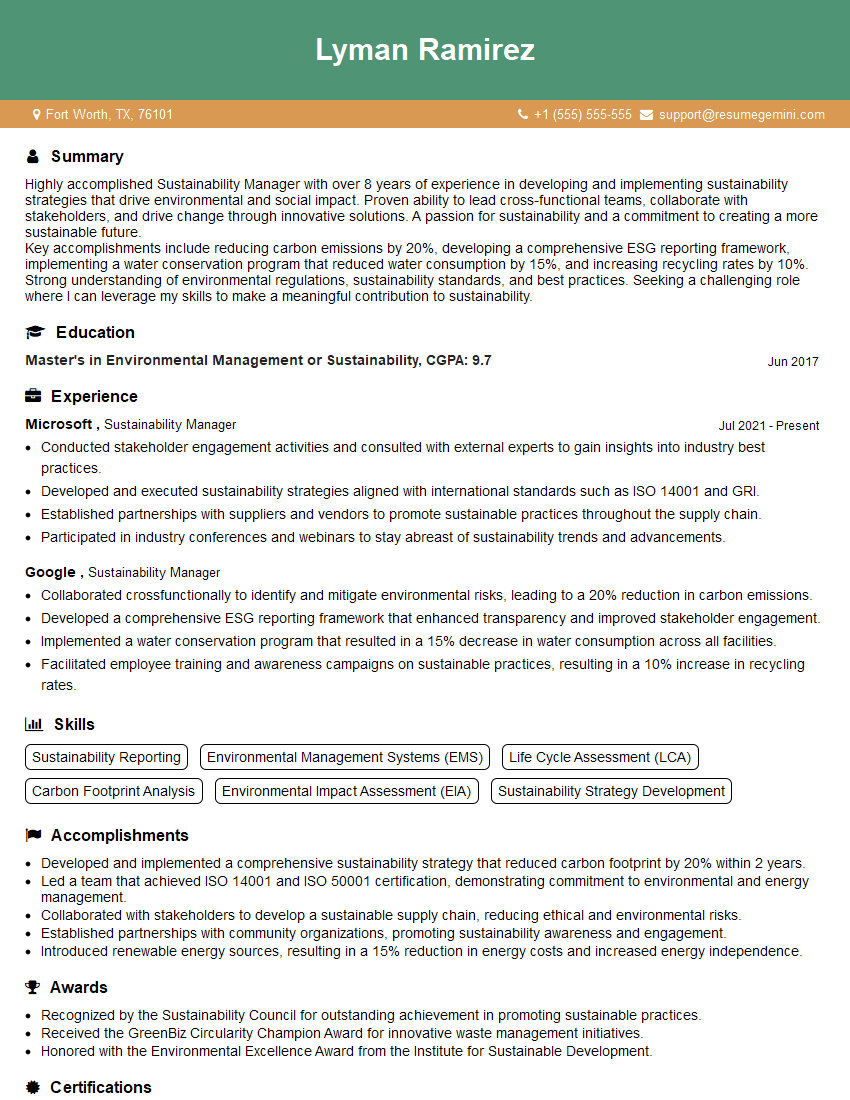
Mastering Energy Resilience is crucial for a thriving career in a rapidly evolving energy landscape. Demonstrating a strong understanding of these critical concepts will significantly boost your interview performance and career prospects. To increase your chances of landing your dream role, it’s vital to create a compelling and ATS-friendly resume that showcases your skills and experience effectively. ResumeGemini is a trusted resource to help you build a professional and impactful resume. We provide examples of resumes tailored to the Energy Resilience field to guide you through the process. Invest in your future – build a standout resume with ResumeGemini and confidently navigate your job search.
Explore more articles
Users Rating of Our Blogs
Share Your Experience
We value your feedback! Please rate our content and share your thoughts (optional).
What Readers Say About Our Blog
Very informative content, great job.
good