The thought of an interview can be nerve-wracking, but the right preparation can make all the difference. Explore this comprehensive guide to Soil and Vegetation Management interview questions and gain the confidence you need to showcase your abilities and secure the role.
Questions Asked in Soil and Vegetation Management Interview
Q 1. Explain the different soil horizons and their characteristics.
Soil is structured in layers called horizons, each with distinct characteristics reflecting the processes of soil formation. Think of it like a layered cake, each layer representing a different stage in the soil’s history.
- O Horizon (Organic Layer): This is the topmost layer, composed primarily of undecomposed or partially decomposed organic matter like leaves, twigs, and other plant residues. It’s crucial for nutrient cycling.
- A Horizon (Topsoil): A dark-colored layer rich in organic matter mixed with mineral particles. It’s where most plant roots are concentrated and biological activity is high. This is the most fertile layer.
- E Horizon (Eluviation Layer): Found in some soils, this layer is characterized by the leaching of clay, iron, and aluminum oxides. It’s typically light-colored and sandy.
- B Horizon (Subsoil): This layer accumulates materials leached from the A and E horizons, resulting in higher clay content, and often a denser texture. It may contain iron oxides giving it reddish or yellowish hues.
- C Horizon (Parent Material): This layer consists of unconsolidated material from which the soil is formed. It may be weathered bedrock or glacial deposits. It’s less influenced by biological processes.
- R Horizon (Bedrock): The unweathered parent material, typically bedrock, underlying all other horizons.
Understanding soil horizons is vital for effective soil management. For example, knowing the depth and characteristics of the A horizon helps determine fertilizer application rates and the suitability of a soil for different crops. A shallow A horizon might indicate a need for soil conservation practices.
Q 2. Describe the process of soil erosion and its mitigation techniques.
Soil erosion is the detachment and movement of soil particles by natural forces like wind and water, or through human activities. Imagine a river slowly carving a path through rock – soil erosion works similarly, but on a much faster timescale when disturbed.
Processes: Erosion begins with detachment – particles are loosened from the soil surface. Then, they are transported by wind or water, often ending up in rivers, lakes, or oceans. This leads to loss of topsoil, reduced fertility, and can even cause landslides.
- Water Erosion: Raindrops dislodge soil particles (splash erosion), followed by sheet, rill, and gully erosion as water flows across the land surface.
- Wind Erosion: Wind lifts and transports soil particles, especially in arid and semi-arid regions. This is particularly problematic in areas with sparse vegetation.
Mitigation Techniques:
- Contour farming: Planting crops along the contours of slopes to slow down water flow.
- Terracing: Creating level platforms on slopes to reduce erosion.
- No-till farming: Minimizing soil disturbance to maintain soil structure and reduce erosion.
- Cover cropping: Planting crops that cover the soil surface to protect it from erosion.
- Windbreaks: Planting trees or shrubs to reduce wind speed and protect soil.
- Reforestation: Replanting trees in deforested areas.
For instance, in a farming context, implementing no-till practices alongside cover cropping significantly reduces erosion compared to traditional plowing methods. The choice of mitigation technique depends on the specific environmental conditions and the type of erosion.
Q 3. What are the key factors influencing plant growth?
Plant growth is a complex process influenced by a multitude of interacting factors. Think of it like a recipe: you need the right ingredients in the right proportions for a successful outcome.
- Sunlight: Provides energy for photosynthesis, the process by which plants convert light energy into chemical energy.
- Water: Essential for numerous physiological processes, including photosynthesis and nutrient transport.
- Nutrients: Plants need essential macronutrients (nitrogen, phosphorus, potassium) and micronutrients (iron, zinc, manganese) for growth and development. Think of them as vitamins and minerals for plants.
- Temperature: Affects enzyme activity and metabolic processes. Each plant species has an optimal temperature range.
- Soil conditions: Soil structure, aeration, pH, and water holding capacity influence root growth and nutrient availability.
- Carbon dioxide: A key ingredient in photosynthesis.
- Air: Oxygen is needed for respiration.
For example, a lack of nitrogen can lead to stunted growth and yellowing leaves (chlorosis), while insufficient water can cause wilting and reduced yields. Optimizing these factors is crucial for maximizing crop production and ecosystem health.
Q 4. How do you assess soil health and fertility?
Assessing soil health and fertility involves a combination of visual observations, physical tests, and chemical analyses. It’s like giving the soil a thorough checkup to understand its overall well-being.
- Visual Observation: Assessing soil color, texture, structure, presence of organic matter, and signs of erosion or compaction.
- Physical Tests: Determining soil texture (sand, silt, clay), water holding capacity, and bulk density.
- Chemical Analyses: Measuring the levels of essential nutrients (e.g., nitrogen, phosphorus, potassium), pH, salinity, and potential toxicity of heavy metals. Soil samples are sent to a laboratory for this.
Indicators of Soil Health:
- High organic matter content: Improves soil structure, water retention, and nutrient availability.
- Good soil structure: Provides good aeration and drainage.
- Appropriate pH: Most plants thrive within a specific pH range.
- Adequate nutrient levels: Ensures optimal plant growth.
- Abundant soil biota: A healthy soil teeming with microorganisms indicates good soil health.
For example, a low pH might indicate a need for liming, while low levels of phosphorus could suggest the need for phosphorus fertilization. A comprehensive assessment guides decisions on soil management practices to enhance fertility and overall health.
Q 5. Explain different soil testing methods and their applications.
Soil testing methods fall into two main categories: physical and chemical analyses. They provide crucial insights into soil properties and guide management decisions.
- Physical Tests:
- Particle size analysis (texture): Determines the proportions of sand, silt, and clay using sieving and sedimentation methods. This informs about water retention and drainage.
- Bulk density: Measures the mass of dry soil per unit volume, indicating soil compaction.
- Water holding capacity: Determines the amount of water a soil can retain, crucial for irrigation management.
- Chemical Tests:
- pH determination: Measures the acidity or alkalinity of the soil using a pH meter or chemical indicators.
- Nutrient analysis: Determines the levels of essential plant nutrients (N, P, K, etc.) using various laboratory techniques (e.g., spectrophotometry).
- Salinity testing: Measures the salt content of the soil, crucial in arid and semi-arid regions.
- Heavy metal analysis: Determines the concentrations of potentially toxic heavy metals.
Applications:
- Fertilizer recommendations: Soil tests guide the type and amount of fertilizer needed.
- Irrigation management: Information on water holding capacity helps optimize irrigation schedules.
- Soil remediation: Identifies soil problems (e.g., salinity, heavy metal contamination) and guides remediation strategies.
- Crop selection: Soil properties guide the selection of suitable crop species.
For example, a soil test revealing low phosphorus levels would guide the application of phosphorus-rich fertilizers to enhance crop yields.
Q 6. Discuss various irrigation techniques and their suitability for different environments.
Irrigation is the artificial application of water to land to supplement rainfall and support plant growth. Different techniques suit various environments and crop needs.
- Surface Irrigation: Water flows over the soil surface. Methods include furrow, border strip, and basin irrigation. Suitable for level or gently sloping lands, but can be inefficient and lead to waterlogging.
- Sprinkler Irrigation: Water is sprayed onto the soil surface using sprinklers. Suitable for various terrains, but more energy-intensive than surface irrigation and can be affected by wind.
- Drip Irrigation (Micro-irrigation): Water is delivered directly to the plant roots through a network of tubes and emitters. Highly efficient, minimizes water waste, and reduces weed growth. Ideal for water-scarce regions and high-value crops.
- Subsurface Irrigation: Water is applied below the soil surface through buried pipes. Reduces evaporation losses and is suitable for sandy soils.
Suitability for Different Environments:
- Arid and Semi-arid Regions: Drip irrigation is particularly efficient due to its water conservation capabilities.
- Steep Slopes: Drip or sprinkler irrigation is often preferred to minimize erosion.
- Level Lands: Furrow or border strip irrigation might be suitable.
Choosing the right irrigation method depends on factors such as topography, soil type, water availability, crop type, and economic considerations. For instance, a large-scale field crop in a level area might be best suited to furrow irrigation, while a high-value orchard in a water-scarce region might benefit from drip irrigation.
Q 7. What are the common methods for weed control, and their environmental impacts?
Weed control involves managing unwanted plants that compete with crops for resources. Several methods exist, each with its own environmental impacts.
- Mechanical Control: Physical removal of weeds through methods like tillage, mowing, or hand weeding. This is generally environmentally friendly but can be labor-intensive and may damage soil structure.
- Chemical Control (Herbicides): Using chemicals to kill weeds. Effective but can have negative environmental impacts, including water pollution, harm to beneficial insects, and the development of herbicide-resistant weeds.
- Biological Control: Using natural enemies (e.g., insects, pathogens) to control weeds. Environmentally friendly but may require careful management to avoid unintended consequences.
- Cultural Control: Using farming practices to suppress weed growth, such as crop rotation, cover cropping, and proper planting techniques. Environmentally friendly and promotes soil health.
Environmental Impacts:
- Herbicides: Potential for water contamination, soil degradation, and harm to non-target organisms.
- Tillage: Can lead to soil erosion and loss of soil organic matter.
- Biological control: Potential for non-target effects if the introduced agent attacks beneficial organisms.
Integrated weed management (IWM) combines multiple methods to minimize environmental impacts while achieving effective weed control. For example, using cover crops to suppress weeds, followed by spot application of herbicides only where needed, reduces the overall environmental impact compared to relying solely on chemical control.
Q 8. Describe different approaches to pest management in vegetation.
Pest management in vegetation relies on a multifaceted approach, aiming for sustainable control rather than eradication. The goal is to minimize pest impact while preserving beneficial insects and the overall ecosystem health. Different approaches include:
- Integrated Pest Management (IPM): This holistic strategy prioritizes prevention and monitoring. It involves using a combination of methods, starting with less harmful ones. For example, we might first try cultural controls like crop rotation or adjusting planting times to disrupt pest life cycles. If these aren’t sufficient, we might move to biological control, such as introducing natural predators or parasites of the pest. Chemical pesticides are used only as a last resort and are applied in a targeted manner to minimize environmental impact.
- Biological Control: This involves using natural enemies of the pest, such as predatory insects, parasitic wasps, or disease-causing microorganisms. For instance, introducing ladybugs to control aphids is a common biological control strategy. The success of biological control requires careful consideration of the target pest and its ecosystem to avoid unintended consequences.
- Chemical Control: Pesticides are used when other methods fail to effectively control pest populations. However, choosing the right pesticide and applying it correctly is crucial to minimize environmental harm and prevent the development of pesticide resistance. This often requires careful monitoring of pest populations and detailed knowledge of the pesticide’s effects on non-target organisms.
- Cultural Control: This involves manipulating the environment to make it less favorable for pests. Examples include adjusting planting dates, using resistant varieties of plants, proper irrigation and fertilization practices, and maintaining proper sanitation to reduce pest breeding sites.
Choosing the right approach often depends on the specific pest, the type of vegetation, the environmental conditions, and the overall management goals. A successful pest management program typically involves regular monitoring, careful observation, and adaptive management strategies.
Q 9. How do you manage vegetation in different climates and ecosystems?
Managing vegetation across diverse climates and ecosystems requires a highly adaptive approach, tailored to the specific environmental conditions. Factors such as temperature, precipitation, sunlight, soil type, and the presence of other organisms all play significant roles.
- Arid and Semi-arid Regions: In these regions, water conservation is paramount. Techniques like drought-resistant plant selection, mulching to reduce evaporation, and efficient irrigation methods are crucial. Managing grazing pressures and preventing soil erosion are also critical concerns.
- Tropical Regions: High temperatures and humidity create ideal conditions for rapid plant growth but also increase the risk of pest and disease outbreaks. Careful selection of plant species suited to these conditions, along with proactive pest and disease management, is essential. Maintaining biodiversity and protecting forest ecosystems are important goals.
- Temperate Regions: These regions often experience distinct seasons, which influence plant growth and management practices. Seasonal changes may require different approaches to irrigation, fertilization, pest control, and overall maintenance.
- Boreal/Arctic Regions: In these cold regions, plant growth is limited by short growing seasons and low temperatures. Plant selection needs to focus on cold-hardy species. Protecting permafrost and managing disturbances to the delicate ecosystem are important considerations.
Successful vegetation management in different climates often involves integrating local ecological knowledge with scientific understanding to create a sustainable management plan. This may involve working closely with local communities and incorporating traditional land management practices.
Q 10. Explain the principles of sustainable land management.
Sustainable land management focuses on the long-term health and productivity of the land while minimizing negative environmental impacts. Key principles include:
- Soil Conservation: Protecting topsoil from erosion through practices like cover cropping, contour farming, and no-till agriculture is crucial for maintaining soil fertility and water retention.
- Water Management: Efficient irrigation techniques, rainwater harvesting, and careful consideration of water resources are vital for minimizing water waste and protecting water quality.
- Biodiversity Conservation: Maintaining a variety of plant and animal species enhances ecosystem resilience and provides ecosystem services like pollination and pest control. Creating diverse habitats is important.
- Integrated Pest Management: Sustainable land management favors approaches that minimize pesticide use, prioritizing less harmful methods like biological control and cultural practices.
- Climate Change Mitigation and Adaptation: Sustainable practices help sequester carbon in the soil, reducing greenhouse gas emissions. Adapting to climate change impacts, such as altered rainfall patterns, is also crucial.
- Economic Viability: Sustainable practices should be economically feasible for landowners and farmers, ensuring the long-term sustainability of land use practices.
Sustainable land management requires a holistic approach that considers the interconnectedness of soil, vegetation, water, and climate, aiming for long-term environmental and economic sustainability.
Q 11. What are the common challenges in vegetation restoration projects?
Vegetation restoration projects face numerous challenges, including:
- Site Conditions: Poor soil quality, erosion, invasive species, and the presence of pollutants can hinder restoration efforts. Addressing these issues requires site-specific solutions.
- Funding and Resources: Restoration projects can be costly and require significant funding, technical expertise, and labor. Securing adequate resources can be a major challenge.
- Climate Change Impacts: Extreme weather events, changes in precipitation patterns, and altered temperatures can negatively impact restoration efforts and plant survival.
- Invasive Species: Invasive plants can outcompete native species, hindering restoration success. Managing invasive species requires ongoing effort and often specific control strategies.
- Monitoring and Evaluation: Tracking the success of restoration projects requires long-term monitoring and evaluation, which can be time-consuming and resource-intensive.
- Community Engagement: Successful restoration projects often require the collaboration and support of local communities. Building community buy-in and ensuring community participation is essential.
Overcoming these challenges often requires careful planning, adaptive management strategies, and collaboration among stakeholders, including scientists, land managers, and local communities.
Q 12. How do you monitor and evaluate the effectiveness of vegetation management strategies?
Monitoring and evaluating the effectiveness of vegetation management strategies is crucial for ensuring their success and making necessary adjustments. This involves:
- Setting Clear Objectives: Defining specific, measurable, achievable, relevant, and time-bound (SMART) goals before implementing any strategy is crucial. For example, a goal might be to increase tree cover by 20% within 5 years.
- Data Collection: Regular monitoring of vegetation parameters, such as plant density, species composition, biomass, and growth rates, provides essential data. Methods include ground surveys, aerial photography, and remote sensing.
- Statistical Analysis: Analyzing collected data using appropriate statistical methods helps determine the effectiveness of the management strategies and identify trends.
- Indicator Species: Monitoring specific indicator species can provide insights into overall ecosystem health. For example, the presence or absence of certain bird species might reflect the success of habitat restoration.
- Remote Sensing: Technologies like satellite imagery and aerial photography can provide large-scale assessments of vegetation health and changes over time.
- Ground Truthing: Ground-based measurements are essential to verify and validate the information obtained from remote sensing.
Regular evaluation allows for adaptive management, adjusting strategies as needed to optimize outcomes and ensure long-term success.
Q 13. Discuss the role of GIS in soil and vegetation management.
Geographic Information Systems (GIS) play a vital role in soil and vegetation management by providing a powerful platform for integrating, analyzing, and visualizing spatial data. GIS allows us to:
- Map Soil Properties: GIS can be used to map soil types, texture, organic matter content, and other important properties, providing valuable information for land use planning and vegetation management.
- Analyze Vegetation Cover: GIS can be used to map and analyze vegetation cover, including species composition, density, and biomass. This data is crucial for monitoring changes in vegetation over time and assessing the effectiveness of management practices.
- Model Environmental Processes: GIS can be used to model environmental processes such as erosion, water flow, and nutrient cycling, providing insights into potential risks and opportunities for land management.
- Plan Conservation Efforts: GIS supports spatial planning for conservation efforts, such as identifying areas for protection or restoration, and optimizing the placement of conservation measures.
- Integrate Multiple Data Sources: GIS allows for the integration of diverse data sources, including soil maps, vegetation surveys, remotely sensed imagery, and climate data, providing a comprehensive understanding of the landscape.
For example, GIS could be used to identify areas prone to erosion based on soil type and slope, and then use this information to plan the implementation of erosion control measures, such as terracing or planting vegetation. This integration of data and analytical capabilities makes GIS an invaluable tool for effective and efficient soil and vegetation management.
Q 14. Explain the use of remote sensing in assessing vegetation health.
Remote sensing utilizes sensors on aircraft or satellites to acquire data about the Earth’s surface, including vegetation. This technology provides a powerful tool for assessing vegetation health across large areas.
- Spectral Indices: Remote sensing data is often analyzed using spectral indices, which are mathematical combinations of different wavelengths of light reflected by vegetation. The Normalized Difference Vegetation Index (NDVI) is a commonly used index that indicates vegetation greenness and health. A higher NDVI generally corresponds to healthier vegetation.
- Multispectral and Hyperspectral Imagery: Multispectral imagery captures information in several specific wavelength bands, while hyperspectral imagery captures information across a very large number of narrow wavelength bands. This detailed spectral information can be used to detect subtle variations in vegetation health, identifying stress or disease at an early stage.
- Thermal Imagery: Thermal imagery measures the temperature of the vegetation canopy, providing insights into water stress and disease. Higher temperatures often indicate stress.
- LiDAR: Light Detection and Ranging (LiDAR) uses laser pulses to create 3D models of the landscape, providing information about canopy height, structure, and density. This data is valuable for assessing forest health and carbon storage.
By analyzing remote sensing data, we can monitor vegetation health over time, track the impact of management practices, and make informed decisions to improve vegetation productivity and sustainability. For example, changes in NDVI over time can indicate the impact of drought or disease on vegetation health, allowing for timely intervention.
Q 15. What are the key considerations for selecting appropriate plant species for a given site?
Selecting the right plant species is crucial for successful vegetation management. It’s like choosing the right tool for a job – a hammer won’t work for screwing in a screw. We need to consider several key factors:
- Climate: Temperature, rainfall, sunlight, and frost tolerance are fundamental. A drought-tolerant plant won’t thrive in a constantly waterlogged area, and vice-versa.
- Soil Conditions: Soil type (clay, sandy, loam), pH, drainage, nutrient content, and salinity all impact plant growth. A plant requiring acidic soil won’t flourish in alkaline conditions.
- Site Conditions: Slope, aspect (direction the site faces), wind exposure, and existing vegetation all influence plant selection. A plant needing full sun won’t survive in dense shade.
- Desired Outcome: The purpose of planting dictates species selection. Erosion control requires different plants than a visually appealing landscape.
- Maintenance Requirements: Some plants require more maintenance than others (watering, pruning, pest control). This should align with available resources.
For example, when restoring a degraded coastal dune, we might choose native grasses and shrubs adapted to sandy soils, salt spray, and wind exposure, like Ammophila breviligulata (American beachgrass). In contrast, for a shady woodland garden, shade-tolerant species such as hostas or ferns would be suitable.
Career Expert Tips:
- Ace those interviews! Prepare effectively by reviewing the Top 50 Most Common Interview Questions on ResumeGemini.
- Navigate your job search with confidence! Explore a wide range of Career Tips on ResumeGemini. Learn about common challenges and recommendations to overcome them.
- Craft the perfect resume! Master the Art of Resume Writing with ResumeGemini’s guide. Showcase your unique qualifications and achievements effectively.
- Don’t miss out on holiday savings! Build your dream resume with ResumeGemini’s ATS optimized templates.
Q 16. How do you manage invasive plant species?
Managing invasive plant species requires a multi-pronged approach, focusing on prevention, early detection, and control. It’s like fighting a wildfire – you need to contain the flames before they spread.
- Prevention: This involves preventing the introduction and spread of invasive species through careful cleaning of equipment, monitoring imports, and educating the public. Think of quarantine measures at airports for potential disease spread.
- Early Detection and Rapid Response: Regular monitoring and rapid response to small infestations are key to preventing large-scale problems. The faster you deal with a small fire, the less likely it is to become a major disaster.
- Control Methods: Methods vary depending on the species and infestation level. These include:
- Manual Removal: Digging up or hand-pulling small infestations. Effective for small areas and specific plants.
- Herbicide Application: Targeted herbicide application can effectively control larger infestations, though care must be taken to avoid harming non-target species. This is like a targeted chemical attack on the invasive plants.
- Biological Control: Introducing natural enemies (insects or pathogens) specific to the invasive species. This is a natural way to control invasive plants, but thorough research is needed to avoid unintended consequences.
- Prescribed Burning: In some cases, carefully controlled burns can eliminate invasive species, but this method must be carefully planned and executed to minimize environmental damage. It requires extremely careful planning and execution.
For instance, managing kudzu (Pueraria montana) might involve a combination of herbicide application and careful manual removal, combined with monitoring for regrowth.
Q 17. Describe your experience with soil sampling and analysis.
Soil sampling and analysis are fundamental to understanding site conditions and informing management decisions. It’s like getting a blood test for your soil to understand its health. My experience involves a systematic process:
- Planning: Defining sampling objectives, identifying areas to sample, and determining the number and type of samples.
- Sampling: Using appropriate techniques (e.g., grid sampling, stratified random sampling) to collect representative samples from various parts of the area. This ensures a representative sample of soil conditions.
- Sample Preparation and Analysis: Preparing samples for analysis (drying, sieving, etc.) and submitting them to a laboratory for analysis. Common tests include pH, nutrient levels (nitrogen, phosphorus, potassium), organic matter content, and soil texture.
- Data Interpretation and Reporting: Interpreting laboratory results and producing reports that clearly communicate findings and recommendations. This is crucial for effective decision-making.
In a recent project, we used a grid sampling method to assess nutrient levels across a large agricultural field. The results revealed nutrient deficiencies in certain areas, allowing us to recommend site-specific fertilizer applications to optimize crop yields.
Q 18. What are the different types of fertilizers and their appropriate applications?
Fertilizers provide essential nutrients to plants, enhancing growth and yield. It’s like giving your plants a multivitamin. There are several types:
- Inorganic Fertilizers: Manufactured from synthetic sources, they provide readily available nutrients. Examples include ammonium nitrate (high nitrogen) and potassium chloride (high potassium).
- Organic Fertilizers: Derived from natural sources, like compost, manure, or bone meal. They release nutrients more slowly and improve soil structure and water retention. Think of slow-release vitamins.
- Slow-Release Fertilizers: These fertilizers release nutrients gradually over time, reducing nutrient runoff and improving nutrient efficiency. This is like a time-release capsule of nutrients for the plant.
Application methods vary depending on the fertilizer type and site conditions. They include broadcasting (spreading evenly over the surface), banding (applying in rows), side-dressing (applying alongside rows of plants), and fertigation (applying through irrigation). The choice is determined by factors such as plant type, soil type, and climate.
For example, in a vegetable garden, I might use a balanced granular fertilizer, applying it by broadcasting, while in an established orchard, we might use slow-release granules placed around the base of the trees.
Q 19. Explain the impact of climate change on soil and vegetation.
Climate change significantly impacts soil and vegetation, creating new challenges for management. It’s like a shift in the environmental playing field. Key impacts include:
- Changes in Temperature and Precipitation: Increased temperatures and altered rainfall patterns can lead to drought stress, increased frequency of extreme weather events (floods, heat waves), and shifts in plant growing seasons.
- Soil Degradation: Higher temperatures can accelerate soil erosion and reduce organic matter content, impacting soil fertility and water holding capacity. Think of increased sun exposure baking away moisture.
- Changes in Vegetation Distribution: Many plant species will struggle to adapt to changing conditions, leading to shifts in vegetation zones and potential range shifts of both native and invasive species. This is akin to species moving to find their ‘comfort zones’.
- Increased Pest and Disease Pressure: Warmer temperatures can favor the spread of certain pests and diseases, impacting plant health and productivity.
Management strategies must adapt to these changes, focusing on climate-resilient species selection, improved water management practices, and soil conservation techniques. For example, planting drought-tolerant species in areas prone to increased drought is a crucial adaptation.
Q 20. How do you incorporate biodiversity considerations in vegetation management?
Incorporating biodiversity considerations in vegetation management is essential for creating healthy and resilient ecosystems. It’s like creating a diverse investment portfolio to minimize risks. Strategies include:
- Using Native Species: Native plants are adapted to the local climate and support local wildlife. They are the foundation of a healthy ecosystem, like the pillars of a strong house.
- Promoting Plant Diversity: Planting a variety of species creates a more complex and resilient plant community, reducing vulnerability to pests, diseases, and environmental stress.
- Creating Habitat Diversity: Including a range of habitats (e.g., forests, grasslands, wetlands) supports a wider range of species and promotes ecological interactions.
- Reducing Pesticide Use: Pesticides can harm non-target organisms, decreasing biodiversity. Integrated Pest Management (IPM) strategies provide more sustainable control.
- Protecting Pollinators: Providing habitat for pollinators (bees, butterflies) is crucial for plant reproduction and ecosystem health. Pollinators are essential for many species, keeping the ecosystem wheel turning.
For instance, in a restoration project, we might use a mix of native grasses, forbs, and shrubs to create a diverse grassland habitat that supports a variety of insects, birds, and mammals.
Q 21. Describe your experience with different types of vegetation monitoring equipment.
My experience encompasses various vegetation monitoring equipment, each with specific applications. It’s like having a toolbox of different instruments for different measurements:
- Remote Sensing Technologies: Satellite imagery and aerial photography provide large-scale assessments of vegetation cover, health, and changes over time. Think of a bird’s-eye view of large-scale changes.
- LiDAR (Light Detection and Ranging): LiDAR provides high-resolution 3D data on vegetation structure, allowing for detailed analysis of canopy height, density, and biomass. This gives a detailed picture of the vegetation structure.
- GPS and GIS (Geographic Information Systems): Used for precise location mapping of vegetation, sampling points, and for analyzing spatial patterns of vegetation distribution. This is like drawing a map with precise locations of vegetation.
- Ground-Based Measurement Tools: These include instruments for measuring plant height, diameter, biomass, and leaf area index. These are the detailed, close-up measurements.
- Spectrometers: Used to measure the spectral reflectance of vegetation, providing insights into plant health and stress. This gives insights into plant health from subtle reflections of light.
In a recent project, we used a combination of satellite imagery and ground-based measurements to assess the impact of wildfire on forest regeneration. The satellite data provided a broad overview of the burned area, while ground-based measurements allowed us to quantify the recovery of specific plant species.
Q 22. How do you address soil compaction issues?
Soil compaction reduces pore space, hindering water infiltration, root growth, and overall soil health. Addressing it requires a multi-pronged approach.
Mechanical methods: Subsoiling or deep ripping uses specialized equipment to break up compacted layers. This is particularly effective in areas with significant tilling history or heavy machinery use. Imagine it like cracking a hard-baked cake – we’re breaking up the dense structure to allow for better aeration.
Biological methods: Planting cover crops with deep taproots, such as alfalfa or rye, helps to physically break up compacted soil as the roots grow. Their decaying matter also improves soil structure. Think of them as natural tillers working beneath the surface.
Management practices: Minimizing heavy machinery traffic, reducing tillage frequency (no-till farming), and implementing rotational grazing can all contribute to reducing compaction over time. These practices help to maintain the integrity of the soil structure by avoiding excessive disturbance. Imagine it as not stomping on a delicate sandcastle – instead, gently tending to it.
The best approach depends on the severity of compaction, soil type, and available resources. Often, a combination of methods yields the most effective results.
Q 23. Explain your understanding of nutrient cycling in soil ecosystems.
Nutrient cycling describes the continuous flow of essential nutrients through soil ecosystems. It’s a complex process involving decomposers, plants, and animals.
Decomposition: Organic matter (dead plants, animals, etc.) is broken down by microorganisms like bacteria and fungi into simpler inorganic forms, releasing nutrients back into the soil. Think of them as nature’s recyclers.
Mineralization: Inorganic nutrients, like nitrates and phosphates, become available for plant uptake through processes like weathering and microbial activity. This is essentially unlocking the nutrients from less accessible forms.
Immobilization: Microorganisms also absorb some of these released nutrients for their own growth. This temporary ‘lock-up’ of nutrients is crucial to their metabolism, preventing rapid nutrient loss.
Plant uptake: Plants absorb nutrients from the soil through their roots, incorporating them into their tissues. This step is essential for plant growth and productivity.
Return of nutrients: Nutrients are returned to the soil through leaf litter, decaying plant material, animal waste, and other organic matter. This completes the cycle.
Understanding nutrient cycling is key to effective soil management practices, like compost application and crop rotation, which can enhance nutrient availability for plants and reduce the need for synthetic fertilizers.
Q 24. Describe the process of creating a site-specific vegetation management plan.
Creating a site-specific vegetation management plan involves a detailed assessment of the site and its specific needs.
Site assessment: This includes identifying the vegetation types, soil conditions, topography, climate, and any existing environmental constraints. For example, we would assess the presence of invasive species or endangered plants.
Objectives definition: What are we trying to achieve? Is it weed control, habitat restoration, erosion prevention, or something else? Clear objectives guide all subsequent decisions.
Method selection: Based on the assessment and objectives, suitable management methods are selected. Options include mowing, prescribed burning, herbicide application, biological control, or a combination of approaches. The best strategy depends on ecological considerations, costs, feasibility and available resources.
Implementation plan: A detailed plan outlines the specific actions, timelines, and responsibilities. It addresses potential risks and mitigation strategies.
Monitoring and evaluation: Regular monitoring tracks the effectiveness of the implemented methods, allowing for adjustments and improvements as needed. Long-term monitoring is essential for measuring the success of the plan.
A well-designed plan is adaptable and allows for adjustments based on the data gathered during monitoring. It’s a dynamic document, not a static one.
Q 25. How do you handle unexpected challenges during a vegetation management project?
Unexpected challenges are inevitable in vegetation management. My approach involves a combination of proactive planning and reactive problem-solving.
Proactive planning: Thorough site assessments, contingency planning for potential issues (e.g., extreme weather, pest outbreaks), and selecting adaptable management strategies reduce the impact of unexpected events.
Reactive problem-solving: When unexpected issues arise, a systematic approach is vital. This includes: identifying the problem, assessing its impact, researching potential solutions, selecting the best option, implementing the solution, and evaluating its effectiveness.
Collaboration and communication: Effective communication with stakeholders (landowners, regulatory agencies, etc.) is crucial, especially when unforeseen challenges arise. This ensures that everyone is informed and supports the necessary adjustments.
For example, if an unexpected pest infestation occurs, I would promptly assess the extent of the damage, consult relevant resources, and determine the most appropriate and environmentally sound control method, possibly involving adjustments to the initial plan.
Q 26. What are your strategies for communicating technical information to non-technical audiences?
Communicating technical information effectively to non-technical audiences requires adapting one’s approach. My strategies include:
Simple language and visuals: Avoid jargon and technical terms whenever possible. Use clear, concise language, and supplement information with diagrams, charts, and photos to make the information more accessible and engaging.
Analogies and relatable examples: Explaining complex concepts using everyday analogies or real-world examples makes the information more easily understood. For example, comparing nutrient cycling to a recycling system or soil compaction to a squeezed sponge is more understandable to laypeople.
Interactive communication: Encouraging questions and providing opportunities for feedback ensures that the audience understands the information. Presentations should be interactive rather than merely lectures.
Tailored communication: Adapting the message to the specific audience’s knowledge and interests is critical. A presentation to landowners will differ from a presentation to community members.
Effective communication ensures that all stakeholders are well-informed and can contribute effectively to the project’s success.
Q 27. Explain your experience with regulatory compliance related to soil and vegetation management.
Regulatory compliance is paramount in soil and vegetation management. My experience involves navigating various environmental regulations at local, state, and federal levels. I am familiar with permits required for activities such as herbicide application, prescribed burning, and wetland mitigation. This knowledge is vital to ensure projects are legal, safe, and protect the environment.
Permitting and reporting: I am proficient in preparing and submitting permit applications to relevant agencies, ensuring compliance with all reporting requirements. This involves thorough documentation of all activities and meticulous record-keeping.
Environmental regulations: I have an in-depth understanding of regulations related to endangered species protection, water quality standards, and other relevant environmental laws. This includes staying updated on any changes or modifications to these regulations.
Best management practices (BMPs): I apply and ensure compliance with BMPs to minimize environmental impacts. This demonstrates commitment to sustainable practices and responsible resource management.
Working within the bounds of the law not only avoids penalties but protects the environment and builds trust with stakeholders.
Q 28. Describe a successful project where you utilized innovative techniques in soil and vegetation management.
In a recent project involving a degraded pasture, we employed a novel approach combining biochar amendment and targeted grazing management. The pasture had compacted soil and limited nutrient availability, resulting in poor grass growth.
Biochar application: We incorporated biochar, a charcoal-like material produced from sustainable biomass pyrolysis, into the soil. Biochar improved soil structure, water retention, and nutrient holding capacity.
Targeted grazing: We implemented rotational grazing, strategically moving livestock across the pasture to stimulate regrowth and prevent overgrazing. This approach is a more sustainable alternative to conventional grazing practices, maximizing grass productivity and preventing soil degradation.
The combination of biochar and targeted grazing resulted in a significant improvement in pasture productivity, soil health, and overall ecosystem function. The project showcased the synergy between innovative soil amendments and adaptive grazing management techniques. This approach is particularly efficient in restoring degraded pastures and promoting sustainable land use.
Key Topics to Learn for Soil and Vegetation Management Interview
- Soil Health & Analysis: Understanding soil composition, texture, structure, pH, and nutrient content. Practical application: interpreting soil test results to inform fertilization and amendment strategies.
- Erosion Control & Conservation: Methods for preventing soil erosion, including contour farming, cover cropping, and terracing. Practical application: Designing and implementing erosion control plans for specific landscapes.
- Sustainable Land Management Practices: Integrating principles of sustainability into soil and vegetation management, such as reducing pesticide use and promoting biodiversity. Practical application: Developing and implementing sustainable land management plans for agricultural or conservation projects.
- Vegetation Ecology & Management: Understanding plant communities, their interactions with soil, and the impacts of various management practices. Practical application: Selecting appropriate plant species for restoration or landscaping projects.
- Water Management in Soil Systems: Understanding the role of water in soil health, including irrigation techniques, drainage systems, and water conservation strategies. Practical application: Designing efficient irrigation systems to optimize water use and minimize environmental impact.
- Nutrient Cycling & Fertilization: Understanding nutrient uptake by plants, the role of organic matter, and the principles of balanced fertilization. Practical application: Developing and implementing fertilizer management plans to optimize crop yields while minimizing environmental pollution.
- Pest & Disease Management: Integrated pest management strategies for controlling pests and diseases in crops and natural vegetation. Practical application: Developing and implementing pest management plans that minimize the use of pesticides.
- GIS and Remote Sensing Applications: Utilizing Geographic Information Systems (GIS) and remote sensing technologies for monitoring soil and vegetation health and planning management strategies. Practical application: Analyzing satellite imagery to assess vegetation cover and identify areas requiring intervention.
Next Steps
Mastering Soil and Vegetation Management opens doors to a rewarding career with diverse opportunities in agriculture, conservation, environmental consulting, and research. To stand out from the competition, a strong, ATS-friendly resume is crucial. ResumeGemini is a trusted resource to help you craft a professional and impactful resume that showcases your skills and experience effectively. Examples of resumes tailored to Soil and Vegetation Management are available to guide you. Invest time in creating a compelling resume – it’s your first impression on potential employers.
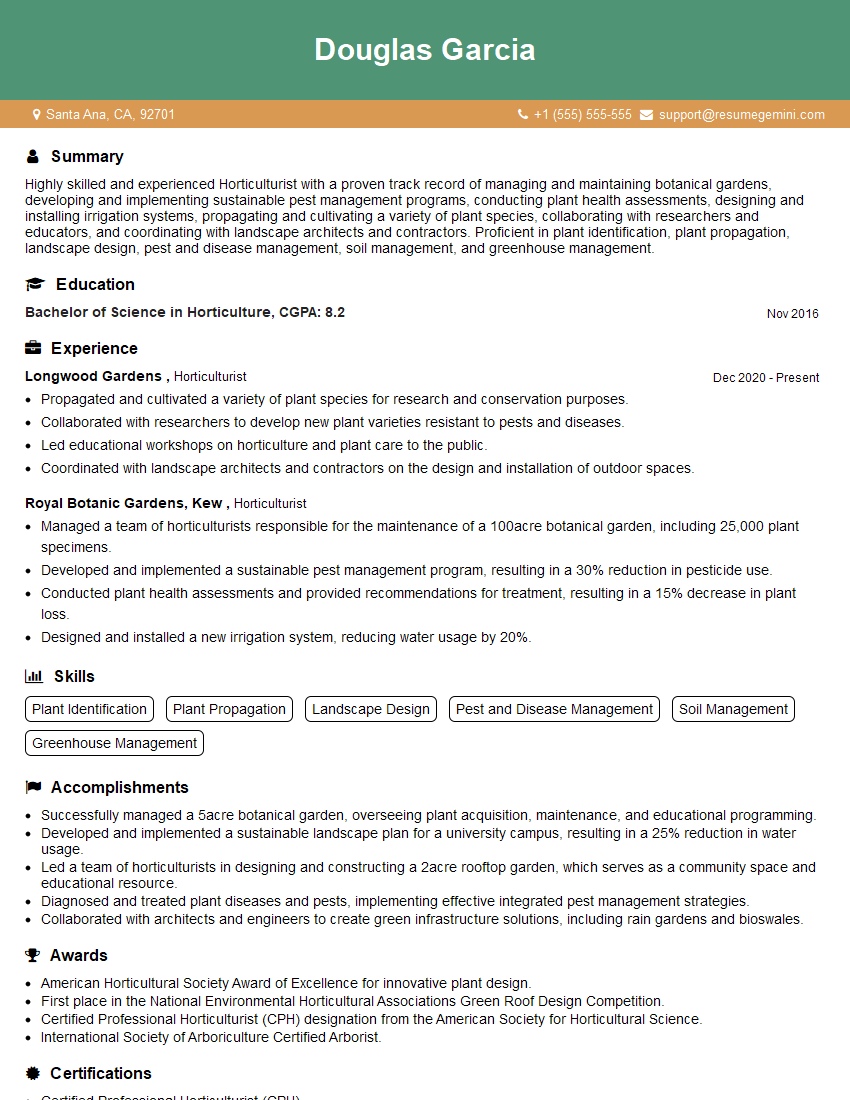
Horticulturist Resume Sample
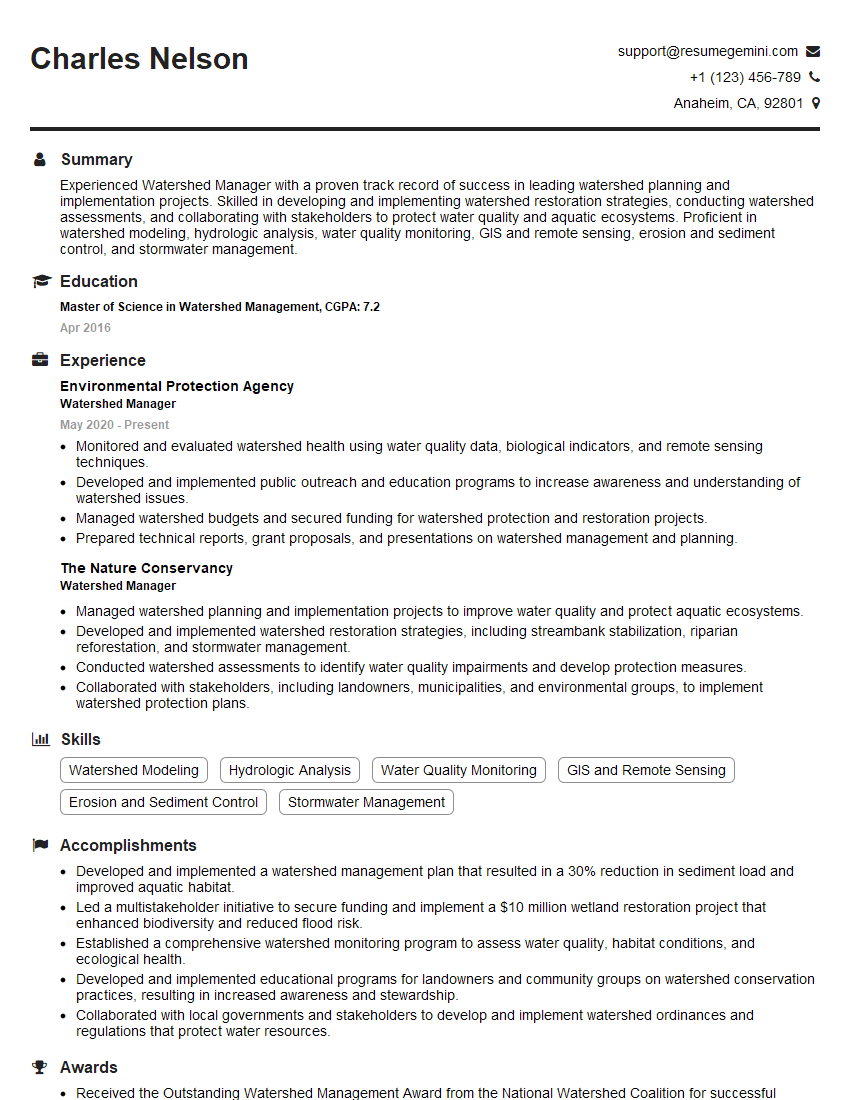
Watershed Manager Resume Sample
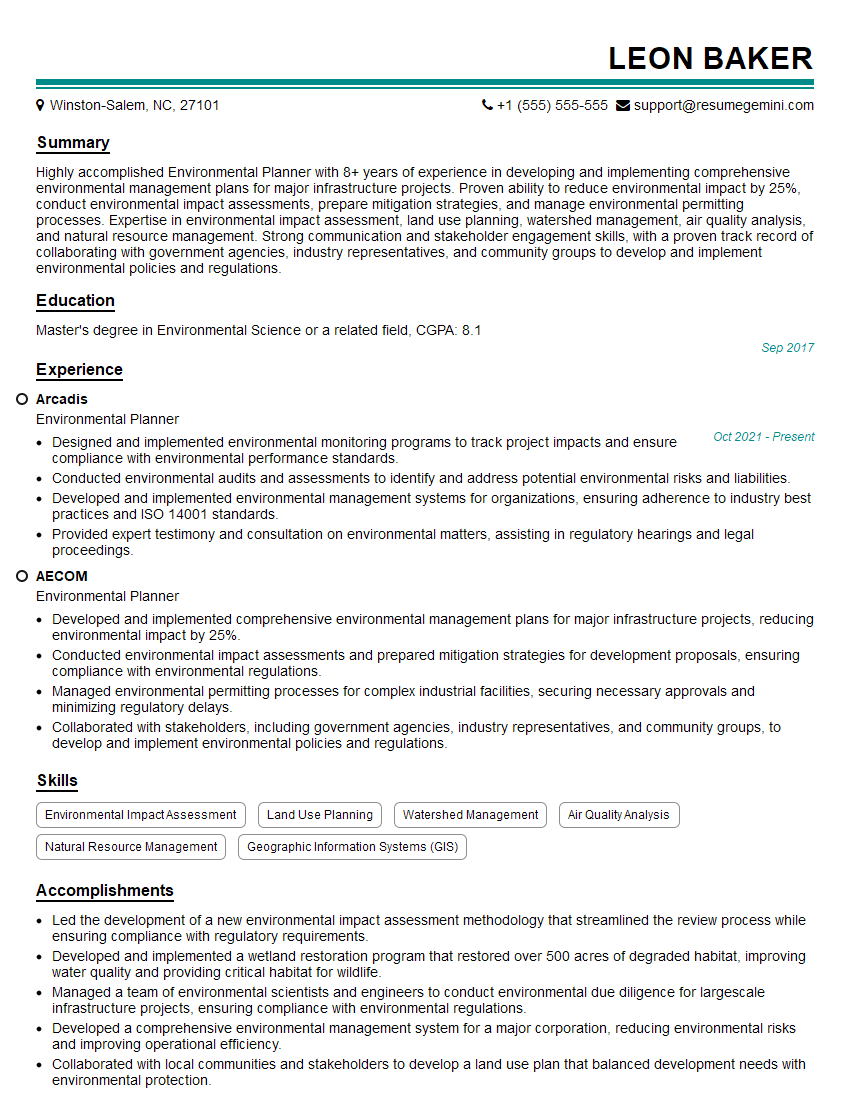
Environmental Planner Resume Sample
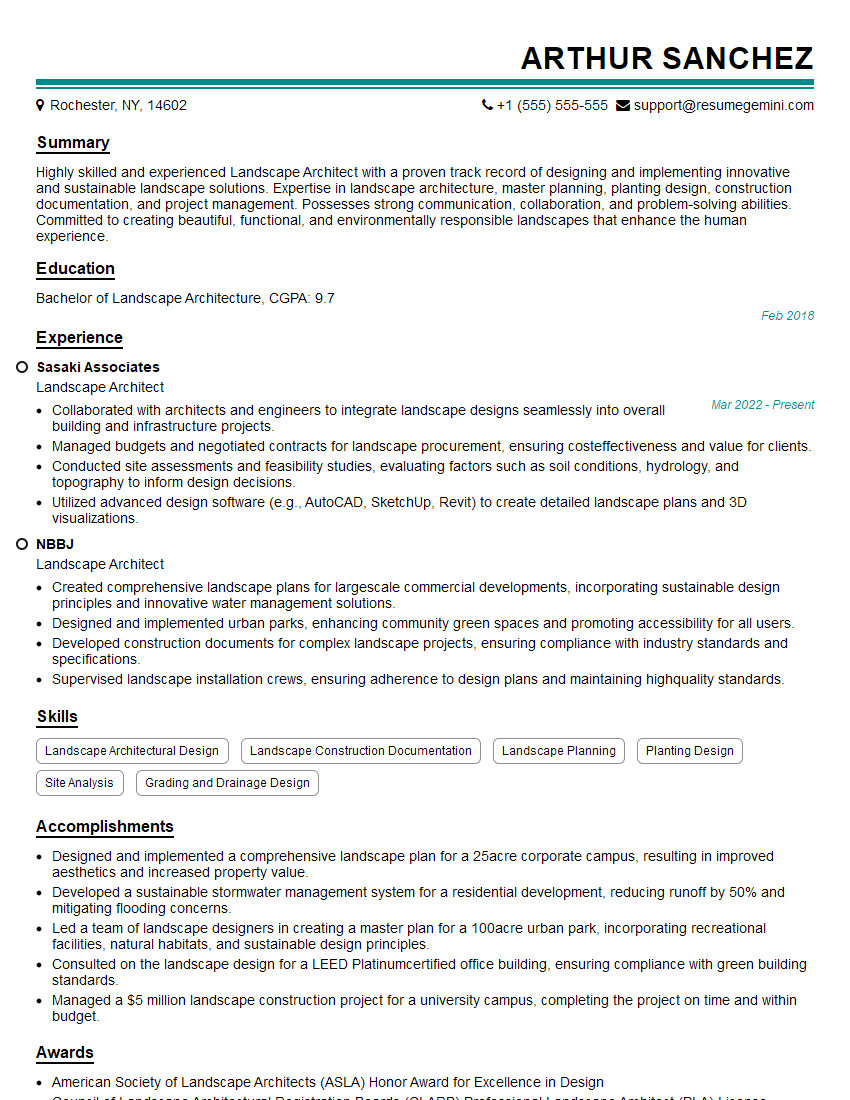
Landscape Architect Resume Sample
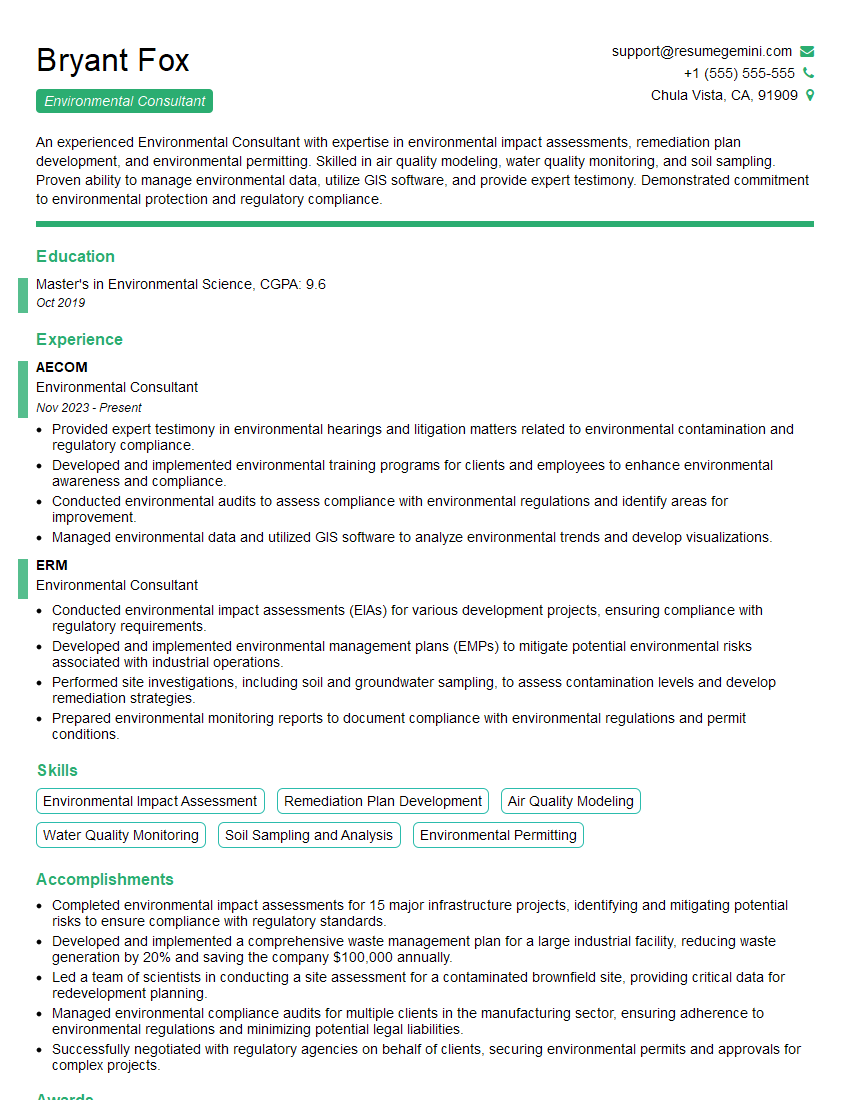
Environmental Consultant Resume Sample
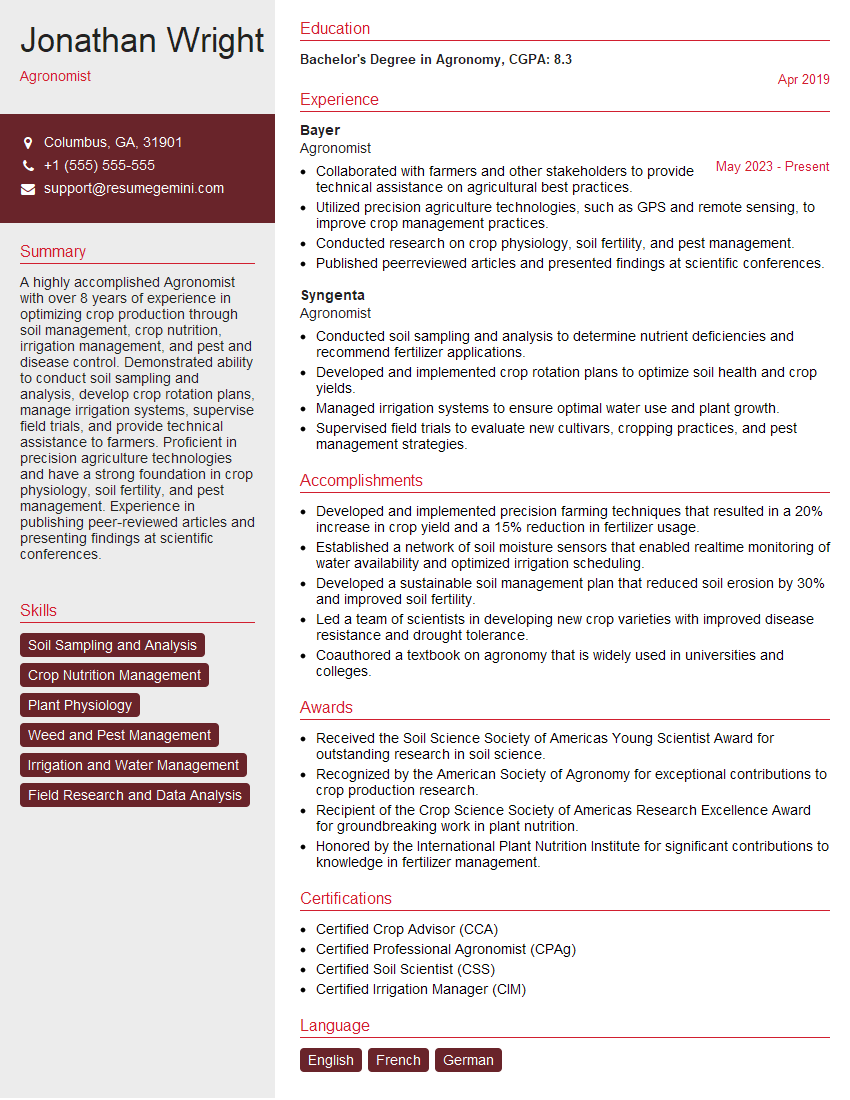
Agronomist Resume Sample

Arborist Resume Sample

Soil Scientist Resume Sample
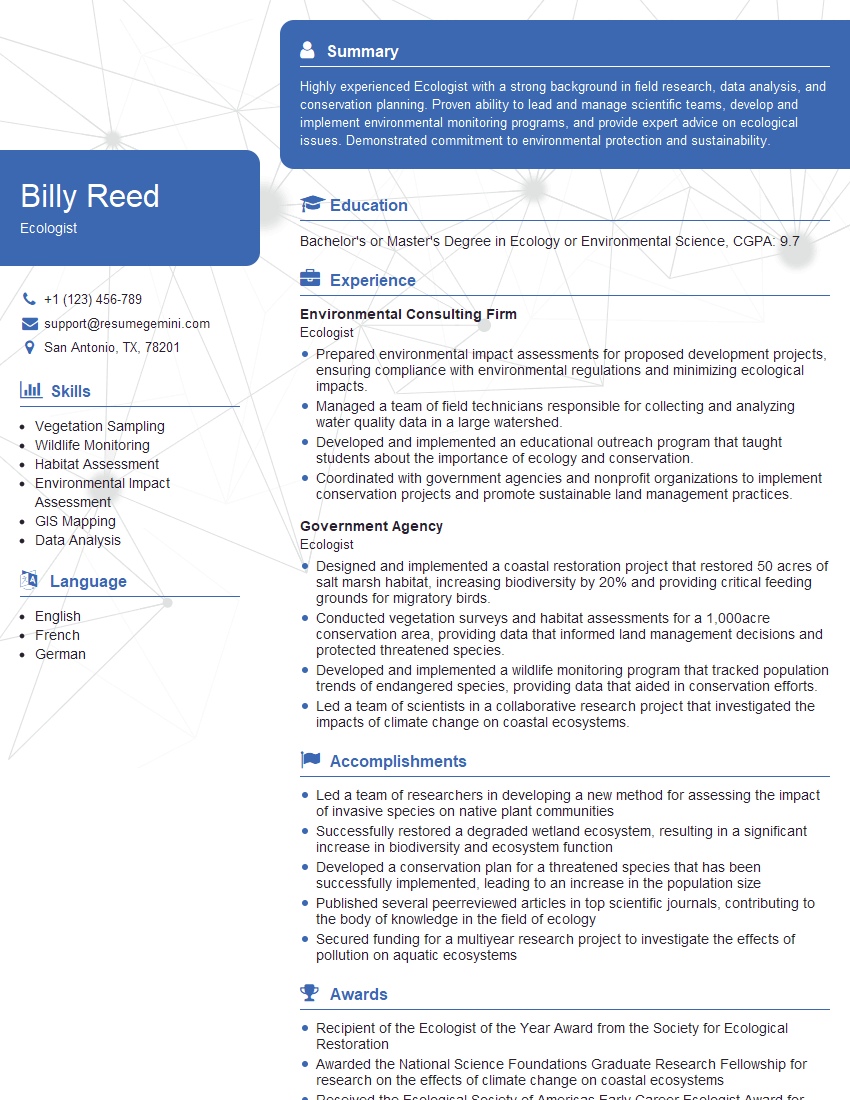
Ecologist Resume Sample

Soil Conservationist Resume Sample
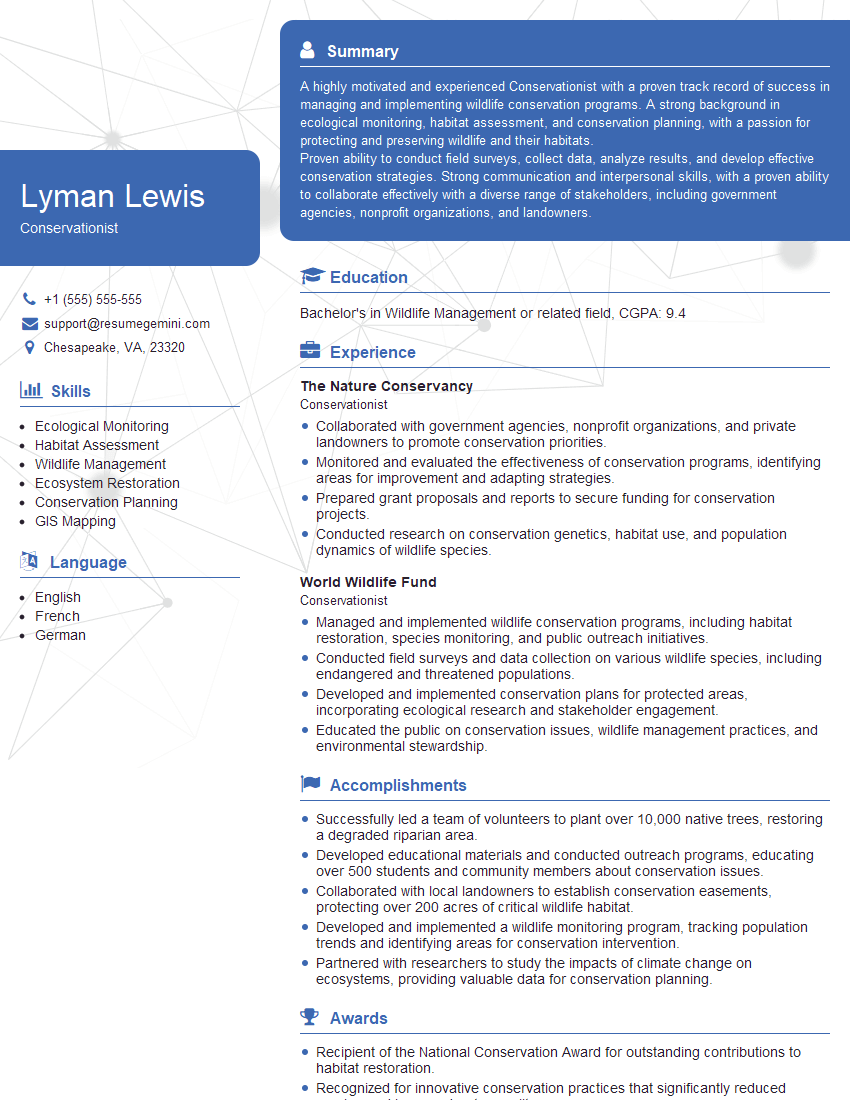
Conservationist Resume Sample

Erosion Control Specialist Resume Sample
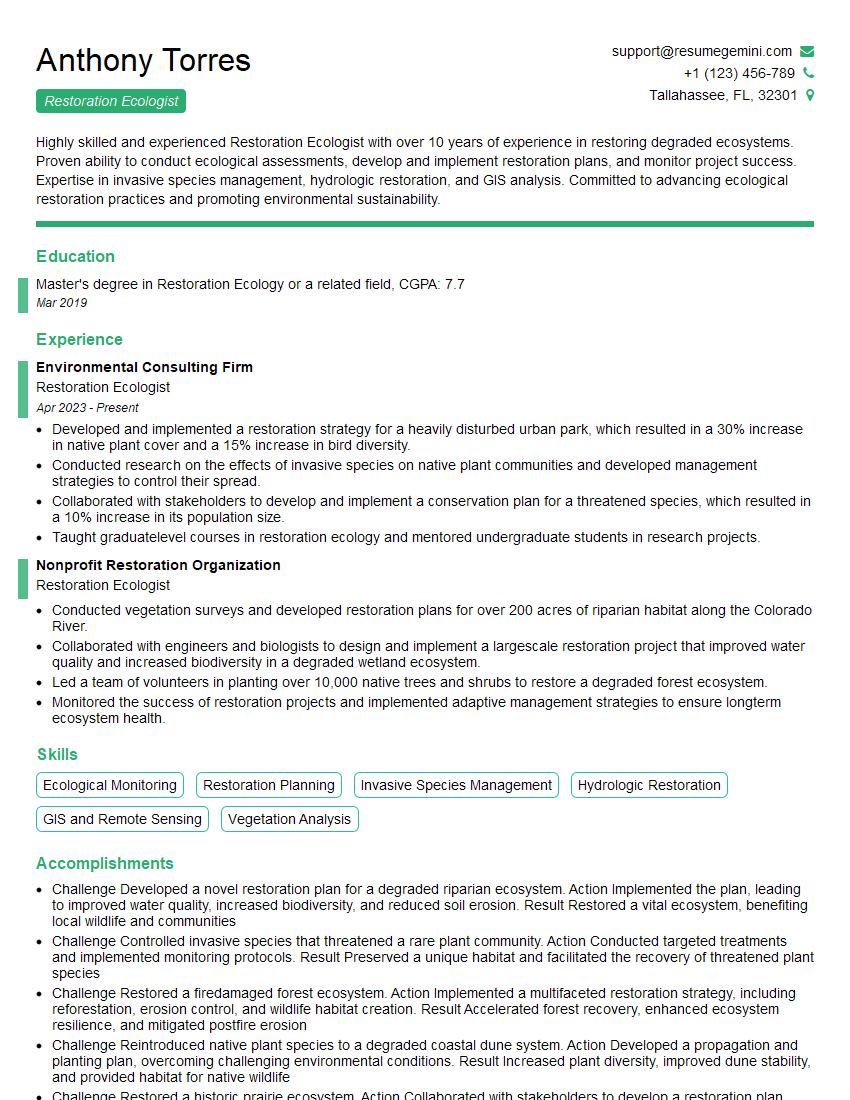
Restoration Ecologist Resume Sample
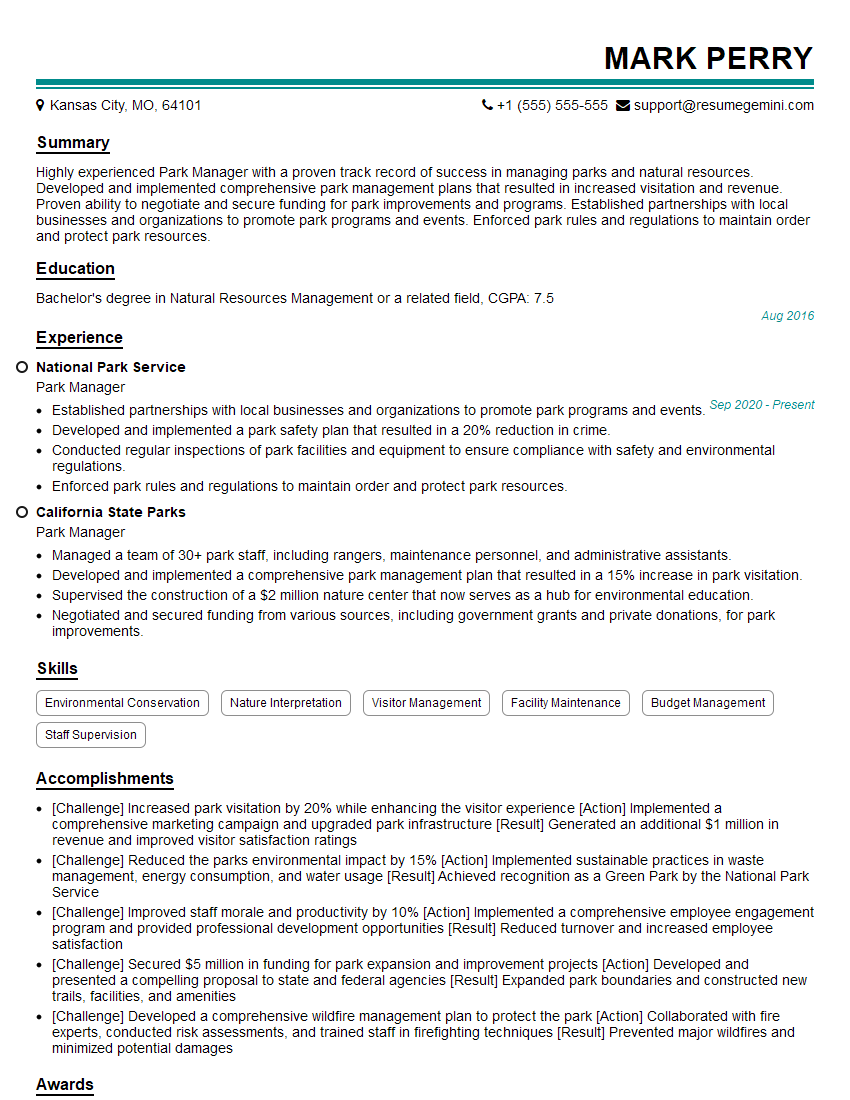
Park Manager Resume Sample
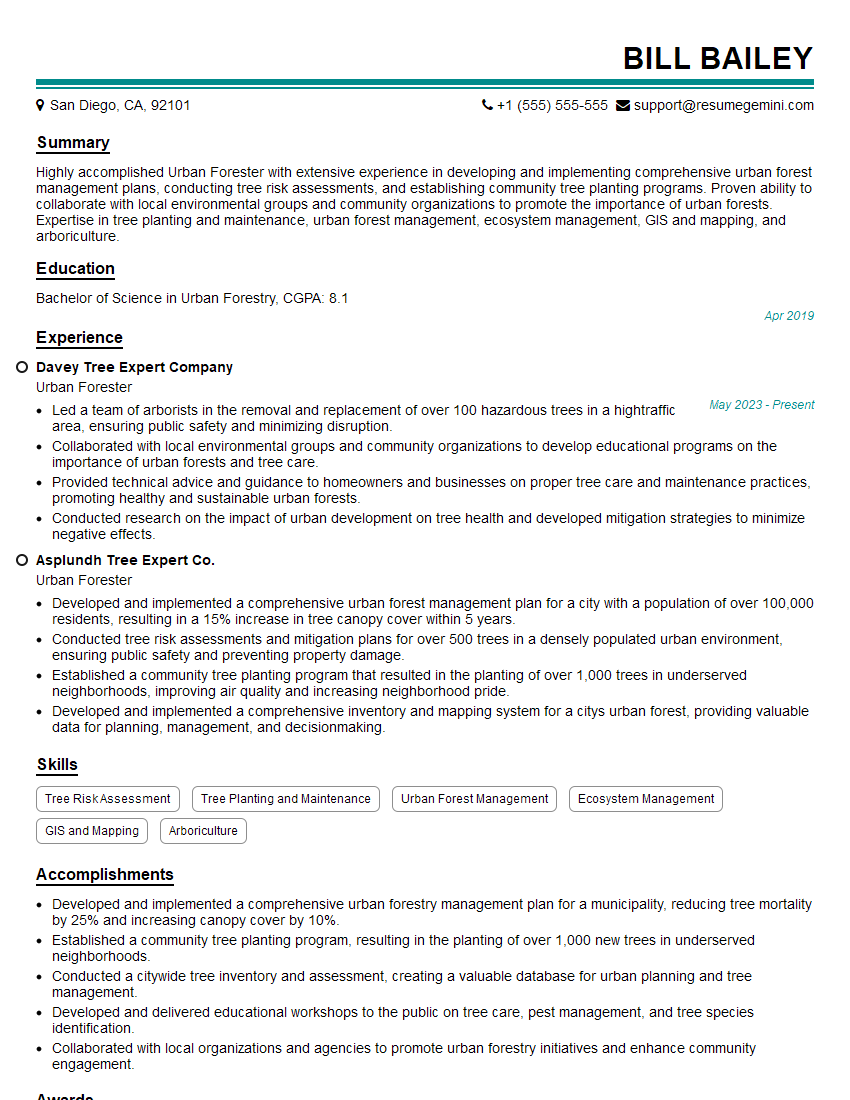
Urban Forester Resume Sample
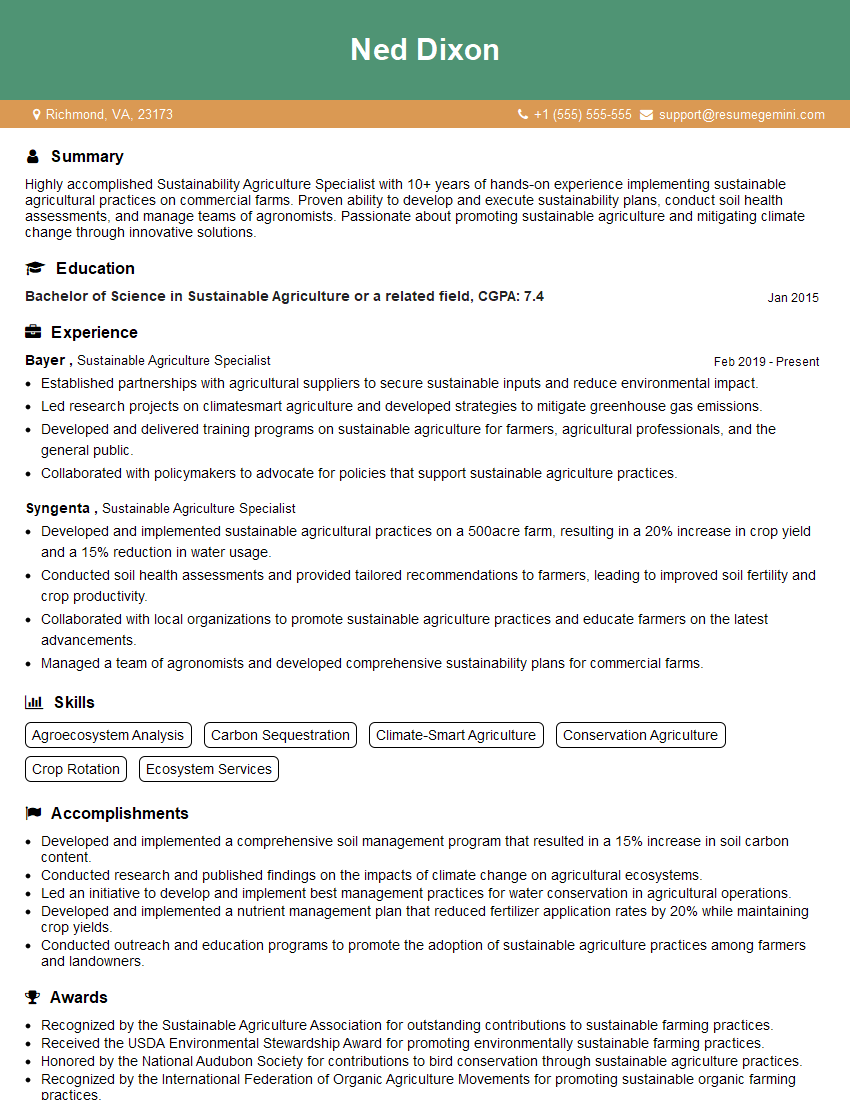
Sustainable Agriculture Specialist Resume Sample
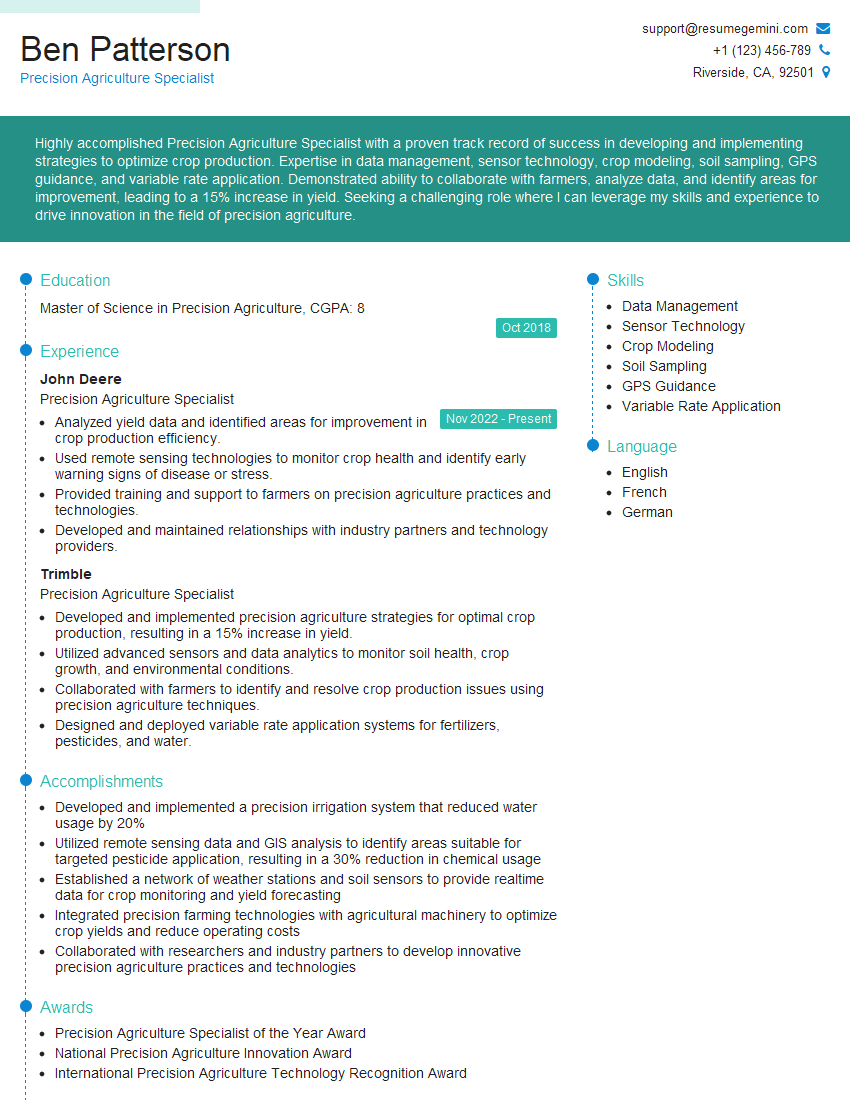
Precision Agriculture Specialist Resume Sample
- Horticulturist
- Watershed Manager
- Environmental Planner
- Landscape Architect
- Environmental Consultant
- Agronomist
- Arborist
- Soil Scientist
- Ecologist
- Soil Conservationist
- Conservationist
- Erosion Control Specialist
- Restoration Ecologist
- Park Manager
- Urban Forester
- Sustainable Agriculture Specialist
- Precision Agriculture Specialist
Explore more articles
Users Rating of Our Blogs
Share Your Experience
We value your feedback! Please rate our content and share your thoughts (optional).
What Readers Say About Our Blog
Very informative content, great job.
good