Interviews are opportunities to demonstrate your expertise, and this guide is here to help you shine. Explore the essential Ensure proper alignment and tension of material interview questions that employers frequently ask, paired with strategies for crafting responses that set you apart from the competition.
Questions Asked in Ensure proper alignment and tension of material Interview
Q 1. Explain the importance of proper material alignment in a manufacturing process.
Proper material alignment is paramount in manufacturing because it directly impacts the quality, consistency, and efficiency of the final product. Imagine trying to build a house with misaligned bricks – it wouldn’t stand! Similarly, in manufacturing, misalignment leads to defects, increased waste, and potentially safety hazards. Accurate alignment ensures that all components fit together correctly, resulting in a superior product and reduced rework. This is crucial across various processes, from textile weaving and printing to sheet metal fabrication and semiconductor manufacturing.
For example, in the printing industry, improper alignment of the paper can lead to blurry images, misaligned text, and wasted materials. In the automotive industry, even a slight misalignment of parts during assembly can affect the vehicle’s performance and safety.
Q 2. Describe different methods for ensuring material alignment.
Ensuring material alignment employs several methods, depending on the material and manufacturing process. These methods often involve a combination of mechanical guides, sensors, and automated systems.
- Mechanical Guides: These include rollers, guides, and jigs that physically constrain the material’s path, ensuring it stays in the correct position. Think of the guides on a paper feeder in a printer.
- Optical Sensors: These sensors use light beams or cameras to detect the material’s edge or a pre-printed mark. The signal from the sensor is then used to adjust the material’s position in real-time.
- Laser Alignment Systems: Highly precise laser systems project reference lines onto the material, allowing for extremely accurate alignment, often used in high-precision manufacturing like microelectronics.
- Automated Alignment Systems: These systems combine sensors and actuators to automatically adjust the material’s position based on sensor feedback. This is common in advanced automated manufacturing lines.
The choice of method depends on factors such as the material’s properties, the required precision, and the production volume.
Q 3. How do you measure and control material tension?
Material tension control is crucial for maintaining consistent product quality and preventing defects. Measuring and controlling tension relies on a variety of tools and techniques.
- Tension Transducers: These sensors directly measure the force exerted on the material. They are available in various types, including load cells and strain gauges, offering different ranges of measurement accuracy and capacity.
- Tension Control Systems: These systems typically combine tension transducers with actuators (like motors or pneumatic cylinders) to automatically adjust the tension based on the measured value. This ensures the material maintains the desired tension throughout the process.
- Visual Inspection: In some cases, visual inspection can provide a quick assessment of tension. For example, excessive sagging or wrinkles in fabric indicate low tension, while extreme tightness might cause stretching or breakage.
The specific method for measuring and controlling tension depends on the material and the process. For instance, controlling tension in a textile manufacturing line requires a different approach than controlling tension in a metal rolling mill.
Q 4. What are the consequences of incorrect material tension?
Incorrect material tension has several detrimental consequences, impacting both product quality and manufacturing efficiency.
- Dimensional Inaccuracy: Excessive tension can stretch the material, leading to dimensional inaccuracies in the final product. Too little tension can cause sagging or wrinkling, resulting in inconsistent dimensions.
- Defects: Incorrect tension often contributes to various defects such as tears, wrinkles, creases, or uneven surfaces, increasing waste and rework.
- Machine Damage: Excessive tension can overload machinery and lead to equipment damage, potentially resulting in costly downtime and repairs.
- Reduced Production Speed: Constant adjustments due to tension problems often slow down the production rate.
- Safety Hazards: In some processes, incorrect tension can create safety hazards, particularly if the material snaps or becomes entangled in machinery.
For example, in a paper manufacturing process, inconsistent tension can lead to variations in paper thickness and density, affecting the quality of the final product. In textile weaving, incorrect tension can cause broken threads, leading to defects in the fabric.
Q 5. What tools or equipment are used to adjust material alignment and tension?
Adjusting material alignment and tension utilizes a range of tools and equipment, depending on the specific application. Some common examples include:
- Guide Rollers: These are used to guide the material along its path and maintain alignment.
- Tension Control Units: These units incorporate sensors and actuators to automatically adjust the tension on the material.
- Motorized Pinch Rollers: These precisely control the speed and tension of materials, often found in web handling systems.
- Alignment Sensors: These use optical or other sensors to measure the material’s position and provide feedback to automated alignment systems.
- Manual Adjustment Mechanisms: Simple mechanical adjustments such as screws or levers are frequently used for manual alignment.
The complexity of the equipment used depends on the level of automation and precision required by the manufacturing process. Simple processes might utilize basic manual tools, while high-precision processes need sophisticated automated systems.
Q 6. How do you troubleshoot alignment and tension issues?
Troubleshooting alignment and tension issues requires a systematic approach. My process usually involves:
- Identify the Problem: Carefully observe the material and note any inconsistencies such as misalignment, wrinkles, tears, or uneven tension.
- Inspect the Equipment: Check all equipment involved in the process, including rollers, guides, sensors, and actuators. Look for wear, damage, or misalignment.
- Check Sensor Readings: Verify that sensors are correctly calibrated and providing accurate readings. Any discrepancies can point to sensor problems.
- Analyze the Process: Evaluate the entire process flow to identify any potential causes of the problem, such as incorrect machine settings or material properties.
- Make Adjustments: Based on the analysis, adjust the equipment settings, replace faulty components, or make any necessary changes to the process.
- Monitor the Results: After making adjustments, monitor the process closely to ensure the problem is resolved and that the material alignment and tension are within acceptable limits.
I always start with the simplest possible solutions and only move to more complex troubleshooting steps if necessary. Careful documentation throughout the process helps prevent future occurrences.
Q 7. Describe your experience with different types of materials and their specific alignment and tension requirements.
My experience encompasses a wide range of materials, each with unique alignment and tension requirements. I’ve worked with:
- Textiles: Fabric requires careful tension control to prevent stretching or damage during weaving, dyeing, and finishing processes. Different fabrics have different elasticity and strength properties necessitating customized tension control.
- Paper: In paper manufacturing and printing, maintaining consistent tension is vital to prevent wrinkles, breaks, and variations in thickness and density. The type of paper (e.g., thin tissue vs. thick cardboard) influences the required tension level.
- Metals: Sheet metal requires precise alignment and tension control during rolling, stamping, and forming operations. The thickness and material properties (e.g., steel, aluminum) dictate the necessary tension and alignment parameters.
- Plastics: Plastic films and sheets demand careful tension management to prevent tearing, stretching, or wrinkling during extrusion, printing, and packaging processes. Different plastic types have different thermal and mechanical properties that affect their optimal tension.
For each material type, I adapt my approach to alignment and tension control based on its unique physical and mechanical properties. This includes selecting appropriate sensors, actuators, and control algorithms, ensuring optimal process performance and product quality.
Q 8. Explain the relationship between material tension and product quality.
Material tension plays a crucial role in product quality. Think of it like this: imagine weaving a tapestry. If the threads are too loose, the tapestry will be flimsy and prone to tearing; if they’re too tight, the fabric will be distorted and uneven. Similarly, in manufacturing, incorrect tension can lead to a range of defects.
- Dimensional Accuracy: Insufficient tension can result in inconsistent dimensions, causing parts to be too large or too small, leading to assembly problems or functional failure.
- Surface Finish: Uneven tension can create wrinkles, creases, or other surface imperfections, impacting the aesthetic appeal and potentially the structural integrity of the final product.
- Strength and Durability: Proper tension ensures the material is properly stressed and bonded, resulting in a stronger, more durable product. Insufficient tension can lead to weakness and premature failure.
- Process Efficiency: Maintaining optimal tension minimizes material waste, reduces downtime caused by defects, and ultimately improves production efficiency.
For example, in the production of textiles, precise tension control is vital to prevent fabric stretching, shrinkage, or breaking during the weaving process. In the manufacture of plastic films, appropriate tension ensures the film remains flat and free of wrinkles, vital for packaging applications. In short, consistent and correct material tension directly translates to higher quality and more reliable products.
Q 9. How do you ensure consistent material tension throughout a production run?
Ensuring consistent material tension across a production run involves a multi-faceted approach, combining meticulous setup and ongoing monitoring.
- Calibration: All tension control devices (whether mechanical or automated) must be meticulously calibrated against industry standards and checked regularly to ensure accuracy. We use certified equipment and regularly perform calibration checks documented in our quality control system.
- Material Properties: The material itself must be considered; variations in material properties like thickness and stiffness will affect the required tension. We carefully inspect incoming materials and adjust tension settings based on the batch’s specific properties.
- Process Monitoring: Real-time monitoring is essential, and we typically employ a combination of sensors (for tension measurement) and visual inspection. Any deviation from set parameters triggers an alert and allows for prompt adjustment.
- Feedback Control Systems: In automated systems, closed-loop feedback control automatically adjusts tension based on sensor readings, maintaining a constant tension even with variations in speed or material properties. This minimizes human error and ensures consistency.
- Regular Maintenance: Equipment maintenance, including regular cleaning and lubrication, is critical to maintaining accuracy and preventing premature wear, both of which can affect tension control. We follow a strict preventative maintenance schedule.
For example, in a paper-making process, sensors constantly measure the tension of the paper web as it moves through rollers. If the tension drops below a set point, the rollers automatically adjust to increase the tension, ensuring a uniform product. This is a classic example of closed-loop control.
Q 10. What are the safety considerations related to material alignment and tension?
Safety considerations are paramount when dealing with material alignment and tension. High tension can cause dangerous situations, so we prioritize safety protocols in several ways:
- Proper Training: All personnel involved in the process receive thorough training on safe operating procedures, including emergency shutdown procedures. We always emphasize the importance of safety and provide ongoing refresher training.
- Machine Guarding: Machinery with moving parts is equipped with appropriate safety guards to prevent accidental contact with high-tension material or moving components. Regular inspections ensure guards remain in place and function correctly.
- Personal Protective Equipment (PPE): Workers handling high-tension materials are required to wear appropriate PPE, such as safety glasses, gloves, and protective clothing to minimize risks of injury.
- Emergency Stop Mechanisms: Easily accessible and clearly marked emergency stop buttons are strategically placed throughout the production area, allowing for immediate machine shutdown in case of accidents or emergencies.
- Lockout/Tagout Procedures: Strict lockout/tagout procedures are followed during maintenance or repairs to ensure machinery is completely de-energized and safe to work on.
For instance, if we are dealing with high-speed web-processing machinery, ensuring adequate guarding is critical to prevent personnel being caught in the process, potentially resulting in severe injury.
Q 11. How do you document material alignment and tension settings?
Documentation is essential for traceability, quality control, and regulatory compliance. We maintain comprehensive records of material alignment and tension settings using a combination of methods:
- Digital Records: Automated systems often record tension settings and other process parameters digitally, creating detailed audit trails. This data is securely stored and easily accessible.
- Written Logs: Manual adjustments and visual inspections are carefully recorded in written logs, providing a complete record of all activities.
- Calibration Certificates: Certificates documenting the calibration of tension measurement instruments and other equipment are maintained, demonstrating equipment accuracy and traceability.
- Standard Operating Procedures (SOPs): Detailed SOPs outline the correct procedures for setting, monitoring, and adjusting material alignment and tension for each material and process. This ensures consistency and reduces variability.
- Quality Control Reports: Regular quality control reports summarize the alignment and tension data, highlighting any deviations and corrective actions taken.
This detailed documentation not only ensures product quality but also aids in troubleshooting problems and identifying areas for process improvement. It is also essential in complying with various industry regulations.
Q 12. Describe your experience with automated alignment and tension control systems.
I have extensive experience with automated alignment and tension control systems, particularly in the textile and film industries. These systems often incorporate advanced sensors, such as load cells, ultrasonic sensors, or vision systems, to precisely measure and control material tension.
- Sensor Integration: I’m proficient in integrating various sensors into the control loop to achieve optimal accuracy and responsiveness. Experience includes working with both analog and digital sensors, selecting the appropriate sensor type depending on material properties and application requirements.
- Control Algorithms: I have expertise in designing and implementing various control algorithms, such as PID controllers, to maintain consistent tension despite variations in material properties or process conditions. This includes tuning algorithms for optimal performance and stability.
- Data Acquisition and Analysis: I am skilled in using data acquisition systems to collect data from various sensors and process parameters. This data is then analyzed to identify trends, predict potential issues, and optimize the control system.
- Troubleshooting and Maintenance: I have significant experience in troubleshooting automated systems, identifying and resolving issues with sensors, actuators, or control software. Regular preventative maintenance is critical, and I follow established procedures to minimize downtime and ensure system reliability.
- Human-Machine Interface (HMI): I am experienced in working with HMIs to provide operators with real-time feedback on tension, alignment, and other process parameters, allowing for efficient monitoring and control.
For example, I worked on a project implementing a vision-based system to detect and correct alignment errors in a high-speed web-processing line. This improved product quality and reduced waste significantly. The implementation involved custom programming, sensor integration, and careful calibration.
Q 13. How do you handle variations in material thickness or consistency?
Variations in material thickness or consistency are a common challenge. We address this through a combination of approaches:
- Material Inspection: Incoming materials are rigorously inspected to identify and quantify variations in thickness and consistency. This information informs adjustments to the tension settings.
- Adaptive Control Systems: Advanced automated systems often utilize adaptive control algorithms that automatically adjust tension based on real-time measurements of material thickness or consistency. This ensures consistent tension even with fluctuating material properties.
- Tension Control Ranges: We often define acceptable tension ranges rather than a single set point, allowing for minor variations in material properties without compromising product quality. The acceptable range depends on the material and the final application.
- Material Pre-Treatment: In some cases, pre-treating the material (such as pre-stretching or conditioning) can reduce variability and improve consistency. This can include processes like thermal treatment or moisture control.
- Feedback Loops: Utilizing multiple feedback loops, measuring not only tension but also material properties, provides more sophisticated control, enabling the system to respond more effectively to variations.
For instance, in paper production, variations in paper thickness can significantly affect tension. Advanced systems use sensors to measure the thickness and adjust the tension accordingly, maintaining a consistent and high-quality product, despite minor fluctuations in the paper stock’s properties.
Q 14. How do you identify and resolve material slippage or misalignment?
Material slippage or misalignment can lead to significant defects and production downtime. We address these issues through a systematic approach:
- Visual Inspection: Regular visual inspections of the material path are crucial for detecting slippage or misalignment at an early stage. Training our personnel to identify subtle signs is key.
- Sensor Monitoring: Sensors can detect changes in material position or tension that indicate slippage or misalignment. Automated systems often generate alerts based on these sensor readings.
- Tension Adjustment: Appropriate tension adjustment can often correct minor slippage. However, excessive tension can lead to other problems, requiring a more careful approach.
- Mechanical Adjustments: If slippage is due to mechanical issues, such as worn rollers or misaligned guides, we need to address these directly through mechanical adjustments or repairs. This often requires specialized tools and expertise.
- Root Cause Analysis: For recurrent issues, a thorough root cause analysis is vital to identify the underlying reasons for slippage or misalignment, helping to prevent similar incidents in the future.
For example, if we observe material slippage in a textile manufacturing process, it could be caused by worn rollers, incorrect tension settings, or problems with the guiding system. Investigating these aspects and implementing the appropriate corrective actions is essential to restoring optimal performance and maintaining product quality.
Q 15. What is your experience with different types of tensioning devices?
My experience encompasses a wide range of tensioning devices, from simple hand-cranked systems to sophisticated, computer-controlled mechanisms. I’ve worked extensively with pneumatic and hydraulic tensioners, using them in various applications, including textile manufacturing, printing, and metalworking. For instance, in textile production, I’ve used air-powered tensioners to precisely control the tension of fabric during weaving, ensuring consistent quality and preventing breaks. In metal rolling operations, I’ve managed hydraulic tensioning systems to maintain the correct tension on the metal strip as it’s processed. My experience also includes working with spring-loaded tensioners, often used in simpler applications requiring less precise control, and with motorized unwind stands for large rolls of material.
- Pneumatic Tensioners: Offer quick response and adjustable tension levels, ideal for fast-paced production.
- Hydraulic Tensioners: Provide greater force and control, suitable for heavy materials.
- Spring-Loaded Tensioners: Simple, low-cost option for applications with less stringent requirements.
- Motorized Unwind Stands: Manage tension automatically across large material rolls.
Career Expert Tips:
- Ace those interviews! Prepare effectively by reviewing the Top 50 Most Common Interview Questions on ResumeGemini.
- Navigate your job search with confidence! Explore a wide range of Career Tips on ResumeGemini. Learn about common challenges and recommendations to overcome them.
- Craft the perfect resume! Master the Art of Resume Writing with ResumeGemini’s guide. Showcase your unique qualifications and achievements effectively.
- Don’t miss out on holiday savings! Build your dream resume with ResumeGemini’s ATS optimized templates.
Q 16. Describe your experience with preventative maintenance for alignment and tension control equipment.
Preventative maintenance is crucial for ensuring the longevity and efficiency of alignment and tension control equipment. My approach follows a structured schedule incorporating regular inspections, lubrication, and component replacements. This involves visually inspecting all moving parts for wear and tear, checking for leaks in pneumatic and hydraulic systems, and verifying the accuracy of tension measurement instruments. I also maintain detailed records of all maintenance activities, including dates, tasks performed, and any issues identified. For example, in a recent project, we implemented a predictive maintenance system using sensor data to anticipate potential failures in the tension control system, allowing for proactive intervention and preventing costly downtime. A well-maintained system also reduces material waste caused by misalignment or tension fluctuations.
Example Maintenance Log Entry: Date: 2024-10-27, Equipment: Hydraulic Tensioner Unit 3, Action: Replaced worn seals, Lubricated moving parts, Verified pressure readings, Status: Operational.Q 17. How do you interpret specifications related to material alignment and tension?
Interpreting specifications requires a thorough understanding of the material properties and the production process. I typically look for key parameters such as maximum and minimum tension limits (often expressed in pounds per inch or Newtons), tolerance for material alignment (e.g., +/- 0.5 mm), and the specific testing methods used to verify these parameters. For example, a specification might state ‘Fabric tension must be maintained between 20 and 25 lbf/in with a maximum deviation of +/- 1 lbf/in, and alignment must be within +/- 0.2mm.’ These specifications guide the setup and operation of the equipment, ensuring the final product meets quality standards. Any deviation from these specifications can lead to subpar quality or production issues. I always double check the specifications with the manufacturing drawings and the process engineer to confirm complete understanding before commencing work.
Q 18. How do you communicate alignment and tension issues to other team members?
Communicating alignment and tension issues effectively is paramount to prevent larger problems. I use a multi-pronged approach, combining verbal communication with clear, concise documentation. If I detect an issue, I immediately notify relevant team members—operators, supervisors, and maintenance personnel—verbally, explaining the problem clearly and its potential consequences. I then document the issue, including details such as the time of occurrence, location, severity, and any observed symptoms. This documentation may include photos or video recordings for further analysis. I prioritize clear, non-technical language to ensure everyone understands, and follow up on my communication to confirm the issue is being addressed.
Q 19. How do you prioritize material alignment and tension issues based on their impact on production?
Prioritizing issues requires a risk assessment considering the potential impact on production and product quality. I employ a system where I assess each issue based on severity and urgency. High-severity, high-urgency issues, such as significant material misalignment resulting in immediate production stoppage, are addressed immediately. Moderate-severity issues, such as minor alignment deviations that don’t impact immediate production but could lead to quality defects later, are addressed on a planned basis. Low-severity issues are often integrated into the routine maintenance schedule. This system ensures that resources are allocated efficiently to minimize downtime and maintain product quality.
Q 20. Describe your experience with different types of material, such as fabrics, metals, or plastics, and how their alignment and tension needs differ.
Different materials have drastically different alignment and tension requirements. Fabrics are sensitive to stretching and tearing, requiring careful control of tension to avoid damage. Metals, especially during processes like rolling or drawing, require precise tension control to achieve the desired shape and properties, while excessive tension could lead to defects or breakage. Plastics, on the other hand, can be more forgiving, though excessive tension can still cause warping or deformation. The ideal tension depends heavily on the material’s elastic modulus, tensile strength, and the specific application. For example, a delicate silk fabric needs significantly less tension than a heavy-duty steel sheet during rolling. Understanding these differences is crucial for preventing defects and ensuring efficient processing.
Q 21. What are the different types of tension measuring instruments and their applications?
Several tension measuring instruments are available, each suited to different applications. Load cells are frequently used to measure the force exerted on a material; they’re versatile and can be integrated into various systems. Tensiometers measure tension directly in the material and offer real-time readings. They’re particularly useful for monitoring tension during processing. Contactless sensors, such as laser-based systems, measure tension without direct physical contact; this is advantageous for delicate materials or high-speed applications. The choice depends on the material type, the required precision, and the production environment. For instance, a load cell might be ideal for measuring the tension on a metal sheet in a rolling mill, whereas a contactless sensor is better suited for measuring the tension of delicate fibers in a textile mill.
Q 22. Explain the concept of residual stress in materials and how it affects alignment and tension.
Residual stress is like the internal tension a material holds after it’s been formed or processed. Think of it as a microscopic tug-of-war within the material itself. These stresses can be compressive (squeezing inwards) or tensile (pulling outwards), and they aren’t readily apparent. They significantly impact alignment and tension because they can cause warping, distortion, and even cracking over time or under stress. For example, a metal part might appear perfectly aligned after manufacturing, but residual stresses could cause it to slightly bend or twist during subsequent operations or even in service. Understanding and managing residual stresses is crucial to ensuring long-term stability and dimensional accuracy.
One way to visualize this is to imagine a tightly wound spring. The spring is under considerable internal stress even when at rest. If you release that tension suddenly, the spring will snap into a new shape. Similarly, uncontrolled residual stresses in a material can lead to unexpected changes in alignment and tension.
Q 23. How do environmental factors (temperature, humidity) affect material alignment and tension?
Environmental factors like temperature and humidity can significantly impact material alignment and tension. Temperature changes cause materials to expand and contract. This thermal expansion or contraction can induce stresses that lead to bowing, warping, or changes in tension. For instance, a plastic part might fit perfectly at room temperature, but it might become too tight or loose after being exposed to extreme temperatures. Humidity affects materials like wood or paper, causing them to swell or shrink, which can dramatically alter alignment and tension. In precision manufacturing, temperature and humidity are tightly controlled to minimize these effects.
Consider the example of a precisely aligned optical fiber. Even small temperature fluctuations can induce changes in its length, affecting the alignment of light signals. Similarly, a wooden guitar neck might warp due to changes in humidity, impacting the playability of the instrument.
Q 24. What are the common causes of material warping or distortion?
Material warping or distortion stems from several common causes. Non-uniform heating or cooling during processing is a major culprit. Think of baking a cake unevenly – one side might rise more than the other, leading to warping. Similarly, uneven cooling of a metal casting can create internal stresses that cause distortion. Another common cause is internal stresses from the manufacturing process itself, such as residual stresses discussed earlier. Improper material handling, such as applying excessive force or subjecting materials to shocks, can also induce warping. Finally, the inherent anisotropy (directional dependence of properties) of some materials can contribute to uneven expansion or contraction, leading to distortion.
- Uneven heating/cooling
- Residual stresses
- Improper handling
- Material anisotropy
Q 25. How do you determine the appropriate level of tension for a given material and application?
Determining the appropriate tension for a material and application requires a multifaceted approach. It’s not a one-size-fits-all answer. Several factors need consideration. First, the material itself: its inherent strength, elasticity, and susceptibility to deformation under stress are key. Then, the intended application: what forces will the material endure? How much flexibility is required? Finally, the manufacturing process: what are the capabilities and limitations of the machinery and tools used?
For instance, a fabric stretched too tightly might tear easily, while too little tension might lead to wrinkles or unevenness. Similarly, a cable under too little tension might sag and break, while excessive tension can lead to premature fatigue failure. Often, engineers use stress-strain curves and tensile testing data to guide this decision-making process.
Q 26. Describe your experience with using statistical process control (SPC) techniques to monitor material alignment and tension.
I have extensive experience using Statistical Process Control (SPC) techniques to monitor material alignment and tension. In my previous role, we used control charts (e.g., X-bar and R charts) to track key parameters like material width, thickness, and tensile strength throughout the manufacturing process. We established control limits based on historical data and used the charts to identify trends, shifts, and any out-of-control conditions. This allowed for timely adjustments to prevent defects and ensure consistent product quality. For instance, if we detected a significant shift in the mean tension value, we would investigate the cause (e.g., machine malfunction, material variation) and take corrective actions.
We also implemented capability analysis to assess the process’s ability to meet specification limits. This helped us identify areas for process improvement and optimize our control strategies. Real-time data acquisition and automated feedback loops were integral components of our SPC system, providing continuous monitoring and alert capabilities.
Q 27. How do you stay current on the latest techniques and technologies related to material alignment and tension control?
Staying current in this rapidly evolving field requires continuous learning. I actively participate in industry conferences and workshops, attending presentations and networking with other professionals. I also subscribe to relevant trade journals and online resources to keep abreast of the latest research and technological advancements. Furthermore, I regularly review technical literature and publications, focusing on areas like advanced materials, process automation, and novel sensing technologies. This holistic approach ensures that I remain proficient in the latest techniques and technologies related to material alignment and tension control.
Q 28. How would you train a new employee on proper material alignment and tension procedures?
Training a new employee on proper material alignment and tension procedures would involve a structured, multi-faceted approach. The training would begin with a thorough review of theoretical concepts, including material properties, stress-strain relationships, and the fundamentals of alignment and tension control. This would be followed by hands-on training in the use of relevant equipment and tools. I would guide them through practical exercises, starting with simple tasks and gradually increasing the complexity.
Emphasis would be placed on safety procedures and best practices. Regular assessments and feedback sessions would be conducted to monitor progress and address any challenges. The training would also include practical scenarios and troubleshooting exercises, simulating real-world situations to develop problem-solving skills. Finally, access to relevant manuals, training materials, and ongoing support would be ensured.
Key Topics to Learn for Ensuring Proper Alignment and Tension of Material Interview
- Understanding Material Properties: Explore the different properties of materials (e.g., elasticity, plasticity, strength) and how these impact alignment and tension.
- Alignment Techniques: Learn about various methods for achieving precise alignment, including jigs, fixtures, and precision measurement tools. Consider different application scenarios like assembly lines or precision engineering.
- Tension Control Mechanisms: Study the principles behind tension control, including methods like springs, hydraulics, pneumatics, and servo-controlled systems. Understand how to select appropriate mechanisms for different applications.
- Stress and Strain Analysis: Develop a strong understanding of stress and strain, including how to calculate and interpret these values. This is crucial for predicting material behavior under tension.
- Failure Modes: Learn about common failure modes associated with improper alignment and tension, such as fracture, yielding, and buckling. Understand how to prevent these failures through proper design and manufacturing processes.
- Quality Control and Inspection: Familiarize yourself with quality control methods used to ensure proper alignment and tension, including visual inspection, dimensional measurement, and non-destructive testing techniques.
- Problem-Solving Approaches: Practice diagnosing and troubleshooting issues related to misalignment and tension problems. Develop a systematic approach to identifying root causes and implementing effective solutions.
Next Steps
Mastering the principles of ensuring proper alignment and tension of materials is vital for success in many engineering and manufacturing roles. It demonstrates a crucial understanding of material science and practical problem-solving abilities, significantly enhancing your career prospects. To make yourself stand out, create a strong, ATS-friendly resume that highlights these skills. ResumeGemini is a trusted resource to help you build a professional resume that showcases your abilities effectively. Examples of resumes tailored to highlight expertise in ensuring proper alignment and tension of material are available through ResumeGemini, helping you present your qualifications in the best possible light.
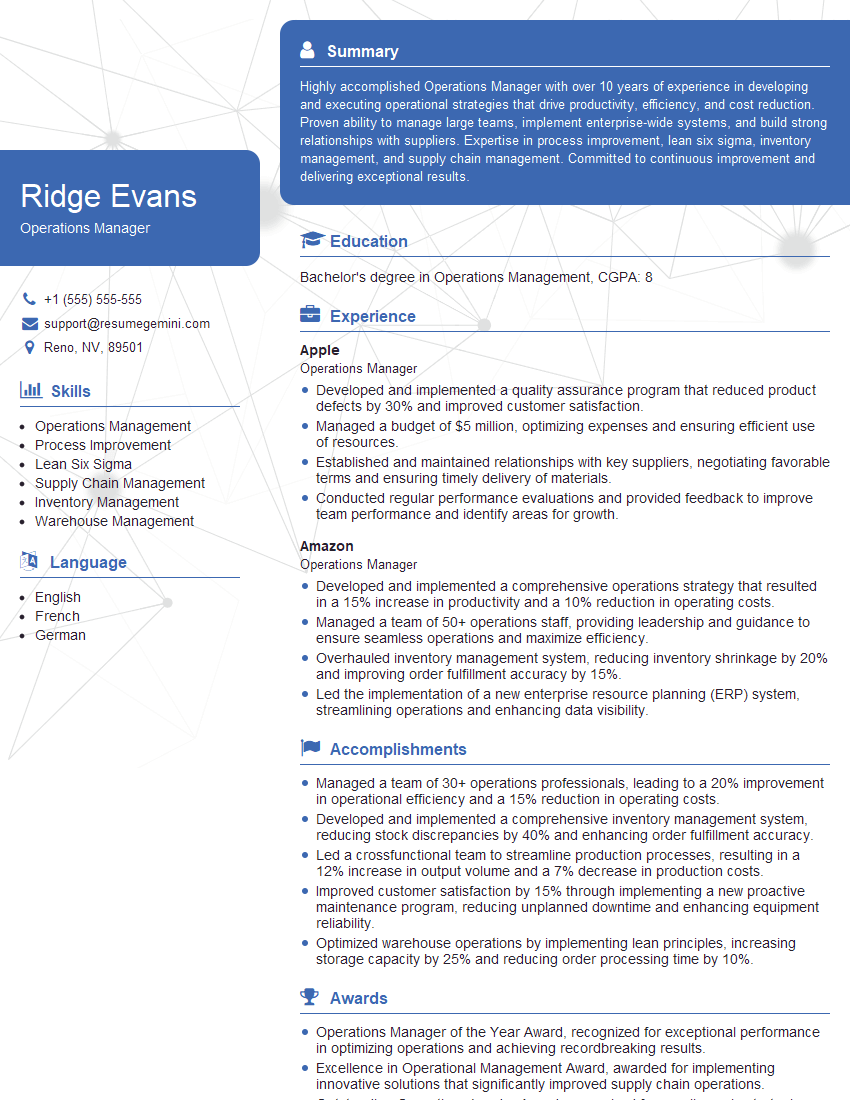
Operations Manager Resume Sample
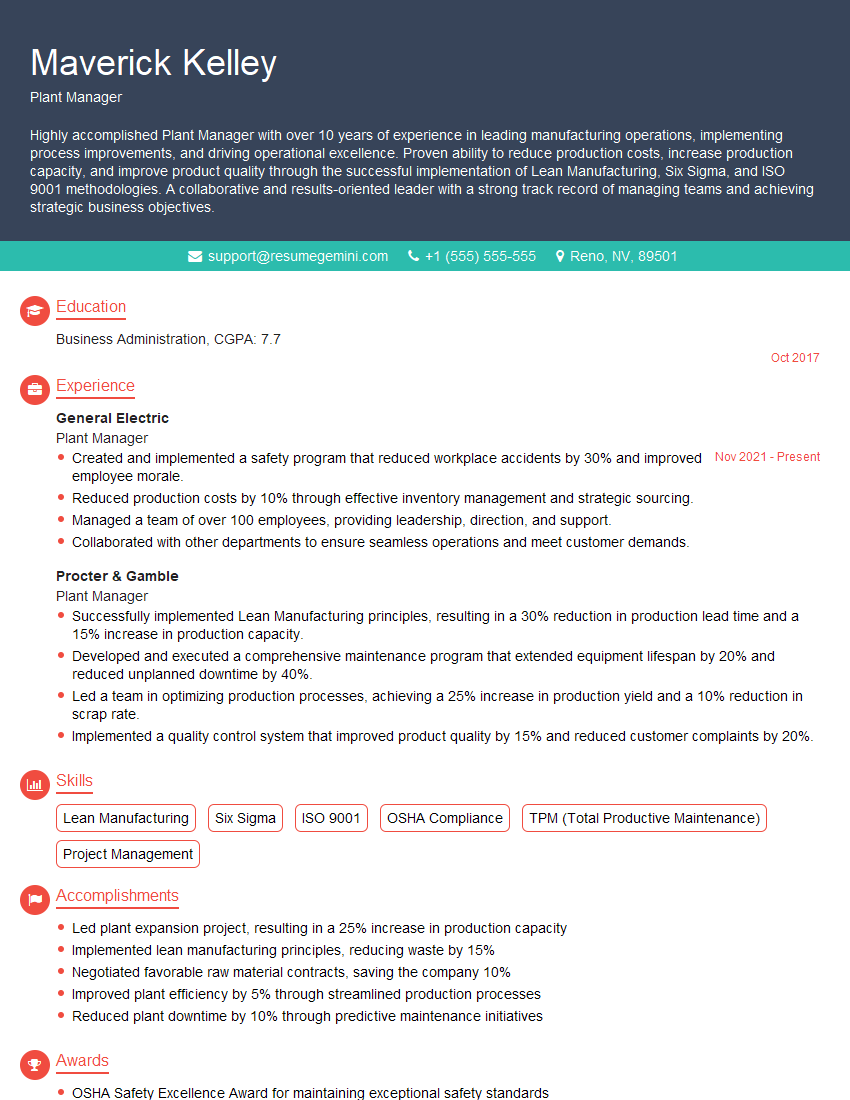
Plant Manager Resume Sample

Quality Assurance Manager Resume Sample
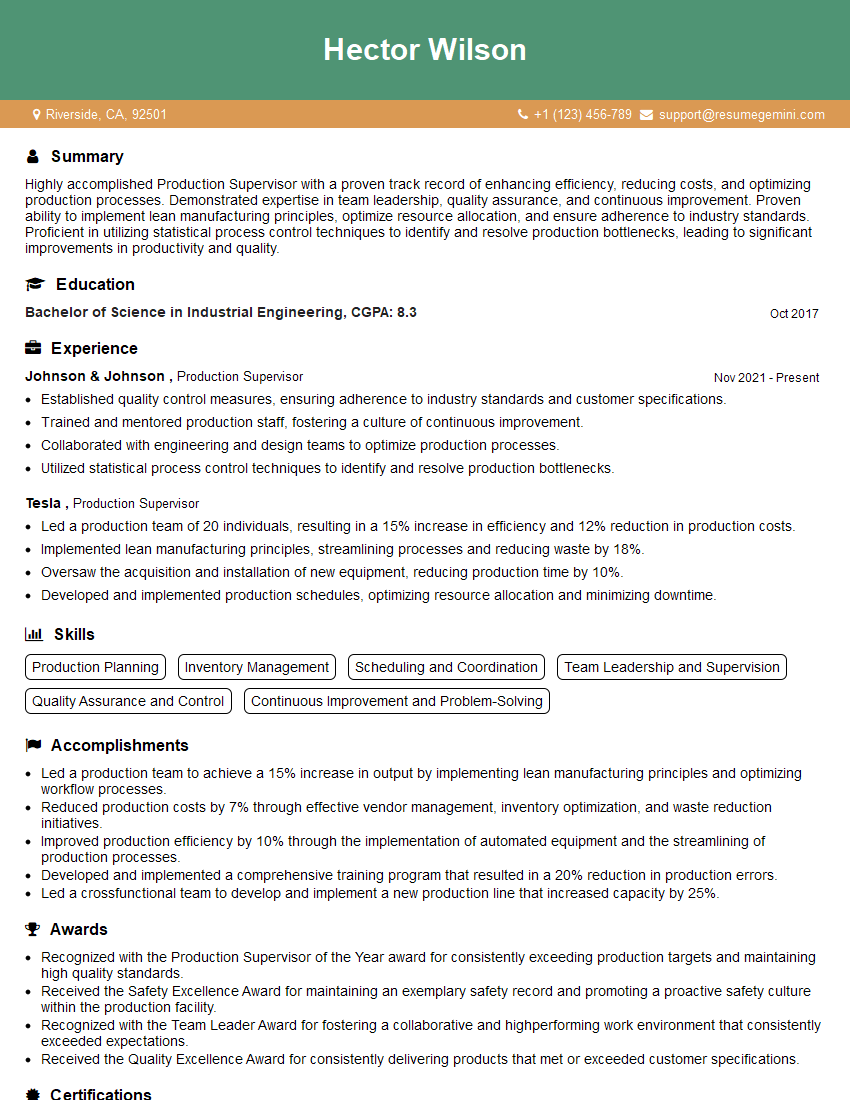
Production Supervisor Resume Sample
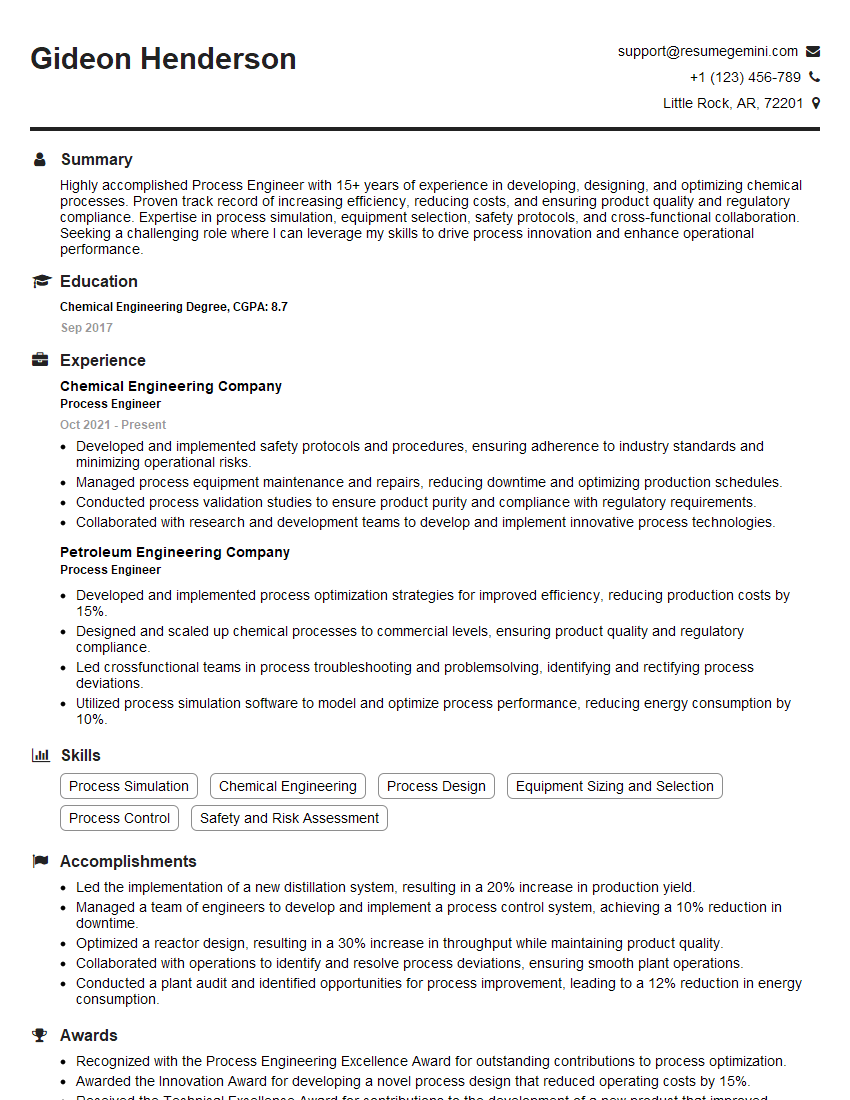
Process Engineer Resume Sample
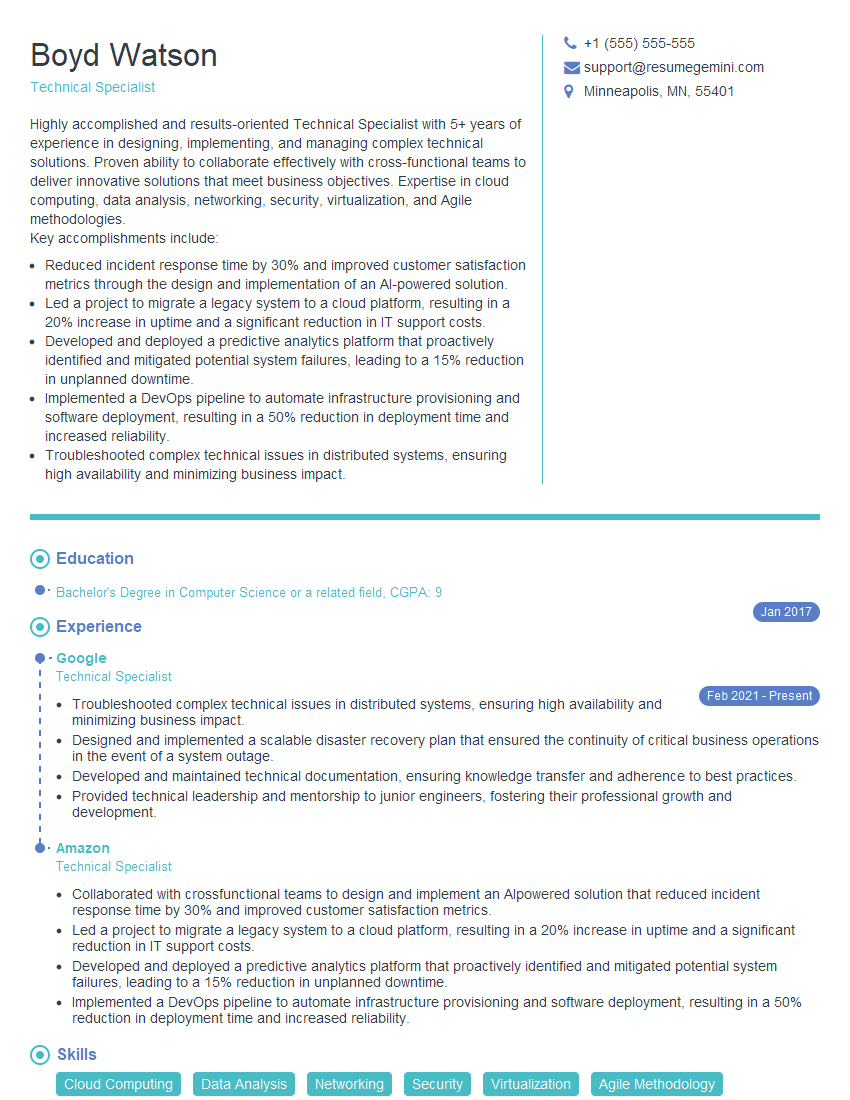
Technical Specialist Resume Sample
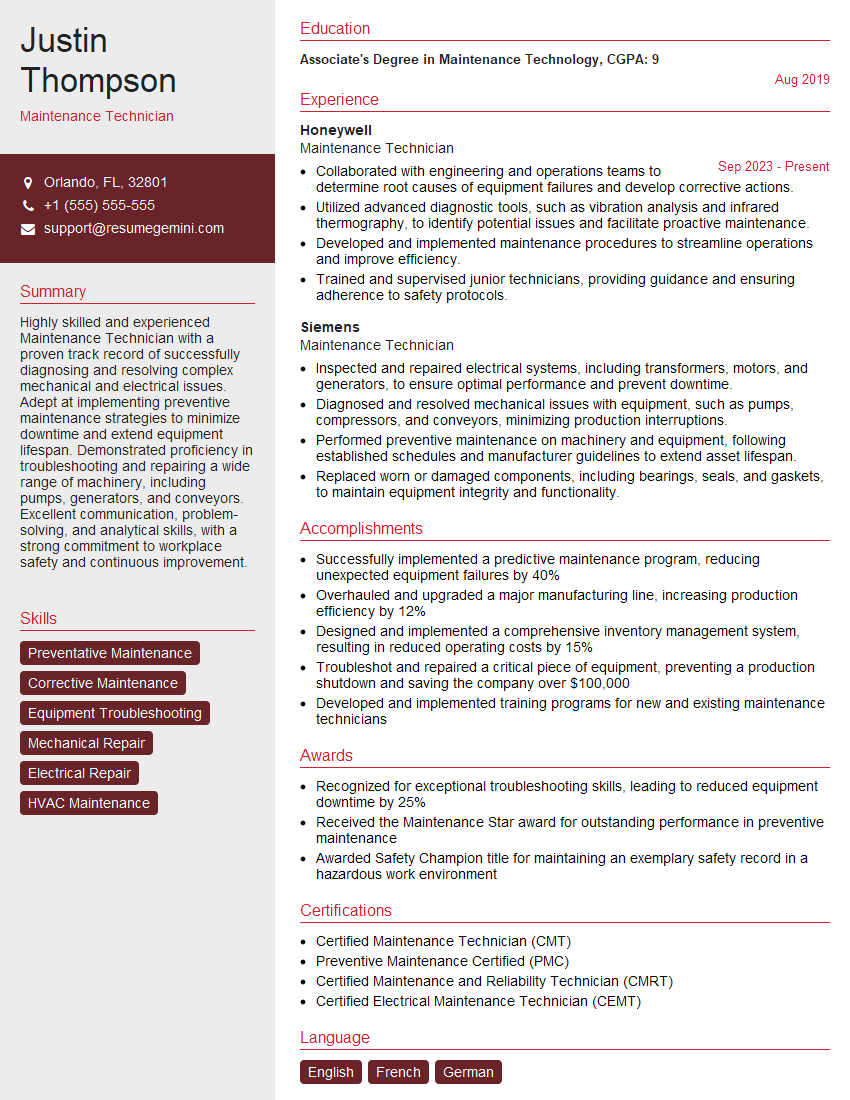
Maintenance Technician Resume Sample
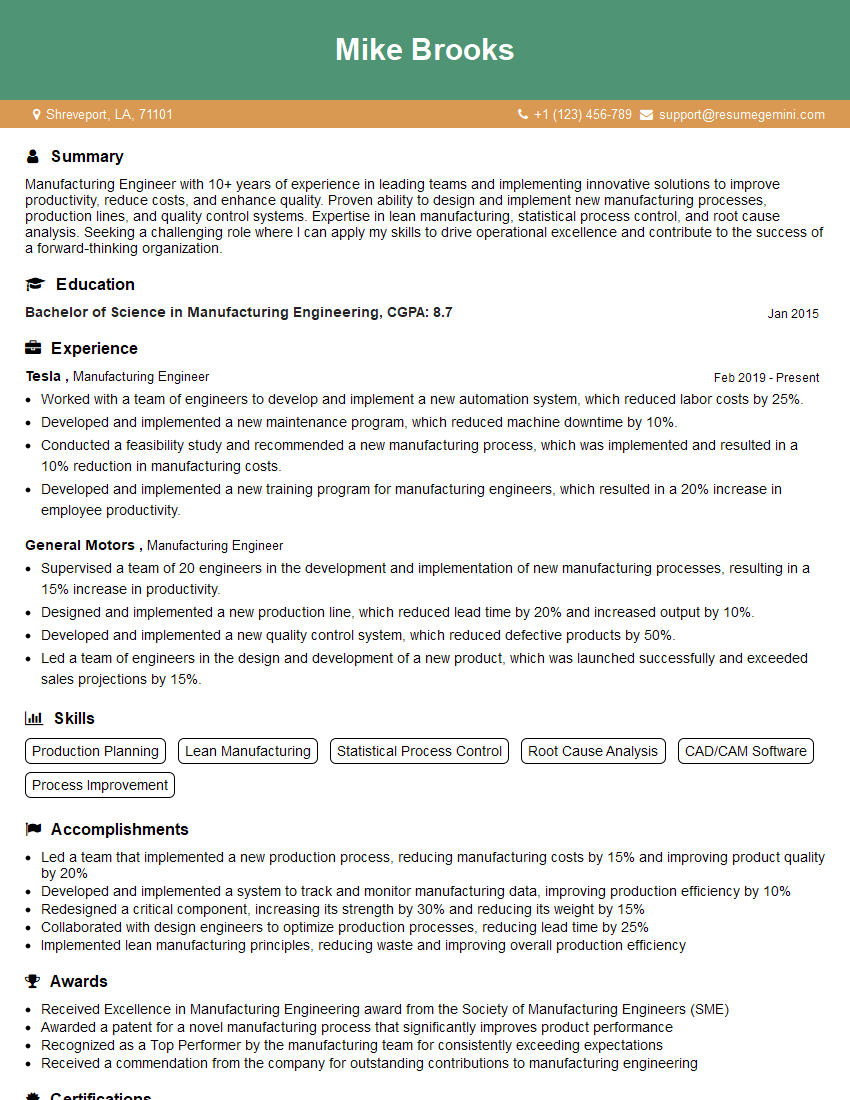
Manufacturing Engineer Resume Sample
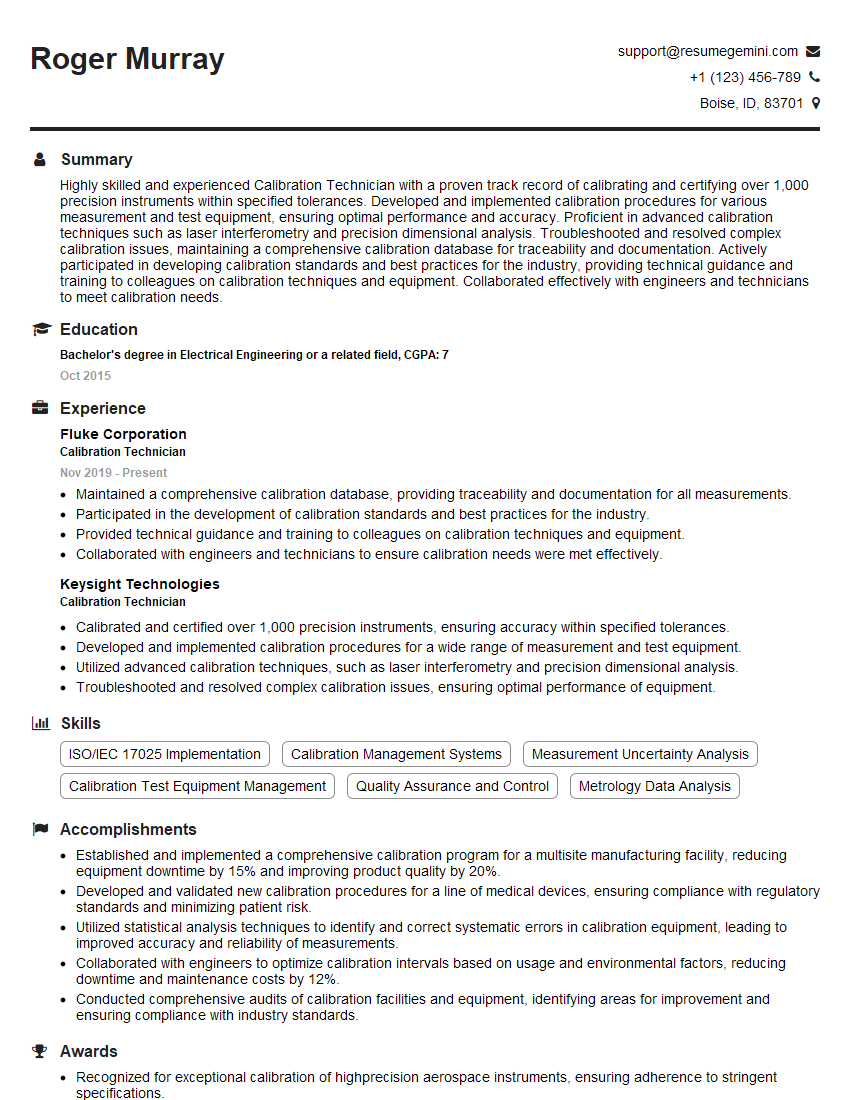
Calibration Technician Resume Sample
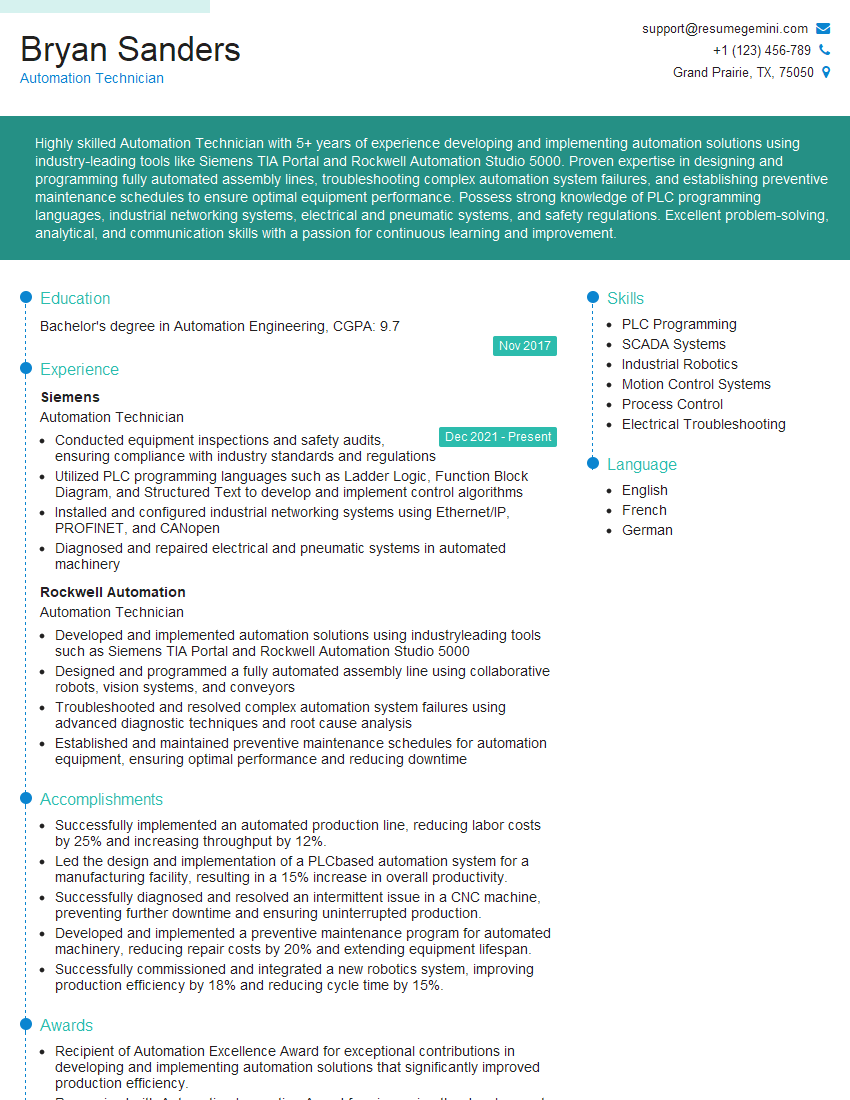
Automation Technician Resume Sample
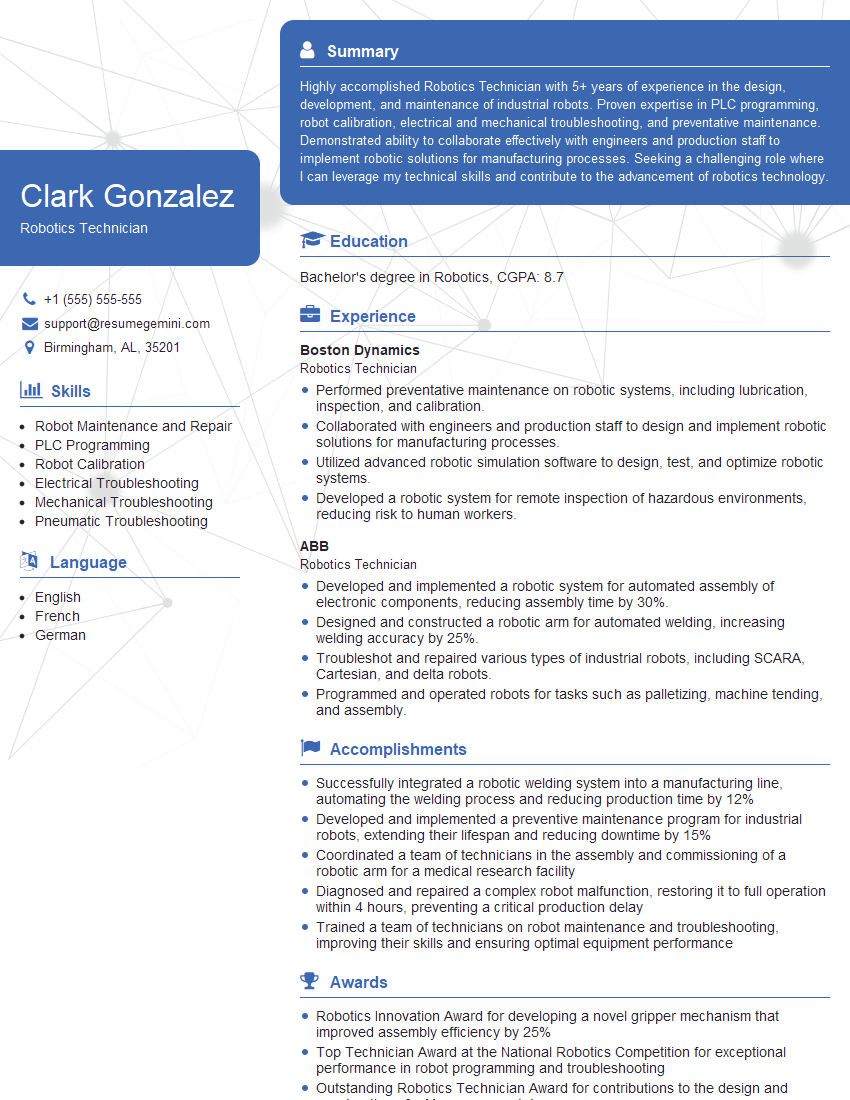
Robotics Technician Resume Sample
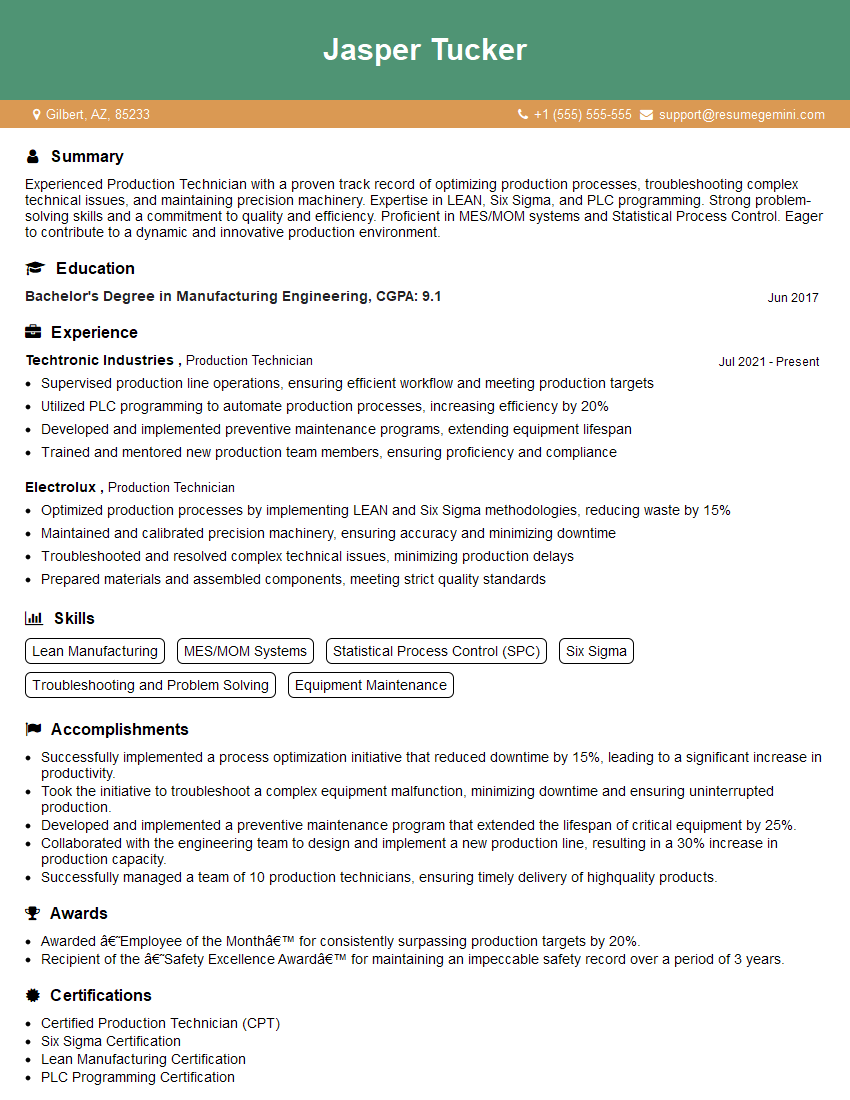
Production Technician Resume Sample
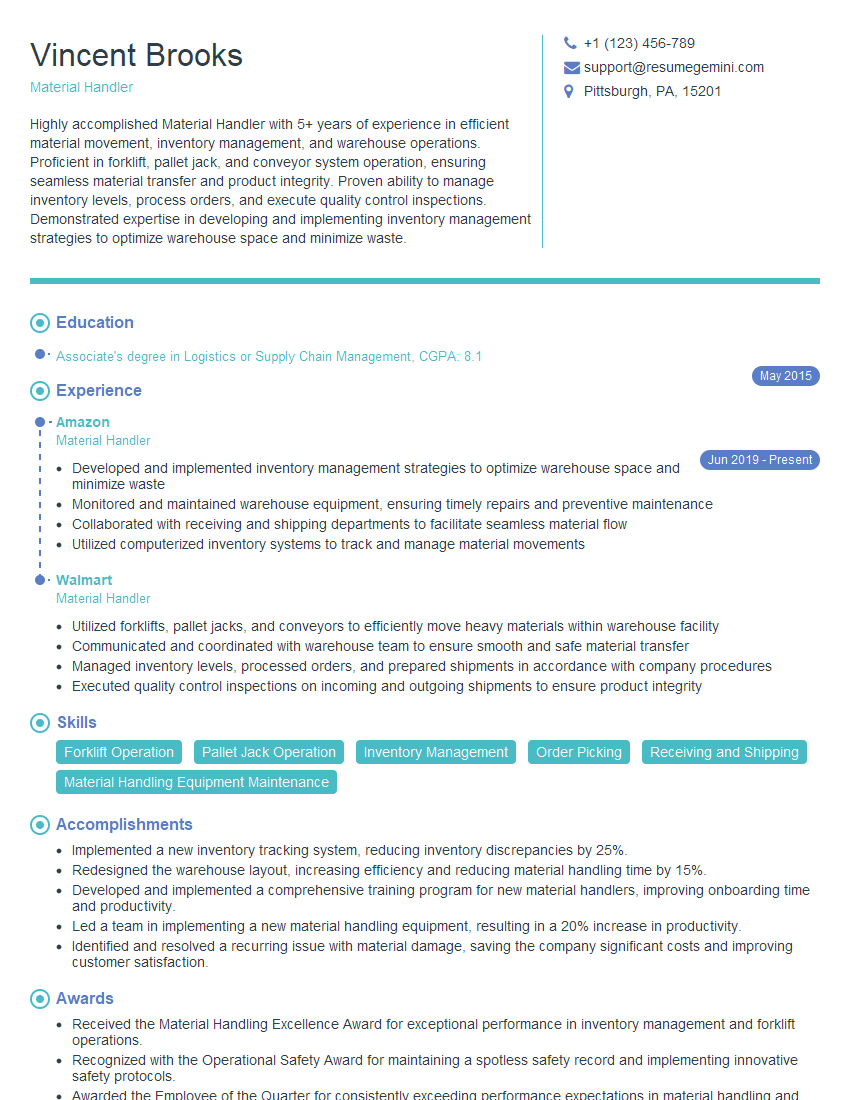
Material Handler Resume Sample
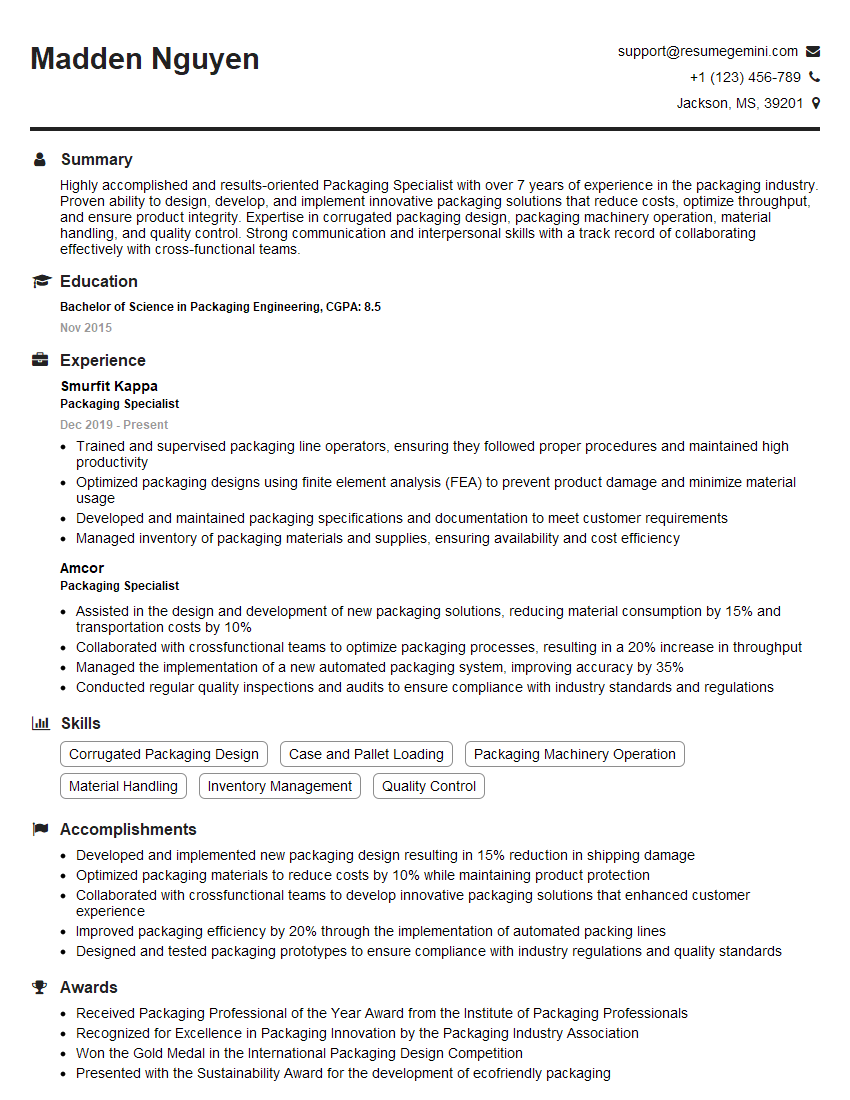
Packaging Specialist Resume Sample
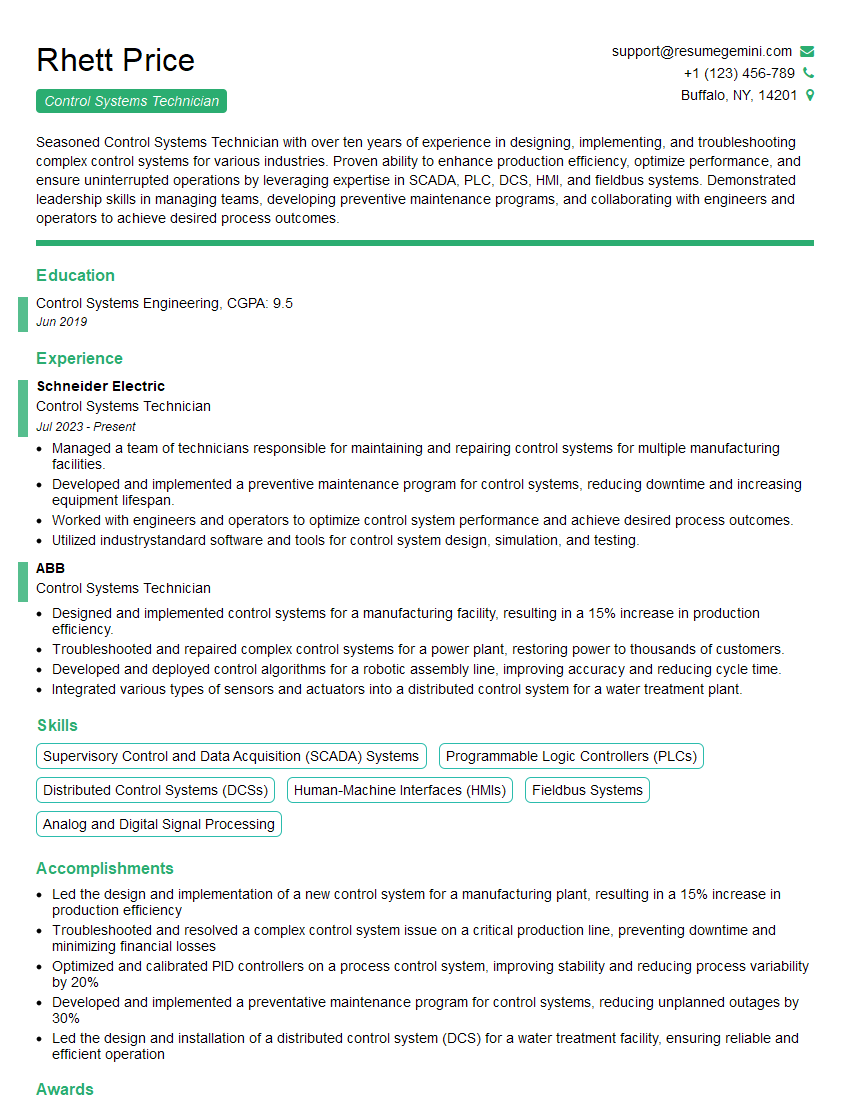
Control Systems Technician Resume Sample
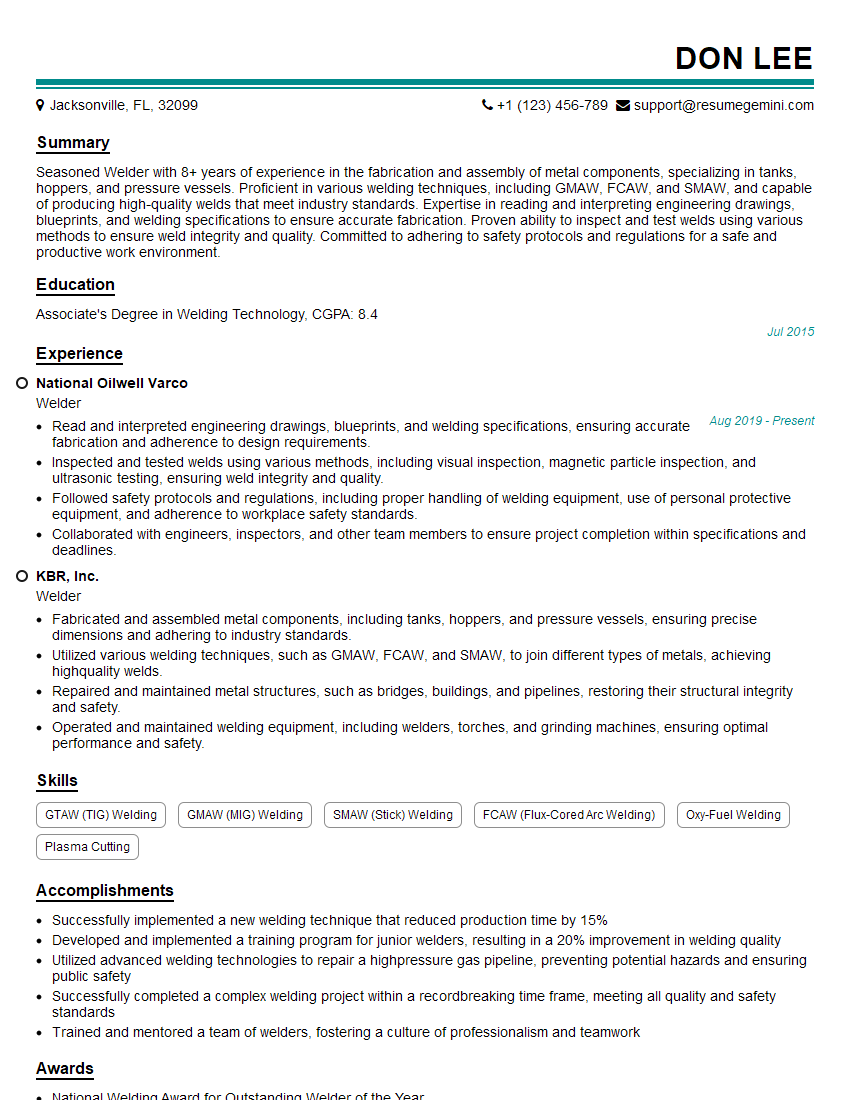
Welder Resume Sample
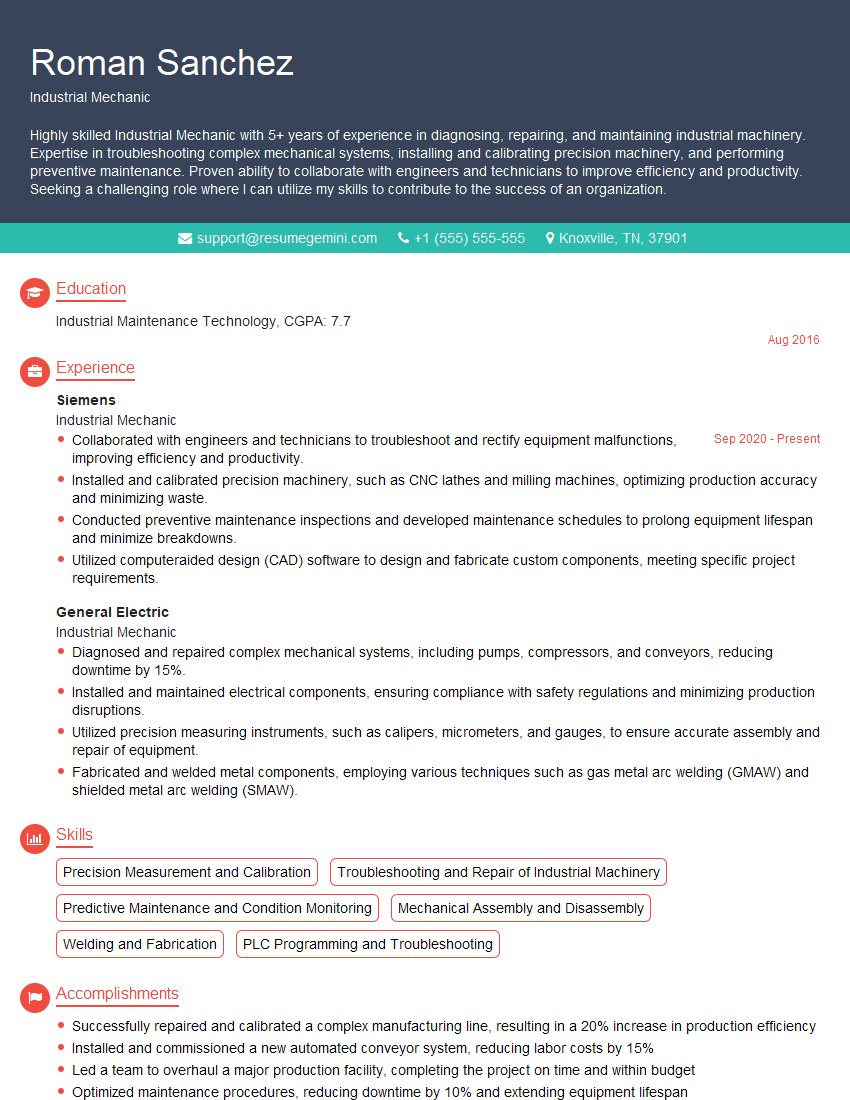
Industrial Mechanic Resume Sample
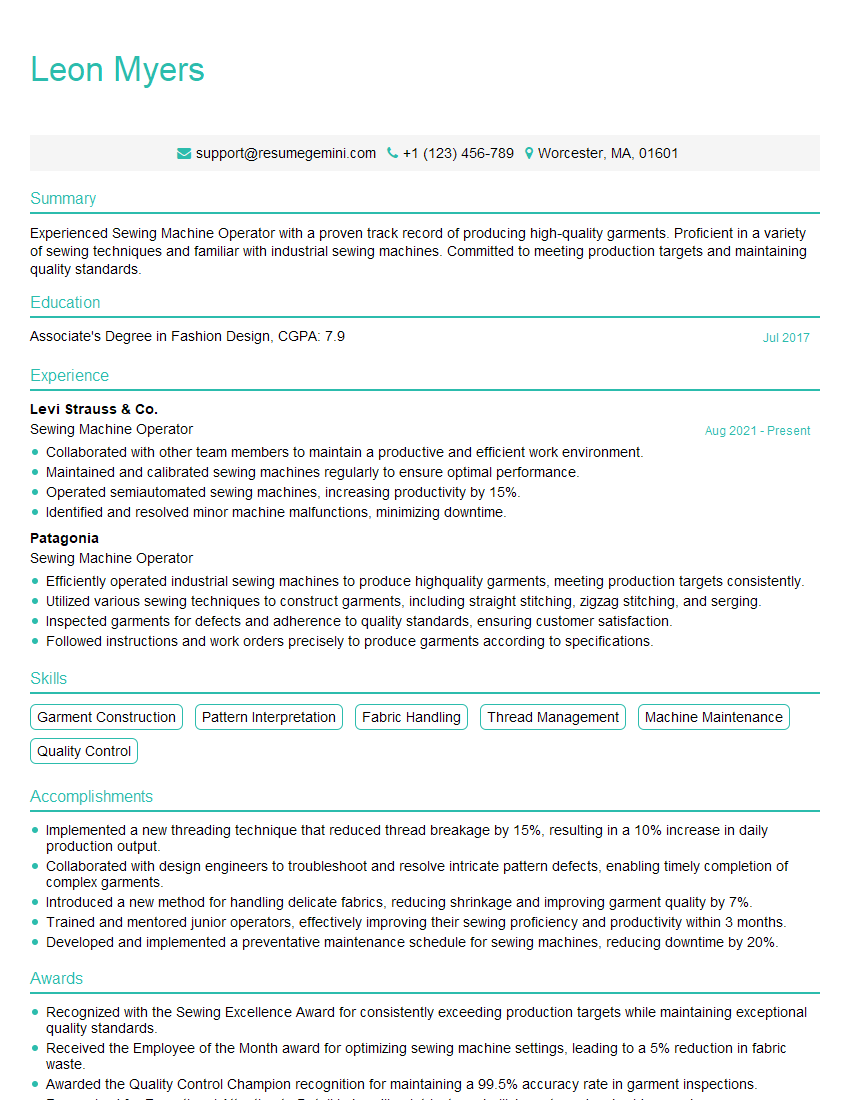
Sewing Machine Operator Resume Sample
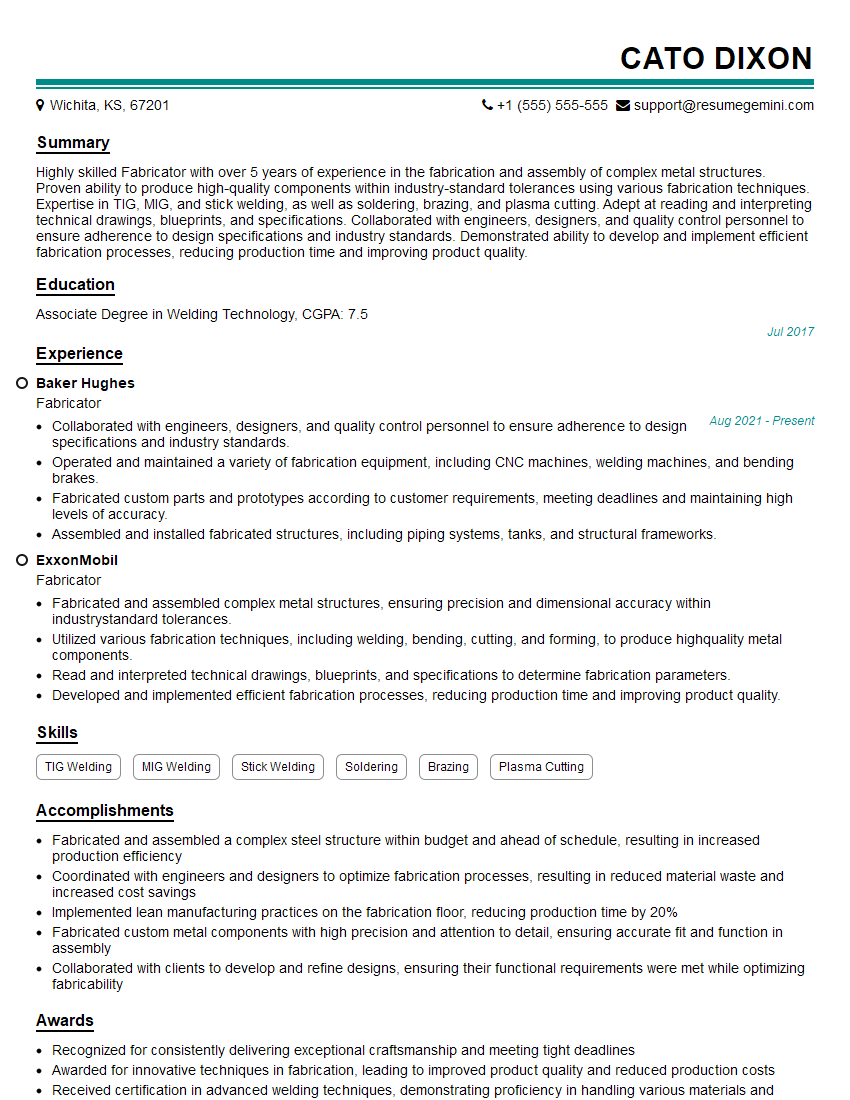
Fabricator Resume Sample
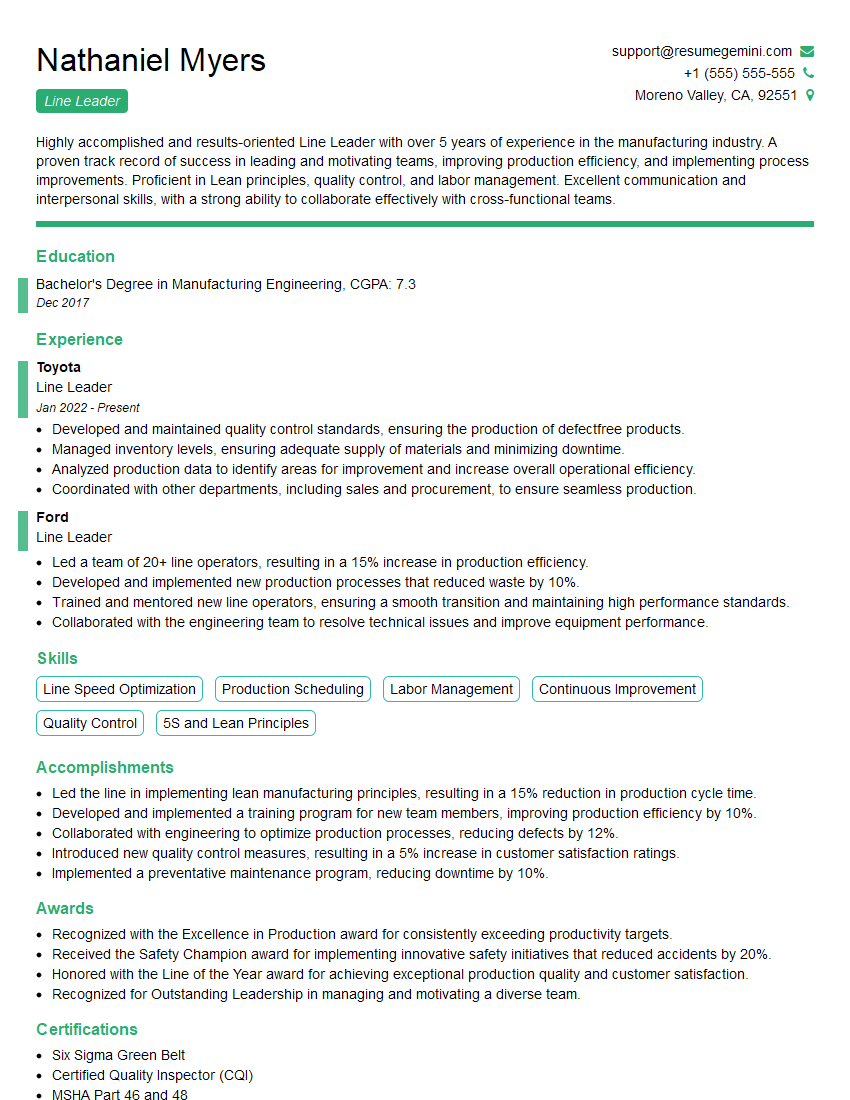
Line Leader Resume Sample
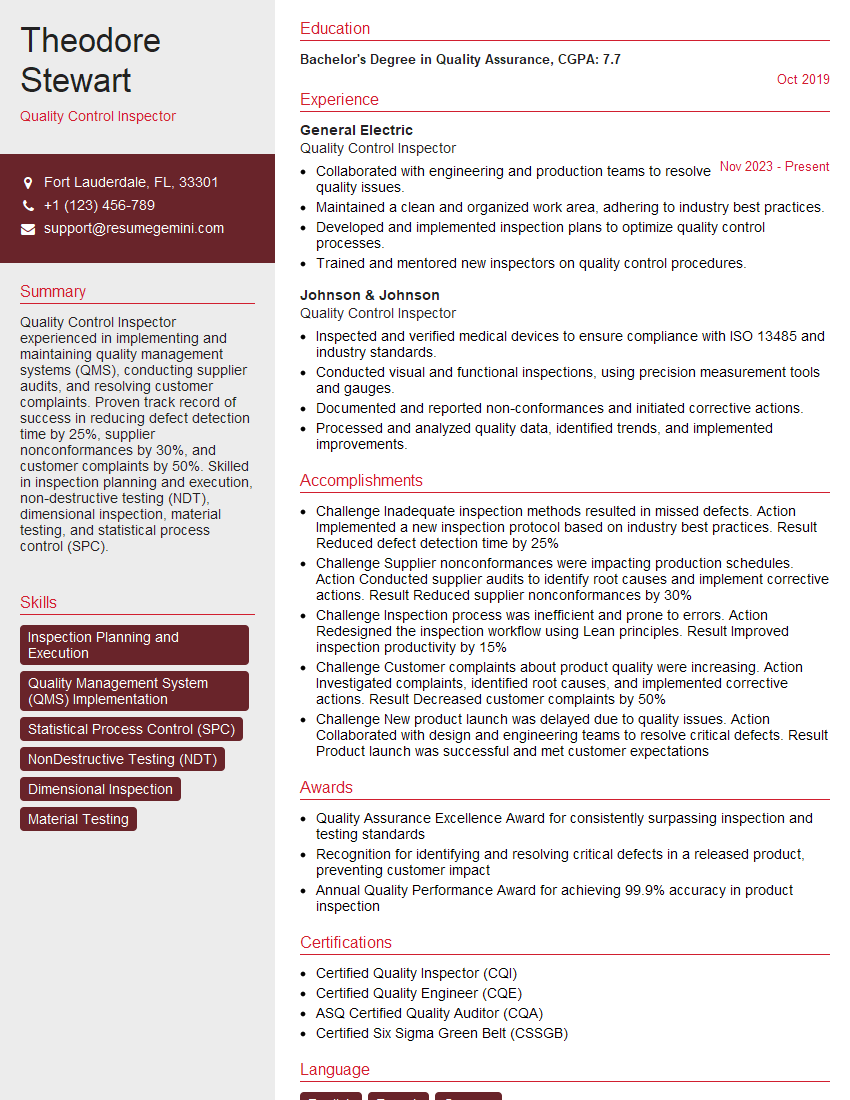
Quality Control Inspector Resume Sample
- Operations Manager
- Plant Manager
- Quality Assurance Manager
- Production Supervisor
- Process Engineer
- Technical Specialist
- Maintenance Technician
- Manufacturing Engineer
- Calibration Technician
- Automation Technician
- Robotics Technician
- Production Technician
- Material Handler
- Packaging Specialist
- Control Systems Technician
- Welder
- Industrial Mechanic
- Sewing Machine Operator
- Fabricator
- Line Leader
- Quality Control Inspector
Explore more articles
Users Rating of Our Blogs
Share Your Experience
We value your feedback! Please rate our content and share your thoughts (optional).
What Readers Say About Our Blog
Very informative content, great job.
good