The thought of an interview can be nerve-wracking, but the right preparation can make all the difference. Explore this comprehensive guide to Machine Balancing interview questions and gain the confidence you need to showcase your abilities and secure the role.
Questions Asked in Machine Balancing Interview
Q 1. Explain the principles of machine balancing.
Machine balancing is the process of correcting the uneven distribution of mass in a rotating object, known as a rotor. This uneven distribution, or unbalance, causes vibrations that can damage the machine, reduce its lifespan, and create excessive noise. The fundamental principle is to redistribute the mass so that the center of gravity coincides with the center of rotation. Think of it like balancing a bicycle wheel – if the weight isn’t evenly distributed, the wheel wobbles. The same principle applies to much larger and more complex rotating machinery.
Balancing reduces these vibrations by minimizing centrifugal forces generated during rotation. These forces increase proportionally with the speed of rotation and the amount of unbalance, leading to significant problems at higher speeds. Effective balancing ensures smooth, efficient, and safe operation of the machine.
Q 2. Describe different types of machine unbalance.
Machine unbalance can be categorized into several types:
- Static Unbalance: This is the simplest type. The center of gravity is offset from the center of rotation, but the axis of rotation remains unchanged. Imagine a weight placed off-center on a spinning wheel. This type of unbalance can easily be corrected by adding or removing weight on the opposite side.
- Couple Unbalance: This occurs when two equal unbalanced masses are placed on the rotor at 180 degrees apart. This creates a rocking or ‘couple’ effect, and isn’t corrected by simply adding weight to one side. It requires balancing in two planes.
- Dynamic Unbalance: This is the most complex type and combines both static and couple unbalance. The center of gravity is not only offset from the axis of rotation, but the axis itself is also offset. This is common in long rotors like shafts or turbine blades and requires careful balancing in multiple planes.
Identifying the specific type of unbalance is crucial for selecting the correct balancing method.
Q 3. What are the consequences of imbalanced machinery?
The consequences of imbalanced machinery are significant and can include:
- Excessive Vibration: Leading to noise, discomfort, and potential damage to the machine and surrounding structures.
- Reduced Machine Lifespan: Continuous vibrations cause wear and tear on bearings, shafts, and other components, shortening the machine’s operational life.
- Increased Maintenance Costs: Frequent repairs and replacements due to vibration-related damage drive up maintenance expenses.
- Safety Hazards: Excessive vibrations can cause catastrophic failures, potentially resulting in injury or damage.
- Reduced Efficiency: Vibration can lead to power loss and reduced productivity.
- Premature Bearing Failure: Vibration significantly accelerates the degradation of bearings, leading to premature failure.
In industrial settings, these consequences can lead to costly downtime, lost production, and safety risks. Therefore, regular balancing is essential for maintaining efficient and safe operations.
Q 4. Explain the difference between static and dynamic balancing.
The difference between static and dynamic balancing lies in how the unbalance is distributed and how it’s corrected:
- Static Balancing: Deals with unbalance in a single plane. It’s suitable for short, rigid rotors where the unbalance can be considered concentrated in one plane. Imagine balancing a simple spinning wheel – you only need to add or subtract weight in one location to achieve balance.
- Dynamic Balancing: Addresses unbalance in multiple planes. It’s necessary for longer, flexible rotors where the unbalance is distributed across several planes. Think of a long propeller shaft – unbalance in one area can affect other parts of the shaft, and balancing requires corrections in multiple locations.
Static balancing is a simpler and less expensive process, while dynamic balancing requires specialized equipment and techniques. A dynamic unbalance will always exhibit static unbalance, but a static unbalance doesn’t always imply dynamic unbalance.
Q 5. What methods are used to measure vibration?
Vibration measurement is crucial for identifying and quantifying unbalance. Several methods are employed:
- Accelerometers: These sensors measure the acceleration of a vibrating surface. They are widely used due to their robustness and wide frequency range.
- Velocity Transducers: These sensors measure the velocity of vibration. They are particularly sensitive at low frequencies.
- Displacement Transducers: These measure the amplitude of vibration. They are ideal for measuring low-frequency, large-amplitude vibrations.
- Non-Contact Sensors: These avoid physical contact with the machine, minimizing interference and damage, and are useful for high-temperature environments.
The choice of sensor depends on the specific application and the frequency range of the vibrations. The data collected is typically analyzed using specialized software to identify the frequency and amplitude of the vibrations.
Q 6. How do you identify the location and magnitude of unbalance?
Identifying the location and magnitude of unbalance involves several steps:
- Vibration Measurement: Measure the vibrations at multiple points on the machine using appropriate sensors.
- Data Acquisition: Collect the vibration data using a data acquisition system. This data will include amplitude, frequency, and phase information.
- Spectrum Analysis: Analyze the vibration data using Fast Fourier Transform (FFT) to identify the dominant frequencies. These frequencies indicate the rotational speed and associated unbalance.
- Phase Analysis: Determine the phase angle of the vibration relative to the rotational position. This helps pinpoint the location of the unbalance.
- Balancing Calculations: Use specialized software or manual calculations to determine the magnitude and location of corrective weights needed to balance the rotor.
The phase information is critical. It indicates the angular position where the corrective weight needs to be added or removed. This precise location is crucial for effective balancing.
Q 7. Describe the process of balancing a rotor using a balancing machine.
Balancing a rotor on a balancing machine is a precise process:
- Mounting the Rotor: Securely mount the rotor onto the balancing machine’s spindles, ensuring proper alignment and support.
- Running the Rotor: Run the rotor at a specified speed, typically its operating speed or a multiple thereof.
- Vibration Measurement: The machine’s sensors measure the vibration levels and provide readings of unbalance in terms of magnitude and phase angle.
- Correction: Based on the readings, the machine indicates the amount and location of corrective weight needed. This usually involves adding small weights (often trial weights) at specific positions.
- Iteration: Repeat steps 2-4 until the vibration levels are within acceptable limits. This iterative process ensures high precision.
- Final Weight Installation: Once the correct balance is achieved, permanently attach the determined corrective weight.
Balancing machines can be either single-plane (for static balancing) or two-plane (for dynamic balancing). The selection depends on the type of rotor being balanced and the desired level of precision.
Q 8. Explain how to interpret a balancing machine’s readout.
A balancing machine readout typically displays the amount and location of imbalance in a rotating component. Imagine it like a map pinpointing the ‘heavy spot’ on a spinning object. The readout usually shows two key pieces of information: amplitude (magnitude) and phase (angular position).
Amplitude represents the severity of the imbalance – a higher amplitude indicates a more significant imbalance that needs correction. It’s often expressed in units like grams-millimeters (g-mm) or ounce-inches (oz-in). Think of it like the weight of the ‘heavy spot’.
Phase, expressed in degrees, tells you the angular location of this imbalance relative to a reference point on the rotor. This is crucial for knowing where to add or remove correction weight. It’s like knowing the direction of the ‘heavy spot’ on a clock face.
Many modern balancing machines provide this data graphically, with a vector diagram showing the magnitude and phase. Some also calculate the correction weight needed and its placement, simplifying the balancing process. For example, a readout might display ’10 g-mm at 45 degrees’, indicating a 10 g-mm imbalance located 45 degrees from the reference mark.
Q 9. What are the safety precautions when balancing machinery?
Safety is paramount when working with balancing machines and rotating equipment. The primary concerns revolve around rotating parts, potentially hazardous materials, and the use of specialized tools.
- Lockout/Tagout Procedures: Always follow strict lockout/tagout procedures to prevent accidental start-up during the balancing process. This ensures the machine is completely de-energized before any work begins.
- Personal Protective Equipment (PPE): Wear appropriate PPE, including safety glasses, hearing protection, and gloves. Rotating parts can throw debris, and high-speed rotation creates significant noise.
- Machine Guards: Ensure all safety guards are in place and functioning correctly before operating the balancing machine or the equipment being balanced. Never attempt to bypass safety features.
- Training and Certification: Only trained and authorized personnel should operate balancing machines and perform balancing procedures. Proper training is essential to understanding the risks and safe operating procedures.
- Safe Handling of Materials: If dealing with hazardous materials, follow all relevant safety regulations and handling procedures. This might include specific PPE requirements or ventilation protocols.
- Emergency Procedures: Familiarize yourself with emergency procedures in case of accidents. Know where emergency stop buttons are located and how to react to potential hazards.
Remember, a moment of carelessness can lead to severe injury. Prioritizing safety ensures a smooth and hazard-free balancing process.
Q 10. What are the common causes of machine vibration?
Excessive machine vibration stems from several sources, often interacting to create complex vibration patterns. Think of it as a symphony of unwanted movements.
- Unbalance: This is the most common cause. An uneven distribution of mass in a rotating component (like an impeller or rotor) generates centrifugal forces that cause vibration. It’s like having a heavier side on a spinning top.
- Misalignment: Misalignment between shafts, couplings, or other rotating components generates significant vibrations. Imagine two slightly off-center wheels connected by a belt; the belt will vibrate.
- Looseness: Loose bearings, bolts, or other fasteners allow for uncontrolled movement and vibration. It’s like a rattle in a car.
- Resonance: When the operating speed of a machine matches its natural frequency (resonance), vibrations amplify dramatically. This is like pushing a swing at exactly the right time to make it go higher and higher.
- Mechanical Defects: Worn or damaged bearings, bent shafts, or other mechanical defects introduce unwanted vibrations.
- Fluid-Induced Vibration: In machines using fluids (pumps, compressors), cavitation, turbulence, or other fluid-related phenomena can create vibrations.
- Electrical Unbalance (in motors): An unbalanced motor winding can lead to vibrations.
Identifying the root cause is crucial for effective vibration control. A thorough diagnostic process often involves vibration analysis, visual inspection, and sometimes even destructive testing (in extreme cases).
Q 11. How do you troubleshoot excessive machine vibration?
Troubleshooting excessive machine vibration is a systematic process involving several steps. Think of it as detective work to find the source of the problem.
- Data Acquisition: Use vibration measurement tools (accelerometers, proximity probes) to collect data on the machine’s vibration levels, frequencies, and locations. This provides the ‘evidence’.
- Spectrum Analysis: Analyze the vibration data using spectral analysis techniques (FFT – Fast Fourier Transform) to identify the dominant frequencies of vibration. This helps isolate the sources because different problems have different frequency signatures.
- Visual Inspection: Conduct a thorough visual inspection of the machine for signs of looseness, misalignment, damage, or wear. This is like examining the crime scene.
- Operational Check: Check the machine’s operating parameters (speed, load, temperature) to rule out operational issues.
- Component Testing: If necessary, perform individual component testing (e.g., checking bearing condition, checking for shaft runout). This may involve removing parts for closer inspection.
- Balancing: If imbalance is identified as a primary cause, perform balancing using a balancing machine. This is the solution for the ‘unbalanced top’.
- Alignment: If misalignment is suspected, correct the alignment of shafts and couplings. Think of it as aligning the wheels of a car.
- Tightening and Repair: Tighten loose fasteners or repair or replace damaged components. This is fixing the ‘rattle’.
- Re-testing and Validation: After implementing corrective actions, re-test the machine to verify that the vibration levels have been reduced to an acceptable level.
This iterative process helps pinpoint the root cause and implement the necessary corrective measures to reduce excessive vibration, improving machine performance and lifespan.
Q 12. Describe different types of balancing machines and their applications.
Balancing machines come in various types, each designed for specific applications and rotor types. They’re specialized tools, like having different screwdrivers for different screws.
- Single-Plane Balancing Machines: These machines balance rotors with imbalance primarily in a single plane (e.g., fans with relatively small diameters). They are simpler and less expensive.
- Two-Plane Balancing Machines: Used for longer rotors where imbalance occurs in multiple planes. These are more versatile and are needed for many industrial applications like turbine shafts.
- Soft-Bearing Balancing Machines: These machines use flexible bearings to allow the rotor to freely move and accurately reflect its imbalance. They are suitable for high-precision applications.
- Hard-Bearing Balancing Machines: These machines use rigid bearings and are often used for larger, more robust rotors. They are very accurate.
- In-Situ Balancing Machines: These machines perform balancing while the rotor remains in its operating position (without disassembly). This is very useful for large machinery that is difficult to remove.
- Automated Balancing Machines: These machines automate the entire balancing process, from measurement to correction weight application. They boost efficiency and accuracy.
The choice of balancing machine depends on the size, type, and precision requirements of the rotor being balanced. Industrial settings often utilize two-plane or in-situ balancing machines for larger equipment while single-plane machines are common in simpler applications.
Q 13. What software is commonly used for machine balancing?
Several software packages are commonly used for machine balancing, providing advanced features for data acquisition, analysis, and report generation. Think of them as sophisticated tools to analyze the data from the machine.
- Specialized Balancing Software: Many balancing machine manufacturers provide their own proprietary software integrated with their machines. These usually offer user-friendly interfaces and specific functionalities for their equipment.
- Vibration Analysis Software: General-purpose vibration analysis software packages (like those from Bently Nevada, LMS, or SKF) often incorporate balancing modules. These can analyze complex vibration patterns and suggest correction weights.
- Data Acquisition and Analysis Software: Some software focuses on acquiring and analyzing vibration data from various sensors and then processing the information for balancing.
These software packages often handle data acquisition, FFT analysis, phase and amplitude calculations, correction weight determination, and report generation. They greatly enhance efficiency and accuracy in the balancing process. The choice depends on specific needs and integration with the balancing machine and overall system.
Q 14. Explain the concept of resonance and its impact on balancing.
Resonance occurs when the frequency of an external force (like an imbalance in a rotating machine) matches the natural frequency of a system (like a rotor or a machine structure). It’s like pushing a swing at exactly the right time to make it go higher.
When resonance occurs, the amplitude of vibration increases dramatically, leading to excessive vibrations that can damage the machine, causing premature wear and even catastrophic failure. The system absorbs energy from the excitation, leading to high amplitudes of vibration. This effect can be visualized with a simple pendulum: if you push it gently at its natural frequency, it will oscillate with ever-increasing amplitude.
In machine balancing, understanding resonance is critical because operating at or near a resonant frequency must be avoided. During the balancing process, the machine’s natural frequencies should be identified to avoid running in the resonance range. If a machine operates near a resonant frequency, it can be very difficult to balance and might lead to early failure of components. Therefore, designers and maintenance personnel should take steps to ensure the operating speed is significantly far from the natural frequencies of the machine structure.
Q 15. How does balancing improve machine efficiency and lifespan?
Unbalanced rotating machinery experiences vibrations, which lead to decreased efficiency and a shorter lifespan. Think of it like a wobbly wheel on a car – it’s noisy, inefficient, and puts extra stress on the bearings and chassis. Balancing mitigates these vibrations. By distributing the mass evenly, we reduce centrifugal forces, leading to smoother operation. This results in reduced wear and tear on bearings, seals, and other components, extending the machine’s lifespan and increasing its operational efficiency. Reduced vibration also translates to lower energy consumption and less noise pollution.
For example, an unbalanced washing machine will vibrate excessively, consuming more energy and potentially damaging the machine over time. Proper balancing significantly reduces these vibrations, resulting in quieter operation, lower energy bills, and a longer operational life.
Career Expert Tips:
- Ace those interviews! Prepare effectively by reviewing the Top 50 Most Common Interview Questions on ResumeGemini.
- Navigate your job search with confidence! Explore a wide range of Career Tips on ResumeGemini. Learn about common challenges and recommendations to overcome them.
- Craft the perfect resume! Master the Art of Resume Writing with ResumeGemini’s guide. Showcase your unique qualifications and achievements effectively.
- Don’t miss out on holiday savings! Build your dream resume with ResumeGemini’s ATS optimized templates.
Q 16. What are the limitations of machine balancing techniques?
While machine balancing significantly improves performance, there are limitations. Some of these include:
- Residual Imbalance: It’s impossible to achieve perfect balance. There will always be some level of residual imbalance due to manufacturing tolerances and material inconsistencies.
- Flexibility of the Rotor: Highly flexible rotors, such as long shafts or thin blades, are challenging to balance accurately because the mode shapes (vibration patterns) change with speed.
- Non-linear effects: At very high speeds, non-linear effects like oil whirl or aerodynamic forces can cause significant vibrations that are difficult to correct through simple balancing.
- Difficult Access: Balancing large, in-situ machines can be constrained by limited access to the rotor.
- Cost and Time: Balancing can be a time-consuming and costly process, especially for complex machinery.
It’s crucial to understand these limitations and manage expectations regarding the achievable level of balance.
Q 17. Describe the process of in-situ balancing.
In-situ balancing, also known as on-site balancing, involves balancing a machine while it remains in its operational location. This avoids the need for disassembly and transportation, saving time and cost. The process typically uses specialized balancing equipment that measures the vibrations of the rotating component while it’s running. These measurements are then used to calculate the correction needed, which involves adding or removing small weights at specific locations on the rotor.
The steps typically involve:
- Vibration Measurement: Using sensors to measure the amplitude and phase of vibrations at different speeds.
- Imbalance Calculation: Using specialized software to analyze the vibration data and determine the magnitude and location of the imbalance.
- Correction: Adding or removing balancing weights at the calculated locations. This might involve drilling holes to remove material or attaching weights.
- Verification: Re-measuring the vibrations to confirm the effectiveness of the correction.
This method is particularly useful for large machines, such as turbines or pumps, where disassembly is impractical or prohibitively expensive.
Q 18. How do you handle challenging balancing scenarios, such as high-speed rotors?
High-speed rotors pose significant challenges due to increased centrifugal forces and complex vibration modes. Strategies for handling such scenarios include:
- Specialized Equipment: Utilizing high-speed balancing machines capable of operating at the relevant speeds with enhanced accuracy and safety features.
- Modal Balancing: Employing modal balancing techniques which consider the multiple vibration modes of the rotor. This is crucial for complex, flexible rotors.
- Influence Coefficient Method: This sophisticated method allows for more precise balancing by taking into account the influence of weight additions at different locations on the vibration response at various speeds.
- Operational Deflection Shapes (ODS): Measuring vibrations while the rotor is running to accurately determine the dynamic behavior and then use this data for balancing. This method is very effective for high-speed applications.
- Iterative Approach: Balancing high-speed rotors often involves an iterative process of measurement, correction, and verification, requiring experience and specialized expertise.
Safety is paramount when dealing with high-speed rotors. Appropriate safety procedures, specialized equipment, and expertise are critical to prevent accidents.
Q 19. Explain the concept of critical speed and its importance in balancing.
Critical speed is a rotational speed at which the natural frequency of the rotor coincides with the excitation frequency, causing resonance and potentially catastrophic damage. Imagine pushing a child on a swing – you need to push at the right frequency (natural frequency) to get the biggest swing. Similarly, if a rotor’s operational speed approaches its critical speed, even a small imbalance can cause exponentially larger vibrations, leading to fatigue, failure, and potentially hazardous situations.
Understanding critical speeds is crucial for balancing because it helps to:
- Avoid Resonance: Design and operational speeds should be carefully selected to avoid operating near critical speeds.
- Targeted Balancing: Balancing procedures should be designed to minimize vibrations across the operational speed range, including those near the critical speed(s).
- Safe Operation: Avoiding operation near critical speed ensures the safe and reliable operation of the machine.
Finite Element Analysis (FEA) and experimental modal analysis are commonly used to determine critical speeds.
Q 20. What are the key performance indicators (KPIs) for machine balancing?
Key Performance Indicators (KPIs) for machine balancing focus on quantifying the reduction in vibrations and the improvement in machine performance. These include:
- Vibration Amplitude (Displacement, Velocity, Acceleration): Measured in microns (displacement), mm/s (velocity), or m/s² (acceleration) at specific frequencies.
- Imbalance Magnitude: Expressed in gram-millimeters or ounce-inches, representing the amount of imbalance corrected.
- Residual Imbalance: The remaining imbalance after the balancing process, a measure of the effectiveness of the procedure.
- Operational Speed Range: The speed range over which acceptable vibration levels are maintained.
- Bearing Temperatures: Reduced bearing temperatures indicate a decrease in frictional forces due to reduced vibration.
- Machine Downtime: Minimized downtime during the balancing process is a significant KPI.
- Overall Equipment Effectiveness (OEE): Increased OEE reflects the positive impact of balancing on production efficiency.
The specific KPIs used will depend on the application and the critical parameters of the machine.
Q 21. How do you ensure accurate and reliable balancing results?
Ensuring accurate and reliable balancing results requires a multi-faceted approach:
- Calibration and Maintenance of Equipment: Regular calibration of balancing machines and sensors is crucial for precise measurements. Proper maintenance prevents malfunction and ensures data integrity.
- Proper Measurement Techniques: Adherence to established procedures for mounting sensors, selecting appropriate measurement locations, and acquiring vibration data is paramount.
- Experienced Personnel: Balancing requires expertise to interpret data, select appropriate balancing techniques, and execute the correction process effectively.
- Appropriate Software: Using sophisticated software for data analysis, imbalance calculation, and simulation allows for more accurate results and efficient balancing.
- Repeatability and Verification: The balancing process should be repeatable, and the results should be verified through re-measurements to confirm the effectiveness of the correction.
- Environmental Considerations: Factors like temperature and ambient vibrations can affect measurements; these need to be considered and controlled.
A robust quality control process, involving checks at each stage of the balancing process, ensures accurate and reliable results.
Q 22. What are some common mistakes to avoid during machine balancing?
Avoiding mistakes in machine balancing is crucial for preventing costly downtime and ensuring operational efficiency. Common errors include:
- Improper Measurement Techniques: Inaccurate readings from vibration sensors due to faulty equipment, incorrect sensor placement, or neglecting environmental factors (temperature, vibration from nearby equipment) can lead to misdiagnosis and ineffective balancing.
- Ignoring Multiple Planes of Unbalance: Many rotating machines require two-plane balancing, especially longer shafts. Neglecting this can lead to residual imbalance after balancing, even if the single-plane balance seems successful. Think of it like balancing a seesaw – you need to balance both ends.
- Incorrect Interpretation of Balancing Data: Misunderstanding the balancing machine’s output or incorrectly applying correction weights can result in increased vibration rather than reduced vibration. This requires a deep understanding of the machine’s dynamics and the software used.
- Insufficient Correction: Applying weights that are too small to fully correct the imbalance leads to residual vibration, ultimately causing premature wear and tear on bearings and other machine components.
- Neglecting Soft Foot: Soft foot, where the machine base is not perfectly aligned, can mask the true imbalance and lead to inaccurate balancing results. Before balancing, ensure proper machine mounting and leveling.
For example, I once encountered a situation where a client had performed a single-plane balance on a long centrifugal pump shaft. The initial vibration reduction was significant, but the machine still experienced unacceptable levels of vibration at higher speeds. A two-plane balance corrected the issue completely.
Q 23. How do you maintain and calibrate balancing equipment?
Maintaining and calibrating balancing equipment is vital for accurate and reliable results. This typically involves:
- Regular Cleaning: Removing dust and debris from the machine’s internal components prevents interference with sensors and precision mechanisms.
- Calibration Checks: Periodic calibration with certified standards ensures that the machine’s measurements are within acceptable tolerances. The frequency depends on the manufacturer’s recommendations and the machine’s usage.
- Sensor Verification: Checking the accuracy and linearity of vibration sensors is essential. This often involves comparing measurements with a known standard or performing a multi-point calibration.
- Software Updates: Keeping the balancing machine’s software updated is vital to ensure compatibility with different machine types and to benefit from bug fixes and performance enhancements.
- Proper Storage: Storing the equipment in a controlled environment (temperature and humidity) prevents damage and maintains accuracy.
For instance, I regularly schedule calibration checks for our balancing machine every six months, following the manufacturer’s guidelines. We use certified weights for verification and meticulously document all calibration procedures.
Q 24. What are the advantages of using predictive maintenance techniques related to balancing?
Predictive maintenance, using vibration analysis and balancing data, significantly improves machine reliability and reduces unplanned downtime. Advantages include:
- Early Detection of Imbalance: Regular vibration analysis allows for early detection of developing imbalance, even before it becomes critical. This allows for proactive balancing and prevents major failures.
- Optimized Maintenance Schedules: Data-driven insights help optimize maintenance schedules, focusing resources on critical machines and preventing unnecessary interventions.
- Extended Machine Lifespan: By addressing imbalances early, premature wear and tear on bearings and other components are minimized, significantly extending the machine’s lifespan.
- Reduced Costs: Proactive maintenance reduces the costs associated with unplanned downtime, emergency repairs, and potential production losses.
- Improved Safety: Early detection of imbalance mitigates the risk of catastrophic failures that could lead to safety hazards.
Imagine a large industrial fan – by monitoring its vibration levels, we can detect early signs of imbalance before it causes damage to the fan blades or bearings, thereby averting a potentially costly and dangerous shutdown.
Q 25. How do you determine the acceptable level of unbalance for a particular machine?
Determining the acceptable level of unbalance depends on several factors:
- Machine Type: High-speed machines typically require tighter tolerances than low-speed machines. A turbine will have much stricter balance requirements than a slow-moving conveyor belt.
- Operating Speed: Higher speeds amplify the effects of imbalance, requiring lower acceptable unbalance levels.
- Machine Size and Weight: Larger and heavier machines may tolerate slightly higher unbalance levels than smaller ones.
- Operating Conditions: Harsh operating conditions (high temperature, vibration, etc.) might necessitate lower unbalance limits.
- Industry Standards: Some industries have specific standards or guidelines for acceptable unbalance levels for particular machine types.
The acceptable unbalance is usually expressed in terms of residual unbalance (e.g., g-mm or oz-in) and is often specified in the machine’s operating manual or by relevant industry standards. A thorough risk assessment is crucial to decide on these limits.
Q 26. Describe your experience using different balancing techniques (e.g., single-plane, two-plane).
My experience encompasses both single-plane and two-plane balancing techniques, along with specialized methods for specific machine types.
- Single-Plane Balancing: This is suitable for smaller rotors or machines where the imbalance is primarily in one plane. I’ve used this extensively on fans and smaller pumps, utilizing both the influence coefficient method and the vector method.
- Two-Plane Balancing: This is essential for longer shafts where imbalance exists in multiple planes. I’ve applied this extensively to large pumps, turbines, and industrial machinery. Here, the process is more complex, often involving advanced software for analyzing the vibration data and determining correction weights for both planes.
- Operational Balancing: For machines that are difficult to stop for balancing, I’ve used operational balancing techniques, which involve balancing while the machine is running at a controlled speed.
Each technique requires a detailed understanding of the machine’s dynamics and the use of specialized balancing equipment. The choice of technique depends on the machine’s characteristics, operational requirements, and the desired level of precision.
Q 27. How do you communicate technical information about balancing to non-technical audiences?
Communicating technical information effectively to non-technical audiences requires a shift in approach. I avoid jargon and instead use clear, simple language, analogies, and visual aids.
- Use Analogies: I often use analogies like balancing a bicycle wheel to explain the concept of machine balancing. This helps build understanding quickly.
- Visual Aids: Diagrams, charts, and even videos of the balancing process can be very effective in clarifying technical concepts.
- Focus on the Impact: Rather than focusing on technical details, I highlight the practical impact of machine balancing, such as reduced downtime, increased productivity, and improved safety.
- Avoid Jargon: I carefully choose words and phrases that everyone can understand, explaining technical terms in simple language.
- Interactive Sessions: I find interactive sessions or demonstrations to be particularly useful, allowing the audience to directly experience and understand the process.
For example, when explaining to a plant manager the importance of balancing a critical piece of machinery, I would use terms like “smooth operation” instead of “reduced vibration amplitude,” and illustrate the cost savings associated with prevented downtime.
Q 28. Explain your experience with different types of rotating equipment (e.g., turbines, pumps, fans).
My experience spans various types of rotating equipment:
- Turbines: I’ve worked on both gas and steam turbines, focusing on high-precision balancing to ensure efficient and reliable operation. This involves sophisticated balancing techniques and a deep understanding of turbine dynamics.
- Pumps: I have experience balancing various types of pumps, from centrifugal pumps to positive displacement pumps. The balancing methods employed vary depending on the pump’s size, speed, and application.
- Fans: I’ve worked on a wide range of fans, from small ventilation fans to large industrial fans used in power plants and other industrial settings. Balancing these often involves considering both static and dynamic unbalance.
- Compressors: I’ve also balanced various types of compressors, including centrifugal and reciprocating compressors. Balancing these machines is crucial for minimizing vibration and ensuring operational efficiency.
Each type of equipment presents its own unique challenges and requires a tailored approach to balancing. My experience allows me to adapt my techniques and knowledge to different machines to achieve optimal results.
Key Topics to Learn for Machine Balancing Interview
- Vibration Analysis Fundamentals: Understanding different types of vibrations (resonance, natural frequencies), their causes, and effects on machinery.
- Balancing Techniques: Familiarize yourself with single-plane and multi-plane balancing methods, including theoretical calculations and practical implementation using balancing machines.
- Instrumentation and Measurement: Learn about the various instruments used for vibration measurement (accelerometers, proximity probes), data acquisition, and analysis techniques (FFT, time-domain analysis).
- Balancing Machine Operation: Gain practical knowledge of operating different types of balancing machines, understanding their functionalities and limitations. This includes software proficiency for data analysis and correction calculations.
- Troubleshooting and Diagnostics: Develop your ability to diagnose vibration problems in rotating machinery, identify imbalances, and propose effective solutions. This includes understanding the impact of misalignment, looseness, and other potential issues.
- Standards and Regulations: Familiarity with relevant industry standards and safety regulations related to machine balancing and vibration control is crucial.
- Case Studies and Practical Applications: Review real-world examples of machine balancing applications across various industries (e.g., automotive, aerospace, power generation) to enhance your problem-solving abilities.
- Software and Simulation Tools: Explore common software packages used for balancing calculations and simulations. Understanding their capabilities and limitations will be beneficial.
Next Steps
Mastering machine balancing opens doors to exciting career opportunities in diverse industries, offering strong potential for growth and advancement. A well-crafted resume is key to showcasing your skills and experience to potential employers. An ATS-friendly resume ensures your qualifications are effectively communicated to Applicant Tracking Systems, maximizing your chances of securing an interview. To build a professional and impactful resume, leverage the power of ResumeGemini, a trusted resource designed to help you create a winning application. ResumeGemini provides examples of resumes specifically tailored for Machine Balancing professionals, giving you a head start in presenting yourself effectively to recruiters.
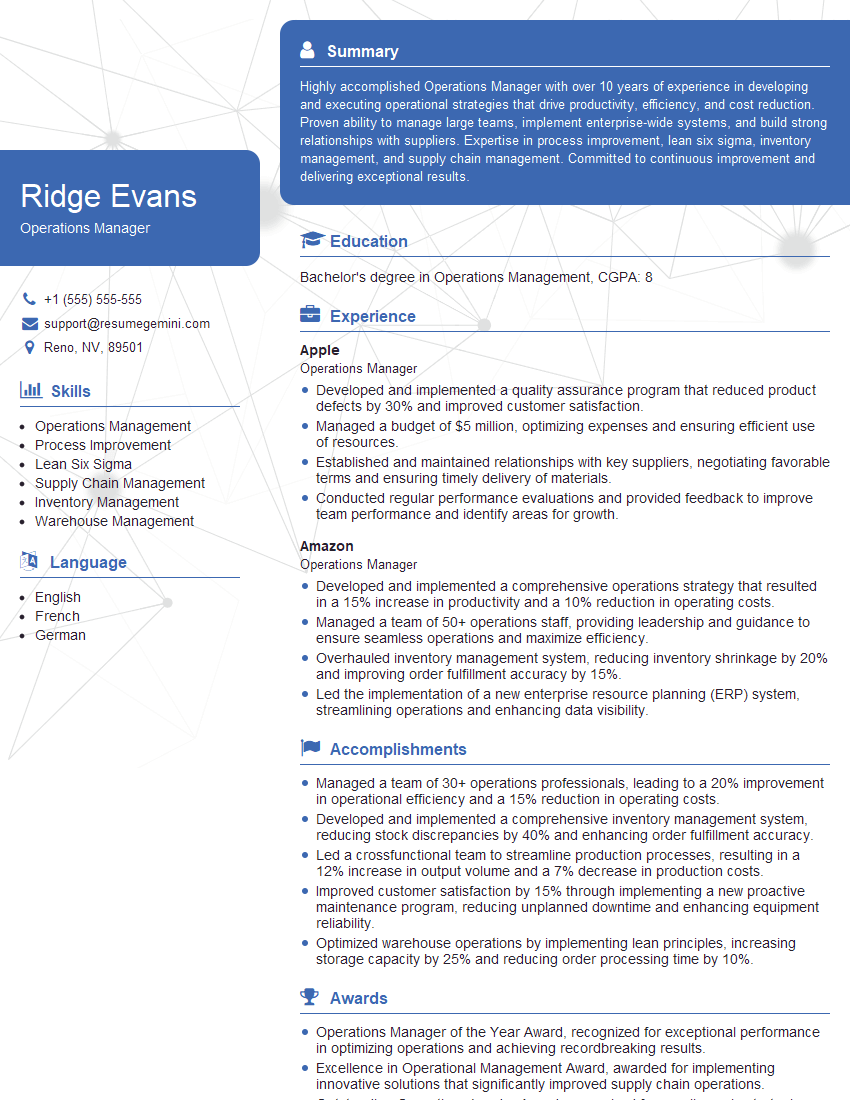
Operations Manager Resume Sample
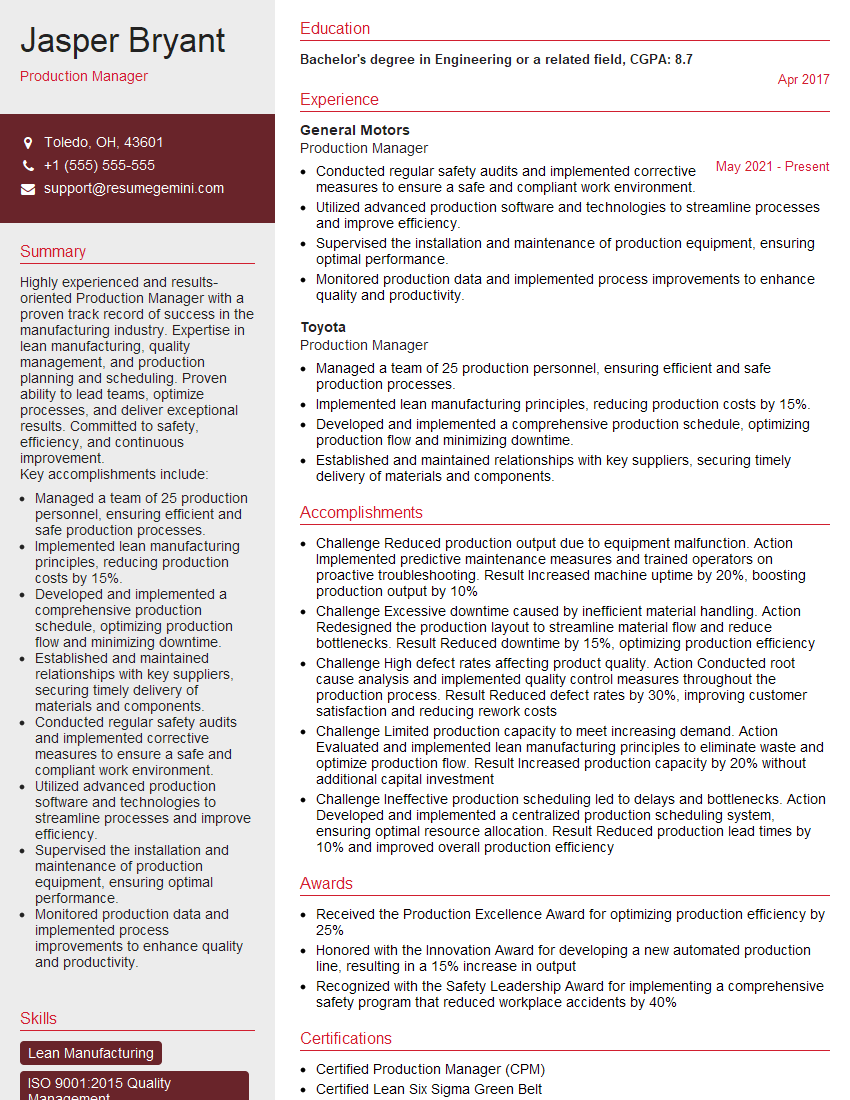
Production Manager Resume Sample
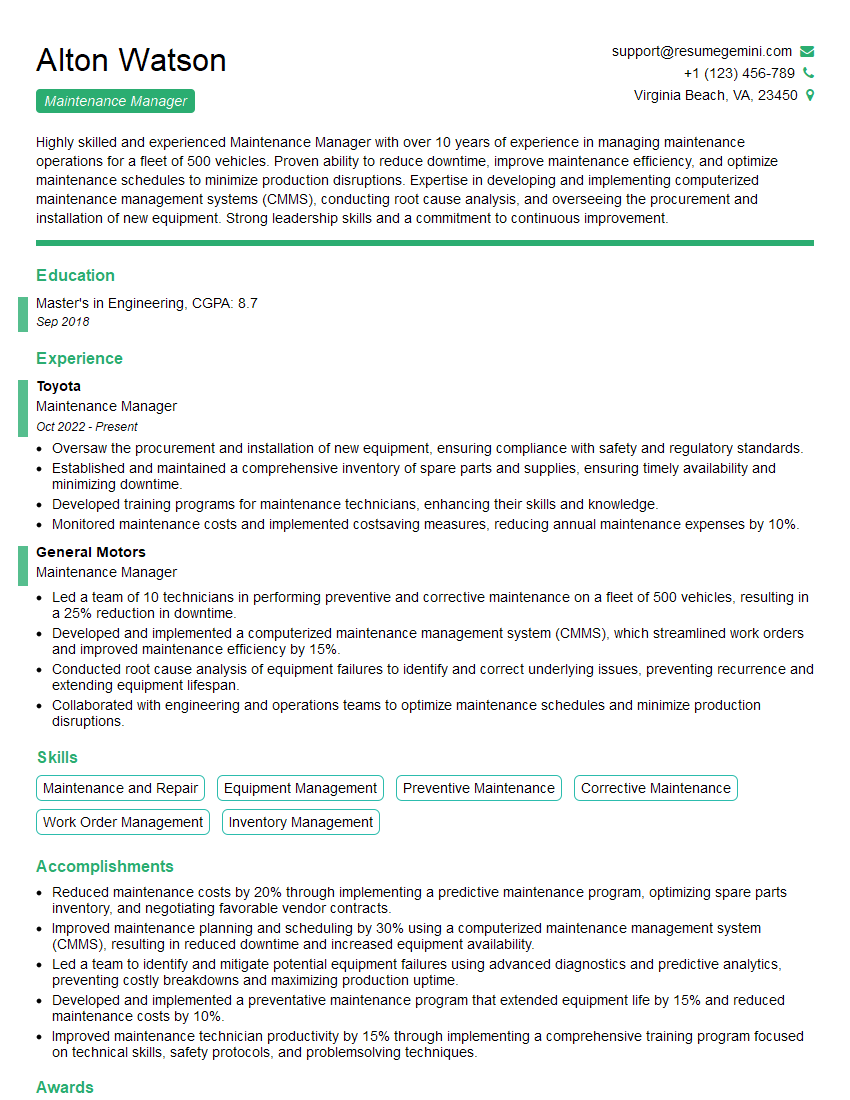
Maintenance Manager Resume Sample

Engineering Manager Resume Sample
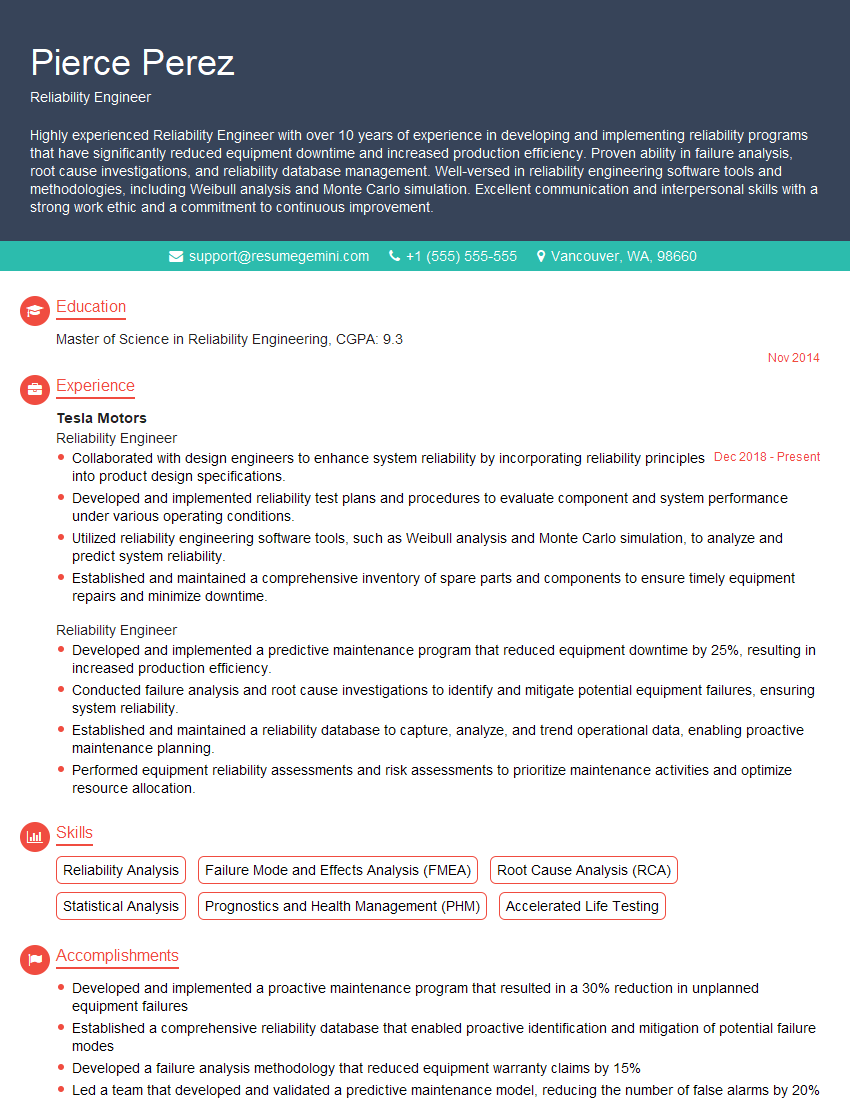
Reliability Engineer Resume Sample

Commissioning Engineer Resume Sample
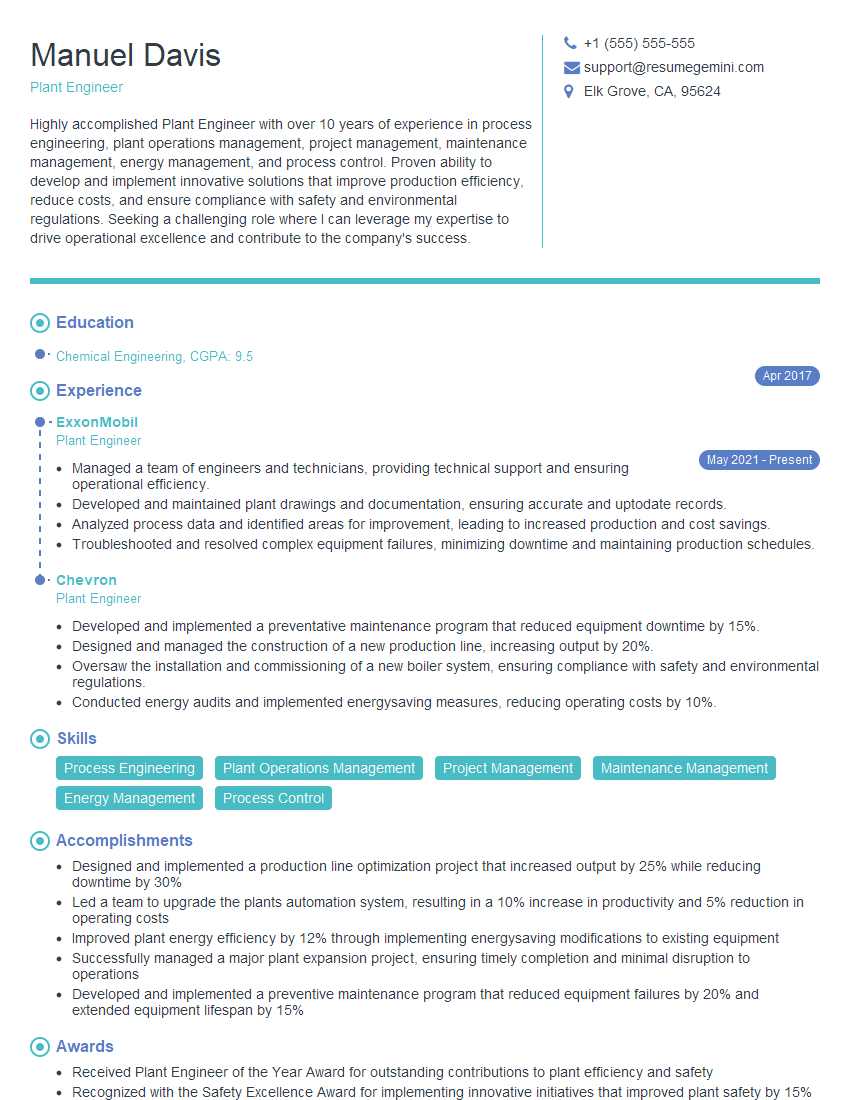
Plant Engineer Resume Sample
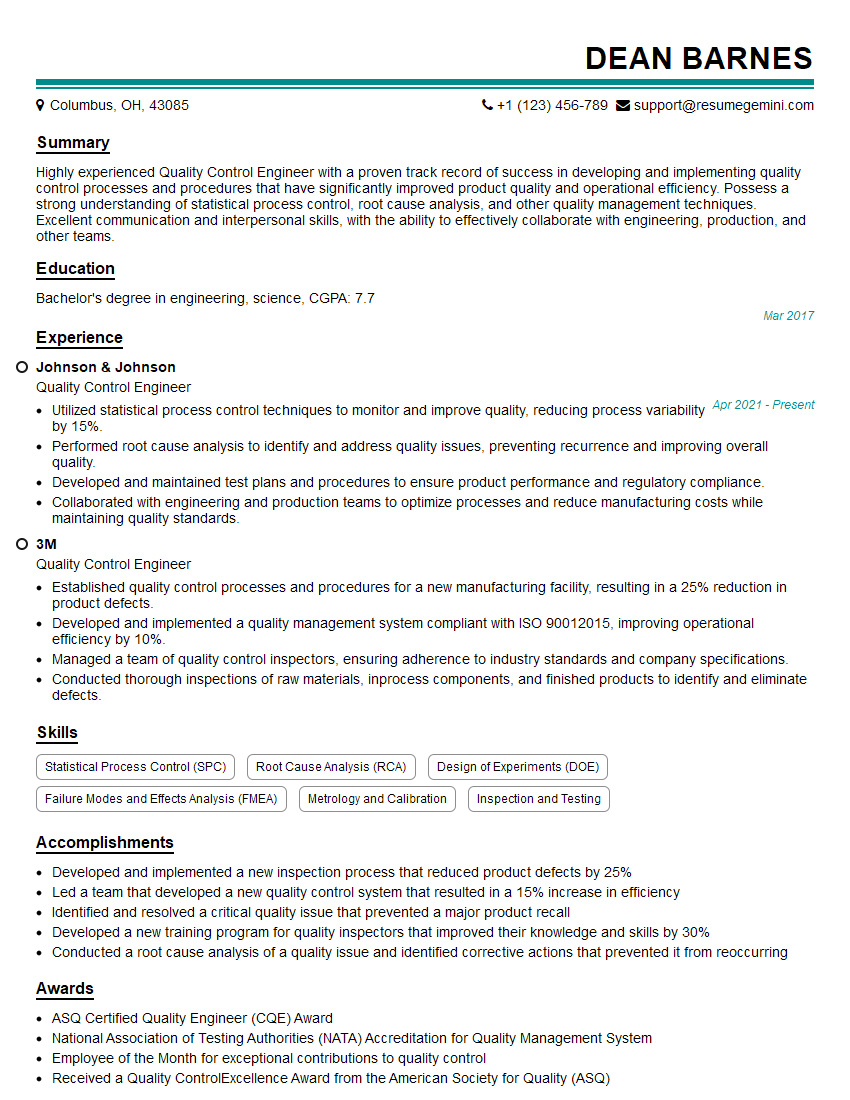
Quality Control Engineer Resume Sample
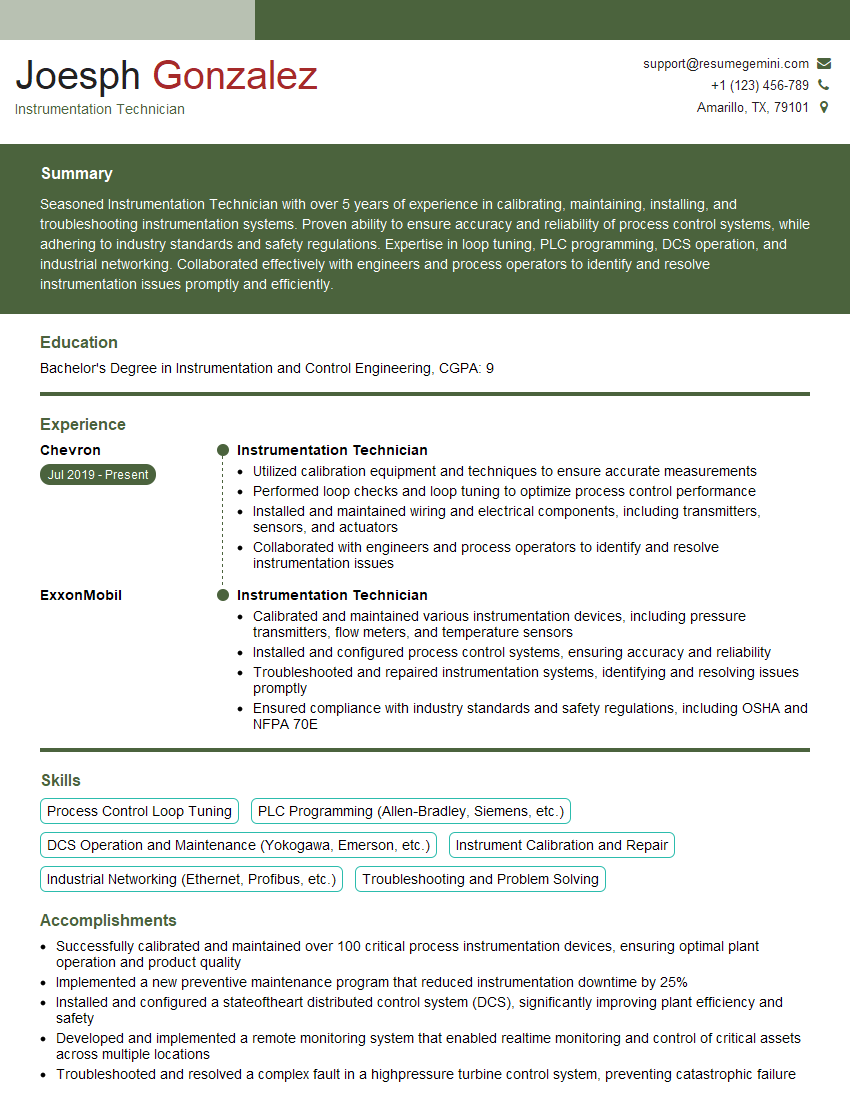
Instrumentation Technician Resume Sample
Explore more articles
Users Rating of Our Blogs
Share Your Experience
We value your feedback! Please rate our content and share your thoughts (optional).
What Readers Say About Our Blog
Very informative content, great job.
good