Cracking a skill-specific interview, like one for Entrepreneurism, requires understanding the nuances of the role. In this blog, we present the questions you’re most likely to encounter, along with insights into how to answer them effectively. Let’s ensure you’re ready to make a strong impression.
Questions Asked in Entrepreneurism Interview
Q 1. Describe your experience in developing a business plan.
Developing a robust business plan is the cornerstone of any successful entrepreneurial venture. It’s more than just a document; it’s a roadmap, a living document that guides your journey, constantly evolving as your business grows. My approach involves a structured, iterative process, beginning with a thorough market analysis. This includes identifying your target audience, analyzing competitor offerings, and assessing the overall market size and potential.
Next, I meticulously define the value proposition – what unique problem does your product or service solve and why should customers choose you? This leads to the development of a comprehensive marketing and sales strategy, outlining how you will reach your target market and convert them into paying customers.
The financial projections section is critical. It involves forecasting revenue, expenses, and profitability over a 3-5 year period, showcasing the financial viability of the business. I use realistic assumptions, factoring in potential risks and uncertainties. Finally, the plan outlines the management team, their expertise, and the resources required to execute the plan. It’s a continuous cycle of refinement; I regularly review and update the business plan based on market feedback and performance data.
For example, in my previous venture, ‘GreenThumb Gardening,’ we initially projected a slower growth rate. However, after receiving positive customer feedback during our initial launch, we revised our projections upwards, securing additional funding based on the updated plan.
Q 2. Explain your approach to securing seed funding for a startup.
Securing seed funding requires a multi-pronged approach, emphasizing a compelling narrative and a strong track record. I start by crafting a concise and persuasive pitch deck that highlights the problem, the solution, the market opportunity, the team’s expertise, and the financial projections. This is more than just numbers; it’s a story that resonates with investors, showcasing the potential for substantial returns.
Networking is paramount. I actively participate in industry events, connect with angel investors and venture capitalists, and leverage my existing network to find potential investors. I also utilize online platforms designed to connect startups with investors. Once I’ve identified potential investors, I conduct thorough due diligence, understanding their investment criteria and aligning my pitch accordingly.
Transparency and honesty are crucial. I clearly articulate the risks involved, demonstrate a deep understanding of the market, and present a realistic assessment of the challenges and opportunities. Finally, I prepare for tough questions, anticipating potential concerns and having well-reasoned responses ready. Remember, securing funding is not just about money; it’s about finding the right partners who align with your vision and can offer valuable mentorship and guidance.
Q 3. How would you assess market viability for a new product or service?
Assessing market viability requires a thorough and systematic approach, going beyond simple assumptions. I start with thorough market research, utilizing both primary and secondary data sources. This includes analyzing market size, growth rate, and trends.
Next, I identify the target customer profile, understanding their needs, pain points, and purchasing behavior. Competitive analysis is key; I thoroughly research competitors, analyzing their strengths and weaknesses, pricing strategies, and market share. This helps identify opportunities and potential challenges.
I also conduct a SWOT analysis (Strengths, Weaknesses, Opportunities, Threats) to identify internal and external factors that can impact the success of the product or service. Finally, I develop a minimum viable product (MVP) to test the market’s response before committing significant resources. This allows for iterative improvements based on real-world customer feedback.
For example, before launching a new line of organic dog treats, we conducted extensive surveys and focus groups to validate the market demand and identify key preferences among dog owners. This allowed us to fine-tune our product and marketing strategy before a full-scale launch.
Q 4. What strategies would you employ to manage cash flow in a startup?
Managing cash flow effectively is critical for startup survival. It’s a constant balancing act between revenue generation and expense management. I employ several key strategies, starting with meticulous budgeting and forecasting. This involves creating detailed financial projections, anticipating cash inflows and outflows, and identifying potential cash flow gaps.
I prioritize accounts receivable management, ensuring timely invoice payments from customers. On the expense side, I focus on cost control and efficiency, negotiating favorable terms with suppliers and identifying areas for potential cost reductions. I also implement robust inventory management practices, avoiding unnecessary stockpiling that ties up capital.
Securing lines of credit or alternative funding options provides a safety net in case of unexpected expenses or revenue shortfalls. Regular monitoring and analysis of cash flow statements are crucial for identifying trends, making informed decisions, and taking proactive measures to address potential issues. Think of cash flow management as a constant vigilance; it requires continuous attention and proactive measures to maintain financial stability.
Q 5. Describe your experience with lean startup methodologies.
Lean startup methodologies are central to my approach. It’s about building and iterating quickly, validating assumptions, and minimizing waste. The core principle is to build a Minimum Viable Product (MVP), a version of your product with just enough features to attract early-adopter customers and validate a product idea early. This allows you to gather customer feedback early and often, informing further development.
I use the Build-Measure-Learn feedback loop, constantly iterating based on data and customer feedback. This iterative process is crucial because it allows you to adapt to market changes and customer preferences quickly. I utilize A/B testing to compare different versions of a product or marketing campaign, helping to optimize performance. Lean methodologies also emphasize data-driven decision-making, reducing reliance on gut feelings and enhancing the effectiveness of resource allocation.
For instance, in my previous venture, we launched an MVP of our app with core features only. Based on user feedback, we prioritized feature development based on user demand, rather than relying on pre-conceived notions.
Q 6. How do you identify and mitigate risks in a business venture?
Identifying and mitigating risks is an ongoing process. I use a systematic approach, starting with a thorough risk assessment, identifying potential threats to the business, such as market competition, regulatory changes, or financial instability. I categorize these risks by likelihood and impact, prioritizing those with the highest potential negative consequences.
For each identified risk, I develop mitigation strategies. This could involve developing contingency plans, hedging against potential losses, securing insurance, or diversifying revenue streams. Regular monitoring and review of risks are essential. Market conditions and the competitive landscape constantly evolve, requiring continuous reassessment and adaptation of mitigation strategies.
Effective communication is critical. Keeping stakeholders informed about potential risks and the mitigation plans instills confidence and facilitates collaborative problem-solving. A proactive approach to risk management is far more effective than a reactive one; it’s about anticipating challenges and proactively planning for various scenarios.
Q 7. Explain your experience with building and managing a team.
Building and managing a high-performing team is essential for entrepreneurial success. My approach emphasizes recruiting individuals with complementary skills and a shared vision. I focus on cultural fit as much as technical expertise, ensuring the team works collaboratively and effectively. I delegate effectively, empowering team members to take ownership and contribute their unique talents.
Clear communication is paramount. I establish transparent communication channels, ensuring everyone is informed and aligned on goals and priorities. I foster a culture of feedback and continuous improvement, regularly soliciting feedback and recognizing achievements. Regular team meetings, both formal and informal, help build relationships, address challenges, and foster a sense of community.
Providing opportunities for professional development is critical. I encourage team members to pursue further training and skill development, enhancing their capabilities and contributing to overall team growth. Mentorship programs can also support professional growth and team cohesion. Remember, a strong team is not just a collection of individuals; it’s a collaborative unit that shares a common purpose and drives towards achieving shared goals.
Q 8. How would you handle a conflict within your team?
Conflict is inevitable in any team, but how you handle it determines success. My approach is multifaceted, prioritizing open communication and collaborative problem-solving. I start by creating a safe space for all team members to express their perspectives without interruption. I actively listen, seeking to understand the root cause of the conflict, not just the surface-level symptoms. Once everyone feels heard, I facilitate a discussion to identify shared goals and explore potential solutions together. This collaborative approach ensures buy-in from all parties and fosters a stronger team dynamic. If the conflict involves a serious breach of trust or company policy, I will follow established HR procedures. For example, in a previous startup, a disagreement arose between the marketing and development teams regarding campaign deadlines. Instead of assigning blame, I facilitated a workshop where each team explained their constraints and priorities. We collaboratively adjusted the timeline, ensuring both teams felt their needs were considered, ultimately leading to a successful campaign launch.
Q 9. Describe your experience with marketing and sales strategies.
My marketing and sales experience spans various strategies, from traditional methods to cutting-edge digital tactics. I’m proficient in developing comprehensive marketing plans that encompass market research, target audience identification, branding, and messaging. I have experience creating and managing marketing campaigns across multiple channels, including social media, email marketing, content marketing, and search engine optimization (SEO). On the sales side, I have experience building sales pipelines, managing sales teams, and closing deals. I’m skilled in using CRM software to track leads and manage customer relationships. In my previous role, I spearheaded a digital marketing campaign that increased website traffic by 40% and generated a 25% increase in leads within six months. This campaign utilized SEO, paid advertising (PPC), and targeted social media marketing. I also have experience with sales methodologies like solution selling and consultative selling, adapting my approach depending on the target audience and product.
Q 10. How do you measure the success of a marketing campaign?
Measuring marketing campaign success goes beyond vanity metrics. I employ a data-driven approach, focusing on key performance indicators (KPIs) relevant to business objectives. These KPIs often include website traffic, conversion rates (leads to customers), customer acquisition cost (CAC), return on investment (ROI), and brand awareness metrics like social media engagement and sentiment analysis. I use analytics tools like Google Analytics, social media analytics platforms, and CRM systems to track these metrics. For example, if the campaign goal is lead generation, I’d track the number of leads generated, their quality (e.g., using lead scoring), and the cost per lead. Comparing these metrics against pre-campaign baselines allows us to assess the campaign’s effectiveness. A holistic view, integrating quantitative data with qualitative feedback (customer surveys, reviews), provides a complete picture of the campaign’s impact.
Q 11. What is your experience with customer acquisition and retention?
Customer acquisition and retention are critical to sustained business growth. My approach involves a multi-pronged strategy. For acquisition, I leverage various channels, including inbound marketing (content marketing, SEO) and outbound marketing (paid advertising, email marketing, partnerships). I focus on creating compelling value propositions and crafting targeted messaging that resonates with potential customers. On the retention side, I prioritize providing exceptional customer service, building strong relationships, and creating a loyal customer base through loyalty programs, personalized communication, and ongoing engagement. I use tools like customer relationship management (CRM) systems to track customer interactions, understand their needs, and personalize their experience. For instance, in a previous venture, we implemented a customer feedback system that allowed us to identify and address customer pain points proactively. This improved customer satisfaction and reduced churn significantly. We also implemented a referral program that incentivized existing customers to recommend our product to new ones, resulting in a cost-effective acquisition strategy.
Q 12. Describe your experience with product development and iteration.
Product development and iteration are continuous processes. My experience involves collaborating closely with design and engineering teams throughout the entire product lifecycle, from ideation to launch and beyond. I’m adept at gathering and analyzing customer feedback, market trends, and competitive analyses to inform product strategy. This iterative process involves developing minimum viable products (MVPs) to test hypotheses and gather data before investing heavily in full-scale development. We use agile methodologies (discussed further below) to ensure flexibility and responsiveness to changing requirements. For example, in a previous project, we launched an MVP with core features and then iterated based on user feedback. This led to several significant product improvements, including a redesigned user interface and a new feature that significantly increased user engagement.
Q 13. How do you prioritize features in a product roadmap?
Prioritizing features in a product roadmap requires a strategic approach. I use a prioritization framework that balances business value, user needs, and technical feasibility. I employ techniques like MoSCoW method (Must have, Should have, Could have, Won’t have), value vs. effort matrices, and user story mapping. Business value is assessed by considering market demand, revenue potential, and alignment with overall business goals. User needs are determined through user research and feedback, ensuring that the product addresses key pain points and satisfies customer expectations. Technical feasibility involves evaluating the resources, time, and expertise required to implement each feature. By carefully analyzing these factors, we can create a prioritized roadmap that maximizes impact while managing risk. This process is not static; the roadmap is regularly reviewed and adjusted based on new data and changing market conditions.
Q 14. What is your experience with agile development methodologies?
I have extensive experience with agile development methodologies, specifically Scrum and Kanban. Agile principles, such as iterative development, frequent feedback loops, and collaborative teamwork, are essential to the successful delivery of high-quality products. In Scrum, I’ve participated in sprint planning, daily stand-up meetings, sprint reviews, and retrospectives. The iterative nature of Scrum allows for continuous improvement and adaptation throughout the development process. Kanban’s visual workflow management helps in tracking progress, identifying bottlenecks, and optimizing team efficiency. My experience includes using project management tools like Jira and Trello to facilitate agile workflows. I understand the importance of cross-functional collaboration and clear communication in agile environments. The transparency and adaptability of agile methodologies have been instrumental in delivering successful projects on time and within budget.
Q 15. How would you scale a business for growth?
Scaling a business for growth is a multifaceted process that requires a strategic approach, focusing on both operational efficiency and market expansion. It’s not simply about getting bigger; it’s about getting better and stronger while maintaining profitability and customer satisfaction.
- Optimize Operations: Before scaling, ensure your core processes are efficient and repeatable. This might involve implementing automation, streamlining workflows, and improving inventory management. Imagine a bakery – before opening multiple locations, they need a reliable recipe, consistent baking process, and efficient delivery system.
- Strategic Partnerships: Collaborate with complementary businesses to expand your reach and resources. A small coffee shop might partner with a local bakery to offer pastries, expanding both businesses’ customer base.
- Technology: Leverage technology to improve efficiency and reach new markets. CRM systems, e-commerce platforms, and marketing automation tools are crucial for scaling. A clothing brand might utilize an online store to reach a wider audience beyond its physical location.
- Talent Acquisition and Development: As you grow, you’ll need a strong team. Focus on hiring skilled individuals and investing in their training and development. A tech startup might invest in coding bootcamps for its engineers and leadership training for its managers.
- Financial Planning: Secure adequate funding through loans, investments, or bootstrapping. Accurate forecasting and budgeting are vital to manage resources effectively. A restaurant chain needs to carefully plan its expansion, securing funding for new locations and equipment.
- Marketing and Sales: Develop a robust marketing and sales strategy to reach your target audience. Consider using different channels such as social media, email marketing, and content marketing. A SaaS company might leverage content marketing to attract potential customers through informative blog posts and webinars.
Scaling requires careful planning and execution. A phased approach, starting with a pilot program before full-scale implementation, is often the safest and most effective strategy.
Career Expert Tips:
- Ace those interviews! Prepare effectively by reviewing the Top 50 Most Common Interview Questions on ResumeGemini.
- Navigate your job search with confidence! Explore a wide range of Career Tips on ResumeGemini. Learn about common challenges and recommendations to overcome them.
- Craft the perfect resume! Master the Art of Resume Writing with ResumeGemini’s guide. Showcase your unique qualifications and achievements effectively.
- Don’t miss out on holiday savings! Build your dream resume with ResumeGemini’s ATS optimized templates.
Q 16. How do you handle pressure and tight deadlines?
Handling pressure and tight deadlines effectively requires a combination of proactive planning, strong time management skills, and a calm demeanor. I thrive under pressure, finding it motivating rather than debilitating. My approach involves:
- Prioritization: I use methods like the Eisenhower Matrix (urgent/important) to prioritize tasks, focusing on high-impact activities first.
- Time Blocking: I allocate specific time slots for specific tasks, minimizing distractions and maximizing productivity.
- Delegation: I delegate tasks effectively to others, leveraging team members’ strengths and expertise. This frees me up to focus on the most critical aspects of a project.
- Communication: I maintain open and honest communication with my team and stakeholders, keeping everyone informed about progress and challenges. This prevents misunderstandings and allows for collaborative problem-solving.
- Stress Management: I employ techniques such as mindfulness, regular exercise, and adequate sleep to manage stress levels. A healthy lifestyle contributes significantly to my ability to handle pressure.
For instance, during the launch of a new product, I prioritized key milestones, delegated tasks effectively, and maintained constant communication with the team. This ensured a smooth launch despite tight deadlines.
Q 17. Describe a time you failed and what you learned from it.
One of my early ventures involved developing a mobile app that failed to gain traction in the market. Initially, I was overly focused on the technical aspects and underestimated the importance of market research and user feedback. The app was technically sound, but it didn’t solve a real problem for users, resulting in low downloads and engagement.
The failure taught me valuable lessons:
- Thorough Market Research: Before launching any product or service, it’s crucial to conduct thorough market research to validate the idea and understand customer needs.
- Iterative Development: Building a Minimum Viable Product (MVP) first allows for early user feedback and iterative improvements, reducing the risk of investing heavily in a flawed product.
- Customer-Centric Approach: Understanding and prioritizing customer needs should be at the core of any business endeavor. It’s vital to continuously seek feedback and iterate based on user insights.
This experience significantly shaped my approach to entrepreneurship. I now prioritize user feedback, conduct extensive market research, and employ agile development methodologies to reduce risk and maximize the chances of success.
Q 18. How do you adapt to changes in the market?
Adapting to market changes is essential for business survival and growth. My approach involves a combination of proactive monitoring, flexible strategies, and data-driven decision-making.
- Market Monitoring: I continuously monitor market trends, competitor activities, and technological advancements through industry publications, market research reports, and competitor analysis.
- Data Analysis: I analyze data on sales, customer behavior, and market trends to identify shifts and emerging opportunities. This data-driven approach helps in making informed decisions.
- Agile Methodology: I employ agile methodologies, allowing for flexibility and adaptability. This means being prepared to pivot strategies based on market feedback and changing conditions.
- Innovation: I foster a culture of innovation, encouraging experimentation and exploration of new ideas and technologies. This allows for continuous improvement and adaptation.
- Customer Feedback: I actively seek customer feedback to understand their changing needs and preferences. This ensures that our products and services remain relevant and competitive.
For example, when the market shifted towards online sales, we quickly adapted our business model by developing a robust e-commerce platform, even though we primarily operated through brick-and-mortar stores before. This quick response enabled us to maintain market share and even gain a competitive advantage.
Q 19. How do you stay current on industry trends?
Staying current on industry trends requires a proactive and multi-faceted approach. I leverage a combination of resources to ensure I’m well-informed.
- Industry Publications and Journals: I regularly read trade publications, industry journals, and research reports relevant to my field. This provides in-depth insights into emerging trends and best practices.
- Conferences and Workshops: Attending industry conferences and workshops allows me to network with peers and experts, learn about new developments, and gain fresh perspectives.
- Online Resources: I utilize online resources such as industry blogs, podcasts, and webinars to stay updated on the latest trends and news. This allows for continuous learning and access to a wide range of information.
- Networking: I maintain a strong professional network, engaging with peers, mentors, and industry experts through social media and professional organizations. This provides valuable insights and perspectives.
- Competitive Analysis: I regularly analyze competitors’ strategies and offerings to understand market dynamics and identify emerging trends. This competitive intelligence is vital for strategic decision-making.
This holistic approach keeps me informed about both macro and micro trends, enabling me to anticipate changes and adapt my strategies accordingly.
Q 20. What is your approach to building a strong company culture?
Building a strong company culture is crucial for attracting and retaining top talent, fostering innovation, and driving business success. My approach centers around:
- Shared Values and Vision: I clearly define and communicate the company’s core values and vision, ensuring that everyone understands the organization’s purpose and direction.
- Open Communication: I foster an environment of open communication, encouraging feedback, collaboration, and transparency at all levels. Regular town halls and open-door policies are key.
- Employee Empowerment: I empower employees by giving them autonomy, responsibility, and opportunities for growth. This fosters a sense of ownership and engagement.
- Recognition and Rewards: I recognize and reward employees for their contributions, both big and small. This can include monetary rewards, public acknowledgement, or opportunities for advancement.
- Work-Life Balance: I promote a healthy work-life balance, understanding that happy and well-rested employees are more productive and engaged. This might involve flexible work arrangements or generous vacation time.
- Team Building: I organize team-building activities to foster camaraderie and collaboration. This could involve social events, volunteer work, or team-building workshops.
A strong company culture is not built overnight. It requires consistent effort, commitment, and a genuine focus on employee well-being.
Q 21. Explain your understanding of intellectual property protection.
Intellectual property (IP) protection is crucial for safeguarding a company’s innovative creations and securing its competitive advantage. It encompasses several key areas:
- Patents: Patents protect inventions, granting exclusive rights to the inventor to use, sell, and manufacture the invention for a specific period. This is vital for technological innovations.
- Trademarks: Trademarks protect brand names, logos, and other distinctive marks that identify and distinguish goods and services. They prevent others from using similar marks that could cause consumer confusion.
- Copyrights: Copyrights protect original works of authorship, including literary, dramatic, musical, and artistic works. This is crucial for software, designs, and creative content.
- Trade Secrets: Trade secrets protect confidential information that provides a competitive edge, such as formulas, processes, or customer lists. These are protected through confidentiality agreements and secure practices.
Understanding the different types of IP protection is essential. For example, a software company would focus on copyright protection for its code and patents for any underlying inventions. A food company might focus on trademarks for its brand name and trade secrets for its unique recipes.
Protecting IP requires proactive measures, including registering trademarks and patents, implementing confidentiality agreements, and maintaining secure practices to protect trade secrets. Seeking legal advice from an IP attorney is crucial to ensure compliance and maximize protection.
Q 22. How do you manage legal and regulatory compliance?
Legal and regulatory compliance is paramount for any successful business. It involves understanding and adhering to all applicable laws, rules, and regulations relevant to your industry and geographical location. This isn’t just about avoiding penalties; it’s about building trust with customers, investors, and the public. My approach is proactive, not reactive.
- Regular Audits: I conduct regular internal audits to assess our compliance status across all areas, from data privacy (like GDPR or CCPA) to employment law, environmental regulations, and industry-specific standards.
- Legal Counsel: I retain experienced legal counsel who specialize in our industry. They provide guidance on navigating complex regulations and ensuring we’re always up-to-date with changes. This includes reviewing contracts, policies, and procedures.
- Training and Education: I ensure all employees receive comprehensive training on relevant legal and regulatory matters. This is crucial for maintaining compliance and minimizing risk.
- Documentation: Meticulous record-keeping is vital. We maintain comprehensive documentation of all compliance efforts, including audit reports, training records, and any legal consultations.
For example, in my previous venture, we proactively updated our data privacy practices in response to the GDPR regulations well in advance of the deadline, minimizing disruption and solidifying our reputation for responsibility.
Q 23. Describe your experience with financial forecasting and analysis.
Financial forecasting and analysis are critical for strategic decision-making and securing funding. My experience encompasses a range of techniques, from simple budgeting to complex financial modeling.
- Budgeting and Forecasting: I create detailed budgets and financial forecasts using various methods, including historical data analysis, market research, and industry benchmarks. I use these to project revenue, expenses, and profitability over various time horizons.
- Financial Modeling: I develop sophisticated financial models using spreadsheet software (like Excel) or dedicated financial modeling software to simulate different scenarios and analyze their impact on the business. This includes sensitivity analysis to understand the effect of changes in key variables.
- Key Performance Indicators (KPIs): I track and analyze key performance indicators (KPIs) to monitor the financial health of the business and identify areas for improvement. This includes metrics such as gross margin, net profit margin, return on investment (ROI), and customer acquisition cost.
- Data Analysis: I leverage data analysis techniques to identify trends, patterns, and potential risks. This helps inform strategic decisions and optimize resource allocation.
In one instance, using a detailed financial model, I was able to demonstrate to potential investors the significant growth trajectory of the company, securing a substantial investment round.
Q 24. How do you handle investor relations?
Investor relations are crucial for securing funding and maintaining a positive relationship with stakeholders. It’s about clear, consistent communication and demonstrating transparency. My approach focuses on building trust and mutual understanding.
- Regular Communication: I maintain consistent communication with investors through regular updates, financial reports, and presentations. I ensure the information is timely, accurate, and accessible.
- Transparency and Honesty: I am transparent and upfront about both successes and challenges. This builds trust and credibility.
- Relationship Building: I cultivate strong relationships with investors, understanding their needs and expectations. This is accomplished through regular meetings, phone calls, and email correspondence.
- Performance Reporting: I provide regular performance reports that clearly articulate progress toward key milestones and objectives. I illustrate how the investment is being utilized effectively.
For example, during a period of economic uncertainty, I proactively communicated with our investors, explaining our strategic adjustments and demonstrating how we were mitigating potential risks. This open communication helped maintain their confidence and support.
Q 25. What are your long-term goals as an entrepreneur?
My long-term goals as an entrepreneur are multifaceted. They go beyond simply building a profitable business; they involve creating lasting value and making a positive impact.
- Sustainable Growth: My primary goal is to build a sustainable and scalable business that can continue to thrive for years to come. This includes focusing on long-term value creation, not just short-term profits.
- Positive Social Impact: I strive to incorporate social responsibility into my business practices. This includes environmental sustainability, ethical sourcing, and community engagement.
- Innovation and Leadership: I am committed to driving innovation within my industry and mentoring future generations of entrepreneurs.
- Financial Independence: Ultimately, I aim to achieve financial independence for myself and my family through the success of my ventures.
I envision my company becoming a leader in its field, known not just for its financial success but also for its positive contribution to society.
Q 26. What are your strengths and weaknesses as an entrepreneur?
Self-awareness is crucial for any entrepreneur. Recognizing both strengths and weaknesses is essential for growth and effective leadership.
- Strengths: I am a highly strategic thinker, adept at identifying opportunities and developing effective business plans. I’m also a strong leader, able to inspire and motivate teams to achieve ambitious goals. My communication skills are excellent, allowing me to build strong relationships with investors, customers, and employees.
- Weaknesses: I can sometimes be too focused on the details and need to improve my delegation skills. At times, I can be overly ambitious, potentially leading to burnout if not managed effectively.
To mitigate my weaknesses, I actively seek feedback from others and have implemented strategies to improve delegation and time management. I also prioritize self-care to prevent burnout.
Q 27. Describe your experience with negotiation and deal-making.
Negotiation and deal-making are integral aspects of entrepreneurship. It’s about finding mutually beneficial solutions while protecting your interests. My approach is collaborative but assertive.
- Preparation: Before any negotiation, I thoroughly research the other party, understanding their motivations and potential weaknesses. I clearly define my goals and desired outcomes.
- Active Listening: I actively listen to understand the other party’s perspective, fostering a collaborative atmosphere.
- Strategic Concessions: I strategically make concessions to reach a mutually acceptable agreement, but always protect my core interests.
- Win-Win Outcomes: I strive for win-win outcomes, creating long-term relationships based on mutual respect and trust.
For instance, during negotiations for a significant partnership, I was able to secure favorable terms by presenting a compelling value proposition and demonstrating the mutual benefits of collaboration. This resulted in a highly successful partnership.
Q 28. What is your exit strategy for your business?
My exit strategy depends heavily on the long-term success and goals of the business. However, I envision several potential scenarios.
- Acquisition: A strategic acquisition by a larger company in the same or a related industry would be a viable option. This allows for a significant return on investment and ensures the continued success of the business under a new owner.
- Initial Public Offering (IPO): An IPO, whereby the company’s shares are offered to the public, is another possibility. This can provide substantial liquidity and allow for continued growth through access to capital markets.
- Strategic Partnership: A strategic partnership with a larger player might be a way to expand operations and reach new markets. This exit strategy preserves a significant level of control while enabling significant expansion.
The optimal exit strategy will depend on market conditions, business performance, and my personal goals at the time. The key is to plan ahead and adapt the strategy as needed, keeping flexibility in mind.
Key Topics to Learn for Entrepreneurism Interview
- Business Model Canvas: Understanding and applying the BMC to analyze various business models, identifying key partners, revenue streams, and cost structures.
- Market Analysis & Research: Conducting thorough market research to identify target audiences, competitive landscapes, and market opportunities; applying this knowledge to develop a viable business strategy.
- Financial Planning & Management: Developing realistic financial projections, managing cash flow, understanding key financial metrics (e.g., ROI, break-even analysis), and securing funding.
- Marketing & Sales Strategies: Developing and implementing effective marketing and sales plans to reach target customers, build brand awareness, and generate revenue; understanding different marketing channels and their effectiveness.
- Team Building & Leadership: Building and motivating high-performing teams; understanding different leadership styles and their applications in entrepreneurial contexts; fostering collaboration and communication within a team.
- Risk Management & Problem-Solving: Identifying and mitigating potential risks; developing strategies for overcoming challenges and adapting to changing market conditions; demonstrating proactive problem-solving skills.
- Legal & Regulatory Compliance: Understanding relevant legal and regulatory frameworks (e.g., intellectual property, contracts, taxation) and ensuring compliance.
- Innovation & Creativity: Demonstrating the ability to generate new ideas, adapt to change, and develop innovative solutions to address market needs.
- Pitching & Presentation Skills: Effectively communicating your business idea to investors, potential partners, and customers; crafting compelling presentations and delivering them confidently.
- Ethical Considerations & Sustainability: Understanding the ethical implications of entrepreneurial activities and incorporating principles of sustainability into business practices.
Next Steps
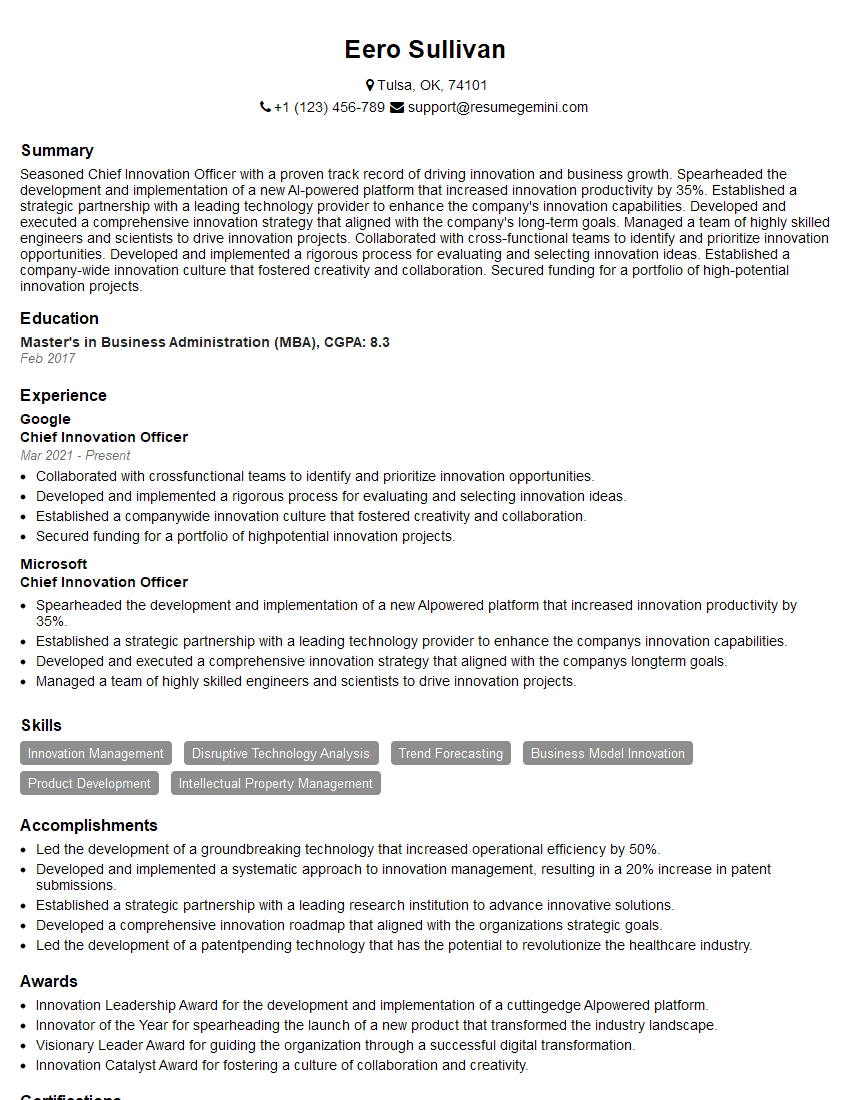
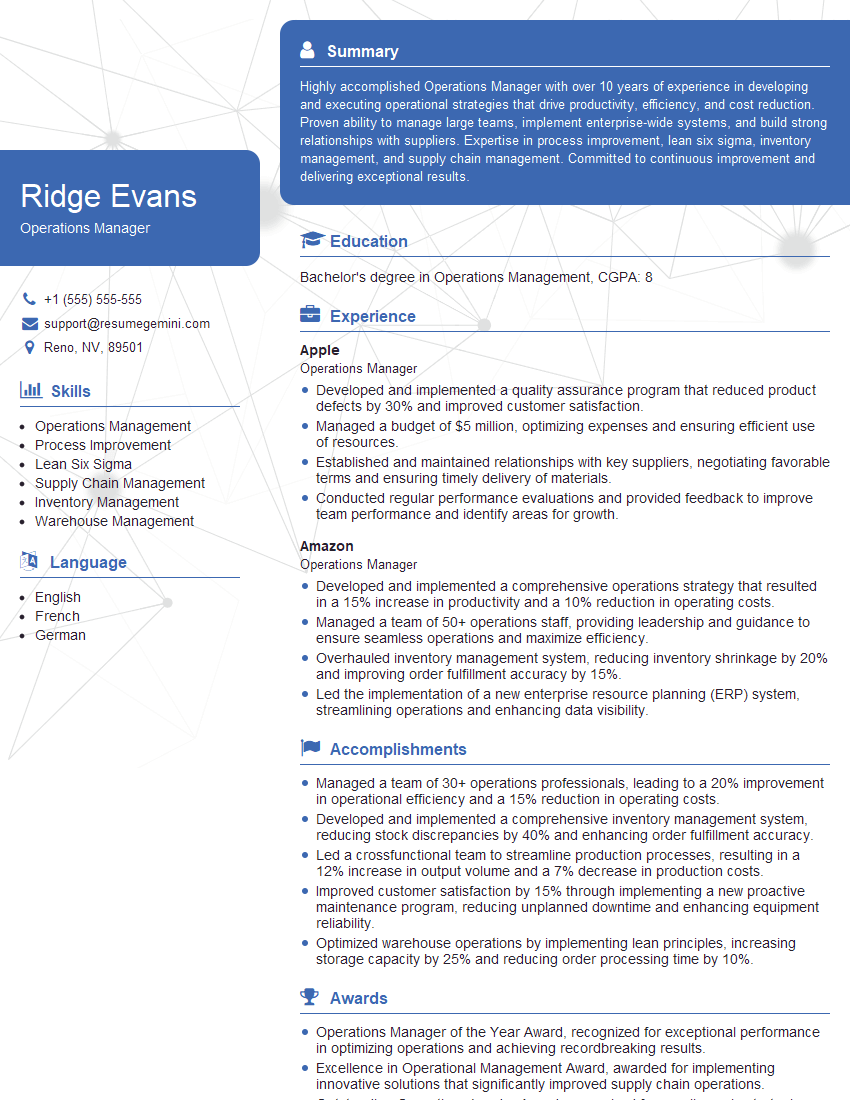
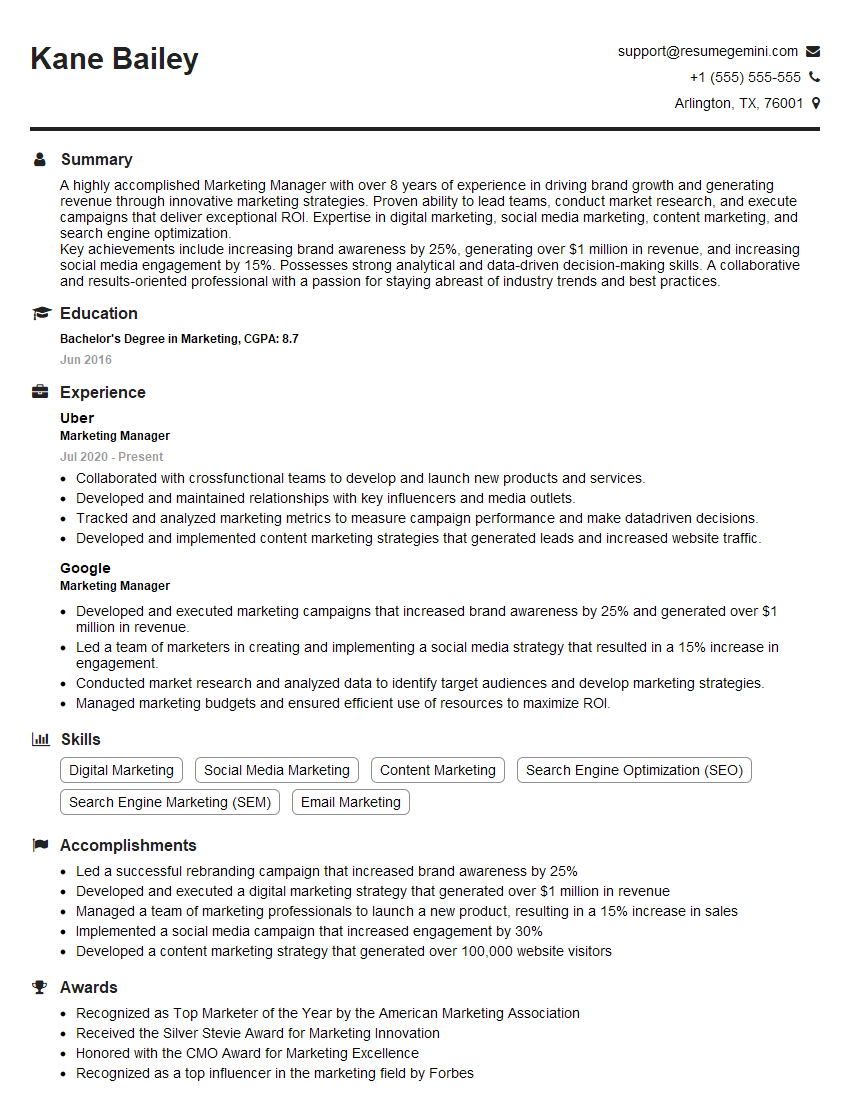
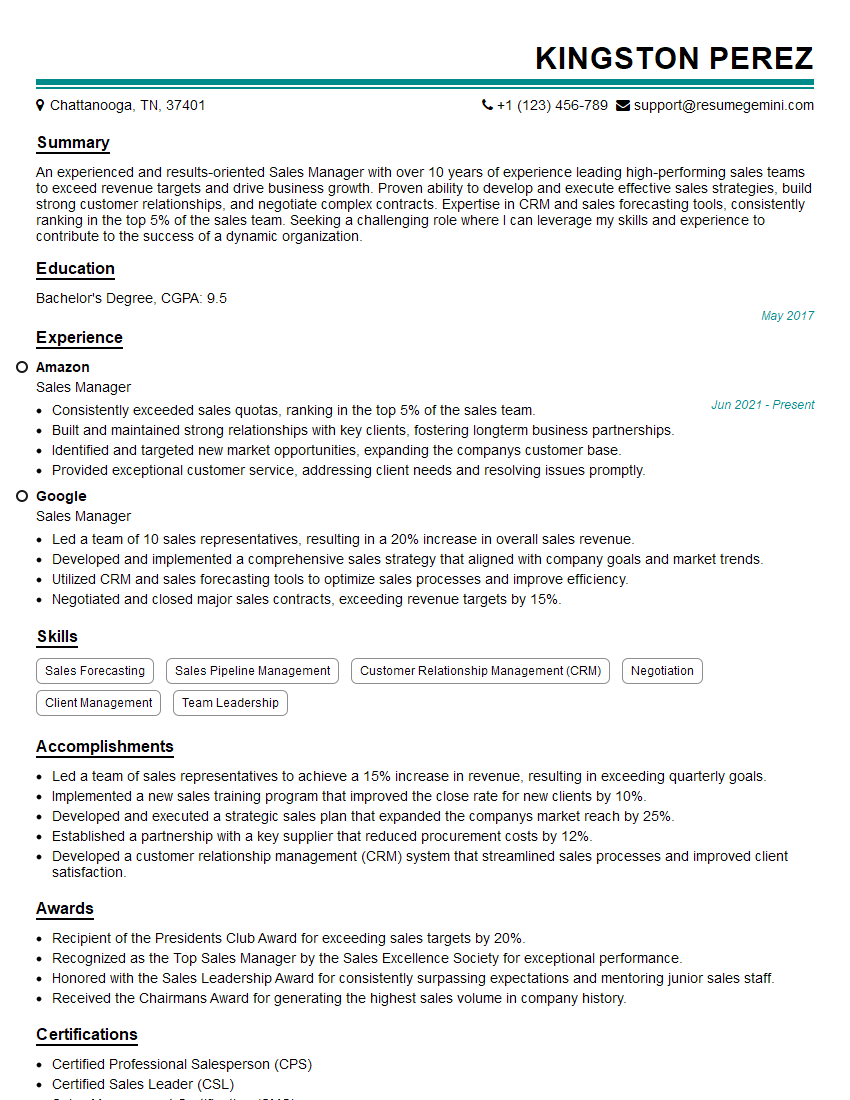
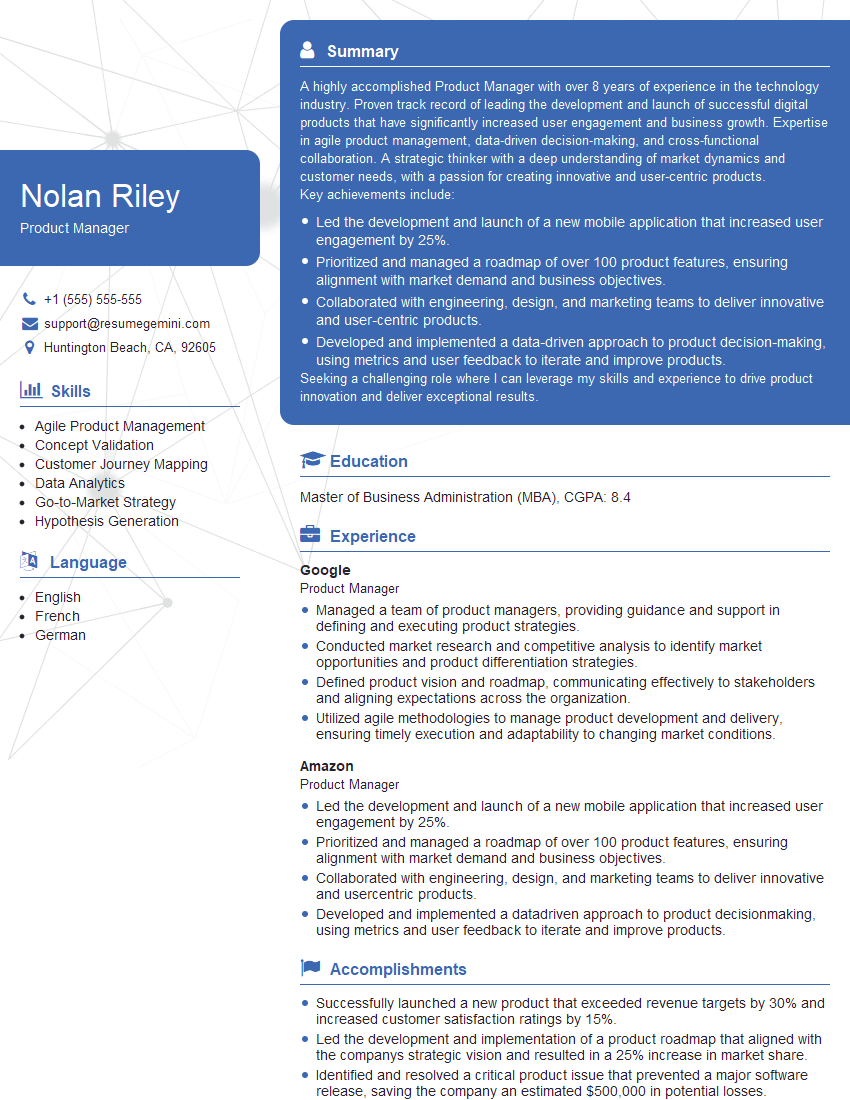
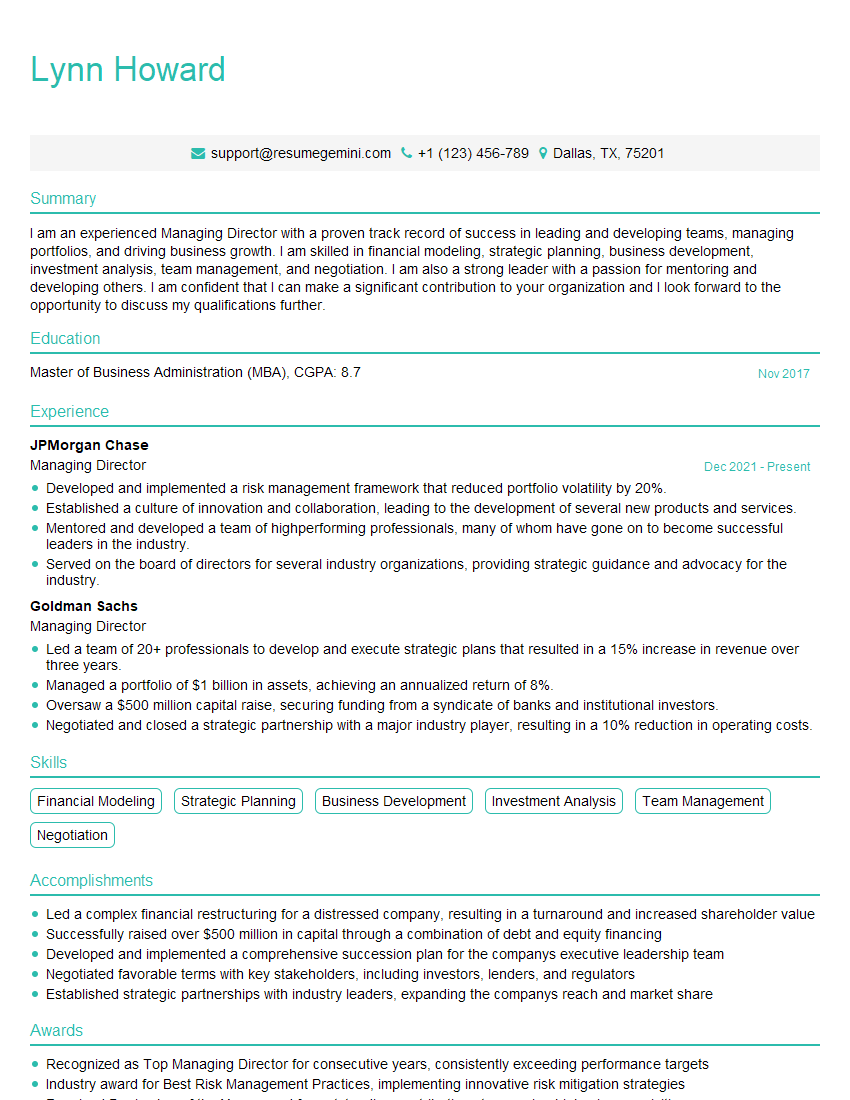
Mastering the principles of entrepreneurism is crucial for career advancement in today’s dynamic business environment. It demonstrates initiative, problem-solving skills, and a forward-thinking approach highly valued by employers. To significantly boost your job prospects, create an ATS-friendly resume that showcases your skills and experience effectively. ResumeGemini is a trusted resource to help you build a professional and impactful resume. We provide examples of resumes tailored specifically to the entrepreneurism field to guide you in crafting a winning application.

Explore more articles
Users Rating of Our Blogs
Share Your Experience
We value your feedback! Please rate our content and share your thoughts (optional).
What Readers Say About Our Blog
Very informative content, great job.
good