Unlock your full potential by mastering the most common Future-Proofing interview questions. This blog offers a deep dive into the critical topics, ensuring you’re not only prepared to answer but to excel. With these insights, you’ll approach your interview with clarity and confidence.
Questions Asked in Future-Proofing Interview
Q 1. Define ‘Future-Proofing’ in the context of your experience.
Future-proofinga business isn’t about predicting the future perfectly; it’s about building adaptability and resilience into its core. It’s a proactive strategy focused on anticipating and mitigating potential disruptions, ensuring long-term survival and success regardless of unforeseen circumstances. This involves continuously assessing the business environment, identifying potential threats and opportunities, and adapting strategies accordingly. Think of it like building a house on a flood plain – you wouldn’t just build a regular house; you’d incorporate flood defenses. Similarly, future-proofing involves designing systems and strategies that can withstand the inevitable storms of change.
Q 2. Explain how you would identify potential future threats to a business.
Identifying potential future threats requires a multi-faceted approach. I utilize a combination of methods, including:
- Environmental Scanning: Analyzing macro-level trends such as economic shifts (inflation, recession), geopolitical events, technological advancements (AI, automation), climate change, and societal changes (demographics, consumer behavior).
- Competitive Analysis: Closely examining competitors’ strategies, identifying emerging players, and anticipating their actions.
- SWOT Analysis: A classic framework for identifying internal Strengths and Weaknesses, and external Opportunities and Threats. This provides a structured overview of the business’s position relative to potential future challenges.
- Scenario Planning: Developing multiple plausible future scenarios (e.g., best-case, worst-case, and various possibilities in between) to test the robustness of the current business model. This allows for proactive planning and contingency development.
- Technology Foresight: Monitoring technological developments to anticipate how these may disrupt operations or create new opportunities. This often involves engaging with experts in relevant fields and leveraging technology trend reports.
For example, a retail business might identify the threat of e-commerce disrupting its traditional brick-and-mortar model by analyzing online sales trends and the growth of competitors’ online platforms. This would trigger a need to explore omnichannel strategies to remain competitive.
Q 3. Describe your experience in developing a future-proof business strategy.
In a previous role, I led the development of a future-proof strategy for a manufacturing company facing increasing automation threats. Our approach involved several key steps:
- Skill Gap Analysis: Identifying the skills needed to adapt to future automation and reskilling the workforce through training programs.
- Technology Integration: Strategically adopting automation technologies, but not just for the sake of it; we focused on automation that complemented human skills and increased efficiency. This required careful analysis of potential ROI and risk mitigation strategies.
- Diversification: Exploring new product lines and markets to reduce reliance on existing products potentially vulnerable to disruption. This minimized risk by creating multiple revenue streams.
- Agile Methodology: Adopting an agile approach to business operations allowed for greater flexibility and responsiveness to changing market conditions and technological advancements.
- Data-Driven Decision Making: Implementing robust data analytics capabilities to track key performance indicators (KPIs) and make data-informed decisions, optimizing our response to market changes.
This multifaceted approach ensured the company could not only survive but thrive in a rapidly changing environment. The outcome was a significantly improved resilience against future threats, increased efficiency and profitability.
Q 4. How do you assess the resilience of a company’s business model?
Assessing the resilience of a company’s business model involves examining its adaptability and ability to withstand shocks. I evaluate several key aspects:
- Revenue Diversification: Does the company rely heavily on a single product, customer, or market? A diversified revenue stream significantly enhances resilience.
- Operational Flexibility: Can the business quickly adapt its operations to changes in demand, supply chains, or technology? Agile manufacturing processes are key.
- Financial Strength: Does the company have sufficient financial reserves to withstand unexpected downturns? A strong cash position is crucial.
- Customer Loyalty: How loyal are the company’s customers? Strong customer relationships can cushion the impact of temporary disruptions.
- Innovation Capacity: Does the company have the ability to innovate and develop new products and services to address changing market demands? A culture of innovation is essential.
- Risk Management Framework: Does the company have a well-defined risk management process to identify, assess, and mitigate potential threats? A structured approach to risk management is essential.
For instance, a company with a highly specialized product and limited customer base is significantly less resilient than one with a diversified product portfolio and a broad customer base.
Q 5. What methods do you use to forecast technological advancements and their impact?
Forecasting technological advancements requires a combination of quantitative and qualitative methods. I utilize:
- Trend Analysis: Tracking the evolution of technologies through publications, patents, industry reports, and market research.
- Expert Interviews: Engaging with thought leaders and experts in relevant fields to gain insights into future technological developments.
- Technology Roadmapping: Creating roadmaps that illustrate the likely evolution of specific technologies based on current trends and technological feasibility.
- Data Mining: Analyzing large datasets to identify patterns and trends that indicate future technological breakthroughs.
- Scenario Planning (again!): Developing various scenarios to anticipate the impact of different technological advancements on the business and industry.
For example, analyzing the exponential growth in computing power and the increasing availability of large datasets allows for informed predictions about the potential impact of artificial intelligence on various industries, including healthcare, finance, and manufacturing. This analysis allows businesses to proactively prepare for these changes.
Q 6. How would you approach identifying and mitigating emerging risks?
Identifying and mitigating emerging risks is an iterative process. My approach involves:
- Continuous Monitoring: Regularly scanning the environment for emerging threats and opportunities through the methods mentioned earlier.
- Risk Assessment: Evaluating the likelihood and potential impact of identified risks. This involves a quantitative and qualitative analysis, considering potential cascading effects.
- Risk Response Planning: Developing strategies to address each identified risk. These strategies might involve mitigation (reducing the likelihood or impact), avoidance (eliminating exposure to the risk), transfer (insuring against the risk), or acceptance (acknowledging the risk and planning for it).
- Contingency Planning: Creating detailed plans to deal with specific events or scenarios. This could include backup plans for essential systems, crisis communication protocols, and resource allocation strategies.
- Regular Review and Adaptation: Continuously monitoring the effectiveness of risk management strategies and adapting them as needed based on new information and emerging risks.
For instance, identifying a potential supply chain disruption due to geopolitical instability would trigger a risk response plan involving diversifying suppliers, building strategic inventory, and negotiating longer-term contracts.
Q 7. Explain your understanding of scenario planning and its role in Future-Proofing.
Scenario planning is a crucial tool in future-proofing. It involves developing a range of plausible future scenarios, each based on different assumptions about key drivers of change. This allows for a more robust and adaptable strategy.
The process typically involves:
- Identifying Key Drivers of Change: Determining the factors most likely to influence the future of the business and its environment.
- Developing Plausible Scenarios: Creating a set of diverse scenarios, ranging from optimistic to pessimistic, capturing a range of possible futures.
- Assessing Impacts: Analyzing the potential impact of each scenario on the business, including financial performance, operational efficiency, and competitive position.
- Developing Strategies: Formulating strategies that are robust across a range of scenarios, enabling the business to adapt successfully regardless of which future unfolds.
- Monitoring and Adaptation: Regularly reviewing and updating scenarios and strategies based on new information and changing circumstances.
Imagine a company facing potential regulations on its product. Scenario planning allows them to analyze the impact of various regulatory scenarios – from minor changes to a complete ban – and develop strategies that would allow them to either adapt or pivot, regardless of the outcome.
Q 8. Describe a time you successfully anticipated a future challenge and developed a solution.
Anticipating future challenges requires a proactive, almost predictive approach. It’s about understanding underlying trends and potential disruptions before they become major issues. One successful instance involved a large retail client facing increasing competition from e-commerce giants. I saw that their reliance on brick-and-mortar stores was becoming a significant vulnerability. My solution involved a multi-pronged approach: First, we developed a robust omnichannel strategy, integrating their online and offline presence seamlessly. Second, we invested in data analytics to better understand customer preferences and tailor their offerings accordingly. Third, we piloted a subscription-based loyalty program to foster customer retention. This integrated approach not only mitigated the threat of e-commerce disruption but also positioned the company for future growth. The result? A significant increase in customer engagement and revenue, surpassing initial projections.
Q 9. How do you incorporate sustainability considerations into Future-Proofing initiatives?
Sustainability is no longer a ‘nice-to-have’ but a fundamental pillar of future-proofing. Integrating it requires a holistic approach that considers environmental, social, and governance (ESG) factors across all aspects of an organization. For example, in a manufacturing context, this might involve adopting circular economy principles, reducing waste, minimizing carbon emissions, and ethically sourcing raw materials. In a service-based industry, it could entail optimizing energy consumption, implementing remote work strategies to reduce commuting, and supporting ethical and sustainable supply chains. Failing to incorporate sustainability considerations leaves organizations vulnerable to increased regulatory scrutiny, reputational damage, and ultimately, decreased profitability. We evaluate and implement initiatives based on a clear ESG framework, setting measurable targets and reporting on progress transparently.
Q 10. How do you leverage data analytics to inform your Future-Proofing strategies?
Data analytics is the cornerstone of effective future-proofing. It allows us to move beyond reactive problem-solving to proactive anticipation. By analyzing historical data, current market trends, and emerging technologies, we can identify potential risks and opportunities. For instance, we might use predictive modeling to forecast demand fluctuations, sentiment analysis to gauge public opinion on new products or services, or competitive intelligence to anticipate competitor moves. This data-driven approach helps us make informed decisions, allocate resources effectively, and develop strategies that are adaptable and resilient. Example: Using machine learning to predict equipment failure rates and schedule preventative maintenance, thereby minimizing downtime and reducing costs.
Q 11. How would you measure the success of a Future-Proofing initiative?
Measuring the success of a future-proofing initiative is crucial and requires a multi-faceted approach. We wouldn’t rely solely on financial metrics, but rather employ a balanced scorecard, considering aspects such as:
- Financial Performance: Increased revenue, reduced costs, improved profitability.
- Customer Satisfaction: Enhanced customer loyalty, improved brand reputation.
- Operational Efficiency: Improved process optimization, reduced risk of disruptions.
- Innovation: Successful implementation of new technologies and business models.
- Resilience: Ability to withstand and adapt to unexpected changes and crises.
Key Performance Indicators (KPIs) are developed specifically for each initiative, providing clear benchmarks against which progress can be tracked and adjustments made as needed.
Q 12. What are the key factors you consider when evaluating the adaptability of an organization?
Evaluating an organization’s adaptability involves assessing several key factors. First, we examine their learning agility – their ability to acquire and apply new knowledge and skills rapidly. Second, we look at their organizational culture; is it open to change, experimentation, and feedback? Third, we assess their resource flexibility – do they have the financial, human, and technological resources to adapt to changing circumstances? Fourth, we consider their decision-making processes; are they agile and decentralized, or slow and bureaucratic? Finally, we examine their innovation capacity – do they proactively seek out new opportunities and embrace innovation? A high score across these factors indicates a strong potential for adaptability.
Q 13. Describe your experience with developing agile and responsive organizational structures.
My experience with developing agile and responsive organizational structures has involved transitioning companies from traditional hierarchical models to flatter, more decentralized structures. This often necessitates changes in communication protocols, decision-making processes, and performance management systems. For example, I worked with a manufacturing company to implement Scrum methodologies. We empowered cross-functional teams, fostering collaboration and shared responsibility. This increased their responsiveness to market changes and enabled faster product development cycles. The key to success was a phased implementation, coupled with extensive training and change management to address employee concerns and build buy-in. A critical element was establishing clear communication channels and fostering a culture of trust and transparency.
Q 14. How do you ensure alignment between short-term goals and long-term Future-Proofing objectives?
Aligning short-term goals with long-term future-proofing objectives is vital for sustainable success. It’s about creating a strategic roadmap that connects immediate actions to the overarching vision. We achieve this through:
- Strategic Planning: Developing a long-term strategic plan that clearly defines future-proofing goals and outlines key milestones.
- Resource Allocation: Allocating resources to both short-term initiatives and long-term investments that contribute to future-proofing.
- Performance Measurement: Tracking progress toward both short-term and long-term goals, ensuring alignment and making adjustments as needed.
- Communication and Collaboration: Effectively communicating the long-term vision to all stakeholders and fostering collaboration across departments.
Imagine building a house – the short-term goals might be laying the foundation or completing the framing, while the long-term goal is a sturdy, comfortable home designed for the future. Each step in the construction process contributes to the overall objective.
Q 15. Explain your understanding of emerging technologies and their potential impact on businesses.
Emerging technologies like Artificial Intelligence (AI), Machine Learning (ML), blockchain, the Internet of Things (IoT), and quantum computing are rapidly transforming businesses. AI, for example, can automate tasks, analyze vast datasets for insights, and personalize customer experiences, leading to increased efficiency and profitability. ML allows for predictive modeling, enabling businesses to anticipate market trends and optimize their strategies. Blockchain offers enhanced security and transparency in supply chains and transactions. IoT connects devices, generating data that can be used for operational improvements and new service offerings. Quantum computing, still in its early stages, has the potential to revolutionize fields like drug discovery and materials science, creating entirely new business opportunities. The impact varies depending on the industry; for instance, AI is already transforming customer service in many sectors, while blockchain is revolutionizing finance and supply chain management. Understanding the potential and limitations of these technologies is crucial for strategic planning.
Career Expert Tips:
- Ace those interviews! Prepare effectively by reviewing the Top 50 Most Common Interview Questions on ResumeGemini.
- Navigate your job search with confidence! Explore a wide range of Career Tips on ResumeGemini. Learn about common challenges and recommendations to overcome them.
- Craft the perfect resume! Master the Art of Resume Writing with ResumeGemini’s guide. Showcase your unique qualifications and achievements effectively.
- Don’t miss out on holiday savings! Build your dream resume with ResumeGemini’s ATS optimized templates.
Q 16. How do you navigate uncertainty and ambiguity when developing Future-Proofing strategies?
Navigating uncertainty in future-proofing requires a robust framework that combines strategic foresight with adaptable planning. Instead of focusing on predicting the future with absolute certainty (which is impossible), we focus on identifying potential future scenarios – both positive and negative – and developing strategies that are resilient across various possibilities. This involves scenario planning, which explores different potential futures based on key uncertainties (e.g., technological breakthroughs, regulatory changes, shifts in consumer behavior). We use techniques like trend analysis, expert interviews, and competitive intelligence to inform our scenarios. Our strategies then focus on building adaptable capabilities – modular systems, agile processes, diversified revenue streams – allowing the organization to respond effectively to whatever future emerges. For example, a retail company might invest in both online and physical stores, creating resilience against unpredictable changes in consumer shopping habits.
Q 17. How would you build a culture of adaptability and innovation within an organization?
Building a culture of adaptability and innovation requires a multifaceted approach. It starts with leadership commitment: leaders must actively champion change and experimentation. This involves fostering a psychological safety climate where employees feel comfortable taking risks and proposing innovative ideas without fear of failure. We encourage continuous learning and development through training programs, mentorship opportunities, and access to new technologies. Implementing agile methodologies and iterative development processes promotes experimentation and faster adaptation to change. Recognition and rewards for innovative achievements, no matter how small, are essential for reinforcing positive behaviours. Finally, open communication channels and collaborative work environments foster the exchange of ideas and accelerate innovation. For example, regular brainstorming sessions, hackathons, and internal idea competitions can spark creativity and encourage employee participation in shaping the future of the organization.
Q 18. What are the key challenges you foresee in implementing a Future-Proofing strategy?
Implementing a future-proofing strategy presents several challenges. Firstly, resistance to change is a significant hurdle. People often feel threatened by change, making it vital to communicate the strategy clearly and address employee concerns proactively. Secondly, securing the necessary resources – financial, human, and technological – can be difficult, especially in uncertain economic climates. Prioritization and demonstrating a clear return on investment are key. Thirdly, measuring the success of a future-proofing initiative can be challenging, as the long-term benefits may not be immediately apparent. Establishing clear metrics and regularly assessing progress is important. Finally, the rapidly evolving technological landscape requires continuous learning and adaptation, presenting a constant challenge to stay ahead of the curve. Continuous monitoring and reassessment of the strategy are essential.
Q 19. How do you communicate complex Future-Proofing concepts to non-technical stakeholders?
Communicating complex future-proofing concepts to non-technical stakeholders requires using clear, concise language and avoiding jargon. We use analogies, storytelling, and visual aids to simplify complex ideas. For instance, we might explain blockchain technology by comparing it to a secure, transparent digital ledger. We present data in easily digestible formats, such as charts and graphs, and avoid overwhelming stakeholders with technical details. Involving stakeholders early in the process, gathering their input, and presenting the strategy in terms of its impact on their work and the organization as a whole improves understanding and buy-in. Active listening and the ability to answer questions clearly and confidently are essential for building trust and ensuring successful communication.
Q 20. Describe your experience with developing and implementing a risk mitigation plan.
My experience in developing and implementing risk mitigation plans involves a systematic approach. It begins with risk identification, using techniques like brainstorming, SWOT analysis, and PESTLE analysis to identify potential threats. Next, we analyze the likelihood and impact of each risk, prioritizing those with the highest potential for damage. For each high-priority risk, we develop mitigation strategies, which could involve implementing new controls, transferring the risk (e.g., through insurance), or accepting the risk if the cost of mitigation is too high. We regularly monitor and review the effectiveness of our mitigation strategies, adjusting them as needed. For example, in a project involving new technology, we might identify the risk of technological failure and implement mitigation strategies such as thorough testing, redundancy, and backup plans. This plan is then documented and regularly reviewed, updating the plan as needed and tracking the effectiveness of mitigations.
Q 21. What is your process for identifying and prioritizing potential opportunities in a changing landscape?
Identifying and prioritizing potential opportunities involves a multi-step process. It starts with environmental scanning, monitoring industry trends, technological advancements, and changes in customer behavior. We use tools such as trend analysis, market research, and competitive intelligence to identify potential opportunities. Next, we evaluate the potential of each opportunity, considering factors such as market size, competitive landscape, and feasibility. We then prioritize opportunities based on their potential return on investment (ROI), alignment with strategic goals, and risk profile. This prioritization could involve scoring each opportunity based on various criteria and using a decision matrix to rank them. For example, an organization might identify the opportunity to develop a new product based on emerging technology. The prioritization would involve assessing market demand, competitive threats, required investment, and the potential profitability.
Q 22. How do you balance innovation with maintaining core business operations?
Balancing innovation with core business operations requires a strategic approach that prioritizes both short-term stability and long-term growth. It’s like steering a ship – you need to maintain a steady course while also adapting to changing winds and currents.
One key strategy is to establish a dedicated innovation team or department, separate from core operations, allowing for experimentation without disrupting existing workflows. This team can focus on developing new products, services, or processes, while the core team maintains the efficiency of current operations. Regular communication and collaboration between these teams is crucial to ensure alignment and integration of successful innovations.
Another approach is to allocate a specific budget and resources for innovation projects, establishing clear KPIs (Key Performance Indicators) to track progress and measure ROI (Return on Investment). This ensures that innovation efforts are not only creative but also financially responsible. For example, a company might allocate 10% of its annual budget to R&D, experimenting with new technologies while still maintaining profitability in its existing product lines.
Finally, it’s vital to foster a culture of continuous improvement and experimentation throughout the organization. This involves encouraging employees to share ideas, embrace failure as a learning opportunity, and constantly seek ways to enhance efficiency and effectiveness. This creates a dynamic environment where both innovation and operational excellence can thrive simultaneously.
Q 23. Describe your experience in developing and implementing a digital transformation strategy.
My experience in developing and implementing digital transformation strategies involves a phased approach focused on strategic planning, technological integration, and cultural adaptation. I’ve led projects involving the migration of legacy systems to cloud-based platforms, implemented data analytics solutions for enhanced decision-making, and introduced agile methodologies to improve project delivery.
In one particular project for a large retail company, we implemented a comprehensive omnichannel strategy. This included developing a new e-commerce platform, integrating online and offline sales data, and implementing a robust customer relationship management (CRM) system. This involved collaborating with various teams, including IT, marketing, sales, and operations, to ensure a seamless customer experience across all touchpoints. The result was a significant increase in sales, improved customer satisfaction, and a more efficient supply chain.
Key to success was prioritizing a user-centric approach, conducting thorough stakeholder analysis, and establishing clear communication channels throughout the implementation process. We used agile methodologies, breaking down the project into smaller, manageable sprints, allowing for flexibility and adaptability throughout the process. Regular progress reviews and feedback loops ensured the strategy remained aligned with evolving business needs.
Q 24. How do you evaluate the effectiveness of various Future-Proofing strategies?
Evaluating the effectiveness of future-proofing strategies requires a multi-faceted approach that goes beyond simple financial metrics. We need to consider both qualitative and quantitative data to gain a holistic understanding of their impact.
- Quantitative Metrics: These might include improvements in operational efficiency (e.g., reduced costs, increased productivity), market share growth, customer satisfaction scores, and revenue increases.
- Qualitative Metrics: These include assessing the organization’s agility and adaptability to change, employee engagement and satisfaction, and the strength of its innovation ecosystem.
A key element is establishing baselines before implementing any strategy. This allows for accurate measurement of progress and provides a benchmark for comparison. Regular monitoring and evaluation are crucial, using both leading indicators (e.g., employee training completion rates) and lagging indicators (e.g., sales figures) to assess impact. Continuous feedback loops with stakeholders ensure that the strategies remain relevant and effective.
Furthermore, I utilize scenario planning to assess the robustness of future-proofing strategies under different future conditions. By exploring various potential scenarios (e.g., technological disruption, regulatory changes, economic downturns), we can identify potential weaknesses and adjust the strategies proactively.
Q 25. What are your preferred methods for identifying and evaluating potential disruptions?
Identifying and evaluating potential disruptions requires a combination of proactive and reactive approaches. It’s like being a detective, looking for clues that might indicate a shift in the landscape.
- Trend Analysis: I regularly monitor industry trends, technological advancements, and macroeconomic factors using various resources, such as industry reports, academic publications, and news articles. This helps anticipate potential shifts and opportunities.
- Competitive Analysis: Analyzing competitors’ strategies and innovations provides valuable insights into potential disruptions. What are they doing? What are their strengths and weaknesses? How might their actions impact our business?
- Scenario Planning: Developing multiple scenarios based on different future conditions helps assess the potential impact of various disruptions and allows for the development of contingency plans.
- Stakeholder Engagement: Engaging with customers, employees, suppliers, and other stakeholders provides valuable insights into emerging trends and potential challenges.
To evaluate the potential impact of a disruption, I use a risk assessment framework that considers the likelihood and potential severity of the disruption. This allows for prioritization of mitigation strategies and the allocation of resources effectively.
Q 26. How do you stay updated on emerging trends and technologies?
Staying updated on emerging trends and technologies is an ongoing process that requires a multifaceted approach. It’s a constant learning journey.
- Industry Publications and Conferences: I subscribe to industry publications and actively participate in relevant conferences and webinars to stay abreast of the latest developments.
- Online Resources: I utilize online platforms, such as research databases, news websites, and technology blogs, to access information and insights.
- Networking: Building a strong network of contacts within the industry provides access to valuable information and diverse perspectives.
- Continuous Learning: I actively pursue professional development opportunities, such as online courses and workshops, to enhance my knowledge and skills.
Furthermore, I utilize tools such as Google Alerts and RSS feeds to track specific keywords and topics, ensuring I’m promptly informed of relevant news and developments. This combination of proactive monitoring and continuous learning ensures I remain up-to-date and informed about the rapidly changing technological and business landscape.
Q 27. How would you assess the readiness of an organization for future disruptions?
Assessing an organization’s readiness for future disruptions involves a holistic evaluation of its capabilities and vulnerabilities. It’s like performing a health check-up for the business.
I use a framework that assesses various aspects, including:
- Strategic Agility: The organization’s ability to adapt its strategy in response to changing market conditions.
- Operational Flexibility: The ability to quickly adjust operations and processes to meet new demands.
- Technological Capabilities: The organization’s access to and proficiency in using relevant technologies.
- Financial Resilience: The organization’s financial strength and its ability to withstand economic downturns.
- Talent and Skills: The availability of employees with the necessary skills and experience to navigate future challenges.
- Innovation Capacity: The organization’s ability to generate and adopt new ideas and technologies.
Each of these areas is assessed using a combination of qualitative and quantitative data, leading to a comprehensive understanding of the organization’s preparedness. Areas of weakness are identified, and recommendations for improvement are developed, focusing on building resilience and adaptability.
Q 28. Describe your experience collaborating with cross-functional teams on Future-Proofing initiatives.
Collaborating with cross-functional teams on future-proofing initiatives requires strong communication, leadership, and facilitation skills. It’s about orchestrating a symphony of expertise.
My approach involves:
- Establishing clear objectives and goals: Ensuring everyone understands the initiative’s purpose and expected outcomes.
- Defining roles and responsibilities: Clarifying individual contributions and ensuring accountability.
- Facilitating communication and collaboration: Creating a collaborative environment where team members can openly share ideas and perspectives.
- Utilizing collaborative tools and technologies: Employing project management software and communication platforms to enhance efficiency and transparency.
- Managing conflict and disagreements: Addressing conflicts constructively and facilitating consensus-building.
- Celebrating successes and learning from failures: Recognizing achievements and using setbacks as learning opportunities.
In a recent project, I facilitated collaboration between marketing, IT, and product development teams to develop a new digital marketing strategy. By establishing clear communication channels and utilizing collaborative project management tools, we successfully launched the strategy on time and within budget, achieving significant improvements in brand awareness and customer engagement. Effective cross-functional collaboration is paramount to the success of future-proofing initiatives, fostering innovation and ensuring alignment across the organization.
Key Topics to Learn for a Future-Proofing Interview
- Technological Advancement & Disruption: Understanding the pace of technological change and its impact on industries. Consider analyzing emerging technologies and their potential disruption.
- Adaptability and Continuous Learning: Demonstrating a proactive approach to skill development and a willingness to embrace new technologies and methodologies. Discuss specific examples of how you’ve adapted to change in your past roles.
- Strategic Foresight & Planning: Articulate your understanding of identifying potential future challenges and opportunities within a business context. Be prepared to discuss proactive measures for mitigating risks and capitalizing on emerging trends.
- Digital Transformation & its Impact: Discuss the impact of digital transformation on various industries and how organizations can effectively navigate this change. Consider examples of successful and unsuccessful digital transformations.
- Resilience and Change Management: Highlight your understanding of building organizational resilience in the face of uncertainty and technological disruption. Discuss strategies for managing change effectively within teams and organizations.
- Automation & its Ethical Implications: Discuss the role of automation in future-proofing businesses, including its potential benefits and ethical considerations. Consider the impact on the workforce and strategies for responsible implementation.
- Data Analysis & Predictive Modeling: Demonstrate an understanding of how data analysis can be used to anticipate future trends and inform strategic decision-making. Be prepared to discuss relevant analytical tools and techniques.
Next Steps
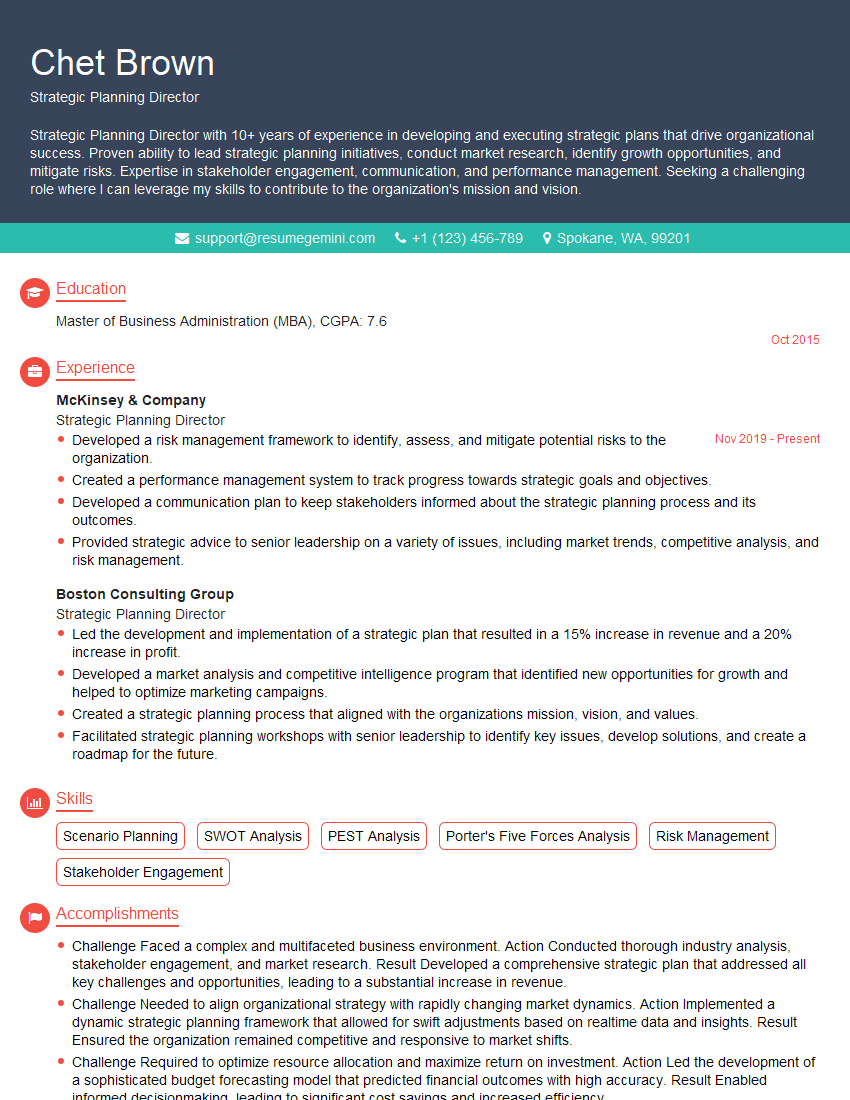
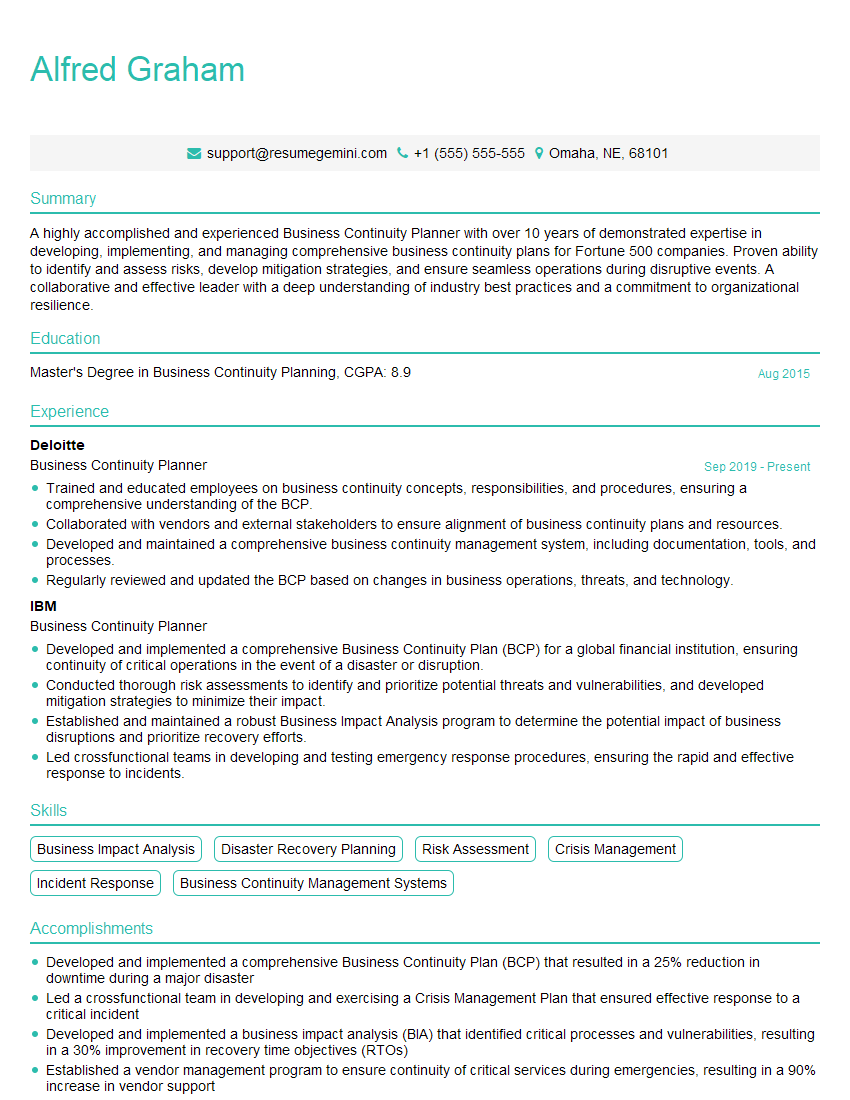
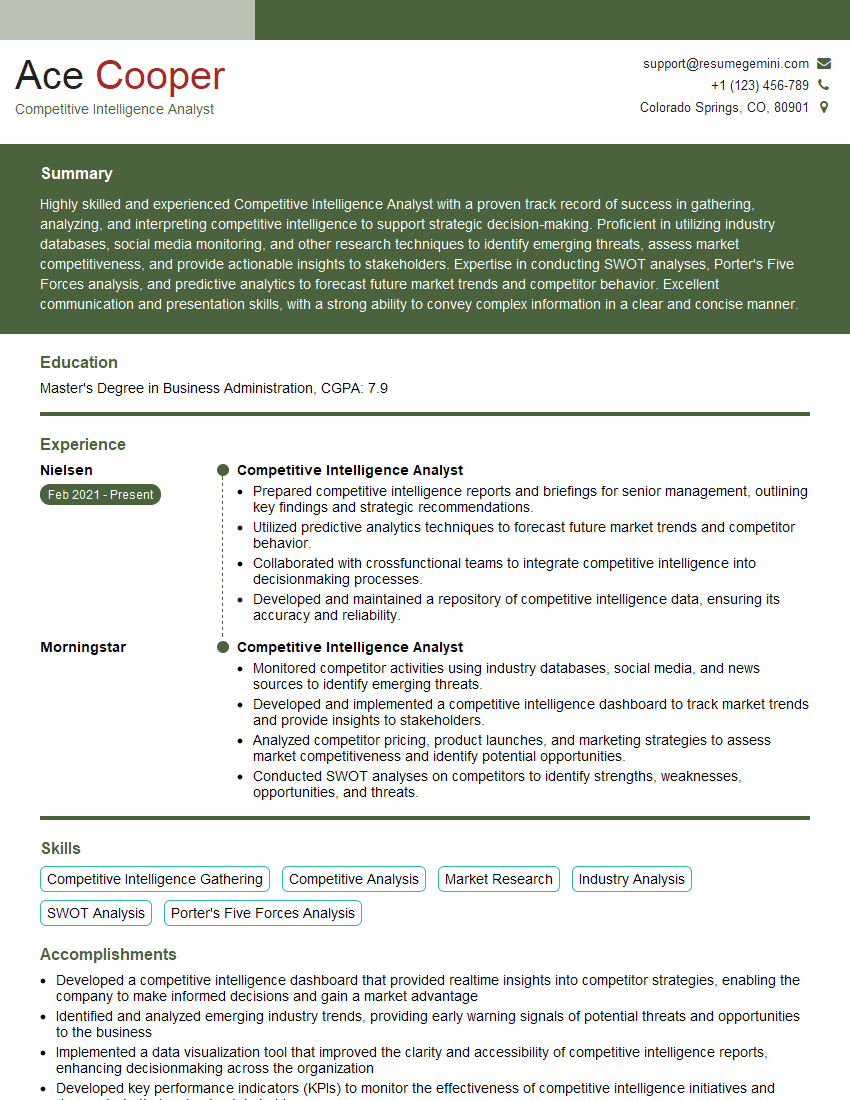
Mastering Future-Proofing concepts is crucial for career advancement in today’s dynamic landscape. It demonstrates your forward-thinking approach and adaptability, making you a highly valuable asset to any organization. To significantly boost your job prospects, creating a strong, ATS-friendly resume is essential. ResumeGemini is a trusted resource to help you build a professional and impactful resume that highlights your skills and experience relevant to Future-Proofing. Examples of resumes tailored to Future-Proofing are available to help guide you in crafting your own.

Explore more articles
Users Rating of Our Blogs
Share Your Experience
We value your feedback! Please rate our content and share your thoughts (optional).
What Readers Say About Our Blog
Very informative content, great job.
good