Interviews are opportunities to demonstrate your expertise, and this guide is here to help you shine. Explore the essential Environmental and safety regulations compliance interview questions that employers frequently ask, paired with strategies for crafting responses that set you apart from the competition.
Questions Asked in Environmental and safety regulations compliance Interview
Q 1. Describe your experience with OSHA regulations.
My experience with OSHA regulations is extensive. I’ve worked for over 10 years ensuring compliance across various industries, from manufacturing to construction. This includes a deep understanding of OSHA’s General Duty Clause, which mandates employers to provide a workplace free from recognized hazards. I’m proficient in interpreting and applying specific OSHA standards, such as those related to hazard communication (HazCom), personal protective equipment (PPE), lockout/tagout (LOTO), confined space entry, and fall protection. For example, I’ve successfully implemented and audited LOTO programs, ensuring that procedures were followed meticulously to prevent accidental start-ups of machinery during maintenance. This involved training employees, conducting regular inspections, and documenting all procedures. I’m also experienced in responding to OSHA inspections and working collaboratively with inspectors to resolve any identified violations.
Beyond compliance, I actively participate in OSHA training programs, staying updated on revisions and best practices. This ensures our safety programs are always current and effective. A specific example includes implementing a new respiratory protection program following updates to OSHA’s standards, significantly improving worker safety in environments with airborne hazards.
Q 2. Explain the process of conducting a risk assessment.
Conducting a thorough risk assessment is crucial for preventing accidents and environmental damage. The process typically involves five steps:
- Hazard Identification: Identifying potential hazards, which could be anything from chemical spills to ergonomic issues or equipment malfunctions.
- Risk Analysis: Assessing the likelihood and severity of each identified hazard. This involves considering factors such as frequency of exposure, potential consequences, and existing controls.
- Risk Evaluation: Determining the overall level of risk based on the likelihood and severity. This allows prioritization of hazards that pose the greatest threat.
- Risk Control: Developing and implementing control measures to eliminate or mitigate the identified risks. This could involve engineering controls (e.g., machine guarding), administrative controls (e.g., safety procedures), or personal protective equipment (PPE).
- Monitoring and Review: Regularly monitoring the effectiveness of the control measures and reviewing the risk assessment periodically to ensure it remains relevant and accurate.
Imagine a scenario in a chemical plant: We’d identify hazards like chemical leaks, explosions, and exposure to toxic substances. Then, we’d analyze the likelihood of these events occurring and the potential severity of their consequences (e.g., injuries, environmental damage, production downtime). Based on this, we would implement safety controls such as installing emergency shut-off valves, implementing strict chemical handling protocols, providing specialized PPE, and conducting regular safety inspections. This process isn’t static; it’s an ongoing cycle of improvement.
Q 3. How familiar are you with ISO 14001 standards?
I’m very familiar with ISO 14001, the internationally recognized standard for environmental management systems (EMS). I understand the requirements for establishing, implementing, maintaining, and continually improving an EMS. This includes aspects such as environmental policy, environmental aspects and impacts, legal and other requirements, operational control, emergency preparedness and response, and continual improvement. I’ve assisted numerous companies in achieving ISO 14001 certification, guiding them through the entire process from initial gap analysis to successful audits.
For instance, I worked with a manufacturing company to help them implement a waste reduction program, reducing their overall waste generation by 25% within a year. This included implementing recycling programs, improving material usage efficiency, and exploring opportunities for waste-to-energy projects. The successful implementation of the EMS, aligned with ISO 14001, significantly reduced their environmental footprint and enhanced their sustainability efforts.
Q 4. What are your strategies for implementing and enforcing safety protocols?
Implementing and enforcing safety protocols requires a multi-faceted approach. It starts with a strong safety culture, fostered through leadership commitment and employee engagement. This involves regular training programs tailored to specific job tasks and hazards, covering everything from proper machine operation to emergency response procedures. Clear communication channels are vital for reporting near misses, accidents, and safety concerns. Regular safety inspections and audits help identify potential hazards and ensure compliance with established protocols.
Beyond training and inspections, I leverage data-driven analysis to identify trends and patterns in incidents, allowing for proactive hazard mitigation. For enforcement, I employ a progressive disciplinary approach, starting with coaching and training for minor infractions and escalating to more serious consequences for repeated violations or willful disregard for safety rules. Ultimately, the goal isn’t just compliance but a positive safety culture where employees proactively identify and mitigate risks.
For example, in one company, we introduced a peer-to-peer safety observation program where employees were empowered to point out unsafe behaviors without fear of reprisal. This dramatically increased the identification of potential hazards and resulted in a significant reduction in incidents.
Q 5. Describe your experience with environmental impact assessments.
My experience with environmental impact assessments (EIAs) encompasses various project types, including infrastructure development, industrial facilities, and mining operations. I’m proficient in conducting baseline studies to assess the existing environmental conditions, predicting potential impacts, and proposing mitigation measures to minimize adverse effects. I’m familiar with various methodologies for assessing impacts, including both qualitative and quantitative approaches, and understand the importance of stakeholder engagement throughout the process.
A recent example involved an EIA for a proposed highway expansion project. We identified potential impacts on air and water quality, noise pollution, and habitat disruption. Our assessment led to the implementation of mitigation strategies like noise barriers, wetland restoration, and optimized construction techniques to minimize the environmental footprint of the project. The EIA report, which I helped develop, successfully guided the project through environmental regulatory approval.
Q 6. How do you handle emergency situations related to environmental hazards?
Handling emergency situations involving environmental hazards requires a well-defined emergency response plan. This plan should include pre-determined roles and responsibilities, clear communication protocols, and established procedures for containing and mitigating the hazard. It’s crucial to have readily accessible emergency equipment and trained personnel capable of responding effectively. The plan should also outline procedures for notifying relevant authorities, such as environmental protection agencies and emergency services.
For example, in the case of a chemical spill, the plan should dictate immediate steps like isolating the area, containing the spill using absorbent materials, and notifying emergency services and regulatory bodies. The plan should also consider post-incident procedures, such as environmental remediation, and reporting to regulatory agencies.
Regular drills and training exercises are essential to ensure the plan’s effectiveness and personnel preparedness. This ensures a coordinated response and minimizes the environmental and health impacts of the emergency.
Q 7. Explain your understanding of hazardous waste management regulations.
My understanding of hazardous waste management regulations is comprehensive. I’m familiar with federal, state, and local regulations governing the generation, storage, transportation, treatment, and disposal of hazardous waste. This includes knowledge of the Resource Conservation and Recovery Act (RCRA) and related regulations, which dictate requirements for hazardous waste generators, transporters, and treatment, storage, and disposal facilities (TSDFs). I understand the importance of proper waste characterization, labeling, and manifesting to ensure compliance.
I’ve worked with companies to implement comprehensive hazardous waste management programs, including developing waste minimization plans, conducting waste audits, and managing hazardous waste contracts with TSDFs. This includes training employees on proper hazardous waste handling procedures and ensuring adherence to all applicable regulations. Failure to comply with these regulations can lead to significant environmental damage and substantial penalties. Therefore, a rigorous and compliant hazardous waste management program is paramount.
Q 8. Describe your experience with air quality monitoring and reporting.
Air quality monitoring and reporting involves systematically measuring pollutants in the atmosphere and documenting the findings to ensure compliance with environmental regulations. This process typically begins with selecting appropriate monitoring locations based on factors like proximity to emission sources and potential impact on sensitive receptors like schools or residential areas. We then utilize a range of monitoring equipment, from simple hand-held devices to sophisticated automated stations, depending on the required parameters and desired data frequency. These might include instruments to measure particulate matter (PM2.5 and PM10), ozone (O3), nitrogen oxides (NOx), sulfur dioxide (SO2), and carbon monoxide (CO).
Data is collected continuously or at set intervals, depending on the regulatory requirements and the specific pollutants being monitored. After collection, the data undergoes quality assurance and quality control (QA/QC) checks to ensure its accuracy and reliability. This process includes calibration checks, instrument maintenance logs, and data validation procedures. Finally, the validated data is compiled into comprehensive reports, often using specialized software, and submitted to the relevant regulatory agencies. These reports typically include descriptive statistics, graphs, and comparisons to regulatory limits, along with explanations of any excursions or deviations from normal levels. For instance, I’ve worked on a project where we discovered a significant spike in PM2.5 readings near a construction site due to unmitigated dust emissions. This led to the implementation of dust control measures and a subsequent reduction in pollution levels which we then documented in our regular reports.
Q 9. How do you ensure compliance with water quality regulations?
Ensuring compliance with water quality regulations requires a multi-faceted approach involving careful monitoring, robust treatment, and meticulous record-keeping. First, we identify the specific regulations applicable to the discharge point, which vary depending on location, type of discharge, and receiving water body. We then establish a monitoring plan detailing the parameters to be measured (e.g., pH, dissolved oxygen, temperature, various pollutants), the frequency of sampling, and the analytical methods used. This plan may involve in-situ measurements, grab samples taken at various depths, or the use of automated samplers for continuous monitoring.
Water samples are analyzed in accredited laboratories following standardized protocols. The results are compared against established limits defined in permits or regulations. If any exceedances are identified, we initiate corrective actions, which might involve upgrading treatment facilities, optimizing operational parameters, or implementing additional pollution control measures. Finally, thorough documentation of all monitoring, analysis, and corrective actions is essential for demonstrating compliance to regulatory bodies. We maintain detailed records including chain of custody documents for samples, laboratory reports, and corrective action plans. For example, I worked on a project where a manufacturing plant was exceeding its discharge limits for suspended solids. Through careful investigation, we identified a malfunctioning clarifier, repaired it, and subsequently documented the reduced suspended solids in our discharge monitoring reports, thereby achieving compliance.
Q 10. What is your experience with spill response and cleanup procedures?
Spill response and cleanup procedures are critical for minimizing environmental damage and preventing health hazards following accidental releases of hazardous materials. A well-defined plan is crucial. This typically involves a hierarchical response structure, including pre-designated personnel with specific roles and responsibilities. The first step is always containment and control to prevent further spread of the spill. This often requires the use of specialized equipment like booms, absorbent pads, and dams.
The next step involves cleanup and remediation, depending on the nature and volume of the spilled material. This might range from simple mopping and wiping for smaller spills to more complex remediation techniques for larger ones involving excavation, specialized cleaning agents, and hazardous waste disposal. Throughout the process, safety is paramount. Personnel involved in cleanup must wear appropriate personal protective equipment (PPE), and emergency services should be notified as needed. Detailed documentation is maintained, including the type and quantity of material spilled, cleanup methods employed, and waste disposal procedures. Post-spill investigations are vital to identify the root cause of the spill, enabling the implementation of preventative measures to mitigate the risk of recurrence. I recall a situation where a chemical tank leaked, resulting in a significant spill. We swiftly implemented our emergency response plan, contained the spill using booms, and employed specialized cleanup crews to remove the contaminated soil. A thorough investigation revealed a faulty valve, which was replaced, and the process was updated with improved safety checks to avoid similar events.
Q 11. Explain your understanding of chemical safety regulations.
Chemical safety regulations are designed to protect human health and the environment from the hazards associated with the use, storage, handling, and disposal of chemicals. Key regulations often focus on the proper labeling, classification, and handling of chemicals based on their hazardous properties (e.g., flammability, toxicity, reactivity). These regulations may include requirements for Safety Data Sheets (SDSs), which provide crucial information on the hazards associated with each chemical. Workplace safety regulations frequently stipulate specific control measures to minimize exposure risks, such as engineering controls (e.g., ventilation systems, enclosed processes), administrative controls (e.g., work permits, procedures), and personal protective equipment (PPE) use. Regulations also govern the transportation, storage, and disposal of hazardous chemicals. For instance, regulations may dictate the type of containers and storage facilities allowed, as well as procedures for handling spills and waste disposal. Compliance with chemical safety regulations is paramount, as failure can lead to severe consequences, including injuries, environmental damage, and legal penalties. We often use software to manage chemical inventories, ensure SDSs are readily available, and track employee training on chemical handling.
Q 12. How do you manage safety training programs for employees?
Effective safety training programs are fundamental to creating a safe and compliant work environment. The program must be tailored to the specific hazards present in the workplace, ensuring that employees receive training relevant to their job tasks. This involves a needs assessment to identify training gaps and prioritize training areas. We design training programs that use a variety of methods, including classroom sessions, hands-on training, videos, and online modules. We emphasize practical application of the knowledge and skills gained through realistic simulations and exercises. Record-keeping is essential to demonstrate compliance. This includes documentation of training attendance, assessments, and refresher training schedules. We regularly update training materials to reflect changes in regulations, technology, and best practices. For example, we might use interactive scenarios to simulate emergency response procedures, which aids in skill retention and confidence in employees. We also ensure that employees understand their roles and responsibilities in maintaining a safe working environment and the importance of reporting hazards immediately.
Q 13. How do you conduct safety inspections and audits?
Safety inspections and audits are systematic examinations of a workplace to identify hazards and ensure compliance with safety regulations and company policies. Inspections are usually more frequent and focused on specific areas or tasks, while audits are broader, more comprehensive reviews of the entire safety management system. We typically utilize checklists based on regulatory requirements and company standards to ensure a consistent and thorough inspection. Observations are documented, with any identified hazards or non-compliances recorded. Corrective actions are then developed and implemented to address these findings. Inspections and audits provide valuable feedback that can be used to improve safety performance. They are often conducted by qualified personnel, who are trained to identify potential hazards and evaluate the effectiveness of existing safety measures. For example, a typical inspection might cover the proper use of PPE, the condition of machinery, and emergency response procedures. An audit, on the other hand, might examine the adequacy of safety management systems, the effectiveness of training programs, and the overall safety culture within the organization.
Q 14. Describe your experience with incident investigation and reporting.
Incident investigation and reporting is a crucial process for understanding the root causes of accidents, near misses, and other safety incidents. It allows us to prevent future occurrences and improve safety performance. The process begins with immediate response and securing the scene, which might involve first aid, emergency services, and preventing further incidents. A thorough investigation follows, gathering information from various sources – eyewitnesses, documentation, equipment records, etc. – to reconstruct the sequence of events. We use various analytical techniques, including root cause analysis (RCA), fault tree analysis (FTA), and the 5 Whys method to identify the underlying causes, not just the immediate causes. The findings are compiled into a formal report, typically including a detailed description of the incident, contributing factors, and recommended corrective actions. This report is used to inform management decisions, improve safety procedures, and provide training opportunities. Following an incident, we might implement additional safety procedures, upgrade equipment, or provide additional training for employees. Transparency in reporting is essential. Reporting systems should be designed to encourage open communication and the reporting of near misses to avoid future incidents, promoting a culture of safety.
Q 15. How do you communicate safety information effectively to employees?
Effective communication of safety information is crucial for a safe workplace. My approach is multifaceted, prioritizing clarity, accessibility, and engagement. I believe in a ‘multi-sensory’ approach, using various methods to reach all learning styles.
- Regular Safety Meetings: Interactive sessions, not just lectures, with opportunities for questions and discussion. For example, I’ve used real-life case studies to illustrate the consequences of unsafe practices.
- Visual Aids: Using posters, videos, and infographics to reinforce key safety messages. A recent project involved creating a short, engaging animation demonstrating proper lockout/tagout procedures.
- Training Manuals and Online Resources: Providing easily accessible, well-organized, and updated safety manuals in both printed and digital formats, complemented by online modules for self-paced learning.
- Interactive Training Simulations: Employing realistic scenarios and interactive exercises to improve employee understanding and retention of safety protocols. We recently used VR simulation for confined space entry training, resulting in significantly higher engagement and knowledge retention.
- Feedback Mechanisms: Implementing regular feedback mechanisms (surveys, suggestion boxes, etc.) to ensure the effectiveness of communication strategies and address any concerns.
Ultimately, my goal is to create a safety-conscious culture where employees feel empowered to report hazards and actively participate in maintaining a safe working environment.
Career Expert Tips:
- Ace those interviews! Prepare effectively by reviewing the Top 50 Most Common Interview Questions on ResumeGemini.
- Navigate your job search with confidence! Explore a wide range of Career Tips on ResumeGemini. Learn about common challenges and recommendations to overcome them.
- Craft the perfect resume! Master the Art of Resume Writing with ResumeGemini’s guide. Showcase your unique qualifications and achievements effectively.
- Don’t miss out on holiday savings! Build your dream resume with ResumeGemini’s ATS optimized templates.
Q 16. How do you develop and implement emergency response plans?
Developing and implementing robust emergency response plans requires a structured and proactive approach. It’s not just about having a document; it’s about training, drills, and constant review.
- Hazard Identification and Risk Assessment: This crucial first step involves identifying potential hazards (fire, chemical spills, natural disasters) and assessing their likelihood and potential impact. We use techniques like HAZOP (Hazard and Operability Study) to thoroughly analyze processes and identify potential risks.
- Plan Development: The plan outlines emergency procedures, including evacuation routes, assembly points, communication protocols, and roles and responsibilities for different personnel. It’s critical to include contact information for emergency services and internal response teams.
- Training and Drills: Regular training and drills are essential to ensure that employees understand and can effectively execute the plan. We conduct drills annually, simulating various emergency scenarios, and debriefing afterwards to identify areas for improvement.
- Communication Systems: Reliable communication is critical during an emergency. This might include dedicated emergency radios, public address systems, or a mass notification system (e.g., text alerts). We use a layered approach, providing redundancy in case one system fails.
- Post-Incident Review: After an actual emergency or a drill, a thorough review process should be initiated. This helps identify weaknesses in the plan and improve future response capabilities. Analyzing data from emergency simulations and real events gives valuable insights.
For example, during a recent project at a chemical plant, we developed a detailed emergency response plan that included specific protocols for handling different types of chemical spills, as well as a comprehensive evacuation strategy tailored to the facility’s layout.
Q 17. Explain your understanding of environmental permitting requirements.
Environmental permitting requirements are complex and vary greatly depending on the nature of the project, location, and the type of environmental impact. Understanding these requirements is crucial for legal compliance and minimizing environmental damage.
Generally, permits are required for activities that may discharge pollutants to the environment (air, water, land) or impact protected resources (wetlands, endangered species habitats). These permits are often issued by governmental agencies (e.g., EPA, state environmental agencies) and outline specific conditions that must be met.
- National Pollutant Discharge Elimination System (NPDES) Permits: These regulate discharges of pollutants into waters of the United States.
- Air Quality Permits: These regulate emissions of air pollutants from stationary sources (e.g., factories) and mobile sources (e.g., vehicles).
- Wastewater Discharge Permits: These are often required for industrial facilities and municipalities that discharge treated wastewater.
- Solid Waste Permits: These regulate the generation, storage, transportation, treatment, and disposal of solid waste.
- Stormwater Permits: These regulate stormwater discharges from industrial and construction sites.
The permitting process typically involves submitting a detailed application, conducting environmental assessments, undergoing regulatory review, and potentially negotiating permit conditions. Failure to obtain necessary permits or comply with permit conditions can result in significant penalties and legal action. My experience involves navigating these processes and ensuring all necessary permits are secured before any project commences.
Q 18. Describe your experience with environmental monitoring and data analysis.
Environmental monitoring and data analysis are critical for evaluating the effectiveness of environmental management practices and ensuring compliance with regulations. My experience encompasses all aspects, from planning and sampling to data interpretation and reporting.
- Sampling and Analysis: I’m proficient in selecting appropriate sampling methods, collecting samples, and coordinating laboratory analyses for various environmental media (water, air, soil). This includes understanding quality assurance and quality control (QA/QC) procedures to ensure data reliability.
- Data Management: I use various software tools (e.g., spreadsheets, statistical software packages) to organize, manage, and analyze environmental data. This involves cleaning the data, identifying outliers, and ensuring data integrity.
- Statistical Analysis: I’m proficient in applying appropriate statistical techniques to analyze trends, patterns, and correlations in environmental data. This helps assess the effectiveness of mitigation measures and identify potential problems.
- Reporting and Communication: I have extensive experience preparing comprehensive environmental reports, presenting findings to stakeholders, and communicating complex technical information effectively. For example, I’ve presented data to regulatory agencies in support of permit applications.
In a recent project, we monitored water quality parameters at a construction site to ensure compliance with stormwater regulations. By analyzing the data, we identified a potential issue with sediment runoff and implemented corrective measures to prevent further contamination.
Q 19. How do you ensure compliance with environmental regulations during construction projects?
Ensuring environmental compliance during construction projects requires proactive planning and rigorous oversight. It’s about integrating environmental considerations into every stage of the project lifecycle.
- Pre-Construction Planning: This includes conducting thorough environmental site assessments, obtaining necessary permits, and developing a detailed environmental management plan. The plan outlines procedures to minimize environmental impacts (e.g., erosion and sediment control, waste management).
- Construction Phase Monitoring: Regular monitoring is essential to ensure that the environmental management plan is being implemented effectively. This may involve monitoring air and water quality, waste generation, and erosion control measures.
- Waste Management: Proper waste management is crucial, minimizing waste generation, promoting recycling and reuse, and ensuring proper disposal of hazardous waste. We often collaborate with waste management specialists to ensure the proper handling of waste.
- Erosion and Sediment Control: Implementing best management practices (BMPs) to minimize erosion and sediment runoff from the construction site is vital to protect water quality. These BMPs can include silt fences, sediment basins, and vegetation.
- Compliance Audits and Reporting: Regular compliance audits are conducted to ensure adherence to permit conditions and relevant regulations. Detailed environmental reports are prepared documenting all activities and findings.
For example, during a recent highway construction project, we implemented a robust erosion and sediment control plan that included regular inspections and maintenance of BMPs, significantly reducing sediment loading into a nearby stream.
Q 20. How do you integrate sustainability initiatives into your work?
Integrating sustainability initiatives is not merely a ‘nice-to-have’; it’s essential for responsible environmental stewardship and long-term cost savings. My approach focuses on incorporating sustainability into every aspect of my work.
- Lifecycle Assessments: Conducting lifecycle assessments (LCAs) of materials and processes to identify environmental ‘hot spots’ and opportunities for improvement. This helps select more sustainable materials and reduce the overall environmental footprint.
- Energy Efficiency: Implementing energy-efficient technologies and practices to reduce energy consumption and greenhouse gas emissions. This includes promoting the use of renewable energy sources.
- Waste Reduction: Prioritizing waste reduction strategies throughout the project lifecycle. This encompasses material selection, efficient design, and recycling/reuse programs. We aim for ‘zero waste’ whenever feasible.
- Water Conservation: Implementing water-efficient technologies and practices to minimize water use. This involves using low-flow fixtures, rainwater harvesting, and efficient irrigation systems.
- Sustainable Procurement: Specifying sustainable materials and products and collaborating with suppliers committed to environmental responsibility.
For instance, in a recent building project, we incorporated sustainable building materials (e.g., recycled content steel, low-VOC paints), implemented a green roof to reduce stormwater runoff, and installed energy-efficient lighting and HVAC systems, resulting in a LEED-certified building.
Q 21. Describe your experience with working with regulatory agencies.
Working effectively with regulatory agencies requires a collaborative and transparent approach. It’s about building strong relationships based on mutual respect and a shared commitment to environmental protection.
- Proactive Communication: Maintaining open and consistent communication with regulatory agencies throughout the project lifecycle. This includes promptly notifying them of any potential issues or non-compliance situations.
- Data Transparency: Providing accurate and complete environmental data to regulatory agencies in a timely manner. This ensures transparency and supports informed decision-making.
- Compliance Monitoring: Regularly monitoring compliance with permit conditions and relevant regulations. This prevents violations and demonstrates a commitment to environmental stewardship.
- Relationship Building: Developing strong working relationships with regulatory agency personnel through regular communication and professional interactions. This fosters trust and facilitates effective collaboration.
- Conflict Resolution: Effectively addressing any disagreements or conflicts with regulatory agencies through constructive dialogue and negotiation. This can involve seeking expert legal counsel if necessary.
I’ve had extensive experience working with various agencies, including the EPA, state environmental protection departments, and local permitting authorities. My approach has always been one of collaboration and transparency, resulting in efficient and successful project completion within regulatory frameworks.
Q 22. How do you identify and mitigate environmental risks?
Identifying and mitigating environmental risks involves a systematic approach. It begins with a comprehensive assessment of potential hazards, considering factors like air and water emissions, waste generation, resource consumption, and potential impacts on surrounding ecosystems. This assessment often involves a combination of site surveys, regulatory reviews, and stakeholder consultations.
Mitigation then focuses on implementing practical measures to reduce or eliminate these risks. This could include investing in cleaner technologies (e.g., installing pollution control equipment), implementing best management practices (e.g., optimizing water usage), developing robust emergency response plans (e.g., for oil spills), and engaging in responsible waste management. For example, a manufacturing facility might switch to a less polluting production process, implement a robust recycling program, and regularly monitor its emissions to ensure compliance with regulations.
A crucial element is continuous monitoring and review. Regular environmental audits and data analysis help identify areas for improvement and verify the effectiveness of mitigation efforts. By proactively addressing risks, organizations can minimize their environmental footprint and avoid potential legal and financial consequences.
Q 23. Explain your understanding of the different types of environmental permits.
Environmental permits are legal authorizations granted by regulatory bodies (like the EPA in the US or equivalent agencies in other countries) that allow an organization to conduct activities that may impact the environment. These permits set specific conditions and limits to protect natural resources and public health. The types of permits vary considerably depending on the activity and location, but some common examples include:
- Air emission permits: These govern the release of pollutants into the atmosphere, often requiring facilities to install and maintain pollution control equipment and monitor emissions regularly.
- Water discharge permits (NPDES permits in the US): These authorize the discharge of wastewater into surface waters, stipulating limits on various pollutants and requiring regular monitoring and reporting.
- Wastewater treatment permits: These regulate the operation of wastewater treatment plants, ensuring that treated effluent meets stringent quality standards.
- Solid waste permits: These address the management and disposal of solid and hazardous wastes, often requiring specific handling, storage, and disposal methods.
- Stormwater permits: These are increasingly common, managing stormwater runoff from construction sites and industrial facilities to minimize pollution of waterways.
Obtaining and maintaining these permits requires meticulous documentation, compliance monitoring, and regular reporting to the regulatory authorities. Failure to comply can result in substantial penalties and legal action.
Q 24. How do you manage environmental compliance documentation?
Effective environmental compliance documentation is essential for demonstrating adherence to regulations and avoiding penalties. This involves a systematic approach to record-keeping and information management. I typically use a combination of digital and physical systems:
- Centralized Database: A digital database (e.g., using a specialized Environmental Management System software or a shared network drive) is crucial for storing permits, reports, inspection records, training materials, and other relevant documents. This ensures easy access and prevents loss or misplacement of critical information.
- Version Control: Implement version control to track changes to documents and ensure that the most current versions are used. This is particularly important for permits and operational procedures.
- Document Retention Policy: Establish a clear policy defining the required retention period for different types of documents, ensuring compliance with legal requirements.
- Regular Audits: Conduct periodic audits to verify the completeness, accuracy, and accessibility of the documentation.
- Secure Storage: Implement appropriate security measures to protect sensitive environmental data from unauthorized access or loss.
This systematic approach ensures ready availability of information for audits, inspections, or potential legal challenges, ultimately enhancing compliance and risk mitigation.
Q 25. Describe your experience with using environmental management systems.
I have extensive experience implementing and managing environmental management systems (EMS), most notably ISO 14001. These frameworks provide a structured approach to environmental performance. My experience includes conducting gap analyses to assess existing practices against ISO 14001 requirements, developing and implementing environmental policies and procedures, conducting internal audits, and managing corrective and preventative actions.
For example, in a previous role, I led the implementation of ISO 14001 in a manufacturing facility. This involved working with cross-functional teams to identify environmental aspects and impacts, setting environmental targets and objectives, developing training programs for employees, and integrating environmental considerations into daily operations. The result was a significant reduction in waste generation, improved resource efficiency, and enhanced environmental performance overall. The ISO 14001 certification provided external validation of our commitment to environmental responsibility and improved stakeholder relations.
Q 26. How do you measure the effectiveness of your safety programs?
Measuring the effectiveness of safety programs requires a multi-faceted approach that goes beyond simply tracking accident rates. Key performance indicators (KPIs) should cover various aspects of safety performance. These include:
- Leading indicators: These predict future performance and identify areas needing improvement before incidents occur. Examples include the number of safety training hours conducted, the number of near misses reported, and the completion rate of safety audits.
- Lagging indicators: These reflect past performance and include the number of accidents, injuries, lost-time incidents, and illnesses. While important, lagging indicators only show the aftermath of events and don’t necessarily provide insights into the root causes.
- Safety culture surveys: Assessing employee perceptions of safety practices, management commitment, and communication effectiveness helps identify areas for cultural improvement.
- Compliance metrics: Tracking the adherence to safety regulations and procedures provides an objective measure of compliance.
By analyzing these KPIs, organizations can identify trends, measure improvements, and target areas for improvement in their safety programs. Regular reporting and management reviews are essential to maintain focus and accountability.
Q 27. How do you stay up-to-date with changes in environmental and safety regulations?
Staying current with environmental and safety regulations requires a proactive and multifaceted approach. This includes:
- Subscription to regulatory updates: Subscribing to newsletters and alerts from relevant regulatory agencies ensures timely notification of changes.
- Professional development: Attending conferences, workshops, and training courses provides opportunities to learn about emerging issues and best practices.
- Networking with peers: Engaging with colleagues in the field helps share knowledge and learn from others’ experiences.
- Monitoring industry publications: Reading industry journals and publications keeps me updated on regulatory changes and technological advancements.
- Utilizing online resources: Many regulatory agencies and professional organizations provide online resources, including guidance documents and frequently asked questions.
By consistently engaging in these activities, I can ensure my knowledge and practices remain aligned with the latest regulatory requirements and best practices, thus mitigating risks and ensuring compliance.
Q 28. Describe a situation where you had to resolve a safety conflict.
In a previous role, a safety conflict arose between the production team’s desire to increase output and the safety team’s concerns about potential shortcuts and increased risk of accidents. The production team, under pressure to meet deadlines, suggested modifications to a safety procedure that I believed compromised worker safety. The conflict was resolved through open communication and collaboration.
I initiated a meeting including representatives from both teams. I facilitated a discussion focused on understanding each team’s perspective and concerns. We collaboratively assessed the potential risks associated with the proposed modifications and explored alternative solutions that balanced productivity goals with safety requirements. This involved data analysis to demonstrate the potential consequences of shortcuts and proposing modifications to the production process instead of compromising safety protocols. The result was a revised plan that addressed both production targets and safety concerns, fostering mutual understanding and stronger collaboration between the teams.
The key to resolving this conflict was effective communication, a focus on collaborative problem-solving, and a shared commitment to a safe and productive work environment. I prioritized employee safety without compromising business objectives, demonstrating leadership and fostering a positive safety culture.
Key Topics to Learn for Environmental and Safety Regulations Compliance Interview
- Environmental Regulations: Understanding key legislation (e.g., Clean Air Act, Clean Water Act, Resource Conservation and Recovery Act) and their practical implications for various industries. This includes permit applications, compliance monitoring, and reporting requirements.
- Safety Regulations: OSHA standards, hazard identification and risk assessment techniques, implementation of safety programs (e.g., lockout/tagout, hazard communication), incident investigation and reporting, and emergency response planning.
- Compliance Auditing and Reporting: Developing and conducting internal audits to ensure compliance, interpreting regulatory requirements, and preparing accurate and timely reports for regulatory agencies.
- Environmental Management Systems (EMS): Familiarity with ISO 14001 or other EMS frameworks, including their implementation and benefits. This includes understanding environmental impact assessments and continuous improvement methodologies.
- Waste Management: Understanding waste streams, proper handling, storage, transportation, and disposal practices according to relevant regulations. This includes hazardous waste management and recycling programs.
- Problem-Solving and Decision-Making: Demonstrating the ability to identify and analyze compliance challenges, develop effective solutions, and make informed decisions within the regulatory framework. This often involves prioritizing tasks and managing resources effectively.
- Ethical Considerations and Corporate Social Responsibility: Understanding the ethical obligations related to environmental and safety compliance and the importance of integrating these principles into business operations.
Next Steps
Mastering Environmental and Safety Regulations Compliance is crucial for career advancement in many sectors. A strong understanding of these regulations demonstrates professionalism, responsibility, and a commitment to sustainability – highly valued attributes in today’s job market. To significantly boost your job prospects, focus on crafting an ATS-friendly resume that effectively highlights your skills and experience. ResumeGemini is a trusted resource that can help you build a professional and impactful resume, ensuring your qualifications stand out. Examples of resumes tailored to Environmental and Safety Regulations Compliance are available to guide you through this process.
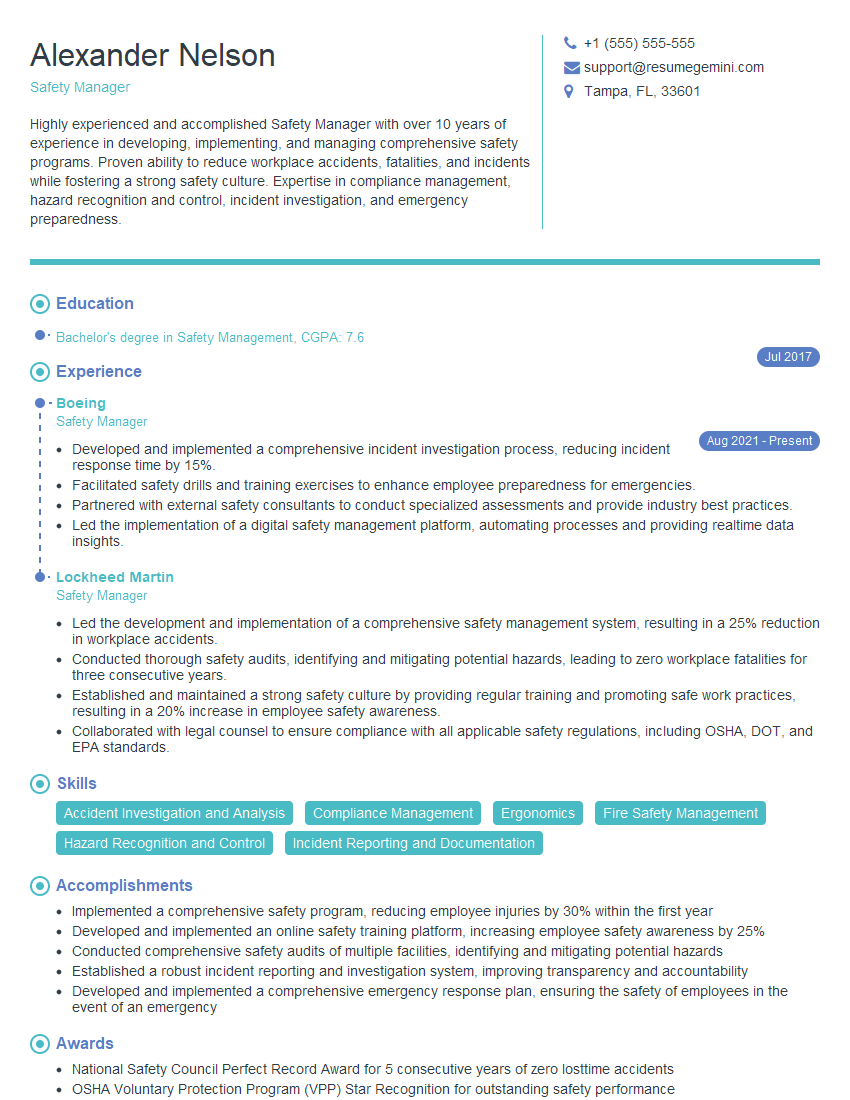
Safety Manager Resume Sample
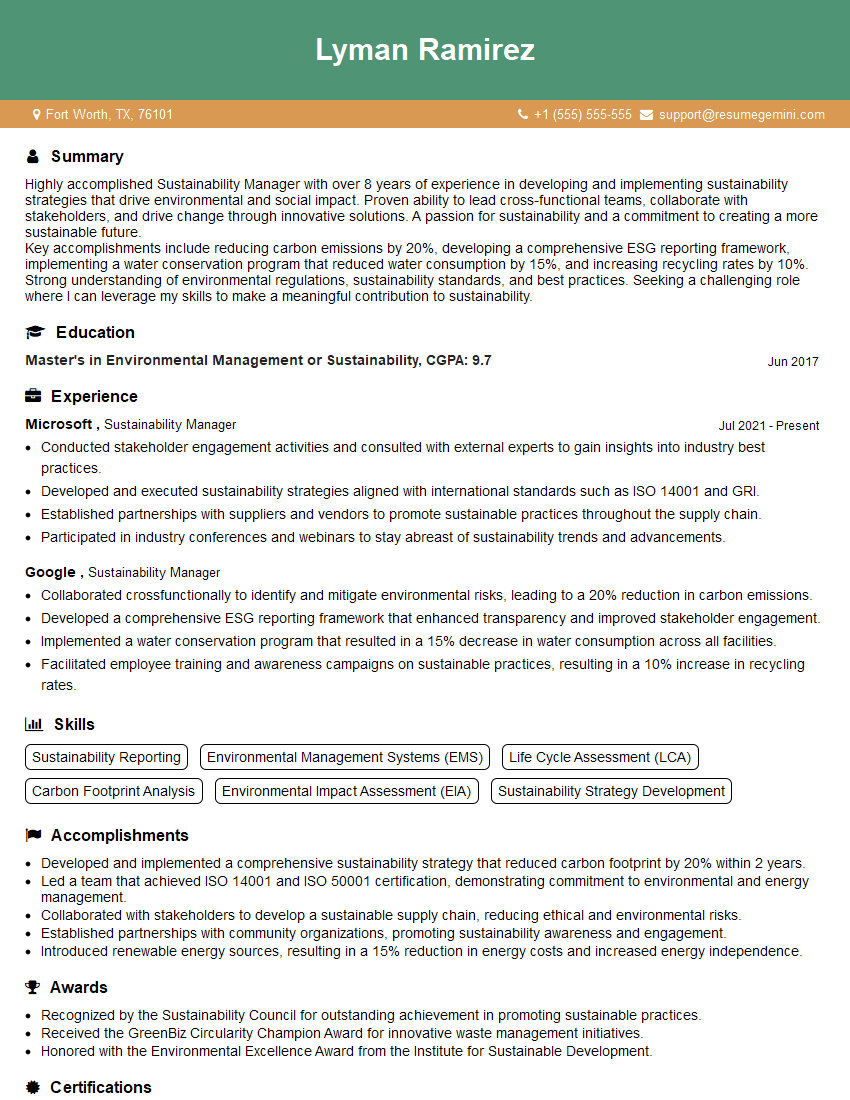
Sustainability Manager Resume Sample
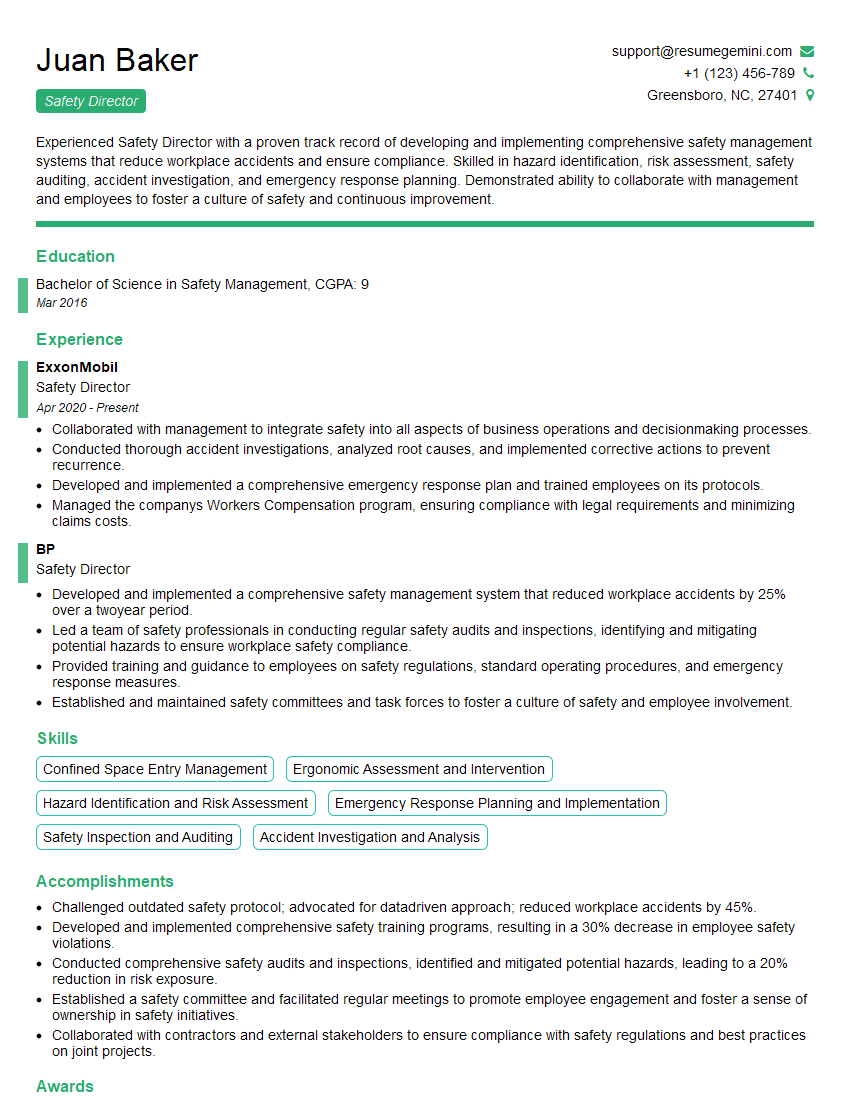
Safety Director Resume Sample
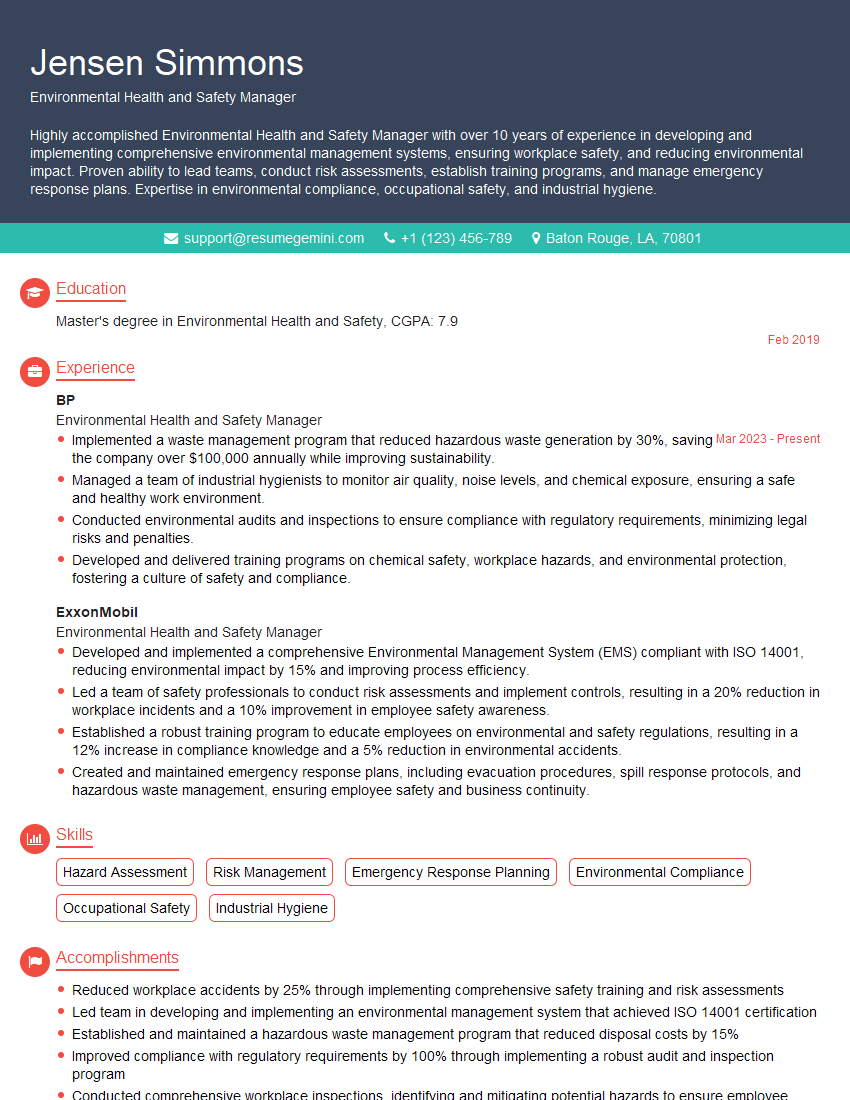
Environmental Health and Safety Manager Resume Sample
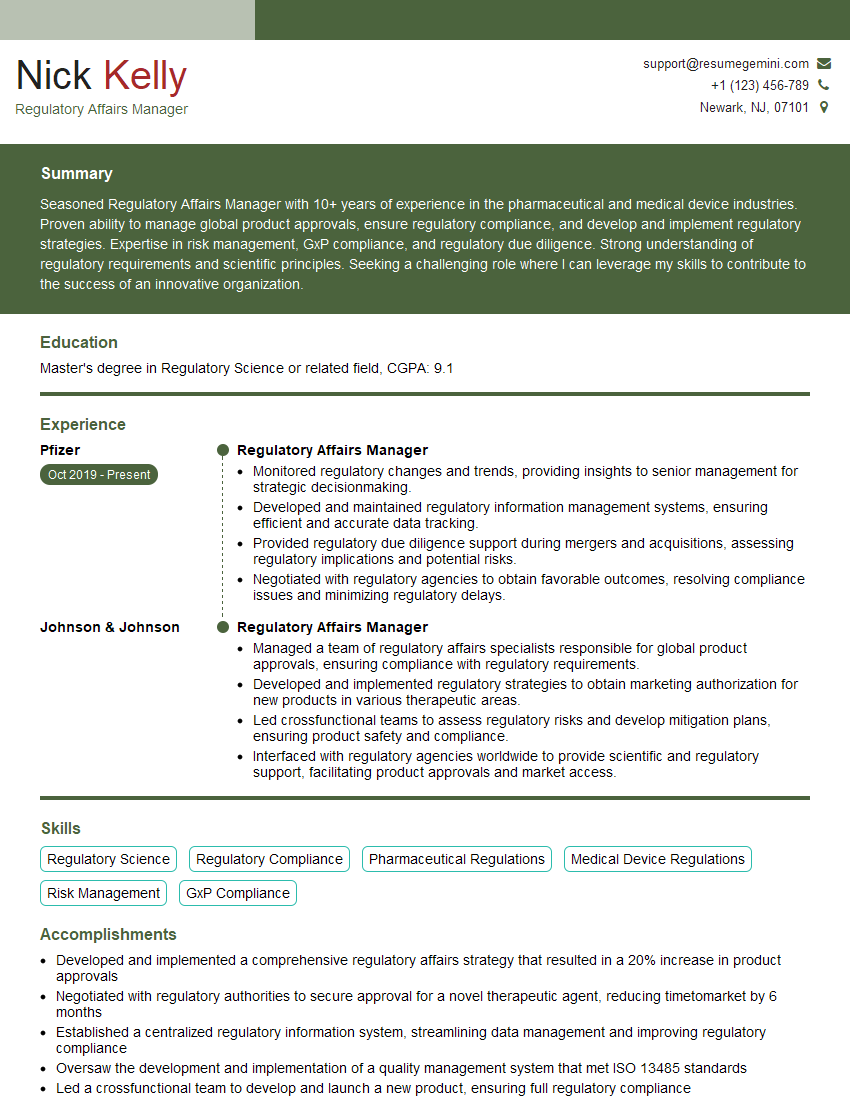
Regulatory Affairs Manager Resume Sample

Compliance Officer Resume Sample
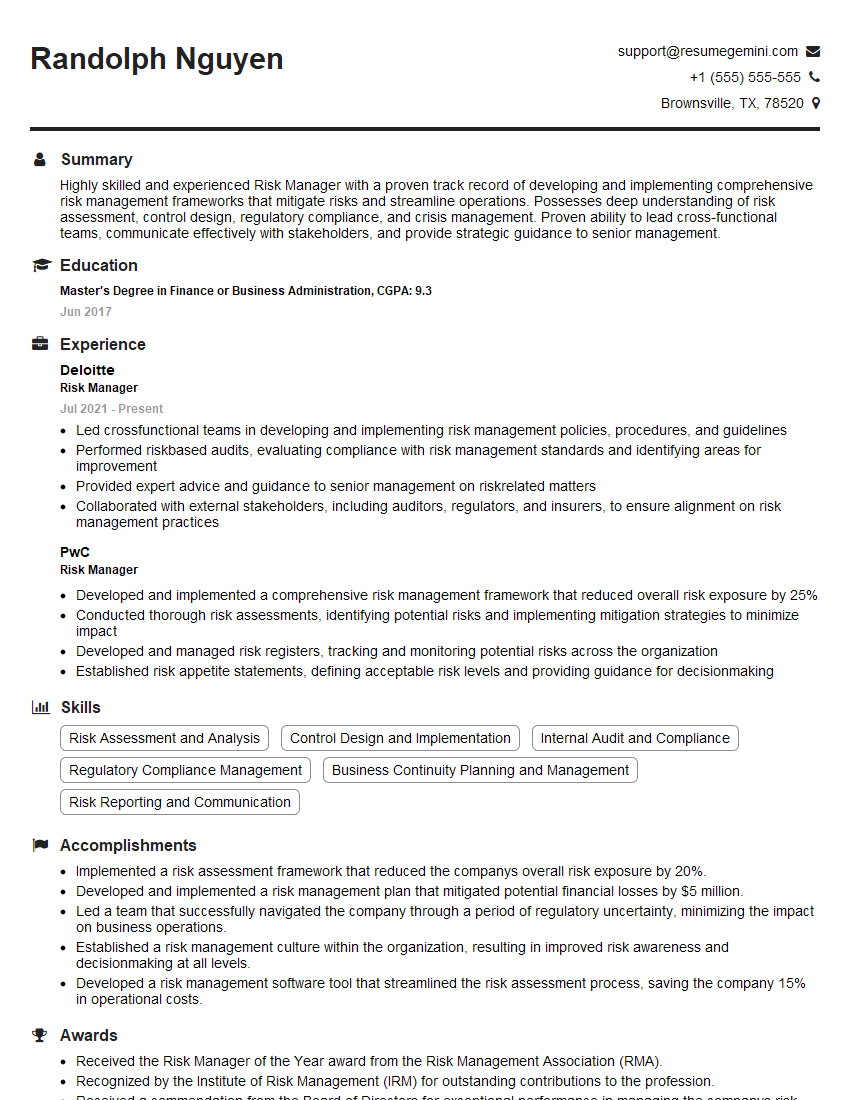
Risk Manager Resume Sample
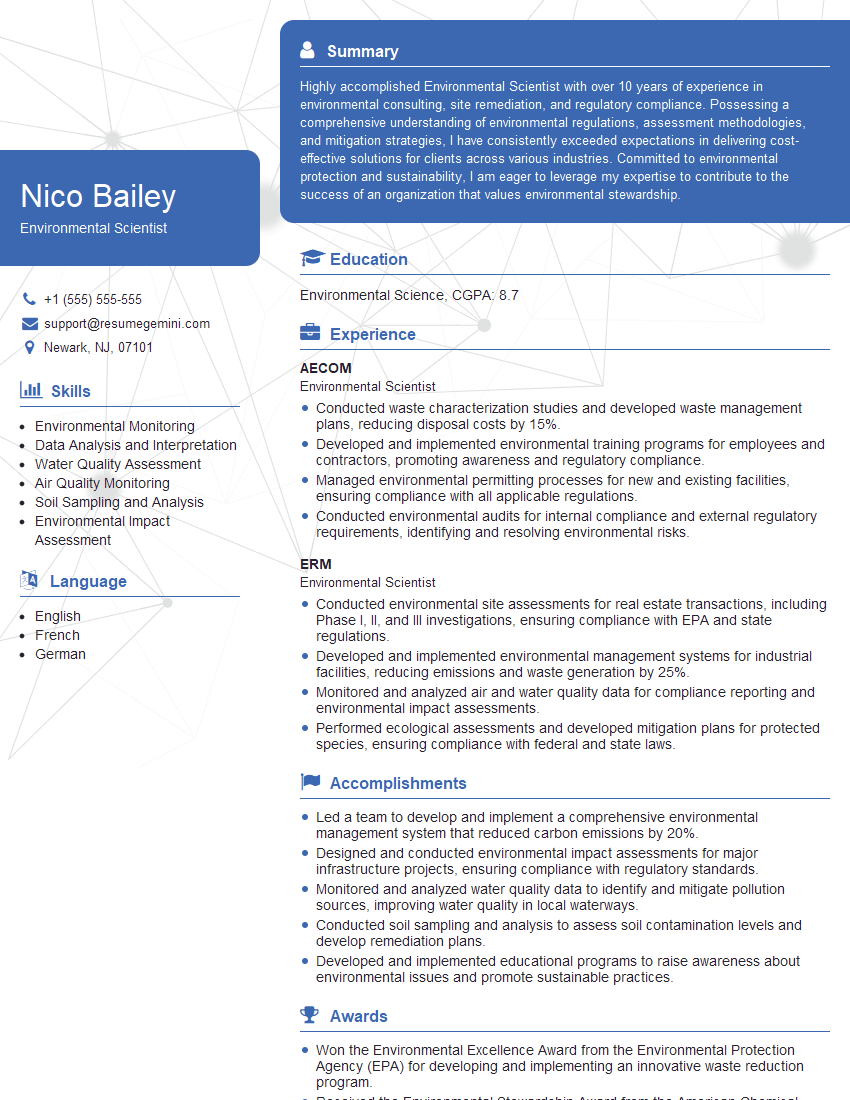
Environmental Scientist Resume Sample
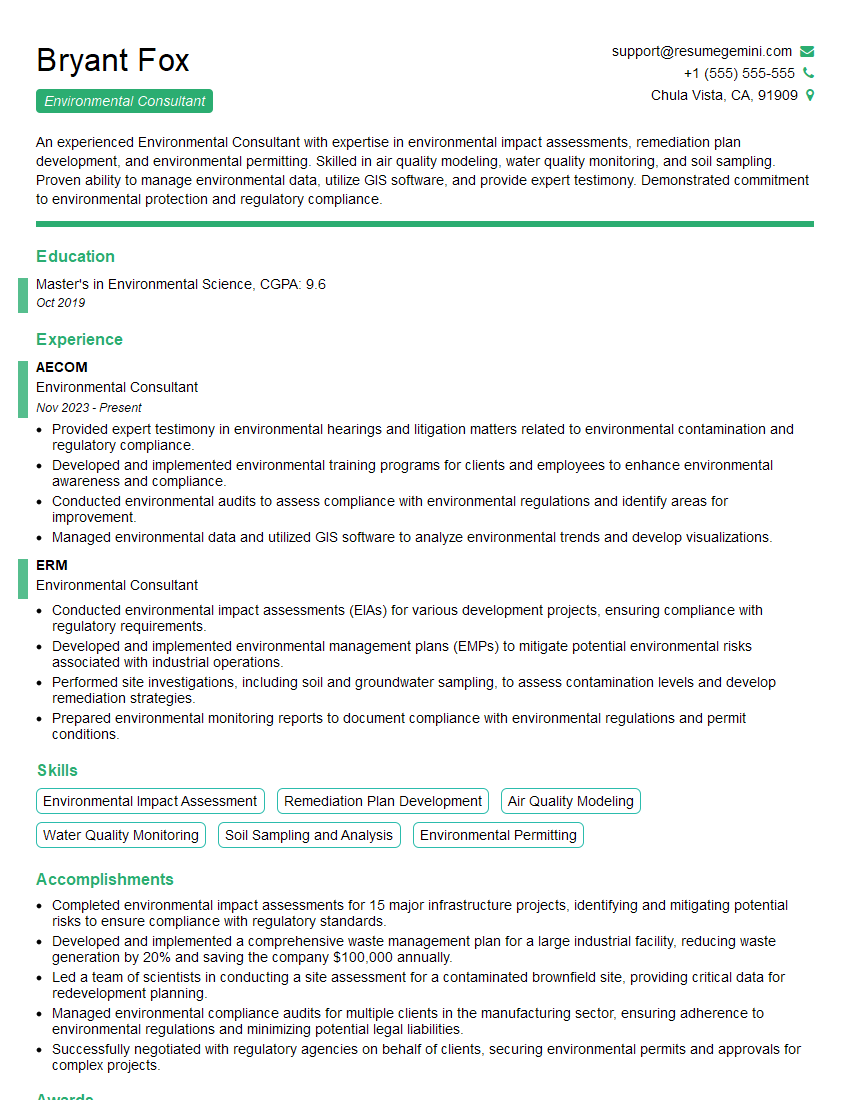
Environmental Consultant Resume Sample
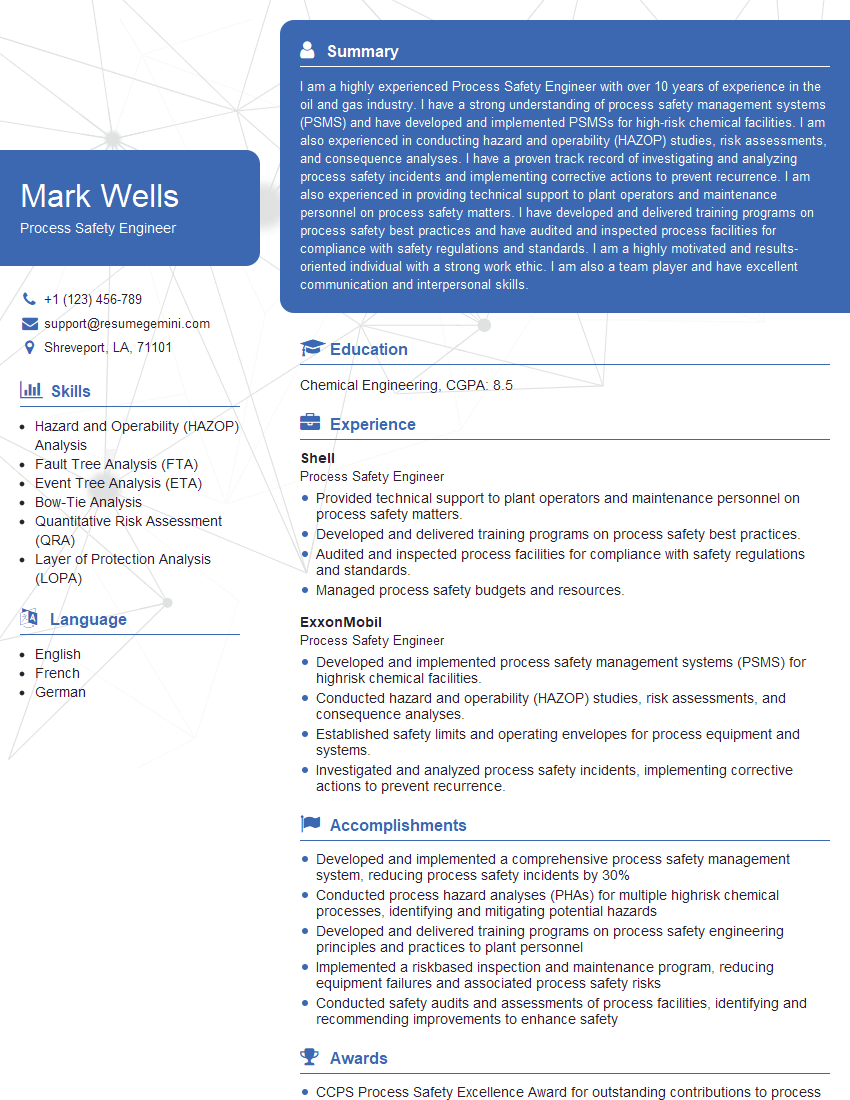
Process Safety Engineer Resume Sample
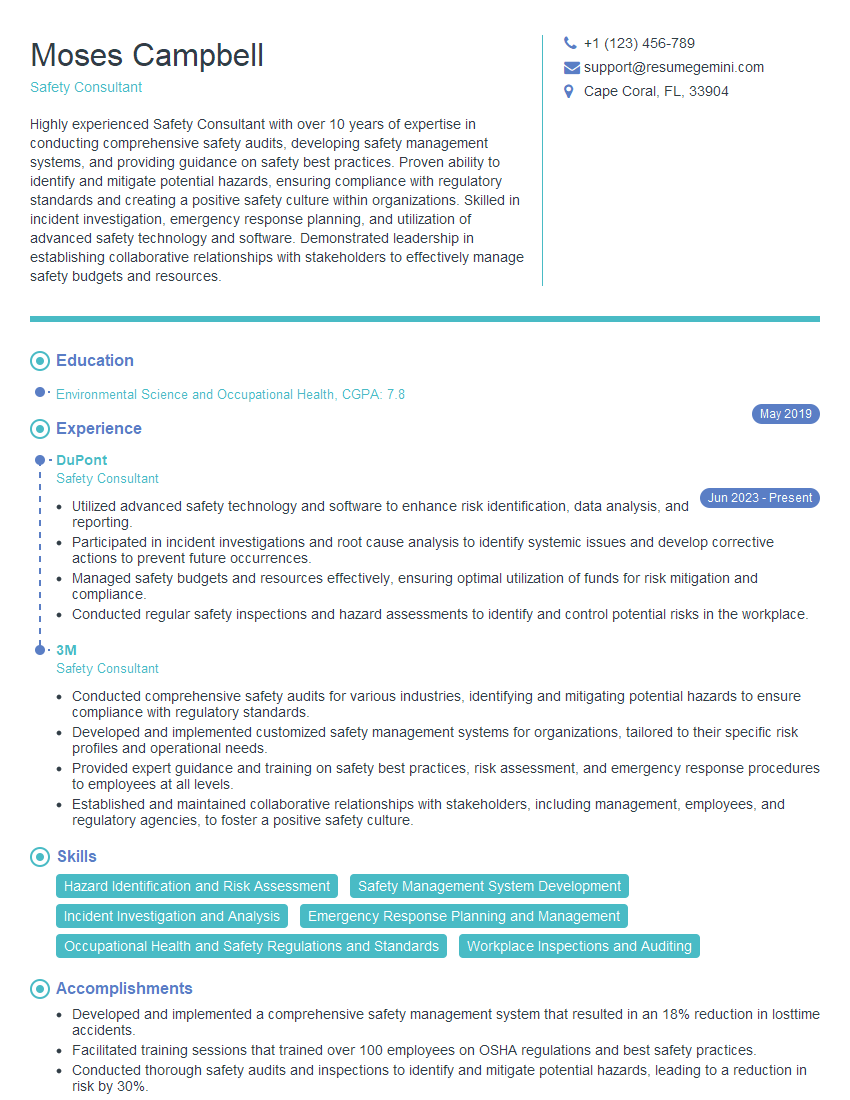
Safety Consultant Resume Sample
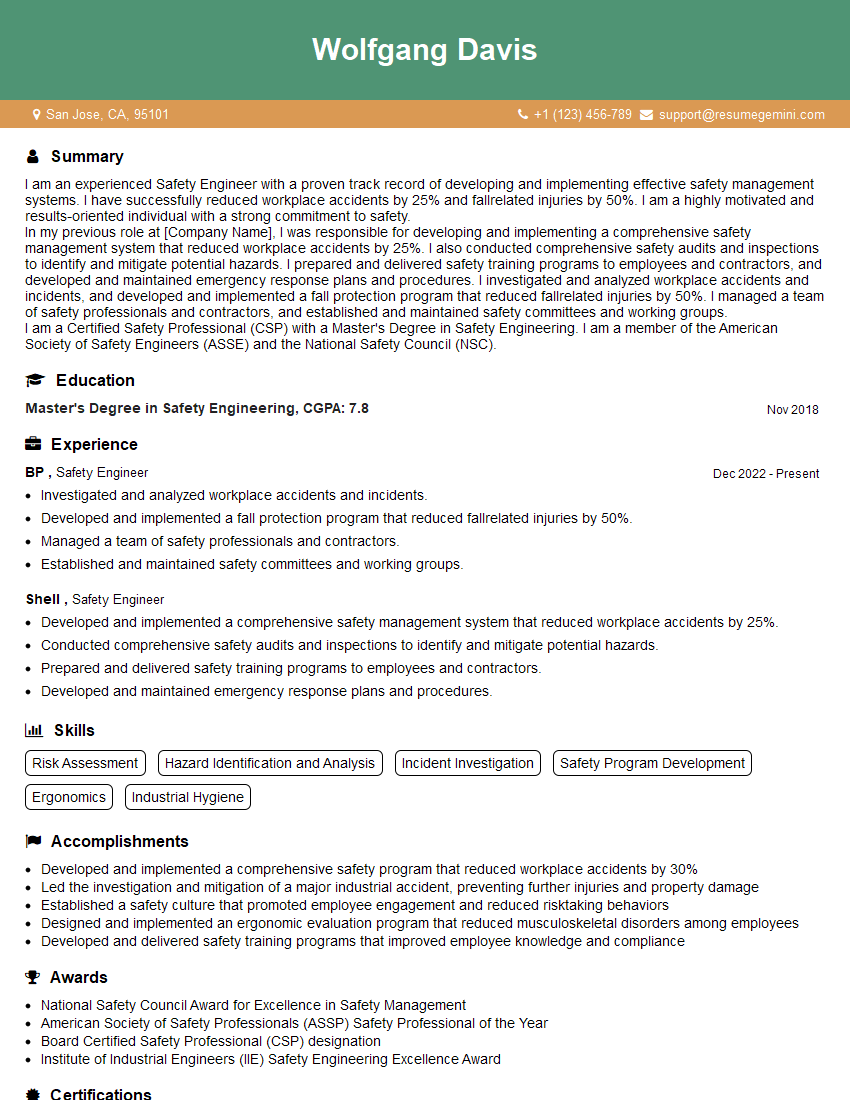
Safety Engineer Resume Sample
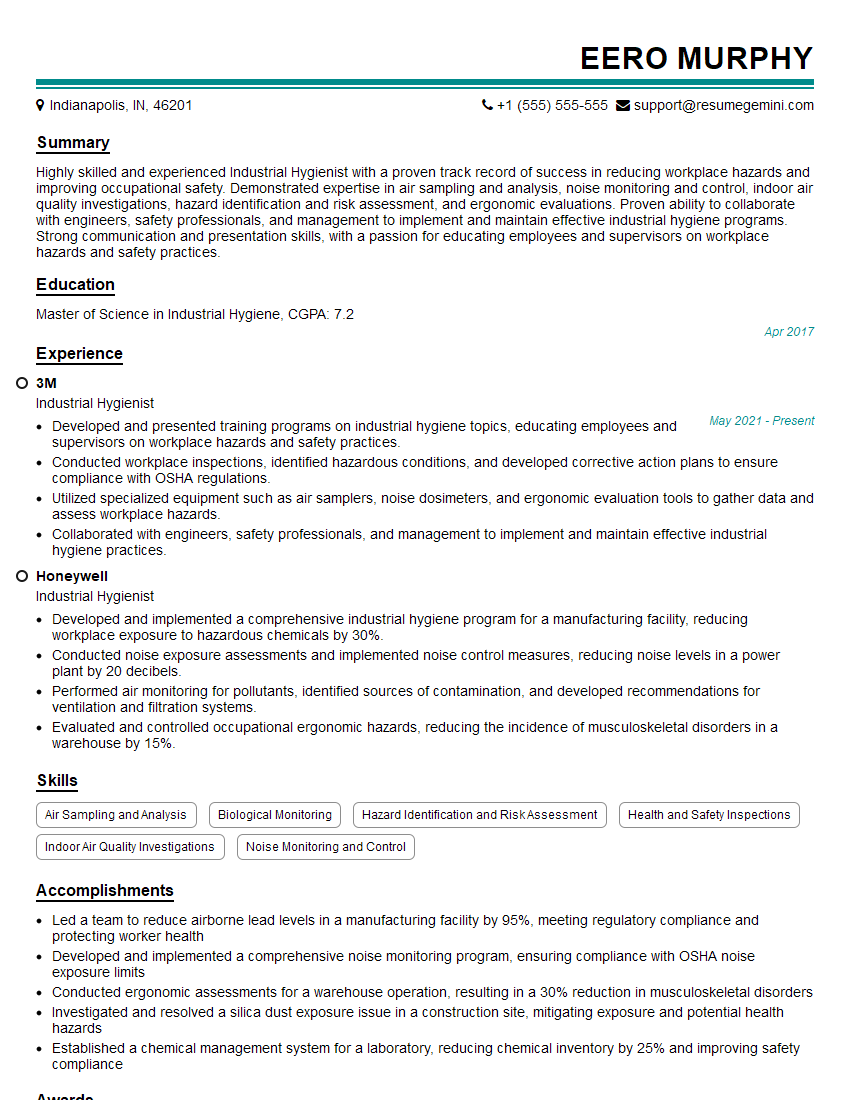
Industrial Hygienist Resume Sample
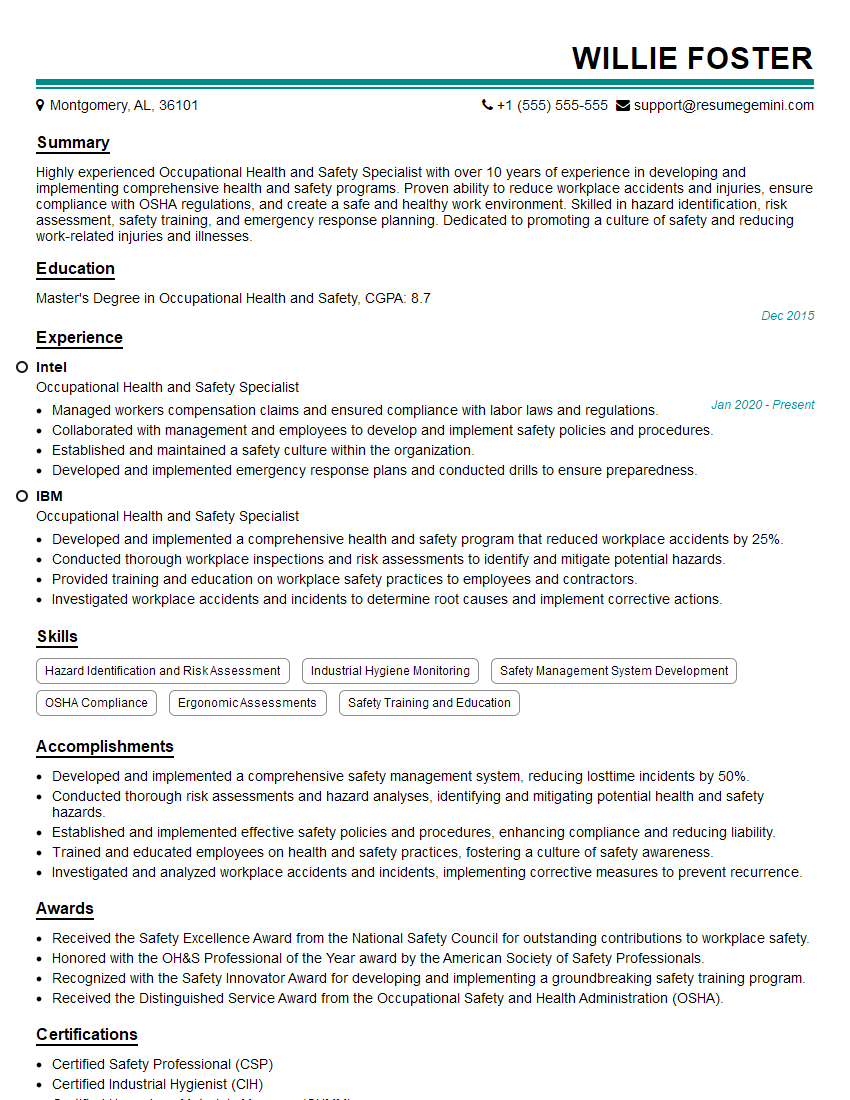
Occupational Health and Safety Specialist Resume Sample
- Safety Manager
- Sustainability Manager
- Safety Director
- Environmental Health and Safety Manager
- Regulatory Affairs Manager
- Compliance Officer
- Risk Manager
- Environmental Scientist
- Environmental Consultant
- Process Safety Engineer
- Safety Consultant
- Safety Engineer
- Industrial Hygienist
- Occupational Health and Safety Specialist
Explore more articles
Users Rating of Our Blogs
Share Your Experience
We value your feedback! Please rate our content and share your thoughts (optional).
What Readers Say About Our Blog
Very informative content, great job.
good