Interviews are opportunities to demonstrate your expertise, and this guide is here to help you shine. Explore the essential Environmental Conservation and Sustainability interview questions that employers frequently ask, paired with strategies for crafting responses that set you apart from the competition.
Questions Asked in Environmental Conservation and Sustainability Interview
Q 1. Describe the different types of environmental impact assessments.
Environmental Impact Assessments (EIAs) are systematic processes used to identify, predict, evaluate, and mitigate the biophysical, social, and other relevant effects of development proposals prior to major decisions being taken and commitments made. Different types of EIAs exist, categorized by scale and focus:
- Strategic Environmental Assessment (SEA): This examines the broader environmental implications of policies, plans, and programs before decisions on specific projects are made. For instance, an SEA might assess the environmental consequences of a national transportation plan before individual highway projects are approved.
- Project-Level EIA: This focuses on the specific environmental impacts of individual projects, such as a new dam, factory, or highway. It’s a more detailed assessment than SEA, focusing on the precise location and activities.
- Regional EIA: This considers the cumulative environmental effects of multiple projects within a specific geographic area. Think of a region undergoing rapid industrialization; a regional EIA would look at the overall impact of all the new factories.
- Environmental Audits: These are periodic reviews of an organization’s environmental performance to identify areas for improvement. Unlike EIAs which precede projects, audits assess existing operations.
- Life Cycle Assessment (LCA) within EIAs: While LCA is a separate concept (explained later), it is often incorporated into EIAs to evaluate the environmental impacts of a product or project throughout its entire lifespan.
The choice of EIA type depends on the scale and nature of the development activity. Larger projects generally require more comprehensive EIAs, often incorporating elements from several categories above.
Q 2. Explain the concept of Life Cycle Assessment (LCA).
Life Cycle Assessment (LCA) is a standardized methodology for evaluating the environmental impacts associated with all stages of a product or service’s life, from raw material extraction to disposal. It’s like taking a holistic snapshot of a product’s environmental footprint.
The LCA process typically involves four key stages:
- Goal and Scope Definition: Defining the purpose of the assessment, the product system boundaries, and functional unit (e.g., the amount of product being assessed).
- Inventory Analysis: Quantifying the inputs and outputs (e.g., energy, water, materials, emissions) throughout the product’s lifecycle. This often involves extensive data collection and modeling.
- Impact Assessment: Evaluating the environmental significance of the inputs and outputs identified in the inventory analysis. This involves using various impact categories (e.g., climate change, eutrophication, ozone depletion).
- Interpretation: Analyzing the results of the impact assessment to identify areas for improvement and inform decision-making. This stage involves critical evaluation of the data limitations and uncertainties.
Example: An LCA of a reusable water bottle would consider the impacts of manufacturing the bottle (energy use, material extraction), its use phase (water consumption, cleaning agents), and its end-of-life stage (recycling or disposal). Comparing this to a single-use plastic bottle would highlight the overall environmental benefits or drawbacks of each option.
Q 3. What are the key principles of sustainable development?
Sustainable development balances meeting the needs of the present without compromising the ability of future generations to meet their own needs. This involves three interconnected pillars:
- Environmental Sustainability: Protecting and conserving natural resources, biodiversity, and ecosystems for long-term health and productivity. This includes managing pollution, reducing waste, and conserving water and energy.
- Economic Sustainability: Ensuring that economic systems are efficient, equitable, and resilient. This requires investing in renewable resources, creating green jobs, and promoting sustainable consumption and production patterns.
- Social Sustainability: Ensuring social equity, justice, and well-being for all people. This involves promoting human rights, access to education and healthcare, and building inclusive communities.
These three pillars are interdependent; true sustainability requires progress in all three areas. For instance, promoting renewable energy (environmental) creates jobs (economic) and improves air quality, benefiting public health (social).
Q 4. Discuss the challenges of implementing sustainable practices in a business setting.
Implementing sustainable practices in a business setting presents numerous challenges:
- High Initial Costs: Investing in sustainable technologies and practices, such as renewable energy sources or waste reduction systems, often requires significant upfront investment.
- Lack of Awareness and Training: Employees may lack awareness of sustainable practices or the skills to implement them effectively. Training and education are essential but can be costly.
- Measurement and Reporting Difficulties: Accurately measuring and reporting on environmental performance can be challenging, requiring robust data collection and analysis systems. Consistent reporting frameworks are crucial for demonstrating improvement.
- Market Competition: Businesses might hesitate to adopt sustainable practices if they fear losing their competitive edge against companies that prioritize cost reduction over sustainability.
- Regulatory Uncertainty: Changes in environmental regulations can create uncertainty for businesses, making long-term planning and investment difficult.
- Supply Chain Challenges: Ensuring that the entire supply chain adheres to sustainable practices can be complex, requiring collaboration with multiple stakeholders.
Overcoming these challenges requires strong leadership commitment, investment in employee training, collaboration with stakeholders throughout the supply chain, and careful planning and implementation of sustainable strategies.
Q 5. How can you measure the effectiveness of an environmental conservation program?
Measuring the effectiveness of an environmental conservation program requires a multifaceted approach, combining quantitative and qualitative data:
- Monitoring Key Indicators: Tracking changes in environmental parameters, such as water quality, air quality, biodiversity levels, or greenhouse gas emissions. These indicators should be chosen based on the program’s specific objectives.
- Baseline Data and Benchmarking: Establishing a baseline before implementing the program to measure the changes and compare progress against similar programs or best practices (benchmarking).
- Community Engagement and Feedback: Gathering feedback from communities affected by the program to assess its social and economic impacts. Surveys, interviews, and focus groups can be valuable tools.
- Cost-Benefit Analysis: Evaluating the financial costs of the program against its environmental and social benefits. This helps to assess the program’s overall return on investment.
- Scientific Evaluation: Using scientific methods to evaluate the ecological effectiveness of the program. This could involve analyzing changes in species populations, habitat quality, or ecosystem functions.
A robust evaluation framework will combine various methods to provide a comprehensive understanding of the program’s impact. Regular monitoring and evaluation are essential for program adaptation and improvement.
Q 6. Explain the concept of carbon footprint and its reduction strategies.
A carbon footprint represents the total amount of greenhouse gases (GHGs) generated by our actions. It includes direct emissions (e.g., burning fossil fuels) and indirect emissions (e.g., from the production and transportation of goods and services). Reducing our carbon footprint is crucial to mitigating climate change.
Strategies for carbon footprint reduction include:
- Energy Efficiency Improvements: Reducing energy consumption through better insulation, energy-efficient appliances, and sustainable transportation choices (e.g., public transport, cycling).
- Renewable Energy Transition: Shifting to renewable energy sources like solar, wind, and hydropower to replace fossil fuels.
- Sustainable Transportation: Reducing reliance on private vehicles and promoting walking, cycling, public transport, and electric vehicles.
- Sustainable Consumption and Production: Reducing waste, choosing sustainable products, and supporting businesses with low carbon footprints. This includes reducing meat consumption, buying locally sourced food, and repairing items rather than replacing them.
- Carbon Offset Projects: Investing in projects that remove carbon dioxide from the atmosphere (e.g., reforestation, carbon capture technologies). However, this should be seen as complementary to emissions reduction, not a replacement for it.
- Policy and Regulatory Interventions: Governments play a crucial role in setting carbon pricing mechanisms (e.g., carbon taxes, emissions trading schemes) and implementing policies that incentivize emissions reductions.
Successful carbon footprint reduction requires a combination of individual actions, business initiatives, and supportive government policies.
Q 7. What are some common environmental regulations and compliance issues?
Environmental regulations vary significantly by country and region, but common areas include:
- Air Quality Regulations: Limiting emissions from industrial sources and vehicles to protect public health and the environment. Examples include regulations on sulfur dioxide, nitrogen oxides, and particulate matter.
- Water Quality Regulations: Setting standards for wastewater discharge, protecting water bodies from pollution, and managing water resources. This involves controlling pollutants like heavy metals and pathogens.
- Waste Management Regulations: Managing hazardous and non-hazardous waste, promoting recycling and waste reduction, and controlling landfill operations.
- Chemical Management Regulations: Controlling the production, use, and disposal of hazardous chemicals to protect human health and the environment. This includes regulations on pesticides, heavy metals, and persistent organic pollutants (POPs).
- Biodiversity Conservation Regulations: Protecting endangered species, managing protected areas, and conserving biodiversity. Examples include laws against poaching and habitat destruction.
Compliance issues often arise from a lack of understanding of regulations, inadequate monitoring and record-keeping, inadequate pollution control technology, and insufficient resources for compliance. Penalties for non-compliance can range from fines to legal action and business closure. Regular environmental audits, employee training, and proactive engagement with regulatory agencies are crucial for effective compliance.
Q 8. Describe different renewable energy sources and their advantages and disadvantages.
Renewable energy sources are naturally replenishing energy sources, unlike fossil fuels. They offer a sustainable alternative to combat climate change and reduce our dependence on finite resources. Several types exist, each with its own set of advantages and disadvantages.
- Solar Power: Uses photovoltaic cells to convert sunlight into electricity.
- Advantages: Abundant, geographically diverse, low maintenance.
- Disadvantages: Intermittency (sunlight dependent), land use requirements, manufacturing impacts.
- Wind Power: Uses wind turbines to harness wind energy.
- Advantages: Relatively low cost, high energy output, minimal land footprint (compared to solar farms).
- Disadvantages: Intermittency (wind dependent), visual impact, potential noise pollution, impact on bird and bat populations.
- Hydropower: Uses the energy of flowing water to generate electricity.
- Advantages: Reliable, high energy output, long lifespan.
- Disadvantages: Significant environmental impact (habitat alteration, damming effects), potential for methane emissions from reservoirs, geographically limited.
- Geothermal Energy: Utilizes heat from the Earth’s interior.
- Advantages: Reliable, consistent energy output, low greenhouse gas emissions.
- Disadvantages: High initial costs, geographically limited, potential for induced seismicity.
- Biomass Energy: Uses organic matter (wood, crops, waste) to produce energy.
- Advantages: Carbon neutral (if sustainably managed), readily available in some areas.
- Disadvantages: Can lead to deforestation if not sustainably sourced, potential air pollution, inefficient compared to other renewables.
Choosing the optimal renewable energy source for a specific location depends on various factors including geographical conditions, available resources, environmental impact considerations, and economic feasibility. For example, a sunny desert region might be ideal for solar power, while a windy coastal area would be suitable for wind power.
Q 9. How do you approach conflict resolution in environmental projects with stakeholders?
Conflict resolution in environmental projects requires a collaborative and transparent approach. Stakeholders often have diverse interests, values, and perspectives, so effective communication and negotiation are crucial. My approach involves:
- Identifying and Engaging Stakeholders: Identifying all relevant stakeholders (communities, businesses, government agencies, NGOs) early in the project is paramount. This involves holding open forums and meetings to ensure everyone feels heard.
- Understanding Perspectives: Active listening is key to understanding the concerns, needs, and potential conflicts of each stakeholder. This often involves empathy and the ability to see things from their viewpoint.
- Facilitated Dialogue: Creating a neutral platform for dialogue facilitates open communication and reduces the risk of escalation. This could include mediation or facilitated workshops.
- Collaborative Problem-Solving: Finding win-win solutions requires creative brainstorming and compromise. Focusing on shared goals and identifying common ground can help bridge differences.
- Transparency and Accountability: Openly communicating the project’s progress, decisions, and potential impacts builds trust and accountability. This prevents misunderstandings and avoids the feeling that information is being withheld.
- Dispute Resolution Mechanisms: In cases of irreconcilable differences, having a predetermined dispute resolution mechanism (e.g., arbitration, mediation) can help resolve conflicts fairly and efficiently.
For example, in a project involving the construction of a wind farm, I might work with local communities to address concerns about noise pollution and visual impact by strategically placing turbines and implementing noise mitigation measures.
Q 10. Explain the importance of biodiversity conservation.
Biodiversity conservation is critical for maintaining the health and resilience of ecosystems. Biodiversity encompasses the variety of life at all levels, from genes to ecosystems. Its importance stems from several key factors:
- Ecosystem Services: Biodiversity underpins many ecosystem services vital for human well-being, such as clean air and water, pollination, climate regulation, and soil fertility. The loss of biodiversity weakens these services, potentially leading to significant economic and social consequences.
- Resilience and Stability: Diverse ecosystems are more resilient to disturbances like climate change, disease outbreaks, and invasive species. A more diverse ecosystem has a higher chance of adapting and recovering from such events.
- Economic Value: Biodiversity provides essential resources for many industries, including agriculture, medicine, and tourism. Loss of biodiversity can have significant economic impacts.
- Ethical Considerations: Many people believe we have a moral obligation to protect the planet’s biodiversity and prevent the extinction of species. This intrinsic value of biodiversity goes beyond its utilitarian benefits.
Imagine a forest with only one tree species. If a disease attacks that species, the entire forest could be wiped out. However, a diverse forest with multiple tree species is far less vulnerable to such an event. Biodiversity conservation efforts include habitat protection, species reintroduction, sustainable resource management, and combating illegal wildlife trade.
Q 11. What are the key elements of a successful environmental management system (EMS)?
A successful Environmental Management System (EMS) is a structured framework that helps organizations manage their environmental impacts. Key elements include:
- Environmental Policy: A formal statement outlining the organization’s commitment to environmental protection and its objectives.
- Planning: Identifying environmental aspects (activities that can have environmental impacts) and establishing environmental objectives and targets to minimize those impacts.
- Implementation and Operation: Putting the EMS into action through resource allocation, training, and operational controls.
- Monitoring and Measurement: Regularly monitoring environmental performance and measuring progress toward established targets, this often includes tracking waste generation, energy consumption, and emissions.
- Review: Regularly reviewing the EMS’s effectiveness and identifying areas for improvement. Management reviews should happen at planned intervals.
- Corrective and Preventive Action: Establishing procedures to address nonconformities and prevent similar occurrences in the future. This might include root-cause analysis.
- Continual Improvement: The EMS should be regularly updated and improved based on data and lessons learned.
A well-implemented EMS can lead to reduced environmental impacts, cost savings, improved efficiency, and enhanced reputation. It often involves the ISO 14001 standard for guidance.
Q 12. Describe your experience with environmental data analysis and reporting.
My experience with environmental data analysis and reporting involves collecting, cleaning, analyzing, and visualizing data to understand environmental trends and inform decision-making. I am proficient in using statistical software (e.g., R, SPSS) and data visualization tools (e.g., Tableau, Power BI).
For example, I recently analyzed air quality data from multiple monitoring stations across a city to identify pollution hotspots and recommend mitigation strategies. This involved cleaning the data to handle missing values and outliers, performing statistical analysis to determine trends, and creating interactive maps and charts to visualize the results. The report presented my findings clearly and concisely, making recommendations for policy changes and informing public health initiatives. My reports always include a clear explanation of the methodology, results, and implications of the findings.
Another project involved analyzing water quality data from a river system to assess the impact of agricultural runoff. This involved using statistical models to determine the relationships between land use patterns and water quality parameters.
Q 13. How familiar are you with GIS software and its applications in environmental conservation?
I am highly familiar with Geographic Information System (GIS) software, such as ArcGIS and QGIS. GIS is an invaluable tool in environmental conservation, allowing for spatial analysis and visualization of environmental data.
My experience includes using GIS for habitat mapping, identifying protected areas, analyzing species distributions, modeling climate change impacts, and assessing the effectiveness of conservation interventions. For instance, I’ve used GIS to overlay habitat suitability models with land use data to identify areas suitable for habitat restoration. I can also use GIS to create maps that communicate complex environmental information clearly to a wide audience, including policy makers and the public. I am comfortable with various spatial analysis techniques including overlay analysis, buffer analysis, and network analysis within GIS.
Q 14. Explain the concept of circular economy and its benefits.
The circular economy is an economic model that aims to eliminate waste and pollution, keep products and materials in use, and regenerate natural systems. It contrasts with the traditional linear economy (take-make-dispose) by emphasizing resource efficiency and the reduction of reliance on virgin materials. Key principles include:
- Design Out Waste: Products are designed for durability, repairability, and recyclability from the outset.
- Keep Products and Materials in Use: Strategies such as reuse, repair, refurbishment, and remanufacturing extend the lifespan of products.
- Regenerate Natural Systems: Supporting ecological restoration and using renewable resources to minimize environmental impact.
Benefits of adopting a circular economy include reduced waste, resource conservation, decreased pollution, lower carbon emissions, creation of new economic opportunities, and improved resource security. A practical example would be replacing single-use plastics with reusable alternatives, or designing products that can easily be disassembled and their components recycled. The circular economy requires systemic changes across various sectors, including manufacturing, design, waste management, and consumer behavior. Transitioning to a circular economy is a complex, multi-faceted challenge that requires collaborative efforts from businesses, governments, and individuals.
Q 15. What are some effective strategies for waste reduction and management?
Effective waste reduction and management hinges on a multi-pronged approach encompassing reduction at the source, reuse, recycling, and responsible disposal. Think of it like a pyramid – the smaller the base (disposal), the better.
- Reduce: Minimizing waste generation is paramount. This involves conscious consumption, choosing products with minimal packaging, reducing food waste through mindful shopping and composting, and opting for reusable items over single-use plastics. For example, bringing your own reusable shopping bag to the grocery store significantly reduces plastic bag waste.
- Reuse: Finding alternative uses for items before discarding them extends their lifespan. Repurposing glass jars for storage or using old t-shirts as cleaning rags are simple yet effective examples.
- Recycle: Properly sorting and recycling materials like paper, plastic, glass, and metal diverts them from landfills and conserves resources. However, recycling effectiveness relies on efficient sorting and processing infrastructure. Contamination is a major challenge, hence clear labeling and public awareness campaigns are crucial.
- Responsible Disposal: For waste that cannot be reduced, reused, or recycled, proper disposal methods are crucial. This includes hazardous waste management, adhering to local regulations for garbage collection, and exploring options like composting or anaerobic digestion for organic waste.
Implementing these strategies requires a combination of individual actions, government policies (e.g., extended producer responsibility schemes), and industry innovations (e.g., designing products for recyclability). A holistic approach is key to successful waste management.
Career Expert Tips:
- Ace those interviews! Prepare effectively by reviewing the Top 50 Most Common Interview Questions on ResumeGemini.
- Navigate your job search with confidence! Explore a wide range of Career Tips on ResumeGemini. Learn about common challenges and recommendations to overcome them.
- Craft the perfect resume! Master the Art of Resume Writing with ResumeGemini’s guide. Showcase your unique qualifications and achievements effectively.
- Don’t miss out on holiday savings! Build your dream resume with ResumeGemini’s ATS optimized templates.
Q 16. Discuss the impact of climate change on ecosystems.
Climate change significantly impacts ecosystems through rising temperatures, altered precipitation patterns, increased frequency and intensity of extreme weather events, and ocean acidification. These changes disrupt delicate ecological balances, leading to various consequences.
- Habitat Loss and Fragmentation: Rising sea levels inundate coastal habitats, while changes in temperature and precipitation alter vegetation patterns, forcing species to migrate or face extinction. Coral bleaching, a direct result of warming ocean waters, is devastating coral reefs, which are biodiversity hotspots.
- Species Extinction and Range Shifts: Many species struggle to adapt to rapidly changing conditions. Some species are moving towards higher altitudes or latitudes in search of suitable habitats, while others face extinction due to a lack of suitable environments.
- Changes in Ecosystem Services: Climate change impacts crucial ecosystem services like pollination, water purification, and carbon sequestration. For example, reduced snowpack in mountain regions can lead to water scarcity downstream.
- Increased Disease Risk: Warmer temperatures can extend the range of disease vectors, increasing the risk of infectious diseases for both wildlife and humans.
The cumulative effect of these changes can lead to cascading ecological impacts, threatening biodiversity, ecosystem function, and the services they provide to human society.
Q 17. How can you promote sustainable tourism practices?
Promoting sustainable tourism involves minimizing the negative impacts of tourism on the environment and local communities while maximizing its positive contributions. It’s about leaving a place better than you found it.
- Reduce Environmental Footprint: This includes reducing carbon emissions through promoting eco-friendly transportation (e.g., cycling, public transport), minimizing water and energy consumption in accommodations, and reducing waste generation through responsible waste management practices.
- Support Local Communities: Sustainable tourism prioritizes supporting local businesses, hiring local guides, and engaging with local communities respectfully. This ensures that the benefits of tourism are shared equitably and fosters cultural preservation. Fair wages and respect for local customs are essential.
- Protect Biodiversity and Natural Resources: Sustainable tourism avoids activities that harm fragile ecosystems. This involves responsible wildlife viewing practices, avoiding sensitive areas, and supporting conservation efforts. For example, supporting ecotourism initiatives that protect endangered species or unique habitats.
- Raise Awareness: Educating tourists about sustainable travel practices is crucial. Clear communication and engaging educational materials can empower tourists to make responsible choices.
Certification schemes (e.g., Green Globe, Global Sustainable Tourism Council) can help travelers identify sustainable tourism operators, further encouraging responsible practices. The ultimate goal is to create a tourism model that is both economically viable and environmentally and socially responsible.
Q 18. What is your understanding of environmental justice?
Environmental justice is the fair treatment and meaningful involvement of all people regardless of race, color, national origin, or income, with respect to the development, implementation, and enforcement of environmental laws, regulations, and policies.
It recognizes that environmental hazards disproportionately affect marginalized communities. For instance, low-income communities and communities of color are often located near polluting industries, landfills, or hazardous waste sites, leading to higher exposure to environmental toxins and resulting health problems. This unequal distribution of environmental benefits and burdens is a core issue in environmental justice.
Addressing environmental justice requires proactive measures to ensure equitable access to clean air, water, and healthy environments. This involves policy changes, community engagement, and addressing systemic inequalities that perpetuate environmental injustices.
Q 19. Describe your experience with environmental monitoring and sampling techniques.
My experience with environmental monitoring and sampling encompasses various techniques for assessing water, air, and soil quality. I’ve utilized a range of methods depending on the specific environmental medium and the parameters being assessed.
- Water Quality Monitoring: This includes collecting water samples at specified locations and depths, analyzing parameters such as pH, dissolved oxygen, turbidity, nutrient levels (nitrogen and phosphorus), and heavy metals using standard laboratory procedures and instrumentation (e.g., spectrophotometry, chromatography). I’m experienced with both grab sampling (single point-in-time samples) and continuous monitoring using automated sensors.
- Air Quality Monitoring: I have experience deploying and maintaining air quality monitoring stations, collecting particulate matter samples using high-volume samplers, and analyzing air samples for gaseous pollutants like ozone, sulfur dioxide, and nitrogen oxides. Data analysis often involves statistical modeling to understand spatial and temporal patterns in air pollution.
- Soil Quality Assessment: My work includes collecting soil samples at various depths, analyzing soil properties (e.g., texture, pH, organic matter content, nutrient levels), and assessing soil contamination levels using methods like X-ray fluorescence (XRF) or inductively coupled plasma mass spectrometry (ICP-MS).
Data analysis and interpretation are crucial aspects of environmental monitoring. I utilize statistical software packages and GIS mapping to visualize and interpret data, providing insights into environmental conditions and trends.
Q 20. Explain the principles of pollution prevention and control.
Pollution prevention and control aim to minimize the release of pollutants into the environment. The core principle is to address pollution at its source, reducing the need for costly and often less effective cleanup efforts later. It’s a proactive, rather than reactive, approach.
- Pollution Prevention (Source Reduction): This involves designing processes and products to minimize waste and emissions from the start. Examples include using cleaner production technologies, improving process efficiency, substituting hazardous materials with safer alternatives, and implementing waste minimization strategies.
- Pollution Control (End-of-Pipe Treatment): When pollution cannot be entirely prevented, control measures are employed to reduce emissions before they reach the environment. This includes technologies like scrubbers for air pollution control, wastewater treatment plants, and landfill liners to prevent soil and groundwater contamination.
Effective pollution prevention and control require a combination of technological advancements, regulatory frameworks (e.g., emission standards, environmental permits), and strong enforcement mechanisms. The ultimate goal is to protect human health and environmental integrity.
Q 21. How can you engage communities in environmental conservation efforts?
Engaging communities in environmental conservation requires a participatory approach that respects local knowledge and fosters a sense of ownership. It’s about empowering communities to become active participants, not just recipients of information.
- Community-Based Monitoring: Involving communities in data collection and monitoring activities builds capacity and creates a sense of ownership. This can involve training community members to collect water samples or conduct bird surveys.
- Participatory Decision-Making: Ensuring that community members have a voice in decision-making processes related to environmental management is crucial. This includes involving them in planning processes and the implementation of conservation projects.
- Educational Outreach: Raising awareness about environmental issues and the importance of conservation through educational programs, workshops, and community events is essential. Using local languages and culturally relevant materials is key.
- Incentive Programs: Providing incentives for participation, such as payments for ecosystem services (PES) or community-based ecotourism initiatives, can encourage community involvement.
- Collaboration and Partnerships: Building strong partnerships with local organizations, community leaders, and government agencies is vital to ensure collaborative and effective conservation efforts.
Successful community engagement requires building trust, fostering mutual respect, and acknowledging the diverse needs and interests of community members. A collaborative and inclusive approach is essential to achieve lasting environmental conservation outcomes.
Q 22. What are the challenges of managing water resources sustainably?
Sustainable water resource management faces numerous interconnected challenges. Think of it like managing a complex ecosystem – if one part is stressed, the whole system suffers.
- Increasing Demand: Growing populations and changing consumption patterns (e.g., agriculture, industry) are putting immense pressure on available freshwater supplies. Imagine a city’s water pipes struggling to meet the needs of a rapidly expanding population.
- Water Pollution: Industrial discharge, agricultural runoff (fertilizers and pesticides), and untreated sewage contaminate water sources, rendering them unusable for human consumption and harming aquatic life. It’s like adding poison to a vital resource.
- Climate Change: Altered precipitation patterns (droughts and floods), rising sea levels, and glacier melt significantly impact water availability and quality. This is akin to a changing climate that disrupts the natural water cycle.
- Inefficient Irrigation: Traditional irrigation methods waste vast amounts of water, leaving less for other uses. Picture a leaky hose – a significant portion of the water never reaches its intended destination.
- Transboundary Water Issues: Sharing water resources across national borders often leads to conflicts and disagreements over allocation and management. This is similar to neighbors arguing over shared resources.
- Lack of Infrastructure: Inadequate water storage, treatment, and distribution infrastructure hinders effective management. It’s like having a well but lacking the pipes to bring the water to homes.
- Governance and Policy Challenges: Weak governance, lack of enforcement, and insufficient policy frameworks hinder sustainable water management efforts. It’s like having the tools but lacking the effective leadership to utilize them.
Addressing these challenges requires integrated approaches that combine water conservation, efficient technologies (e.g., drip irrigation), improved infrastructure, effective governance, and public awareness campaigns. It’s a collaborative effort, like a community working together to safeguard a shared resource.
Q 23. Discuss the role of technology in advancing sustainability.
Technology plays a crucial role in advancing sustainability across various sectors. Think of it as a powerful toolset that helps us to solve environmental problems more efficiently and effectively.
- Remote Sensing and GIS: Satellite imagery and geographic information systems (GIS) allow for monitoring deforestation, pollution levels, and changes in land use patterns on a large scale. Imagine having a bird’s-eye view to track environmental changes in real-time.
- Precision Agriculture: Sensors, GPS, and data analytics optimize irrigation, fertilizer application, and pest control, reducing resource waste and environmental impact. It’s like giving farmers the power to treat each plant individually according to its specific needs.
- Renewable Energy Technologies: Solar, wind, and geothermal energy sources offer cleaner alternatives to fossil fuels, reducing greenhouse gas emissions. It’s like shifting from a polluting car to an electric vehicle.
- Waste Management Technologies: Recycling technologies, waste-to-energy plants, and composting systems reduce landfill waste and recover valuable resources. It’s like transforming waste from a problem into a resource.
- Green Building Technologies: Energy-efficient materials, building designs, and smart home technologies reduce energy consumption and carbon footprint in buildings. It’s like designing homes that are both comfortable and environmentally friendly.
- Environmental Monitoring Technologies: Sensors and monitoring systems track air and water quality, providing real-time data for pollution control and environmental management. It’s like having a doctor constantly monitoring a patient’s vital signs.
However, it’s important to remember that technology is just a tool; its effective application requires careful consideration of social, economic, and ethical factors. It’s not just about the technology itself, but how we use it responsibly and sustainably.
Q 24. What is your experience with environmental risk assessment?
My experience with environmental risk assessment spans over [Number] years, encompassing diverse projects in [Mention specific sectors/industries]. I’ve been involved in the entire process, from initial site characterization to final report writing.
My approach involves a multi-step process:
- Hazard Identification: Identifying potential environmental hazards, such as pollution sources, hazardous materials, and natural disasters. For example, in a mining project, I’d assess the risk of heavy metal contamination in soil and water.
- Risk Assessment: Evaluating the likelihood and potential consequences of these hazards. This might involve using quantitative models or qualitative judgments to determine the probability of various scenarios.
- Risk Management: Developing strategies to mitigate or control identified risks. This could range from implementing engineering controls to developing emergency response plans. In the mining example, this might involve installing wastewater treatment facilities.
- Monitoring and Reporting: Regularly monitoring the effectiveness of risk management measures and reporting findings to stakeholders. This ensures that the risks are being controlled effectively and that necessary adjustments are made.
I’m proficient in using various risk assessment methodologies and software, including [Mention specific software/methodologies]. I have a strong focus on stakeholder engagement, ensuring transparent communication and collaboration throughout the process. One successful project involved [Briefly describe a past success story, highlighting the positive outcome and your role].
Q 25. Describe your understanding of different environmental certifications (e.g., LEED, ISO 14001).
Environmental certifications, such as LEED and ISO 14001, are voluntary standards that provide frameworks for organizations to demonstrate their commitment to environmental stewardship. They act like quality seals, assuring consumers and stakeholders that the organization adheres to certain environmental principles and practices.
- LEED (Leadership in Energy and Environmental Design): Focuses on green building design and construction, rating buildings based on their environmental performance across various aspects like energy efficiency, water conservation, and material selection. A LEED-certified building is essentially a high-performing, environmentally responsible building.
- ISO 14001: A globally recognized standard for environmental management systems (EMS). It provides a structured framework for organizations to identify, manage, and reduce their environmental impacts. Think of it as a guide for systematic environmental management, ensuring continuous improvement in an organization’s environmental performance.
While both aim to improve environmental performance, their scopes differ. LEED is building-specific, whereas ISO 14001 applies to any type of organization, regardless of size or sector. Achieving these certifications requires rigorous documentation, audits, and ongoing commitment. The benefits include enhanced reputation, improved efficiency, and reduced environmental liability.
Q 26. How do you stay updated on the latest advancements in environmental conservation?
Staying current with advancements in environmental conservation requires a multi-faceted approach – it’s like constantly replenishing your knowledge bank with the latest innovations and research findings.
- Peer-Reviewed Journals and Publications: I regularly read scientific journals like Science, Nature, and specialized journals in my area of expertise to stay abreast of the latest research and findings.
- Conferences and Workshops: Attending conferences and workshops allows for networking with other professionals and learning about new developments and technologies first-hand. It’s a great opportunity to exchange ideas and learn from experts in the field.
- Professional Organizations: Membership in professional organizations such as the Society for Conservation Biology or the Ecological Society of America provides access to resources, publications, and networking opportunities. It’s like joining a community of like-minded professionals who are passionate about conservation.
- Online Resources and Databases: I use online databases like Web of Science and Scopus to access research articles and reports. Online news sources and environmental organizations’ websites also offer updates on current environmental issues and policies.
- Networking: Engaging with colleagues, experts, and stakeholders through professional networks helps stay informed on emerging trends and challenges in the field.
This combination of methods keeps me well-informed and enables me to apply the latest knowledge and technologies in my work.
Q 27. Explain the importance of integrating environmental considerations into urban planning.
Integrating environmental considerations into urban planning is crucial for creating sustainable and resilient cities. Imagine building a city that not only functions efficiently but also protects its natural environment and the well-being of its inhabitants.
- Green Infrastructure: Incorporating green spaces, parks, and urban forests helps improve air quality, manage stormwater, and provide recreational areas for residents. It’s like building a city’s natural lungs and kidneys.
- Sustainable Transportation: Promoting public transportation, cycling, and walking reduces traffic congestion, air pollution, and greenhouse gas emissions. This is akin to building a city designed for people, not just cars.
- Energy Efficiency: Implementing energy-efficient building designs and promoting renewable energy sources reduces the city’s carbon footprint. It’s like designing a city that powers itself sustainably.
- Waste Management: Implementing comprehensive waste management strategies, including recycling, composting, and waste reduction programs, minimizes environmental impact. This is about creating a circular economy in the city.
- Water Conservation: Utilizing water-efficient technologies and implementing water conservation measures ensures a reliable supply of water for future generations. It’s like building a water-wise city.
- Climate Change Adaptation: Designing cities that are resilient to the impacts of climate change, such as extreme weather events and sea-level rise, is crucial for long-term sustainability. This is akin to building a city that can withstand the storms of climate change.
Failing to integrate environmental considerations can lead to environmental degradation, increased pollution, health problems, and reduced quality of life. Sustainable urban planning is essential for creating vibrant, healthy, and environmentally responsible cities.
Q 28. Describe your experience with environmental advocacy or policy engagement.
My experience with environmental advocacy and policy engagement includes [Describe your experiences, providing specific examples]. My approach to advocacy involves a multi-pronged strategy, combining scientific evidence with community engagement to effect meaningful change.
For instance, [Describe a specific example of advocacy work, highlighting your actions, the outcomes, and the impact]. In this example, I collaborated with [mention stakeholders] and employed strategies such as [mention strategies e.g., data analysis, public presentations, lobbying]. The result was [quantifiable impact of your work].
I believe effective advocacy requires a blend of scientific expertise, communication skills, and political acumen. It’s not just about presenting data but also about building consensus, fostering collaboration, and navigating the complexities of the political landscape. I’m passionate about using my expertise to advance environmental protection and advocate for policies that promote sustainability.
Key Topics to Learn for Environmental Conservation and Sustainability Interview
- Climate Change Mitigation and Adaptation: Understanding the science behind climate change, exploring mitigation strategies (e.g., renewable energy, carbon capture), and analyzing adaptation techniques for vulnerable ecosystems and communities.
- Biodiversity Conservation and Ecosystem Management: Knowing principles of biodiversity, exploring habitat restoration techniques, and understanding the role of protected areas in conservation efforts. Practical application includes experience with species monitoring or habitat assessments.
- Sustainable Resource Management: Analyzing sustainable forestry practices, exploring water resource management strategies, and understanding principles of circular economy and waste reduction. Practical application includes project experience in resource efficiency or waste management.
- Pollution Control and Remediation: Understanding various types of pollution (air, water, soil), exploring remediation techniques, and analyzing the impact of pollution on human health and the environment. Practical experience with pollution monitoring or remediation projects is valuable.
- Environmental Policy and Legislation: Familiarity with key environmental laws and regulations, understanding policy development processes, and analyzing the effectiveness of environmental policies. Demonstrate knowledge of relevant national and international agreements.
- Environmental Impact Assessment (EIA): Understanding the process of conducting EIAs, analyzing environmental impacts of projects, and developing mitigation strategies. Practical experience with EIA methodologies is highly beneficial.
- Sustainable Development Goals (SDGs): Understanding the SDGs and how they relate to environmental conservation and sustainability. Demonstrate your understanding of the interconnectedness of environmental, social, and economic goals.
Next Steps
Mastering Environmental Conservation and Sustainability is crucial for a thriving career in a field that is increasingly vital to our future. A strong understanding of these topics will not only impress potential employers but also equip you to make a real difference. To significantly boost your job prospects, create an ATS-friendly resume that highlights your skills and experience effectively. ResumeGemini is a trusted resource to help you build a professional and impactful resume, ensuring your qualifications shine. Examples of resumes tailored to Environmental Conservation and Sustainability are available within ResumeGemini to guide you.
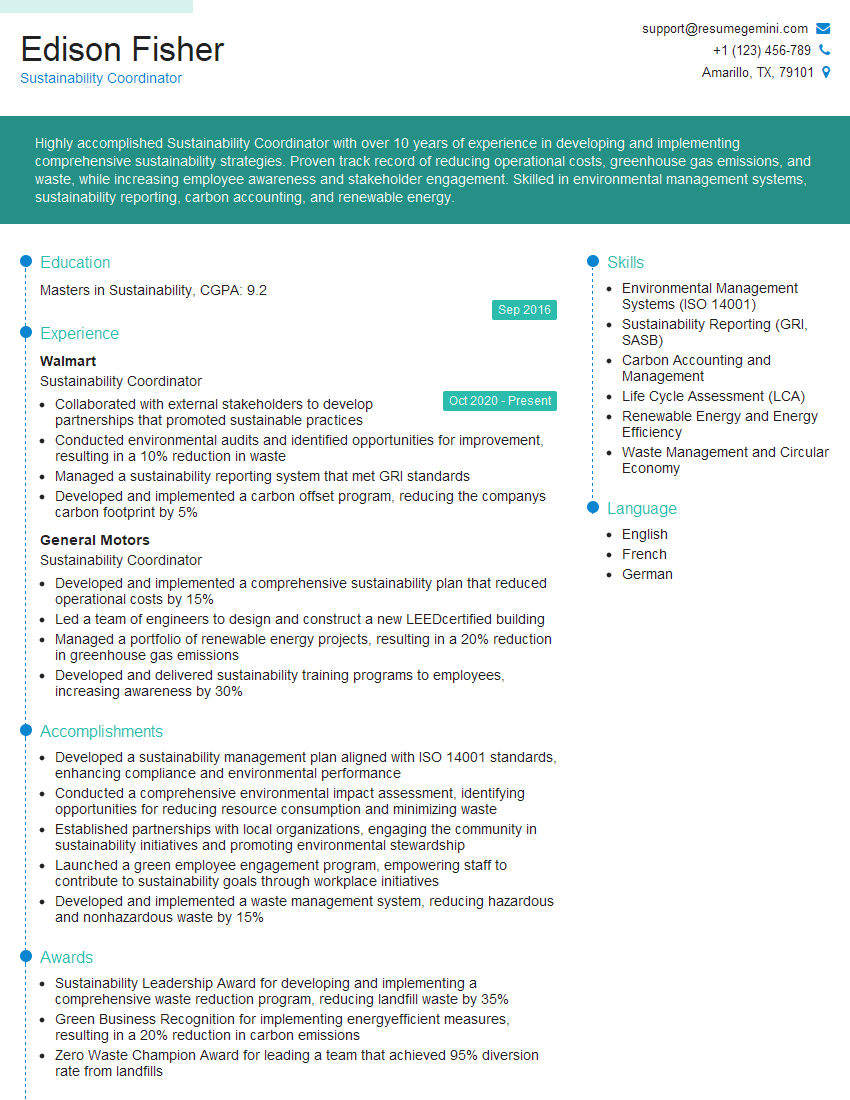
Sustainability Coordinator Resume Sample
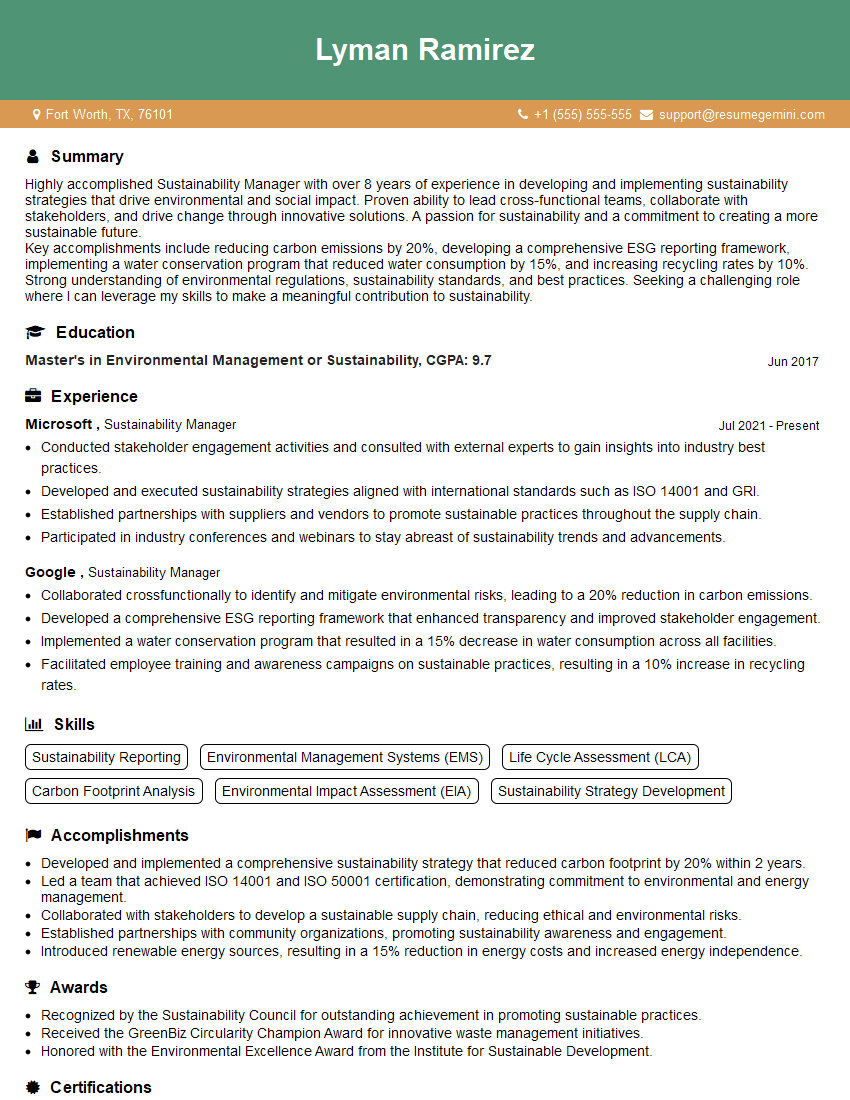
Sustainability Manager Resume Sample
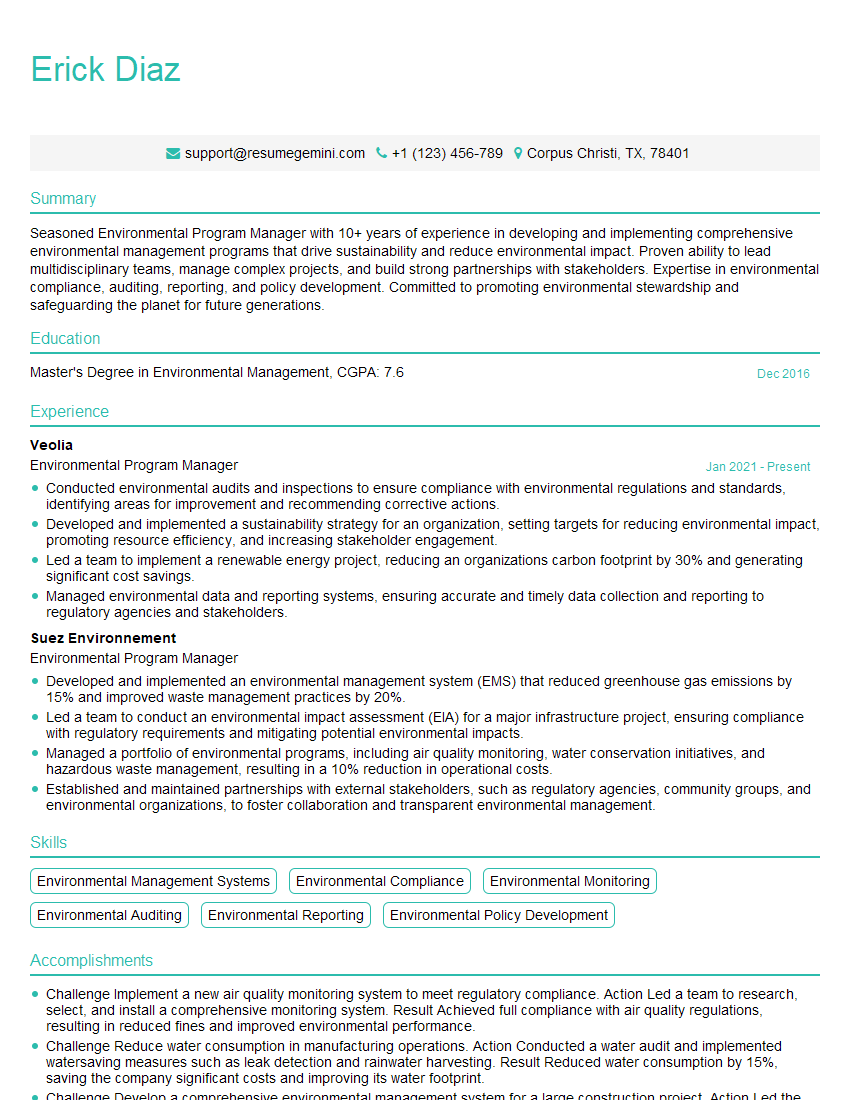
Environmental Program Manager Resume Sample
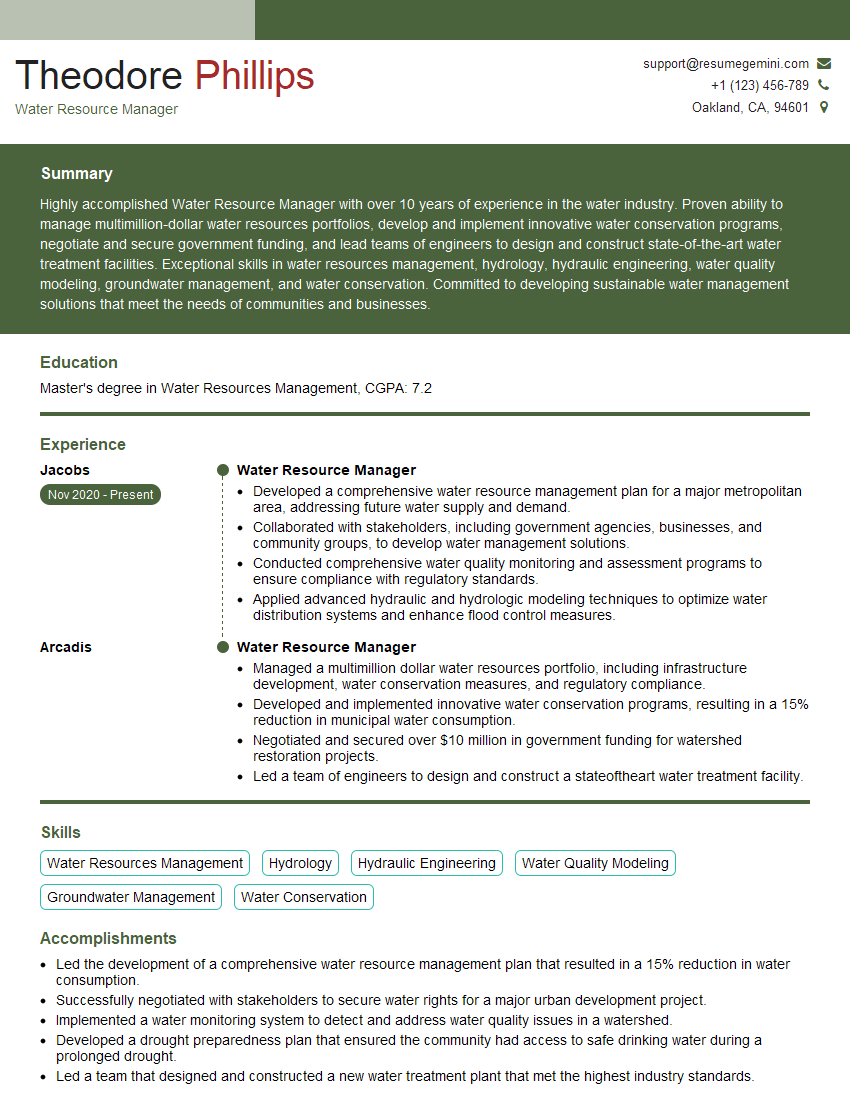
Water Resource Manager Resume Sample
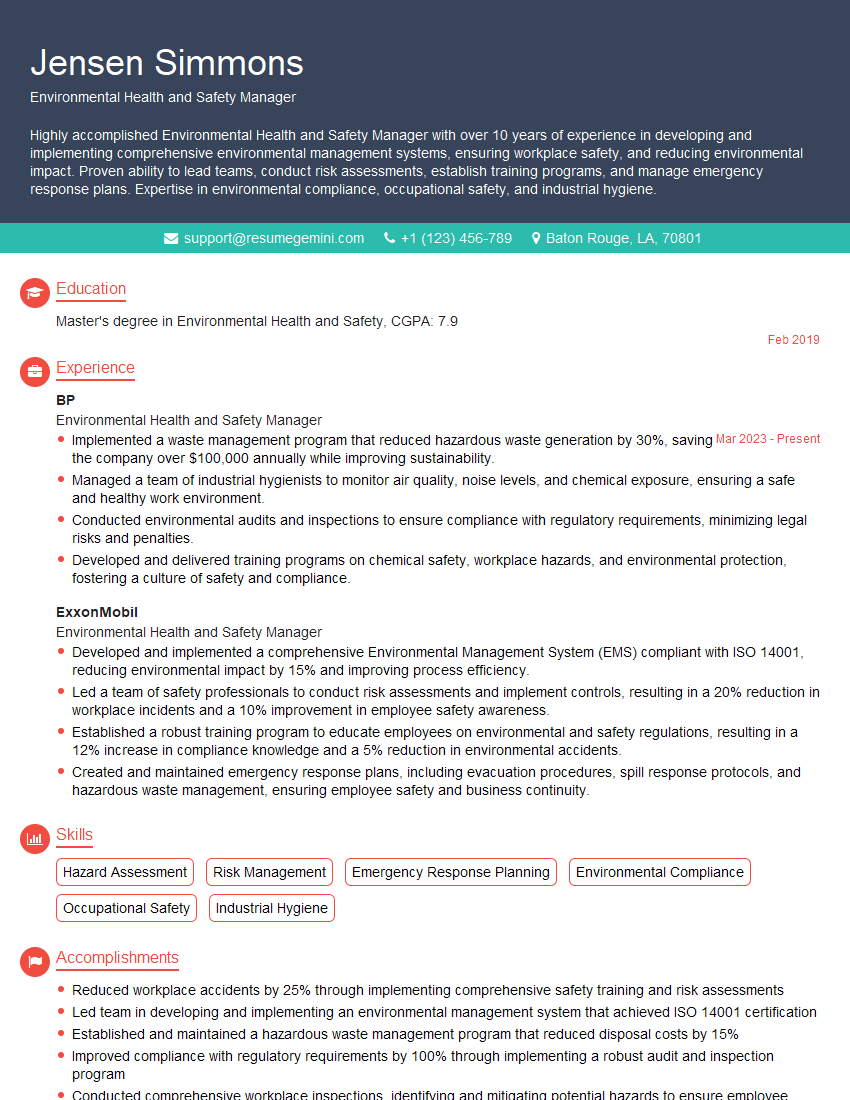
Environmental Health and Safety Manager Resume Sample
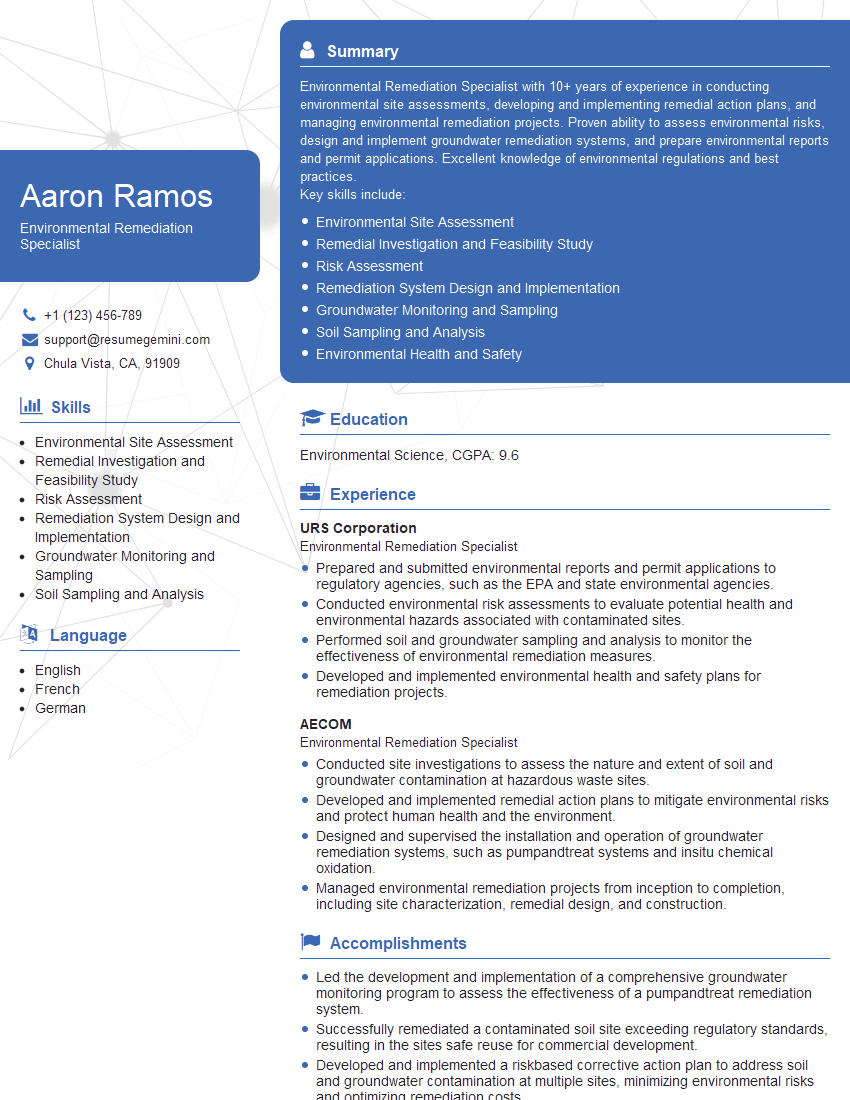
Environmental Remediation Specialist Resume Sample
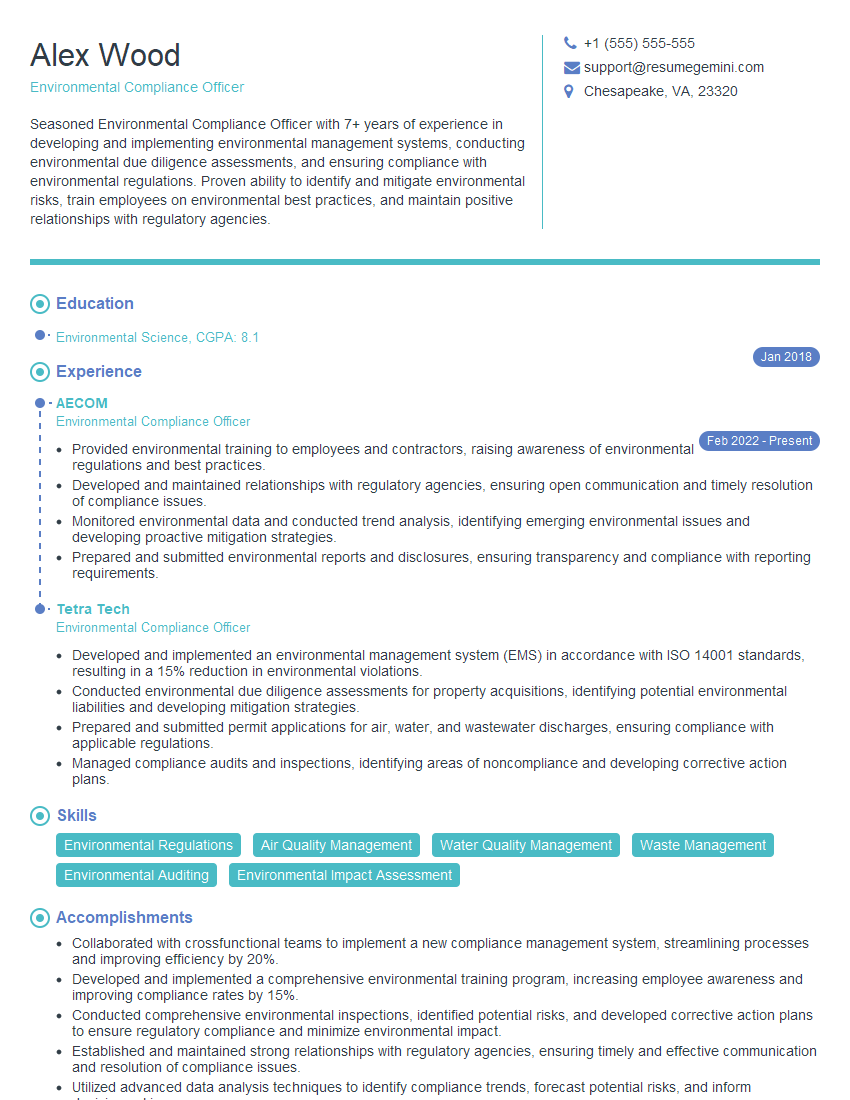
Environmental Compliance Officer Resume Sample
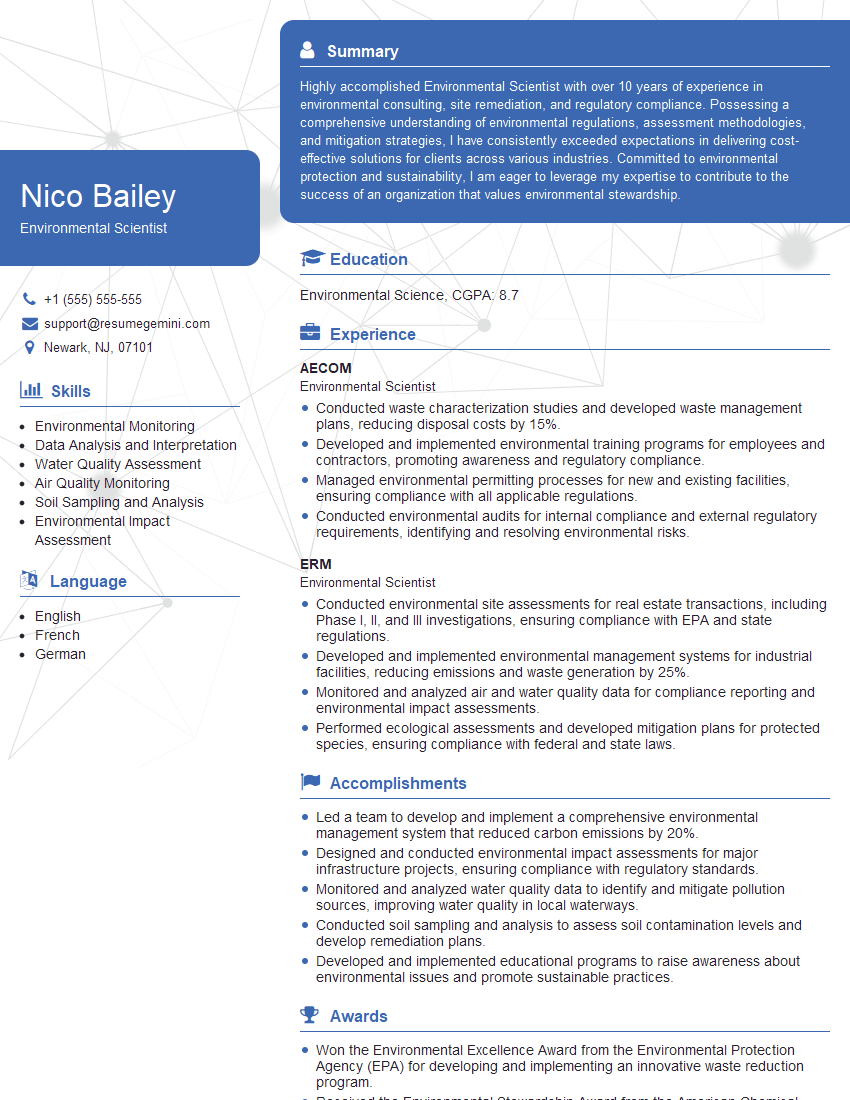
Environmental Scientist Resume Sample
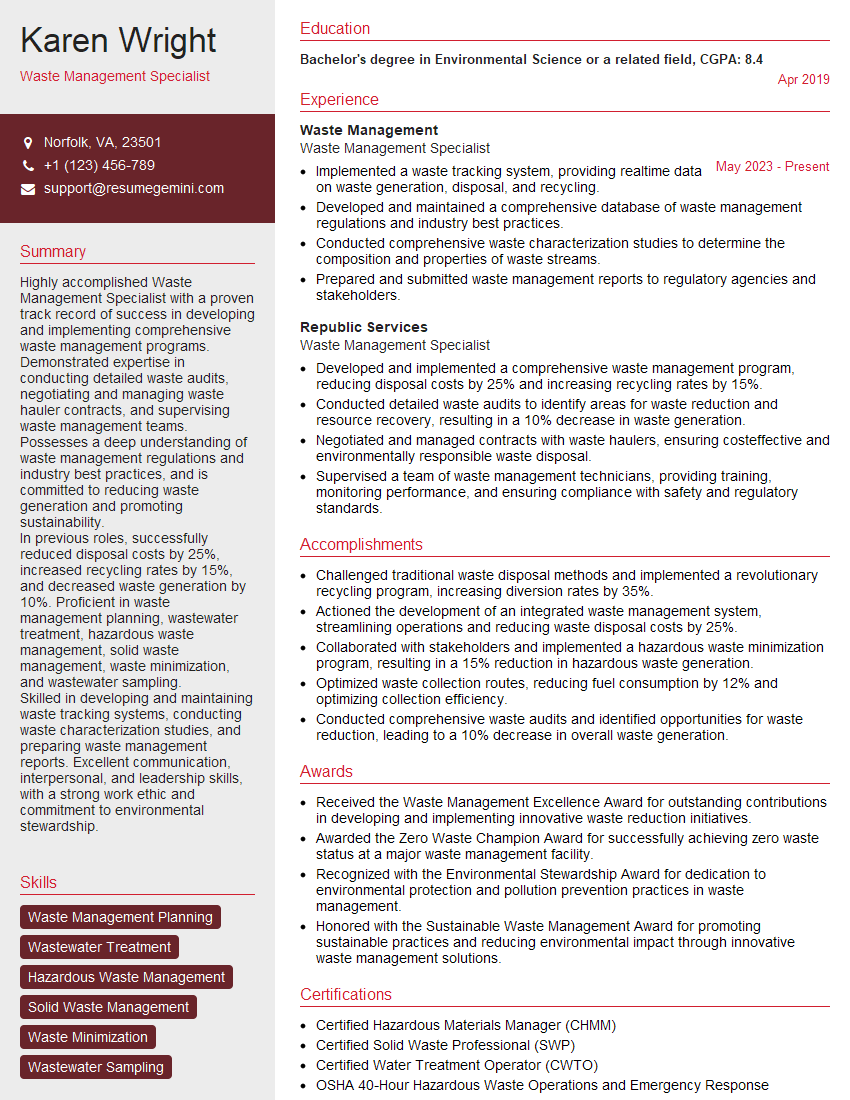
Waste Management Specialist Resume Sample
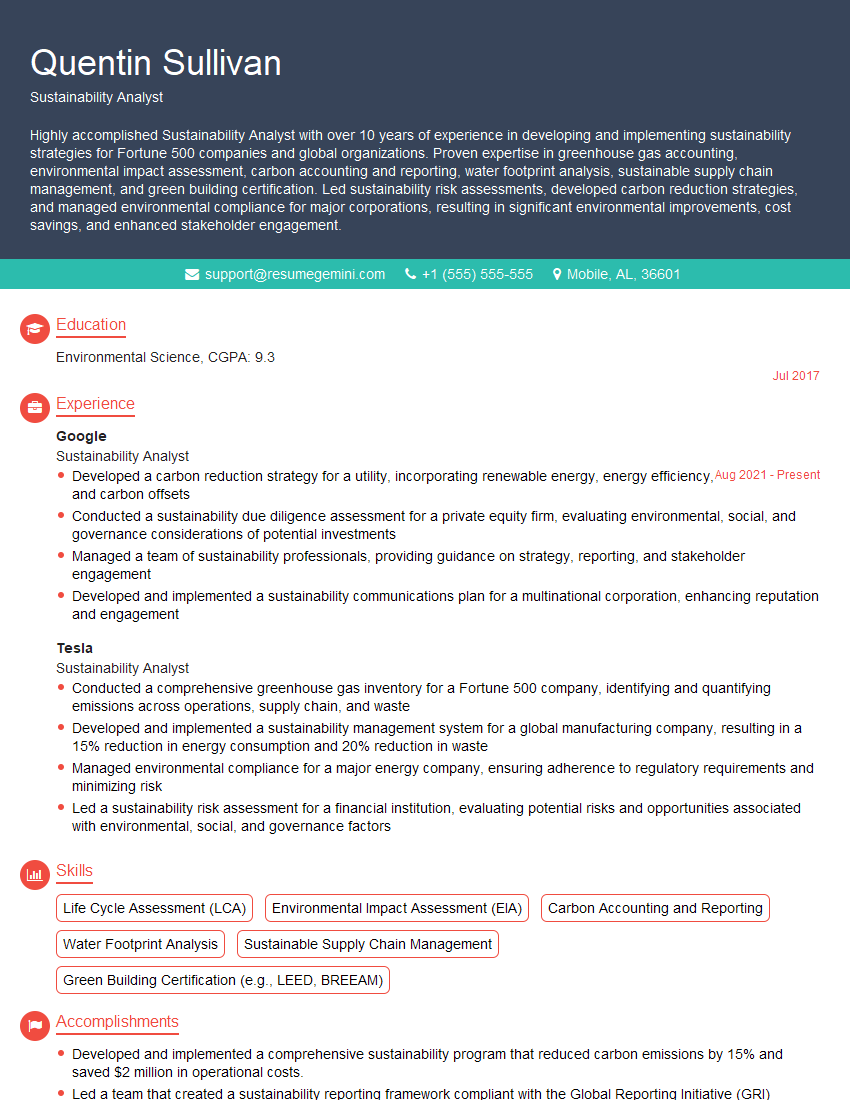
Sustainability Analyst Resume Sample

Sustainability Consultant Resume Sample
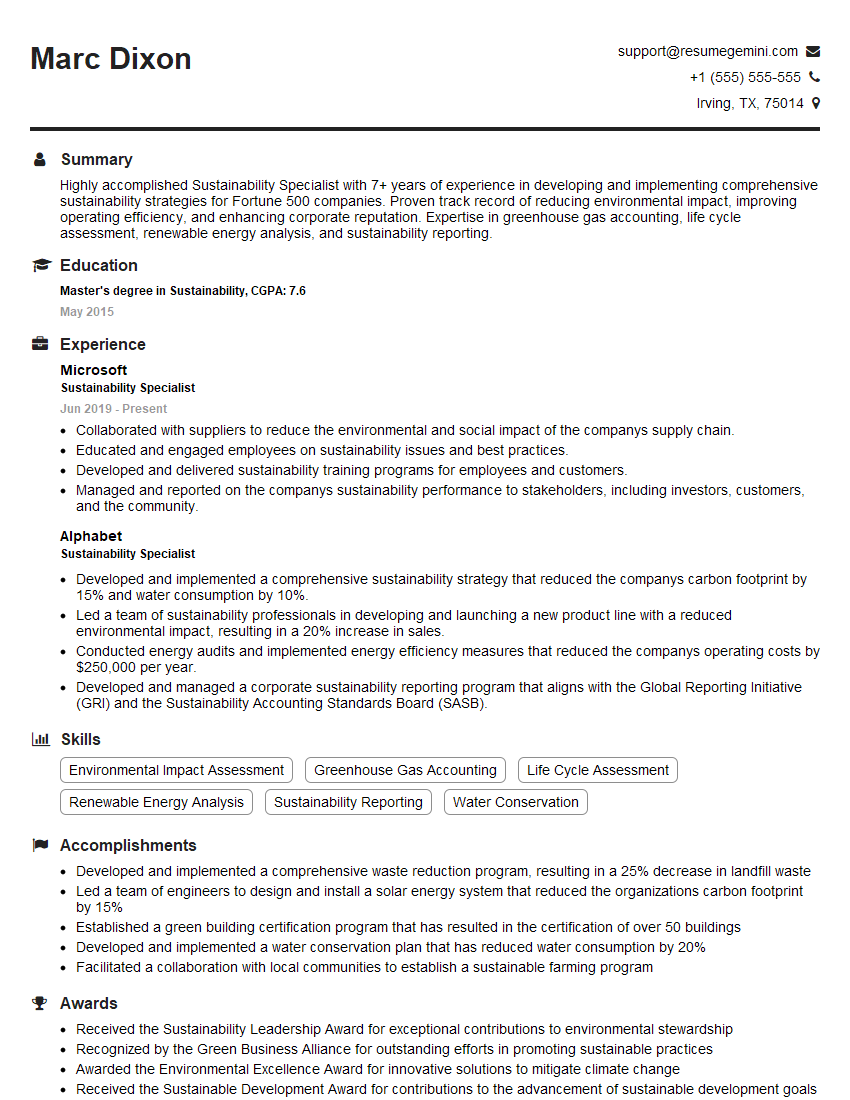
Sustainability Specialist Resume Sample
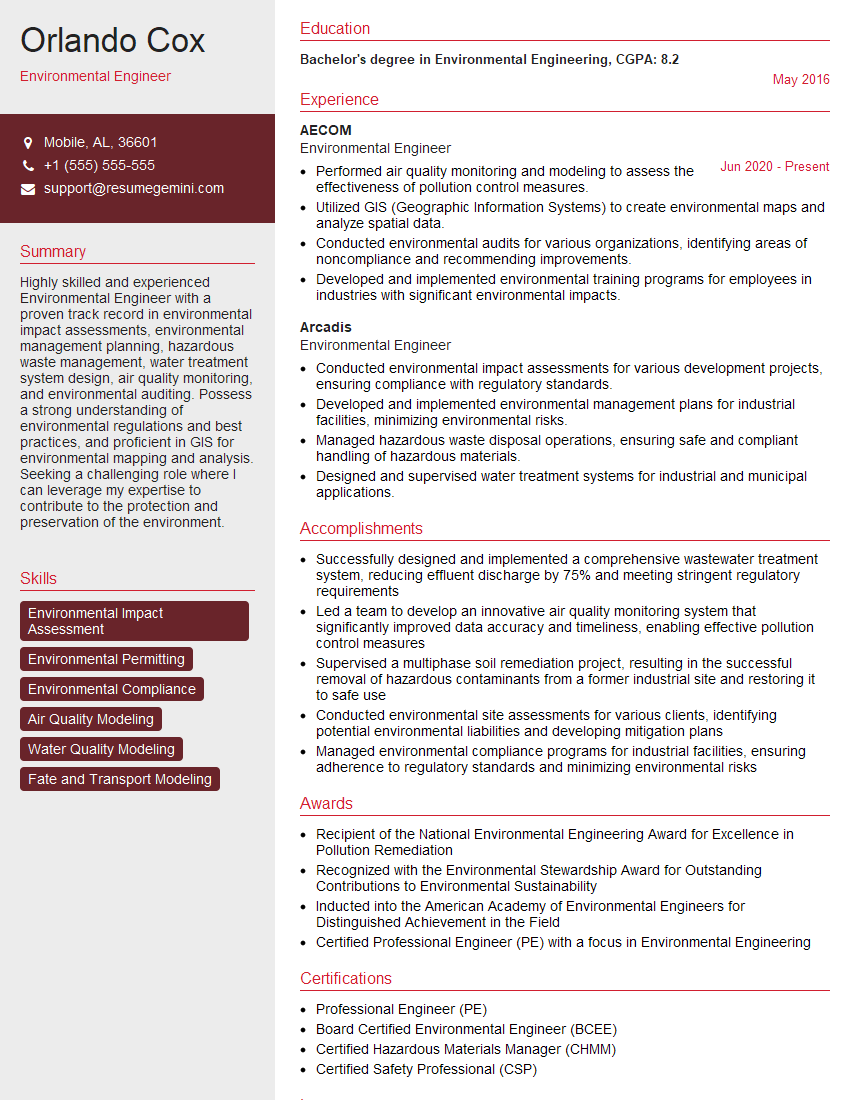
Environmental Engineer Resume Sample
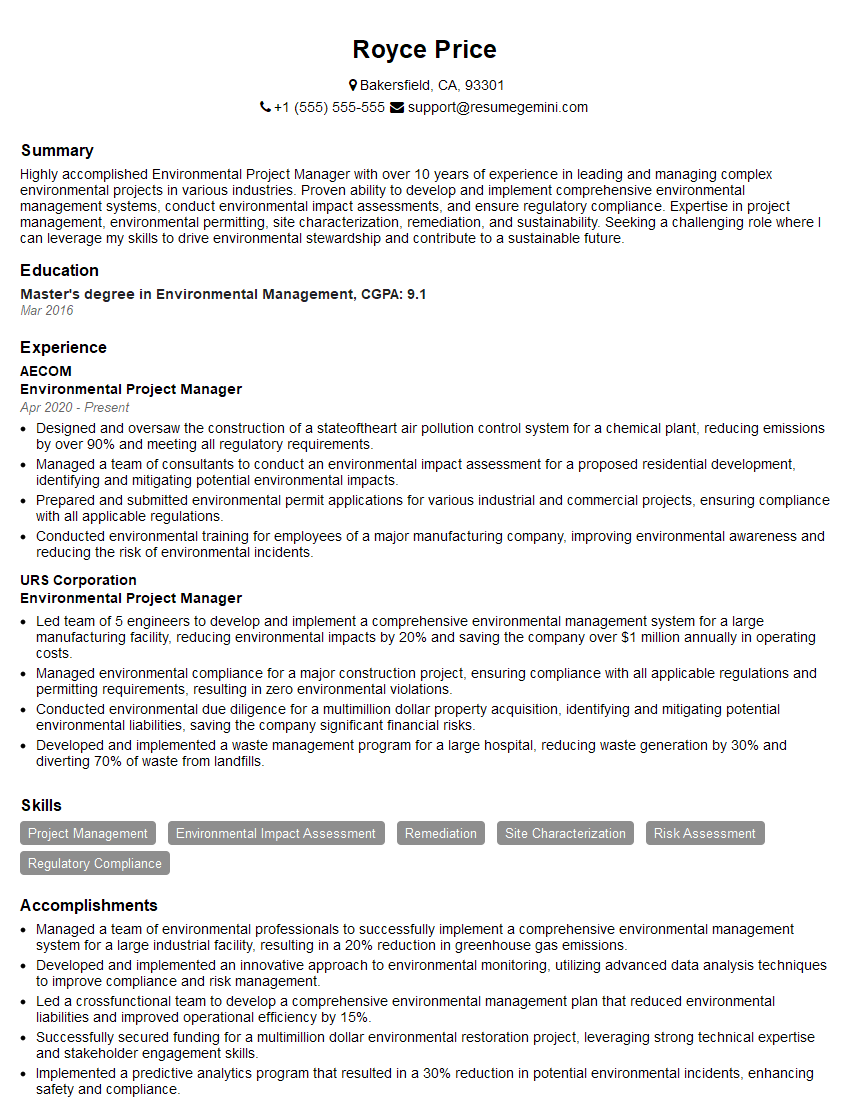
Environmental Project Manager Resume Sample
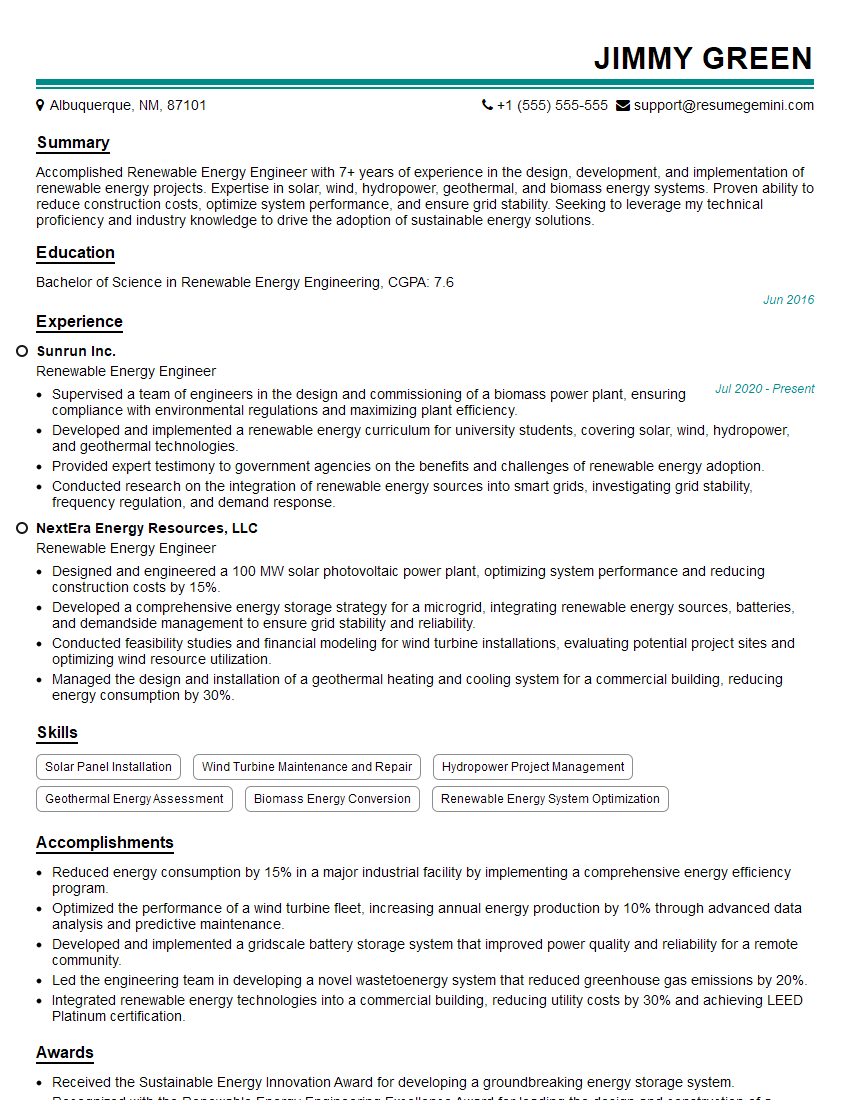
Renewable Energy Engineer Resume Sample

Wildlife Biologist Resume Sample
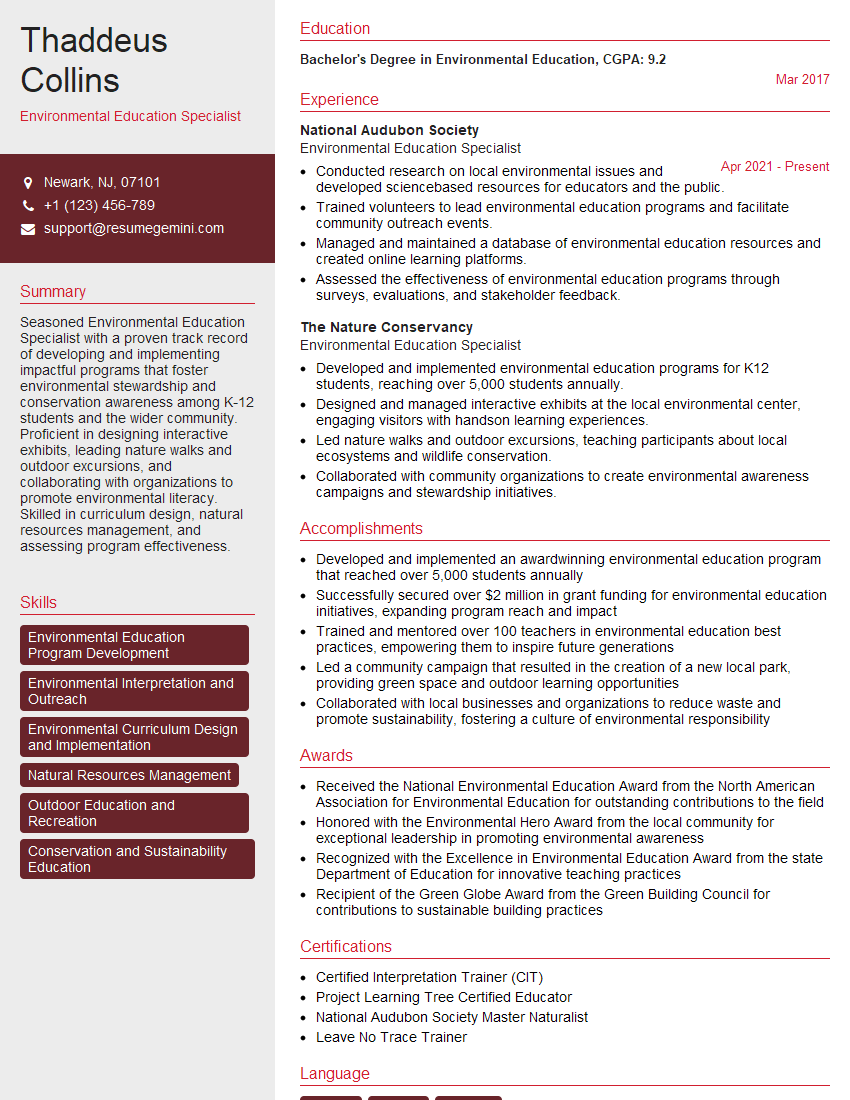
Environmental Education Specialist Resume Sample

Conservation Planner Resume Sample
- Sustainability Coordinator
- Sustainability Manager
- Environmental Program Manager
- Water Resource Manager
- Environmental Health and Safety Manager
- Environmental Remediation Specialist
- Environmental Compliance Officer
- Environmental Scientist
- Waste Management Specialist
- Sustainability Analyst
- Sustainability Consultant
- Sustainability Specialist
- Environmental Engineer
- Environmental Project Manager
- Renewable Energy Engineer
- Wildlife Biologist
- Environmental Education Specialist
- Conservation Planner
Explore more articles
Users Rating of Our Blogs
Share Your Experience
We value your feedback! Please rate our content and share your thoughts (optional).
What Readers Say About Our Blog
Very informative content, great job.
good