Feeling uncertain about what to expect in your upcoming interview? We’ve got you covered! This blog highlights the most important Environmental Health and Safety (EHS) Standards interview questions and provides actionable advice to help you stand out as the ideal candidate. Let’s pave the way for your success.
Questions Asked in Environmental Health and Safety (EHS) Standards Interview
Q 1. Describe your experience with OSHA regulations.
My experience with OSHA regulations is extensive, encompassing both general industry standards and those specific to various sectors I’ve worked in. I’m deeply familiar with OSHA’s recordkeeping requirements (Form 300, 300A, 301), the requirements for implementing and maintaining safety and health programs (General Duty Clause), and the specifics of various OSHA standards, including those related to hazard communication (HazCom), lockout/tagout (LOTO), personal protective equipment (PPE), confined space entry, and fall protection. For instance, in a previous role at a manufacturing plant, I was responsible for ensuring compliance with OSHA’s Process Safety Management (PSM) standard, conducting regular inspections, training employees, and developing and implementing emergency response plans. I understand that OSHA compliance isn’t simply about avoiding penalties; it’s about creating a safe and healthy work environment where incidents are prevented and employees can return home safely every day. My experience also includes working with OSHA inspectors during inspections and successfully resolving any identified deficiencies.
Q 2. Explain the hierarchy of controls in risk management.
The hierarchy of controls is a fundamental principle in risk management. It prioritizes control methods based on their effectiveness in eliminating or reducing hazards. The order, from most effective to least effective, is generally:
- Elimination: Removing the hazard entirely. For example, replacing a hazardous chemical with a safer alternative.
- Substitution: Replacing a hazardous substance or process with a less hazardous one. This might involve using a less toxic solvent or a safer machine.
- Engineering Controls: Implementing physical changes to the workplace to control the hazard. Examples include installing machine guards, ventilation systems, or implementing isolation procedures.
- Administrative Controls: Changing work practices or procedures to reduce exposure to hazards. This could include job rotation, reducing exposure time, providing training, and establishing work permits.
- Personal Protective Equipment (PPE): Providing employees with PPE to protect them from hazards. This is the last line of defense and should only be used when other controls are not feasible or sufficient. Examples include hard hats, safety glasses, gloves, and respirators.
Think of it like a pyramid—elimination is the most effective, forming the base, and PPE is the least effective, at the top. The goal is always to implement controls as high up in the pyramid as possible to maximize hazard reduction.
Q 3. How do you conduct a risk assessment?
Conducting a thorough risk assessment involves a systematic process to identify hazards, assess the likelihood and severity of potential harm, and determine appropriate control measures. I typically follow these steps:
- Hazard Identification: This involves brainstorming potential hazards through workplace inspections, reviewing incident reports, consulting with employees, and reviewing relevant documentation.
- Risk Analysis: This step assesses the likelihood (probability) of the hazard occurring and the severity (consequence) of the harm if it does. This can be qualitative (using descriptive terms like low, medium, high) or quantitative (assigning numerical values based on data). I often use risk matrices to visualize this.
- Risk Evaluation: This involves comparing the identified risks to predefined criteria to determine the acceptability of the risk. It may involve a cost-benefit analysis.
- Risk Control: Based on the risk evaluation, appropriate control measures are implemented, drawing from the hierarchy of controls discussed earlier. This step requires documenting the controls selected and their effectiveness.
- Monitoring and Review: The effectiveness of the controls should be regularly monitored and the risk assessment reviewed and updated periodically, particularly after any incidents or significant changes in the workplace.
For example, in a construction project, a risk assessment might identify the risk of falls from heights. The risk analysis would assess the likelihood of a fall and the severity of injuries. The risk control measures could include using scaffolding with guardrails and providing workers with harnesses and fall arrest systems.
Q 4. What are your methods for developing and implementing safety programs?
Developing and implementing effective safety programs requires a multi-faceted approach. I begin by conducting a thorough needs assessment to identify existing hazards and gaps in safety practices. I use this information to develop a comprehensive safety plan that includes:
- Clearly defined safety policies and procedures: These must be easily accessible to all employees and regularly reviewed.
- Employee training and education programs: Training should be tailored to specific job roles and hazards and should include both theoretical and practical elements.
- Regular safety inspections and audits: These identify areas for improvement and ensure that safety policies and procedures are being followed.
- Incident investigation and reporting system: A robust system to investigate incidents, identify root causes, and implement corrective actions.
- Emergency response plans: These should be developed for different types of emergencies and regularly tested.
- Communication and feedback mechanisms: Regular communication with employees is vital to foster a strong safety culture and obtain valuable feedback.
I believe in a participatory approach, actively engaging employees in the development and implementation of safety programs. This helps foster a culture of ownership and ensures that safety is everyone’s responsibility.
Q 5. Describe your experience with incident investigation and reporting.
My experience with incident investigation and reporting is extensive. I follow a systematic approach, which includes:
- Securing the scene: Ensuring the safety of personnel and preserving evidence.
- Gathering information: Interviewing witnesses, reviewing documentation, and collecting physical evidence.
- Analyzing the data: Identifying contributing factors and root causes using techniques such as fault tree analysis or 5 Whys.
- Developing corrective actions: Implementing measures to prevent similar incidents from occurring in the future. This could include engineering controls, administrative controls or improvements to training.
- Reporting the findings: Documenting the investigation thoroughly and communicating the findings to relevant stakeholders.
I’ve successfully investigated a wide range of incidents, from minor injuries to significant environmental releases. A key element of my approach is focusing on the root cause, rather than just the immediate cause. For example, if an employee was injured by a falling object, the investigation might uncover a lack of proper maintenance procedures as the root cause rather than simply that the object fell.
Q 6. How do you ensure compliance with environmental regulations?
Ensuring compliance with environmental regulations requires a proactive and multi-faceted approach. My strategies include:
- Staying current on environmental laws and regulations: This involves regularly reviewing changes in legislation and industry best practices. Agencies like the EPA in the US or equivalent agencies in other countries provide updates.
- Developing and implementing environmental management systems (EMS): This includes creating procedures to manage waste, emissions, and other environmental impacts. ISO 14001 provides a framework.
- Conducting environmental audits and inspections: Regular audits and inspections are vital to identify areas of non-compliance and implement corrective actions. These can be internal or conducted by external regulatory bodies.
- Maintaining accurate environmental records: Detailed and accurate records are essential for demonstrating compliance and traceability.
- Proactive monitoring: Regularly monitoring environmental parameters helps to prevent incidents and ensure compliance.
- Training and education: Ensuring employees understand environmental regulations and their responsibilities.
In a previous role, I implemented a stormwater pollution prevention plan (SWPPP), which helped to minimize the risk of pollution from construction activities. I also oversaw the proper disposal of hazardous waste, ensuring compliance with all relevant regulations.
Q 7. Explain your understanding of HAZOP (Hazard and Operability) studies.
HAZOP (Hazard and Operability) studies are a systematic technique used to identify potential hazards and operability problems in a process or system. It involves a structured team review of process flow diagrams and other documentation, using a structured series of ‘guide words’ to challenge every aspect of the process.
These guide words (such as ‘no,’ ‘more,’ ‘less,’ ‘as well as,’ ‘part of,’ ‘reverse,’ ‘other than’) help explore deviations from the intended operating parameters. The team systematically considers each deviation and its potential consequences, identifying potential hazards and vulnerabilities in the process.
The outcome of a HAZOP study is a list of potential hazards and recommendations for mitigating those hazards. These recommendations are then prioritized and implemented. The process is documented thoroughly, providing a basis for future improvements. The process is highly collaborative and benefits from diverse perspectives. A well-conducted HAZOP is invaluable in proactively addressing potential safety and operability issues, leading to increased safety and efficiency. For example, a HAZOP study of a chemical reactor might identify a potential hazard related to pressure buildup and recommend the installation of a pressure relief valve.
Q 8. What is your experience with emergency response planning and drills?
Emergency response planning is crucial for minimizing the impact of unforeseen events. My experience encompasses developing comprehensive plans, conducting regular drills, and leading response teams. I’ve worked on plans covering various scenarios, from chemical spills and fires to natural disasters and medical emergencies. These plans detail procedures for evacuation, containment, rescue, and post-incident recovery. For example, at my previous role, I developed a plan for a potential ammonia leak in a refrigeration plant, which included detailed evacuation routes, designated assembly points, and roles for each team member. Regular drills—both tabletop exercises and full-scale simulations—are critical to ensure the plan’s effectiveness and to identify areas for improvement. I’ve overseen numerous drills, providing feedback, and implementing necessary changes based on the lessons learned. This iterative process ensures that our response is always as efficient and effective as possible.
The success of an emergency response plan hinges on clear communication, effective training, and regular review and updates. I believe in using a proactive, risk-based approach, continually analyzing potential threats and refining the plan to reflect changing circumstances and regulatory requirements.
Q 9. Describe your knowledge of personal protective equipment (PPE).
Personal Protective Equipment (PPE) is the last line of defense against workplace hazards. My understanding of PPE goes beyond simply knowing what’s available; it involves selecting the appropriate PPE for specific tasks and hazards, ensuring its proper use, maintenance, and disposal. This includes respiratory protection (e.g., respirators for airborne contaminants), eye and face protection (goggles, face shields), hand protection (gloves for chemical handling or cuts), head protection (hard hats), and body protection (e.g., chemical suits, flame-resistant clothing).
Selecting the right PPE involves a hazard assessment – identifying the specific risks involved and matching them with the appropriate level of protection. For instance, working with corrosive chemicals requires different gloves than those used for handling rough materials. I also have experience with the regulatory aspects of PPE, ensuring compliance with OSHA standards and other relevant regulations. Proper training on PPE use is paramount; employees must understand how to correctly don, doff, and maintain their equipment. Beyond that, I emphasize the importance of regularly inspecting PPE for damage and ensuring that it’s correctly stored and replaced when necessary.
Q 10. How do you handle employee safety training and education?
Effective employee safety training is the cornerstone of a safe workplace. My approach is multifaceted and incorporates various training methods tailored to different employee roles and hazard levels. I believe in a blended learning approach, combining classroom training with hands-on practice, online modules, and job shadowing. Training is not a one-time event but an ongoing process. I focus on making training engaging and relevant, using real-life examples, case studies, and interactive exercises. For example, when training on lockout/tagout procedures, we use actual equipment and simulate scenarios to reinforce safe work practices.
My experience includes developing and delivering training programs on a wide range of topics, including hazard communication, machine guarding, fire safety, and emergency response. I use various assessment methods, such as quizzes, practical demonstrations, and observations, to ensure that employees have understood and retained the information. I also utilize feedback mechanisms to regularly evaluate the effectiveness of our training programs and make adjustments as needed. Documentation is crucial – maintaining accurate records of training completion and competency evaluations is vital for compliance and demonstrating due diligence.
Q 11. What is your experience with environmental auditing?
Environmental auditing is a systematic process of evaluating an organization’s environmental performance against established standards and regulations. My experience includes conducting both internal and external audits, covering aspects like waste management, air emissions, water discharge, and hazardous material handling. I’m proficient in using various auditing methodologies, such as checklists, interviews, and site inspections, to gather evidence and assess compliance. I’ve worked with different environmental management systems (EMS), including ISO 14001, and understand the requirements for documenting findings, corrective actions, and preventive measures.
An environmental audit isn’t just about finding deficiencies; it’s also about identifying opportunities for improvement. I strive to make the audit process collaborative, working with facility personnel to identify root causes of non-compliance and develop effective solutions. My reports are clear, concise, and actionable, providing recommendations to management on how to enhance environmental performance and reduce environmental risks. A key aspect is following up to ensure that corrective actions are implemented and effective.
Q 12. Explain your understanding of industrial hygiene principles.
Industrial hygiene principles focus on identifying, evaluating, and controlling workplace hazards that can affect employee health. My understanding encompasses various aspects, including: chemical hazards (assessing exposure to toxic substances and implementing control measures), physical hazards (noise, vibration, radiation, ergonomics), biological hazards (infectious agents), and ergonomic hazards (workplace design contributing to musculoskeletal disorders). I’m familiar with different sampling techniques and analytical methods used to measure worker exposure to hazards and assess the effectiveness of control measures.
For example, I’ve used personal air sampling pumps to measure worker exposure to solvents in a manufacturing facility, and implemented engineering controls such as local exhaust ventilation to reduce exposure levels. A key aspect is understanding the hierarchy of controls, prioritizing elimination, substitution, engineering controls, administrative controls, and then PPE as the last resort. It’s a proactive and iterative process. I’m also skilled in conducting workplace inspections, identifying potential hazards, and recommending preventative measures. Data analysis and reporting are essential, allowing for tracking of exposure levels and demonstrating the effectiveness of implemented controls.
Q 13. How do you manage safety data sheets (SDS)?
Safety Data Sheets (SDS), formerly known as Material Safety Data Sheets (MSDS), provide crucial information about hazardous chemicals. Effective SDS management is critical for workplace safety. My experience includes developing and maintaining an SDS inventory, ensuring that all hazardous materials used in the workplace have up-to-date SDSs readily available. I use a dedicated SDS management system, both physical and electronic, ensuring easy access for all employees. The system allows for efficient searching, retrieval, and distribution of SDSs, as well as tracking updates and revisions.
Beyond simply storing SDSs, I ensure that employees are trained on how to access and interpret the information contained within. I regularly review SDSs to ensure that all information is current and accurate and to identify potential hazards associated with the use of hazardous chemicals. This proactive approach to SDS management is vital for minimizing risks and ensuring compliance with all applicable regulations.
Q 14. Describe your experience with workplace ergonomics.
Workplace ergonomics focuses on designing workspaces and tasks to minimize physical strain and discomfort, preventing musculoskeletal disorders (MSDs). My experience includes conducting ergonomic assessments, identifying risk factors, and recommending corrective actions. This involves analyzing workstations, tools, and tasks to ensure that they are designed to fit the worker, rather than the worker having to adapt to the job. This might include adjusting chair height, keyboard placement, or workstation layout to improve posture and reduce strain.
I’ve used various ergonomic assessment tools, including Rapid Upper Limb Assessment (RULA) and Rapid Entire Body Assessment (REBA) methods, to identify risk factors and prioritize interventions. For example, I worked with a team of assembly-line workers experiencing repetitive strain injuries, identifying and implementing changes to their workstation setup, tools, and work processes. This involved incorporating microbreaks and job rotation to reduce repetitive motions. Beyond physical modifications, effective training and employee education are essential. I’ve found that empowering employees to take ownership of their own well-being improves participation and outcomes.
Q 15. How do you monitor and measure EHS performance?
Monitoring and measuring EHS performance involves a multifaceted approach, combining quantitative data with qualitative assessments. We need to establish Key Performance Indicators (KPIs) that align with our organization’s specific EHS goals. These KPIs could include things like the number of safety incidents, the amount of waste generated, energy consumption, emissions levels, and compliance rates with relevant regulations.
Quantitative Measurement: This involves tracking data using various methods like safety incident reporting systems, environmental monitoring equipment (e.g., air quality monitors, water quality analyzers), and waste tracking software. For example, we might track the number of near misses to identify potential hazards before they escalate into incidents. Regular auditing of these data points provides valuable insight into trends and areas for improvement.
Qualitative Assessment: This involves conducting regular safety inspections, employee surveys, and management reviews to gain a deeper understanding of the EHS culture and identify potential weaknesses in our programs. Employee feedback can be invaluable in identifying hidden hazards or areas where training is needed. For instance, a survey revealing low employee confidence in emergency procedures might signal the need for enhanced training and drills.
Data Analysis & Reporting: Collected data isn’t useful without analysis. We use this data to generate reports, highlighting areas of success and areas needing improvement. Trend analysis helps predict potential future issues, allowing for proactive interventions. Regular reporting, ideally to senior management, keeps everyone informed and accountable for EHS performance.
Career Expert Tips:
- Ace those interviews! Prepare effectively by reviewing the Top 50 Most Common Interview Questions on ResumeGemini.
- Navigate your job search with confidence! Explore a wide range of Career Tips on ResumeGemini. Learn about common challenges and recommendations to overcome them.
- Craft the perfect resume! Master the Art of Resume Writing with ResumeGemini’s guide. Showcase your unique qualifications and achievements effectively.
- Don’t miss out on holiday savings! Build your dream resume with ResumeGemini’s ATS optimized templates.
Q 16. What is your experience with environmental permits and licenses?
My experience with environmental permits and licenses spans over [Number] years, encompassing various industries including [mention relevant industries]. I’m proficient in navigating the complexities of obtaining, maintaining, and renewing permits, particularly focusing on [mention specific permit types like air quality, water discharge, waste management].
I have hands-on experience in preparing permit applications, ensuring complete and accurate documentation that complies with all legal requirements. This includes conducting environmental assessments, gathering necessary data, and interacting with regulatory agencies to address any questions or concerns. For example, during my work at [Previous Company], I successfully obtained a significant water discharge permit, requiring collaboration with multiple departments and extensive data analysis. I understand the critical importance of staying abreast of evolving regulations and ensuring our operations remain compliant. Any non-compliance can lead to serious consequences, including hefty fines, operational shutdowns, and reputational damage.
Beyond the acquisition of permits, I’m also experienced in managing permit conditions, conducting periodic self-audits, and responding to inspections by regulatory bodies. Effective permit management is a continuous process, demanding proactive monitoring and record keeping.
Q 17. How do you identify and mitigate environmental risks?
Identifying and mitigating environmental risks is a systematic process that begins with a thorough risk assessment. This process typically follows a structured approach, such as using a risk matrix that considers both the likelihood and severity of potential events.
Risk Identification: We use a variety of techniques to identify potential environmental hazards, including hazard identification checklists, site inspections, process hazard analysis (PHA), and failure modes and effects analysis (FMEA). For example, a PHA might involve analyzing the potential consequences of equipment failure in a chemical process. Employee input is crucial in identifying risks that might be overlooked by management.
Risk Assessment: Once hazards are identified, we analyze their potential impact. The risk matrix allows us to prioritize risks based on their likelihood and severity. A risk matrix usually classifies risks into categories like low, medium, or high, guiding our mitigation efforts.
Risk Mitigation: This step focuses on implementing strategies to reduce or eliminate identified risks. This could involve implementing engineering controls (e.g., installing safety equipment), administrative controls (e.g., implementing safety procedures), or personal protective equipment (PPE). Consider a scenario where a spill risk is identified in a chemical storage facility. Mitigation might include installing secondary containment, implementing spill response procedures, and providing workers with appropriate PPE.
Monitoring and Review: The entire risk assessment and mitigation process isn’t a one-time effort. We continuously monitor the effectiveness of mitigation strategies and revise our approach as needed based on new data, incidents, or changes in regulations. This iterative process ensures that our environmental risk management system remains effective and up-to-date.
Q 18. Explain your experience with waste management and disposal.
My experience in waste management and disposal includes developing and implementing comprehensive waste management plans compliant with all applicable regulations. This involves classifying waste streams (hazardous and non-hazardous), implementing waste minimization strategies, and selecting appropriate disposal or recycling methods.
Waste Minimization: Before disposal, we emphasize waste minimization – reducing waste at the source. This can involve things like process optimization, material substitution, and improved resource efficiency. For instance, using less packaging material reduces waste and saves money.
Waste Segregation and Classification: Proper waste segregation is crucial for safe and efficient handling. We classify waste based on its composition and hazardous properties, following stringent regulatory guidelines, such as those provided by [Mention specific regulatory bodies, e.g., EPA]. This classification ensures proper disposal and prevents environmental contamination.
Waste Tracking and Reporting: We utilize waste tracking software to monitor waste generation and disposal accurately. This data is used to generate reports for internal auditing and regulatory compliance. Detailed records are essential for demonstrating compliance with waste management regulations.
Disposal and Recycling: We work with licensed waste haulers and disposal facilities to ensure proper disposal of waste, minimizing environmental impact. We prioritize recycling and other waste recovery options whenever feasible. We continuously review our waste management practices to identify further improvements and cost savings.
Q 19. Describe your understanding of air quality regulations.
My understanding of air quality regulations is comprehensive, encompassing both federal and state regulations (mention specific acts and regulations, like the Clean Air Act). I’m familiar with permit requirements, emission limits, monitoring protocols, and reporting procedures for various pollutants, including [mention specific pollutants like particulate matter, volatile organic compounds, NOx, SOx].
I’m experienced in conducting air emissions inventories, using dispersion modeling to predict the environmental impact of emissions, and developing strategies to reduce emissions. This includes the implementation of control technologies such as scrubbers and filters. For example, during a project at [Previous Company Name], I successfully helped reduce particulate matter emissions by implementing a new filtration system, bringing the plant into full compliance with stricter regulatory limits.
Air quality monitoring is crucial to verify the effectiveness of implemented control measures and ensure continued compliance. This typically includes regular testing and reporting of emissions data to regulatory authorities. My experience involves analyzing monitoring data, interpreting results, and identifying any potential compliance issues, ensuring timely corrective actions are taken.
Beyond compliance, I also understand the importance of minimizing the impact of air pollution on public health and the environment, promoting sustainable practices in our operations.
Q 20. How do you conduct a safety inspection?
Conducting a safety inspection is a systematic process aimed at identifying hazards and ensuring compliance with safety regulations and best practices. It’s not just about finding problems; it’s about preventing accidents.
Planning and Preparation: Before the inspection, we create a checklist tailored to the specific area being inspected. This checklist should cover all relevant aspects of safety, including machine guarding, electrical safety, fire safety, housekeeping, personal protective equipment (PPE) use, and emergency procedures. We also schedule the inspection during normal operations to observe activities as they normally occur.
The Inspection: During the inspection, we systematically examine the workplace, comparing our observations to the checklist. We look for potential hazards, unsafe acts, and violations of safety rules. It’s vital to document all observations, including photos and detailed descriptions, using a standardized inspection report format.
Observations and Reporting: Once complete, we compile all our observations into a detailed report that clearly identifies all hazards and violations found during the inspection. The report includes recommendations for corrective actions, including timelines and assigned responsibilities to ensure timely implementation of those corrections. This report is usually shared with relevant personnel, including management and employees involved in the area inspected.
Follow-up: It’s critical to follow up on the corrective actions to ensure they are implemented effectively. We verify completion and often conduct a follow-up inspection to ensure hazards have been addressed.
Q 21. What is your experience with lockout/tagout procedures?
Lockout/Tagout (LOTO) procedures are critical safety measures used to prevent accidental energization or startup of equipment during maintenance or repair. My experience includes developing, implementing, and training employees on LOTO procedures that comply with OSHA regulations (and other relevant standards).
Procedure Development: I’ve been involved in creating LOTO procedures specific to various equipment and processes. These procedures must be detailed, unambiguous, and easy to understand by all personnel involved. They should include step-by-step instructions for isolating energy sources, applying locks and tags, verifying isolation, and releasing equipment safely.
Training and Education: Effective LOTO procedures require thorough training and ongoing reinforcement. I have experience conducting training sessions that provide employees with the knowledge and skills needed to perform LOTO correctly. This includes hands-on training and mock exercises to ensure competence and reinforce safe work practices.
Enforcement and Audits: Beyond training, we conduct regular audits to verify adherence to the LOTO procedures. These audits involve observation of actual LOTO practices, inspecting equipment, reviewing documentation, and identifying any deficiencies. We then create corrective action plans to address any identified weaknesses in the system.
Incident Investigation: In the event of a LOTO-related incident, I have experience conducting thorough investigations to determine root causes and implementing improvements to prevent recurrence. This may involve reviewing the LOTO procedure, training records, and interviewing personnel involved. These investigations provide valuable insights that can improve the effectiveness of LOTO programs.
Q 22. Describe your knowledge of confined space entry procedures.
Confined space entry is a high-risk activity requiring meticulous planning and execution. It involves entering an enclosed space with limited or restricted means of entry and exit, where hazardous atmospheres or other dangers may exist. My knowledge encompasses all aspects of OSHA’s confined space regulations (and equivalent international standards), including permit-required confined spaces (PRCS) and non-permit-required confined spaces.
- Atmospheric Testing: Before entry, the atmosphere must be tested for oxygen deficiency, flammable gases, and toxic substances using appropriate monitoring equipment. For example, we would use a multi-gas meter to check for oxygen, methane, carbon monoxide, and hydrogen sulfide before allowing anyone into a sewer manhole.
- Permit System: For PRCS, a detailed permit-to-work system is essential. This system outlines the hazards, control measures, emergency procedures, and responsibilities of each team member. The permit must be signed off by authorized personnel at each stage.
- Ventilation and Rescue Plan: Adequate ventilation is crucial to dilute or remove hazardous atmospheres. A detailed rescue plan, including readily available rescue equipment and trained personnel, is mandatory. We would use mechanical ventilation if necessary and have standby rescue teams readily available with appropriate personal protective equipment (PPE) and training.
- Personal Protective Equipment (PPE): Appropriate PPE, including self-contained breathing apparatus (SCBA), harness and lifeline systems, and protective clothing, is essential for entrants and standby personnel. The specific PPE will vary depending on the identified hazards.
- Monitoring and Communication: Continuous monitoring of the atmosphere inside the confined space is necessary throughout the entry, and clear communication between entrants and standby personnel is crucial. We often use two-way radios for this communication.
I’ve personally overseen numerous confined space entries, ensuring compliance with all safety regulations, and have successfully mitigated potential hazards in various industrial settings, including underground utility access points and large storage tanks. A clear understanding of confined space entry procedures is paramount for preventing accidents and protecting workers.
Q 23. How do you manage and report near misses and incidents?
Near misses and incidents are invaluable learning opportunities. My approach to managing and reporting them involves a structured process designed to identify root causes and prevent future occurrences.
- Reporting System: A simple, accessible reporting system is crucial. This could be a dedicated online form, a mobile app, or even a physical reporting log, readily available to all employees. Employees should feel empowered and comfortable reporting any near miss or incident without fear of retribution.
- Investigation: All reported incidents and near misses undergo a thorough investigation. This involves gathering information from witnesses, reviewing documentation, and conducting on-site assessments. We use various root cause analysis techniques, as discussed later.
- Root Cause Analysis: Techniques such as the ‘5 Whys,’ Fault Tree Analysis, and Fishbone diagrams are used to systematically identify the root cause of the event, moving beyond the immediate symptoms. For example, a near miss involving a falling object might reveal a lack of proper housekeeping as the root cause.
- Corrective Actions: Based on the root cause analysis, appropriate corrective actions are implemented to prevent recurrence. These actions are documented, tracked, and verified for effectiveness. We strive for solutions that are not just quick fixes, but address the underlying issues.
- Reporting and Tracking: A comprehensive database tracks all near misses and incidents, allowing for trend analysis. This data is used to identify recurring patterns and improve overall safety performance. Regularly reported data helps management make informed decisions and allocate resources effectively.
- Communication: Findings from investigations and implemented corrective actions are communicated effectively to all relevant personnel. This ensures that lessons learned are shared and contribute to a proactive safety culture.
In a previous role, a near miss involving a forklift collision led to a review of our traffic management plan. By implementing changes such as new signage and improved training, we were able to prevent similar incidents from occurring.
Q 24. Explain your understanding of chemical safety regulations.
Chemical safety regulations are complex and vary depending on jurisdiction, but common principles apply globally. My understanding encompasses hazard communication, safe handling, storage, and disposal of chemicals.
- Hazard Communication: This includes the proper labeling, Safety Data Sheets (SDS), and employee training on the hazards associated with specific chemicals in the workplace (e.g., Globally Harmonized System of Classification and Labelling of Chemicals – GHS).
- Safe Handling: This includes understanding proper procedures for handling chemicals, including personal protective equipment (PPE) requirements and engineering controls, such as ventilation systems or local exhaust ventilation (LEV).
- Storage: Proper storage of chemicals is crucial to prevent spills, leaks, and reactions. Chemicals should be stored according to their compatibility and in designated areas with appropriate containment.
- Disposal: The disposal of chemical waste must comply with all relevant regulations and involve certified waste handlers, utilizing methods to reduce risk of environmental contamination.
- Emergency Response: Procedures for responding to chemical spills or leaks, including the use of appropriate spill kits and emergency response teams, are essential.
I am familiar with regulations such as OSHA’s Hazard Communication Standard (HCS) in the US and equivalent standards in other regions. My experience includes developing and implementing chemical safety programs, conducting training sessions, and overseeing chemical inventory management. For example, I worked on a project where we transitioned to using safer substitute chemicals, reducing the overall risk profile of our operations.
Q 25. What is your experience with developing safety procedures and policies?
I have extensive experience in developing and implementing EHS procedures and policies. My approach is collaborative and involves a thorough risk assessment process.
- Hazard Identification: A comprehensive assessment identifies potential hazards, using various methods such as walkthroughs, job hazard analyses (JHAs), and process hazard analyses (PHAs).
- Risk Assessment: Once hazards are identified, a risk assessment determines the likelihood and severity of each hazard. This often involves a qualitative or quantitative risk matrix.
- Control Measures: Based on the risk assessment, appropriate control measures are implemented. These can include engineering controls (e.g., machine guarding), administrative controls (e.g., work permits), and personal protective equipment (PPE).
- Policy and Procedure Development: Clear, concise, and easily understandable policies and procedures are developed, based on best practices and legal requirements. These are reviewed and updated regularly.
- Training and Communication: Employees receive comprehensive training on all relevant safety procedures. Regular communication keeps employees informed about updates and fosters a strong safety culture.
In a previous role, I led the development of a new safety management system, which resulted in a significant reduction in recordable incidents. The system included standardized procedures, comprehensive training programs, and a robust reporting mechanism. The success of the implementation was based on clear communication with all levels of staff and the engagement of employees in the process.
Q 26. How do you ensure the effectiveness of your EHS programs?
Ensuring the effectiveness of EHS programs requires a multi-faceted approach focused on continuous improvement.
- Regular Audits and Inspections: Regular audits and inspections help identify gaps in compliance and areas needing improvement. These audits should be both planned and unannounced to capture a more realistic view of everyday practices.
- Data Analysis and Metrics: Tracking key performance indicators (KPIs) such as incident rates, near misses, and audit findings provides valuable data to monitor program effectiveness. This allows us to assess our successes and identify areas for focus.
- Employee Engagement: A strong safety culture requires active participation from all employees. This involves regular communication, feedback mechanisms, and opportunities for employee involvement in safety initiatives.
- Training and Competency: Ensuring that employees have the necessary training and competence to perform their tasks safely is paramount. Training should be engaging and relevant to the tasks being performed.
- Management Commitment: Effective EHS programs require strong leadership and visible commitment from management. This includes allocating adequate resources and actively promoting safety as a core value.
- Continuous Improvement: Regular review of the EHS program identifies areas for continuous improvement. This might involve adopting new technologies, improving training methods, or implementing new safety procedures.
For instance, by analyzing incident data, we identified a trend in hand injuries. This led to the implementation of a new hand protection program, including enhanced training and the provision of more suitable PPE, which dramatically reduced the rate of hand injuries.
Q 27. Describe your experience with root cause analysis techniques.
Root cause analysis is crucial for preventing recurring incidents. I am proficient in several techniques, including:
- 5 Whys: This iterative technique involves repeatedly asking ‘why’ to uncover the root cause of a problem. It’s a simple but effective method for identifying underlying issues.
- Fishbone Diagram (Ishikawa Diagram): This visual tool categorizes potential causes of a problem, using categories such as people, methods, machines, materials, environment, and management. It helps to brainstorm possible contributing factors.
- Fault Tree Analysis (FTA): This deductive technique works backward from an undesired event to identify the contributing factors that could lead to its occurrence. This is particularly useful for complex systems or processes.
- Pareto Analysis: This statistical method identifies the vital few causes that contribute to the majority of problems. Focusing on the most impactful causes leads to targeted improvements.
I have successfully used these techniques in various investigations, from minor incidents to major near misses. For example, using FTA, we identified a failure in a pressure relief valve as the root cause of a near miss involving a chemical leak. This resulted in a comprehensive review of our equipment maintenance procedures and an upgrade to our safety systems.
Q 28. What is your experience with working with regulatory agencies?
My experience with regulatory agencies is extensive. I understand the importance of compliance and proactive engagement with regulatory bodies.
- Compliance Audits: I have worked with various regulatory agencies during compliance audits, ensuring that our operations meet all legal requirements.
- Permitting and Licensing: I have experience obtaining permits and licenses required for operating under relevant regulations. Understanding the complexities of permitting and how to work successfully with authorities is an essential part of the process.
- Reporting and Record Keeping: I’m well-versed in the regulatory reporting requirements and maintain meticulous records to demonstrate compliance. This includes maintaining accurate incident logs and other documentation required by regulations.
- Communication and Collaboration: I believe that effective communication and collaboration with regulatory agencies are essential. Maintaining a respectful and professional relationship helps ensure smooth audits and expedites processes.
In a previous role, I worked closely with the EPA (Environmental Protection Agency) to address some environmental concerns relating to chemical disposal. Through open communication and collaboration, we devised a remediation plan which was successful in preventing any violations.
Key Topics to Learn for Environmental Health and Safety (EHS) Standards Interview
- Occupational Safety and Health Act (OSH Act) and Regulations: Understanding the foundational legislation and its implications for workplace safety. This includes knowing key definitions and responsibilities of employers and employees.
- Hazard Identification and Risk Assessment: Mastering techniques for identifying potential hazards (chemical, biological, physical, ergonomic, etc.) and evaluating associated risks using methods like Job Safety Analysis (JSA) and HAZOP.
- Emergency Response Planning and Procedures: Familiarize yourself with developing and implementing emergency action plans, including spill response, evacuation procedures, and first aid/CPR protocols. Practical experience is highly valuable here.
- Personal Protective Equipment (PPE): Demonstrate knowledge of selecting, using, and maintaining appropriate PPE based on identified hazards. Understand relevant standards and regulations regarding PPE selection.
- Industrial Hygiene: Gain a working knowledge of air quality monitoring, noise control, and other industrial hygiene practices to mitigate worker exposure to harmful substances.
- Environmental Compliance: Understand relevant environmental regulations (e.g., air emissions, wastewater discharge) and compliance procedures. Knowledge of permitting and reporting requirements is crucial.
- Incident Investigation and Reporting: Learn how to conduct thorough incident investigations, identify root causes, and implement corrective actions to prevent recurrence. Understanding reporting requirements is also key.
- Safety Training and Communication: Discuss your experience in developing and delivering effective safety training programs and communicating safety information to diverse workforces.
- Sustainability and Environmental Management Systems (EMS): Understanding principles of sustainability and the implementation of EMS frameworks like ISO 14001 is becoming increasingly important in many EHS roles.
- Problem-Solving and Decision-Making in EHS: Be prepared to discuss your approach to complex EHS challenges and your ability to make informed decisions under pressure, emphasizing ethical considerations and legal compliance.
Next Steps
Mastering Environmental Health and Safety (EHS) Standards is paramount for career advancement in this critical field. A strong understanding of these concepts demonstrates your commitment to workplace safety and environmental responsibility, significantly enhancing your appeal to potential employers. To further boost your job prospects, creating an Applicant Tracking System (ATS)-friendly resume is essential. ResumeGemini is a trusted resource to help you build a professional and effective resume that highlights your EHS expertise. Examples of resumes tailored to Environmental Health and Safety (EHS) Standards are available to guide your resume creation process, ensuring you present your skills and experience in the best possible light.
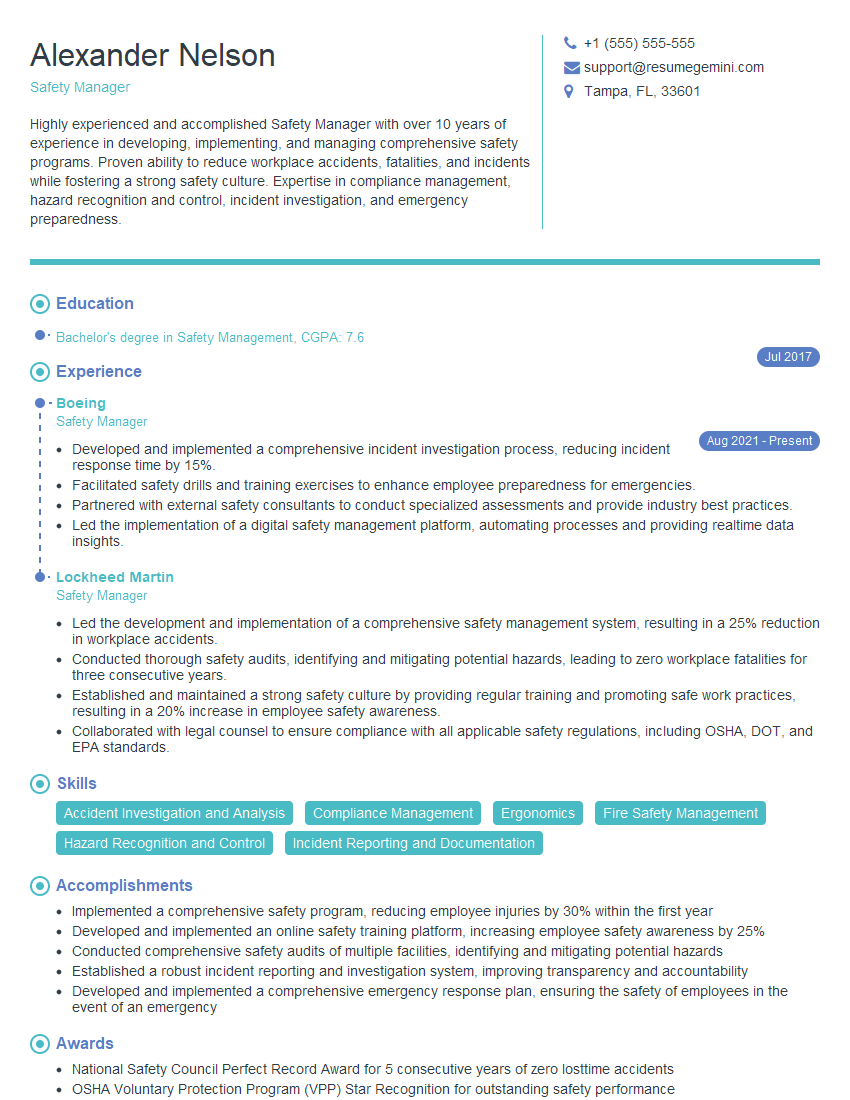
Safety Manager Resume Sample
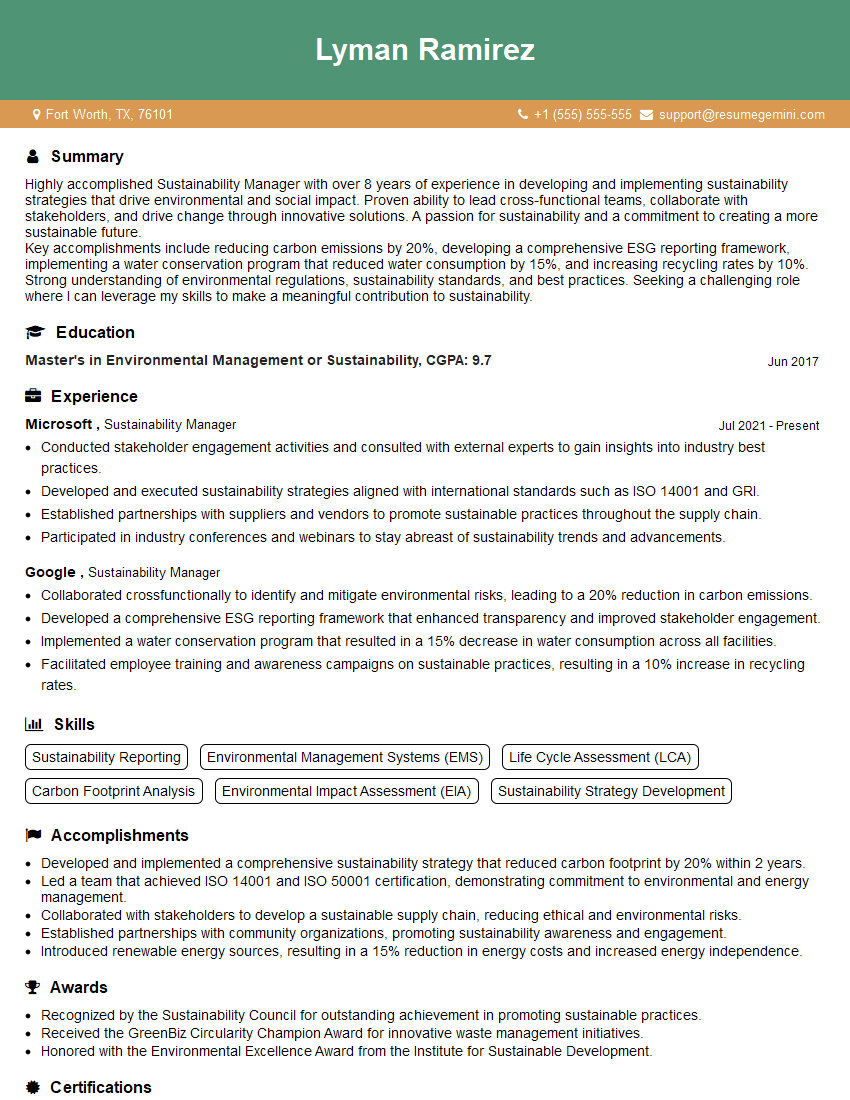
Sustainability Manager Resume Sample
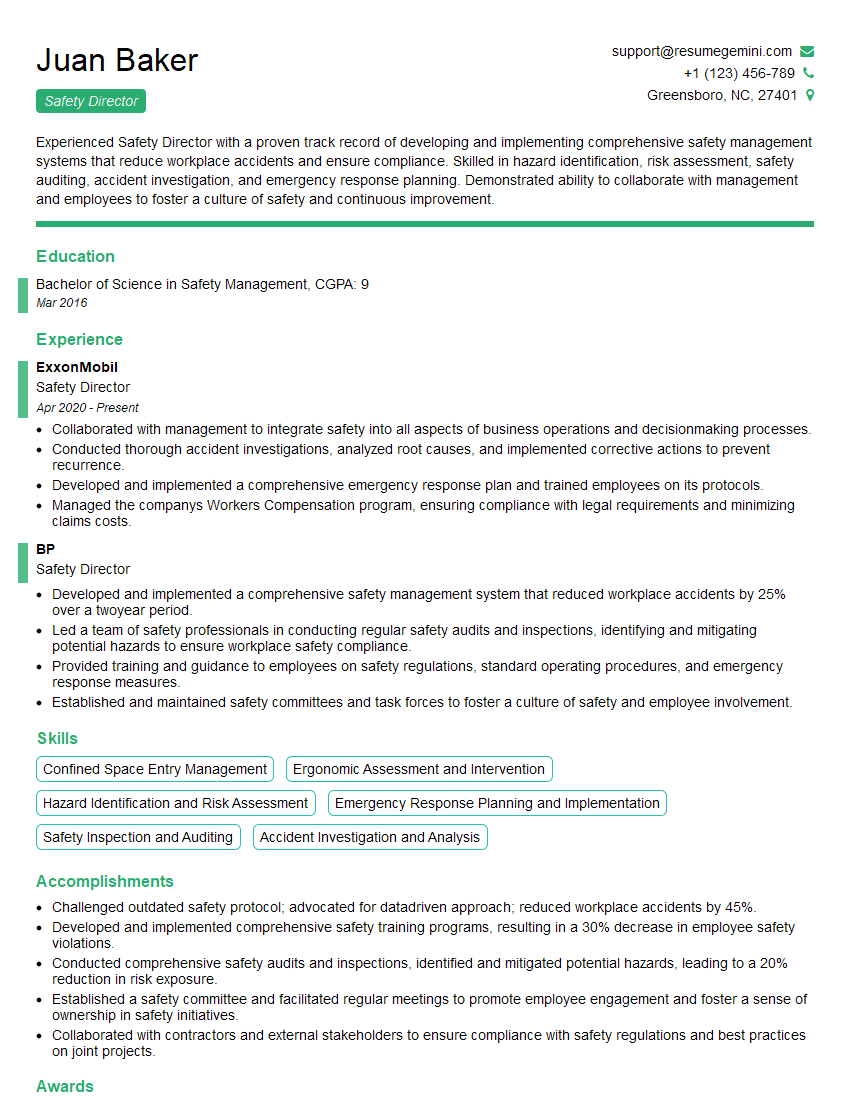
Safety Director Resume Sample
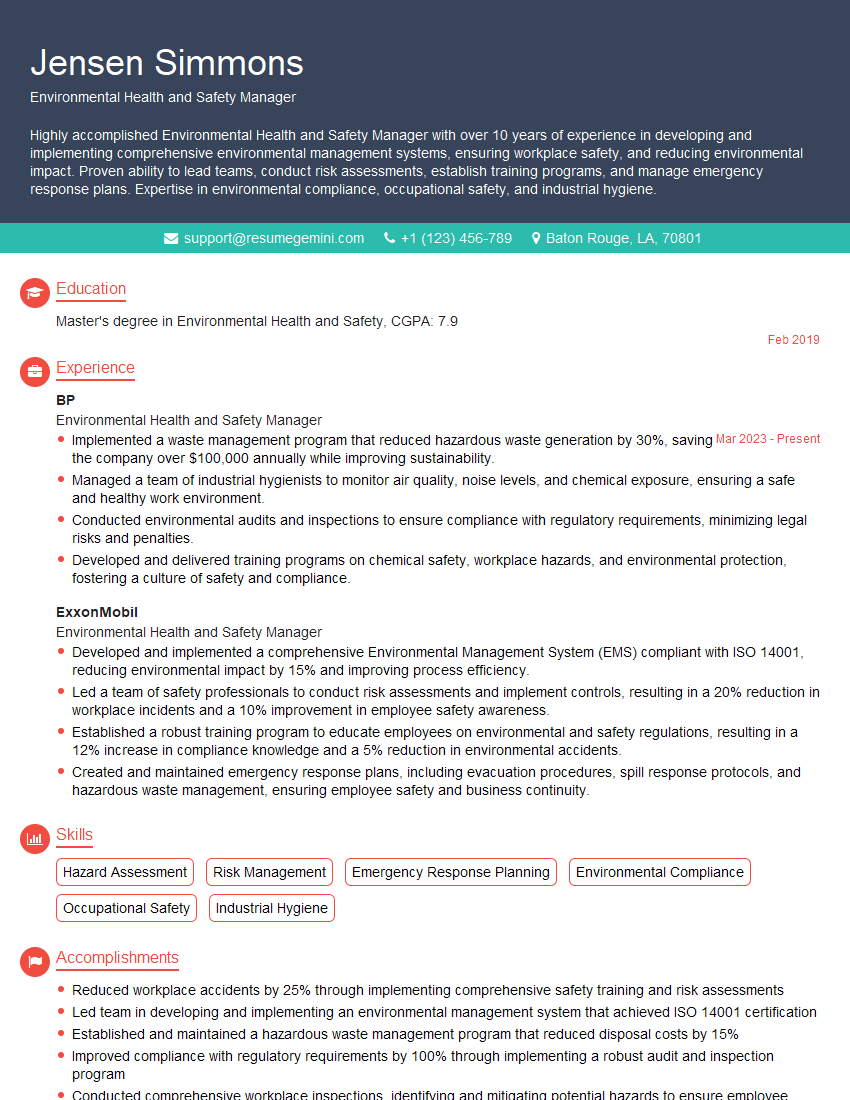
Environmental Health and Safety Manager Resume Sample
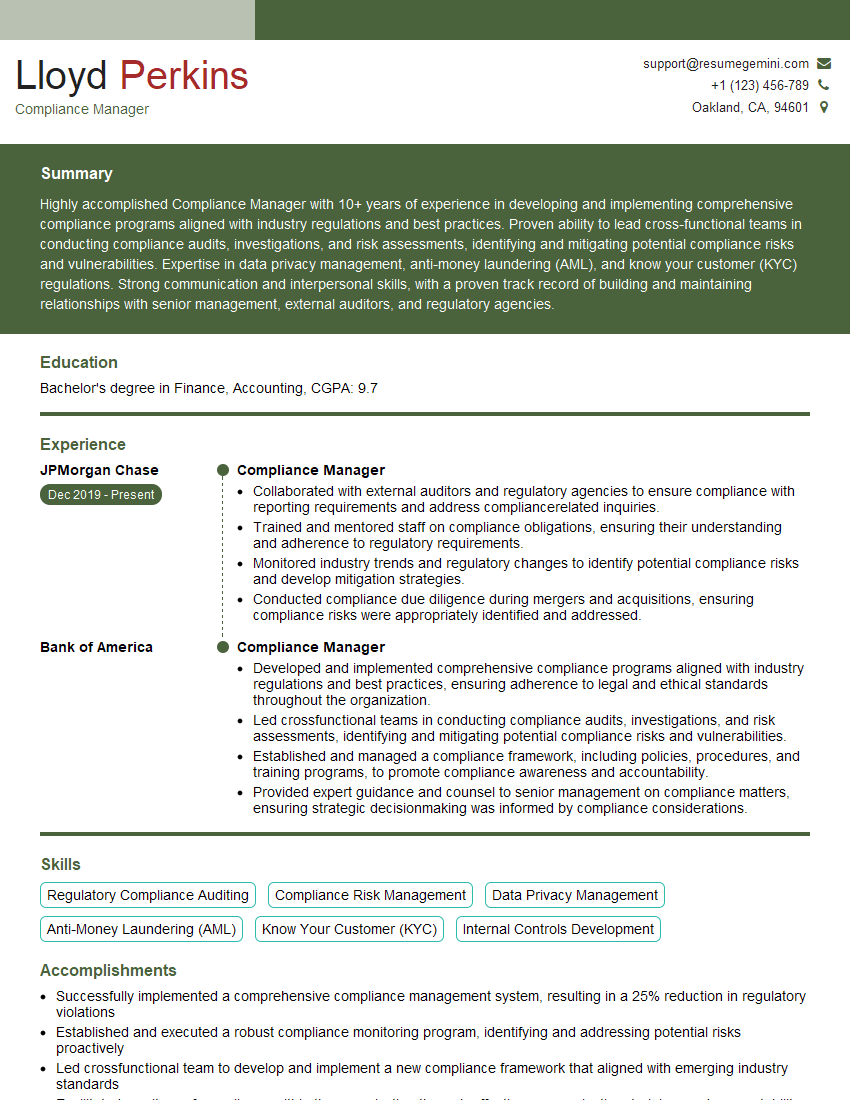
Compliance Manager Resume Sample
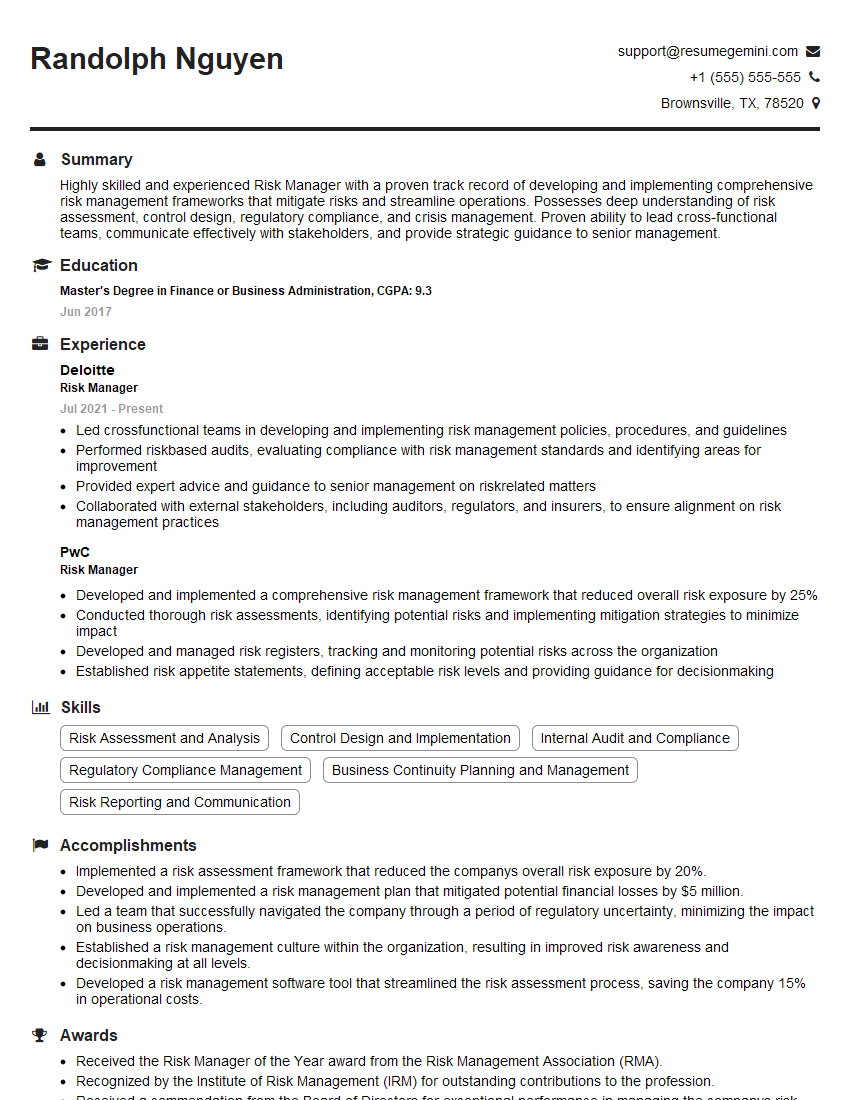
Risk Manager Resume Sample
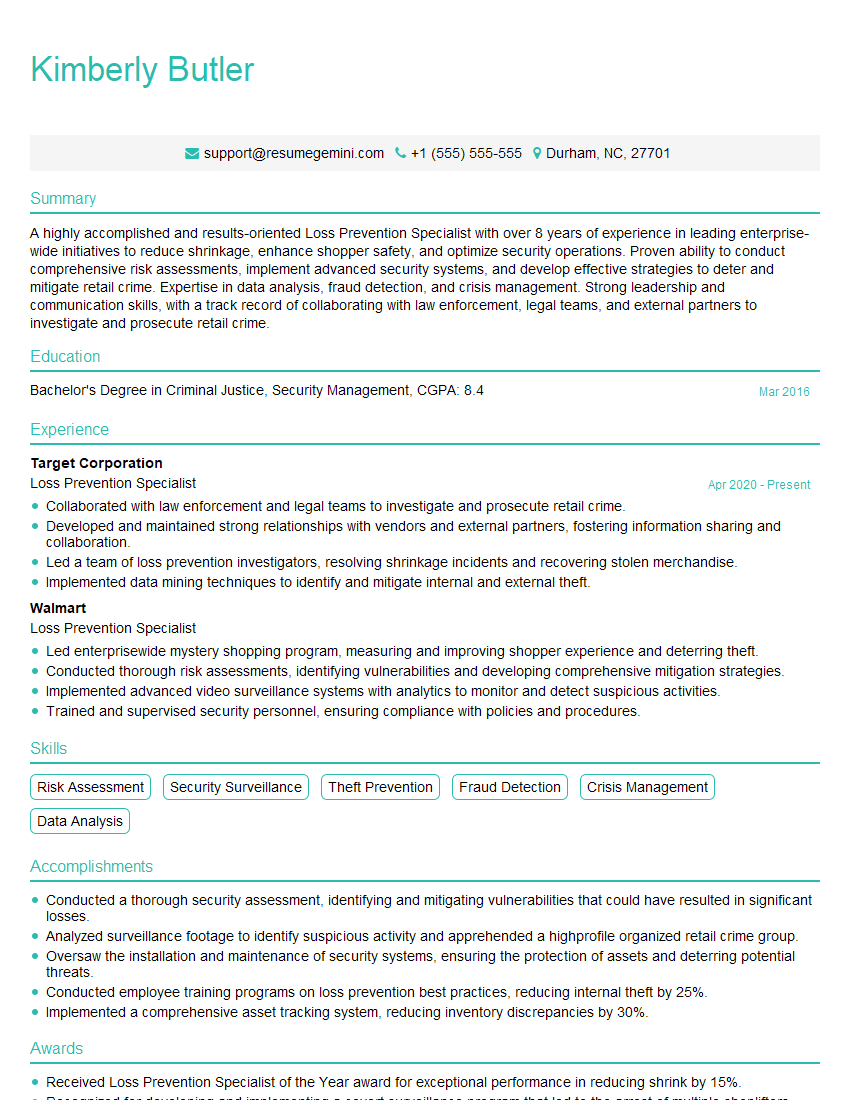
Loss Prevention Specialist Resume Sample
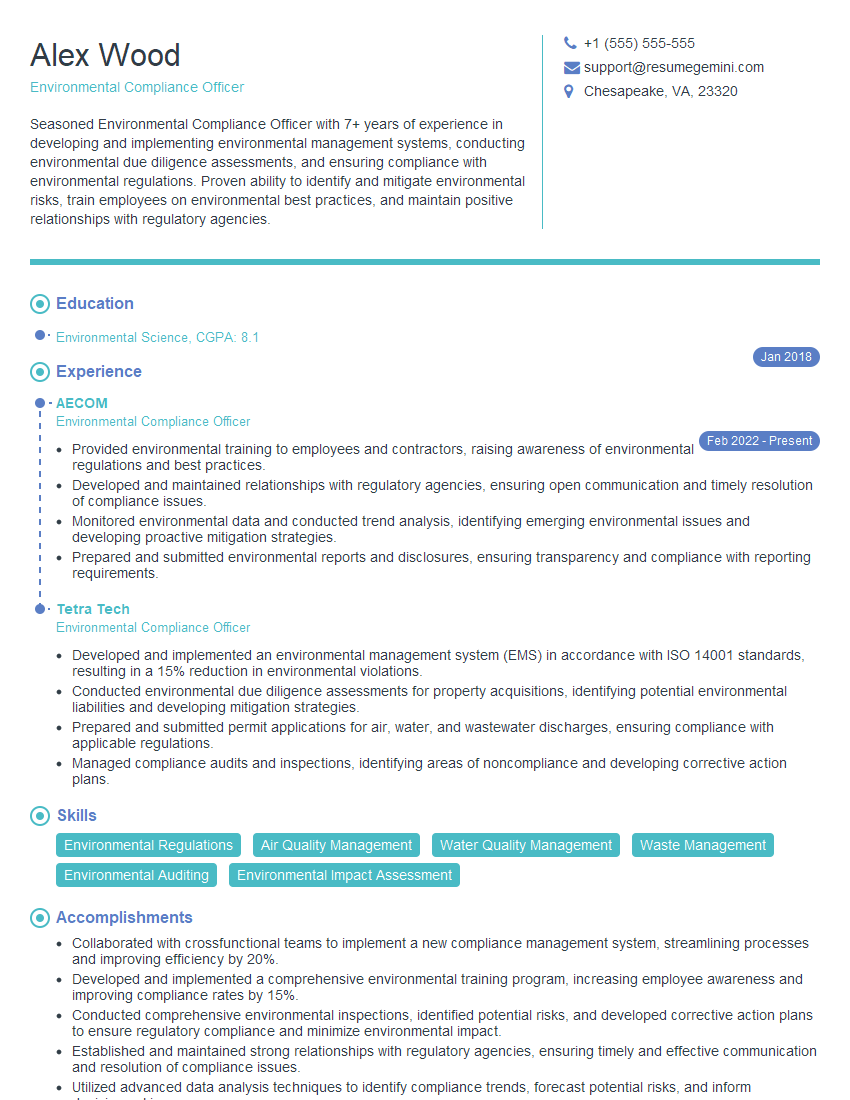
Environmental Compliance Officer Resume Sample
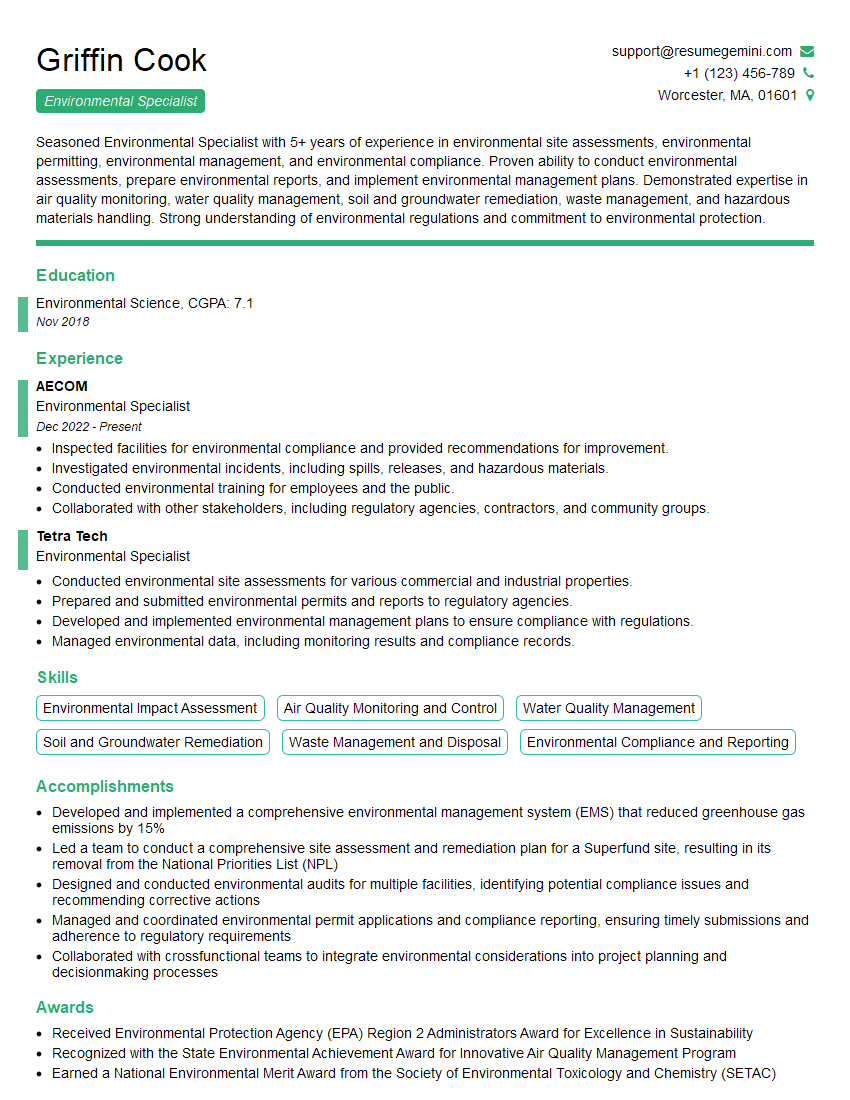
Environmental Specialist Resume Sample
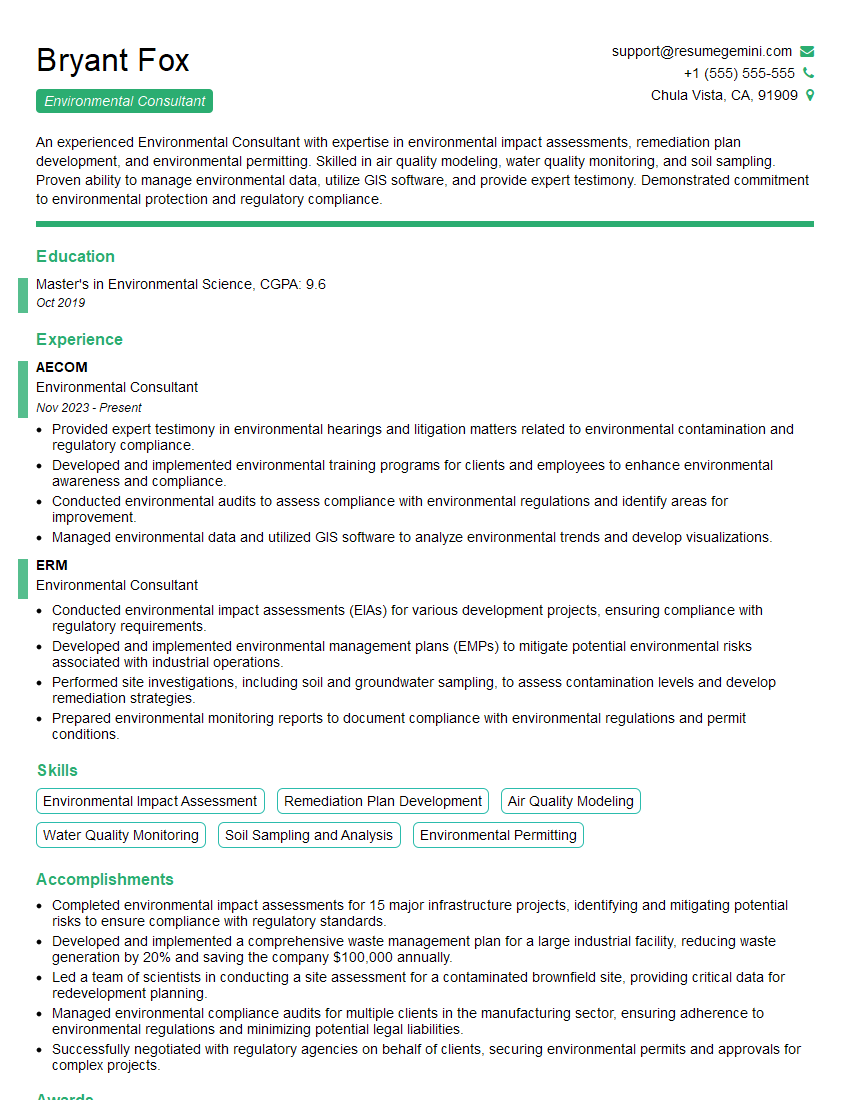
Environmental Consultant Resume Sample
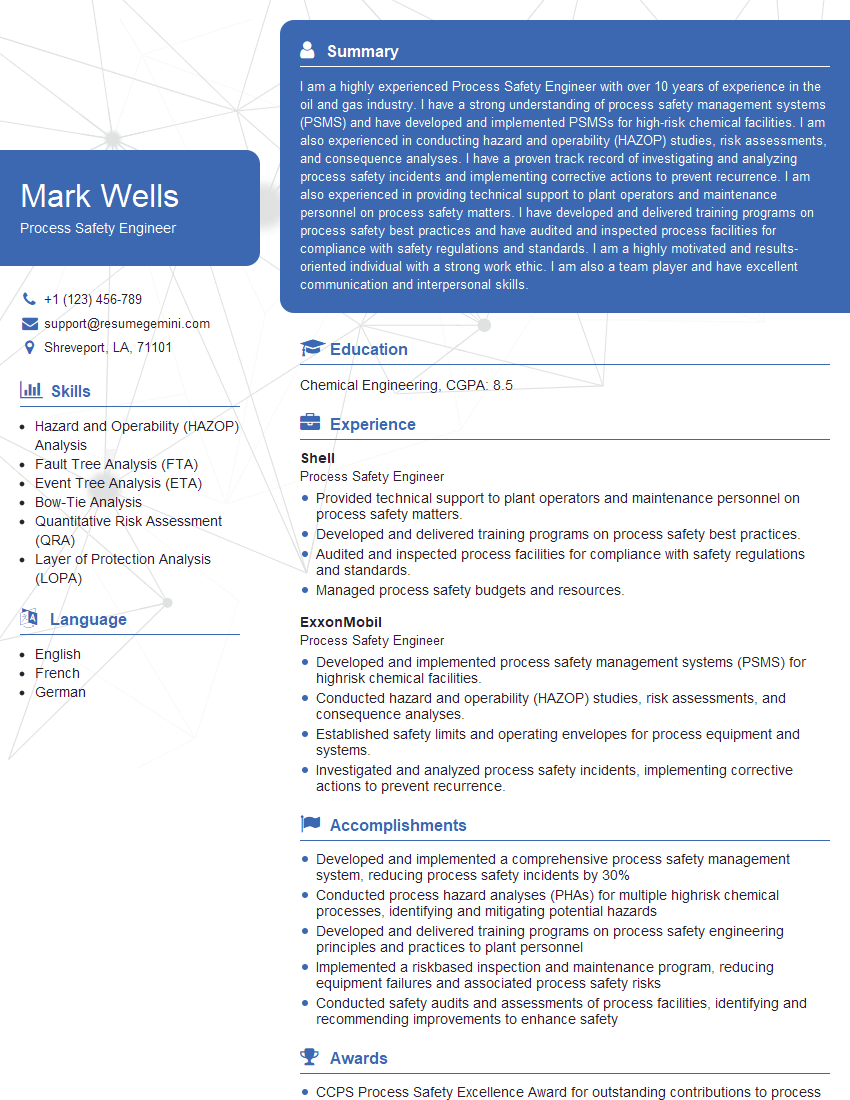
Process Safety Engineer Resume Sample
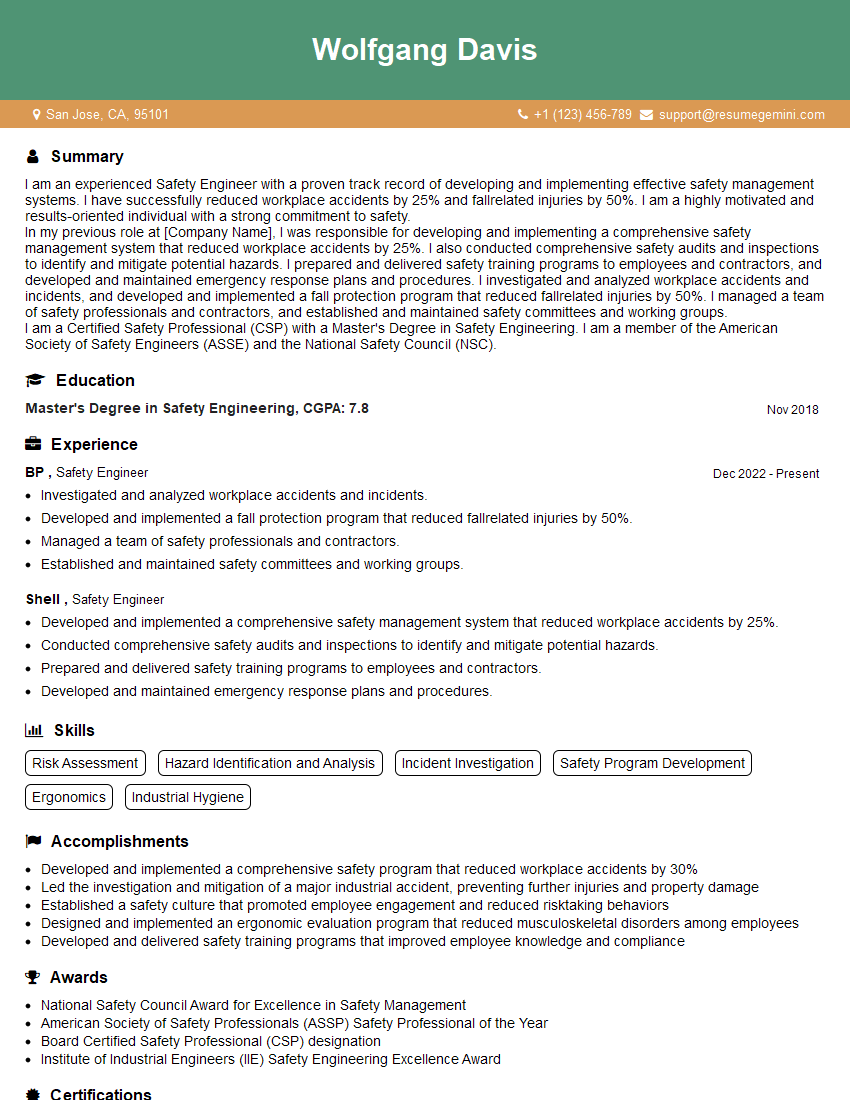
Safety Engineer Resume Sample
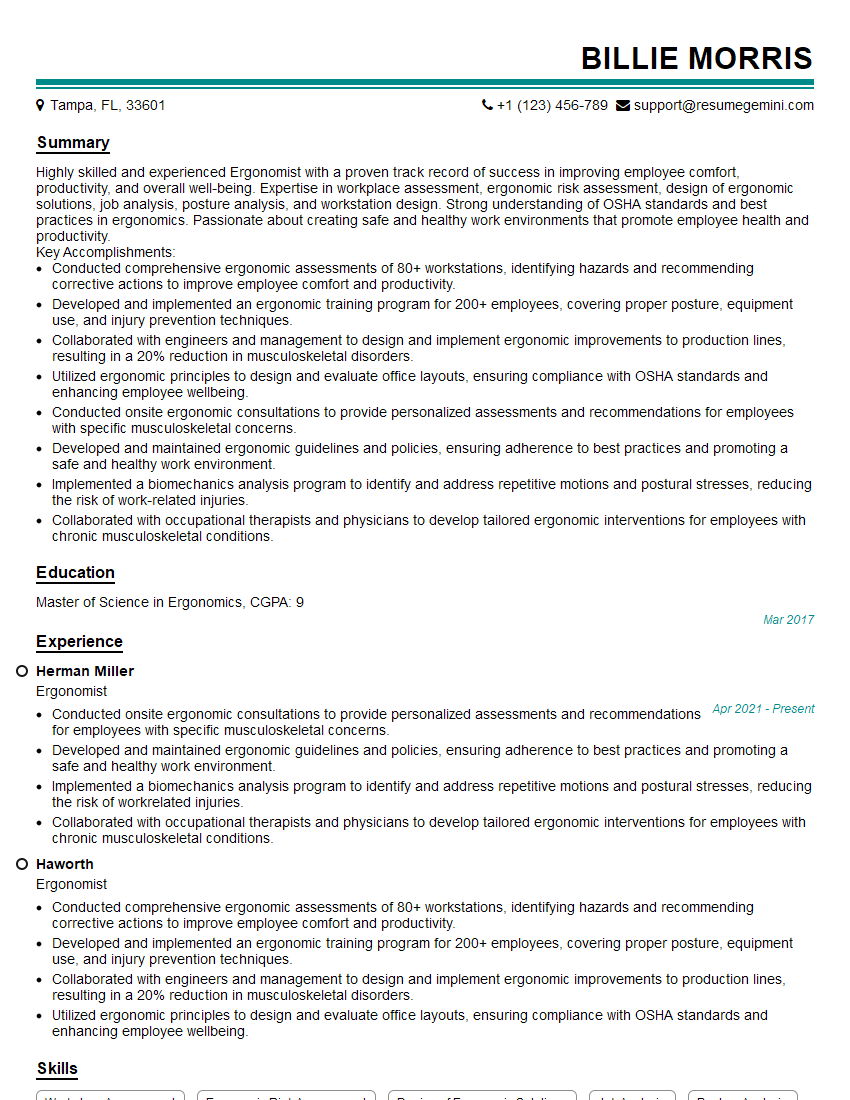
Ergonomist Resume Sample
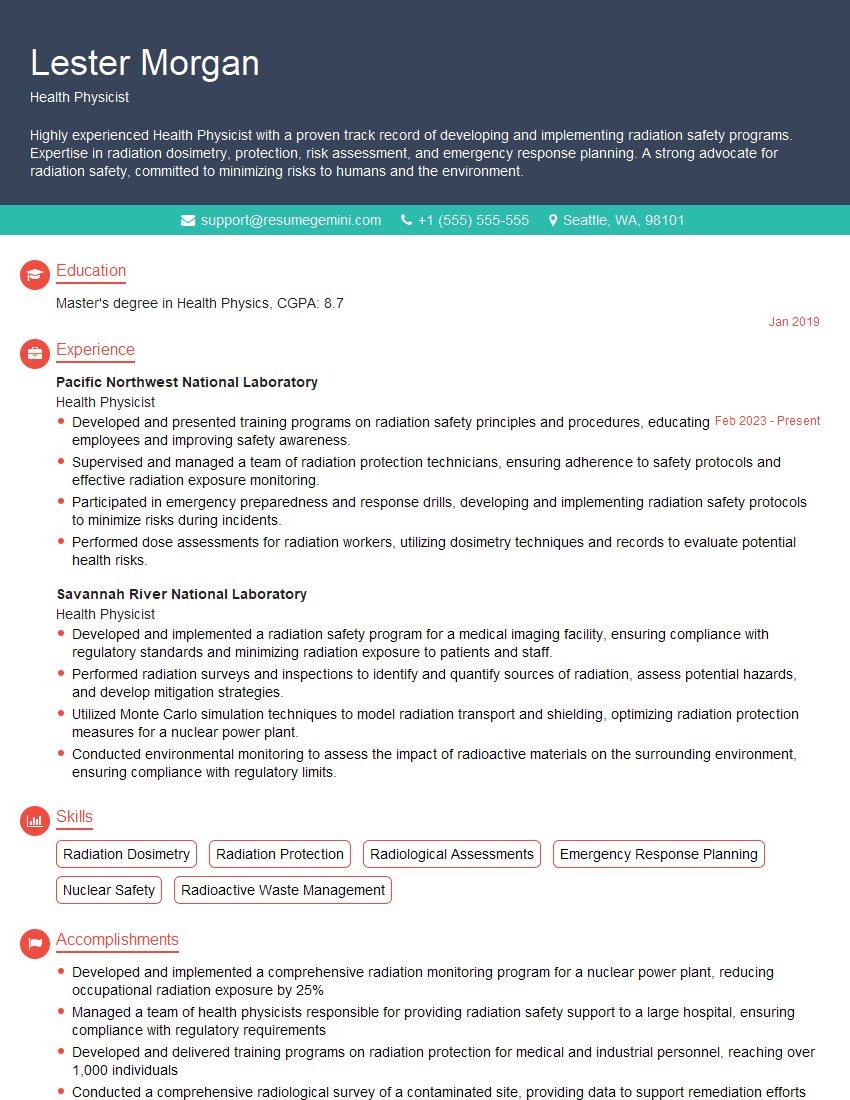
Health Physicist Resume Sample
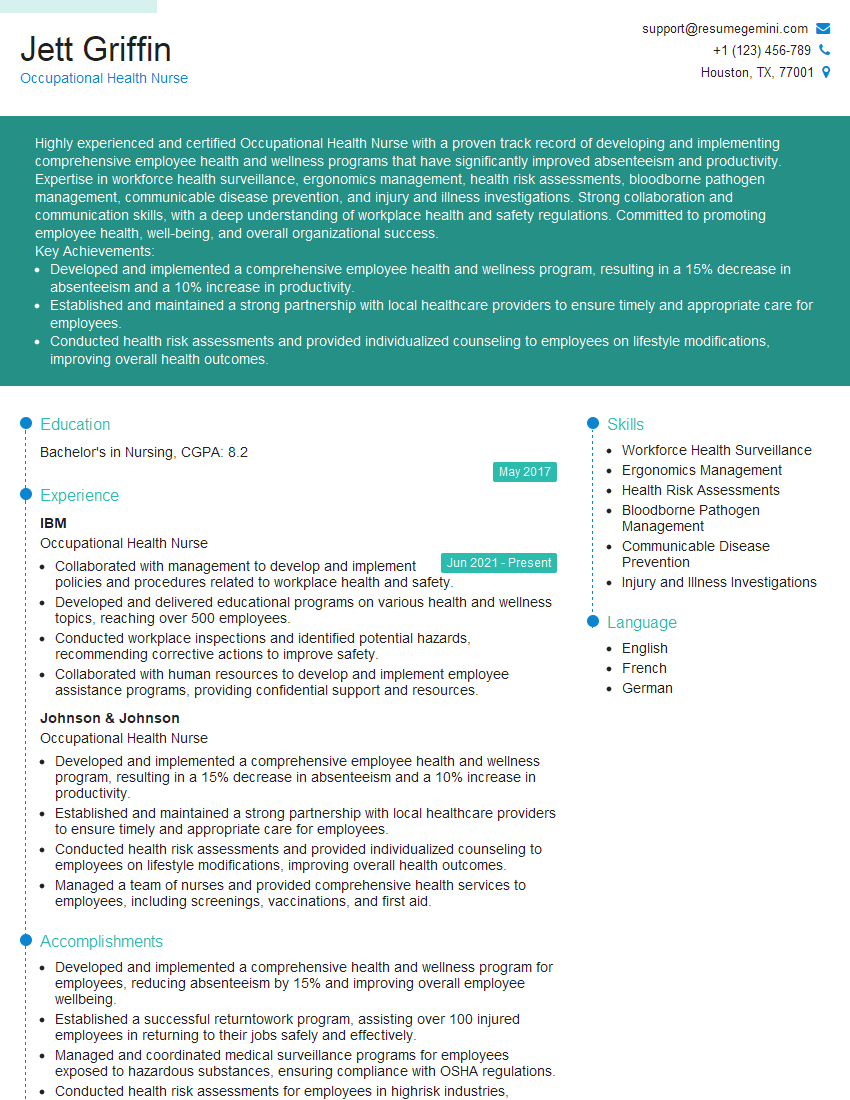
Occupational Health Nurse Resume Sample
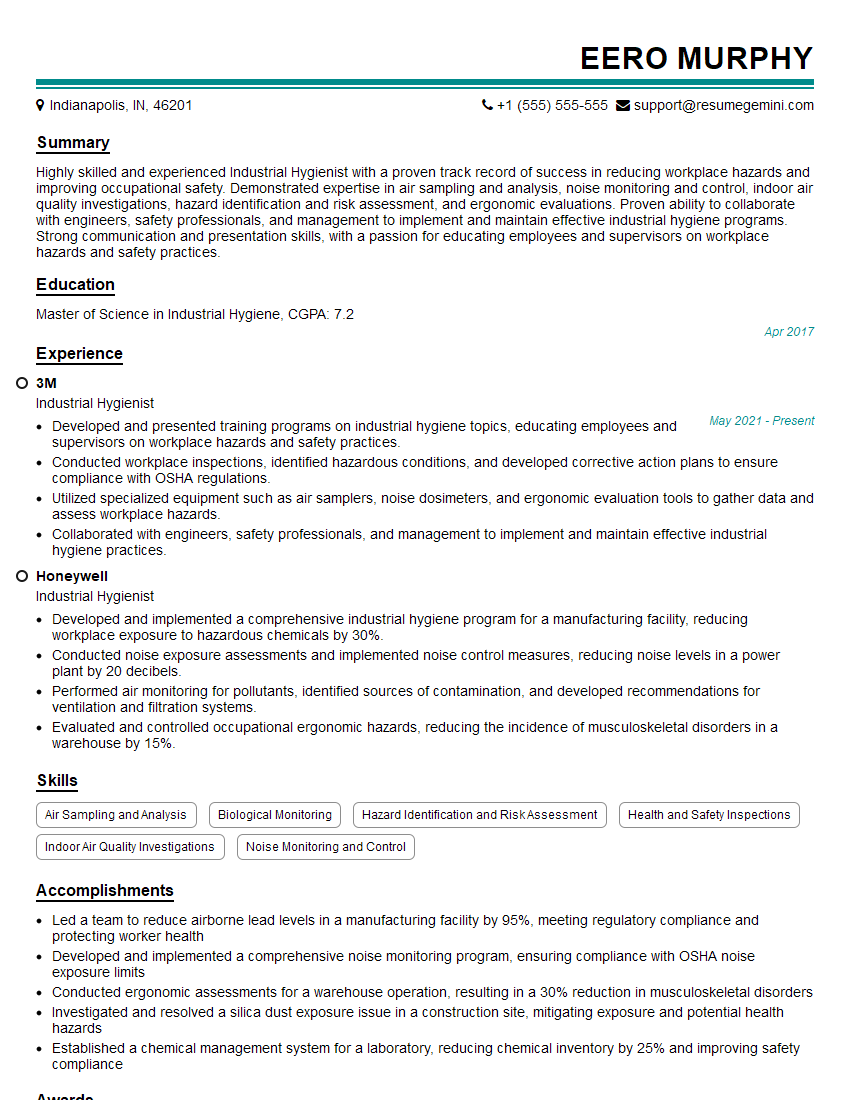
Industrial Hygienist Resume Sample
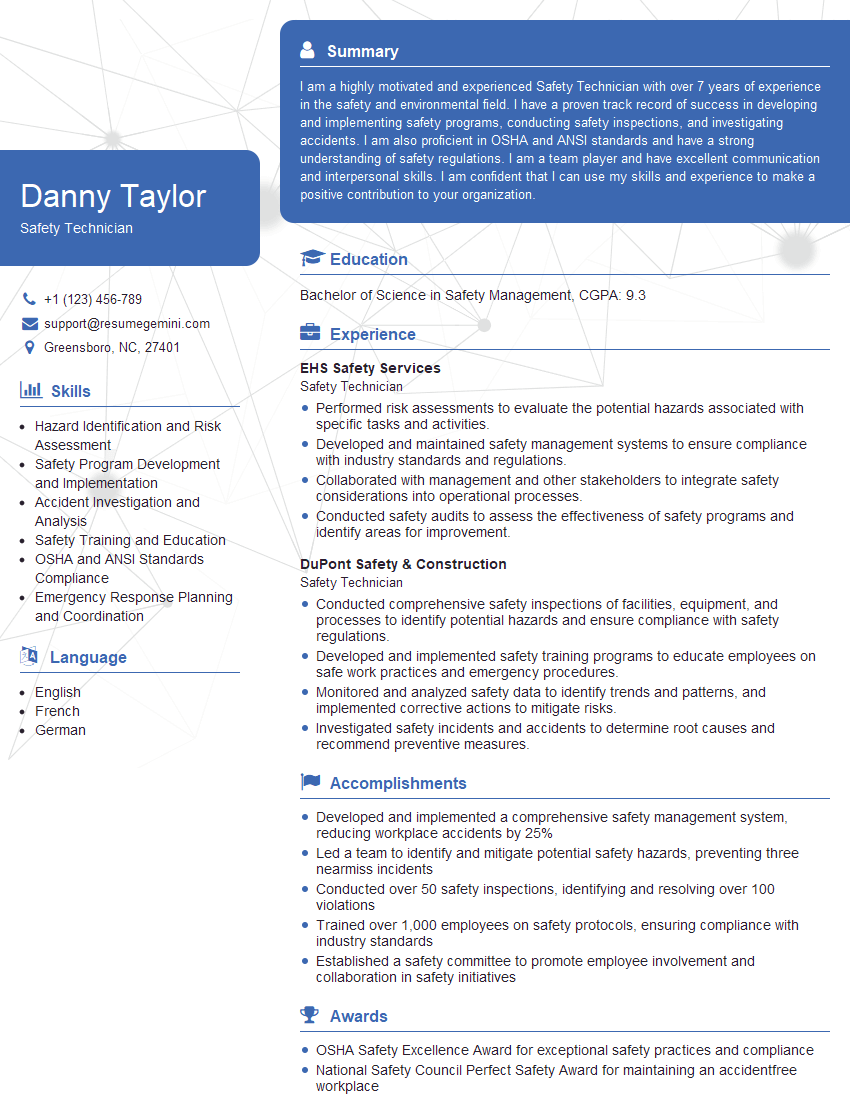
Safety Technician Resume Sample
- Safety Manager
- Sustainability Manager
- Safety Director
- Environmental Health and Safety Manager
- Compliance Manager
- Risk Manager
- Loss Prevention Specialist
- Environmental Compliance Officer
- Environmental Specialist
- Environmental Consultant
- Process Safety Engineer
- Safety Engineer
- Ergonomist
- Health Physicist
- Occupational Health Nurse
- Industrial Hygienist
- Safety Technician
Explore more articles
Users Rating of Our Blogs
Share Your Experience
We value your feedback! Please rate our content and share your thoughts (optional).
What Readers Say About Our Blog
Very informative content, great job.
good