The right preparation can turn an interview into an opportunity to showcase your expertise. This guide to Environmental Management and Reclamation interview questions is your ultimate resource, providing key insights and tips to help you ace your responses and stand out as a top candidate.
Questions Asked in Environmental Management and Reclamation Interview
Q 1. Explain the process of conducting a Phase I Environmental Site Assessment.
A Phase I Environmental Site Assessment (ESA) is a preliminary investigation designed to identify potential environmental concerns on a property. It’s a non-invasive process focusing on historical records review and site reconnaissance to determine if contamination is likely present. Think of it as a detective’s initial investigation, gathering clues before more extensive work is needed.
- Historical Records Review: This involves searching title records, historical maps, government databases (like EPA databases), and contacting previous owners or occupants to uncover potential past uses of the property. For example, we’d look for evidence of industrial activities, waste disposal practices, or the presence of underground storage tanks (USTs).
- Site Reconnaissance: A visual inspection of the property itself. This involves walking the site, taking photographs, and noting any obvious signs of contamination, such as discolored soil, unusual vegetation, or the presence of debris. We might observe old industrial equipment or signs of past spills.
- Report Preparation: The findings from the records review and site reconnaissance are compiled into a comprehensive report, categorizing identified environmental concerns as Recognized Environmental Conditions (RECs) or Control Environmental Conditions (CECs). RECs are conditions that could lead to environmental liability. CECs, are conditions that don’t currently pose a significant risk but require monitoring.
A Phase I ESA is crucial for due diligence in real estate transactions or before undertaking construction projects. It helps to manage environmental risks and potential liabilities associated with a property.
Q 2. Describe your experience with different remediation technologies (e.g., phytoremediation, bioremediation).
I have extensive experience with various remediation technologies, tailoring my approach to the specific contaminants and site conditions. Two prominent examples are phytoremediation and bioremediation, both considered sustainable solutions.
- Phytoremediation: This involves using plants to remove, degrade, or stabilize contaminants in soil or water. For instance, I’ve used sunflowers to extract heavy metals from contaminated soil at a former mining site. The plants absorb the contaminants, and then the plants themselves are harvested and disposed of properly. It’s cost-effective and aesthetically pleasing compared to other methods, but it’s crucial to select the right plant species for specific contaminants and climatic conditions.
- Bioremediation: This utilizes microorganisms (bacteria, fungi) to break down or transform contaminants into less harmful substances. I’ve successfully employed this technique in treating petroleum-contaminated soil. We stimulated the growth of indigenous microorganisms by introducing nutrients and oxygen, accelerating the natural biodegradation process. Bioremediation is generally cost-effective and environmentally friendly, but its effectiveness depends on factors like soil conditions, contaminant type, and microbial activity.
Beyond these, I’m also proficient in other technologies like soil vapor extraction, pump and treat systems, and thermal desorption, selecting the most appropriate method based on a thorough site assessment and risk evaluation.
Q 3. How do you determine the appropriate level of environmental monitoring for a specific site?
Determining the appropriate level of environmental monitoring hinges on several key factors, balancing cost-effectiveness with the need for adequate data collection.
- Nature and Extent of Contamination: Highly contaminated sites require more frequent and comprehensive monitoring than those with low levels of contamination. The types of contaminants also influence the frequency and type of testing required.
- Regulatory Requirements: Local, state, and federal regulations dictate minimum monitoring requirements based on the type of contamination and the location. These regulations often stipulate sampling frequency, analytical methods, and reporting protocols.
- Remediation Goals: The monitoring plan should align with the specific remediation goals. If the goal is complete removal of contaminants, the monitoring program will be more intensive and prolonged than if the objective is to contain the contamination.
- Risk Assessment: A thorough risk assessment helps identify potential pathways of exposure and target areas for monitoring, allowing us to prioritize resources effectively.
For example, a site with volatile organic compounds (VOCs) in soil would require more frequent soil gas monitoring than a site solely impacted by heavy metals. The monitoring plan is a dynamic document, adjusted as the project progresses and data becomes available.
Q 4. What are the key regulatory requirements for environmental reclamation in your region?
Key regulatory requirements for environmental reclamation in my region (Please specify your region here, as regulations vary greatly by location) include compliance with [Insert relevant legislation, e.g., the Clean Water Act, Resource Conservation and Recovery Act (RCRA), Comprehensive Environmental Response, Compensation, and Liability Act (CERCLA), etc.]. These regulations specify acceptable levels of contamination in soil and groundwater, require detailed site investigations, and outline procedures for obtaining necessary permits and approvals. Failure to adhere to these regulations can lead to significant penalties, including fines and legal action.
Specific requirements vary depending on the nature of the contamination and the type of project. For example, projects involving hazardous waste typically involve more stringent requirements than those focused on non-hazardous materials. Understanding these regulations and working with the relevant environmental agencies is paramount to successful project completion.
Q 5. How do you manage stakeholder expectations during a complex reclamation project?
Managing stakeholder expectations during a complex reclamation project requires proactive communication and transparency. I establish clear communication channels with all stakeholders, including regulatory agencies, local communities, and project partners.
- Regular Communication: I provide regular updates on project progress, including potential challenges and how they are being addressed. This includes newsletters, public meetings, and one-on-one consultations.
- Realistic Expectations: I collaboratively set realistic expectations regarding project timelines, budget, and potential outcomes. Transparency about uncertainties is key to building trust.
- Feedback Mechanisms: I establish mechanisms for receiving and addressing stakeholder concerns. This allows for modifications to the project plan where needed, and demonstrates responsiveness.
- Conflict Resolution: I anticipate and proactively address potential conflicts through open dialogue and collaborative problem-solving.
A recent project involved community concerns about noise and dust during demolition. By implementing mitigation measures, providing advance notice, and engaging in open dialogue, we successfully mitigated these concerns, resulting in smoother project completion and improved stakeholder satisfaction.
Q 6. Describe your experience with risk assessment and management in environmental projects.
Risk assessment and management are integral to all environmental projects. It’s a systematic process of identifying, analyzing, and evaluating potential environmental risks, followed by the development and implementation of mitigation strategies.
- Hazard Identification: This involves identifying potential sources of environmental contamination and exposure pathways. Examples include contaminated soil, groundwater, air emissions, and human exposure.
- Risk Characterization: This step assesses the likelihood and severity of potential impacts. This often involves quantitative analysis, such as calculating potential human health risks or ecological damage.
- Risk Management: This entails developing and implementing measures to reduce or eliminate identified risks. This could include remediation, engineering controls, administrative controls, or changes to project design.
- Monitoring and Evaluation: Continuous monitoring ensures that implemented risk management measures are effective and adjustments can be made as needed.
For example, in a brownfield redevelopment project, we performed a risk assessment to identify potential exposure pathways for workers and the surrounding community. This led to the implementation of site-specific health and safety protocols, resulting in a safer and more environmentally responsible project.
Q 7. Explain the difference between in-situ and ex-situ remediation.
In-situ and ex-situ remediation refer to two distinct approaches for cleaning up contaminated sites.
- In-situ remediation: This involves treating the contamination at the location where it was found, without excavating or removing the contaminated material. Think of it as treating the problem where it originates. Examples include bioremediation (discussed earlier), soil vapor extraction (removing volatile contaminants from soil through vapor extraction), and pump and treat systems (extracting groundwater and treating it before returning it to the aquifer).
- Ex-situ remediation: This involves removing the contaminated material from the site and treating it elsewhere. This is like taking the patient to the hospital for treatment. Examples include excavation and disposal of contaminated soil, thermal desorption (heating the contaminated soil to vaporize contaminants), and solidification/stabilization (treating contaminated soil to reduce its mobility).
The choice between in-situ and ex-situ remediation depends on several factors, including the type and extent of contamination, site conditions, regulatory requirements, cost, and potential environmental impacts. Sometimes, a combination of both approaches is used for optimal results.
Q 8. How do you ensure compliance with environmental regulations throughout a project lifecycle?
Ensuring environmental compliance throughout a project lifecycle requires a proactive, multi-faceted approach. It’s not just about ticking boxes at the end; it’s about integrating environmental considerations from the initial planning stages to project closure.
- Early Engagement: We begin by conducting a thorough regulatory review, identifying all applicable local, regional, and national environmental laws and permits. This involves researching specific regulations pertaining to the project type, location, and potential environmental impacts.
- Integrated Management Systems: We implement an Environmental Management System (EMS), often ISO 14001 compliant, to provide a structured framework for managing environmental aspects. This system includes documented procedures, regular monitoring, and internal audits to ensure consistent compliance.
- Permitting and Approvals: We meticulously prepare and submit all necessary permits and applications to regulatory agencies, ensuring complete and accurate information is provided. We actively engage with agencies to address any queries and concerns proactively.
- Monitoring and Reporting: Throughout the project, we conduct regular environmental monitoring, collecting data on air and water quality, noise levels, waste generation, and other relevant parameters. This data is then analyzed and reported to both internal stakeholders and regulatory agencies, demonstrating ongoing compliance.
- Corrective Actions: Should any non-compliance be identified, a robust corrective action plan is immediately implemented and documented, demonstrating our commitment to rectifying any issues swiftly and effectively. This includes root cause analysis to prevent future recurrence.
- Post-Project Closure: Even after project completion, environmental responsibilities persist. We ensure proper site remediation, decommissioning, and reclamation activities are undertaken to meet regulatory requirements and leave a minimal environmental footprint.
For example, in a recent large-scale infrastructure project, we worked closely with the Environmental Protection Agency (EPA) from the outset, securing all necessary permits and establishing a robust monitoring program that detected and addressed a minor water quality issue early, preventing a more significant problem.
Q 9. What are the key environmental impacts of mining and how can they be mitigated?
Mining activities present significant environmental challenges. Key impacts include:
- Habitat Loss and Fragmentation: Mining operations directly destroy natural habitats, affecting biodiversity and ecosystem services.
- Water Pollution: Acid mine drainage (AMD), heavy metal contamination, and sediment runoff can severely degrade water quality in nearby streams, rivers, and groundwater.
- Air Pollution: Dust emissions from mining activities and the release of greenhouse gases contribute to air pollution and climate change.
- Soil Degradation: Removal of topsoil, compaction, and contamination can render the land unproductive for years, even after mining ceases.
- Waste Generation: Mining generates large quantities of waste rock, tailings, and other materials requiring proper management and disposal.
Mitigation strategies focus on preventing and minimizing these impacts through:
- Careful Site Selection: Choosing mine sites with minimal environmental sensitivity.
- Water Management: Implementing water treatment systems to prevent AMD and control sediment runoff.
- Dust Suppression: Employing techniques like spraying water or using dust suppressant chemicals.
- Rehabilitation and Reclamation: Implementing effective programs to restore mined land to a productive or ecologically valuable state.
- Waste Management: Designing and implementing safe and effective waste disposal strategies including tailings management facilities.
For instance, in a past project involving a coal mine, we implemented a multi-stage water treatment plant to neutralize AMD, resulting in improved water quality downstream, and successfully restored significant portions of the site to native grassland ecosystems exceeding regulatory requirements.
Q 10. Describe your experience with environmental impact assessments (EIAs).
I have extensive experience in conducting and reviewing Environmental Impact Assessments (EIAs). EIAs are crucial tools for evaluating the potential environmental consequences of proposed projects.
My experience encompasses all phases: from scoping and baseline data collection to impact prediction, mitigation measures, and impact assessment reporting. I’m proficient in using various EIA methodologies, including checklists, matrices, and modeling techniques, adapting the approach to the specific characteristics of each project.
For example, in a recent EIA for a hydroelectric dam project, we meticulously assessed the potential impacts on aquatic ecosystems, water flow regimes, and downstream communities. This involved hydrological modeling to predict changes in water levels and flow, biological surveys to document existing species, and stakeholder consultations to address community concerns.
Our EIA ultimately identified significant potential impacts, but through detailed mitigation planning – including fish passage structures and downstream flow management strategies – we were able to reduce these risks to acceptable levels. The resulting report ensured transparent communication of findings, providing the decision-makers with the necessary information to evaluate the project’s environmental viability.
Q 11. How do you prioritize competing environmental concerns in a project?
Prioritizing competing environmental concerns requires a systematic approach. It’s not simply a matter of choosing the ‘least bad’ option, but rather a comprehensive evaluation considering various factors.
- Risk Assessment: We identify and evaluate the potential severity and likelihood of each environmental impact. This involves considering both the magnitude of the impact and the probability of it occurring.
- Legislative Compliance: Regulatory requirements always take precedence. If certain impacts are legally prohibited, those must be addressed first.
- Cost-Benefit Analysis: While difficult to quantify environmental values, we explore cost-effective mitigation measures to achieve the best environmental outcomes within budget constraints.
- Stakeholder Engagement: We actively engage with affected communities and other stakeholders to gather their perspectives and address their concerns. Public input can be crucial in prioritizing environmental issues.
- Decision-Making Framework: A transparent and documented decision-making process is essential, justifying the chosen priorities based on the considerations above.
Often, we employ decision-support tools, like multi-criteria decision analysis (MCDA), to systematically evaluate competing concerns and arrive at a well-justified prioritization. This ensures transparency and accountability.
Q 12. Explain the concept of sustainable land management.
Sustainable land management (SLM) is the integrated approach to managing land resources in a way that ensures long-term ecological, economic, and social benefits. It’s about striking a balance between utilizing land resources for human needs while safeguarding their productive capacity and biodiversity for future generations.
Key principles of SLM include:
- Maintaining Soil Health: Protecting and improving soil fertility, structure, and water-holding capacity.
- Conserving Water Resources: Efficient irrigation, rainwater harvesting, and preventing soil erosion.
- Protecting Biodiversity: Maintaining and enhancing the diversity of plants and animals within the landscape.
- Minimizing Pollution: Reducing the use of harmful chemicals and preventing pollution of soil and water.
- Climate Change Adaptation and Mitigation: Enhancing carbon sequestration, reducing greenhouse gas emissions, and increasing resilience to climate change impacts.
- Community Engagement: Ensuring the involvement of local communities in decision-making processes.
An example of SLM is agroforestry, where trees are integrated into agricultural systems, providing multiple benefits, including improved soil fertility, erosion control, increased biodiversity, and carbon sequestration.
Q 13. Describe your experience with soil and water quality assessments.
I possess extensive experience in conducting soil and water quality assessments, using a variety of methods tailored to the specific context. This includes field sampling, laboratory analysis, and data interpretation.
Soil Assessments: These involve evaluating parameters such as pH, organic matter content, nutrient levels, heavy metal concentrations, and soil texture. We use various sampling techniques, depending on the objectives, from simple grab samples to more rigorous grid sampling for detailed spatial analysis. Laboratory analyses are conducted to determine the precise concentrations of contaminants and nutrients.
Water Quality Assessments: We assess parameters like pH, dissolved oxygen, turbidity, nutrient levels (nitrogen and phosphorus), heavy metals, and biological indicators (e.g., presence of specific aquatic organisms) in surface and groundwater. Sampling strategies vary depending on the water body (e.g., stream, lake, groundwater well) and the objectives of the assessment.
For example, in a remediation project involving a contaminated site, we conducted thorough soil and groundwater sampling, revealing significant heavy metal contamination. This data informed the design of a remediation plan that included soil excavation and treatment, as well as the installation of groundwater extraction and treatment wells. Post-remediation monitoring validated the effectiveness of our approach in restoring the site.
Q 14. How do you develop and implement an environmental management plan?
Developing and implementing an effective Environmental Management Plan (EMP) is a crucial step in any project aiming for environmental sustainability. The process involves a series of key steps:
- Scoping and Baseline Data: We begin by identifying all potential environmental impacts of the project, considering relevant regulatory requirements and site-specific characteristics. Baseline data collection provides a snapshot of the existing environmental conditions.
- Mitigation and Monitoring Strategies: We develop specific strategies to prevent, minimize, or mitigate identified environmental impacts. This includes choosing appropriate technologies, procedures, and best management practices.
- Emergency Response Planning: We develop plans for responding to potential environmental emergencies, such as spills or accidental releases of pollutants. This involves establishing procedures for containment, cleanup, and reporting.
- Training and Communication: Training programs for project personnel are essential to ensure understanding and compliance with the EMP. Communication strategies are developed to inform stakeholders of the project’s environmental performance.
- Monitoring and Reporting: A comprehensive monitoring program is established, enabling the collection of data to track the effectiveness of mitigation measures and identify any potential problems. Regular reports are prepared to document progress and compliance.
- Auditing and Review: Periodic audits and reviews are conducted to assess the effectiveness of the EMP and identify areas for improvement.
The EMP is a dynamic document; it should be regularly updated to reflect project changes and lessons learned. For example, in a construction project, the EMP might include specific protocols for erosion and sediment control, waste management, and air quality monitoring, with regular reports submitted to regulatory agencies demonstrating compliance.
Q 15. How do you address environmental emergencies and unexpected events?
Addressing environmental emergencies requires a swift, coordinated response based on established protocols. My approach follows a structured framework:
- Immediate Response: First, prioritize safety – both human and environmental. This involves securing the area, containing the spill or pollutant, and notifying relevant authorities (e.g., EPA, local emergency services).
- Assessment and Investigation: A thorough assessment determines the extent of damage, identifies the causative agent, and evaluates potential health and ecological risks. This often involves sampling and analysis.
- Containment and Remediation: Appropriate remediation techniques are employed, depending on the nature of the emergency. This could range from simple cleanup to complex site remediation using specialized equipment and technologies.
- Monitoring and Reporting: Post-emergency monitoring assesses the effectiveness of the response and tracks long-term impacts. Detailed reports are crucial for regulatory compliance and future prevention strategies.
For example, during a chemical spill at an industrial facility, I successfully coordinated the emergency response, leading a team in containing the spill, implementing soil remediation, and ensuring the safety of the surrounding community. We collaborated closely with regulatory agencies to comply with all reporting requirements and ensure the site was restored to its pre-incident condition.
Career Expert Tips:
- Ace those interviews! Prepare effectively by reviewing the Top 50 Most Common Interview Questions on ResumeGemini.
- Navigate your job search with confidence! Explore a wide range of Career Tips on ResumeGemini. Learn about common challenges and recommendations to overcome them.
- Craft the perfect resume! Master the Art of Resume Writing with ResumeGemini’s guide. Showcase your unique qualifications and achievements effectively.
- Don’t miss out on holiday savings! Build your dream resume with ResumeGemini’s ATS optimized templates.
Q 16. What are your experiences with permitting and licensing related to environmental projects?
Permitting and licensing for environmental projects are crucial for compliance. My experience spans various projects, including mining, construction, and industrial facility development. I’m familiar with navigating the complexities of different regulatory frameworks, including the National Environmental Policy Act (NEPA), Clean Water Act (CWA), and Resource Conservation and Recovery Act (RCRA).
- Application Preparation: I’ve prepared numerous permit applications, including detailed environmental impact assessments, pollution prevention plans, and monitoring reports. This requires meticulous data collection, thorough analysis, and clear communication of potential environmental impacts.
- Regulatory Interaction: I’ve effectively communicated with regulatory agencies, addressed their concerns, and negotiated permit conditions to ensure project viability while meeting environmental standards. This requires understanding their specific requirements and demonstrating project compliance.
- Permit Compliance: Beyond securing permits, I’ve managed projects to ensure ongoing compliance with permit conditions through effective monitoring, reporting, and record-keeping.
For instance, while working on a large-scale mining project, I secured all necessary permits by working collaboratively with the environmental agency, addressing concerns about water quality and habitat disturbance. This ensured the project proceeded smoothly while adhering to environmental regulations.
Q 17. Describe your experience using GIS software for environmental data management.
GIS software is indispensable for environmental data management. I’m proficient in ArcGIS and QGIS, using them to manage, analyze, and visualize spatial data related to various projects.
- Data Management: GIS allows for efficient storage, retrieval, and manipulation of environmental datasets, including soil samples, water quality data, and habitat maps.
- Spatial Analysis: I leverage GIS for spatial analysis to identify patterns, trends, and relationships in environmental data. For example, I can analyze the proximity of a proposed development to sensitive habitats or assess the cumulative impact of multiple pollution sources.
- Visualization and Reporting: GIS is used to create maps, charts, and reports for effective communication of environmental information to stakeholders, including regulatory agencies and the public.
In a recent project involving contaminated site remediation, I used ArcGIS to create a detailed map of the contamination plume, which helped to guide remediation efforts and monitor progress. The visualization of this data was also crucial in communicating the scope of the problem and the effectiveness of our remediation plan to concerned parties.
Q 18. How do you measure the success of a reclamation project?
Measuring the success of a reclamation project requires a multi-faceted approach, going beyond simply meeting regulatory requirements. I use a combination of quantitative and qualitative measures:
- Regulatory Compliance: Meeting or exceeding all permit conditions and regulatory requirements is a fundamental aspect of success.
- Ecological Indicators: Monitoring key ecological indicators, such as soil health, vegetation cover, water quality, and wildlife populations, provides objective evidence of restoration success. These are compared to pre-disturbance conditions or established benchmarks.
- Community Engagement: Community acceptance and satisfaction play an important role in measuring success, particularly in projects impacting local populations.
- Cost-Effectiveness: Achieving reclamation goals within the allocated budget and timeline is a significant indicator of project efficiency.
For example, in a mine reclamation project, success was measured by the re-establishment of native vegetation cover, improved water quality, the return of beneficial wildlife, and the community’s positive perception of the site’s transformation. We used quantitative data on plant species diversity and water parameters, alongside qualitative assessments from community surveys to demonstrate the project’s success.
Q 19. Explain your understanding of environmental liability and insurance.
Environmental liability and insurance are critical considerations in environmental management. Environmental liability refers to the legal responsibility for environmental damage or pollution. Insurance helps mitigate financial risks associated with such liabilities.
- Types of Liability: Liability can stem from various sources, including accidental spills, improper waste disposal, and violations of environmental regulations.
- Insurance Coverage: Environmental insurance policies, like general liability and pollution liability, provide coverage for cleanup costs, legal fees, and potential compensation to third parties affected by environmental damage.
- Risk Assessment: A thorough risk assessment is crucial for identifying potential liabilities and determining the appropriate level of insurance coverage. This involves considering the potential environmental impacts of activities and the likelihood of incidents.
For example, a construction project requires comprehensive pollution liability insurance to cover potential contamination from soil excavation or hazardous material spills. A thorough risk assessment informed the decision on the required coverage amount and the specific policy inclusions.
Q 20. Describe your experience with environmental auditing and reporting.
Environmental auditing and reporting are essential for regulatory compliance, due diligence, and continuous improvement. My experience includes conducting both internal and external audits.
- Audit Process: Audits involve reviewing environmental management systems, permits, records, and operations to assess compliance with environmental regulations and internal policies.
- Reporting: Audit findings are documented in comprehensive reports that identify areas of compliance and non-compliance. These reports include recommendations for corrective actions and preventative measures.
- Data Analysis: Analyzing environmental data from various sources, like monitoring reports, permits, and site inspections, is critical for identifying trends and determining the effectiveness of environmental programs.
In a recent environmental audit of a manufacturing facility, I identified several non-compliance issues related to wastewater discharge. The report detailed these findings and recommended corrective actions, which were implemented by the facility to ensure future compliance. The improved reporting system implemented afterward made it easier to monitor and prevent future issues.
Q 21. How do you manage environmental data and ensure its accuracy?
Effective environmental data management is crucial for informed decision-making and regulatory compliance. My approach involves:
- Data Collection Protocols: Establishing clear data collection protocols ensures consistency, accuracy, and reliability. This includes using standardized methods, calibrated equipment, and trained personnel.
- Data Validation and Quality Control: Implementing robust quality control procedures ensures the accuracy and completeness of data. This involves regularly checking data for errors, inconsistencies, and outliers.
- Data Storage and Retrieval: Using a combination of electronic databases and secure file storage systems allows for easy access and retrieval of data.
- Data Analysis and Interpretation: Using statistical analysis and data visualization tools to extract meaningful insights from the collected data.
For instance, in a long-term water quality monitoring program, we implemented a strict protocol for sample collection, analysis, and data entry. Regular quality control checks and data validation steps ensured the data’s reliability, which is essential for determining trends in water quality and assessing the effectiveness of remediation efforts.
Q 22. What are your experiences with community engagement in environmental projects?
Community engagement is paramount in successful environmental projects. It’s not just about informing the public; it’s about building partnerships and fostering a sense of shared ownership. My experience involves facilitating workshops, public forums, and individual consultations to gather input, address concerns, and build consensus. For instance, during a wetland restoration project, we held a series of community meetings to explain the project goals, address anxieties about potential disruptions, and incorporate local knowledge about the wetland’s history and ecological value. This collaborative approach ensured the project was not only environmentally sound but also socially acceptable and sustainable.
I’ve also used participatory GIS (Geographic Information Systems) techniques, allowing community members to directly input their perspectives on mapping sensitive areas or identifying preferred restoration strategies. This hands-on approach fosters a sense of agency and ensures the project reflects the community’s needs and values. Another project involved working with a local indigenous community to incorporate traditional ecological knowledge into a mine reclamation plan, resulting in a more holistic and culturally sensitive approach.
Q 23. Explain your understanding of different environmental regulations (e.g., CERCLA, RCRA).
Understanding environmental regulations is crucial for responsible environmental management. CERCLA (Comprehensive Environmental Response, Compensation, and Liability Act), also known as Superfund, addresses the cleanup of hazardous waste sites. It establishes liability for responsible parties and provides mechanisms for funding remediation. RCRA (Resource Conservation and Recovery Act) focuses on the management of hazardous and non-hazardous waste from its generation to its disposal, emphasizing waste minimization and proper disposal practices. Other key regulations I’m familiar with include the Clean Water Act, the Clean Air Act, and the Endangered Species Act, each with its specific requirements and enforcement mechanisms.
My experience involves interpreting these regulations in the context of specific projects, ensuring compliance and proactively identifying potential violations. For example, during an industrial site assessment, we used our knowledge of CERCLA to determine the extent of contamination, identify responsible parties, and develop a remediation plan compliant with regulatory standards. This included detailed site characterization, risk assessments, and the selection of appropriate remediation technologies. Similarly, for a landfill project, we ensured compliance with RCRA’s stringent requirements for waste acceptance, monitoring, and closure.
Q 24. How do you integrate environmental considerations into project design and planning?
Integrating environmental considerations into project design is not an afterthought; it’s a core principle. This involves conducting thorough environmental impact assessments (EIAs) early in the planning process, identifying potential environmental risks and mitigation strategies. This proactive approach ensures environmentally responsible project development, minimizing potential negative impacts and fostering sustainability.
For example, in a highway construction project, the EIA might identify potential impacts on wetlands, air quality, and endangered species. Based on this, we would design mitigation measures such as wetland creation, dust suppression techniques, and habitat restoration to offset negative impacts. Lifecycle assessments (LCAs), which analyze a product or project’s environmental impact throughout its entire lifespan, are a crucial tool for making informed decisions that minimize environmental footprints. This holistic approach ensures projects align with environmental sustainability goals from inception to completion. This might involve selecting environmentally friendly materials, optimizing energy efficiency, and designing for waste reduction and recycling.
Q 25. Describe your experience with cost-benefit analysis for environmental projects.
Cost-benefit analysis (CBA) is fundamental to justifying environmental projects. It involves systematically evaluating the economic costs and environmental benefits of a project. This involves quantifying both tangible costs (e.g., remediation expenses, labor costs) and intangible benefits (e.g., improved water quality, enhanced ecosystem services). We use various techniques, such as discounted cash flow analysis and contingent valuation, to estimate the monetary value of environmental benefits.
For example, in a project to restore a polluted river, the CBA would consider the costs of remediation, monitoring, and enforcement, against the benefits of improved water quality (e.g., increased property values, improved recreational opportunities, reduced healthcare costs associated with waterborne illnesses). We frequently use software tools specifically designed for CBA calculations. A well-conducted CBA allows for a transparent and data-driven decision-making process, optimizing resource allocation and ensuring projects deliver maximum environmental and economic value.
Q 26. How do you handle conflicts between project timelines and environmental regulations?
Balancing project timelines with environmental regulations requires careful planning and proactive communication. Delays due to environmental concerns are often inevitable, but we aim to minimize disruption by identifying potential conflicts early in the project lifecycle. This involves close collaboration with regulatory agencies and stakeholders to establish realistic timelines that incorporate environmental compliance procedures.
Strategies include thorough due diligence upfront, seeking necessary permits in advance, and developing contingency plans to address unforeseen environmental challenges. For instance, if unexpected contamination is discovered during a site investigation, we adjust the project schedule to allow for appropriate remediation, communicating transparently with all stakeholders. This transparent and collaborative approach minimizes delays and maintains trust, while ensuring environmental compliance remains a priority.
Q 27. What are your skills in data analysis and interpretation related to environmental data?
My skills in environmental data analysis are extensive. I’m proficient in using statistical software (e.g., R, SPSS) and GIS tools to analyze various environmental datasets, including water quality data, air quality data, soil contamination data, and ecological survey data. This involves cleaning, transforming, and visualizing data to identify trends, patterns, and anomalies.
For example, I’ve used statistical modeling to predict the spread of invasive species based on environmental variables. I’ve also used GIS to map pollution hotspots and assess the effectiveness of remediation efforts. Understanding data visualization techniques is crucial for effectively communicating complex environmental data to both technical and non-technical audiences. This might involve creating charts, graphs, and maps that highlight key findings and support decision-making.
Q 28. Describe your experience with environmental modeling and simulation techniques.
Environmental modeling and simulation are powerful tools for predicting the impacts of environmental interventions and assessing the effectiveness of different management strategies. I have experience with various modeling techniques, including hydrological modeling (e.g., using MIKE SHE or HEC-HMS), air quality modeling (e.g., AERMOD), and ecological models (e.g., agent-based models).
For example, during a watershed management project, we used hydrological modeling to predict the impact of different land use scenarios on water quality and streamflow. The results of the modeling informed the development of a watershed management plan designed to improve water quality and minimize the risk of flooding. Similarly, in a mine reclamation project, we used ecological models to simulate the recovery of vegetation and wildlife following mine closure. These models helped us to design a reclamation plan that would effectively restore the ecosystem and achieve our environmental objectives. Model outputs are crucial in communicating the potential impacts to stakeholders, securing funding, and achieving overall project success.
Key Topics to Learn for Environmental Management and Reclamation Interview
- Environmental Impact Assessment (EIA): Understanding the process of conducting EIAs, identifying potential environmental impacts of projects, and developing mitigation strategies. Practical application: Analyzing an EIA report and identifying potential weaknesses or areas for improvement.
- Remediation Techniques: Familiarize yourself with various soil and water remediation methods (e.g., phytoremediation, bioremediation, excavation). Practical application: Evaluating the suitability of different remediation techniques for a specific contaminated site considering cost-effectiveness and environmental impact.
- Waste Management and Recycling: Knowledge of waste characterization, treatment, disposal, and recycling options. Practical application: Designing a waste management plan for a specific industrial setting or community.
- Regulatory Compliance: Understanding relevant environmental regulations (local, national, and international) and their application in project planning and execution. Practical application: Ensuring a project adheres to all necessary permits and regulations.
- Sustainable Development Principles: Integrating sustainable practices into environmental management strategies. Practical application: Developing a sustainable land-use plan for a developing community.
- Risk Assessment and Management: Identifying, analyzing, and mitigating environmental risks associated with various projects and operations. Practical application: Conducting a risk assessment for a potential oil spill and developing a contingency plan.
- Environmental Monitoring and Auditing: Understanding methods for monitoring environmental parameters and conducting audits to ensure compliance. Practical application: Interpreting environmental monitoring data and identifying areas needing improvement.
- Restoration Ecology: Principles and practices of restoring degraded ecosystems. Practical application: Designing a plan to restore a damaged wetland area.
Next Steps
Mastering Environmental Management and Reclamation is crucial for a successful and rewarding career, opening doors to diverse opportunities in consulting, government, and industry. A strong resume is your key to unlocking these opportunities. An ATS-friendly resume significantly increases your chances of getting noticed by recruiters. To create a compelling and effective resume that highlights your skills and experience in Environmental Management and Reclamation, we recommend using ResumeGemini. ResumeGemini provides a user-friendly platform and offers examples of resumes tailored to Environmental Management and Reclamation to help you craft a winning application.
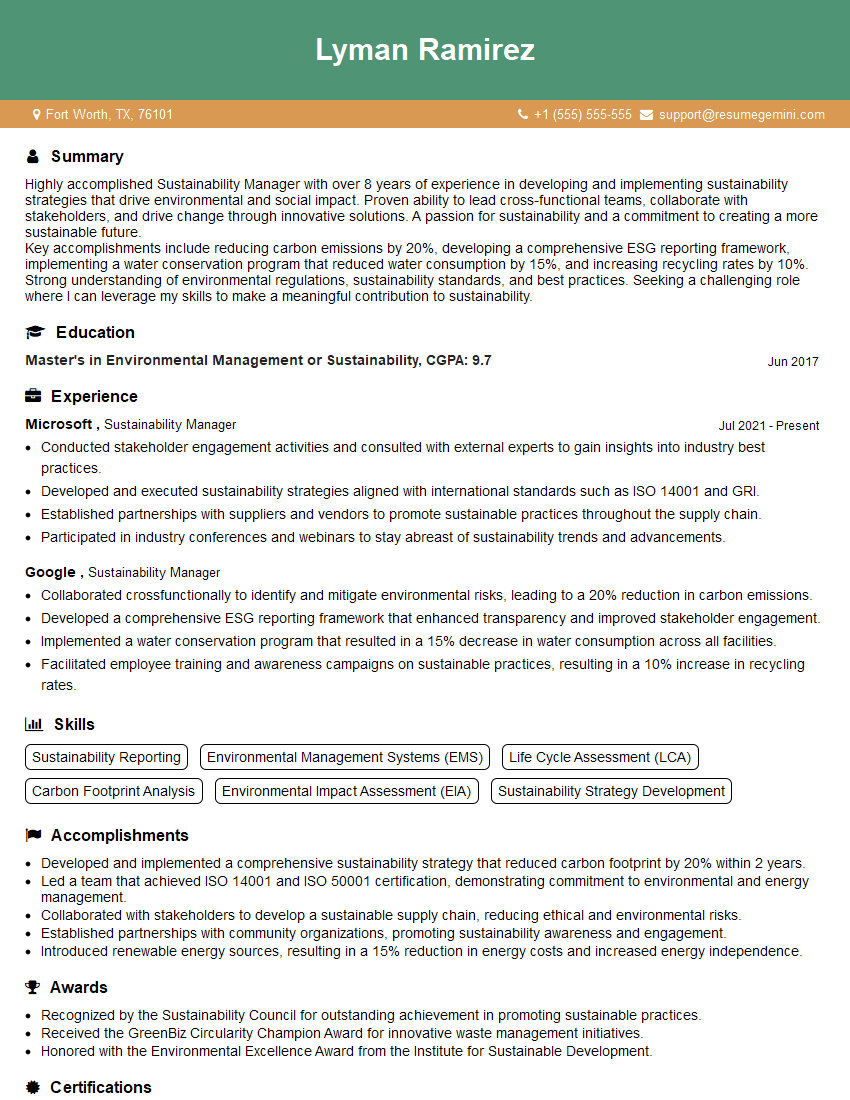
Sustainability Manager Resume Sample
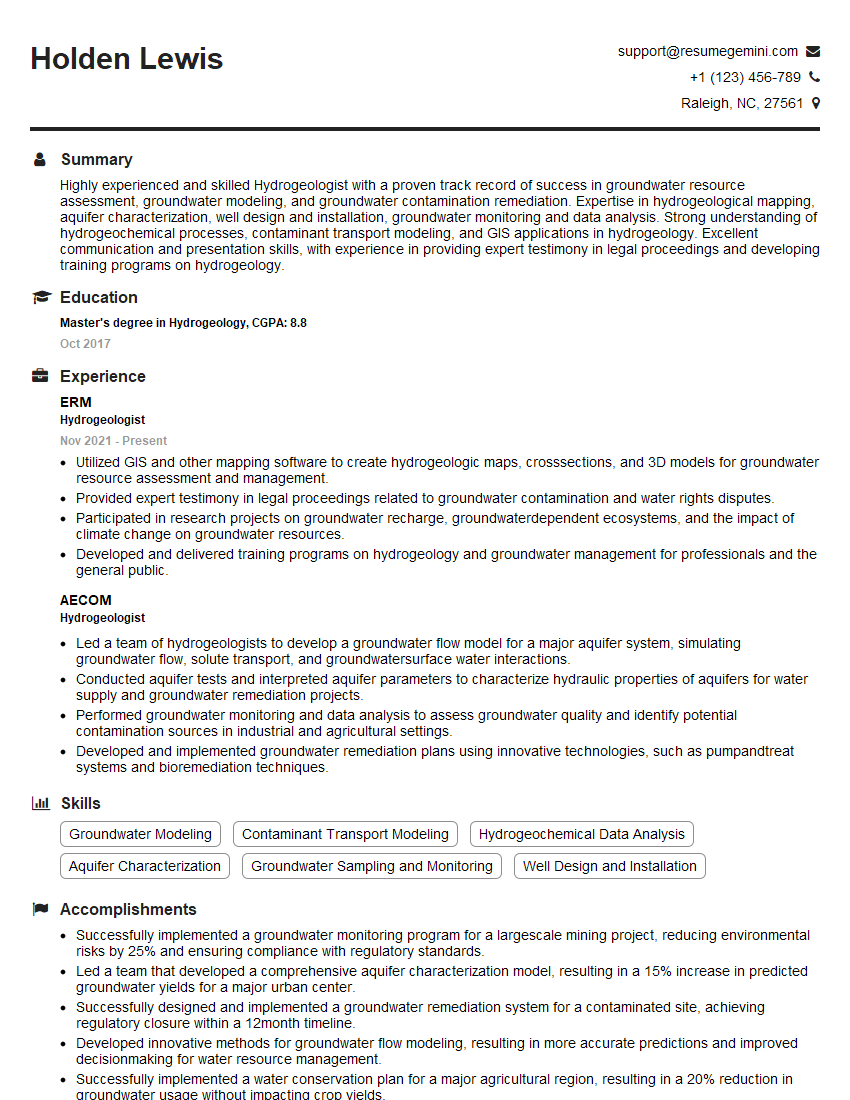
Hydrogeologist Resume Sample
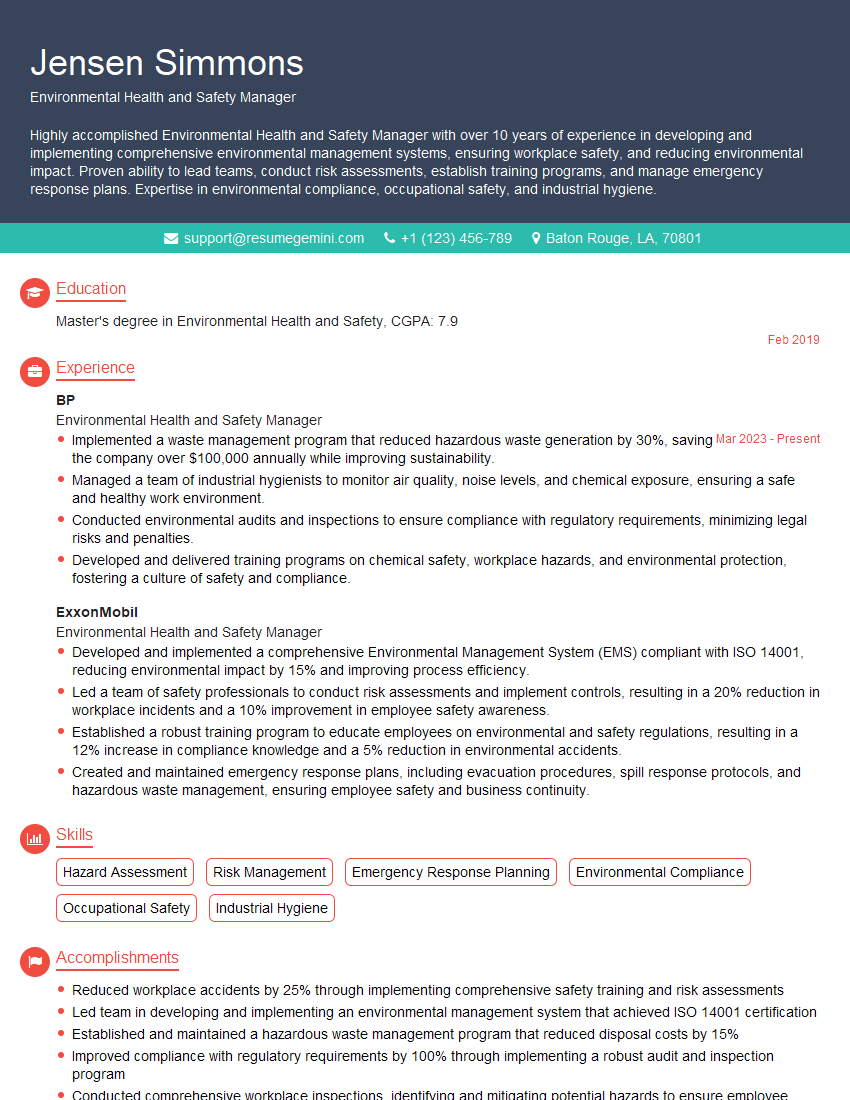
Environmental Health and Safety Manager Resume Sample
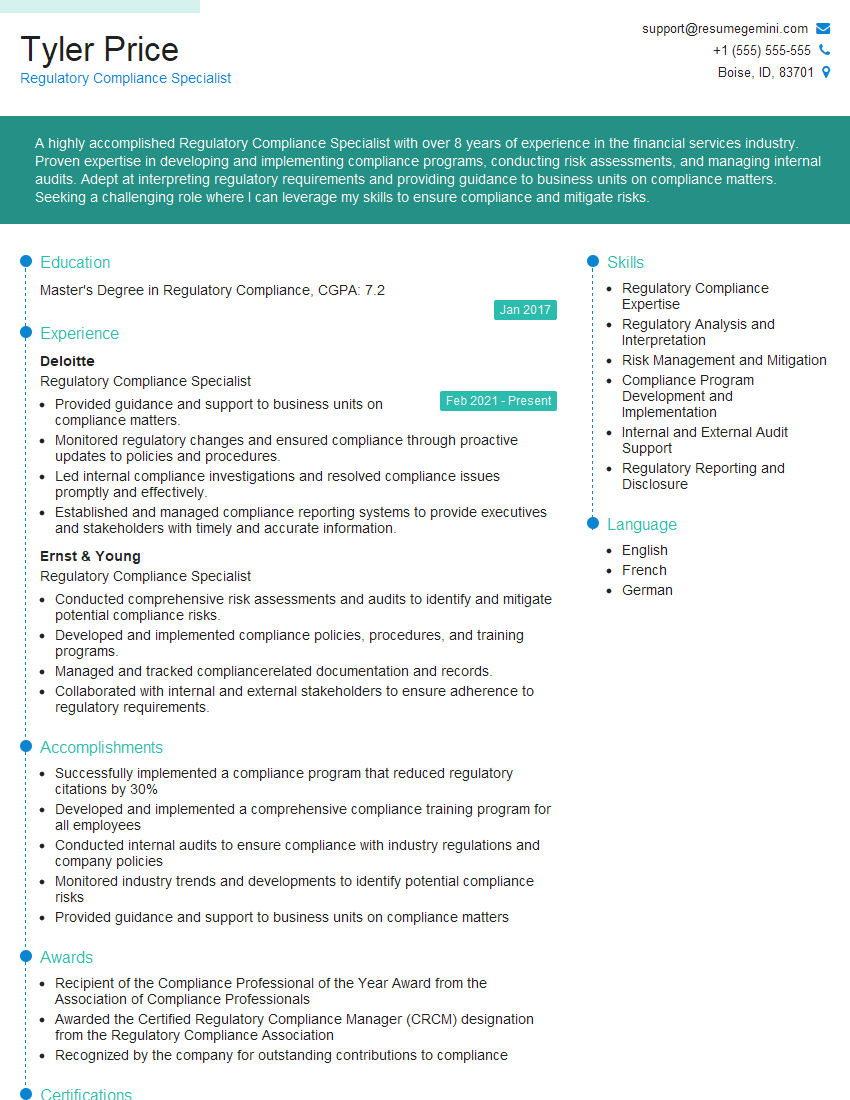
Regulatory Compliance Specialist Resume Sample
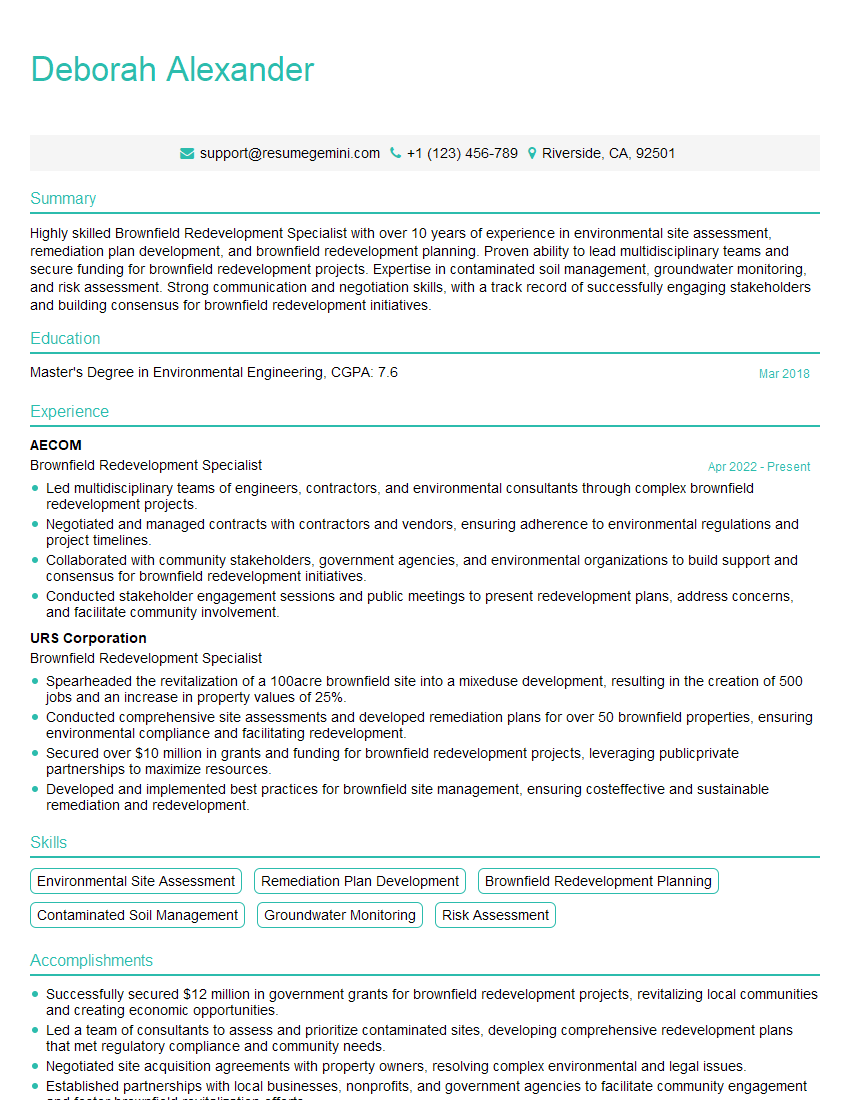
Brownfield Redevelopment Specialist Resume Sample
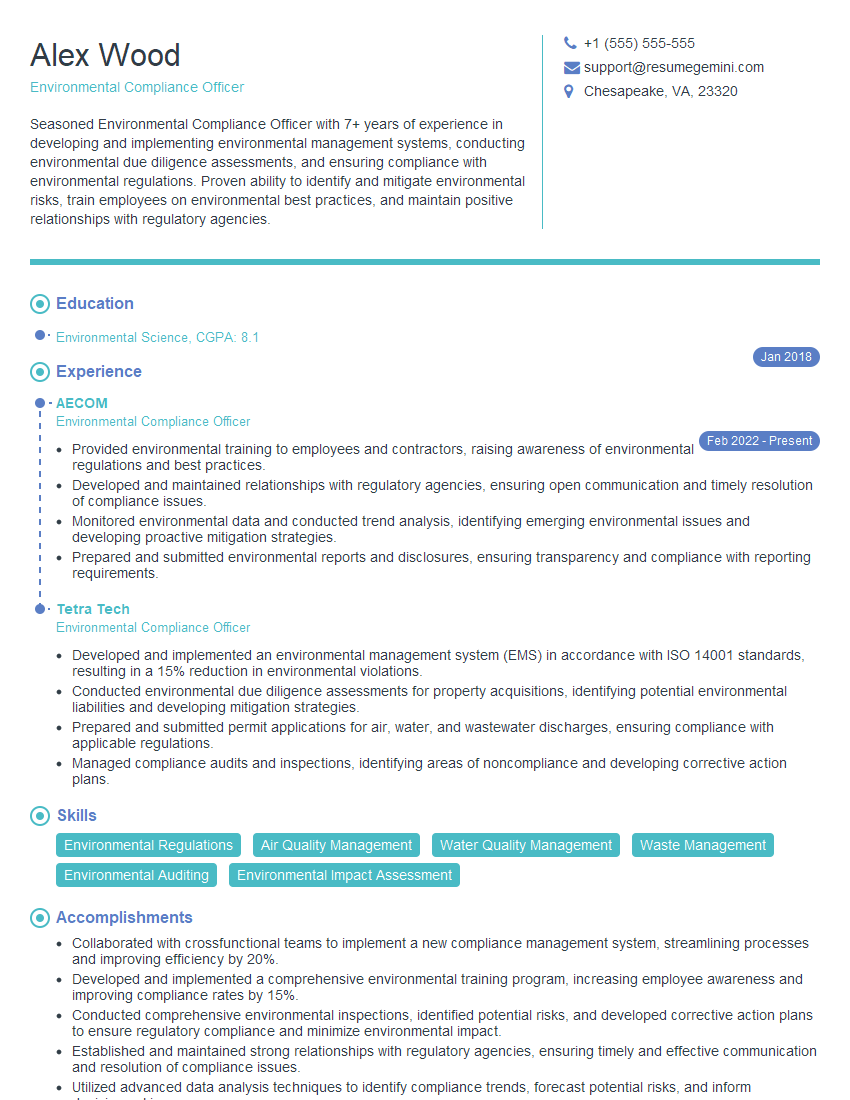
Environmental Compliance Officer Resume Sample
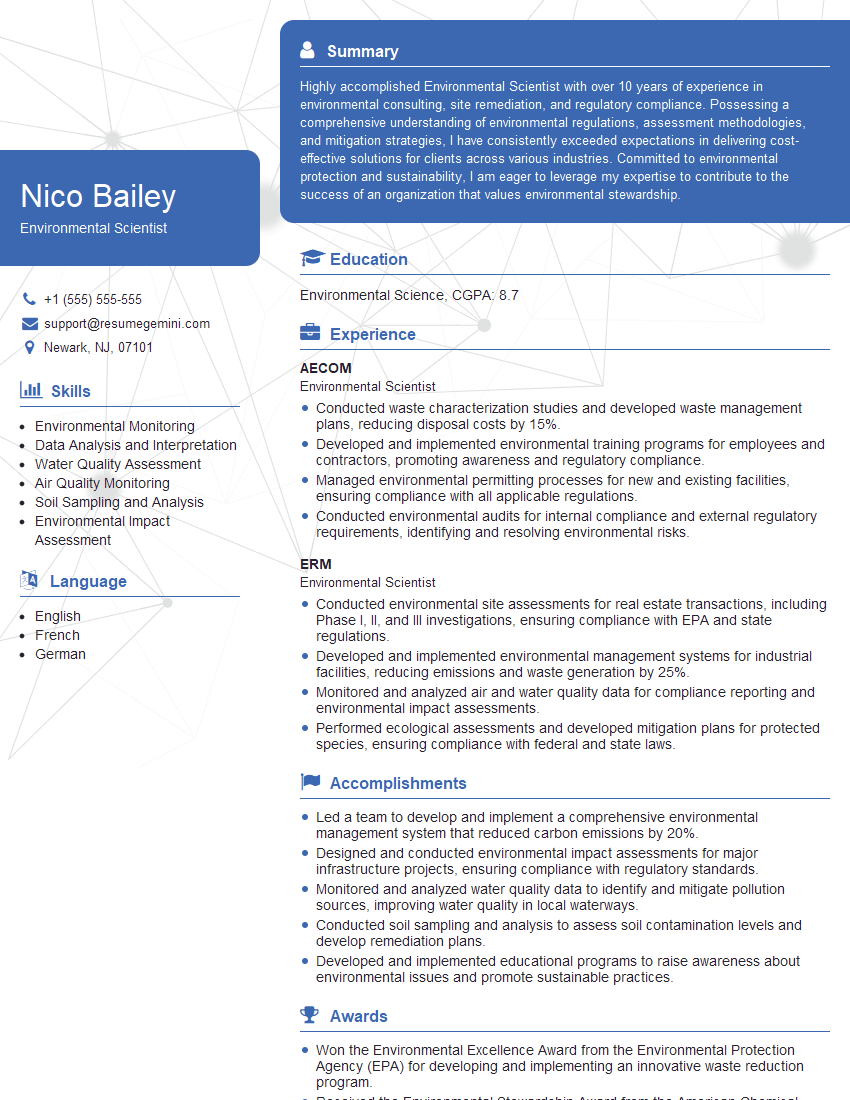
Environmental Scientist Resume Sample
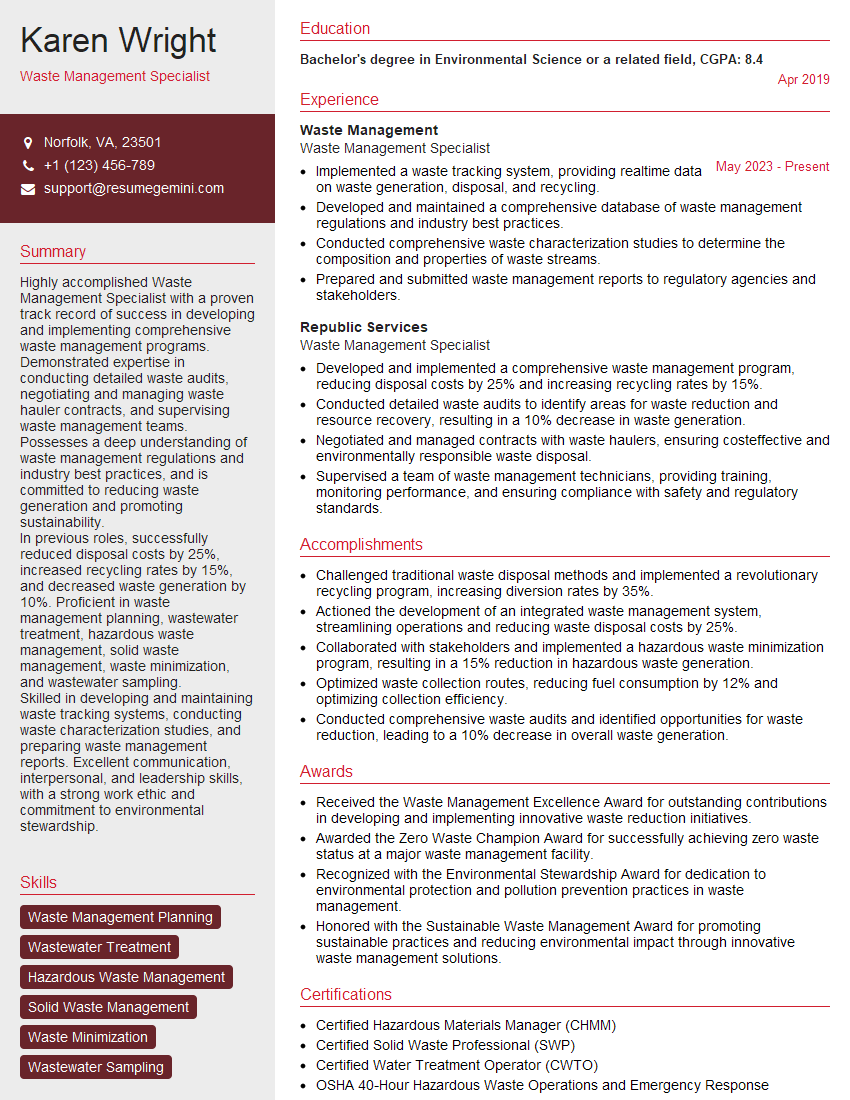
Waste Management Specialist Resume Sample
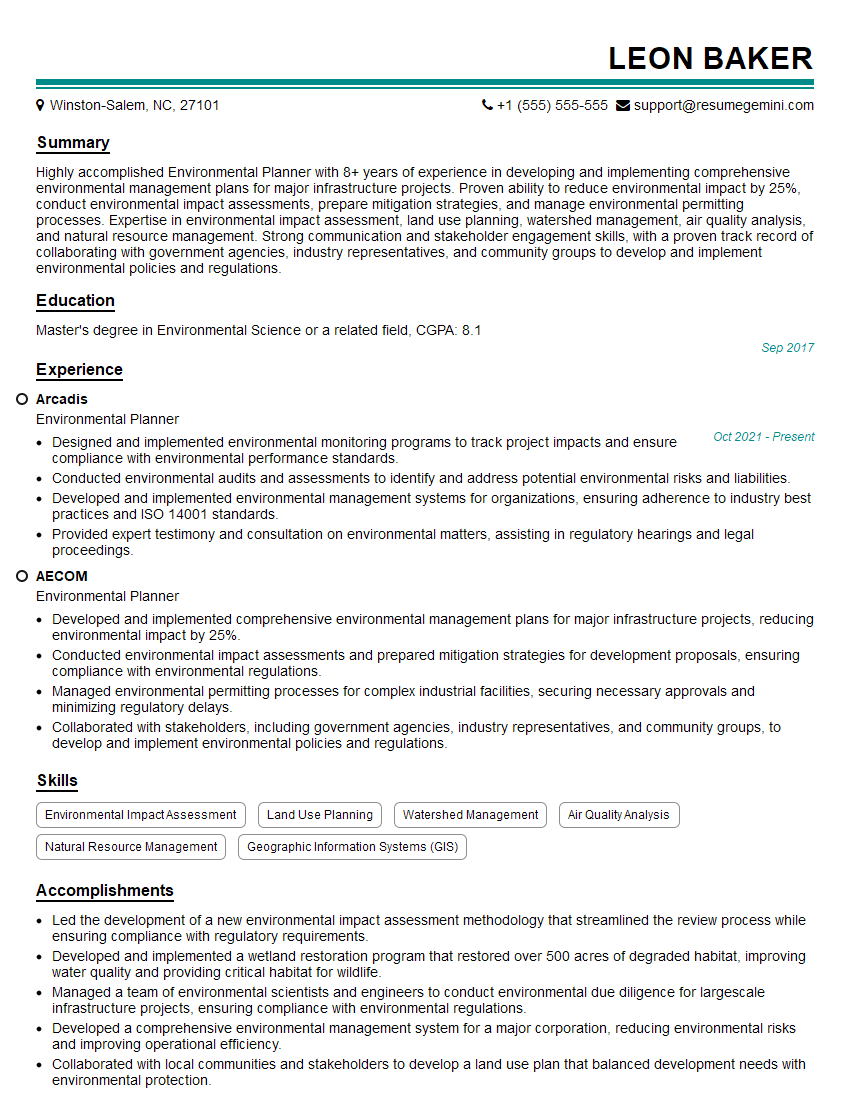
Environmental Planner Resume Sample
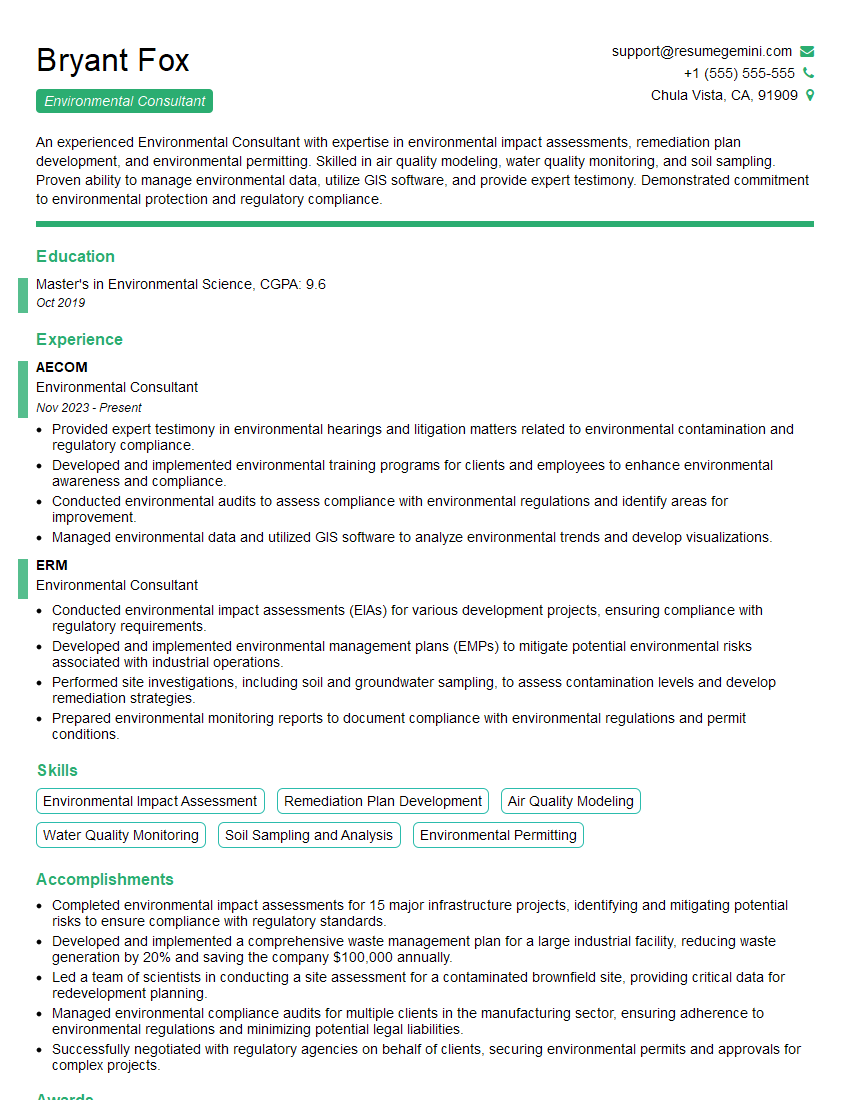
Environmental Consultant Resume Sample
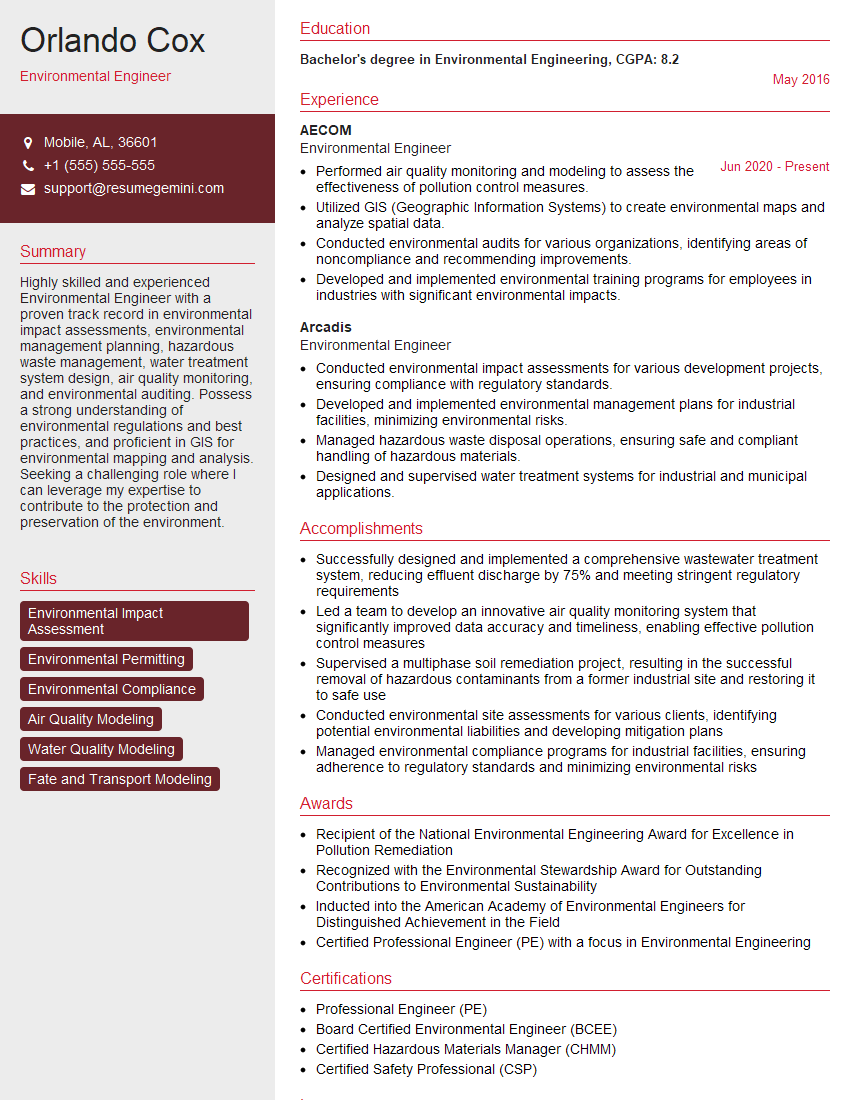
Environmental Engineer Resume Sample
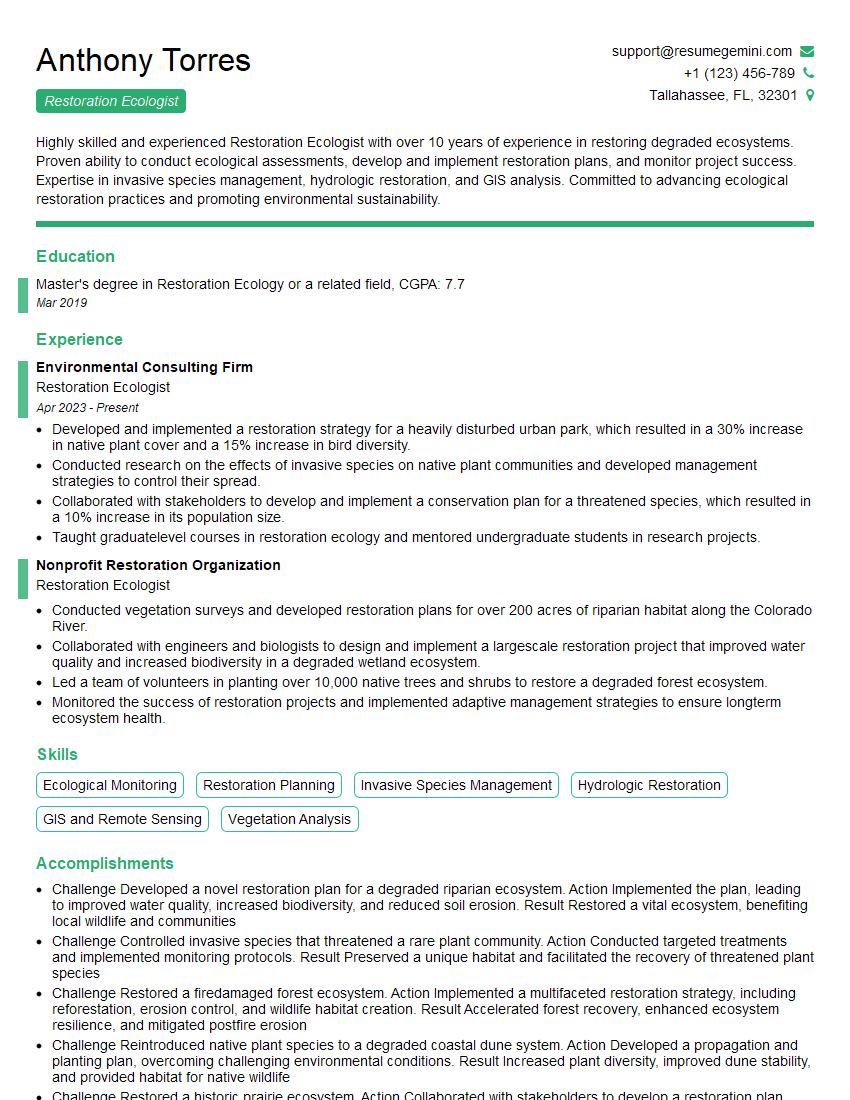
Restoration Ecologist Resume Sample
- Sustainability Manager
- Hydrogeologist
- Environmental Health and Safety Manager
- Regulatory Compliance Specialist
- Brownfield Redevelopment Specialist
- Environmental Compliance Officer
- Environmental Scientist
- Waste Management Specialist
- Environmental Planner
- Environmental Consultant
- Environmental Engineer
- Restoration Ecologist
Explore more articles
Users Rating of Our Blogs
Share Your Experience
We value your feedback! Please rate our content and share your thoughts (optional).
What Readers Say About Our Blog
Very informative content, great job.
good