Unlock your full potential by mastering the most common Equipment Life Cycle Management interview questions. This blog offers a deep dive into the critical topics, ensuring you’re not only prepared to answer but to excel. With these insights, you’ll approach your interview with clarity and confidence.
Questions Asked in Equipment Life Cycle Management Interview
Q 1. Describe the phases of an equipment life cycle.
The equipment life cycle encompasses all stages of an asset’s existence, from initial planning and acquisition to eventual disposal. Think of it like the journey of a car – from its design and manufacturing to its use, maintenance, and eventual scrapping. It’s typically divided into these phases:
- Planning & Acquisition: This involves identifying the need, specifying requirements, sourcing vendors, and procuring the equipment. This phase is crucial for setting the stage for success. For instance, choosing the right equipment for your specific needs can prevent costly mistakes later on.
- Implementation & Commissioning: This is where the equipment is installed, tested, and integrated into the operating environment. Imagine setting up a new machine in a factory – this requires careful planning and execution.
- Operation & Maintenance: This is the longest phase, focusing on using the asset productively and performing regular maintenance to maximize uptime and lifespan. This is where preventive and predictive maintenance strategies are employed.
- Decommissioning & Disposal: This phase involves safely removing the equipment from service, managing any hazardous materials, and disposing of it responsibly. This phase often includes considering environmental regulations and cost-effective recycling options.
Q 2. Explain the difference between preventive and predictive maintenance.
Preventive and predictive maintenance are both crucial for extending equipment lifespan, but they differ in their approach. Preventive maintenance is scheduled, routine upkeep. Think of it like regular oil changes for your car – you do them at set intervals regardless of whether the car shows any signs of trouble. This aims to prevent problems before they occur.
Predictive maintenance, on the other hand, is data-driven. It uses sensors, monitoring systems, and data analysis to anticipate potential problems before they lead to failures. Imagine having sensors on your car’s engine that detect unusual vibrations or temperature changes, alerting you to a potential problem before it escalates. This approach allows for more targeted and efficient maintenance interventions.
Q 3. How do you determine the economic life of an asset?
Determining the economic life of an asset involves analyzing its operating costs, replacement costs, and the asset’s contribution to revenue over time. It’s not simply the physical lifespan, but rather the point where the cost of keeping it operational surpasses the benefits it provides. We often use techniques like:
- Cost Analysis: Tracking operating costs (maintenance, repairs, energy consumption), considering inflation, and estimating future repair costs.
- Depreciation: Calculating the asset’s value decline over time. Straight-line depreciation is a simple method, but more complex methods like declining balance reflect faster initial depreciation.
- Revenue Analysis: Assessing the asset’s contribution to production or revenue. If the asset is significantly impacting profitability negatively, replacement may be economically viable.
The economic life is the point where the cost of continued operation exceeds the benefits derived from keeping the asset in service. A simple example is if maintaining an old machine costs $50,000 a year and a replacement costs $100,000 but increases production resulting in $80,000 in extra profit yearly, replacement makes economic sense.
Q 4. What are the key performance indicators (KPIs) you track in Equipment Life Cycle Management?
Key Performance Indicators (KPIs) in Equipment Life Cycle Management are crucial for tracking efficiency and identifying areas for improvement. Here are some vital KPIs:
- Mean Time Between Failures (MTBF): This measures the average time between equipment failures. A higher MTBF indicates better reliability.
- Mean Time To Repair (MTTR): This measures the average time it takes to repair a failed piece of equipment. A lower MTTR indicates quicker resolution of issues.
- Overall Equipment Effectiveness (OEE): This is a holistic measure combining availability, performance, and quality rate. A higher OEE signifies efficient equipment utilization.
- Maintenance Cost per Unit Produced: This shows the relationship between maintenance expenses and production output. A lower cost indicates better efficiency.
- Equipment Uptime Percentage: The percentage of time equipment is operational. High uptime is critical for production efficiency.
Regularly monitoring these KPIs helps us identify trends, predict potential problems, and make data-driven decisions to optimize the equipment’s life cycle.
Q 5. Explain Total Cost of Ownership (TCO) and its relevance.
Total Cost of Ownership (TCO) encompasses all direct and indirect costs associated with owning and operating an asset throughout its entire life cycle. It’s more than just the initial purchase price; it includes factors like maintenance, repairs, energy consumption, downtime costs, and disposal costs. Think of buying a house – the TCO isn’t just the mortgage; it includes property taxes, insurance, repairs, and utilities over the years. Understanding TCO is crucial for making informed purchasing decisions.
Its relevance lies in enabling informed comparisons. By evaluating the TCO of different equipment options, organizations can choose the most economically viable solution, minimizing overall expenses and maximizing returns. It supports proactive decision making, which results in higher long-term efficiency.
Q 6. How do you perform a cost-benefit analysis for equipment replacement?
Performing a cost-benefit analysis for equipment replacement involves a systematic comparison of costs and benefits associated with keeping the old equipment versus acquiring new equipment. A step-by-step process includes:
- Identify Costs: Calculate the costs of maintaining the old equipment (repairs, maintenance, downtime, energy) and the acquisition and installation costs of the new equipment.
- Identify Benefits: Estimate the potential benefits of the new equipment, such as increased productivity, reduced energy consumption, improved quality, and lower maintenance costs.
- Quantify Costs & Benefits: Assign monetary values to all costs and benefits, making sure to account for factors like inflation and the equipment’s lifespan.
- Calculate Net Present Value (NPV): Use NPV analysis to determine the net value of the investment over its lifetime. A positive NPV suggests that the investment is financially worthwhile.
- Compare Alternatives: Analyze different replacement scenarios, considering different equipment options and their respective costs and benefits.
- Consider Intangible Factors: While difficult to quantify, factors like improved safety or enhanced product quality should be considered.
By comparing the NPV of keeping the old equipment versus replacing it, a data-driven decision can be made.
Q 7. Describe your experience with CMMS software.
I have extensive experience with Computerized Maintenance Management Systems (CMMS) software, having utilized several platforms in various industrial settings. My experience spans implementing, configuring, and training users on CMMS software such as [mention specific software examples, e.g., UpKeep, Fiix, IBM Maximo]. This includes designing customized workflows for preventive maintenance, managing work orders, tracking inventory, and generating reports on key performance indicators.
In one project, we implemented a CMMS to replace a paper-based system. This resulted in a significant reduction in maintenance downtime, improved parts management, and a more efficient workflow. I specifically worked on integrating the CMMS with our ERP system, enabling seamless data flow and a more accurate view of equipment status and performance. My experience covers data analysis using CMMS data to improve maintenance strategies and optimize equipment uptime, demonstrating a practical understanding of how this software improves both the efficiency and effectiveness of ELC activities.
Q 8. What are the common causes of equipment failure and how can they be mitigated?
Equipment failure stems from a multitude of factors, broadly categorized as:
- Normal Wear and Tear: This is the gradual degradation of equipment due to continuous use. Think of a car’s tires wearing down over time. Mitigation involves regular maintenance, including inspections, lubrication, and timely replacement of parts before critical failure.
- Environmental Factors: Extreme temperatures, humidity, dust, and corrosive substances can significantly impact equipment lifespan. For example, exposure to saltwater can rapidly corrode metal components. Mitigation strategies include using protective coatings, climate-controlled environments, and regular cleaning.
- Human Error: Improper operation, inadequate training, and insufficient safety protocols lead to many failures. A classic example is incorrect machine settings resulting in damage. Mitigation involves comprehensive training programs, clear operating instructions, and robust safety procedures.
- Design Defects: Flaws in the original design can manifest as early or catastrophic failures. A poorly designed component might fracture under normal stress. Mitigation hinges on thorough design review processes, rigorous testing, and adherence to quality standards.
- Lack of Maintenance: Neglecting scheduled maintenance is a primary cause of premature equipment failure. A simple analogy is ignoring a leaky faucet – a small problem that can escalate into a major one. Mitigation involves a well-defined preventative maintenance schedule with documented inspections and repairs.
Effective mitigation often involves a combination of these approaches, focusing on proactive measures rather than reactive repairs. A robust Computerized Maintenance Management System (CMMS) can be instrumental in scheduling maintenance, tracking repairs, and analyzing failure trends.
Q 9. How do you manage obsolescence in equipment life cycle management?
Managing obsolescence is crucial for efficient Equipment Life Cycle Management (ECL). Obsolescence occurs when equipment becomes outdated, unsupported, or no longer cost-effective to maintain. My approach involves:
- Regular Technology Assessments: Periodically evaluating the latest technologies and comparing them against existing equipment to identify potential upgrades or replacements. This often involves benchmarking against industry best practices.
- Life Cycle Cost Analysis (LCCA): Conducting a thorough analysis comparing the cost of maintaining existing equipment against the cost of purchasing new, potentially more efficient, equipment. This considers factors like repair costs, downtime, energy consumption, and future maintenance projections.
- Strategic Planning for Upgrades: Developing a roadmap for planned upgrades, considering factors like budget constraints, potential disruption to operations, and training requirements. This may involve phasing out older equipment gradually.
- Vendor Collaboration: Maintaining strong relationships with equipment vendors to understand their product lifecycles, receive timely notifications about end-of-life announcements, and explore potential upgrade paths.
- Inventory Management: Careful management of spare parts for obsolete equipment to ensure continued operation during the transition period. This can involve sourcing parts from secondary markets or modifying existing parts to keep older systems running until the transition is complete.
For example, in a previous role, we successfully migrated from an older, unsupported control system to a newer, more efficient system by implementing a phased upgrade approach. This minimized downtime and ensured a smooth transition.
Q 10. What is Root Cause Analysis (RCA) and how do you apply it?
Root Cause Analysis (RCA) is a systematic approach to identifying the underlying cause of a problem, rather than just addressing the symptoms. It’s akin to a detective investigating a crime scene – you need to find the root cause, not just the immediate evidence. I typically use the 5 Whys technique and fault tree analysis.
5 Whys: This iterative questioning technique involves asking ‘why’ five times to drill down to the root cause. For example:
Problem: Machine is malfunctioning.
Why? Motor is overheating.
Why? Insufficient lubrication.
Why? Lubrication schedule wasn’t followed.
Why? Maintenance personnel lacked training.
Why? Inadequate training program. (Root Cause)
Fault Tree Analysis: This is a more structured approach that uses a diagram to visually represent the relationships between various contributing factors and the resulting failure. It’s particularly useful for complex systems.
Once the root cause is identified, corrective actions can be implemented to prevent future occurrences. This might include improved training, process changes, or equipment modifications.
Q 11. Explain your experience with failure modes and effects analysis (FMEA).
Failure Modes and Effects Analysis (FMEA) is a proactive risk assessment technique used to identify potential failure modes in a system, assess their severity, and determine preventive actions. I’ve extensively used FMEA in several projects to evaluate the potential failure modes of equipment and processes.
The process typically involves:
- Identifying potential failure modes: Listing all possible ways a component or system can fail.
- Assessing the severity of each failure: Determining the impact of each failure on the overall system.
- Estimating the probability of occurrence: Evaluating the likelihood of each failure mode occurring.
- Determining the detectability of each failure: Assessing how easily each failure can be detected before it causes significant harm.
- Developing preventative actions: Implementing actions to mitigate the risk of each failure mode.
In one project, we used FMEA to analyze a critical process within a manufacturing plant. Identifying a potential failure mode in a key sensor allowed us to implement preventative maintenance and avoid costly downtime.
Q 12. Describe your experience with risk assessment related to equipment.
Risk assessment related to equipment involves identifying and analyzing potential hazards associated with equipment operation, maintenance, and disposal. My approach combines qualitative and quantitative methods:
- Hazard Identification: This involves systematically identifying potential hazards, such as electrical shock, fire, mechanical injury, or environmental damage. Techniques such as HAZOP (Hazard and Operability Study) or checklists are employed.
- Risk Analysis: This involves assessing the likelihood and severity of each identified hazard. This often uses a risk matrix, which plots likelihood against severity to categorize risks as low, medium, or high.
- Risk Evaluation: This involves determining the acceptability of the identified risks. Risks deemed unacceptable require the implementation of control measures.
- Risk Control: This involves developing and implementing control measures to reduce or eliminate the identified risks. This might include safety guards, emergency shutdown systems, personal protective equipment (PPE), or procedural changes.
- Monitoring and Review: Regularly monitoring the effectiveness of control measures and reviewing the risk assessment process to ensure it remains relevant and effective.
For instance, in a previous risk assessment, we identified a high risk of electrical shock associated with a particular piece of equipment. Implementing appropriate safety measures, including improved grounding and lockout/tagout procedures, significantly reduced the risk.
Q 13. How do you manage equipment upgrades and modifications?
Managing equipment upgrades and modifications requires careful planning and execution to minimize disruption and ensure compliance with safety and regulatory standards. My approach is structured as follows:
- Needs Assessment: Determining the justification for the upgrade or modification. This may involve analyzing operational inefficiencies, capacity limitations, or compliance requirements.
- Vendor Selection: Identifying and selecting a qualified vendor capable of performing the upgrade or modification to the required standards. This may involve a competitive bidding process.
- Design Review: Thoroughly reviewing the proposed design to ensure it meets the required specifications and addresses potential risks. This may involve simulations and testing.
- Implementation Planning: Developing a detailed implementation plan that outlines the steps involved, timelines, resources required, and potential disruptions to operations. This might involve detailed scheduling and coordination with other departments.
- Testing and Commissioning: Rigorously testing the upgraded or modified equipment to ensure it functions correctly and meets the required performance standards.
- Documentation: Maintaining thorough documentation of the upgrade or modification, including design specifications, test results, and maintenance procedures. This is vital for future maintenance and regulatory compliance.
A recent project involved upgrading a critical control system. Careful planning and phased implementation minimized downtime and ensured a seamless transition to the new system.
Q 14. What is your experience with spare parts management?
Effective spare parts management is crucial for minimizing equipment downtime and maintaining operational efficiency. My experience encompasses several key aspects:
- Inventory Optimization: Determining the optimal quantity of spare parts to maintain on hand, balancing the cost of inventory with the risk of stockouts. This often involves using techniques like ABC analysis to prioritize critical parts.
- Vendor Management: Developing and maintaining strong relationships with reliable vendors to ensure timely delivery of spare parts. This might include negotiating contracts and establishing preferred supplier agreements.
- Warehouse Management: Implementing a system for storing and managing spare parts, including proper labeling, organization, and security. This may involve using a CMMS to track inventory levels.
- Demand Forecasting: Predicting future demand for spare parts based on historical data and maintenance schedules. This is often facilitated through data analytics and predictive maintenance strategies.
- Obsolete Parts Management: Managing the disposal of obsolete parts, ensuring compliance with environmental regulations and minimizing waste. This might involve recycling or proper disposal procedures.
In a previous role, I implemented a new spare parts management system that reduced inventory costs by 15% while simultaneously improving the availability of critical parts. This was achieved through a combination of improved forecasting, optimized ordering procedures, and better warehouse management practices.
Q 15. How do you ensure compliance with safety regulations in equipment management?
Ensuring compliance with safety regulations in equipment management is paramount. It’s not just about avoiding fines; it’s about protecting lives and preventing costly accidents. My approach is multi-faceted and starts with a thorough understanding of all applicable regulations, including OSHA, local codes, and industry-specific standards. This involves regular reviews and updates to stay abreast of any changes.
Secondly, I implement a robust system of regular inspections and audits. These aren’t just visual checks; they involve detailed functional tests, safety checks, and documentation of findings. We use checklists tailored to each piece of equipment and its specific risks. For instance, for a crane, we’d check load limits, brake functionality, and emergency stop mechanisms. Any non-compliance is documented, assigned to a responsible party for remediation, and followed up rigorously until resolved.
Finally, comprehensive training for all personnel who interact with the equipment is crucial. This ensures everyone understands the safety procedures, recognizes potential hazards, and knows how to react in emergencies. We use a combination of classroom training, hands-on demonstrations, and regular refresher courses to reinforce best practices. This layered approach ensures compliance is not just met, but actively embedded into our operational culture.
Career Expert Tips:
- Ace those interviews! Prepare effectively by reviewing the Top 50 Most Common Interview Questions on ResumeGemini.
- Navigate your job search with confidence! Explore a wide range of Career Tips on ResumeGemini. Learn about common challenges and recommendations to overcome them.
- Craft the perfect resume! Master the Art of Resume Writing with ResumeGemini’s guide. Showcase your unique qualifications and achievements effectively.
- Don’t miss out on holiday savings! Build your dream resume with ResumeGemini’s ATS optimized templates.
Q 16. How do you manage the disposal or decommissioning of equipment?
Managing the disposal or decommissioning of equipment is a critical process that necessitates meticulous planning and adherence to environmental regulations. It’s not simply about getting rid of old equipment; it’s about doing so responsibly and sustainably.
My process begins with a thorough assessment of the equipment’s condition and any hazardous materials it may contain (e.g., asbestos, refrigerants, heavy metals). We then create a detailed decommissioning plan that outlines the steps involved, including safe disconnection, decontamination (if necessary), and proper disposal or recycling methods. This plan is crucial for ensuring worker safety and environmental protection.
We prioritize recycling and reuse whenever possible to minimize waste. This often involves partnering with specialized recycling companies that handle specific materials effectively. For equipment that can’t be reused or recycled, we ensure proper disposal at licensed facilities that adhere to all relevant environmental standards. Throughout the entire process, we maintain meticulous documentation to prove compliance with all regulations. For example, we obtain certificates of destruction for equipment containing hazardous materials and keep records of all recycling and disposal activities. This transparency is vital for auditing purposes and demonstrates our commitment to environmental stewardship.
Q 17. What is your experience with equipment data analytics?
Equipment data analytics is a game-changer in effective equipment management. I have extensive experience leveraging data to optimize maintenance schedules, predict potential failures, and improve overall equipment efficiency.
In my previous role, we implemented a system that collected real-time data from our machinery – everything from operating hours and temperature readings to vibration levels and energy consumption. We used this data to build predictive models using machine learning techniques. For example, by analyzing vibration data, we were able to predict bearing failures weeks in advance, allowing us to schedule preventative maintenance before catastrophic breakdowns occurred. This significantly reduced downtime and repair costs.
Furthermore, we used data analytics to identify trends and patterns in equipment performance. This helped us understand the root causes of recurring problems and implement targeted improvements. For example, by analyzing energy consumption data, we identified inefficiencies in certain processes and implemented changes that resulted in significant energy savings. The key is to not just collect data, but to interpret it effectively, derive actionable insights, and continuously refine our strategies based on the data’s feedback.
Q 18. Describe your experience with developing and implementing maintenance strategies.
Developing and implementing effective maintenance strategies is the cornerstone of successful equipment management. It’s about moving away from reactive, emergency repairs towards proactive, planned maintenance.
My approach involves a thorough understanding of the equipment’s function, its critical components, and its failure modes. I usually start with a risk assessment identifying the most critical equipment and the potential consequences of their failure. Based on this assessment, we tailor our maintenance strategy, combining preventative, predictive, and corrective maintenance activities.
For example, I’ve successfully implemented a Reliability-Centered Maintenance (RCM) program in a manufacturing facility. This involved analyzing each piece of equipment to identify its critical functions, potential failure modes, their consequences, and the most effective maintenance tasks to mitigate those failures. This data-driven approach drastically reduced downtime and improved overall equipment effectiveness (OEE). In another project, I utilized a Total Productive Maintenance (TPM) philosophy, involving cross-functional teams in the maintenance process to foster a culture of proactive maintenance and continuous improvement. Successful implementation relies heavily on effective communication, training, and robust data management to track performance and refine strategies over time.
Q 19. How do you ensure the accuracy of equipment records and data?
Ensuring the accuracy of equipment records and data is fundamental for effective management. Inaccurate information can lead to costly mistakes, safety hazards, and inefficient operations.
I advocate for a centralized, digital system for managing equipment information. This system should include details about each piece of equipment, such as its make, model, serial number, purchase date, maintenance history, and any relevant certifications. We use barcodes or RFID tags to identify equipment uniquely, minimizing the risk of errors in data entry.
Regular data validation and reconciliation are critical. This involves comparing data from different sources to identify discrepancies and errors. We also establish clear data governance procedures, assigning responsibility for data accuracy to specific individuals or teams. Moreover, the system should have audit trails to track changes and identify who made them, ensuring accountability. Finally, providing regular training to personnel on data entry and data management best practices helps maintain data integrity and consistency.
Q 20. How do you manage equipment relocation or transfer?
Managing equipment relocation or transfer requires careful planning and execution to ensure the equipment’s safety and prevent damage during transit.
The process begins with a thorough assessment of the equipment’s size, weight, and any special handling requirements. We then create a detailed relocation plan that specifies the route, the mode of transport, and the necessary safety precautions. For large or sensitive equipment, specialized equipment and expertise may be required.
Before the move, the equipment should be properly prepared. This may include disconnecting utilities, securing loose parts, and protecting sensitive components. During transit, the equipment needs to be appropriately secured to prevent damage. Upon arrival at the new location, the equipment is carefully inspected for any damage incurred during transport. Finally, we document the entire process, including any inspections, repairs, and associated costs. This ensures accountability and provides a record for insurance purposes if necessary. A well-defined process ensures a smooth transition and minimizes disruption to operations.
Q 21. What are your experiences with different maintenance strategies (e.g., RCM, TPM)?
I have extensive experience with various maintenance strategies, including Reliability-Centered Maintenance (RCM) and Total Productive Maintenance (TPM). Each has its strengths and weaknesses, and the best choice depends on the specific context.
RCM is a data-driven, proactive approach focused on identifying critical equipment failures and implementing maintenance tasks to prevent them. It’s highly effective for complex and critical equipment where failure has high consequences. However, it can be resource-intensive to implement initially.
TPM is a more holistic approach involving all employees in maintenance activities. It fosters a culture of continuous improvement and aims to maximize equipment uptime and overall efficiency. It’s particularly effective in improving morale and engaging the workforce, but it requires a strong commitment to training and organizational change.
I’ve also worked with Preventative Maintenance (PM) which involves performing routine maintenance at scheduled intervals. While simpler to implement than RCM or TPM, it can be less effective if not tailored to specific equipment needs and failure modes. Choosing the right strategy, or a hybrid approach, is crucial and should be based on a thorough risk assessment, cost-benefit analysis, and consideration of the organization’s culture and resources.
Q 22. How do you handle equipment emergencies and unexpected failures?
Handling equipment emergencies requires a swift and organized response. Our protocol begins with a rapid assessment of the situation to determine the severity and potential impact on operations. This involves identifying the failed equipment, understanding the extent of the malfunction, and assessing any immediate safety risks. We utilize a prioritized escalation matrix; minor issues are handled by the on-site maintenance team, while critical failures trigger immediate responses from senior engineers and potentially external specialists.
For example, if a critical pump fails in a processing plant, our immediate actions would include isolating the affected section to prevent further damage, activating backup systems (if available), and dispatching the specialized maintenance crew. Simultaneously, we begin troubleshooting to determine the root cause, utilizing diagnostic tools and historical data. Once the immediate crisis is contained, we initiate a thorough investigation to identify the cause of the failure and implement corrective actions to prevent recurrence. This could involve implementing preventative maintenance schedules, upgrading components, or refining operating procedures. Post-incident reviews are crucial to refine our emergency response protocols and identify areas for improvement.
Q 23. Explain your experience using different asset management software.
My experience with asset management software spans several platforms, each offering unique capabilities. I’ve worked extensively with IBM Maximo, SAP PM, and UpKeep. IBM Maximo, for instance, is a robust system ideal for large-scale organizations with complex asset inventories. Its strength lies in its ability to handle intricate work orders, manage spare parts effectively, and track maintenance history comprehensively. SAP PM, on the other hand, integrates seamlessly with other SAP modules, facilitating streamlined data flow within an enterprise resource planning (ERP) system. It offers powerful reporting and analytics capabilities for strategic decision-making. Finally, UpKeep is a cloud-based solution particularly beneficial for smaller businesses, providing user-friendly interfaces and intuitive dashboards for tracking assets and scheduling maintenance.
The choice of software depends heavily on the organization’s size, complexity, and budget. In my experience, success hinges not only on the software’s capabilities but also on proper implementation, user training, and ongoing data management. For example, effectively utilizing the reporting features in Maximo allowed me to identify recurring failures in a specific piece of equipment, leading to proactive maintenance that significantly reduced downtime.
Q 24. How do you prioritize maintenance tasks?
Prioritizing maintenance tasks is critical for maximizing equipment uptime and minimizing costs. We employ a multi-faceted approach, combining risk-based and criticality assessments. We use a combination of methods, including:
- Criticality Analysis: Ranking equipment based on its impact on production. Essential equipment receives higher priority.
- Risk Assessment: Evaluating the likelihood and consequences of failure. Equipment with high failure probability and severe consequences gets prioritized.
- CBM (Condition-Based Maintenance): Utilizing sensor data and predictive analytics to identify potential failures before they occur, enabling timely intervention.
- Maintenance Backlog Management: Prioritizing tasks based on urgency and impact, considering factors such as safety, production needs, and regulatory compliance.
For instance, a critical compressor in a chemical plant would naturally be prioritized over a less critical conveyor belt. Using CBM techniques, we detected abnormal vibrations in a specific bearing before it failed, allowing us to replace it during a scheduled maintenance window, preventing a costly emergency shutdown.
Q 25. How do you measure the effectiveness of your maintenance programs?
Measuring the effectiveness of maintenance programs involves evaluating several key performance indicators (KPIs). These metrics provide insights into the program’s efficiency and help identify areas for improvement. Some crucial KPIs include:
- Mean Time Between Failures (MTBF): Measures the average time between equipment failures. A higher MTBF indicates improved reliability.
- Mean Time To Repair (MTTR): Indicates the average time taken to repair failed equipment. A lower MTTR reflects faster response and repair times.
- Overall Equipment Effectiveness (OEE): A comprehensive metric that considers availability, performance, and quality. Higher OEE signifies better equipment utilization and efficiency.
- Maintenance Cost per Unit Produced: Tracks the maintenance cost relative to production output, indicating cost-effectiveness.
- Number of Emergency Work Orders: A lower number suggests effective preventative maintenance.
By regularly monitoring these KPIs and comparing them against industry benchmarks or historical data, we can objectively assess our maintenance program’s performance and make data-driven improvements. For example, a significant increase in MTBF for a specific machine line demonstrates the positive impact of a recent maintenance optimization initiative.
Q 26. Describe a time you improved equipment reliability.
In a previous role, we experienced frequent failures in a crucial production line due to recurring issues with a specific type of motor. These failures resulted in substantial downtime and production losses. To improve reliability, I spearheaded an initiative involving a multi-step process:
- Root Cause Analysis: We conducted a thorough investigation using failure analysis techniques, including reviewing maintenance logs, examining failed parts, and interviewing operators. This revealed that the motors were failing prematurely due to excessive vibration and inadequate lubrication.
- Design Modifications: We implemented design changes to reduce motor vibration by adding dampeners and modifying mounting brackets.
- Improved Lubrication Procedures: We revised the lubrication schedule and trained maintenance personnel on proper lubrication techniques.
- Preventative Maintenance Optimization: We implemented a condition-based monitoring system using vibration sensors to detect potential issues early.
These combined improvements significantly reduced motor failures, leading to a dramatic increase in equipment uptime and a substantial reduction in maintenance costs. The project demonstrated the power of a systematic approach to problem-solving and the importance of combining preventative and condition-based maintenance strategies.
Q 27. How do you foster collaboration between maintenance and operations teams?
Fostering collaboration between maintenance and operations teams is paramount for effective equipment management. We achieve this through several strategies, including:
- Joint Planning Sessions: Regular meetings involving representatives from both teams to discuss upcoming maintenance activities, potential disruptions, and resource allocation. This ensures alignment and minimizes conflicts.
- Open Communication Channels: Establishing clear and readily accessible communication channels (e.g., daily briefings, shared online platforms) facilitates real-time updates and immediate problem-solving.
- Cross-Training Initiatives: Providing cross-training opportunities for maintenance and operations personnel to enhance their understanding of each other’s roles and responsibilities. This fosters empathy and shared understanding.
- Shared KPIs and Goals: Setting common goals and KPIs (e.g., maximizing OEE) helps to align incentives and promotes collaborative efforts.
- Regular Feedback Mechanisms: Creating mechanisms for feedback and suggestions from both teams helps to continuously improve processes and identify areas for collaboration.
For example, our joint planning sessions allow operators to highlight potential maintenance needs or areas of concern early, enabling proactive intervention and preventing potential issues before they impact production.
Q 28. How do you stay current with best practices in Equipment Life Cycle Management?
Staying current with best practices in Equipment Life Cycle Management is an ongoing process. I actively pursue knowledge through several avenues:
- Professional Organizations: Membership in organizations like the Society for Maintenance & Reliability Professionals (SMRP) provides access to industry publications, conferences, and networking opportunities.
- Industry Publications and Journals: Regularly reading industry publications and journals keeps me abreast of the latest advancements and best practices.
- Conferences and Workshops: Attending conferences and workshops allows for direct interaction with industry experts and the opportunity to learn about new technologies and approaches.
- Online Courses and Webinars: Utilizing online learning platforms offers flexibility to expand my knowledge base on specific areas of interest.
- Benchmarking and Case Studies: Analyzing the practices of high-performing organizations through benchmarking and case studies provides valuable insights into effective strategies.
This continuous learning process ensures that my knowledge and skills remain relevant and that I can apply the latest best practices to optimize equipment management strategies within my organization.
Key Topics to Learn for Equipment Life Cycle Management Interview
- Acquisition and Procurement: Understanding the process of selecting, purchasing, and implementing new equipment. Consider factors like cost-benefit analysis, vendor selection, and contract negotiation.
- Installation and Commissioning: Mastering the techniques for safe and efficient equipment installation, testing, and integration into existing systems. Discuss practical challenges and solutions.
- Operation and Maintenance: Develop a strong grasp of preventative maintenance schedules, predictive analysis techniques, and troubleshooting methodologies to maximize equipment uptime and minimize downtime costs. Explore different maintenance strategies (e.g., preventive, predictive, reactive).
- Upgrade and Modification: Discuss strategies for improving equipment performance, extending lifespan, and adapting to evolving operational needs. Consider cost-effectiveness and risk mitigation.
- Decommissioning and Disposal: Understand the environmentally responsible and cost-effective methods for retiring equipment, including recycling, disposal, and asset recovery strategies. Explore compliance with relevant regulations.
- Data Analysis and Reporting: Highlight your proficiency in using data to track equipment performance, identify areas for improvement, and support decision-making related to the equipment lifecycle. Discuss relevant KPIs and reporting methods.
- Risk Management and Safety: Demonstrate your understanding of safety protocols, risk assessment, and mitigation strategies throughout the equipment lifecycle. Discuss relevant safety standards and regulations.
- Cost Optimization and Budgeting: Showcase your ability to effectively manage costs associated with equipment acquisition, operation, maintenance, and disposal. Discuss strategies for optimizing lifecycle costs.
Next Steps
Mastering Equipment Life Cycle Management is crucial for career advancement in today’s competitive landscape. It demonstrates a valuable skillset highly sought after by organizations across various industries. To significantly boost your job prospects, creating a compelling and ATS-friendly resume is essential. ResumeGemini is a trusted resource that can help you build a professional resume tailored to highlight your expertise in Equipment Life Cycle Management. Examples of resumes specifically designed for this field are available to guide you. Invest time in crafting a strong resume; it’s your first impression on potential employers.
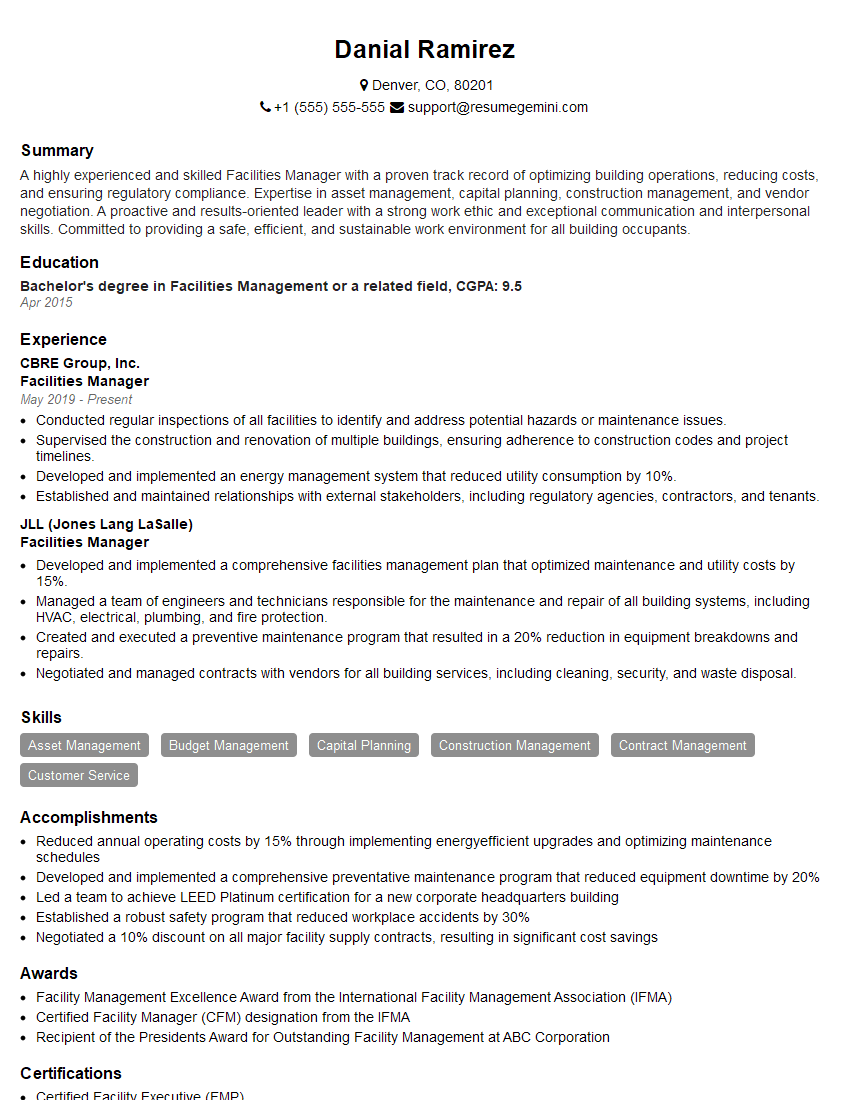
Facilities Manager Resume Sample
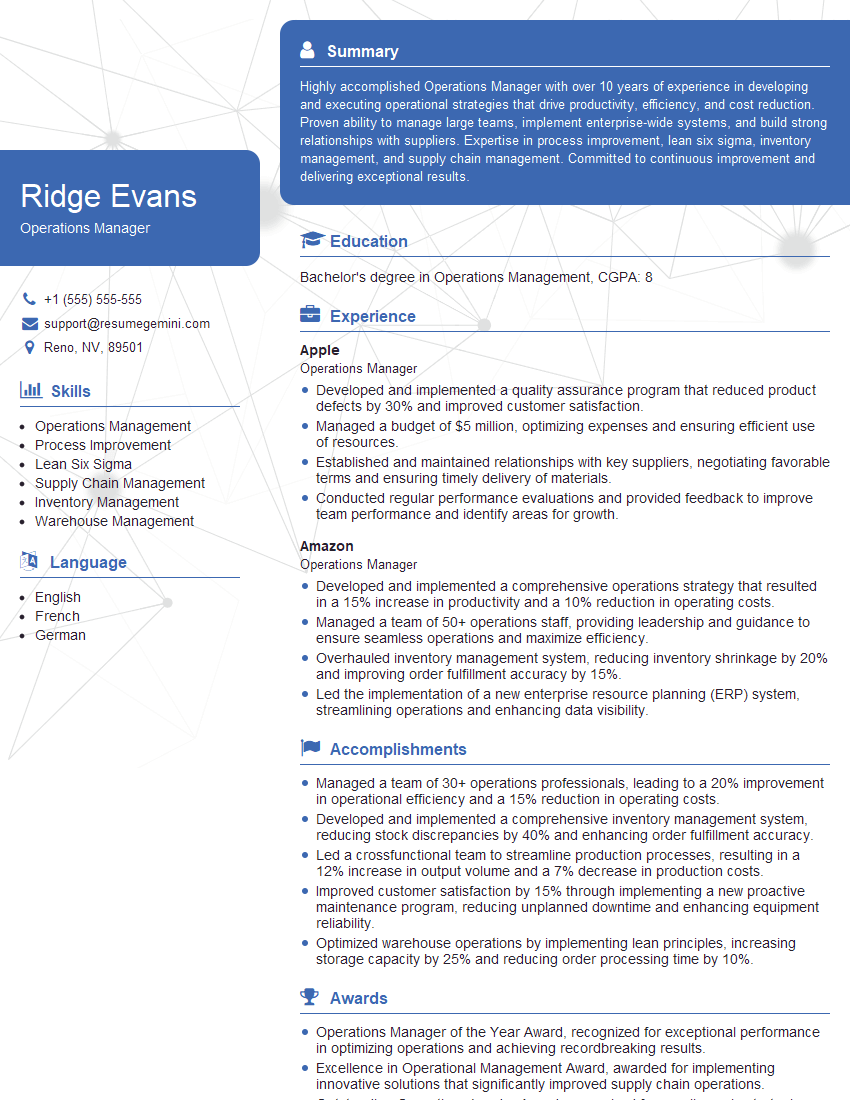
Operations Manager Resume Sample
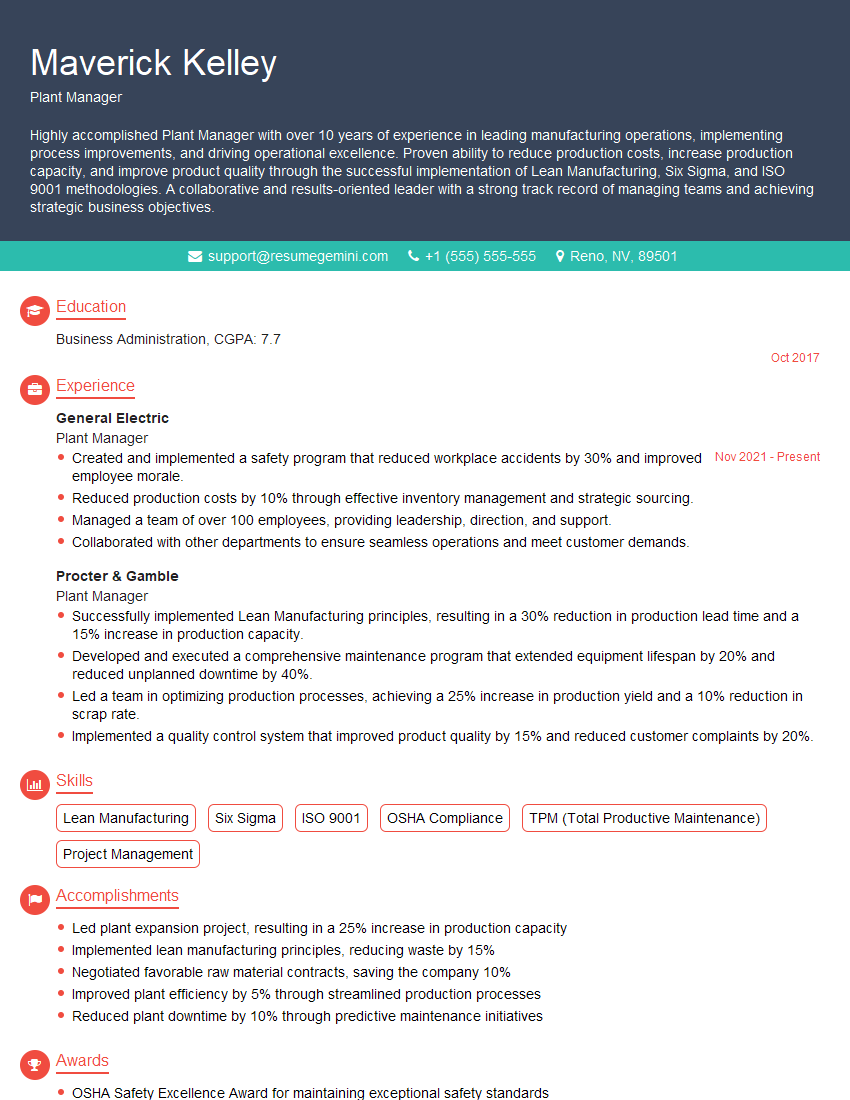
Plant Manager Resume Sample
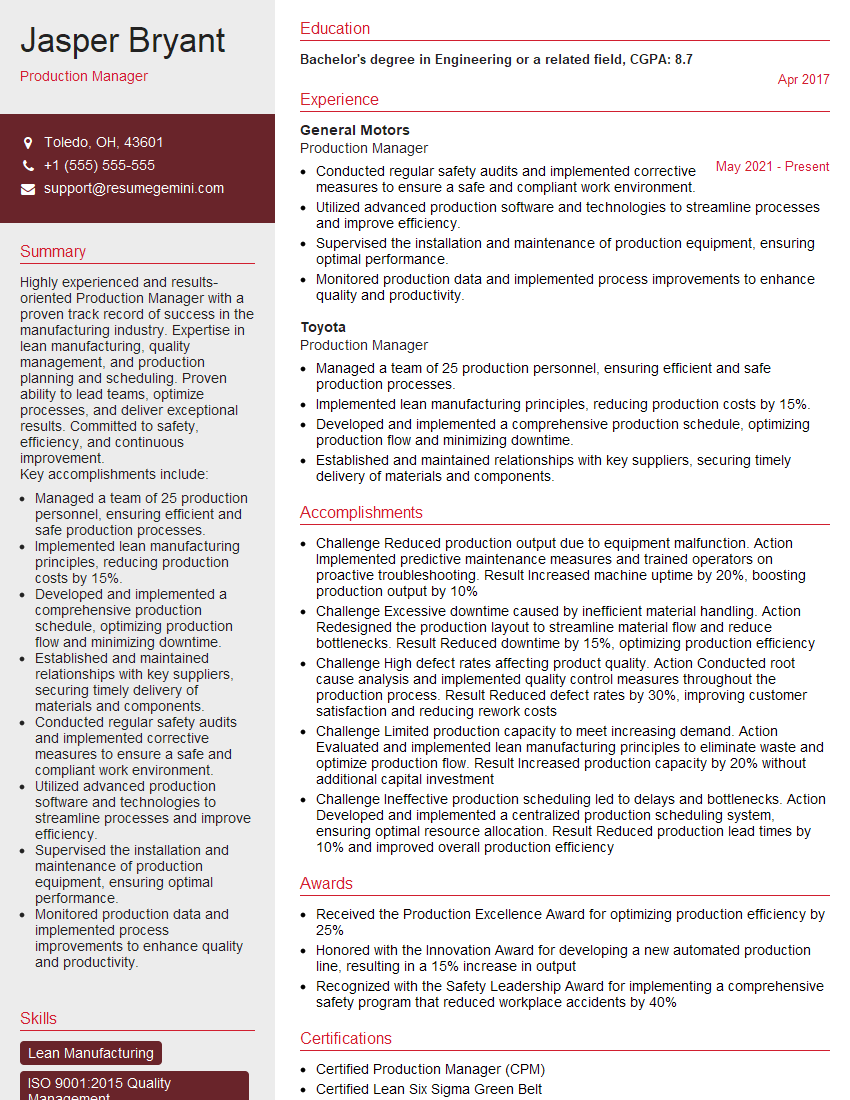
Production Manager Resume Sample
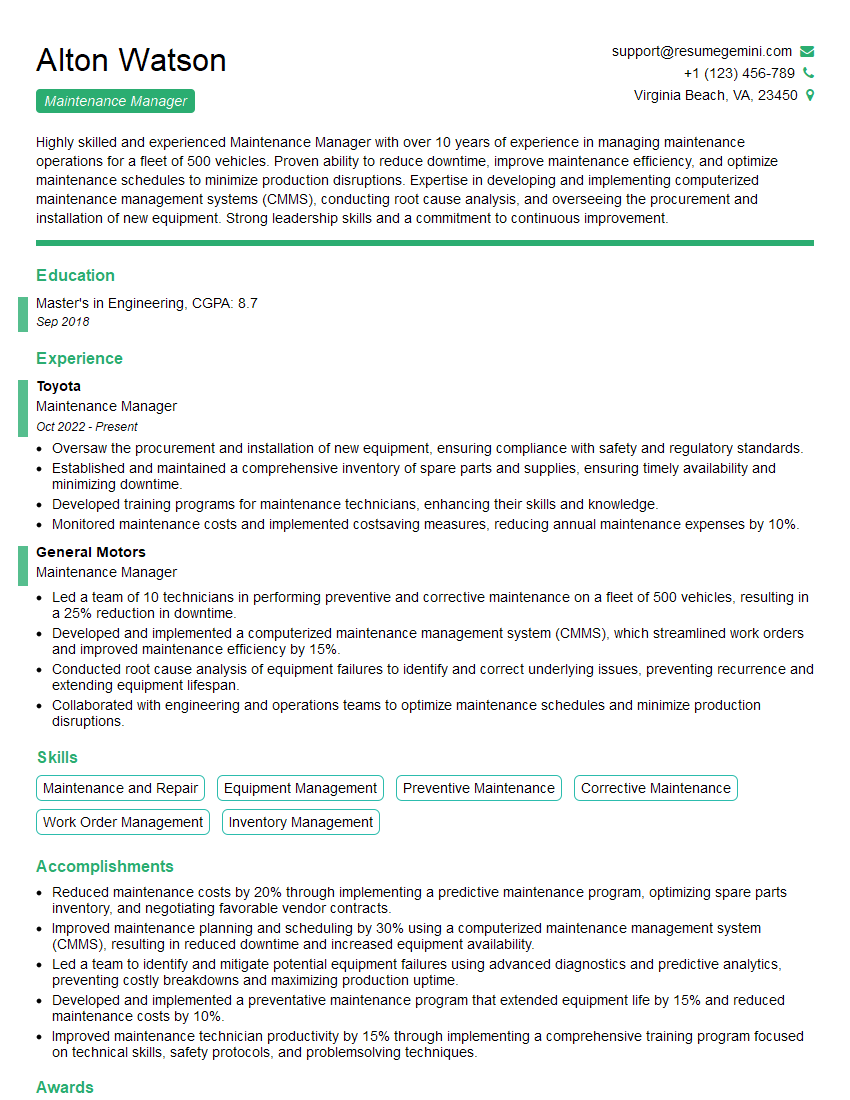
Maintenance Manager Resume Sample
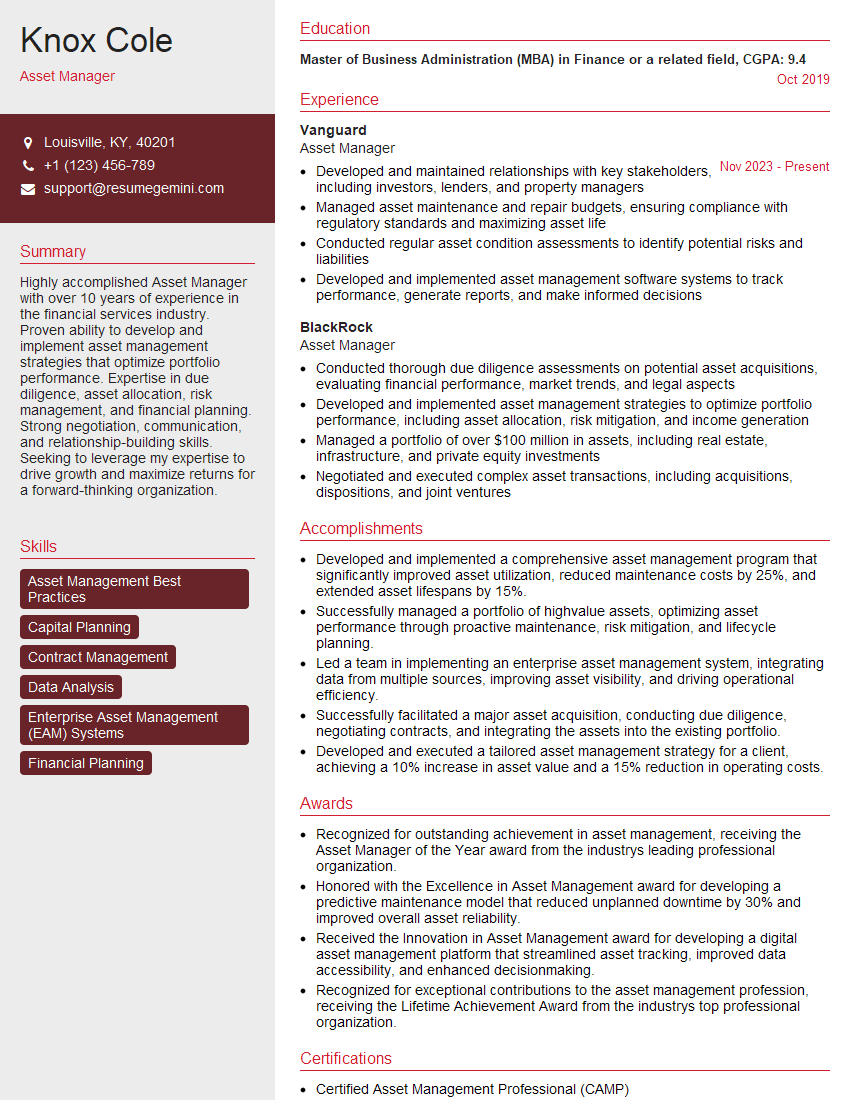
Asset Manager Resume Sample
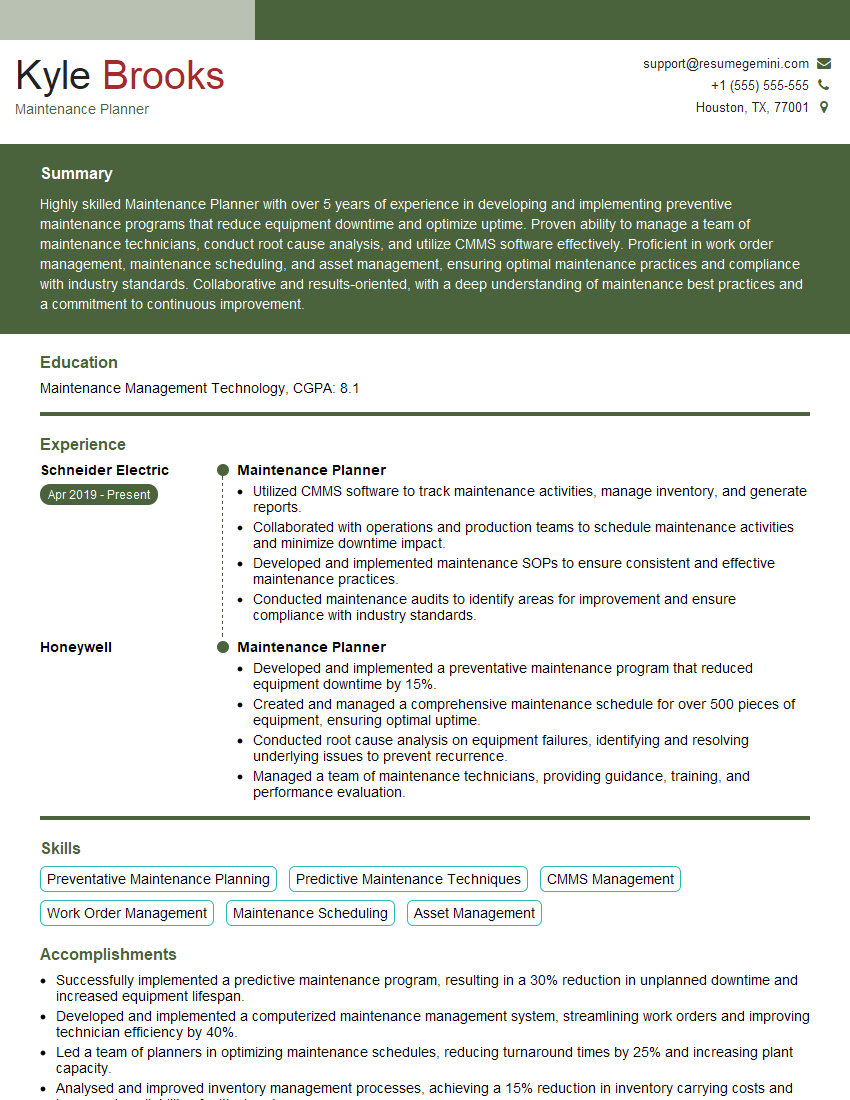
Maintenance Planner Resume Sample
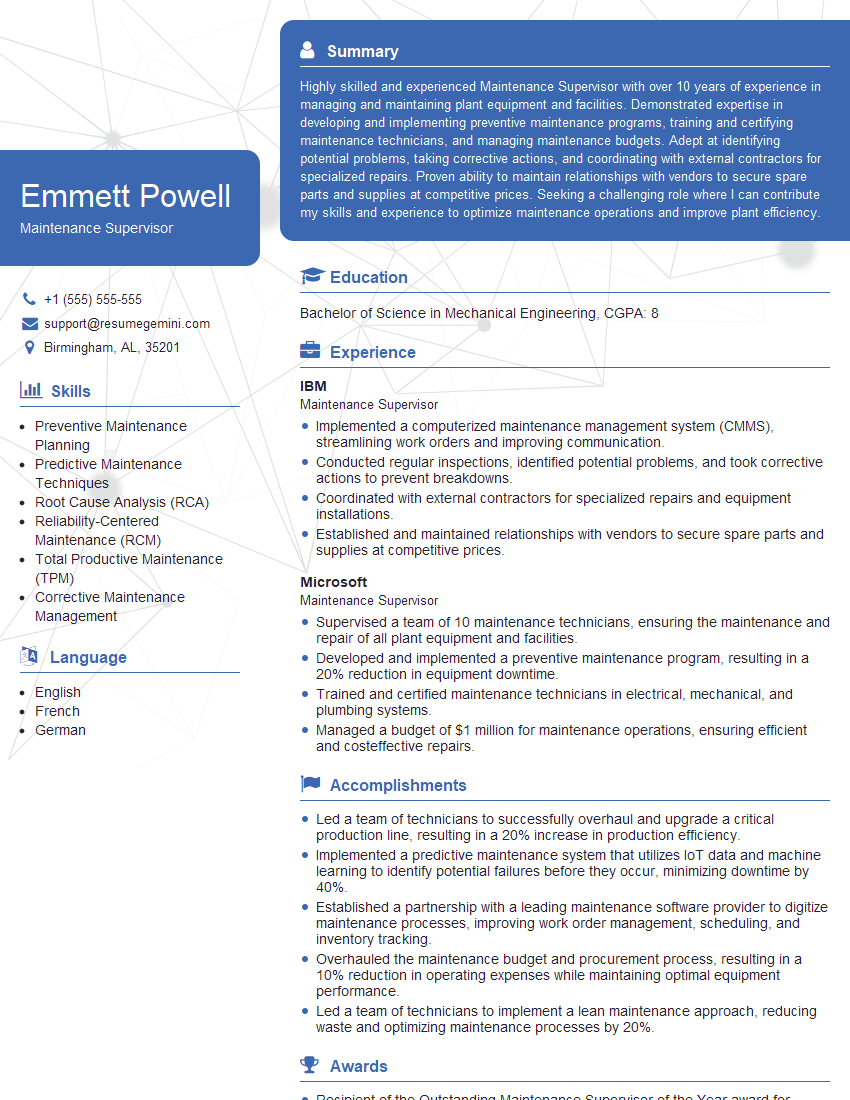
Maintenance Supervisor Resume Sample

Procurement Manager Resume Sample
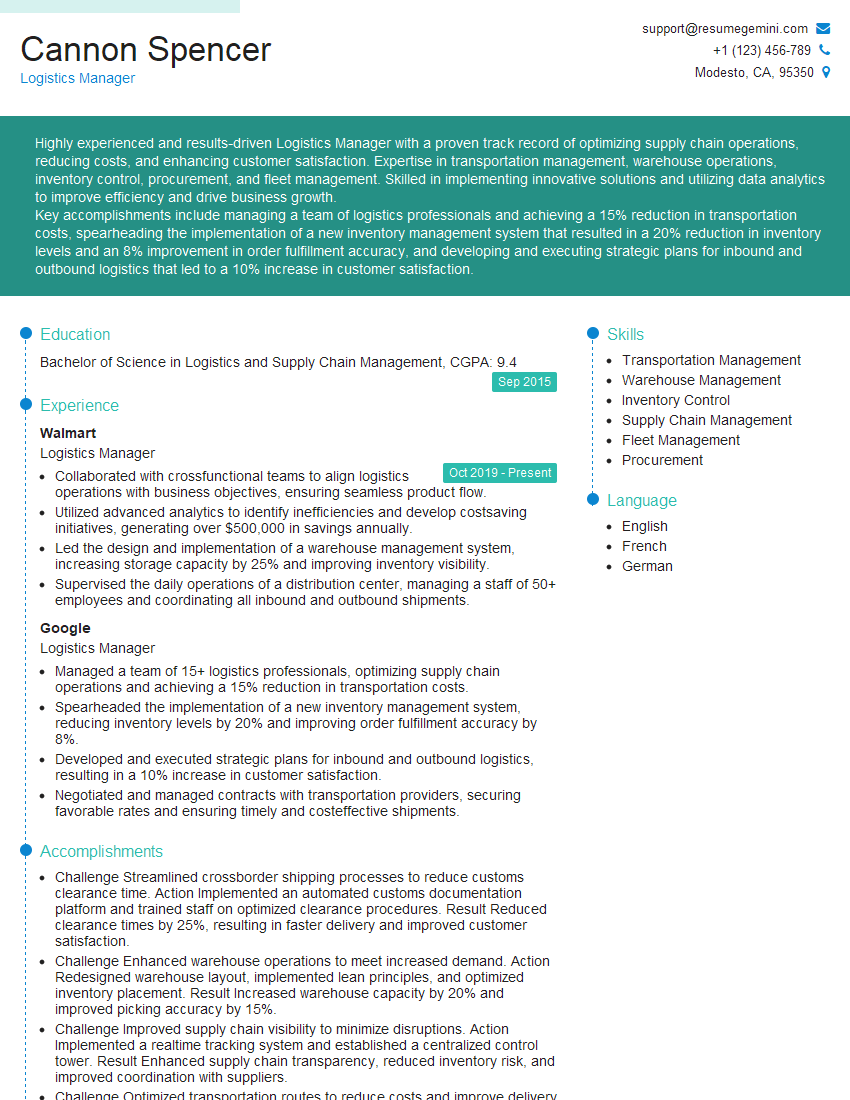
Logistics Manager Resume Sample
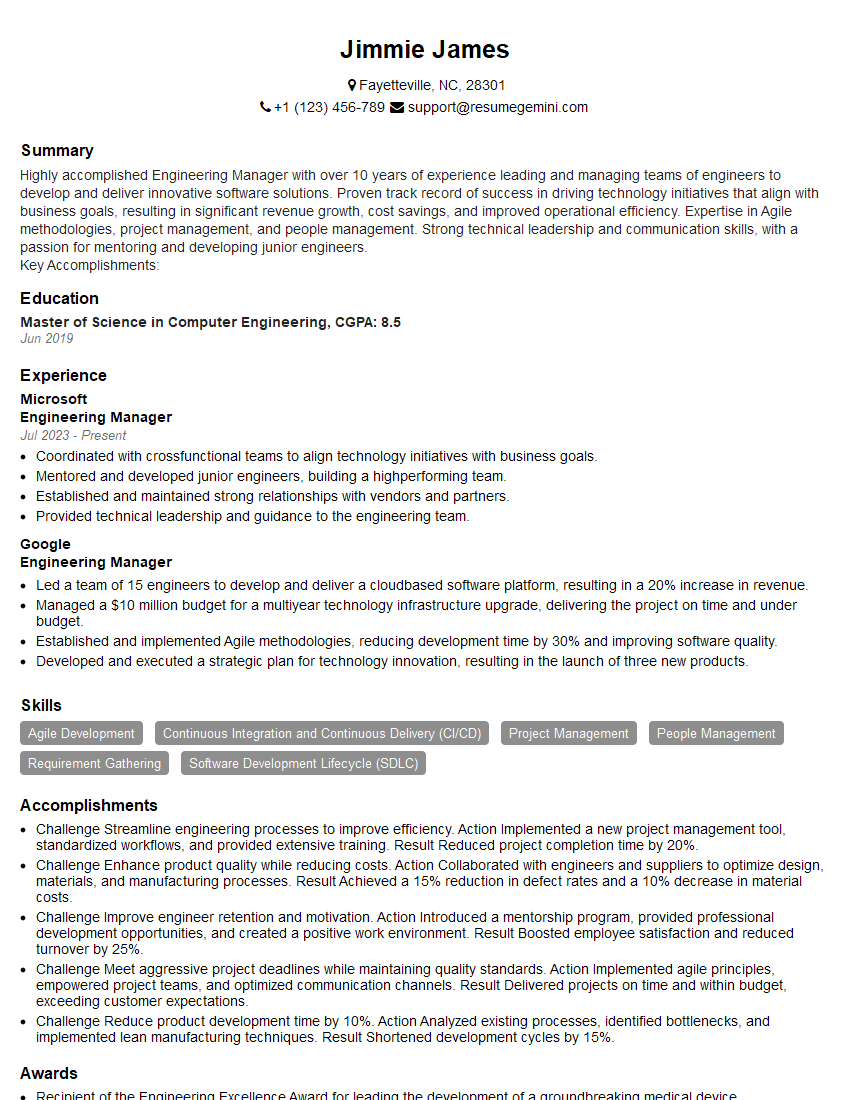
Engineering Manager Resume Sample
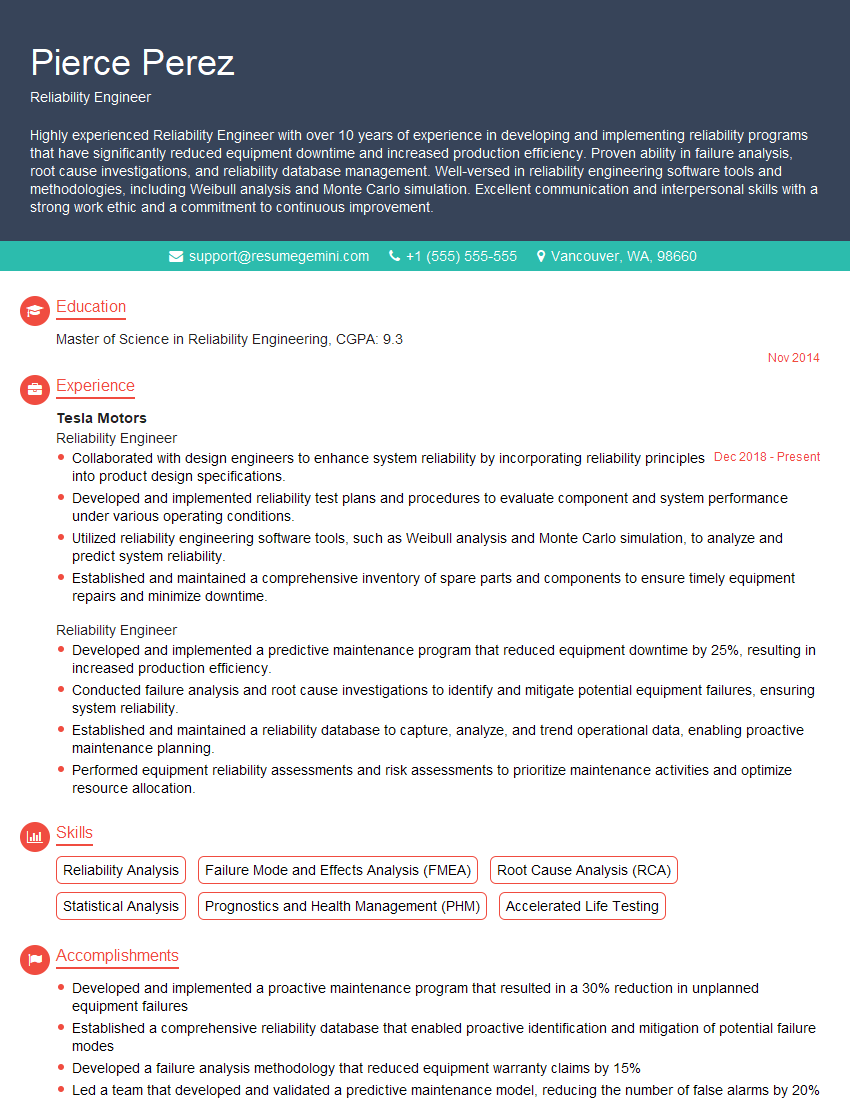
Reliability Engineer Resume Sample
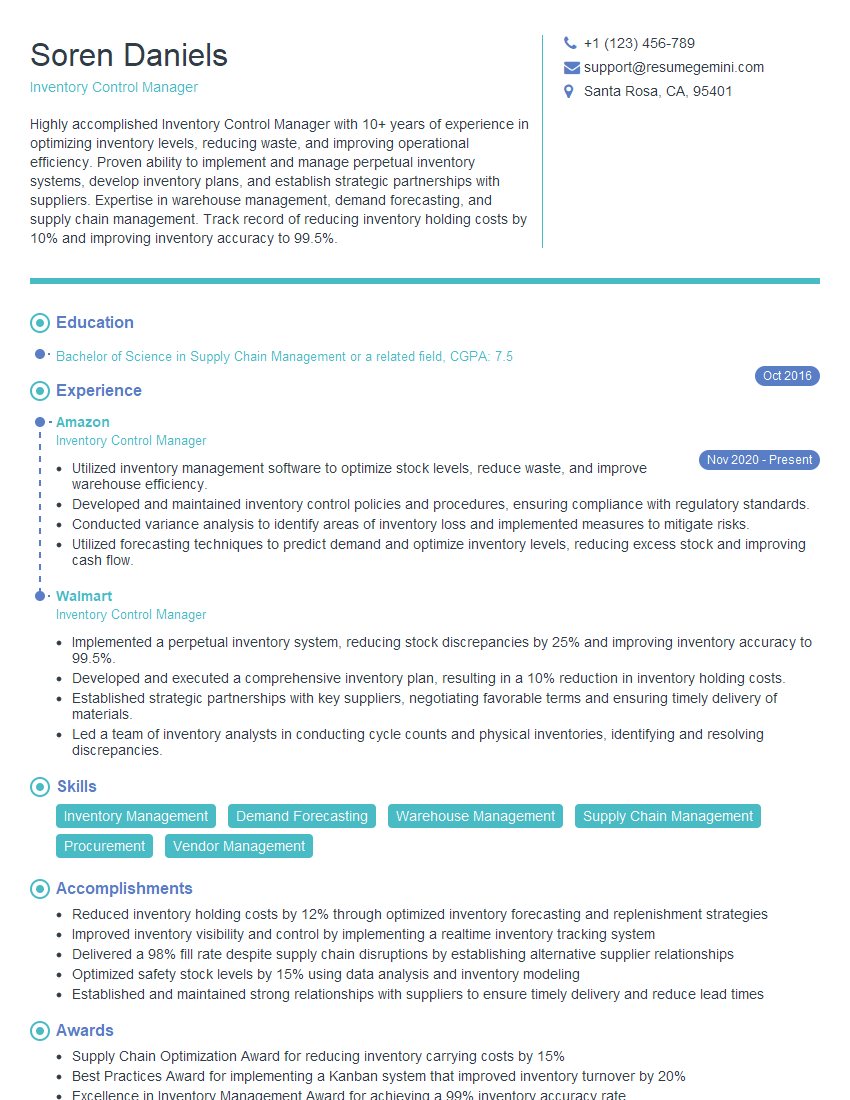
Inventory Control Manager Resume Sample
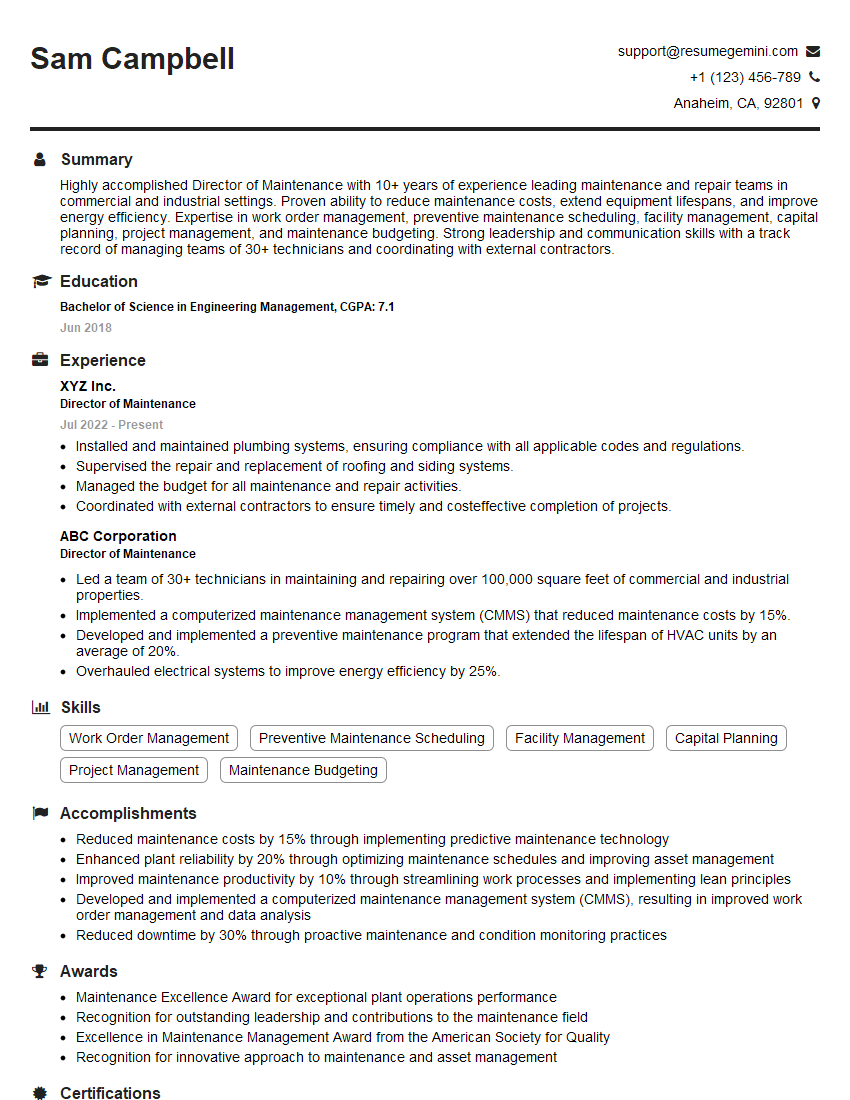
Director of Maintenance Resume Sample
Explore more articles
Users Rating of Our Blogs
Share Your Experience
We value your feedback! Please rate our content and share your thoughts (optional).
What Readers Say About Our Blog
Very informative content, great job.
good