The right preparation can turn an interview into an opportunity to showcase your expertise. This guide to Equipment Operation (Backhoe, Excavator) interview questions is your ultimate resource, providing key insights and tips to help you ace your responses and stand out as a top candidate.
Questions Asked in Equipment Operation (Backhoe, Excavator) Interview
Q 1. Describe your experience operating a backhoe.
My experience with backhoes spans over ten years, encompassing a wide range of projects from utility trenching and foundation excavation to landscaping and demolition. I’m proficient in operating both wheel and track-mounted backhoes, and I’m comfortable working in diverse terrains and confined spaces. For example, on one project, we had to excavate a trench for a new water main in a densely populated area. Precise backhoe operation was crucial to avoid damaging existing utilities. My experience ensured the work was completed safely and efficiently, on time and under budget.
I’m also experienced in using different backhoe configurations, such as using the backhoe to lift and place materials, and working alongside other heavy equipment in a coordinated fashion to maximise productivity.
Q 2. Explain the different types of backhoe attachments and their uses.
Backhoes offer a variety of attachments to enhance their versatility beyond digging. Some common ones include:
- Rippers: These heavy-duty teeth are ideal for breaking up hard ground or compacted soil, making digging easier. Think of them as extra powerful claws for tough jobs.
- Augers: These drill-like attachments are perfect for creating holes of various diameters and depths for posts, foundations, or drainage systems. They save time and effort compared to manual digging.
- Hydraulic Hammers: These powerful attachments are used for demolition, breaking up concrete, or driving pilings. They are an essential tool when dealing with tougher materials.
- Buckets: While the standard digging bucket is a given, specialized buckets exist for different materials: For instance, a clean-up bucket is used to quickly and efficiently remove debris from a work site.
- Grapples: These are used for handling materials such as scrap metal or logs. They are very useful for quick cleanup and sorting of materials.
The choice of attachment depends entirely on the specific task at hand. Selecting the right attachment ensures optimal efficiency and safety.
Q 3. How do you ensure the safety of yourself and others while operating heavy equipment?
Safety is paramount in operating heavy equipment. My approach is multifaceted and includes:
- Pre-operational Checks: Thorough inspection of the machine, including fluid levels, tire pressure, and functionality of all controls and safety features. This is a non-negotiable step that prevents major problems from arising during the work process.
- Site Assessment: Careful evaluation of the work area for underground utilities, overhead obstructions, and potential hazards before starting any work. Marking out the work area and ensuring it is properly secured is essential to prevent accidents.
- Communication: Clear and consistent communication with other workers on the site using hand signals, radios, or other established communication methods. Ensuring everyone is aware of the machines movements is essential.
- Personal Protective Equipment (PPE): Consistent use of hard hats, safety glasses, high-visibility clothing, and steel-toed boots. This protects the operator from potential hazards.
- Safe Operating Procedures: Strict adherence to established safety procedures, including maintaining a safe distance from the edges of excavations and never exceeding the machine’s rated capacity. Following proper safety protocols is paramount for everyone’s safety.
I’ve even developed a system of pre-work checklists which I use consistently to maintain a high level of safety. Safety isn’t just a policy; it’s a habit.
Q 4. Describe your experience operating an excavator.
My excavator experience is extensive, covering various models and applications. I’m skilled in operating both conventional excavators and those with specialized attachments. I have experience with everything from large-scale earthmoving projects to precision work involving delicate infrastructure installations. For instance, on one project, we used an excavator to carefully remove and replace aging sewer lines in a historic district, minimizing disruption and damage to the surrounding environment.
My experience includes the use of various excavator types, from crawler excavators which are useful for working on uneven or soft ground, to long-reach excavators used for demolition projects which often require extended reach. I’m also experienced in working in challenging conditions, including confined spaces and night work.
Q 5. What are the different types of excavators and their applications?
Excavators come in various types, each suited for specific tasks:
- Crawler Excavators (Tracked): These offer superior stability and traction on uneven terrain, making them ideal for large-scale earthmoving or work in challenging conditions. Think of them as the workhorses of the industry.
- Wheeled Excavators: More mobile than crawler excavators, these are better suited for road work or projects requiring quick relocation between sites. They are good for projects that demand a good balance between mobility and stability.
- Long-Reach Excavators: Designed for demolition and other applications requiring extended reach, these machines are used when getting close to the target area is difficult or impossible for standard excavators.
- Mini Excavators: Smaller and more maneuverable, these are perfect for confined spaces or smaller-scale projects where larger excavators would be impractical. They are great for working in residential areas or areas with limited space.
The application dictates the type of excavator used; choosing the right one is key to project efficiency and success.
Q 6. Explain the process of setting up an excavator for operation.
Setting up an excavator for operation involves several key steps:
- Site Preparation: Ensure a stable and level surface for the excavator to rest on. Clear any obstructions that might interfere with operation.
- Outriggers (if applicable): Extend and properly secure the outriggers for enhanced stability, especially on uneven ground. This ensures the machine will remain stable during operation and prevent tipping.
- Ground Conditions: Assess the ground conditions. If the ground is soft, consider using mats or other ground stabilization techniques to prevent sinking or damage. This is crucial for preventing accidents and ensuring equipment safety.
- Fuel and Fluids: Check fuel and hydraulic fluid levels and top them off as needed before commencing operation. This ensures the machine will perform well and avoid downtime.
- Operational Checks: Perform a thorough pre-operational check of all controls, gauges, and safety systems. This includes testing the functionality of the hydraulics, brakes, and other important safety features.
Proper setup is crucial for safe and efficient operation and prevents the risk of tipping or other incidents.
Q 7. How do you perform pre-operational checks on a backhoe and excavator?
Pre-operational checks for both backhoes and excavators are similar and critical for safety and operational efficiency. They involve:
- Visual Inspection: Checking for any visible damage, leaks, or loose parts. This is the first step and involves a careful visual inspection of the machine.
- Fluid Levels: Verifying the levels of engine oil, hydraulic fluid, coolant, and fuel. Low levels could indicate a problem and prevent the machine from operating safely and efficiently.
- Tire/Track Pressure: Inspecting tire pressure (for wheeled machines) or track tension (for crawler machines). Incorrect pressures can cause damage to the machine and affect its performance.
- Brakes and Steering: Testing the brakes and steering mechanisms to ensure they are functioning correctly. This is a critical safety check which helps prevent accidents.
- Safety Systems: Checking the functionality of safety features like the emergency shut-off, lights, and horns. These are important for the safety of the operator and others in the vicinity.
- Attachments (if applicable): Inspecting any attachments for damage or proper connection. This helps prevent accidents that may arise due to poorly connected attachments.
These checks, though seemingly simple, are vital to preventing accidents and ensuring optimal performance. Think of them as the equivalent of a pilot’s pre-flight checklist—essential for a safe and successful operation.
Q 8. How do you handle unexpected situations or equipment malfunctions?
Unexpected situations on a job site are inevitable. My approach prioritizes safety and efficiency. First, I assess the situation calmly. Is it a minor issue, like a loose bolt, or something more serious, like a hydraulic leak?
For minor issues, I have a comprehensive tool kit allowing me to address problems swiftly. For example, if a hose clamp loosens, I can quickly tighten it and resume operation. If it’s a more complex mechanical failure, I immediately shut down the machine, secure the area, and report it to my supervisor. I’ll never attempt a repair beyond my skillset, prioritizing safety above all else.
A specific example: During a drainage ditch excavation, the excavator’s bucket struck an unexpected, large buried rock. Instead of forcing the issue, I carefully repositioned the machine, assessed the situation from multiple angles, and used a smaller, more precise approach to safely remove the obstruction, documenting the incident for the project record.
Q 9. Explain your understanding of trench safety regulations.
Trench safety is paramount. OSHA regulations dictate stringent procedures for trenching and excavation to prevent cave-ins, which are a leading cause of fatalities in construction. My understanding includes awareness of soil classifications (Type A, B, C), the need for proper shoring or sloping techniques based on the soil type, and the importance of atmospheric monitoring for hazardous gases.
Before starting any excavation, I verify the location of underground utilities to prevent damage. I understand the critical role of spotters, and I always ensure that a competent person is present to oversee the trench’s stability and worker safety. This includes providing adequate access and egress, using appropriate personal protective equipment (PPE), and having a rescue plan in place.
For example, when excavating near underground pipes, I use hand tools near the pipe, making sure to go slowly and carefully to avoid damages. Proper documentation and communication throughout the process are essential for compliance and safety.
Q 10. Describe your experience with different types of excavation techniques.
My experience encompasses various excavation techniques, adapting to the project’s demands. I’m proficient in both conventional methods, using backhoes and excavators for large-scale earthmoving, and more precise techniques needed for smaller projects.
- Mass Excavation: This involves using heavy machinery like excavators to move large quantities of earth for projects like road construction or site preparation. I have experience optimizing bucket sizes and machine configurations for maximum efficiency and minimal passes.
- Precise Excavation: This demands greater precision, such as during trenching for utility lines or foundation work. I utilize smaller attachments, such as narrow buckets or specialized tools, along with careful maneuvering to avoid damaging underground utilities or structures.
- Selective Excavation: This often involves removing specific layers of soil or materials while preserving others. Experience with this is vital when working in sensitive environments or near existing structures.
Adaptability is crucial. I’ve successfully used different techniques on various projects, adjusting my approach to the specific soil conditions, project requirements, and environmental considerations.
Q 11. How do you calculate the amount of material needed for a project?
Calculating material quantities depends on the project’s scope and accuracy requirements. A rough estimate can be made using simple volume calculations, but more precise methods involve detailed surveying and site analysis.
For example, if we need to fill a trench, I would calculate the volume by measuring the trench’s length, width, and depth (Volume = Length x Width x Depth). However, factors like soil compaction and shrinkage must be considered. Loose soil compacts down after placement, requiring an overage to compensate. I typically add a safety factor of 10-15% to my initial calculation.
More complex projects often use CAD software or specialized estimating software to create a 3D model of the excavation area, automatically calculating precise volumes. Detailed surveys help determine accurate dimensions and account for any irregularities in the terrain.
Q 12. Explain your experience working with GPS or other surveying tools.
I have extensive experience using GPS and other surveying tools to improve accuracy and efficiency during excavation projects. GPS systems allow for precise positioning, ensuring accurate cut and fill operations. This is crucial for large-scale projects where minor deviations could lead to significant errors and cost overruns.
I use GPS-guided excavators to maintain a very precise grade on projects like road building or landscaping. Other surveying tools, such as total stations or laser levels, are used for smaller, more detailed work, providing real-time feedback and enabling me to maintain precise dimensions and depths during trenching or foundation excavation.
For example, on a recent project requiring an extremely level foundation, the use of a total station and a GPS guided excavator in conjunction ensured that the foundation was within a tolerance of just a couple of millimeters. This minimized the amount of rework, saving both time and money.
Q 13. How do you maintain accurate records of your work?
Maintaining accurate records is critical for project management, billing, and liability purposes. My record-keeping includes detailed daily logs documenting the work performed, equipment used, materials consumed, and any unusual occurrences.
I typically use digital methods such as tablets or dedicated software to record this information. This allows me to include photographs and GPS coordinates, creating a comprehensive record of the work done. This information is then transferred into a central database for easy access and tracking by supervisors. This also aids in ensuring proper billing and prevents disputes regarding work completion or material usage.
A key part of accurate record-keeping is noting any variations from the plans, unexpected subsurface conditions, and problems that arose. These detailed notes help in future projects and provide valuable data for project review and efficiency improvements.
Q 14. Describe your experience working with blueprints and plans.
Blueprint reading is fundamental to my work. I understand various symbols and annotations used to represent different soil types, utilities, and structural elements. I interpret these plans to define excavation limits, depths, and grades, ensuring adherence to the design specifications.
I’m proficient in reading both digital and physical plans. For larger projects, digital models and 3D plans are often used, giving a comprehensive view of the site and enabling precise excavation using GPS-guided machinery. For smaller projects, I am equally comfortable using traditional paper blueprints.
For example, working from blueprints, I can accurately determine the location of a foundation wall, its dimensions, and its required excavation depth, ensuring that the excavation is precisely aligned to the architectural and engineering designs.
Q 15. How do you communicate effectively with supervisors and other workers?
Effective communication is paramount in any team, especially in construction. With supervisors, I prioritize clear and concise reporting. This includes proactively updating them on progress, identifying potential issues before they escalate, and requesting clarification when needed. I always make sure to actively listen to instructions, ask clarifying questions to ensure complete understanding, and confirm my understanding before starting any task. For example, before starting excavation near underground utilities, I’d confirm the exact location with the supervisor and surveyor, using visual aids like site plans and markings. With coworkers, I maintain open and respectful dialogue, ensuring everyone is informed of my activities and potential hazards. I value teamwork and offer assistance when possible, understanding that collaborative problem-solving is crucial for efficient and safe work practices. For instance, I might help another operator with rigging or spot them while they perform a difficult maneuver.
Career Expert Tips:
- Ace those interviews! Prepare effectively by reviewing the Top 50 Most Common Interview Questions on ResumeGemini.
- Navigate your job search with confidence! Explore a wide range of Career Tips on ResumeGemini. Learn about common challenges and recommendations to overcome them.
- Craft the perfect resume! Master the Art of Resume Writing with ResumeGemini’s guide. Showcase your unique qualifications and achievements effectively.
- Don’t miss out on holiday savings! Build your dream resume with ResumeGemini’s ATS optimized templates.
Q 16. Describe your experience working in a team environment.
My experience working in teams has been extensive. On a recent trenching project, our team consisted of an excavator operator (myself), a backhoe operator, two laborers, and a surveyor. Effective teamwork was critical to meet the deadlines and ensure safety. My role involved coordinating with the backhoe operator to ensure smooth material flow and efficient space management within the trench. I also collaborated with the laborers, giving clear instructions about material handling and maintaining a safe working distance from the equipment. Regular communication – verbal and using hand signals – was essential to prevent accidents. We also held short daily briefings to discuss the day’s plan and potential risks. This collaborative approach resulted in not only meeting the project goals but also in an excellent safety record. We regularly assisted each other, always maintaining a positive and supportive team atmosphere.
Q 17. How do you handle challenging or stressful situations?
In challenging situations, I prioritize a calm and methodical approach. For example, during a recent project, unexpected bedrock was encountered, throwing off our schedule. Instead of panicking, I first assessed the situation, reporting it immediately to the supervisor. We then jointly decided on the most efficient way to proceed – involving the use of specialized equipment and possibly adjusting the project plan. I’m comfortable adapting my methods and utilizing problem-solving skills to find effective solutions. I believe in breaking down complex challenges into smaller, manageable steps. I also value seeking help from experienced colleagues when facing an unfamiliar issue. Stress management involves adequate rest, maintaining proper hydration and utilizing techniques to manage pressure; remembering that safety is always the top priority.
Q 18. What are your strengths and weaknesses as an equipment operator?
My strengths include precision operation, quick problem-solving, and effective communication. I possess a keen eye for detail and am highly skilled in operating both backhoes and excavators in various terrains and conditions. I’m adept at adapting my operation style to different project requirements. For instance, I can switch smoothly from precise excavation for utility work to larger-scale earthmoving operations. My weakness, something I’m actively working on, is delegating tasks more effectively within a team. Although I value teamwork, I sometimes feel more comfortable tackling challenges independently. I’m participating in leadership training to overcome this and become a more confident and effective team leader.
Q 19. What are your salary expectations?
My salary expectations are in line with the industry standard for experienced equipment operators with my skill set and experience, considering the scope of responsibilities and the specific location. I’m open to discussing a competitive compensation package that reflects my contributions and value to the company.
Q 20. What are your long-term career goals?
My long-term career goals include progressing to a supervisory role within the construction industry. I aim to leverage my operational expertise and develop my leadership capabilities to effectively manage teams and projects. I’m committed to continuous professional development and obtaining relevant certifications to enhance my skills and knowledge. I envision myself taking on increased responsibility, contributing to the company’s success and mentoring junior operators.
Q 21. Why are you interested in this position?
I’m very interested in this position because it aligns perfectly with my skills and career aspirations. Your company’s reputation for quality projects and commitment to safety resonates strongly with me. The opportunity to contribute to significant projects and work alongside a skilled team is very appealing. The specific project details mentioned in the job description, particularly the challenges and opportunities to utilize my expertise in [mention specific skills from job description], are especially enticing and inspire me to contribute my best work.
Q 22. What experience do you have with different soil types?
My experience encompasses a wide range of soil types, from the easily manageable sandy soils common in coastal areas to the more challenging clay soils prevalent in inland regions. I’ve also worked extensively with rocky and gravelly soils, requiring different techniques and equipment adjustments. For example, sandy soils are easily excavated, requiring minimal effort and less powerful equipment. Clay soils, however, are more cohesive and can stick to the bucket, requiring more power and potentially the use of a ripper attachment. Rocky soils necessitate the use of specialized rock breakers or even blasting in extreme cases.
- Sandy Soil: Easy excavation, less equipment wear.
- Clay Soil: Cohesive, requires more power and may need lubrication.
- Rocky Soil: Requires specialized tools like rock breakers or potentially blasting.
- Gravelly Soil: Can be abrasive on equipment, may require adjustments to digging techniques.
Understanding soil composition is crucial for efficient and safe excavation. I always assess the soil type before commencing any work to select the appropriate equipment and techniques.
Q 23. How do you ensure the stability of an excavation site?
Ensuring excavation site stability is paramount for safety and project success. My approach involves a multi-faceted strategy, beginning with a thorough site assessment. This includes analyzing the soil type, groundwater levels, and the presence of any existing underground utilities or structures. Based on this assessment, I determine the appropriate shoring or slope protection measures. For example, in unstable soil conditions, I’d use shoring techniques like sheet piling or soldier piles to prevent collapse. In less critical situations, benching or sloped excavation methods might suffice. I also closely monitor the site throughout the excavation process, making adjustments as needed to maintain stability. Regular inspections and appropriate documentation are vital.
- Site Assessment: Soil type, groundwater levels, utilities.
- Shoring/Slope Protection: Sheet piling, soldier piles, benching.
- Monitoring: Regular inspections and adjustments as needed.
- Documentation: Maintaining a detailed record of all procedures.
Q 24. Describe your experience working with different types of terrain.
My experience working with different terrains is extensive. I’ve operated equipment on level ground, sloped terrain, and even challenging mountainous areas. Each terrain presents unique challenges that require adapting my operating techniques and selecting the appropriate equipment. For instance, working on steep slopes requires extra caution, slow movements, and careful consideration of the machine’s stability. In mountainous terrain, accessibility can be limited, requiring meticulous planning of the excavation path. In contrast, working on level ground is generally less challenging but still demands precision and efficiency. I adjust machine settings and operating speeds to optimize performance and safety for each terrain type.
- Level Ground: Requires precision and efficiency.
- Sloped Terrain: Requires slow movements and careful stability consideration.
- Mountainous Terrain: Requires meticulous planning and awareness of access limitations.
I always prioritize safety and adapt my approach to the specific conditions.
Q 25. Explain your understanding of environmental regulations related to excavation.
I have a strong understanding of environmental regulations related to excavation. These regulations vary by jurisdiction but generally focus on minimizing environmental impact. Key aspects include proper disposal of excavated materials, prevention of soil erosion and sedimentation, protection of water resources, and minimizing noise and air pollution. I’m familiar with permits and licenses required for excavation projects and ensure all work complies with these regulations. This often includes working with environmental consultants to develop and implement appropriate mitigation plans. For example, I’m well-versed in stormwater management techniques to prevent runoff contamination and soil erosion control methods such as silt fences and hay bales.
- Waste Disposal: Proper disposal of excavated materials according to regulations.
- Erosion and Sediment Control: Implementing measures to prevent soil erosion.
- Water Protection: Preventing water contamination.
- Air and Noise Pollution: Minimizing environmental impact.
- Permitting and Licensing: Ensuring compliance with all required permits and licenses.
Q 26. How do you identify and mitigate potential hazards on a job site?
Identifying and mitigating potential hazards is a crucial part of my daily work. This starts with a pre-job safety assessment, identifying potential hazards like unstable ground, underground utilities, and the presence of hazardous materials. I use a variety of methods for hazard identification, including site surveys, utility locating services, and consultation with site supervisors. Mitigation strategies vary depending on the hazard. For example, unstable ground might necessitate shoring or benching, while the presence of underground utilities requires careful excavation and the use of non-damaging equipment. Continuous monitoring of the site and proactive communication with the team are crucial for maintaining a safe working environment.
- Pre-Job Safety Assessment: Identifying potential hazards.
- Hazard Mitigation: Implementing appropriate control measures.
- Continuous Monitoring: Regular site inspections.
- Communication: Maintaining open communication with the team.
Q 27. What safety procedures do you follow when operating heavy equipment?
Safety is my top priority. Before operating any heavy equipment, I conduct a thorough pre-operational inspection, checking for any mechanical issues or fluid leaks. I always wear the appropriate personal protective equipment (PPE), including hard hats, safety glasses, gloves, and high-visibility clothing. I ensure the area around the machine is clear of obstacles and personnel before starting work, utilizing spotters when necessary. Throughout operation, I maintain awareness of my surroundings and follow all traffic rules and regulations on the site. Regular maintenance of the equipment and adherence to safety procedures are paramount to prevent accidents. Additionally, I participate in regular safety training to stay updated on best practices.
- Pre-Operational Inspection: Checking for mechanical issues and fluid leaks.
- PPE: Wearing appropriate personal protective equipment.
- Area Clearance: Ensuring the area is clear before starting work.
- Traffic Rules: Adhering to all traffic rules and regulations.
- Regular Maintenance: Maintaining the equipment in good working order.
- Safety Training: Participating in regular safety training.
Q 28. Describe a time you had to solve a problem while operating heavy equipment.
During a trench excavation project, we encountered an unexpectedly large and unstable boulder that blocked our progress. The original plan was to use the excavator’s bucket to remove the boulder, but this proved inefficient and potentially dangerous due to the boulder’s size and unstable position. Instead, I first assessed the situation, determining the best approach was to use a combination of techniques. I utilized a hydraulic breaker attachment to chip away at the boulder, making it more manageable. I also employed the excavator’s grapple to lift and move the smaller pieces. By carefully coordinating these actions and ensuring the stability of the surrounding soil, we successfully removed the boulder without incident and continued the excavation safely and efficiently. This incident highlighted the importance of adaptability and problem-solving skills in this field.
Key Topics to Learn for Equipment Operation (Backhoe, Excavator) Interview
- Machine Operation Fundamentals: Understanding the controls, levers, and pedals of both backhoes and excavators; safe starting and shutdown procedures; pre-operational checks and maintenance routines.
- Hydraulic Systems: Knowledge of basic hydraulic principles as they relate to the operation of these machines; troubleshooting common hydraulic issues like leaks or loss of pressure; understanding the importance of regular hydraulic fluid checks.
- Digging Techniques: Mastering various digging techniques for different soil types and project requirements; understanding trenching, excavating, and backfilling procedures; efficient use of machine capabilities to minimize effort and maximize results.
- Safety Procedures: Detailed knowledge of safety regulations and best practices; understanding and applying appropriate safety measures; recognizing and mitigating potential hazards; proper use of Personal Protective Equipment (PPE).
- Site Awareness and Planning: Assessing job sites, identifying potential obstacles, planning efficient workflows; understanding surveying techniques and their relevance to excavation projects; working safely around underground utilities and other hazards.
- Maintenance and Repair: Basic understanding of routine maintenance tasks; recognizing signs of malfunction; understanding the importance of preventative maintenance; ability to identify and describe common mechanical issues.
- Attachment Usage: Familiarity with different attachments (e.g., buckets, rippers, augers) and their applications; understanding how to correctly attach and detach implements; safe operation with different attachments.
- Load Capacity and Stability: Understanding the machine’s limitations; calculating safe lifting and load capacities; recognizing and preventing tipping hazards; maintaining balance and stability during operation.
Next Steps
Mastering Equipment Operation (Backhoe, Excavator) opens doors to rewarding careers in construction, utilities, and landscaping, offering excellent earning potential and career progression. To significantly boost your job prospects, it’s crucial to create a resume that Applicant Tracking Systems (ATS) can easily read and understand. Use ResumeGemini to build a professional, ATS-friendly resume that highlights your skills and experience effectively. ResumeGemini provides examples of resumes tailored to Equipment Operation (Backhoe, Excavator) roles, giving you a head start in crafting a winning application. Invest the time to create a strong resume; it’s your first impression on potential employers.
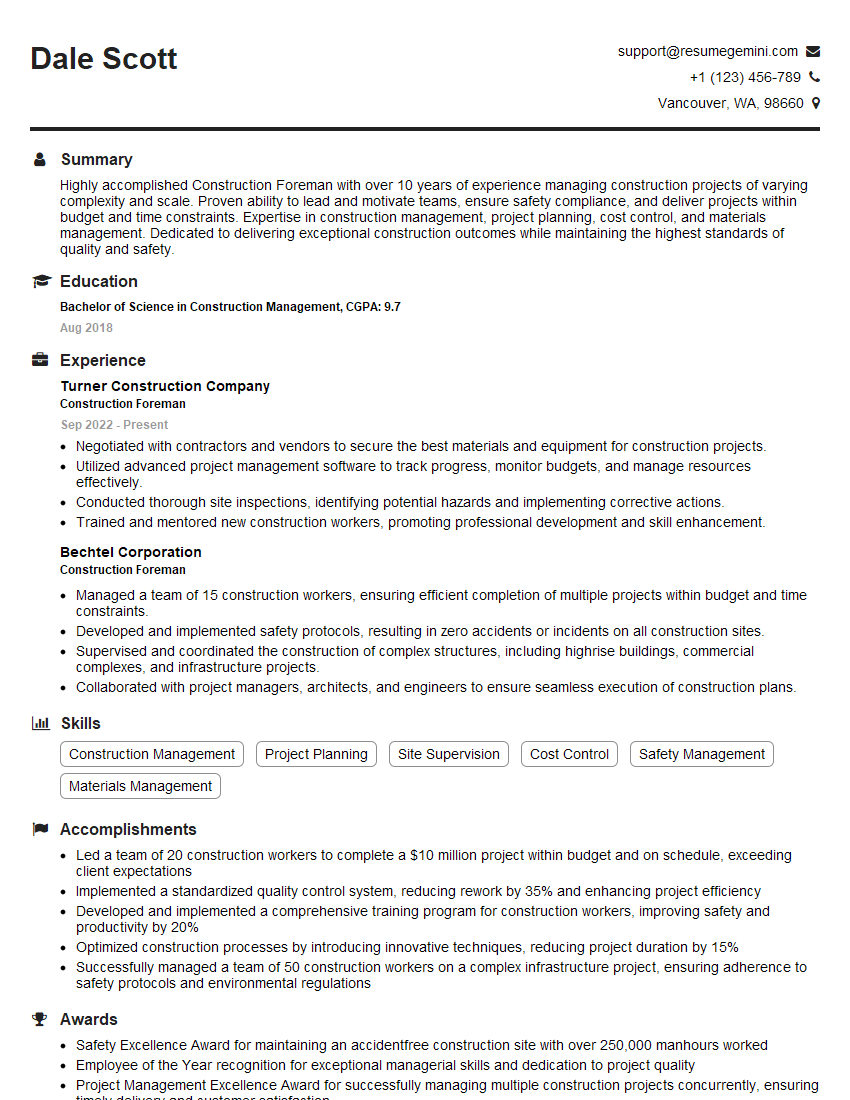
Construction Foreman Resume Sample

Project Engineer Resume Sample
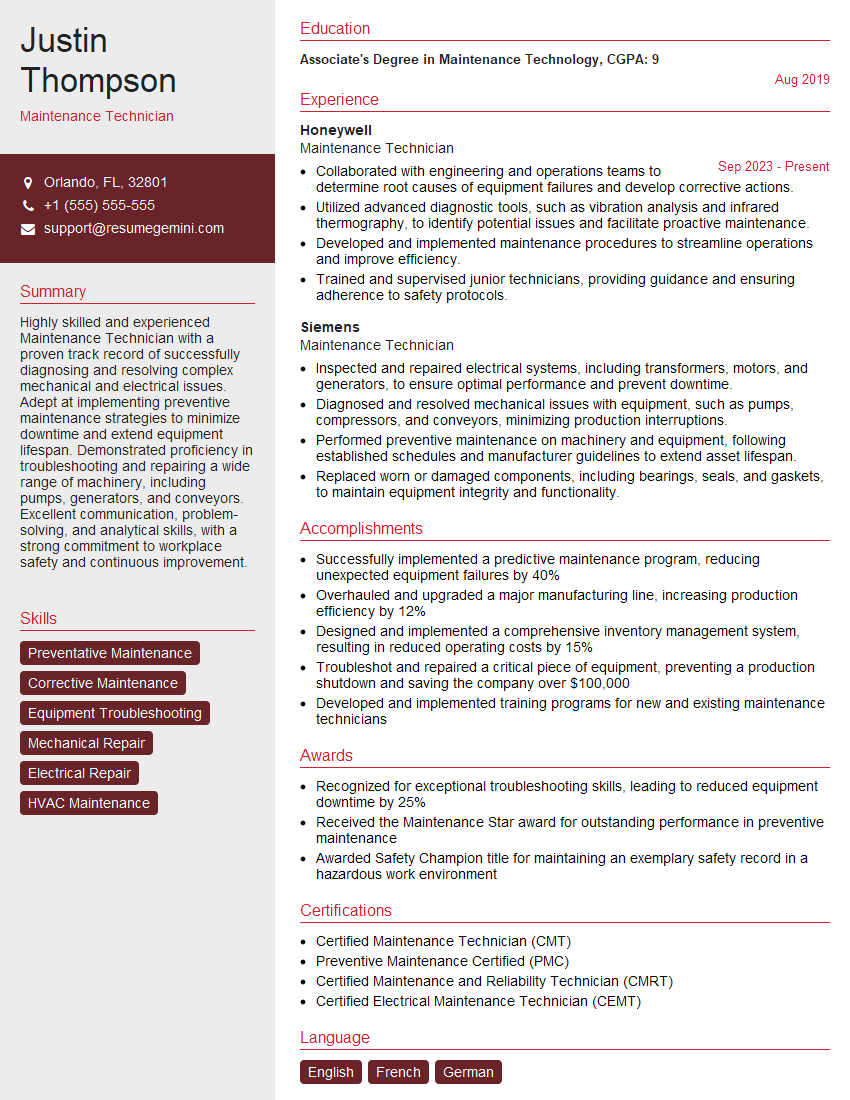
Maintenance Technician Resume Sample

Field Engineer Resume Sample

Equipment Operator Resume Sample
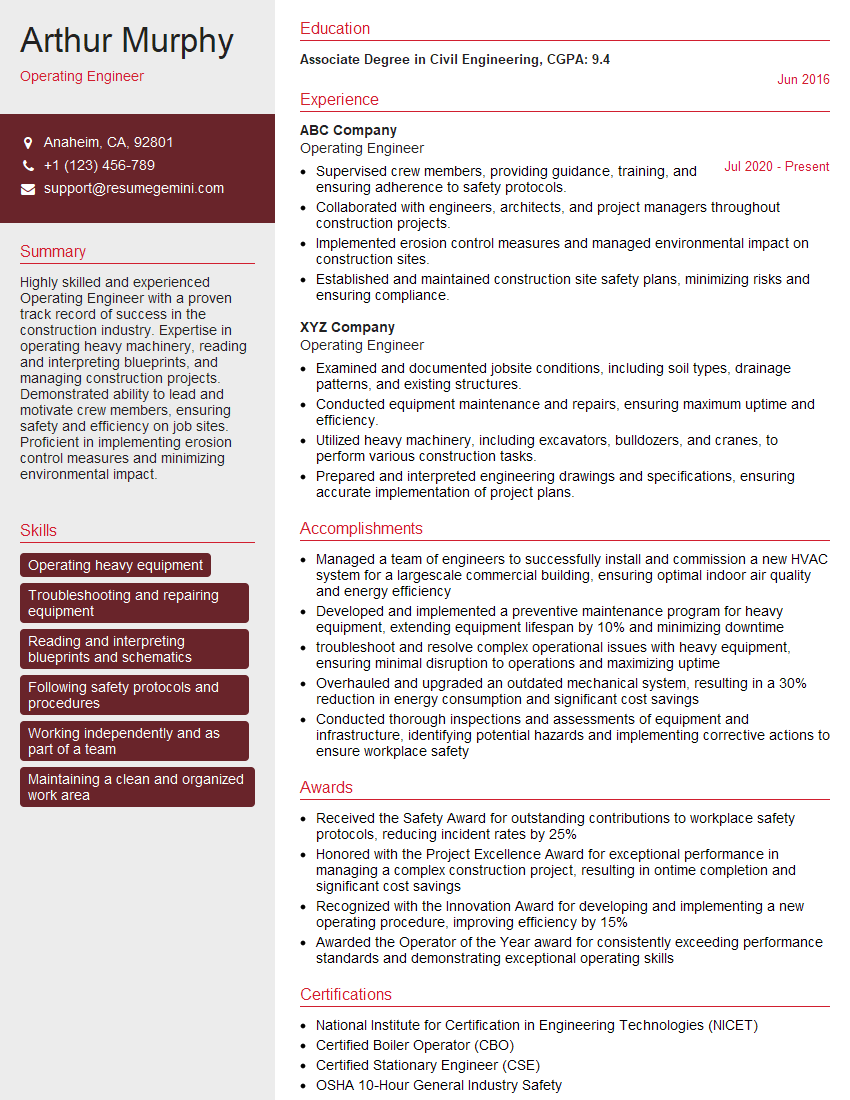
Operating Engineer Resume Sample

Foreman Resume Sample

Site Supervisor Resume Sample
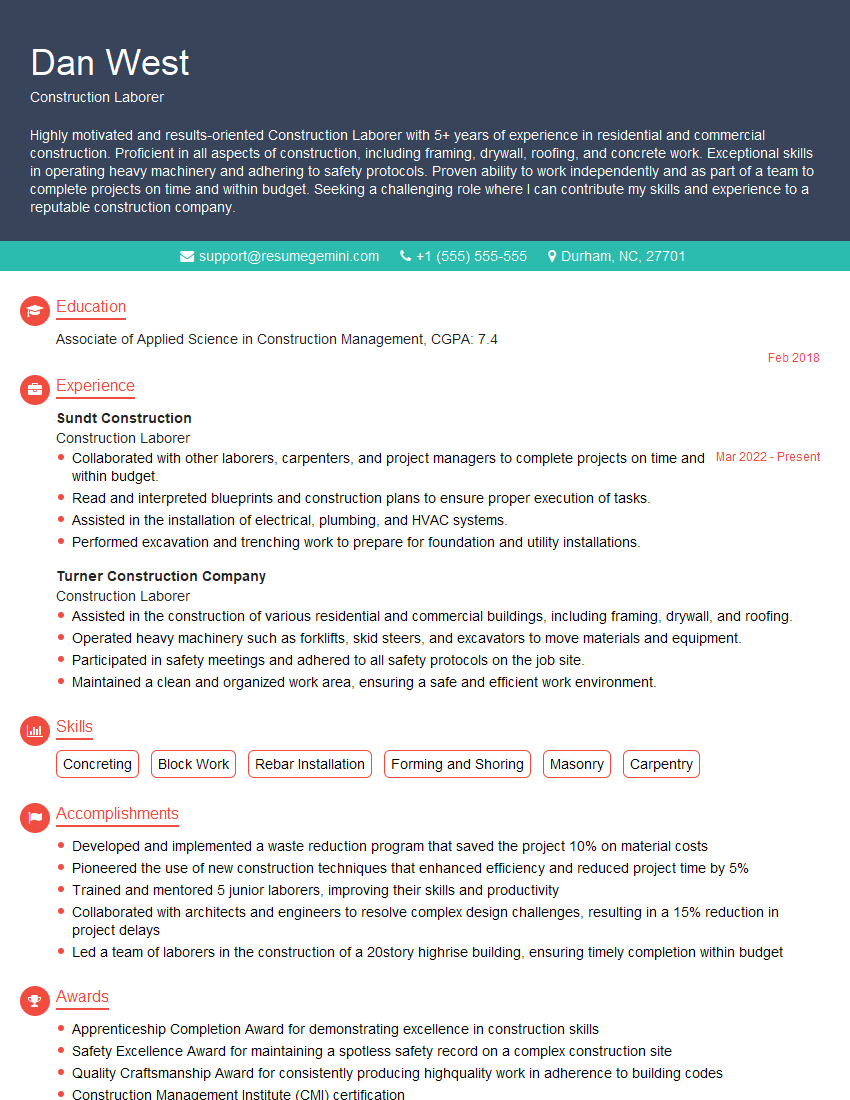
Construction Laborer Resume Sample

Heavy Equipment Operator Resume Sample

Backhoe Operator Resume Sample
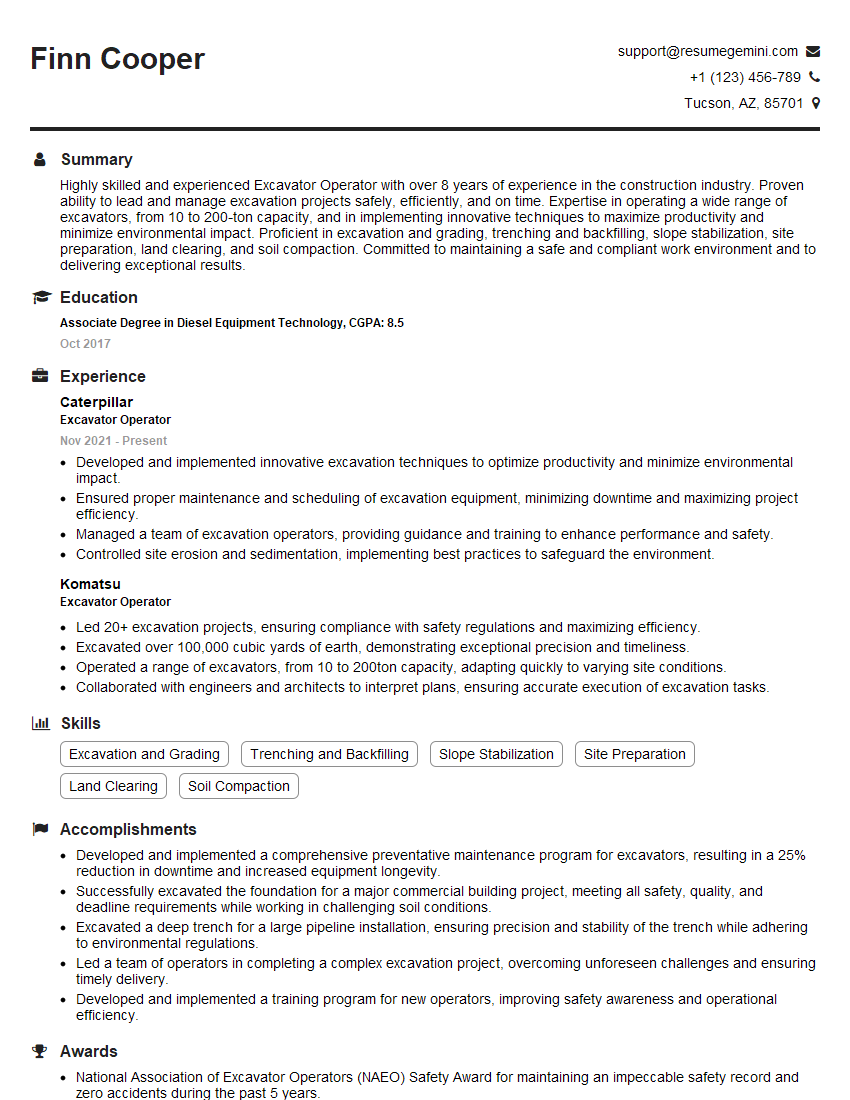
Excavator Operator Resume Sample
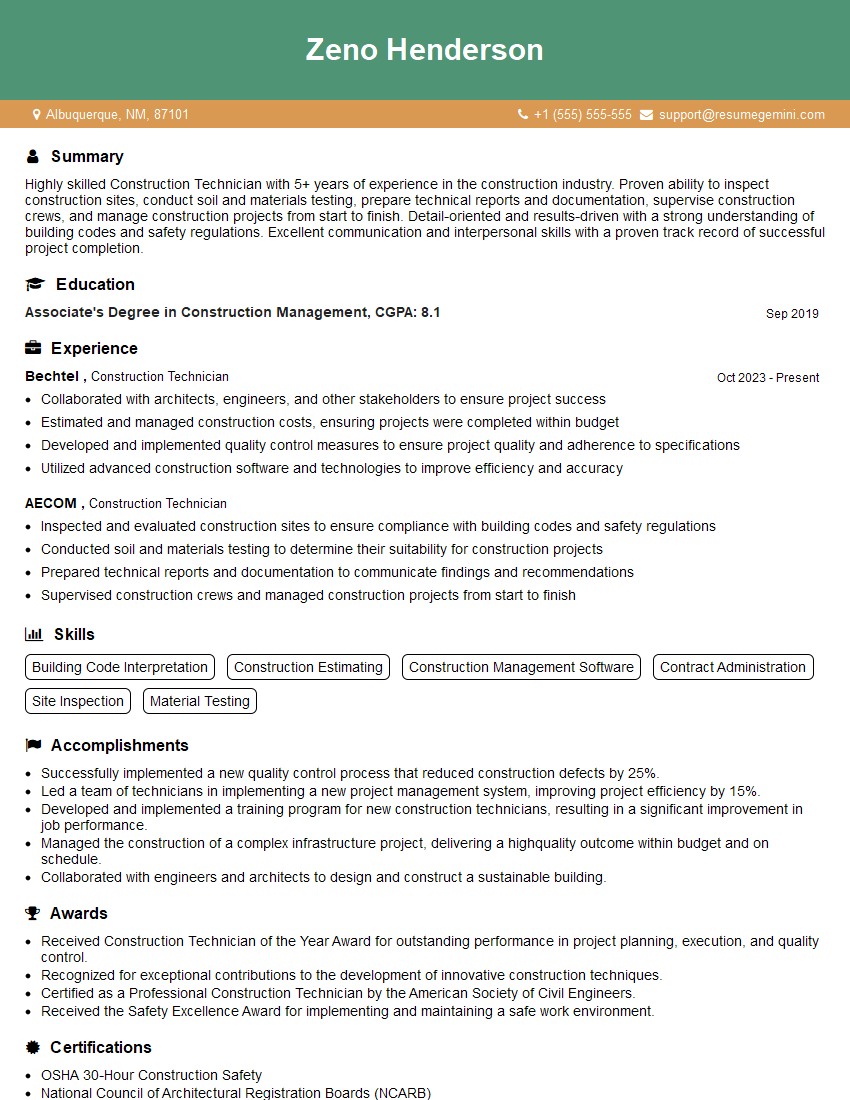
Construction Technician Resume Sample
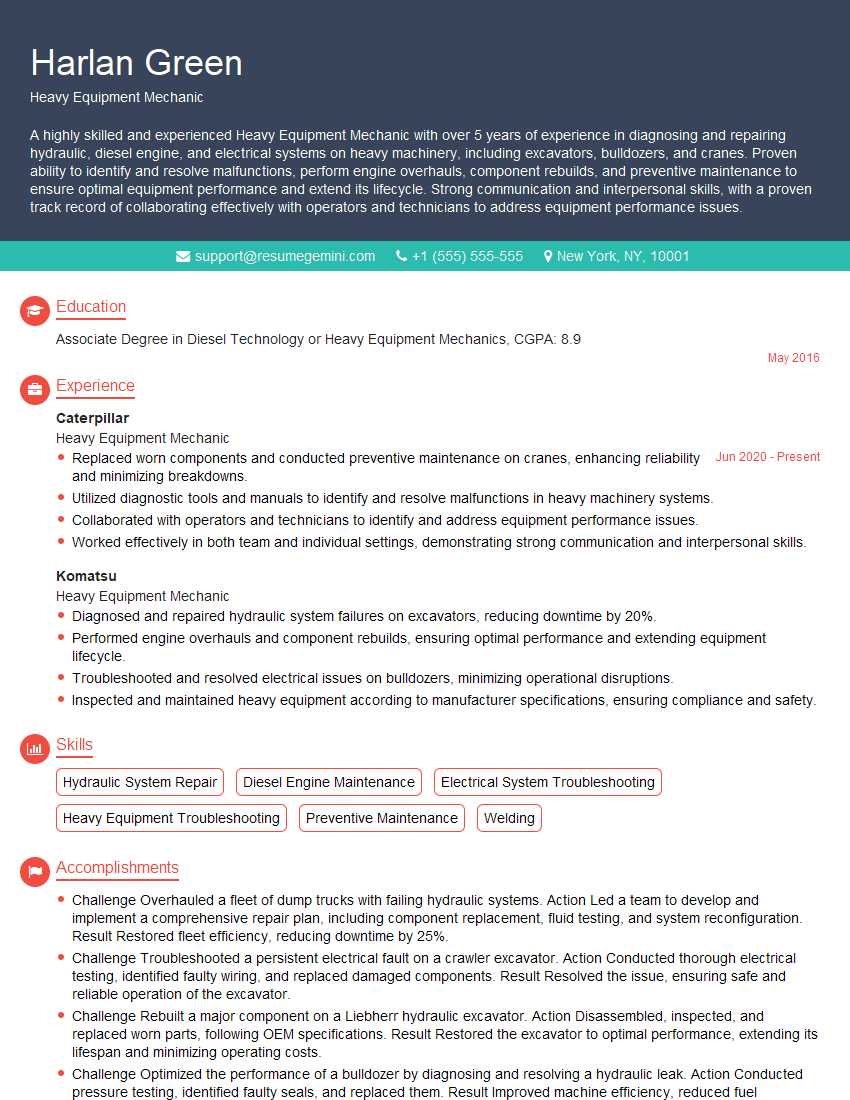
Heavy Equipment Mechanic Resume Sample
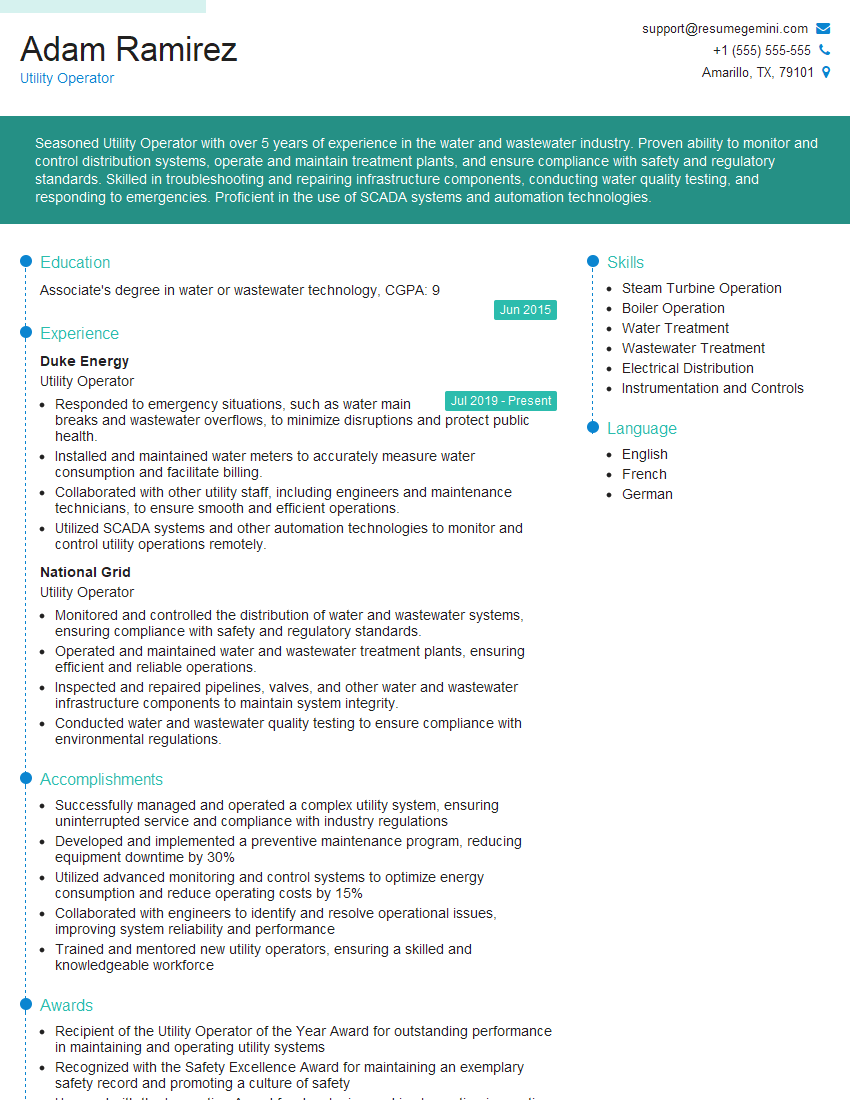
Utility Operator Resume Sample

Pipeline Operator Resume Sample
- Construction Foreman
- Project Engineer
- Maintenance Technician
- Field Engineer
- Equipment Operator
- Operating Engineer
- Foreman
- Site Supervisor
- Construction Laborer
- Heavy Equipment Operator
- Backhoe Operator
- Excavator Operator
- Construction Technician
- Heavy Equipment Mechanic
- Utility Operator
- Pipeline Operator
Explore more articles
Users Rating of Our Blogs
Share Your Experience
We value your feedback! Please rate our content and share your thoughts (optional).
What Readers Say About Our Blog
Very informative content, great job.
good