Cracking a skill-specific interview, like one for Product Safety Regulations Compliance, requires understanding the nuances of the role. In this blog, we present the questions you’re most likely to encounter, along with insights into how to answer them effectively. Let’s ensure you’re ready to make a strong impression.
Questions Asked in Product Safety Regulations Compliance Interview
Q 1. Explain your understanding of the ISO 14001 standard.
ISO 14001 is an internationally recognized standard that specifies requirements for an Environmental Management System (EMS). It helps organizations establish, implement, maintain, and improve their environmental performance. Think of it as a roadmap for becoming more environmentally responsible.
At its core, ISO 14001 focuses on identifying and managing environmental aspects—activities, products, or services that can have a significant environmental impact. This might include things like energy consumption, waste generation, water usage, and emissions. The standard encourages a proactive approach, not just reacting to environmental problems but preventing them.
My experience involves auditing companies against ISO 14001, helping them develop their EMS documentation, and training staff on best practices. For example, I helped a manufacturing company reduce its water usage by 15% by implementing more efficient cleaning processes, a direct result of a thorough EMS implementation based on ISO 14001.
- Identifying Environmental Aspects: A crucial first step is meticulously listing all environmental impacts associated with the organization’s operations.
- Legal Compliance: Ensuring full compliance with all relevant environmental regulations and legislation.
- Continual Improvement: The standard emphasizes regular review and improvement of the EMS to ensure ongoing effectiveness.
Q 2. Describe your experience with RoHS compliance.
RoHS, or Restriction of Hazardous Substances, is a European Union directive that restricts the use of certain hazardous materials in electrical and electronic equipment. These materials include lead, mercury, cadmium, hexavalent chromium, polybrominated biphenyls (PBBs), and polybrominated diphenyl ethers (PBDEs). Think of it as a crucial regulation aimed at minimizing environmental pollution and protecting human health.
My experience with RoHS compliance includes conducting material composition testing, reviewing supplier declarations of conformity, and developing strategies for material substitution to ensure products meet RoHS requirements. I’ve worked with various companies to identify potential non-compliant components and help them transition to compliant alternatives. For instance, I recently helped a client replace a non-compliant solder with a lead-free alternative, avoiding potential fines and reputational damage.
A key aspect of RoHS compliance involves thorough documentation. This includes maintaining detailed records of material composition, supplier information, and testing results. This allows for easy traceability and verification by regulatory authorities.
Q 3. How do you handle a product recall situation?
Handling a product recall is a serious matter requiring a swift and well-coordinated response. The key is proactive communication and a structured approach.
- Immediate Action: The first step is to immediately stop the distribution and sale of the affected product. A thorough investigation is launched to determine the root cause of the problem.
- Communication Plan: A clear and concise communication plan is essential to inform customers, regulatory bodies, and relevant stakeholders about the recall. Transparency is crucial.
- Recall Strategy: A strategic plan for retrieving the affected products is developed and executed. This could involve working with distributors, retailers, and customers directly.
- Remediation: A plan to rectify the problem and prevent future occurrences is implemented. This might involve redesigning the product or improving quality control processes.
- Documentation: Meticulous documentation of the entire recall process is maintained for future reference and regulatory audits.
For example, I was involved in a recall involving a faulty battery in a consumer electronic device. By following this structured approach, we effectively retrieved the affected products, minimized customer inconvenience, and prevented potential harm.
Q 4. What is your experience with CE marking?
CE marking is a mandatory conformity marking for products sold within the European Economic Area (EEA). It indicates that the product meets EU health, safety, and environmental protection requirements. Think of it as a ‘passport’ for products to be legally sold in the EU market.
My experience involves guiding companies through the CE marking process, including identifying the relevant directives and standards that apply to their products, conducting conformity assessments, and preparing the necessary technical documentation. I’ve worked across several product categories, ensuring compliance with directives like the Low Voltage Directive (LVD), the Electromagnetic Compatibility Directive (EMC), and the Radio Equipment Directive (RED).
Successfully obtaining CE marking requires a thorough understanding of applicable regulations and a robust quality management system. I guide companies through these complexities, ensuring they not only achieve compliance but also demonstrate due diligence to regulators.
Q 5. Explain the difference between a hazard and a risk.
A hazard is the potential source of harm. It’s simply the inherent danger. For example, a sharp knife is a hazard. A risk, on the other hand, is the likelihood that harm will actually occur from that hazard. It’s the potential for loss or injury, considering the probability and severity.
The difference lies in probability and consequence. A sharp knife (hazard) poses a high risk if used improperly by a small child, but a lower risk if handled carefully by an experienced chef. Risk assessment therefore involves evaluating not just the presence of hazards but also the likelihood and severity of potential harm.
Q 6. How do you perform a risk assessment?
A risk assessment is a systematic process to identify hazards, analyze risks, and implement control measures to mitigate those risks. Think of it as a structured way of identifying and addressing potential dangers.
- Hazard Identification: This involves systematically identifying all potential hazards associated with the product, its use, and its disposal. Techniques like brainstorming and HAZOP (Hazard and Operability study) can be used.
- Risk Analysis: Once hazards are identified, the risk associated with each hazard is analyzed, considering the likelihood of occurrence and the severity of the potential harm. This is often represented using a risk matrix.
- Risk Evaluation: The identified risks are evaluated to determine if they are acceptable or require mitigation.
- Risk Control: If risks are unacceptable, control measures are implemented to mitigate the risks. These could include design modifications, warning labels, or safety instructions.
- Review and Monitoring: The risk assessment process should be regularly reviewed and updated to reflect changes in the product, its use, or relevant regulations.
I typically use a combination of qualitative and quantitative methods during risk assessments, tailoring my approach to the specific product and its intended use.
Q 7. What are your methods for ensuring product compliance throughout the supply chain?
Ensuring product compliance throughout the supply chain requires a multi-faceted approach, focusing on communication, collaboration, and robust quality controls. It’s about maintaining compliance not only within your own organization but throughout your entire network of suppliers and manufacturers.
- Supplier Audits: Conducting regular audits of suppliers to assess their compliance with relevant regulations and standards.
- Material Traceability: Implementing robust systems to track the origin and composition of materials used in the product.
- Documentation Review: Thorough review of supplier declarations of conformity and other relevant documentation.
- Communication and Training: Regular communication with suppliers to ensure they understand compliance requirements and providing necessary training.
- Continuous Monitoring: Ongoing monitoring of the supply chain to identify and address potential compliance issues promptly.
For example, I developed a supplier compliance program that included regular audits, a standardized documentation process, and a system for tracking material composition. This proactive approach helped ensure that all our products met the necessary compliance requirements.
Q 8. Describe your experience with FDA regulations.
My experience with FDA regulations spans over ten years, encompassing various aspects of product safety compliance for food, medical devices, and cosmetics. I’ve been directly involved in navigating the complexities of the FDA’s 21 CFR Part 11, focusing on electronic records and signatures, ensuring data integrity and traceability throughout the product lifecycle. For example, I spearheaded the implementation of a new electronic batch record system for a pharmaceutical company, which dramatically improved our compliance posture and reduced audit findings. I’m also familiar with the FDA’s guidance documents on Good Manufacturing Practices (GMP), hazard analysis and critical control points (HACCP), and current Good Laboratory Practices (GLP). I’ve worked extensively on pre-market submissions, including 510(k)s for medical devices and New Drug Applications (NDAs) for pharmaceuticals, ensuring compliance with all relevant regulations and guidelines.
Furthermore, I have a strong understanding of FDA inspections and how to effectively prepare for and respond to them. My experience includes participating in numerous FDA inspections, consistently resulting in successful outcomes. I’ve also been involved in responding to FDA warning letters, working with cross-functional teams to develop and implement corrective and preventative actions (CAPAs).
Q 9. How do you stay updated on changing product safety regulations?
Staying abreast of ever-changing product safety regulations requires a multi-pronged approach. I subscribe to several regulatory newsletters and journals, including those published by organizations like the FDA, European Chemicals Agency (ECHA), and relevant industry associations. I actively participate in industry conferences and webinars to network with experts and learn about the latest updates. Additionally, I maintain a robust network of colleagues and consultants specializing in different regulatory domains, allowing for the cross-pollination of information and best practices. Regularly reviewing relevant government websites and participating in professional development courses are also crucial to my continuous learning.
Think of it like constantly updating a software application – regular patches ensure its functionality and security. Similarly, regular updates on regulations ensure that our products remain compliant and safe.
Q 10. Explain your experience with CPSIA.
My experience with the Consumer Product Safety Improvement Act (CPSIA) centers around ensuring the safety of children’s products. I’ve been involved in developing and implementing compliance programs for companies manufacturing toys, cribs, and other children’s articles. This includes managing lead content testing, ensuring compliance with the tracking label requirements, and maintaining comprehensive records demonstrating compliance with the act’s various requirements. I understand the importance of third-party testing and the role of CPSC-accepted testing labs. For example, I worked with a toy manufacturer to re-design a product to eliminate lead paint and ensure that it met all CPSIA requirements. This involved not only testing but also careful documentation and tracking of materials used, which were critical for demonstrating compliance during potential audits. Understanding the specific requirements for each product category is critical – what’s acceptable for a toy is very different from the standard for a crib.
Q 11. How would you handle a situation where a product fails to meet safety standards?
If a product fails to meet safety standards, a swift and decisive response is critical. My approach follows a structured process:
- Immediate Action: The first step is to immediately halt the sale and distribution of the affected product. This prevents further potential harm.
- Root Cause Analysis (RCA): A thorough investigation is conducted to determine the exact cause of the failure. This may involve testing, reviewing manufacturing processes, and analyzing supplier information.
- Corrective Action Plan (CAPA): Based on the RCA, a detailed CAPA is developed to address the root cause and prevent recurrence. This plan is implemented and rigorously monitored.
- Notification and Recall (if necessary): Depending on the severity of the issue, a recall may be necessary. We would work closely with regulatory agencies to manage a coordinated and effective recall process.
- Documentation: All actions, including RCA, CAPA, and recall procedures, are meticulously documented and archived. Maintaining this documentation is crucial for demonstrating compliance and for future reference.
Communication is key throughout the entire process. We would keep consumers, regulatory agencies, and other relevant stakeholders informed of the situation and actions taken.
Q 12. Describe your experience with REACH regulations.
My experience with REACH (Registration, Evaluation, Authorisation and Restriction of Chemicals) regulations focuses on managing the registration and authorization of chemicals used in our products, particularly those sold within the European Union. I understand the complexities of substance registration, particularly the requirements for compiling Safety Data Sheets (SDS) and the necessary information to provide to ECHA. For instance, I’ve been involved in coordinating the registration of several chemicals used in our manufacturing processes, ensuring compliance with the timelines and specific data requirements set forth by the regulation. We have a well-established system for identifying and managing substances of very high concern (SVHCs) to ensure that our products comply with the restrictions put in place by REACH. It is a continuous process of monitoring the list of SVHCs and adapting our formulations accordingly.
Q 13. What is your experience with conducting internal audits for product safety compliance?
I have extensive experience conducting internal audits for product safety compliance. This involves systematically reviewing and verifying that our products and processes conform to relevant regulations and internal standards. My audits cover various areas, including material specifications, manufacturing processes, testing procedures, and documentation. I utilize checklists and audit templates to ensure consistency and thoroughness. I then prepare detailed audit reports outlining any non-conformances, their root causes, and recommendations for corrective actions. Follow-up audits are conducted to ensure that the corrective actions have been effectively implemented.
These audits are not just about finding problems; they’re about proactively identifying potential risks and improving our processes. A well-executed internal audit program creates a culture of compliance and ultimately protects both our customers and our company.
Q 14. How do you document and track compliance efforts?
Documentation and tracking of compliance efforts are paramount. We utilize a comprehensive document management system that allows us to track key compliance activities, audit findings, corrective actions, and related documents. The system ensures that all records are readily accessible, version-controlled, and securely archived. For example, we maintain detailed records of all testing results, material certificates of analysis, and supplier declarations of conformity. We also use software tools to track progress on regulatory projects, deadlines, and other compliance-related tasks. This systematic approach ensures that we can demonstrate our compliance posture to auditors and regulatory bodies at any time. Think of it as maintaining a meticulous financial ledger; thorough record-keeping safeguards the company against risks and demonstrates due diligence.
Q 15. Explain your experience with UL standards.
My experience with UL standards is extensive, encompassing both product testing and certification processes. UL (Underwriters Laboratories) is a globally recognized independent safety science company, and their standards are crucial for ensuring product safety. I’ve been directly involved in numerous projects requiring UL compliance, ranging from electrical appliances to medical devices. This involved collaborating with engineering teams to design products that meet or exceed UL requirements, managing the testing process itself, ensuring thorough documentation, and working with UL assessors to obtain the necessary certifications. For instance, I once led a project where we redesigned a power supply to meet UL 62368-1 safety requirements, reducing risks related to electrical shock and fire hazards. The project involved rigorous testing, including dielectric strength tests, creepage and clearance measurements, and thermal testing. Successfully achieving UL certification significantly enhanced market access and boosted consumer confidence.
Career Expert Tips:
- Ace those interviews! Prepare effectively by reviewing the Top 50 Most Common Interview Questions on ResumeGemini.
- Navigate your job search with confidence! Explore a wide range of Career Tips on ResumeGemini. Learn about common challenges and recommendations to overcome them.
- Craft the perfect resume! Master the Art of Resume Writing with ResumeGemini’s guide. Showcase your unique qualifications and achievements effectively.
- Don’t miss out on holiday savings! Build your dream resume with ResumeGemini’s ATS optimized templates.
Q 16. How do you communicate safety compliance information to various stakeholders?
Communicating safety compliance information effectively to diverse stakeholders requires a tailored approach. I leverage different communication methods depending on the audience. For engineers, I focus on technical details and specifications, potentially using diagrams and data sheets to illustrate compliance. For management, I summarize key compliance achievements, risks, and mitigation strategies, highlighting the financial and reputational implications. With customers, I emphasize the safety features and certifications, showcasing how our products meet safety standards and minimize risks. For regulatory bodies, I ensure precise and comprehensive documentation, adhering strictly to required reporting formats. I use clear, concise language, avoiding jargon whenever possible. Visual aids like infographics and presentations are valuable tools to enhance understanding. For example, when explaining compliance to a client, I might use a simple infographic highlighting the key certifications achieved (e.g., UL, CE) and explain what each one signifies in terms of safety assurance.
Q 17. Describe a time you had to resolve a product safety issue.
In a previous role, we discovered a potential safety hazard in a newly launched children’s toy. During routine internal testing, we identified a small part that could easily detach and become a choking hazard. The initial reaction was concern and a need for immediate action. We followed a structured problem-solving approach: First, we formed a crisis response team involving engineering, quality control, and legal. Next, we conducted a thorough root cause analysis, identifying design flaws in the manufacturing process. We then implemented a temporary fix by issuing a recall notice to retailers and initiating a voluntary return program, and simultaneously, we redesigned the part to eliminate the hazard. The new design underwent rigorous testing to ensure full compliance. Through transparent communication with customers and regulators, we minimized negative impact. This experience highlighted the importance of proactive risk assessment, robust testing procedures, and swift, decisive action in addressing safety concerns.
Q 18. What are the key elements of a successful product safety management system?
A successful product safety management system (PSMS) hinges on several key elements. First, there must be a strong commitment from senior leadership and a clear safety policy that’s communicated throughout the organization. This is followed by a robust risk assessment process at every stage of product development, from design to disposal. This involves identifying potential hazards and implementing control measures to mitigate risks. Regular testing and inspections, adhering to relevant standards and regulations (like UL, CE, etc.) are critical. Comprehensive documentation, including test reports, design specifications, and risk assessment records, is essential for traceability and accountability. Finally, a well-defined incident reporting and investigation process is crucial to learn from mistakes and prevent future occurrences. A continuous improvement approach ensures the PSMS evolves and remains effective.
Q 19. Explain your experience with the development and implementation of safety procedures.
I’ve been involved in the development and implementation of numerous safety procedures across various industries. This typically begins with a thorough hazard analysis, identifying potential risks associated with the product or process. This analysis informs the development of detailed safety procedures that outline best practices, emergency response protocols, and standard operating procedures (SOPs). For instance, while developing safety procedures for a manufacturing facility, I worked with engineers and technicians to create SOPs for machinery operation, including lock-out/tag-out procedures and regular maintenance checks. The implementation phase involves training employees on these procedures, ensuring they understand the rationale and practical application. We also incorporate regular audits and reviews to ensure compliance and identify areas for improvement. Using visual aids, hands-on training, and clear documentation makes the procedures easy to understand and follow.
Q 20. How do you ensure your company complies with relevant safety certifications?
Ensuring company compliance with relevant safety certifications is an ongoing process. We begin by identifying the applicable standards and regulations based on product type and target markets. This involves careful research and interpretation of complex legal requirements. We then integrate these standards into our product development lifecycle and manufacturing processes. This often includes working with external testing laboratories, such as UL or Intertek, to conduct necessary tests and obtain certifications. We maintain meticulous records of all testing and certification documents. Regular internal audits and management reviews ensure continued compliance and identify any gaps or areas needing improvement. It is vital to stay updated on evolving regulations and standards, adapting our procedures accordingly. We proactively monitor regulatory changes to avoid any potential non-compliance issues.
Q 21. What is your familiarity with different safety testing methods?
My familiarity with different safety testing methods is quite broad. I’m proficient in various electrical safety tests, including dielectric strength tests, insulation resistance measurements, and ground continuity checks. I also understand mechanical testing methods such as impact testing, tensile strength testing, and fatigue testing. For chemical safety, I have experience with flammability testing, toxicity testing, and chemical analysis. In addition to these, I’m familiar with environmental testing methods that assess product performance under various conditions, including temperature, humidity, and vibration. I understand the importance of selecting the appropriate test methods based on the product and the relevant standards. This requires a deep understanding of the underlying physics and chemistry, as well as the interpretation of test results. My experience also includes interpreting and applying results to improve product design and manufacturing processes. Each test serves as a vital step to confirming the product’s adherence to safety requirements.
Q 22. How do you identify potential safety hazards in product design?
Identifying potential safety hazards in product design is a systematic process that combines engineering principles, risk assessment methodologies, and a deep understanding of relevant regulations. It’s like being a detective, carefully examining every aspect of the product to uncover potential dangers.
Hazard Analysis and Critical Control Points (HACCP): This method involves systematically identifying potential hazards at each stage of the product lifecycle, from design to disposal. For instance, in designing a children’s toy, we would consider choking hazards (small parts), sharp edges, and toxic materials.
Failure Mode and Effects Analysis (FMEA): This technique focuses on potential failures in the product and their consequences. We would systematically analyze each component and process, anticipating how each might fail and what the impact would be. For example, analyzing the potential for a power cord to overheat and cause a fire.
Design Reviews: Regular design reviews involving engineers, designers, and safety experts help catch potential hazards early in the design process. A multidisciplinary approach brings various perspectives and expertise to the table, greatly increasing the chances of identifying and mitigating safety issues.
Testing and Prototyping: Rigorous testing, including functional and safety testing, is crucial. Creating prototypes allows for hands-on evaluation and identification of issues that might not be apparent on paper. For example, stress testing a product to determine its breaking point or impact resistance.
Ultimately, identifying hazards involves a proactive, multi-faceted approach that combines analysis, review, and testing to ensure product safety.
Q 23. What is your experience with managing safety data sheets (SDS)?
Managing Safety Data Sheets (SDS) is a critical component of product safety compliance. SDSs provide comprehensive information on the hazards of a chemical product, and handling, storage, and emergency procedures. My experience includes creating, updating, and distributing SDSs in compliance with Globally Harmonized System of Classification and Labelling of Chemicals (GHS) standards.
This involves:
Data Compilation: Gathering relevant information from various sources, such as chemical suppliers and internal testing.
SDS Authoring: Creating accurate and compliant SDSs that adhere to the latest GHS regulations. This includes ensuring consistent formatting and accurate classification of hazards.
SDS Translation: If necessary, translating SDSs into multiple languages to meet the requirements of different markets.
SDS Distribution and Management: Implementing a system for distributing SDSs to relevant parties and managing updates to ensure information accuracy. This frequently involves utilizing dedicated software for SDS management and tracking changes.
Training Employees: Ensuring that employees understand the importance of SDSs and how to access and interpret the information correctly.
I have a proven track record of maintaining accurate and readily accessible SDSs, minimizing the risk of accidents and ensuring compliance with all relevant regulations.
Q 24. Describe your experience with product liability insurance.
Product liability insurance is essential for protecting a company from financial losses resulting from product-related injuries or damages. My experience encompasses working closely with insurance brokers to secure appropriate coverage tailored to specific product risks. This includes:
Risk Assessment: Identifying potential liabilities associated with various products and evaluating the level of coverage needed.
Policy Selection: Choosing policies that appropriately address potential claims, including product defects, failures, and injuries.
Claim Management: Working with insurance providers to manage claims efficiently and effectively. This might involve providing technical documentation and cooperating with investigators.
Premium Negotiation: Negotiating favorable premium rates based on the company’s risk profile and history. This requires understanding insurance industry practices and effectively communicating the company’s risk management strategy.
Understanding product liability insurance is crucial in managing the financial risks associated with product safety issues. A well-structured insurance program safeguards the company’s financial stability in the face of potential legal battles and compensation payouts.
Q 25. Explain your understanding of legal requirements related to product safety.
My understanding of legal requirements related to product safety is comprehensive and spans various jurisdictions. This includes a thorough knowledge of:
Consumer Product Safety Act (CPSA) (or equivalent in other jurisdictions): This is a cornerstone of product safety regulations in many countries, outlining requirements for testing, labeling, and reporting of hazardous products.
Specific Industry Regulations: I am familiar with industry-specific regulations, such as those governing food safety, medical devices, or automotive components. These often build upon the general safety regulations and specify additional requirements based on the product’s intended use and potential risks.
International Standards: I understand the importance of adhering to international standards (e.g., ISO standards) for product safety, as these provide a common framework for safety requirements across multiple countries.
Product Liability Laws: I understand how product liability laws impact product design, manufacturing, and marketing. This includes understanding the legal principles of negligence and strict liability.
Staying abreast of these legal requirements involves continuous learning and monitoring changes in legislation. Non-compliance can lead to significant penalties, product recalls, and reputational damage.
Q 26. How do you balance safety requirements with product functionality and cost?
Balancing safety requirements with product functionality and cost is a constant challenge in product development. It’s about finding the optimal point where the product is safe, performs well, and is economically viable. Think of it as a three-legged stool – all three legs (safety, functionality, cost) must be strong and balanced to prevent the stool from tipping over.
Prioritization: Safety should always be the top priority. While cost considerations are important, compromising safety is never acceptable. We need to carefully consider the cost of potential accidents and lawsuits versus the cost of implementing safety features.
Risk Assessment: A thorough risk assessment helps identify the most critical safety hazards and prioritize mitigation efforts. This focuses resources on the areas where they will have the greatest impact.
Design for Safety: Incorporating safety features early in the design phase is more cost-effective than adding them later. It’s like building safety into the foundation of the house rather than trying to add it on after construction.
Material Selection: Choosing appropriate materials is crucial for both safety and cost-effectiveness. Using safer but more expensive materials might be justified if it significantly reduces risks.
Value Engineering: Value engineering techniques help to improve the cost-effectiveness of safety measures without compromising safety. This might involve exploring different manufacturing processes or alternative materials that achieve the same safety outcome at a lower cost.
Balancing these factors requires experience, judgment, and a well-defined process. It’s a continuous process of evaluation and improvement.
Q 27. What is your experience with using compliance management software?
My experience with compliance management software is extensive. I’ve used various platforms to manage and track compliance activities, streamlining the entire process. These software solutions have enhanced efficiency and reduced the risk of errors.
The benefits of using such software include:
Centralized Data Management: Storing all relevant compliance documents (SDSs, test reports, certifications, etc.) in one central location improves accessibility and organization.
Automated Processes: Many software solutions automate tasks like tracking deadlines, generating reports, and managing approvals, saving significant time and effort.
Improved Collaboration: These platforms facilitate collaboration among teams and stakeholders, ensuring everyone has access to the latest information.
Auditing and Reporting: They provide tools to easily generate reports for internal audits and external compliance reviews.
Specific software I’ve utilized includes (mention specific software names here if comfortable – otherwise omit this sentence). Regardless of the specific software used, the key is selecting a solution that meets the organization’s specific needs and enhances its compliance capabilities.
Q 28. Describe your approach to continuous improvement in product safety compliance.
Continuous improvement in product safety compliance is not a destination, but a journey. It involves ongoing monitoring, evaluation, and adaptation to ensure that the company’s safety systems and processes are always up to date and effective. This is like maintaining a well-oiled machine – regular maintenance is necessary to keep it running smoothly and prevent failures.
Regular Audits: Conducting regular internal audits to identify weaknesses and areas for improvement is crucial. This process should involve reviewing all aspects of the product safety management system, from design to post-market surveillance.
Incident Reporting and Analysis: Having a robust system for reporting and analyzing incidents (near misses, accidents, complaints) enables the identification of underlying problems and implementation of corrective actions.
Data Analysis: Analyzing data from various sources (e.g., customer feedback, test results, incident reports) helps to identify trends and patterns that indicate potential safety concerns.
Employee Training: Regular training for employees ensures that they are aware of the importance of safety, understand their roles and responsibilities, and know how to report potential hazards.
Staying Updated on Regulations: Continuously monitoring changes in regulations and standards is essential to ensure compliance. This involves actively engaging with industry organizations and regulatory bodies.
Continuous improvement is a commitment to proactively identifying and mitigating risks. It’s a cycle of identifying problems, implementing solutions, and evaluating the effectiveness of those solutions, leading to a culture of safety and excellence.
Key Topics to Learn for Product Safety Regulations Compliance Interview
- Understanding Global and Regional Regulations: Familiarize yourself with key regulations like CE Marking (EU), RoHS, REACH, CPSIA (US), and others relevant to your target industries. Consider the differences and overlaps between these regulations.
- Risk Assessment and Management: Learn how to conduct thorough risk assessments, identify potential hazards associated with products, and implement effective risk mitigation strategies. Practice applying various risk assessment methodologies.
- Testing and Certification: Understand the various testing procedures and certification processes required for product compliance. Familiarize yourself with accredited testing laboratories and their roles.
- Documentation and Traceability: Master the importance of maintaining comprehensive documentation throughout the product lifecycle, from design to disposal. Understand traceability requirements and how to ensure compliance.
- Legal and Ethical Considerations: Explore the legal ramifications of non-compliance and ethical considerations related to product safety. Understand the potential consequences of regulatory breaches.
- Practical Application: Case Studies: Analyze real-world case studies of product recalls and safety incidents to understand the practical application of compliance principles and identify areas for improvement.
- Problem-Solving and Root Cause Analysis: Develop your ability to identify the root cause of safety issues, propose effective solutions, and implement preventative measures to avoid future occurrences. Practice using various problem-solving techniques.
- Communication and Collaboration: Understand the importance of effective communication with stakeholders, including engineers, manufacturers, regulatory bodies, and consumers.
Next Steps
Mastering Product Safety Regulations Compliance is crucial for a successful and rewarding career. It demonstrates a commitment to ethical practices and consumer well-being, opening doors to exciting opportunities in various industries. To significantly boost your job prospects, create an ATS-friendly resume that highlights your skills and experience effectively. ResumeGemini is a trusted resource to help you build a professional and impactful resume, ensuring your qualifications stand out. We provide examples of resumes tailored to Product Safety Regulations Compliance to guide you. Take the next step towards your dream career – build a compelling resume today!
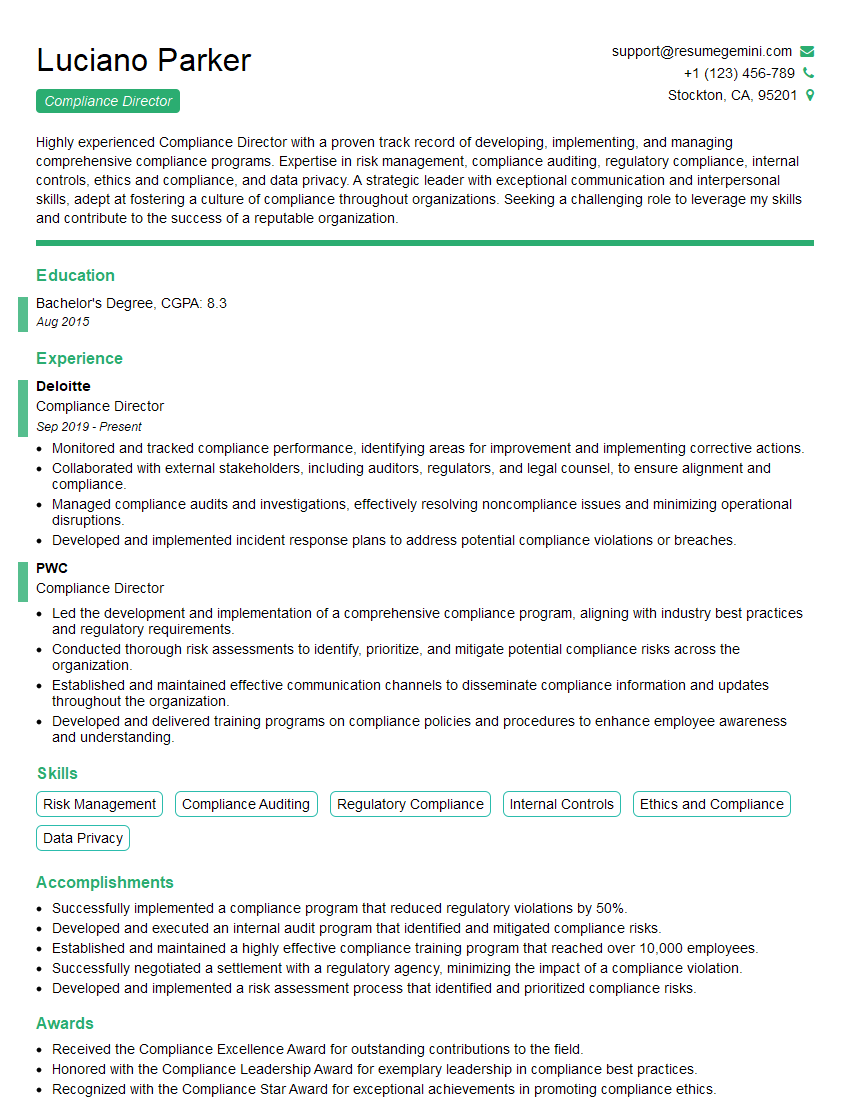
Compliance Director Resume Sample
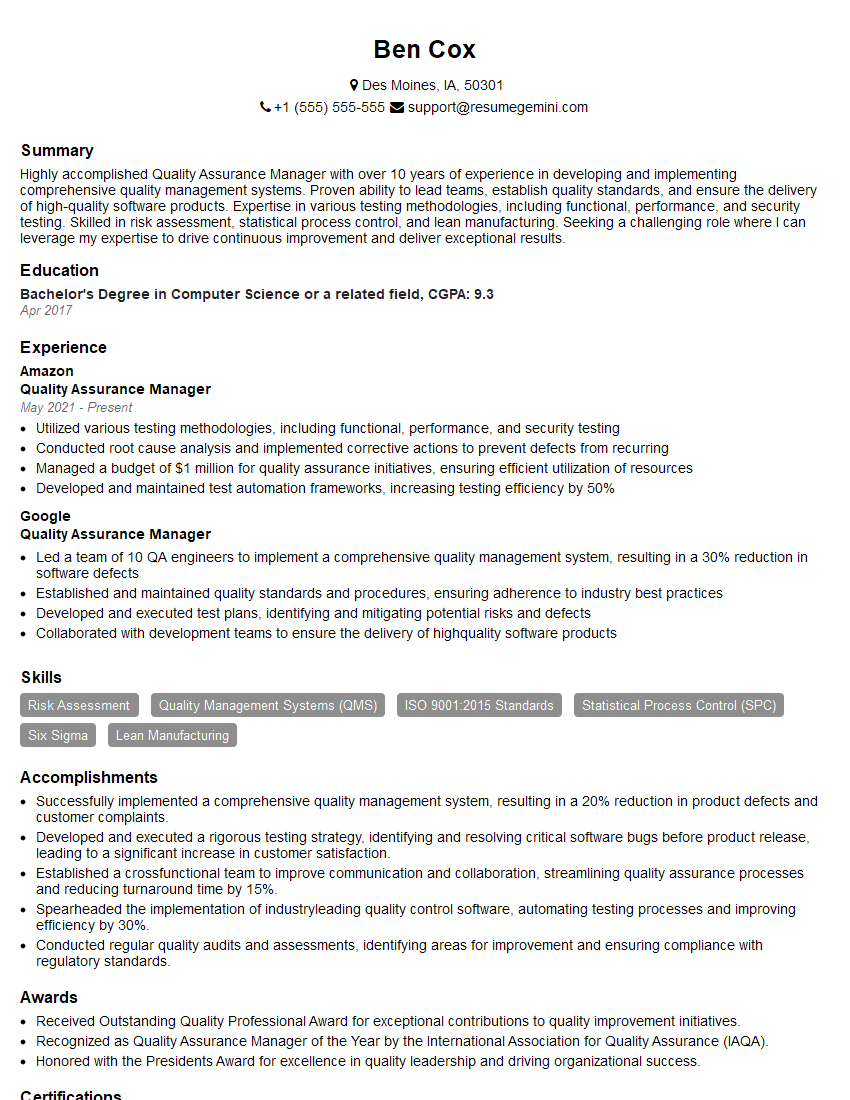
Quality Assurance Manager Resume Sample
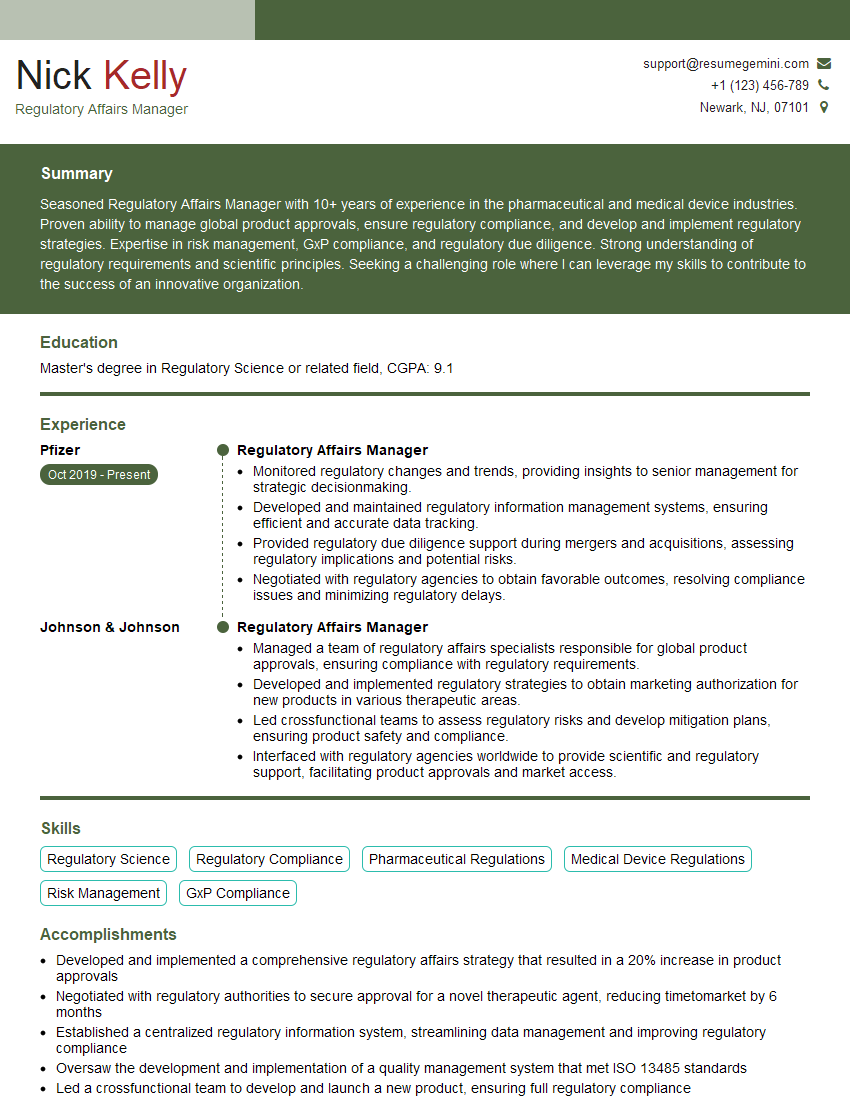
Regulatory Affairs Manager Resume Sample
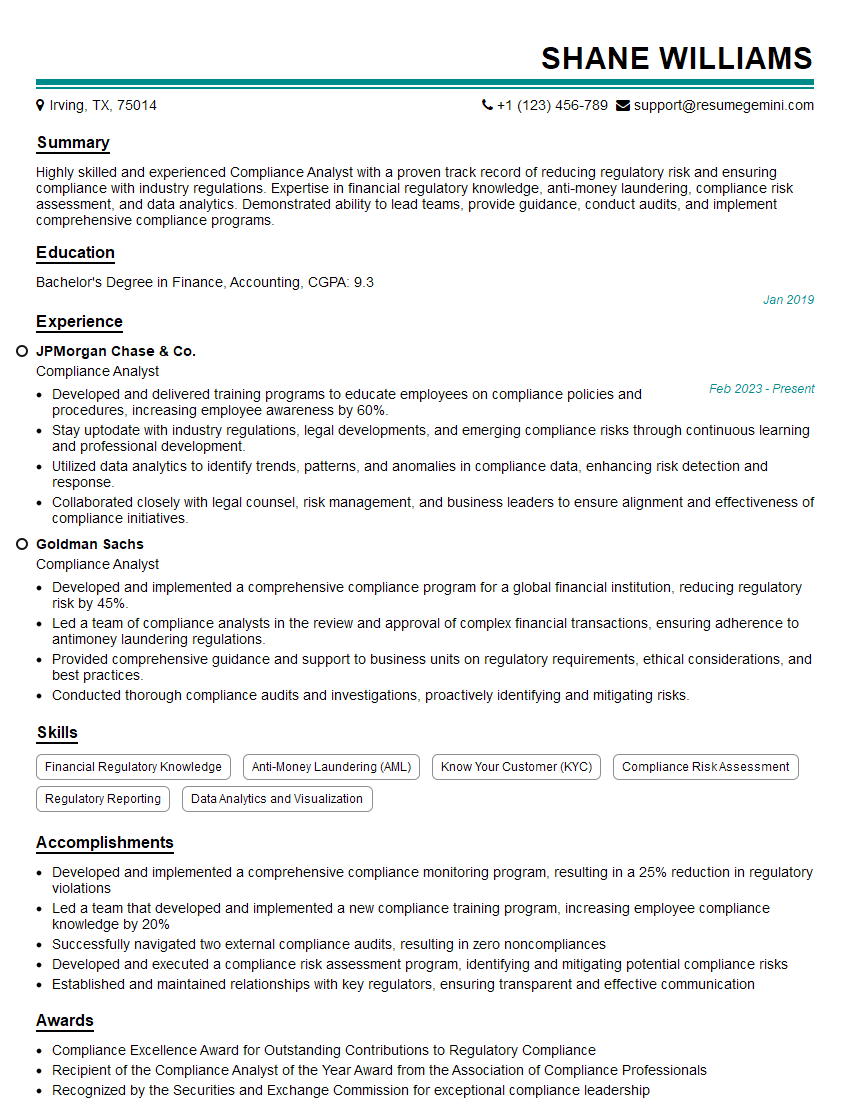
Compliance Analyst Resume Sample
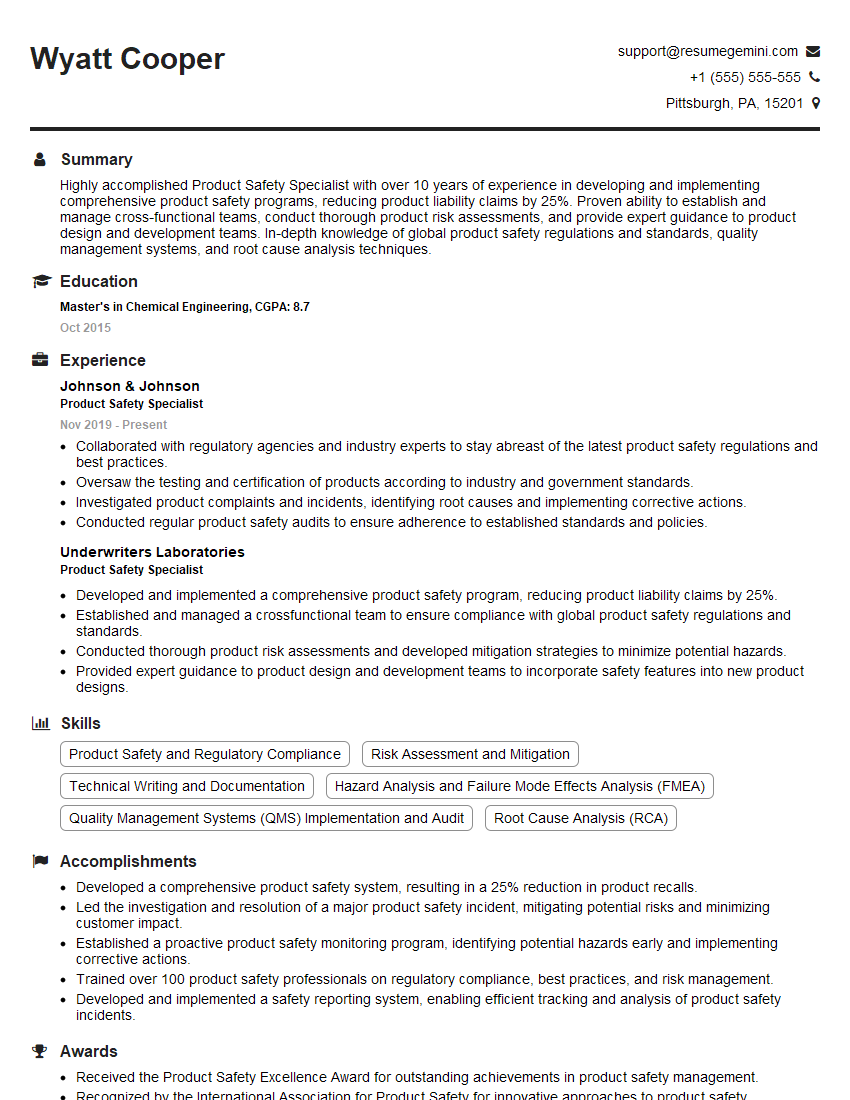
Product Safety Specialist Resume Sample
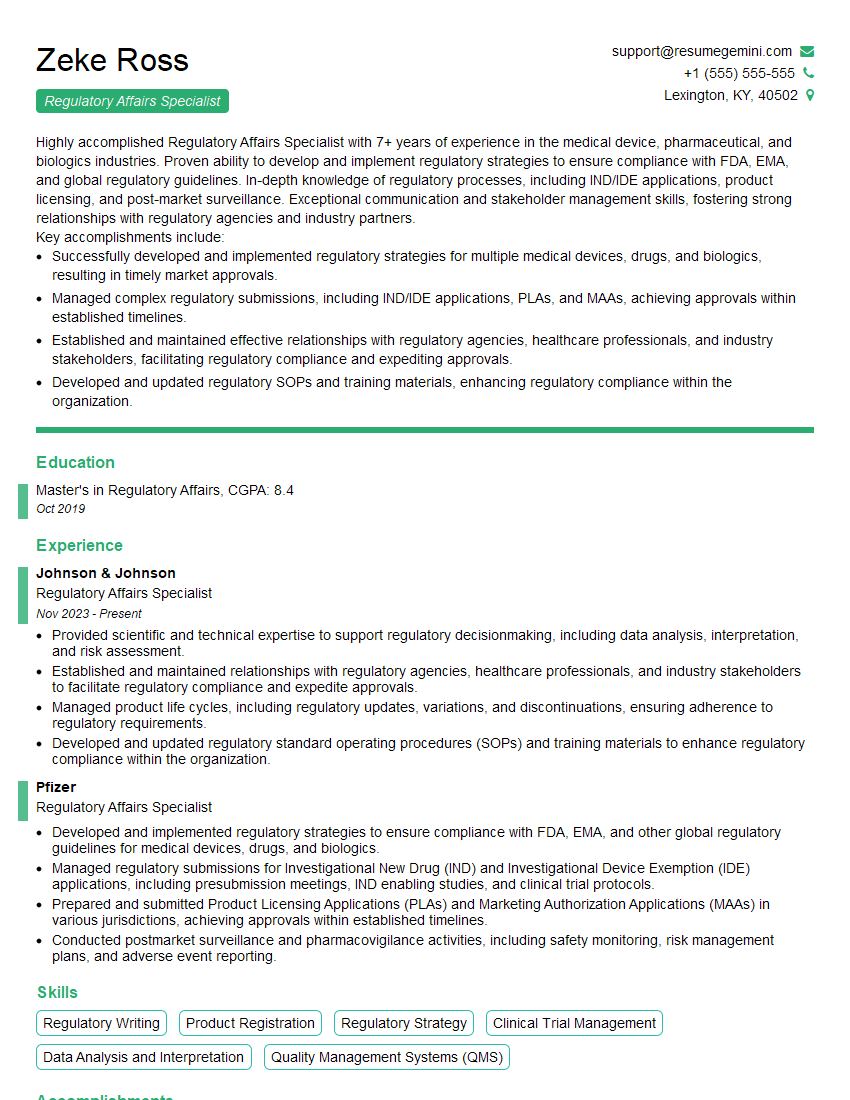
Regulatory Affairs Specialist Resume Sample
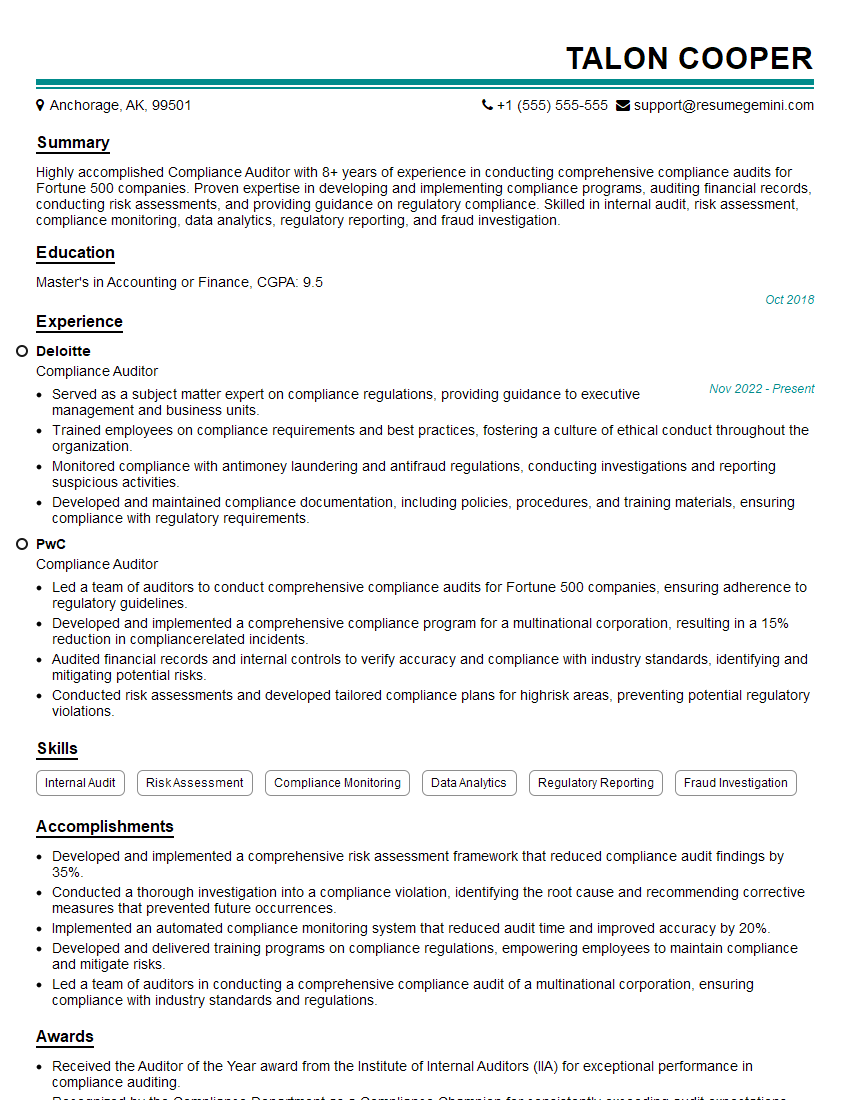
Compliance Auditor Resume Sample

Risk Management Specialist Resume Sample
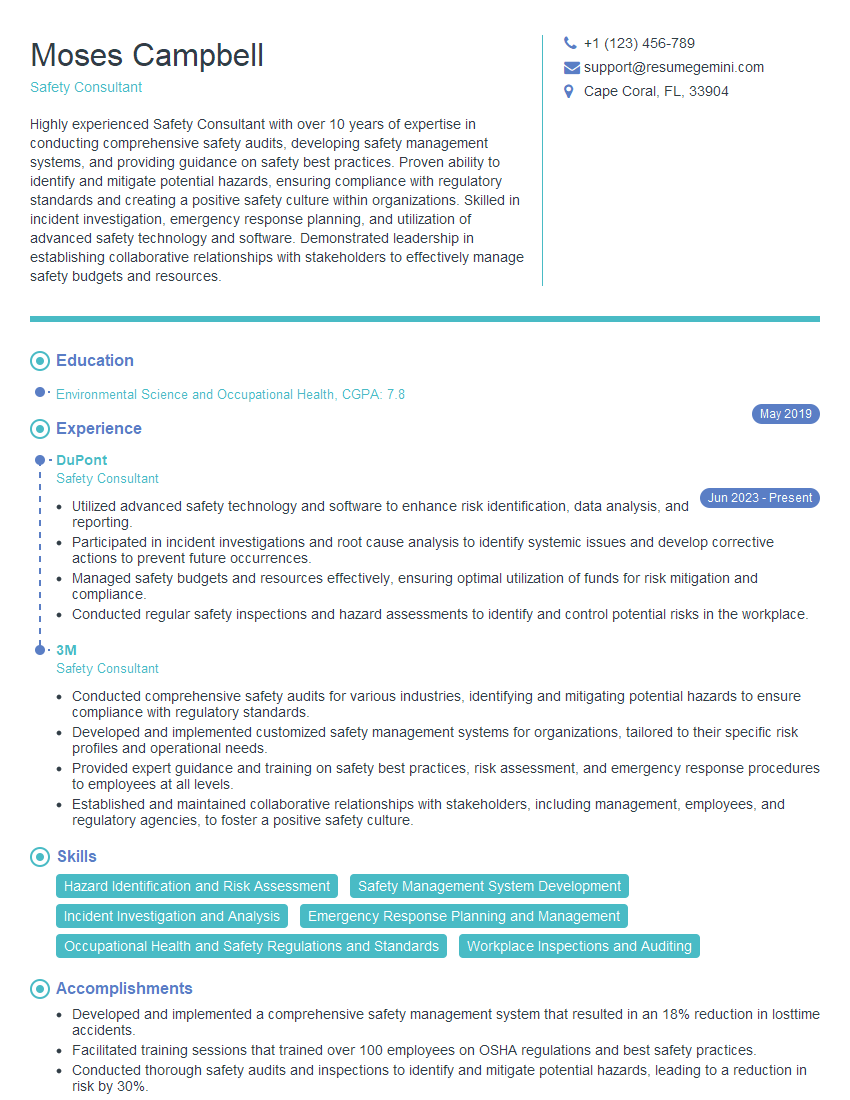
Safety Consultant Resume Sample
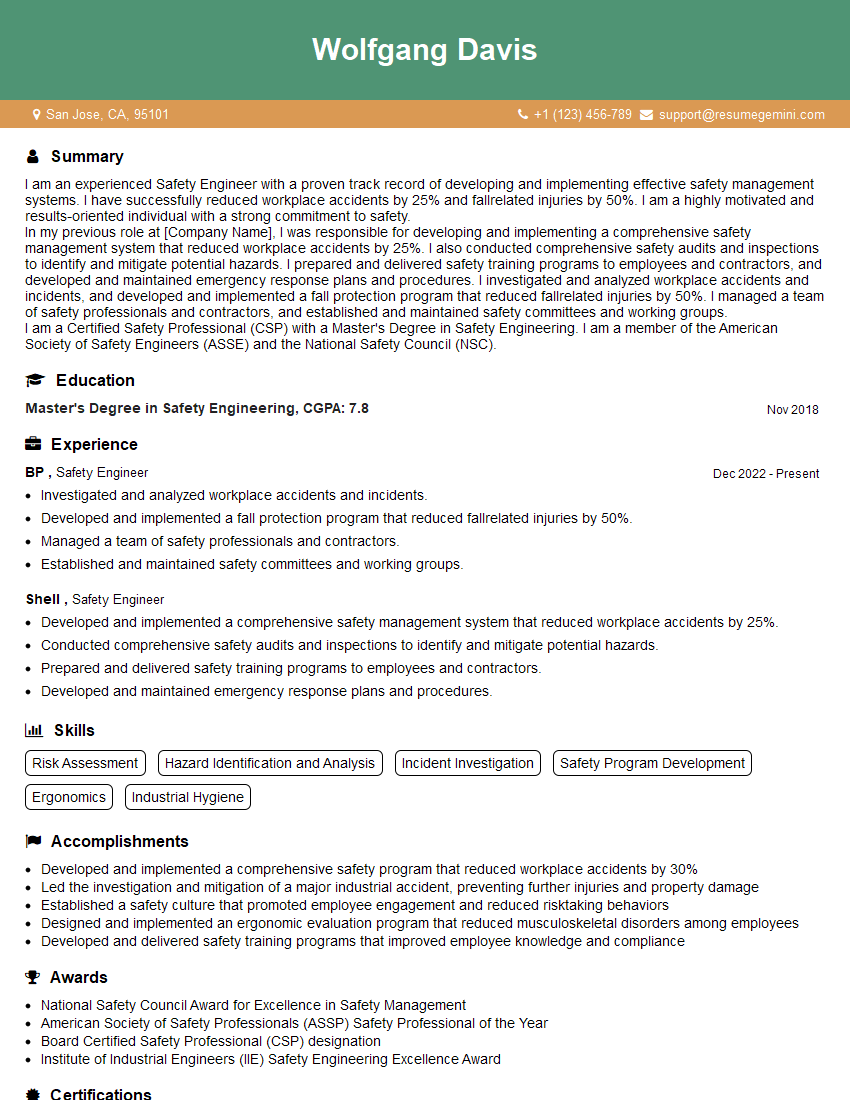
Safety Engineer Resume Sample
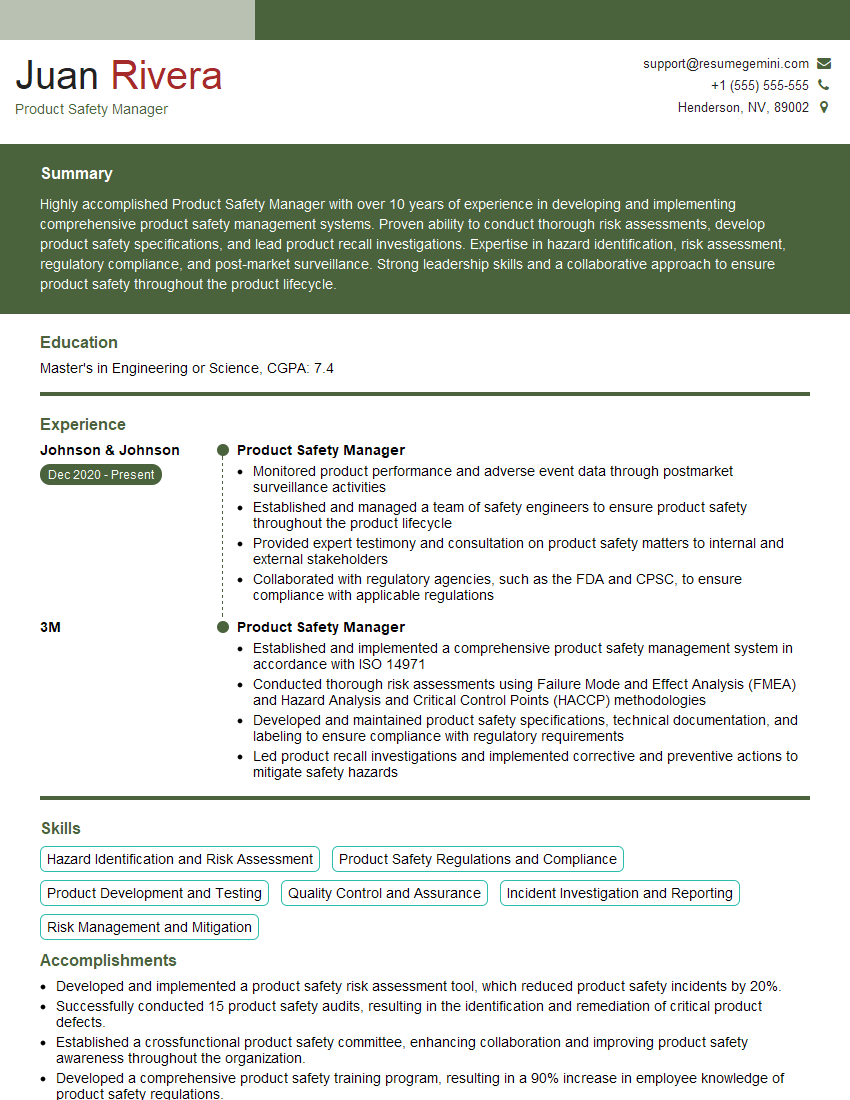
Product Safety Manager Resume Sample
Explore more articles
Users Rating of Our Blogs
Share Your Experience
We value your feedback! Please rate our content and share your thoughts (optional).
What Readers Say About Our Blog
Very informative content, great job.
good