Cracking a skill-specific interview, like one for Equipment Regulations, requires understanding the nuances of the role. In this blog, we present the questions you’re most likely to encounter, along with insights into how to answer them effectively. Let’s ensure you’re ready to make a strong impression.
Questions Asked in Equipment Regulations Interview
Q 1. Explain the difference between a regulation and a standard.
Regulations and standards are both crucial for ensuring equipment safety and performance, but they differ significantly in their nature and enforceability. Regulations are legally mandated rules, often enforced by government agencies, that businesses must comply with. Non-compliance can result in significant penalties. Standards, on the other hand, are voluntary guidelines developed by expert consensus bodies like ISO (International Organization for Standardization). They provide best practices and benchmarks for product design, manufacturing, and operation. While not legally binding in themselves, standards are often referenced in regulations, meaning that adherence to a particular standard might be required to demonstrate compliance with a regulation.
Think of it like this: regulations are the law; standards are the best practices that show you how to follow the law effectively. For example, a regulation might state that medical devices must be safe, while a relevant standard (like ISO 13485) would outline the specific quality management system requirements to prove that safety.
Q 2. Describe your experience with ISO 13485 or other relevant equipment regulations.
I have extensive experience with ISO 13485, the international standard for quality management systems in the medical device industry. In my previous role at MedTech Solutions, I led the implementation and maintenance of our ISO 13485 certified quality management system. This involved developing and implementing procedures for risk management, design control, document control, internal audits, and corrective and preventive actions (CAPA). I also participated in numerous internal and external audits, ensuring that our processes remained compliant. Beyond ISO 13485, I’ve worked with other relevant regulations such as FDA 21 CFR Part 820 (for medical devices in the US) and the EU Medical Device Regulation (MDR). My experience spans the entire product lifecycle, from initial design and development through manufacturing, distribution, and post-market surveillance.
Q 3. How do you stay updated on changes in equipment regulations?
Staying current with ever-evolving equipment regulations requires a multi-pronged approach. Firstly, I subscribe to reputable regulatory newsletters and publications that provide updates and analysis of changes in various jurisdictions. Secondly, I actively participate in industry conferences and workshops where regulatory experts share insights and best practices. This allows me to network with other professionals and gain valuable perspectives on emerging trends. Finally, I maintain close contact with regulatory bodies directly, monitoring their websites and utilizing their resources, such as guidance documents and FAQs. This proactive approach ensures that I’m always abreast of changes and able to advise my colleagues and clients accordingly.
Q 4. What is your experience with risk assessments related to equipment?
Risk assessment is fundamental to equipment compliance. My experience in conducting risk assessments involves using established methodologies like Failure Mode and Effects Analysis (FMEA) and Hazard and Operability Studies (HAZOP). I am proficient in identifying potential hazards associated with equipment design, manufacturing, use, and disposal. For example, in a recent project involving industrial machinery, I led a HAZOP study that identified potential pinch points and other hazards, leading to design modifications that significantly reduced the risk of operator injury. This involved systematically reviewing the equipment’s operational phases, identifying potential deviations from normal operation, evaluating the severity and likelihood of resulting hazards, and recommending mitigating controls to reduce risk to an acceptable level. The outcome was a safer piece of equipment that met all regulatory requirements.
Q 5. Describe a time you identified a non-compliance issue. What steps did you take?
During a routine internal audit of a client’s manufacturing process for medical devices, I discovered a discrepancy in their sterilization validation documentation. While the sterilization process was being performed correctly, the records lacked sufficient detail to fully demonstrate compliance with the relevant regulatory standards. This was a significant non-compliance issue, as inadequate documentation could invalidate the sterilization process and potentially compromise product safety. My immediate action was to report the finding to the client’s management team. We then collaboratively developed a corrective action plan that involved supplementing the existing documentation, retraining personnel on proper record-keeping procedures, and implementing a robust internal audit system to prevent similar occurrences in the future. The client swiftly rectified the issue, and we verified the correction during a follow-up audit.
Q 6. How familiar are you with CE marking or other relevant certification processes?
I am very familiar with CE marking, the mandatory conformity marking for products sold within the European Economic Area. Understanding CE marking requires knowledge of the relevant directives and regulations that apply to the specific product category. For instance, medical devices require conformity assessment procedures based on the MDR, while machinery falls under the Machinery Directive. I have direct experience with assisting manufacturers through the process of compiling the technical documentation, performing conformity assessment activities (often involving third-party notified bodies), and applying the CE marking. Beyond CE marking, I also possess knowledge of other certification processes, such as UL certification (in North America) and various national standards approvals, depending on the specific product and its intended market. The overarching principle is always to ensure that the product meets all applicable regulatory and safety requirements for its intended use.
Q 7. Explain your understanding of the lifecycle of equipment compliance.
The lifecycle of equipment compliance begins even before the design phase, with initial risk assessments and hazard analysis to identify potential problems early on. The design phase must adhere to relevant standards and regulations, with rigorous testing and verification throughout the development process. Manufacturing must follow strict quality control procedures to ensure consistency and prevent defects. Once the equipment is in use, ongoing monitoring and maintenance become crucial, including regular inspections and preventative measures. Finally, end-of-life management, including safe disposal or recycling, must also comply with applicable regulations. Any changes or modifications to the equipment throughout its life cycle necessitates revisiting and updating the relevant documentation and compliance assessments. Ignoring any stage can lead to significant problems including legal issues, recalls, and reputational damage. A thorough and comprehensive approach, encompassing all stages, is critical to maintaining compliance throughout the equipment’s entire lifetime.
Q 8. What are the key elements of a successful equipment compliance program?
A successful equipment compliance program hinges on a proactive, multi-faceted approach. It’s not just about ticking boxes; it’s about embedding compliance into the very fabric of your organization’s operations. Think of it like building a house – you need a strong foundation, robust structure, and regular maintenance.
- Risk Assessment: Identifying and prioritizing potential compliance risks is paramount. This involves understanding the regulations applicable to your equipment, assessing the potential consequences of non-compliance (fines, recalls, reputational damage), and determining the likelihood of those consequences. For example, medical device manufacturers need to perform rigorous risk assessments considering patient safety.
- Policy and Procedure Development: Clear, concise, and easily accessible policies and procedures are essential. These documents should outline responsibilities, processes for equipment selection, maintenance, and disposal, and detail how to handle non-conformances.
- Training and Awareness: Equipping your employees with the knowledge and skills to comply with regulations is vital. Regular training sessions, tailored to specific roles and responsibilities, ensure everyone understands their role in maintaining compliance.
- Equipment Selection and Procurement: Ensuring equipment meets all relevant standards and regulations from the outset. This includes verifying certifications, conducting due diligence on suppliers, and maintaining detailed records of equipment specifications.
- Verification and Validation: Regularly verifying that the equipment is functioning as intended and validating that it consistently meets the required specifications. This involves calibration, testing, and performance monitoring.
- Documentation and Record Keeping: Maintaining meticulous records of all equipment-related activities, including maintenance logs, calibration certificates, and training records, is critical for demonstrating compliance to auditors. Think of it as your audit trail.
- Continuous Improvement: A successful program embraces continuous improvement through regular audits, analysis of non-conformances, and implementation of corrective and preventive actions (CAPA).
Q 9. How do you ensure traceability of equipment throughout its lifecycle?
Equipment traceability, throughout its lifecycle, is achieved through a robust identification and documentation system. Imagine it like tracking a package – you need a unique identifier and a clear record of its journey. This requires a combination of physical identification and digital record-keeping.
- Unique Identification: Each piece of equipment should have a unique identifier, such as a serial number or asset tag. This identifier should be clearly visible and consistently used across all documentation.
- Centralized Database: A centralized database, or a dedicated equipment management system, is crucial for storing all relevant information about each piece of equipment, including its specifications, maintenance history, calibration records, and location. This database forms the backbone of your traceability system.
- Barcode/RFID Technology: Integrating barcode or RFID technology can streamline the process of tracking equipment and recording maintenance events. This allows for quick and accurate data entry and reduces the risk of manual errors.
- Maintenance Logs: Detailed maintenance logs, including dates, performed actions, and the technician’s signature, provide an unbroken chain of custody for maintenance records.
- Calibration Certificates: Calibration certificates, linked to the unique equipment identifier, verify the accuracy of the equipment’s measurements.
- Disposal Records: Maintaining records of how equipment is decommissioned and disposed of ensures proper environmental compliance and avoids potential liabilities.
Q 10. Describe your experience with conducting internal audits for equipment compliance.
My experience in conducting internal audits for equipment compliance involves a structured approach focused on objectivity and continuous improvement. I’ve led numerous audits across various industries, using established methodologies.
- Planning: I begin by defining the scope and objectives of the audit, selecting relevant regulations and standards, and creating a detailed audit plan. This involves identifying key areas of risk and selecting a representative sample of equipment for review.
- Execution: During the audit, I meticulously review documentation, observe equipment operation, and interview personnel to assess compliance with established policies and procedures. I utilize checklists and standardized audit forms to ensure consistency and completeness.
- Reporting: Following the audit, I prepare a comprehensive report summarizing the findings, including any non-conformances identified, along with their severity and potential impact. The report includes recommendations for corrective and preventive actions (CAPA).
- Follow-up: I follow up to ensure that the identified CAPAs are implemented effectively and that corrective actions are verified to prevent recurrence.
For example, in a recent audit of a pharmaceutical manufacturing facility, my team identified a gap in the calibration schedule for critical process equipment. This led to the implementation of a revised calibration program and improved training for maintenance personnel. This resulted in better equipment performance and reduced risks.
Q 11. How do you handle conflicting regulatory requirements from different jurisdictions?
Handling conflicting regulatory requirements from different jurisdictions is a complex challenge that necessitates a thorough understanding of international and regional regulations. Think of it like navigating a complex road network with different speed limits in different countries.
- Identify and Prioritize: The first step is to comprehensively identify all applicable regulations from each relevant jurisdiction. Then, prioritize those regulations based on their impact on your operations and the severity of non-compliance penalties.
- Harmonization: Where possible, seek to harmonize your compliance program to meet the most stringent requirements. This often involves adopting best practices and implementing systems that meet the highest standard across all jurisdictions.
- Documentation: Maintain clear documentation that demonstrates how your compliance program addresses the specific requirements of each jurisdiction. This may involve creating customized procedures or incorporating jurisdictional-specific details into your existing documentation.
- Legal Counsel: Seek guidance from legal counsel specializing in regulatory compliance to navigate complex situations and ensure your compliance strategy mitigates legal risks. This is particularly crucial when dealing with conflicting interpretations of regulations.
- Risk Management: A robust risk management framework helps prioritize and manage the risks associated with non-compliance in each jurisdiction.
Q 12. Explain your experience in implementing corrective and preventive actions (CAPA) related to equipment.
Implementing Corrective and Preventive Actions (CAPA) related to equipment is a crucial part of ensuring ongoing compliance. It’s about learning from mistakes and preventing future issues. Think of it as a feedback loop for continuous improvement.
- Investigation: A thorough investigation of the root cause of the non-conformity is essential. This may involve interviewing personnel, reviewing documentation, and analyzing data to determine the underlying causes of the problem.
- Corrective Action: Implementing actions to rectify the immediate problem. This might involve repairing faulty equipment, retraining staff, or updating procedures.
- Preventive Action: Identifying and implementing measures to prevent similar issues from occurring in the future. This could involve modifying equipment design, improving maintenance procedures, or implementing a new quality control system.
- Verification: Verifying that the implemented corrective and preventive actions are effective in preventing recurrence. This might involve monitoring key performance indicators (KPIs), performing follow-up audits, and reviewing data to confirm the effectiveness of implemented changes.
- Documentation: Maintaining a complete record of the entire CAPA process, including investigation findings, corrective actions, preventive actions, and verification results. This documentation serves as evidence of your commitment to continuous improvement and compliance.
For instance, if a piece of equipment malfunctions due to inadequate maintenance, the CAPA process would involve investigating the root cause (inadequate training), correcting the immediate problem (repairing the equipment), and preventing future occurrences (implementing enhanced training programs and developing a more rigorous maintenance schedule).
Q 13. How do you manage equipment documentation and record keeping to meet regulatory requirements?
Managing equipment documentation and record-keeping requires a systematic approach to ensure all regulatory requirements are met. Think of it as building a comprehensive library for your equipment’s history.
- Document Control System: Implementing a formal document control system is essential to manage the creation, review, approval, distribution, and archiving of all equipment-related documents. This system helps ensure that only the latest, approved versions of documents are used.
- Electronic Document Management System (EDMS): Utilizing an EDMS simplifies document storage, retrieval, and version control, facilitating efficient access and reducing the risk of document loss or misplacement.
- Data Integrity: Ensuring data integrity is critical. This involves using secure systems, implementing access controls, and implementing audit trails to track all changes to equipment records.
- Retention Policies: Establishing clear retention policies that comply with relevant regulations is crucial. This involves specifying the retention period for different types of documents and ensuring that they are securely stored and archived for the required time.
- Regular Audits: Conducting regular audits of your equipment documentation and record-keeping systems is critical to identify any gaps or deficiencies and to ensure compliance with regulations.
Q 14. How familiar are you with the process of obtaining regulatory approvals for new equipment?
Obtaining regulatory approvals for new equipment can be a complex and time-consuming process. Each regulatory body has specific requirements, making it crucial to understand the applicable regulations from the outset. Think of it as navigating a unique application process for each specific regulatory authority.
- Identify Applicable Regulations: The first step is to identify all applicable regulations and standards governing the use of the equipment in your target market. This involves understanding the requirements related to safety, performance, and environmental protection.
- Prepare Documentation: Preparing a comprehensive submission package containing all the necessary documentation, including design specifications, test results, risk assessments, and manufacturing processes, is critical. This documentation must adhere to the specific requirements of each regulatory body.
- Testing and Validation: Rigorous testing and validation are crucial to demonstrate that the equipment meets all specified requirements and performance standards. This typically involves laboratory testing, clinical trials (where applicable), and field testing.
- Submission and Review: Submitting the application to the relevant regulatory bodies and working closely with them throughout the review process is necessary. This may involve responding to queries, providing additional information, and participating in inspections.
- Post-Approval Monitoring: Once approval is granted, it’s crucial to maintain post-approval monitoring, ensuring ongoing compliance with all regulations and responding to any requests for information or follow-up inspections from regulatory bodies.
For example, medical device manufacturers must navigate the rigorous approval processes of the FDA (in the US) or the EMA (in Europe), each with unique requirements and timelines. This involves navigating complex regulations, conducting extensive testing, and preparing detailed documentation.
Q 15. Describe your experience in working with notified bodies or other certification organizations.
Throughout my career, I’ve collaborated extensively with several notified bodies and certification organizations, including TÜV SÜD, Intertek, and UL. My experience spans various stages of the certification process, from initial gap analysis and documentation preparation to factory audits and the issuance of certificates. For example, I led the effort to obtain CE marking for a new medical device, working closely with TÜV SÜD to ensure full compliance with the Medical Device Regulation (MDR). This involved managing internal teams, coordinating testing activities, and addressing any non-conformities identified during the audit process. Another significant experience involved a successful ISO 9001 certification audit for our manufacturing facility, demonstrating our commitment to quality management systems and regulatory compliance. This collaborative process not only secured certifications but also fostered a culture of continuous improvement within our organization.
I understand the nuances of different certification schemes and the importance of selecting the appropriate notified body based on the specific regulatory requirements of the equipment and geographical markets. I’m proficient in interpreting certification standards and ensuring our products consistently meet the stringent criteria for approval.
Career Expert Tips:
- Ace those interviews! Prepare effectively by reviewing the Top 50 Most Common Interview Questions on ResumeGemini.
- Navigate your job search with confidence! Explore a wide range of Career Tips on ResumeGemini. Learn about common challenges and recommendations to overcome them.
- Craft the perfect resume! Master the Art of Resume Writing with ResumeGemini’s guide. Showcase your unique qualifications and achievements effectively.
- Don’t miss out on holiday savings! Build your dream resume with ResumeGemini’s ATS optimized templates.
Q 16. How do you ensure that your company’s equipment meets all relevant safety standards?
Ensuring our equipment meets all relevant safety standards is a multi-faceted process that begins at the design stage and continues throughout the manufacturing and lifecycle management. We employ a robust quality management system (QMS) based on ISO 9001, which incorporates rigorous design reviews, risk assessments (using methods such as Failure Mode and Effects Analysis – FMEA), and testing procedures. We meticulously track and document every step of the process.
- Design Stage: Our engineers incorporate safety considerations from the outset, adhering to relevant standards like IEC 60950-1 (for IT equipment) or specific industry-specific standards. This proactive approach minimizes potential hazards and avoids costly rework later in the process.
- Testing and Verification: We conduct extensive testing, including environmental testing (temperature, humidity, vibration), electromagnetic compatibility (EMC) testing, and safety testing, often using accredited testing laboratories. This ensures compliance with directives like the EMC Directive and the Low Voltage Directive.
- Manufacturing Controls: Stringent quality controls are implemented during manufacturing to maintain consistency and prevent defects. Regular internal audits ensure compliance with our QMS.
- Post-Market Surveillance: We actively monitor our equipment’s performance in the field and address any reported issues promptly. This helps us identify potential problems early and prevent wider safety risks.
Think of it like building a house: you wouldn’t start without blueprints and building codes. Similarly, we start with comprehensive design standards and rigorous testing protocols to ensure safety and compliance from the very beginning.
Q 17. Explain your understanding of the legal implications of non-compliance with equipment regulations.
Non-compliance with equipment regulations carries significant legal and financial implications. Depending on the severity and nature of the non-compliance, companies can face:
- Legal Penalties: Fines, injunctions to halt production or sales, and even criminal prosecution can result from serious breaches. The amount of fines can be substantial and vary greatly depending on jurisdiction and the nature of the violation.
- Product Recalls: Mandatory recalls of non-compliant products can be extremely costly, encompassing costs associated with retrieving the products, repairing or replacing them, and managing communication with customers.
- Reputational Damage: Negative publicity related to non-compliance can severely damage a company’s reputation and erode consumer trust, potentially leading to significant loss of sales.
- Civil Liability: Companies can be held liable for injuries or damages caused by non-compliant products, leading to expensive lawsuits and compensation payments.
- Market Restrictions: Non-compliance can prevent products from being sold in certain jurisdictions, limiting market access and hindering business growth.
For example, a company failing to comply with the Machinery Directive in the EU could face significant fines and be prohibited from selling their machinery within the European Union. The potential consequences underscore the critical importance of thorough compliance programs.
Q 18. How do you communicate complex regulatory information to non-technical stakeholders?
Communicating complex regulatory information to non-technical stakeholders requires clear, concise, and relatable language, avoiding technical jargon. I utilize various methods to achieve this:
- Simplified Language: I translate technical terms into plain English, using analogies and real-world examples to illustrate key concepts.
- Visual Aids: Infographics, flowcharts, and presentations can effectively convey information visually, enhancing understanding and retention.
- Interactive Sessions: Workshops and Q&A sessions provide opportunities for stakeholders to engage directly and clarify any doubts.
- Targeted Communication: I tailor my communication style and content to the specific audience, considering their level of technical expertise and areas of interest.
- Summarized Reports: I provide concise executive summaries of complex regulatory requirements, highlighting key implications and actions needed.
For example, when explaining the requirements of the RoHS Directive (Restriction of Hazardous Substances), I would explain it in terms of reducing environmental harm rather than focusing on the specific chemical limits, making it more relatable and easier to understand.
Q 19. Describe your experience with equipment recall procedures.
My experience with equipment recall procedures involves a structured, multi-step process focused on swift action, thoroughness, and transparency. It begins with identifying the issue, evaluating its potential impact, and implementing a comprehensive recall strategy. This usually involves:
- Issue Identification and Assessment: Identifying the root cause of the problem and assessing its potential risks to consumers and the company.
- Recall Strategy Development: Developing a plan outlining the steps for product retrieval, remediation (repair or replacement), communication with customers, and regulatory reporting.
- Notification and Communication: Clearly and effectively communicating the recall information to affected customers, regulatory bodies, and distributors. This might involve press releases, email notifications, and website updates.
- Product Retrieval and Remediation: Implementing efficient mechanisms for collecting the affected products and providing replacements or repairs.
- Regulatory Reporting: Complying with all regulatory requirements regarding reporting the recall to relevant authorities.
- Post-Recall Analysis: Conducting a thorough post-recall analysis to identify lessons learned and prevent future similar occurrences.
I’ve been involved in recalls involving both minor defects and significant safety concerns. In one instance, a small manufacturing defect in a component necessitated a recall of several thousand units. The efficient and transparent handling of the recall minimized reputational damage and ensured consumer safety.
Q 20. How do you balance regulatory compliance with business needs?
Balancing regulatory compliance with business needs requires a strategic approach that integrates compliance into the core business strategy rather than viewing it as a separate function. It’s about proactively identifying potential compliance risks and incorporating mitigation strategies into the product development and manufacturing processes. This includes:
- Cost-Benefit Analysis: Evaluating the costs associated with compliance measures against potential financial losses from non-compliance (fines, recalls, lawsuits).
- Prioritization: Focusing on the most critical compliance requirements first, addressing high-risk areas before less critical ones.
- Continuous Improvement: Regularly reviewing and updating compliance programs to adapt to changes in regulations and best practices.
- Collaboration: Working closely with all stakeholders (engineering, manufacturing, legal, marketing) to ensure alignment on compliance goals.
- Technology Adoption: Using technology (e.g., PLM software) to streamline compliance processes and improve efficiency.
For example, investing in automated testing equipment can significantly reduce the time and cost associated with compliance testing while enhancing accuracy and consistency.
Q 21. Explain your experience with supplier audits related to equipment compliance.
Supplier audits are critical for ensuring that our suppliers comply with the same regulatory standards as we do. I have extensive experience conducting and overseeing these audits, focusing on evaluating the effectiveness of our suppliers’ quality management systems and their compliance with applicable regulations. These audits typically cover:
- Quality Management System Review: Assessing the supplier’s QMS against ISO 9001 or other relevant standards.
- Regulatory Compliance Review: Verifying that the supplier complies with all applicable regulations and standards related to the equipment they provide.
- Production Process Review: Evaluating the manufacturing processes to identify potential risks and ensure they consistently produce compliant products.
- Documentation Review: Checking the supplier’s documentation to ensure traceability and compliance with regulatory requirements.
- On-site Inspection: Conducting on-site inspections of the supplier’s facilities to observe their practices and verify compliance claims.
We use a standardized audit checklist and reporting system to ensure consistency and objectivity. Any non-conformities identified during the audit are documented and addressed through corrective action plans. Maintaining strong supplier relationships and fostering a culture of collaboration is crucial for successful supplier audits and sustained compliance across the supply chain. The goal is not simply to find fault, but to work collaboratively with our suppliers to improve and ensure continued compliance.
Q 22. How do you incorporate ethical considerations into your equipment compliance work?
Ethical considerations are paramount in equipment compliance. It’s not just about meeting the minimum legal requirements; it’s about ensuring the safety and well-being of users, the environment, and the wider community. I integrate ethical considerations into my work through a multi-faceted approach.
- Transparency and honesty: I ensure all reporting and documentation is accurate and transparent, avoiding any attempts to obfuscate potential risks or non-compliance issues. For instance, if a piece of equipment shows a minor deviation from specifications, I’d report it fully, rather than downplaying it.
- Prioritizing safety: Safety is always my top priority. I advocate for the design and implementation of safety features that exceed minimum regulatory standards whenever feasible. If a regulation allows for a certain level of risk, I’d always strive for a lower risk profile. For example, adding redundant safety systems where possible, even if not explicitly mandated.
- Environmental responsibility: I consider the environmental impact of equipment throughout its lifecycle, from manufacturing to disposal. This includes advocating for sustainable materials and environmentally-friendly manufacturing processes and disposal methods. An example would be suggesting a manufacturer switch to a more eco-friendly coating, even if it slightly increases costs.
- Stakeholder engagement: I actively involve all relevant stakeholders in compliance discussions, including engineers, manufacturers, and end-users, ensuring all voices are heard and concerns are addressed. This helps to build trust and fosters a culture of responsibility.
Q 23. Describe your proficiency with relevant regulatory software or databases.
My proficiency with regulatory software and databases is extensive. I’m highly skilled in navigating and interpreting information within systems like [mention specific relevant databases or software – e.g., EudraLex, FDA’s MAUDE database, specific industry-standard compliance databases]. I’m comfortable using these tools to research regulations, track compliance deadlines, manage documentation, and generate reports. I am also adept at using data analysis techniques to identify trends and potential compliance risks within large datasets. For example, I used [mention software] to analyze historical equipment failure data to identify patterns and implement preventive maintenance strategies, thus preventing future non-compliance issues.
Q 24. How would you assess the regulatory risks associated with a new equipment project?
Assessing regulatory risks for a new equipment project involves a systematic approach. I typically use a risk matrix to identify and prioritize potential hazards. This involves:
- Identifying applicable regulations: The first step is determining all relevant regulations, standards, and guidelines applicable to the equipment’s design, manufacturing, operation, and disposal in all target markets.
- Hazard identification: This involves identifying potential hazards associated with the equipment throughout its lifecycle, considering all potential failure modes and their consequences.
- Risk assessment: This involves evaluating the likelihood and severity of each identified hazard. This is often expressed quantitatively using a risk matrix. For example, a risk matrix might rank risks from low (likelihood and severity are low) to high (likelihood and severity are high).
- Risk mitigation: After assessing the risks, I develop mitigation strategies to reduce the likelihood or severity of each hazard to an acceptable level. This might involve design changes, safety features, training programs, or administrative controls.
- Documentation: All assessments, mitigation strategies, and evidence of compliance are meticulously documented and tracked.
By using this structured approach, I can proactively identify and address regulatory risks, minimizing the likelihood of non-compliance and potential legal issues.
Q 25. What are some common challenges you’ve faced in ensuring equipment compliance?
Ensuring equipment compliance presents several common challenges:
- Keeping up with evolving regulations: Regulations are constantly updated, requiring continuous learning and adaptation. This necessitates staying informed through subscriptions to regulatory updates, attending industry conferences, and actively monitoring changes in the relevant legal landscape.
- Managing complex documentation: Equipment compliance often involves extensive documentation, including design specifications, test results, and maintenance records. Efficient systems for managing and archiving this documentation are essential to prevent loss or misplacement of crucial information.
- Balancing cost and compliance: Achieving full compliance can be expensive. It requires careful consideration to strike the right balance between achieving full compliance and minimizing costs while still ensuring the safety and operational effectiveness of the equipment. This often involves prioritizing risk mitigation efforts, focusing on the most critical risks first.
- International variations in regulations: If equipment is sold in multiple countries, navigating different regulatory requirements adds complexity. This requires a deep understanding of global regulations and the ability to adapt designs and documentation to meet diverse standards.
Q 26. How do you prioritize competing regulatory requirements?
Prioritizing competing regulatory requirements involves a structured approach. I typically use a decision matrix that considers factors like:
- Legal precedence: Regulations with stronger legal weight and potentially harsher penalties are prioritized.
- Risk assessment: The potential impact of non-compliance (e.g., safety risks, financial penalties) is a crucial factor.
- Feasibility: Some requirements might be easier or more cost-effective to meet than others.
- Time constraints: Deadlines play a key role; requirements with the shortest deadlines are typically prioritized.
After assessing these factors, I create a prioritized list that guides compliance efforts. I regularly review this list as new information emerges or circumstances change. It is important to document this decision-making process, including the rationale behind the prioritization.
Q 27. Describe a time you had to make a difficult decision regarding equipment compliance.
In a previous role, I faced a difficult decision regarding a piece of medical equipment. Testing revealed a minor anomaly that wasn’t explicitly against regulations, but raised potential safety concerns, particularly in long-term usage. The manufacturer argued it wasn’t significant enough to warrant a recall or design change, claiming the cost would be prohibitive. However, my ethical and professional responsibility dictated a different course of action.
I documented my concerns meticulously, presented a comprehensive risk assessment outlining potential long-term consequences, and proposed alternative mitigation strategies that were less costly than a full recall, such as issuing improved operating instructions and a voluntary software update with enhanced safety features. After presenting my case with supporting data and collaborating with the manufacturer and regulatory bodies, we implemented the proposed mitigation measures. This approach prevented potential safety hazards while avoiding the substantial financial impact of a full recall.
Key Topics to Learn for Equipment Regulations Interview
- Safety Standards and Compliance: Understanding relevant safety regulations, including OSHA, ANSI, and industry-specific standards, and their practical application in equipment operation and maintenance.
- Equipment Inspection and Maintenance: Performing thorough equipment inspections, identifying potential hazards, and implementing preventative maintenance schedules to ensure compliance and operational efficiency. This includes understanding logbooks, reporting procedures, and the implications of neglecting maintenance.
- Risk Assessment and Mitigation: Identifying potential hazards associated with equipment use, analyzing risks, and developing effective mitigation strategies to minimize workplace accidents and injuries. This involves understanding risk matrices and implementing control measures.
- Permit-to-Work Systems: Understanding the principles and procedures involved in permit-to-work systems, including authorization, isolation, verification, and handover. This includes practical scenarios of applying these procedures in various equipment operations.
- Emergency Procedures and Response: Knowing emergency protocols for equipment malfunctions, accidents, and hazardous situations, including evacuation plans, first aid procedures, and reporting requirements. Understanding the role of equipment in emergency response.
- Record Keeping and Documentation: Maintaining accurate and comprehensive records related to equipment inspections, maintenance, and safety incidents. This includes understanding record retention policies and the importance of accurate documentation.
- Regulations specific to your industry: Research and understand the specific regulations that apply to the type of equipment and industry you are interviewing for. This demonstrates initiative and a thorough understanding of the field.
Next Steps
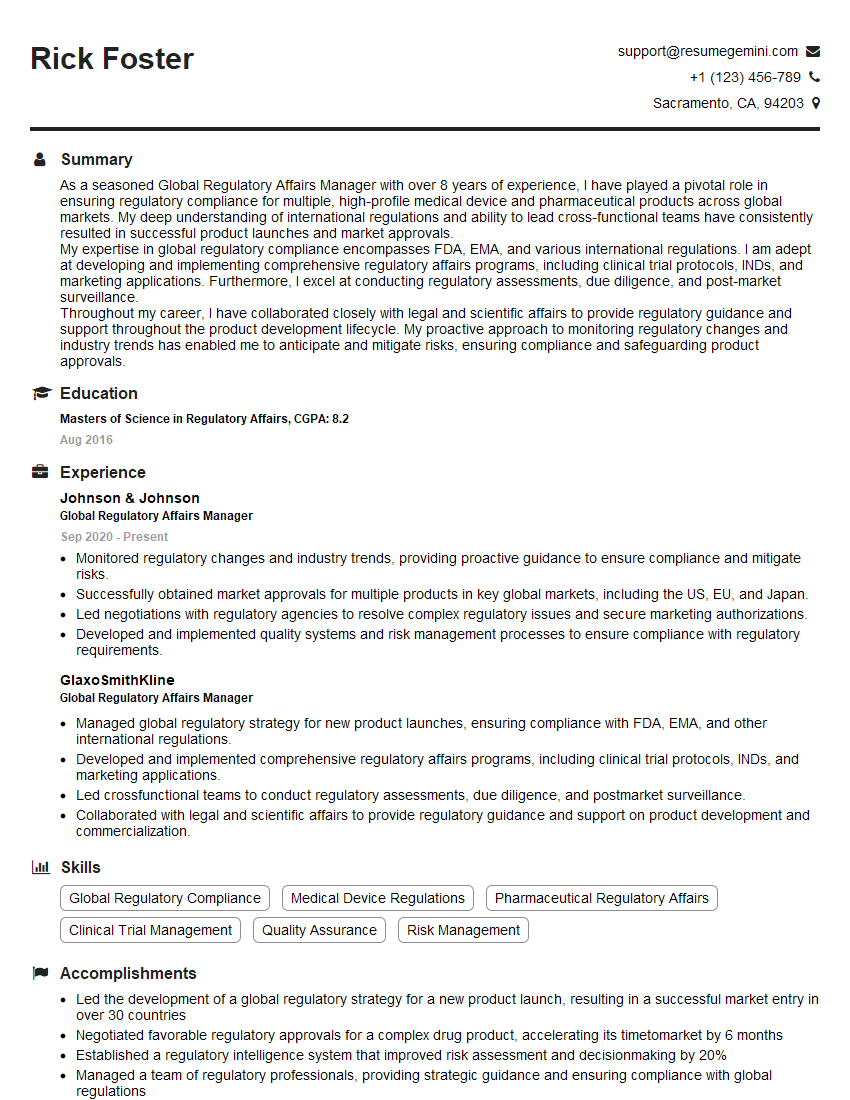
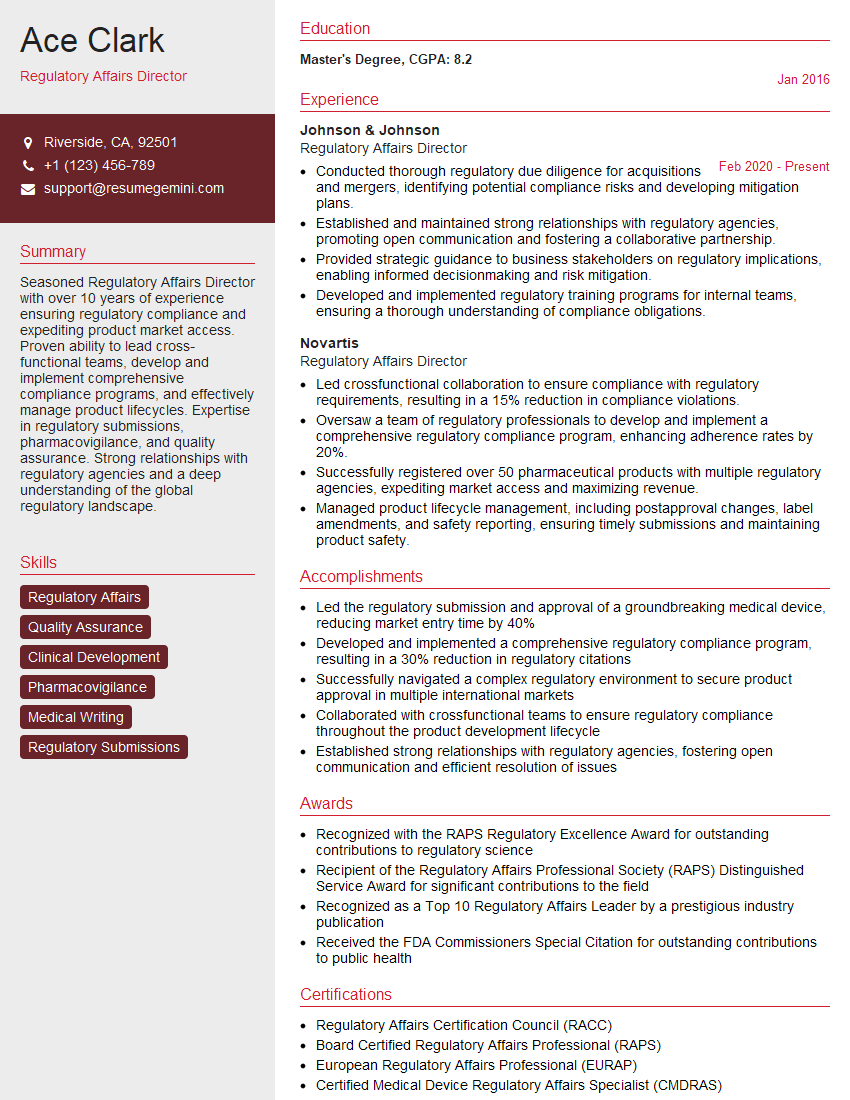
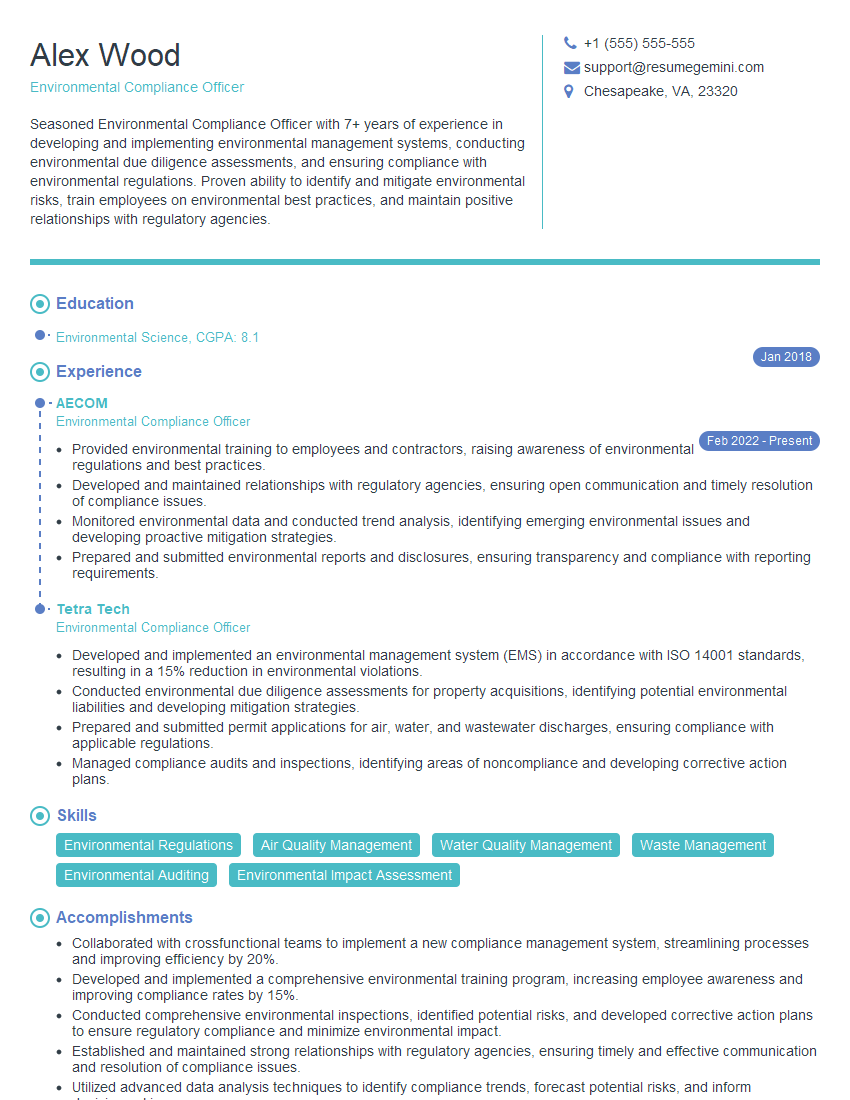
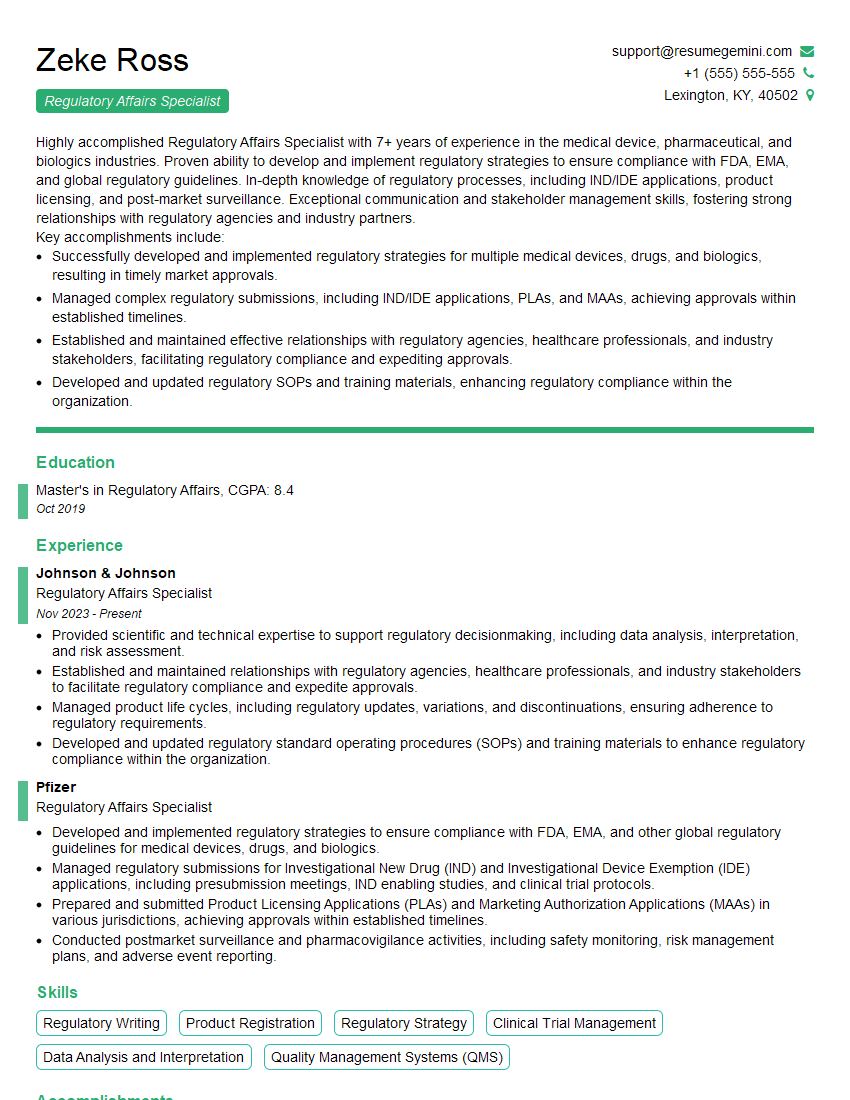
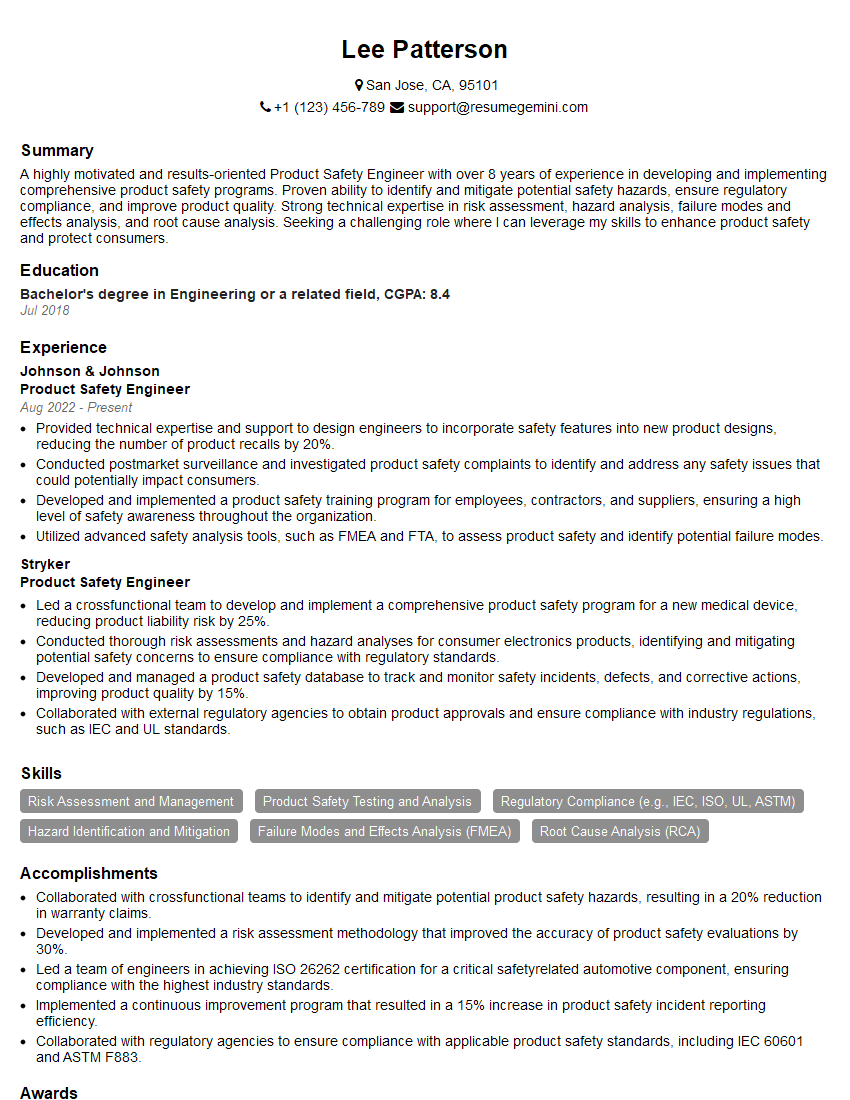
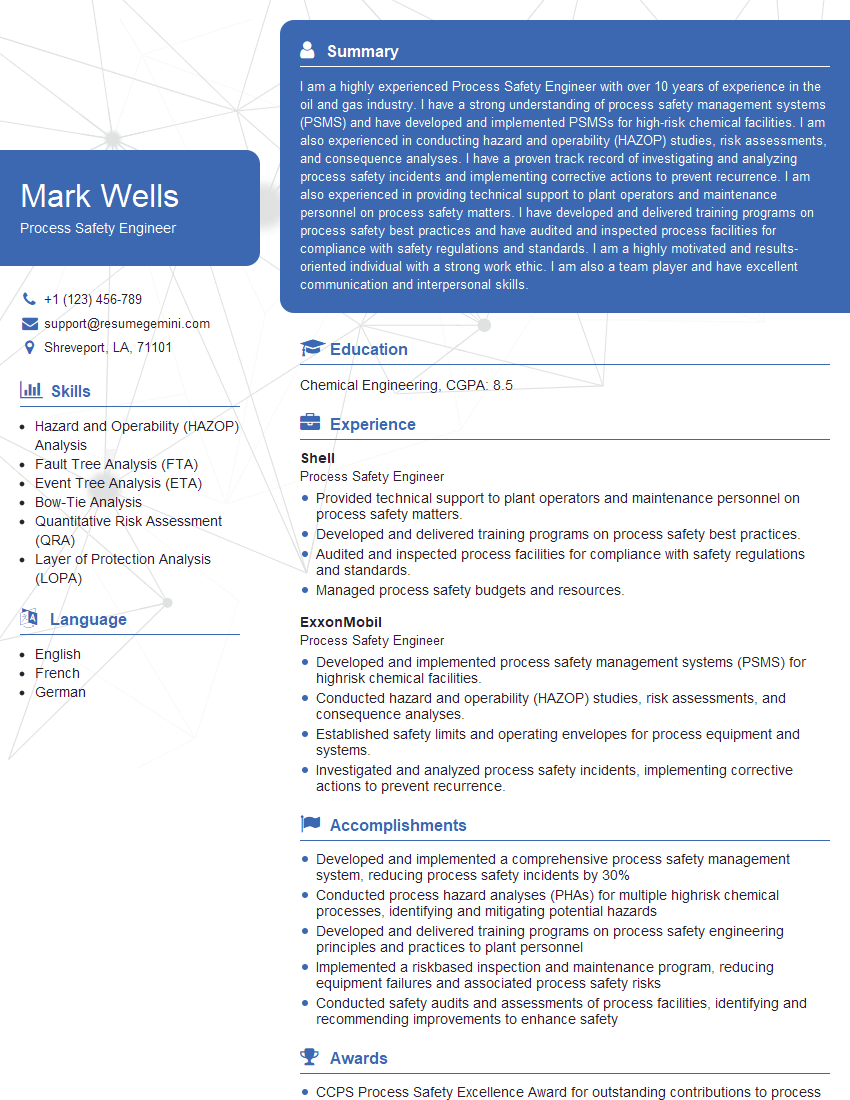
Mastering Equipment Regulations is crucial for career advancement in any field involving machinery. A strong understanding of these regulations demonstrates your commitment to safety, efficiency, and compliance – qualities highly valued by employers. To maximize your job prospects, create an ATS-friendly resume that highlights your skills and experience effectively. ResumeGemini is a trusted resource for building professional, impactful resumes that get noticed. They offer examples of resumes tailored specifically to Equipment Regulations roles, helping you present your qualifications in the best possible light. Take advantage of these resources to elevate your job search and secure your dream role.
Explore more articles
Users Rating of Our Blogs
Share Your Experience
We value your feedback! Please rate our content and share your thoughts (optional).
What Readers Say About Our Blog
Very informative content, great job.
good