Feeling uncertain about what to expect in your upcoming interview? We’ve got you covered! This blog highlights the most important Equipment Specification and Procurement interview questions and provides actionable advice to help you stand out as the ideal candidate. Let’s pave the way for your success.
Questions Asked in Equipment Specification and Procurement Interview
Q 1. Explain the process of equipment specification from initial requirements gathering to final selection.
Equipment specification is a meticulous process that ensures the procured equipment meets the organization’s needs and budget. It begins with a thorough understanding of the requirements and culminates in the final selection of a vendor and equipment.
- Requirements Gathering: This initial phase involves collaborating with end-users, engineers, and other stakeholders to clearly define the equipment’s purpose, functionalities, performance metrics (e.g., throughput, accuracy), and operational requirements. We use techniques like workshops, interviews, and surveys to ensure comprehensive needs capture. For example, if we need a new CNC milling machine, we would define the required machining capabilities (materials, tolerances), production volume, automation features, and safety standards.
- Developing the Specification Document: This crucial document translates the gathered requirements into a detailed, unambiguous description of the desired equipment. It typically includes technical specifications (e.g., power requirements, dimensions), performance standards, safety regulations, and quality assurance criteria. This document serves as the basis for evaluating vendor proposals.
- Vendor Identification and Solicitation: Based on the specification, potential vendors are identified through market research, industry directories, and networking. A request for information (RFI) or request for proposal (RFP) is then issued to invite bids. The RFP clearly outlines the project requirements, timeline, and evaluation criteria.
- Proposal Evaluation and Selection: Proposals from vendors are meticulously reviewed against the specification document. This involves a technical evaluation to assess the technical capabilities and compliance with requirements, followed by a commercial evaluation considering pricing, payment terms, warranty, and maintenance support. A weighted scoring system is often used to facilitate objective comparison.
- Final Selection and Negotiation: The vendor with the best overall proposal is selected. This is often followed by negotiation on final pricing, contract terms, and delivery schedules. A final contract is then signed, formalizing the agreement.
Q 2. Describe your experience with different procurement methods (e.g., competitive bidding, negotiation).
My experience encompasses various procurement methods, each suited for different circumstances. Competitive bidding is ideal for standardized equipment where price is a primary driver. It ensures transparency and healthy competition. I’ve managed numerous competitive bidding processes, from drafting clear RFPs to evaluating bids based on pre-defined criteria and price analysis. For instance, procuring standard laboratory equipment benefited greatly from this approach.
Negotiation is preferable for complex or customized equipment where a close working relationship with the vendor is important. This allows for more flexibility in addressing specific requirements and tailoring the solution. I’ve successfully negotiated favorable terms, including extended warranties and flexible payment schedules, for specialized manufacturing equipment that required bespoke features. Direct contracting, suitable for sole-sourced or urgent purchases, is also part of my skillset.
Q 3. How do you evaluate vendor proposals and select the best option?
Evaluating vendor proposals requires a structured approach. I typically use a multi-criteria evaluation (MCE) matrix to objectively compare different options. This involves assigning weights to various criteria – technical capabilities, price, delivery time, warranty, vendor reputation, and support capabilities – based on their relative importance. Each vendor’s proposal is scored against each criterion, and the weighted scores are summed up to provide an overall score. This method allows for a fair and transparent comparison, minimizing bias. Further due diligence, including site visits and reference checks, is also crucial to validate the vendor’s capabilities and claims.
For example, when selecting a provider for a large-scale automation system, we used a weighted scoring system that prioritized system reliability (40%), integration capability (30%), and vendor experience (30%). This ensured the selection process wasn’t solely driven by price but by a comprehensive evaluation of all critical factors.
Q 4. What are your strategies for managing risks associated with equipment procurement?
Risk management in equipment procurement is paramount. My strategies focus on proactive identification and mitigation of potential risks. This involves:
- Detailed Risk Assessment: Identifying potential risks such as technical failures, delivery delays, budget overruns, and compliance issues. I use a risk register to document potential risks, their likelihood, and potential impact.
- Contingency Planning: Developing mitigation strategies for each identified risk. This might involve alternative suppliers, buffer time for delivery, or escalation plans for technical issues.
- Insurance and Warranties: Utilizing insurance policies to cover unforeseen circumstances and leveraging robust warranties to protect against equipment defects.
- Vendor Selection and Due Diligence: Careful vendor selection through thorough background checks, reference checks, and assessing their financial stability minimizes risks associated with vendor performance.
- Contractual Safeguards: Including clauses in contracts to address potential risks, such as penalties for late delivery or performance guarantees.
Q 5. Explain your understanding of Total Cost of Ownership (TCO) and its application in equipment selection.
Total Cost of Ownership (TCO) is a crucial consideration in equipment selection. It encompasses all costs associated with an asset throughout its lifecycle, from acquisition to disposal. This includes not only the initial purchase price but also factors like installation, operation, maintenance, repairs, energy consumption, and disposal costs. A lower initial purchase price might not always translate to the lowest TCO. For example, equipment with a higher initial cost might have lower operating and maintenance costs, resulting in lower overall TCO over its lifespan.
I utilize TCO analysis to compare different equipment options objectively. This involves estimating the costs associated with each option across its lifecycle and selecting the option with the lowest overall TCO. This holistic approach ensures cost-effective decision making and avoids short-sighted choices based solely on initial purchase price.
Q 6. How do you ensure compliance with relevant regulations and standards during procurement?
Compliance is non-negotiable. I ensure compliance with all relevant regulations and standards throughout the procurement process. This involves:
- Identifying Applicable Regulations: Determining all applicable safety, environmental, and industry-specific regulations that pertain to the equipment and its operation. Examples include OSHA standards, EPA regulations, and industry-specific safety codes.
- Specifying Compliance Requirements: Including explicit compliance requirements in the equipment specifications and vendor RFP. This ensures that all vendors submit proposals that meet the necessary standards.
- Verification and Validation: Verifying that the selected equipment and vendor meet the specified compliance requirements before final acceptance. This might involve inspections, certifications, and testing.
- Documentation and Audits: Maintaining thorough documentation of the compliance process, including all relevant certifications and test results. Regular audits ensure continued compliance throughout the equipment’s lifecycle.
Q 7. Describe your experience with contract negotiation and management.
Contract negotiation and management are integral to successful equipment procurement. My approach emphasizes clarity, fairness, and risk mitigation. I focus on:
- Detailed Contract Review: Thoroughly reviewing all contract terms and conditions to identify potential risks and ambiguities. This includes payment terms, delivery schedules, warranties, and intellectual property rights.
- Negotiating Favorable Terms: Negotiating favorable terms with vendors to ensure the best possible outcome for the organization. This includes negotiating prices, payment schedules, extended warranties, and service level agreements.
- Risk Allocation: Allocating risks appropriately between the organization and the vendor through carefully drafted contract clauses. This includes defining responsibilities and liabilities for potential delays, defects, or failures.
- Change Management: Establishing a clear process for managing changes to the contract throughout the project lifecycle. This includes processes for requesting and approving changes, and managing any associated cost or schedule implications.
- Contract Monitoring and Enforcement: Closely monitoring the vendor’s performance and ensuring compliance with the contract terms. This includes regular communication, progress reviews, and prompt action to address any breaches of contract.
Q 8. How do you handle unexpected delays or cost overruns during a procurement project?
Unexpected delays and cost overruns are unfortunately common in procurement. My approach is proactive and multi-faceted, focusing on prevention and mitigation. Firstly, I emphasize meticulous planning. This includes comprehensive risk assessments that identify potential delays (e.g., supplier instability, logistical challenges, unforeseen regulatory hurdles) and assign contingency plans. For instance, if a critical component has a long lead time, we might explore alternative suppliers or build in buffer time.
Secondly, robust contract management is crucial. Clearly defined milestones, deliverables, and penalties for non-compliance are vital. Regular progress meetings with suppliers allow for early identification of problems. If a delay occurs, I immediately engage with the supplier to understand the root cause, explore solutions collaboratively, and negotiate revised timelines and costs. This involves documenting everything clearly – meeting minutes, revised schedules, change orders – to protect both parties.
Thirdly, I utilize Earned Value Management (EVM) techniques to track project performance against the baseline budget and schedule. EVM provides early warning signals of potential overruns, enabling timely intervention. Finally, clear communication with stakeholders is essential to manage expectations and ensure everyone is aligned on the revised project plan. In one project involving the procurement of specialized testing equipment, a customs delay threatened to derail the project timeline. By proactively communicating with stakeholders, securing expedited customs processing, and adjusting the implementation schedule, we managed to minimize the impact and prevent significant cost overruns.
Q 9. What are your strategies for managing supplier relationships?
Managing supplier relationships is a cornerstone of successful procurement. I believe in building strong, collaborative relationships based on mutual trust and respect. This starts with a thorough supplier selection process, considering factors beyond just price, such as their track record, financial stability, and technical capabilities.
Once a supplier is selected, open and transparent communication is paramount. Regular meetings, clear performance expectations, and timely feedback (both positive and constructive) are essential. I treat suppliers as partners, not simply vendors. I work closely with them to address challenges collaboratively, viewing problems as opportunities for improvement.
Furthermore, I use a performance evaluation system that tracks key metrics like on-time delivery, quality, and responsiveness. This provides a fair and objective assessment of supplier performance, informing future decisions about contract renewals and potential collaboration on other projects. I also leverage supplier relationship management (SRM) tools to centralize information, track performance, and facilitate communication. For example, in a recent project involving the procurement of industrial robots, we worked closely with the supplier to optimize the integration process, resulting in a smoother installation and quicker return on investment. This collaborative approach strengthened the relationship and led to future business opportunities.
Q 10. How familiar are you with different types of procurement contracts (e.g., fixed-price, cost-plus)?
I’m highly familiar with various procurement contract types. The choice of contract depends heavily on the project’s complexity, risk profile, and the level of certainty around scope and pricing.
- Fixed-price contracts: These offer price certainty but require a clearly defined scope of work. Any changes typically necessitate formal change orders. They are suitable for projects with well-defined requirements and minimal anticipated changes. An example would be procuring standard off-the-shelf equipment.
- Cost-plus contracts: These are used when the project scope is uncertain or involves considerable technical complexity. The buyer reimburses the supplier for actual costs plus a predetermined fee or percentage markup. This contract type shifts the risk of cost overruns to the buyer. A good example is a custom-designed piece of equipment with unique specifications.
- Time and materials (T&M) contracts: These are appropriate for projects with indeterminate scopes, billing based on the time spent and materials used. They offer flexibility but require rigorous tracking and management to control costs. This can be useful for maintenance contracts or smaller projects where the exact requirements are not fully known upfront.
- Incentive contracts: These contracts offer financial incentives to suppliers for exceeding expectations in terms of cost, schedule, or performance. They encourage suppliers to optimize their processes and deliver exceptional results. For example, you might offer a bonus for early completion of a project.
Understanding the nuances of each contract type and selecting the most appropriate one is essential for successful procurement.
Q 11. Describe your experience with using procurement software or systems.
I have extensive experience using procurement software and systems, including ERP (Enterprise Resource Planning) systems, specialized procurement platforms, and e-procurement tools. My experience encompasses using these tools throughout the entire procurement lifecycle, from requisitioning and sourcing to contract management and payment processing. I’m proficient in utilizing these systems to manage bids, track supplier performance, and automate processes, improving efficiency and reducing manual errors. For example, I’ve used Coupa and SAP Ariba to manage complex procurement processes, streamlining the entire cycle and generating comprehensive reports for better decision-making.
Furthermore, I understand the importance of data integrity and system configuration. I can effectively configure and manage these systems to ensure data accuracy, efficient workflows, and compliance with company policies and regulatory requirements. My experience extends to integrating procurement systems with other enterprise systems to create a seamless flow of information across different departments. I am comfortable adapting to new systems and learning their capabilities quickly, always looking for ways to leverage technology to optimize procurement operations.
Q 12. How do you prioritize competing demands and deadlines in a procurement project?
Prioritizing competing demands and deadlines requires a structured approach. I utilize a prioritization matrix that considers factors such as urgency, importance, and impact on the overall project. This matrix helps me visualize and rank tasks, ensuring that the most critical items receive the appropriate attention.
For example, I might use a MoSCoW method (Must have, Should have, Could have, Won’t have) to categorize requirements. This helps to distinguish between essential elements that must be met and those that can be deferred if necessary. Furthermore, I utilize project management tools like Gantt charts and Kanban boards to visualize deadlines and track progress. These tools assist in identifying potential conflicts early on, enabling proactive adjustments. Open and transparent communication with stakeholders is crucial. Regular project status meetings and timely updates ensure that everyone is informed about potential trade-offs and decisions related to prioritizing competing demands. A proactive approach and clear communication are key to navigating conflicting priorities effectively.
Q 13. How do you ensure the quality of procured equipment?
Ensuring the quality of procured equipment involves a multi-layered approach that begins well before the equipment arrives. Firstly, detailed specifications are crucial. These must be precise, unambiguous, and include all relevant technical requirements, safety standards, and performance metrics. Secondly, rigorous supplier selection is vital. I thoroughly vet potential suppliers, considering their quality control processes, certifications (like ISO 9001), and references.
Thirdly, I incorporate quality checks at each stage of the procurement process. This includes reviewing supplier documentation, conducting site visits (when feasible), and specifying inspection procedures for incoming equipment. This might involve third-party inspection services for particularly critical equipment. Upon delivery, a thorough inspection is conducted to verify that the equipment meets the specifications and is free from defects. Acceptance testing, where the equipment undergoes rigorous performance tests, is often necessary before final acceptance. Finally, documentation and traceability are essential. All inspection results, test data, and certificates of compliance are meticulously documented and stored for future reference. In case of quality issues, clear procedures are in place to address them with the supplier, often involving warranty claims or replacement of defective equipment.
Q 14. How do you conduct a thorough equipment needs analysis?
A thorough equipment needs analysis is the foundation of any successful procurement project. It’s a systematic process to identify the exact equipment required to meet operational needs. This involves several key steps:
- Defining requirements: This involves identifying the specific tasks the equipment will perform, the desired level of performance, and any relevant technical specifications. This might include consultation with end-users and subject-matter experts to fully understand their needs.
- Conducting a gap analysis: This involves comparing the current equipment and capabilities to the desired future state, identifying any shortcomings or gaps that need to be addressed.
- Exploring alternatives: This entails researching various equipment options, considering factors such as cost, performance, maintenance requirements, and long-term implications. This could include comparing different brands, models, or technologies.
- Analyzing cost-benefit: This involves assessing the total cost of ownership (TCO) for each option, including purchase price, maintenance, operation, and disposal costs. This helps in making informed decisions that maximize value for money.
- Stakeholder consultation: Engaging stakeholders throughout the analysis process is vital, ensuring that the chosen equipment meets the needs of all relevant parties and aligns with organizational goals. This may include users, maintenance personnel, finance, and upper management.
This structured approach ensures that the procured equipment accurately meets the organization’s needs, avoids unnecessary expenditures, and minimizes the risk of selecting inappropriate equipment.
Q 15. Explain your experience with supplier performance management.
Supplier performance management is a critical aspect of procurement, ensuring that our vendors consistently meet agreed-upon quality, delivery, and pricing standards. It’s not just about reacting to problems; it’s about proactively monitoring and improving supplier relationships to optimize overall performance.
My experience involves developing and implementing comprehensive supplier scorecards, tracking key performance indicators (KPIs) like on-time delivery, quality defects, and responsiveness. I regularly conduct supplier performance reviews, using data-driven insights to identify areas for improvement and collaboratively develop action plans. For example, I once worked with a supplier whose on-time delivery rate was consistently below our target. Through a series of meetings, we uncovered bottlenecks in their production process, and by implementing lean manufacturing principles, we improved their on-time delivery to over 95%.
Beyond performance monitoring, I focus on building strong, collaborative relationships. This involves regular communication, open feedback, and a willingness to address challenges constructively. Strong supplier relationships are key to mitigating risks and ensuring long-term success.
Career Expert Tips:
- Ace those interviews! Prepare effectively by reviewing the Top 50 Most Common Interview Questions on ResumeGemini.
- Navigate your job search with confidence! Explore a wide range of Career Tips on ResumeGemini. Learn about common challenges and recommendations to overcome them.
- Craft the perfect resume! Master the Art of Resume Writing with ResumeGemini’s guide. Showcase your unique qualifications and achievements effectively.
- Don’t miss out on holiday savings! Build your dream resume with ResumeGemini’s ATS optimized templates.
Q 16. What are some key performance indicators (KPIs) you use to track procurement performance?
Key performance indicators (KPIs) are crucial for tracking procurement performance. I utilize a variety of KPIs tailored to the specific procurement needs of the project or organization. These can be broadly categorized into cost, quality, delivery, and compliance metrics.
- Cost KPIs: Cost per unit, total cost of ownership (TCO), purchase price variance, savings achieved.
- Quality KPIs: Defect rate, rejection rate, customer satisfaction ratings related to equipment quality, adherence to specifications.
- Delivery KPIs: On-time delivery rate, lead time, order fulfillment cycle time.
- Compliance KPIs: Adherence to regulatory requirements, ethical sourcing compliance, adherence to contract terms.
For instance, in a recent project involving the procurement of specialized lab equipment, we closely monitored on-time delivery, defect rates, and adherence to safety regulations. These KPIs allowed us to identify potential issues early on and take corrective actions, ensuring successful project completion within budget and to the required standards.
Q 17. How do you manage inventory and ensure timely delivery of equipment?
Effective inventory management and ensuring timely equipment delivery requires a strategic approach that balances supply and demand. This involves several key strategies:
- Demand Forecasting: Accurately predicting future equipment needs through data analysis and market research.
- Inventory Optimization: Utilizing inventory management software to track stock levels, optimize storage space, and minimize waste.
- Supplier Relationship Management: Collaborating closely with suppliers to establish reliable delivery schedules and manage lead times.
- Just-in-Time (JIT) Inventory: Minimizing inventory holding costs by receiving materials only when needed for production or use.
- Risk Management: Developing contingency plans to address potential supply chain disruptions or delays.
For example, in a previous role, I implemented a JIT inventory system for frequently used maintenance parts, reducing storage costs by 20% and improving order fulfillment time by 15%. This involved close collaboration with our suppliers to ensure reliable and timely delivery.
Q 18. Describe your experience with international procurement.
International procurement presents unique challenges, including navigating different regulations, customs procedures, currency fluctuations, and cultural differences. My experience includes managing procurements from various countries, including China, Germany, and India.
My approach emphasizes thorough due diligence, including assessing supplier capabilities, regulatory compliance, and geopolitical risks. I work closely with international freight forwarders and customs brokers to ensure smooth logistics and compliance. I am proficient in negotiating contracts that incorporate appropriate Incoterms (International Commercial Terms) to clearly define responsibilities and mitigate risks associated with international shipments. For instance, I recently managed the procurement of high-precision manufacturing equipment from Germany. This involved understanding and incorporating the necessary export controls, navigating international shipping regulations, and managing currency exchange rate fluctuations to ensure cost-effectiveness and timely delivery.
Q 19. How do you handle disputes with vendors?
Disputes with vendors are an unavoidable reality in procurement. My approach emphasizes proactive communication and conflict resolution. I strive to address issues promptly and fairly, focusing on finding mutually agreeable solutions.
My first step is to thoroughly review the contract and relevant documentation to understand the terms and conditions. I then engage in open and direct communication with the vendor to understand their perspective and identify the root cause of the dispute. I document all communications and agreements. If negotiations fail, I explore alternative dispute resolution mechanisms such as mediation or arbitration, as specified in the contract. The goal is always to resolve disputes efficiently and fairly while maintaining a professional relationship, where possible, for future collaborations.
Q 20. What is your experience with different payment terms and conditions?
Understanding and negotiating favorable payment terms is crucial for managing cash flow and building strong supplier relationships. I have experience with various payment terms, including:
- Net 30, Net 60: Payment due 30 or 60 days after invoice date.
- 2/10 Net 30: 2% discount if paid within 10 days, otherwise full amount due in 30 days.
- Letter of Credit (LC): A bank guarantee ensuring payment to the supplier.
- Open Account: Payment made after goods are received.
The optimal payment terms depend on several factors, including the supplier’s creditworthiness, the order value, and the overall relationship. I always carefully review and negotiate payment terms to ensure they align with the organization’s financial goals while maintaining good relationships with our suppliers.
Q 21. Describe your approach to developing and implementing procurement strategies.
Developing and implementing procurement strategies requires a systematic approach. I typically follow these steps:
- Needs Assessment: Clearly define the organization’s equipment needs, considering factors such as budget, quality requirements, and delivery timelines.
- Supplier Selection: Identify and evaluate potential suppliers based on criteria such as price, quality, reliability, and financial stability.
- Negotiation: Negotiate favorable pricing, payment terms, and contract conditions with selected suppliers.
- Contract Management: Develop and manage contracts that clearly define responsibilities, deliverables, and dispute resolution mechanisms.
- Performance Monitoring: Track supplier performance against KPIs and take corrective actions as needed.
- Continuous Improvement: Regularly review and update procurement strategies to ensure effectiveness and efficiency.
For example, in one organization, I implemented a new procurement strategy focused on consolidating spending with fewer, higher-performing suppliers. This resulted in significant cost savings and improved supply chain reliability. This involved a comprehensive analysis of existing supplier relationships, a rigorous supplier selection process, and the implementation of a robust contract management system.
Q 22. What is your experience with lifecycle costing of equipment?
Lifecycle costing is a crucial aspect of equipment procurement, encompassing all costs associated with an asset throughout its entire lifespan, from acquisition to disposal. It’s more than just the initial purchase price; it considers operational costs, maintenance, repairs, upgrades, and eventual decommissioning. Think of it like owning a car – the initial sticker price is only one element; you also need to factor in fuel, insurance, repairs, and eventual resale or scrap value.
My experience includes developing comprehensive lifecycle cost models using various software and spreadsheets. For instance, in a recent project involving the procurement of industrial robots, I built a model that projected costs over 10 years, incorporating factors like energy consumption, preventative maintenance schedules, potential breakdowns, and the residual value at the end of its useful life. This allowed us to compare different robot models not just on initial price but on their overall cost-effectiveness.
I use this data to justify purchasing decisions to stakeholders. By demonstrating the long-term cost savings of a higher upfront investment in a more reliable, energy-efficient model, I can secure funding for the optimal choice, rather than simply the cheapest option up front. This often involves presenting clear, visually appealing charts and reports to non-technical audiences.
Q 23. How do you identify and mitigate potential ethical issues in procurement?
Ethical procurement is paramount. I proactively identify and mitigate potential issues through a robust due diligence process. This involves understanding and adhering to all relevant laws and regulations, such as anti-bribery acts (like the Foreign Corrupt Practices Act). It also requires transparency in vendor selection, ensuring a fair and competitive bidding process.
For example, I always ensure that our Requests for Proposals (RFPs) clearly outline our ethical expectations, including conflict-of-interest policies and requirements for transparent pricing. We carefully vet potential suppliers, checking for any history of unethical behavior or violations. We also utilize independent third-party audits when appropriate to verify claims made by vendors concerning their ethical practices and supply chains, particularly in areas with a higher risk of unethical behavior.
In cases of suspected unethical behavior, we have clear escalation procedures, ensuring that such concerns are reported internally and, if necessary, to relevant authorities. Maintaining a culture of ethical conduct is crucial and something I actively promote through training and open communication.
Q 24. How do you ensure equipment meets specified technical requirements?
Ensuring equipment meets specifications is a multi-stage process. It begins with the creation of a detailed and unambiguous technical specification document. This document outlines all the necessary technical parameters, performance requirements, safety standards, and quality control measures. Think of it as a blueprint for the desired equipment.
During the procurement process, I leverage several methods to verify compliance. This includes:
- Vendor Audits: Visiting vendor facilities to assess their capabilities and manufacturing processes.
- Testing and Inspection: Conducting rigorous testing and inspections of the equipment, both before and after delivery. This can include factory acceptance testing (FAT) and site acceptance testing (SAT).
- Third-Party Verification: Employing independent third-party testing laboratories to verify that the equipment conforms to the specifications.
- Documentation Review: Carefully reviewing all relevant documentation provided by the vendor, including certifications, test reports, and manufacturing specifications.
For instance, in a recent project involving specialized laboratory equipment, we stipulated that independent testing needed to verify its precision and accuracy according to specific industry standards before acceptance. This ensured that the equipment met the high-quality standards required for our research.
Q 25. Describe your experience with using different sourcing methods.
I’m experienced in various sourcing methods, tailoring my approach to the specific needs of each project. These include:
- Competitive Bidding: Widely used for standardized equipment where multiple vendors can easily compete.
- Negotiated Procurement: Appropriate for complex or customized equipment requiring detailed negotiations with vendors.
- Reverse Auctions: Suitable for straightforward purchases where price is the primary driver.
- Direct Sourcing: Used when dealing with a preferred supplier with a proven track record.
- E-Procurement: Leveraging online platforms for greater efficiency and transparency in the bidding process.
Choosing the right method is critical. For example, a complex scientific instrument might necessitate negotiated procurement, allowing for detailed discussions about specifications and customization, while off-the-shelf computer equipment might be best suited to competitive bidding.
Q 26. How do you manage change orders and revisions during the procurement process?
Change orders and revisions are common in complex procurement projects. I manage them through a formal process that involves:
- Documentation: All change requests are documented formally, outlining the reason for the change, the impact on the project timeline and budget, and the proposed solution.
- Impact Assessment: A thorough assessment of the impact of the change on the overall project, including potential cost and schedule implications.
- Negotiation: Negotiating with the vendor to reach a mutually agreeable solution, including any price adjustments or schedule modifications.
- Contract Amendment: Formally amending the contract to reflect the agreed-upon changes.
- Change Order Approval: Obtaining appropriate approvals from stakeholders before proceeding with the change.
This structured approach minimizes disputes and ensures that all parties are informed and agree on the revised terms. A clear change management system is crucial to avoid scope creep and project delays.
Q 27. What is your experience with equipment maintenance and repair contracts?
Equipment maintenance and repair contracts are essential for ensuring equipment uptime and minimizing unexpected downtime costs. My experience encompasses negotiating and managing various types of contracts, including:
- Time and Material Contracts: Useful for unpredictable maintenance needs.
- Performance-Based Contracts: Focus on achieving specific performance outcomes, incentivizing proactive maintenance.
- Fixed-Price Contracts: Offer predictable costs but may not cover unforeseen issues.
During negotiations, I focus on clear service level agreements (SLAs), defining response times, repair turnaround times, and performance metrics. I also ensure that the contract includes provisions for escalation procedures in case of contract breaches. For example, I’ve successfully negotiated contracts where the vendor guarantees a specific uptime percentage, with penalties for falling below that threshold.
Q 28. Explain your understanding of sustainability in equipment procurement.
Sustainability is increasingly important in equipment procurement. My approach integrates environmental considerations throughout the procurement lifecycle. This includes evaluating the environmental impact of the equipment itself, considering factors such as energy efficiency, material sourcing, and end-of-life management.
I look for equipment with certifications like Energy Star or similar environmental standards. I also assess the vendor’s environmental practices, considering their supply chain sustainability and waste management policies. We favor vendors committed to responsible sourcing and manufacturing. We often incorporate life cycle assessment (LCA) data into our decision-making process to compare the overall environmental footprint of different equipment options.
For instance, in a recent project, we selected a vendor who offered equipment made from recycled materials and provided a clear plan for responsible disposal at the end of the equipment’s lifespan. This demonstrates a commitment to a circular economy and reduced environmental impact.
Key Topics to Learn for Equipment Specification and Procurement Interview
- Understanding Project Requirements: Defining project needs, translating business needs into technical specifications, and collaborating with stakeholders to clarify requirements.
- Equipment Research and Selection: Identifying suitable equipment from various vendors, comparing specifications and features, and evaluating cost-effectiveness.
- Developing Detailed Specifications: Creating comprehensive technical specifications, including performance criteria, safety standards, and compliance regulations. This includes understanding the importance of clear, unambiguous language.
- Vendor Selection and Negotiation: Evaluating vendor proposals, conducting due diligence, negotiating contracts, and managing vendor relationships.
- Procurement Process and Documentation: Understanding purchasing procedures, managing procurement contracts, and maintaining accurate records throughout the procurement lifecycle. This includes familiarity with relevant legal and regulatory frameworks.
- Cost Analysis and Budgeting: Developing realistic budgets, analyzing lifecycle costs, and managing potential cost overruns.
- Risk Management and Mitigation: Identifying potential risks associated with equipment procurement, developing mitigation strategies, and implementing contingency plans.
- Quality Control and Assurance: Implementing quality control measures throughout the procurement process, ensuring equipment meets specifications, and managing quality issues.
- Contract Management: Understanding contract terms and conditions, managing contract performance, and resolving contract disputes.
- Sustainability and Environmental Considerations: Incorporating sustainable procurement practices, considering the environmental impact of equipment, and ensuring compliance with environmental regulations.
Next Steps
Mastering Equipment Specification and Procurement is crucial for career advancement in engineering, project management, and supply chain roles. It demonstrates your ability to manage complex projects, make informed decisions, and contribute significantly to organizational success. To enhance your job prospects, focus on building an ATS-friendly resume that highlights your relevant skills and experience. ResumeGemini is a trusted resource for creating professional and impactful resumes. We provide examples of resumes tailored to Equipment Specification and Procurement to help you showcase your qualifications effectively.

Operations Manager Resume Sample
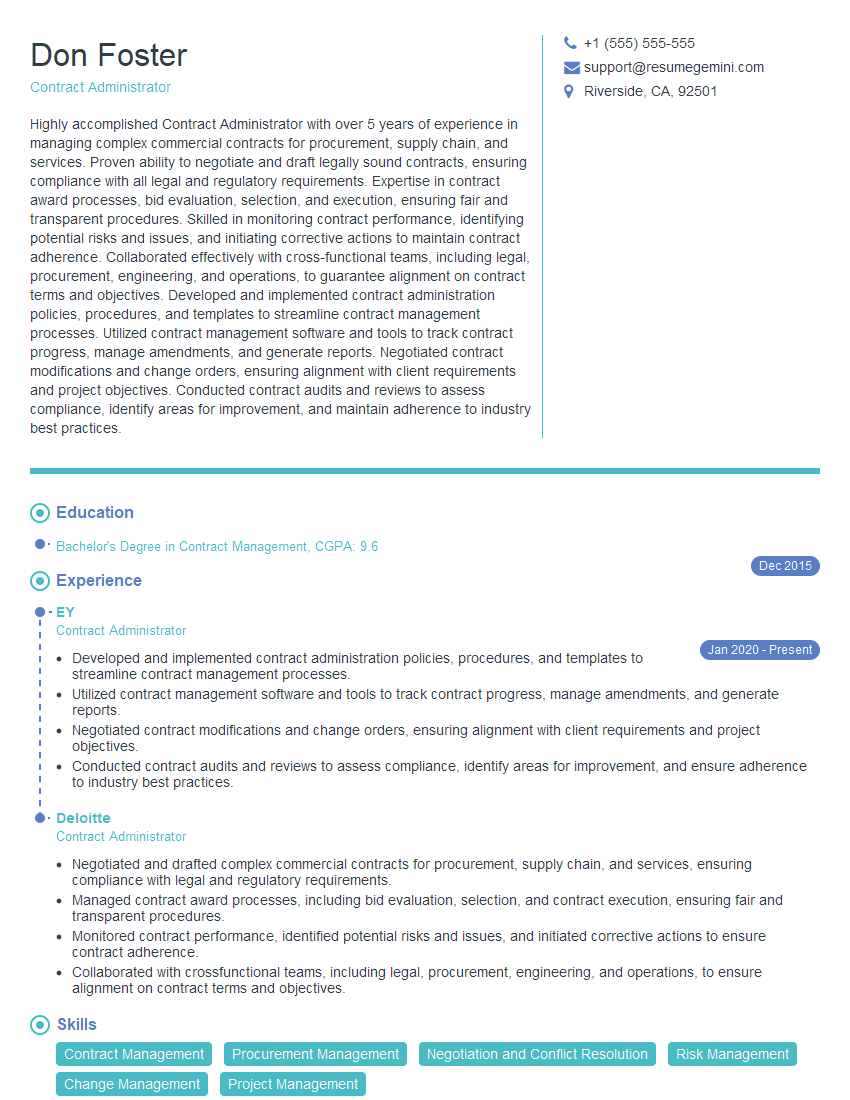
Contract Administrator Resume Sample
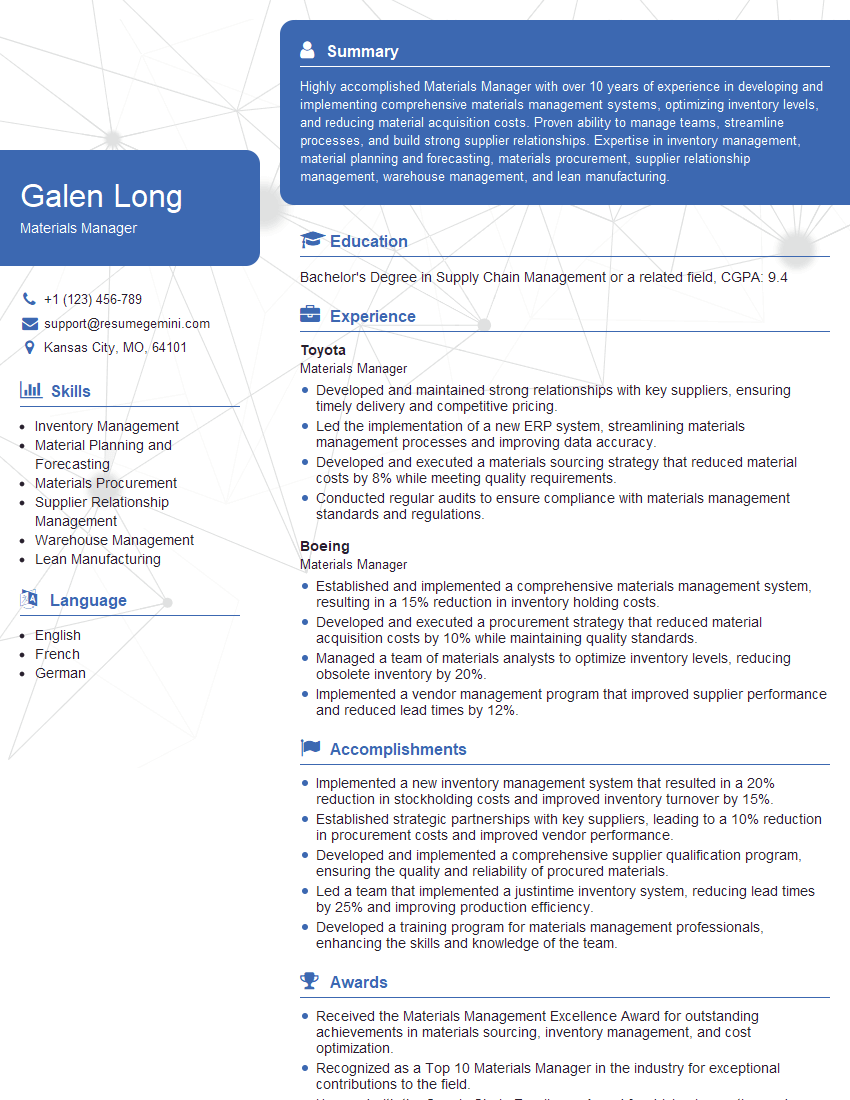
Materials Manager Resume Sample
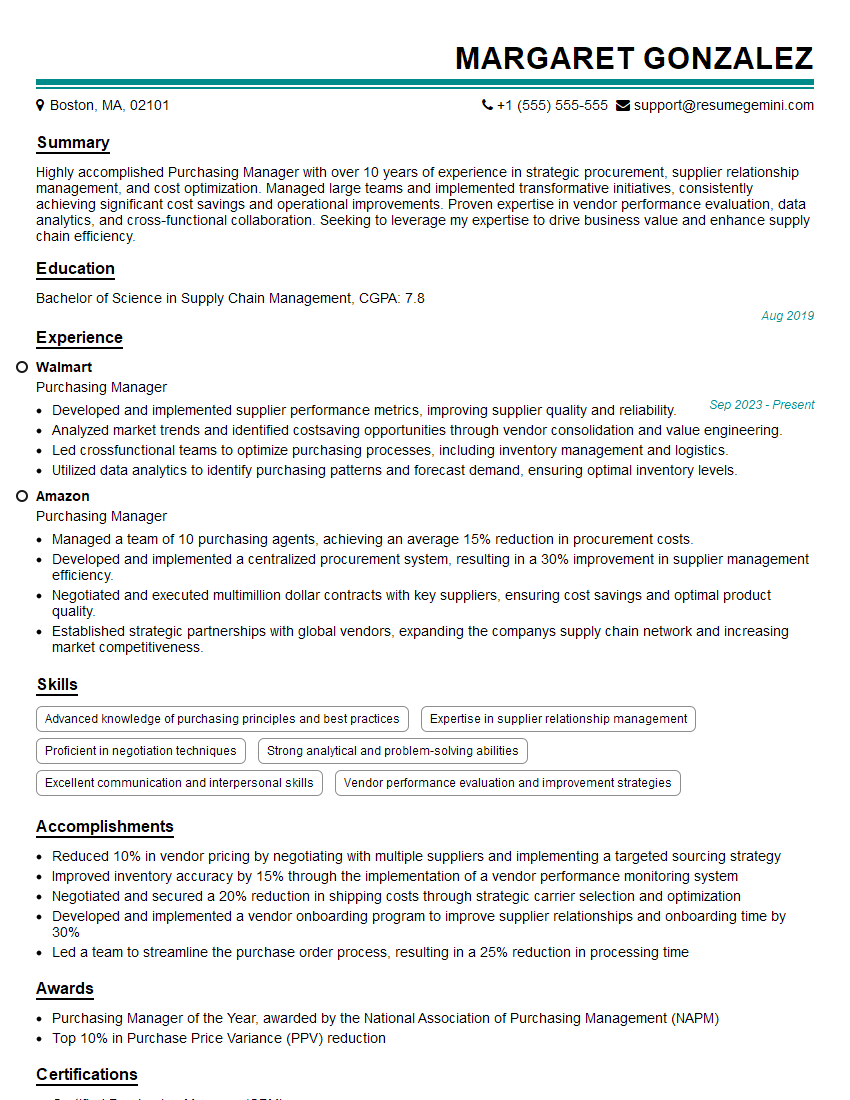
Purchasing Manager Resume Sample

Sourcing Specialist Resume Sample
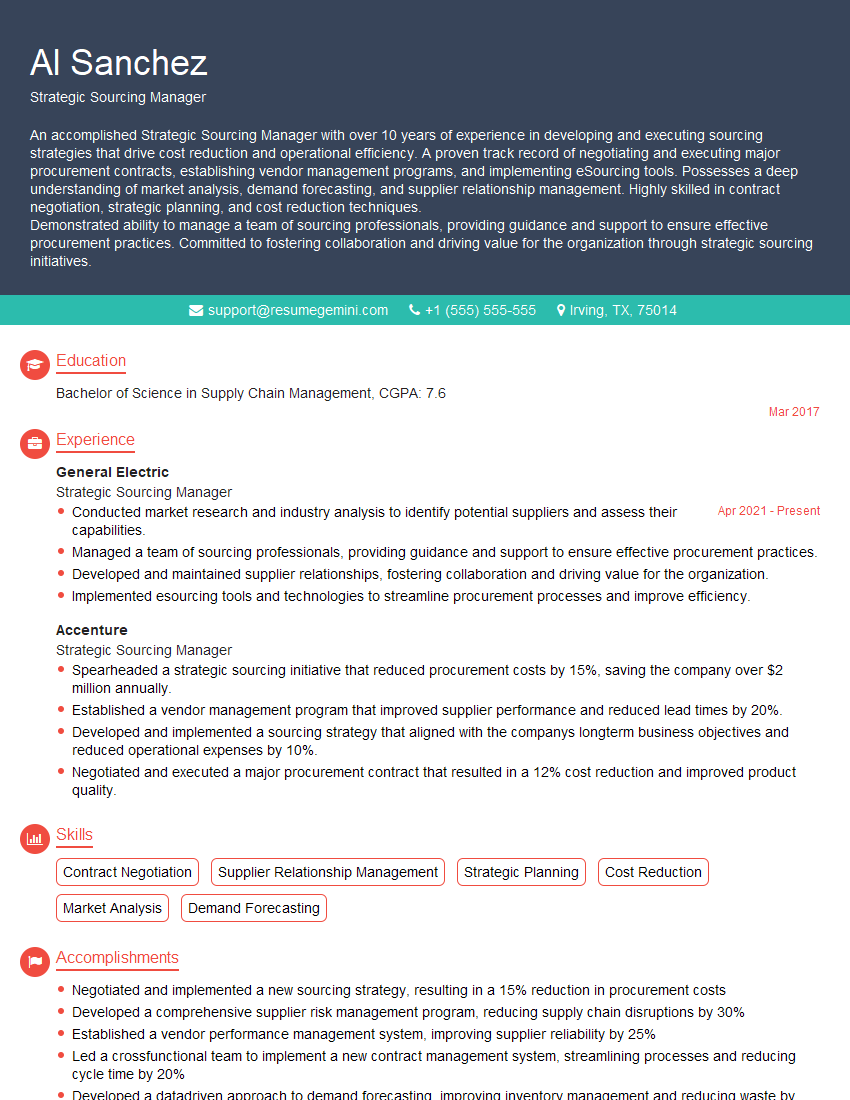
Strategic Sourcing Manager Resume Sample

Supply Chain Manager Resume Sample
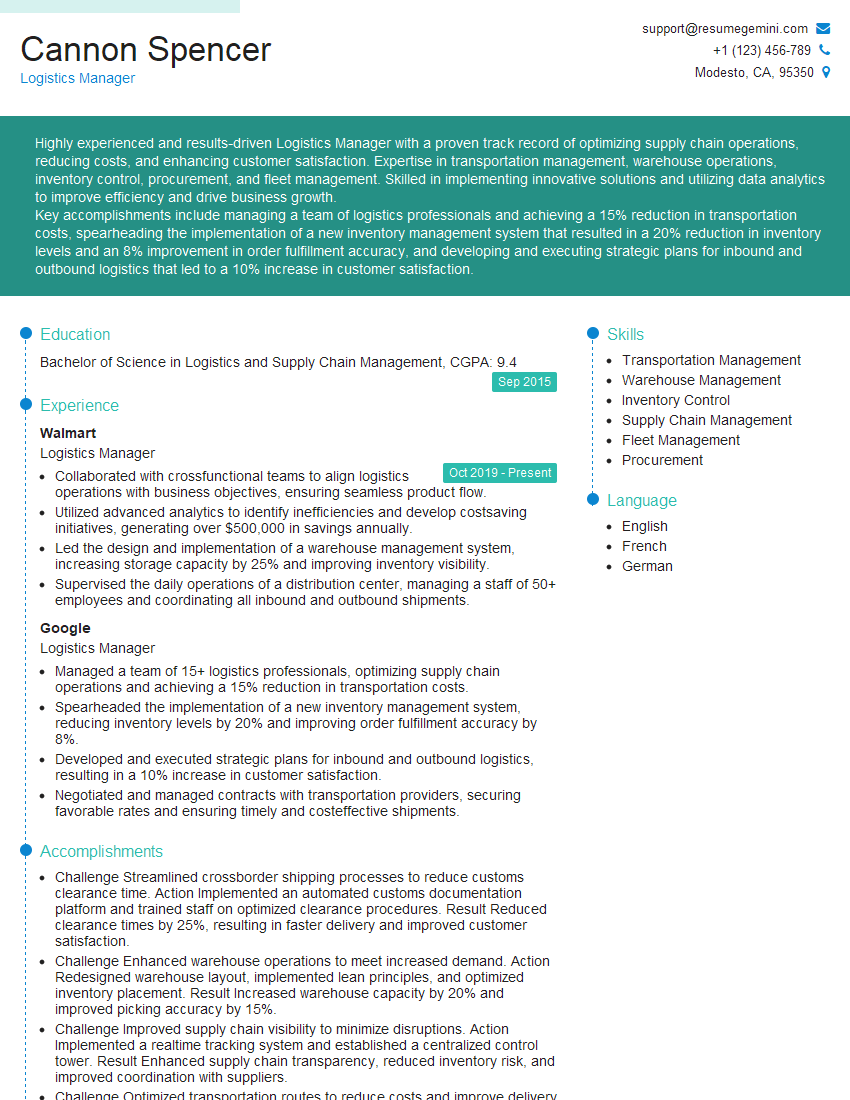
Logistics Manager Resume Sample
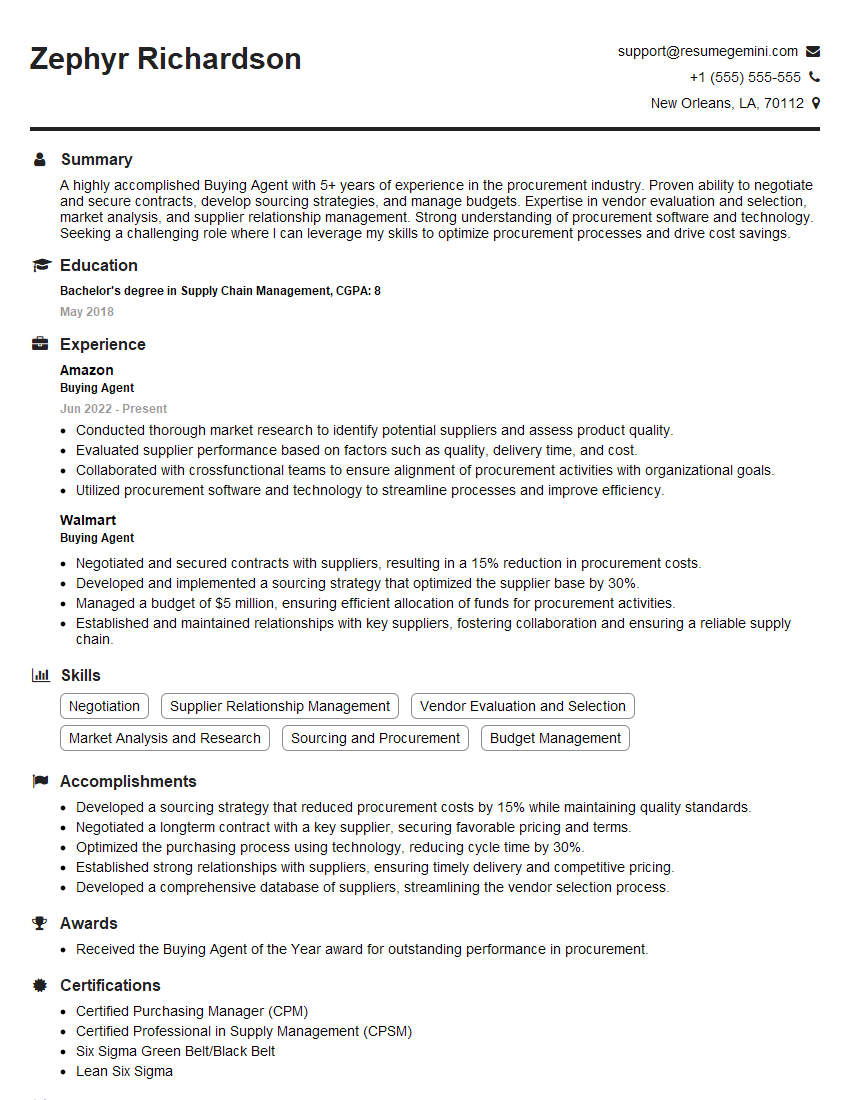
Buying Agent Resume Sample
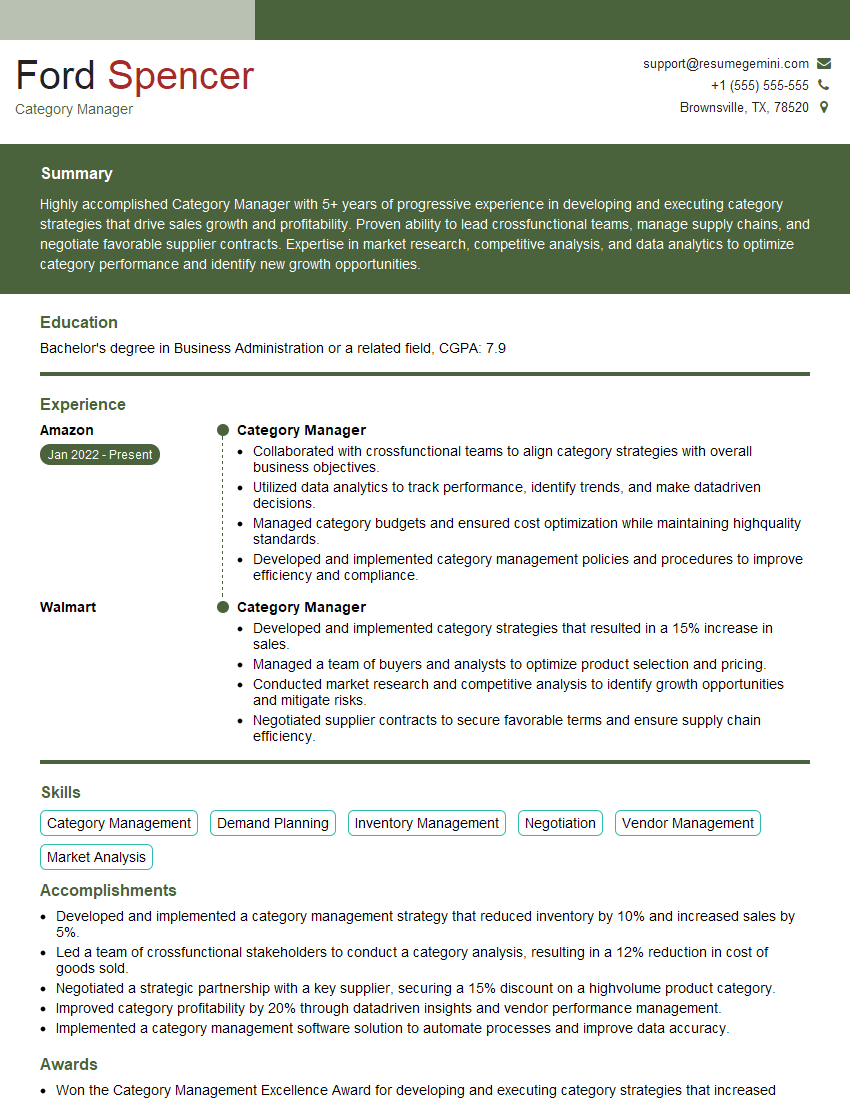
Category Manager Resume Sample
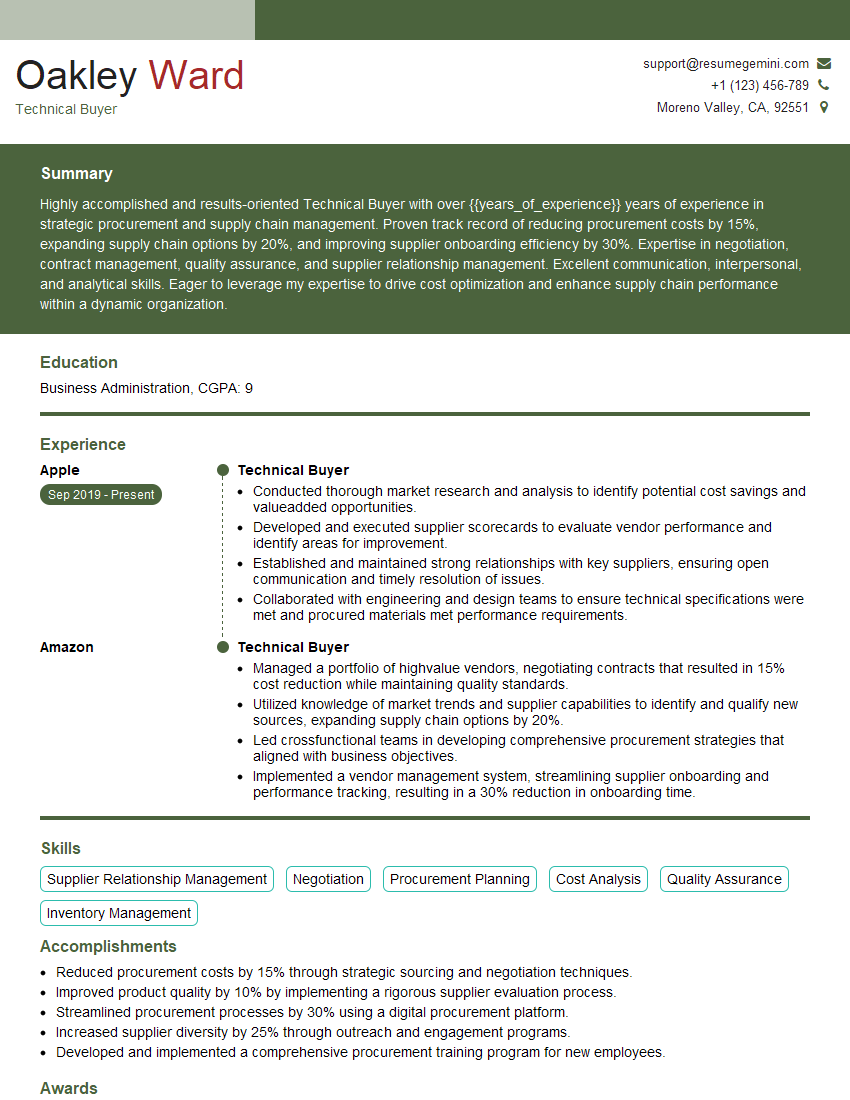
Technical Buyer Resume Sample
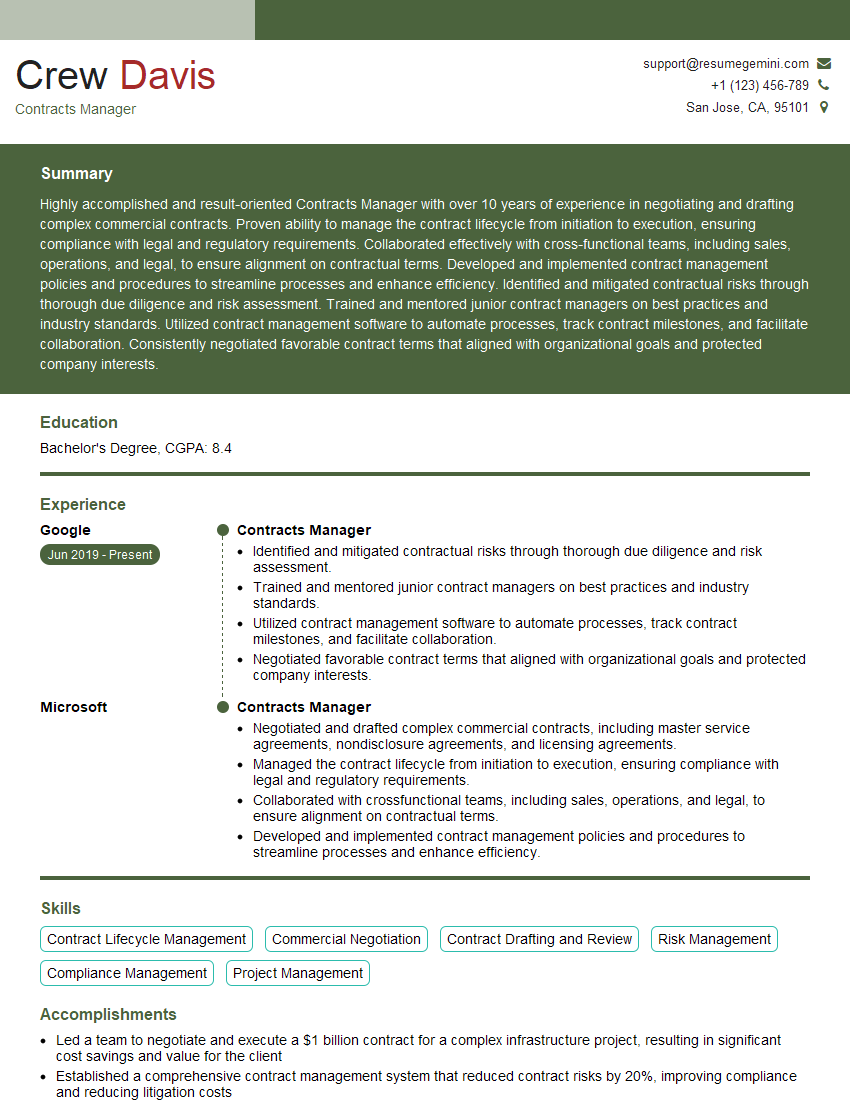
Contracts Manager Resume Sample
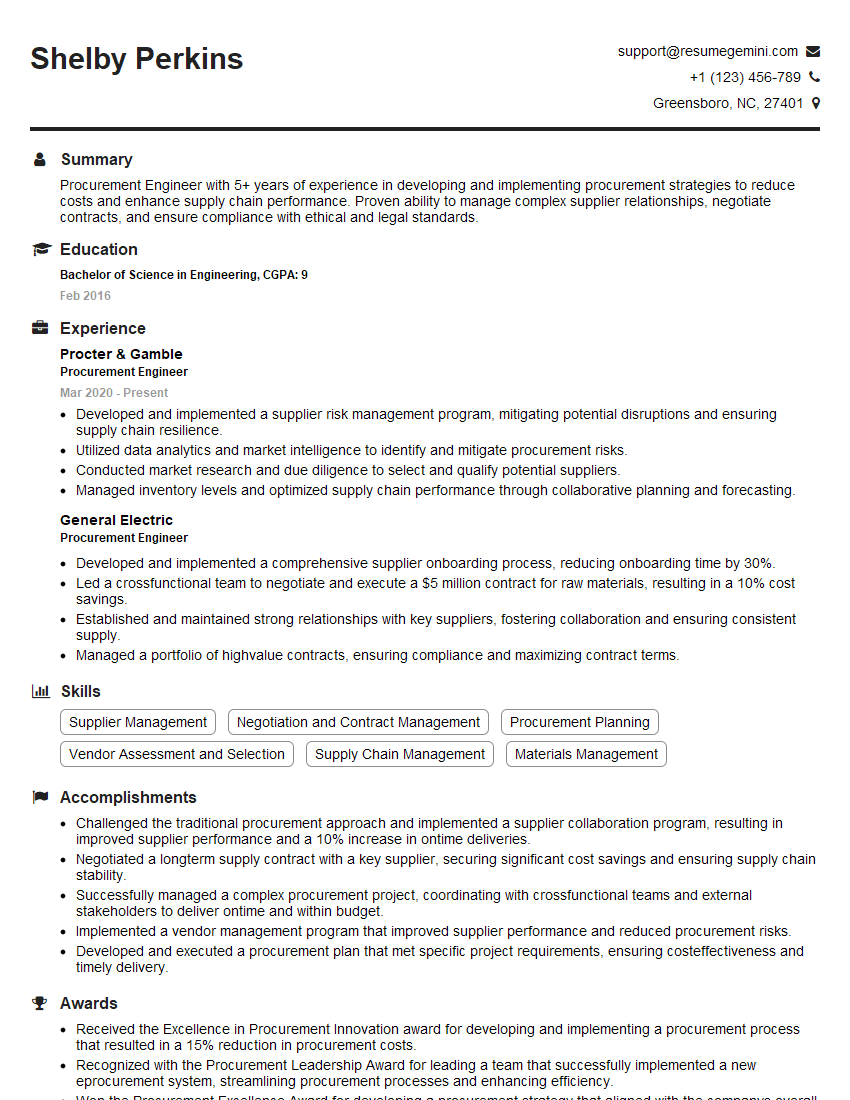
Procurement Engineer Resume Sample
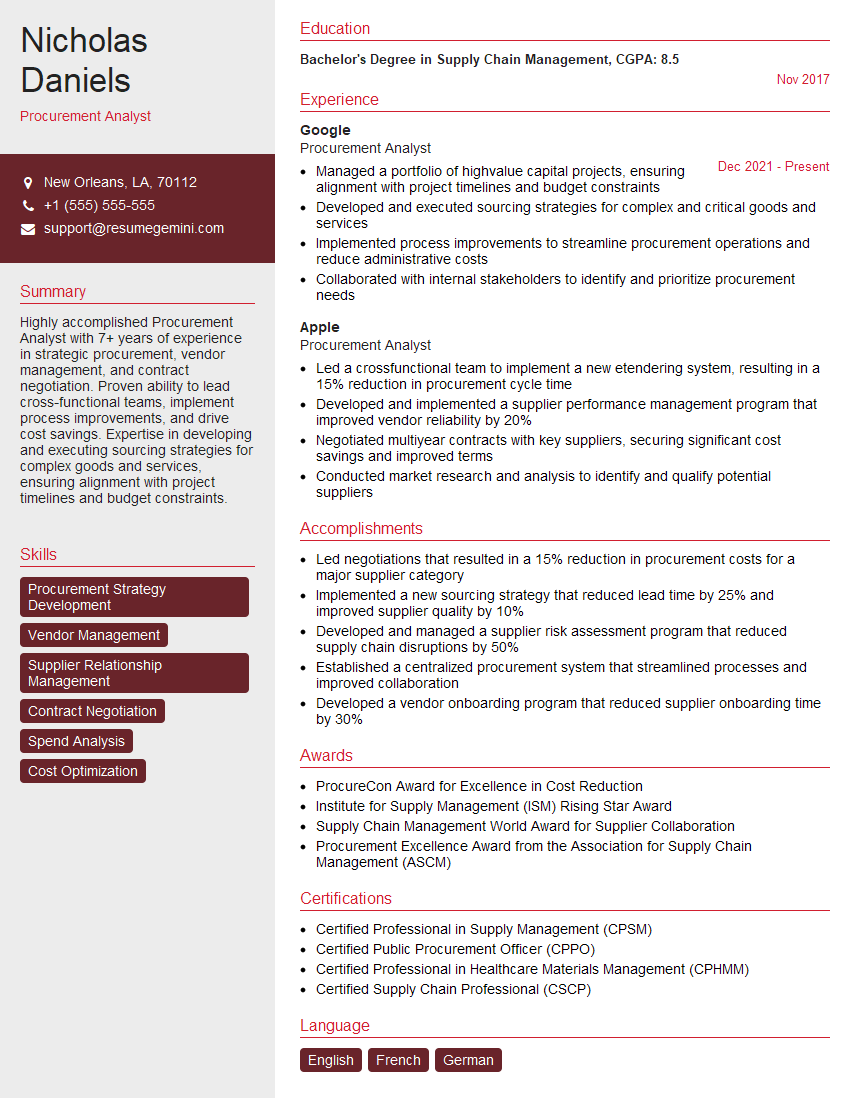
Procurement Analyst Resume Sample
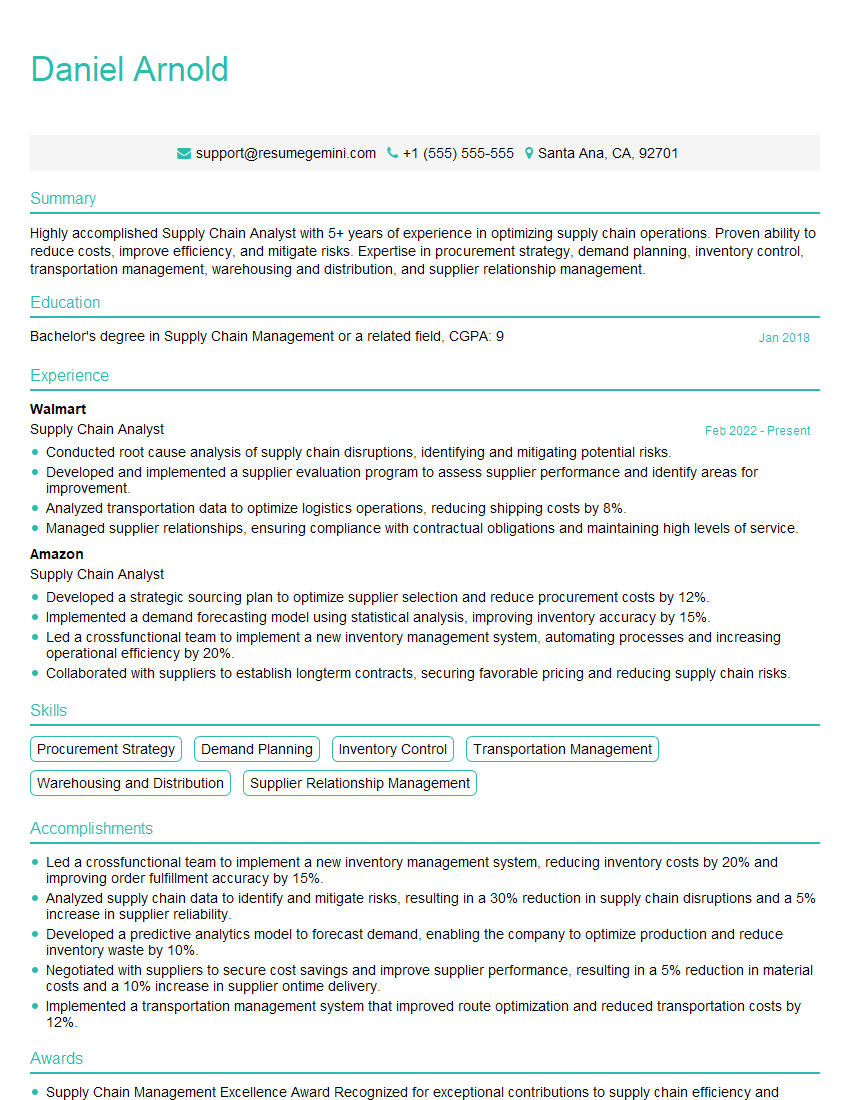
Supply Chain Analyst Resume Sample
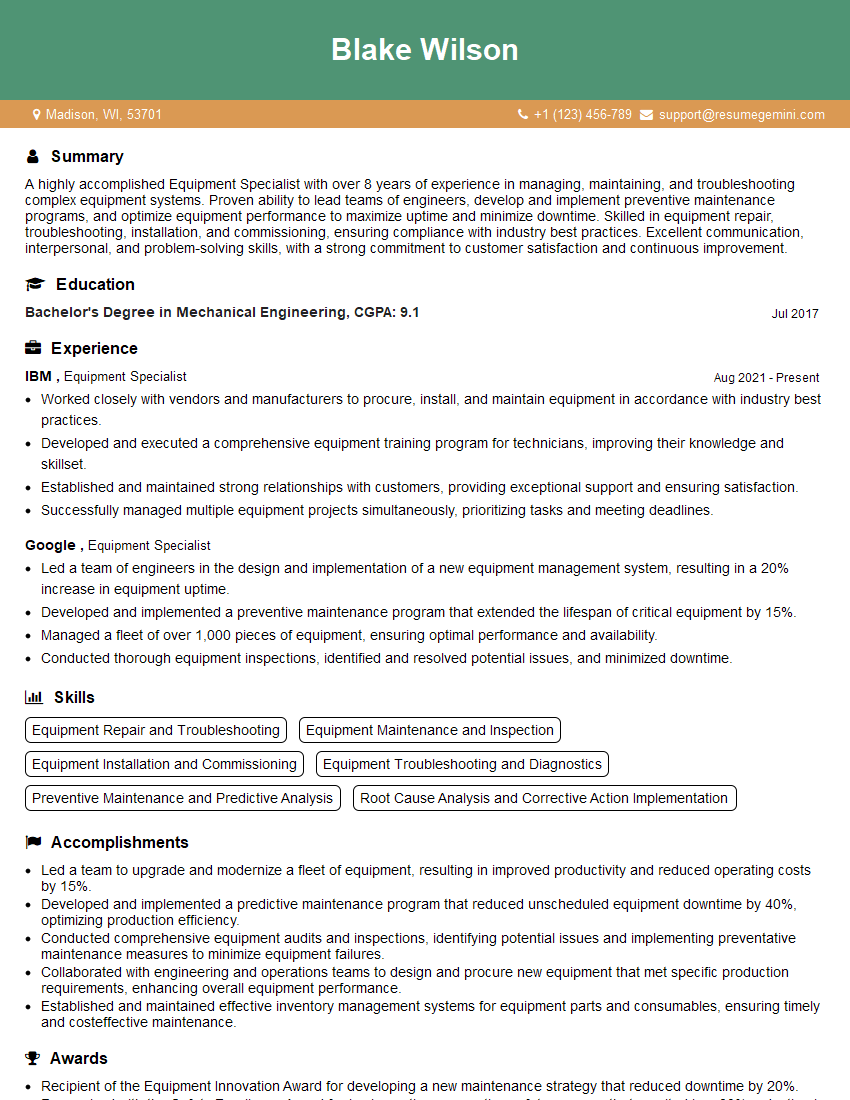
Equipment Specialist Resume Sample
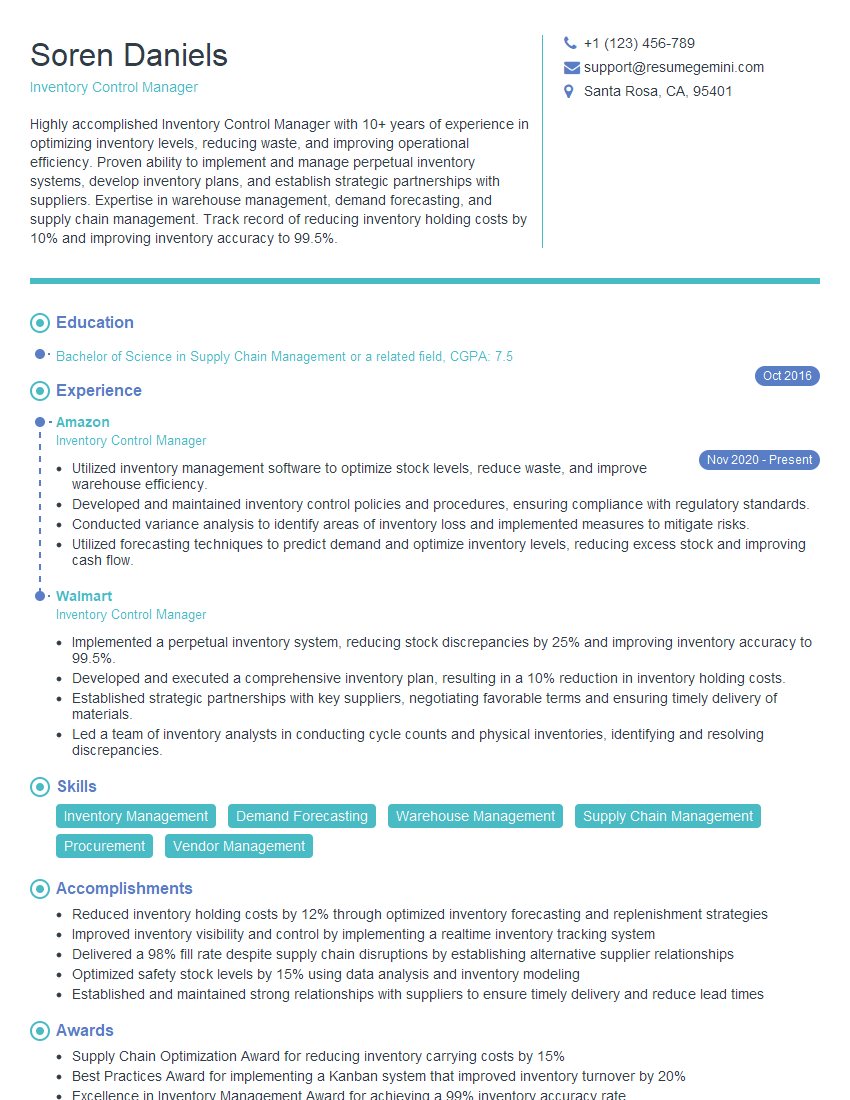
Inventory Control Manager Resume Sample
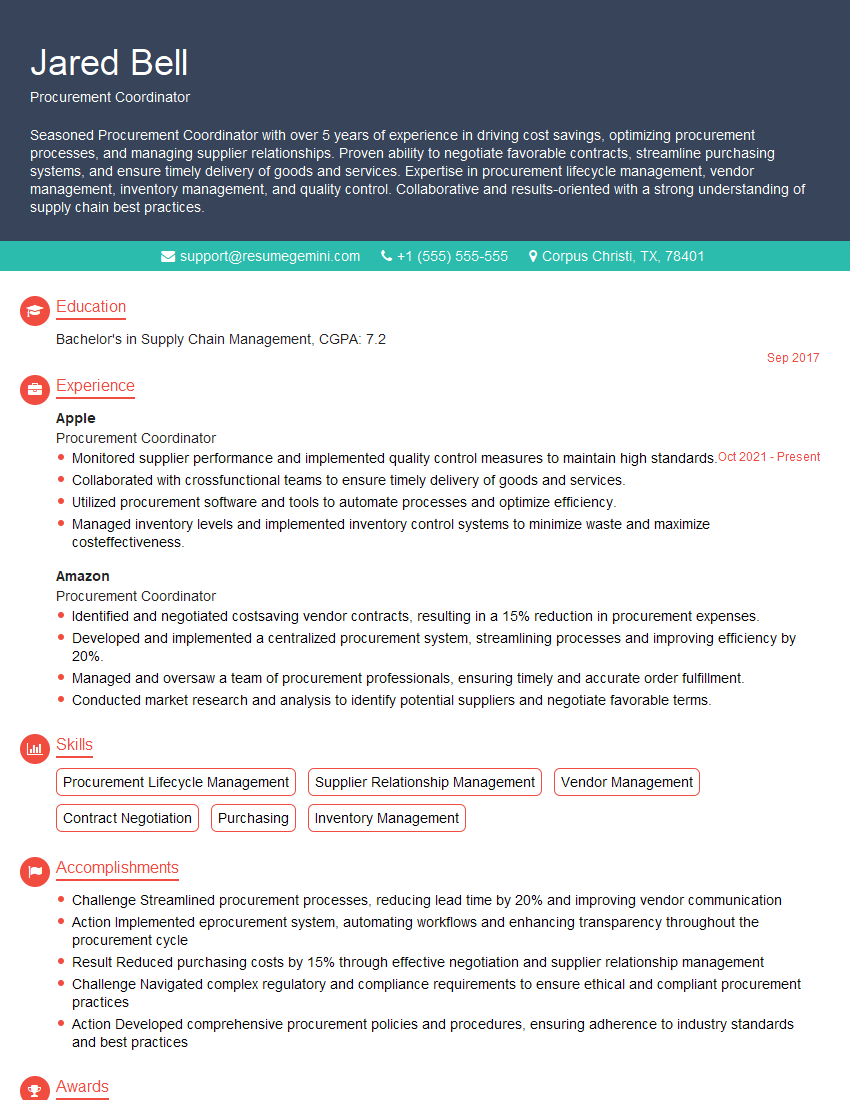
Procurement Coordinator Resume Sample
- Operations Manager
- Contract Administrator
- Materials Manager
- Purchasing Manager
- Sourcing Specialist
- Strategic Sourcing Manager
- Supply Chain Manager
- Logistics Manager
- Buying Agent
- Category Manager
- Technical Buyer
- Contracts Manager
- Procurement Engineer
- Procurement Analyst
- Supply Chain Analyst
- Equipment Specialist
- Inventory Control Manager
- Procurement Coordinator
Explore more articles
Users Rating of Our Blogs
Share Your Experience
We value your feedback! Please rate our content and share your thoughts (optional).
What Readers Say About Our Blog
Very informative content, great job.
good