Interviews are opportunities to demonstrate your expertise, and this guide is here to help you shine. Explore the essential Erosion and Sediment Control (ESC) Certification interview questions that employers frequently ask, paired with strategies for crafting responses that set you apart from the competition.
Questions Asked in Erosion and Sediment Control (ESC) Certification Interview
Q 1. Explain the purpose of an Erosion and Sediment Control Plan (ESCP).
An Erosion and Sediment Control Plan (ESCP) is a crucial document outlining preventative measures to minimize soil erosion and sediment runoff from construction sites and other land disturbances. Think of it as an insurance policy for the environment. It protects water quality, prevents damage to downstream properties, and ensures compliance with environmental regulations. The ESCP details specific control measures tailored to the site’s unique characteristics, including soil type, topography, and anticipated rainfall.
For example, an ESCP for a large highway project would be significantly more complex than one for a small residential development, reflecting the increased potential for erosion and the stricter regulations.
Q 2. Describe different types of erosion control measures.
Erosion control measures are techniques employed to reduce the rate of soil erosion. They are categorized broadly into temporary and permanent methods. Temporary methods are used during the construction phase and are removed once construction is complete. Permanent methods are incorporated into the final landscape design.
- Temporary Methods: Examples include silt fences (fabric barriers that trap sediment), straw bales (placed along slopes to intercept runoff), sediment basins (constructed to temporarily store sediment-laden water), and temporary seeding/mulching (to stabilize soil).
- Permanent Methods: Examples include contouring (shaping land to slow water flow), terracing (creating level platforms on slopes), vegetative buffers (planting vegetation to stabilize soil and filter runoff), and permanent seeding/mulching (establishing long-term vegetative cover).
Imagine a steep slope during a construction project. Temporary measures like silt fences and straw bales are initially put in place to catch sediment. Once construction is finished, permanent measures like terracing and planting native vegetation are implemented to ensure long-term erosion control.
Q 3. What are the key components of a successful ESCP?
A successful ESCP hinges on several key components. It needs to be site-specific, practical, and legally compliant. Key components include:
- Site Assessment: A thorough analysis of the site’s topography, soil type, existing vegetation, and potential runoff pathways.
- Erosion and Sediment Control Measures: Detailed specifications of the control measures to be used, including locations, types, and maintenance schedules.
- Implementation Schedule: A timeline for the implementation of the various measures, linked to construction phases.
- Maintenance Plan: A detailed plan for regular inspection and maintenance of all control measures, addressing potential issues like sediment buildup or damage to structures. This is absolutely critical.
- Emergency Procedures: Steps to be taken in case of unexpected heavy rainfall or other events that could lead to increased erosion or sediment runoff.
- Permitting and Regulatory Compliance: Ensuring the ESCP meets all relevant local, state, and federal regulations.
Think of it like a recipe: all ingredients (components) are essential for a delicious (successful) outcome. Failing to follow a comprehensive maintenance plan is like neglecting to stir your cake batter – it won’t rise properly.
Q 4. How do you identify potential erosion and sediment sources on a construction site?
Identifying potential erosion and sediment sources on a construction site is a crucial first step in developing an effective ESCP. This typically involves a site visit and careful observation, coupled with an understanding of the site’s hydrology. Key areas to examine include:
- Exposed Soil: Any areas with bare soil, particularly on slopes, are highly susceptible to erosion.
- Disturbed Areas: Areas where vegetation has been removed or soil has been disturbed during excavation or grading are significant sources of sediment.
- Stockpiles: Stockpiles of soil, sand, or other materials can easily become sources of erosion if not properly managed.
- Drainage Channels and Waterways: These can carry sediment downstream if not properly protected.
- Construction Access Roads: Unpaved or poorly maintained access roads can generate substantial sediment runoff.
Imagine walking through a construction site. Your eyes should scan for any bare soil—that’s your primary target. Areas where trucks are constantly driving, where materials are stored, or where earth is being moved all require close attention.
Q 5. What are best management practices (BMPs) for erosion and sediment control?
Best Management Practices (BMPs) are proven methods for minimizing erosion and sediment pollution. They are techniques that are cost-effective and environmentally sound. Examples include:
- Proper Site Grading: Shaping the land to minimize runoff velocity and promote infiltration.
- Vegetative Stabilization: Planting vegetation to stabilize soil and filter runoff.
- Mulching: Applying mulch to protect soil from erosion.
- Temporary Seeding: Establishing temporary vegetation cover to protect soil.
- Sediment Basins/Traps: Constructing structures to trap sediment before it reaches waterways.
- Silt Fences/Filter Fabrics: Installing barriers to intercept sediment-laden runoff.
- Check Dams: Small barriers built across channels to reduce flow velocity.
BMPs are not simply suggestions; they are established methods shown to effectively reduce erosion. Selecting the right combination of BMPs for a given project requires careful planning and consideration of the site’s specific conditions.
Q 6. Explain the role of vegetation in erosion control.
Vegetation plays a vital role in erosion control by acting as a natural barrier, intercepting rainfall and slowing down runoff. Plant roots bind the soil particles together, increasing its strength and resistance to erosion. The leaves and stems of plants also help to reduce the impact of raindrops on the soil surface. Different types of vegetation offer varying levels of protection depending on their root systems, density, and growth habits.
Think of a forest floor versus bare earth during a rainstorm. The forest floor, with its dense vegetation and extensive root systems, will absorb much more water and experience far less soil erosion compared to bare earth, where the soil is directly exposed to the erosive forces of the rain.
Q 7. Describe different types of sediment basins and their applications.
Sediment basins are designed to trap sediment from runoff before it reaches sensitive water bodies. Different types exist, each suited to specific site conditions and sediment loads:
- Temporary Sediment Basins: These are constructed during construction and removed once the project is complete. They are generally simpler and less expensive than permanent basins.
- Permanent Sediment Basins: These are designed to remain in place after construction, often integrated into the final landscape design. They are typically larger and more sophisticated than temporary basins.
- Detention Basins: These basins control the rate of stormwater runoff, reducing peak flows and erosion potential. They can also provide temporary sediment storage.
- Retention Basins: These basins store a portion of stormwater runoff permanently, providing additional sediment trapping capacity and potentially aiding groundwater recharge. They often include features to prevent overflow during heavy storms.
The choice between these basin types depends on factors such as the size and duration of the project, the amount of sediment expected, and the available space. A large infrastructure project might utilize a combination of temporary and permanent basins to manage varying sediment loads throughout the construction lifecycle.
Q 8. How do you monitor the effectiveness of erosion and sediment control measures?
Monitoring the effectiveness of erosion and sediment control (ESC) measures is crucial for ensuring the protection of water quality and the environment. It involves a multifaceted approach combining regular inspections, data collection, and analysis.
Visual Inspections: Regular site visits are essential to assess the condition of control measures. We look for signs of failure, such as erosion breaches in sediment basins, clogged silt fences, or damage to check dams. Photography is crucial for documenting conditions over time. For instance, a picture showing a sediment basin overflowing clearly indicates a problem needing immediate attention.
Data Collection: This includes measuring water quality parameters (turbidity, sediment concentration) upstream and downstream of the construction site. We might use sediment traps to quantify the amount of sediment leaving the site. Regular rainfall data is also collected to correlate with runoff events and ESC performance. Imagine a project near a river – consistent turbidity monitoring downstream will highlight any sediment contribution from the site.
Documentation and Reporting: All observations and data are meticulously documented and compiled into reports. These reports assess the effectiveness of the ESC plan, identify areas needing improvement, and recommend corrective actions. For example, a report might suggest increasing the frequency of cleaning out sediment basins based on accumulated sediment levels.
Q 9. What are the common regulatory requirements for ESC?
Regulatory requirements for ESC vary depending on location (state, county, municipality) and the type of project. However, common elements include:
- Permitting: Most projects require an ESC permit before construction begins. This permit outlines specific requirements based on site conditions and project type.
- ESC Plan: A detailed Erosion and Sediment Control Plan (ESCP) is usually mandatory. This plan documents the measures to be implemented, their location, and a schedule for maintenance.
- Inspection and Maintenance: Regular inspections by qualified personnel are often required, with documentation of findings and any corrective actions. The frequency of these inspections is generally dictated by the permit and site conditions, usually more frequent during periods of high rainfall.
- Compliance with Standards: ESC measures must adhere to established standards and best management practices (BMPs). These standards typically address aspects like sediment basin design, slope protection, and the proper use of erosion control products.
- Reporting: Periodic reporting on the effectiveness of the ESC measures is usually mandated. This reporting may involve submitting inspection reports, water quality data, or photographs documenting the site’s condition.
Failure to meet these requirements can result in penalties, stop-work orders, and even legal action.
Q 10. How do you handle non-compliance with ESC regulations?
Handling non-compliance with ESC regulations requires a proactive and systematic approach. The first step is to identify the specific violation(s). This might involve a review of inspection reports, communication with regulatory agencies, and potentially a site visit to assess the situation firsthand.
Corrective Actions: Once the violation is identified, a plan of corrective actions is developed and implemented immediately. This could involve repairing damaged erosion control measures, implementing additional controls, or adjusting maintenance schedules. For example, if a sediment basin is overflowing, immediate action to repair the breach and remove excess sediment is crucial.
Reporting and Documentation: All corrective actions must be documented and reported to the regulatory agency. This documentation typically includes photographs of the problem, the implemented solution, and verification that the problem has been resolved. This level of detail is important for demonstrating a commitment to compliance.
Potential Consequences: Depending on the severity of the non-compliance, penalties may be assessed, ranging from fines to stop-work orders. In some cases, legal action may be taken. Open communication and collaboration with the regulatory agency are key to mitigating the consequences.
Q 11. Explain the importance of site inspections in ESC.
Site inspections are the cornerstone of effective ESC. They are crucial for early detection of problems, ensuring compliance, and facilitating timely corrective actions. Inspections allow for a visual assessment of the implemented ESC measures and their effectiveness in controlling erosion and sediment.
Early Problem Detection: Regular inspections help identify potential problems (e.g., erosion rills, sediment bypasses) early on, before they escalate into major issues. Early detection saves both time and money, preventing costly repairs and environmental damage.
Compliance Verification: Inspections verify that the ESC measures are properly installed, functioning as designed, and complying with regulatory requirements. This is critical for demonstrating compliance to regulatory agencies and avoiding potential penalties.
Maintenance Scheduling: Inspections provide valuable information for scheduling routine maintenance, ensuring that ESC measures remain effective throughout the project’s lifespan. For instance, regular cleaning of sediment basins is crucial to maintain their storage capacity.
Documentation: Detailed inspection reports, complete with photographs and observations, provide a valuable record of the site’s condition over time. This documentation is essential for assessing the ESC plan’s effectiveness and identifying areas for improvement.
Q 12. Describe the process of preparing an ESCP.
Preparing an ESCP is a meticulous process requiring technical expertise and careful planning. It typically involves these steps:
- Site Assessment: A thorough assessment of the site’s topography, soils, vegetation, hydrology, and potential erosion hazards is paramount. This involves identifying areas vulnerable to erosion and assessing the potential impacts on water quality.
- Regulatory Review: Understanding local regulations and permit requirements is critical. This includes determining the types of ESC measures allowed and the specific standards to be met.
- Selection of ESC Measures: Based on the site assessment and regulations, appropriate ESC measures are selected. This might involve a combination of techniques such as silt fences, sediment basins, check dams, and vegetative stabilization.
- Plan Development: The ESCP is developed, including detailed drawings, specifications, and a maintenance schedule. This document should clearly describe the location, type, and purpose of each ESC measure.
- Permit Submission: The ESCP is submitted to the relevant regulatory agency for review and approval. This may involve addressing comments or revisions from the agency.
- Implementation and Maintenance: Once the ESCP is approved, the measures are implemented and a maintenance schedule is adhered to, with regular inspections to ensure the effectiveness of the plan.
A well-prepared ESCP is essential for minimizing environmental damage and ensuring compliance with regulations.
Q 13. What are the environmental impacts of erosion and sediment pollution?
Erosion and sediment pollution have significant environmental impacts, affecting both aquatic and terrestrial ecosystems:
- Water Quality Degradation: Sediment runoff increases turbidity, reducing sunlight penetration and harming aquatic plants. Sediment also carries pollutants (pesticides, fertilizers) into waterways, impacting aquatic life and potentially making water unsafe for human consumption.
- Habitat Loss and Degradation: Sediment deposition smothers aquatic habitats like coral reefs, spawning grounds, and benthic communities. This loss of habitat negatively affects fish populations and other aquatic organisms.
- Increased Flooding: Sediment can clog waterways, reducing their capacity and increasing the risk of flooding. This can damage infrastructure and displace communities.
- Soil Degradation: Erosion removes topsoil, reducing soil fertility and productivity. This can have long-term impacts on agriculture and land use.
- Water Infrastructure Damage: Increased sediment load can damage water infrastructure such as dams, reservoirs, and water treatment plants, increasing maintenance costs and potentially causing service disruptions.
The cumulative effect of these impacts can have long-lasting and far-reaching consequences on ecosystems and human society.
Q 14. How do you determine the appropriate type of erosion control for a specific site?
Determining the appropriate type of erosion control for a specific site requires a comprehensive evaluation of several factors:
- Site Characteristics: This includes soil type, slope, vegetation, rainfall patterns, and the presence of water bodies. For instance, highly erodible soils on steep slopes require more aggressive control measures than stable soils on gentle slopes.
- Project Type and Scope: The type and size of the project influence the choice of ESC measures. A large construction site will need different controls than a small residential development.
- Regulatory Requirements: Local regulations and permit requirements often dictate which ESC measures are acceptable and the standards to be met.
- Cost-Effectiveness: Choosing cost-effective measures that provide adequate protection is important. This might involve considering the long-term costs of maintenance and repair versus initial installation costs.
- Environmental Sensitivity: If the site is near sensitive environmental areas (wetlands, streams), measures with minimal environmental impact should be prioritized.
Often, a combination of measures is used to address different aspects of erosion control. For example, a site might utilize silt fences to intercept runoff, sediment basins to trap sediment, and vegetative stabilization to protect slopes from erosion.
Q 15. What are the limitations of different erosion control methods?
Erosion and sediment control (ESC) methods, while effective, possess limitations. The choice of method depends heavily on site conditions, budget, and the specific erosion challenge. For example, a silt fence, while excellent at intercepting sediment, is ineffective against high-velocity water flows that can easily breach it. Similarly, straw bales, while cost-effective, degrade over time and require consistent maintenance. Let’s examine some specific limitations:
Silt fences: Ineffective in high-velocity flows, prone to damage from heavy equipment, requires frequent inspection and cleaning.
Straw bales: Biodegradable, needing regular replacement; susceptible to damage from rodents or heavy rainfall; can be ineffective on steep slopes.
Erosion control blankets: While excellent for stabilizing slopes, their effectiveness diminishes on severely eroded areas or with insufficient ground cover. They can also be expensive.
Check dams: Can become ineffective if not properly sized or maintained; may require significant excavation and construction; may restrict natural drainage patterns.
Vegetative methods: Require time to establish, vulnerable to drought conditions, may not be suitable for all soil types or slopes.
Understanding these limitations is crucial for selecting and implementing the right combination of ESC methods for optimal effectiveness.
Career Expert Tips:
- Ace those interviews! Prepare effectively by reviewing the Top 50 Most Common Interview Questions on ResumeGemini.
- Navigate your job search with confidence! Explore a wide range of Career Tips on ResumeGemini. Learn about common challenges and recommendations to overcome them.
- Craft the perfect resume! Master the Art of Resume Writing with ResumeGemini’s guide. Showcase your unique qualifications and achievements effectively.
- Don’t miss out on holiday savings! Build your dream resume with ResumeGemini’s ATS optimized templates.
Q 16. How do you maintain erosion control measures throughout a project?
Maintaining erosion control measures is vital for the project’s success and environmental protection. It’s not a ‘set it and forget it’ process; consistent monitoring and proactive maintenance are essential. Think of it like tending a garden – regular care ensures healthy growth. A proper maintenance plan needs to be developed and implemented at the beginning of the project and should include:
Regular Inspections: Frequent visual inspections (e.g., weekly) are needed to identify any signs of damage or failure, such as breaches in silt fences or erosion around straw bales.
Repair and Replacement: Damaged components should be repaired or replaced immediately. Waiting can lead to more extensive damage and environmental consequences.
Cleaning: Silt fences and other sediment-trapping devices need to be cleaned regularly to prevent clogging and maintain their effectiveness. Think of it as emptying a clogged drain before it overflows.
Documentation: Maintain a detailed log of inspections, repairs, and maintenance activities. This documentation is crucial for demonstrating compliance and for future project improvements.
Adaptive Management: Be prepared to adapt the ESC plan as the project progresses and site conditions change. This may involve adding or modifying measures as needed. Think of it as adjusting your gardening approach based on weather changes.
This proactive approach ensures that the ESC measures remain effective throughout the project lifecycle, minimizing environmental impact and potential liabilities.
Q 17. What are the signs of erosion and sediment control failure?
Recognizing signs of ESC failure is paramount to prevent further damage. Early detection allows for timely intervention and mitigates potential environmental and legal consequences. Some key indicators include:
Sediment leaving the site: This is the most obvious sign; if sediment is flowing off the construction site, your ESC measures are failing. Observe the drainage channels and waterways for increased turbidity (cloudiness).
Breaches in erosion control structures: Look for gaps or holes in silt fences, damaged straw bales, or washed-out check dams. These breaches allow sediment and water to bypass the control measures.
Erosion of soil: Exposed soil is a clear indication of erosion. Look for gullying (deep channels carved into the soil), rilling (smaller channels), and exposed roots.
Increased water velocity: Rapid water flow can indicate a failure of your measures to effectively manage runoff. Increased velocity carries away more sediment.
Sediment accumulation in unexpected areas: Sediment piling up in places it shouldn’t, such as near buildings or sensitive areas, suggests a problem with the flow path or capacity of the ESC measures.
A proactive approach to inspection, combined with prompt corrective actions, is essential to successfully address ESC failures.
Q 18. How do you respond to erosion and sediment control emergencies?
Responding effectively to ESC emergencies requires a swift and well-coordinated effort. Think of it as a fire drill – the better prepared you are, the quicker and more effectively you can respond. Here’s a step-by-step approach:
Assess the situation: Quickly identify the extent of the damage and the immediate threats. Determine the source of the problem and its potential impact.
Implement emergency measures: Take immediate action to stop the erosion and sediment transport. This may involve deploying temporary measures, such as sandbags or additional silt fences, to control immediate runoff.
Notify relevant authorities: Depending on the severity of the situation, you may need to notify regulatory agencies, local authorities, and potentially property owners impacted by the event.
Document everything: Take photographs and videos of the damage and your response. Detailed records are vital for insurance claims and regulatory compliance.
Develop a corrective action plan: Once the immediate emergency is under control, develop a detailed plan to repair the damaged ESC measures and prevent future failures. This may include modifications to the existing plan or the implementation of new measures.
A well-defined emergency response plan, created in advance, and regular training will help ensure a successful and timely response to ESC emergencies.
Q 19. Explain the concept of a silt fence and its purpose.
A silt fence is a temporary sediment barrier, typically made of filter fabric attached to posts. Imagine it as a temporary wall that catches sediment before it reaches sensitive areas. Its purpose is to filter out sediment-laden runoff water from construction sites, preventing it from leaving the site and polluting nearby waterways or sensitive ecosystems. It’s a simple yet highly effective measure for controlling sediment erosion, particularly on gentler slopes. The filter fabric allows water to pass through while trapping sediment, helping to maintain water quality. Silt fences need regular maintenance, including cleaning out accumulated sediment to maintain their effectiveness. They are commonly used in conjunction with other ESC measures for a comprehensive approach.
Q 20. Describe the function of a check dam.
A check dam is a small, temporary dam-like structure built across a drainage channel or waterway. Think of it as a speed bump for water – it slows the flow, reducing erosive energy. Its primary function is to reduce the velocity of flowing water and trap sediment before it reaches sensitive areas. This helps prevent the formation of gullies and protects downstream areas from erosion. Check dams are typically constructed from readily available materials such as straw bales, logs, or geotextiles, depending on the site conditions and the level of erosion control needed. They are often used in conjunction with other ESC methods to create a more comprehensive sediment control system.
Q 21. What are the different types of erosion control blankets?
Erosion control blankets are permeable geotextile materials used to stabilize slopes and reduce erosion. They act as a protective layer, holding soil in place and promoting vegetative growth. Several types exist, each with varying characteristics and applications:
Straw blankets: Made from straw held together with a biodegradable netting. Relatively inexpensive and biodegradable but less durable than other options.
Coir blankets: Made from coconut fibers, providing excellent erosion control and promoting vegetative growth. More durable than straw blankets.
Jute blankets: Made from jute fibers, offering good erosion control and aiding vegetation establishment. A cost-effective alternative to coir.
Synthetic blankets: Made from non-biodegradable materials such as polypropylene. These are very durable but require longer to decompose.
The choice of blanket depends on factors such as slope steepness, soil type, climate, and project budget. They are commonly used on slopes and disturbed areas to prevent erosion during construction and until vegetation is established.
Q 22. Explain the role of stormwater management in erosion and sediment control.
Stormwater management is absolutely crucial for effective erosion and sediment control (ESC). Think of it like this: rain is the primary driver of erosion. Without proper management, rainwater can pick up loose soil and sediment from construction sites, carrying it into nearby waterways, causing pollution and damaging ecosystems. Stormwater management techniques are designed to intercept, control, and treat this runoff before it can cause problems.
Effective ESC integrates various stormwater management practices. These include:
- Sediment basins: These are strategically placed depressions that allow sediment-laden water to slow down and deposit its sediment load before flowing onward. Imagine them as settling ponds for soil particles.
- Filter socks and silt fences: These act as physical barriers, trapping sediment before it can enter waterways. Picture them as sieves for the soil.
- Drainage ditches and swales: Properly designed ditches and swales guide runoff to designated areas, preventing uncontrolled erosion and channeling sediment away from sensitive areas. Think of them as carefully planned waterways for the runoff.
- Infiltration systems: These allow runoff to soak into the ground, reducing the volume of runoff that needs to be managed and promoting healthy groundwater recharge. Like giving the water a chance to naturally seep back into the earth.
By carefully managing stormwater, we minimize the potential for erosion and sediment pollution, protecting both the environment and downstream water quality.
Q 23. How do you integrate erosion and sediment control with other construction activities?
Integrating ESC with other construction activities is essential for efficient project management and environmental protection. It shouldn’t be an afterthought; it needs to be woven into the project’s fabric from the very beginning.
Here’s how I approach this:
- Planning Phase: ESC measures are incorporated into the site plan, considering the topography, soil type, and planned construction activities. For example, locating sediment basins strategically to capture runoff from high-impact areas.
- Sequencing of Activities: Construction activities are sequenced to minimize soil exposure. For instance, grading and earthworks might be done in phases, with ESC measures implemented in each phase before moving to the next. This prevents large exposed areas from becoming erosion hotspots.
- Material Handling: Proper storage and handling of soil and other materials are crucial. Stockpiles should be stabilized to prevent erosion, and access roads should be maintained to avoid creating muddy tracks that wash into waterways.
- Inspections and Maintenance: Regular inspections are vital to ensure that ESC measures remain effective. This includes checking for damage to silt fences, erosion in sediment basins, and clogged drainage systems. Prompt repair or replacement is crucial.
A well-integrated ESC program saves time and resources in the long run by minimizing remediation efforts and potential delays caused by environmental violations.
Q 24. What software or tools are you familiar with for ESC planning and management?
I’m proficient in several software and tools for ESC planning and management. My experience includes using:
- AutoCAD Civil 3D: For detailed site design, including grading plans and the layout of ESC measures.
- Hydrologic modeling software (HEC-HMS, SWMM): To simulate runoff volumes and design appropriate stormwater management systems. This helps predict how much runoff will occur during a storm event and size the necessary infrastructure appropriately.
- GIS software (ArcGIS): For spatial analysis and visualization of site conditions, erosion risk assessment, and the location of sensitive environmental areas. This aids in strategic planning and visualization of the site and its surrounding environment.
- Erosion and sediment control software (various proprietary programs): These packages often provide tools for developing ESC plans, tracking maintenance, and documenting inspections. This is beneficial for data management and record-keeping.
I’m always updating my skills and exploring new technological advancements to enhance my ESC planning and management abilities. Software integration is key for streamlined data management and efficient planning.
Q 25. Describe your experience with permit applications related to ESC.
I have extensive experience in preparing and submitting permit applications related to ESC. This involves a thorough understanding of the relevant regulations and guidelines in the jurisdiction.
My process typically involves:
- Thorough Site Assessment: Conducting a detailed site assessment to identify potential erosion and sediment sources and sensitive receiving waters.
- Developing an ESC Plan: Designing a comprehensive ESC plan that addresses all identified concerns and meets regulatory requirements. This plan includes detailed maps, specifications, and a maintenance schedule.
- Permit Preparation: Preparing a complete permit application, including all necessary documentation, such as site plans, ESC plans, and engineering calculations.
- Submission and Follow-up: Submitting the permit application to the relevant regulatory agency and following up with them until approval is obtained.
- Permit Compliance: Ensuring that all ESC measures are implemented and maintained according to the approved permit conditions. This includes regular inspections and reporting.
I’ve successfully obtained permits for numerous projects of varying complexity, from small residential developments to large-scale infrastructure projects. This experience has made me adept at navigating the permitting process efficiently and effectively.
Q 26. How do you communicate effectively with stakeholders regarding ESC matters?
Effective communication is paramount in ESC. Stakeholders often have differing priorities and needs, so clear and consistent communication is essential to ensuring everyone is on the same page.
My communication strategy includes:
- Pre-Construction Meetings: Holding meetings with all stakeholders to review the ESC plan and address any questions or concerns. This establishes a clear understanding of expectations from the outset.
- Regular Updates: Providing regular updates on the implementation and maintenance of ESC measures. This might involve written reports, email updates, or on-site meetings.
- Visual Aids: Using maps, photos, and other visual aids to illustrate the ESC plan and highlight key aspects. A picture is often worth a thousand words.
- Open Communication Channels: Establishing clear and accessible communication channels for stakeholders to raise concerns or provide feedback. This ensures timely issue resolution.
- Conflict Resolution: Using collaborative approaches to resolve any conflicts that may arise. This ensures everyone feels heard and understood.
By fostering open and transparent communication, I build trust and collaboration, leading to successful ESC implementation and project completion.
Q 27. What are some common challenges faced in implementing effective ESC measures?
Implementing effective ESC measures can be challenging. Some common hurdles include:
- Inadequate Planning: Insufficient planning often leads to inadequate or improperly implemented ESC measures. This requires careful attention to detail during initial planning and assessment.
- Inadequate Funding: Insufficient funding can limit the scope and effectiveness of ESC measures. It’s crucial to factor in ESC costs from the initial project budget.
- Weather Conditions: Severe weather events can damage or overwhelm ESC measures, requiring ongoing maintenance and repair. This demands flexibility and preparedness.
- Contractor Compliance: Ensuring that contractors adhere to the ESC plan and best management practices can be a significant challenge. This requires clear communication, thorough training, and regular monitoring.
- Site Access: Limited site access can hamper the implementation and maintenance of ESC measures. Planning for access routes is paramount.
Overcoming these challenges requires proactive planning, meticulous execution, and a collaborative approach involving all stakeholders.
Q 28. Describe your experience in addressing ESC issues on various types of terrain.
My experience encompasses a variety of terrains, each posing unique ESC challenges. I’ve worked on projects involving:
- Steep Slopes: On steep slopes, erosion is a major concern. I’ve utilized techniques such as terracing, contour plowing, and vegetated swales to control runoff and prevent landslides. The strategy here is to slow the water down and provide more stable surfaces.
- Level Ground: On level ground, ponding can be an issue. I’ve implemented drainage systems, infiltration basins, and sediment basins to manage runoff effectively. Focus is on directing and managing the movement of water.
- Areas with Sensitive Ecosystems: In ecologically sensitive areas, I’ve employed best management practices (BMPs) to minimize environmental impacts. This includes using bioengineering techniques and selecting environmentally friendly materials. Minimizing disturbance is paramount.
- Urban Environments: In urban areas, I’ve utilized various techniques to manage stormwater runoff from construction sites, including temporary detention basins and porous pavements. Integration with existing infrastructure is critical.
My adaptability and experience across diverse terrains have allowed me to develop tailored ESC strategies that optimize environmental protection and project success.
Key Topics to Learn for Erosion and Sediment Control (ESC) Certification Interview
Ace your interview by mastering these crucial areas of Erosion and Sediment Control (ESC).
- Soil Erosion Processes: Understanding the mechanics of erosion (e.g., rainfall impact, sheet erosion, rill erosion, gully erosion) and the factors influencing erosion rates (e.g., soil type, slope, vegetation).
- Sediment Control Measures: Practical application of various control methods including vegetative practices (e.g., seeding, mulching), structural practices (e.g., sediment basins, silt fences, check dams), and best management practices (BMPs) in different construction scenarios.
- Water Quality Protection: Explain the connection between ESC and water quality, including the impact of sediment on aquatic ecosystems and the importance of minimizing pollutant runoff.
- Permitting and Regulations: Familiarize yourself with relevant regulations and permitting processes at local, state, and potentially federal levels. Understand the role of ESC plans and inspections.
- Construction Site Best Practices: Discuss practical on-site implementation of ESC measures, including site planning, erosion control during construction phases, and post-construction stabilization.
- Environmental Regulations and Compliance: Explain how to comply with environmental regulations during construction and maintenance. Understand the potential environmental consequences of non-compliance.
- Problem-Solving and Troubleshooting: Be prepared to discuss real-world scenarios and how you would identify and address erosion and sediment control issues on a construction site. This includes adapting techniques based on varying site conditions.
- Erosion and Sediment Control Calculations and Modeling: Understanding basic calculations related to runoff volume, sediment yield, and the sizing of control measures.
Next Steps
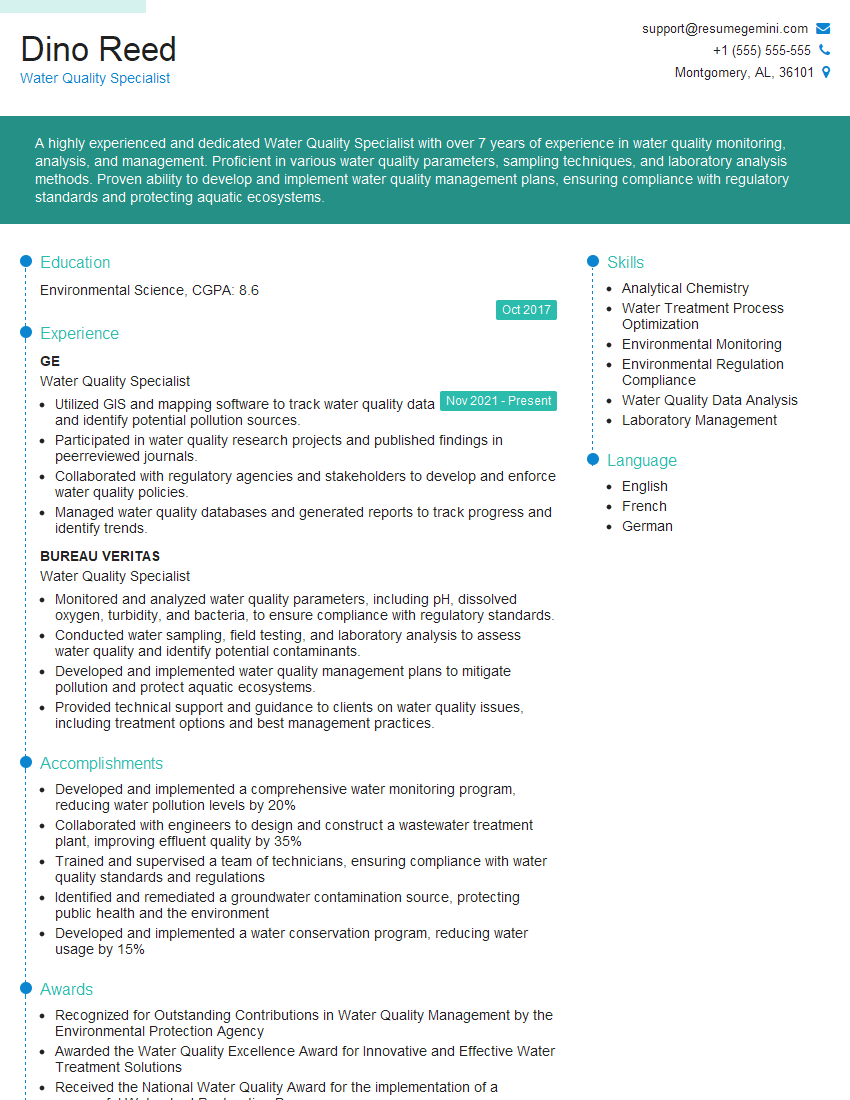
Earning your Erosion and Sediment Control (ESC) Certification significantly enhances your career prospects, opening doors to higher-paying positions and greater responsibility within the environmental and construction industries. To maximize your job search success, create an ATS-friendly resume that highlights your skills and experience effectively. ResumeGemini is a trusted resource to help you build a professional and impactful resume. We provide examples of resumes tailored to Erosion and Sediment Control (ESC) Certification to give you a head start. Let us help you present your qualifications in the best possible light!

Explore more articles
Users Rating of Our Blogs
Share Your Experience
We value your feedback! Please rate our content and share your thoughts (optional).
What Readers Say About Our Blog
Very informative content, great job.
good