Unlock your full potential by mastering the most common Physical and Mental Fitness for Pyrotechnic Work interview questions. This blog offers a deep dive into the critical topics, ensuring you’re not only prepared to answer but to excel. With these insights, you’ll approach your interview with clarity and confidence.
Questions Asked in Physical and Mental Fitness for Pyrotechnic Work Interview
Q 1. Describe your experience maintaining peak physical fitness for demanding pyrotechnic work.
Maintaining peak physical fitness for pyrotechnics is crucial because the work is physically demanding. It involves lifting heavy equipment, often in awkward positions, working long hours, sometimes in extreme weather conditions. My regime focuses on both strength and endurance.
My training incorporates:
- Strength training: Focusing on compound exercises like squats, deadlifts, and overhead presses to build overall strength necessary for handling pyrotechnic devices and equipment.
- Cardiovascular fitness: Regular cardio, such as running or cycling, enhances stamina for extended work periods and helps manage stress.
- Flexibility and mobility: Yoga and stretching are vital for preventing injuries from repetitive movements and maintaining agility in sometimes cramped working spaces.
For example, during a large-scale fireworks display, I might spend hours setting up, carrying heavy mortars, and connecting electrical systems. Good physical fitness prevents exhaustion and reduces the risk of accidents caused by fatigue or strain.
Q 2. How do you manage stress and maintain mental focus under pressure during a fireworks display?
Stress management and mental focus are paramount in pyrotechnics, where mistakes can have severe consequences. My approach is multifaceted:
- Pre-show preparation: Thorough planning and meticulous checks eliminate surprises and reduce anxiety. I use checklists and run simulations to identify potential problems beforehand.
- Mindfulness and breathing techniques: Deep breathing exercises and mindfulness help calm nerves and enhance concentration during high-pressure moments, like the launch sequence.
- Teamwork and communication: Clear communication with my team reduces ambiguity and fosters a sense of shared responsibility, easing individual stress levels.
- Post-show debrief: After each event, I take time to reflect on what went well and what could be improved, learning from each experience and using this to improve my mental preparedness for future shows.
During a live show, the pressure is immense. By relying on my preparation and mindfulness techniques, I can maintain focus on the critical tasks, ensuring a safe and spectacular show.
Q 3. Explain your understanding of relevant safety regulations and procedures in pyrotechnics.
My understanding of pyrotechnics safety regulations is comprehensive. I am thoroughly familiar with local, state, and federal regulations, including licensing requirements, storage protocols, transportation laws, and environmental considerations. Safety is my utmost priority.
Key aspects of my knowledge include:
- Permitting and licensing: Understanding the process of obtaining necessary permits and adhering to all licensing stipulations.
- Safe storage and handling: Knowing how to correctly store pyrotechnics, preventing exposure to moisture, heat, and unauthorized access.
- Transportation regulations: Adhering to strict regulations concerning transportation, ensuring devices are safely secured and transported in appropriately licensed vehicles.
- Emergency procedures: Being well-versed in emergency response protocols, including fire suppression, evacuation procedures, and first aid.
For example, I am intimately familiar with the regulations governing the transportation of Class 1.3G explosives (fireworks) and ensure all shipments comply with the Department of Transportation’s hazardous materials regulations.
Q 4. How would you react to an unexpected malfunction during a fireworks show?
Unexpected malfunctions during a fireworks show require immediate and decisive action. My response follows a structured approach:
- Assess the situation: Quickly identify the nature and extent of the malfunction. Is it a single malfunctioning device or a wider system failure?
- Prioritize safety: Immediately activate emergency protocols to ensure the safety of the audience, crew, and surrounding area.
- Implement corrective actions: Depending on the nature of the malfunction, this might involve isolating the faulty device, initiating a controlled shutdown, or using emergency procedures to minimize further risks.
- Communicate clearly: Maintain clear and concise communication with my team, emergency services, and potentially the audience, to update them on the situation and planned actions.
- Post-incident analysis: Following the event, a comprehensive review is undertaken to determine the cause of the malfunction and implement measures to prevent similar occurrences in the future.
For example, if a shell fails to launch, the immediate action is to isolate that specific firing system, assess the surrounding area for hazards, and report the incident to the emergency response team before attempting a controlled termination of the potentially problematic device. This is all done while ensuring the safety and calm of the spectators.
Q 5. Describe your experience with handling and transporting pyrotechnics safely.
Safe handling and transportation of pyrotechnics is non-negotiable. My experience involves strict adherence to regulations and best practices. This includes:
- Appropriate packaging and labeling: Using UN-approved packaging and ensuring accurate and comprehensive labeling to comply with all transportation regulations.
- Secure transportation: Using specifically designed vehicles and securing pyrotechnics to prevent movement or damage during transport.
- Climate control: Maintaining appropriate temperature and humidity levels during transport to prevent deterioration of the pyrotechnics.
- Emergency response planning: Having a detailed plan in place to deal with any incident during transportation.
I have extensive experience transporting various types of pyrotechnics, from small consumer fireworks to large-scale display shells, always prioritizing safety and regulatory compliance. Each load is meticulously checked before, during, and after transport to ensure no damage or breach of safety protocols occur.
Q 6. What are your strategies for preventing accidents and injuries in a pyrotechnic environment?
Accident prevention is the cornerstone of safe pyrotechnics. My strategies are proactive and comprehensive:
- Risk assessment: Conducting thorough risk assessments before, during, and after every event to identify and mitigate potential hazards.
- Pre-event checks: Implementing rigorous pre-event checks of all equipment, devices, and systems to identify any potential issues before they escalate.
- Proper training and supervision: Ensuring all personnel receive adequate training in safe handling, storage, and use of pyrotechnics, and providing continuous supervision during operations.
- Emergency preparedness: Establishing clear emergency response plans and ensuring all personnel are well-versed in these procedures.
- Maintenance and inspection: Regular maintenance and inspection of equipment and facilities to ensure they remain in safe and reliable operating condition.
For example, before any display, a detailed inspection of every device and firing mechanism is undertaken, which includes checks for damage, corrosion and correct functioning of fuses and electrical connections. This proactive approach minimizes the chance of any malfunctions.
Q 7. Explain your knowledge of different types of pyrotechnic devices and their associated risks.
My knowledge encompasses various types of pyrotechnic devices and their associated risks. This includes:
- Consumer fireworks: Familiar with the range of consumer fireworks available, including sparklers, fountains, Roman candles, and firecrackers, understanding their safe handling and limitations.
- Display fireworks: Experienced in handling various display fireworks, including aerial shells, cakes, rockets, and ground effects, aware of their specific launching procedures and potential hazards.
- Special effects: Knowledge of various special effects, such as smoke, flame, and pyrotechnic effects for theatrical productions, understanding the specific safety precautions required for each.
Each device poses unique risks. For instance, aerial shells have a higher risk of malfunction if improperly handled or launched, while ground effects may pose a fire hazard if not properly placed or if there are combustible materials nearby. My expertise allows me to safely handle and utilize all types of devices, always prioritizing safety and minimizing potential risks.
Q 8. How do you ensure the safety of yourself and others during the setup and teardown of a fireworks display?
Safety during pyrotechnic setup and teardown is paramount. It’s a multi-layered approach that begins with meticulous planning and extends to diligent execution. We start by thoroughly surveying the launch site, identifying potential hazards like overhead power lines, flammable materials, and obstacles that could interfere with safe operations. Then, we establish a comprehensive safety perimeter, clearly marked and monitored by trained personnel to keep spectators at a safe distance.
Our team follows a strict protocol: each step, from unpacking fireworks to connecting electrical leads, is performed according to established safety procedures and checked by a second person. We utilize appropriate personal protective equipment (PPE) throughout—this includes safety glasses, gloves, and hearing protection. Furthermore, we have a designated communication system to ensure clear and efficient communication among the team, preventing misunderstandings that could lead to accidents. During teardown, we systematically dismantle the firing system, ensuring all fireworks are completely inert before handling them. Every piece of equipment is double-checked before being packed away. The goal is not just to avoid accidents but to build a safety-conscious culture within the team where everyone feels empowered to point out potential issues.
Q 9. Describe a time you had to make a quick, critical decision in a high-pressure situation involving pyrotechnics.
During a large-scale fireworks display, a sudden, unexpected gust of wind significantly shifted the trajectory of a significant aerial shell just moments before launch. This was a high-pressure situation because an incorrectly launched shell could cause serious damage or injury. My immediate assessment determined the delay wouldn’t affect the show’s overall timing and safety. I quickly radioed the team to halt the launch, and we re-aimed the shell, accounting for the wind conditions, before proceeding. The show was ultimately successful without incident, demonstrating that calm, decisive action under pressure is crucial in pyrotechnics. This situation underscored the importance of constant environmental monitoring and adaptability, as conditions can change rapidly.
Q 10. What are your methods for risk assessment and mitigation in pyrotechnic operations?
Risk assessment and mitigation in pyrotechnics is an iterative process. We begin with a thorough pre-show inspection, which includes a meticulous review of the fireworks’ certifications and compatibility with the launch system. We analyze the launch site for potential hazards and develop contingency plans. For example, having a backup generator to handle power outages is a crucial part of our risk mitigation strategy. Environmental factors like wind speed and direction are continuously monitored using anemometers and other weather monitoring devices. We also consider human factors; adequate crew training and clearly defined roles and responsibilities are essential.
We use a hierarchical approach to risk mitigation. First, we eliminate hazards whenever possible (e.g., removing flammable materials from the launch area). If elimination isn’t feasible, we implement engineering controls (e.g., using protective barriers). Next, we utilize administrative controls such as strict protocols and well-defined procedures. Finally, if necessary, we employ personal protective equipment (PPE) as the last line of defense. Post-show review helps us identify areas for improvement in our risk assessment and mitigation plans.
Q 11. How do you maintain your physical fitness standards to meet the demands of this job?
Maintaining physical fitness is integral to this physically demanding profession. This job requires the ability to lift heavy equipment, often in challenging conditions. My fitness regime focuses on strength training, cardiovascular endurance, and flexibility. I incorporate regular weight training to build and maintain muscle strength and endurance, essential for handling fireworks and equipment. Running and other cardiovascular exercises improve my stamina for long hours of setup, firing, and teardown. Flexibility exercises help prevent injuries from repetitive movements.
Nutrition plays a key role; a balanced diet provides the energy needed for physically demanding tasks. Adequate sleep is also crucial for maintaining alertness and preventing fatigue, especially during long workdays. Regular check-ups with a doctor ensure I am in top physical condition to handle the demands of this physically intense work.
Q 12. Describe your experience working in a team environment in a pyrotechnic setting.
Pyrotechnics is inherently a team-based profession; successful displays depend on seamless coordination and collaboration. My experience working in teams has been extensive, from small, intimate crews to large organizations involving numerous technicians, engineers, and support staff. I thrive in team environments because effective communication and mutual respect are essential, as a single mistake can have cascading consequences. In past projects, I’ve taken on various roles within the team, from lead technician to support crew member, allowing me to appreciate the interconnectedness of tasks and the expertise required in each role. A strong team relies on trust, clear communication, and mutual support. I actively participate in team briefings, contribute to problem-solving discussions, and readily assist colleagues.
Q 13. How do you handle conflicts or disagreements with colleagues in a pyrotechnic environment?
Conflicts or disagreements in a pyrotechnic environment must be addressed swiftly and professionally, as safety is always the top priority. My approach focuses on open and honest communication. First, I try to understand the root cause of the conflict, actively listening to all parties involved. I emphasize that safety is our shared goal and any disagreement should be resolved without compromising safety standards. We often use a collaborative problem-solving approach to find mutually acceptable solutions. If the conflict persists, involving a supervisor is appropriate. The most important thing is to maintain a professional demeanor and prioritize safety throughout the process. Open communication and respectful discussion are key to resolving disagreements and maintaining a positive working environment.
Q 14. How do you stay updated on the latest safety regulations and best practices in pyrotechnics?
Staying updated on safety regulations and best practices in pyrotechnics is a continuous process. I actively participate in professional organizations like the American Pyrotechnics Association (APA) to receive updates, attend seminars and workshops, and network with fellow pyrotechnicians. Staying abreast of changes in the industry is critical; I regularly review updated safety codes, industry publications, and relevant government guidelines. Additionally, I maintain my certifications and licenses, undergoing the required renewal training, ensuring my knowledge and practices remain current with the latest safety regulations and best practices. This commitment to continuous learning helps me maintain a high standard of safety in my work.
Q 15. What is your experience with emergency response procedures in pyrotechnic situations?
My experience with emergency response procedures in pyrotechnic situations is extensive. I’ve participated in numerous large-scale events, from concerts to national celebrations, where swift and efficient responses to unexpected incidents are paramount. My training includes comprehensive hazard identification, risk assessment, and immediate action protocols. This encompasses everything from minor malfunctions like a premature fuse to more significant incidents involving fires or injuries. For example, during a recent fireworks display, a malfunctioning mortar tube caused a small fire. My team and I immediately activated our pre-established emergency plan: we extinguished the fire using designated fire extinguishers, secured the affected area, and initiated a thorough inspection of remaining equipment. We also coordinated with local emergency services as a precautionary measure. Effective communication during these scenarios is key; our team utilizes clear, concise radio communication to ensure every member is aware of the situation and their specific role in the response.
Career Expert Tips:
- Ace those interviews! Prepare effectively by reviewing the Top 50 Most Common Interview Questions on ResumeGemini.
- Navigate your job search with confidence! Explore a wide range of Career Tips on ResumeGemini. Learn about common challenges and recommendations to overcome them.
- Craft the perfect resume! Master the Art of Resume Writing with ResumeGemini’s guide. Showcase your unique qualifications and achievements effectively.
- Don’t miss out on holiday savings! Build your dream resume with ResumeGemini’s ATS optimized templates.
Q 16. Explain your understanding of the potential hazards associated with different types of pyrotechnic materials.
Different pyrotechnic materials present unique hazards. Black powder, a common component in many fireworks, is highly flammable and sensitive to friction, impact, and static electricity. Improper handling can lead to explosions or uncontrolled burning. High-explosive compositions, such as those found in aerial shells, pose a significantly greater risk due to their powerful explosive force. These can cause serious injuries or property damage if improperly handled or stored. Furthermore, many pyrotechnic materials contain chemicals that can cause respiratory irritation, skin burns, or even poisoning if inhaled or ingested. For instance, certain colorants contain heavy metals that are toxic. Understanding the specific hazards associated with each material is crucial for safe handling and storage. We always consult the Safety Data Sheets (SDS) provided by the manufacturers and meticulously follow the recommended safety precautions.
Q 17. Describe your experience with using and maintaining pyrotechnic equipment.
My experience with pyrotechnic equipment encompasses a wide range of devices, from simple hand-held sparklers to complex computerized firing systems. I’m proficient in the assembly, setup, testing, and operation of various launch systems, including mortars, cakes, and aerial shells. I regularly conduct pre-show inspections of all equipment, checking for any damage, defects, or signs of tampering. Maintenance involves meticulous cleaning, lubrication, and careful storage of all components. I am also trained in the use and maintenance of specific safety equipment, such as fire extinguishers, protective clothing, and first-aid kits. For example, I regularly inspect mortar tubes for cracks or deformations that could lead to malfunctions. Each piece of equipment has a detailed log to track its usage, maintenance history and any repairs. This helps ensure everything is operating optimally and that we adhere to all safety regulations.
Q 18. How do you communicate safety procedures effectively to others?
Effective communication of safety procedures is paramount in pyrotechnics. I use a multi-faceted approach. Firstly, I deliver clear, concise, and engaging training sessions using visual aids and practical demonstrations. I ensure everyone understands their roles and responsibilities, and the potential consequences of failing to follow procedures. Secondly, I utilize written safety manuals and checklists that are easily accessible and readily understood. Thirdly, before every event, I conduct thorough briefings to reiterate key safety points and answer any questions. I encourage open communication and create an environment where team members feel comfortable raising safety concerns. Think of it like a flight crew – each person has a vital role, and a shared understanding of safety protocols is absolutely crucial. I’ve found a combination of visual aids and real-world examples are most effective, particularly when explaining the dangers of improperly handling pyrotechnics.
Q 19. How do you prioritize tasks and manage your time effectively during a busy fireworks event?
During a busy fireworks event, efficient task prioritization and time management are essential. I employ a structured approach: I begin by creating a detailed timeline of all activities, including setup, testing, show execution, and cleanup. Tasks are prioritized based on their urgency and importance, with safety-critical tasks given the highest priority. I utilize checklists to ensure that no steps are missed and delegate responsibilities clearly to my team. We employ a system of regular communication and updates throughout the event to address any unexpected issues or delays. Flexibility is vital; unforeseen circumstances often arise, requiring quick adaptation of the schedule. Imagine orchestrating a complex symphony – each instrument (task) must be played at the correct time and with the correct intensity (priority) for a harmonious (safe and successful) performance.
Q 20. Explain your knowledge of first aid and emergency medical procedures relevant to pyrotechnics.
My first aid and emergency medical knowledge relevant to pyrotechnics includes treating burns, eye injuries, and other trauma related to explosions or fires. I am certified in first aid and CPR and regularly refresh my skills. I am familiar with the specific hazards posed by various pyrotechnic materials and how these affect treatment. For example, knowing the composition of a firework helps determine the best course of treatment for burns caused by it. We have a well-stocked first-aid station readily accessible at all events, and our team members are trained to provide immediate care while waiting for professional medical assistance. Clear communication with emergency services is also a crucial element, ensuring quick and accurate conveyance of information to facilitate efficient treatment.
Q 21. How do you ensure the proper storage and handling of pyrotechnic materials?
Proper storage and handling of pyrotechnic materials are critical to preventing accidents. We store materials in designated, secure, and climate-controlled areas away from ignition sources. Each type of material is stored separately according to its specific hazard classification. Containers are clearly labeled with the contents, hazards, and handling instructions. Access is strictly controlled, limiting it to authorized personnel only. Materials are inspected regularly to detect any signs of deterioration or damage. During transportation, we utilize specialized vehicles equipped with safety features to prevent accidental ignition or damage. Think of it as storing highly volatile chemicals – every step must adhere to strict guidelines, to eliminate risks.
Q 22. What are your strategies for preventing fatigue and maintaining alertness during long shifts?
Preventing fatigue and maintaining alertness during long pyrotechnics shifts is crucial for safety and performance. My strategy is multifaceted and focuses on proactive measures before, during, and after the shift.
Pre-shift preparation: This includes getting adequate sleep the night before, eating a nutritious meal rich in complex carbohydrates and protein for sustained energy, and staying hydrated. I avoid caffeine and alcohol in the hours leading up to the shift.
During the shift: Regular short breaks are essential. Every hour, I take a 5-10 minute break to stretch, hydrate, and have a light snack like fruit or nuts. Staying hydrated is paramount; dehydration significantly impacts alertness. I also work to maintain a positive and focused mindset, using techniques like deep breathing exercises to mitigate stress.
Post-shift recovery: Prioritizing sleep, proper nutrition, and gentle exercise helps the body recover. I ensure I get at least 7-8 hours of sleep after a long shift. A proper cool-down period, allowing the body to gradually return to a resting state, is equally critical.
Think of it like a marathon, not a sprint. Consistent, sustainable energy management is key to avoiding burnout and maintaining peak performance.
Q 23. Describe your experience with pre-event inspections and safety checks for pyrotechnic displays.
Pre-event inspections and safety checks are non-negotiable in pyrotechnics. My experience involves a thorough, multi-stage process, starting with a review of the event’s blueprint and the specific pyrotechnic devices to be used. This includes verifying the quantity, type, and condition of all materials.
Visual Inspection: I carefully examine each firework for any damage, cracks, or signs of deterioration. I check fuses for proper length and condition. This detailed visual assessment is crucial in preventing misfires or malfunctions.
Wiring and Connections: All electrical connections and wiring are meticulously checked for proper insulation and secure connections. Any frayed wires or loose connections are immediately addressed and repaired.
Environmental Factors: I assess the launch site, considering wind speed and direction, ambient temperature, and potential hazards such as nearby structures or vegetation. Weather conditions are key factors in adjusting launch procedures.
Emergency Procedures: A comprehensive review of emergency procedures, including communication protocols and evacuation plans, is a non-negotiable part of my pre-event preparation.
Safety is paramount. A thorough inspection helps prevent accidents and ensures a successful and safe event.
Q 24. How do you adapt to changing weather conditions during a pyrotechnic event?
Adapting to changing weather conditions is a critical skill in pyrotechnics. Sudden changes in wind speed and direction, rain, or extreme temperatures can significantly affect the safety and success of a display.
Wind: High winds necessitate either delaying the show or adjusting launch angles and potentially using smaller-sized devices to minimize drift. Safety is paramount; I would never launch fireworks in dangerously high winds.
Rain: Rain can cause malfunction and damage to pyrotechnics. I would likely delay the show until the weather improves; if postponement is impossible, suitable protective measures must be taken for the equipment.
Temperature: Extreme temperatures, whether hot or cold, can affect the performance and stability of fireworks. I adjust launch procedures accordingly and may use specialized materials to protect fireworks against extremes.
Contingency Plans: I always have contingency plans in place for various weather scenarios. This includes alternative launch times, backup locations, and different pyrotechnic options designed for adverse weather conditions.
My approach prioritizes safety and flexibility; the ability to quickly assess and adapt to unpredictable weather is a vital skill.
Q 25. What is your experience with post-event cleanup and disposal of pyrotechnic materials?
Post-event cleanup and disposal of pyrotechnic materials are equally critical aspects of the job. My experience involves adhering to strict safety protocols and environmental regulations.
Immediate Cleanup: After the show, a thorough cleanup of the launch site is conducted. This includes collecting any debris, spent fireworks, and unexploded items. Special care is taken in handling potentially hazardous materials.
Proper Disposal: All spent fireworks and related materials are disposed of according to local, regional, and national regulations. This often involves specialized waste disposal facilities that handle hazardous materials.
Environmental Protection: I strive to minimize environmental impact by following environmentally responsible procedures for cleanup and waste disposal, ensuring that no harmful substances contaminate soil or water sources.
Safe and responsible cleanup practices are critical for ensuring public safety and protecting the environment.
Q 26. Describe a situation where your mental fortitude was tested in a demanding pyrotechnic setting.
During a large outdoor music festival, a sudden and severe thunderstorm rolled in just as we were about to begin the grand finale. The wind was gusting, and rain was coming down heavily. My mental fortitude was tested as I had to quickly assess the situation, make a crucial decision under pressure, and communicate effectively with the event organizers and my team.
After a rapid assessment and consultation, we decided to postpone the finale, prioritizing safety over adhering to the event schedule. This was a difficult decision, as it involved explaining the situation to the anxious crowd and potentially impacting the event’s flow. However, the safety of my team and the audience was paramount. My calm demeanor and clear communication were vital in managing the situation effectively. Though stressful, it was a testament to the value of preparation, training and adaptability in handling unexpected challenges.
Q 27. How do you maintain a healthy work-life balance while working in the pyrotechnics industry?
Maintaining a healthy work-life balance in pyrotechnics is challenging due to the often irregular and demanding nature of the job. However, it’s absolutely crucial for my well-being and overall success.
Scheduling and Planning: I meticulously plan my schedule, allocating specific times for work, rest, and personal activities. This enables me to create structure and avoid burnout.
Prioritization: I prioritize tasks to maximize efficiency. I learn to say no to commitments that would compromise my well-being or free time.
Hobbies and Downtime: I actively pursue hobbies and activities outside of work to de-stress and recharge. This could be anything from spending time with family and friends to engaging in physical activities like hiking or biking.
Self-Care: I prioritize self-care activities such as regular exercise, meditation, or sufficient sleep to manage stress and maintain a healthy mental state.
Finding the right balance requires discipline and conscious effort, but it’s an essential investment in my long-term health and happiness.
Q 28. What are your long-term career goals in the field of pyrotechnics?
My long-term career goals in pyrotechnics involve combining my passion for the artistry of pyrotechnics with my commitment to safety and innovation. I aim to become a highly respected and sought-after pyrotechnic professional, known for both my creative displays and my rigorous adherence to safety standards.
Advanced Training and Certification: I plan to pursue advanced training and certifications to further enhance my expertise and knowledge in the field.
Innovation and Development: I am interested in exploring new technologies and techniques in pyrotechnics, potentially contributing to innovation in the field.
Mentorship and Training: I aspire to mentor and train new pyrotechnicians, sharing my knowledge and experience to help the next generation.
Creative Direction: Ultimately, I envision a career where I can creatively direct large-scale pyrotechnic displays, shaping memorable and breathtaking experiences for audiences worldwide.
My goal is not simply to create impressive shows, but to do so safely, responsibly, and with a constant pursuit of excellence.
Key Topics to Learn for Physical and Mental Fitness for Pyrotechnic Work Interview
- Physical Stamina and Endurance: Understanding the demanding physical nature of pyrotechnics work, including prolonged standing, lifting heavy equipment, and working in challenging environments. Consider how you’d describe your own stamina and capacity for physical exertion in relation to the job requirements.
- Hand-Eye Coordination and Precision: Analyzing the importance of fine motor skills and precision in handling pyrotechnic materials and devices. Think about practical examples demonstrating your dexterity and accuracy.
- Stress Management and Decision-Making under Pressure: Exploring techniques for managing stress and making quick, sound judgments in high-pressure situations, such as during a pyrotechnic display. This includes understanding risk assessment and mitigation strategies.
- Safety Procedures and Regulations: Demonstrating knowledge of relevant safety protocols, handling procedures, and legal regulations for pyrotechnics. Discuss how you prioritize safety in your work approach.
- Teamwork and Communication: Highlighting the importance of effective communication and collaboration within a pyrotechnics team. Prepare examples showcasing your ability to work effectively in a group setting.
- Problem-Solving and Adaptability: Preparing examples of how you’ve solved problems efficiently and adapted to unexpected circumstances in past experiences. Focus on situations requiring quick thinking and problem-solving in challenging contexts.
- Understanding of Pyrotechnic Hazards and Risk Mitigation: Demonstrate a comprehensive understanding of potential hazards associated with pyrotechnics and how to mitigate those risks effectively.
Next Steps
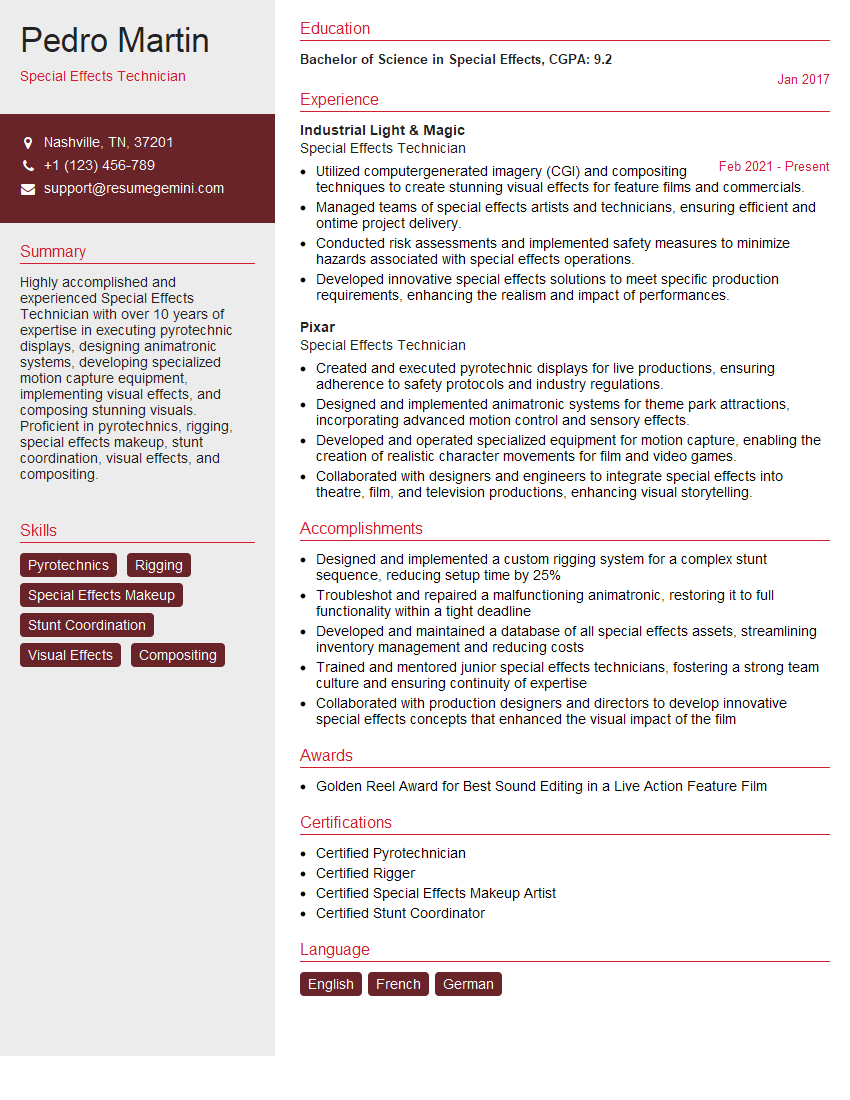
Mastering physical and mental fitness is crucial for success and career advancement in the demanding field of pyrotechnics. A strong understanding of these areas will significantly improve your interview performance and increase your chances of landing your dream job. To further enhance your job prospects, crafting a compelling and ATS-friendly resume is essential. We highly recommend using ResumeGemini to build a professional and effective resume that showcases your skills and experience in the best possible light. ResumeGemini offers examples of resumes tailored to the specifics of Physical and Mental Fitness for Pyrotechnic Work to guide you through the process. Take the next step towards your pyrotechnics career today!
Explore more articles
Users Rating of Our Blogs
Share Your Experience
We value your feedback! Please rate our content and share your thoughts (optional).
What Readers Say About Our Blog
Very informative content, great job.
good