Feeling uncertain about what to expect in your upcoming interview? We’ve got you covered! This blog highlights the most important Estimate concrete pumping time interview questions and provides actionable advice to help you stand out as the ideal candidate. Let’s pave the way for your success.
Questions Asked in Estimate concrete pumping time Interview
Q 1. What factors influence the time required for concrete pumping?
Estimating concrete pumping time isn’t just about the volume of concrete; it’s a complex dance of several factors. Think of it like planning a road trip – you need to consider not just the distance but also the traffic, road conditions, and even weather.
- Volume of concrete: The larger the volume, the longer the pumping time. This is the most straightforward factor.
- Pumping distance and height: Longer distances and greater heights mean increased pressure and friction, slowing down the process. Imagine pumping uphill versus on flat ground – uphill takes more effort and time.
- Pipeline configuration: Sharp bends, narrow pipes, and multiple lines increase friction and reduce flow rate. Think of water flowing through a straw – a bent straw restricts flow.
- Concrete slump: The slump (consistency) of the concrete directly impacts pumpability. Stiffer concrete requires more powerful pumps and takes longer to place. It’s like trying to squeeze thick honey through a straw versus water.
- Placement conditions: Accessibility of the placement points, congestion on the site, and the number of placement points influence the speed of the process. A cluttered site with difficult access points adds time and complexity.
- Pump type and capacity: The pump’s size and capabilities significantly affect the pumping rate. A larger, more powerful pump will be faster.
- Number of pumps: Using multiple pumps can significantly reduce the overall pumping time, especially on large projects.
- Weather conditions: Extreme temperatures, rain, or wind can impact pumping efficiency and even halt the process completely.
Q 2. How do you calculate the required pump capacity for a given project?
Determining the required pump capacity involves careful consideration of multiple factors. We need to ensure the pump can handle the demands of the project efficiently without compromising the concrete’s quality.
The process typically begins with calculating the total concrete volume. Then, we consider the pumping rate (cubic yards per hour or cubic meters per hour) based on the factors discussed in the previous answer. This rate will depend on the type of pump and the specific project conditions. A safety factor is also typically added to account for unforeseen delays or issues.
Example: Let’s say a project requires 100 cubic yards of concrete, and we estimate a pumping rate of 20 cubic yards per hour under the specific project conditions. Adding a 10% safety factor, the total estimated pumping time is (100 cubic yards / 20 cubic yards/hour) * 1.1 = 5.5 hours. This dictates the minimum pump capacity needed.
This calculation is often iterative, refining the estimate as we gain a deeper understanding of site specifics and potential challenges.
Q 3. Explain the process of estimating concrete placement time for a high-rise building.
Estimating concrete placement time for a high-rise building is a meticulous process requiring detailed planning and coordination. The vertical distance and complex placement points demand careful consideration.
We start by breaking down the project into smaller, manageable sections (floors or zones). For each section, we estimate the concrete volume and identify the placement points. We then factor in the distance and height the concrete must travel, considering potential obstacles and access limitations. The selected pump’s capacity and the number of pumps required significantly influence the estimate.
Step-by-step process:
- Detailed plans and drawings: Thoroughly review the building plans to determine the concrete volume per section and placement points.
- Pumping distance and height calculation: Calculate the vertical and horizontal distances for each section.
- Pipeline design: Consider the number of placement points and the most efficient pipeline configuration.
- Pump capacity determination: Select pump(s) with sufficient capacity to meet the estimated requirements.
- Placement time calculation: Estimate the time needed to pour concrete into each section, accounting for factors such as pump capacity, crew size, and potential delays.
- Contingency planning: Include a safety factor for unforeseen delays or issues (e.g., weather, equipment malfunction).
This process requires close collaboration with the general contractor, concrete supplier, and the pumping company to ensure a coordinated and efficient concrete placement schedule.
Q 4. Describe different methods for estimating concrete pumping time.
Several methods exist for estimating concrete pumping time, each with its strengths and weaknesses. The choice of method depends on the project’s size and complexity.
- Rule of thumb methods: These provide quick estimates but are less precise. They often rely on historical data and experience, assigning average pumping rates based on similar projects.
- Detailed calculation methods: These methods involve breaking down the project into smaller sections, calculating the concrete volume for each section, and determining the pumping time based on pump capacity and placement conditions. This is more accurate than rule of thumb but more time-consuming.
- Software-based estimation: Specialized software can simplify the process by incorporating various factors, such as pump specifications, site layout, and weather data, to provide a comprehensive estimate. This approach offers a balance between accuracy and efficiency.
- Simulation methods: These advanced methods use sophisticated simulations to model the concrete pumping process and predict the time required with high accuracy. However, they are more resource-intensive and typically employed for large or complex projects.
Often, a combination of these methods is used to ensure accuracy and reliability.
Q 5. How do you account for weather conditions when estimating concrete pumping time?
Weather significantly impacts concrete pumping time and can even cause delays or complete shutdowns. Extreme temperatures can affect the concrete’s workability, while rain or strong winds can make pumping difficult and even dangerous.
When estimating, we consider:
- Temperature: Extreme heat can cause rapid setting, while freezing temperatures can render the concrete unpumpable. We factor in potential delays or adjustments needed to counteract temperature extremes.
- Precipitation: Rain can wash away the concrete mix, leading to contamination and delays. We add contingency time to accommodate potential rain delays or the need for protective measures.
- Wind: Strong winds can hinder the maneuverability of the pump truck and potentially lead to accidents. We may need to account for additional time for securing equipment or delays in windy conditions.
We often use historical weather data and forecasts to incorporate realistic weather-related delays into our estimates.
Q 6. What software or tools do you use to estimate concrete pumping time?
Several software tools and applications can assist in estimating concrete pumping time. These tools often integrate with CAD software and provide detailed analysis based on project specifications and pump characteristics.
While specific software names vary and change, common features include:
- 3D Modeling Integration: Allows for visualization of the site layout and pipeline configuration.
- Pump Capacity Database: Provides access to specifications of various pump models.
- Automated Calculation Tools: Calculates pumping time based on specified parameters.
- Risk Assessment Features: Identifies potential delays based on factors such as weather conditions and site constraints.
These tools help to streamline the estimation process, improve accuracy, and minimize errors, providing a more comprehensive and reliable estimate.
Q 7. How do you handle unexpected delays during concrete pumping?
Unexpected delays are an inherent risk in any construction project, including concrete pumping. Having a robust plan to handle them is crucial.
Our approach involves:
- Contingency Planning: Building a safety factor into the initial estimate. This accounts for unforeseen delays and allows for flexibility.
- Regular Communication: Maintaining open communication with all stakeholders (contractors, suppliers, etc.) ensures timely identification and resolution of any issues that could cause delays.
- Problem-Solving Protocols: Having predefined procedures to address common delays, such as equipment malfunctions or material shortages.
- Flexible Scheduling: Allowing some flexibility in the schedule to absorb minor delays without disrupting the entire project timeline.
- Documentation: Meticulous documentation of all delays, their causes, and their impact on the project helps in future project planning and risk mitigation.
By being proactive and prepared, we can minimize the impact of unexpected delays and ensure the project stays on track as much as possible.
Q 8. What are the common causes of delays in concrete pumping?
Delays in concrete pumping are a common headache on construction sites, often impacting project timelines and budgets. These delays stem from a variety of sources, broadly categorized into logistical issues, equipment problems, and material challenges.
- Logistical Issues: These include inadequate site access for the pump truck, insufficient space for maneuvering, poorly planned placement points leading to excessive pumping distances, and unforeseen delays in receiving concrete from the ready-mix supplier. Imagine trying to navigate a congested city street in a large truck; the same principle applies to a concrete pump truck needing access to the jobsite.
- Equipment Problems: Pump malfunctions, such as hose blockages (due to improper concrete mix or aggregate size), pump failures, or insufficient pump capacity relative to the concrete placement requirements can cause significant delays. Think of it like a clogged water pipe – flow is severely restricted.
- Material Challenges: Problems with the concrete mix itself, such as high slump loss (the concrete becoming too stiff), incorrect water-cement ratio, or the presence of excessive aggregate size, can significantly hinder pumping efficiency and lead to blockages. This is similar to trying to pump thick honey through a narrow tube.
Proactive planning and communication among all stakeholders are vital to mitigating these delays.
Q 9. How do you estimate the cost of concrete pumping?
Estimating the cost of concrete pumping requires a detailed understanding of several factors. It’s not simply a matter of the volume of concrete. Think of it like pricing a taxi ride – it depends on the distance, traffic, and the type of vehicle.
- Pumping distance and accessibility: The further the pump needs to reach, and the more difficult the terrain, the higher the cost. Each additional meter pumped typically adds to the price.
- Volume of concrete: The total cubic yards of concrete to be pumped directly influence the time and thus, cost. More concrete means more time.
- Pump type and size: Different pumps have varying capacities and hourly rates. Larger, more powerful pumps are generally more expensive to rent but might be necessary for large projects or difficult placements.
- Concrete mix design: The mix’s slump and aggregate size influence pumping time and efficiency. Difficult-to-pump mixes require more time and expertise, resulting in higher costs.
- Labor costs: The number of skilled pump operators and laborers required, plus their hourly wages and associated insurance, are crucial cost components.
- Mobilization and demobilization: Getting the pump to and from the site involves expenses like transportation and setup/teardown time.
Contractors typically provide detailed quotes based on these factors after a thorough site assessment. It’s always advisable to obtain several quotes to compare prices and services.
Q 10. How do you determine the optimal placement rate for different concrete mixes?
Optimal placement rates vary considerably depending on the concrete mix design, the pumping equipment, and site conditions. It’s crucial to find the ‘sweet spot’ – fast enough for efficiency, but slow enough to prevent segregation and ensure proper consolidation. Imagine pouring a glass of water; you wouldn’t want to rush it or the liquid might spill.
- Slump: Lower slump mixes (stiffer concrete) require slower placement rates to avoid blockages. Higher slump mixes (more fluid) allow for faster placement but still need to be monitored to avoid segregation.
- Aggregate size: Larger aggregate requires slower pumping rates to prevent blockages.
- Pump capacity: The pump’s capacity dictates the maximum rate at which concrete can be effectively pumped. Overloading the pump will significantly reduce efficiency and increase the risk of breakdowns.
- Placement conditions: Difficult-to-access areas or complex formwork may necessitate slower placement rates to allow for proper consolidation.
Experienced concrete pump operators and engineers typically collaborate to determine the ideal placement rate based on a site-specific assessment. This often involves trial and error, with adjustments made based on real-time observations of the pumping process. Continuous monitoring of the concrete’s consistency and pump pressure is essential.
Q 11. Explain the concept of slump and its impact on pumping time.
Slump is a measure of the consistency of fresh concrete, essentially its ‘flowability’. It’s measured by inserting a slump cone into the concrete and then measuring how much the concrete settles after the cone is removed. A higher slump value indicates more fluid concrete.
Slump significantly impacts pumping time because it directly affects the concrete’s ability to flow through the pump’s pipes and hoses. A low-slump concrete (stiff) is more prone to blockages and requires slower pumping speeds, increasing the overall pumping time. High slump concrete (very fluid) can lead to segregation (separation of the cement paste from the aggregates), potentially compromising the final concrete quality. The ideal slump for pumping is usually within a specific range defined by the mix design and project requirements. Aiming for the right slump is like finding the Goldilocks zone – not too stiff, not too fluid, just right.
Q 12. How do you account for the distance between the pump and the placement point?
The distance between the pump and the placement point is a critical factor affecting both cost and time. Longer distances necessitate larger pumps with more powerful motors to overcome friction losses within the pipeline. This increased pressure also increases the risk of hose blockages. Think of it like pushing water through a long, narrow straw – the further the distance, the more effort (and potentially pressure) is required.
This distance is accounted for by: (1) selecting a pump with sufficient capacity to reach the placement point, (2) incorporating pipeline friction losses into the pumping calculations (this often requires specialized engineering software), (3) increasing the pumping time to account for slower flow rates at longer distances, and (4) potentially increasing the cost to cover additional fuel consumption and labor hours. Many pump rental companies have charts and calculators to assist with this process, considering factors like pipe diameter, concrete viscosity, and elevation changes.
Q 13. What are the safety considerations involved in concrete pumping estimation?
Safety is paramount in concrete pumping. Estimation should always consider potential hazards and incorporate necessary safety measures. This includes:
- Risk assessment: Identifying potential hazards such as overhead power lines, unstable ground conditions, and proximity to other workers or equipment. A thorough site survey is essential before any pumping operation begins.
- Emergency procedures: Having a plan in place for handling incidents such as hose burst, equipment malfunction, or worker injury. This may include emergency shutoff mechanisms and communication protocols.
- Personal Protective Equipment (PPE): Ensuring all personnel involved wear appropriate PPE such as safety glasses, hard hats, and gloves. Concrete is alkaline and can cause skin irritation.
- Proper training: The concrete pump operators and other personnel must be trained and competent in safe operating procedures.
- Site supervision: A competent supervisor should be present to oversee the pumping operation and ensure safety protocols are followed.
Failing to address these considerations can lead to serious accidents, injuries, and potentially project delays and increased costs due to insurance claims and legal complications. Safety is not an expense; it’s an investment.
Q 14. How do you ensure efficient concrete placement while minimizing waste?
Efficient concrete placement that minimizes waste requires meticulous planning and execution. It’s not just about speed; it’s about precision.
- Accurate quantity estimation: Precise calculation of the concrete needed prevents ordering excessive quantities, minimizing waste and storage issues.
- Optimized placement strategy: Careful planning of placement points and sequences minimizes pump movements and reduces the risk of blockages. A well-coordinated effort between the pump operator, formwork crew, and reinforcing steel workers is crucial for smooth concrete placement.
- Proper consolidation techniques: Using vibrators and other techniques to ensure proper compaction of concrete minimizes voids and enhances quality. Improper compaction can lead to honeycombing, weakening the structure.
- Effective communication: Clear communication among all parties involved ensures that the concrete is placed efficiently and at the right location. This avoids delays and prevents concrete from setting prematurely in the wrong spots.
- Waste management plan: Any excess concrete should be disposed of according to environmental regulations and site-specific procedures.
Minimizing waste not only reduces material costs but also contributes to a more sustainable and environmentally friendly construction practice. It also enhances the overall efficiency and productivity of the project.
Q 15. Describe your experience with different types of concrete pumps.
My experience spans across various concrete pump types, from the smaller, trailer-mounted pumps ideal for smaller residential projects to the massive boom pumps used in high-rise construction and large-scale infrastructure projects. I’ve worked extensively with line pumps, which are effective for shorter distances and simpler pours, and with boom pumps, offering greater reach and maneuverability for complex projects. I am also familiar with the specialized pumps needed for specific concrete mixes, such as those with high slump or containing large aggregate.
For instance, on a recent high-rise project, we utilized a large-capacity boom pump with a significant reach to place concrete efficiently and safely at various heights. On smaller projects, a trailer-mounted pump proved sufficient. This experience allows me to select the optimal pump type for each project, considering factors like reach, volume, placement challenges, and the concrete mix itself.
Career Expert Tips:
- Ace those interviews! Prepare effectively by reviewing the Top 50 Most Common Interview Questions on ResumeGemini.
- Navigate your job search with confidence! Explore a wide range of Career Tips on ResumeGemini. Learn about common challenges and recommendations to overcome them.
- Craft the perfect resume! Master the Art of Resume Writing with ResumeGemini’s guide. Showcase your unique qualifications and achievements effectively.
- Don’t miss out on holiday savings! Build your dream resume with ResumeGemini’s ATS optimized templates.
Q 16. How do you handle variations in ground conditions that affect concrete pumping?
Ground conditions significantly impact concrete pumping efficiency and can even cause delays or equipment damage. Before any pumping begins, a thorough site assessment is crucial. This includes evaluating the ground’s stability, identifying potential obstacles (underground utilities, rocks), and determining the accessibility for the pump truck.
Variations are handled using various strategies. Soft ground might necessitate using mats or ground stabilization techniques to prevent the pump truck from sinking. Obstacles require careful planning of the pump’s placement and potentially the use of additional equipment, such as smaller pumps for precise placement in difficult-to-reach areas. Rock formations often necessitate pre-excavation to create a stable and accessible pumping location.
For example, on a project with unstable soil, we employed ground mats under the pump truck and used a smaller, more maneuverable pump to navigate around a significant rock outcrop. This proactive approach prevented delays and potential equipment damage.
Q 17. What are the key performance indicators (KPIs) you track for concrete pumping?
Key Performance Indicators (KPIs) I track for concrete pumping include:
- Cubic yards pumped per hour (CYPH): This measures the pumping rate and efficiency.
- Downtime percentage: This indicates the percentage of time the pump is not actively pumping, due to issues like blockages or maintenance.
- Concrete slump and workability: Monitoring ensures the concrete remains pumpable throughout the process.
- Placement accuracy: This evaluates how precisely the concrete is placed according to the plans.
- Safety incidents: Tracking safety-related incidents helps improve site safety procedures.
- Fuel consumption: Monitoring fuel usage improves cost efficiency.
Regular monitoring of these KPIs allows for proactive adjustments to improve the pumping operation, reduce downtime, and optimize resource usage.
Q 18. How do you integrate concrete pumping time estimation into the overall project schedule?
Concrete pumping time estimation is integrated into the project schedule using a bottom-up approach. It begins with a detailed analysis of the concrete quantities, placement locations, accessibility, and pump type. I then calculate the estimated pumping rate based on historical data and the chosen pump’s specifications. This estimation is then incorporated into the overall project schedule using scheduling software, considering potential delays and buffer time.
For example, using project management software, I would define a task for “concrete pumping” with a duration calculated from the estimated pumping time. This task would be linked to other tasks, like formwork completion and rebar installation, highlighting dependencies and ensuring a realistic timeline.
Q 19. How do you communicate concrete pumping time estimates to project stakeholders?
Communicating concrete pumping time estimates involves clear and concise reporting to all stakeholders. I typically prepare a short report detailing the estimation methodology, assumptions made, and the calculated pumping time. This report is shared with the project manager, construction superintendent, and other relevant parties. Regular updates are provided throughout the pumping process to address any deviations from the initial estimate.
Visual aids, such as Gantt charts showing the concrete pumping task within the overall project timeline, can further enhance understanding and facilitate communication. Open communication helps manage expectations and address concerns proactively.
Q 20. Explain the importance of accurate concrete pumping time estimation.
Accurate concrete pumping time estimation is paramount for several reasons. It directly impacts the project schedule, cost, and resource allocation. Inaccurate estimations lead to delays, increased labor costs, and potential disruption to subsequent tasks. Conversely, accurate estimation ensures efficient resource utilization, minimizes downtime, and contributes to overall project success.
Think of it as baking a cake. If you underestimate the baking time, the cake might be undercooked. Similarly, underestimating concrete pumping time leads to delays and potentially affects the integrity of the structure.
Q 21. How do you manage risks associated with inaccurate concrete pumping time estimation?
Managing risks associated with inaccurate estimations involves a multi-pronged approach. Firstly, a thorough site assessment and detailed planning are essential to identify potential challenges early on. Secondly, contingency plans should be developed to address potential delays caused by unforeseen circumstances, such as equipment malfunctions or adverse weather conditions. Finally, regular monitoring of KPIs and proactive communication are critical to identify and address deviations from the initial estimate promptly.
For example, including a buffer time in the schedule accounts for potential delays. A risk register, documenting potential issues and mitigation strategies, further enhances risk management.
Q 22. Describe your experience with concrete pumping on complex projects.
My experience with concrete pumping on complex projects spans over 15 years, encompassing high-rise buildings, large-scale infrastructure projects, and intricate foundation works. I’ve worked on projects with challenging site logistics, including limited access, congested work areas, and difficult terrain. This experience has honed my ability to anticipate potential delays and optimize pumping schedules for maximum efficiency. For instance, on a recent high-rise project with multiple placement points at varying heights, I successfully coordinated the pump’s operation with the placement crew, ensuring a continuous flow of concrete without compromising quality or safety. We utilized a detailed schedule incorporating pump placement, boom reach limitations, and concrete delivery times to achieve a flawless execution.
Q 23. How do you account for the number of placement points in your estimation?
The number of placement points significantly impacts concrete pumping time. Each point requires setup, maneuvering of the pump boom, and potentially adjustments to the pumping rate to maintain consistent pressure. I account for this by creating a detailed placement plan, visually mapping each point on the project’s layout. This plan identifies the distance between points, the required boom reach, and any potential obstacles. I then allocate time for each placement point, considering factors like concrete slump, placement height, and the number of pours required at each location. The total time is the sum of individual point times, plus a buffer for unforeseen delays. For example, if you have 10 placement points, with an average of 30 minutes per point, that’s 5 hours, but we should add a buffer of 1-2 hours for unforeseen circumstances or repositioning.
Q 24. What are the potential consequences of underestimating or overestimating concrete pumping time?
Underestimating concrete pumping time leads to significant issues including delays, cost overruns, and potential quality problems. Delays can disrupt the entire construction schedule, leading to penalties and impacting other trades. Cost overruns occur due to increased labor and equipment rental costs. Moreover, concrete can start setting before placement is complete, resulting in compromised structural integrity and increased waste. Overestimating, on the other hand, ties up resources unnecessarily, leading to increased costs and potential idle time for the crew and equipment. It also affects the project’s overall efficiency. Think of it like baking a cake: underestimating baking time leads to an undercooked cake, while overestimating might dry it out. Both are suboptimal.
Q 25. How do you validate your concrete pumping time estimates?
Validating my estimates involves a multi-step process. Firstly, I compare my estimates against historical data from similar projects, adjusting for variations in site conditions and concrete properties. Secondly, I conduct site visits to assess the accessibility, layout, and any potential constraints. This allows me to refine my initial estimations. Thirdly, I collaborate with the concrete supplier and the pumping contractor to get their input and expertise, ensuring that all aspects are considered. Finally, I use specialized software to simulate the pumping operation, factoring in variables such as pump capacity, hose length, and placement rates. This helps in fine-tuning the estimate and identifying potential bottlenecks.
Q 26. What are the common challenges you face when estimating concrete pumping time?
Common challenges in estimating concrete pumping time include unforeseen site conditions like unexpected obstacles or ground instability, inaccurate site surveys, variations in concrete slump and workability, and equipment malfunctions. Unexpected weather conditions like heavy rain can drastically increase pumping times or even cause temporary shutdowns. Another significant challenge is coordinating with other trades and ensuring that the placement areas are ready on time. Delays in other areas of the project inevitably affect concrete pumping schedules.
Q 27. How do you adapt your estimation process to different project requirements?
My estimation process is adaptable to different project requirements. For smaller projects with fewer placement points, a simplified approach might suffice. However, for large and complex projects, a detailed breakdown of the entire operation, including potential delays, becomes crucial. I tailor my approach to the specific requirements, using different software tools and methodologies as necessary. For example, for high-rise construction, I factor in the time needed for vertical pumping and the potential for line pressure drops at greater heights. For underground works, I include the complexities of confined spaces and potential obstructions.
Q 28. Explain your approach to resolving discrepancies between estimated and actual concrete pumping time.
When discrepancies arise between estimated and actual pumping times, I conduct a thorough post-project analysis. This involves reviewing the initial estimate, comparing it to the actual pumping log, and identifying factors contributing to the difference. This could be unforeseen site conditions, equipment issues, or inaccurate initial assumptions. I then document the findings, including any corrective measures needed for future estimations. The goal is to learn from past experiences and improve the accuracy of future estimates. This continuous improvement approach is vital for efficiency and cost control. For instance, if a delay was caused by unexpected underground utilities, we might incorporate a contingency for utility surveys in future projects.
Key Topics to Learn for Concrete Pumping Time Estimation Interviews
- Understanding Project Scope: Accurately assessing the volume of concrete required, including understanding drawings and specifications.
- Pumping Equipment Selection: Knowing the capabilities of different concrete pumps (boom pumps, line pumps, etc.) and selecting the appropriate equipment for the job based on factors like reach, placement height, and concrete slump.
- Calculating Pumping Rates: Mastering the formulas and techniques for estimating concrete pumping rates, considering factors like pump capacity, placement rate, and potential downtime.
- Estimating Placement Time: Understanding the factors that affect placement time, such as concrete delivery schedules, placement methods, and potential obstacles on site. Developing efficient time management strategies.
- Considering Site Constraints: Identifying and accounting for potential challenges such as limited access, difficult terrain, weather conditions, and congested work areas. This includes understanding how these constraints impact pumping time and efficiency.
- Safety Procedures and Regulations: Demonstrating knowledge of relevant safety protocols and regulations related to concrete pumping operations.
- Troubleshooting and Problem-Solving: Developing practical problem-solving skills to handle unexpected issues during pumping operations, such as pump blockages or equipment malfunctions.
- Cost Estimation and Optimization: Understanding the cost factors associated with concrete pumping and developing strategies for optimizing pumping time to minimize costs.
Next Steps
Mastering concrete pumping time estimation is crucial for career advancement in the construction industry. A strong understanding of these concepts showcases your practical skills and problem-solving abilities, making you a highly valuable asset to any construction team. To further enhance your job prospects, create an ATS-friendly resume that highlights your relevant skills and experience. ResumeGemini is a trusted resource that can help you build a professional and impactful resume. Examples of resumes tailored to concrete pumping time estimation are available, showcasing successful approaches to present your qualifications effectively. Invest the time to create a strong resume – it’s your first impression on potential employers.
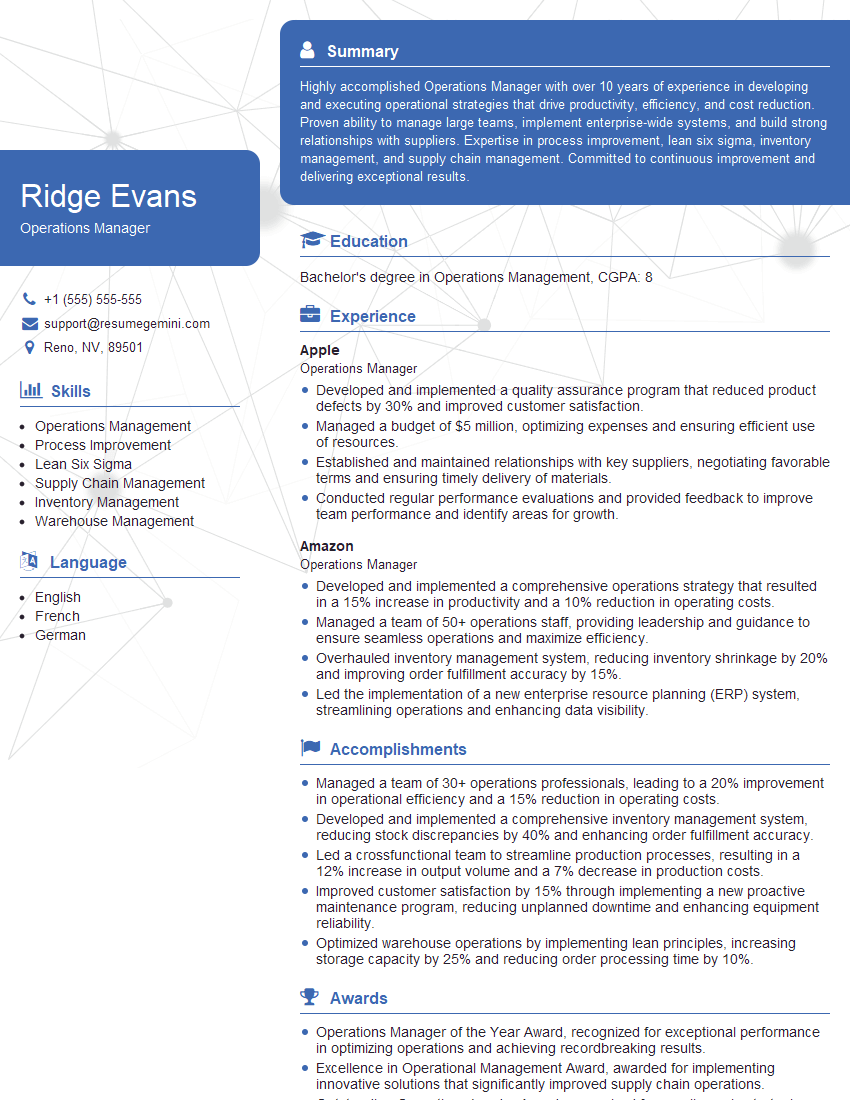
Operations Manager Resume Sample

Site Manager Resume Sample

Procurement Manager Resume Sample

Construction Consultant Resume Sample

Construction Foreman Resume Sample

Construction Project Manager Resume Sample

Project Engineer Resume Sample

Preconstruction Manager Resume Sample

Quantity Surveyor Resume Sample

Scheduling Coordinator Resume Sample
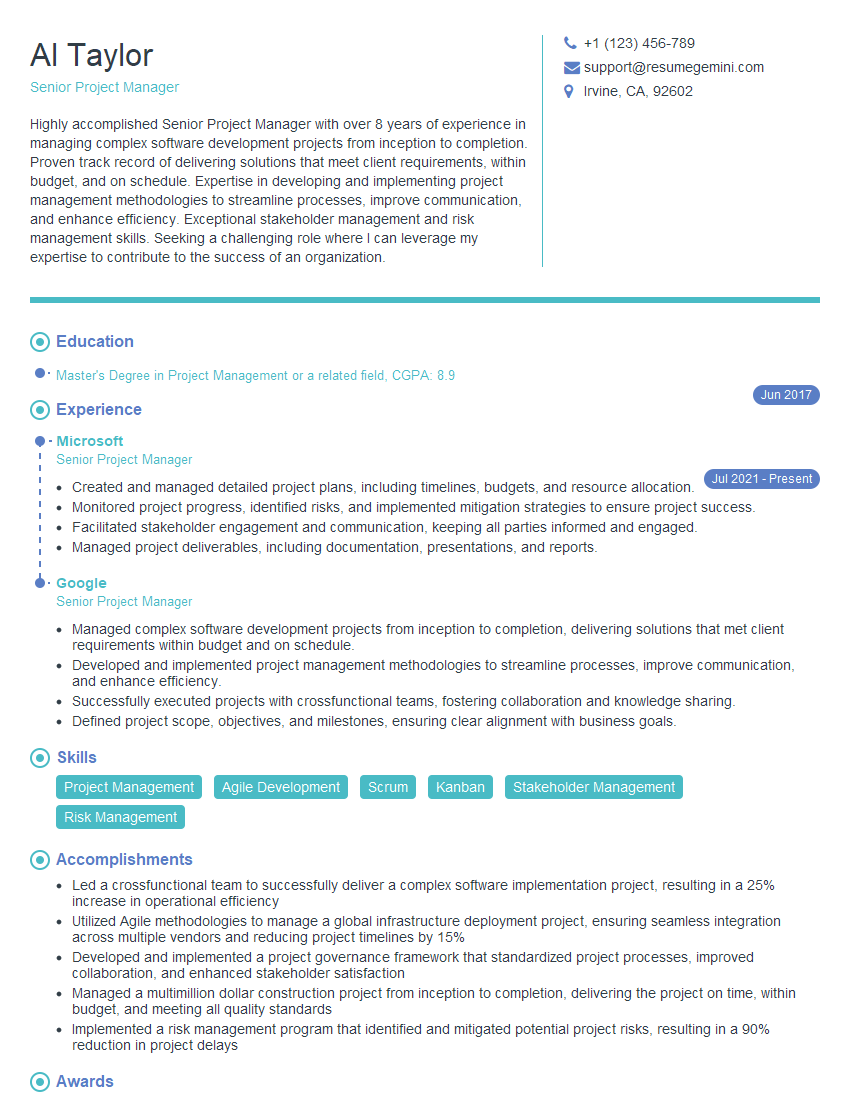
Senior Project Manager Resume Sample

Civil Engineer Resume Sample
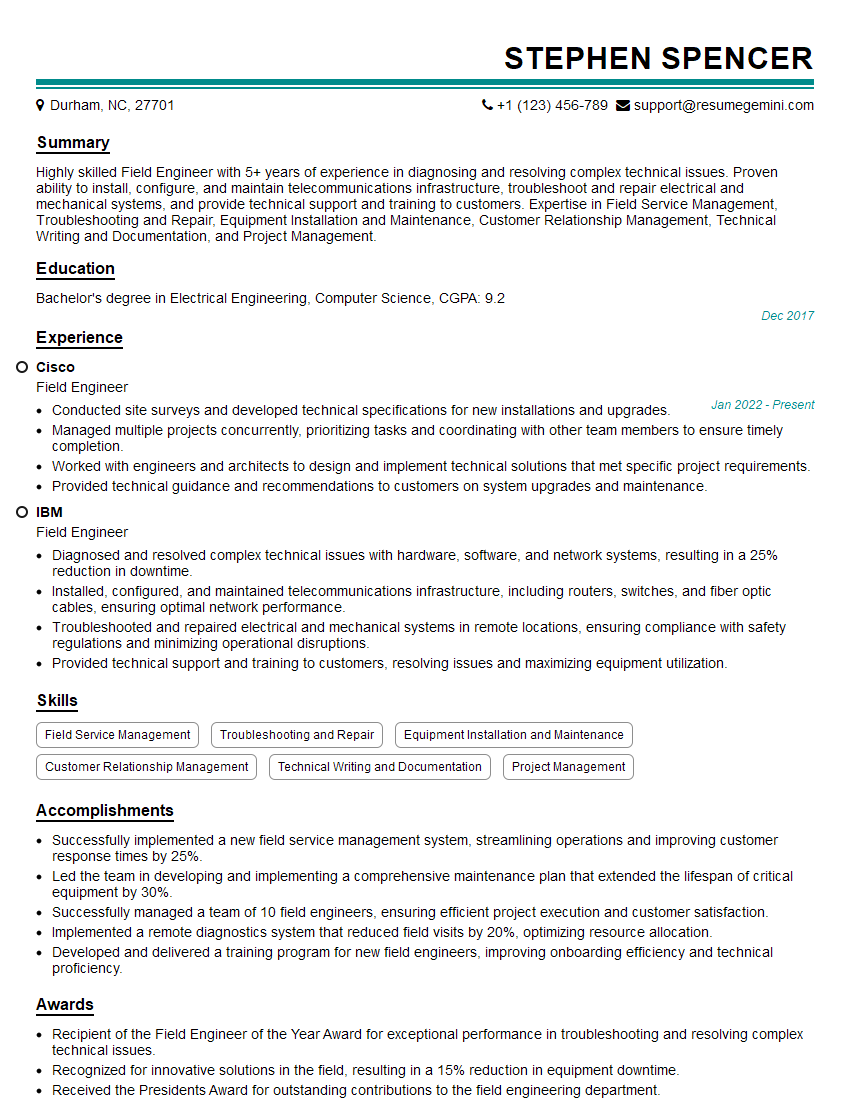
Field Engineer Resume Sample
Explore more articles
Users Rating of Our Blogs
Share Your Experience
We value your feedback! Please rate our content and share your thoughts (optional).
What Readers Say About Our Blog
Very informative content, great job.
good