Are you ready to stand out in your next interview? Understanding and preparing for Ethics and Fair Play interview questions is a game-changer. In this blog, we’ve compiled key questions and expert advice to help you showcase your skills with confidence and precision. Let’s get started on your journey to acing the interview.
Questions Asked in Ethics and Fair Play Interview
Q 1. Define ‘ethics’ in a professional context.
In a professional context, ethics refers to the principles of right and wrong that guide an individual’s behavior and decision-making in the workplace. It encompasses a set of moral values that dictate how we should conduct ourselves, interact with colleagues and clients, and handle various professional situations. These principles often stem from a combination of legal requirements, organizational policies, and personal moral codes. Ethical behavior fosters trust, accountability, and a positive work environment.
For example, maintaining client confidentiality, avoiding conflicts of interest, and upholding intellectual property rights are all key aspects of professional ethics.
Q 2. Explain the difference between ethical dilemmas and ethical violations.
While both ethical dilemmas and ethical violations involve moral considerations, they differ significantly. An ethical dilemma presents a situation where two or more ethical principles conflict, making it difficult to choose the ‘right’ course of action. There isn’t a clear-cut ‘wrong’ answer, but rather a need for careful consideration of competing values.
An ethical violation, on the other hand, is a clear breach of established ethical standards or rules. It’s a deliberate action or inaction that is demonstrably wrong and violates established codes of conduct. This could lead to disciplinary actions or legal repercussions.
Think of it this way: an ethical dilemma is like being stuck between a rock and a hard place, while an ethical violation is knowingly breaking a rule.
Q 3. Describe a situation where you had to compromise on an ethical issue. How did you handle it?
In a previous role, I was faced with a situation where a colleague was consistently submitting inaccurate data in project reports. While I knew this was ethically wrong and could potentially damage our company’s reputation, directly confronting him could have strained our working relationship. I chose a compromise: I discreetly brought the issue to the attention of our project manager, highlighting the potential consequences without explicitly naming the colleague. The manager then addressed the problem, offering the colleague additional training and support. This approach allowed me to address the ethical violation while preserving the professional relationship.
This situation taught me the importance of finding a balance between upholding ethical standards and preserving professional relationships. Direct confrontation isn’t always the best solution; sometimes, a more subtle approach, involving appropriate authorities, is more effective.
Q 4. What is the importance of a strong ethical code of conduct in a workplace?
A strong ethical code of conduct is crucial in the workplace for several reasons. First, it provides a clear framework for employee behavior, reducing ambiguity and the likelihood of ethical violations. This promotes consistency and predictability within the organization. Second, a robust ethical code builds trust among employees, management, and clients. Knowing that everyone is committed to ethical behavior creates a more positive and productive work environment. Third, it minimizes legal and reputational risks. Companies with strong ethical guidelines are less likely to face lawsuits or damage their reputation due to unethical conduct. Finally, ethical behavior strengthens the company’s brand and overall sustainability.
Q 5. How do you identify and report ethical violations within an organization?
Identifying and reporting ethical violations requires a multi-step approach. First, I would carefully document the suspected violation, including specific details, dates, and individuals involved. Then, I would review the organization’s established ethics reporting procedures. Most organizations have a designated channel – whether it’s a specific individual, department, or a whistleblower hotline – for reporting ethical concerns. I would utilize this channel to report the violation in a clear, concise, and factual manner, providing all relevant documentation. If I felt uncomfortable using the company’s internal mechanisms, I might explore external reporting options, depending on the severity and nature of the violation. Ultimately, it’s essential to act responsibly and ethically while reporting any violation, ensuring that all actions are aligned with the relevant laws and regulations.
Q 6. How would you address a conflict of interest if one arose?
A conflict of interest arises when an individual’s personal interests or relationships could potentially influence their professional judgment or actions. If I found myself in such a situation, my first step would be to disclose the potential conflict to my supervisor or relevant authority. Transparency is paramount. Depending on the nature and severity of the conflict, different measures might be necessary. This could range from recusal from certain decisions or projects to seeking external advice or implementing measures to mitigate the potential bias. The goal is to ensure that personal interests do not compromise professional integrity or objectivity. Preventing even the appearance of a conflict is crucial for maintaining trust and credibility.
Q 7. Explain the concept of ‘fair play’ and its practical application.
Fair play encompasses principles of honesty, integrity, and respect within any competitive or collaborative environment. It means adhering to rules and regulations, competing fairly, and treating opponents or colleagues with respect, regardless of the outcome. In a practical context, fair play might involve acknowledging opponent’s achievements, refraining from cheating or unethical tactics, and ensuring that all participants have equal opportunities. Think of sports: fair play means following the rules, respecting the referee’s decisions, and celebrating both victories and defeats with grace. In a professional setting, fair play translates to honest competition, collaborative efforts, and equitable treatment of colleagues, clients, and competitors. It’s about building trust and maintaining a positive and respectful environment.
Q 8. What is the significance of whistleblower protection in fostering ethical conduct?
Whistleblower protection is crucial for fostering ethical conduct because it creates a safe space for individuals to report wrongdoing without fear of retaliation. Without such protection, unethical behavior often goes unchecked, leading to a culture of silence and potentially severe consequences. The significance lies in its ability to:
- Deter unethical behavior: The knowledge that someone can report misconduct without penalty discourages individuals from engaging in such activities in the first place.
- Promote transparency and accountability: Whistleblowers bring hidden problems to light, forcing organizations to address them and improve their ethical standards.
- Protect individuals: It safeguards those who bravely speak up from potential job loss, harassment, or other forms of retribution.
- Improve organizational performance: By identifying and rectifying unethical practices, organizations can enhance their efficiency, reputation, and overall success.
For example, the Sarbanes-Oxley Act in the US provides significant whistleblower protections for those reporting financial fraud within publicly traded companies. This legislation has played a vital role in preventing corporate scandals and improving corporate governance.
Q 9. Describe a time you observed unethical behavior; what actions did you take?
In a previous role, I witnessed a colleague falsifying data to meet a project deadline. This violated our company’s ethical guidelines and potentially jeopardized the integrity of our research. My actions were guided by the principles of fairness and ethical responsibility. I first attempted an informal approach, speaking privately with my colleague to understand their motivations and concerns. I explained the potential consequences of their actions and the importance of adhering to ethical research practices. When this informal approach proved ineffective, I followed established company protocol by reporting the incident to my supervisor. This involved documenting the instances of data falsification with evidence. The subsequent investigation resulted in corrective action, reinforcing the importance of upholding ethical standards within the team.
Q 10. How do you ensure fairness and transparency in your decision-making?
Ensuring fairness and transparency in decision-making is paramount. I achieve this through a multi-faceted approach:
- Establishing clear criteria: Before making a decision, I clearly define the relevant factors and criteria, ensuring objectivity and avoiding biases.
- Gathering diverse perspectives: I actively solicit input from various stakeholders, ensuring all relevant viewpoints are considered. This helps avoid blind spots and promotes inclusivity.
- Documenting the decision-making process: I maintain meticulous records of the process, including data analyzed, perspectives considered, and the rationale behind the final decision. This enhances transparency and accountability.
- Applying consistent standards: I strive to apply the same criteria and standards across all similar decisions, preventing favoritism or arbitrary judgments.
- Being open to feedback: After a decision is made, I welcome feedback and am willing to reconsider the decision if new information or compelling arguments emerge.
For instance, in evaluating grant applications, I use a pre-defined rubric to ensure each applicant is assessed fairly based on merit, not personal connections or biases.
Q 11. Discuss the role of ethical leadership in creating a positive work environment.
Ethical leadership is the cornerstone of a positive work environment. Ethical leaders not only adhere to ethical principles themselves but also actively cultivate an ethical culture within their teams. This involves:
- Leading by example: Ethical leaders demonstrate integrity, transparency, and fairness in their own actions, setting the standard for others to follow.
- Establishing clear ethical guidelines: They create and communicate a clear code of conduct that defines expected behaviors and provides guidance on ethical dilemmas.
- Promoting open communication: They foster an environment where employees feel comfortable raising ethical concerns without fear of retaliation.
- Providing ethical training: They offer regular training sessions to enhance employees’ ethical awareness and decision-making skills.
- Holding individuals accountable: They ensure that ethical breaches are addressed consistently and fairly, reinforcing the importance of ethical behavior.
Consider a leader who consistently prioritizes the well-being of their employees, maintains transparency in decision-making, and actively addresses unethical conduct. This creates a culture of trust and respect, fostering a more productive and positive workplace.
Q 12. Explain how to handle situations with conflicting ethical frameworks.
Conflicts between ethical frameworks are inevitable. Addressing them requires a systematic approach:
- Identify the conflicting frameworks: Clearly articulate the different ethical principles involved and the specific values they represent.
- Analyze the context: Consider the specific situation and its implications for all stakeholders. What are the potential consequences of each course of action?
- Seek diverse perspectives: Consult with colleagues, mentors, or ethical experts to gain different viewpoints and insights.
- Prioritize values: Based on your analysis, determine which ethical principles are most important in this specific context. This might involve weighing the potential harm or benefit of different options.
- Document the decision-making process: Record your analysis, the rationale for your choice, and any remaining concerns. This ensures transparency and accountability.
For example, consider a situation where confidentiality conflicts with the obligation to protect others from harm. Careful consideration of all stakeholders and the potential consequences is crucial for making an ethically sound decision.
Q 13. How do you prioritize ethical considerations when faced with time constraints?
Time constraints can create pressure to compromise ethical considerations. However, prioritizing ethics even under pressure is vital. My approach involves:
- Identifying core ethical issues: Quickly determine the critical ethical elements involved. Which actions would violate ethical principles?
- Seeking efficient solutions: Look for the most ethically sound solution that can be implemented within the time constraints. Consider creative and efficient ways to address the issue without sacrificing ethics.
- Prioritizing stakeholders: Identify those most affected by the ethical dilemma and focus on solutions that best protect their interests.
- Documenting trade-offs: If compromises must be made, clearly document the reasons for these decisions and the potential consequences.
- Seeking support: Don’t hesitate to seek guidance from colleagues or supervisors if you face significant time pressure while wrestling with complex ethical considerations.
For example, if faced with a tight deadline for a report, I would focus on ensuring data accuracy, even if it means delivering a slightly less comprehensive report. The integrity of the data outweighs the need for excessive detail under time pressure.
Q 14. What is the role of ethics in risk management?
Ethics plays a critical role in risk management. Ethical considerations can help identify, assess, and mitigate risks more effectively. This is because:
- Ethical conduct reduces risks: Acting ethically builds trust and strong relationships, which minimize many potential risks. For example, a company with a strong ethical reputation is less vulnerable to reputational damage from scandals.
- Ethical frameworks provide guidance: Ethical principles and codes of conduct provide frameworks for evaluating risks and making sound decisions. This can help avoid risky ventures or practices that may lead to negative consequences.
- Ethical considerations impact risk assessment: A thorough ethical assessment helps ensure that the consequences and impacts of risks are fully considered. Ignoring ethical considerations can lead to a skewed and incomplete risk assessment.
- Ethical culture improves risk management: Organizations with strong ethical cultures foster open communication, transparency, and accountability, all essential for effective risk management. Employees are more likely to report potential risks.
For instance, a company considering outsourcing manufacturing to a country with lax environmental regulations must consider the ethical implications of this decision, including potential risks to the environment and its reputation.
Q 15. Explain how to build an ethical culture within an organization.
Building an ethical culture isn’t a one-time event; it’s an ongoing process that requires consistent effort and commitment from leadership and every employee. Think of it as cultivating a garden – you need to plant the right seeds (values), nurture them (consistent reinforcement), and weed out the unwanted growth (unethical behavior).
- Lead by Example: Leaders must embody the ethical values they expect from their teams. Their actions speak louder than words. If honesty and integrity are paramount, leaders must demonstrate them in their daily interactions and decision-making.
- Establish a Clear Code of Conduct: A well-defined code of conduct, easily accessible to everyone, sets clear expectations. This document should clearly outline ethical guidelines, acceptable behavior, reporting mechanisms for unethical conduct, and consequences for violations.
- Provide Ethics Training: Regular training programs, tailored to different roles and responsibilities, are essential. These programs should not just present theoretical concepts but also incorporate real-life scenarios and case studies, encouraging discussion and critical thinking.
- Create a Culture of Open Communication: Foster an environment where employees feel comfortable reporting ethical concerns without fear of retaliation. This might involve establishing anonymous reporting channels or appointing an ethics officer.
- Implement Effective Whistleblower Protection: Robust mechanisms are crucial to protect those who report unethical activities. This ensures that individuals are not penalized for speaking up and encourages a culture of accountability.
- Regularly Review and Update Policies: Ethical standards and best practices evolve. Regular review and updates of the code of conduct and training materials are necessary to keep them relevant and effective.
For example, a company could implement a reward system for employees who report ethical violations, demonstrating a commitment to ethical conduct and showing that such actions are valued.
Career Expert Tips:
- Ace those interviews! Prepare effectively by reviewing the Top 50 Most Common Interview Questions on ResumeGemini.
- Navigate your job search with confidence! Explore a wide range of Career Tips on ResumeGemini. Learn about common challenges and recommendations to overcome them.
- Craft the perfect resume! Master the Art of Resume Writing with ResumeGemini’s guide. Showcase your unique qualifications and achievements effectively.
- Don’t miss out on holiday savings! Build your dream resume with ResumeGemini’s ATS optimized templates.
Q 16. How do you stay informed about ethical best practices in your field?
Staying informed about ethical best practices requires a multi-faceted approach. It’s not a passive activity; it demands continuous learning and engagement.
- Professional Organizations: Active membership in relevant professional organizations (like the Society for Business Ethics) provides access to publications, conferences, and networking opportunities that expose you to the latest thinking and research in the field.
- Industry Publications and Journals: Regularly reading reputable journals and industry publications keeps you updated on ethical challenges and solutions within your specific sector. This helps contextualize ethical considerations within your professional environment.
- Online Resources and Databases: Many organizations and universities maintain online resources and databases dedicated to ethics. These offer valuable insights, case studies, and practical guidance.
- Continuing Education: Participating in relevant workshops, seminars, and conferences provides opportunities to learn from experts and engage in discussions with peers, enriching your understanding and broadening your perspective.
- Networking: Connecting with other ethics professionals allows for the exchange of ideas, experiences, and best practices, enriching your understanding and exposing you to different approaches to ethical dilemmas.
Imagine it like a doctor staying updated with medical advancements – continuous learning is not just beneficial but necessary to provide the best possible care (in this case, ethical guidance).
Q 17. How would you address a situation where a colleague engaged in unethical conduct?
Addressing unethical conduct requires a careful and measured approach, prioritizing fairness and due process. The specific steps depend on the severity and nature of the misconduct.
- Gather Information: Before confronting the colleague, gather as much evidence as possible to support your concerns. This will ensure a more informed and objective discussion.
- Private Conversation: Begin with a private conversation with the colleague, expressing your concerns clearly and respectfully. Focus on the behavior, not the person. Give them an opportunity to explain their actions.
- Document Everything: Maintain detailed records of the conversation, including date, time, and key points discussed. This documentation is crucial if further action is necessary.
- Report to Appropriate Channels: If the issue isn’t resolved through a private conversation or if the conduct is serious, report it to the appropriate internal channels, such as a supervisor, HR department, or ethics officer, following established protocols.
- Follow Company Policy: Adhere strictly to company policies and procedures regarding ethical violations. This ensures consistency and fairness in addressing the issue.
For instance, if a colleague is consistently plagiarizing work, a private conversation followed by reporting the issue to the supervisor, providing documented evidence, is a responsible course of action.
Q 18. Describe your understanding of corporate social responsibility.
Corporate Social Responsibility (CSR) is a company’s commitment to operating ethically and sustainably, considering its impact on all stakeholders – employees, customers, communities, and the environment. It’s about going beyond simply complying with the law and actively contributing to a better society.
- Environmental Sustainability: Reducing carbon footprint, minimizing waste, and adopting environmentally friendly practices.
- Ethical Labor Practices: Ensuring fair wages, safe working conditions, and respecting employee rights.
- Community Engagement: Supporting local communities through philanthropy, volunteering, and creating partnerships.
- Transparency and Accountability: Being open and honest about company operations and performance, taking responsibility for actions and mistakes.
- Ethical Sourcing: Ensuring that products and services are sourced responsibly, considering the ethical and environmental impact of the supply chain.
A company demonstrating CSR might invest in renewable energy sources, reduce its plastic waste, and partner with local charities. This isn’t just altruistic; studies show that strong CSR initiatives can enhance a company’s reputation, attract and retain talent, and improve profitability.
Q 19. Explain how you would handle a situation where a company policy conflicts with your personal ethics.
When company policy conflicts with personal ethics, it presents a challenging situation. The ideal scenario is to find a solution that aligns both. However, if that’s not possible, a structured approach is crucial.
- Understand the Conflict: Clearly articulate the points of conflict between the policy and your ethical values. What specific aspects are problematic?
- Internal Channels: Explore internal channels to express your concerns respectfully. Discuss the conflict with your supervisor or HR department, explaining your ethical objections and suggesting alternative solutions.
- Documentation: Document all communications and attempts to resolve the conflict internally. This record can be invaluable if further action is necessary.
- Ethical Considerations: Carefully weigh the potential consequences of your actions. Consider the impact on yourself, your colleagues, and the organization.
- External Options (Last Resort): If internal channels fail to address the issue, you might consider consulting with an ethics professional or even escalating the matter to an external regulatory body, depending on the severity and nature of the conflict. This step should be considered as a last resort.
For example, if a company policy requires you to engage in deceptive marketing practices that violate your personal ethics, you should attempt to address this internally. If unsuccessful and the situation remains untenable, you might consider resigning, documenting the ethical conflict and your attempts to rectify it.
Q 20. What are some common ethical challenges in your field of expertise?
Ethical challenges are pervasive in many fields, and ethics and fair play are no exception. Some common challenges include:
- Bias and Discrimination: Ensuring fairness and impartiality in decision-making, avoiding biases related to gender, race, religion, or other protected characteristics.
- Conflicts of Interest: Identifying and managing potential conflicts that could compromise objectivity or fairness.
- Data Privacy and Security: Protecting sensitive information and respecting the privacy of individuals.
- Transparency and Accountability: Ensuring that processes are transparent and that individuals are accountable for their actions.
- Whistleblower Protection: Establishing robust mechanisms to protect individuals who report unethical conduct without fear of retaliation.
- Misrepresentation or Deception: Avoiding any actions that might mislead or deceive others.
For instance, in a competitive setting, the temptation to exaggerate accomplishments or misrepresent data to gain an advantage is a significant ethical challenge.
Q 21. How would you balance ethical considerations with business objectives?
Balancing ethical considerations and business objectives is not about choosing one over the other; it’s about integrating them. Ethical behavior should not be seen as an impediment to business success but rather as a crucial element of it.
- Long-Term Perspective: Ethical decisions may have short-term costs but often lead to long-term benefits in terms of reputation, customer loyalty, and employee morale.
- Stakeholder Analysis: Identifying all stakeholders affected by a decision and considering their interests is crucial. This fosters a more holistic approach that integrates ethical considerations into the decision-making process.
- Risk Management: Ethical lapses can lead to significant legal, financial, and reputational risks. Integrating ethical considerations into risk management frameworks mitigates these risks.
- Creative Problem-Solving: Often, ethical dilemmas present opportunities for creative problem-solving. Finding innovative solutions that align with ethical principles and business goals demonstrates a commitment to both.
- Transparency and Communication: Openly communicating ethical considerations to stakeholders builds trust and fosters a collaborative approach to decision-making.
For example, a company might choose to invest in sustainable practices, even if it leads to slightly higher initial costs. The long-term benefits – enhanced reputation, access to environmentally conscious customers, and positive impact on the environment – often outweigh the short-term investment.
Q 22. Explain how you would address a situation where you suspect data privacy violations.
Suspecting data privacy violations requires a prompt and methodical response. My first step would be to carefully document the suspected violation, including all relevant details like dates, times, individuals involved, and the nature of the suspected breach. This documentation is crucial for any subsequent investigation or reporting.
Next, I’d initiate a thorough investigation, adhering to established internal protocols and any relevant legal frameworks like GDPR or CCPA. This may involve reviewing data access logs, interviewing individuals, and assessing the security measures in place. The goal is to ascertain the extent of the breach, its cause, and who might be affected.
Depending on the severity of the violation, I would then notify the appropriate parties, which could include internal management, legal counsel, affected individuals, and potentially regulatory authorities. Transparency and proactive communication are key to mitigating the damage and rebuilding trust.
For example, if I suspected unauthorized access to customer credit card information, I would immediately freeze accounts, initiate a forensic investigation, notify affected customers, and report the breach to the relevant authorities and credit bureaus.
Q 23. How do you ensure data security while maintaining ethical practices?
Ensuring data security while upholding ethical practices is a delicate balancing act. It’s about finding the right equilibrium between protecting sensitive information and respecting individual privacy rights. This requires a multifaceted approach.
- Robust Security Measures: Implementing strong encryption, access controls, and regular security audits are fundamental. This includes using secure protocols like HTTPS and employing multi-factor authentication to prevent unauthorized access.
- Data Minimization: Collecting only the necessary data and retaining it only for as long as required is crucial. Avoid data hoarding—it increases your risk profile and violates ethical principles of privacy.
- Transparency and Consent: Individuals must be fully informed about how their data is being collected, used, and protected. Obtaining explicit consent is vital, especially for sensitive data. This also involves clearly communicating data policies in plain language, not legalese.
- Employee Training: Educating employees on data security best practices and ethical responsibilities is paramount. Regular training sessions on phishing awareness, password security, and data handling procedures are essential.
Imagine a healthcare provider—ethical data handling means safeguarding patient medical records with robust encryption and access controls, while only collecting the data necessary for treatment and billing, and always getting informed consent before sharing information with third parties.
Q 24. What is the role of technology in maintaining ethical standards?
Technology plays a dual role in maintaining ethical standards: it can both enable and undermine them. On the one hand, it offers tools to enhance ethical practices. On the other hand, it introduces new ethical challenges.
- Enhanced Ethical Practices: Technology like AI-powered tools can automate ethical decision-making processes, ensuring consistency and fairness. For example, algorithms can be designed to detect bias in hiring practices or loan applications.
- New Ethical Challenges: The development and deployment of AI systems, big data analytics, and automation raise new ethical concerns about privacy, bias, transparency, and accountability. For example, algorithmic bias can perpetuate existing societal inequalities, while lack of transparency in AI decision-making can erode trust.
The key is to use technology responsibly. This means developing and implementing ethical guidelines for technological innovations, ensuring transparency in algorithms, and establishing accountability mechanisms for the use of AI and data analytics. Ethical considerations must be embedded into the design and development phases of any technology, not merely added as an afterthought.
Q 25. Explain your understanding of regulatory compliance related to ethics.
Regulatory compliance related to ethics ensures that organizations adhere to legal and industry standards regarding ethical conduct. This involves understanding and complying with relevant laws and regulations, such as those concerning data privacy, anti-bribery, consumer protection, and environmental sustainability. Non-compliance can result in severe penalties, including fines, legal action, and reputational damage.
For instance, GDPR (General Data Protection Regulation) in Europe imposes strict rules on how personal data is collected, processed, and protected. Compliance requires organizations to implement robust data security measures, obtain consent from individuals, and provide transparency about data usage. Similarly, the Sarbanes-Oxley Act (SOX) in the US mandates specific accounting and financial reporting practices to enhance corporate governance and prevent fraud.
Ethical regulatory compliance isn’t simply about avoiding penalties; it’s about building trust with stakeholders, safeguarding reputation, and creating a culture of ethical responsibility within the organization. It’s about aligning business practices with societal values and expectations.
Q 26. How do you address ethical challenges in international business operations?
Addressing ethical challenges in international business operations requires a nuanced understanding of diverse cultural contexts, legal frameworks, and ethical norms. What’s considered ethical in one country may be unacceptable in another. A consistent approach involves prioritizing universal ethical principles while respecting local cultural sensitivities and legal requirements.
This necessitates due diligence in understanding the local laws and customs, including labor laws, environmental regulations, and anti-corruption legislation. Developing a robust ethical code of conduct that applies across all international operations is crucial, alongside a system for reporting and investigating ethical violations. Regular training and communication with employees on these standards are vital.
For example, operating in a country with lax labor laws doesn’t excuse exploitation; ethical companies adhere to fair labor practices regardless of the local context. Similarly, understanding local customs related to gift-giving is essential to avoid accusations of bribery.
Engaging with local communities and stakeholders and seeking their input on ethical issues is a key element of responsible global business practices. This approach encourages transparency and strengthens relationships.
Q 27. How do you evaluate the ethical implications of a new business opportunity?
Evaluating the ethical implications of a new business opportunity requires a systematic approach. This isn’t simply about maximizing profit; it’s about ensuring that the pursuit of profit doesn’t come at the expense of ethical values.
- Stakeholder Analysis: Identify all stakeholders who might be affected by the opportunity—employees, customers, suppliers, competitors, the community, and the environment.
- Ethical Risk Assessment: Evaluate potential ethical risks associated with the opportunity, such as potential for fraud, environmental damage, violation of privacy, or unfair labor practices.
- Legal Compliance: Ensure compliance with all relevant laws and regulations.
- Values Alignment: Assess whether the opportunity aligns with the company’s core values and ethical principles.
- Long-Term Impact: Consider the long-term environmental, social, and economic consequences of the opportunity.
For example, launching a new product might seem lucrative, but if its production generates excessive waste or exploits cheap labor, the ethical implications might outweigh the financial gains. A thorough ethical review helps make informed decisions, prioritizing long-term sustainability over short-term profits.
Q 28. Explain how to promote fair play and ethical conduct among colleagues and stakeholders.
Promoting fair play and ethical conduct among colleagues and stakeholders involves a multi-pronged approach, fostering a culture of integrity and accountability.
- Establish a Clear Code of Conduct: Develop and clearly communicate a comprehensive code of ethics that outlines expected behaviors and standards.
- Lead by Example: Leadership must embody ethical conduct. Actions speak louder than words; ethical behavior from leaders inspires ethical behavior from their teams.
- Training and Education: Regular training programs on ethical issues, conflict resolution, and diversity and inclusion are crucial.
- Open Communication and Feedback Channels: Create a safe space for employees to report ethical concerns without fear of reprisal through anonymous reporting mechanisms and open dialogue.
- Reward Ethical Behavior: Recognize and reward ethical actions to reinforce positive behaviors and create a culture where ethical conduct is valued.
- Consequences for Unethical Behavior: Establish clear and consistent consequences for violating ethical standards, ensuring that such actions are not tolerated.
For example, implementing a robust whistleblower protection program demonstrates a commitment to ethical behavior and encourages reporting of unethical actions. Openly discussing ethical dilemmas in team meetings fosters a culture of awareness and encourages proactive ethical decision-making.
Key Topics to Learn for Ethics and Fair Play Interview
- Defining Ethical Frameworks: Explore different ethical theories (e.g., utilitarianism, deontology, virtue ethics) and their application in professional contexts. Understand how these frameworks guide decision-making in ambiguous situations.
- Fairness and Impartiality: Discuss the principles of fairness and impartiality in decision-making processes. Analyze case studies where biases might influence outcomes and develop strategies to mitigate them. Consider the importance of procedural and distributive justice.
- Conflict of Interest Management: Identify and address potential conflicts of interest. Learn how to navigate situations where personal interests may clash with professional responsibilities and develop strategies for transparent and ethical conflict resolution.
- Data Privacy and Security: Understand ethical considerations related to data privacy and security, particularly in relation to handling sensitive information. Explore best practices for responsible data management and compliance with relevant regulations.
- Whistleblowing and Reporting Mechanisms: Examine the ethical considerations surrounding whistleblowing and the importance of reporting mechanisms for addressing ethical violations. Learn about the potential consequences and the importance of responsible disclosure.
- Professional Conduct and Codes of Ethics: Familiarize yourself with relevant professional codes of conduct and ethical guidelines. Understand the importance of adhering to these standards and the potential implications of violations.
- Practical Application and Case Studies: Prepare to analyze hypothetical scenarios and case studies related to ethical dilemmas. Practice applying ethical frameworks to real-world situations and justifying your decisions.
Next Steps
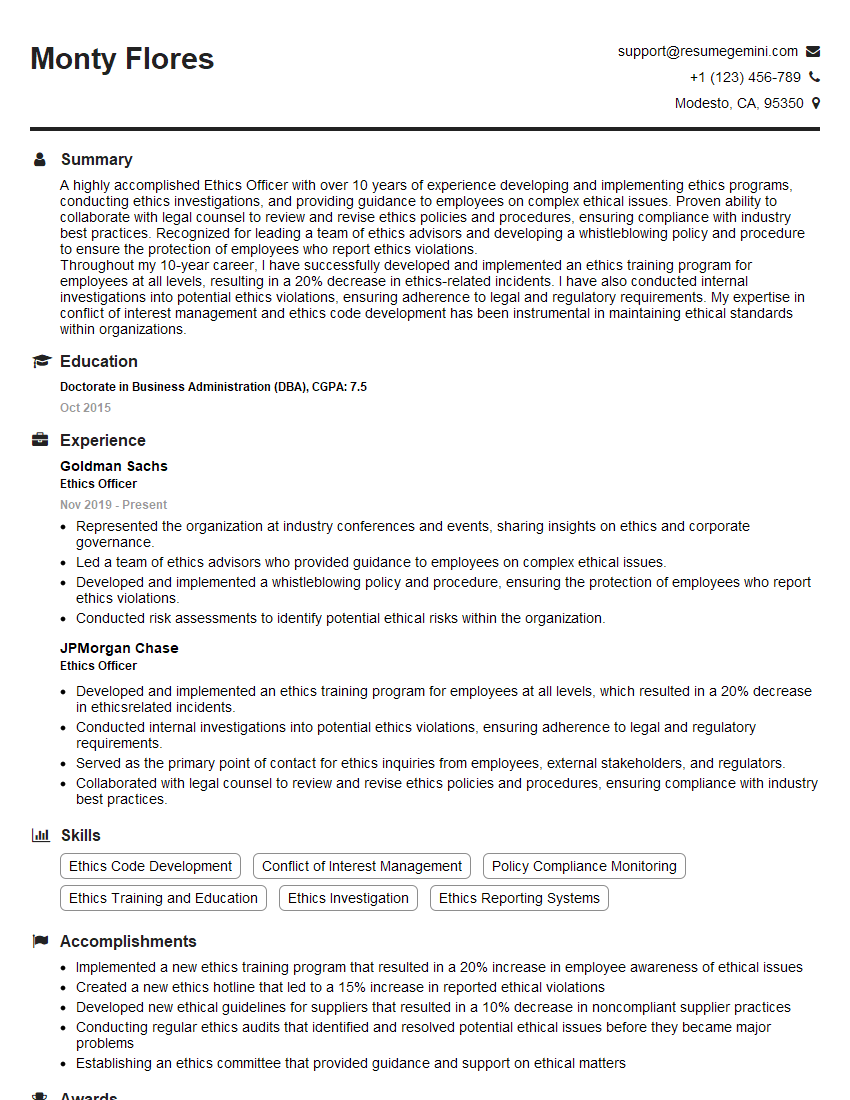
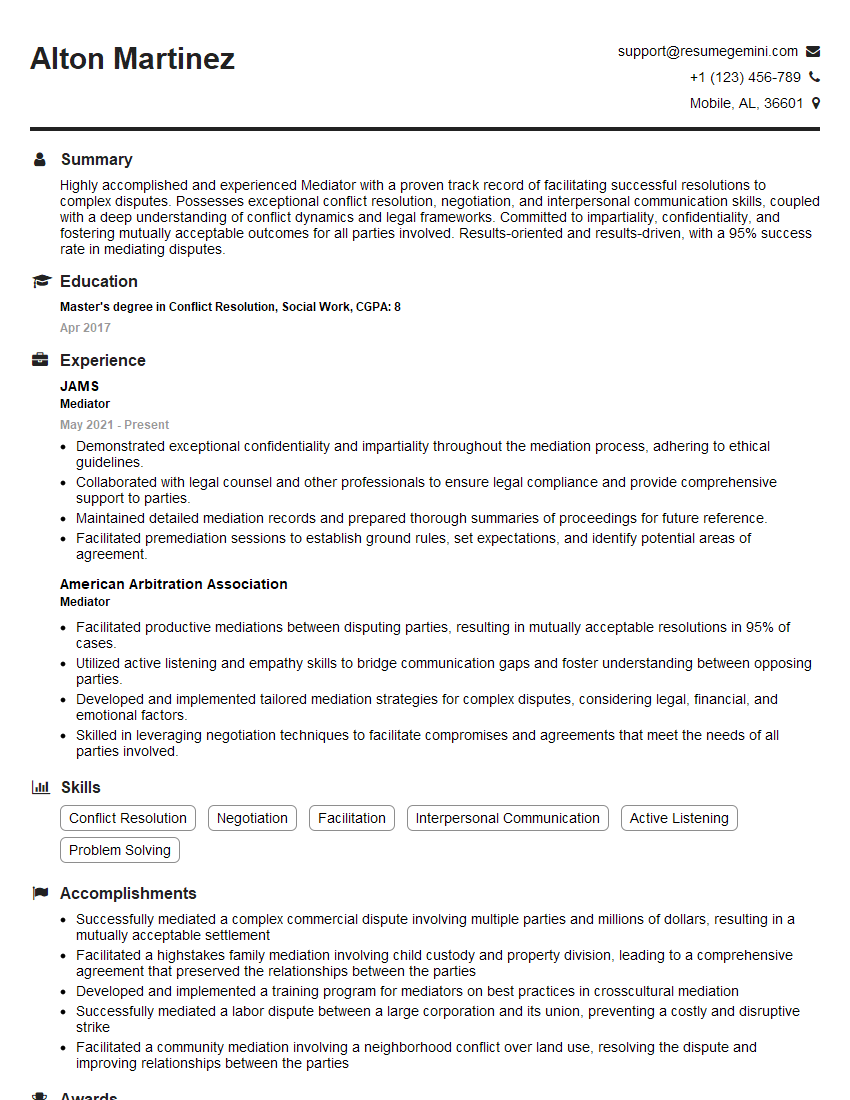
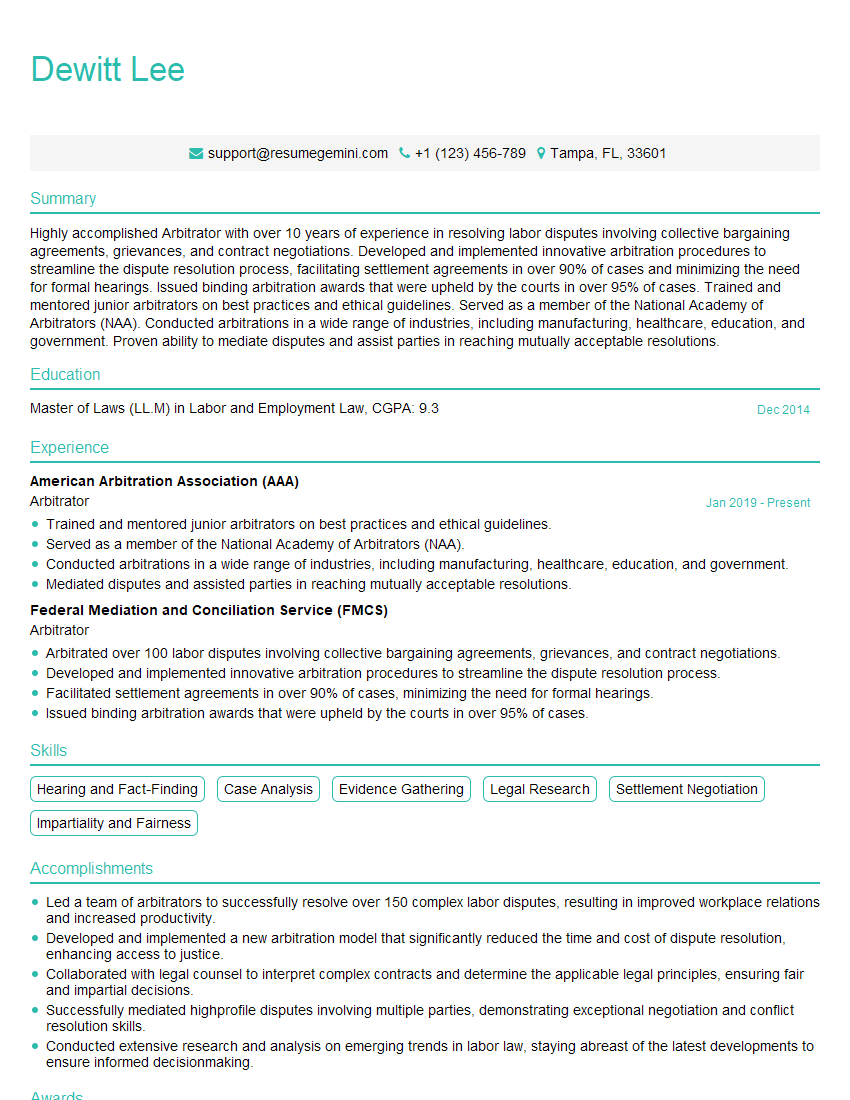
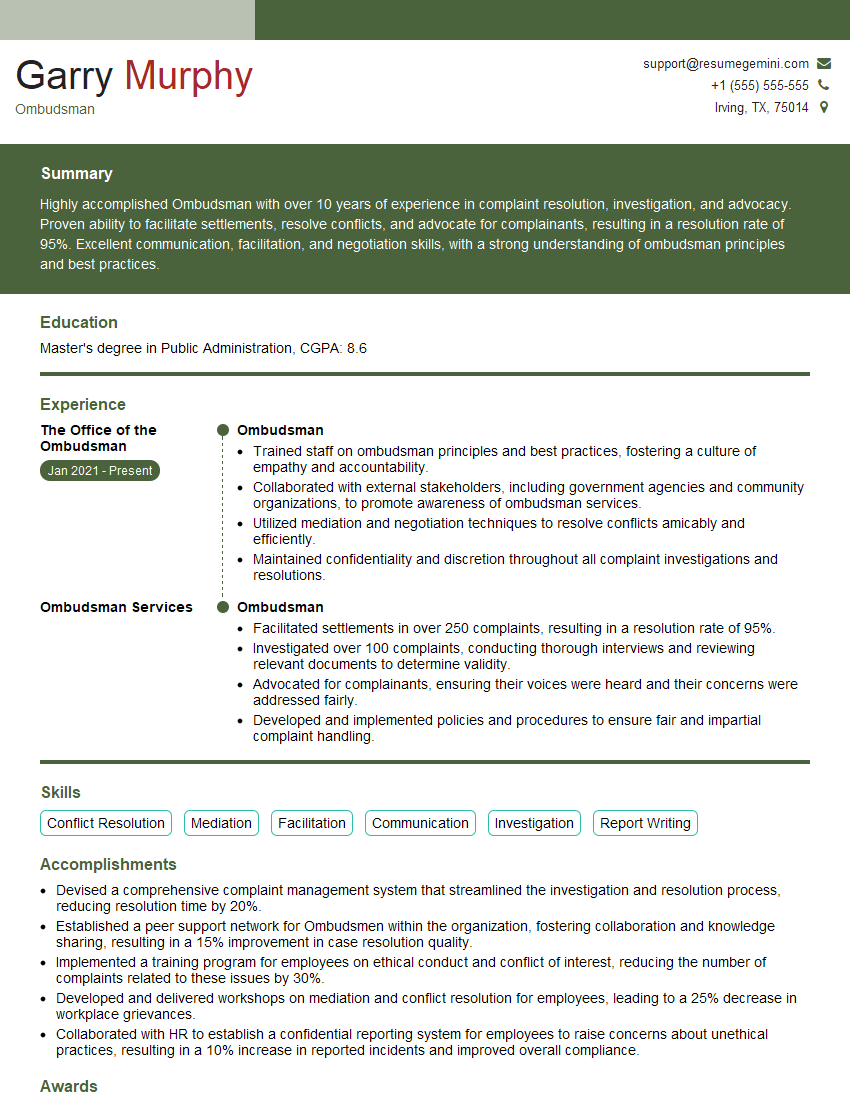
Mastering Ethics and Fair Play is crucial for career advancement. Employers highly value candidates who demonstrate strong ethical principles and a commitment to fair practices. These qualities are essential for building trust, fostering collaboration, and making sound judgments. To significantly boost your job prospects, create an ATS-friendly resume that highlights your relevant skills and experience. ResumeGemini is a trusted resource to help you build a professional and impactful resume. We provide examples of resumes tailored to Ethics and Fair Play to guide you. Take advantage of these resources and showcase your strengths effectively!

Explore more articles
Users Rating of Our Blogs
Share Your Experience
We value your feedback! Please rate our content and share your thoughts (optional).
What Readers Say About Our Blog
Very informative content, great job.
good